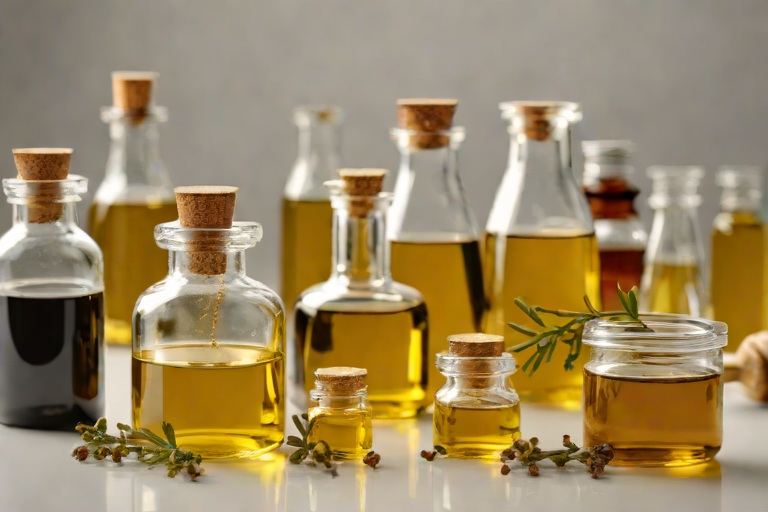
Antioxidant Radical Scavenging: Alpha-Terpinene and Gamma-Terpinene Roles in Clinical Veterinary Dermatitis Washes
Biochemical Infrastructure of the Epidermal Barrier and Oxidative Stress
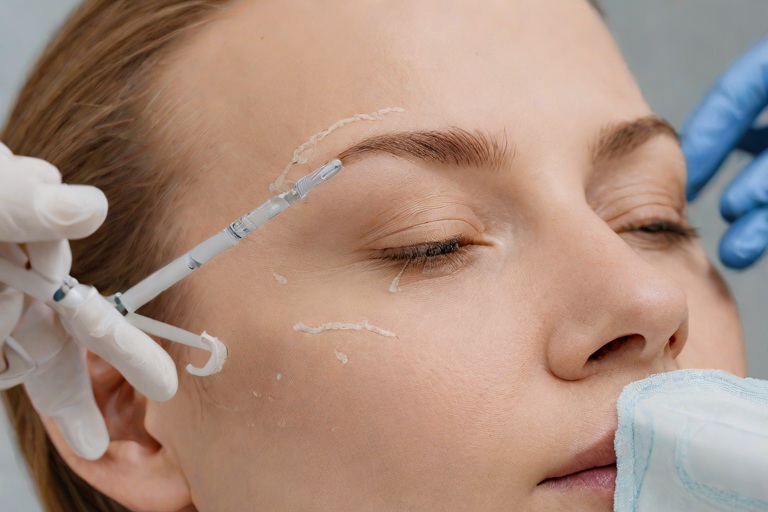
In the context of clinical veterinary dermatology, the skin is analyzed as a complex biological envelope, functioning as the primary structural barrier between the internal physiological environment and external environmental stressors. The integrity of this envelope depends heavily on the stratum corneum, a lipid-rich matrix that prevents transepidermal water loss and blocks the ingress of pathogens. When this infrastructure is compromised, as seen in chronic dermatitis, the biological system enters a state of oxidative stress. This state is characterized by an imbalance between the production of reactive oxygen species (ROS) and the endogenous antioxidant defenses of the tissue.
The degradation of the epidermal barrier is often accelerated by the presence of free radicals—unstable molecules with unpaired electrons that initiate a chain reaction of lipid peroxidation. This process systematically dismantles the phospholipid bilayers of the skin cells, leading to increased permeability, inflammation, and a total failure of the envelope's protective capacity. To remediate this, clinical interventions must introduce exogenous radical scavengers capable of neutralizing these reactive species before they can catalyze further structural damage to the dermal matrix.
- Lipid Peroxidation: The process where free radicals steal electrons from lipids in cell membranes, resulting in cell dysfunction.
- Reactive Oxygen Species (ROS): Highly reactive chemicals, such as superoxide and hydroxyl radicals, that drive inflammatory responses.
- Stratum Corneum Integrity: The critical density of the outermost skin layer that determines the efficacy of a topical wash.
- Endogenous Defense Failure: The depletion of natural enzymes like superoxide dismutase and catalase during chronic inflammatory episodes.
Kinetic Analysis of Alpha-Terpinene as a Radical Scavenger
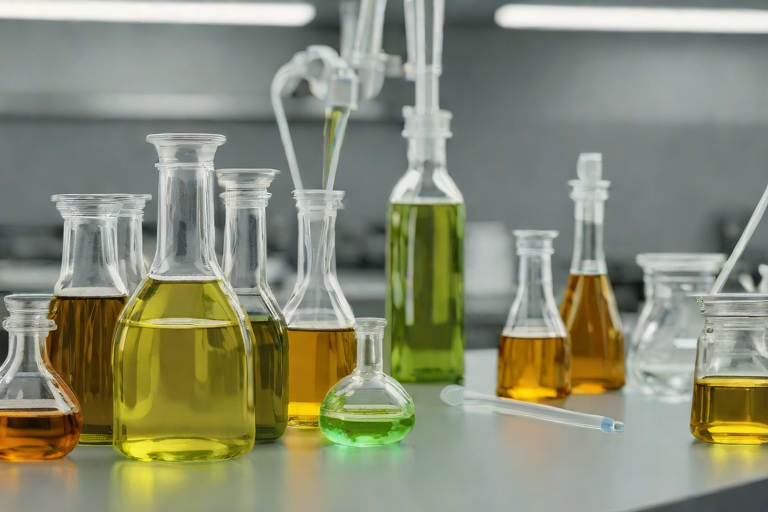
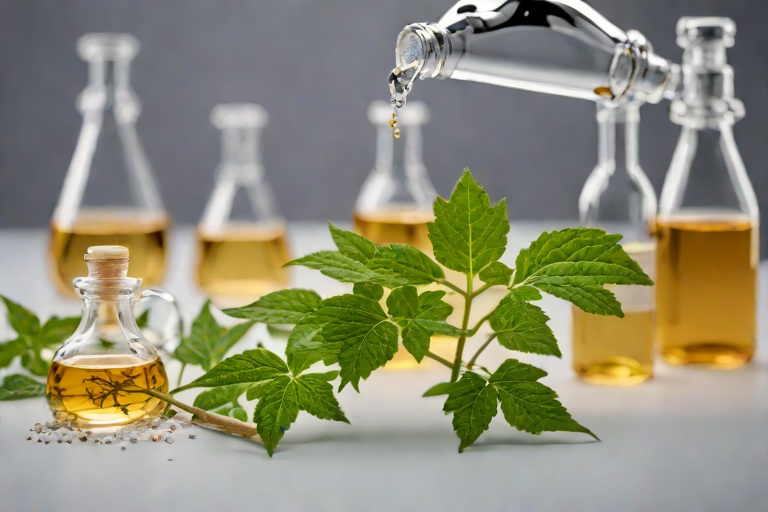
Alpha-Terpinene, a monoterpene hydrocarbon, functions as a potent antioxidant through a specific chemical mechanism known as radical scavenging. From a technical standpoint, the efficacy of Alpha-Terpinene lies in its molecular structure, specifically the presence of conjugated double bonds. These double bonds act as high-affinity sites for the capture of free radicals. When a radical interacts with Alpha-Terpinene, the terpene donates a hydrogen atom or reacts directly with the radical to form a more stable, less reactive species, thereby terminating the destructive chain reaction within the epidermal lipids.
The kinetic efficiency of Alpha-Terpinene is particularly evident in its ability to mitigate the effects of lipid hydroperoxides. In clinical veterinary washes, the concentration of Alpha-Terpinene must be precisely calibrated to ensure that the rate of scavenging exceeds the rate of radical generation. If the concentration is too low, the oxidative cascade continues unabated; if too high, the potential for dermal irritation increases. The goal is to achieve a stoichiometric balance that stabilizes the skin's surface without disrupting the natural microbiome of the animal.
- Conjugated System: The arrangement of double bonds that allows for the delocalization of electrons, stabilizing the resulting radical.
- Hydrogen Atom Transfer (HAT): The primary mechanism by which Alpha-Terpinene neutralizes aggressive oxygen species.
- Lipid Stabilization: The prevention of fatty acid degradation in the skin's natural oils.
- Concentration Gradient: The controlled delivery of the terpene from the aqueous wash into the lipid layers of the skin.
Synergistic Roles of Gamma-Terpinene in Aqueous Wash Formulations
While Alpha-Terpinene provides a primary line of defense, the inclusion of Gamma-Terpinene in clinical washes introduces a synergistic effect that enhances the overall antioxidant capacity of the formulation. Gamma-Terpinene, an isomer of Alpha-Terpinene, possesses a different double-bond configuration (1,4-diene) which allows it to target different types of free radicals or operate in tandem with Alpha-Terpinene to provide a broader spectrum of protection. This dual-terpene approach ensures that the "biological envelope" is protected across various stages of the oxidative process.
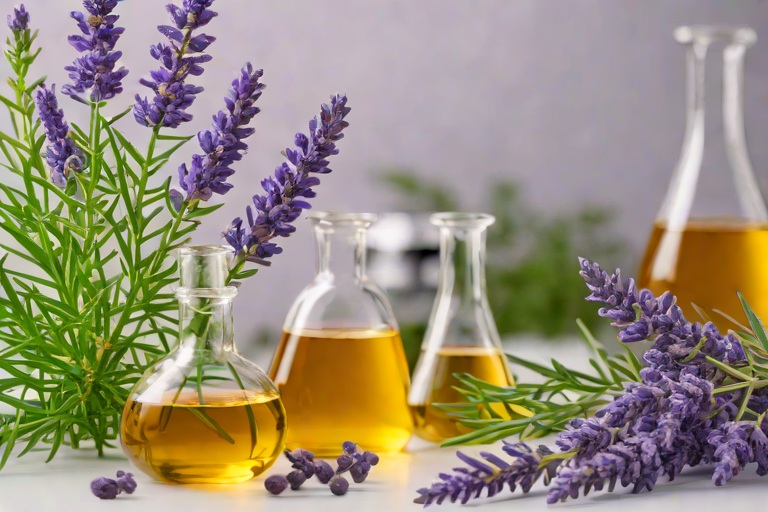
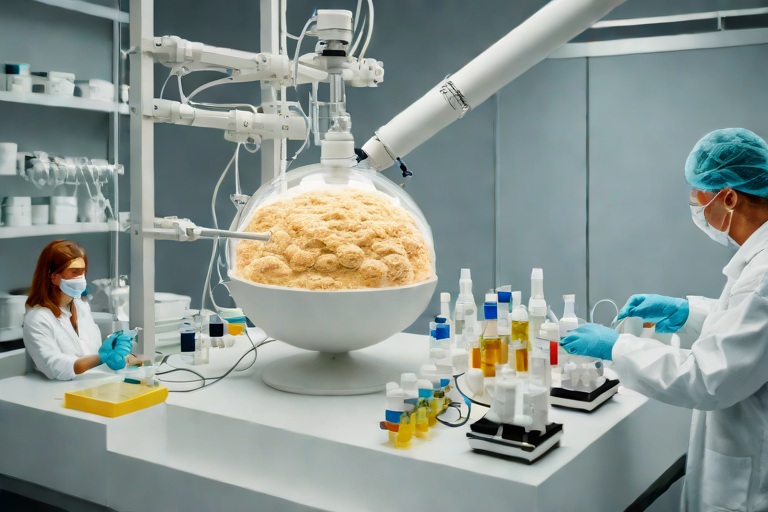
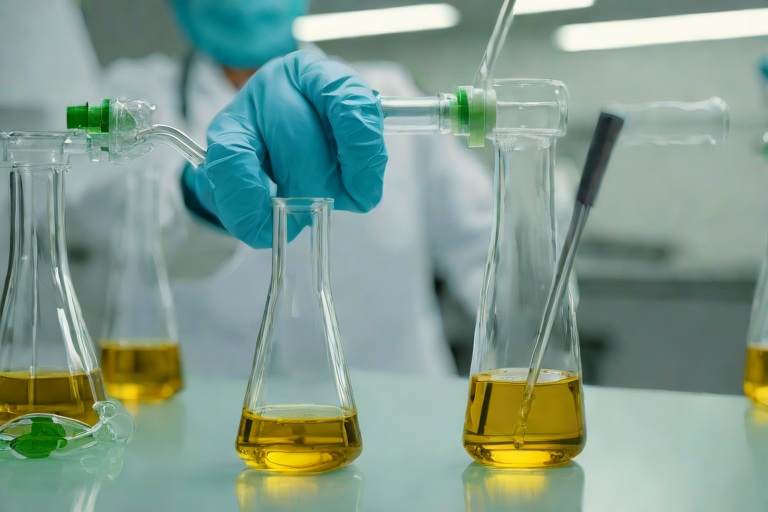
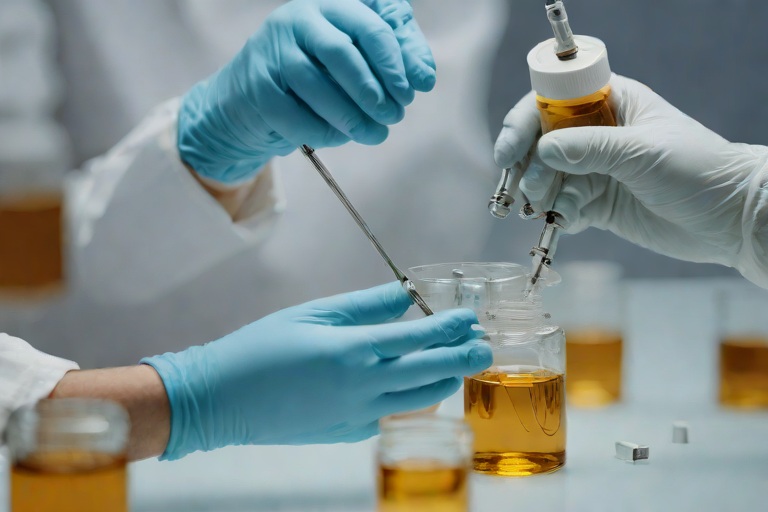
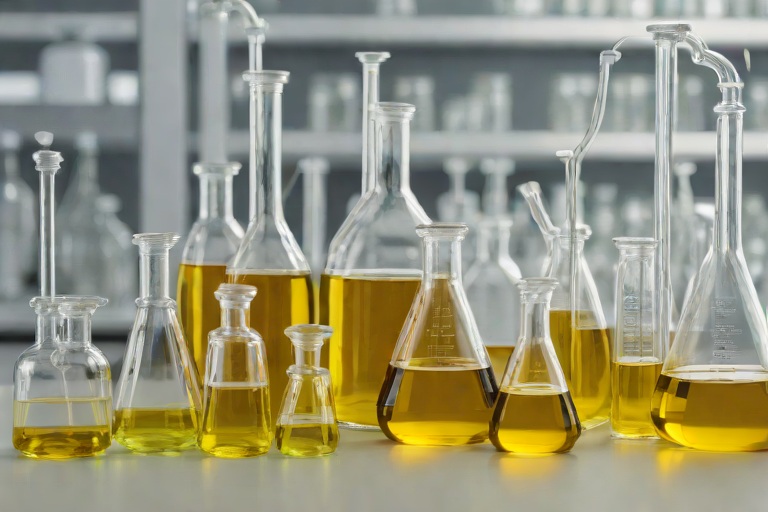
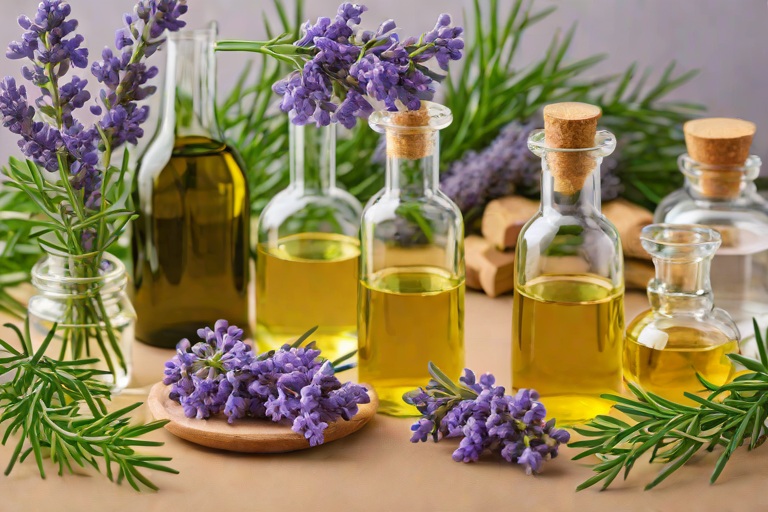
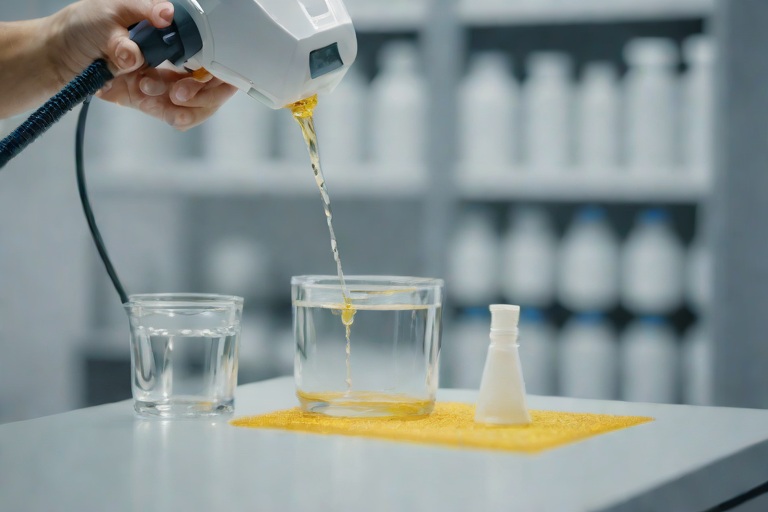
From a formulation engineering perspective, the integration of these terpenes into an aqueous wash requires a sophisticated delivery system. Because terpenes are hydrophobic, they must be emulsified or encapsulated to ensure uniform distribution across the skin surface. The Gamma-Terpinene acts not only as a scavenger but also as a penetration enhancer, modifying the permeability of the stratum corneum just enough to allow the Alpha-Terpinene to reach the deeper layers of the epidermis where inflammation is most acute. This coordinated action reduces the overall inflammatory load and accelerates the healing of the dermal infrastructure.
- Isomeric Synergy: The combined effect of different terpene structures providing comprehensive radical coverage.
- Hydrophobic Integration: The technical challenge of suspending oil-soluble terpenes in a water-based clinical wash.
- Penetration Enhancement: The ability of Gamma-Terpinene to facilitate the transport of active ingredients through the lipid barrier.
- Inflammatory Load Reduction: The measurable decrease in pro-inflammatory cytokines following the application of the synergistic wash.
Clinical Efficacy and Industrial Standardization for Veterinary Application
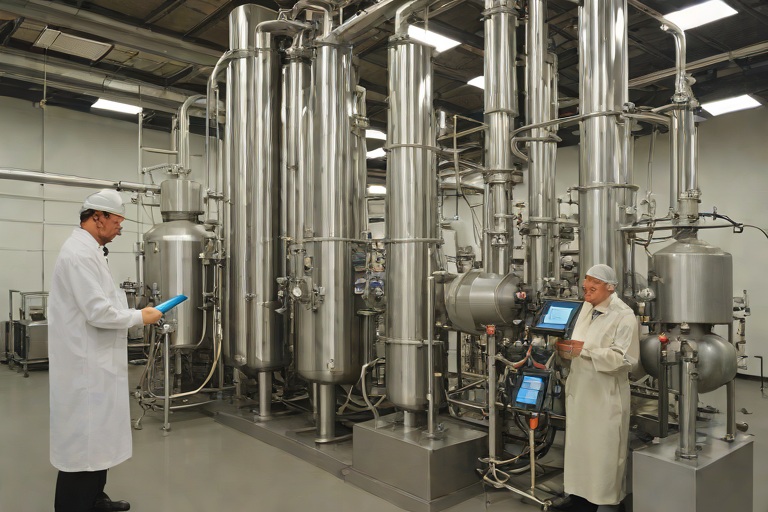
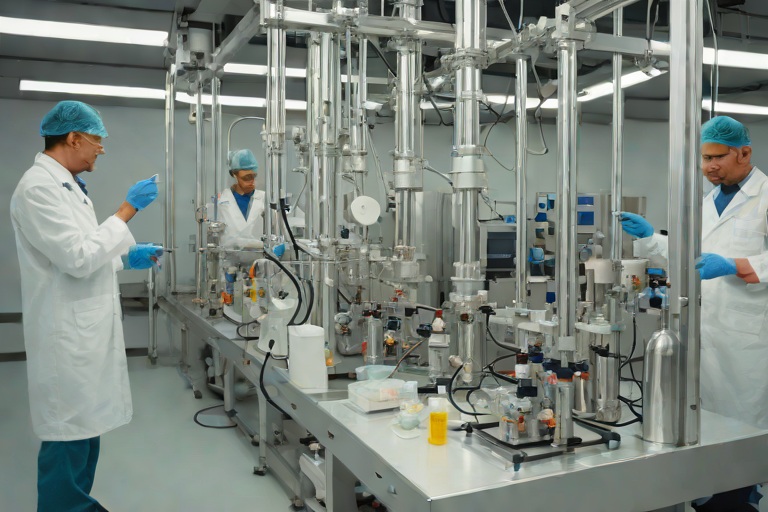
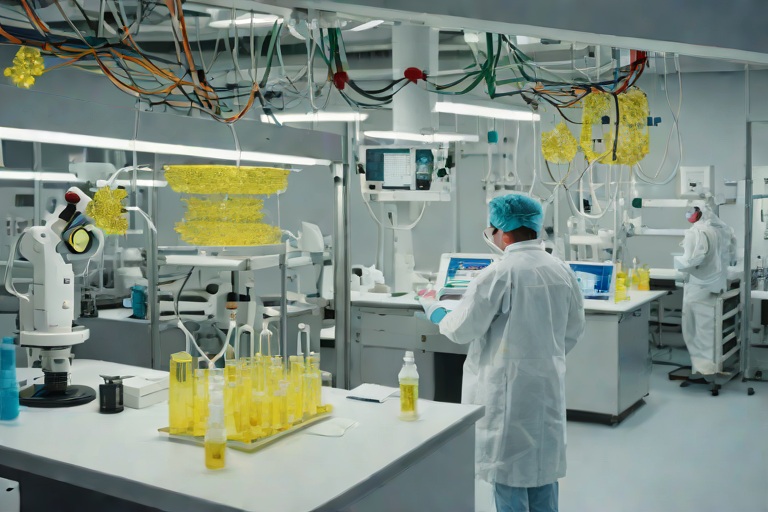
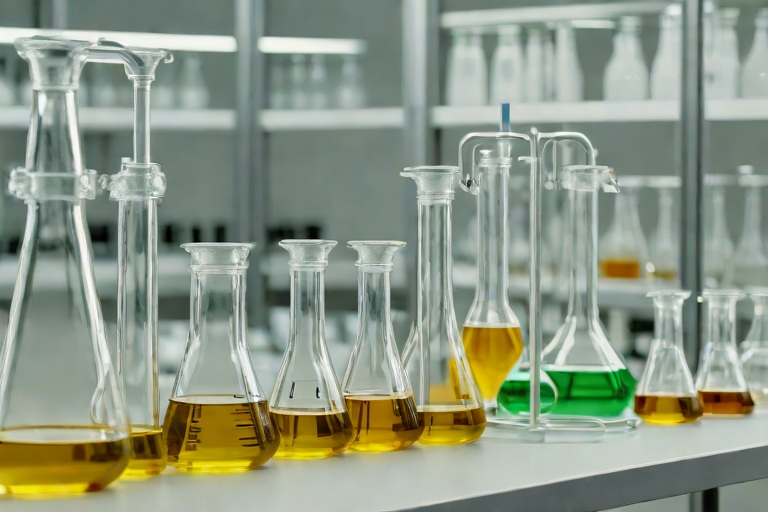
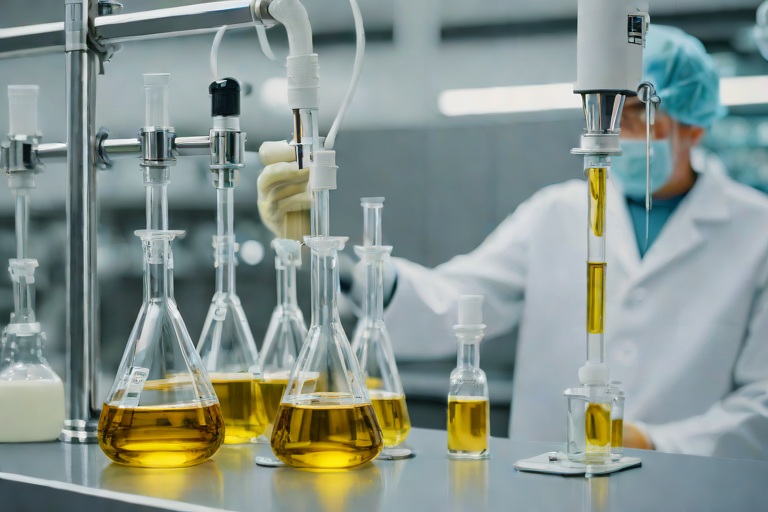
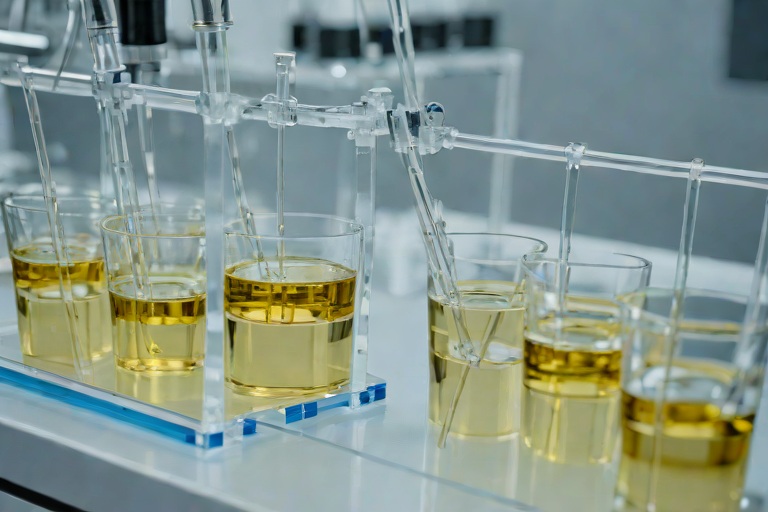
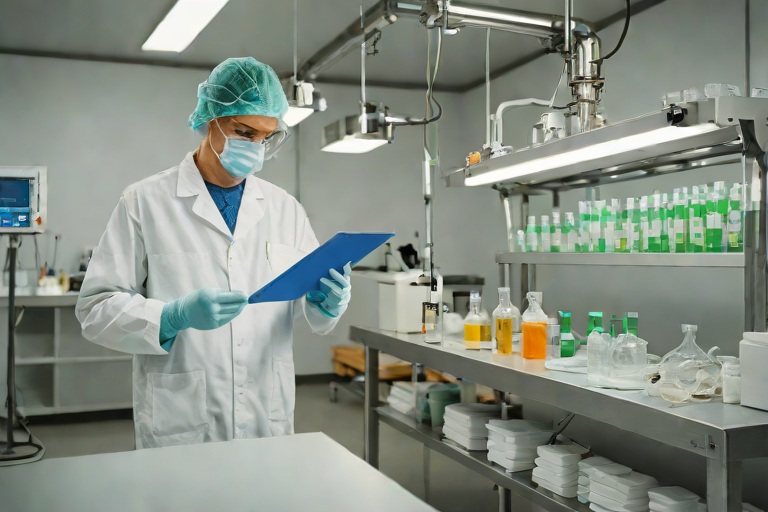
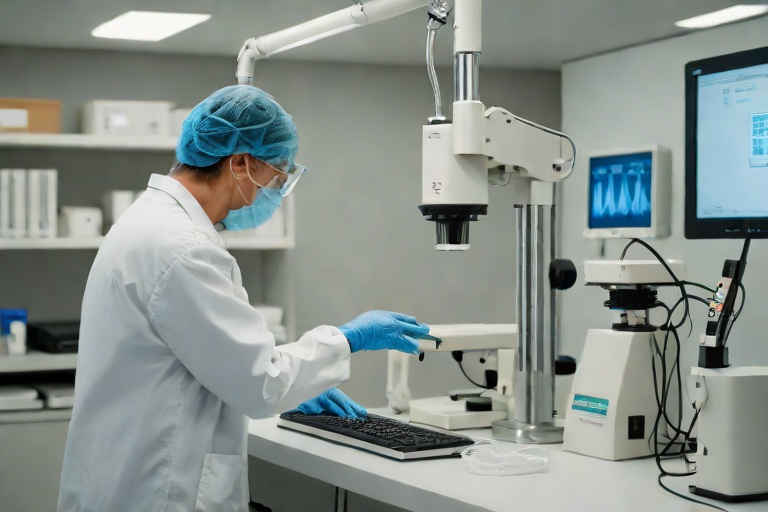
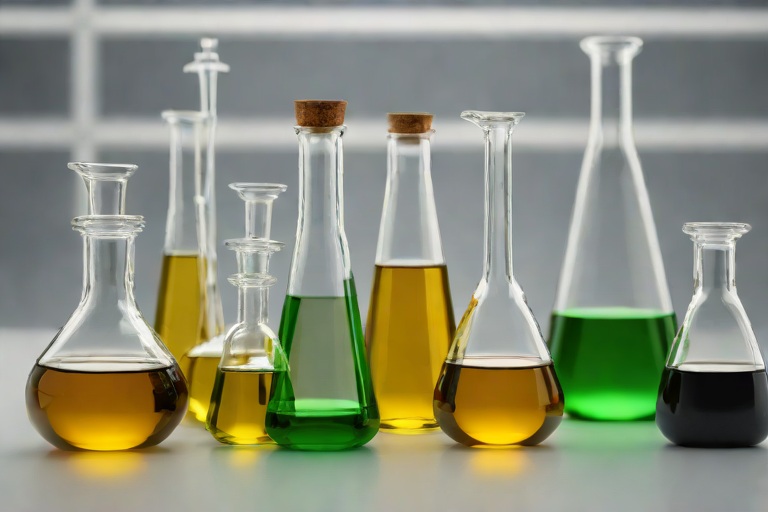
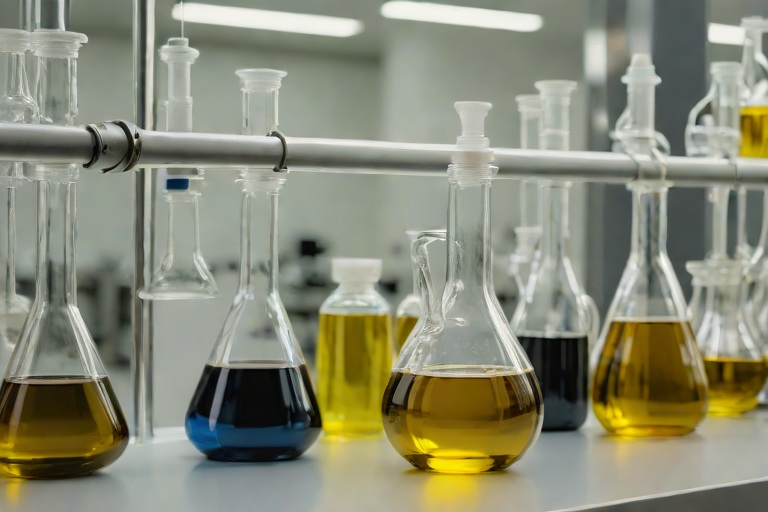
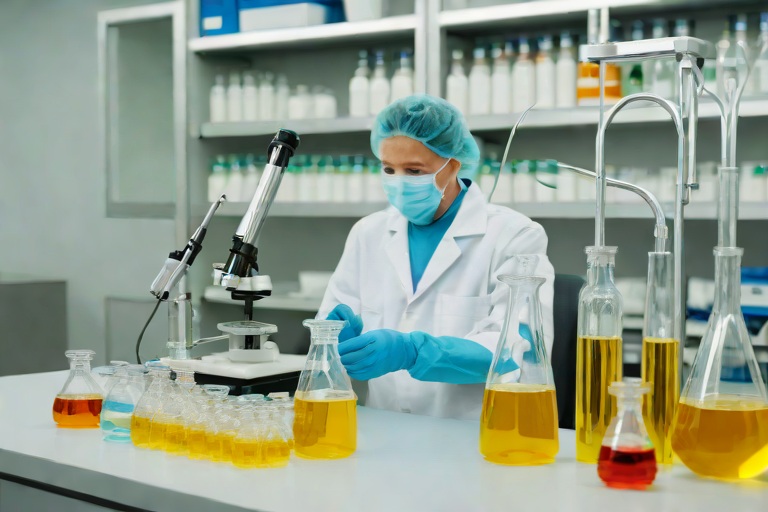
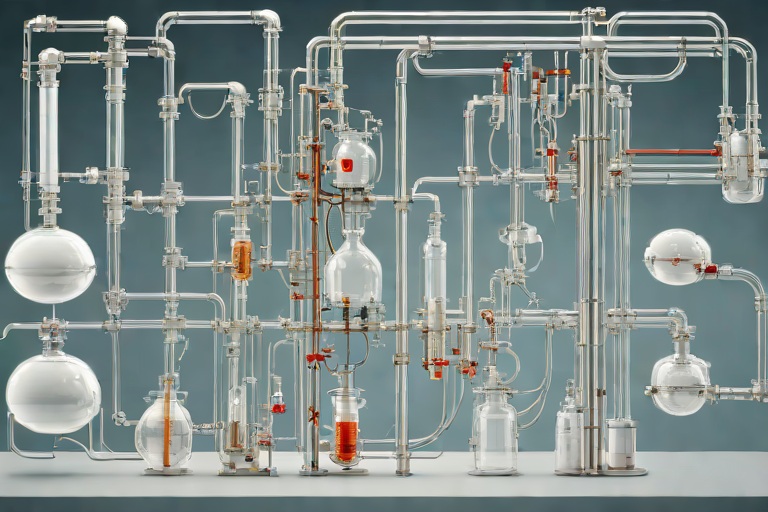
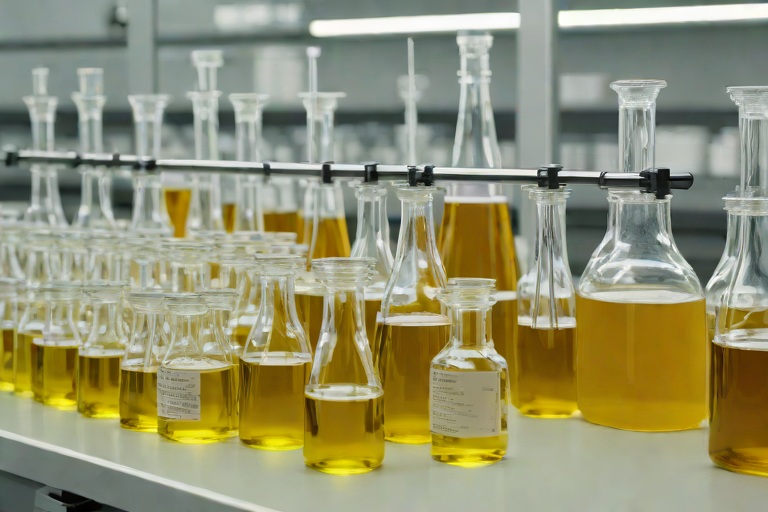
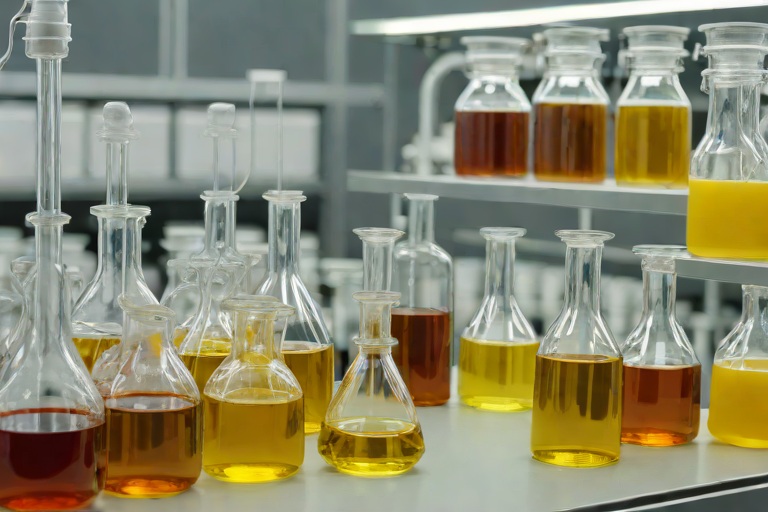
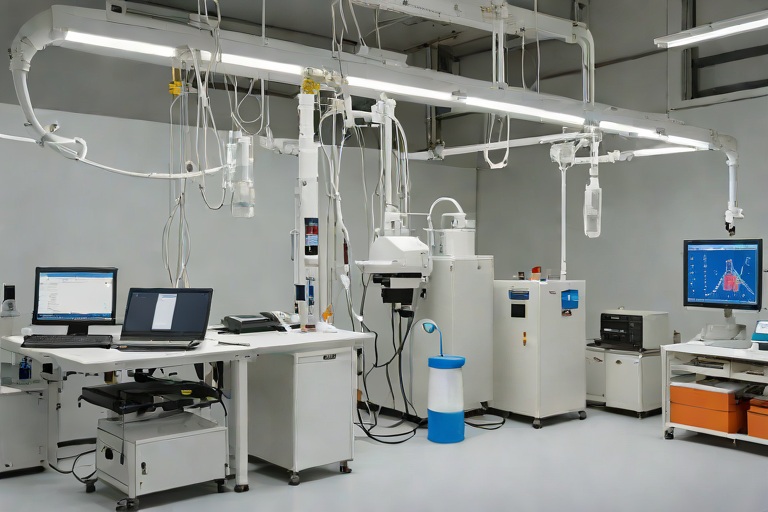
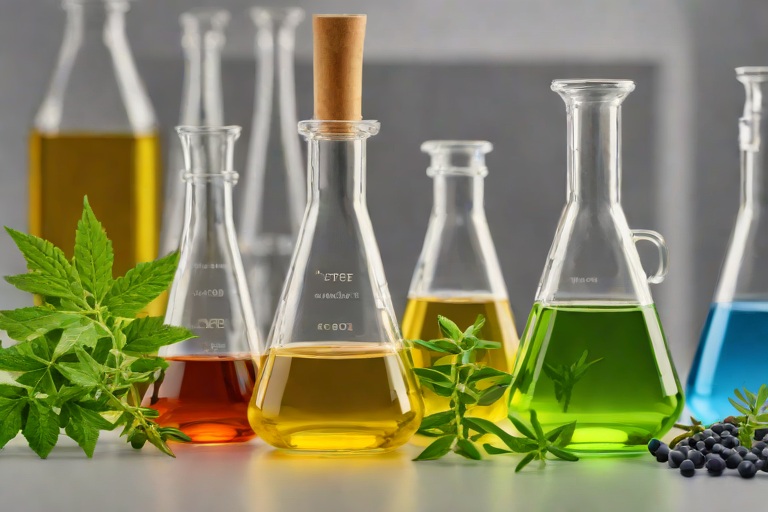
The transition from biochemical theory to clinical application requires rigorous industrial standardization. To ensure consistent results in veterinary dermatology, the purity of Alpha and Gamma-Terpinene must be verified using Gas Chromatography-Mass Spectrometry (GC-MS). Any contaminants or oxidation products within the raw terpenes can introduce unwanted pro-oxidant effects, which would compromise the integrity of the wash and potentially exacerbate the dermatitis. Therefore, the industry standard demands a purity level of 95% or higher for each terpene component.
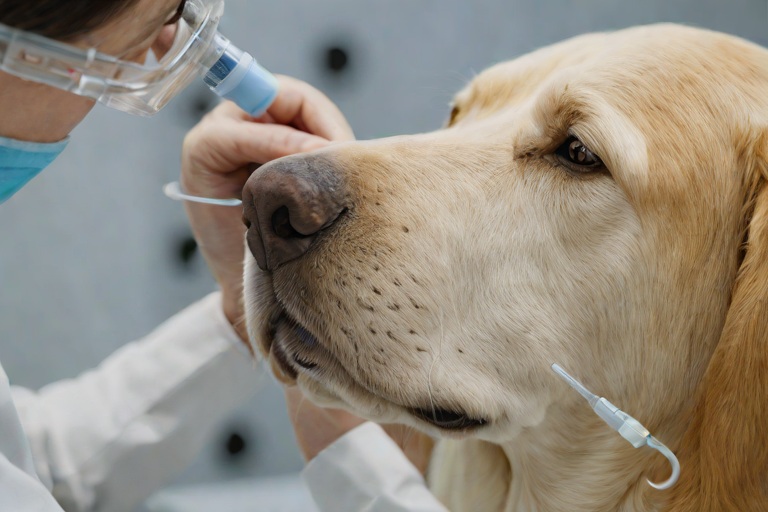
Empirical data indicates that the application of these terpene-based washes results in a significant reduction in erythema and a measurable increase in skin hydration. By neutralizing the free radicals that drive the inflammatory response, the washes allow the skin to rebuild its own lipid barrier. This restoration of the "envelope" is the ultimate goal of the treatment, as a healthy barrier is the only sustainable defense against future oxidative insults. The clinical success of these washes is measured by the reduction in the frequency of flare-ups and the restoration of the skin's natural pH and moisture balance.
- GC-MS Verification: The gold standard for ensuring the chemical purity of terpene inputs.
- Erythema Reduction: The visible decrease in skin redness, indicating a reduction in capillary congestion and inflammation.
- Barrier Restoration: The recovery of the skin's ability to retain moisture and repel external irritants.
- Standardized Dosing: The implementation of precise application protocols to ensure uniform exposure across the affected area.
Aquashield Roofing Corporation
4006 Morris Ct.
Chesapeake, VA 23323
Direct Line: 757-553-5191
GPS Coordinates: 36.755164, -76.353932
Virginia Beach Roofing Company - Roofing Service Virginia Beach VA, Roofing Contractor
585 S Birdneck Rd #106
Virginia Beach, VA 23451
Direct Line: +17576318100
Google Maps Plus Code: RXCX+V7 Virginia Beach, Virginia
GPS Coordinates: 36.822156, -76.001565