Antioxidant Radical Scavenging: Alpha-Terpinene and Gamma-Terpinene Roles in Clinical Antifungal Onychomycosis Solutions
Molecular Architecture and Radical Scavenging Mechanics
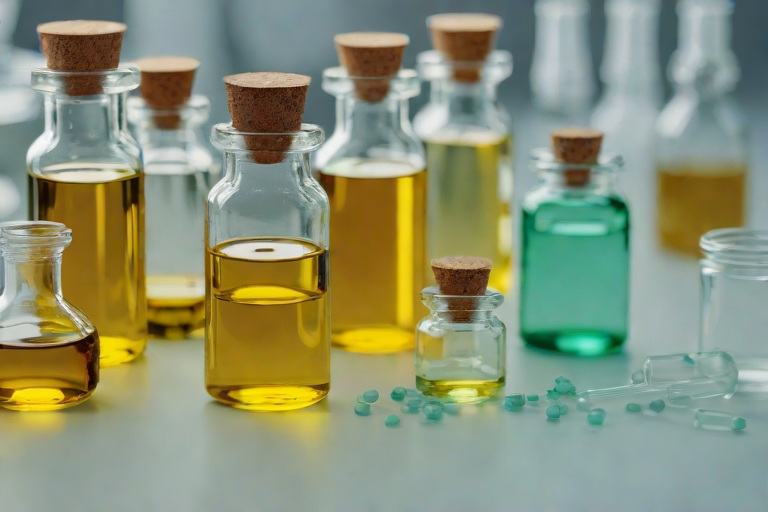
The efficacy of alpha-terpinene and gamma-terpinene in clinical applications is predicated upon their specific molecular geometry and their capacity to function as potent antioxidant radical scavengers. From a technical standpoint, these monoterpenes operate as sacrificial agents within a biochemical system, neutralizing reactive oxygen species (ROS) that would otherwise compromise the structural integrity of the host tissue. The mechanism of action involves the donation of hydrogen atoms to free radicals, thereby stabilizing the unpaired electrons and halting the chain reaction of lipid peroxidation.
In the context of pharmaceutical engineering, the stability of the terpene ring is critical. Alpha-terpinene and gamma-terpinene possess unsaturated carbon-carbon double bonds that are highly susceptible to targeted oxidation. This susceptibility is a designed feature of their chemical utility; by reacting with superoxide anions and hydroxyl radicals, these molecules prevent the oxidative degradation of the keratinized matrix. The efficiency of this scavenging process is measured by the rate of radical quenching and the subsequent stability of the resulting terpene-radical adduct.
- Hydrogen Atom Transfer (HAT): The primary pathway by which terpenes neutralize peroxyl radicals.
- Steric Hindrance: The spatial arrangement of the methyl groups on the terpene ring, which modulates the accessibility of the double bonds to oxidative species.
- Redox Potential: The specific electrochemical gradient that allows these molecules to act as preferential targets for ROS over cellular lipids.
- Synergistic Stabilization: The ability of alpha and gamma isomers to work in tandem to maintain a low-oxidative environment.
Empirical data suggests that the concentration of these terpenes must be precisely calibrated to avoid cytotoxicity while maximizing the scavenging rate. When integrated into a clinical solution, the molecular flux must be maintained at a steady state to ensure that the radical scavenging capacity does not deplete before the fungal pathogen is fully eradicated.
Pathophysiological Interface of Onychomycosis
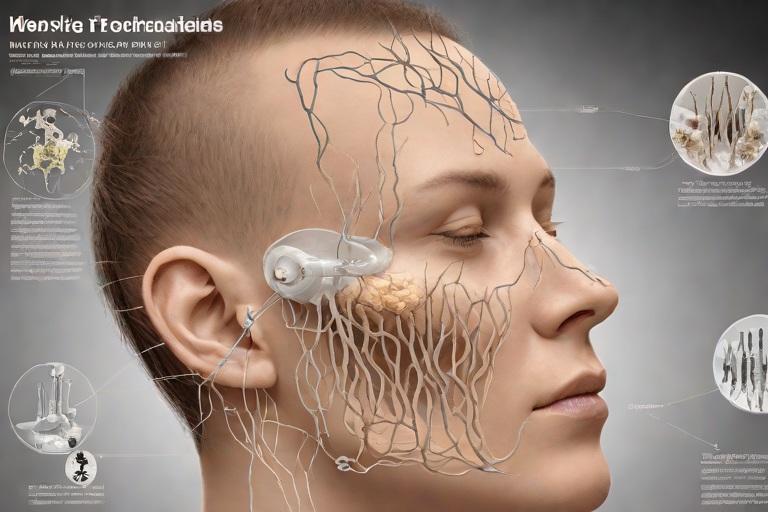
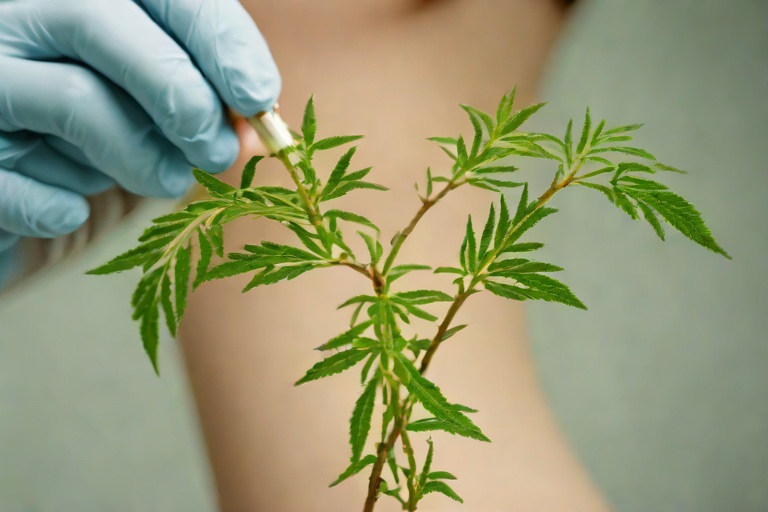
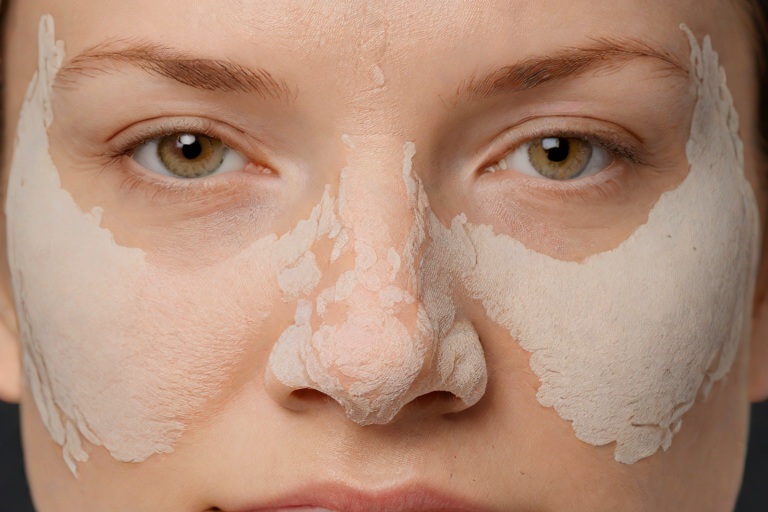
Onychomycosis represents a systemic failure of the nail plate's biological envelope. The nail plate, composed of densely packed keratin, serves as a primary hydrophobic barrier. When dermatophytes or non-dermatophyte molds infiltrate this barrier, they secrete keratinases and other proteolytic enzymes that degrade the structural proteins. This degradation creates micro-fissures and voids, effectively increasing the permeability of the envelope and allowing for deeper fungal penetration into the nail bed.
The host response to this infiltration is characterized by an acute inflammatory surge, which generates a high concentration of ROS. While this oxidative burst is intended to neutralize the pathogen, it frequently results in collateral damage to the surrounding healthy tissue, leading to onycholysis—the separation of the nail plate from the nail bed. This process creates a feedback loop where oxidative stress further weakens the keratin structure, facilitating further fungal colonization.
- Keratin Matrix Degradation: The biochemical breakdown of disulfide bridges within the nail plate.
- Oxidative Burst: The release of superoxide and hydrogen peroxide by neutrophils and macrophages.
- Subungual Hyperkeratosis: The abnormal buildup of keratin in response to chronic inflammation.
- Barrier Permeability Coefficients: The measurement of how easily antifungal agents can penetrate the compromised nail plate.
From an engineering perspective, the treatment of onychomycosis requires a dual-action approach: the eradication of the biological agent and the restoration of the envelope's integrity. The introduction of alpha- and gamma-terpinene addresses the latter by mitigating the oxidative damage that prevents the nail from reforming its natural protective seal.
Synergistic Efficacy of Terpene-Based Formulations
The clinical application of alpha-terpinene and gamma-terpinene extends beyond simple antioxidant activity. These molecules exhibit significant antifungal properties by disrupting the fungal cell membrane. The hydrophobic nature of terpenes allows them to integrate into the lipid bilayer of the fungal cell wall, increasing membrane fluidity and causing the leakage of essential intracellular components. This mechanical disruption is a primary cause of fungal cell death, operating independently of the radical scavenging mechanism.
When combined, alpha-terpinene and gamma-terpinene create a synergistic effect that enhances the bioavailability of other antifungal agents. By reducing the oxidative stress at the site of infection, these terpenes protect the active pharmaceutical ingredients (APIs) from premature degradation. Furthermore, they act as penetration enhancers, modifying the viscosity and surface tension of the solution to ensure deeper penetration into the subungual space, where the fungal reservoir typically resides.
- Membrane Permeabilization: The process of creating transient pores in the fungal cell wall via terpene integration.
- Lipid Peroxidation Inhibition: The prevention of fatty acid chain reactions in the host's nail bed tissues.
- Bioavailability Optimization: The increase in the percentage of the drug that reaches the target site of action.
- Isomeric Synergy: The complementary roles of alpha and gamma configurations in targeting different stages of fungal metabolism.
The cause-and-effect relationship is clear: the terpenes first neutralize the oxidative environment, which stabilizes the tissue, and simultaneously attack the fungal membrane, which eliminates the pathogen. This dual-track approach reduces the total duration of treatment and minimizes the risk of recurrence by ensuring the nail envelope is restored to its optimal structural state.
Clinical Integration and Industrial Standardization
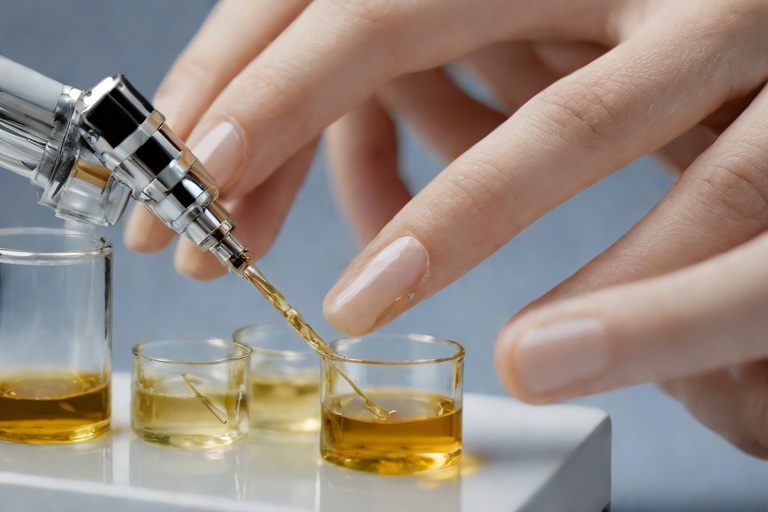
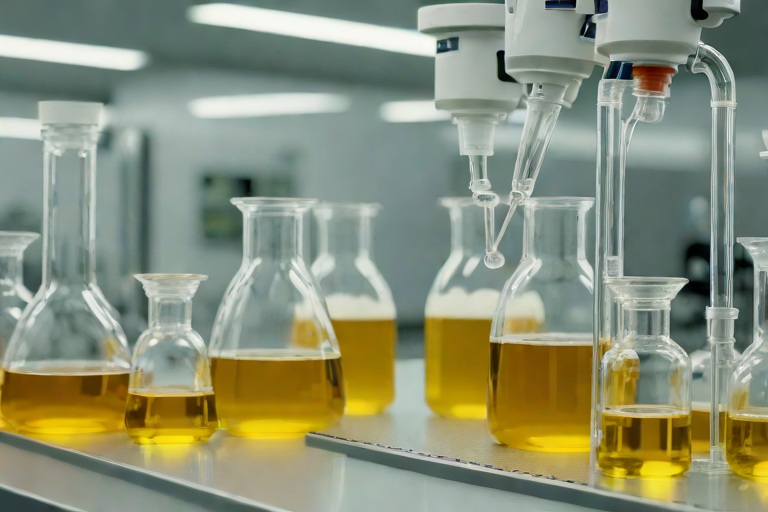
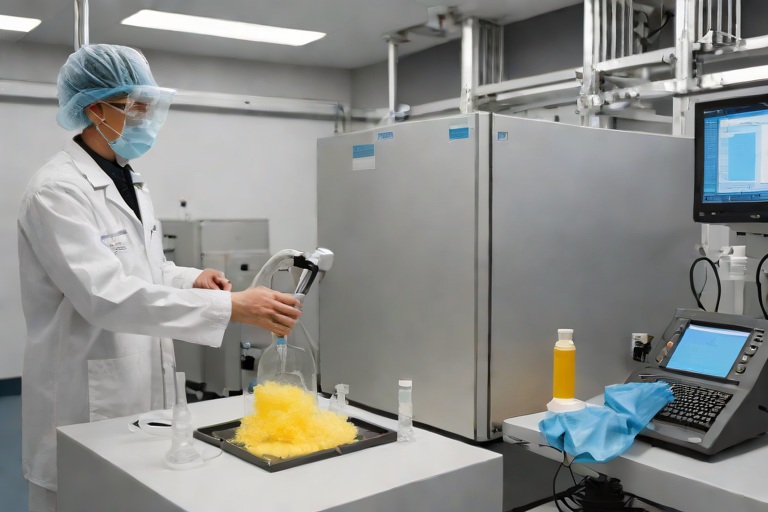
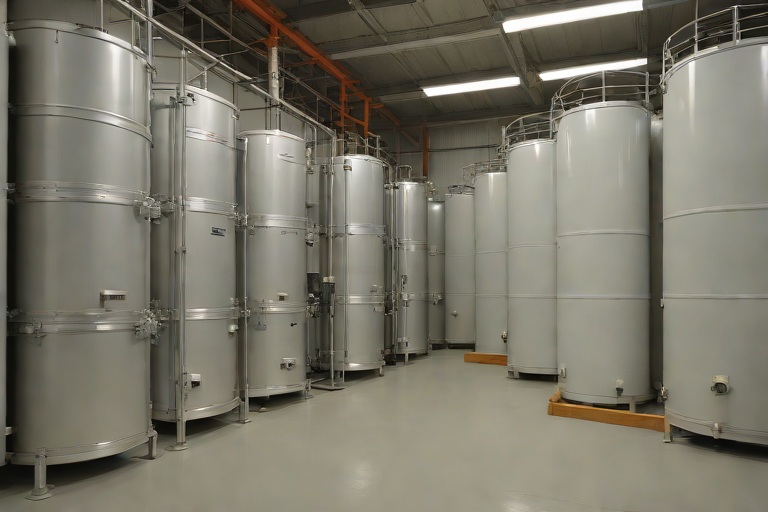
To transition these biochemical findings into a scalable industrial solution, the formulation must adhere to strict pharmaceutical engineering standards. The volatility of alpha- and gamma-terpinene requires the use of stabilized delivery systems, such as nano-emulsions or liposomal carriers. These systems protect the terpenes from evaporation and ensure a controlled release profile, maintaining a consistent concentration of radical scavengers at the infection site over an extended period.
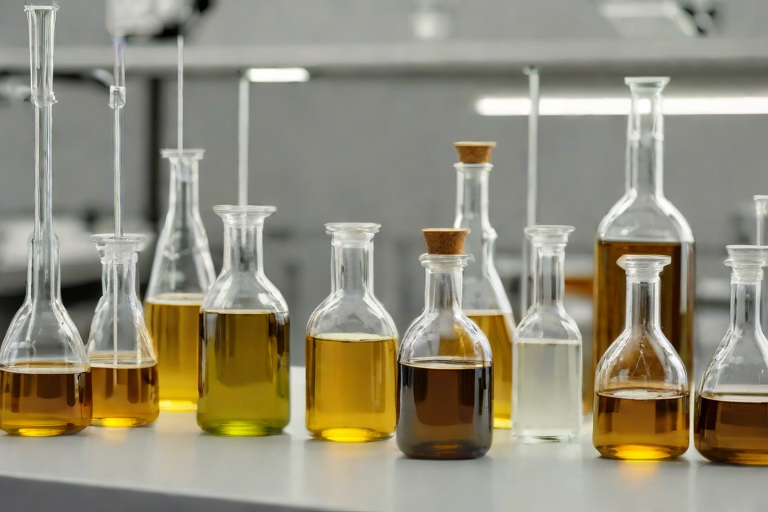
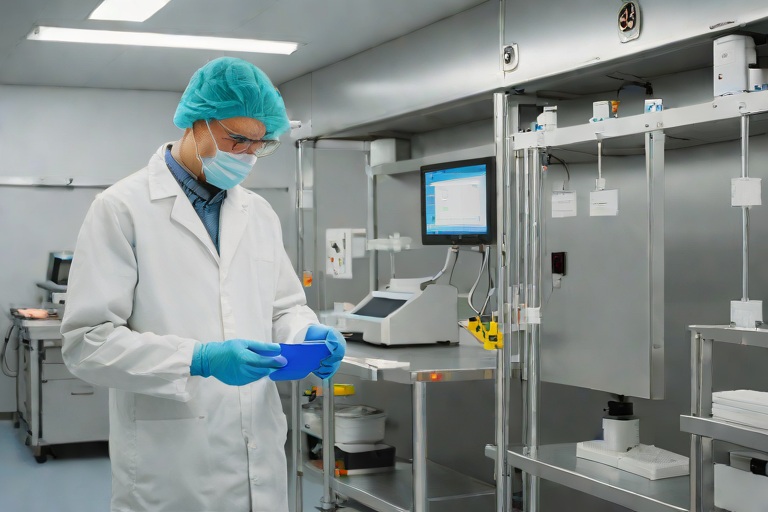
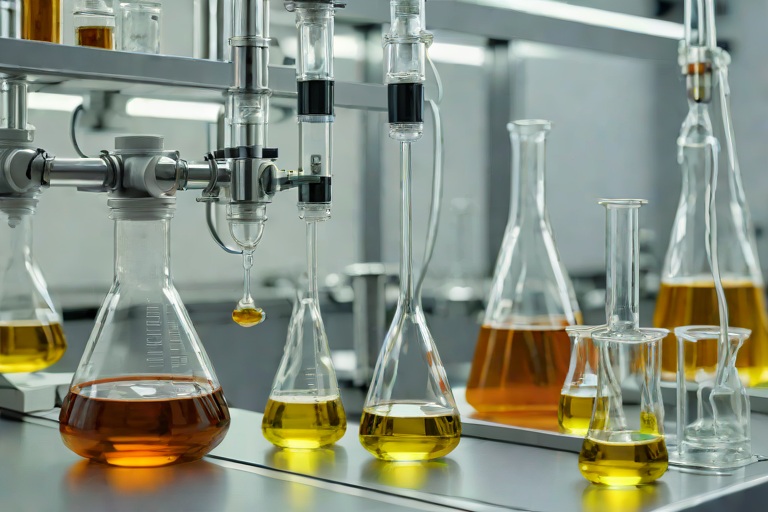
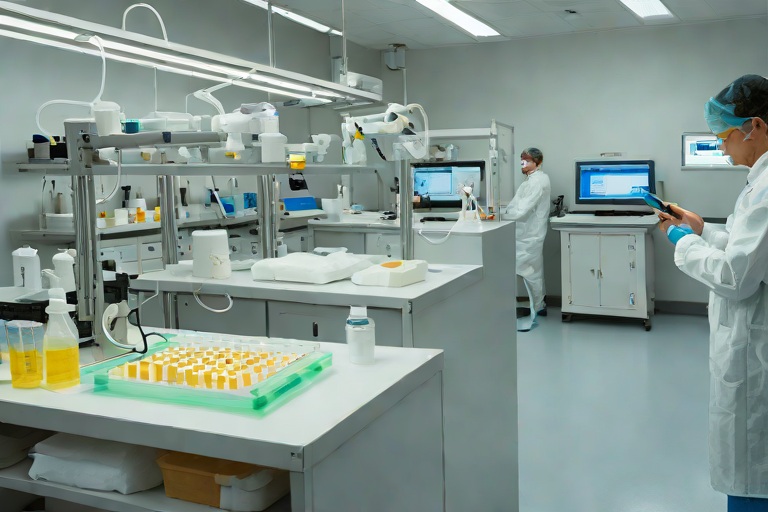
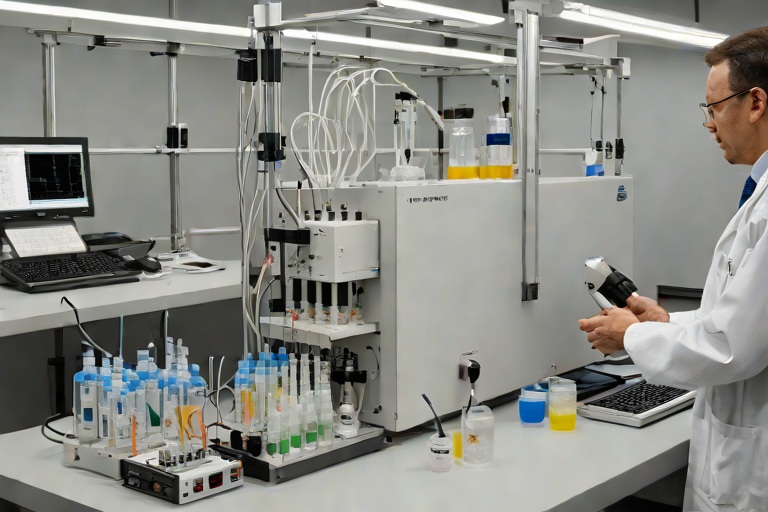
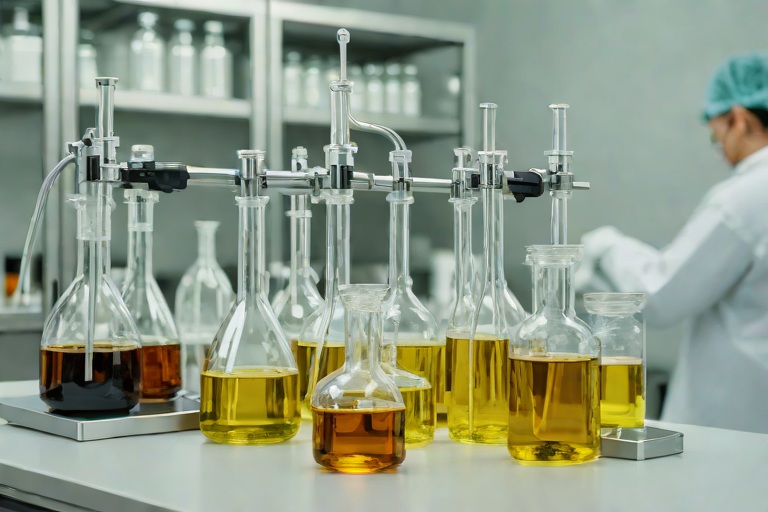
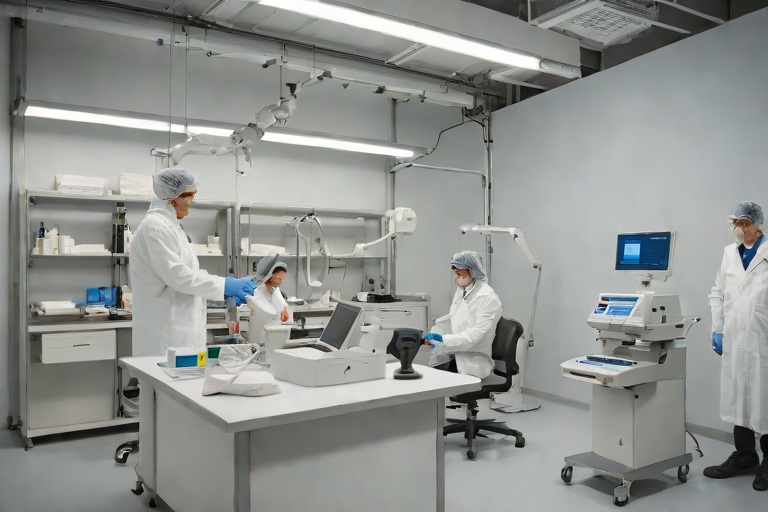
Industrial standardization requires the validation of purity and potency. The use of Gas Chromatography-Mass Spectrometry (GC-MS) is mandatory to ensure the correct ratio of alpha to gamma isomers, as deviations in the isomeric profile can significantly alter the antioxidant capacity and the antifungal efficacy. Furthermore, the solution must be tested for compatibility with the nail's natural lipids to avoid causing excessive dryness or brittleness, which would compromise the envelope's integrity.
- Nano-emulsion Delivery: The use of droplets in the 10-100nm range to bypass the keratin barrier.
- Controlled Release Kinetics: The engineering of the solution to release active terpenes over a 24-hour cycle.
- GC-MS Validation: The industry standard for
Aquashield Roofing Corporation
4006 Morris Ct.
Chesapeake, VA 23323
Direct Line: 757-553-5191
GPS Coordinates: 36.755164, -76.353932
Virginia Beach Roofing Company - Roofing Service Virginia Beach VA, Roofing Contractor
585 S Birdneck Rd #106
Virginia Beach, VA 23451
Direct Line: +17576318100
Google Maps Plus Code: RXCX+V7 Virginia Beach, Virginia
GPS Coordinates: 36.822156, -76.001565