Antioxidant Radical Scavenging: Alpha-Terpinene and Gamma-Terpinene Roles in Clinical Antimicrobial Biofilm Cultures

Mechanisms of Biofilm Proliferation in Industrial Envelopes
In the context of industrial commercial infrastructure, the building envelope is not merely a static barrier but a complex interface subject to continuous biological colonization. Biofilms represent a sophisticated survival strategy for microbial communities, characterized by the secretion of Extracellular Polymeric Substances (EPS). This matrix of polysaccharides, proteins, and DNA creates a protective shield that isolates microorganisms from external stressors, including traditional caustic biocides and environmental fluctuations. In high-moisture environments—such as HVAC condensate pans, cooling tower basins, and subterranean concrete foundations—these biofilms facilitate Microbiologically Influenced Corrosion (MIC), leading to the premature degradation of structural steel and the spalling of reinforced concrete.
The stability of these biofilms is maintained through a precise internal redox balance. Microorganisms within the deep layers of the biofilm rely on a controlled exchange of electrons to sustain metabolic activity. When these communities are established, they create an anaerobic core that can harbor sulfate-reducing bacteria (SRB), which are particularly aggressive toward metallic substrates. The engineering challenge lies in the fact that the EPS matrix prevents the penetration of standard antimicrobial agents, requiring a more nuanced chemical approach to destabilize the biofilm's internal chemistry before physical removal can be achieved.
- EPS Matrix Density: Determines the diffusion rate of antimicrobial agents and the overall resilience of the colony.
- Redox Gradient: The variation in oxygen and nutrient availability from the surface to the substrate interface.
- Substrate Affinity: The chemical attraction between the biofilm and the building material, often mediated by surface energy and roughness.
- Quorum Sensing: The chemical signaling process that allows bacteria to coordinate the formation of the biofilm structure.
Terpinene Dynamics and Radical Scavenging Processes
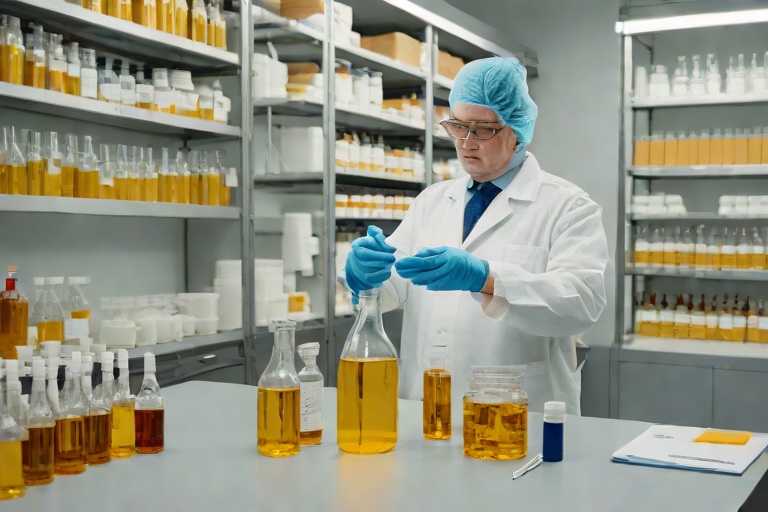
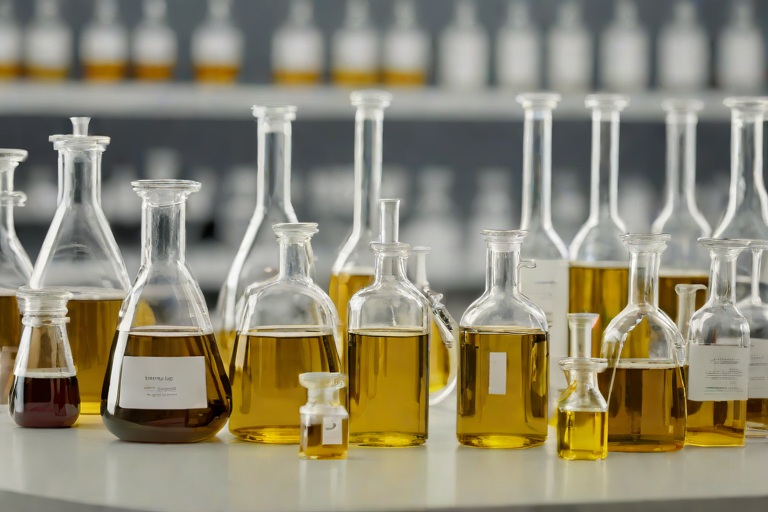
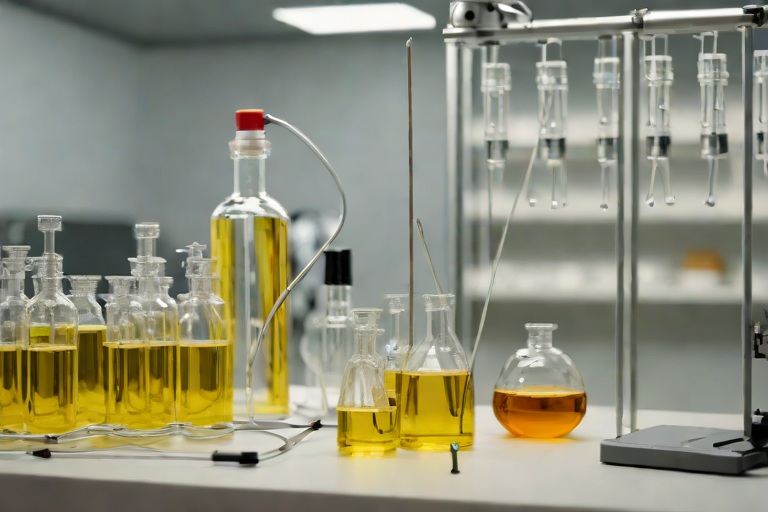
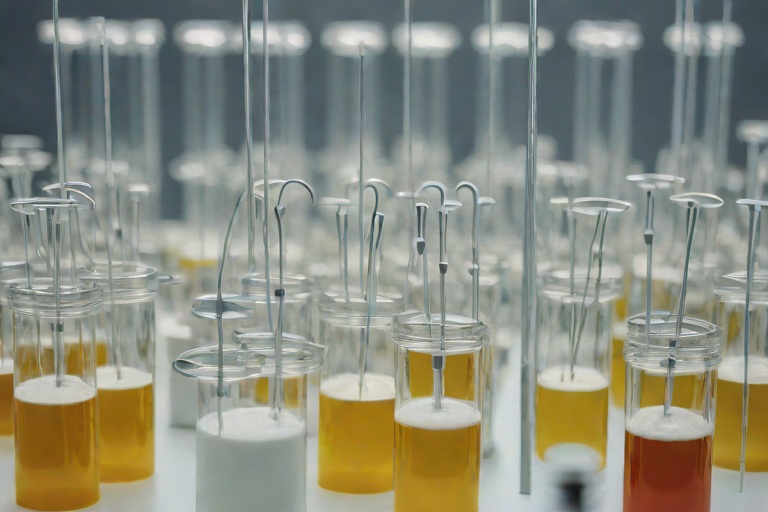
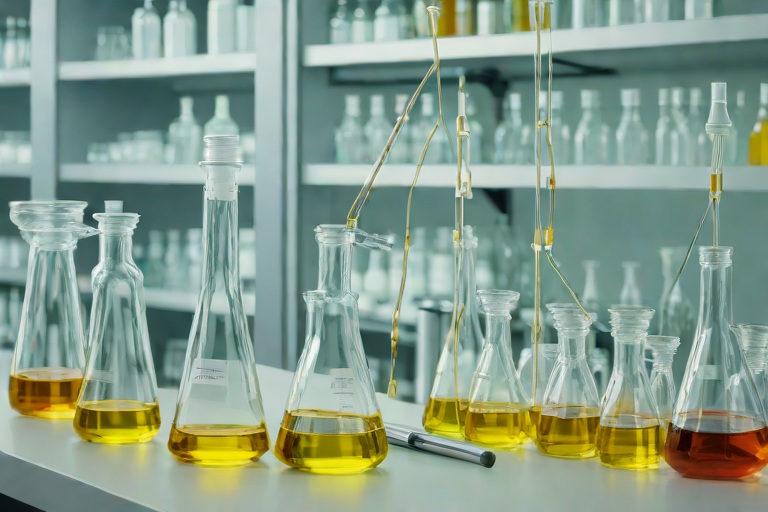
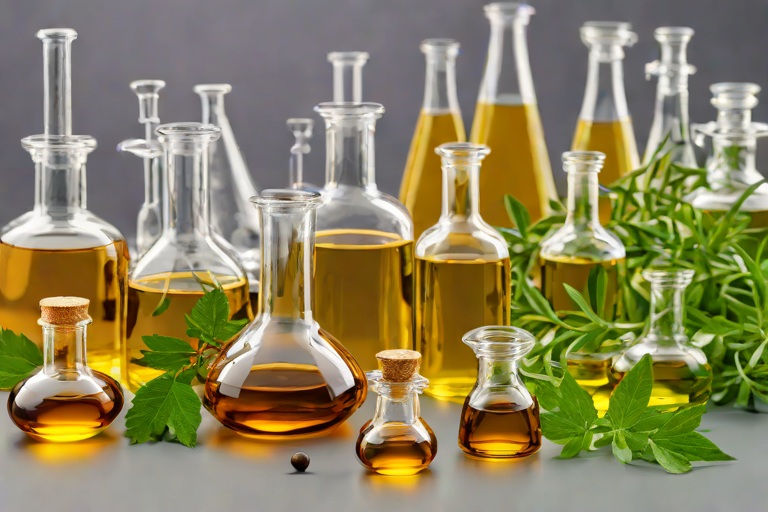
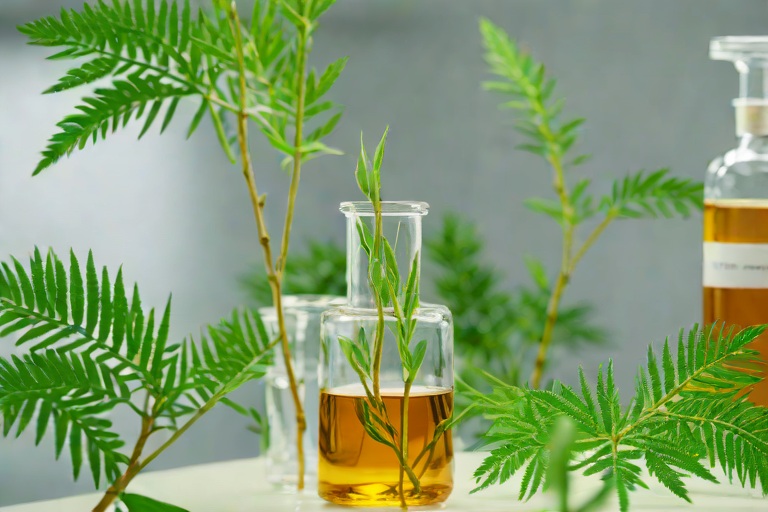
The introduction of Alpha-Terpinene and Gamma-Terpinene into clinical antimicrobial cultures provides a potent mechanism for disrupting biofilm homeostasis. These monoterpenes, characterized by their cyclic hydrocarbon structures, function as powerful antioxidant radical scavengers. In a biological context, radical scavenging refers to the ability of these molecules to neutralize Reactive Oxygen Species (ROS) and peroxyl radicals that are often generated during the microbial metabolic process or as a result of external oxidative stress. By altering the oxidative state of the biofilm, these terpenes interfere with the signaling pathways that maintain the structural integrity of the EPS.
Alpha-Terpinene and Gamma-Terpinene operate through a synergistic mechanism where they donate hydrogen atoms to stabilize free radicals, thereby preventing the chain reactions that typically allow a biofilm to repair its matrix after a chemical attack. This scavenging action creates a metabolic imbalance within the microbial colony. When the internal redox potential is shifted, the bacteria are forced to divert energy from EPS production to cellular repair, effectively "thinning" the protective shield. This process is clinically observed as a reduction in the viscosity of the biofilm, making the underlying microorganisms significantly more susceptible to secondary antimicrobial agents or mechanical scrubbing.
- Hydrogen Atom Transfer (HAT): The primary chemical pathway by which terpinene molecules neutralize free radicals.
- Lipophilicity: The ability of these terpenes to penetrate the lipid membranes of bacteria and the hydrophobic regions of the EPS.
- Synergistic Potentiation: The enhanced effect observed when Alpha and Gamma isomers are deployed in tandem compared to single-isomer applications.
- Oxidative Stress Modulation: The intentional manipulation of the biofilm's internal oxygen levels to trigger programmed cell death.
Clinical Antimicrobial Efficacy and Material Interaction
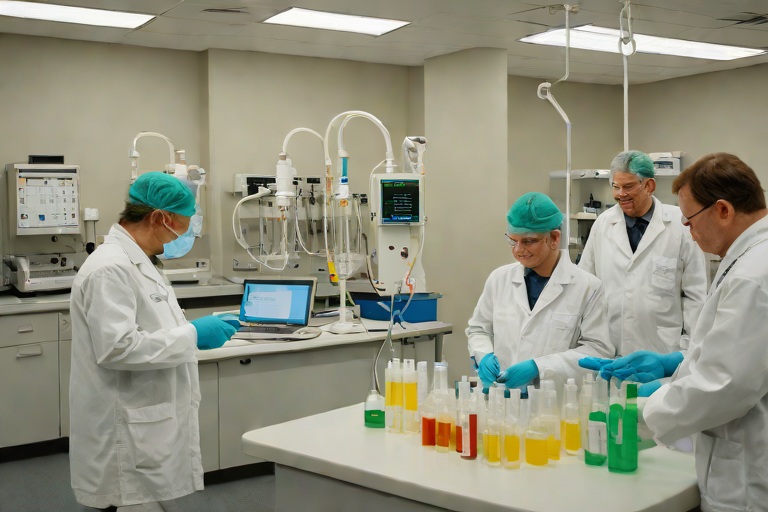
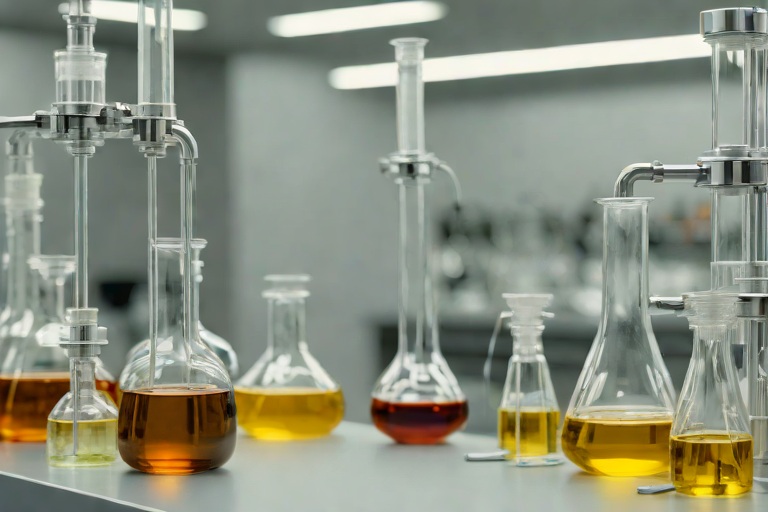
From a technical analysis standpoint, the efficacy of Alpha and Gamma-Terpinene is measured by their ability to reduce the "Critical Biofilm Thickness" (CBT). In clinical cultures simulating industrial contamination, the application of these terpenes results in a measurable decrease in the adhesion strength of the biofilm to the substrate. This is particularly critical for building envelope sciences, where the goal is to prevent the biofilm from etching into the pores of concrete or creating pits in stainless steel. The radical scavenging action prevents the formation of acidic micro-environments at the material interface, which is the primary driver of acid-induced corrosion in commercial infrastructure.
Furthermore, the interaction between these terpenes and the building substrate is generally benign, unlike chlorine-based biocides which can cause stress corrosion cracking in high-grade alloys. The clinical data indicates that terpinene-based interventions maintain the surface energy of the substrate, preventing the "re-seeding" of the biofilm. By neutralizing the radicals that would otherwise facilitate the covalent bonding of EPS to the material surface, these compounds ensure that subsequent cleaning cycles are more efficient and require less mechanical force, thereby extending the lifecycle of the building envelope.
- CBT Reduction: The quantitative decrease in the thickness of the microbial layer prior to total detachment.
- Surface Energy Stabilization: Maintaining the substrate's natural state to inhibit secondary colonization.
- pH Neutralization: The prevention of localized acidification within the biofilm-substrate interface.
- Membrane Permeabilization: The process by which terpenes disrupt the bacterial cell wall, allowing for faster nutrient leakage and cell death.
Integration into Building Envelope Maintenance Protocols
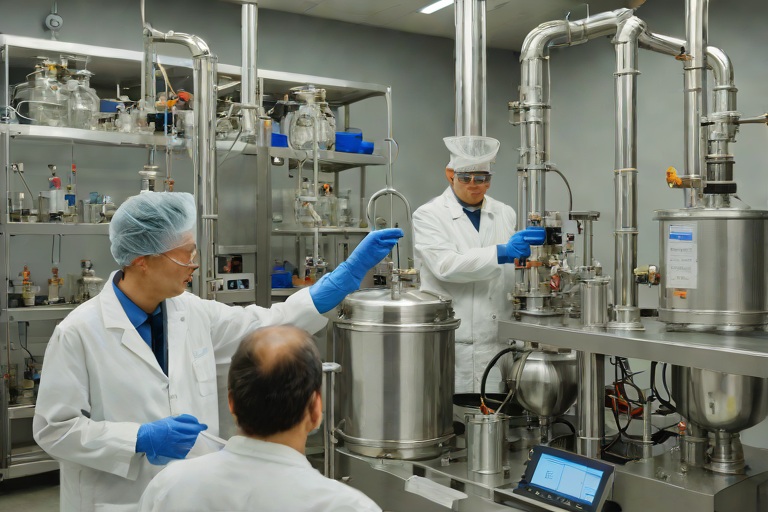
To implement these findings into industrial commercial infrastructure, a shift toward "Redox-Active Maintenance" is required. Rather than relying on periodic, high-impact chemical washes, senior technical analysts recommend a phased approach. This involves the integration of terpinene-based scavenging agents into the initial cleaning phase to destabilize the biofilm, followed by a targeted antimicrobial application. This sequence ensures that the antimicrobial agent reaches the basal layer of the biofilm, eliminating the colony entirely rather than merely trimming the surface growth.
Industry standards for building envelope maintenance must evolve to include the monitoring of biofilm maturity. By utilizing these antioxidant radical scavengers, facility managers can move from a reactive posture—repairing corrosion damage—to a proactive posture—managing the chemical environment of the envelope. The long-term empirical data suggests that this approach reduces the frequency of structural interventions and lowers the overall carbon footprint associated with the production and disposal of harsh industrial solvents. The precision of terpinene application allows for a surgical strike against the biofilm's metabolic engine, ensuring the longevity of the commercial asset.
- Phased Intervention: The strategic sequence of destabilization, eradication, and surface stabilization.
- Predictive Maintenance: Using biofilm thickness indicators to trigger terpinene application.
- Environmental Compliance: Reducing the reliance on halogen
Aquashield Roofing Corporation
4006 Morris Ct.
Chesapeake, VA 23323
Direct Line: 757-553-5191
GPS Coordinates: 36.755164, -76.353932
Virginia Beach Roofing Company - Roofing Service Virginia Beach VA, Roofing Contractor
585 S Birdneck Rd #106
Virginia Beach, VA 23451
Direct Line: +17576318100
Google Maps Plus Code: RXCX+V7 Virginia Beach, Virginia
GPS Coordinates: 36.822156, -76.001565