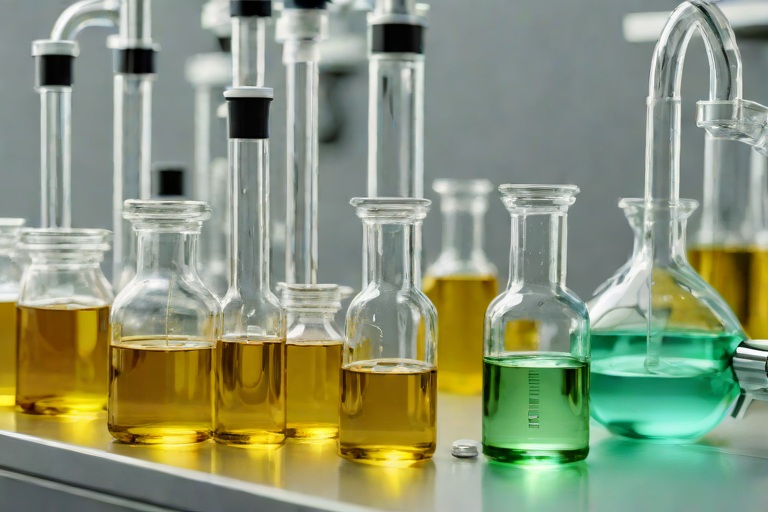
Steam Distillation Temperature Kinetics: Maximizing Monoterpene Recovery in Clinical Veterinary Dermatitis Washes
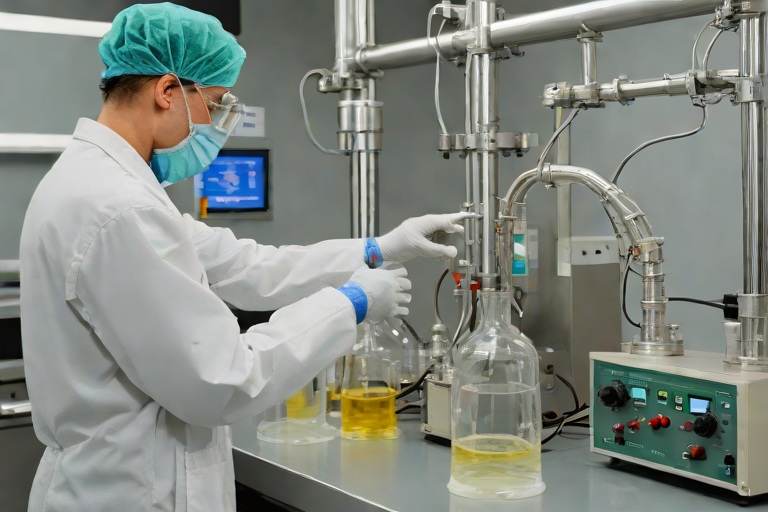
Thermodynamic Principles of Steam Distillation and Monoterpene Volatility
The extraction of monoterpenes for clinical veterinary applications requires a rigorous application of Dalton’s Law of Partial Pressures. In a steam distillation system, the total vapor pressure of the mixture is the sum of the vapor pressures of the individual components—specifically, the water and the essential oil. Because monoterpenes are virtually insoluble in water, they form a heterogeneous azeotrope. This allows the mixture to boil at a temperature lower than the boiling point of either pure water or the pure monoterpene, typically slightly below 100 degrees Celsius at standard atmospheric pressure.
The engineering objective is to maintain a precise temperature gradient that facilitates the transition of the volatile organic compounds (VOCs) from the plant matrix into the vapor phase without inducing thermal decomposition. The efficiency of this process is governed by the relative volatility of the monoterpenes. If the temperature is maintained too low, the vapor pressure of the monoterpenes remains insufficient to drive a high recovery rate, leading to excessive distillation times and increased energy costs per unit of yield.
To maximize recovery, the following thermodynamic variables must be strictly controlled:
- Partial pressure equilibrium between the aqueous phase and the organic volatile phase.
- Latent heat of vaporization required to maintain a constant steam flux through the biomass.
- The saturation temperature of the steam, which must be calibrated to avoid "scorching" the botanical material.
- The pressure differential between the boiler and the condenser to ensure a unidirectional flow of vapor.
Kinetic Variables and Thermal Degradation Thresholds
Monoterpenes, characterized by their ten-carbon structure, are highly susceptible to thermal degradation and isomerization. From a kinetic standpoint, the rate of degradation increases exponentially with temperature, following the Arrhenius equation. In the context of veterinary dermatitis washes, the clinical efficacy depends on the preservation of specific isomers, such as alpha-pinene or limonene, which provide the necessary antimicrobial and anti-inflammatory properties. If the distillation temperature exceeds the critical threshold, these compounds may undergo rearrangement or oxidation, rendering the resulting wash ineffective or, in some cases, sensitizing to the animal's skin.
The residence time—the duration the monoterpenes are exposed to heat—is as critical as the absolute temperature. A high-velocity steam flow reduces the residence time in the boiling flask, thereby minimizing the window for thermal degradation. However, excessively high velocities can lead to "entrainment," where liquid droplets of the oil are carried mechanically into the condenser without evaporating, potentially leading to inconsistent concentrations in the final distillate.
Key kinetic considerations for maintaining chemical integrity include:
- Monitoring the isomerization rate of sensitive monoterpenes to prevent the formation of inactive by-products.
- Controlling the steam-to-biomass ratio to ensure uniform heat distribution and prevent localized hot spots.
- Implementing precise PID (Proportional-Integral-Derivative) controllers to maintain temperature stability within a +/- 0.5 degree Celsius margin.
- Evaluating the impact of pH levels within the biomass, as acidic or basic environments can catalyze the hydrolysis of esters into alcohols.
Industrial Infrastructure and Condensation Engineering
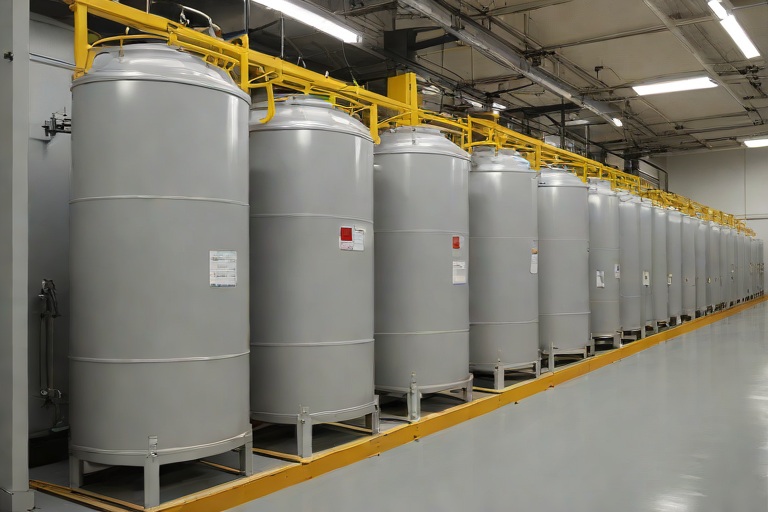
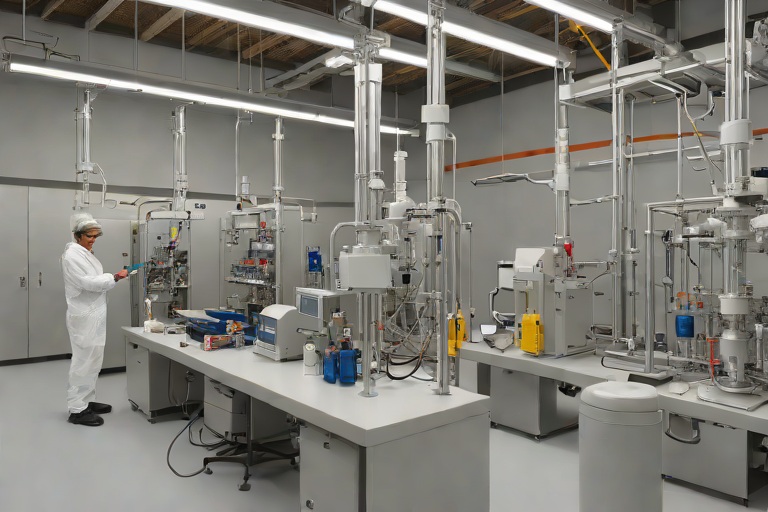
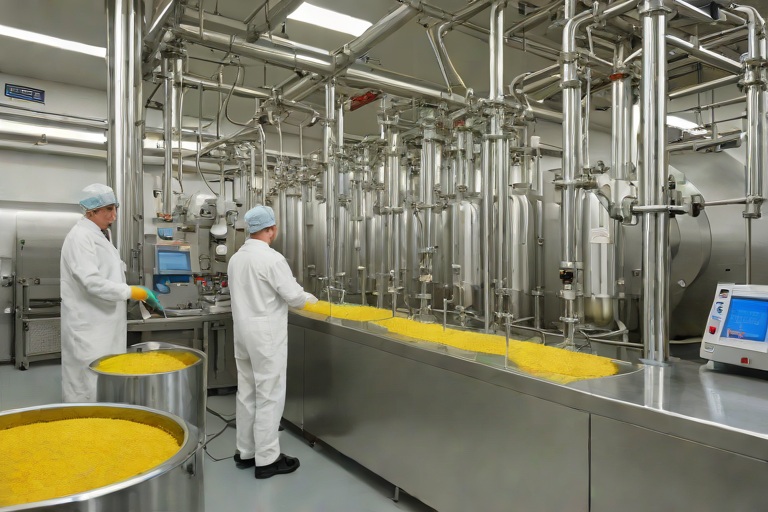
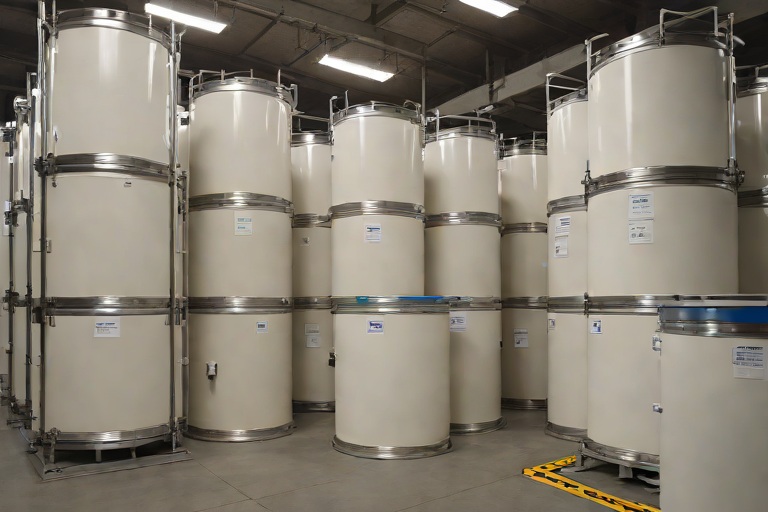
The physical infrastructure of the distillation plant must be engineered to prevent the loss of volatile fractions and ensure the purity of the clinical grade output. The use of 316L stainless steel is the industry standard for all contact surfaces to prevent metallic contamination and to withstand the corrosive nature of certain concentrated terpenes. The geometry of the distillation column must be optimized to minimize "channeling," a phenomenon where steam finds a path of least resistance through the biomass, leaving large sections of the raw material unextracted.
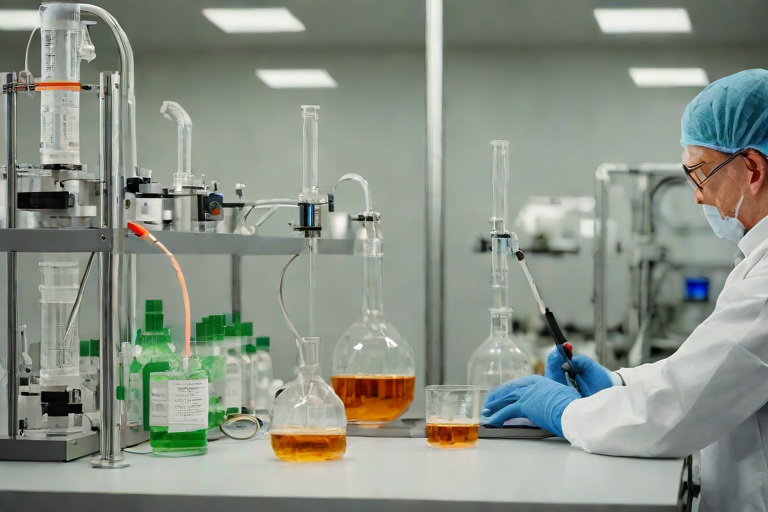
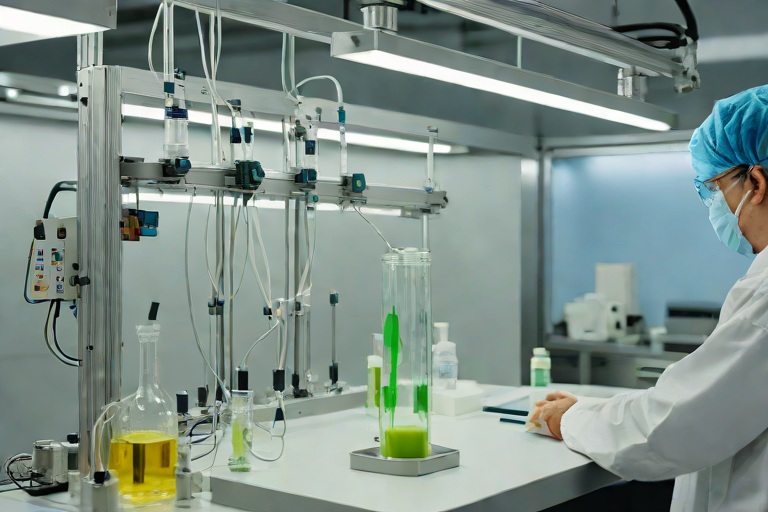
The condenser is the most critical piece of hardware for maximizing recovery. A high-efficiency shell-and-tube heat exchanger is required to rapidly drop the temperature of the vapor, forcing the monoterpenes to condense into a liquid state. If the cooling water temperature is too high, a significant portion of the monoterpenes will remain in the gas phase and be lost to the atmosphere. Conversely, if the cooling is too aggressive, the resulting oil may become overly viscous, complicating the separation process in the Florentine flask.
Infrastructure specifications for high-recovery systems include:
- The implementation of a counter-current cooling flow in the condenser to maximize the heat transfer coefficient.
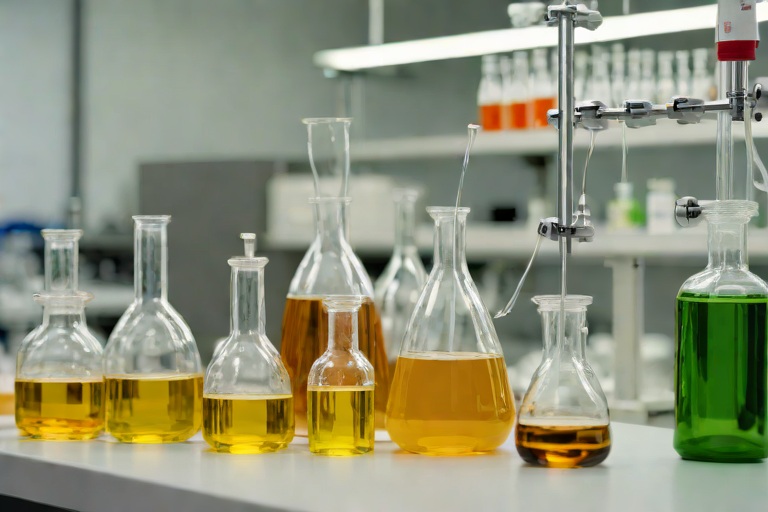
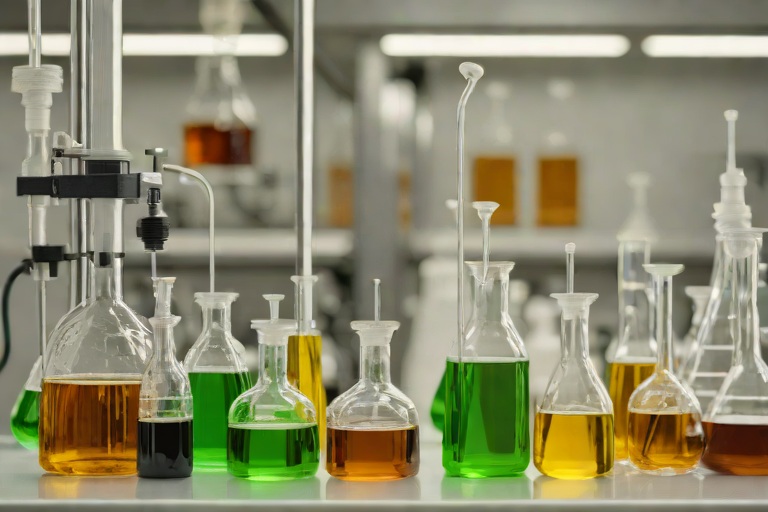
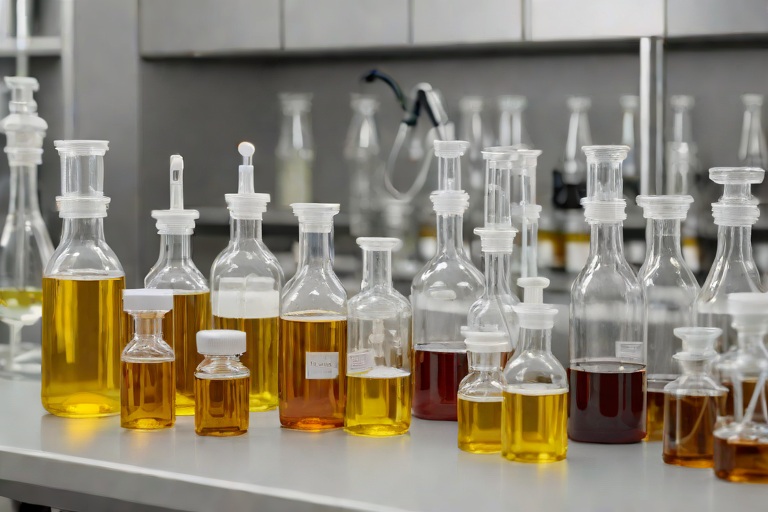
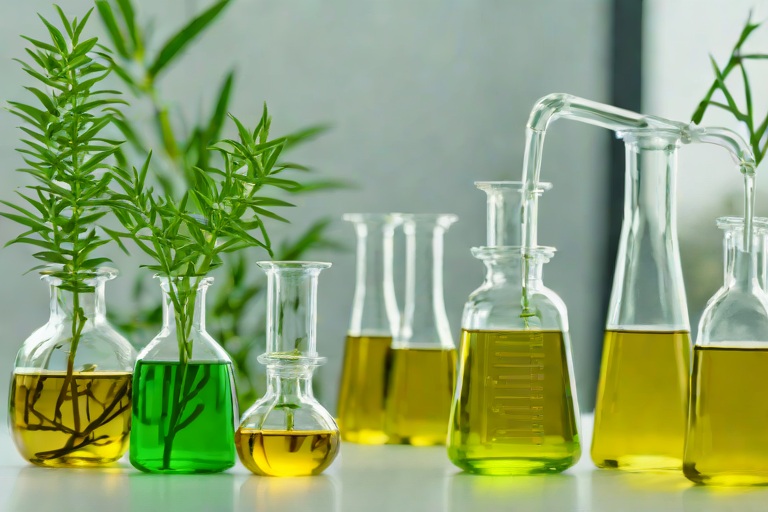
- The use of a Florentine receiver for continuous, gravity-based separation of the essential oil from the hydrosol.
- Installation of airtight seals and gaskets made of PTFE (Polytetrafluoroethylene) to prevent the leakage of volatile organic compounds.
- Integration of a vacuum system to lower the boiling point further, thereby reducing the thermal load on the monoterpenes.
Optimization Protocols for Clinical Veterinary Efficacy
For a dermatitis wash to be clinically viable, the recovered monoterpene concentration must be standardized. In veterinary medicine, the skin barrier of canines and felines differs significantly from human skin; therefore, the potency of the wash must be precisely calibrated to avoid chemical burns or systemic toxicity. The final stage of the engineering process involves the analysis of the distillate via Gas Chromatography-Mass Spectrometry (GC-MS) to ensure that the monoterpene profile matches the required clinical specification.
The optimization protocol focuses on the "recovery yield vs. purity" trade-off. While increasing the temperature can increase the speed of extraction, it often introduces heavier sesquiterpenes or degraded fragments that can irritate the skin. By utilizing a fractional distillation approach, engineers can isolate the most bioactive monoterpene fractions, ensuring that the veterinary wash provides maximum relief for dermatitis while maintaining a safe safety profile for long-term topical application.
The final quality control metrics for clinical recovery include:
- Verification of the refractive index to ensure the purity of the recovered essential oil.
- Quantification of the monoterpene-to-sesquiterpene ratio to ensure consistent anti-inflammatory potency.
- Testing for the presence of residual solvent or metallic leachates from the infrastructure.
- Stability testing of the final wash formulation under various storage temperatures to prevent oxidative degradation of the terpenes.
Aquashield Roofing Corporation
4006 Morris Ct.
Chesapeake, VA 23323
Direct Line: 757-553-5191
GPS Coordinates: 36.755164, -76.353932
Virginia Beach Roofing Company - Roofing Service Virginia Beach VA, Roofing Contractor
585 S Birdneck Rd #106
Virginia Beach, VA 23451
Direct Line: +17576318100
Google Maps Plus Code: RXCX+V7 Virginia Beach, Virginia
GPS Coordinates: 36.822156, -76.001565