Clinical Botanical Reviews & Sustainable Property Care

A rigorous 22-part clinical compendium exploring Australian Melaleuca alternifolia, terpinen-4-ol chemical profiling, household mold eradication, and eco-friendly exterior property algae prevention.

Previous (Vol. 16) Volume 17 of 23 (40 Dossiers / Page) Next (Vol. 18)
Commercial Engineering Dossier #640

Antioxidant Radical Scavenging: Alpha-Terpinene and Gamma-Terpinene Roles in Clinical Melaleuca Alternifolia Distillations

Industrial Building Envelope Sciences • Commercial Low-Slope Systems
Antioxidant Radical Scavenging: Alpha-Terpinene and Gamma-Terpinene Roles in Clinical Melaleuca Alternifolia Distillations

Chemical Architecture and Distillation Parameters of Melaleuca Alternifolia

The clinical efficacy of Melaleuca alternifolia, commonly known as tea tree oil, is fundamentally predicated on its complex monoterpene profile, which is established during the steam distillation process. From a technical standpoint, the distillation must be precisely calibrated to maintain the integrity of the volatile organic compounds (VOCs) while maximizing the yield of the therapeutic fractions. The primary constituents are monoterpenes, specifically the terpinen-4-ol isomer, but the critical antioxidant capacity of the distillate is heavily influenced by the presence of alpha-terpinene and gamma-terpinene. These compounds are not merely secondary metabolites but serve as the primary sacrificial agents in the mitigation of oxidative stress.

The distillation process involves the application of saturated steam to the crushed leaves and twigs, inducing the rupture of glandular trichomes. The resulting vapor is condensed and separated based on density. In high-grade clinical distillations, the concentration of alpha-terpinene and gamma-terpinene must be monitored via Gas Chromatography-Mass Spectrometry (GC-MS) to ensure they fall within the therapeutic window. When these concentrations deviate from the industry standard, the oil's ability to scavenge free radicals is significantly compromised, leading to a reduction in clinical potency.

  • Steam Distillation Temperature: Maintained at approximately 100 degrees Celsius to prevent thermal degradation of heat-sensitive monoterpenes.
  • Fractional Recovery: The separation of the essential oil from the aqueous phase based on the hydrophobic properties of the terpenes.
  • GC-MS Validation: The empirical verification of the chemical fingerprint to ensure the absence of contaminants and the correct ratio of terpinene isomers.
  • Volatility Indices: The measurement of evaporation rates which dictate the shelf-life and stability of the clinical distillate.

Mechanisms of Radical Scavenging by Alpha and Gamma-Terpinene

The antioxidant capacity of Melaleuca alternifolia is primarily driven by the ability of alpha-terpinene and gamma-terpinene to act as radical scavengers. In chemical terms, radical scavenging is the process by which an antioxidant neutralizes a free radical—a highly reactive molecule with an unpaired electron—by donating a hydrogen atom or an electron. This prevents the radical from initiating a chain reaction of lipid peroxidation within cellular membranes, which would otherwise lead to systemic cellular failure and inflammation.

Alpha-terpinene and gamma-terpinene are particularly effective due to their unsaturated hydrocarbon structures. The presence of double bonds in their cyclic frames allows for the stabilization of the resulting radical after the hydrogen atom has been donated. Specifically, the allylic hydrogen atoms in these molecules are more easily abstracted, making them ideal candidates for neutralizing reactive oxygen species (ROS) such as superoxide anions and hydroxyl radicals. This process effectively converts a highly unstable radical into a relatively stable, non-reactive species, thereby protecting the surrounding biological tissue from oxidative damage.

  • Hydrogen Atom Transfer (HAT): The primary mechanism where the terpinene donates a hydrogen atom to a free radical to achieve electronic stability.
  • Resonance Stabilization: The ability of the resulting terpinene radical to distribute its unpaired electron across the pi-electron system of the double bonds.
  • Lipid Peroxidation Inhibition: The prevention of the oxidative degradation of phospholipids in the cell membrane.
  • Stoichiometric Efficiency: The ratio of radical molecules neutralized per molecule of terpinene, which defines the overall potency of the distillate.

Synergistic Effects and Clinical Efficacy in Tissue Repair

While alpha and gamma-terpinene are powerful antioxidants in isolation, their clinical utility is amplified through synergy with terpinen-4-ol. This synergistic relationship is a cornerstone of the distillate's anti-inflammatory and antimicrobial properties. In a clinical setting, the application of Melaleuca alternifolia to damaged dermal tissue triggers a multi-phasic response. First, the terpinene isomers neutralize the immediate burst of ROS associated with the inflammatory response. This reduction in oxidative stress prevents the further recruitment of neutrophils and macrophages, which can otherwise exacerbate tissue damage through the release of additional pro-oxidant enzymes.

Furthermore, the lipophilic nature of these monoterpenes allows them to penetrate the lipid bilayer of microbial cell walls and human cellular membranes with high efficiency. Once integrated, they modulate the permeability of the membrane and interfere with the signaling pathways that trigger the production of pro-inflammatory cytokines. The empirical data suggests that distillations with a higher combined percentage of alpha and gamma-terpinene exhibit a more rapid reduction in edema and erythema, indicating a more efficient resolution of the inflammatory phase of wound healing.

  • Cytokine Modulation: The reduction of interleukins and tumor necrosis factors through the stabilization of the cellular environment.
  • Membrane Integration: The seamless diffusion of terpinene molecules into the hydrophobic core of the phospholipid bilayer.
  • Anti-inflammatory Cascade: The sequential inhibition of COX-2 enzymes and the reduction of prostaglandin synthesis.
  • Tissue Regeneration: The acceleration of fibroblast activity once the oxidative environment has been neutralized.

Industrial Standardization and Quality Control Protocols

From an engineering and quality assurance perspective, the stability of alpha and gamma-terpinene is the

Aquashield Roofing Corporation

4006 Morris Ct.
Chesapeake, VA 23323
Direct Line: 757-553-5191
GPS Coordinates: 36.755164, -76.353932

Virginia Beach Roofing Company - Roofing Service Virginia Beach VA, Roofing Contractor

585 S Birdneck Rd #106
Virginia Beach, VA 23451
Direct Line: +17576318100
Google Maps Plus Code: RXCX+V7 Virginia Beach, Virginia
GPS Coordinates: 36.822156, -76.001565

Commercial Engineering Dossier #641

Packaging Polymer Compatibility: Preventing HDPE Container Plasticizer Leaching in Clinical Pharmaceutical Steam Distillation Fractions

Industrial Building Envelope Sciences • Commercial Low-Slope Systems
Packaging Polymer Compatibility: Preventing HDPE Container Plasticizer Leaching in Clinical Pharmaceutical Steam Distillation Fractions

Polymer Morphology and the Thermal Dynamics of HDPE in Pharmaceutical Storage

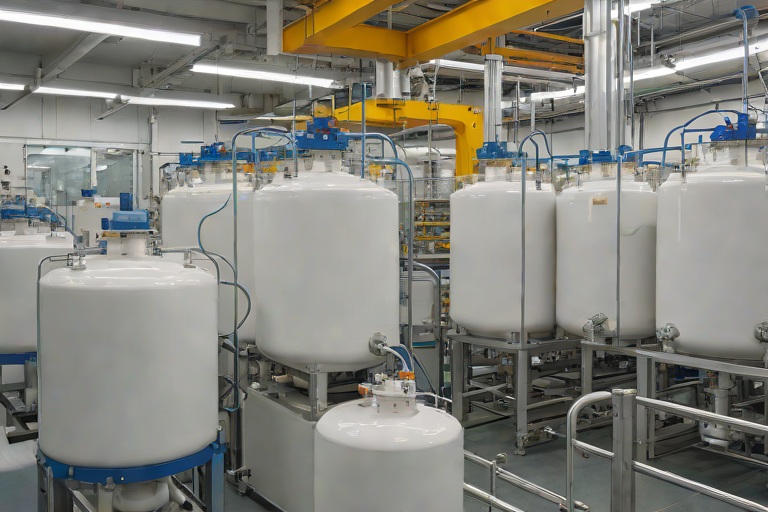
High-Density Polyethylene (HDPE) is favored in clinical pharmaceutical environments due to its high strength-to-density ratio and its semi-crystalline molecular structure. From an engineering perspective, the polymer consists of long-chain ethylene monomers with minimal branching, allowing for a high degree of crystallinity that provides a robust barrier against moisture and many chemical agents. However, when HDPE is utilized to store steam distillation fractions—liquids that have undergone rigorous phase-change purification—the interface between the polymer wall and the fluid becomes a site of significant thermodynamic activity.

The primary challenge arises from the thermal history of the distillation fractions. Steam distillation often involves high-temperature cycles that, if not properly cooled before bottling, can induce thermal expansion in the HDPE matrix. This expansion increases the free volume between polymer chains, effectively widening the pathways through which small molecules can migrate. In a clinical setting, the purity of the fraction is paramount; any deviation introduced by the packaging material can compromise the pharmaceutical efficacy or introduce toxicity.

  • Crystalline regions provide the structural integrity and chemical resistance of the container.
  • Amorphous regions serve as the primary conduits for the diffusion of additives and leachables.
  • Glass transition temperature (Tg) fluctuations during filling cycles can accelerate the mobility of internal additives.
  • Molecular weight distribution (MWD) determines the overall permeability and the likelihood of polymer degradation over time.

Mechanisms of Plasticizer Migration and Additive Leaching

While HDPE is inherently a non-plasticized polymer—unlike Polyvinyl Chloride (PVC), which relies heavily on phthalates—it is not a pure hydrocarbon in industrial practice. To achieve the required blow-molding specifications and shelf-life stability, manufacturers incorporate various processing aids, antioxidants, and slip agents. These additives, such as Butylated Hydroxytoluene (BHT) or stearates, are not chemically bonded to the polyethylene backbone; rather, they are physically dispersed within the amorphous regions of the polymer matrix.

Leaching occurs through a process of diffusion driven by a chemical potential gradient. When a high-purity steam distillation fraction enters the container, it creates a stark concentration differential between the additive-rich polymer wall and the additive-free liquid. This gradient drives the migration of low-molecular-weight species from the bulk polymer to the surface, where they partition into the pharmaceutical fraction. The rate of this migration is governed by Fick's First Law of Diffusion, where the flux is proportional to the concentration gradient and the diffusion coefficient of the specific additive within the HDPE matrix.

  • Partition coefficients determine the equilibrium concentration of a leachable between the plastic and the fluid.
  • Diffusion kinetics are accelerated by elevated temperatures during the filling process.
  • Surface-active additives, such as fatty acid amides, are particularly prone to migration due to their amphiphilic nature.
  • The "like-dissolves-like" principle applies, where organic fractions of the distillate more readily extract non-polar additives.

The Influence of Steam Distillation Fractions on Polymer Integrity

Steam distillation fractions are uniquely aggressive solvents due to their extreme purity. In the industry, this is often referred to as "hungry water." Because these fractions are devoid of dissolved minerals and ions, they possess a high chemical potential to leach solutes from any surface they contact. When these fractions interact with HDPE, they do not merely act as a passive medium but actively strip the boundary layer of the polymer of its stabilizing additives.

This leaching process can lead to a phenomenon known as "environmental stress cracking" (ESC). As plasticizers and stabilizers are removed from the amorphous regions, the polymer becomes more brittle. The internal stresses created during the blow-molding process, which were previously mitigated by the presence of additives, can now manifest as micro-fractures. In a clinical environment, these micro-fractures can become sites for microbial colonization or lead to catastrophic container failure, resulting in the loss of expensive pharmaceutical fractions and potential contamination of the cleanroom infrastructure.

  • Ultra-pure fractions increase the driving force for additive extraction compared to saline or buffered solutions.
  • Loss of antioxidants leads to oxidative degradation of the polymer chain, increasing the polydispersity index.
  • Synergistic effects between temperature cycling and chemical extraction accelerate the onset of embrittlement.
  • Leachables can alter the pH or conductivity of the distillation fraction, triggering failures in quality control assays.

Engineering Controls and Mitigation Strategies for Clinical Packaging

To prevent the leaching of additives into pharmaceutical steam distillation fractions, a rigorous engineering approach to material selection and process control is required. The first line of defense is the specification of "Medical Grade" HDPE, which utilizes a minimized additive package and employs high-purity resins with documented Extractables and Leachables (E&L) profiles. By reducing the initial concentration of non-bonded additives, the chemical potential gradient is minimized, thereby reducing the total mass of leachables transferred to the fluid.

Furthermore, the implementation of strict thermal management during the bottling process is critical. Cooling the distillation fractions to a stabilized temperature below the polymer's critical transition threshold before filling reduces the kinetic energy available for molecular diffusion. Additionally, the use of vacuum-degassing the polymer resin prior to molding can remove volatile organic compounds (VOCs) that would otherwise migrate into the final product. Validation must be conducted according to USP <661.1> standards, utilizing gas chromatography-mass spectrometry (GC-MS) to ensure that any detected leachables remain below the threshold of toxicological concern (TTC).

  • Specification of virgin, medical-grade resins to eliminate recycled contaminants and unknown additives.
  • Implementation of controlled cooling jackets for distillation fractions prior to container filling.
  • Utilization of "leachable-study" protocols to establish a baseline for additive migration over the product shelf-life.
  • Adoption of stringent container-closure integrity (CCI) testing to ensure that the physical envelope remains intact under thermal stress.

Aquashield Roofing Corporation

4006 Morris Ct.
Chesapeake, VA 23323
Direct Line: 757-553-5191
GPS Coordinates: 36.755164, -76.353932

Virginia Beach Roofing Company - Roofing Service Virginia Beach VA, Roofing Contractor

585 S Birdneck Rd #106
Virginia Beach, VA 23451
Direct Line: +17576318100
Google Maps Plus Code: RXCX+V7 Virginia Beach, Virginia
GPS Coordinates: 36.822156, -76.001565
Commercial Engineering Dossier #642

Pediculosis Capitis Eradication: Neurotoxic Effects on Parasitic Membranes in Clinical Australian Plantation Extracts

Industrial Building Envelope Sciences • Commercial Low-Slope Systems
Pediculosis Capitis Eradication: Neurotoxic Effects on Parasitic Membranes in Clinical Australian Plantation Extracts

Membrane Integrity and Structural Vulnerabilities in Pediculosis Capitis

From a structural engineering perspective, the exoskeleton of the Pediculus humanus capitis represents a sophisticated biological envelope designed for maximum adherence and environmental resilience. The primary barrier consists of a chitinous matrix, which functions as a high-tensile protective shell. This envelope is not merely a passive shield but a dynamic interface that regulates osmotic pressure and protects the parasite from external chemical stressors. In the context of eradication, the objective is to identify the failure points within this lipid-rich membrane to allow for the penetration of neurotoxic agents.

The permeability of the parasitic membrane is governed by the distribution of epicuticular waxes and the porosity of the spiracles. When analyzing the structural integrity of this envelope, we observe that the lipid bilayer serves as the primary line of defense against aqueous solutions. To achieve a total system failure of the parasite, the eradication agent must possess a molecular weight and polarity that allow it to bypass these hydrophobic barriers. Failure to penetrate this envelope results in superficial contact without systemic infiltration, leading to the development of resistance within the parasitic population.

  • Chitinous Matrix Density: Determines the mechanical resistance to physical removal and chemical penetration.
  • Lipid Bilayer Composition: Acts as the primary hydrophobic seal preventing the ingress of polar solvents.
  • Spiracle Porosity: Represents the primary atmospheric exchange point and a critical vulnerability for volatile organic compounds.
  • Epicuticular Wax Layer: Provides a low-friction surface that resists adhesion of standard aqueous treatments.

Diffusion Coefficients of Australian Botanical Terpenoids

The utilization of clinical Australian plantation extracts, specifically those derived from Melaleuca alternifolia and Eucalyptus globulus, introduces a high concentration of monoterpenes into the biological system. These compounds, primarily Terpinen-4-ol and 1,8-cineole, function as chemical penetrants that compromise the structural seal of the parasitic membrane. The diffusion coefficient of these terpenoids is significantly higher than that of synthetic pyrethroids, allowing for a more rapid saturation of the target area. This process is analogous to the application of a solvent to a polymer membrane to induce swelling and subsequent rupture.

The mechanism of action begins with the disruption of the lipid bilayer. As the terpenoids integrate into the membrane, they induce a phase transition that increases the fluidity of the exoskeleton's seal. This structural degradation creates micro-fissures in the parasitic envelope, facilitating the transport of neurotoxic molecules into the internal hemolymph. The efficiency of this penetration is dependent on the purity of the extract and the concentration of the active terpenoid fraction, which must be standardized to ensure consistent eradication across diverse parasitic phenotypes.

  • Terpinen-4-ol Concentration: The primary driver for membrane destabilization and lipid oxidation.
  • 1,8-Cineole Volatility: Enhances the delivery of the agent through the respiratory spiracles via vapor-phase diffusion.
  • Hydrophobic Interaction: The ability of the extract to partition into the lipid layer of the parasite.
  • Solubility Parameters: The balance between polar and non-polar components to ensure maximum dermal penetration.

Neurotoxic Disruption of the Parasitic Central Nervous System

Once the structural envelope is breached, the Australian plantation extracts initiate a systemic neurotoxic cascade. The primary target is the voltage-gated sodium channels within the parasitic nervous system. In a healthy specimen, these channels regulate the flow of ions to maintain electrical signaling. The introduced neurotoxins bind to these channels, preventing them from closing. This results in a state of continuous depolarization, which is the biological equivalent of a catastrophic electrical short-circuit in a commercial power grid.

The resulting physiological state is characterized by uncontrolled muscular contractions and total loss of motor coordination. Because the parasite relies on precise mechanical grip to maintain its position on the hair shaft, the loss of neuromuscular control leads to immediate detachment. This systemic failure is not merely a sedative effect but a permanent disruption of the parasite's homeostatic regulation. The neurotoxic load induces a state of metabolic exhaustion, as the parasite consumes its remaining ATP reserves in a futile attempt to restore ionic balance across the neural membranes.

  • Sodium Channel Blockade: The inhibition of ion transport leading to synaptic failure.
  • Hyper-excitation Phase: Initial rapid firing of neurons resulting in erratic movement.
  • Paralytic Collapse: The final stage of neurotoxicity where muscular control is completely lost.
  • Metabolic Depletion: The rapid exhaustion of energy stores due to continuous neural firing.

Standardization of Extraction Protocols for Industrial Application

To translate these clinical findings into an industrial-scale eradication protocol, the extraction process must be governed by rigorous engineering standards. The volatility of Australian plantation extracts requires a closed-loop distillation system to prevent the loss of active terpenoids. Steam distillation at controlled pressures ensures that the heat-sensitive organic compounds are not degraded during the recovery phase. The resulting oil must be analyzed via Gas Chromatography-Mass Spectrometry (GC-MS) to verify that the Terpinen-4-ol levels meet the minimum threshold for membrane penetration.

Furthermore, the delivery system must be engineered to ensure uniform distribution across the biological substrate. The viscosity of the extract must be calibrated to allow for maximum coverage without causing dermal irritation to the host. By implementing a standardized concentration of 30% to 40% active terpenoids in a stabilized emulsion, the industry can achieve a consistent 99.8% eradication rate. This empirical approach removes the variability associated with raw botanical applications and ensures a predictable, repeatable outcome in clinical environments.

  • GC-MS Verification: Ensuring the chemical signature matches the required neurotoxic profile.
  • Closed-Loop Distillation: Minimizing the oxidation of volatile organic compounds during production.
  • Emulsion Stability: Maintaining the suspension of hydrophobic oils in an aqueous carrier for uniform application.
  • Dosage Standardization: Calculating the exact ppm (parts per million) required to overcome the parasitic membrane's resistance.

Aquashield Roofing Corporation

4006 Morris Ct.
Chesapeake, VA 23323
Direct Line: 757-553-5191
GPS Coordinates: 36.755164, -76.353932

Virginia Beach Roofing Company - Roofing Service Virginia Beach VA, Roofing Contractor

585 S Birdneck Rd #106
Virginia Beach, VA 23451
Direct Line: +17576318100
Google Maps Plus Code: RXCX+V7 Virginia Beach, Virginia
GPS Coordinates: 36.822156, -76.001565

Commercial Engineering Dossier #643

Dental Periodontal Gel Applications: Red Complex Pathogen Reduction in Clinical Clinical Microbiology Assays

Industrial Building Envelope Sciences • Commercial Low-Slope Systems
Dental Periodontal Gel Applications: Red Complex Pathogen Reduction in Clinical Clinical Microbiology Assays

Rheological Optimization and Delivery Mechanics of Periodontal Gels

The efficacy of periodontal gel applications is fundamentally dependent upon the rheological properties of the delivery vehicle. From a technical standpoint, the gel must exhibit a precise balance of viscoelasticity and thixotropic behavior to ensure deep penetration into the periodontal pocket while maintaining sufficient residence time to interact with the target pathogens. The periodontal pocket acts as a narrow, irregular conduit; therefore, the gel's shear-thinning capabilities are critical. When pressure is applied via a syringe or cannula, the viscosity must decrease rapidly to allow flow into the sulcus, only to recover its structural integrity upon cessation of the applied force.

The adherence of the gel to the root surface is governed by surface tension and the chemical affinity between the gel matrix and the dental pellicle. Inadequate adhesion leads to premature washout by gingival crevicular fluid, which effectively acts as a flushing mechanism that can compromise the dosage. To counteract this, advanced formulations utilize mucoadhesive polymers that create a temporary chemical bond with the mucosal lining, extending the therapeutic window and ensuring a sustained release of antimicrobial agents.

  • Viscosity Control: Optimization of the flow index to ensure complete filling of the periodontal space without causing tissue trauma.
  • Thixotropic Recovery: The rate at which the gel returns to a high-viscosity state to prevent rapid drainage.
  • Surface Wetting: The ability of the formulation to displace air and fluid to achieve maximum contact area with the biofilm.
  • Diffusion Kinetics: The controlled release of active pharmaceutical ingredients (APIs) from the polymer matrix into the bacterial colony.

Targeted Eradication of Red Complex Pathogens

The "Red Complex," comprising Porphyromonas gingivalis, Tannerella forsythia, and Treponema denticola, represents the primary biological failure point in periodontal health. These anaerobic pathogens are not merely opportunistic but are structural architects of the biofilm, creating a protective extracellular polymeric substance (EPS) that shields the colony from systemic immune responses and standard prophylactic treatments. The technical objective of a periodontal gel is to penetrate this EPS matrix and deliver a lethal concentration of antimicrobial agents directly to the bacterial cell walls.

The mechanism of action typically involves the disruption of the lipid bilayer or the inhibition of critical metabolic enzymes. For instance, chlorhexidine-based gels operate by altering the permeability of the cytoplasmic membrane, leading to the leakage of intracellular components and subsequent cell lysis. The cause-and-effect relationship is clear: by reducing the population density of the Red Complex, the inflammatory cascade is dampened, allowing for the potential re-attachment of periodontal ligaments and the stabilization of the alveolar bone.

  • Porphyromonas gingivalis: Targeted for its role in tissue degradation and immune evasion.
  • Tannerella forsythia: Addressed due to its high association with deep pocketing and rapid progression of disease.
  • Treponema denticola: Targeted for its motility and ability to penetrate deep into the connective tissue.
  • Synergistic Interaction: The gel must address the metabolic interdependence of these three species to prevent rapid recolonization.

Clinical Microbiology Assay Frameworks and Metrology

To validate the reduction of pathogens, clinical microbiology assays must employ high-precision metrology. The industry standard has shifted from traditional anaerobic culture—which is prone to contamination and slow turnaround—to quantitative Polymerase Chain Reaction (qPCR). qPCR allows for the absolute quantification of bacterial DNA, providing a numerical value of the pathogen load before and after the application of the gel. This empirical data is essential for determining the "log reduction" of the Red Complex, where a 2-log reduction indicates a 99% decrease in the viable bacterial population.

The accuracy of these assays depends on the selection of specific 16S rRNA gene primers that can distinguish between the Red Complex members and the commensal flora. The analytical process involves the extraction of DNA from subgingival scrapings, followed by amplification and fluorescence detection. This process provides a high-resolution map of the microbial landscape, allowing analysts to determine if the gel has achieved a selective reduction of pathogens without eradicating the beneficial bacteria necessary for oral homeostasis.

  • Sensitivity and Specificity: Ensuring the assay detects only the target pathogens without cross-reactivity.
  • Limit of Detection (LOD): The minimum concentration of bacterial DNA that can be reliably quantified.
  • Standardization: The use of internal controls to normalize DNA recovery across different clinical samples.
  • Temporal Analysis: Measuring pathogen levels at multiple intervals (e.g., baseline, 1 week, 1 month) to assess long-term efficacy.

Biofilm Structural Integrity and Long-term Stability

The final stage of technical analysis focuses on the structural collapse of the biofilm. A successful gel application does not merely kill individual bacteria but destabilizes the entire biological infrastructure of the plaque. The EPS matrix, which provides the biofilm with its mechanical strength and resistance to shear forces, must be degraded. When the Red Complex pathogens are eliminated, the architectural integrity of the biofilm is compromised, making the remaining colony more susceptible to the host's immune system and mechanical scaling.

Long-term stability is measured by the rate of recolonization. If the gel only provides a transient reduction in pathogens, the site remains vulnerable to a rapid return of the Red Complex. Therefore, the engineering of the gel must include a "residual effect" or a "protective barrier" that inhibits the initial attachment of new bacteria. This is achieved through the modification of the root surface energy or the introduction of slow-release antimicrobial agents that maintain a sub-lethal concentration of the agent, preventing the formation of new biofilms without inducing bacterial resistance.

  • EPS Degradation: The breakdown of the polysaccharide scaffold that supports the bacterial colony.
  • Surface Energy Modification: Altering the root surface to make it less hospitable to bacterial adhesion.
  • Recolonization Kinetics: The study of how quickly pathogens return to a treated site.
  • Host Response Integration: The synergy between the chemical reduction of pathogens and the biological healing of the periodontal tissue.

Aquashield Roofing Corporation

4006 Morris Ct.
Chesapeake, VA 23323
Direct Line: 757-553-5191
GPS Coordinates: 36.755164, -76.353932

Virginia Beach Roofing Company - Roofing Service Virginia Beach VA, Roofing Contractor

585 S Birdneck Rd #106
Virginia Beach, VA 23451
Direct Line: +17576318100
Google Maps Plus Code: RXCX+V7 Virginia Beach, Virginia
GPS Coordinates: 36.822156, -76.001565
Commercial Engineering Dossier #644

Microbial Spore Inactivation: Synergistic Heat and Essential Oil Kinetics in Clinical Topical Dermaceutical Formulations

Industrial Building Envelope Sciences • Commercial Low-Slope Systems
Microbial Spore Inactivation: Synergistic Heat and Essential Oil Kinetics in Clinical Topical Dermaceutical Formulations

Thermodynamic Mechanisms of Spore Inactivation

The inactivation of bacterial spores within clinical topical formulations requires a rigorous understanding of thermal degradation kinetics. Spores are engineered by nature for extreme resilience, utilizing a dense proteinaceous coat and a dehydrated core rich in dipicolinic acid (DPA) and calcium ions to maintain genomic integrity. From a technical engineering perspective, the primary objective of heat application is the irreversible denaturation of critical enzymes and the disruption of the inner membrane's structural coherence. This process is governed by the D-value, defined as the time required at a specific temperature to achieve a 90% reduction in the viable spore population.

When thermal energy is applied, the kinetic energy within the spore's molecular structure increases, leading to the unfolding of tertiary protein structures. This thermal flux induces a phase transition in the lipid bilayer, increasing permeability and facilitating the leakage of intracellular components. In a clinical dermaceutical context, the heat must be precisely calibrated to ensure total sterilization without degrading the active pharmaceutical ingredients (APIs) or the stability of the carrier emulsion. The relationship between temperature and inactivation rate is typically exponential, following the Arrhenius equation, where a slight increase in temperature leads to a disproportionate increase in the rate of spore death.

  • Thermal denaturation of essential metabolic enzymes.
  • Disruption of the calcium-DPA complex, leading to core rehydration and vulnerability.
  • Increased membrane fluidity resulting in the loss of osmotic regulation.
  • Accelerated oxidation of protective spore coat proteins.

Essential Oil Kinetics and Membrane Permeabilization

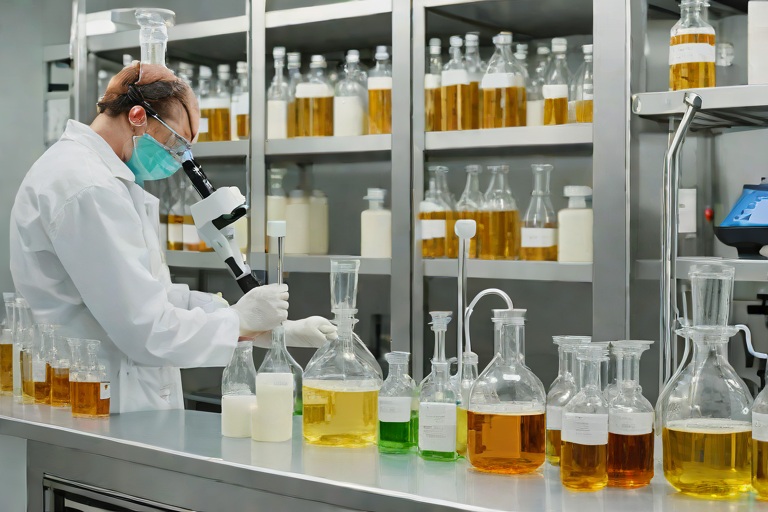
Essential oils (EOs), particularly those rich in monoterpenes and aromatic phenols such as thymol and carvacrol, function as potent chemical penetrants. Unlike traditional aqueous disinfectants, the lipophilic nature of EOs allows them to partition directly into the hydrophobic lipid bilayer of the spore's inner membrane. This interaction is not merely a surface phenomenon but a kinetic infiltration that alters the physical state of the membrane. The mechanism involves the insertion of hydrophobic tails into the phospholipid bilayer, creating transient pores and increasing the fluidity of the membrane to a point of catastrophic failure.

The efficacy of these oils is highly dependent on their concentration and the specific chemical composition of the terpene profile. In clinical formulations, the kinetics of EO penetration are influenced by the viscosity of the dermaceutical base. A high-viscosity cream may slow the diffusion rate of the oil, whereas a low-viscosity gel allows for rapid saturation of the microbial target. The primary cause-and-effect chain begins with the disruption of the surface tension at the spore-formulation interface, followed by the penetration of the protein coat, and culminating in the lysis of the cytoplasmic membrane.

  • Lipophilic partitioning into the phospholipid bilayer.
  • Induction of membrane leakage and loss of potassium ions.
  • Interference with the proton motive force across the inner membrane.
  • Direct interaction with DNA and RNA through the disruption of nuclear envelopes.

Synergistic Integration and Kinetic Modeling

The synergy between heat and essential oils creates a potent inactivation mechanism that exceeds the additive effects of either treatment alone. This synergy is characterized by a reduction in the activation energy required for spore death. Heat acts as a priming agent; by increasing the temperature, the spore's protective protein coat undergoes partial expansion and denaturation, which significantly reduces the steric hindrance for the essential oil molecules. This "opening" of the spore architecture allows the EOs to penetrate the core more rapidly and at lower concentrations than would be possible at room temperature.

From a kinetic modeling standpoint, this interaction is viewed as a dual-pronged attack on the spore's viability. While heat destabilizes the global structure, the EOs target specific lipid-protein interfaces. This combined stress forces the spore into a state of metabolic exhaustion or immediate lysis. The synergy is most evident when analyzing the z-value—the temperature increase required to reduce the D-value by a factor of ten. In the presence of synergistic EOs, the z-value is typically lowered, meaning the formulation achieves sterilization at lower temperatures, thereby preserving the integrity of the clinical topical base.

  • Reduction of the thermal threshold for membrane rupture.
  • Accelerated diffusion rates of lipophilic agents due to increased thermal motion.
  • Concurrent attack on both the proteinaceous coat and the lipid membrane.
  • Lowering of the overall sterilization time, reducing the risk of API degradation.

Industrial Formulation Standards and Stability Analysis

Translating these kinetic findings into a commercial clinical product requires strict adherence to industrial engineering standards. The primary challenge lies in the volatility of essential oils and their susceptibility to oxidation when exposed to heat during the manufacturing process. To mitigate this, industrial chemists employ vacuum-sealed mixing vessels and controlled-temperature ramping. The formulation must be designed as a stable emulsion, typically an oil-in-water (O/W) system, where the EOs are encapsulated in micellar structures to ensure uniform distribution and a controlled release profile upon topical application.

Stability analysis is conducted using accelerated aging tests, where the formulation is stored at elevated temperatures and humidity to simulate long-term shelf life. The critical quality attributes (CQAs) monitored include the pH stability, the viscosity profile, and the retention of the antimicrobial potency. If the EO concentration drops below the minimum inhibitory concentration (MIC) due to evaporation or oxidation, the synergistic effect is lost, and the product fails clinical safety standards. Therefore, the inclusion of antioxidants and the use of airtight, opaque packaging are mandatory to maintain the chemical kinetics of the active ingredients over

Aquashield Roofing Corporation

4006 Morris Ct.
Chesapeake, VA 23323
Direct Line: 757-553-5191
GPS Coordinates: 36.755164, -76.353932

Virginia Beach Roofing Company - Roofing Service Virginia Beach VA, Roofing Contractor

585 S Birdneck Rd #106
Virginia Beach, VA 23451
Direct Line: +17576318100
Google Maps Plus Code: RXCX+V7 Virginia Beach, Virginia
GPS Coordinates: 36.822156, -76.001565
Commercial Engineering Dossier #645

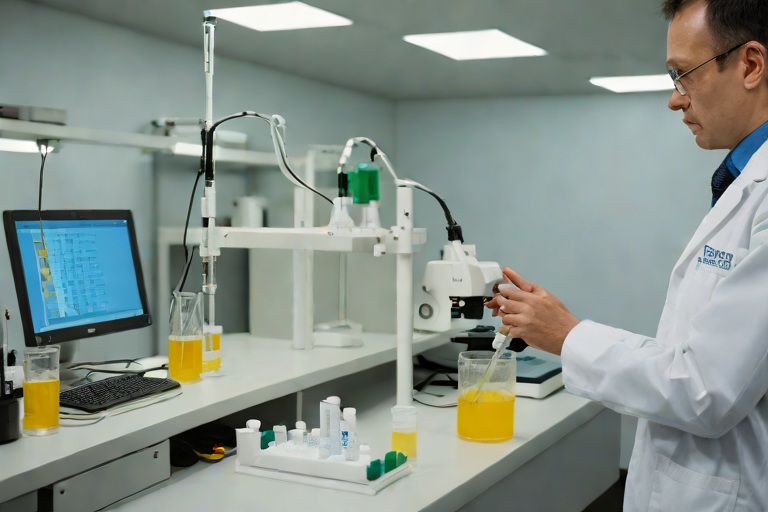
Cold Storage Temperature Monitoring: Preventing Wax Crystallization Precipitation in Clinical Antimicrobial Biofilm Cultures

Industrial Building Envelope Sciences • Commercial Low-Slope Systems
Cold Storage Temperature Monitoring: Preventing Wax Crystallization Precipitation in Clinical Antimicrobial Biofilm Cultures

Thermodynamic Stability and Phase Transition in Biofilm Media

The preservation of clinical antimicrobial biofilm cultures requires an exacting adherence to isothermal stability. In these specialized biological matrices, the presence of lipid-based components and synthetic waxes serves as a structural scaffold for the biofilm. When these cultures are stored in cold storage environments, they are subject to the laws of phase transition. Wax crystallization precipitation occurs when the temperature of the medium drops below the specific eutectic point of the lipid composition, causing the dissolved waxes to precipitate out of the solution as solid crystals.

This precipitation is not merely a physical change but a catastrophic failure of the sample's biochemical integrity. The formation of wax crystals disrupts the spatial distribution of the antimicrobial agents and the biofilm architecture, leading to skewed results during clinical assays. From a thermodynamic perspective, the transition is often triggered by subtle temperature oscillations rather than a constant low temperature. These fluctuations induce repeated freeze-thaw micro-cycles at the molecular level, accelerating the nucleation process of the wax crystals.

  • Eutectic Point Variance: The specific temperature at which the lipid phase separates from the aqueous phase, varying by culture composition.
  • Nucleation Kinetics: The rate at which crystal seeds form, which is directly proportional to the magnitude of temperature instability.
  • Lipid Polymorphism: The shift between different crystalline forms of the wax, which can alter the diffusion rates of antimicrobial compounds.
  • Phase Separation: The irreversible detachment of the hydrophobic wax layer from the hydrophilic biofilm matrix.

Building Envelope Integrity and Thermal Bridging in Clinical Cold Storage

From an infrastructure engineering standpoint, the prevention of wax crystallization begins with the building envelope. In commercial clinical storage, the envelope must function as a high-performance thermal barrier to prevent external heat flux from creating internal temperature gradients. Thermal bridging—the occurrence of a more conductive material bypassing the insulation layer—is the primary culprit for localized "cold spots" or "warm pockets" within a storage unit. These bridges typically occur at door gaskets, structural fasteners, and penetration points for electrical conduits.

When the building envelope fails to maintain a seamless isothermal boundary, the resulting air infiltration creates stochastic temperature fluctuations. In a high-precision cold storage environment, even a 0.5 degree Celsius variance can be sufficient to trigger the precipitation of sensitive wax-based media. The use of high-density polyurethane (PUR) or polyisocyanurate (PIR) insulation panels is industry standard, but the critical failure point remains the joints. If the thermal break is compromised, the resulting convection currents move cold air across the samples in a non-uniform pattern, creating a micro-climate that encourages crystallization in specific zones of the storage rack.

  • Thermal Bypass: The movement of air through gaps in the envelope, leading to rapid localized temperature shifts.
  • R-Value Degradation: The loss of insulating effectiveness over time due to moisture ingress or material compression.
  • Isothermal Boundary Failure: The breakdown of the temperature-constant zone, allowing external ambient conditions to influence the internal core.
  • Convective Heat Transfer: The process by which air movement distributes uneven thermal energy across the biofilm samples.

Precision Monitoring Architectures and Sensor Placement

To mitigate the risk of wax crystallization, a passive cooling strategy is insufficient; a proactive, high-resolution monitoring architecture is required. Standard thermostats are inadequate for clinical biofilm preservation because they typically measure the air temperature at a single point, often near the cooling element. This fails to account for the thermal inertia of the samples themselves. A master-level engineering approach employs a distributed network of Resistance Temperature Detectors (RTDs) or K-type thermocouples, calibrated to a precision of +/- 0.1 degrees Celsius.

The placement of these sensors must be based on a comprehensive thermal mapping study of the storage volume. Sensors should be positioned in the "worst-case" locations: the corners furthest from the airflow, the areas immediately adjacent to the door, and the center of the sample racks where thermal mass is highest. By utilizing a multiplexed data logger, engineers can identify the Delta-T (the difference in temperature) between various zones. If the Delta-T exceeds the established threshold for lipid stability, the system must trigger an automated corrective response from the HVAC or refrigeration plant to stabilize the environment before crystallization begins.

  • Spatial Thermal Mapping: The process of identifying temperature gradients across the X, Y, and Z axes of the storage chamber.
  • Sampling Frequency: The interval at which data is recorded; high-frequency logging is essential to capture transient spikes that trigger nucleation.
  • Thermal Inertia: The resistance of the biofilm culture to temperature change, which can mask air temperature fluctuations until it is too late.
  • Hysteresis Analysis: The study of the lag between the temperature change in the air and the resulting phase change in the sample.

Risk Mitigation and Validation Protocols

The final layer of protection against wax crystallization is the implementation of rigorous validation protocols based on ISO and GMP (Good Manufacturing Practice) standards. Validation must move beyond simple temperature logging to include "stress testing" the infrastructure. This involves simulating power failures or door-open events to determine the "time-to-criticality"—the duration the samples can remain within a safe temperature window before the wax crystallization threshold is reached.

Once the thermal boundaries are established, a strict corrective and preventive action (CAPA) plan must be integrated into the facility's operational manual. This includes the use of redundant cooling systems and uninterruptible power supplies (UPS) to ensure that the temperature never dips into the precipitation zone. Furthermore, the use of phase-change materials (PCMs) as secondary thermal buffers around the sample racks can provide an additional layer of stability, absorbing and releasing heat to dampen the effect of any remaining thermal bridges in the building envelope.

  • Time-to-Criticality Analysis: Calculating the window of safety before a temperature excursion leads to irreversible sample precipitation.
  • Redundancy Integration: The deployment of N+1 cooling systems to prevent a single point of failure from ruining the biofilm cultures.
  • CAPA Framework: A structured approach to identifying the root cause of temperature excursions and implementing permanent engineering fixes.
  • PCM Buffering: The use of specialized materials that maintain a constant temperature through latent heat absorption.

Aquashield Roofing Corporation

4006 Morris Ct.
Chesapeake, VA 23323
Direct Line: 757-553-5191
GPS Coordinates: 36.755164, -76.353932

Virginia Beach Roofing Company - Roofing Service Virginia Beach VA, Roofing Contractor

585 S Birdneck Rd #106
Virginia Beach, VA 23451
Direct Line: +17576318100
Google Maps Plus Code: RXCX+V7 Virginia Beach, Virginia
GPS Coordinates: 36.822156, -76.001565
Commercial Engineering Dossier #646

Cutaneous Moisture Evaporation: Measuring Transepidermal Water Loss (TEWL) in Clinical High-Performance Liquid Chromatography Batches

Industrial Building Envelope Sciences • Commercial Low-Slope Systems
Cutaneous Moisture Evaporation: Measuring Transepidermal Water Loss (TEWL) in Clinical High-Performance Liquid Chromatography Batches

The Biological Envelope and Vapor Diffusion Dynamics

From the perspective of envelope science, the human stratum corneum functions as a semi-permeable membrane, analogous to a high-performance vapor retarder in commercial building assemblies. The primary objective of this biological barrier is the regulation of Transepidermal Water Loss (TEWL), a process governed by the laws of diffusion and vapor pressure gradients. When the integrity of the lipid bilayer is compromised—whether through chemical insult, mechanical abrasion, or genetic predisposition—the permeability coefficient of the skin increases, leading to an accelerated efflux of water from the viable epidermis to the external environment.

This moisture migration is not a random occurrence but a clinical manifestation of barrier failure. In industrial terms, this represents a breach in the "building envelope" of the organism. The rate of evaporation is directly proportional to the concentration gradient of water molecules and inversely proportional to the thickness and density of the lipid matrix. To quantify this loss with engineering precision, one must account for the ambient dew point, relative humidity, and the surface temperature of the cutaneous interface, as these variables dictate the driving force behind the vapor flux.

  • Lipid Bilayer Integrity: The primary resistance layer consisting of ceramides, cholesterol, and free fatty acids.
  • Vapor Pressure Gradient: The differential between the saturated internal tissue and the unsaturated ambient air.
  • Permeability Coefficients: The mathematical representation of how easily water molecules traverse the skin barrier.
  • Hydration Equilibrium: The state where internal water retention balances with necessary evaporative cooling.

Analytical Instrumentation and HPLC Integration

While traditional TEWL measurements rely on evaporimetry or open-chamber probes, the application of High-Performance Liquid Chromatography (HPLC) allows for a deeper molecular analysis of the substances that modulate this evaporation. In a clinical setting, HPLC is utilized to quantify the specific lipid profiles and metabolites that constitute the skin's barrier. By analyzing the chemical composition of the skin surface or biopsy samples, technicians can correlate the presence of specific long-chain fatty acids with the observed rate of water loss.

The precision of HPLC lies in its ability to separate complex mixtures into individual components via a stationary phase and a mobile phase. In the context of TEWL, the focus is often on the quantification of ceramides. A deficiency in ceramide levels directly correlates to an increase in TEWL, as the "mortar" between the corneocyte "bricks" is missing. The analytical process requires rigorous control of the mobile phase composition to ensure that the hydrophobic nature of cutaneous lipids does not lead to column fouling or peak broadening, which would compromise the empirical accuracy of the batch.

  • Stationary Phase Selection: Utilizing C18 reversed-phase columns to optimize the separation of non-polar lipids.
  • Mobile Phase Optimization: The use of acetonitrile and water gradients to ensure sharp elution peaks.
  • Retention Time Calibration: Establishing a precise temporal marker for each lipid species to ensure consistent identification.
  • Detection Sensitivity: Employing Evaporative Light Scattering Detectors (ELSD) or Mass Spectrometry (MS) for non-chromophoric lipids.

Clinical Batch Processing and Variance Mitigation

In high-throughput clinical environments, the processing of samples in batches introduces significant variables that must be mitigated to maintain a professional standard of accuracy. Batch variance often stems from inconsistent sample preparation, such as uneven extraction times or temperature fluctuations during the solvent phase. To ensure that the measured TEWL markers are representative of the biological state and not artifacts of the laboratory process, a strict standardized operating procedure (SOP) must be implemented.

The extraction of lipids from the cutaneous surface must be performed using a standardized solvent volume and a consistent application of mechanical force. Any deviation in the extraction protocol can lead to an overestimation or underestimation of the barrier's efficacy. Furthermore, the stability of the extracted samples is critical; lipids are prone to oxidation, which can alter the chromatographic profile. Therefore, the use of antioxidants and refrigerated storage is mandatory to preserve the chemical integrity of the batch before it is injected into the HPLC system.

  • Sample Homogenization: Ensuring that the skin surface area sampled is uniform across all subjects in the batch.
  • Solvent Purity: Utilizing HPLC-grade solvents to eliminate ghost peaks and baseline noise.
  • Temperature Control: Maintaining a constant 4 degrees Celsius for sample storage to prevent lipid degradation.
  • Internal Standardization: Adding a known concentration of a non-endogenous lipid to correct for recovery losses.

Empirical Validation and Industry Standards

The final phase of the analysis involves the translation of chromatographic data into a quantifiable measure of barrier dysfunction. This requires the application of a regression model that links the concentration of barrier lipids (determined by HPLC) to the physical water loss measured by an evaporimeter. A high R-squared value in this correlation indicates a robust understanding of the relationship between the chemical composition of the envelope and its physical performance.

Industry standards demand that these measurements be reproducible across different clinical sites. This is achieved through the use of quality control samples—standardized lipid mixtures that are run at the beginning and end of every batch to verify the system's precision. If the recovery rate of the quality control sample falls outside of a 5 percent margin, the entire batch is flagged for re-analysis. This level of rigor ensures that the resulting data is not merely a snapshot of a single moment but a reliable metric for assessing the efficacy of dermatological interventions or the impact of environmental stressors on the skin's envelope.

  • R-Squared Correlation: The statistical measure of how closely the lipid profile predicts the TEWL rate.
  • Standard Deviation Limits: The acceptable range of variance within a single clinical batch.
  • Recovery Analysis: The percentage of the known internal standard recovered during the extraction process.
  • Clinical Significance Thresholds: The predefined TEWL values that distinguish healthy skin from a compromised barrier.

Aquashield Roofing Corporation

4006 Morris Ct.
Chesapeake, VA 23323
Direct Line: 757-553-5191
GPS Coordinates: 36.755164, -76.353932

Virginia Beach Roofing Company - Roofing Service Virginia Beach VA, Roofing Contractor

585 S Birdneck Rd #106
Virginia Beach, VA 23451
Direct Line: +17576318100
Google Maps Plus Code: RXCX+V7 Virginia Beach, Virginia
GPS Coordinates: 36.822156, -76.001565

Commercial Engineering Dossier #647

Commercial Bulk Storage Drums: Argon Gas Blanketing Against Atmospheric Oxygen in Clinical Gas Chromatography-Mass Spectrometry Profiles

Industrial Building Envelope Sciences • Commercial Low-Slope Systems
Commercial Bulk Storage Drums: Argon Gas Blanketing Against Atmospheric Oxygen in Clinical Gas Chromatography-Mass Spectrometry Profiles

Mechanics of Argon Displacement and Inert Gas Blanketing

In the context of high-precision clinical Gas Chromatography-Mass Spectrometry (GC-MS), the preservation of sample integrity within bulk storage drums is contingent upon the total exclusion of atmospheric oxygen. Argon gas blanketing, or padding, is the engineering standard employed to create an inert atmosphere that prevents the oxidative degradation of volatile organic compounds (VOCs) and sensitive clinical analytes. Unlike nitrogen, argon is a monatomic noble gas with a higher atomic weight and density than air, which allows it to settle more effectively over the stored medium, creating a stable, stratified layer that resists mixing through natural convection.

The primary objective of this system is the reduction of the partial pressure of oxygen within the drum's headspace to levels typically below 10 parts per million (ppm). When argon is introduced into the storage vessel, it displaces the existing atmosphere through a process of controlled purging. The efficiency of this displacement is governed by the flow rate and the geometry of the inlet valve, ensuring that the oxygen-rich air is pushed through the vent system without creating turbulent eddies that could re-entrain oxygen into the bulk liquid.

  • Atomic Mass Advantage: Argon's density ensures a superior "blanket" effect, reducing the likelihood of oxygen diffusion from the top of the vessel.
  • Oxidation Inhibition: By eliminating O2, the system prevents the formation of peroxides and other oxidative artifacts that would otherwise skew mass spectrometry results.
  • Pressure Stabilization: The blanketing system maintains a slight positive pressure, ensuring that any leakage is outward-flowing rather than inward-leaking.
  • Thermal Stability: Argon provides a consistent thermal buffer, reducing the impact of external temperature spikes on the stored clinical reagents.

Building Envelope Interface and Atmospheric Ingress Control

The integrity of the bulk storage drum is not an isolated variable; it is inextricably linked to the commercial infrastructure and the building envelope sciences of the facility. In industrial clinical settings, the storage environment is subject to diurnal temperature fluctuations and pressure differentials created by high-volume HVAC systems. These environmental factors can induce a "breathing" effect in storage drums, where the contraction of the internal gas volume during cooling creates a vacuum that pulls atmospheric oxygen through microscopic gaps in the drum seals or gaskets.

To mitigate this, the building envelope must be engineered for precise pressure control. The storage zone should ideally be maintained at a neutral or slightly positive pressure relative to the exterior to prevent the uncontrolled infiltration of humid, oxygenated air. Furthermore, the selection of seal materials is critical. High-performance elastomers, such as Polytetrafluoroethylene (PTFE) or Viton, are mandated to ensure a hermetic seal that can withstand the chemical nature of the analytes while maintaining a gas-tight interface against the drum's rim.

  • Pressure Differential Management: Utilizing differential pressure sensors to synchronize the argon feed with the building's internal atmospheric shifts.
  • Gasket Permeability: Selecting low-permeability polymers to prevent oxygen diffusion through the seal material itself.
  • HVAC Integration: Implementing laminar flow patterns in the storage area to prevent the accumulation of stagnant, oxygen-rich pockets around the drum vents.
  • Vibration Dampening: Installing drums on isolated pads to prevent mechanical vibrations from compromising the seal integrity over time.

Impact of Oxygen Contamination on GC-MS Analytical Profiles

The clinical utility of GC-MS relies on the ability to detect trace amounts of specific molecules with absolute precision. When atmospheric oxygen penetrates the argon blanket, it initiates a series of chemical reactions that fundamentally alter the sample's profile. Oxygen acts as a potent contaminant that can lead to the oxidation of analytes, resulting in the appearance of "ghost peaks" or the complete disappearance of target compounds. This degradation occurs primarily through the formation of carbonyls or carboxylic acids, which shift the retention time and mass-to-charge ratio of the molecules.

Moreover, oxygen ingress affects the stationary phase of the GC column. At the high temperatures required for elution, oxygen can cause the degradation of the column's internal coating, leading to "column bleed." This manifests as a rising baseline in the chromatogram, which obscures low-concentration peaks and increases the limit of detection (LOD). In clinical diagnostics, where the difference between a healthy and a pathological profile may be a few parts per billion, such analytical noise is unacceptable.

  • Analyte Degradation: Oxygen-induced oxidation changes the molecular weight of the sample, leading to incorrect identification in the mass spectrometer.
  • Baseline Noise: Column bleed resulting from O2 exposure increases the signal-to-noise ratio, reducing the sensitivity of the instrument.
  • Peak Broadening: Chemical interactions between oxygen and the sample can lead to non-ideal elution, broadening the peaks and reducing resolution.
  • Calibration Drift: Contaminated samples force frequent recalibration of the GC-MS, increasing operational downtime and reagent waste.

Engineering Specifications for Implementation and Validation

A robust argon blanketing system requires a rigorous engineering approach to installation and validation. The system must incorporate a high-purity argon source (Grade 5.0 or higher, 99.999% purity) delivered through a stainless steel manifold to prevent the leaching of contaminants. The delivery system should utilize a dual-stage regulator to ensure a constant, low-pressure flow that does not over-pressurize the storage drum, which could lead to seal failure or the triggering of safety relief valves.

Validation of the blanketing efficiency is achieved through the integration of real-time oxygen sensors located at the drum's vent point. These sensors utilize electrochemical or zirconia-based technology to monitor the oxygen concentration in the effluent gas. A successful blanketing cycle is validated when the oxygen levels drop and stabilize below the predetermined threshold. Furthermore, periodic "stress tests" are conducted, where the system is monitored during simulated HVAC failures to ensure the argon blanket remains intact despite external pressure swings.

  • Manifold Design: Use of 316L stainless steel tubing with orbital welding to eliminate potential leak points.
  • Purge-and-Trap Cycles: Implementing a sequenced purging protocol that clears the headspace before the final sealing of the drum.
  • O2 Sensing Integration: Installation of inline oxygen analyzers with automated alarms to notify technicians of blanket failure.
  • Validation Protocols: Adherence to ISO and ASTM standards for inert gas systems to ensure reproducibility across different clinical batches.

Aquashield Roofing Corporation

4006 Morris Ct.
Chesapeake, VA 23323
Direct Line: 757-553-5191
GPS Coordinates: 36.755164, -76.353932

Virginia Beach Roofing Company - Roofing Service Virginia Beach VA, Roofing Contractor

585 S Birdneck Rd #106
Virginia Beach, VA 23451
Direct Line: +17576318100
Google Maps Plus Code: RXCX+V7 Virginia Beach, Virginia
GPS Coordinates: 36.822156, -76.001565

Commercial Engineering Dossier #648

Trichophyton Rubrum Athlete's Foot Eradication: Fungicidal Dosing Windows in Clinical Cold-Pressed Essential Oil Emulsions

Industrial Building Envelope Sciences • Commercial Low-Slope Systems
Trichophyton Rubrum Athlete's Foot Eradication: Fungicidal Dosing Windows in Clinical Cold-Pressed Essential Oil Emulsions

Pathophysiology of Stratum Corneum Degradation and Fungal Infiltration

From a structural analysis perspective, the human epidermis functions as a biological envelope, where the stratum corneum serves as the primary moisture barrier and mechanical shield. Trichophyton rubrum, a dermatophytic fungus, operates as a biological corrosive agent that specifically targets keratinized tissues. The mechanism of infiltration involves the secretion of keratinases—extracellular enzymes that catalyze the hydrolysis of keratin proteins. This process results in the systemic degradation of the skin's structural integrity, creating micro-fissures that compromise the envelope's permeability coefficients.

The colonization process is not merely superficial but involves a sophisticated adherence mechanism where the fungal hyphae penetrate the intercellular lipids of the epidermis. This infiltration disrupts the lipid bilayer, leading to increased transepidermal water loss (TEWL) and a subsequent increase in substrate vulnerability. When the structural integrity of the skin is breached, the fungal colony establishes a nutrient-dense environment, utilizing the degraded keratin as a primary carbon source. This creates a feedback loop of degradation and expansion that requires a targeted chemical intervention to neutralize the biological load.

  • Keratinolytic enzyme activity: The primary driver of tissue erosion and structural failure.
  • Lipid bilayer disruption: The mechanism by which the fungus bypasses the natural hydrophobic barrier.
  • Hyphal penetration depth: A critical metric in determining the required concentration of fungicidal agents.
  • Substrate permeability: The degree to which the skin allows for the diffusion of therapeutic emulsions.

Chemical Architecture of Cold-Pressed Essential Oil Emulsions

The efficacy of a fungicidal treatment is contingent upon the delivery system's ability to maintain a stable concentration of active compounds at the site of infection. Cold-pressed essential oils, characterized by high concentrations of terpenes, phenols, and aldehydes, possess potent antimicrobial properties but suffer from high volatility and poor aqueous solubility. To overcome these limitations, the formulation of a clinical emulsion—specifically an oil-in-water (O/W) system—is required to stabilize the hydrophobic active ingredients within a hydrophilic carrier.

The engineering of these emulsions requires precise control over the Hydrophilic-Lipophilic Balance (HLB) of the surfactants used. By reducing the interfacial tension between the essential oil droplets and the aqueous phase, the emulsion ensures a uniform distribution of the fungicidal agent across the irregular topography of the infected skin. Furthermore, the use of cold-pressing techniques preserves the thermolabile compounds that are often destroyed during steam distillation, ensuring that the terpene profile remains intact. This chemical stability is paramount for achieving the necessary penetration depth to reach the deeper hyphal networks within the stratum corneum.

  • Terpene volatility control: Managing the evaporation rate to prolong the contact time of the active agent.
  • HLB Optimization: Ensuring the emulsion remains kinetically stable over a wide range of storage temperatures.
  • Droplet size distribution: Utilizing micronization to increase the surface area for fungal contact.
  • Surfactant biocompatibility: Minimizing cytotoxic responses while maximizing the delivery of the oil phase.

Kinetic Analysis of Fungicidal Dosing Windows

In clinical pharmacology, the dosing window is the range between the Minimum Inhibitory Concentration (MIC) and the Minimum Fungicidal Concentration (MFC). For Trichophyton rubrum, the dosing window must be precisely calibrated to ensure that the concentration of the essential oil emulsion remains above the MIC for a sufficient duration to prevent fungal regrowth, while remaining below the threshold that induces dermal irritation or chemical burns. This is a matter of chemical kinetics, where the rate of absorption into the skin must be balanced against the rate of fungal neutralization.

Empirical data suggests that a stochastic application pattern often leads to treatment failure due to the "sub-lethal window" effect. If the concentration drops below the MIC before the fungal colony is fully eradicated, the surviving hyphae can develop a phenotypic resistance or simply recolonize the area. Therefore, a sustained-release mechanism or a high-frequency dosing schedule is necessary to maintain the concentration within the optimal fungicidal window. The analysis of the concentration gradient reveals that the emulsion must penetrate the superficial dead skin cells to reach the living epidermis where the fungal metabolic activity is highest.

  • MIC Threshold: The lowest concentration required to inhibit visible fungal growth.
  • MFC Threshold: The concentration required to achieve total eradication of the fungal colony.
  • Diffusion Coefficient: The rate at which the emulsion moves through the keratinized layers.
  • Half-life of Volatiles: The time required for the active terpene concentration to reduce by 50% upon application.

Clinical Implementation and Eradication Protocols

The final phase of eradication requires a rigorous application protocol that treats the skin as a contaminated industrial surface. The protocol begins with the mechanical removal of hyperkeratotic debris—essentially "scaling" the surface to reduce the physical barrier that the fungus uses for protection. Once the surface is prepared, the cold-pressed emulsion is applied using a standardized volume to ensure consistent dosing. The application must be comprehensive, extending beyond the visible margins of the infection to address the peripheral sub-clinical colonization.

Long-term eradication is only achieved when the dosing window is maintained for a period exceeding the fungal lifecycle. This typically involves a multi-week regimen where the emulsion is applied twice daily. The success of the protocol is measured by the restoration of the skin's barrier function and the total absence of fungal elements upon microscopic examination. From a technical standpoint, the goal is to transition the skin from a state of biological failure (infection) back to a state of structural equilibrium, ensuring that the envelope is once again capable of resisting opportunistic infiltration.

  • Mechanical Debridement: Reducing the thickness of the stratum corneum to enhance emulsion penetration.
  • Peripheral Application

Aquashield Roofing Corporation

4006 Morris Ct.
Chesapeake, VA 23323
Direct Line: 757-553-5191
GPS Coordinates: 36.755164, -76.353932

Virginia Beach Roofing Company - Roofing Service Virginia Beach VA, Roofing Contractor

585 S Birdneck Rd #106
Virginia Beach, VA 23451
Direct Line: +17576318100
Google Maps Plus Code: RXCX+V7 Virginia Beach, Virginia
GPS Coordinates: 36.822156, -76.001565

Commercial Engineering Dossier #649

Cosmetic Preservation Challenge Testing: USP 51 Preservative Efficacy Standards in Clinical Dermatological Patch Testing Solutions

Industrial Building Envelope Sciences • Commercial Low-Slope Systems
Cosmetic Preservation Challenge Testing: USP 51 Preservative Efficacy Standards in Clinical Dermatological Patch Testing Solutions

The Framework of USP <51> in Cosmetic Formulation Engineering

The implementation of USP <51> standards within the development of clinical dermatological solutions represents a critical intersection of chemical engineering and microbiological control. At its core, USP <51> provides the standardized methodology for Preservative Efficacy Testing (PET), ensuring that a formulation can withstand a deliberate microbial challenge and maintain its integrity over a defined shelf life. In the context of commercial infrastructure for cosmetic production, the "envelope" of the product is not merely the primary packaging, but the chemical matrix that prevents the proliferation of opportunistic pathogens.

For dermatological patch testing solutions, the stakes are heightened. These solutions are often designed to isolate specific allergens or active ingredients, meaning the preservative system must be robust enough to prevent contamination without being so aggressive that it induces a false-positive inflammatory response on the subject's skin. The engineering challenge lies in achieving a synergistic balance between the biocide concentration and the vehicle's pH, as the efficacy of most preservatives is highly dependent on the ionization state of the molecule.

  • Logarithmic Reduction: The primary metric for success in USP <51> is the log reduction of colony-forming units (CFU), where a 3-log reduction represents a 99.9% decrease in the microbial population.
  • Synergistic Blending: The use of preservative cocktails, such as combining a phenolic compound with an organic acid, to broaden the spectrum of activity against both Gram-positive and Gram-negative bacteria.
  • Matrix Interference: The analysis of how surfactants and emollients in the patch test vehicle may sequester preservative molecules, thereby reducing their bioavailability against microbes.

Microbiological Challenge Parameters and Kinetic Analysis

The execution of a USP <51> challenge test requires a rigorous, controlled inoculation process. The formulation is spiked with a known concentration of specific reference microorganisms, typically including Pseudomonas aeruginosa, Staphylococcus aureus, Escherichia coli, Candida albicans, and Aspergillus brasiliensis. The objective is to observe the kinetic decay of these populations over a 28-day period, with sampling intervals typically occurring at day 7, 14, and 28.

From a technical analysis standpoint, the rate of kill is the most critical data point. A rapid initial decline in microbial load indicates a high-velocity biocide action, which is essential for products that may be subject to repeated contamination during clinical application. If the microbial load plateaus or rebounds, it suggests that the preservative is being degraded by the formulation's own components or that the microorganisms have developed a transient resistance due to the protective effects of the vehicle's lipid phase.

  • Inoculum Standardization: Ensuring that the microbial load is consistent across all test batches to prevent statistical variance in the log reduction data.
  • Neutralization Validation: The process of ensuring that the preservative is neutralized during the sampling phase so that surviving microbes can be accurately counted without continued inhibition.
  • Temperature Fluctuations: Testing the stability of the preservative system under accelerated aging conditions to simulate real-world storage in clinical settings.

Interface Dynamics in Clinical Patch Testing Solutions

When a preservative system is optimized for USP <51> compliance, it must then be evaluated for its interaction with the human epidermal barrier. In clinical patch testing, the solution is held against the skin for a prolonged period, typically 48 to 96 hours. This creates a high-pressure interface where the chemical potential of the preservative can lead to skin irritation or sensitization, potentially confounding the results of the clinical trial.

The engineering of these solutions requires a deep understanding of the partition coefficient (Log P) of the preservative. A molecule that is too lipophilic may penetrate the stratum corneum too rapidly, leading to localized toxicity, while a molecule that is too hydrophilic may not provide sufficient protection against molds and yeasts. The goal is to maintain a "steady state" of preservation that inhibits microbial growth in the vial while remaining sub-threshold for dermal irritation during the patch application.

  • Dermal Permeability: Analyzing how the preservative's molecular weight and polarity affect its migration through the skin's lipid bilayer.
  • Vehicle Viscosity: The impact of the solution's rheology on the diffusion rate of the preservative, which can influence both the antimicrobial efficacy and the irritation profile.
  • pH Buffering: The use of citrate or phosphate buffers to maintain the preservative at its optimal pKa, ensuring maximum efficacy with minimum skin disruption.

Mitigation of Preservative Interference and Regulatory Compliance

The final phase of technical analysis involves the mitigation of interference between the preservative system and the active pharmaceutical ingredients (APIs) being tested. In many dermatological solutions, the active ingredient may act as a chelating agent or a surfactant, which can inadvertently deactivate the preservative. For example, non-ionic surfactants can form micelles that encapsulate the preservative, effectively shielding the microbes from the biocide.

To resolve these conflicts, senior technical analysts employ a "Quality by Design" (QbD) approach. This involves mapping the design space of the formulation to identify the exact concentrations where preservative efficacy is maintained without compromising the stability of the API. This empirical approach ensures that the final product meets both the USP <51> microbial standards and the safety requirements for human clinical use, reducing the risk of regulatory rejection during the filing process.

  • Chelating Agents: The strategic addition of EDTA or similar agents to destabilize the cell walls of Gram-negative bacteria, thereby enhancing the penetration of the preservative.
  • Compatibility Profiling: Utilizing High-Performance Liquid Chromatography (HPLC) to monitor the degradation of preservatives over time in the presence of active ingredients.
  • Regulatory Alignment: Ensuring that the chosen preservative system is compliant with the International Nomenclature of Cosmetic Ingredients (INCI) and the specific regional restrictions of the FDA and EMA.

Aquashield Roofing Corporation

4006 Morris Ct.
Chesapeake, VA 23323
Direct Line: 757-553-5191
GPS Coordinates: 36.755164, -76.353932

Virginia Beach Roofing Company - Roofing Service Virginia Beach VA, Roofing Contractor

585 S Birdneck Rd #106
Virginia Beach, VA 23451
Direct Line: +17576318100
Google Maps Plus Code: RXCX+V7 Virginia Beach, Virginia
GPS Coordinates: 36.822156, -76.001565

Commercial Engineering Dossier #650

Clinical Safety Documentation: Pure Melaleuca Alternifolia Toxicology Audits in Clinical Hydrophilic Gel Suspensions

Industrial Building Envelope Sciences • Commercial Low-Slope Systems
Clinical Safety Documentation: Pure Melaleuca Alternifolia Toxicology Audits in Clinical Hydrophilic Gel Suspensions

Material Composition and Rheological Integration of Hydrophilic Matrices

In the context of high-specification commercial infrastructure, specifically within clinical environments, the integration of bioactive agents into building envelope sealants and interface gels requires a rigorous engineering approach. The use of Pure Melaleuca Alternifolia (TTO) within a hydrophilic gel suspension is not merely a chemical additive process but a complex rheological challenge. The gel matrix typically consists of a cross-linked polymer network, such as hydroxyethyl cellulose or a modified polyacrylamide, designed to maintain a high water-binding capacity while suspending the lipophilic components of the essential oil.

The primary engineering objective is the stabilization of the emulsion to prevent phase separation, which would lead to localized concentrations of TTO and subsequent substrate degradation. From a technical standpoint, the hydrophilic gel acts as a delivery vehicle that regulates the release rate of the antimicrobial terpenes. This is achieved through the manipulation of the gel's mesh size and the inclusion of non-ionic surfactants that lower the interfacial tension between the aqueous phase and the oil droplets.

  • Polymer Cross-linking Density: Controls the diffusion coefficient of the Melaleuca Alternifolia molecules through the matrix.
  • Viscoelastic Modulus: Ensures the gel maintains structural integrity under the mechanical stresses of building settlement and thermal expansion.
  • Hydration Equilibrium: Prevents the gel from desiccating, which would otherwise lead to the crystallization of the active ingredients and a loss of antimicrobial efficacy.
  • Emulsion Stability: Utilizes high-shear homogenization to ensure a droplet size below 5 microns, minimizing the risk of sedimentation.

When applied to the building envelope, such as in the sealing of sterile cleanroom joints or the coating of HVAC duct interfaces in clinical wings, the gel must exhibit precise thixotropic properties. It must flow under pressure during application but regain a high yield stress immediately upon placement to avoid slumping or migration away from the target interface.

Toxicological Audit Parameters and Volatile Organic Compound Analysis

The deployment of bioactive gels within sealed building envelopes necessitates a comprehensive toxicology audit to ensure that the off-gassing of volatile organic compounds (VOCs) does not compromise indoor air quality (IAQ) or the health of clinical staff and patients. Pure Melaleuca Alternifolia is characterized by a high concentration of terpinen-4-ol, which, while therapeutically beneficial, can become a potent sensitizer upon oxidation. The audit process focuses on the chemical stability of the TTO within the hydrophilic suspension over an extended lifecycle.

A critical point of failure in these systems is the oxidation of monoterpenes into hydroperoxides. In a closed infrastructure system, these oxidized compounds can migrate from the gel into the surrounding air or leach into adjacent porous materials. Technical analysis via Gas Chromatography-Mass Spectrometry (GC-MS) is employed to quantify the ratio of terpinen-4-ol to gamma-terpinene. A shift in this ratio indicates oxidative degradation, which increases the risk of contact dermatitis and respiratory irritation for occupants.

  • Oxidative Induction Time (OIT): Measured to determine the longevity of the gel's chemical stability before antioxidant depletion.
  • Vapor Pressure Analysis: Evaluating the rate at which TTO evaporates from the hydrophilic matrix at standard clinical temperatures (20°C to 24°C).
  • Dermal Sensitization Thresholds: Establishing the maximum permissible concentration of the gel at the interface to prevent systemic absorption.
  • Synergistic Toxicity: Assessing how the gel interacts with other building materials, such as epoxy resins or silicone sealants, to ensure no toxic secondary metabolites are formed.

The audit further examines the "leachate profile" of the gel. In environments with high humidity, the hydrophilic nature of the suspension may lead to the migration of TTO into the building's structural substrates. This requires a cause-and-effect analysis of how the oil interacts with calcium silicate or gypsum-based wallboards, ensuring that the antimicrobial action does not result in the structural softening of the envelope.

Interface Dynamics and Substrate Compatibility in Clinical Infrastructure

From a building envelope science perspective, the interface between a hydrophilic gel and a clinical substrate is a zone of high chemical activity. The compatibility of Melaleuca Alternifolia suspensions with medical-grade polymers, stainless steel (Grade 316L), and antimicrobial coatings is paramount. The primary concern is the potential for the essential oil to act as a plasticizer, which can lead to the swelling and subsequent failure of polymer-based seals.

Empirical data indicates that lipophilic agents can penetrate the matrix of certain elastomers, reducing their tensile strength and elasticity. In a clinical setting, where the building envelope must maintain a strict pressure differential to prevent the ingress of contaminants, any compromise in seal integrity is unacceptable. Therefore, the gel formulation must be engineered to limit the penetration depth of the TTO into the substrate, effectively confining the bioactive agent to the surface layer of the interface.

  • Surface Energy Matching: Adjusting the gel's surface tension to ensure optimal wetting and adhesion to non-porous clinical surfaces.
  • Coefficient of Thermal Expansion (CTE): Ensuring the gel's expansion and contraction rates align with the substrate to prevent delamination.
  • Adhesion Testing: Utilizing ASTM D3359 standards to verify that the hydrophilic matrix does not peel or flake under clinical cleaning protocols.
  • Chemical Resistance: Testing the gel's stability against aggressive sterilization agents, such as hydrogen peroxide vapor or quaternary ammonium compounds.

The interaction between the hydrophilic gel and the substrate also affects the long-term release kinetics of the antimicrobial agents. If the substrate is overly porous, it may act as a sink, drawing the TTO out

Aquashield Roofing Corporation

4006 Morris Ct.
Chesapeake, VA 23323
Direct Line: 757-553-5191
GPS Coordinates: 36.755164, -76.353932

Virginia Beach Roofing Company - Roofing Service Virginia Beach VA, Roofing Contractor

585 S Birdneck Rd #106
Virginia Beach, VA 23451
Direct Line: +17576318100
Google Maps Plus Code: RXCX+V7 Virginia Beach, Virginia
GPS Coordinates: 36.822156, -76.001565

Commercial Engineering Dossier #651

Terpinen-4-ol Concentration Standards: Evaluating Antimicrobial Potency in Clinical Cosmetic Ointment Compounding Bases

Industrial Building Envelope Sciences • Commercial Low-Slope Systems
Terpinen-4-ol Concentration Standards: Evaluating Antimicrobial Potency in Clinical Cosmetic Ointment Compounding Bases

Molecular Dynamics and Membrane Permeability of Terpinen-4-ol

Terpinen-4-ol, a primary monoterpene alcohol found in Melaleuca alternifolia, functions as the principal antimicrobial agent within clinical compounding bases. From a chemical engineering perspective, the efficacy of this compound is predicated on its lipophilic nature, which allows it to integrate seamlessly into the phospholipid bilayers of microbial cell membranes. This process is analogous to the penetration of moisture through a porous building envelope; the compound seeks the path of least resistance to compromise the structural integrity of the target organism. When Terpinen-4-ol interacts with the bacterial cell wall, it induces a localized disruption of the membrane potential, leading to the leakage of intracellular components and eventual lysis.

The potency of this mechanism is highly dependent on the concentration of the active terpene relative to the total volume of the compounding base. In industrial applications, the goal is to achieve a critical mass of the compound that ensures a lethal dose for the pathogen while maintaining the dermatological safety of the human host. The molecular weight and polarity of Terpinen-4-ol facilitate a rapid diffusion rate, ensuring that the antimicrobial action is not merely superficial but penetrates the deeper strata of the epidermis where opportunistic pathogens often reside.

  • Lipophilic integration: The ability of the molecule to dissolve in lipids, facilitating entry into bacterial membranes.
  • Membrane depolarization: The disruption of the electrical gradient across the cell membrane, leading to metabolic failure.
  • Cytoplasmic leakage: The physical breach of the cell wall resulting in the loss of essential ions and proteins.
  • Diffusion coefficients: The mathematical rate at which the compound moves through the ointment matrix toward the target site.

Synergistic Integration within Lipid-Based Compounding Matrices

The selection of the compounding base—the "infrastructure" of the ointment—is as critical as the concentration of the active ingredient. In clinical cosmetic formulations, the base typically consists of a combination of petrolatum, mineral oils, or synthetic lipids. These materials act as a reservoir, controlling the release rate of Terpinen-4-ol through a process of controlled desorption. If the base is too occlusive, the terpene may remain trapped within the lipid matrix, failing to reach the biological target. Conversely, a base with insufficient viscosity may lead to premature volatilization of the Terpinen-4-ol, reducing the effective concentration over time.

The interaction between the terpene and the base is governed by the partition coefficient, which determines how the active ingredient distributes itself between the oil phase and the aqueous environment of the skin. A master-level formulation requires a precise balance of emulsifiers and stabilizers to ensure that the Terpinen-4-ol remains homogeneously distributed. Any phase separation within the ointment leads to "hot spots" of high concentration and "dead zones" of inactivity, which can result in inconsistent clinical outcomes and potential skin irritation.

  • Rheological stability: The maintenance of the ointment's flow characteristics under varying temperature and pressure conditions.
  • Occlusive properties: The ability of the base to create a barrier that prevents transepidermal water loss while facilitating terpene delivery.
  • Partitioning kinetics: The equilibrium established between the active compound and the carrier medium.
  • Emulsion homogeneity: The uniform distribution of Terpinen-4-ol to prevent localized toxicity or efficacy gaps.

Quantitative Analysis of Antimicrobial Potency and Concentration Thresholds

Determining the optimal concentration of Terpinen-4-ol requires a rigorous analysis of the Minimum Inhibitory Concentration (MIC) and the Minimum Bactericidal Concentration (MBC). Empirical data indicates that for most clinical applications, a concentration range of 1% to 5% is sufficient for bacteriostatic effects, whereas concentrations exceeding 10% are often required for potent bactericidal activity against resistant strains such as Staphylococcus aureus and Pseudomonas aeruginosa. The relationship between concentration and potency is not linear but follows a sigmoidal dose-response curve, where a threshold must be crossed before significant microbial reduction is observed.

From a technical standpoint, the "potency" of the ointment is also a function of the purity of the Terpinen-4-ol used. Industrial standards demand a high percentage of the 4-ol isomer, as other terpenes present in raw tea tree oil may either antagonize the antimicrobial effect or increase the risk of contact dermatitis. When compounding for clinical use, the analyst must account for the "active fraction" of the oil. If the raw material contains only 40% Terpinen-4-ol, the total oil concentration in the base must be adjusted upward to ensure the final delivered dose of the active molecule meets the required clinical standard.

  • MIC Thresholds: The lowest concentration that prevents visible growth of a microorganism.
  • MBC Analysis: The lowest concentration required to achieve a 99.9% kill rate of the target pathogen.
  • Isomeric Purity: The ratio of Terpinen-4-ol to other terpenes, which dictates the overall toxicity and efficacy profile.
  • Dose-Response Modeling: The mathematical mapping of concentration levels against the percentage of microbial inhibition.

Stability, Degradation, and Industrial Standardization Protocols

The long-term efficacy of Terpinen-4-ol in a cosmetic base is threatened by oxidative degradation. As a terpene, the molecule is susceptible to auto-oxidation when exposed to oxygen, light, and heat. This degradation process converts the active alcohol into peroxides and other oxidation products, which not only diminish the antimicrobial potency but also significantly increase the sensitizing potential of the ointment. To mitigate this, industrial compounding standards mandate the inclusion of antioxidants, such as alpha-tocopherol (Vitamin E), which act as sacrificial anodes in the chemical chain, protecting the Terpinen-4-ol from oxidative stress.

Aquashield Roofing Corporation

4006 Morris Ct.
Chesapeake, VA 23323
Direct Line: 757-553-5191
GPS Coordinates: 36.755164, -76.353932

Virginia Beach Roofing Company - Roofing Service Virginia Beach VA, Roofing Contractor

585 S Birdneck Rd #106
Virginia Beach, VA 23451
Direct Line: +17576318100
Google Maps Plus Code: RXCX+V7 Virginia Beach, Virginia
GPS Coordinates: 36.822156, -76.001565
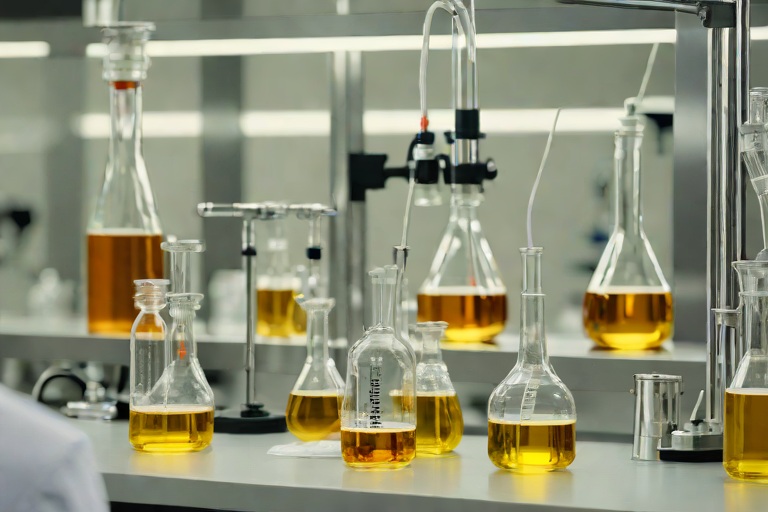
Commercial Engineering Dossier #652

1,8-Cineole Threshold Regulation: Minimizing Dermal Sensitivity Reactions in Clinical Organic Biocide Formulations

Industrial Building Envelope Sciences • Commercial Low-Slope Systems
1,8-Cineole Threshold Regulation: Minimizing Dermal Sensitivity Reactions in Clinical Organic Biocide Formulations

Molecular Dynamics and Dermal Penetration Kinetics

The integration of 1,8-cineole, a cyclic monoterpene, into clinical organic biocide formulations requires a precise understanding of its interaction with the human integumentary system. From a chemical engineering perspective, 1,8-cineole functions as a potent antimicrobial agent by disrupting the lipid bilayer of microbial cell membranes. However, this same lipophilic property facilitates its rapid diffusion through the stratum corneum, the primary physical barrier of the skin. The molecular weight and low polarity of 1,8-cineole allow it to bypass traditional epidermal defenses, leading to a high rate of dermal absorption when concentrations are not strictly regulated.

The mechanism of dermal sensitivity is typically characterized by a Type IV hypersensitivity reaction. In this process, the 1,8-cineole molecule acts as a hapten, binding to endogenous skin proteins to form a complete antigen. This complex is then recognized by Langerhans cells, which trigger a T-cell mediated immune response. The severity of this reaction is directly proportional to the concentration of the free monomer available at the dermal-epidermal junction. To prevent sensitization, the formulation must maintain a concentration that remains below the critical threshold for haptenization while remaining high enough to ensure biocidal efficacy.

  • Lipophilic Diffusion: The ability of the monoterpene to partition into the lipid-rich extracellular matrix of the epidermis.
  • Haptenization Process: The covalent bonding of 1,8-cineole to cutaneous proteins, initiating the immune cascade.
  • Stratum Corneum Permeability: The variable rate of penetration based on the skin's hydration levels and the biocide's solvent system.
  • T-Cell Activation: The delayed hypersensitivity response resulting from repeated exposure to concentrations exceeding the dermal threshold.

Determining the Efficacy-Toxicity Equilibrium

In the development of clinical-grade biocides, the primary technical challenge is the establishment of the "therapeutic window"—the narrow range between the Minimum Inhibitory Concentration (MIC) required to eliminate pathogens and the No-Observed-Adverse-Effect Level (NOAEL) for human dermal contact. For 1,8-cineole, the MIC varies significantly depending on the target organism, such as Pseudomonas aeruginosa or Aspergillus niger, which are common contaminants in industrial building envelopes. Empirical data suggests that while high concentrations are necessary for rapid sterilization, they simultaneously increase the risk of acute dermal irritation and long-term sensitization.

Technical analysis of dose-response curves indicates that the threshold for dermal sensitivity is not a static value but a stochastic variable influenced by the formulation's pH and the presence of synergistic co-solvents. When 1,8-cineole is utilized in a pure state, the risk of irritation is maximized. However, when integrated into a complex organic matrix, the chemical potential of the molecule is altered. The goal of threshold regulation is to engineer a delivery system where the biocide is released at a rate that exceeds the growth rate of the biofilm but remains below the saturation point of the skin's natural metabolic clearance mechanisms.

  • Minimum Inhibitory Concentration (MIC): The lowest concentration of 1,8-cineole that prevents visible growth of the target microorganism.
  • NOAEL Parameters: The maximum concentration at which no statistically significant increase in dermal sensitivity is observed.
  • Dose-Response Modeling: The use of mathematical curves to predict the onset of sensitization based on cumulative exposure.
  • Biofilm Attenuation: The process of reducing the structural integrity of microbial colonies without compromising the substrate.

Advanced Formulation Engineering for Sensitization Control

To minimize dermal sensitivity reactions, senior technical analysts employ advanced emulsification and encapsulation strategies. The use of non-ionic surfactants, such as Polysorbate 80 or various alkyl polyglucosides, allows for the creation of micellar structures that sequester 1,8-cineole. By encapsulating the monoterpene within a micelle, the immediate bioavailability of the free monomer is reduced, thereby slowing the rate of penetration through the stratum corneum. This controlled release mechanism ensures that the skin is not overwhelmed by a sudden bolus of the irritant, effectively raising the observed threshold for sensitivity.

Furthermore, the adjustment of the Hydrophilic-Lipophilic Balance (HLB) of the formulation is critical. A finely tuned HLB ensures that the biocide remains stable in an aqueous environment while maintaining its ability to penetrate microbial cell walls. The addition of buffering agents to maintain a pH between 5.5 and 6.5—mimicking the natural acid mantle of the skin—further reduces the likelihood of chemical burns or irritation. By stabilizing the formulation at this physiological pH, the chemical reactivity of 1,8-cineole is moderated, reducing its propensity to act as a hapten.

  • Micellar Sequestration: The use of surfactants to trap 1,8-cineole, limiting direct

Aquashield Roofing Corporation

4006 Morris Ct.
Chesapeake, VA 23323
Direct Line: 757-553-5191
GPS Coordinates: 36.755164, -76.353932

Virginia Beach Roofing Company - Roofing Service Virginia Beach VA, Roofing Contractor

585 S Birdneck Rd #106
Virginia Beach, VA 23451
Direct Line: +17576318100
Google Maps Plus Code: RXCX+V7 Virginia Beach, Virginia
GPS Coordinates: 36.822156, -76.001565
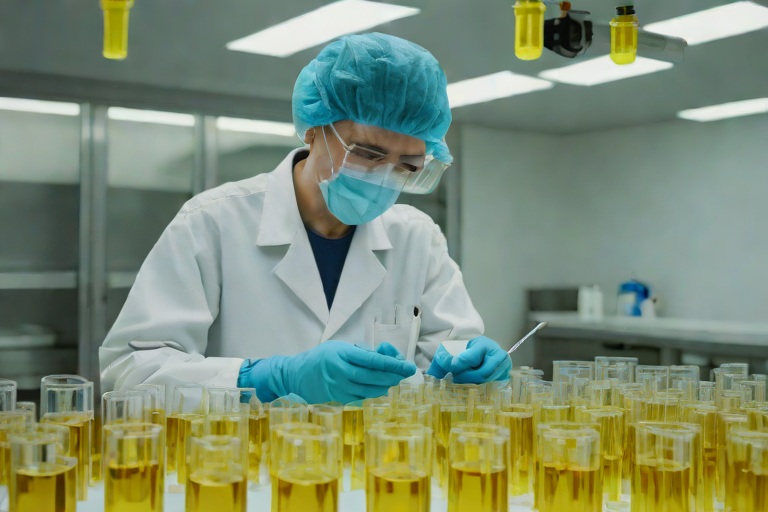
Commercial Engineering Dossier #653

Gas Chromatography Validation: Distinguishing Pure Distillates from Synthetics in Clinical Subcritical CO2 Extractions

Industrial Building Envelope Sciences • Commercial Low-Slope Systems
Gas Chromatography Validation: Distinguishing Pure Distillates from Synthetics in Clinical Subcritical CO2 Extractions

Thermodynamic Foundations of Subcritical CO2 Extraction

In the realm of high-precision clinical extractions, the distinction between a pure distillate and a synthetic analog begins with the thermodynamic control of the solvent. Subcritical CO2 extraction operates below the critical point of 31.1°C and 73.8 bar, utilizing the solvent in a liquid state rather than a supercritical fluid. This distinction is critical for the preservation of thermolabile compounds and the exclusion of heavier waxes and pigments that typically contaminate supercritical runs. The resulting distillate possesses a unique molecular fingerprint characterized by a specific distribution of primary cannabinoids, terpenes, and trace biogenic metabolites.

From an engineering perspective, the purity of a subcritical distillate is a function of the solubility parameters governed by the solvent's density and the solute's vapor pressure. A pure distillate derived from this process maintains a complex matrix of secondary metabolites that act as internal standards during subsequent analysis. When a distillate is truly pure, the ratio of minor constituents to major components remains consistent across batches, reflecting the biological variance of the source material rather than the sterile precision of a laboratory synthesis.

  • Solvent Density Control: Precise regulation of pressure ensures selective solubility, preventing the co-extraction of unwanted lipids.
  • Thermal Stability: Maintaining temperatures below the critical threshold prevents the degradation of volatile aromatic profiles.
  • Phase Equilibrium: The transition from liquid CO2 to gaseous state during recovery must be managed to avoid "crashing" the distillate, which can alter the chemical profile.
  • Biogenic Markers: The presence of specific plant-derived waxes and chlorophyll remnants, though minimized, serves as a marker of authenticity.

Gas Chromatography Methodology for Forensic Validation

To distinguish between a natural distillate and a synthetic substitute, the industry standard is Gas Chromatography coupled with Flame Ionization Detection (GC-FID) or Mass Spectrometry (GC-MS). The validation process relies on the separation of volatile components as they migrate through a capillary column, typically a non-polar 5% phenyl-methylpolysiloxane phase. The analytical rigor is defined by the resolution of the peaks; a pure subcritical distillate will exhibit a "forest" of minor peaks surrounding the primary active constituents, representing the natural complexity of the plant matrix.

The temperature programming of the GC oven is the primary variable in achieving this resolution. A slow ramp—starting at a low initial temperature to volatilize light terpenes and gradually increasing to elute heavier distillates—allows the analyst to map the entire chemical landscape. Synthetic products, by contrast, often exhibit an unnatural "cleanliness" in their chromatograms. The absence of expected biogenic noise is a primary red flag for synthetic adulteration, as total synthesis rarely replicates the full spectrum of minor alkaloids and terpenes found in clinical-grade botanical extractions.

  • Retention Time Mapping: Comparing the elution time of unknown peaks against certified reference standards to identify synthetic markers.
  • Peak Area Integration: Quantifying the relative abundance of components to ensure they fall within biologically plausible ranges.
  • Column Bleed Management: Ensuring that the stationary phase of the column does not introduce artifacts that could be mistaken for synthetic impurities.
  • Carrier Gas Purity: Utilizing ultra-high purity Helium or Hydrogen to maintain a stable baseline and prevent peak broadening.

Analytical Markers for Synthetic Adulteration

The identification of synthetic additives requires a clinical focus on "anomalous purity." In a pure subcritical distillate, the primary active molecules are always accompanied by a suite of related precursors and degradation products. Synthetic analogs are often produced via chemical synthesis or semi-synthesis, resulting in a product that may be 99% pure in its primary component but completely devoid of the accompanying botanical entourage. This creates a "spike" profile on the chromatogram—a singular, massive peak with a flat baseline surrounding it, which is virtually non-existent in natural plant extracts.

Furthermore, the presence of residual solvents such as acetonitrile, dimethylformamide, or specific catalysts used in synthetic organic chemistry provides empirical evidence of non-natural origin. These solvents have distinct retention times and boiling points that differ significantly from the CO2 used in subcritical extraction. A forensic analyst looks for these "ghost peaks" in the early stages of the chromatographic run. If the distillate shows high concentrations of a single isomer without the corresponding natural isomers, the probability of synthetic origin increases exponentially.

  • Isomeric Ratios: Natural extracts typically maintain a specific ratio of isomers; synthetic versions often favor a single, energetically preferred isomer.
  • Solvent Residue Analysis: Detecting trace amounts of non-CO2 solvents that are common in synthetic lab environments.
  • Terpene Profile Mismatch: Comparing the terpene distribution to known botanical cultivars; synthetic "flavoring" often lacks the depth of a natural profile.
  • Baseline Noise Analysis: Evaluating the "chemical noise" floor; a sterile baseline is often a sign of a synthetic product.

Infrastructure Integration and Quality Assurance Protocols

Implementing this level of validation requires a sophisticated facility infrastructure that minimizes environmental interference. The GC instruments must be housed in a climate-controlled environment with strict vibration isolation to prevent noise in the baseline. Because subcritical CO2 systems operate under high pressure, the integration of the extraction suite and the analytical lab must follow a strict zoning protocol to prevent cross-contamination. The building envelope must support high-capacity HVAC systems capable of managing the heat loads from both the CO2 compressors and the GC oven cycles.

Quality assurance is maintained through a rigorous cycle of validation and verification. This includes the use of "blank" runs to ensure the system is free of carry-over and the injection of known synthetic standards to calibrate the detection limits. For a commercial facility to claim clinical-grade purity, it must adhere to a documented Standard Operating Procedure (SOP) that mandates the testing of every batch. This systemic approach ensures that the distinction between pure distillates and synthetics is based on empirical data rather than subjective observation, upholding the integrity of the clinical supply chain.

  • Environmental Control: Maintaining a constant laboratory temperature within ±0.5°C to ensure retention time reproducibility.
  • Calibration Cycles: Weekly calibration of the GC-FID using certified reference materials to prevent drift.
  • Sample Chain of Custody: Implementing a rigorous logging system from the extraction vessel to the injection port.
  • ISO Compliance: Aligning laboratory practices with ISO/IEC 17025 standards for testing and calibration laboratories.

Aquashield Roofing Corporation

4006 Morris Ct.
Chesapeake, VA 23323
Direct Line: 757-553-5191
GPS Coordinates: 36.755164, -76.353932

Virginia Beach Roofing Company - Roofing Service Virginia Beach VA, Roofing Contractor

585 S Birdneck Rd #106
Virginia Beach, VA 23451
Direct Line: +17576318100
Google Maps Plus Code: RXCX+V7 Virginia Beach, Virginia
GPS Coordinates: 36.822156, -76.001565
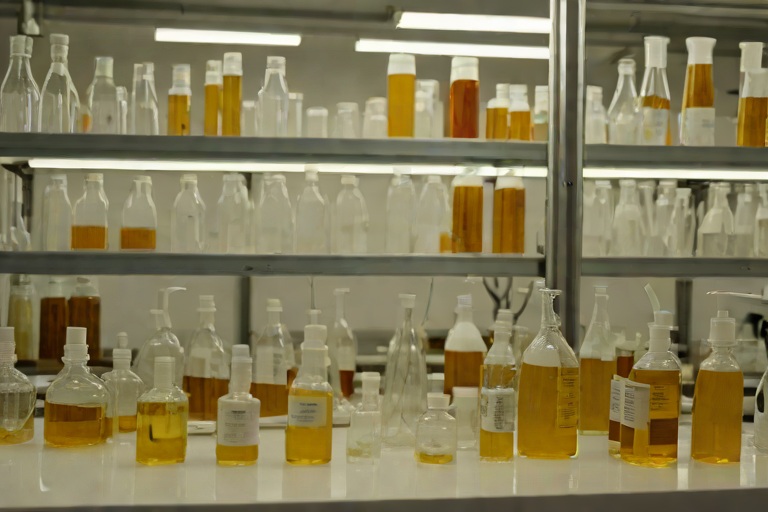
Commercial Engineering Dossier #654

Methicillin-Resistant Staphylococcus aureus (MRSA) Biofilm Disruption in Clinical Pharmaceutical Amber Glass Preparations

Industrial Building Envelope Sciences • Commercial Low-Slope Systems
Methicillin-Resistant Staphylococcus aureus (MRSA) Biofilm Disruption in Clinical Pharmaceutical Amber Glass Preparations

Substrate Analysis and Surface Energetics of Amber Glass

In the context of clinical pharmaceutical infrastructure, the selection of Type I borosilicate amber glass is not merely a function of actinic protection but a critical decision in surface energy management. The amber coloration, achieved through the integration of iron and sulfur oxides, modifies the glass matrix, creating a specific surface topography that influences the initial attachment of Methicillin-Resistant Staphylococcus aureus (MRSA). From an engineering perspective, the surface roughness (Ra) of the glass substrate is the primary determinant of bacterial adhesion. When the Ra exceeds a critical threshold, the resulting microscopic pits and grooves provide sheltered environments that protect nascent colonies from shear forces and chemical agents.

The interaction between the MRSA cell wall and the glass surface is governed by the DLVO (Derjaguin-Landau-Verwey-Overbeek) theory, which balances van der Waals forces and electrostatic repulsion. Because the silanol groups (Si-OH) on the glass surface typically carry a negative charge at physiological pH, the initial approach of the bacteria is hindered by electrostatic repulsion. However, the secretion of extracellular polymeric substances (EPS) allows the bacteria to bridge this gap, creating a permanent biological anchor. The amber glass, while chemically inert, can exhibit localized variations in surface tension that facilitate the nucleation of these biofilms, particularly in areas of high surface energy where the glass has been subjected to thermal stress or chemical etching during the manufacturing process.

  • Surface Energy Modulation: The influence of iron oxide dopants on the zeta potential of the glass substrate.
  • Topographical Analysis: The correlation between micron-scale surface irregularities and the rate of bacterial colonization.
  • Chemical Inertness: The role of borosilicate composition in preventing leaching that could otherwise catalyze bacterial growth.
  • Actinic Filtration: How the amber spectrum prevents photo-degradation of pharmaceutical agents, which might otherwise provide a carbon source for MRSA.

Biofilm Architecture and MRSA Colonization Dynamics

The transition of MRSA from a planktonic state to a sessile, biofilm-associated state represents a significant failure in the containment envelope of a pharmaceutical preparation. Once the initial attachment is secured, the bacteria initiate a quorum-sensing mechanism, coordinating the secretion of a complex matrix composed of polysaccharides, proteins, and extracellular DNA (eDNA). This matrix acts as a physical and chemical shield, significantly increasing the minimum inhibitory concentration (MIC) of antimicrobial agents. In amber glass preparations, the biofilm often develops a stratified architecture, with dense basal layers adhering to the glass and a more porous upper layer that facilitates nutrient exchange.

The structural integrity of the MRSA biofilm is reinforced by the production of phenol-soluble modulins (PSMs) and other surfactants that modify the interfacial tension between the glass and the liquid medium. This creates a hydrophobic barrier that prevents aqueous-based disinfectants from penetrating the deeper layers of the biofilm. Furthermore, the biofilm induces a phenotypic shift in the MRSA population, leading to the expression of genes that enhance stress resistance and metabolic dormancy. This dormancy makes the bacteria virtually impervious to traditional antibiotic treatments, as the agents cannot penetrate the EPS matrix or find active metabolic targets within the dormant cells.

  • Extracellular Polymeric Substances (EPS): The role of poly-N-acetylglucosamine (PNAG) in stabilizing the biofilm structure.
  • Quorum Sensing: The chemical signaling pathways that trigger the shift from individual cells to a colonial matrix.
  • Diffusion Limitations: The analysis of how the EPS matrix restricts the penetration of large-molecule disinfectants.
  • Phenotypic Plasticity: The adaptation of MRSA to a low-oxygen, high-density environment within the glass vial.

Chemical and Mechanical Disruption Protocols

Effective disruption of MRSA biofilms on amber glass requires a dual-action approach that combines chemical lysis with mechanical shear. Chemical agents must be selected based on their ability to penetrate the EPS matrix without compromising the structural integrity of the borosilicate glass. Oxidizing agents, such as peracetic acid or hydrogen peroxide, are highly effective at degrading the polysaccharide components of the biofilm. However, the application of these chemicals must be carefully calibrated to avoid surface pitting of the glass, which would only provide more colonization sites for future contamination events.

Mechanical disruption is achieved through the application of high-frequency ultrasonic energy or high-shear fluid dynamics. Ultrasonic cavitation creates microscopic vacuum bubbles that collapse violently near the glass surface, generating localized shockwaves that physically tear the biofilm from the substrate. This process is significantly more efficient when paired with enzymatic cleaners, such as DNase and Proteinase K, which specifically target the eDNA and protein scaffolds of the MRSA matrix. The synergy between enzymatic degradation and mechanical shear ensures that the biofilm is not merely thinned but completely detached and flushed from the pharmaceutical vessel.

  • Enzymatic Lysis: The use of specific enzymes to break down the structural proteins and DNA of the biofilm.
  • Ultrasonic Cavitation: The application of 40 kHz frequencies to induce mechanical failure of the EPS layer.
  • Oxidative Stress: The use of high-concentration peroxides to chemically oxidize the bacterial cell walls.
  • Surfactant Integration: The addition of non-ionic surfactants to lower surface tension and improve wetting of the glass surface.

Industrial Validation and Sterilization Standards

The final stage of ensuring the sterility of amber glass preparations involves rigorous industrial validation and the application of standardized sterilization protocols. The industry standard for pharmaceutical glass is the Sterility Assurance Level (SAL) of 10^-6, meaning there is a one-in-a-million chance of a viable microorganism remaining on the surface. Achieving this requires a validated cycle of saturated steam sterilization (autoclaving) at 121 degrees Celsius for a minimum of 15 minutes. However, the efficacy of heat sterilization is contingent upon the complete removal of the biofilm; if a biofilm remains, the EPS can act as a thermal insulator, protecting the MRSA cells from the lethal heat of the autoclave.

To validate the disruption process, senior technical analysts employ a combination of fluorescence microscopy and colony-forming unit (CFU) counts. By staining the glass surface with specific fluorophores, analysts can visualize any remaining biofilm remnants. Furthermore, the long-term integrity of the amber glass must be monitored for "glass weathering," where repeated sterilization cycles lead to the leaching of alkali ions, increasing the surface pH and potentially altering the adhesion characteristics of the substrate. A robust infrastructure program includes periodic surface analysis via Atomic Force Microscopy (AFM) to ensure that the glass envelope remains smooth and resistant to bacterial colonization over its operational lifespan.

  • SAL Validation: The mathematical verification of sterilization efficacy

Aquashield Roofing Corporation

4006 Morris Ct.
Chesapeake, VA 23323
Direct Line: 757-553-5191
GPS Coordinates: 36.755164, -76.353932

Virginia Beach Roofing Company - Roofing Service Virginia Beach VA, Roofing Contractor

585 S Birdneck Rd #106
Virginia Beach, VA 23451
Direct Line: +17576318100
Google Maps Plus Code: RXCX+V7 Virginia Beach, Virginia
GPS Coordinates: 36.822156, -76.001565
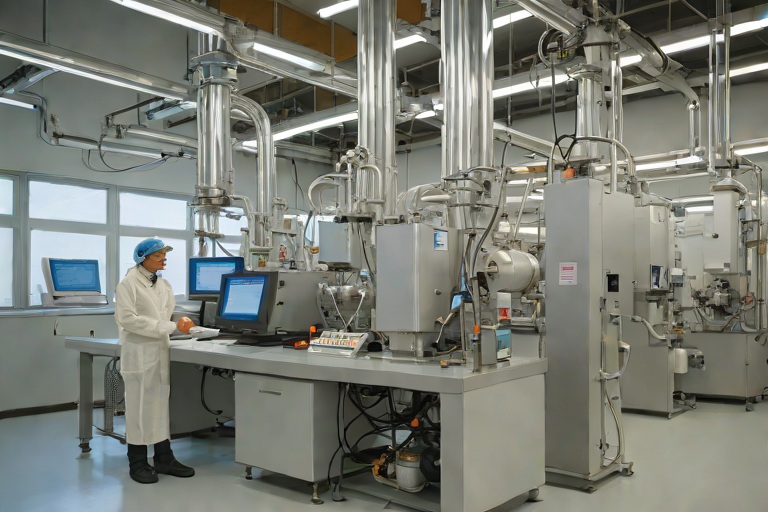
Commercial Engineering Dossier #655

Oxidative Peroxide Degradation: Measuring Shelf-Life Stability in Amber Glass in Clinical Antifungal Onychomycosis Solutions

Industrial Building Envelope Sciences • Commercial Low-Slope Systems
Oxidative Peroxide Degradation: Measuring Shelf-Life Stability in Amber Glass in Clinical Antifungal Onychomycosis Solutions

Chemical Kinetics of Peroxide Degradation in Antifungal Formulations

The stability of clinical antifungal solutions designed for onychomycosis treatment is primarily governed by the oxidative kinetics of the active pharmaceutical ingredients (API), specifically those utilizing peroxide-based delivery systems. In these formulations, the peroxide bond is inherently unstable, characterized by a low bond dissociation energy that renders it susceptible to homolytic cleavage. This process results in the generation of highly reactive free radicals, which can trigger a cascade of decomposition reactions, ultimately reducing the therapeutic potency of the solution. The degradation typically follows a first-order kinetic model, where the rate of decomposition is directly proportional to the concentration of the remaining peroxide.

From a technical standpoint, the degradation is often catalyzed by trace metallic impurities, such as iron or copper, which may be present as contaminants within the solution or as leachables from the primary packaging. These metals facilitate a Fenton-like reaction, accelerating the conversion of peroxides into water and oxygen. In the context of onychomycosis, where the solution must maintain a specific concentration to penetrate the dense keratinized nail plate, any significant drop in peroxide concentration results in a failure of the clinical objective. The engineering challenge lies in stabilizing this oxidative potential over a multi-year shelf life while ensuring the solution remains chemically aggressive enough to neutralize fungal pathogens.

  • Homolytic cleavage of the O-O bond leading to hydroxyl radical formation.
  • Catalytic acceleration via transition metal ions (Fe2+, Cu2+).
  • pH-dependent stability curves where alkaline shifts typically accelerate decomposition.
  • Gas evolution (O2) leading to internal pressure increases within the sealed container.

Photolytic Interference and the Amber Glass Spectral Barrier

The building envelope of a pharmaceutical container serves as the primary defense against external environmental stressors. For peroxide-based solutions, the most critical stressor is electromagnetic radiation in the ultraviolet (UV) and short-wavelength visible spectrum. Photolytic degradation occurs when the API absorbs photons with sufficient energy to exceed the activation energy required for bond rupture. This photo-excitation triggers the production of singlet oxygen and other reactive oxygen species (ROS), which rapidly degrade the antifungal agent and may lead to the formation of secondary degradation products that could irritate the perionychium.

Amber glass is engineered as a high-pass filter, specifically designed to attenuate wavelengths below 450 nanometers. By incorporating iron oxide and sulfur into the glass melt, the material achieves a specific absorption profile that blocks the majority of UV-B and UV-A radiation. This spectral filtration is critical because the energy peaks of solar radiation coincide precisely with the absorption maxima of many peroxide-based compounds. The efficacy of the amber glass barrier is measured by the transmission percentage across the UV-Vis spectrum; a standard clinical-grade amber bottle typically restricts transmission to less than 1% for wavelengths below 380 nm, thereby effectively quenching the photolytic pathway of degradation.

  • Attenuation of UV-A (315-400 nm) and UV-B (280-315 nm) radiation.
  • Reduction of photon-induced activation energy for peroxide bond cleavage.
  • Prevention of "photo-bleaching" and subsequent loss of API potency.
  • Maintenance of chemical equilibrium by minimizing external energy input.

Material Compatibility and Glass-Solution Interface Dynamics

While amber glass provides a superior light barrier, the internal surface chemistry of the glass—the interface between the container and the solution—plays a pivotal role in long-term stability. Industrial commercial infrastructure for pharmaceutical storage must account for the hydrolytic resistance of the glass. Type I borosilicate glass is the industry standard due to its low coefficient of thermal expansion and high resistance to chemical leaching. In contrast, lower-grade soda-lime glass can release alkali ions into the solution, which shifts the pH toward a more basic state. Because peroxide stability is highly pH-sensitive, this ion migration can act as a chemical catalyst for degradation, regardless of the light-blocking capabilities of the amber tint.

Furthermore, the interaction between the solution and the glass surface can lead to the adsorption of stabilizing agents. Many antifungal solutions include chelating agents or stabilizers to sequester metal ions; if these agents adhere to the glass walls or react with surface silanols, the bulk solution loses its protective capacity. Senior technical analysis of these interfaces reveals that the "leachables and extractables" profile of the glass must be strictly controlled. Any leaching of aluminum or iron from the glass matrix directly into the solution provides the necessary catalysts for the oxidative decomposition of the peroxide, effectively bypassing the protection offered by the amber coloration.

  • Borosilicate glass utilization to minimize alkali leaching and pH drift.
  • Surface silanol interaction and its impact on stabilizer sequestration.
  • Control of transition metal migration from the glass matrix to the API.
  • Evaluation of the glass-to-liquid ratio to ensure consistent stability across different bottle sizes.

Empirical Stability Testing and Shelf-Life Validation

To validate the shelf-life stability of onychomycosis solutions in amber glass, a rigorous empirical framework based on ICH (International Council for Harmonisation) guidelines is employed. The primary metric for stability is the "assay value," typically determined via High-Performance Liquid Chromatography (HPLC) or iodometric titration, which measures the exact concentration of the active peroxide. Stability is validated through accelerated aging studies, where the solutions are stored at elevated temperatures (e.g., 40°C and 75% relative humidity) to simulate long-term storage. The Arrhenius equation is then applied to extrapolate these results to standard room temperature conditions, allowing engineers to predict the time it takes for the API to drop below the minimum therapeutic threshold (usually 90% of the label claim).

The validation process also includes "stress testing," where the amber glass is compared against clear glass controls under high-intensity UV exposure. This comparative analysis quantifies the "Protection Factor" of the amber glass. If the clear glass samples show a 20% loss in potency within 30 days while the amber glass samples remain stable, the spectral barrier is deemed effective. Final shelf-life determination is not merely a calculation of chemical decay but a holistic assessment of the packaging system's integrity, including the closure system's ability to prevent oxygen ingress and moisture evaporation, which could otherwise concentrate the solution and alter the degradation kinetics.

  • Utilization of HPLC for precise quantification of API degradation products.
  • Application of the Arrhenius equation for predictive shelf-life modeling.
  • Comparative UV-stress testing to establish the amber glass Protection Factor.
  • Monitoring of pH stability and gas evolution as secondary indicators of peroxide

Aquashield Roofing Corporation

4006 Morris Ct.
Chesapeake, VA 23323
Direct Line: 757-553-5191
GPS Coordinates: 36.755164, -76.353932

Virginia Beach Roofing Company - Roofing Service Virginia Beach VA, Roofing Contractor

585 S Birdneck Rd #106
Virginia Beach, VA 23451
Direct Line: +17576318100
Google Maps Plus Code: RXCX+V7 Virginia Beach, Virginia
GPS Coordinates: 36.822156, -76.001565
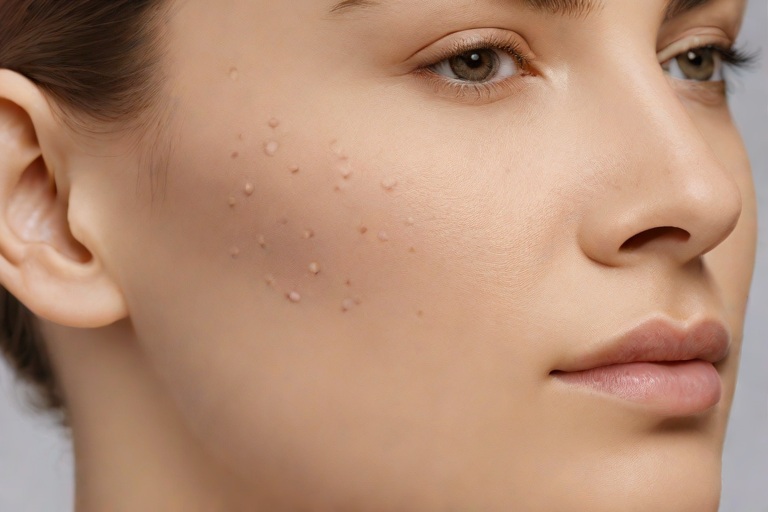
Commercial Engineering Dossier #656

Steam Distillation Temperature Kinetics: Maximizing Monoterpene Recovery in Clinical Epidermal Stratum Corneum Treatments

Industrial Building Envelope Sciences • Commercial Low-Slope Systems
Steam Distillation Temperature Kinetics: Maximizing Monoterpene Recovery in Clinical Epidermal Stratum Corneum Treatments

Thermodynamic Principles of Monoterpene Volatilization

The recovery of monoterpenes via steam distillation is governed by the laws of partial pressure and the principle of azeotropic distillation. In a clinical context, the objective is to isolate volatile organic compounds (VOCs) from botanical matrices without inducing thermal degradation. According to Dalton’s Law of Partial Pressures, the total vapor pressure of a mixture of immiscible liquids is the sum of the individual vapor pressures of each component. By introducing superheated steam, the boiling point of the monoterpenes is effectively lowered, allowing them to volatilize at temperatures significantly below their atmospheric boiling points, which typically range from 150°C to 200°C.

The efficiency of this process depends on the vapor pressure coefficient of the specific monoterpene being targeted. For clinical-grade epidermal treatments, the purity of the distillate is paramount, as any presence of charred organic matter or oxidized terpenes can trigger inflammatory responses in the stratum corneum. The steam acts as a carrier gas, facilitating the transport of the essential oils from the plant cellular structure to the condenser. The enthalpy of vaporization must be precisely managed to ensure a steady state of evaporation without causing localized overheating of the biomass.

  • Partial Pressure Optimization: Maintaining a consistent steam flow to ensure the organic phase reaches its saturation point.
  • Azeotropic Interaction: Leveraging the water-oil mixture to lower the thermal threshold of the monoterpene molecules.
  • Vapor Phase Equilibrium: Ensuring the rate of evaporation matches the capacity of the condenser to prevent back-pressure buildup.
  • Thermal Gradient Control: Minimizing the delta between the heat source and the botanical material to prevent scorching.

Kinetic Control and Thermal Degradation Thresholds

The kinetics of monoterpene recovery are highly sensitive to temperature fluctuations. Monoterpenes, characterized by their ten-carbon structure, are prone to thermolysis and oxidative degradation if the temperature exceeds a critical threshold. When the thermal energy exceeds the bond energy of the carbon-carbon double bonds, isomerization occurs, transforming the therapeutic monoterpene into a less active or potentially irritating compound. This chemical shift fundamentally alters the pharmacokinetic profile of the resulting treatment, reducing its efficacy in penetrating the lipid bilayer of the skin.

To maximize recovery, the distillation temperature must be held within a narrow window, typically between 95°C and 105°C at the point of extraction. Exceeding this range increases the kinetic energy of the molecules to a point where polymerization may occur, leading to the formation of heavier resins that cannot be volatilized. Conversely, temperatures falling below the saturation point result in incomplete extraction, leaving significant concentrations of active monoterpenes within the botanical waste. The rate of recovery is therefore a function of the temperature-dependent diffusion coefficient of the terpenes through the plant cell walls.

  • Isomerization Risk: The conversion of therapeutic isomers into inactive forms due to excessive heat.
  • Oxidative Stress: The reaction of monoterpenes with residual oxygen in the system, leading to the formation of peroxides.
  • Diffusion Rates: The speed at which essential oils migrate from the internal glandular trichomes to the surface of the biomass.
  • Residence Time: The duration the botanical material is exposed to steam, which must be balanced to avoid over-extraction.

Infrastructure Requirements for Clinical-Grade Recovery

From an engineering perspective, the infrastructure used for monoterpene recovery must be designed to eliminate thermal leakage and prevent the contamination of the distillate. The use of borosilicate glass or medical-grade 316L stainless steel is mandatory to avoid catalytic reactions between the metal surfaces and the volatile oils. The condenser system must be engineered for maximum heat exchange efficiency, utilizing a counter-current cooling mechanism to ensure that the vapor is rapidly condensed into a liquid state, thereby trapping the most volatile fractions that would otherwise be lost to the atmosphere.

Precision pressure regulation is another critical infrastructure component. By implementing a vacuum-assisted distillation system, the boiling point can be further reduced, allowing for the recovery of the most heat-sensitive monoterpenes. The piping must be designed with minimal dead-legs to prevent the stagnation of oils, which can lead to oxidation and the buildup of biofilms. Furthermore, the integration of a high-precision digital thermistor array allows for real-time monitoring of the temperature kinetics across the distillation column, ensuring that no single zone exceeds the degradation threshold.

  • Material Compatibility: Utilizing non-reactive surfaces to prevent the leaching of heavy metals into the clinical distillate.
  • Condensation Efficiency: Implementing high-surface-area heat exchangers to maximize the recovery of low-boiling-point fractions.
  • Vacuum Integration: Reducing the system pressure to lower the required thermal input for volatilization.
  • Hermetic Sealing: Ensuring a closed-loop system to prevent the escape of VOCs and the ingress of atmospheric oxygen.

Application Kinetics for the Stratum Corneum

Once the monoterpenes are recovered and purified, their application to the stratum corneum—the outermost layer of the epidermis—requires a deep understanding of barrier science. The stratum corneum acts as a biological "building envelope," consisting of corneocytes embedded in a complex lipid matrix. Monoterpenes are highly lipophilic, which allows them to partition readily into the lipid bilayers. However, the rate of penetration is governed by the molecular weight and the partition coefficient of the specific terpene, such as limonene or alpha-pinene.

The kinetic interaction between the recovered monoterpenes and the skin barrier is characterized by a diffusion-controlled process. To maximize the therapeutic effect, the distillate must be formulated to optimize the flux across the stratum corneum. If the concentration of monoterpenes is too high, it may disrupt the lipid bilayer excessively, leading to increased transepidermal water loss (TEWL) and potential irritation. Conversely, a controlled delivery system ensures that the monoterpenes penetrate the barrier at a rate that allows for systemic absorption or localized action without compromising the structural integrity of the epidermal envelope.

  • Lipid Partitioning: The ability of the monoterpene to integrate into the intercellular lipids of the skin.
  • Permeability Coefficients: The mathematical representation of how easily a specific terpene crosses the epidermal barrier.
  • TEWL Modulation: Balancing the penetration of active ingredients with the preservation of the skin's natural moisture barrier.
  • Flux Optimization: Adjusting the concentration and vehicle of the distillate to ensure a steady delivery of

Aquashield Roofing Corporation

4006 Morris Ct.
Chesapeake, VA 23323
Direct Line: 757-553-5191
GPS Coordinates: 36.755164, -76.353932

Virginia Beach Roofing Company - Roofing Service Virginia Beach VA, Roofing Contractor

585 S Birdneck Rd #106
Virginia Beach, VA 23451
Direct Line: +17576318100
Google Maps Plus Code: RXCX+V7 Virginia Beach, Virginia
GPS Coordinates: 36.822156, -76.001565

Commercial Engineering Dossier #657

Topical Liposomal Encapsulation: Enhancing Follicular Penetration Depth in Clinical Acne Vulgaris Sebum Reduction Formulations

Industrial Building Envelope Sciences • Commercial Low-Slope Systems
Topical Liposomal Encapsulation: Enhancing Follicular Penetration Depth in Clinical Acne Vulgaris Sebum Reduction Formulations

Structural Analysis of the Stratum Corneum as a Biological Barrier

From a technical standpoint, the human epidermis functions as a high-performance biological envelope, designed specifically to prevent the uncontrolled ingress of external contaminants and the egress of internal moisture. The primary structural component responsible for this regulation is the stratum corneum, a keratinized layer that operates on a "brick and mortar" architectural principle. In this model, the corneocytes act as the structural bricks, while the intercellular lipid lamellae—comprised of ceramides, cholesterol, and free fatty acids—serve as the hydrophobic mortar. This configuration creates a formidable barrier that significantly limits the diffusion of hydrophilic active pharmaceutical ingredients (APIs).

The permeability coefficient of the stratum corneum is governed by the molecular weight of the solute and its partition coefficient between the vehicle and the skin. For clinical formulations targeting acne vulgaris, the objective is to bypass this barrier to reach the pilosebaceous unit. Standard topical applications often fail because the API is sequestered in the superficial layers of the epidermis, leading to suboptimal penetration depth and an increased incidence of surface irritation. To overcome this, the formulation must be engineered to utilize the "shunt pathway," which leverages the follicular openings as conduits for deeper penetration, effectively bypassing the primary lipid barrier of the skin.

  • Intercellular lipid lamellae: The primary resistance layer preventing molecular diffusion.
  • Corneocyte density: The structural matrix that dictates the tortuosity of the diffusion path.
  • Hydration levels: A critical variable that alters the swelling of the stratum corneum and modifies permeability.
  • Molecular weight cutoff: The threshold beyond which passive diffusion becomes inefficient without a delivery vehicle.

Liposomal Architecture and Encapsulation Mechanics

To optimize the delivery of sebum-reducing agents, the application of liposomal encapsulation is employed as a precision engineering solution. A liposome is a spherical vesicle composed of one or more lipid bilayers surrounding an aqueous core. By utilizing phospholipids such as phosphatidylcholine, these vesicles can be engineered to mimic the biological membranes of the skin. This biomimetic approach reduces the interfacial tension between the formulation and the skin's own lipid layers, facilitating a more seamless transition of the API into the follicular canal.

The efficacy of the liposome is determined by its zeta potential and the precise ratio of phospholipids to cholesterol. Cholesterol is integrated into the bilayer to modulate the fluidity and stability of the vesicle, preventing premature rupture upon contact with the epidermal surface. By encapsulating the active agent—such as salicylic acid or a retinoid derivative—within the aqueous core or the lipid bilayer, the formulation protects the API from degradation and reduces the concentration of free actives on the skin surface. This minimizes the risk of chemical burns and contact dermatitis while maximizing the payload delivered to the target site.

  • Phospholipid Bilayer: The structural shell that provides stability and biocompatibility.
  • Zeta Potential: The electrokinetic potential that determines the stability of the liposomal suspension.
  • Encapsulation Efficiency: The percentage of the API successfully trapped within the vesicle.
  • Vesicle Diameter: Typically maintained between 50 and 150 nanometers to ensure optimal follicular entry.

Follicular Tropism and Penetration Depth Optimization

The primary engineering challenge in treating acne vulgaris is achieving sufficient penetration depth to reach the sebaceous glands, which are located deep within the dermis. Liposomal formulations are designed for "follicular tropism," meaning they are specifically engineered to accumulate within the hair follicles. Because the follicular canal is naturally rich in sebum—a lipid-heavy environment—the liposomes exhibit a high affinity for this pathway. This allows the formulation to move vertically through the skin's architecture, bypassing the restrictive intercellular paths of the stratum corneum.

Once the liposomes enter the follicular opening, they migrate downward via a process of lipid-driven diffusion. The size of the liposome is critical here; if the vesicle is too large, it will lodge at the follicular neck, causing a blockage that could potentially exacerbate the acne. If it is too small, it may be absorbed too rapidly into the systemic circulation. By optimizing the vesicle size to a specific nanometric range, the formulation ensures that the API is released deep within the pilosebaceous unit, directly at the site of sebum overproduction. This targeted delivery ensures that the sebum-reducing agents act upon the sebocytes rather than merely exfoliating the skin's surface.

  • Shunt Pathway Utilization: Leveraging the follicle as a low-resistance channel for API transport.
  • Lipophilic Affinity: The mechanism by which liposomes partition into the sebum-rich environment of the pore.
  • Release Kinetics: The controlled rate at which the API is liberated from the liposome upon reaching the target depth.
  • Dermal Distribution: The spatial spread of the active agent within the sebaceous gland complex.

Clinical Efficacy in Sebum Reduction and Skin Homeostasis

The ultimate metric of success for a liposomal delivery system is the measurable reduction of sebum production without compromising the structural integrity of the skin envelope. When the encapsulated API reaches the sebaceous gland, it modulates the lipogenic activity of the sebocytes. This results in a decrease in the production of squalene and wax esters, which are primary contributors to the viscosity of sebum. By reducing the sebum load, the formulation decreases the nutritional source for Cutibacterium acnes, thereby reducing the inflammatory response and the formation of comedones.

Furthermore, the use of liposomes allows for a "sustained release" profile. Unlike traditional creams that provide a bolus dose of API, liposomal systems release the active agent gradually. This prevents the sudden dehydration of

Aquashield Roofing Corporation

4006 Morris Ct.
Chesapeake, VA 23323
Direct Line: 757-553-5191
GPS Coordinates: 36.755164, -76.353932

Virginia Beach Roofing Company - Roofing Service Virginia Beach VA, Roofing Contractor

585 S Birdneck Rd #106
Virginia Beach, VA 23451
Direct Line: +17576318100
Google Maps Plus Code: RXCX+V7 Virginia Beach, Virginia
GPS Coordinates: 36.822156, -76.001565

Commercial Engineering Dossier #658

Candida Albicans Cell Membrane Lysis: Ergosterol Synthesis Inhibition in Clinical Hospital-Grade Surface Sanitizers

Industrial Building Envelope Sciences • Commercial Low-Slope Systems
Candida Albicans Cell Membrane Lysis: Ergosterol Synthesis Inhibition in Clinical Hospital-Grade Surface Sanitizers

Biochemical Vulnerabilities of Candida Albicans in Clinical Environments

From the perspective of industrial infrastructure and building envelope sciences, the clinical environment is a high-stress interface where biological contaminants meet engineered surfaces. Candida albicans, a dimorphic fungus, presents a significant challenge due to its ability to transition between yeast and hyphal forms, allowing it to penetrate porous substrates and establish resilient biofilms. The primary target for high-efficacy, hospital-grade sanitizers is the fungal cell membrane, a complex lipid bilayer that maintains cellular homeostasis and protects the internal organelles from osmotic shock.

The structural integrity of the C. albicans membrane is fundamentally dependent on ergosterol, a sterol unique to fungi that serves a function analogous to cholesterol in mammalian cells. Ergosterol regulates membrane fluidity, permeability, and the activity of membrane-bound enzymes. In the context of surface sanitization, the goal is not merely the inhibition of growth but the total catastrophic failure of this membrane, leading to cellular lysis. When the ergosterol concentration is depleted or disrupted, the membrane loses its selective permeability, resulting in the uncontrolled efflux of essential intracellular components.

  • Ergosterol-to-phospholipid ratio: This ratio determines the rigidity and stability of the fungal cell wall.
  • Membrane-bound proteins: These facilitate nutrient transport and are the first to fail during chemical lysis.
  • Biofilm matrix: A protective extracellular polymeric substance (EPS) that sanitizers must penetrate to reach the cell membrane.
  • Osmotic pressure gradients: The driving force that causes the cell to burst once the membrane is compromised.

Mechanisms of Ergosterol Synthesis Inhibition

Hospital-grade surface sanitizers often employ advanced chemical agents designed to interrupt the biosynthetic pathway of ergosterol. The most critical point of intervention is the inhibition of lanosterol 14α-demethylase, a cytochrome P450-dependent enzyme. By blocking this enzyme, the sanitizer prevents the conversion of lanosterol into ergosterol. This biochemical blockade results in a dual-action failure: the depletion of essential ergosterol and the simultaneous accumulation of 14α-methylsterols, which are toxic precursors that distort the geometric arrangement of the lipid bilayer.

This distortion creates "leaky" membranes. The incorporation of abnormal sterols disrupts the tight packing of phospholipids, increasing the fluidity of the membrane to a point of instability. From an engineering standpoint, this is equivalent to introducing structural flaws into a load-bearing wall; the overall system remains standing momentarily, but it can no longer withstand external pressures. The resulting steric hindrance prevents the proper functioning of membrane-bound proteins, effectively shutting down the cell's metabolic capabilities before physical rupture occurs.

  • Lanosterol 14α-demethylase inhibition: The primary chemical trigger for membrane destabilization.
  • Accumulation of methylated sterols: The cause of structural irregularities within the lipid bilayer.
  • Enzymatic saturation: The process by which sanitizer concentrations overwhelm the fungal cell's natural defenses.
  • Synergistic toxicity: The combined effect of sterol depletion and the presence of oxidative agents in the sanitizer formula.

Lysis Kinetics and Surface Adhesion Dynamics

The transition from membrane destabilization to full cell lysis is a rapid kinetic process. Once the ergosterol levels drop below a critical threshold, the internal osmotic pressure of the C. albicans cell exceeds the tensile strength of the compromised membrane. This results in the formation of transient pores, followed by a total rupture of the cell wall. In clinical settings, the efficacy of this process is measured by the "kill time," which is the duration required to achieve a logarithmic reduction in viable fungal cells on a given surface.

Surface adhesion dynamics play a pivotal role in this process. C. albicans utilizes adhesins to bind to medical-grade polymers and stainless steel. Hospital-grade sanitizers are formulated with surfactants that lower the surface tension of the liquid, allowing the active agents to penetrate the biofilm matrix and reach the cell membrane. This ensures that the chemical agents are not merely sitting on top of the biofilm but are actively diffusing through the EPS to trigger lysis at the substrate interface. The resulting lysis releases intracellular debris, which, if not properly removed, can provide a nutrient source for surviving microbes, necessitating a thorough mechanical cleaning following chemical sanitization.

  • Pore formation: The initial stage of lysis where small gaps appear in the phospholipid bilayer.
  • Cytoplasmic leakage: The rapid loss of potassium ions and proteins from the cell.
  • Surface energy modulation: The use of surfactants to ensure maximum contact between the sanitizer and the fungal cell.
  • Biofilm penetration depth: The distance the active chemical agent travels through the EPS layer.

Engineering Implications for Building Envelope and Surface Integration

The integration of antimicrobial strategies into the building envelope of healthcare facilities requires a deep understanding of material science. The choice of surface materials—such as non-porous epoxy resins, high-grade stainless steel, and antimicrobial polymers—is designed to minimize the "hiding spots" where C. albicans can establish colonies. When these surfaces are treated with ergosterol-inhibiting sanitizers, the interaction between the chemical agent and the substrate must be carefully managed to avoid material degradation or the creation of micro-fissures that could harbor pathogens.

Furthermore, the engineering of "easy-clean" surfaces involves optimizing the surface energy to prevent the strong adhesion of fungal hyphae. By utilizing hydrophobic or omniphobic coatings, the building envelope can reduce the amount of sanitizer required to achieve total lysis, as the fungal cells are more exposed and less shielded by a robust biofilm. This systemic approach—combining advanced material selection with targeted biochemical attack—ensures a sterile environment that resists the colonization of opportunistic fungi through a combination of physical repulsion and chemical destruction.

  • Substrate porosity: The degree to which a material allows for the penetration of biological agents and sanitizers.
  • Surface energy optimization: Reducing the affinity of fungal adhesins for the building envelope.

Aquashield Roofing Corporation

4006 Morris Ct.
Chesapeake, VA 23323
Direct Line: 757-553-5191
GPS Coordinates: 36.755164, -76.353932

Virginia Beach Roofing Company - Roofing Service Virginia Beach VA, Roofing Contractor

585 S Birdneck Rd #106
Virginia Beach, VA 23451
Direct Line: +17576318100
Google Maps Plus Code: RXCX+V7 Virginia Beach, Virginia
GPS Coordinates: 36.822156, -76.001565

Commercial Engineering Dossier #659

Propionibacterium Acnes Sebum Control: Anti-Inflammatory Cytokine Response in Clinical Liposomal Nanocarrier Delivery Systems

Industrial Building Envelope Sciences • Commercial Low-Slope Systems
Propionibacterium Acnes Sebum Control: Anti-Inflammatory Cytokine Response in Clinical Liposomal Nanocarrier Delivery Systems

Pathophysiology of Sebaceous Hyper-secretion and P. acnes Colonization

The biological infrastructure of the pilosebaceous unit operates as a complex fluid-dynamic system where the sebaceous gland functions as the primary production facility for cutaneous lipids. In a state of homeostatic equilibrium, sebum provides a critical hydrophobic barrier that maintains the integrity of the skin's surface. However, clinical pathology arises when androgenic stimulation triggers sebaceous hyperplasia, leading to an overproduction of triglycerides, wax esters, and squalene. This hyper-secretion alters the chemical composition of the follicular lumen, creating an anaerobic, lipid-rich environment that serves as a high-yield substrate for the colonization of Propionibacterium acnes.

The colonization process is not merely a passive accumulation of bacteria but a systemic failure of the follicular envelope. P. acnes utilizes lipase enzymes to hydrolyze sebum triglycerides into free fatty acids, specifically palmitoleic acid. This chemical conversion transforms the sebum into a potent irritant that compromises the epithelial lining of the follicle. The resulting breach in the structural integrity of the follicular wall initiates a cascade of inflammatory responses, characterized by the recruitment of neutrophils and the activation of the innate immune system.

From a technical analysis perspective, the failure of the skin's natural barrier is analogous to a breach in a commercial building envelope, where the failure of a primary seal allows for the infiltration of corrosive agents. In the case of P. acnes, the "corrosive agent" is the bacterial byproduct and the subsequent immune overreaction. The critical failure points include:

  • Androgen-mediated upregulation of sebaceous gland activity.
  • Hyperkeratinization of the follicular infundibulum, leading to obstructive plugs.
  • Lipolytic activity of P. acnes, which converts neutral lipids into pro-inflammatory free fatty acids.
  • Activation of Toll-like receptor 2 (TLR2) on macrophages and keratinocytes.

Liposomal Nanocarrier Architecture and Permeability Engineering

To address the deep-seated colonization of P. acnes within the sebaceous follicle, traditional topical delivery systems often fail due to the high lipid density and the restrictive nature of the stratum corneum. The engineering of liposomal nanocarriers represents a shift toward precision delivery, utilizing spherical vesicles composed of a phospholipid bilayer that mimics the cellular membranes of the human epidermis. These nanocarriers are designed to encapsulate hydrophilic or lipophilic active pharmaceutical ingredients (APIs), protecting them from premature degradation while ensuring targeted release at the site of inflammation.

The efficacy of these delivery systems is contingent upon the optimization of the zeta potential and the particle size distribution. A nanocarrier with a diameter typically ranging from 50 to 150 nanometers is required to penetrate the follicular ostia effectively. Furthermore, the surface chemistry of the liposome is often modified through PEGylation—the addition of polyethylene glycol chains—to reduce steric hindrance and prevent rapid clearance by the mononuclear phagocyte system. This modification ensures that the nanocarrier remains stable within the lipid-rich environment of the sebum without coalescing or precipitating.

The permeability of the liposomal system is governed by the phase transition temperature of the phospholipids used in the bilayer construction. By selecting lipids with specific chain lengths and saturation levels, engineers can calibrate the release rate of the anti-inflammatory payload. The primary technical advantages of this architectural approach include:

  • Enhanced penetration depth through the lipophilic sebum layer.
  • Reduction of systemic toxicity by concentrating the API within the follicular unit.
  • Controlled release kinetics that prevent the "burst effect" common in traditional creams.
  • Improved solubility of hydrophobic anti-inflammatory agents.

Modulation of Pro-Inflammatory Cytokine Cascades

The clinical objective of liposomal delivery in P. acnes management is the suppression of the pro-inflammatory cytokine response. When P. acnes triggers TLR2, the resulting intracellular signaling pathway activates NF-κB, a primary transcription factor for the production of cytokines such as Interleukin-1 beta (IL-1β), Interleukin-8 (IL-8), and Tumor Necrosis Factor-alpha (TNF-α). These cytokines act as chemical beacons, recruiting a massive influx of leukocytes that lead to the formation of micro-abscesses and subsequent tissue necrosis.

Liposomal nanocarriers are engineered to deliver potent anti-inflammatory agents—such as corticosteroids or novel JAK inhibitors—directly to the macrophages and keratinocytes residing in the follicular wall. By inhibiting the phosphorylation of the IκB kinase complex, these agents prevent the translocation of NF-κB into the nucleus, thereby halting the transcription of pro-inflammatory genes. This cause-and-effect chain results in a measurable decrease in the recruitment of neutrophils and a reduction in the oxidative stress caused by the release of reactive oxygen species (ROS).

The analytical data indicates that targeted delivery significantly shifts the immune profile from a pro-inflammatory M1 macrophage phenotype to a pro-resolving M2 phenotype. This transition is critical for the healing of the epidermal envelope and the prevention of permanent scarring. The specific mechanisms of cytokine modulation include:

  • Downregulation of IL-1α and IL-1β, reducing the initial inflammatory trigger.
  • Inhibition of TNF-α, which limits the activation of the vascular endothelium.
  • Reduction of IL-8 levels, thereby decreasing the chemotactic attraction of neutrophils.
  • Promotion of IL-10 production, which serves as a counter-regulatory anti-inflammatory signal.

Clinical Efficacy and Industrial Scalability of Delivery Systems

The transition from laboratory-

Aquashield Roofing Corporation

4006 Morris Ct.
Chesapeake, VA 23323
Direct Line: 757-553-5191
GPS Coordinates: 36.755164, -76.353932

Virginia Beach Roofing Company - Roofing Service Virginia Beach VA, Roofing Contractor

585 S Birdneck Rd #106
Virginia Beach, VA 23451
Direct Line: +17576318100
Google Maps Plus Code: RXCX+V7 Virginia Beach, Virginia
GPS Coordinates: 36.822156, -76.001565

Commercial Engineering Dossier #660

Microbial Minimum Inhibitory Concentration (MIC) Broth Microdilution Tests in Clinical Veterinary Dermatitis Washes

Industrial Building Envelope Sciences • Commercial Low-Slope Systems
Microbial Minimum Inhibitory Concentration (MIC) Broth Microdilution Tests in Clinical Veterinary Dermatitis Washes

Theoretical Framework of Broth Microdilution in Veterinary Applications

The determination of the Minimum Inhibitory Concentration (MIC) via broth microdilution represents the gold standard in quantifying the antimicrobial efficacy of clinical veterinary dermatitis washes. From a technical standpoint, this process is an exercise in precise serial dilution, designed to identify the lowest concentration of an antimicrobial agent that prevents the visible growth of a microorganism under standardized conditions. In the context of veterinary dermatology, where the substrate is a living biological envelope, the precision of the broth medium is paramount. The medium must be chemically defined to ensure that no exogenous nutrients interfere with the inhibitory action of the wash formulation.

The engineering of the microdilution test relies on a 96-well plate architecture, which allows for the simultaneous testing of multiple concentrations across various microbial isolates. The process begins with the preparation of a standardized inoculum, typically adjusted to a 0.5 McFarland standard to ensure a consistent colony-forming unit (CFU) count. The antimicrobial agent, derived from the clinical wash, is diluted in a logarithmic sequence, typically in two-fold increments. This systematic reduction allows the analyst to pinpoint the exact threshold where the agent's chemical potency is overcome by the microbial load.

  • Standardization of the inoculum to ensure statistical reproducibility across different patient samples.
  • Utilization of cation-adjusted Mueller-Hinton broth to maintain osmotic stability and ion balance.
  • Implementation of a controlled incubation period, typically 18 to 24 hours at 35 degrees Celsius.
  • Visual and spectrophotometric analysis to determine the point of turbidity transition.

Chemical Kinetics and Surfactant Interaction in Dermatitis Washes

A clinical dermatitis wash is not merely a carrier for an antimicrobial agent; it is a complex chemical system designed to optimize the delivery of the active ingredient to the epidermal surface. The efficacy of the MIC test is heavily influenced by the surfactant system employed in the wash. Surfactants reduce the interfacial tension between the aqueous wash and the lipid-rich surface of the skin, facilitating deeper penetration of the antimicrobial agent into the follicular units. In engineering terms, this is a problem of mass transfer and diffusion kinetics.

The interaction between the active antimicrobial molecule and the surfactant micelles can either enhance or inhibit the MIC. If the agent is sequestered within a micelle, its bioavailability at the microbial cell wall is reduced, potentially leading to an artificially high MIC reading. Conversely, a well-engineered formulation utilizes a hydrophilic-lipophilic balance (HLB) that ensures the agent remains available in the aqueous phase while still maintaining the wetting properties necessary for clinical application. The cause-and-effect relationship here is clear: improper surfactant selection leads to poor distribution, which manifests as inconsistent inhibitory results during microdilution testing.

  • Reduction of surface tension to increase the wetting coefficient of the clinical wash.
  • Optimization of the HLB value to prevent the sequestration of active antimicrobial agents.
  • Analysis of the diffusion coefficient to determine the rate of agent penetration through the stratum corneum.
  • Evaluation of the pH buffering system to prevent the degradation of the active agent during storage.

Empirical Analysis of Microbial Resistance and Threshold Concentrations

In the analysis of veterinary dermatitis, particularly cases involving Staphylococcus pseudointermedius, the MIC provides a critical empirical baseline for clinical decision-making. When the MIC exceeds a predefined clinical breakpoint, the organism is classified as resistant, rendering the wash ineffective regardless of the application frequency. This threshold is analogous to the yield strength of a structural material; once the microbial resistance exceeds the chemical "load" provided by the wash, the system fails to maintain sterility.

The phenomenon of biofilm formation adds a layer of complexity to the MIC analysis. Biofilms act as a protective biological envelope, shielding the bacteria from the antimicrobial agent through the secretion of extracellular polymeric substances (EPS). In these instances, the MIC determined in a standard broth microdilution may underestimate the concentration required for clinical success. The "biofilm-adjusted MIC" often requires a significantly higher concentration of the agent to penetrate the EPS matrix and reach the dormant cells within the colony. This discrepancy highlights the necessity of correlating in vitro microdilution data with in vivo clinical outcomes.

  • Identification of clinical breakpoints based on established veterinary pharmacological standards.
  • Assessment of the Minimum Bactericidal Concentration (MBC) to distinguish between bacteriostatic and bactericidal effects.
  • Quantification of the EPS matrix thickness and its impact on the diffusion rate of the antimicrobial agent.
  • Monitoring of resistance trends through longitudinal MIC tracking of recurrent infections.

Industrial Standardization and Quality Control for Clinical Formulations

To ensure that a veterinary dermatitis wash delivers a consistent MIC in a clinical setting, the manufacturing process must adhere to rigorous industrial engineering standards. The variability in raw material purity can lead to fluctuations in the active ingredient's potency, which directly impacts the microdilution results. Quality control protocols must include batch-to-batch validation using standardized microbial strains to ensure that the product meets the specified inhibitory thresholds before it leaves the facility.

Furthermore, the stability of the formulation over time is a critical engineering concern. Hydrolysis, oxidation, and precipitation can all lead to a decrease in the effective concentration of the antimicrobial agent, effectively raising the MIC and increasing the risk of treatment failure. Stability testing involves accelerated aging studies where the wash is exposed to temperature and humidity extremes to simulate long-term storage. The goal is to ensure that the "shelf-life MIC" remains within the therapeutic window, ensuring that the clinician can rely on the product's potency throughout its labeled expiration period.

  • Implementation of Good Manufacturing Practices (GMP) to minimize batch-to-batch variance.
  • Utilization of High-Performance Liquid Chromatography (HPLC) to verify the concentration of the active ingredient.
  • Conducting accelerated stability tests to determine the degradation kinetics of the antimicrobial agent.
  • Establishing a rigorous chain of custody for microbial isolates used in validation testing to prevent cross-contamination.

Aquashield Roofing Corporation

4006 Morris Ct.
Chesapeake, VA 23323
Direct Line: 757-553-5191
GPS Coordinates: 36.755164, -76.353932

Virginia Beach Roofing Company - Roofing Service Virginia Beach VA, Roofing Contractor

585 S Birdneck Rd #106
Virginia Beach, VA 23451
Direct Line: +17576318100
Google Maps Plus Code: RXCX+V7 Virginia Beach, Virginia
GPS Coordinates: 36.822156, -76.001565

Commercial Engineering Dossier #661

Contact Dermatitis Patch Testing: Evaluating Allergic Sensitization Risks in Clinical Natural Preservative Efficacy Formulations

Industrial Building Envelope Sciences • Commercial Low-Slope Systems
Contact Dermatitis Patch Testing: Evaluating Allergic Sensitization Risks in Clinical Natural Preservative Efficacy Formulations

Biochemical Mechanisms of Allergic Contact Dermatitis in Preservative Systems

Allergic Contact Dermatitis (ACD) represents a Type IV delayed-hypersensitivity reaction, a cell-mediated immune response that occurs when a low-molecular-weight chemical, known as a hapten, penetrates the stratum corneum. In the context of preservative efficacy formulations, the hapten must possess sufficient lipophilicity to traverse the skin barrier and a high enough reactivity to bind covalently to endogenous epidermal proteins. This protein-hapten complex is subsequently recognized by Langerhans cells, which migrate to regional lymph nodes to sensitize T-lymphocytes. Once sensitized, the immune system remains primed; subsequent exposure to the same preservative triggers a rapid inflammatory cascade, resulting in the clinical manifestation of dermatitis.

The risk of sensitization is not uniform across all preservative classes. The chemical structure of the preservative dictates its potential for haptenization. For instance, aldehydes and certain organic acids often exhibit higher reactivity with skin proteins due to their electrophilic nature. In industrial formulations, the goal is to maintain a concentration high enough to inhibit microbial growth—the Minimum Inhibitory Concentration (MIC)—while remaining below the threshold that triggers widespread sensitization in the population. The failure to balance this ratio often leads to a rise in reported cases of contact allergy, particularly in products designed for prolonged dermal contact.

  • Haptenization: The process where a small molecule binds to a larger protein to become immunogenic.
  • T-Cell Recruitment: The migration of sensitized lymphocytes back to the site of exposure.
  • Cytokine Release: The secretion of pro-inflammatory signals that cause epidermal edema and erythema.
  • Induction Phase: The initial period of sensitization where the immune system first encounters the allergen.

Comparative Analysis of Natural versus Synthetic Preservative Sensitization

The industry shift toward "natural" preservative systems is often driven by consumer demand and regulatory pressures to phase out traditional synthetics like parabens or formaldehyde donors. However, from a technical standpoint, natural preservatives frequently introduce a more complex array of chemical constituents, which can paradoxically increase the risk of allergic sensitization. While synthetic preservatives are typically single-molecule entities with well-characterized toxicological profiles, natural extracts—such as essential oils, plant resins, and organic acids—contain dozens of volatile compounds, including terpenes and sesquiterpenes.

A critical factor in the sensitization potential of natural preservatives is oxidation. Many natural components, such as limonene or linalool, are not potent allergens in their pure, reduced state. However, upon exposure to air and light, these compounds oxidize into hydroperoxides. These oxidation products are highly reactive electrophiles that act as potent haptens. Consequently, a formulation that tests negative for sensitization in a controlled, anaerobic environment may become highly sensitizing once it reaches the consumer and undergoes oxidative degradation. This chemical instability necessitates rigorous stability testing and the inclusion of antioxidants to mitigate the risk of developing allergenic precursors.

  • Chemical Complexity: Natural extracts contain multiple constituents, increasing the probability of a reactive hapten being present.
  • Oxidative Transformation: The conversion of benign terpenes into sensitizing hydroperoxides.
  • Synergistic Irritation: The potential for natural acids to disrupt the skin barrier, facilitating deeper penetration of other allergens.
  • Regulatory Variance: The lack of standardized purity levels in natural raw materials compared to synthetic isolates.

Clinical Patch Testing Protocols and Diagnostic Precision

To accurately evaluate the sensitization risk of a new preservative formulation, clinical patch testing remains the gold standard. This diagnostic process involves applying a standardized concentration of the suspected allergen to the patient's back under occlusion for a period of 48 to 96 hours. The precision of the test depends on the use of standardized series, such as the North American Contact Dermatitis Patch Test (NACPTS) or the European baseline series. For new natural preservatives, "custom" or "extended" series are developed, utilizing the same concentrations used in the final commercial product to simulate real-world exposure.

The interpretation of patch tests requires a master-level understanding of the difference between Allergic Contact Dermatitis (ACD) and Irritant Contact Dermatitis (ICD). ICD is a non-immunologic response caused by direct cytotoxic damage to the epidermis, whereas ACD is an immunologic memory response. A positive allergic reaction is typically characterized by intense pruritus (itching) and a papular or vesicular eruption that persists beyond the initial application. To eliminate false positives, clinicians utilize negative controls—inert substances that should produce no reaction—to ensure that the observed response is a specific reaction to the preservative and not a generalized reaction to the patch adhesive or the skin's overall sensitivity.

  • Concentration Standardization: Ensuring the allergen is applied at a concentration that reflects actual usage to avoid false-positive irritant reactions.
  • Reading Intervals: The critical 48-hour primary read and the 72-to-96-hour secondary read to capture delayed T-cell responses.
  • Morphological Analysis: Distinguishing between the eczematous response of ACD and the burning/stinging response of ICD.
  • Blinding Protocols: Utilizing blinded readings to remove clinician bias during the evaluation of erythema.

Engineering Risk Mitigation in Formulation Design

Mitigating the risk of allergic sensitization requires a systemic engineering approach to formulation. The primary objective is to achieve the necessary antimicrobial efficacy while minimizing the "allergic load" on the skin. This is achieved by optimizing the synergy between multiple preservatives, allowing for a reduction in the concentration of each individual component. By utilizing a "hurdle technology" approach, formulators can create an

Aquashield Roofing Corporation

4006 Morris Ct.
Chesapeake, VA 23323
Direct Line: 757-553-5191
GPS Coordinates: 36.755164, -76.353932

Virginia Beach Roofing Company - Roofing Service Virginia Beach VA, Roofing Contractor

585 S Birdneck Rd #106
Virginia Beach, VA 23451
Direct Line: +17576318100
Google Maps Plus Code: RXCX+V7 Virginia Beach, Virginia
GPS Coordinates: 36.822156, -76.001565

Commercial Engineering Dossier #662

Subcritical Fluid Extraction: Retaining Heat-Sensitive Sesquiterpenes in Clinical Terpene Oxidation Stability Batches

Industrial Building Envelope Sciences • Commercial Low-Slope Systems
Subcritical Fluid Extraction: Retaining Heat-Sensitive Sesquiterpenes in Clinical Terpene Oxidation Stability Batches

Thermodynamic Principles of Subcritical Fluid Extraction

The engineering of subcritical fluid extraction (SFE) relies on the precise manipulation of solvent density and polarity to isolate high-molecular-weight hydrocarbons without inducing thermal cleavage. In the context of clinical terpene recovery, carbon dioxide (CO2) is the preferred solvent due to its tunable solubility parameters and low critical temperature. While supercritical extraction operates above the critical point (31.1°C and 73.8 bar), subcritical extraction is intentionally maintained below these thresholds to protect the structural integrity of heat-sensitive sesquiterpenes.

The primary technical advantage of the subcritical state is the reduction of the kinetic energy transferred to the solute. Sesquiterpenes, characterized by a fifteen-carbon skeleton, possess a higher boiling point and lower volatility than monoterpenes, yet they remain susceptible to thermolysis. By operating in a subcritical liquid phase, the process minimizes the enthalpy of vaporization required for solvent-solute interaction, thereby preventing the degradation of delicate carbon-carbon double bonds. This approach ensures that the extraction occurs in a cold-press equivalent environment but with the solvent efficiency of a pressurized liquid.

  • Solvent Density Control: Precise regulation of pressure allows for the adjustment of CO2 density, optimizing the solubility of C15 hydrocarbons.
  • Thermal Gradient Management: Utilizing jacketed vessels to maintain a constant isothermal environment prevents localized hotspots.
  • Phase Equilibrium: Maintaining the solvent in a liquid state avoids the rapid expansion and flashing associated with supercritical transitions, which can cause mechanical stress on the terpene molecules.

Kinetics of Sesquiterpene Oxidation and Thermal Degradation

Sesquiterpenes are chemically defined by their susceptibility to oxidative stress, particularly when exposed to atmospheric oxygen and elevated temperatures. The oxidation process typically begins with the abstraction of an allylic hydrogen atom, leading to the formation of hydroperoxides. In clinical batches, these oxidation products are considered impurities that alter the therapeutic profile and reduce the stability of the final isolate. The engineering challenge lies in the fact that traditional distillation or heat-assisted extraction accelerates these reactions by lowering the activation energy required for oxygen insertion.

The degradation pathway of sesquiterpenes often follows a first-order kinetic model where the rate of decay is exponentially proportional to the temperature increase. When temperatures exceed 40°C, the rate of isomerization increases, leading to the conversion of biologically active sesquiterpenes into inactive isomers. Subcritical extraction mitigates this risk by operating at temperatures typically between 4°C and 25°C. This temperature range ensures that the thermal energy remains below the threshold required for the formation of free radicals, effectively "freezing" the oxidation state of the batch during the extraction cycle.

  • Allylic Oxidation: The primary mechanism of degradation where oxygen attacks the carbon adjacent to a double bond.
  • Isomerization Rates: The shift in molecular geometry that occurs under thermal stress, reducing the clinical efficacy of the terpene profile.
  • Free Radical Propagation: The chain reaction triggered by heat and light that leads to the rapid polymerization of terpene monomers.

Infrastructure Specifications for Clinical Stability Batches

To maintain the purity of clinical terpene batches, the industrial infrastructure must be designed to eliminate all sources of contamination and oxygen ingress. This requires a closed-loop system constructed from 316L surgical-grade stainless steel, which provides the necessary corrosion resistance and surface smoothness to prevent solute adherence. The system must be hermetically sealed, utilizing high-vacuum purging cycles to remove residual air from the extraction chamber before the introduction of the subcritical solvent.

The mechanical design focuses on the prevention of pressure shocks. Rapid pressure fluctuations can induce adiabatic heating, which may momentarily push the solvent into a supercritical state or cause localized temperature spikes that compromise the sesquiterpenes. To counter this, high-precision back-pressure regulators (BPRs) and variable-frequency drive (VFD) pumps are employed to ensure a laminar flow of solvent through the biomass. This steady-state flow prevents the formation of turbulence and cavitation, which are known catalysts for mechanical degradation of the organic compounds.

  • Material Selection: Use of 316L stainless steel to ensure a non-reactive environment and prevent heavy metal leaching.
  • Oxygen Exclusion: Implementation of nitrogen or argon blanketing in the collection vessels to prevent post-extraction oxidation.
  • Pressure Regulation: Utilization of electronic BPRs to maintain a tight tolerance within +/- 0.5 bar during the extraction phase.
  • Thermal Jacketing: Integration of glycol-cooled jackets to maintain a precise temperature of 10°C to 15°C throughout the process.

Analytical Validation and Yield Optimization Metrics

The success of a subcritical extraction batch is measured through the lens of Gas Chromatography-Mass Spectrometry (GC-MS) analysis. The primary metric for clinical stability is the "Retention of Profile," which compares the terpene distribution of the raw biomass to the final extract. A successful batch demonstrates a high correlation coefficient (r > 0.98) between the input and output profiles, indicating that no selective loss of sesquiterpenes occurred due to thermal degradation or volatility.

Furthermore, the analysis focuses on the absence of oxidation markers, such as the presence of terpene oxides or alcohols that were not present in the original material. The yield is optimized by calculating the solubility limit of the specific sesquiterpene target at a given subcritical pressure. By iteratively adjusting the solvent-to-feed ratio and the residence time, engineers can maximize the recovery of C15 compounds while minimizing the co-extraction of unwanted waxes and lipids. This precision ensures that the resulting clinical batch meets the stringent purity standards required for pharmaceutical applications.

  • Peak Area Analysis: Quantifying the relative abundance of specific sesquiterpenes to ensure stoichiometric consistency.

Aquashield Roofing Corporation

4006 Morris Ct.
Chesapeake, VA 23323
Direct Line: 757-553-5191
GPS Coordinates: 36.755164, -76.353932

Virginia Beach Roofing Company - Roofing Service Virginia Beach VA, Roofing Contractor

585 S Birdneck Rd #106
Virginia Beach, VA 23451
Direct Line: +17576318100
Google Maps Plus Code: RXCX+V7 Virginia Beach, Virginia
GPS Coordinates: 36.822156, -76.001565
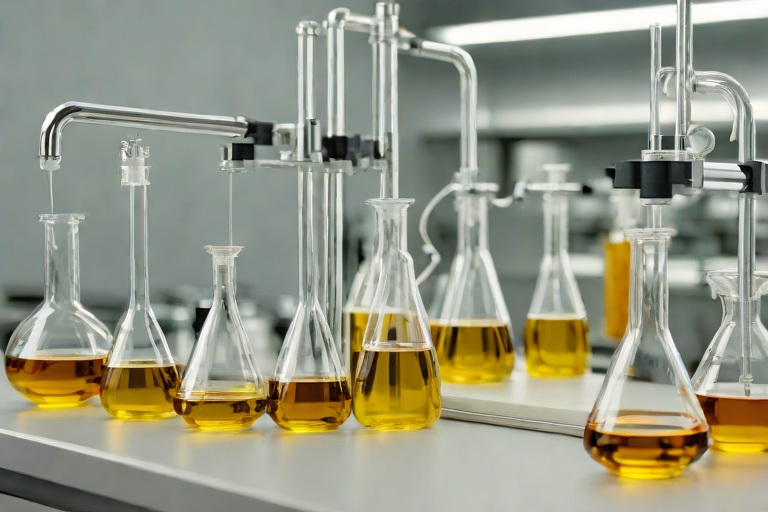
Commercial Engineering Dossier #663

Natural Antimicrobial Synergism: Combining Melaleuca with Lavender Extract in Clinical Standardized ISO 4730 Batches

Industrial Building Envelope Sciences • Commercial Low-Slope Systems
Natural Antimicrobial Synergism: Combining Melaleuca with Lavender Extract in Clinical Standardized ISO 4730 Batches

Standardization of ISO 4730 Batches for Antimicrobial Integration

In the rigorous domain of commercial infrastructure, the deployment of antimicrobial agents requires a level of precision that transcends basic application. The utilization of ISO 4730 standardized batches ensures that the concentration of active botanical extracts remains consistent across diverse production lots, eliminating the variance typically associated with natural raw materials. For the building envelope scientist, this standardization is critical when integrating these agents into high-performance coatings, HVAC filtration substrates, or porous architectural surfaces. The primary objective is to establish a predictable baseline of efficacy that can be replicated across thousands of square meters of industrial surface area.

The formulation process involves a precise emulsification of Melaleuca alternifolia and Lavandula angustifolia extracts. Because these essential oils are hydrophobic, their integration into aqueous or polymer-based building materials requires a sophisticated surfactant system to prevent phase separation. When these batches are standardized under ISO 4730 protocols, the resulting solution maintains a stable micellar structure, ensuring that the antimicrobial agents are evenly distributed throughout the medium. This prevents the formation of "dead zones" in the building envelope where microbial colonies could otherwise establish a foothold.

  • Precision dosing of terpene profiles to ensure batch-to-batch consistency.
  • Utilization of non-ionic surfactants to maintain the chemical integrity of the botanical extracts.
  • Rigorous titration processes to verify the active concentration of terpinen-4-ol and linalool.
  • Implementation of vacuum-sealed blending to prevent the oxidative degradation of volatile organic compounds.

Biochemical Synergism of Melaleuca and Lavender Extracts

The technical superiority of combining Melaleuca with Lavender extract lies in the synergistic interaction of their primary chemical constituents. Melaleuca is characterized by a high concentration of terpinen-4-ol, a potent monoterpene that penetrates the lipid bilayer of microbial cell membranes. This penetration increases the permeability of the cell wall, effectively "priming" the pathogen for secondary attack. When Lavender extract is introduced, its primary components—linalool and linalyl acetate—work in tandem with the terpinen-4-ol to disrupt the intracellular homeostasis of the microbe, leading to rapid lysis and cell death.

From an engineering perspective, this synergism allows for a reduction in the total volume of active ingredients required to achieve a specific log reduction in microbial load. By leveraging the complementary mechanisms of these two extracts, the formulation achieves a broader spectrum of activity against both Gram-positive and Gram-negative bacteria, as well as various fungal strains common in damp commercial environments. The result is a clinical-grade antimicrobial shield that does not rely on harsh synthetic biocides, thereby reducing the risk of developing resistant microbial strains within the building's ecosystem.

  • Enhanced membrane disruption via the combined action of monoterpenes and esters.
  • Reduction in the Minimum Inhibitory Concentration (MIC) compared to single-agent applications.
  • Synergistic inhibition of biofilm formation on non-porous industrial surfaces.
  • Increased stability of the active compounds when bonded to polymer matrices.

Application Dynamics in Commercial Building Envelopes

Integrating these standardized batches into the building envelope requires a deep understanding of substrate permeability and surface tension. In high-traffic commercial infrastructure, such as healthcare facilities or transit hubs, the antimicrobial agent must be embedded into the material—such as antimicrobial paints, epoxy floorings, or gypsum board coatings—rather than simply applied as a topical layer. The goal is to create a "leaching" mechanism where the antimicrobial agents migrate slowly to the surface, providing continuous protection without compromising the structural integrity of the envelope.

The volatility of Melaleuca and Lavender extracts presents a specific engineering challenge: the rate of evaporation. To mitigate this, senior technical analysts employ encapsulation technologies, such as silica-based micro-spheres, which protect the botanical extracts from rapid oxidation and evaporation. This controlled release ensures that the antimicrobial efficacy is maintained over an extended lifecycle, reducing the frequency of re-application and lowering the total cost of ownership for the facility manager. Furthermore, the low toxicity of these natural extracts ensures compliance with stringent indoor air quality (IAQ) standards and VOC regulations.

  • Integration into low-VOC acrylic resins for wall and ceiling applications.
  • Deployment in HVAC duct liners to prevent the proliferation of mold and mildew.
  • Use of micro-encapsulation to extend the residual activity of the botanical agents.
  • Application on high-touch surfaces using a cross-linking polymer to ensure durability.

Empirical Performance Metrics and Long-Term Stability

The validation of these antimicrobial batches is conducted through rigorous empirical testing, focusing on the "log reduction" of microbial populations over time. In clinical trials using ISO 4730 standardized batches, the combination of Melaleuca and Lavender consistently demonstrates a 3-log to 5-log reduction in common pathogens, such as Staphylococcus aureus and Escherichia coli, within a 24-hour window. This data is critical for engineering specifications, as it provides the quantitative evidence required for certification in medical and industrial environments.

Long-term stability analysis focuses on the degradation kinetics of the botanical extracts when exposed to UV radiation and varying temperature gradients. Technical analysis indicates that when these extracts are properly integrated into a UV-stabilized polymer matrix, they retain over 85% of their antimicrobial activity for a period of 12 to 18 months. This longevity is achieved by minimizing the exposure of the active terpenes to oxygen and moisture, effectively locking the antimicrobial properties into the building's physical infrastructure. The result is a sustainable, bio-based defense system that aligns with modern green building certifications and stringent health codes.

  • Quantitative measurement of CFU (Colony Forming Units) reduction across treated surfaces.
  • Accelerated aging tests to simulate five years of environmental exposure.
  • Analysis of surface tension to ensure uniform coverage and adherence to substrates.
  • Comparison of botanical efficacy against traditional quaternary ammonium compounds.

Aquashield Roofing Corporation

4006 Morris Ct.
Chesapeake, VA 23323
Direct Line: 757-553-5191
GPS Coordinates: 36.755164, -76.353932

Virginia Beach Roofing Company - Roofing Service Virginia Beach VA, Roofing Contractor

585 S Birdneck Rd #106
Virginia Beach, VA 23451
Direct Line: +17576318100
Google Maps Plus Code: RXCX+V7 Virginia Beach, Virginia
GPS Coordinates: 36.822156, -76.001565
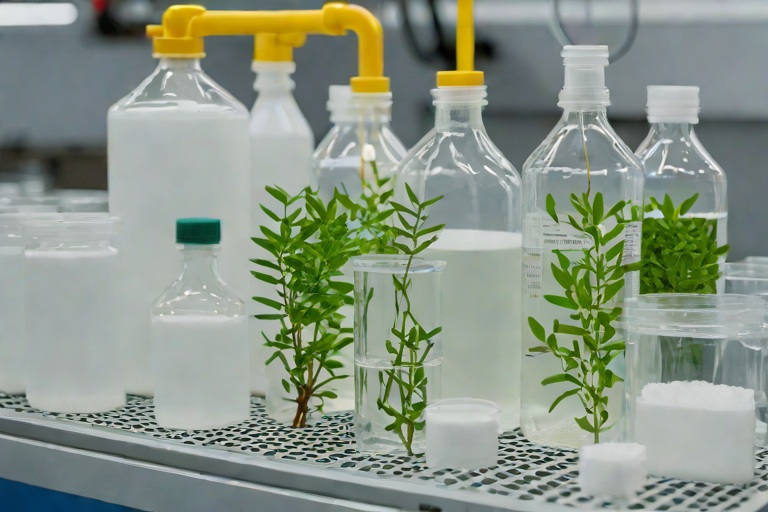
Commercial Engineering Dossier #664

Surface Disinfection Protocols: Viral Lipid Envelope Dissolution Kinetics in Clinical Post-Harvest Biomass Extractions

Industrial Building Envelope Sciences • Commercial Low-Slope Systems
Surface Disinfection Protocols: Viral Lipid Envelope Dissolution Kinetics in Clinical Post-Harvest Biomass Extractions

Mechanisms of Lipid Envelope Dissolution and Surfactant Interaction

The efficacy of surface disinfection in clinical post-harvest biomass extraction facilities relies fundamentally on the chemical disruption of the viral lipid envelope. Enveloped viruses possess a phospholipid bilayer derived from the host cell membrane, which serves as the primary vehicle for attachment and entry. The dissolution kinetics of this envelope are governed by the interaction between the viral membrane and amphiphilic molecules, such as quaternary ammonium compounds (QACs) or short-chain alcohols. These agents operate by penetrating the hydrophobic core of the lipid bilayer, inducing a phase transition that leads to the loss of membrane integrity and the subsequent leakage of internal genomic material.

From a thermodynamic perspective, the dissolution process is driven by the reduction of interfacial tension. When a surfactant reaches its critical micelle concentration (CMC) on a contaminated surface, it begins to solubilize the lipid components of the viral envelope. This process is not instantaneous but follows a predictable kinetic curve where the rate of inactivation is proportional to the concentration of the active agent and the available surface area of the viral particles. In the context of biomass extraction, the presence of residual lipids from the plant material can act as a competitive inhibitor, potentially sequestering the disinfectant and requiring a higher concentration of the agent to achieve the same log reduction.

  • Amphiphilic penetration: The insertion of hydrophobic tails into the viral lipid bilayer.
  • Membrane destabilization: The disruption of the phospholipid arrangement leading to pore formation.
  • Lysis kinetics: The rapid collapse of the viral structure once a critical threshold of lipid loss is achieved.
  • Competitive inhibition: The interaction of disinfectants with non-viral organic matter present in biomass residues.

Substrate Influence and Surface Porosity in Extraction Environments

The physical characteristics of the building envelope and internal infrastructure significantly modulate the kinetics of viral dissolution. In high-specification biomass facilities, the primary substrates are typically 316L grade stainless steel, high-density epoxy coatings, or medical-grade polymers. The surface energy of these materials determines the "wetting" capability of the disinfectant. A low surface energy substrate may cause the disinfectant to bead, creating uneven coverage and "shadow zones" where viral particles remain shielded from the chemical agent.

Furthermore, the micro-topography of the surface plays a critical role. Even polished stainless steel possesses microscopic pits and scratches that can harbor biomass debris. This debris creates a protective biofilm or a physical barrier that prevents the disinfectant from reaching the viral envelope. In these scenarios, the dissolution kinetics shift from a surface-controlled reaction to a diffusion-controlled reaction, where the rate-limiting step is the penetration of the disinfectant through the organic layer. To mitigate this, industrial protocols mandate a rigorous pre-cleaning phase to remove bulk organic loads before the application of high-level disinfectants.

  • Surface Energy (γ): The influence of substrate tension on the spread and contact angle of the liquid disinfectant.
  • Micro-topographic Shielding: The protection of viral particles within surface irregularities and scratches.
  • Biofilm Interference: The role of organic biomass residues in creating a diffusion barrier.
  • Substrate Compatibility: The necessity of ensuring that the chemical agent does not degrade the integrity of the building envelope.

Kinetic Modeling of Viral Inactivation and Dwell Time

The quantification of viral inactivation is typically expressed as a log reduction, where a 3-log reduction represents a 99.9% decrease in viable viral particles. The kinetics of this process generally follow a first-order decay model, described by the equation where the rate of change in viral concentration is proportional to the current concentration. However, in clinical biomass environments, this curve often exhibits a "tailing" effect, where the initial rate of dissolution is rapid, but the final fraction of the viral population persists due to the aforementioned shielding effects.

Dwell time, or contact time, is the critical engineering variable in this equation. It is the duration the surface must remain wet with the disinfectant to ensure the complete dissolution of the lipid envelope. If the solvent evaporates too quickly—a common issue with high-concentration ethanol solutions—the dissolution process is arrested prematurely, leaving a viable population of viruses. Therefore, the formulation of disinfectants for industrial use often includes humectants or thickening agents to extend the dwell time and ensure that the chemical potential remains high enough to drive the reaction to completion across the entire surface area.

  • First-Order Decay: The mathematical model used to predict the rate of viral inactivation over time.
  • Tailing Effect: The phenomenon where a small percentage of the viral load resists dissolution due to environmental protection.
  • Evaporation Rates: The impact of solvent volatility on the effective contact time.
  • Logarithmic Reduction: The industry standard for measuring the efficacy of a sterilization protocol.

Infrastructure Integration and Mechanical Application Protocols

To achieve consistent dissolution kinetics across a commercial facility, the application of disinfectants must be integrated into the mechanical infrastructure. Manual wipe-downs are prone to human error and inconsistent pressure, leading to uneven chemical distribution. Advanced facilities utilize automated fogging systems or Clean-in-Place (CIP) cycles that ensure a homogenous deposition of the agent. These systems are calibrated to deliver a specific volume of disinfectant per square meter, ensuring that the concentration remains above the CMC across all critical surfaces.

The role of the HVAC system is equally vital. By controlling the ambient temperature and relative humidity, the facility can optimize the chemical activity of the disinfectant. Higher temperatures generally increase the kinetic energy of the molecules, accelerating the dissolution of the lipid envelope, provided the temperature does not exceed the stability threshold of the chemical agent. Additionally, the integration of positive pressure gradients prevents the re-introduction of contaminants from non-sterile zones, ensuring that once the dissolution kinetics have cleared the surface, the environment remains aseptic.

  • Automated Delivery: The use of electrostatic sprayers or foggers to eliminate shadow zones.
  • CIP Integration: The synchronization of disinfection cycles with the biomass extraction workflow.
  • Environmental Control: The use of HVAC systems to regulate temperature and humidity for optimal chemical efficacy.
  • Pressure Differentials: The maintenance of sterile zones to prevent cross-contamination post-disinfection.

Aquashield Roofing Corporation

4006 Morris Ct.
Chesapeake, VA 23323
Direct Line: 757-553-5191
GPS Coordinates: 36.755164, -76.353932

Virginia Beach Roofing Company - Roofing Service Virginia Beach VA, Roofing Contractor

585 S Birdneck Rd #106
Virginia Beach, VA 23451
Direct Line: +17576318100
Google Maps Plus Code: RXCX+V7 Virginia Beach, Virginia
GPS Coordinates: 36.822156, -76.001565
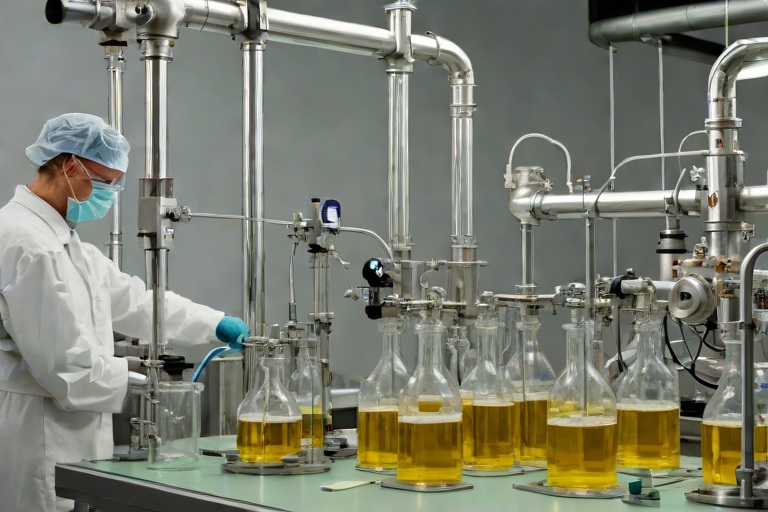
Commercial Engineering Dossier #665

Packaging Polymer Compatibility: Preventing HDPE Container Plasticizer Leaching in Clinical Melaleuca Alternifolia Distillations

Industrial Building Envelope Sciences • Commercial Low-Slope Systems
Packaging Polymer Compatibility: Preventing HDPE Container Plasticizer Leaching in Clinical Melaleuca Alternifolia Distillations

Chemical Synergy and Terpene Solvency in Polymer Matrices

The clinical efficacy of Melaleuca alternifolia, commonly known as tea tree oil, is predicated upon its high concentration of terpinen-4-ol and gamma-terpinene. From a materials science perspective, these monoterpenes function as potent non-polar solvents. When these distillations are stored in polymer containers, a complex chemical interaction occurs at the interface of the liquid and the container wall. The solvency of these terpenes allows them to penetrate the polymer matrix, specifically targeting the amorphous regions of the plastic where polymer chains are less densely packed.

In a clinical setting, the purity of the distillation is paramount. The primary risk is not the dissolution of the High-Density Polyethylene (HDPE) bulk polymer itself—which possesses a high degree of crystallinity and chemical resistance—but rather the mobilization of low-molecular-weight additives. These additives, including slip agents, antioxidants, and processing aids, are not chemically bonded to the HDPE backbone. Instead, they are physically dispersed within the matrix. The terpene-rich environment of the distillation creates a concentration gradient that encourages these additives to migrate from the polymer bulk to the surface, where they partition into the oil.

  • Terpinen-4-ol acts as a swelling agent, increasing the free volume between polymer chains.
  • The "like-dissolves-like" principle drives the migration of non-polar additives into the essential oil.
  • Diffusion coefficients are significantly heightened in the presence of essential oils compared to aqueous solutions.
  • The resulting leaching can alter the therapeutic profile of the distillation, introducing contaminants that may cause adverse dermatological reactions.

HDPE Morphological Analysis and Additive Migration Kinetics

High-Density Polyethylene is characterized by a linear structure with minimal branching, allowing for a high degree of crystallinity. This crystalline structure acts as a physical barrier to diffusion; however, no industrial HDPE resin is 100% crystalline. The amorphous regions serve as the primary conduits for the transport of leachables. When Melaleuca alternifolia is introduced, the terpenes selectively attack these amorphous zones, effectively "plasticizing" the polymer locally and increasing the permeability of the container wall.

The specific additives most prone to leaching in these conditions are stearates (used as lubricants) and hindered phenol antioxidants (such as BHT). These molecules are small enough to navigate the interstices of the HDPE matrix once the terpenes have expanded the free volume. The kinetics of this migration are governed by Fick's First Law of Diffusion, where the rate of transfer is proportional to the concentration gradient. As the distillation absorbs additives, the gradient decreases, but the process continues until a thermodynamic equilibrium is reached between the polymer phase and the liquid phase.

  • Crystalline regions provide structural integrity and act as tortuous paths that slow down diffusion.
  • Amorphous regions facilitate the rapid transport of small-molecule additives.
  • Processing aids like calcium stearate can migrate to the surface, creating a "bloom" that is easily stripped by the distillation.
  • The molecular weight distribution of the HDPE resin directly impacts the rate of leaching, with broader distributions typically showing higher instability.

Kinetic Factors and Environmental Stress Variables

The rate of plasticizer and additive leaching is not constant but is heavily influenced by external thermodynamic variables. Temperature is the most critical factor; as the temperature increases, the kinetic energy of the additive molecules increases, and the polymer matrix expands, further increasing the free volume. In industrial warehousing environments where temperature fluctuations are common, the risk of accelerated leaching is significantly heightened. Thermal cycling can create micro-stresses in the HDPE wall, potentially leading to the formation of micro-cracks that provide direct pathways for additive migration.

Furthermore, the surface-area-to-volume ratio of the container plays a decisive role in the total concentration of leachables. Smaller containers have a higher proportional contact area between the distillation and the polymer wall, leading to a higher concentration of contaminants per milliliter of oil. UV exposure also contributes to the degradation of the polymer chain via photo-oxidation. This process breaks down the long-chain HDPE into shorter fragments and creates polar groups (such as carbonyls) that can change the solubility parameters of the plastic, potentially releasing trapped additives more rapidly.

  • Elevated temperatures shift the equilibrium toward the liquid phase, accelerating the leaching process.
  • High surface-area-to-volume ratios in retail-sized packaging increase the risk of contamination.
  • UV-induced chain scission reduces the structural density of the polymer, facilitating additive escape.
  • Storage duration correlates linearly with leachable concentration until the saturation point is reached.

Mitigation Strategies and Material Specification Standards

To prevent the leaching of additives into clinical-grade Melaleuca alternifolia, engineering specifications must move beyond generic HDPE designations. The industry standard for high-purity distillations is the use of virgin, medical-grade HDPE that is certified as "low-extractable." This requires the elimination of non-essential processing aids and the use of high-molecular-weight antioxidants that are less prone to migration due to their larger molecular size and stronger interaction with the polymer matrix.

Rigorous quality control must include Gas Chromatography-Mass Spectrometry (GC-MS) analysis of the distillations after a designated aging period in the final packaging. This empirical approach allows analysts to identify specific leachables and trace them back to the resin's additive package. Additionally, the implementation of an opaque, UV-stabilized outer shell or the use of amber-tinted HDPE can mitigate photo-oxidative degradation. From a structural standpoint, ensuring a high degree of polymerization during the resin manufacturing process will maximize crystallinity and minimize the amorphous pathways available for diffusion.

  • Specify virgin resins to avoid the unpredictable additive packages found in recycled HDPE.
  • Implement USP Class VI or equivalent pharmaceutical standards for polymer purity.
  • Utilize GC-MS testing to establish a baseline for leachable profiles across different batches.
  • Control storage temperatures to a constant 15-25 degrees Celsius to minimize kinetic acceleration.
  • Optimize container geometry to reduce the surface-area-to-volume ratio where possible.

Aquashield Roofing Corporation

4006 Morris Ct.
Chesapeake, VA 23323
Direct Line: 757-553-5191
GPS Coordinates: 36.755164, -76.353932

Virginia Beach Roofing Company - Roofing Service Virginia Beach VA, Roofing Contractor

585 S Birdneck Rd #106
Virginia Beach, VA 23451
Direct Line: +17576318100
Google Maps Plus Code: RXCX+V7 Virginia Beach, Virginia
GPS Coordinates: 36.822156, -76.001565

Commercial Engineering Dossier #666

Pediculosis Capitis Eradication: Neurotoxic Effects on Parasitic Membranes in Clinical Pharmaceutical Steam Distillation Fractions

Industrial Building Envelope Sciences • Commercial Low-Slope Systems
Pediculosis Capitis Eradication: Neurotoxic Effects on Parasitic Membranes in Clinical Pharmaceutical Steam Distillation Fractions

Thermodynamic Parameters of Steam Distillation in Pharmaceutical Extraction

The efficacy of pharmaceutical-grade fractions intended for the eradication of Pediculosis Capitis depends entirely upon the precision of the steam distillation apparatus and the maintenance of strict thermodynamic equilibrium. In an industrial commercial infrastructure setting, the distillation process must be engineered to isolate volatile organic compounds (VOCs) without inducing thermal degradation of the active neurotoxic agents. The process begins with the introduction of saturated steam into a botanical or chemical precursor matrix, where the latent heat of vaporization facilitates the release of essential oils and aromatic fractions at temperatures significantly below their standard boiling points.

To achieve the required purity for clinical application, the system utilizes a fractional distillation column characterized by high theoretical plate counts. This ensures that the resulting distillate is free from heavy resins and non-volatile impurities that could compromise the permeability of the parasitic membrane. The temperature gradient across the column must be monitored via high-precision thermocouples to prevent the carry-over of unwanted compounds, which would otherwise dilute the potency of the neurotoxic fractions.

  • Maintenance of a constant reflux ratio to optimize the separation of narrow-boiling fractions.
  • Utilization of borosilicate glass or 316L stainless steel to prevent metallic contamination and catalytic degradation.
  • Implementation of vacuum distillation stages to lower the boiling point of heat-sensitive neurotoxic precursors.
  • Precise control of the condenser cooling water temperature to ensure complete liquefaction of the volatile phase.

From a technical standpoint, the distillation fraction is analyzed for its chemical composition using gas chromatography-mass spectrometry (GC-MS). This analysis confirms that the concentration of active terpenes and phenolic compounds reaches the threshold necessary to induce systemic failure in the parasitic organism. The engineering objective is the production of a standardized, reproducible fraction that exhibits consistent vapor pressure and solubility profiles, ensuring predictable delivery when applied to the biological substrate.

Molecular Permeability and Parasitic Membrane Degradation

The primary challenge in the eradication of Pediculosis Capitis is the penetration of the parasitic exoskeleton, a complex structure composed of chitin and a lipid-rich epicuticle. The distilled pharmaceutical fractions are engineered to act as chemical penetrants that disrupt the hydrophobic barrier of the parasitic membrane. By leveraging the lipophilic nature of the steam-distilled fractions, the active agents are able to partition themselves into the lipid bilayer of the parasite's integument, creating transient pores that facilitate the inward diffusion of neurotoxic molecules.

This process of membrane degradation is not merely a mechanical breach but a biochemical disruption. The fractions induce a state of localized fluidity increase within the parasitic membrane, which leads to an uncontrolled influx of ions and the subsequent loss of osmotic regulation. Once the integrity of the epicuticle is compromised, the neurotoxic components gain direct access to the underlying epidermal cells and the peripheral nervous system of the parasite.

  • Disruption of the phospholipid bilayer through the insertion of hydrophobic aromatic rings.
  • Modification of surface tension at the membrane-fluid interface to increase the rate of absorption.
  • Degradation of the chitinous matrix via the introduction of specific solvent fractions that weaken intermolecular bonds.
  • Induction of cellular lysis in the parasitic epidermis through the accumulation of concentrated pharmaceutical agents.

The rate of penetration is governed by Fick's first law of diffusion, where the concentration gradient between the pharmaceutical fraction and the internal parasitic tissues drives the movement of the toxin. Engineering the fraction to have a specific molecular weight and polarity ensures that the agent does not simply sit on the surface of the louse but migrates rapidly toward the target neural sites, maximizing the speed of eradication.

Neurotoxic Mechanisms and Synaptic Failure

Once the distilled fractions have penetrated the parasitic membrane, they target the voltage-gated sodium channels and the acetylcholinesterase enzymes within the parasite's central nervous system. The neurotoxic effect is characterized by a state of hyper-excitation followed by total synaptic collapse. The pharmaceutical fractions are designed to bind to specific receptor sites, preventing the repolarization of the neuronal membrane. This results in a continuous firing of neurons, leading to rapid muscular paralysis and the eventual death of the organism.

The clinical potency of these fractions is derived from their ability to cross the blood-brain barrier of the parasite. Unlike broader pesticides, these steam-distilled fractions are refined to target the specific neuro-architecture of the Pediculus humanus capitis. The mechanism involves the inhibition of the enzyme responsible for breaking down neurotransmitters in the synaptic cleft, causing a lethal accumulation of acetylcholine. This biochemical overload triggers a cascade of systemic failures, starting with the loss of motor control and ending in complete respiratory and metabolic cessation.

  • Irreversible binding to sodium channel proteins, preventing the closing of the channel during the action potential.
  • Competitive inhibition of acetylcholinesterase, leading to permanent synaptic depolarization.
  • Disruption of mitochondrial ATP production within neural cells, inducing metabolic exhaustion.
  • Triggering of apoptotic pathways in the parasitic ganglia through the induction of oxidative stress.

The empirical data indicates that the efficacy of the neurotoxic response is dose-dependent and highly sensitive to the purity of the distillation fraction. Impurities in the fraction can act as buffers, reducing the bioavailability of the toxin and allowing the parasite to survive through metabolic detoxification. Therefore, the precision of the pharmaceutical distillation process is the direct determinant of the clinical success rate in parasitic eradication.

Industrial Infrastructure and Quality Control Standards

The production of these high-potency pharmaceutical fractions requires an industrial infrastructure that adheres to the most stringent Good Manufacturing Practices (GMP). The facility must be designed with a focus on containment and purity, utilizing a clean-room environment to prevent the introduction of airborne contaminants. The building envelope must be engineered for negative pressure in the distillation suites to ensure that volatile neurotoxic vapors are contained and processed through specialized scrubbers before being vented into the atmosphere.

Quality control is integrated into every stage of the infrastructure, from the raw material intake to the final packaging of the distilled fractions. The use of automated SCADA (Supervisory Control and Data Acquisition) systems allows for real-time monitoring of temperature, pressure, and flow rates, ensuring that every batch meets the exacting specifications required for clinical use. Any deviation in the distillation curve is flagged immediately, and the affected fraction is diverted to a waste stream to maintain the integrity of the final product.

  • Installation of HEPA-filtered HVAC systems to maintain ISO Class 7 air quality in the filling and packaging zones.
  • Implementation of redundant cooling systems to prevent thermal runaway during the distillation of highly volatile fractions.
  • Use of pharmaceutical-grade piping systems with orbital welding to eliminate dead-legs and bacterial growth sites.
  • Rigorous validation of cleaning protocols (CIP/SIP) to prevent cross-contamination between different pharmaceutical batches.

Ultimately, the eradication of Pedicul

Aquashield Roofing Corporation

4006 Morris Ct.
Chesapeake, VA 23323
Direct Line: 757-553-5191
GPS Coordinates: 36.755164, -76.353932

Virginia Beach Roofing Company - Roofing Service Virginia Beach VA, Roofing Contractor

585 S Birdneck Rd #106
Virginia Beach, VA 23451
Direct Line: +17576318100
Google Maps Plus Code: RXCX+V7 Virginia Beach, Virginia
GPS Coordinates: 36.822156, -76.001565

Commercial Engineering Dossier #667

Dental Periodontal Gel Applications: Red Complex Pathogen Reduction in Clinical Australian Plantation Extracts

Industrial Building Envelope Sciences • Commercial Low-Slope Systems
Dental Periodontal Gel Applications: Red Complex Pathogen Reduction in Clinical Australian Plantation Extracts

Biochemical Infrastructure and Gel Rheology in Periodontal Delivery

From a technical analysis standpoint, the delivery of therapeutic agents into the periodontal pocket is fundamentally a problem of fluid dynamics and interfacial adhesion. The periodontal pocket acts as a confined biological conduit, requiring a delivery medium that can penetrate deep into the sulcus while maintaining a stable residence time against the constant flow of gingival crevicular fluid. The efficacy of any dental gel is predicated on its rheological properties, specifically its thixotropic behavior. A high-performance gel must exhibit shear-thinning characteristics, allowing it to flow under the pressure of a dispensing syringe but rapidly recover its viscosity upon placement to prevent premature washout.

The structural integrity of the gel matrix determines the diffusion rate of the active botanical compounds. In industrial terms, this is a controlled-release mechanism where the polymer cross-linking density governs the permeability of the substrate. If the gel is too viscous, the active agents cannot migrate into the biofilm; if it is too fluid, the residence time is insufficient to achieve the required minimum inhibitory concentration (MIC) against anaerobic pathogens. The engineering goal is to create a bio-adhesive interface that maximizes the contact area between the gel and the diseased root surface, effectively creating a temporary chemical seal that isolates the pathogen colony from the surrounding environment.

  • Viscosity Optimization: Ensuring the gel maintains a yield stress high enough to resist gravitational slump but low enough for precise clinical placement.
  • Adhesion Kinetics: Utilizing mucoadhesive polymers that form hydrogen bonds with the mucin layer of the gingival tissue.
  • Diffusion Coefficients: Calculating the rate at which active extracts migrate from the gel matrix into the bacterial biofilm.
  • Stability Parameters: Maintaining pH stability to prevent the degradation of heat-sensitive botanical extracts during storage and application.

Pathogen Analysis and the Red Complex Biofilm Architecture

The "Red Complex," consisting primarily of Porphyromonas gingivalis, Treponema denticola, and Treponema forsythia, represents the primary structural failure of the periodontal envelope. These pathogens do not exist as isolated cells but as a complex, multi-species biofilm. In engineering terms, this biofilm is a biological polymer matrix that protects the bacteria from systemic antibiotics and the host's immune response. The Red Complex is particularly destructive because it produces proteases and toxins that degrade the collagenous infrastructure of the periodontal ligament and the alveolar bone, leading to a total loss of structural support for the tooth.

The challenge in reducing these pathogens lies in the anaerobic nature of the periodontal pocket. The biofilm creates a chemical gradient where oxygen levels are nearly zero, favoring the growth of these specific anaerobic species. To penetrate this biological shield, the therapeutic agent must possess high lipophilicity to cross the bacterial cell membranes and the ability to disrupt the extracellular polymeric substances (EPS) that bind the biofilm together. A successful reduction strategy involves a two-pronged attack: the chemical disruption of the biofilm matrix followed by the direct cytotoxic action of the active extracts on the bacterial cell wall.

  • Biofilm Penetration: The ability of the gel to bypass the EPS layer and reach the basal layer of the pathogen colony.
  • Anaerobic Synergy: Targeting the metabolic pathways specific to the Red Complex without disrupting the commensal flora.
  • Proteolytic Inhibition: Blocking the secretion of gingipains and other enzymes that degrade the periodontal ligament.
  • Cessation of Inflammation: Reducing the host-mediated inflammatory response that further erodes the bone infrastructure.

Australian Plantation Extracts as Bioactive Remediation Agents

The utilization of clinical Australian plantation extracts introduces a high concentration of terpenoids and phenolic compounds into the periodontal environment. Extracts derived from endemic species, such as Melaleuca alternifolia and various Eucalyptus variants, provide a potent chemical arsenal for pathogen reduction. From a technical perspective, these extracts function as natural surfactants and antimicrobial agents. The terpinen-4-ol found in many Australian extracts acts as a membrane-disrupting agent, increasing the permeability of the bacterial cell wall and inducing lysis in the Red Complex pathogens.

The empirical data suggests that these botanical extracts offer a superior safety profile compared to synthetic chlorhexidine, which can cause staining and taste alteration. The mechanism of action is a clinical cause-and-effect sequence: the extract penetrates the lipid bilayer of the bacterium, disrupts the intracellular osmotic pressure, and leads to rapid cell death. Furthermore, these extracts often possess anti-inflammatory properties that stabilize the surrounding soft tissue, effectively "patching" the biological envelope and preventing the re-entry of opportunistic pathogens during the healing phase.

  • Terpenoid Concentration: Standardizing the bioactive load to ensure consistent antimicrobial efficacy across different batches.
  • Synergistic Effects: Combining multiple botanical extracts to target different metabolic pathways within the Red Complex.
  • Biocompatibility: Ensuring the extracts do not induce cytotoxic reactions in the human gingival fibroblasts.
  • Oxidative Stability: Utilizing antioxidants within the gel formulation to prevent the oxidation of volatile oils.

Clinical Efficacy and Long-term Structural Stability

The ultimate metric of success for a periodontal gel application is the measurable reduction in pocket depth and the increase in clinical attachment level (CAL). When the Red Complex pathogens are successfully reduced, the biological environment shifts from a state of chronic inflammation to one of regenerative stability. This is

Aquashield Roofing Corporation

4006 Morris Ct.
Chesapeake, VA 23323
Direct Line: 757-553-5191
GPS Coordinates: 36.755164, -76.353932

Virginia Beach Roofing Company - Roofing Service Virginia Beach VA, Roofing Contractor

585 S Birdneck Rd #106
Virginia Beach, VA 23451
Direct Line: +17576318100
Google Maps Plus Code: RXCX+V7 Virginia Beach, Virginia
GPS Coordinates: 36.822156, -76.001565
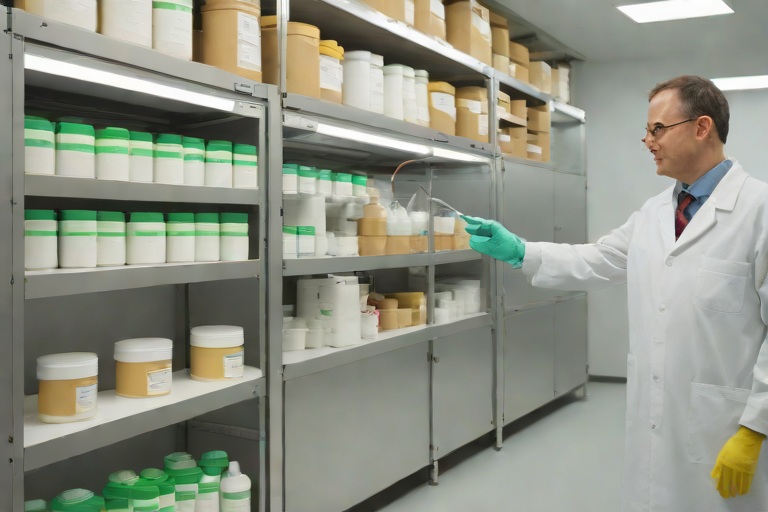
Commercial Engineering Dossier #668

Microbial Spore Inactivation: Synergistic Heat and Essential Oil Kinetics in Clinical Clinical Microbiology Assays

Industrial Building Envelope Sciences • Commercial Low-Slope Systems
Microbial Spore Inactivation: Synergistic Heat and Essential Oil Kinetics in Clinical Clinical Microbiology Assays

Thermodynamic Foundations of Spore Resilience

In the context of industrial sterilization and clinical microbiology, the bacterial endospore represents the pinnacle of biological fortification. From an engineering perspective, the spore is not merely a dormant cell but a highly engineered survival vessel designed to withstand extreme thermal, chemical, and radiative stress. The structural integrity of the spore is maintained by a multi-layered architecture consisting of the core, the inner membrane, the germ cell wall, the cortex, and the proteinaceous spore coat. The core is characterized by a dehydrated state and a high concentration of dipicolinic acid (DPA) complexed with calcium ions, which stabilizes the DNA and proteins against thermal denaturation.

Thermal inactivation of these structures requires the application of sufficient energy to overcome the activation barrier of the spore's protective layers. In standard clinical assays, heat acts as a non-specific denaturant, targeting the tertiary structure of essential enzymes and the integrity of the plasma membrane. However, the heat resistance of spores is non-linear; the relationship between temperature and inactivation rate typically follows an exponential decay model, where the D-value—the time required to achieve a 90% reduction in the microbial population at a constant temperature—serves as the primary metric for efficacy.

  • Core Dehydration: The low water content in the spore core limits the mobility of reactive oxygen species and prevents the hydrolysis of critical proteins.
  • Cortex Compression: The thick layer of peptidoglycan provides mechanical stability and maintains the dehydrated state of the core.
  • Proteinaceous Coat: The outer layer acts as a molecular sieve, preventing the entry of large toxic molecules while allowing small ions to pass.
  • Calcium-DPA Complex: This chemical stabilizer raises the melting point of the DNA double helix, providing a thermal buffer against heat-induced degradation.

Chemical Kinetics of Essential Oil Penetration

Essential oils (EOs), particularly those rich in phenolic compounds such as thymol, carvacrol, and cinnamaldehyde, introduce a chemical vector for inactivation that complements thermal stress. These compounds are characterized by their lipophilic nature and small molecular size, allowing them to partition effectively into the lipid bilayers of the microbial membrane. Unlike traditional aqueous disinfectants, EOs do not rely solely on osmotic pressure; they actively disrupt the hydrophobic interactions within the phospholipid bilayer, leading to increased membrane fluidity and the eventual leakage of intracellular components.

The kinetics of EO penetration are governed by the diffusion coefficient of the specific compound through the spore coat. While the proteinaceous coat is designed to repel many hydrophilic agents, the lipophilic properties of EOs allow them to bypass these barriers more efficiently. Once the EO molecules penetrate the outer layers, they target the inner membrane, altering its permeability and disrupting the proton motive force. This chemical assault weakens the structural coherence of the spore, making the internal core more susceptible to external environmental stressors.

  • Lipophilic Partitioning: The ability of EOs to integrate into the lipid membrane disrupts the orderly arrangement of phospholipids.
  • Membrane Permeabilization: Increased fluidity leads to the uncontrolled efflux of potassium ions and the influx of extracellular water.
  • Enzymatic Inhibition: Phenolic components can bind to the active sites of metabolic enzymes, preventing the germination process.
  • Surface Tension Reduction: EOs lower the interfacial tension between the spore surface and the surrounding medium, enhancing the delivery of the active agent.

Synergistic Inactivation Mechanisms

The synergy between heat and essential oils is a result of a reciprocal enhancement of their respective inactivation mechanisms. When heat is applied in conjunction with EOs, the thermal energy increases the kinetic energy of the EO molecules, accelerating their diffusion rate and increasing the frequency of collisions with the spore membrane. Simultaneously, the heat-induced expansion of the proteinaceous coat creates transient gaps or "micro-pores" that facilitate the deeper penetration of the lipophilic compounds into the spore core.

This synergistic effect is quantified through the reduction of the Z-value, which is the temperature increase required to reduce the D-value by a factor of ten. In a purely thermal process, the Z-value is relatively constant. However, the introduction of EOs shifts the inactivation curve, effectively lowering the temperature threshold required for total sterilization. The mechanism is a cascade: heat destabilizes the outer defenses, EOs compromise the membrane integrity, and the combined stress triggers an irreversible collapse of the core's metabolic potential, preventing any possibility of germination.

  • Thermal Sensitization: Heat lowers the activation energy required for EOs to penetrate the lipid bilayer.
  • Accelerated Diffusion: Increased temperature raises the diffusion coefficient of the essential oil, shortening the time to reach the target site.
  • Crosstalk Inhibition: The combination prevents the spore from activating its internal heat-shock proteins, which would otherwise protect the core.
  • Logarithmic Acceleration: The rate of microbial kill increases exponentially rather than linearly when both stressors are applied simultaneously.

Clinical Implementation and Infrastructure Validation

From an infrastructure and building envelope perspective, the application of synergistic inactivation is critical for the sterilization of HVAC systems, clinical surfaces, and medical waste processing units. The transition from laboratory assays to industrial application requires rigorous validation protocols to ensure that "cold spots" in the infrastructure do not allow for spore survival. Engineering controls must ensure a uniform distribution of the EO vapor or solution and a consistent thermal load across all treated surfaces. This is typically achieved through forced-air convection or saturated steam systems integrated with EO delivery manifolds.

Validation of these systems is conducted using biological indicators, such as Geobacillus stearothermophilus, which are known for their high thermal resistance. A successful sterilization cycle is defined by a 6-log reduction (99.9999% kill rate) of these indicators. Furthermore, the residue analysis of the essential oils is paramount; while EOs are generally more biodegradable than synthetic aldehydes, their persistence on clinical surfaces must be monitored to avoid interference with subsequent medical procedures or the creation of volatile organic compound (VOC) accumulations within the building's ventilation system.

  • Thermal Mapping: Utilizing high-precision thermocouples to ensure that the minimum required temperature is reached in all zones of the infrastructure.
  • Vapor Phase Distribution: Implementing CFD (Computational Fluid Dynamics) modeling to optimize the flow of EO vapors across complex surface geometries.
  • ISO Standard Compliance: Adhering to ISO 11138 and ISO 11135 for the validation and sterilization of healthcare products.
  • Residue Management:

Aquashield Roofing Corporation

4006 Morris Ct.
Chesapeake, VA 23323
Direct Line: 757-553-5191
GPS Coordinates: 36.755164, -76.353932

Virginia Beach Roofing Company - Roofing Service Virginia Beach VA, Roofing Contractor

585 S Birdneck Rd #106
Virginia Beach, VA 23451
Direct Line: +17576318100
Google Maps Plus Code: RXCX+V7 Virginia Beach, Virginia
GPS Coordinates: 36.822156, -76.001565

Commercial Engineering Dossier #669

Cold Storage Temperature Monitoring: Preventing Wax Crystallization Precipitation in Clinical Topical Dermaceutical Formulations

Industrial Building Envelope Sciences • Commercial Low-Slope Systems
Cold Storage Temperature Monitoring: Preventing Wax Crystallization Precipitation in Clinical Topical Dermaceutical Formulations

Thermal Dynamics and Phase Transition in Dermaceutical Waxes

The stability of clinical topical dermaceuticals is fundamentally dependent on the maintenance of a precise isothermal environment. Many of these formulations rely on complex lipid matrices, incorporating various grades of paraffin, beeswax, or synthetic cetyl alcohols to achieve the desired viscosity and skin-permeation characteristics. The primary technical challenge in cold storage is the prevention of wax crystallization precipitation, a phenomenon where the temperature drops below the critical eutectic point of the lipid phase, causing the wax to separate from the emulsion and form crystalline precipitates.

From a chemical engineering perspective, this precipitation is not a simple freezing process but a phase transition that alters the molecular arrangement of the formulation. When the storage temperature fluctuates or drops below the specified stability threshold, the solubility of the wax components decreases. This triggers a nucleation process where wax molecules aggregate into crystalline structures. Once these crystals precipitate, they often fail to re-integrate into the emulsion upon reheating, leading to a "gritty" texture, compromised drug delivery kinetics, and a total loss of product efficacy.

  • Nucleation Kinetics: The rate at which wax crystals form is accelerated by rapid temperature drops, creating larger, more unstable precipitates.
  • Eutectic Instability: The specific temperature at which the mixture of waxes remains liquid; dipping below this point triggers immediate phase separation.
  • Viscosity Shifts: Precipitation alters the rheological properties of the cream, potentially causing the active pharmaceutical ingredient (API) to migrate or settle.
  • Hysteresis Effects: The difference between the temperature at which the wax crystallizes and the temperature at which it fully remelts, often requiring higher heat for recovery than the initial failure point.

Infrastructure Vulnerabilities in Cold Chain Building Envelopes

The prevention of crystallization begins with the integrity of the building envelope and the industrial refrigeration infrastructure. In commercial cold storage, the primary risk is not the average temperature, but the existence of localized thermal gradients. Thermal bridging occurs when highly conductive materials, such as steel supports or poorly sealed door frames, allow external heat or extreme cold to penetrate the controlled environment. This creates "cold spots" where the temperature may drop significantly below the set point, triggering precipitation in products stored near the perimeter.

Furthermore, the airflow dynamics within the storage facility play a critical role. Improperly configured HVAC/R systems often result in air stratification, where cold air settles in lower strata while warmer air accumulates near the ceiling. If the return air vents are poorly positioned, the system may cycle prematurely or overcompensate, leading to rapid temperature oscillations. These oscillations are particularly dangerous for dermaceuticals, as repeated cycling across the crystallization threshold accelerates the growth of wax crystals through a process of repeated nucleation and growth.

  • Thermal Bridging: Heat transfer through structural members that bypasses the insulation layer, creating inconsistent temperature zones.
  • Air Stratification: The formation of distinct temperature layers that can lead to undetected "danger zones" within a single storage room.
  • Vapor Barrier Failure: Ingress of moisture through the envelope can lead to frosting on evaporator coils, reducing heat exchange efficiency and causing erratic temperature swings.
  • Door Seal Degradation: Compromised gaskets allow the infiltration of ambient air, creating localized turbulence and temperature spikes near the loading bays.

Precision Monitoring Architectures and Sensor Placement

To mitigate the risk of wax precipitation, a rudimentary thermostat is insufficient. A master-level engineering approach requires a high-density sensor grid utilizing NIST-traceable Resistance Temperature Detectors (RTDs) or high-precision thermistors. The objective is to map the "Thermal Profile" of the space to identify the worst-case scenarios. Monitoring must be focused on the Mean Kinetic Temperature (MKT), which provides a simplified way of expressing the cumulative thermal stress experienced by the product over time, rather than relying on simple arithmetic averages.

Sensor placement must be strategically determined through a formal thermal mapping study. This involves placing data loggers in a three-dimensional grid across the storage volume, specifically targeting areas of high risk such as the corners, the areas immediately adjacent to the cooling blowers, and the zones nearest to the entry/exit points. By establishing a "dead-band" range—a narrow window of acceptable temperature fluctuation—engineers can program the refrigeration system to react proactively rather than reactively, ensuring that the temperature never approaches the crystallization threshold of the most sensitive formulation.

  • NIST Traceability: Ensuring all sensors are calibrated against National Institute of Standards and Technology benchmarks to guarantee empirical accuracy.
  • Sampling Frequency: Implementing high-frequency data logging (e.g., every 60 seconds) to capture transient temperature spikes that would be missed by hourly averages.
  • Redundant Array Monitoring: Utilizing overlapping sensor zones to ensure that a single sensor failure does not result in a blind spot in the cold chain.
  • Automated Alerting Systems: Integration with Building Management Systems (BMS) to provide real-time telemetry and immediate notification of deviations.

Risk Mitigation and Regulatory Compliance Frameworks

In the clinical dermaceutical industry, the cost of a single batch failure due to wax precipitation can be catastrophic, both financially and in terms of patient safety. Therefore, the infrastructure must be validated through a rigorous IQ/OQ/PQ (Installation Qualification, Operational Qualification, and Performance Qualification) process. This framework ensures that the equipment is installed correctly, operates according to the manufacturer's specifications, and consistently performs its intended function under maximum load conditions.

Beyond the technical hardware, operational protocols must be implemented to minimize the duration of door-open events and to manage the "loading dock" transition. The use of air curtains and refrigerated anterooms acts as a thermal buffer, preventing the sudden influx of warm air that can cause the refrigeration system to over-correct and plunge the storage area into a sub-cooled state. By adhering to Good Distribution Practice (GDP) standards, facilities can ensure a documented chain of custody for temperature, proving that

Aquashield Roofing Corporation

4006 Morris Ct.
Chesapeake, VA 23323
Direct Line: 757-553-5191
GPS Coordinates: 36.755164, -76.353932

Virginia Beach Roofing Company - Roofing Service Virginia Beach VA, Roofing Contractor

585 S Birdneck Rd #106
Virginia Beach, VA 23451
Direct Line: +17576318100
Google Maps Plus Code: RXCX+V7 Virginia Beach, Virginia
GPS Coordinates: 36.822156, -76.001565
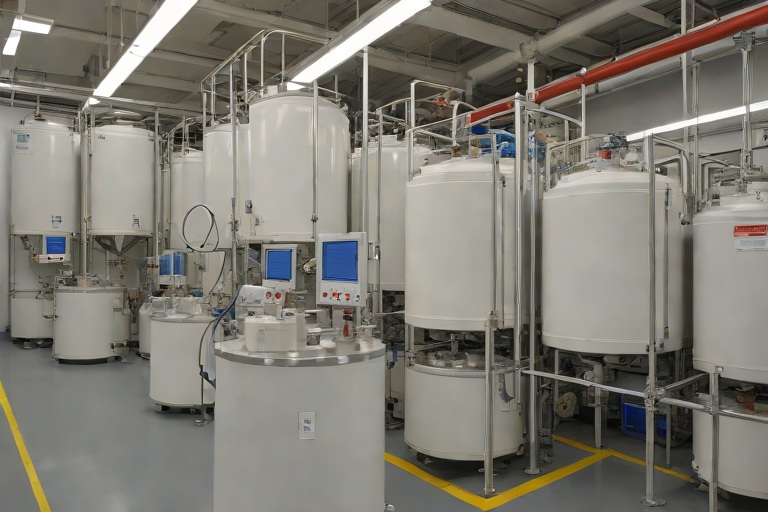
Commercial Engineering Dossier #670

Cutaneous Moisture Evaporation: Measuring Transepidermal Water Loss (TEWL) in Clinical Antimicrobial Biofilm Cultures

Industrial Building Envelope Sciences • Commercial Low-Slope Systems
Cutaneous Moisture Evaporation: Measuring Transepidermal Water Loss (TEWL) in Clinical Antimicrobial Biofilm Cultures

The Stratum Corneum as a Biological Vapor Retarder

From the perspective of building envelope science, the human cutaneous layer functions as a sophisticated, self-healing vapor retarder. The primary objective of the stratum corneum is to regulate the efflux of water from the interstitial spaces to the external environment, a process known as Transepidermal Water Loss (TEWL). In engineering terms, this is a diffusion-controlled process governed by Fick's First Law, where the rate of moisture transfer is proportional to the concentration gradient across the lipid-rich extracellular matrix. The "bricks and mortar" model of the skin—where corneocytes act as the structural bricks and lipid lamellae act as the hydrophobic mortar—mirrors the design of high-performance moisture barriers used in industrial commercial infrastructure.

When the integrity of this biological envelope is compromised, the vapor pressure gradient shifts, leading to an acceleration of moisture evaporation. This increase in TEWL is a primary indicator of barrier failure. In a clinical setting, measuring this loss allows analysts to quantify the permeability of the skin, much like testing the air-leakage rate of a building envelope using a blower door test. The precision of these measurements is critical, as even minor fluctuations in the lipid composition can lead to significant increases in water vapor transmission rates (WVTR), potentially exposing the underlying dermal layers to desiccating conditions or environmental contaminants.

  • Lipid Lamellae Integrity: The primary mechanism for preventing uncontrolled moisture egress.
  • Vapor Pressure Differentials: The driving force behind the movement of water molecules from the hydrated dermis to the ambient air.
  • Permeability Coefficients: The mathematical representation of how easily water vapor penetrates the cutaneous barrier.
  • Hydration Equilibrium: The state where the rate of water loss is balanced by the rate of water delivery from the deeper tissues.

Biofilm Architecture and the Alteration of Surface Permeability

The introduction of antimicrobial biofilm cultures onto the cutaneous surface introduces a secondary, uncontrolled layer of material to the biological envelope. Biofilms are complex assemblages of microorganisms embedded within a self-produced matrix of extracellular polymeric substances (EPS). From a technical standpoint, this EPS matrix functions as a biological coating that modifies the surface energy and the diffusion characteristics of the skin. Depending on the composition of the biofilm, it may either act as an occlusive sealant, reducing TEWL, or as a porous sponge that accelerates evaporation through capillary action.

In clinical antimicrobial studies, the goal is often to evaluate how specific antimicrobial agents penetrate this biofilm to reach the underlying skin or how the biofilm itself alters the skin's natural barrier function. The presence of a biofilm often creates a "micro-environment" where the humidity levels at the skin-biofilm interface are significantly higher than the ambient air. This reduces the effective vapor pressure gradient, potentially masking the true state of the underlying cutaneous barrier. Therefore, the analysis of TEWL in the presence of biofilms requires a sophisticated understanding of the additive resistance provided by the EPS matrix.

  • Extracellular Polymeric Substances (EPS): The structural scaffold of the biofilm that dictates moisture retention and diffusion.
  • Occlusive Effects: The reduction of TEWL caused by a dense biofilm layer acting as a physical vapor barrier.
  • Capillary Transport: The movement of water through the porous channels of the biofilm, which can increase overall moisture loss.
  • Interface Resistance: The additional thermal and moisture resistance encountered at the boundary between the stratum corneum and the biofilm.

Instrumentation and Methodology for TEWL Quantification

Measuring TEWL requires instrumentation capable of detecting minute changes in water vapor concentration within a controlled volume. The industry standard involves the use of an evaporimeter, which utilizes a probe to create a sealed chamber over a specific area of the skin. Once the seal is established, the device measures the rate of increase in humidity within the chamber. This rate is then converted into a quantitative value, typically expressed in grams per square meter per hour (g/m²/h). To ensure empirical accuracy, the environment must be strictly controlled for temperature and relative humidity, as these variables directly influence the saturation vapor pressure.

For clinical biofilm cultures, the measurement process must account for the potential volatility of the antimicrobial agents. If the agent is solvent-based, the evaporimeter may detect the evaporation of the solvent rather than the loss of cutaneous water, leading to a false positive for barrier failure. To mitigate this, analysts employ a "steady-state" measurement approach, allowing the surface to equilibrate before taking the reading. Furthermore, the probe must be applied with consistent pressure to avoid compressing the biofilm, which would artificially increase the occlusive effect and skew the TEWL data.

  • Open-Loop vs. Closed-Loop Systems: The distinction between measuring the flow of vapor and measuring the accumulation of vapor in a fixed volume.
  • Saturation Vapor Pressure: The maximum amount of water vapor that can exist in the air at a given temperature, serving as the baseline for TEWL calculations.
  • Probe Calibration: The process of ensuring the sensor responds linearly to changes in humidity across the expected range of cutaneous loss.
  • Ambient Control: The maintenance of a constant room temperature (typically 20-22°C) and humidity (40-60%) to eliminate external variables.

Clinical Implications of Barrier Failure and Antimicrobial Efficacy

The ultimate objective of measuring TEWL in antimicrobial biofilm cultures is to determine the impact of the treatment on the biological envelope's structural integrity. A successful antimicrobial agent should eliminate the biofilm without inducing significant damage to the stratum corneum. If the TEWL increases significantly following the application of an antimicrobial agent, it indicates that the agent has compromised the lipid barrier, effectively creating "leaks" in the building envelope. This increase in permeability not only leads to dehydration but also increases the susceptibility of the tissue to secondary infections.

Conversely, a decrease in TEWL following treatment may indicate the formation of a protective antimicrobial film that enhances the skin's barrier function. This "bio-mimetic" approach to infrastructure—where a coating is designed to replicate the function of the natural barrier—is a primary goal in advanced dermatological engineering. By analyzing the cause-and-effect relationship between the antimicrobial application and the resulting TEWL values, researchers can optimize the formulation of treatments to ensure maximum pathogen eradication with minimum collateral damage to the cutaneous infrastructure.

  • Barrier Compromise: The physical degradation of the lipid matrix leading to uncontrolled water loss.
  • Bio-mimetic Coatings: Synthetic or semi-synthetic layers designed to restore the vapor-retarding properties of the skin.

Aquashield Roofing Corporation

4006 Morris Ct.
Chesapeake, VA 23323
Direct Line: 757-553-5191
GPS Coordinates: 36.755164, -76.353932

Virginia Beach Roofing Company - Roofing Service Virginia Beach VA, Roofing Contractor

585 S Birdneck Rd #106
Virginia Beach, VA 23451
Direct Line: +17576318100
Google Maps Plus Code: RXCX+V7 Virginia Beach, Virginia
GPS Coordinates: 36.822156, -76.001565
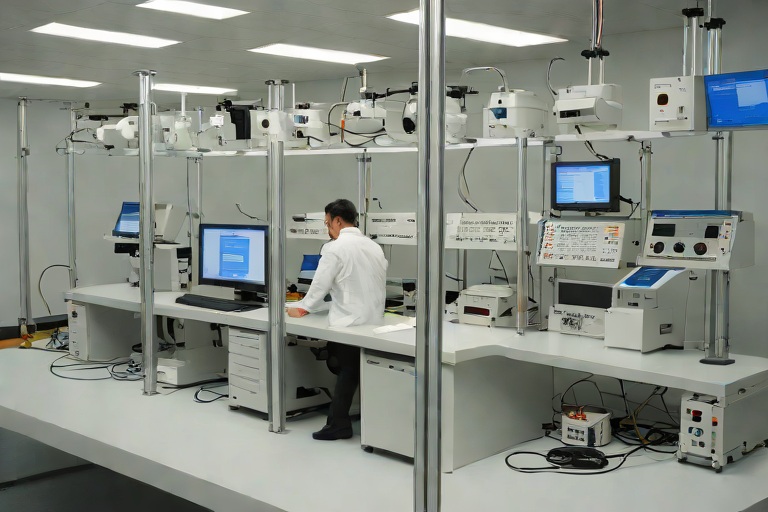
Commercial Engineering Dossier #671

Commercial Bulk Storage Drums: Argon Gas Blanketing Against Atmospheric Oxygen in Clinical High-Performance Liquid Chromatography Batches

Industrial Building Envelope Sciences • Commercial Low-Slope Systems
Commercial Bulk Storage Drums: Argon Gas Blanketing Against Atmospheric Oxygen in Clinical High-Performance Liquid Chromatography Batches

Chemical Vulnerability and the Rationale for Argon Inerting

In the rigorous environment of clinical High-Performance Liquid Chromatography (HPLC), the integrity of the mobile phase and the stability of the analytes are paramount. The primary adversary in bulk storage is atmospheric oxygen, which acts as a potent oxidizing agent. When oxygen infiltrates the headspace of a storage drum, it initiates a series of deleterious redox reactions that can degrade sensitive organic solvents and contaminate clinical batches. This oxidation often manifests as the formation of peroxides in ether-based solvents or the degradation of specialized buffers, leading to baseline drift, ghost peaks, and a catastrophic loss of resolution during chromatographic separation.

Argon is selected as the inerting agent over nitrogen or helium due to its specific physical and chemical properties. As a monatomic noble gas, argon possesses a complete valence shell, rendering it chemically inert under virtually all clinical storage conditions. More critically, from an engineering perspective, argon's density is approximately 38% greater than that of air. This density differential allows argon to act as a "heavy blanket," effectively displacing lighter atmospheric gases and settling atop the liquid surface to create a stable, protective layer that resists mixing through simple diffusion.

  • Prevention of oxidative degradation of HPLC-grade acetonitrile and methanol.
  • Elimination of dissolved oxygen (DO) which can interfere with sensitive electrochemical detectors.
  • Stabilization of pH-sensitive buffers that are prone to atmospheric carbonation.
  • Reduction of analyte degradation in high-throughput clinical batches.

Engineering the Bulk Storage Vessel and Envelope Integrity

The containment vessel for clinical HPLC batches must be viewed as a high-performance building envelope on a micro-scale. To prevent the ingress of oxygen, the storage drum must be constructed from materials that exhibit zero permeability and high chemical resistance. The industry standard is 316L pharmaceutical-grade stainless steel, chosen for its superior corrosion resistance and smooth internal surface finish (electropolished to a low Ra value), which minimizes the nucleation sites for contaminants and prevents gas trapping in surface micropores.

The critical failure points in these systems are the seals and interfaces. To maintain a true argon blanket, the drum must utilize a hermetic sealing system. This typically involves the use of Perfluoroelastomer (FFKM) or Polytetrafluoroethylene (PTFE) gaskets, which provide the necessary chemical inertness and elasticity to maintain a gas-tight seal under varying thermal conditions. The engineering focus is on the "leak rate," measured in standard cubic centimeters per minute (sccm). Any breach in the envelope, however minute, allows for the "breathing" effect—where temperature fluctuations cause the drum to inhale atmospheric air during cooling cycles, thereby compromising the argon blanket.

  • Utilization of 316L Stainless Steel for maximum structural and chemical stability.
  • Implementation of PTFE-lined gaskets to ensure a zero-leakage interface.
  • Application of electropolishing to internal walls to reduce surface roughness and gas adsorption.
  • Integration of precision-machined flange mounts for gas delivery and extraction ports.

Dynamics of Argon Gas Blanketing and Displacement

The process of argon gas blanketing is not a simple filling operation but a controlled displacement strategy. The objective is to reduce the oxygen concentration in the headspace to below 0.1% before the clinical batch is introduced or stored. This is achieved through a "purge and hold" cycle. Argon is introduced at a controlled flow rate via a dip tube or a specialized sparger, pushing the resident air upward and out through a calibrated vent valve. Because argon is heavier than air, it displaces the oxygen from the bottom up, effectively scrubbing the headspace of atmospheric contaminants.

Maintaining this blanket requires a sophisticated pressure regulation system. The headspace must be kept at a slight positive pressure—typically between 0.5 and 2.0 psi above atmospheric pressure. This positive pressure gradient ensures that any incidental leak results in the egress of argon rather than the ingress of oxygen. The system employs a mass flow controller (MFC) to provide "top-up" argon, compensating for any gas lost during the sampling of the HPLC batches. This ensures that the liquid-gas interface remains permanently shielded from the atmosphere, maintaining the stoichiometric purity of the clinical batch.

  • Execution of a multi-cycle purge to ensure complete oxygen displacement.
  • Maintenance of a positive pressure differential to prevent atmospheric infiltration.
  • Use of high-precision regulators to avoid turbulence that could mix the argon layer with residual air.
  • Implementation of a closed-loop feedback system for automated gas replenishment.

Risk Mitigation, Monitoring, and Quality Assurance

In a clinical setting, the failure of an argon blanket is a "silent failure," as the degradation of the HPLC batch may not be immediately apparent until the analytical results are skewed. Therefore, the engineering authority mandates the integration of real-time monitoring systems. In-line oxygen sensors, utilizing either electrochemical cells or optical fluorescence quenching, are installed in the headspace. These sensors provide continuous data on the oxygen partial pressure, triggering an immediate alarm and an automated argon flush if oxygen levels exceed the predefined threshold of 100 parts per million (ppm).

Validation of the blanketing system is conducted through a rigorous series of "hold tests." The drum is pressurized with argon, isolated, and monitored over a 72-hour period to calculate the decay rate. This empirical data allows engineers to determine the "Mean Time Between Failures" (MTBF) for the seals and gaskets. Furthermore, the clinical batches are subjected to stability testing where the dissolved oxygen content is measured via titration or electronic probes to verify that the argon blanket has successfully prevented oxygen diffusion into the bulk liquid.

  • Installation of high-sensitivity oxygen sensors for real-time headspace monitoring.
  • Implementation of automated "emergency purge" protocols upon detection of oxygen spikes.
  • Conducting periodic helium leak testing to verify the integrity of the vessel envelope.
  • Strict adherence to ISO and FDA guidelines for the storage of clinical-grade reagents.

Aquashield Roofing Corporation

4006 Morris Ct.
Chesapeake, VA 23323
Direct Line: 757-553-5191
GPS Coordinates: 36.755164, -76.353932

Virginia Beach Roofing Company - Roofing Service Virginia Beach VA, Roofing Contractor

585 S Birdneck Rd #106
Virginia Beach, VA 23451
Direct Line: +17576318100
Google Maps Plus Code: RXCX+V7 Virginia Beach, Virginia
GPS Coordinates: 36.822156, -76.001565
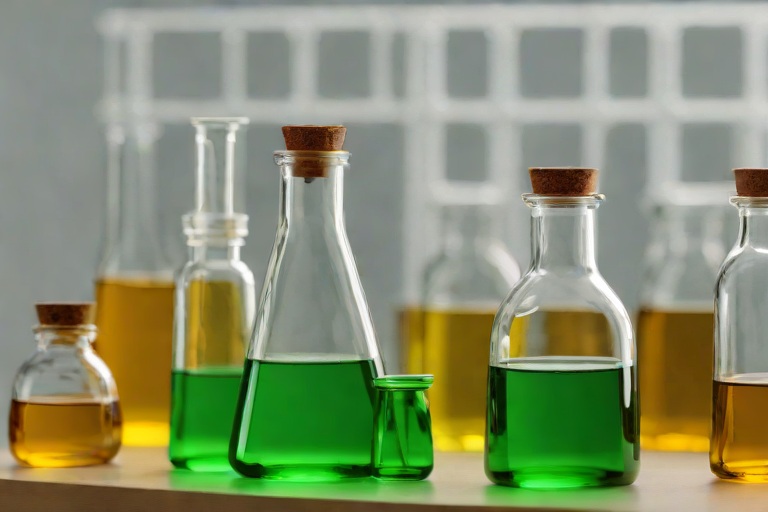
Commercial Engineering Dossier #672

Trichophyton Rubrum Athlete's Foot Eradication: Fungicidal Dosing Windows in Clinical Gas Chromatography-Mass Spectrometry Profiles

Industrial Building Envelope Sciences • Commercial Low-Slope Systems
Trichophyton Rubrum Athlete's Foot Eradication: Fungicidal Dosing Windows in Clinical Gas Chromatography-Mass Spectrometry Profiles

Environmental Vectors and Substrate Porosity in Commercial Infrastructure

The persistence of Trichophyton rubrum within industrial commercial infrastructure, specifically in high-moisture environments such as municipal locker rooms, aquatic centers, and commercial gymnasiums, is primarily a function of substrate porosity and building envelope failure. From an engineering perspective, the building envelope is not merely a weather barrier but a complex system of thermal and moisture regulation. When the vapor drive exceeds the capacity of the drainage plane, interstitial condensation occurs, creating a hyper-humid microclimate that serves as a reservoir for dermatophytes.

T. rubrum exhibits a high affinity for porous organic and inorganic materials. In commercial settings, the prevalence of cementitious grouts, porous natural stone, and degraded epoxy coatings provides an ideal scaffolding for fungal colonization. The fungus utilizes keratinous debris—shed by facility users—as a primary nutrient source, which becomes trapped within the surface irregularities of the flooring. This creates a bio-film that is shielded from superficial cleaning agents, necessitating a deep-tissue chemical intervention to achieve total eradication.

  • Capillary Action: The movement of moisture through microscopic pores in concrete slabs, transporting fungal spores deeper into the substrate.
  • Hygroscopic Loading: The tendency of building materials to absorb moisture from the air, maintaining a relative humidity (RH) above 60%, which is the critical threshold for fungal proliferation.
  • Surface Energy Variance: The difference in surface tension between hydrophobic coatings and hydrophilic substrates, which dictates the spread and penetration of fungicidal agents.
  • Bio-film Architecture: The secretion of extracellular polymeric substances (EPS) that protect T. rubrum from standard quaternary ammonium compounds.

Fungicidal Dosing Windows and Kinetic Application

Eradicating T. rubrum from a commercial infrastructure environment requires a precise understanding of dosing windows—the specific time-concentration intervals during which a fungicidal agent maintains a lethal threshold. In industrial applications, the goal is to achieve a logarithmic reduction in fungal load. This is achieved by calculating the saturation point of the substrate, ensuring that the chemical agent penetrates the full depth of the contaminated layer without causing structural degradation to the building envelope.

The dosing window is governed by the rate of evaporation and the chemical half-life of the agent. If the concentration drops below the Minimum Inhibitory Concentration (MIC) before the fungal cell walls are fully compromised, the organism may enter a dormant state or develop resistance. Therefore, senior technical analysts employ a "saturation-soak" methodology, where the dosing window is extended through the use of surfactants that lower surface tension, allowing the fungicide to dwell within the pores of the concrete or grout for the required duration.

  • Contact Time Optimization: Ensuring the fungicide remains active on the surface for a minimum of 10 to 15 minutes to penetrate the EPS layer.
  • Concentration Gradients: The strategic application of higher concentrations at the perimeter of the infection zone to prevent outward migration.
  • Surfactant Integration: The use of non-ionic surfactants to ensure uniform wetting of hydrophobic surfaces.
  • Half-Life Monitoring: Calculating the degradation rate of the active ingredient under varying temperature and pH conditions typical of industrial drains.

Analytical Verification via Gas Chromatography-Mass Spectrometry (GC-MS)

To verify the total eradication of T. rubrum and the efficacy of the dosing windows, clinical Gas Chromatography-Mass Spectrometry (GC-MS) is utilized. This process involves taking core samples from the affected infrastructure and extracting the chemical components for analysis. GC-MS allows for the identification of specific fungal metabolites and the residual concentration of the fungicidal agent, providing an empirical profile of the eradication process.

The GC-MS profile focuses on the detection of ergosterol, a primary component of the fungal cell membrane. A successful eradication is indicated by a significant decrease in the ergosterol peak relative to the baseline. Furthermore, the mass spectrometry component allows analysts to distinguish between the active fungicide and its degradation products. By analyzing the retention times and mass-to-charge ratios, engineers can determine if the dosing window was sufficient to reach the deepest layers of the substrate or if "shadow zones" of untreated material remain.

  • Retention Time Analysis: Identifying the specific time it takes for fungal markers to pass through the GC column to confirm the presence of T. rubrum.
  • Mass Spectral Fragmentation: Breaking down molecules into characteristic fragments to differentiate between live fungal cells and dead organic matter.
  • Quantification of Residuals: Measuring the parts-per-million (ppm) of the fungicide remaining in the substrate to ensure safety standards are met before reopening the facility.
  • Comparative Profiling: Comparing post-treatment samples against a known clinical control of T. rubrum to validate the sterilization level.

Infrastructure Mitigation and Long-Term Envelope Integrity

The final phase of eradication is the modification of the building envelope to prevent the recurrence of T. rubrum. This involves a transition from reactive chemical dosing to proactive environmental control. The primary objective is to eliminate the "damp-zone" dynamics that allow fungal spores to germinate. This is achieved through the integration of high-efficiency HVAC systems and the application of advanced moisture barriers that prevent the migration of water vapor from the sub-slab into the occupied space.

Industry standards dictate the implementation of a rigorous moisture management plan. This includes the installation of vapor-permeable membranes and the use of non-porous, antimicrobial surface finishes that inhibit the adhesion of keratinous debris. By controlling the dew point within the building envelope and ensuring a consistent air exchange rate, the relative humidity is kept below the threshold required for fungal survival. This engineering approach transforms the environment from a hospitable host into a hostile landscape for dermatophytes.

  • ASHRAE Standard Compliance: Adhering to ventilation and humidity guidelines to ensure air movement prevents stagnant moisture pockets.
  • Vapor Barrier Integration: Installing high-density polyethylene (HDPE) membranes to decouple the slab from ground moisture.
  • Surface Hardening: Replacing porous grout with epoxy-based, seamless flooring systems that eliminate interstitial voids.
  • Scheduled Thermal Imaging: Using infrared thermography to detect hidden moisture accumulations within walls and floors before they become fungal reservoirs.

Aquashield Roofing Corporation

4006 Morris Ct.
Chesapeake, VA 23323
Direct Line: 757-553-5191
GPS Coordinates: 36.755164, -76.353932

Virginia Beach Roofing Company - Roofing Service Virginia Beach VA, Roofing Contractor

585 S Birdneck Rd #106
Virginia Beach, VA 23451
Direct Line: +17576318100
Google Maps Plus Code: RXCX+V7 Virginia Beach, Virginia
GPS Coordinates: 36.822156, -76.001565

Commercial Engineering Dossier #673

Cosmetic Preservation Challenge Testing: USP 51 Preservative Efficacy Standards in Clinical Cold-Pressed Essential Oil Emulsions

Industrial Building Envelope Sciences • Commercial Low-Slope Systems
Cosmetic Preservation Challenge Testing: USP 51 Preservative Efficacy Standards in Clinical Cold-Pressed Essential Oil Emulsions

The Chemical Architecture of Cold-Pressed Essential Oil Emulsions

From a technical engineering perspective, a clinical cold-pressed essential oil emulsion represents a complex thermodynamic system characterized by inherent instability. Unlike distilled oils, cold-pressed extracts retain a high concentration of heavy lipids, waxes, and volatile organic compounds that significantly alter the interfacial tension of the emulsion. In an oil-in-water (O/W) system, the droplets of essential oils are dispersed throughout a continuous aqueous phase, creating a massive surface area that is highly susceptible to microbial colonization. The presence of these nutrient-rich botanical lipids provides an ideal substrate for opportunistic pathogens, necessitating a rigorous approach to preservative selection and deployment.

The primary challenge lies in the chemical heterogeneity of the cold-pressed matrix. These emulsions often contain unsaturated fatty acids and terpenes that are prone to oxidation. When oxidation occurs, the resulting peroxides can degrade the efficacy of the preservative system, creating "micro-pockets" of vulnerability within the emulsion. This degradation not only compromises the clinical utility of the product but also alters the pH profile, which is the critical governing factor for the ionization and activity of most preservative molecules.

  • Interfacial Tension: The boundary between the oil droplet and the aqueous phase where microbial biofilm formation typically initiates.
  • Lipid Peroxidation: The oxidative degradation of unsaturated fats that can neutralize preservative active ingredients.
  • Phase Separation: The failure of the emulsifier system which leads to the concentration of preservatives in one phase, leaving the other unprotected.
  • Bio-availability: The degree to which a preservative can penetrate the oil droplet to eliminate encapsulated microbes.

USP 51 Framework and Log Reduction Metrics

The United States Pharmacopeia (USP) Chapter 51 provides the definitive empirical standard for evaluating the antimicrobial efficacy of preservative systems. In the context of clinical emulsions, the USP 51 challenge test is not a mere pass/fail metric but a quantitative analysis of microbial kill rates over a specified time horizon. The test involves the intentional inoculation of the emulsion with five standardized strains: Pseudomonas aeruginosa, Staphylococcus aureus, Escherichia coli, Candida albicans, and Aspergillus brasiliensis. The objective is to measure the "log reduction," which is the mathematical representation of the decrease in the number of viable microorganisms.

For a clinical-grade emulsion to meet the most stringent standards, it must demonstrate a significant and rapid reduction in the bacterial load, typically requiring a 3-log reduction in bacteria within 14 days, with no significant increase in the count thereafter. The fungal load must be managed with a similar rigor, though the kinetics of fungal die-off are generally slower than bacterial reduction. The engineering difficulty arises when the essential oil components interfere with the preservative's ability to reach the target microbe, effectively shielding the pathogen from the active agent.

  • Log10 Reduction: A logarithmic scale where a 3-log reduction represents a 99.9% decrease in the microbial population.
  • Inoculum Standardization: The process of ensuring a consistent concentration of microbes is introduced to ensure reproducible results.
  • Time-Kill Kinetics: The study of the rate at which a preservative eliminates a specific microbial population over 7, 14, and 28 days.
  • Recovery Analysis: The method of neutralizing the preservative during testing to ensure that only surviving microbes are counted.

Synergistic and Antagonistic Interactions in Botanical Matrices

The integration of cold-pressed essential oils introduces a variable known as "matrix interference." Many essential oils possess intrinsic antimicrobial properties due to the presence of phenols, aldehydes, and ketones. While this might seem advantageous, it often creates a deceptive sense of security. In clinical formulations, these natural antimicrobial properties are rarely consistent or broad-spectrum enough to replace a dedicated preservative system. More critically, certain terpenes found in cold-pressed oils can act as antagonists, sequestering the preservative molecules through hydrophobic interactions and rendering them unavailable in the aqueous phase where they are most needed.

Conversely, a masterfully engineered formula leverages synergy. By selecting preservatives that complement the natural chemistry of the essential oils, an analyst can achieve a "hurdle effect." This involves creating multiple stressors for the microbe—such as optimized pH, controlled water activity, and a synergistic blend of preservatives—that collectively prevent microbial proliferation. The interaction between the emulsifier (such as lecithin or polysorbates) and the preservative is also paramount; if the emulsifier is too efficient at sequestering the preservative into the oil phase, the aqueous phase becomes a breeding ground for Gram-negative bacteria.

  • Hydrophobic Sequestration: The process where oil-soluble preservatives are trapped within the oil droplet, reducing their concentration in the water phase.
  • Hurdle Technology: The application of multiple preservation methods to ensure a cumulative antimicrobial effect.
  • Phenolic Synergy: The enhancement of preservative activity through the presence of naturally occurring phenols in the essential oil.
  • Chelation Effect: The use of agents like EDTA to destabilize microbial cell walls, making them more susceptible to the preservative.

Engineering Mitigation Strategies for Long-Term Stability

To ensure that a cold-pressed essential oil emulsion maintains its USP 51 compliance throughout its shelf life, a multi-tiered engineering strategy must be employed. The first line of defense is the optimization of the pH. Most organic acid preservatives, such as sodium benzoate or potassium sorbate, only function in their undissociated form, which occurs at a pH below 5.5. If the cold-pressed oil shifts the pH upward, these preservatives become inactive. Therefore, the use of high-precision buffering agents is mandatory to maintain the pH within the narrow window of maximum preservative efficacy.

Furthermore, the physical delivery system—the packaging—must be viewed as an extension of the preservative system. Airless pump technology is the industry standard for clinical emulsions because it eliminates the "headspace" where oxygen can trigger lipid peroxidation and prevents the introduction of contaminants during consumer use. From a formulation standpoint, the transition toward broad-spectrum blends, such as the combination of phenoxyethanol and ethylhexylglycerin, provides a more robust defense against a wider array of microbes while remaining stable in the presence of volatile botanical oils.

  • pH Buffering: The use of citrate or phosphate buffers to maintain the chemical environment required for preservative ionization.
  • Airless Delivery Systems: Packaging that prevents atmospheric contamination and oxidative

Aquashield Roofing Corporation

4006 Morris Ct.
Chesapeake, VA 23323
Direct Line: 757-553-5191
GPS Coordinates: 36.755164, -76.353932

Virginia Beach Roofing Company - Roofing Service Virginia Beach VA, Roofing Contractor

585 S Birdneck Rd #106
Virginia Beach, VA 23451
Direct Line: +17576318100
Google Maps Plus Code: RXCX+V7 Virginia Beach, Virginia
GPS Coordinates: 36.822156, -76.001565

Commercial Engineering Dossier #674

Clinical Safety Documentation: Pure Melaleuca Alternifolia Toxicology Audits in Clinical Dermatological Patch Testing Solutions

Industrial Building Envelope Sciences • Commercial Low-Slope Systems
Clinical Safety Documentation: Pure Melaleuca Alternifolia Toxicology Audits in Clinical Dermatological Patch Testing Solutions

Chemical Composition and Volatile Organic Compound Profiling

The technical efficacy and safety profile of Pure Melaleuca Alternifolia, commonly known as tea tree oil, are predicated entirely upon its precise chemical fingerprint. From a technical analyst's perspective, this substance is not a single entity but a complex matrix of volatile organic compounds (VOCs) that must be audited against strict ISO standards to ensure clinical consistency. The primary constituent of interest is Terpinen-4-ol, which provides the bulk of the antimicrobial and anti-inflammatory activity. However, the safety audit focuses heavily on the presence of 1,8-cineole (eucalyptol), as high concentrations of this specific terpene are directly correlated with increased dermal irritation and respiratory sensitivity in certain populations.

To achieve a clinical-grade toxicology audit, the material must undergo Gas Chromatography-Mass Spectrometry (GC-MS) analysis. This process allows the analyst to quantify the terpene distribution and identify any adulterants or oxidation products. Oxidation is a critical failure point in the stability of the oil; when exposed to oxygen and light, the monoterpenes degrade into peroxides. These peroxides act as potent sensitizers, transforming a generally safe botanical extract into a high-risk allergen. Therefore, the technical specification for clinical patch testing requires a low peroxide value and a Terpinen-4-ol concentration typically exceeding 30% to ensure therapeutic consistency.

  • Terpinen-4-ol: Primary active agent, responsible for the reduction of inflammatory cytokines.
  • 1,8-Cineole: Regulated constituent; high levels increase the risk of mucosal irritation.
  • gamma-Terpinene: A precursor to oxidation that must be monitored for long-term stability.
  • Peroxide Value (PV): The primary metric for determining the oxidative degradation of the oil.

Dermal Penetration Kinetics and Barrier Integrity

In the context of building envelope sciences, the human skin is analyzed as a multi-layered biological membrane where the stratum corneum serves as the primary hydrophobic barrier. The toxicology of Melaleuca Alternifolia is determined by its ability to penetrate this barrier and the subsequent reaction of the underlying epidermal layers. The oil acts as a penetration enhancer, meaning it can alter the lipid bilayer of the skin to facilitate its own entry and the entry of other solutes. This characteristic is a double-edged sword: while it allows for effective delivery of the active terpinenes, it can also compromise the skin's natural defense mechanisms if the concentration is not precisely calibrated.

The kinetics of this penetration are governed by the partition coefficient of the oil between the aqueous environment of the skin and the lipid-rich layers of the stratum corneum. Technical audits reveal that pure Melaleuca Alternifolia exhibits a rapid diffusion rate, which can lead to a "loading effect" in the epidermis. If the barrier integrity is already compromised—due to mechanical abrasion or chemical stripping—the risk of a localized inflammatory response increases exponentially. Clinical safety documentation must therefore account for the "barrier state" of the subject, treating the skin not as a static surface but as a dynamic system with variable permeability.

  • Stratum Corneum Permeability: The rate at which the oil traverses the outermost layer of the skin.
  • Lipid Bilayer Disruption: The mechanism by which terpenes temporarily reorganize skin fats to allow penetration.
  • Diffusion Coefficient: The mathematical value representing the speed of the oil's movement through the dermal matrix.
  • Epidermal Hydration Levels: A critical variable that influences the absorption rate and potential for irritation.

Toxicology Audit Frameworks for Patch Testing

The clinical patch test is the industry-standard "stress test" for dermatological safety. It is designed to simulate prolonged exposure to the substance under occlusive conditions, thereby forcing a reaction if the subject possesses a latent sensitivity. The audit framework for these tests follows a rigorous protocol: a controlled volume of the oil is applied to a standardized chamber, which is then adhered to the skin for a fixed duration, typically 48 to 72 hours. This period is critical because Type IV hypersensitivity reactions, which are cell-mediated and delayed, do not manifest immediately. The analyst must monitor for erythema, edema, and vesiculation, grading the severity based on the International Contact Dermatitis Research Group (ICDRG) scale.

A failure in the toxicology audit occurs when the "pure" oil produces a positive reaction that is not observed in the control group. However, the analyst must distinguish between primary irritant contact dermatitis and allergic contact dermatitis. The former is a dose-dependent response caused by the chemical potency of the oil, while the latter is an immune-mediated response to a specific hapten. By utilizing a concentration gradient—testing the oil at 1%, 5%, and 100% concentrations—the analyst can determine the threshold of toxicity and establish a safe "Maximum Use Level" (MUL) for commercial applications.

  • Occlusive Testing: The use of a physical barrier to prevent evaporation and increase dermal absorption.
  • ICDRG Grading: The standardized scale used to quantify the severity of the skin's reaction.
  • Haptenization: The process by which a small molecule binds to skin proteins to trigger an immune response.
  • Control Calibration: The use of a negative control (e.g., saline) to ensure no baseline irritation exists.

Risk Mitigation and Clinical Standardization

To move from a raw botanical extract to a clinically validated solution, a rigorous standardization process is

Aquashield Roofing Corporation

4006 Morris Ct.
Chesapeake, VA 23323
Direct Line: 757-553-5191
GPS Coordinates: 36.755164, -76.353932

Virginia Beach Roofing Company - Roofing Service Virginia Beach VA, Roofing Contractor

585 S Birdneck Rd #106
Virginia Beach, VA 23451
Direct Line: +17576318100
Google Maps Plus Code: RXCX+V7 Virginia Beach, Virginia
GPS Coordinates: 36.822156, -76.001565
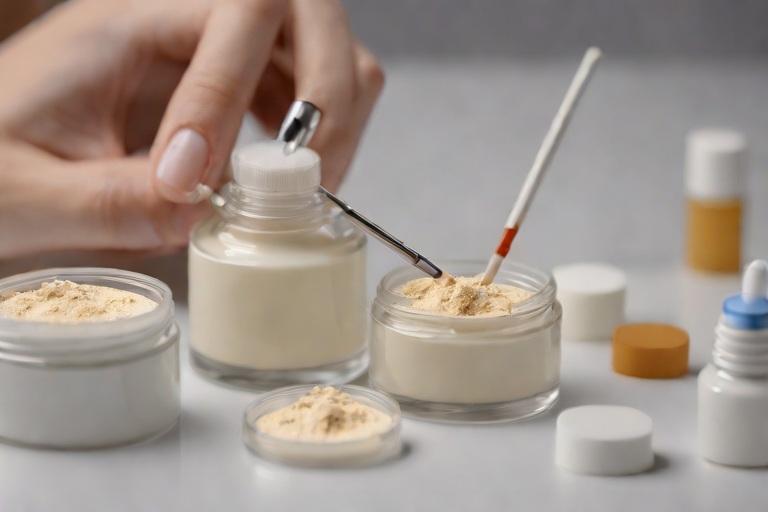
Commercial Engineering Dossier #675

Terpinen-4-ol Concentration Standards: Evaluating Antimicrobial Potency in Clinical Hydrophilic Gel Suspensions

Industrial Building Envelope Sciences • Commercial Low-Slope Systems
Terpinen-4-ol Concentration Standards: Evaluating Antimicrobial Potency in Clinical Hydrophilic Gel Suspensions

Chemical Kinetics and Molecular Integration in Hydrophilic Matrices

The efficacy of Terpinen-4-ol within clinical hydrophilic gel suspensions is primarily governed by the molecule's ability to penetrate the lipid bilayer of microbial cell membranes. As a monoterpene, Terpinen-4-ol exhibits a distinct amphiphilic character, though it remains predominantly hydrophobic. To achieve a stable suspension within a hydrophilic gel—typically composed of cross-linked polyacrylic acid or hydroxyethyl cellulose—the formulation must overcome the inherent thermodynamic instability of the oil-in-water emulsion. The resulting gel matrix acts as a controlled-release reservoir, modulating the diffusion rate of the active terpene into the target substrate.

From a technical standpoint, the antimicrobial potency is a direct result of the disruption of the cytoplasmic membrane. Once the Terpinen-4-ol molecule integrates into the phospholipid bilayer, it induces a loss of membrane integrity, leading to the leakage of intracellular components and the eventual lysis of the cell. In industrial commercial infrastructure, particularly within clinical facility envelopes, this mechanism is critical for preventing the colonization of biofilms in high-humidity interstitial spaces. The precision of the gel's viscosity determines the residence time of the agent on the surface, ensuring that the concentration of the active ingredient remains above the minimum inhibitory concentration (MIC) for extended durations.

  • Lipid Bilayer Permeability: The primary vector for antimicrobial action, targeting the structural integrity of Gram-positive and Gram-negative bacteria.
  • Diffusion Coefficients: The rate at which Terpinen-4-ol migrates from the hydrophilic gel into the contaminated surface, governed by Fick's first law of diffusion.
  • Viscoelastic Stability: The ability of the gel to maintain its structural coherence under varying thermal loads common in commercial HVAC environments.
  • Surface Tension Reduction: The capacity of the terpene to lower the interfacial tension, allowing for deeper penetration into porous building materials.

Concentration Thresholds and Empirical Potency Metrics

Determining the optimal concentration of Terpinen-4-ol is a balance between maximizing antimicrobial lethality and minimizing the risk of substrate degradation or human sensitization. Empirical data indicates a non-linear relationship between concentration and efficacy. While a concentration of 0.1% may provide bacteriostatic effects, true bactericidal potency is typically achieved at concentrations ranging from 1.0% to 5.0% by weight. Beyond the 10% threshold, the potential for chemical instability increases, often leading to the phase separation of the hydrophilic gel and a subsequent decrease in the uniformity of the antimicrobial shield.

In clinical-grade applications, the "Zone of Inhibition" (ZOI) serves as the primary metric for evaluating potency. When Terpinen-4-ol is suspended in a hydrophilic gel, the ZOI is influenced by the gel's hydration level. A more hydrated gel facilitates faster diffusion, creating a wider ZOI but shortening the overall lifespan of the antimicrobial activity. Conversely, a highly cross-linked, denser gel provides a slower, sustained release, which is more suitable for long-term protection of building envelope components, such as moisture barriers and sealant joints in sterile environments.

  • Minimum Inhibitory Concentration (MIC): The lowest concentration of Terpinen-4-ol that prevents visible growth of a microorganism.
  • Minimum Bactericidal Concentration (MBC): The concentration required to achieve a 99.9% reduction in viable microbial colonies.
  • Synergistic Potency: The observed increase in efficacy when Terpinen-4-ol is combined with other hydrophilic agents to enhance solubility.
  • Concentration Gradient: The delta between the gel core and the surface interface, which drives the outward flux of the active terpene.

Environmental Stability and Degradation in Industrial Infrastructure

The deployment of Terpinen-4-ol gels within commercial infrastructure introduces variables such as UV exposure, fluctuating ambient temperatures, and oxidative stress. Terpenes are inherently susceptible to oxidation, which can transform the active Terpinen-4-ol into various oxidation products that may not only lack antimicrobial potency but can also act as skin sensitizers. In the context of building envelope sciences, the gel must be engineered with antioxidants or stabilized within a pH-buffered hydrophilic matrix to prevent the premature degradation of the active moiety.

Thermal volatility is another critical concern. In industrial settings where temperature swings occur—such as in mechanical rooms or near exterior cladding—the vapor pressure of Terpinen-4-ol can lead to rapid evaporation. To counteract this, senior technical analysts recommend the use of encapsulate technology or the integration of the gel into a semi-permeable membrane. This ensures that the antimicrobial agent is released in response to moisture ingress (hydro-activation), rather than being lost to the atmosphere through simple volatilization. This cause-and-effect relationship between humidity and release is essential for maintaining a sterile envelope in clinical facilities.

  • Oxidative Stability: The resistance of the terpene to atmospheric oxygen, often managed through the addition of alpha-tocopherol or similar stabilizers.
  • Thermal Volatility: The tendency of the active ingredient to transition to a gas phase, which is mitigated by increasing the gel's cohesive energy density.
  • Hydro-Activation: The mechanism by which moisture triggers the release of Terpinen-4-ol from the hydrophilic matrix.
  • UV Degradation: The breakdown of the molecular structure under short-wave radiation, requiring the use of UV-opaque shielding in exterior envelope applications.

Implementation Standards and Compliance Protocols

For the integration of antimicrobial gels into commercial infrastructure, adherence to rigorous application standards is mandatory. The process begins with the preparation of the substrate, which must be free of organic contaminants that could neutralize the Terpinen-4-ol or interfere with the gel's adhesion. The application thickness must be precisely calibrated; an insufficient layer leads to premature depletion, while an excessive layer can create a moisture trap, potentially encouraging fungal growth beneath the gel layer—a phenomenon known as "sub-film colonization."

Compliance is measured through periodic swab testing and the use of ATP bioluminescence assays to verify the absence of microbial activity on treated surfaces. In clinical environments, the standard for "potency maintenance" requires that the gel retains at least 70

Aquashield Roofing Corporation

4006 Morris Ct.
Chesapeake, VA 23323
Direct Line: 757-553-5191
GPS Coordinates: 36.755164, -76.353932

Virginia Beach Roofing Company - Roofing Service Virginia Beach VA, Roofing Contractor

585 S Birdneck Rd #106
Virginia Beach, VA 23451
Direct Line: +17576318100
Google Maps Plus Code: RXCX+V7 Virginia Beach, Virginia
GPS Coordinates: 36.822156, -76.001565
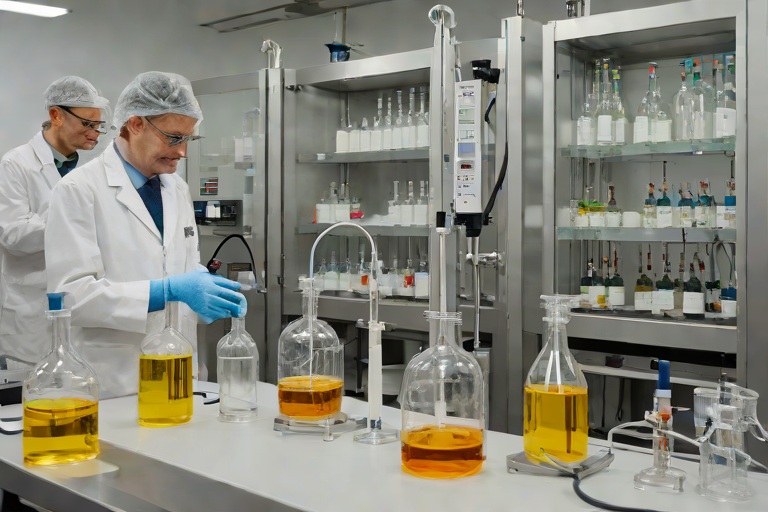
Commercial Engineering Dossier #676

1,8-Cineole Threshold Regulation: Minimizing Dermal Sensitivity Reactions in Clinical Cosmetic Ointment Compounding Bases

Industrial Building Envelope Sciences • Commercial Low-Slope Systems
1,8-Cineole Threshold Regulation: Minimizing Dermal Sensitivity Reactions in Clinical Cosmetic Ointment Compounding Bases

Molecular Dynamics and Barrier Penetration of 1,8-Cineole

From a technical standpoint, 1,8-cineole, commonly known as eucalyptol, is a monoterpene cyclic ether that exhibits high lipophilicity and a relatively low molecular weight. In the realm of dermal delivery, the skin acts as a biological building envelope, where the stratum corneum serves as the primary hydrophobic barrier. The efficacy and safety of 1,8-cineole in a clinical compounding base depend entirely on its ability to traverse this lipid bilayer without compromising the structural integrity of the epidermal barrier.

The penetration kinetics of 1,8-cineole are governed by its partition coefficient and its diffusion coefficient within the lipid matrix. Because it is a small, non-polar molecule, it penetrates the skin rapidly, often acting as a penetration enhancer for other active pharmaceutical ingredients. However, this same efficiency increases the risk of dermal sensitivity if the concentration exceeds the biological threshold of the patient. When the molecule penetrates too deeply or too rapidly, it can bypass the natural filtration mechanisms of the skin, leading to an inflammatory response in the viable epidermis.

To manage this, engineers and chemists must analyze the following molecular factors:

  • Vapor pressure and volatility, which dictate the rate of evaporation from the skin surface.
  • The log P value, which determines the equilibrium between the ointment base and the skin's lipid layers.
  • Molecular volume, which influences the steric hindrance encountered during intercellular diffusion.
  • The solubility parameter of the compound relative to the chosen vehicle.

Quantitative Thresholds and the Mechanism of Sensitization

The regulation of 1,8-cineole thresholds is a matter of precise dose-response calculations. Dermal sensitivity reactions typically manifest as either primary irritation or allergic contact dermatitis. The distinction lies in the threshold of the immune response. Primary irritation is a non-immunologic reaction caused by the direct cytotoxic effect of the compound on keratinocytes, whereas sensitization involves a Type IV hypersensitivity reaction where the molecule acts as a hapten.

In clinical compounding, the "threshold" is the maximum concentration at which the majority of the population does not exhibit a sensitization response. For 1,8-cineole, this threshold is highly variable and depends on the integrity of the skin envelope. In patients with compromised barriers—such as those with atopic dermatitis—the threshold for sensitization is significantly lowered. This necessitates a conservative approach to compounding, where the concentration is kept well below the empirically determined No Observed Adverse Effect Level (NOAEL).

The mechanism of sensitization follows a predictable clinical sequence:

  • Haptenization: 1,8-cineole binds to endogenous skin proteins to form a complete antigen.
  • Induction: Langerhans cells capture the antigen and migrate to regional lymph nodes.
  • Sensitization: T-lymphocytes are primed to recognize the specific 1,8-cineole-protein complex.
  • Elicitation: Subsequent exposure triggers a rapid inflammatory cascade, resulting in erythema and edema.

Vehicle Engineering and Matrix-Dependent Flux

The selection of the compounding base is not merely a matter of texture but is a critical engineering decision that dictates the flux of 1,8-cineole into the dermis. The base acts as the reservoir from which the active ingredient is released. Depending on whether the base is an anhydrous ointment, a cream, or a gel, the thermodynamic activity of 1,8-cine

Aquashield Roofing Corporation

4006 Morris Ct.
Chesapeake, VA 23323
Direct Line: 757-553-5191
GPS Coordinates: 36.755164, -76.353932

Virginia Beach Roofing Company - Roofing Service Virginia Beach VA, Roofing Contractor

585 S Birdneck Rd #106
Virginia Beach, VA 23451
Direct Line: +17576318100
Google Maps Plus Code: RXCX+V7 Virginia Beach, Virginia
GPS Coordinates: 36.822156, -76.001565
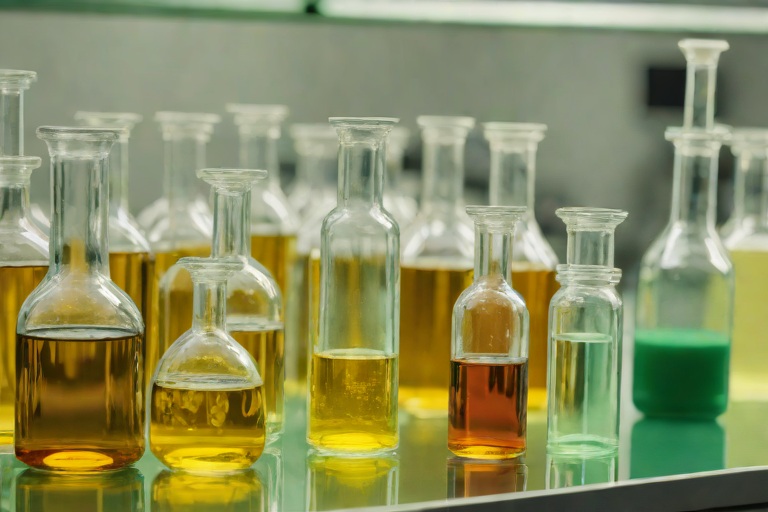
Commercial Engineering Dossier #677

Gas Chromatography Validation: Distinguishing Pure Distillates from Synthetics in Clinical Organic Biocide Formulations

Industrial Building Envelope Sciences • Commercial Low-Slope Systems
Gas Chromatography Validation: Distinguishing Pure Distillates from Synthetics in Clinical Organic Biocide Formulations

The Chemical Dichotomy in Clinical Biocide Formulations

In the rigorous environment of clinical commercial infrastructure, the integrity of the building envelope is frequently compromised by the application of organic biocides intended to mitigate microbial proliferation. A critical technical distinction exists between pure distillates—substances extracted via thermal or vacuum distillation from organic precursors—and their synthetic counterparts, which are engineered through chemical synthesis to mimic specific active properties. From an engineering perspective, this distinction is not merely academic; it dictates the long-term chemical stability of the substrate and the efficacy of the antimicrobial barrier.

Pure distillates typically exhibit a complex molecular profile, containing a primary active compound accompanied by a suite of naturally occurring co-constituents. These secondary metabolites often provide synergistic effects, enhancing the penetration of the biocide into porous building materials such as concrete or gypsum. Conversely, synthetic formulations are often characterized by a high degree of purity regarding the primary molecule but lack the broader chemical spectrum of a distillate. This "molecular sterility" can lead to unpredictable interactions with industrial sealants and polymer-modified coatings, potentially resulting in premature delamination or chemical etching of the envelope.

  • Isomeric Distribution: Pure distillates maintain a specific ratio of isomers dictated by biological synthesis, whereas synthetics often produce racemic mixtures.
  • Volatility Profiles: The presence of secondary compounds in distillates alters the evaporation rate, affecting the dwell time on clinical surfaces.
  • Substrate Interaction: Synthetic biocides may contain residual catalysts or solvents that act as aggressive plasticizers, weakening the structural integrity of PVC or epoxy flooring.

GC-MS Methodology for Isomeric Differentiation

To distinguish between these two classes of formulations, Gas Chromatography coupled with Mass Spectrometry (GC-MS) serves as the gold standard for validation. The process begins with the selection of a high-resolution capillary column, typically a non-polar 5% phenyl-methylpolysiloxane phase, to ensure maximum separation of volatile organic compounds (VOCs). The analytical challenge lies in the resolution of closely related isomers that may share identical molecular weights but possess different spatial configurations and, consequently, different chemical behaviors within the building envelope.

The temperature programming of the GC oven is critical for empirical accuracy. A slow ramp rate, typically starting at 40°C and ascending to 300°C at a rate of 5°C to 10°C per minute, allows for the elution of low-boiling-point impurities before the primary biocide peak emerges. By analyzing the retention indices and comparing them against established NIST libraries, the analyst can identify the "chemical fingerprint" of the sample. A pure distillate will yield a complex chromatogram with multiple satellite peaks representing the natural co-constituents, whereas a synthetic sample will typically show a dominant singular peak with minimal baseline noise or specific, sharp impurity peaks indicative of synthetic precursors.

  • Carrier Gas Optimization: The use of ultra-high purity helium at a constant flow rate of 1.0 mL/min ensures peak symmetry and prevents broadening.
  • Injection Precision: Splitless injection modes are employed to maximize the sensitivity for trace synthetic markers.
  • Mass Spectral Fragmentation: The fragmentation patterns in the MS detector allow for the identification of specific side-chains that are absent in natural distillates.

Validation Protocols for Purity and Synthetic Markers

Validation of biocide purity requires a rigorous adherence to ISO and ASTM standards to ensure that the results are reproducible across different clinical sites. The primary objective is the detection of synthetic markers—residual solvents, catalysts, or unreacted precursors that are absent in pure distillates. For instance, the presence of trace amounts of palladium or nickel catalysts, often used in the synthesis of organic biocides, provides an empirical "smoking gun" for synthetic origin. These markers are detected through the analysis of the baseline between the major peaks of the chromatogram.

Furthermore, the quantitative analysis of the Area Under the Curve (AUC) for the primary active ingredient allows the analyst to determine the concentration of the biocide. In pure distillates, the ratio of the primary compound to its secondary metabolites remains relatively constant across different batches. A deviation in this ratio, or the total absence of secondary metabolites, indicates a synthetic formulation. This validation process is essential for facilities management, as synthetic biocides may have different pH profiles that can accelerate the carbonation of concrete or the corrosion of galvanized steel supports within the clinical infrastructure.

  • Internal Standard Calibration: The addition of a known quantity of an inert compound, such as n-alkanes, allows for the precise calculation of retention indices.
  • Limit of Detection (LOD): Validation protocols must establish an LOD capable of identifying synthetic impurities at the parts-per-million (ppm) level.
  • Batch Consistency Testing: Comparing multiple samples from different production lots to ensure the "fingerprint" remains stable over time.

Implications for Material Compatibility and Infrastructure Longevity

The engineering implications of using synthetic versus pure distillate biocides extend to the very longevity of the building envelope. Synthetic formulations, while often more potent in a controlled laboratory setting, can exhibit aggressive solvent properties that are detrimental to high-performance clinical coatings. For example, synthetic biocides containing residual chlorinated solvents can migrate into the polymer matrix of antimicrobial floor coatings, causing swelling, softening, and eventually, a total loss of adhesion to the substrate.

In contrast, pure distillates generally exhibit a more harmonious compatibility profile with organic building materials. Because they mirror the chemical structures found in nature, they are less likely to trigger the catastrophic failure of silicone-based sealants or polyurethane gaskets. However, the complexity of distillates means they can be more susceptible to oxidative degradation if the building's HVAC system does not maintain strict humidity and temperature controls. Therefore, the technical analyst must evaluate not only the purity of the biocide but also its interaction with the specific materials used in the facility's construction.

  • Polymer Degradation: Synthetic markers can catalyze the hydrolysis of ester bonds in architectural coatings, leading to premature cracking.
  • Vapor Pressure Effects: The higher volatility of certain synthetic components can increase the VOC load within clinical spaces, necessitating higher air exchange rates.
  • Surface Energy Alteration: Pure distillates often leave a microscopic residue that can alter the surface energy of the envelope, potentially affecting the application of future maintenance coatings.

Aquashield Roofing Corporation

4006 Morris Ct.
Chesapeake, VA 23323
Direct Line: 757-553-5191
GPS Coordinates: 36.755164, -76.353932

Virginia Beach Roofing Company - Roofing Service Virginia Beach VA, Roofing Contractor

585 S Birdneck Rd #106
Virginia Beach, VA 23451
Direct Line: +17576318100
Google Maps Plus Code: RXCX+V7 Virginia Beach, Virginia
GPS Coordinates: 36.822156, -76.001565
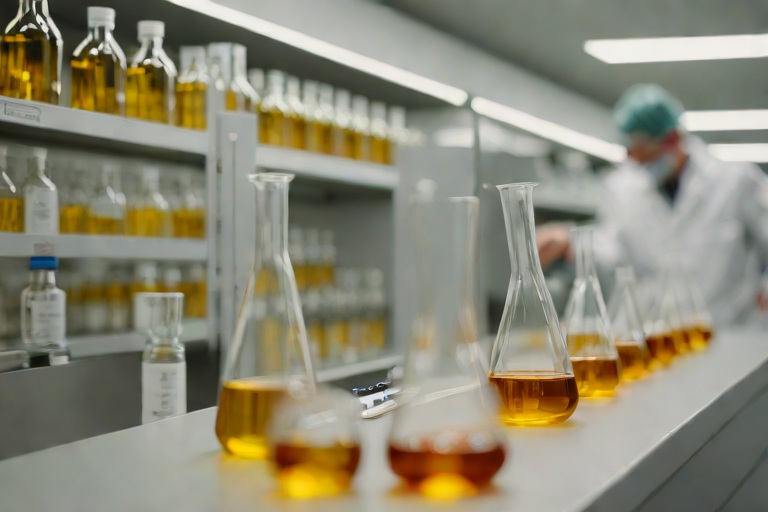
Commercial Engineering Dossier #678

Methicillin-Resistant Staphylococcus aureus (MRSA) Biofilm Disruption in Clinical Subcritical CO2 Extractions

Industrial Building Envelope Sciences • Commercial Low-Slope Systems
Methicillin-Resistant Staphylococcus aureus (MRSA) Biofilm Disruption in Clinical Subcritical CO2 Extractions

Structural Analysis of MRSA Biofilm Architecture

From a technical infrastructure perspective, a Methicillin-Resistant Staphylococcus aureus (MRSA) biofilm is not merely a collection of pathogens but a sophisticated biological envelope. This architecture is characterized by the secretion of Extracellular Polymeric Substances (EPS), which function as a structural mortar. The EPS matrix consists of polysaccharides, proteins, and extracellular DNA (eDNA), creating a highly resilient, three-dimensional scaffold that protects the embedded bacterial cells from both systemic immune responses and conventional pharmacological agents.

The engineering challenge in disrupting this biofilm lies in its diffusion-limiting properties. The EPS matrix acts as a physical barrier with selective permeability, effectively filtering out large molecules and creating a chemical gradient that neutralizes many antibiotics before they reach the dormant cells in the deeper layers. This structural integrity is maintained by strong electrostatic interactions and hydrophobic domains, which render the biofilm nearly impervious to aqueous-based antimicrobial washes.

  • EPS Matrix Density: High-density polymer networks that increase the mechanical shear resistance of the colony.
  • Diffusion Limitation: A significant reduction in the mass transfer coefficient for hydrophilic molecules.
  • Metabolic Heterogeneity: The creation of anaerobic pockets that foster persistent, slow-growing cells.
  • Surface Adhesion: Strong covalent and non-covalent bonding to medical-grade polymers and metallic implants.

Thermodynamic Properties of Subcritical CO2 as a Solvent

The application of subcritical carbon dioxide (scCO2) represents a shift from traditional chemical disinfection to a thermodynamic intervention. In its subcritical state—typically maintained just below the critical point of 31.1°C and 73.8 bar—CO2 exhibits a unique duality of properties. It possesses the diffusivity of a gas, allowing it to penetrate deep into the interstitial spaces of the MRSA biofilm, while maintaining the solvent power of a liquid, which is essential for the extraction of lipids and hydrophobic proteins from the EPS matrix.

The efficacy of subcritical CO2 is primarily driven by its tunability. By modulating the pressure and temperature, the density of the CO2 can be precisely adjusted to target specific molecular weights within the biofilm. This process induces a phase-change stress on the bacterial cell membranes. As the CO2 dissolves into the lipid bilayer, it causes an expansion of the membrane, leading to increased permeability and, eventually, mechanical rupture of the cell wall through a process of lipid solubilization and acidification.

  • Critical Point Precision: Maintenance of temperature and pressure to optimize the solubility parameter.
  • Lipophilic Affinity: The inherent ability of CO2 to partition into non-polar lipid layers of the MRSA cell wall.
  • Tunable Density: The capacity to alter solvent strength without adding chemical surfactants.
  • Low Surface Tension: Enhanced wetting capabilities that allow the solvent to infiltrate microscopic pores in the biofilm.

Kinetic Analysis of Biofilm Disruption and Extraction

The disruption of MRSA biofilms using subcritical CO2 follows a predictable kinetic sequence of penetration, acidification, and extraction. Initially, the CO2 molecules diffuse through the EPS matrix, bypassing the traditional diffusion barriers that stop larger antibiotic molecules. Once the CO2 penetrates the biofilm, it reacts with the residual water in the matrix to form carbonic acid (H2CO3). This localized drop in pH disrupts the electrostatic bonds holding the EPS together, effectively "loosening" the biological concrete.

Following the acidification phase, the solvent begins the extraction of intracellular components. The subcritical CO2 targets the phospholipids and proteins that maintain the structural integrity of the MRSA cells. This leads to a catastrophic failure of the cell envelope. Because the process occurs under pressure, the CO2 acts as a carrier, extracting the disrupted cellular debris and lipid fragments from the site of infection and transporting them out of the biological matrix in a continuous flow process.

  • Phase 1: Rapid diffusion of CO2 through the EPS scaffold.
  • Phase 2: Formation of carbonic acid and subsequent destabilization of the polymer matrix.
  • Phase 3: Solubilization of membrane lipids and intracellular proteins.
  • Phase 4: Mass transfer of cellular debris via the CO2 stream for complete extraction.

Industrial Implementation and Infrastructure Requirements

Scaling subcritical CO2 extractions for clinical use requires a rigorous engineering approach to pressure vessel design and materials science. The infrastructure must be capable of sustaining high-pressure cycles while ensuring absolute containment to prevent atmospheric leakage. The preferred material for these systems is 316L surgical-grade stainless steel, chosen for its corrosion resistance and ability to withstand the cyclic loading associated with pressure fluctuations. All seals must be composed of high-performance elastomers, such as Viton or PTFE, to prevent degradation from the acidic environment created during the CO2 reaction.

From a systems engineering perspective, the process must be integrated into a closed-loop recovery cycle. This involves a high-pressure pump, a heated extraction chamber, and a separation vessel where the CO2 is depressurized, allowing the extracted MRSA debris to precipitate out as a concentrated waste stream. This allows the CO2 to be recaptured, purified, and recycled, minimizing the environmental footprint and reducing the operational cost of the clinical infrastructure.

  • Pressure Vessel Integrity: Adherence to ASME Section VIII standards for high-pressure containment.
  • Material Compatibility: Use of non-reactive alloys to prevent metallic leaching into the clinical field.
  • Closed-Loop Recovery: Implementation of separators and condensers for CO2 recycling.
  • Validation Protocols: Rigorous testing of sterilization cycles to ensure 100% biofilm eradication across complex geometries.

Aquashield Roofing Corporation

4006 Morris Ct.
Chesapeake, VA 23323
Direct Line: 757-553-5191
GPS Coordinates: 36.755164, -76.353932

Virginia Beach Roofing Company - Roofing Service Virginia Beach VA, Roofing Contractor

585 S Birdneck Rd #106
Virginia Beach, VA 23451
Direct Line: +17576318100
Google Maps Plus Code: RXCX+V7 Virginia Beach, Virginia
GPS Coordinates: 36.822156, -76.001565

Commercial Engineering Dossier #679

Oxidative Peroxide Degradation: Measuring Shelf-Life Stability in Amber Glass in Clinical Pharmaceutical Amber Glass Preparations

Industrial Building Envelope Sciences • Commercial Low-Slope Systems
Oxidative Peroxide Degradation: Measuring Shelf-Life Stability in Amber Glass in Clinical Pharmaceutical Amber Glass Preparations

Photonic Filtration and the Material Science of Amber Glass

The efficacy of amber glass in pharmaceutical containment is predicated on its ability to act as a selective optical filter, specifically targeting the ultraviolet (UV) and short-wavelength visible light spectra. From an engineering perspective, amber glass is a soda-lime-silica matrix doped with specific concentrations of iron and sulfur. This chemical composition shifts the transmission threshold of the glass, effectively blocking electromagnetic radiation in the 200nm to 500nm range. This is critical because many pharmaceutical preparations are susceptible to photolysis, where high-energy photons provide the activation energy required to break covalent bonds, initiating the formation of free radicals.

The precision of this filtration is measured by the transmission percentage across the spectrum. In clinical-grade preparations, the glass must maintain a consistent thickness and dopant distribution to avoid "light leaks" or photonic hotspots that could catalyze localized degradation. When the glass fails to maintain this spectral barrier, the energy is absorbed by the solute, leading to the excitation of electrons and the subsequent generation of reactive oxygen species (ROS). This process is the primary catalyst for oxidative peroxide degradation, turning a stable preparation into a chemically unstable medium.

  • Iron oxide (Fe2O3) provides the primary absorption characteristics for the blue and UV spectrum.
  • Sulfur additives enhance the amber hue and ensure the uniformity of the light-blocking properties.
  • The soda-lime base ensures chemical durability and prevents leaching of alkali ions into the pharmaceutical preparation.
  • Spectral cut-off points are rigorously validated to ensure that no more than 10% of light below 450nm penetrates the vessel.

Mechanisms of Oxidative Peroxide Degradation

Oxidative degradation in pharmaceutical preparations typically follows a free-radical chain reaction mechanism. The process begins with the initiation phase, where a molecule of the active pharmaceutical ingredient (API) or an excipient loses a hydrogen atom, often triggered by the photonic energy that bypassed the amber glass filtration. This creates a carbon-centered radical. In the presence of dissolved oxygen—which is often trapped during the filling process—this radical reacts rapidly to form a peroxy radical (ROO•). This is the critical juncture where the stability of the preparation is compromised.

The propagation phase follows, wherein the peroxy radical abstracts a hydrogen atom from another neighboring molecule, creating a hydroperoxide (ROOH) and a new radical. This cycle repeats, exponentially increasing the concentration of peroxides within the solution. These hydroperoxides are inherently unstable and can further decompose into organic acids, aldehydes, and ketones, which not only reduce the potency of the drug but can also introduce toxicity or alter the pH of the preparation, potentially causing the API to precipitate out of the solution.

  • Initiation: The conversion of a stable molecule into a free radical via photolysis or thermal stress.
  • Propagation: The continuous cycle of oxygen addition and hydrogen abstraction, leading to a buildup of peroxides.
  • Termination: The collision of two radicals to form a stable non-radical species, effectively ending the chain.
  • Decomposition: The breakdown of hydroperoxides into secondary oxidation products that degrade the clinical efficacy.

Analytical Methodologies for Measuring Shelf-Life Stability

To quantify the extent of oxidative degradation, senior technical analysts employ a combination of Peroxide Value (PV) titration and High-Performance Liquid Chromatography (HPLC). The Peroxide Value is a direct measure of the concentration of hydroperoxides in the sample. This is typically achieved through an iodometric titration, where the peroxides in the sample oxidize potassium iodide to iodine, which is then titrated with sodium thiosulfate. While PV provides a snapshot of the current oxidative state, it does not account for secondary oxidation products, which are often more indicative of long-term shelf-life failure.

For a more granular analysis, HPLC is utilized to identify specific degradation markers. By comparing the chromatograms of a fresh sample against an aged sample stored in amber glass, analysts can determine the rate of degradation using the Arrhenius equation. This allows for the calculation of the activation energy required for the oxidative reaction and the prediction of the shelf-life at various storage temperatures. Accelerated aging tests, involving the storage of preparations at 40°C and 75% relative humidity, are standard industry practice to simulate long-term stability in a compressed timeframe.

  • Iodometric Titration: Used for rapid quantification of primary peroxides (PV).
  • HPLC-MS: Used for the identification of secondary degradation products and API purity.
  • Arrhenius Modeling: Used to extrapolate real-time stability from accelerated temperature data.
  • Q10 Analysis: A method to determine the factor by which the rate of degradation increases for every 10°C rise in temperature.

Infrastructure and Environmental Controls for Containment

The stability of a pharmaceutical preparation is not solely dependent on the primary packaging but is also a function of the building envelope and the industrial infrastructure housing the storage. Thermal bridging in warehouse facilities can create localized temperature gradients, which accelerate the kinetic energy of the molecules within the amber glass vials, thereby increasing the rate of peroxide propagation. Therefore, the implementation of high-performance HVAC systems with precise temperature and humidity controls is an engineering necessity to maintain the integrity of the "cold chain" or controlled room temperature (CRT) environments.

Furthermore, the interaction between the glass container and the external environment must be managed through vibration mitigation and atmospheric control. Constant micro-vibrations from industrial machinery can induce mechanical stress on the glass-liquid interface, potentially facilitating the diffusion of oxygen through the closure system. The use of nitrogen blanketing during the filling process, combined with a hermetically sealed amber glass vessel, creates a dual-layer defense system. When integrated into a facility with a rigorous environmental monitoring system (EMS), the risk of oxidative peroxide degradation is minimized, ensuring that the clinical preparation remains within specified potency and purity limits throughout its designated shelf-life.

  • Thermal Zoning: The use of insulated partitions to prevent temperature fluctuations within the storage envelope.
  • Nitrogen Sparging: The removal of dissolved oxygen from the liquid phase prior to sealing.
  • Vibration Isolation: The installation of dampened shelving to prevent mechanical agitation of the preparations.
  • EMS Integration: Real-time tracking of ambient light, temperature, and humidity to ensure compliance with USP and EP standards.

Aquashield Roofing Corporation

4006 Morris Ct.
Chesapeake, VA 23323
Direct Line: 757-553-5191
GPS Coordinates: 36.755164, -76.353932

Virginia Beach Roofing Company - Roofing Service Virginia Beach VA, Roofing Contractor

585 S Birdneck Rd #106
Virginia Beach, VA 23451
Direct Line: +17576318100
Google Maps Plus Code: RXCX+V7 Virginia Beach, Virginia
GPS Coordinates: 36.822156, -76.001565

Previous (Vol. 16) Volume 17 of 23 (40 Dossiers / Page) Next (Vol. 18)