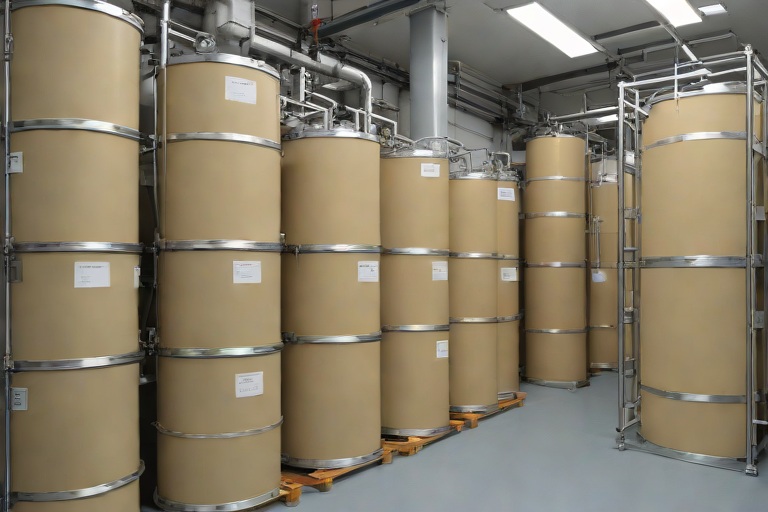
Steam Distillation Temperature Kinetics: Maximizing Monoterpene Recovery in Clinical Antifungal Onychomycosis Solutions
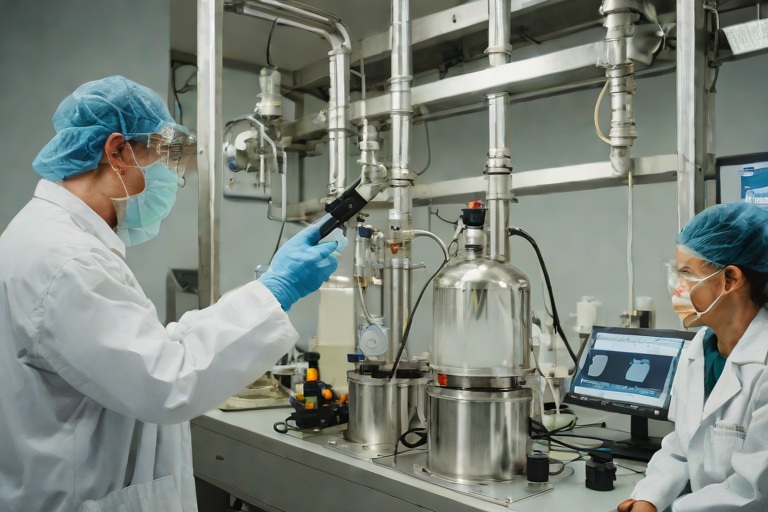
Thermodynamic Fundamentals of Steam Distillation and Vapor Pressure
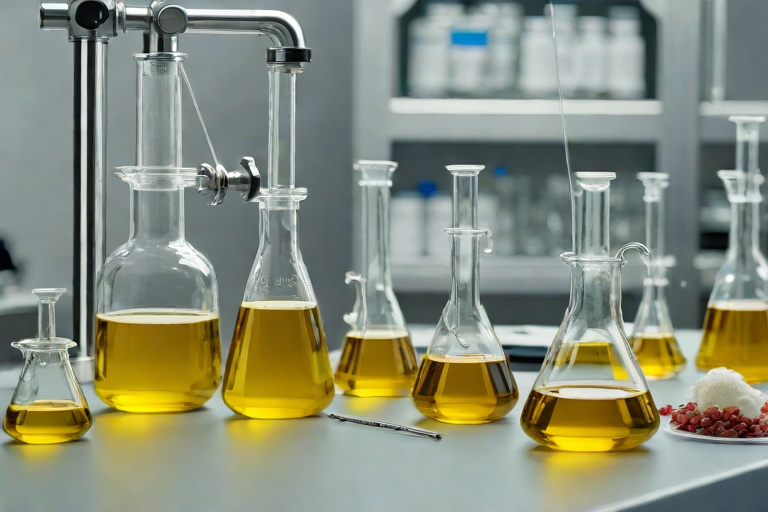
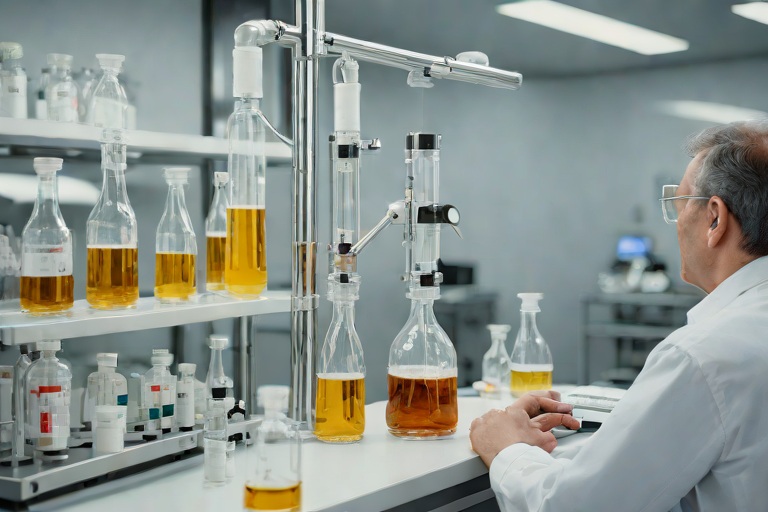
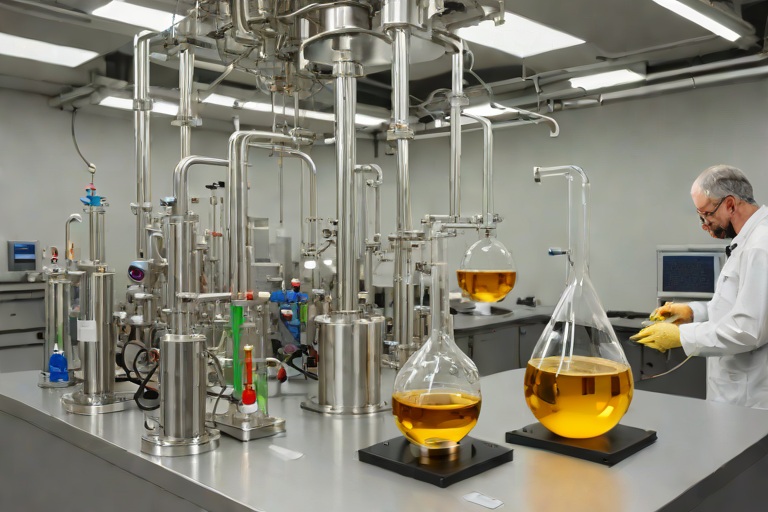
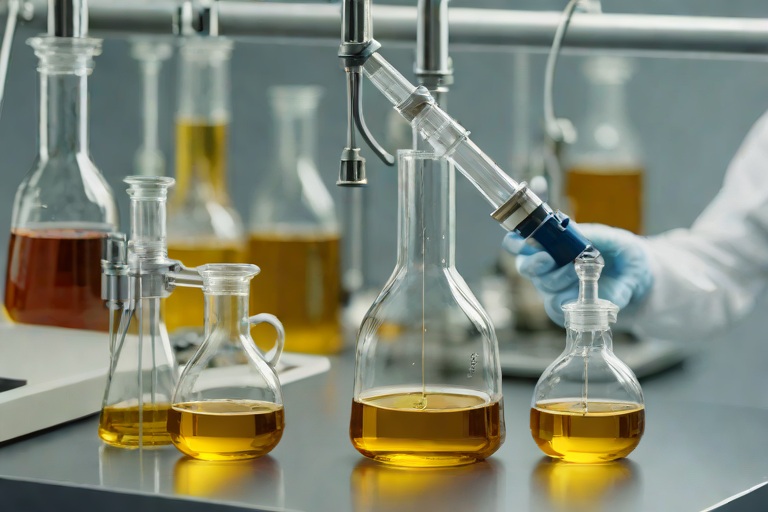
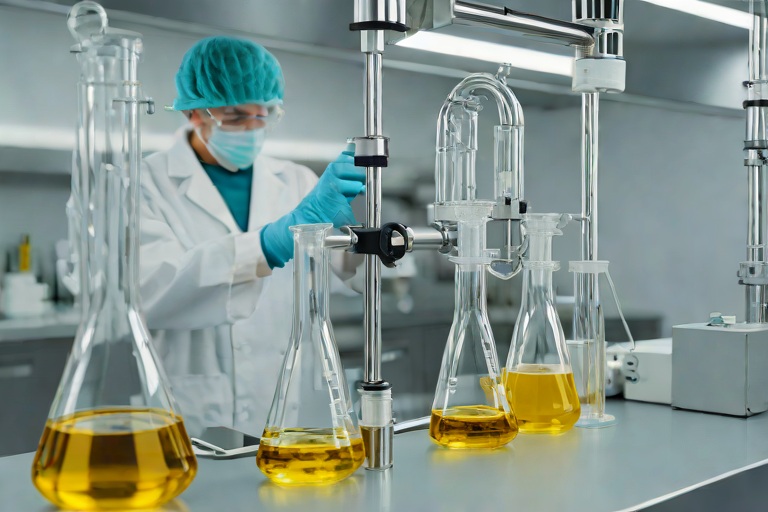
The recovery of monoterpenes for clinical antifungal applications relies on the precise manipulation of partial pressures, governed primarily by Dalton’s Law. In the context of treating onychomycosis, the efficacy of the final solution is contingent upon the concentration of volatile organic compounds (VOCs) that possess high antifungal potency. Steam distillation allows for the extraction of these high-boiling-point monoterpenes at temperatures significantly below their atmospheric boiling points, thereby preventing the thermal degradation of the active pharmaceutical ingredients.
The process operates on the principle that the total vapor pressure of a mixture of immiscible liquids is the sum of the individual vapor pressures of each component. When saturated steam is introduced into the botanical matrix, the combined vapor pressure reaches atmospheric pressure at a temperature slightly below 100 degrees Celsius. This thermodynamic shift is critical because monoterpenes, which typically boil at temperatures exceeding 150 degrees Celsius, are co-distilled with water vapor. This prevents the pyrolysis of the carbon chain, ensuring the chemical integrity of the antifungal agents.
- Partial Pressure Equilibrium: The system maintains a steady state where the water vapor acts as a carrier gas, reducing the required energy for monoterpene vaporization.
- Azeotropic Interaction: The formation of a pseudo-azeotrope allows the volatile oils to migrate from the cellular structure of the plant material into the vapor phase.
- Thermal Stability: By capping the operating temperature, the engineering process avoids the isomerization of sensitive terpenes, which would otherwise render the clinical solution ineffective.
- Latent Heat Management: The energy required for vaporization is supplied by the latent heat of the steam, ensuring a uniform temperature distribution across the distillation vessel.
Kinetic Variables and Mass Transfer in Monoterpene Recovery
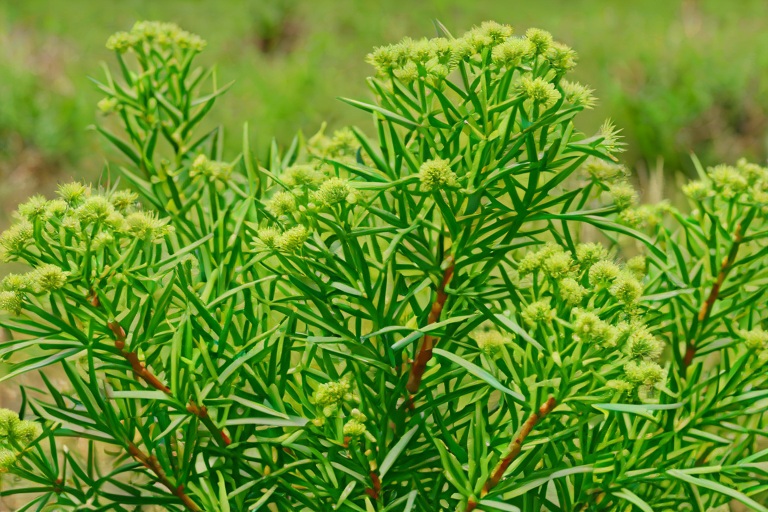
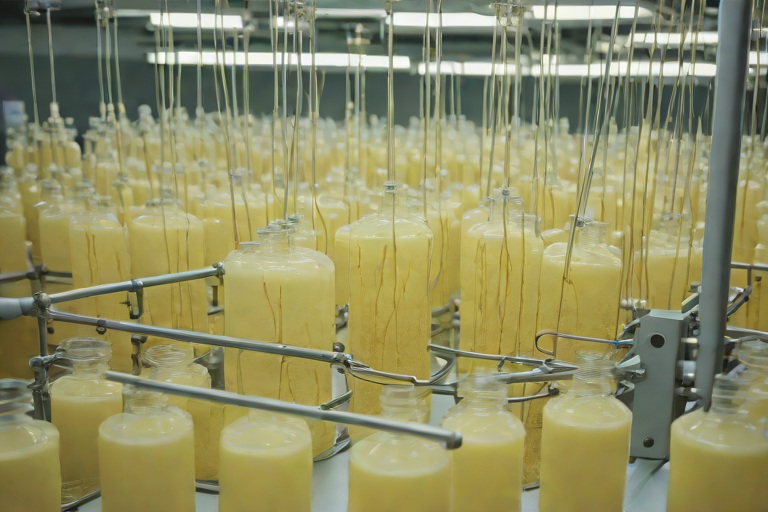
The kinetics of monoterpene recovery are governed by the rate of diffusion from the glandular trichomes of the raw material into the surrounding steam. This mass transfer is a function of the temperature gradient and the flow rate of the steam. If the steam velocity is too low, the boundary layer of saturated vapor around the plant material thickens, slowing the diffusion rate and increasing the residence time. Conversely, excessive steam velocity can lead to "channeling," where the steam bypasses significant portions of the biomass, resulting in poor recovery yields.
Temperature kinetics must be monitored with high-precision thermocouples to avoid localized overheating. In clinical-grade production, even a minor spike in temperature can trigger the oxidation of monoterpenes into ketones or alcohols, which may alter the antifungal profile and increase the risk of skin irritation for the end-user. The relationship between temperature and recovery rate is non-linear; there exists a critical threshold where the increase in recovery is offset by the rate of chemical decomposition.
- Diffusion Coefficients: The rate at which monoterpenes move through the plant cell walls is highly dependent on the saturation level of the steam.
- Residence Time Optimization: Minimizing the duration the oil spends in the heated zone reduces the probability of thermal degradation.
- Vapor Velocity Control: Maintaining a laminar flow of steam ensures maximum contact time and uniform extraction across the entire biomass load.
- Pressure Differential Management: Slight vacuum adjustments can be utilized to further lower the boiling point, enhancing the recovery of the most volatile fractions.
Industrial Infrastructure and Building Envelope Integration
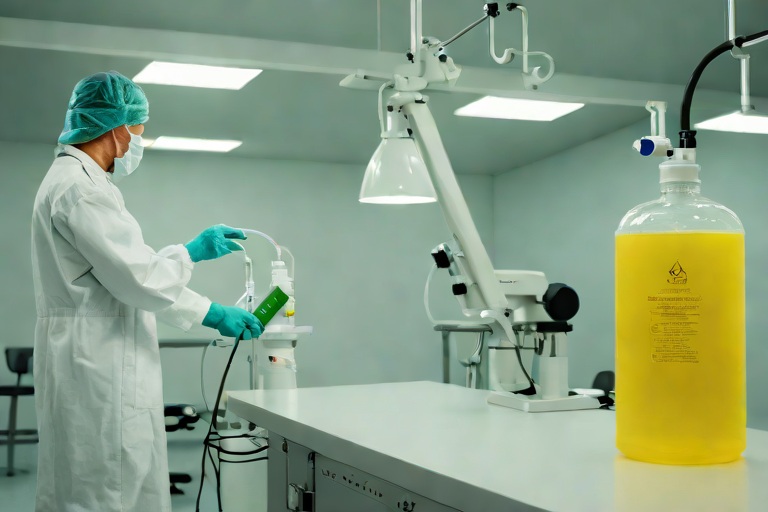
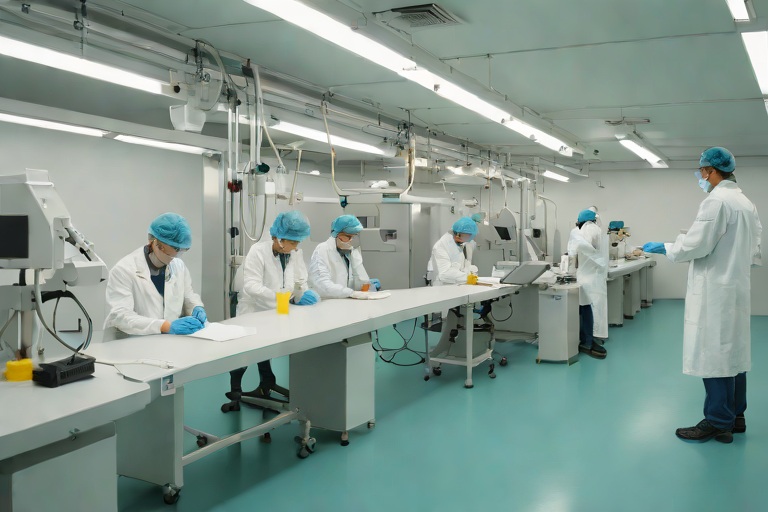
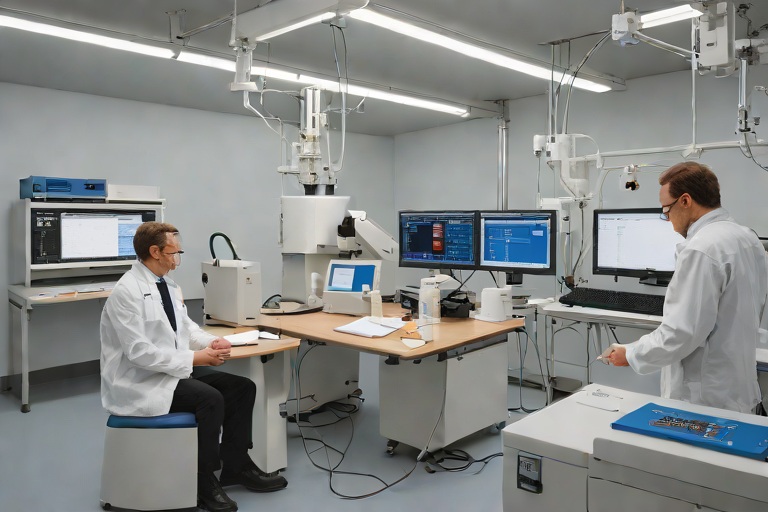
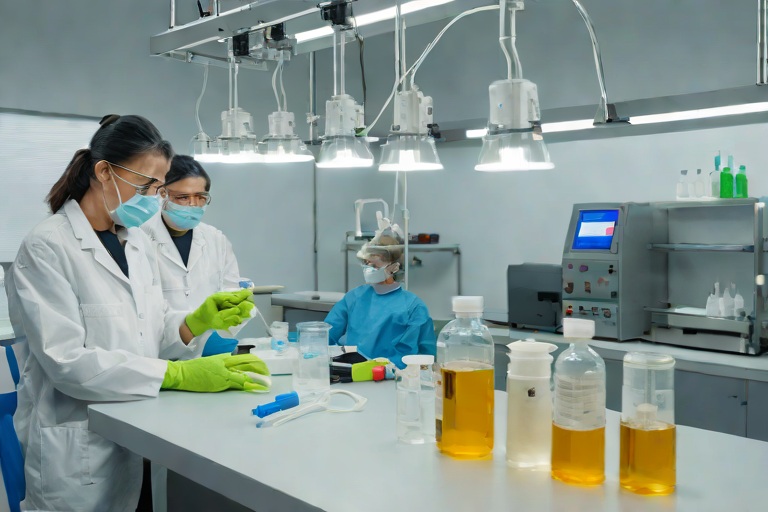
From a senior technical analyst's perspective, the distillation process cannot be viewed in isolation from the industrial infrastructure that houses it. The recovery of concentrated monoterpenes involves the handling of highly flammable and volatile substances, requiring a building envelope designed for rigorous containment and safety. The facility must be engineered with an ATEX-rated electrical infrastructure to prevent ignition of VOCs that may leak from the distillation column or the condenser units.
The building envelope must incorporate specialized HVAC systems capable of maintaining a negative pressure environment in the extraction zone. This prevents the migration of potent aromatic compounds into administrative areas and ensures that any accidental leaks are contained and filtered through activated carbon scrubbers. Furthermore, the choice of materials for the distillation apparatus—specifically 316L surgical-grade stainless steel—is mandatory to prevent metallic contamination and to resist the corrosive nature of certain concentrated terpenes.
- Material Specifications: The use of non-reactive, polished stainless steel prevents the adherence of residues and facilitates a sterile environment for clinical production.
- Ventilation Dynamics: High-exchange air rates and strategic placement of exhaust vents prevent the accumulation of flammable vapors at the ceiling level.
- Thermal Insulation: The distillation columns must be lagged with high-density mineral wool and aluminum cladding to minimize heat loss and maintain precise kinetic control.
- Containment Flooring: Chemical-resistant epoxy coatings are required to prevent the absorption of oils into the concrete slab, which would otherwise create a long-term hazardous VOC source.
Optimization Protocols for Clinical Antifungal Potency
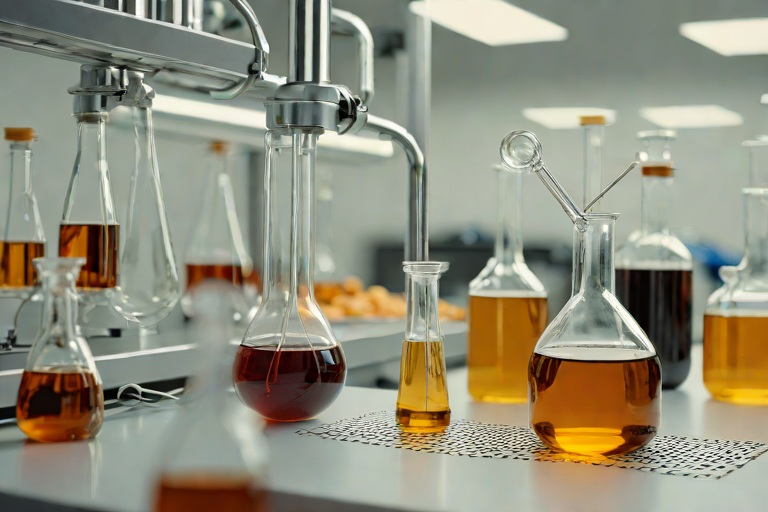
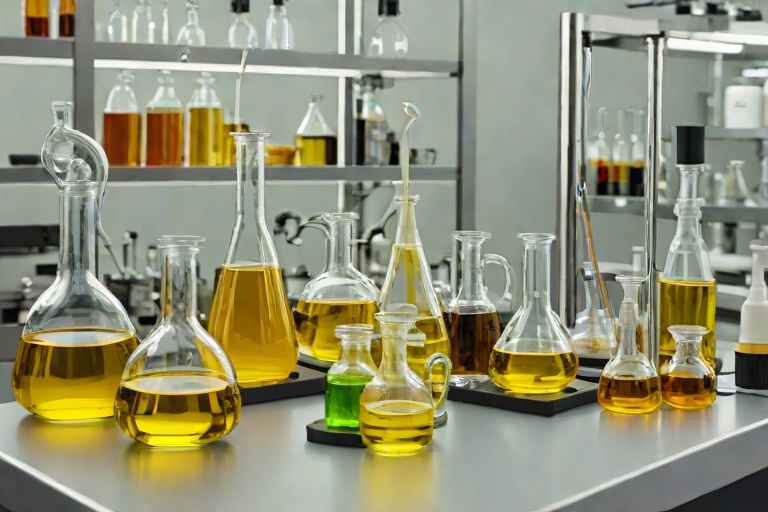
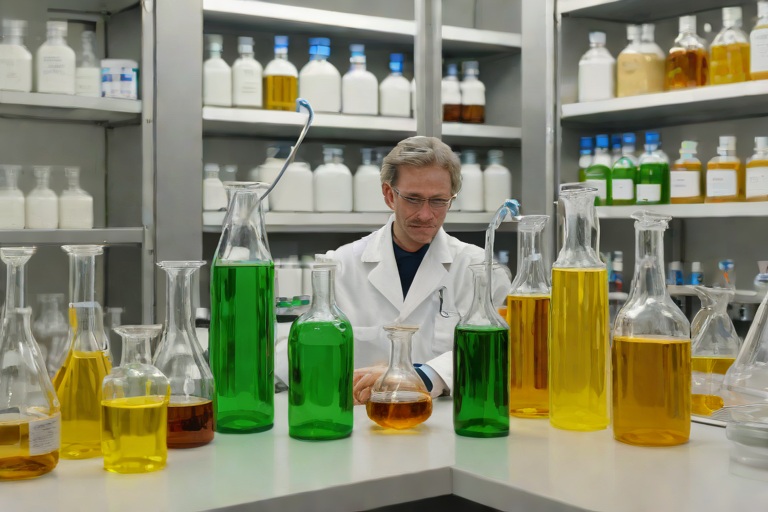
To maximize the recovery of monoterpenes specifically for onychomycosis solutions, the distillation process must be tuned to the specific molecular weight of the target antifungal compounds. This involves a multi-stage condensation process where the temperature of the cooling water is modulated to fractionate the distillate. By controlling the condenser temperature, engineers can separate the light-end volatiles from the heavier, more potent monoterpenes, resulting in a high-purity concentrate that exhibits superior nail plate penetration.
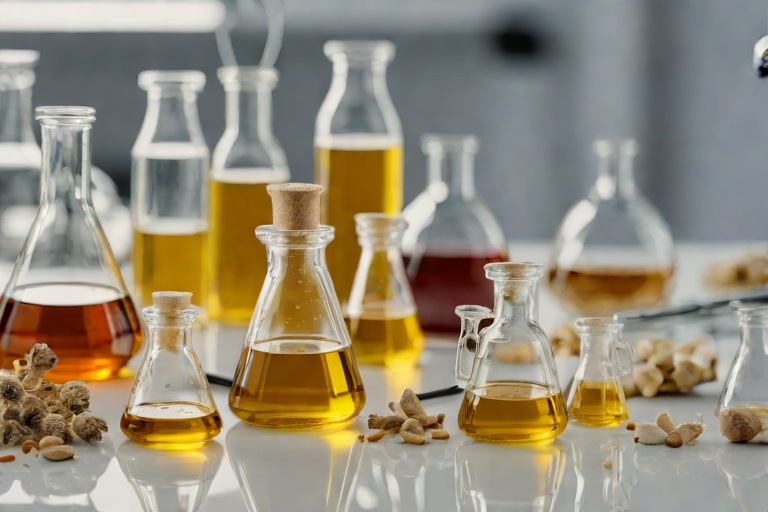
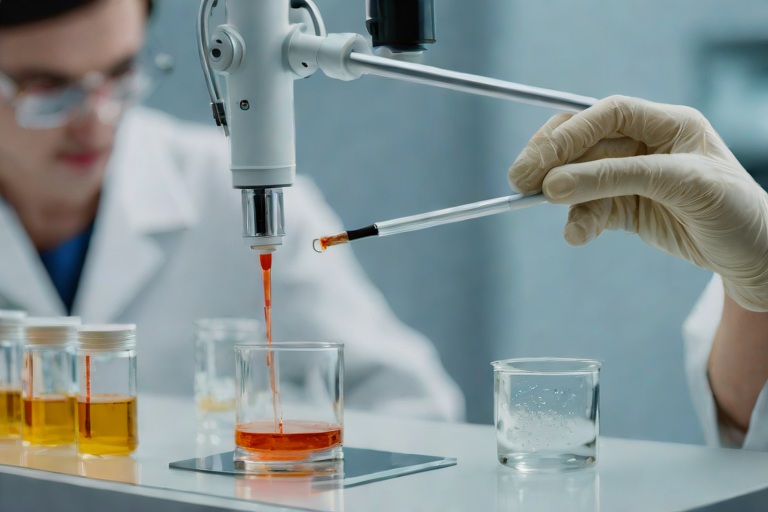
The final stage of recovery involves the separation of the essential oil from the hydrosol. This is achieved using industrial centrifuges or gravity-based separators. The efficiency of this separation determines the purity of the clinical solution. Any residual water in the oil phase can lead to microbial growth or the hydrolysis of the terpenes, which would compromise the shelf-life and efficacy of the antifungal treatment. Rigorous quality control using Gas Chromatography-Mass Spectrometry (GC-MS) is employed to verify that the monoterpene profile matches the clinical requirements.
- Fractional Condensation: Precise temperature control in the condenser allows for the isolation of specific terpene fractions based on their boiling points.
- Centrifugal Separation: High-RPM separation ensures the complete removal of the aqueous phase, maximizing the concentration of the active antifungal agents.
- Oxidation Prevention: The addition of inert gas blankets, such as nitrogen, during the storage of the recovered oil prevents the degradation of the monoterpenes.
- Analytical Validation: Regular GC-MS testing ensures that the recovery process has not introduced artifacts or degraded the primary antifungal constituents.
Aquashield Roofing Corporation
4006 Morris Ct.
Chesapeake, VA 23323
Direct Line: 757-553-5191
GPS Coordinates: 36.755164, -76.353932
Virginia Beach Roofing Company - Roofing Service Virginia Beach VA, Roofing Contractor
585 S Birdneck Rd #106
Virginia Beach, VA 23451
Direct Line: +17576318100
Google Maps Plus Code: RXCX+V7 Virginia Beach, Virginia
GPS Coordinates: 36.822156, -76.001565