Surface Disinfection Protocols: Viral Lipid Envelope Dissolution Kinetics in Clinical Veterinary Dermatitis Washes
Physicochemical Mechanisms of Lipid Envelope Dissolution
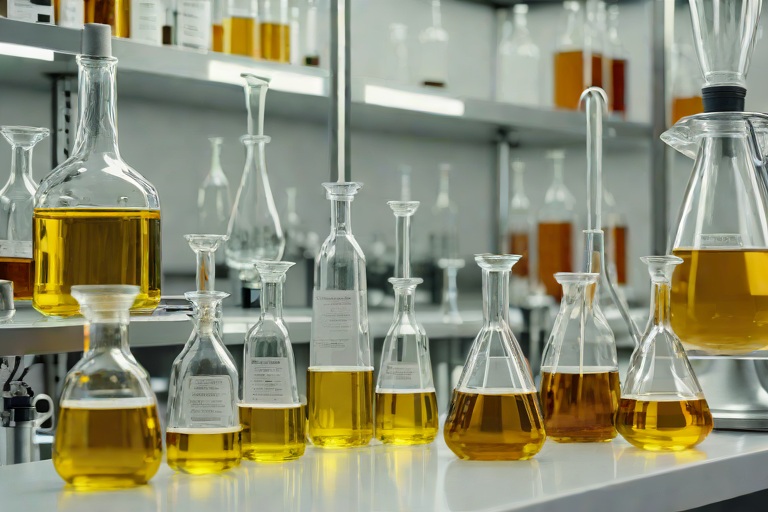
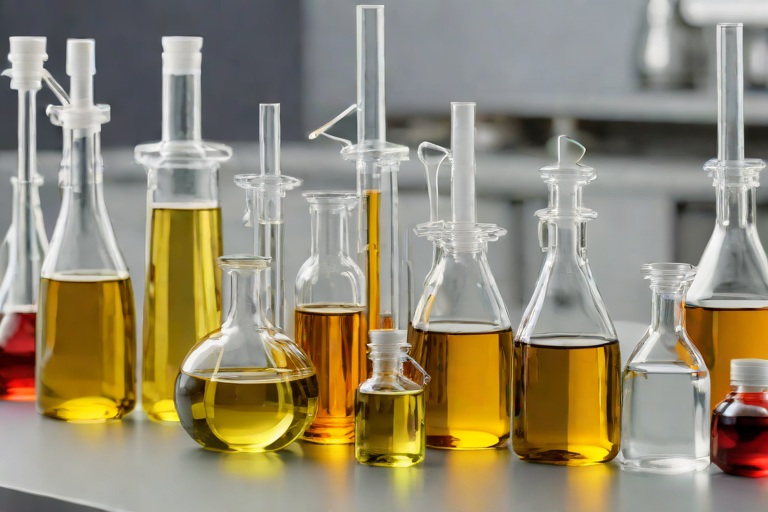
The efficacy of clinical veterinary dermatitis washes in neutralizing enveloped viruses depends entirely on the disruption of the viral lipid bilayer. This bilayer, a phospholipid membrane derived from the host cell, serves as the primary structural integrity component for the virus, housing the glycoproteins necessary for cellular attachment. From a chemical engineering perspective, the dissolution process is driven by the introduction of amphiphilic surfactants. These molecules possess a hydrophilic head and a hydrophobic tail, allowing them to partition at the interface between the aqueous wash solution and the lipid membrane of the pathogen.
When the surfactant concentration reaches the critical micelle concentration (CMC), the hydrophobic tails insert themselves into the viral envelope. This insertion creates mechanical strain and alters the curvature of the lipid bilayer, leading to the formation of mixed micelles. This process, known as solubilization, effectively strips the viral envelope away from the internal capsid. Once the envelope is compromised, the virus loses its ability to bind to host receptors, rendering it biologically inert. The kinetics of this dissolution are heavily influenced by the HLB (Hydrophilic-Lipophilic Balance) value of the surfactant system employed in the wash.
- Surfactant Partitioning: The rate at which amphiphilic molecules migrate from the bulk solution to the viral surface.
- Membrane Destabilization: The transition from a stable bilayer to a fragmented state through the induction of positive curvature.
- Micellar Solubilization: The final sequestration of lipid fragments into spherical aggregates, preventing re-aggregation of viral components.
- Electrostatic Interaction: The role of ionic surfactants in altering the surface charge of the viral envelope to promote repulsion and lysis.
Kinetic Modeling of Surface Contact Times
In industrial commercial infrastructure, the "dwell time" or contact time is the critical variable determining the log reduction of viral loads. The dissolution kinetics typically follow a first-order reaction model, where the rate of viral inactivation is proportional to the concentration of the active agent remaining on the surface. However, in veterinary clinical settings, this is complicated by the presence of organic loads—such as skin dander, sebum, and blood—which act as sacrificial substrates. These organic materials compete for the surfactant, effectively lowering the available concentration of the disinfectant and extending the time required to achieve a 99.99% (4-log) reduction.
The diffusion of the wash solution through the organic biofilm is the rate-limiting step. To overcome this, high-performance washes utilize penetration enhancers that lower the surface tension of the liquid, allowing it to wet the substrate more effectively. The relationship between the concentration of the active agent and the time required for complete lipid dissolution is non-linear; once a threshold concentration is surpassed, the rate of dissolution plateaus, indicating that the surface is saturated and the reaction is limited only by the physical accessibility of the viral particles.
- Logarithmic Decay Curves: The mathematical representation of viral titer reduction over specific time intervals.
- Organic Load Interference: The stoichiometric consumption of surfactants by non-viral lipids, requiring higher titration.
- Surface Energy Dynamics: The interaction between the wash's surface tension and the substrate's surface energy to ensure total coverage.
- Saturation Kinetics: The point at which increasing the concentration of the wash no longer yields a proportional increase in the rate of dissolution.
Infrastructure Integration and Material Compatibility
From a building envelope science perspective, the surfaces upon which these washes are applied are not inert. Veterinary clinics typically employ a mix of medical-grade epoxy flooring, 304 or 316 stainless steel, and high-density polymers. The interaction between the lipid-dissolving agents and these substrates is a primary concern for facility longevity. Strong surfactants and alkaline agents used to accelerate lipid dissolution can, over time, lead to the degradation of polymer chains in epoxy coatings, resulting in micro-pitting. These microscopic voids then become reservoirs for viral particles, shielding them from subsequent disinfection cycles.
Furthermore, the electrochemical interaction between the wash solution and metallic surfaces can induce stress corrosion cracking, particularly in the presence of chloride ions. A master engineering approach requires the selection of washes that maintain a neutral pH or include corrosion inhibitors to protect the structural integrity of the infrastructure. The goal is to maintain a non-porous, monolithic surface finish that prevents the capillary action of contaminants into the substrate, thereby ensuring that the dissolution kinetics occur purely at the surface interface rather than within the material bulk.
- Polymer Degradation: The chemical breakdown of epoxy resins due to repeated exposure to high-pH surfactant washes.
- Substrate Porosity: The impact of surface roughness (Ra value) on the distribution and dwell time of the disinfection agent.
- Galvanic Interaction: The risk of oxidation on stainless steel surfaces when exposed to specific ionic surfactants.
- Capillary Sequestration: The movement of viral particles into micro-cracks, necessitating deeper penetration of the wash solution.
Protocol Optimization for Clinical Veterinary Environments
To achieve empirical consistency in viral inactivation, disinfection protocols must be standardized across the facility. This involves a rigorous titration of the wash solution to ensure that the CMC is consistently met regardless of the water hardness or temperature of the facility. Temperature plays a dual role: while increased thermal energy generally accelerates the kinetic rate of lipid dissolution by increasing molecular collisions, excessively high temperatures can denature the surfactants or cause premature evaporation of the wash, reducing the effective contact time.
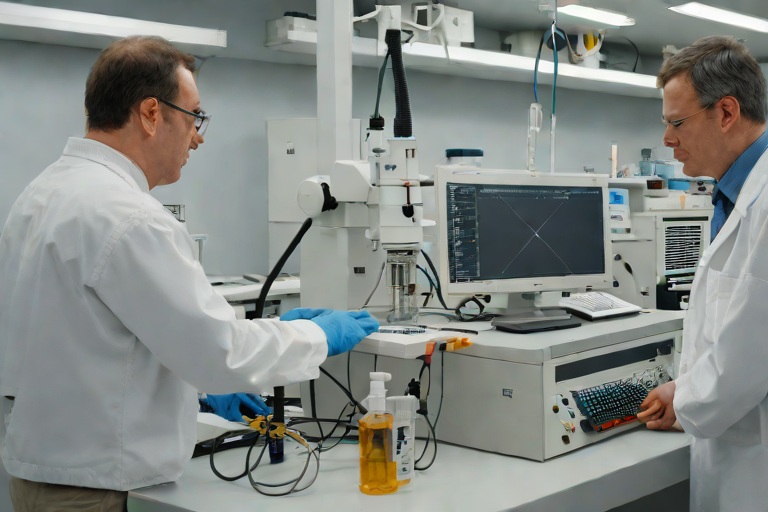
Validation of these protocols requires the use of surrogate markers or ATP bioluminescence assays to confirm the removal of organic matter and the subsequent dissolution of lipid envelopes. The operational sequence must prioritize the removal of gross organic debris before the application of the high-kinetic wash to prevent the "shielding effect." By aligning the chemical properties of the wash with the physical properties of the building envelope, facility managers can ensure a sterile environment that minimizes the risk of cross-contamination between patients.
- Standardized Titration: Ensuring precise chemical concentrations to maintain consistent dissolution rates across different zones.
- Thermal Regulation: Optimizing wash temperature to balance kinetic acceleration against evaporation rates.
- Sequential Cleaning: The mandatory transition from mechanical debris removal to chemical lipid dissolution.
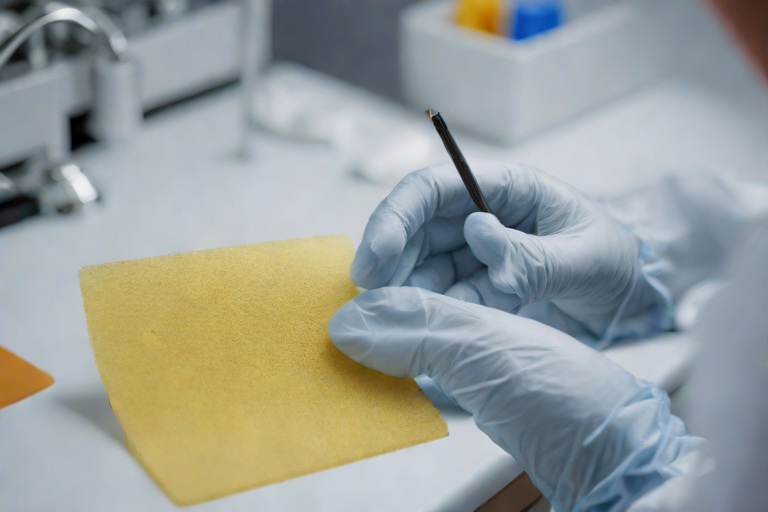
- Validation Metrics: Utilizing empirical data from surface swabs to verify the achievement of target log-reduction levels.
Aquashield Roofing Corporation
4006 Morris Ct.
Chesapeake, VA 23323
Direct Line: 757-553-5191
GPS Coordinates: 36.755164, -76.353932
Virginia Beach Roofing Company - Roofing Service Virginia Beach VA, Roofing Contractor
585 S Birdneck Rd #106
Virginia Beach, VA 23451
Direct Line: +17576318100
Google Maps Plus Code: RXCX+V7 Virginia Beach, Virginia
GPS Coordinates: 36.822156, -76.001565