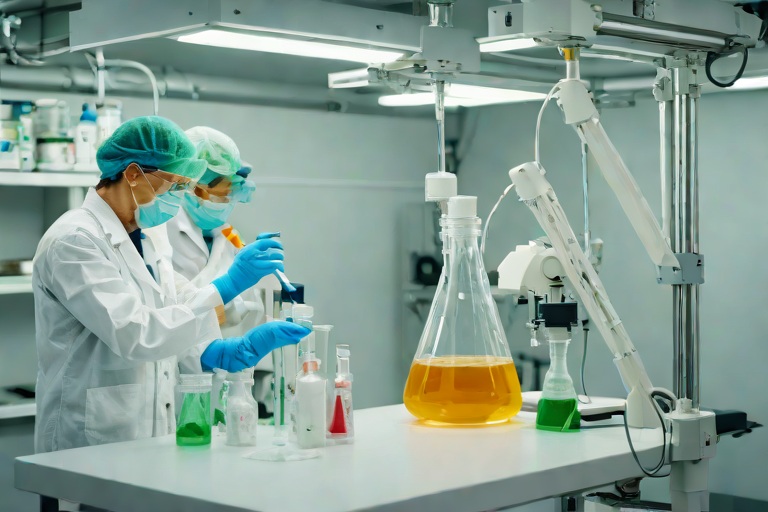
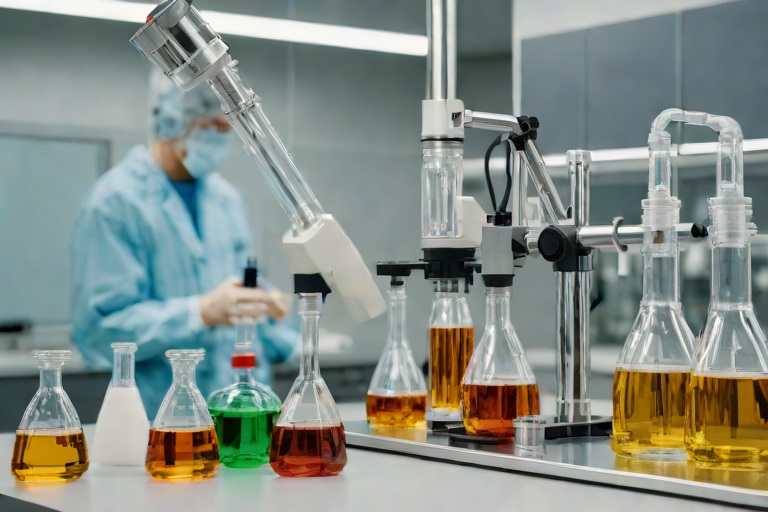
Steam Distillation Temperature Kinetics: Maximizing Monoterpene Recovery in Clinical Hydrophilic Gel Suspensions
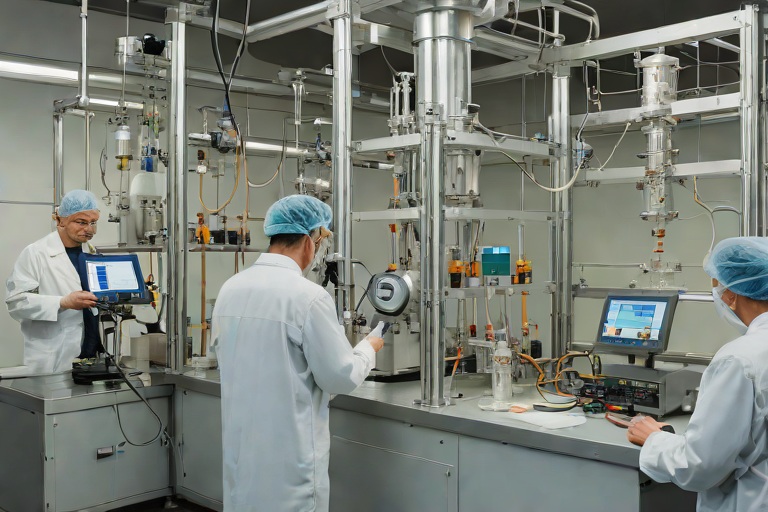
Thermodynamic Foundations of Steam Distillation in Gel Matrices
The recovery of monoterpenes from clinical hydrophilic gel suspensions requires a precise understanding of partial pressure dynamics and the phase equilibrium of immiscible liquids. In a standard steam distillation process, the total vapor pressure of the system is the sum of the individual vapor pressures of the water and the volatile organic compounds, as dictated by Dalton's Law. However, when these monoterpenes are suspended within a hydrophilic gel, the thermodynamic landscape is complicated by the viscoelastic properties of the polymer matrix. The gel acts as a diffusion barrier, increasing the activation energy required for the monoterpene molecules to migrate from the interior of the gel droplet to the steam-water interface.
The efficiency of this process is governed by the relative volatility of the monoterpenes compared to the aqueous phase. Because monoterpenes are hydrophobic, they form a separate phase within the hydrophilic gel, creating a micro-emulsion or a suspension of droplets. The steam serves as a carrier gas, effectively lowering the boiling point of the monoterpenes by reducing the partial pressure required for evaporation. To maximize recovery, the system must maintain a precise temperature gradient that prevents the collapse of the gel structure while ensuring sufficient kinetic energy for the monoterpenes to overcome the interfacial tension of the hydrophilic medium.
- Azeotropic interaction: The formation of a binary azeotrope allows for the evaporation of high-boiling-point monoterpenes at temperatures significantly below their standard boiling points.
- Diffusion coefficients: The rate of recovery is limited by the diffusion of the solute through the polymer network, which is temperature-dependent.
- Interfacial tension: The energy barrier at the boundary between the hydrophobic monoterpene droplet and the hydrophilic gel matrix.
- Vapor pressure equilibrium: The state where the rate of evaporation equals the rate of condensation at the interface.
Kinetic Analysis of Monoterpene Volatilization
The kinetics of monoterpene recovery are primarily driven by the Arrhenius relationship, where the rate of volatilization increases exponentially with temperature. However, in clinical applications, the temperature window is narrow. Excessive heat leads to the thermal degradation of sensitive monoterpenes, causing isomerization or oxidation, which renders the recovered extract clinically useless. The critical kinetic challenge is managing the heat flux to ensure that the core temperature of the gel suspension reaches the threshold for vaporization without exceeding the degradation temperature of the organic molecules.
A rigorous analysis of the temperature kinetics reveals that the rate of recovery is not linear. Initial recovery is rapid as the monoterpenes near the surface of the gel are stripped away. As the process continues, the "depletion zone" grows, and the rate-limiting step shifts from evaporation to internal diffusion. To counteract this, industrial systems employ pulsed steam injection, which creates localized pressure fluctuations that disrupt the gel's boundary layer and enhance the mass transfer coefficient. This mechanical agitation, combined with precise thermal control, ensures that the recovery curve remains steep throughout the distillation cycle.
- Thermal degradation threshold: The specific temperature at which monoterpenes undergo chemical restructuring, typically occurring above 120 degrees Celsius.
- Mass transfer coefficient: The ratio of the flux of the monoterpene to the concentration gradient across the gel interface.
- Isothermal stability: The ability of the distillation vessel to maintain a uniform temperature to avoid "hot spots" that cause charring.
- Kinetic energy distribution: The statistical distribution of molecular speeds, ensuring a sufficient fraction of molecules have the energy to escape the liquid phase.
Optimization of Thermal Flux and Pressure Differentials
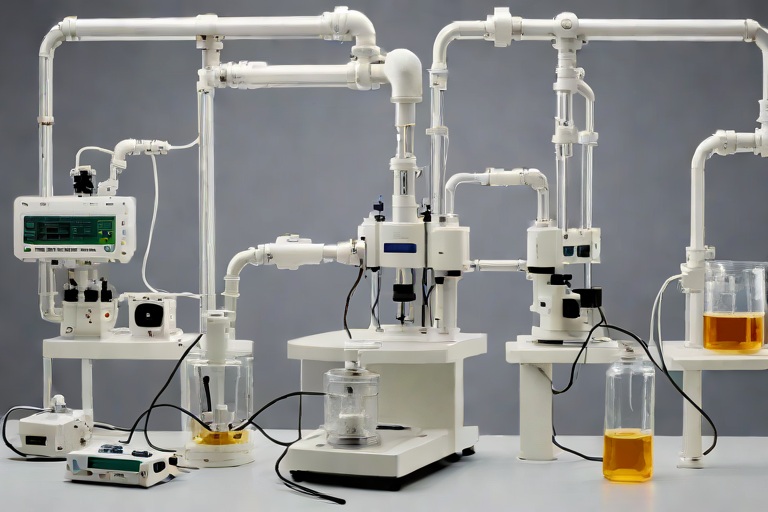
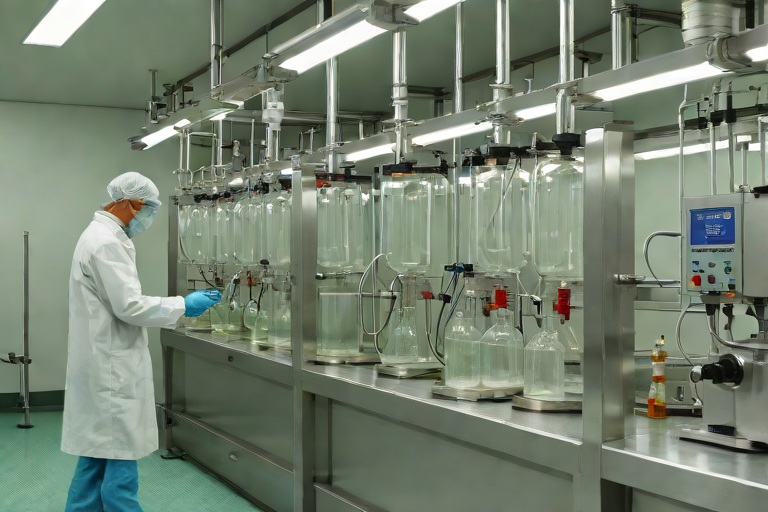
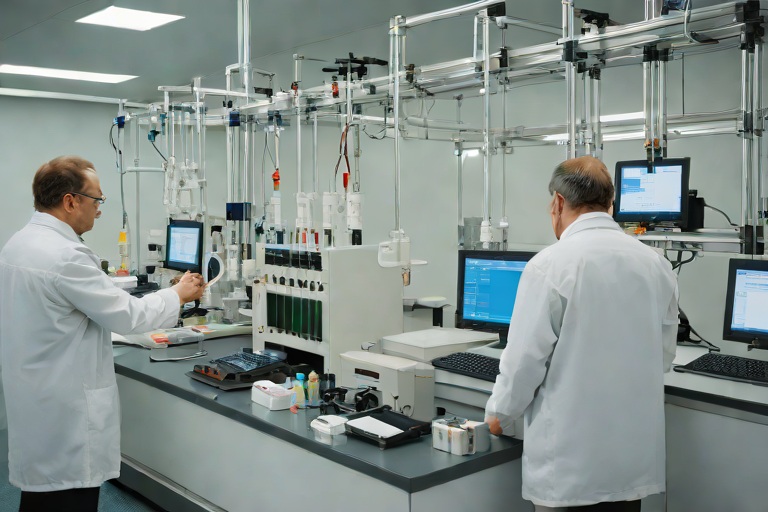
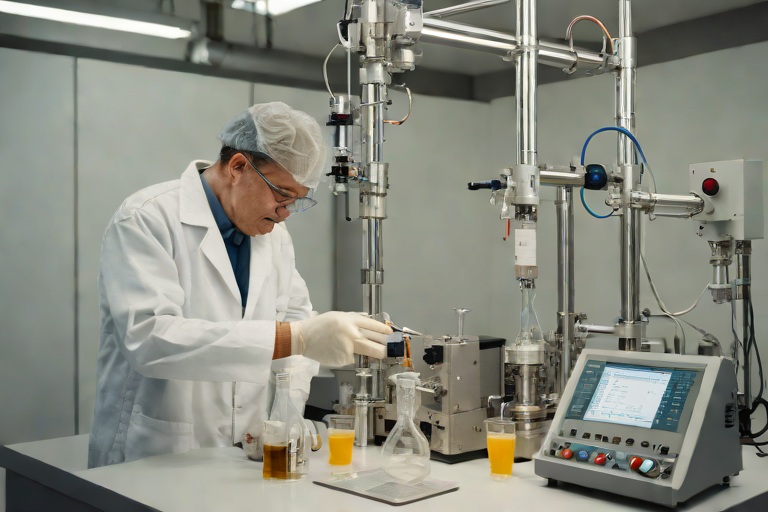
From an engineering perspective, the infrastructure used for steam distillation must be optimized for maximum heat transfer efficiency and minimum pressure drop. The use of saturated steam is critical; "wet steam" containing liquid water droplets can lead to uneven heating and premature condensation within the distillation column, which disrupts the laminar flow of the vapor. The thermal flux is managed through the implementation of high-grade stainless steel jackets and precision-controlled PID (Proportional-Integral-Derivative) loops that modulate the steam flow based on real-time temperature feedback from the gel core.
Pressure differentials play a pivotal role in maximizing recovery. By operating the distillation chamber under a slight vacuum, the boiling point of the mixture is lowered, allowing for the recovery of heat-sensitive monoterpenes at lower temperatures. This vacuum distillation approach reduces the thermal stress on the hydrophilic gel, preventing the polymer chains from cross-linking or breaking down, which could otherwise trap the monoterpenes permanently. The engineering of the condenser is equally vital; a high-surface-area heat exchanger is required to rapidly cool the vapor, preventing the re-evaporation of the volatile components before they can be collected in the receiver.
- Saturated steam quality: Ensuring the steam is at its saturation temperature to provide consistent latent heat of vaporization.
- PID control loops: Automated systems that maintain temperature within a tolerance of plus or minus 0.5 degrees Celsius.
- Vacuum modulation: The strategic reduction of system pressure to lower the required thermal
Aquashield Roofing Corporation
4006 Morris Ct.
Chesapeake, VA 23323
Direct Line: 757-553-5191
GPS Coordinates: 36.755164, -76.353932
Virginia Beach Roofing Company - Roofing Service Virginia Beach VA, Roofing Contractor
585 S Birdneck Rd #106
Virginia Beach, VA 23451
Direct Line: +17576318100
Google Maps Plus Code: RXCX+V7 Virginia Beach, Virginia
GPS Coordinates: 36.822156, -76.001565