Trichophyton Rubrum Athlete's Foot Eradication: Fungicidal Dosing Windows in Clinical Melaleuca Alternifolia Distillations
Pathological Analysis of Trichophyton Rubrum as a Bio-Contaminant
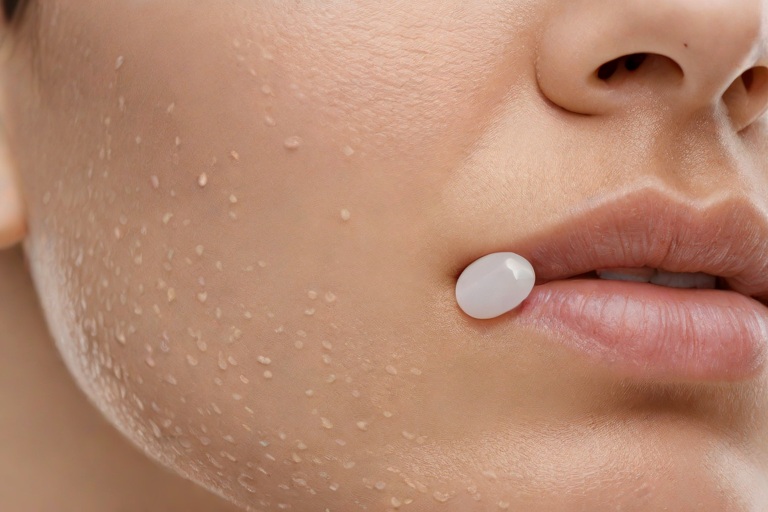
From a technical standpoint, the infestation of the dermal envelope by Trichophyton rubrum is not merely a clinical condition but a systemic failure of the biological barrier. In the context of building envelope sciences, we view the skin as the primary cladding of the human organism. T. rubrum operates as a specialized biological corrosive, utilizing keratin—the structural protein of the stratum corneum—as its primary carbon source. The fungus employs a suite of keratinolytic enzymes that degrade the structural integrity of the epidermal substrate, leading to a breach in the protective seal and allowing for deeper penetration into the living tissue.
The mechanism of colonization follows a predictable pattern of material degradation. Once the fungal spores adhere to the surface, they initiate a process of enzymatic digestion that compromises the lipid barrier. This breach creates a feedback loop where the resulting inflammation and desquamation further weaken the envelope, facilitating the lateral spread of the pathogen across the pedal surface. The resulting pathology is characterized by a loss of cohesive strength in the skin's outer layers, manifesting as scaling, fissures, and an overall failure of the moisture-barrier system.
To analyze the failure points of the dermal envelope during a T. rubrum infestation, one must consider the following environmental and structural catalysts:
- Hyper-hydration of the stratum corneum, which increases permeability and softens the keratin substrate.
- Mechanical abrasion from footwear, which creates micro-fissures in the cladding.
- Elevated ambient humidity and temperature, which optimize the metabolic rate of the fungal colony.
- Compromised lipid production, reducing the natural hydrophobic properties of the skin surface.
Chemical Composition and Volatility of Melaleuca Alternifolia Distillations
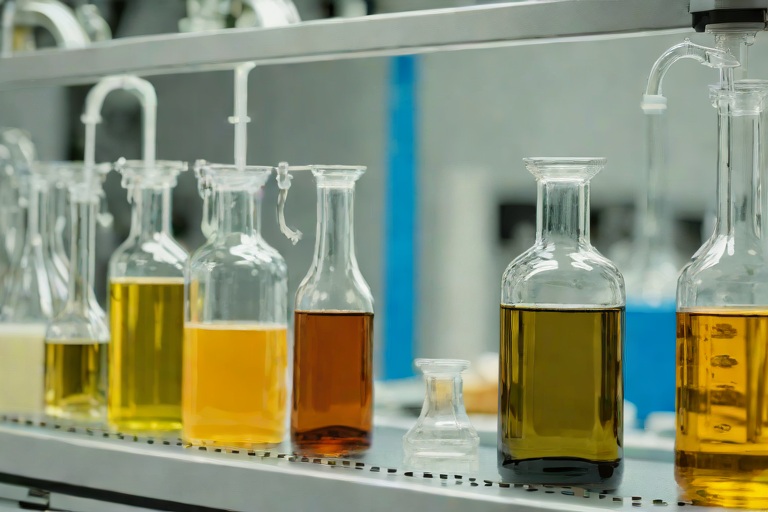
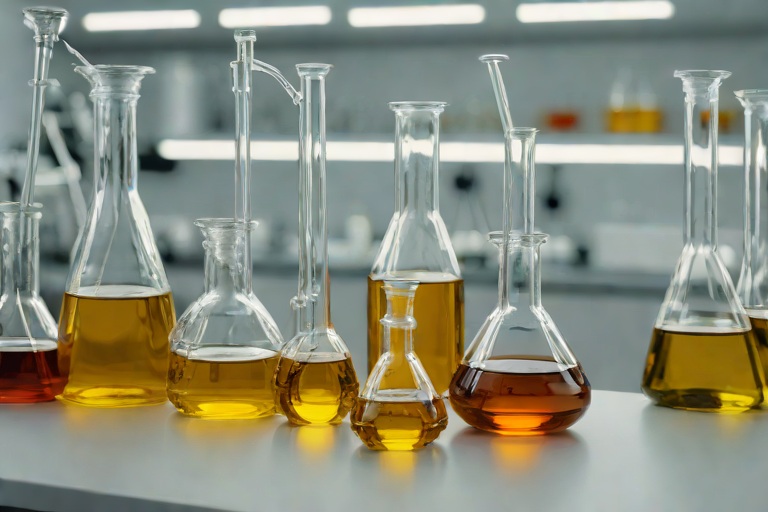
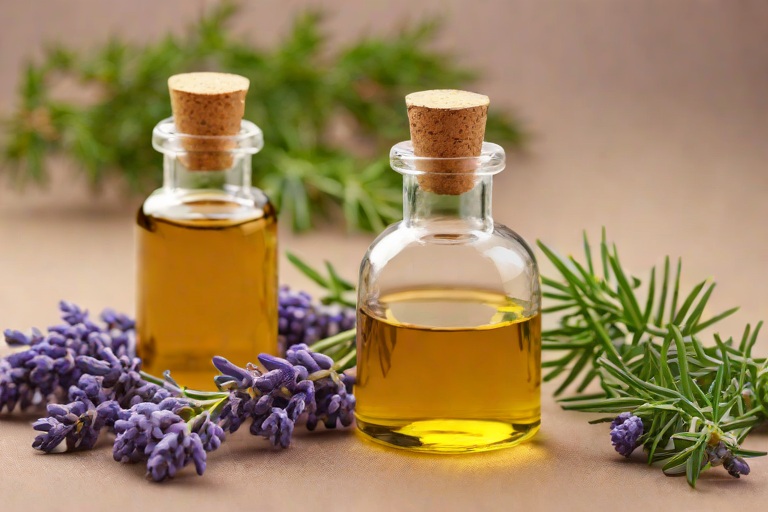
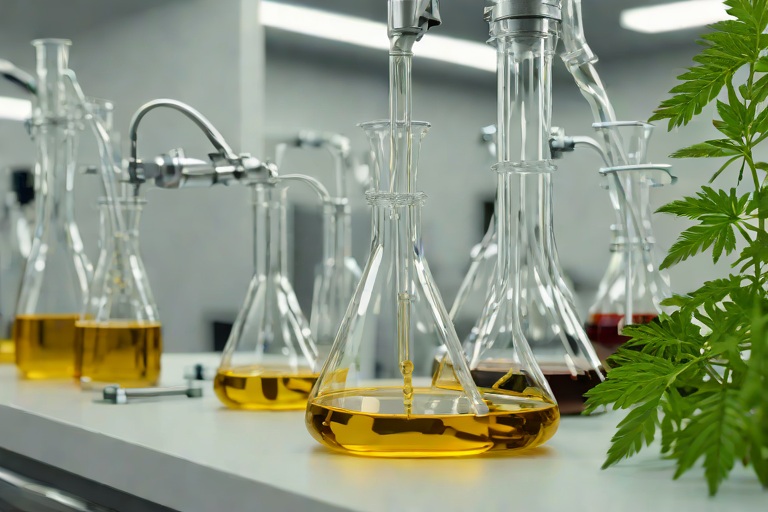
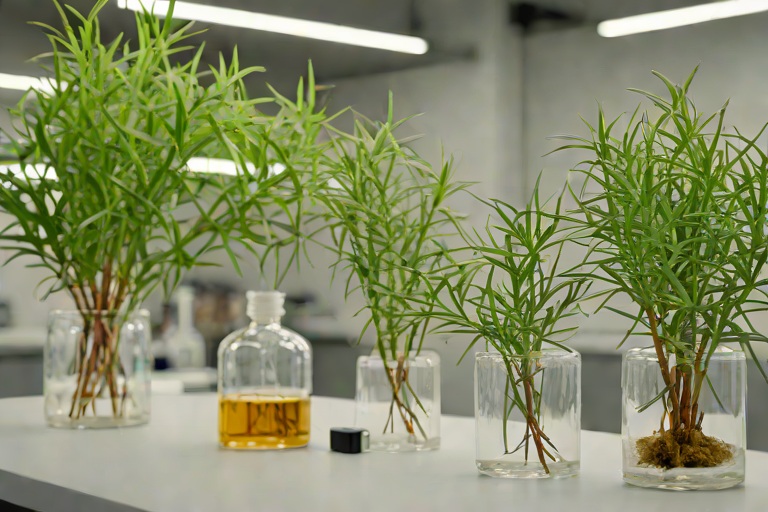
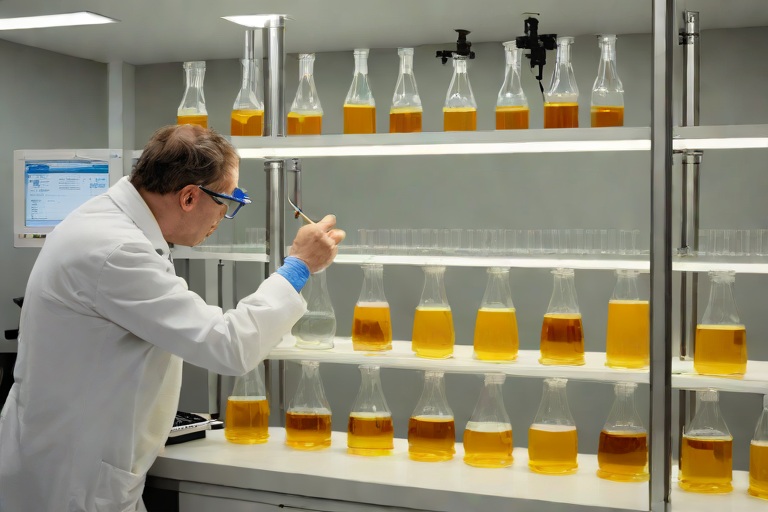
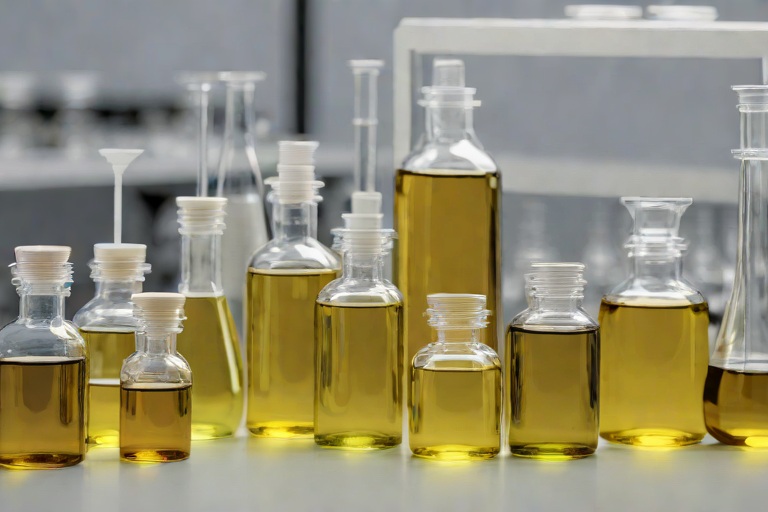
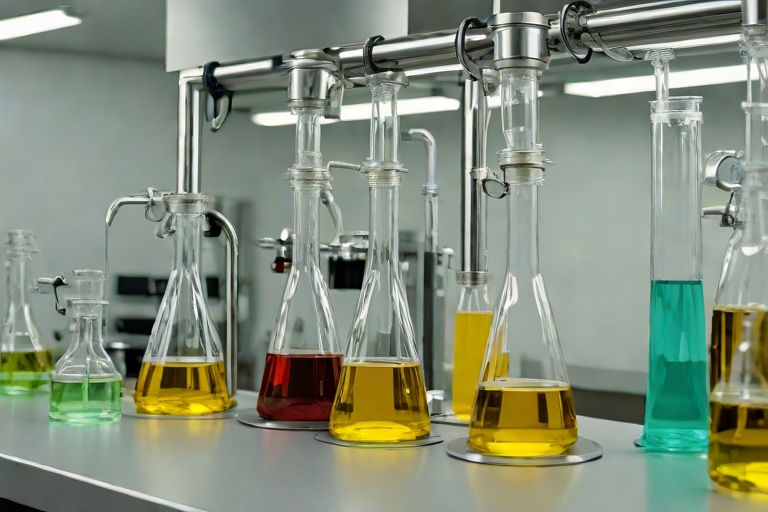
The remediation of T. rubrum requires a chemical agent capable of penetrating the fungal cell wall without causing catastrophic failure to the surrounding human tissue. Melaleuca alternifolia, commonly known as tea tree oil, functions as a potent fungicidal solvent. The efficacy of this distillation is primarily attributed to its high concentration of Terpinen-4-ol, a monoterpene that acts as the primary active agent. In engineering terms, Terpinen-4-ol disrupts the surface tension and membrane stability of the fungal cell, leading to a rapid efflux of intracellular components.
The chemical action of Melaleuca alternifolia is a process of membrane permeabilization. The terpene molecules integrate into the lipid bilayer of the T. rubrum cell membrane, causing structural distortions that lead to the leakage of potassium ions and other critical electrolytes. This is analogous to the application of a chemical stripper to a degraded coating; the agent targets the specific molecular bonds of the contaminant while leaving the underlying substrate relatively intact, provided the concentration is managed within strict operational parameters.
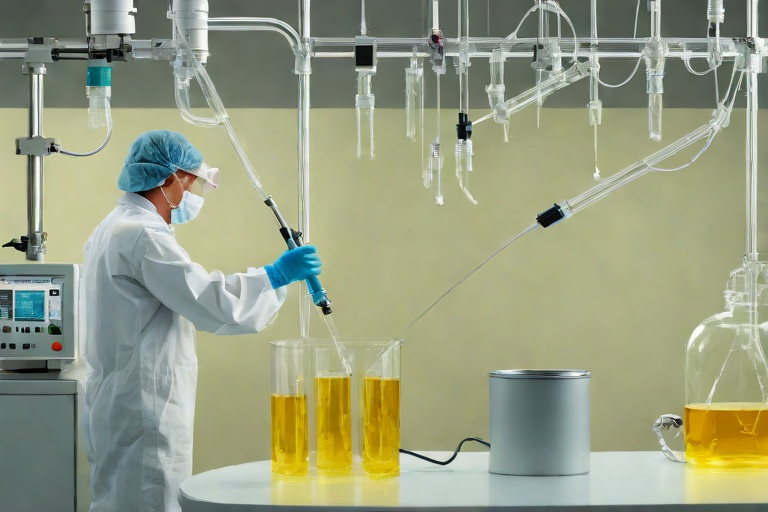
The technical specifications of a clinical-grade Melaleuca distillation must meet the following criteria to ensure maximum fungicidal throughput:
- Terpinen-4-ol concentration exceeding 30% of the total volatile oil profile.
- Minimal presence of 1,8-cineole to reduce the risk of dermal irritation and inflammatory response.
- Standardized distillation temperatures to prevent the thermal degradation of active monoterpenes.
- High purity levels to ensure the absence of adulterants that could neutralize the terpene's oxidative potential.
Fungicidal Dosing Windows and Kinetic Efficacy
The eradication of T. rubrum is contingent upon the maintenance of a specific concentration gradient over a defined temporal window. In clinical engineering, this is referred to as the Minimum Inhibitory Concentration (MIC). If the dosing window is too short, the fungal colony can enter a dormant state or develop a resistance mechanism, leading to a recurrence of the infestation. Conversely, an excessive concentration can lead to chemical burns or contact dermatitis, effectively destroying the very envelope the treatment is intended to repair.
The kinetic efficacy of Melaleuca alternifolia is maximized when the application is consistent and the dosing window is extended beyond the initial visible clearance of the infection. Because T. rubrum resides within the deeper layers of the keratinized skin, the distillation must be applied in a manner that ensures deep penetration of the substrate. This requires a dosing schedule that accounts for the rate of skin cell turnover and the gradual shedding of the infected stratum corneum. A failure to maintain the dosing window often results in a "rebound effect," where residual spores reactivate as soon as the chemical pressure is removed.
Aquashield Roofing Corporation
4006 Morris Ct.
Chesapeake, VA 23323
Direct Line: 757-553-5191
GPS Coordinates: 36.755164, -76.353932
Virginia Beach Roofing Company - Roofing Service Virginia Beach VA, Roofing Contractor
585 S Birdneck Rd #106
Virginia Beach, VA 23451
Direct Line: +17576318100
Google Maps Plus Code: RXCX+V7 Virginia Beach, Virginia
GPS Coordinates: 36.822156, -76.001565