Surface Disinfection Protocols: Viral Lipid Envelope Dissolution Kinetics in Clinical Antifungal Onychomycosis Solutions
Chemical Composition and Surfactant Dynamics in Lipid Dissolution
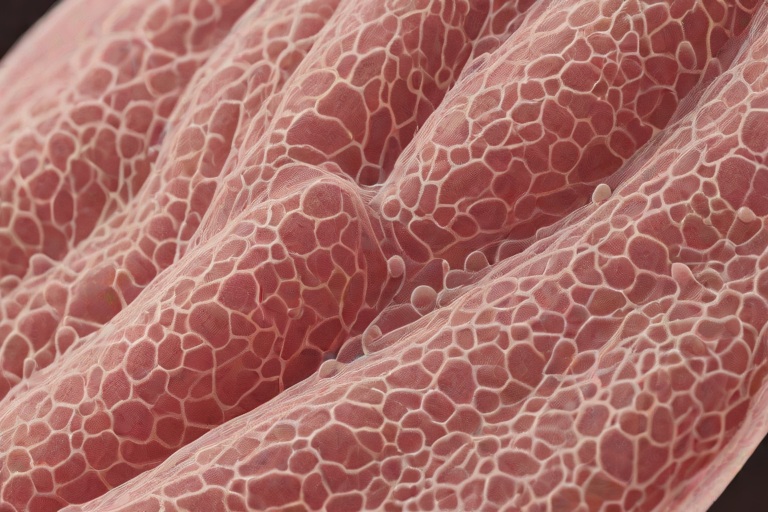
The efficacy of clinical antifungal onychomycosis solutions, when repurposed for surface disinfection within industrial commercial infrastructure, relies primarily on the synergistic interaction between keratolytic agents and amphiphilic surfactants. In the context of viral neutralization, the primary objective is the disruption of the lipid envelope—a phospholipid bilayer derived from the host cell membrane that protects the viral genome. These solutions typically employ a combination of urea, salicylic acid, and specialized alcohols that function as chemical wedges, altering the interfacial tension between the disinfectant solution and the viral surface.
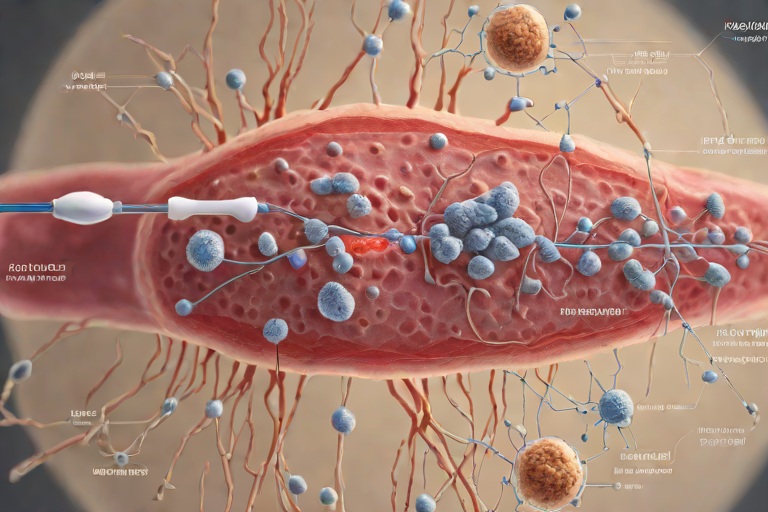
The mechanism of action begins with the adsorption of surfactant molecules onto the viral envelope. The hydrophobic tails of these molecules penetrate the lipid bilayer, creating localized instabilities in the membrane's structural integrity. This process is driven by the thermodynamic drive to reduce the Gibbs free energy of the system. As the surfactant concentration reaches the critical micelle concentration (CMC), the lipid bilayer undergoes a phase transition, leading to the solubilization of the envelope into mixed micelles. This effectively strips the virus of its protective layer, rendering it incapable of adhering to or penetrating host cells.
- Amphiphilic Interaction: The dual nature of the surfactant allows for simultaneous interaction with the aqueous solution and the hydrophobic lipid membrane.
- Keratolytic Synergy: Agents like salicylic acid reduce the surface tension of the solution, enhancing the penetration depth into microscopic surface fissures.
- Micellar Solubilization: The formation of micelles encapsulates lipid fragments, preventing the re-deposition of viral debris on the substrate.
- Concentration Gradients: The rate of dissolution is directly proportional to the concentration gradient between the bulk solution and the viral envelope interface.
Kinetics of Viral Envelope Dissolution and Contact Time
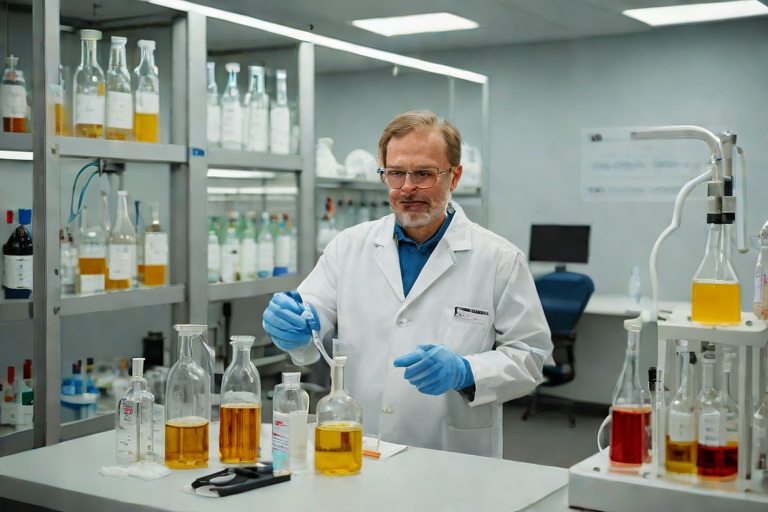
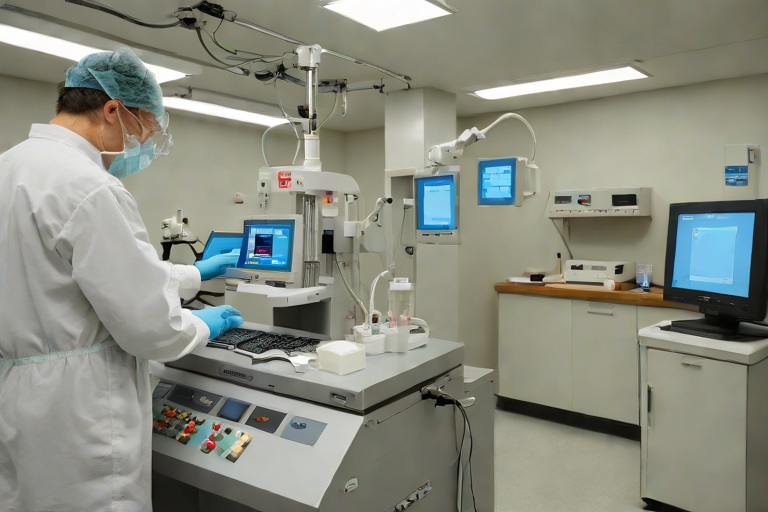
From a technical analysis standpoint, the kinetics of lipid envelope dissolution are governed by the rate of diffusion and the chemical reactivity of the active agents. The dissolution process is not instantaneous but follows a predictable decay curve. The initial phase involves the rapid adsorption of the disinfectant to the viral surface, followed by a slower, rate-limiting step involving the actual rupture of the phospholipid bilayer. In clinical-grade solutions, the kinetics are optimized to ensure a complete breach of the envelope within a specific dwell time, typically measured in seconds or minutes depending on the viral load and surface temperature.
The temperature of the building envelope surface plays a critical role in these kinetics. According to the Arrhenius equation, an increase in temperature generally accelerates the rate of chemical reaction. In industrial settings, surfaces maintained at higher ambient temperatures exhibit faster dissolution rates. However, excessive heat can also lead to the premature evaporation of the solvent, potentially leaving behind concentrated residues that may cause etching or staining on high-performance coatings. Therefore, maintaining a controlled thermal environment is essential for ensuring consistent disinfection efficacy across large-scale commercial infrastructures.
- Diffusion Rate: The speed at which the active molecules migrate through the boundary layer to reach the viral envelope.
- Dwell Time Requirements: The minimum duration the surface must remain wet to ensure a 99.99% reduction in viral viability.
- Thermal Influence: The correlation between surface temperature and the acceleration of lipid bilayer destabilization.
- Saturation Kinetics: The point at which all available binding sites on the viral envelope are occupied by surfactant molecules.
Substrate Interaction and Surface Energy Considerations
In the realm of building envelope sciences, the interaction between the disinfection solution and the substrate is as critical as the interaction with the pathogen. Industrial surfaces, such as 316L stainless steel, medical-grade epoxy, and high-density polyethylene (HDPE), possess varying levels of surface energy. A high-surface-energy substrate allows the antifungal solution to spread evenly, creating a thin, uniform film that maximizes contact with the viral particles. Conversely, low-surface-energy substrates may cause the solution to bead, leading to "shadowing" effects where certain areas remain untreated.
The porosity of the substrate further complicates the dissolution kinetics. In porous materials, such as certain types of concrete or aged sealants, the solution may be absorbed into the substrate via capillary action. While this can be beneficial for deep cleaning, it can also dilute the active concentration of the disinfectant at the surface interface. Engineering specifications for clinical environments therefore mandate the use of non-porous, seamless finishes to ensure that the lipid dissolution process occurs entirely at the surface plane, preventing the sequestration of the disinfectant within the building material itself.
- Surface Tension: The property that determines the wetting ability of the solution on various industrial coatings.
- Capillary Action: The movement of the disinfectant into micro-pores, which can affect the effective surface concentration.
- Contact Angle Analysis: The measurement used to determine the compatibility of the solution with the substrate's surface energy.
- Boundary Layer Dynamics: The thin layer of fluid at the surface interface that governs the mass transfer of the active agents.
Protocol Implementation and Material Degradation Analysis
The implementation of a rigorous disinfection protocol requires a balance between biocidal efficacy and the preservation of the structural integrity of the building envelope. While the lipid dissolution kinetics are highly effective against viral envelopes, the same chemical mechanisms can potentially degrade certain polymers and elastomers used in commercial infrastructure. For instance, the keratolytic agents found in onychomycosis solutions can act as solvents for certain types of acrylic sealants, leading to softening, swelling, or eventual delamination of the coating.
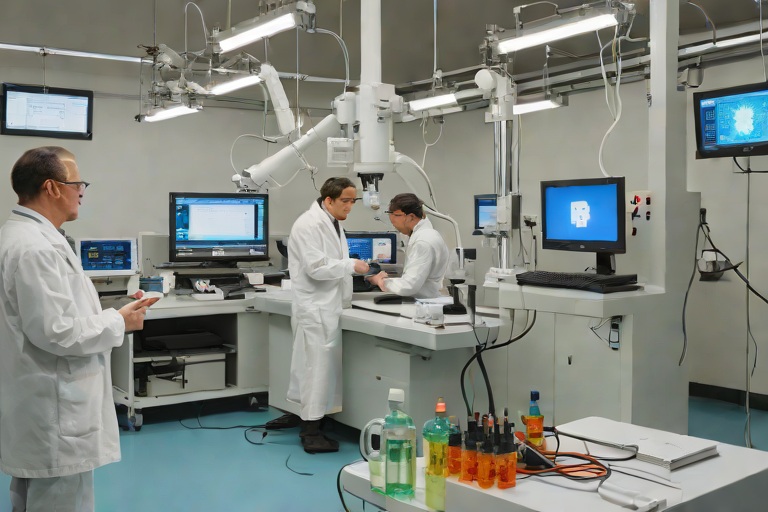
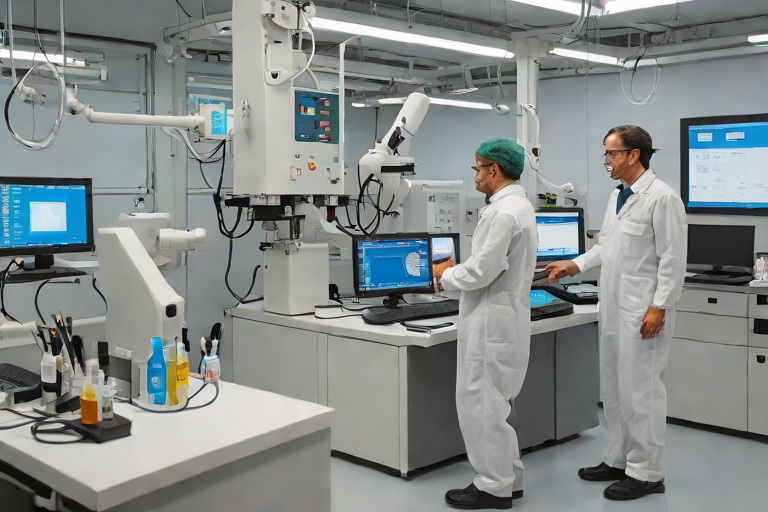
To mitigate these risks, a phased application protocol is recommended. This involves the use of a neutralized rinse following the required dwell time to remove residual surfactants and acids. Furthermore, the frequency of application must be calibrated based on the material's chemical resistance profile. Senior technical analysts must conduct periodic stress tests on the building envelope to identify signs of chemical etching or loss of gloss, which indicate that the disinfection protocol is compromising the substrate's protective barrier. By integrating material science with chemical kinetics, facilities can maintain a sterile environment without sacrificing the longevity of their physical assets.
- Neutralization Phase: The application of a pH-balancing agent to stop the chemical reaction after disinfection is complete.
- Elastomer Compatibility: The evaluation of how surfactants affect the elasticity and seal integrity of joint fillers.
- Etching Analysis: The use of microscopic inspection to detect surface pitting caused by prolonged acid exposure.
- Cycle Frequency Calibration: Determining the optimal balance between disinfection intervals and material wear-and-tear.
Aquashield Roofing Corporation
4006 Morris Ct.
Chesapeake, VA 23323
Direct Line: 757-553-5191
GPS Coordinates: 36.755164, -76.353932
Virginia Beach Roofing Company - Roofing Service Virginia Beach VA, Roofing Contractor
585 S Birdneck Rd #106
Virginia Beach, VA 23451
Direct Line: +17576318100
Google Maps Plus Code: RXCX+V7 Virginia Beach, Virginia
GPS Coordinates: 36.822156, -76.001565