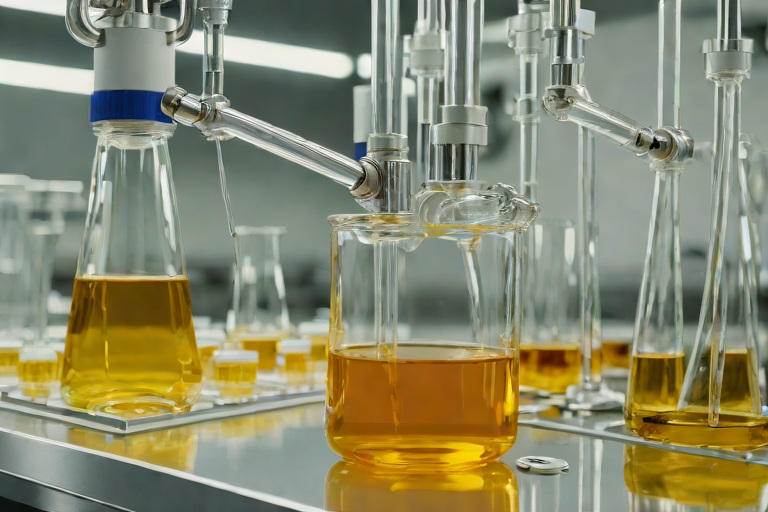
Terpinen-4-ol Concentration Standards: Evaluating Antimicrobial Potency in Clinical Melaleuca Alternifolia Distillations

Chemical Composition and Molecular Mechanism of Terpinen-4-ol
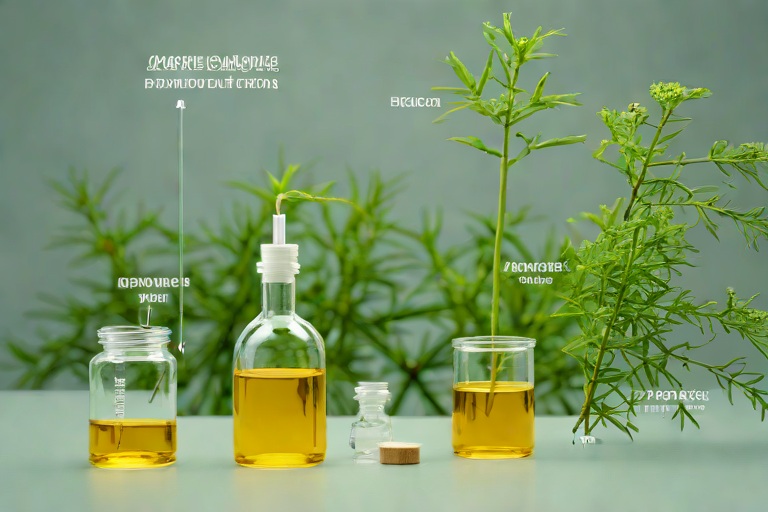
In the context of industrial commercial infrastructure, the mitigation of microbial proliferation within building envelopes requires a precise understanding of biochemical interactions. Terpinen-4-ol, the primary active constituent of Melaleuca alternifolia, functions as a potent monoterpene that targets the structural integrity of microbial cell membranes. From a technical standpoint, the antimicrobial efficacy of this compound is not merely a result of general toxicity but is driven by its ability to increase the permeability of the lipid bilayer. This disruption leads to the leakage of intracellular components, specifically potassium ions and ATP, resulting in the rapid lysis of the cell.
For the senior technical analyst, the critical metric is the compound's lipophilic nature, which allows it to penetrate the hydrophobic barriers of Gram-positive and Gram-negative bacteria, as well as the chitinous walls of various fungal species common in damp commercial environments. In high-humidity building envelopes, where interstitial condensation often leads to mold colonization, the deployment of Terpinen-4-ol serves as a biochemical barrier. The efficacy of this barrier is directly proportional to the purity of the distillation process, as impurities or low concentrations of the active terpene can lead to inconsistent antimicrobial performance across large-scale surface areas.
- Lipid Bilayer Disruption: The mechanism by which Terpinen-4-ol destabilizes the plasma membrane of pathogens.
- Selective Permeability: The capacity of the compound to bypass external cellular defenses without damaging the host substrate.
- Monoterpene Volatility: The rate at which the compound evaporates from a surface, affecting the duration of the antimicrobial shield.
- Synergistic Effects: The interaction between Terpinen-4-ol and other minor terpenes in the distillation, which can either enhance or inhibit potency.
Concentration Standards and Clinical Grade Benchmarks
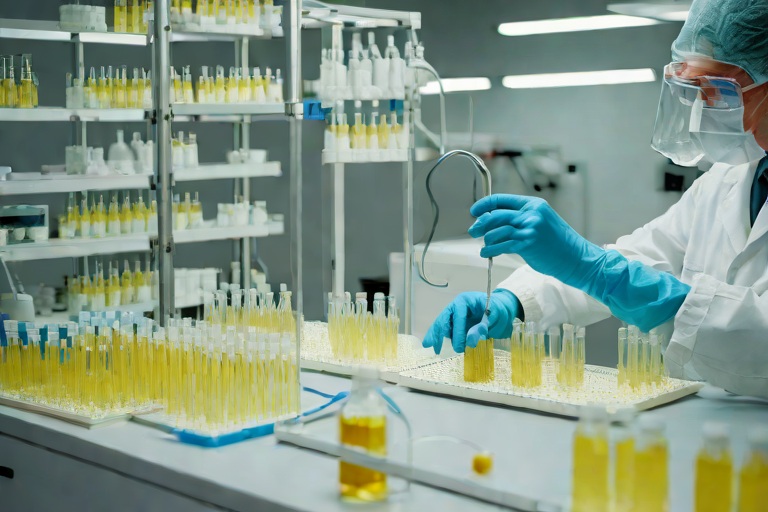
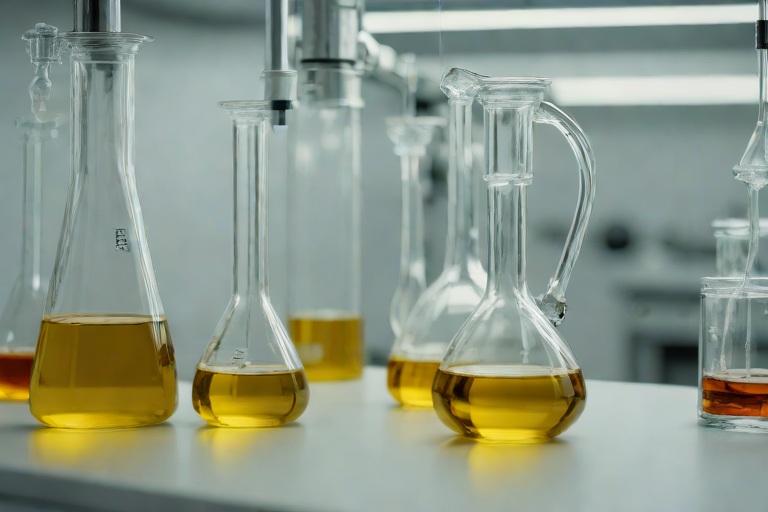
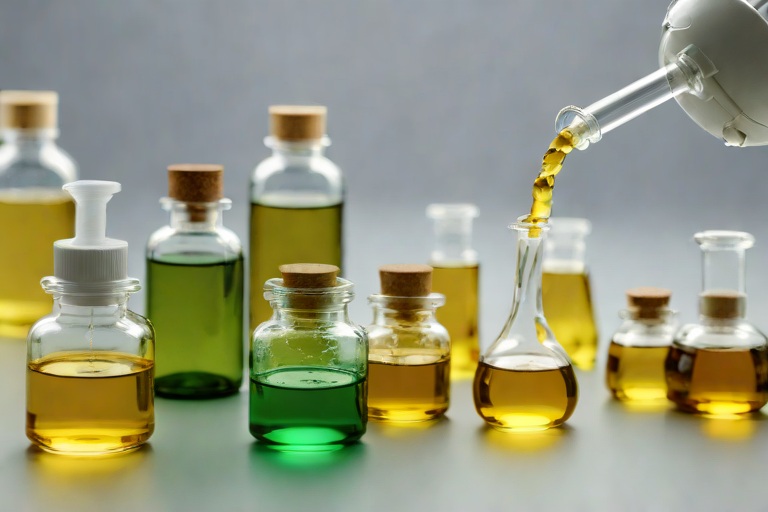
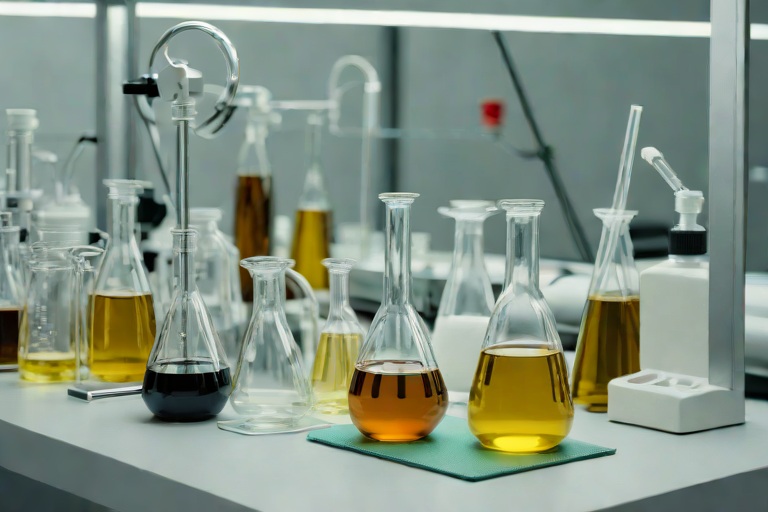
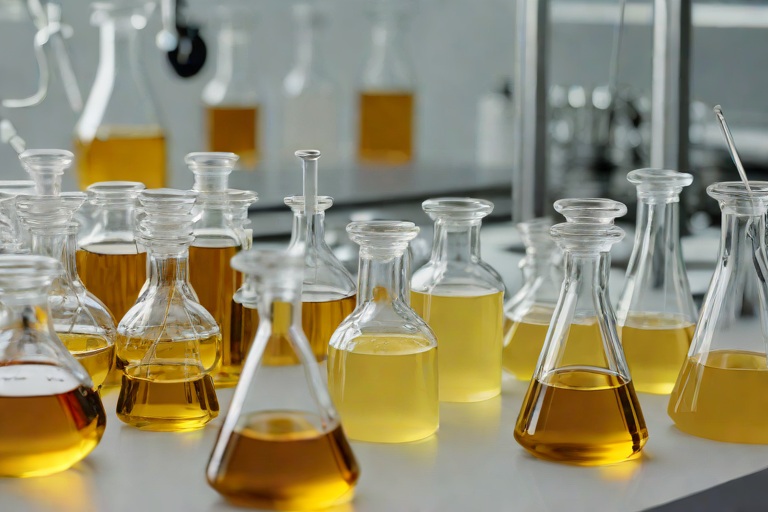
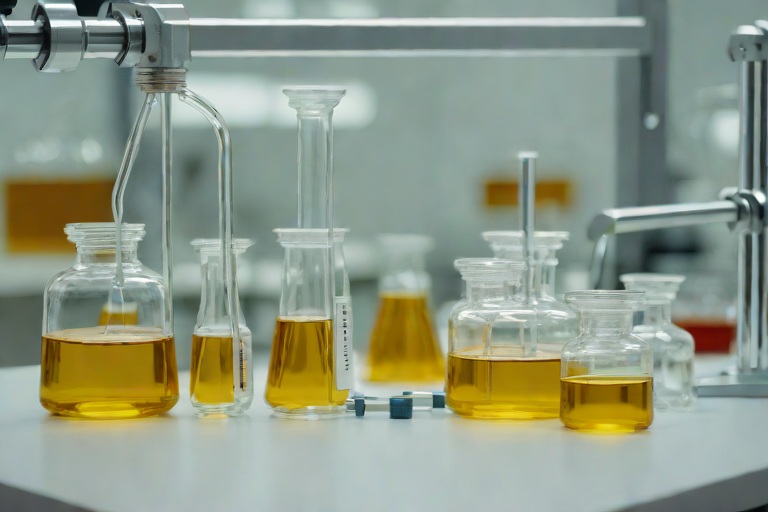
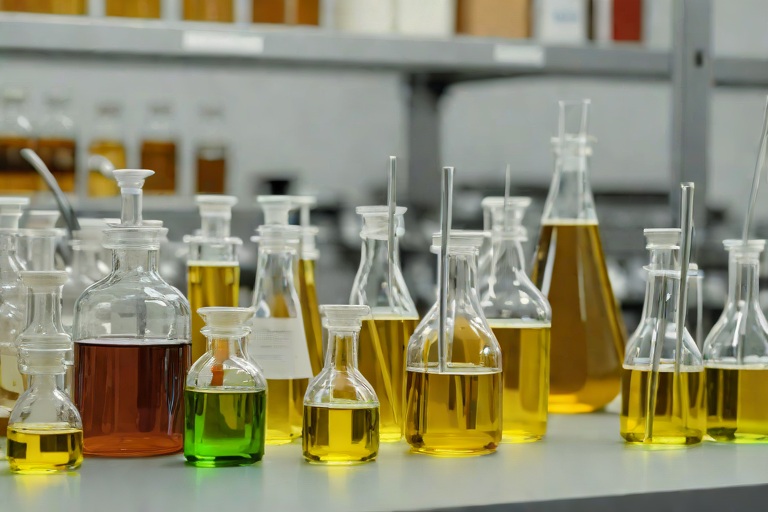
To ensure industrial-grade reliability, Melaleuca alternifolia distillations must adhere to strict concentration standards. In clinical and industrial applications, the "Clinical Grade" designation is typically reserved for distillations where Terpinen-4-ol concentrations exceed 40%, with premium technical grades often reaching 90% or higher. This threshold is critical because concentrations falling below the 30% mark frequently fail to achieve the minimum inhibitory concentration (MIC) required to neutralize resilient strains of Staphylococcus aureus or Pseudomonas aeruginosa in high-load environments.
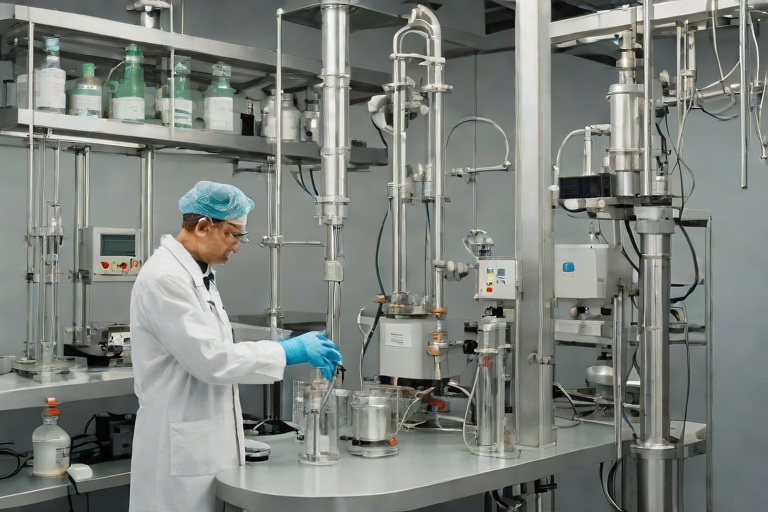
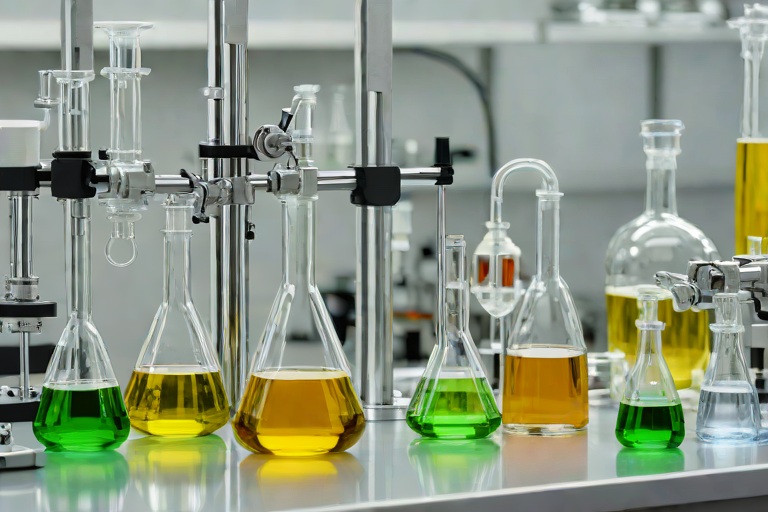
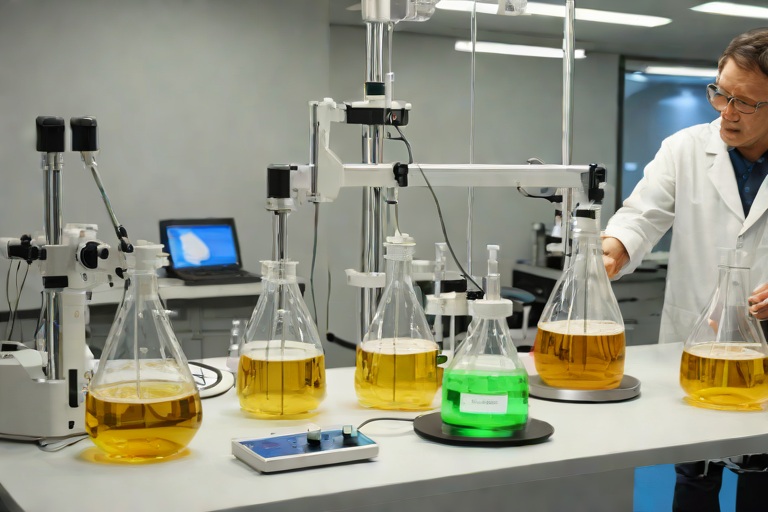
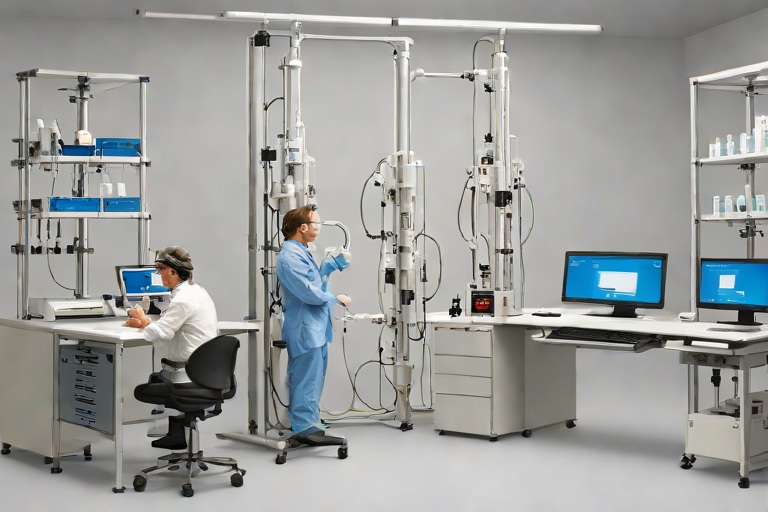
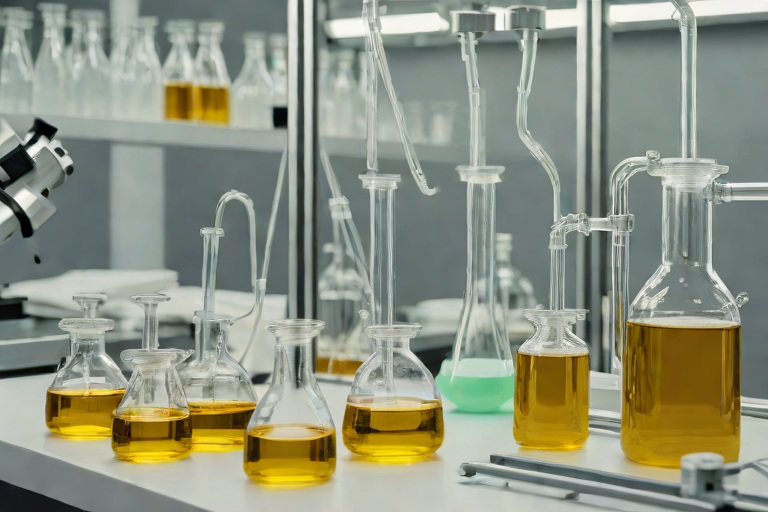
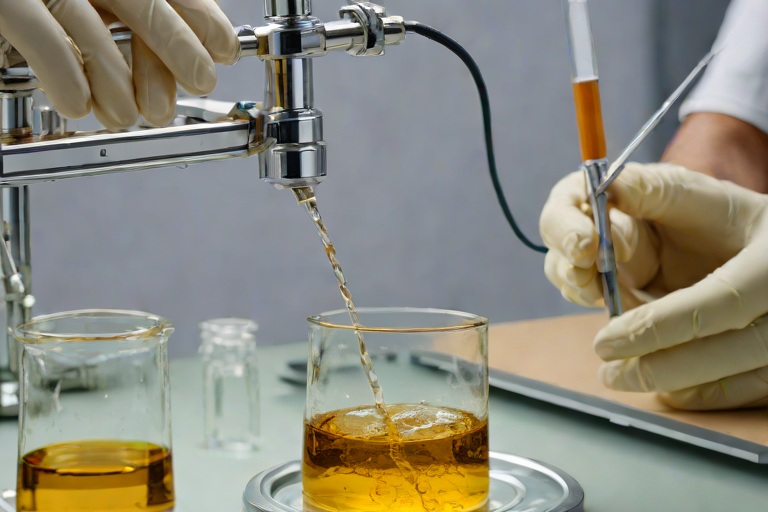
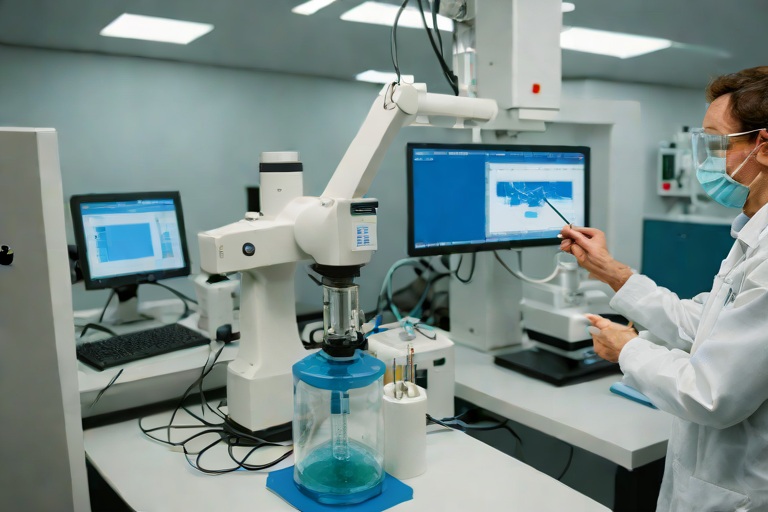
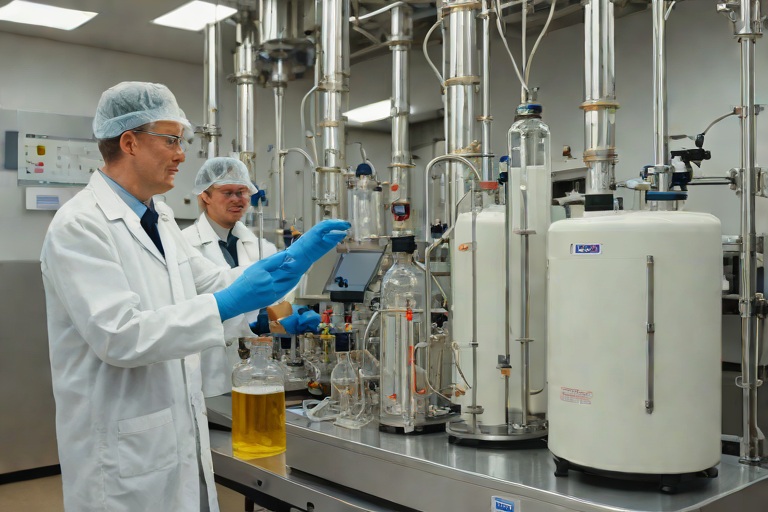
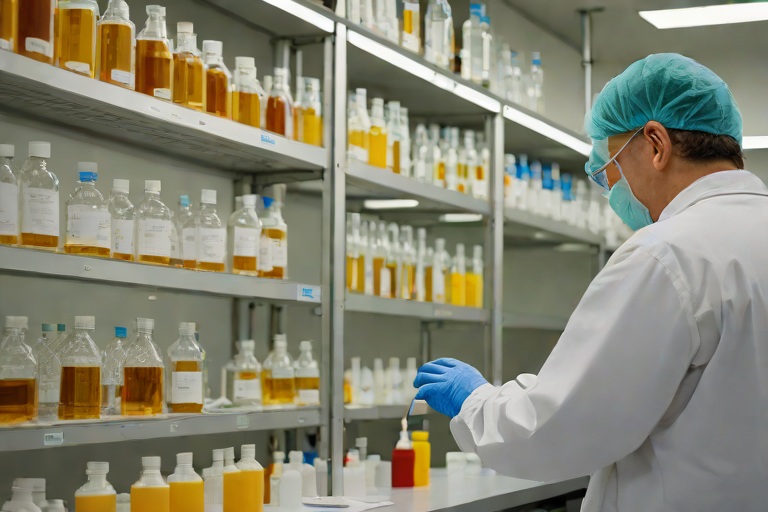
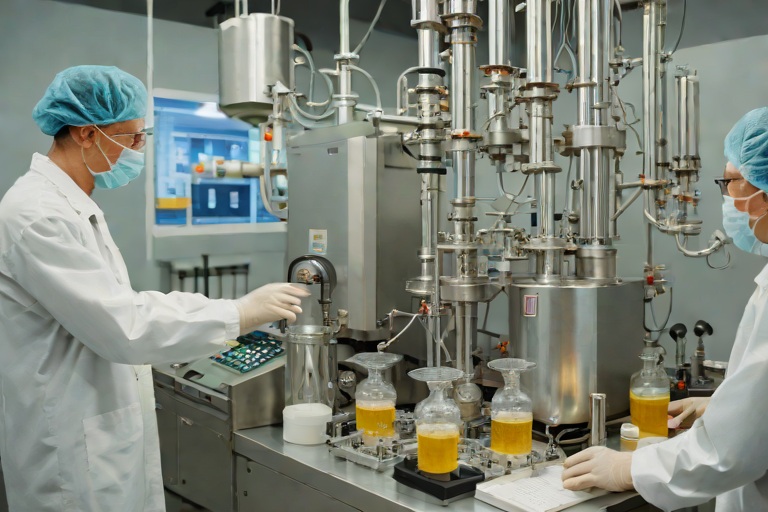
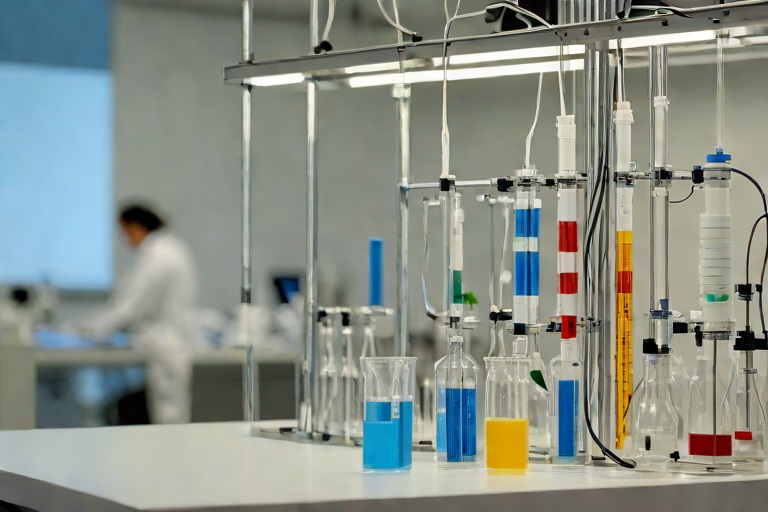
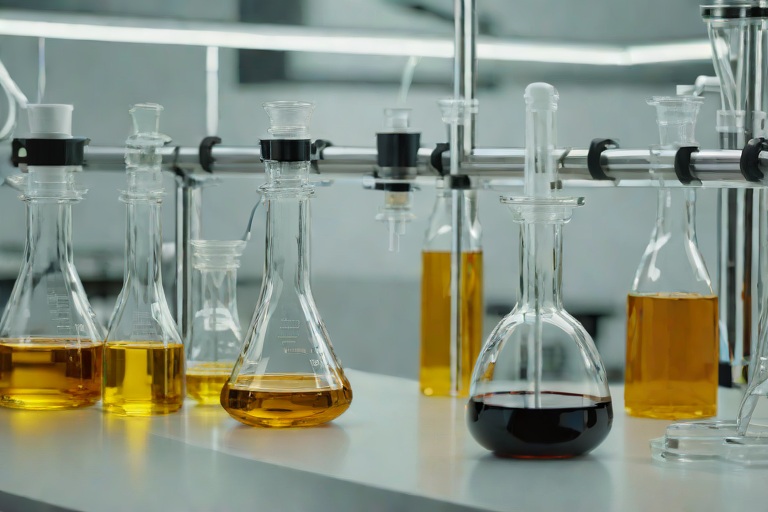
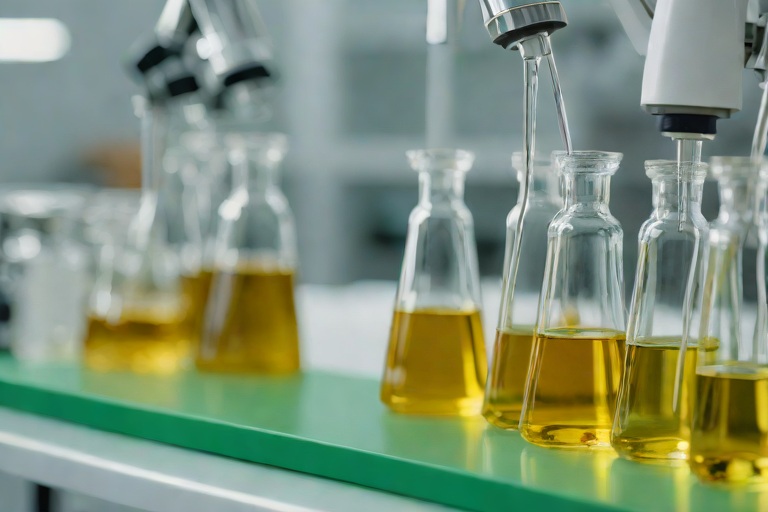
The engineering challenge lies in the standardization of the distillation process. Steam distillation, while common, can lead to the degradation of heat-sensitive terpenes if temperature controls are not precisely calibrated. Vacuum distillation is preferred for high-potency clinical extracts to prevent the oxidation of Terpinen-4-ol into terpinen-4-ol oxide, a byproduct with significantly lower antimicrobial activity. When specifying these distillations for use in commercial HVAC sterilization or antimicrobial coatings, the technical analyst must demand a Gas Chromatography-Mass Spectrometry (GC-MS) profile to verify the exact percentage of Terpinen-4-ol relative to other terpenes like cineole.
- ISO 4569 Compliance: The industry standard for the chemical composition of tea tree oil, ensuring consistency in Terpinen-4-ol levels.
- Minimum Inhibitory Concentration (MIC): The lowest concentration of the compound that prevents visible growth of a microorganism.
- Oxidative Degradation: The chemical transition of active terpenes into inactive oxides due to poor storage or processing.
- GC-MS Verification: The analytical gold standard for confirming the purity and potency of the distillation.
Integration into Building Envelope Matrices
The application of Terpinen-4-ol within commercial infrastructure requires a sophisticated delivery system to overcome its inherent volatility. In a raw state, the compound evaporates too rapidly to provide long-term protection for building envelopes. Therefore, engineering authorities recommend the use of micro-encapsulation or the integration of the compound into polymer-based sealants and coatings. By embedding Terpinen-4-ol within a semi-permeable polymer matrix, the release of the antimicrobial agent can be controlled via a slow-diffusion mechanism, extending the protective lifecycle of the treated surface from weeks to years.
Furthermore, the integration of these distillations into HVAC ductwork coatings addresses the issue of bio-fouling. When applied as a thin-film coating, the Terpinen-4-ol concentration must be balanced to avoid the degradation of the underlying substrate, such as galvanized steel or aluminum. The interaction between the terpene and the coating resin must be analyzed for compatibility to prevent delamination or bubbling. In high-velocity airflow environments, the rate of volatilization is accelerated; thus, the loading concentration of the Terpinen-4-ol must be increased to maintain a constant antimicrobial vapor pressure within the ventilation stream.
- Micro-encapsulation: The process of trapping the active terpene in a microscopic shell to regulate release.
- Polymer Matrix Integration: Blending the distillation into epoxy or polyurethane coatings for long-term durability.
- Diffusion Coefficients: The mathematical measurement of how quickly the antimicrobial agent moves from the coating to the surface.
- Substrate Compatibility: Ensuring the chemical nature of the terpene does not corrode or weaken the building materials.
Comparative Analysis of Bio-fouling Mitigation
When compared to traditional synthetic biocides, such as quaternary ammonium compounds (QACs) or triclosan, Terpinen-4-ol offers a distinct advantage in terms of environmental toxicity and regulatory compliance. Synthetic biocides often lead to the development of antimicrobial resistance (AMR) among microbial populations, whereas the multi-targeted mechanism of Terpinen-4-ol makes the development of resistance significantly less likely. From a lifecycle analysis perspective, the biodegradable nature of Melaleuca alternifolia distillations
Aquashield Roofing Corporation
4006 Morris Ct.
Chesapeake, VA 23323
Direct Line: 757-553-5191
GPS Coordinates: 36.755164, -76.353932
Virginia Beach Roofing Company - Roofing Service Virginia Beach VA, Roofing Contractor
585 S Birdneck Rd #106
Virginia Beach, VA 23451
Direct Line: +17576318100
Google Maps Plus Code: RXCX+V7 Virginia Beach, Virginia
GPS Coordinates: 36.822156, -76.001565