Clinical Botanical Reviews & Sustainable Property Care

A rigorous 22-part clinical compendium exploring Australian Melaleuca alternifolia, terpinen-4-ol chemical profiling, household mold eradication, and eco-friendly exterior property algae prevention.

Previous (Vol. 2) Volume 3 of 23 (40 Dossiers / Page) Next (Vol. 4)
Commercial Engineering Dossier #080

Bacterial Efflux Pump Modulation: Reversing Antibiotic Resistance Pathways in Clinical Antifungal Onychomycosis Solutions
Industrial Building Envelope Sciences • Commercial Low-Slope Systems
Bacterial Efflux Pump Modulation: Reversing Antibiotic Resistance Pathways in Clinical Antifungal Onychomycosis Solutions

Mechanics of Efflux Pump Architecture and Membrane Integrity

From a technical analysis standpoint, the cellular membrane of a pathogenic organism functions as a high-performance biological envelope, designed to maintain internal homeostasis against fluctuating external pressures. In the context of clinical onychomycosis and associated bacterial co-infections, the primary failure point in pharmacological intervention is the presence of efflux pumps. These are specialized transmembrane proteins that operate as active discharge systems, utilizing chemical energy—typically in the form of ATP or an electrochemical gradient—to expel toxic substances, including antifungal and antibacterial agents, from the intracellular environment back into the extracellular space.

The structural engineering of these pumps is characterized by a multi-component assembly that spans the lipid bilayer. The pump operates through a cycle of conformational changes, effectively acting as a molecular piston. When a drug molecule enters the cell via passive diffusion through the membrane envelope, the efflux pump recognizes the substrate and triggers a mechanical shift that pushes the molecule out before it can reach its target site. This process ensures that the internal concentration of the therapeutic agent remains below the minimum inhibitory concentration (MIC), rendering the treatment ineffective despite the presence of the drug in the surrounding medium.

  • Transmembrane Domain (TMD): The structural core that forms the pore through which the substrate is transported.
  • Nucleotide-Binding Domain (NBD): The energy-coupling site where ATP hydrolysis provides the mechanical force for efflux.
  • Substrate Binding Pocket: A high-affinity region that identifies and captures specific molecular structures for expulsion.
  • Lipid Bilayer Interface: The boundary layer that dictates the initial permeability and diffusion rate of the pharmacological agent.

Kinetics of Resistance Pathways and Systemic Failure

The development of antibiotic and antifungal resistance is not a random occurrence but a systemic response to chemical stress. When a pathogen is exposed to sub-lethal doses of a therapeutic agent, the biological system initiates a "stress-response" protocol, upregulating the expression of efflux pump genes. This upregulation increases the density of pumps within the membrane envelope, effectively increasing the "discharge capacity" of the cell. In industrial terms, this is analogous to increasing the pump rate of a drainage system to prevent a reservoir from filling, regardless of the input flow rate.

The failure of standard clinical solutions in treating onychomycosis often stems from this kinetic imbalance. The nail plate itself acts as a dense, keratinized physical barrier, significantly slowing the diffusion rate of the drug. By the time the agent penetrates the nail envelope and enters the fungal or bacterial cell, the efflux pumps are already operating at peak efficiency. This creates a state of dynamic equilibrium where the rate of drug entry is exactly matched or exceeded by the rate of efflux, resulting in a total failure of the therapeutic objective. The resistance pathway is thus a combination of physical barrier resistance (the nail) and active biological expulsion (the pump).

  • Upregulation Kinetics: The speed at which a cell can synthesize new pump proteins in response to chemical triggers.
  • Substrate Specificity: The ability of a pump to recognize a wide array of structurally diverse molecules, leading to multi-drug resistance.
  • Concentration Gradients: The delta between the external drug concentration and the internal cellular concentration.
  • ATP Consumption Rates: The metabolic cost to the cell to maintain the efflux system, which often leads to the evolution of more efficient pump variants.

Modulation Strategies for Reversing Resistance

To reverse these resistance pathways, the technical objective shifts from increasing the drug dose to modulating the efflux pump's operational parameters. Efflux Pump Inhibitors (EPIs) are designed to act as "system overrides." These molecules do not necessarily kill the pathogen themselves but instead bind to the pump's active site or disrupt the energy supply (ATP) required for the pump's mechanical cycle. By blocking the discharge mechanism, the EPI ensures that the primary antifungal or antibacterial agent remains trapped within the cell, allowing it to reach the required concentration to trigger cell death.

The modulation process requires a precise stoichiometric balance. If the inhibitor is too weak, the pump continues to operate; if it is too toxic, it may damage the host tissue. The most effective modulation strategies involve the use of competitive inhibitors that mimic the structure of the drug being expelled but bind with a higher affinity to the pump's binding pocket. This effectively "plugs" the pump, transforming the cell from a leaky vessel into a sealed chamber, thereby restoring the efficacy of the primary therapeutic agent. This approach represents a shift from brute-force chemical warfare to a precision-engineered mechanical blockade.

  • Competitive Inhibition: Blocking the substrate binding site to prevent the drug from being captured by the pump.
  • Non-Competitive Inhibition: Binding to an allosteric site to lock the pump in an inactive conformational state.
  • Energy Depletion: Targeting the NBD to starve the pump of the ATP required for transport.
  • Membrane Fluidity Alteration: Changing the lipid composition of the envelope to destabilize the pump's structural anchoring.

Clinical Integration in Onychomycosis Solutions

Applying these modulation theories to clinical onychomycosis requires a dual-stage delivery system. The first challenge is the penetration of the nail plate, which functions as a high-density polymer barrier. To overcome this, the solution must utilize chemical penetration enhancers (CPEs) that temporarily increase the porosity of the keratin matrix. Once the solution bypasses the nail envelope, the combination of the antifungal agent and the efflux pump modulator must be delivered in a synchronized manner. If the modulator arrives too late, the drug is expelled; if it arrives too early, the pump may be upregulated in response to the inhibitor itself.

The empirical data suggests that a synergistic approach—combining a potent antifungal with a targeted EPI—significantly reduces the recurrence rate of the infection. By neutralizing the active resistance mechanisms, the required dose of the antifungal can be lowered, reducing systemic toxicity and

Aquashield Roofing Corporation

4006 Morris Ct.
Chesapeake, VA 23323
Direct Line: 757-553-5191
GPS Coordinates: 36.755164, -76.353932

Virginia Beach Roofing Company - Roofing Service Virginia Beach VA, Roofing Contractor

585 S Birdneck Rd #106
Virginia Beach, VA 23451
Direct Line: +17576318100
Google Maps Plus Code: RXCX+V7 Virginia Beach, Virginia
GPS Coordinates: 36.822156, -76.001565

Commercial Engineering Dossier #081

Accelerated Stability Testing: Evaluating Viscosity Under 40°C Heat Stress in Clinical Epidermal Stratum Corneum Treatments

Industrial Building Envelope Sciences • Commercial Low-Slope Systems
Accelerated Stability Testing: Evaluating Viscosity Under 40°C Heat Stress in Clinical Epidermal Stratum Corneum Treatments

Rheological Frameworks and the Mechanics of Epidermal Penetration

In the engineering of clinical epidermal treatments, viscosity is not merely a physical attribute but a critical performance metric that dictates the delivery kinetics of active pharmaceutical ingredients (APIs) into the stratum corneum. The stratum corneum, acting as the primary hydrophobic barrier of the skin, requires a precisely calibrated vehicle to ensure that the treatment maintains a consistent residence time and optimal spreadability. From a technical standpoint, these treatments are typically formulated as non-Newtonian, pseudoplastic fluids. This means their viscosity decreases under shear stress—such as when the cream is rubbed onto the skin—allowing for a thin, uniform film that maximizes the surface area for absorption.

The stability of this rheological profile is dependent upon the structural integrity of the emulsion or gel matrix. In high-performance clinical treatments, the use of polymeric thickeners and emulsifiers creates a three-dimensional network that traps the internal phase. Any deviation in the viscosity of this network directly alters the diffusion coefficient of the API. If the viscosity is too high, the treatment may fail to spread, leading to localized overdosing and poor penetration. Conversely, a drop in viscosity can result in "run-off," reducing the contact time between the treatment and the epidermal layer, thereby compromising the therapeutic outcome.

  • Shear-thinning behavior: The essential capacity of the treatment to transition from a high-viscosity state at rest to a low-viscosity state during application.
  • Yield stress: The minimum force required to initiate flow, ensuring the product does not separate in the packaging.
  • Interfacial tension: The energy at the boundary between the oil and water phases, which must be stabilized to prevent coalescence.
  • Diffusion gradients: The concentration difference that drives the API from the vehicle into the lipid bilayers of the skin.

Thermal Stress Parameters and Kinetic Degradation at 40°C

Accelerated stability testing at 40°C is a standard industry benchmark used to simulate long-term storage conditions and predict the shelf-life of a formulation. In the context of building envelope sciences, thermal stress is analyzed via expansion coefficients; similarly, in chemical engineering for epidermal treatments, we analyze the kinetic energy increase within the molecular matrix. At 40°C, the increased thermal energy promotes the movement of polymer chains and the vibration of emulsifier molecules. This can lead to a phenomenon known as thermal thinning, where the intermolecular forces holding the network together are weakened, resulting in a measurable decrease in centipoise (cP).

The degradation mechanism under heat stress often involves the destabilization of the micellar structures. When the temperature rises, the solubility of the surfactants may change, shifting the hydrophilic-lipophilic balance (HLB). If the HLB shifts significantly, the emulsion may undergo phase separation or "creaming," where the oil droplets coalesce into larger globules. This structural collapse manifests as a sharp drop in viscosity. For clinical treatments targeting the stratum corneum, this is catastrophic, as the API may partition unevenly within the separated phases, leading to inconsistent dosing and a loss of clinical efficacy.

  • Arrhenius Equation Application: Utilizing the relationship between temperature and reaction rate to predict the degradation of the viscosity profile over a two-year period.
  • Polymer Chain Relaxation: The process by which heat allows polymer strands to slide past one another more easily, reducing the overall resistance to flow.
  • Coalescence Kinetics: The rate at which dispersed droplets merge, directly correlating to the loss of structural viscosity.
  • Thermal Expansion: The slight increase in volume of the liquid phase, which can introduce micro-bubbles that act as stress concentrators within the gel.

Analytical Methodology for Precision Viscosity Measurement

To evaluate stability under 40°C heat stress, a rigorous analytical protocol is required to eliminate stochastic variables. The primary instrument employed is the rotational viscometer, typically configured with a concentric cylinder or a cone-and-plate geometry. The sample must be equilibrated in a precision-controlled thermal chamber for a minimum of 24 hours to ensure a uniform temperature distribution throughout the bulk material. Measurement must be conducted at a constant shear rate to ensure that the data is comparable across different batches and time intervals.

The analysis focuses on the "viscosity drift," which is the percentage change in viscosity from the baseline (T=0) to the end of the stress period. A drift of more than 10% to 15% is generally considered a failure in clinical stability standards. Furthermore, the analyst must monitor the "thixotropic recovery" time—the speed at which the treatment returns to its original viscosity after the shear force is removed. A treatment that fails to recover its structure quickly after application may leak or migrate away from the target treatment area, undermining the precision of the clinical application.

  • Spindle Selection: Choosing the correct geometry to avoid "slip" at the wall, which can lead to underestimation of the actual viscosity.
  • Temperature Equilibrium: The use of water baths with a tolerance of ±0.1°C to prevent thermal gradients during the measurement process.
  • Shear Rate Standardization: Maintaining a constant RPM to isolate the effect of heat from the effect of mechanical stress.
  • Centipoise (cP) Calibration: Ensuring the device is calibrated against certified Newtonian fluids to maintain empirical accuracy.

Clinical Implications and Shelf-Life Prediction Models

The correlation between viscosity stability and clinical efficacy is absolute. If a treatment undergoes significant thinning at 40°C, the resulting change in the vehicle's rheology alters the partition coefficient of the API between the treatment and the skin. In a degraded, low-viscosity state, the API may be released too rapidly, leading to a "burst effect" where a high concentration of the drug hits the stratum corneum instantly, potentially causing irritation or systemic toxicity rather than a controlled, sustained release.

From a senior technical analyst's perspective, the data derived from 40°C stress tests are fed into a predictive stability

Aquashield Roofing Corporation

4006 Morris Ct.
Chesapeake, VA 23323
Direct Line: 757-553-5191
GPS Coordinates: 36.755164, -76.353932

Virginia Beach Roofing Company - Roofing Service Virginia Beach VA, Roofing Contractor

585 S Birdneck Rd #106
Virginia Beach, VA 23451
Direct Line: +17576318100
Google Maps Plus Code: RXCX+V7 Virginia Beach, Virginia
GPS Coordinates: 36.822156, -76.001565
Commercial Engineering Dossier #082

Superficial Cutaneous Wound Healing: Fibroblast Proliferation Assessment in Clinical Acne Vulgaris Sebum Reduction Formulations

Industrial Building Envelope Sciences • Commercial Low-Slope Systems
Superficial Cutaneous Wound Healing: Fibroblast Proliferation Assessment in Clinical Acne Vulgaris Sebum Reduction Formulations

The Cutaneous Interface: Sebum Dynamics and Barrier Integrity

In the technical analysis of the human integumentary system, the skin is viewed as a complex, multi-layered biological envelope designed to maintain homeostatic equilibrium while resisting external environmental stressors. The primary objective of sebum reduction formulations in the treatment of Acne Vulgaris is the modulation of the sebaceous gland's output to prevent the occlusion of the pilosebaceous unit. From a structural engineering perspective, sebum acts as a hydrophobic sealant that regulates the permeability of the skin's surface. However, an overproduction of lipids, coupled with hyperkeratosis, leads to a failure in the "drainage" system of the pore, resulting in inflammatory lesions that compromise the structural integrity of the epidermal layer.

When these formulations target sebum reduction, they fundamentally alter the lipid profile of the cutaneous envelope. This shift affects the surface tension and the hydration kinetics of the stratum corneum. A critical concern for the technical analyst is the balance between reducing pathological sebum levels and maintaining the essential lipid barrier required to prevent transepidermal water loss (TEWL). If the formulation is overly aggressive, the resulting desiccation of the tissue can lead to micro-fissures, which act as points of failure for the biological envelope, potentially introducing secondary pathogens and delaying the onset of the proliferative phase of wound healing.

  • Lipid Profile Modulation: The adjustment of squalene and wax ester concentrations to reduce viscosity.
  • Barrier Permeability: The measurement of the skin's resistance to external solutes during the treatment phase.
  • Occlusion Kinetics: The rate at which follicular debris accumulates relative to the sebum reduction rate.
  • Hydration Equilibrium: The maintenance of the aqueous-lipid balance to prevent epidermal fragility.

Fibroblast Proliferation and Extracellular Matrix Architecture

The transition from the inflammatory phase to the proliferative phase of cutaneous wound healing is governed by the activity of fibroblasts. These cells function as the primary "site engineers" of the dermal layer, responsible for the synthesis of the extracellular matrix (ECM). In the context of Acne Vulgaris, the wound is often a deep-seated inflammatory nodule that requires a precise sequence of fibroblast migration and proliferation to restore tissue continuity. The proliferation of fibroblasts is not merely a cellular increase but a coordinated construction project where collagen fibers are deposited to create a structural scaffold.

The efficacy of a sebum reduction formulation is measured not only by its ability to clear the pore but by its impact on the fibroblast's ability to remodel the dermis. If the formulation induces excessive inflammation or toxicity, the fibroblast response is stunted, leading to an inadequate deposition of Collagen Type III, which is later replaced by the more robust Collagen Type I. An analytical assessment of this process involves monitoring the density of the fibroblast population within the wound bed. A failure in proliferation leads to "structural voids" in the dermis, which clinically manifest as atrophic scarring—essentially a failure of the biological material to fill the volume of the lesion.

  • Collagen Synthesis: The conversion of amino acids into triple-helix structures to provide tensile strength.
  • ECM Remodeling: The enzymatic degradation of temporary fibrin clots and their replacement with permanent connective tissue.
  • Myofibroblast Differentiation: The transformation of fibroblasts into contractile cells to close the wound gap.
  • Growth Factor Signaling: The role of TGF-beta and PDGF in triggering the proliferative cascade.

Chemical Kinetics of Sebum Reduction and Wound Healing Interference

The pharmacological agents employed in sebum reduction, such as salicylic acid, retinoids, and zinc-based compounds, operate through specific chemical kinetics that can either accelerate or impede the healing process. Salicylic acid, a beta-hydroxy acid, functions as a keratolytic agent that dissolves the intercellular "glue" of the stratum corneum. While this prevents the occlusion of the pore, it also alters the pH of the cutaneous environment. From a technical standpoint, the pH shift can influence the activity of matrix metalloproteinases (MMPs), which are enzymes responsible for breaking down damaged ECM components. If MMP activity is not properly regulated, the degradation of the tissue may outpace the proliferative capacity of the fibroblasts.

Retinoids, conversely, modulate gene expression to increase cell turnover and reduce sebum production. The analytical challenge with retinoids is the "retinoid dermatitis" phase, where the initial disruption of the epidermal barrier creates a state of chronic low-grade inflammation. This inflammation can trigger a premature fibrotic response, where fibroblasts produce collagen in a disorganized, haphazard fashion rather than

Aquashield Roofing Corporation

4006 Morris Ct.
Chesapeake, VA 23323
Direct Line: 757-553-5191
GPS Coordinates: 36.755164, -76.353932

Virginia Beach Roofing Company - Roofing Service Virginia Beach VA, Roofing Contractor

585 S Birdneck Rd #106
Virginia Beach, VA 23451
Direct Line: +17576318100
Google Maps Plus Code: RXCX+V7 Virginia Beach, Virginia
GPS Coordinates: 36.822156, -76.001565
Commercial Engineering Dossier #083

Seborrheic Dermatitis Malassezia Suppression: Zinc Pyrithione Comparisons in Clinical Hospital-Grade Surface Sanitizers

Industrial Building Envelope Sciences • Commercial Low-Slope Systems
Seborrheic Dermatitis Malassezia Suppression: Zinc Pyrithione Comparisons in Clinical Hospital-Grade Surface Sanitizers

Chemical Kinetics and Surface Adhesion of Zinc Pyrithione in Clinical Environments

From a technical infrastructure perspective, the efficacy of a surface sanitizer is governed by its ability to maintain a stable, active boundary layer upon the substrate. Zinc Pyrithione (ZPT), a coordination complex of zinc and pyrithione, exhibits a unique molecular geometry that allows it to adhere to non-porous clinical surfaces, such as medical-grade stainless steel (Grade 316L) and high-density epoxy resins. The mechanism of action relies on the coordination of the zinc ion, which facilitates the penetration of the fungal cell membrane, specifically targeting the lipid-dependent Malassezia species common in clinical environments.

The chemical stability of ZPT is paramount when integrated into hospital-grade sanitizers. Unlike volatile organic compounds, ZPT provides a residual film that resists rapid evaporation. This persistence is critical for maintaining a suppressed microbial load between scheduled cleaning cycles. The interaction between the ZPT molecule and the surface energy of the building envelope's interior finishes determines the uniformity of the application. A low contact angle, achieved through the inclusion of specific surfactants, ensures that the ZPT solution wets the surface completely, eliminating microscopic voids where Malassezia colonies could otherwise establish a biofilm.

  • Coordination Complex Stability: The ZPT molecule maintains a high degree of stability across a wide pH range, ensuring that the active zinc ion remains available for microbial interaction.
  • Surface Energy Interaction: The ability of the sanitizer to lower the interfacial tension of the substrate prevents the "beading" effect, ensuring a continuous antimicrobial shield.
  • Lipophilic Penetration: ZPT's chemical structure allows it to partition effectively into the lipid-rich cell walls of Malassezia, disrupting mitochondrial function and ion transport.

Comparative Analysis of Malassezia Suppression Mechanisms

When comparing Zinc Pyrithione to traditional hospital-grade sanitizers, such as Quaternary Ammonium Compounds (QACs) or high-concentration alcohol solutions, the distinction lies in the specificity of the suppression. Alcohol-based sanitizers operate via rapid protein denaturation and lipid bilayer dissolution; however, they offer zero residual protection and evaporate almost instantaneously. In contrast, ZPT functions as a sustained-release agent, providing a prolonged inhibitory effect on the growth of Malassezia furfur and related species.

QACs are highly effective for broad-spectrum bacterial reduction, but their efficacy against lipophilic fungi is often inferior to that of ZPT. The technical failure of many general-purpose sanitizers in clinical settings is their inability to penetrate the hydrophobic layer of the Malassezia yeast. ZPT overcomes this by altering the membrane permeability of the fungus, leading to a leakage of intracellular potassium and a subsequent collapse of the electrochemical gradient. This cause-and-effect chain results in a definitive cessation of cellular replication, rather than a mere temporary suppression of activity.

  • Volatility Profiles: Alcohol solutions exhibit high volatility, whereas ZPT-based formulations provide long-term surface persistence.
  • Spectrum Specificity: While QACs target a wide array of bacteria, ZPT provides targeted suppression of the Malassezia genus, reducing the risk of opportunistic fungal colonization.
  • Membrane Disruption: ZPT induces a specific failure in the mitochondrial electron transport chain of the fungus, a mechanism more precise than the general lysis caused by alcohols.

Integration into Building Envelope and HVAC Environmental Controls

The application of ZPT-based sanitizers must be analyzed as part of the broader building envelope science. In clinical facilities, the interior skin—comprising antimicrobial paints, non-porous cladding, and seamless flooring—acts as the primary defense against environmental contaminants. The integration of ZPT into the surface maintenance protocol prevents the accumulation of fungal spores within the micro-textures of these materials. When the surface roughness (Ra) of a clinical wall is high, it creates niches for biofilm development; ZPT's ability to form a cohesive film fills these microscopic valleys, effectively smoothing the surface at a molecular level.

Furthermore, the interaction between surface sanitizers and the HVAC (Heating, Ventilation, and Air Conditioning) systems is critical. Malassezia spores are lightweight and can be redistributed via airflow. By treating high-touch surfaces and air-return vents with ZPT-enhanced solutions, facility engineers can create a "chemical sink" that reduces the overall bio-burden of the room. This systemic approach ensures that the building envelope does not become a reservoir for fungal proliferation, thereby protecting patients with compromised immune systems from environmental exposure.

  • Surface Roughness Mitigation: ZPT films reduce the effective surface area available for fungal attachment by filling interstitial gaps in the substrate.
  • Biofilm Prevention: The sustained presence of zinc ions inhibits

Aquashield Roofing Corporation

4006 Morris Ct.
Chesapeake, VA 23323
Direct Line: 757-553-5191
GPS Coordinates: 36.755164, -76.353932

Virginia Beach Roofing Company - Roofing Service Virginia Beach VA, Roofing Contractor

585 S Birdneck Rd #106
Virginia Beach, VA 23451
Direct Line: +17576318100
Google Maps Plus Code: RXCX+V7 Virginia Beach, Virginia
GPS Coordinates: 36.822156, -76.001565

Commercial Engineering Dossier #084

Heavy Metal Contamination Screening: Inductively Coupled Plasma Mass Spectrometry in Clinical Liposomal Nanocarrier Delivery Systems

Industrial Building Envelope Sciences • Commercial Low-Slope Systems
Heavy Metal Contamination Screening: Inductively Coupled Plasma Mass Spectrometry in Clinical Liposomal Nanocarrier Delivery Systems

Principles of Inductively Coupled Plasma Mass Spectrometry in Nanocarrier Analysis

The integration of Inductively Coupled Plasma Mass Spectrometry (ICP-MS) into the quality control pipeline for clinical liposomal nanocarriers represents the gold standard for elemental impurity screening. At its core, ICP-MS leverages a high-temperature argon plasma, typically operating between 6,000K and 10,000K, to achieve complete atomization and ionization of the sample matrix. In the context of liposomal delivery systems, where the carrier is composed of phospholipid bilayers and often contains encapsulated therapeutic agents, the primary technical challenge is the efficient conversion of these organic structures into a gaseous ion stream without losing volatile metallic species.

The analytical process begins with the introduction of the liquid sample via a nebulizer, which converts the bulk fluid into a fine aerosol. This aerosol is then transported into the plasma torch, where the high energy density strips electrons from the metallic contaminants, creating singly charged positive ions. These ions are subsequently extracted from the plasma into a high-vacuum mass spectrometer, where they are separated based on their mass-to-charge ratio (m/z). This capability allows for the simultaneous detection of nearly all elements in the periodic table with exceptional sensitivity, often reaching parts-per-trillion (ppt) detection limits.

  • Argon Plasma Generation: The use of a radio-frequency (RF) generator to create a stable, high-temperature plasma for total sample dissociation.
  • Ion Extraction Interface: The utilization of sampler and skimmer cones to transition ions from atmospheric pressure to a vacuum.
  • Quadrupole Mass Filtering: The precise selection of specific m/z ratios to isolate target heavy metals from the background matrix.
  • Collision-Reaction Cell (CRC): The application of helium or hydrogen gases to eliminate polyatomic interferences that could lead to false-positive readings.

Vectors of Heavy Metal Contamination in Liposomal Synthesis

Contamination in clinical nanocarriers is rarely a result of a single failure but rather a cumulative effect of systemic vulnerabilities across the manufacturing chain. The precursors used in liposome formulation, such as synthetic phospholipids and cholesterol, may contain trace amounts of catalyst residues from their own industrial synthesis. Furthermore, the solvents employed during the thin-film hydration method, including chloroform and methanol, must be of ultra-high purity to prevent the introduction of exogenous lead, cadmium, or arsenic.

A critical engineering concern is the interaction between the formulation chemistry and the infrastructure of the production facility. Stainless steel reactors, while industry standard, are susceptible to leaching. The corrosive nature of certain buffers or the high-shear forces applied during homogenization can cause the release of chromium, nickel, and iron from the vessel walls into the liposomal suspension. This phenomenon, known as leaching and extractables, can significantly alter the surface charge of the nanocarrier, potentially leading to premature clearance by the mononuclear phagocyte system (MPS) upon clinical administration.

  • Precursor Impurities: Trace metal residues remaining from the organometallic catalysts used in phospholipid synthesis.
  • Equipment Leaching: Ion migration from 316L stainless steel or lower-grade alloys during high-pressure homogenization.
  • Reagent Grade Variance: The use of non-trace-metal grade acids or bases during pH adjustment of the aqueous phase.
  • Environmental Cross-Contamination: Airborne particulates in non-ISO certified cleanrooms settling into open mixing vessels.

Analytical Methodology for High-Precision Screening

To achieve the precision required for clinical validation, the sample preparation phase must be rigorous to ensure that the organic liposomal matrix does not interfere with the plasma stability. The most effective approach is microwave-assisted acid digestion. By treating the liposomal sample with concentrated nitric acid (HNO3) and hydrogen peroxide (H2O2) in a closed-vessel system, the organic lipids are completely oxidized, leaving a clear, aqueous solution of inorganic ions. This prevents the carbon-loading of the plasma torch, which would otherwise cause signal drift and carbon-based spectral interferences.

The calibration strategy employs internal standardization to correct for matrix effects and instrumental drift. Elements such as rhodium (Rh) or indium (In), which are not expected to be present in the clinical formulation, are added to both the standards and the samples. By monitoring the ratio of the analyte signal to the internal standard signal, the analyst can ensure that fluctuations in nebulization efficiency or plasma temperature do not skew the final concentration data. This empirical rigor is essential when quantifying toxic metals like mercury (Hg) or thallium (Tl), where the margin for error is clinically negligible.

  • Microwave Digestion: Complete mineralization of the lipid bilayer to eliminate organic carbon interference.
  • Internal Standardization: Use of non-interfering elements to normalize signal fluctuations across multiple samples.
  • Standard Addition Method: The process of spiking samples with known concentrations to account for complex matrix-induced signal suppression.
  • Limit of Quantitation (LOQ) Validation: Establishing the lowest concentration that can be reliably measured with a defined level of precision.

Regulatory Compliance and Biocompatibility Implications

From a regulatory standpoint, the screening of heavy metals in nanocarriers is governed by the International Council for Harmonisation (ICH) Q3D guidelines on elemental impurities. These guidelines categorize metals based on their toxicity and route of administration, establishing Permitted Daily Exposure (PDE) limits. For clinical liposomal systems, the presence of Class 1 impurities (such as Pb, Cd, Hg, and As) is strictly prohibited above the specified thresholds due to their potent systemic toxicity and tendency to bioaccumulate in the kidneys and liver.

The engineering impact of these impurities extends beyond simple toxicity.

Aquashield Roofing Corporation

4006 Morris Ct.
Chesapeake, VA 23323
Direct Line: 757-553-5191
GPS Coordinates: 36.755164, -76.353932

Virginia Beach Roofing Company - Roofing Service Virginia Beach VA, Roofing Contractor

585 S Birdneck Rd #106
Virginia Beach, VA 23451
Direct Line: +17576318100
Google Maps Plus Code: RXCX+V7 Virginia Beach, Virginia
GPS Coordinates: 36.822156, -76.001565

Commercial Engineering Dossier #085

Standardized ISO 4730 Compliance: Ensuring Mandatory Terpene Ratios in Clinical Veterinary Dermatitis Washes

Industrial Building Envelope Sciences • Commercial Low-Slope Systems
Standardized ISO 4730 Compliance: Ensuring Mandatory Terpene Ratios in Clinical Veterinary Dermatitis Washes

Molecular Scaffolding and the Stoichiometry of Terpene Stability

In the precision engineering of clinical veterinary dermatology, the formulation of therapeutic washes is not merely a matter of mixing active ingredients but is an exercise in molecular infrastructure. The adherence to ISO 4730 compliance necessitates a rigorous approach to the stoichiometric balance of terpenes, which serve as the primary volatile organic compounds (VOCs) responsible for both antimicrobial efficacy and skin barrier penetration. From a technical standpoint, terpenes such as alpha-pinene, limonene, and beta-caryophyllene must be maintained within a narrow ratio variance to prevent chemical instability and ensure a predictable therapeutic outcome.

The volatility of these compounds presents a significant engineering challenge. Terpenes are prone to rapid oxidation when exposed to atmospheric oxygen and UV radiation, leading to the formation of hydroperoxides. These oxidation products are known sensitizers that can trigger adverse inflammatory responses in canine and feline epidermal layers. Therefore, the "infrastructure" of the wash must include a robust antioxidant stabilization system that prevents the degradation of the mandatory terpene ratios. When the ratio shifts beyond the ISO 4730 thresholds, the solution's surface tension changes, directly impacting the wetting ability of the wash on the animal's coat.

  • Oxidative stability coefficients: Ensuring the rate of terpene degradation remains below 0.05% per month.
  • Molecular weight distribution: Maintaining a precise balance between monoterpenes and sesquiterpenes to optimize dermal absorption.
  • Synergistic interaction: Utilizing terpene ratios that enhance the permeability of the skin without compromising the structural integrity of the stratum corneum.
  • Volatility control: Implementing vacuum-sealed blending processes to prevent the preferential evaporation of lighter terpene fractions.

Kinetic Analysis of Dermal Absorption and Envelope Permeability

Viewing the veterinary skin barrier as a biological building envelope allows for a more precise analysis of how terpene ratios influence clinical outcomes. The skin serves as a semi-permeable membrane with a specific diffusion coefficient. In cases of clinical dermatitis, this envelope is often compromised, exhibiting increased transepidermal water loss (TEWL) and heightened sensitivity to chemical irritants. ISO 4730 compliance ensures that the terpene ratios are calibrated to provide a controlled delivery of active agents without inducing a "burn" or chemical shock to the damaged tissue.

The kinetics of absorption are governed by the partition coefficient of the terpenes relative to the lipid bilayer of the skin. If the ratio of small-molecule monoterpenes is too high, the penetration is too rapid and deep, potentially leading to systemic absorption or localized toxicity. Conversely, a ratio skewed toward heavier sesquiterpenes may result in insufficient penetration, leaving the therapeutic agents stranded on the surface of the hair follicle. The engineering goal is to achieve a steady-state flux where the terpene ratio facilitates a gradual, sustained release of the antimicrobial payload into the deeper epidermal layers.

  • Diffusion gradients: Calculating the movement of terpenes from a high-concentration wash to a low-concentration dermal environment.
  • Lipid bilayer interaction: Analyzing how specific terpene ratios modify the fluidity of the skin's lipid barrier.
  • Inflammatory response triggers: Identifying the exact ratio thresholds that transition a wash from a therapeutic agent to a primary irritant.
  • Surface energy optimization: Adjusting the terpene-to-surfactant ratio to ensure maximum contact area across irregular skin topologies.

Industrial Manufacturing Controls and Batch Consistency Infrastructure

The transition from laboratory-scale synthesis to industrial-scale production introduces variables that can jeopardize ISO 4730 compliance. To maintain mandatory terpene ratios, the commercial infrastructure must employ high-precision dosing systems and advanced thermal regulation. The mixing process is particularly critical; high-shear emulsification is required to ensure that the hydrophobic terpenes are uniformly distributed within the aqueous phase of the wash. Any failure in the homogenization process results in "hot spots" of concentrated terpenes, which can cause localized chemical burns upon application.

Furthermore, the materials of construction for the mixing vessels must be carefully selected to avoid catalytic degradation. The use of 316L grade stainless steel is mandatory to prevent trace metal contamination, which could catalyze the polymerization of terpenes. Thermal management is equally vital; the heat generated during high-shear mixing must be dissipated through jacketed cooling systems to keep the batch temperature below the volatility threshold of the most sensitive terpene fractions. Failure to maintain this thermal equilibrium results in a shift in the ratio, rendering the batch non-compliant with ISO standards.

  • High-shear homogenization: Utilizing rotor-stator mixers to achieve a droplet size of less than 5 microns for

Aquashield Roofing Corporation

4006 Morris Ct.
Chesapeake, VA 23323
Direct Line: 757-553-5191
GPS Coordinates: 36.755164, -76.353932

Virginia Beach Roofing Company - Roofing Service Virginia Beach VA, Roofing Contractor

585 S Birdneck Rd #106
Virginia Beach, VA 23451
Direct Line: +17576318100
Google Maps Plus Code: RXCX+V7 Virginia Beach, Virginia
GPS Coordinates: 36.822156, -76.001565
Commercial Engineering Dossier #086

Veterinary Otitis Externa Protocols: Low-Concentration Formulation Safety in Clinical Natural Preservative Efficacy Formulations

Industrial Building Envelope Sciences • Commercial Low-Slope Systems
Veterinary Otitis Externa Protocols: Low-Concentration Formulation Safety in Clinical Natural Preservative Efficacy Formulations

Structural Analysis of the Biological Envelope in Otitis Externa

In the context of veterinary medicine, the external auditory canal must be analyzed as a specialized biological envelope. Much like a high-performance building envelope designed to regulate moisture and thermal transfer, the epithelial lining of the canine and feline ear canal serves as the primary barrier against environmental contaminants and opportunistic pathogens. When this envelope is compromised—a state clinically defined as Otitis Externa—the structural integrity of the mucosal barrier is degraded, leading to increased permeability and inflammatory exudate.

The engineering challenge in treating this condition lies in the delivery of therapeutic agents without further compromising the biological substrate. High-concentration formulations often act as caustic agents, inducing chemical trauma that mimics the structural failure of a degraded sealant. This leads to a cycle of chronic inflammation where the tissue becomes hyperplastic, further narrowing the canal and trapping debris. By shifting toward low-concentration formulations, the clinical objective is to restore the envelope's homeostasis while maintaining a sterile environment for healing.

  • Reduction of epithelial sloughing through controlled osmotic pressure.
  • Prevention of secondary chemical burns associated with high-potency solvents.
  • Maintenance of the natural lipid barrier to prevent excessive transepidermal water loss.
  • Optimization of the canal's fluid dynamics to ensure complete coverage of the affected area.

Kinetics of Natural Preservative Efficacy in Low-Concentration Formulations

The transition to low-concentration active ingredients necessitates a sophisticated approach to preservative systems. In industrial chemistry, a preservative's efficacy is measured by its ability to inhibit microbial growth without altering the physical properties of the carrier medium. In veterinary otic formulations, natural preservatives must be engineered to provide broad-spectrum antimicrobial stability while remaining inert relative to the sensitive tissues of the inner ear. The use of botanical extracts and naturally derived antioxidants serves as a stabilizing matrix that prevents the oxidation of active pharmaceutical ingredients (APIs).

From a technical standpoint, the efficacy of these natural preservatives is governed by their partition coefficient and their ability to penetrate the biofilm created by pathogens such as Staphylococcus pseudointermedius or Malassezia pachydermatis. Unlike synthetic preservatives, which may trigger an immune response or contact dermatitis, natural preservatives often exhibit a synergistic effect, enhancing the penetration of the low-concentration active agents through the lipid layers of the ear canal. This ensures that the therapeutic payload reaches the deep dermis without requiring a high-concentration "shock" dose that could damage the tympanic membrane.

  • Utilization of tocopherols to prevent the oxidative degradation of lipid-based carriers.
  • Integration of essential oil derivatives to disrupt microbial cell membranes via lipophilic interaction.
  • Stabilization of pH levels to maintain a slightly acidic environment, inhibiting fungal proliferation.
  • Implementation of chelation agents to prevent heavy metal contamination from degrading the formula.

Safety Parameters and Tissue Integrity Thresholds

The safety profile of any clinical formulation is determined by its therapeutic index—the ratio between the toxic dose and the effective dose. In the treatment of Otitis Externa, the "critical failure point" is the threshold at which a formulation induces ototoxicity or severe irritation. Low-concentration formulations are designed to operate well below this threshold, focusing on a sustained-release mechanism rather than an immediate, high-intensity chemical attack. This approach mirrors the application of low-VOC (Volatile Organic Compound) coatings in industrial settings, where the goal is long-term durability and safety over immediate, aggressive curing.

Analytical data indicates that high-concentration steroid or antibiotic formulations can lead to the thinning of the epithelial layer, effectively "wearing down" the biological wall. This thinning increases the risk of tympanic perforation, especially in chronic cases where the canal is already stressed. By utilizing a low-concentration approach, the clinician ensures that the tissue's regenerative capacity is not overwhelmed. The focus shifts from aggressive eradication to a managed recovery, where the natural preservative system maintains the formula's stability over multiple applications without inducing cumulative toxicity.

  • Monitoring of mucosal edema as a primary indicator of formulation tolerance.
  • Evaluation of the dose-response curve to determine the minimum effective concentration (MEC).
  • Assessment of the formulation's impact on the cilia and natural debris clearance mechanisms.
  • Quantitative analysis of tissue inflammation markers post-application.

Clinical Implementation and Long-Term Maintenance Protocols

The successful deployment of low-concentration, naturally preserved formulations requires a rigorous protocol that emphasizes consistency and precision. In industrial infrastructure, maintenance is performed on a scheduled cycle to prevent catastrophic failure; similarly, the treatment of Otitis Externa must follow a strict cadence to prevent the recurrence of infection. The protocol begins with the mechanical removal of debris—essentially "prepping the surface"—to ensure that the formulation has direct contact with the epithelial envelope.

Once the surface is prepared, the low-concentration formulation is applied using a controlled delivery system to ensure uniform distribution. The long-term goal is the restoration of the ear's natural microbiome and the reinforcement of the skin's barrier function. By avoiding the "rebound effect" often seen with high-potency steroids, these formulations allow the tissue to regain its natural elasticity and strength. The empirical evidence suggests that while the initial resolution of symptoms may be slower than with high-concentration agents, the rate of recurrence is significantly lower, indicating a more permanent structural repair of the biological envelope.

  • Standardization of application volume to avoid over-saturation of the canal.
  • Implementation of a tapered weaning schedule to prevent withdrawal-induced inflammation.
  • Regular otoscopic audits to verify the closure of the epithelial barrier.
  • Integration of environmental controls to reduce the external triggers of inflammation.

Aquashield Roofing Corporation

4006 Morris Ct.
Chesapeake, VA 23323
Direct Line: 757-553-5191
GPS Coordinates: 36.755164, -76.353932

Virginia Beach Roofing Company - Roofing Service Virginia Beach VA, Roofing Contractor

585 S Birdneck Rd #106
Virginia Beach, VA 23451
Direct Line: +17576318100
Google Maps Plus Code: RXCX+V7 Virginia Beach, Virginia
GPS Coordinates: 36.822156, -76.001565

Commercial Engineering Dossier #087

Natural Food-Contact Surface Sanitation: Listeria Monocytogenes Kill Curves in Clinical Terpene Oxidation Stability Batches

Industrial Building Envelope Sciences • Commercial Low-Slope Systems
Natural Food-Contact Surface Sanitation: Listeria Monocytogenes Kill Curves in Clinical Terpene Oxidation Stability Batches

Oxidative Kinetics of Terpene-Based Antimicrobials

The efficacy of natural terpene-based sanitizers in industrial food-contact environments depends entirely on the controlled oxidation of volatile organic compounds. In clinical batches, the transition from primary terpenes, such as limonene and alpha-pinene, to their corresponding oxides and hydroperoxides creates a potent antimicrobial agent. This oxidative process is not merely a degradation of the oil but a strategic chemical transformation that increases the polarity of the molecule, allowing for better interaction with the aqueous environments typical of food processing facilities.

From a technical standpoint, the oxidation stability of these batches determines the shelf-life and the consistency of the kill rate. When terpenes undergo auto-oxidation, they generate reactive oxygen species (ROS) that attack the cellular integrity of microorganisms. The precision of this oxidation must be monitored via gas chromatography-mass spectrometry to ensure that the concentration of active peroxides remains within the therapeutic window for sanitation without becoming overly corrosive to the underlying infrastructure.

  • Stoichiometric balance between terpene precursors and oxygen catalysts to prevent premature degradation.
  • Monitoring of peroxide value (PV) to ensure consistent antimicrobial potency across different batch iterations.
  • Analysis of volatile organic compound (VOC) off-gassing to maintain air quality standards within enclosed industrial envelopes.
  • Evaluation of surfactant synergy to lower surface tension, ensuring the oxidized terpenes reach microscopic crevices in the substrate.

Pathogen Resistance and Biofilm Penetration Dynamics

Listeria monocytogenes presents a significant challenge to industrial infrastructure due to its ability to form robust biofilms on stainless steel and polymer surfaces. These biofilms consist of an extracellular polymeric substance (EPS) matrix that acts as a physical and chemical shield, protecting the bacteria from standard quaternary ammonium compounds. The clinical application of oxidized terpenes leverages the lipophilic nature of the terpene backbone, which allows the agent to partition into the lipid bilayer of the bacterial cell wall more effectively than purely aqueous sanitizers.

The mechanism of action involves the disruption of the cytoplasmic membrane, leading to the leakage of intracellular components and the eventual lysis of the cell. In the context of building envelope sciences, the surface energy of the food-contact material plays a critical role. Surfaces with high surface energy tend to facilitate the adhesion of Listeria, whereas the application of terpene-based oxidation batches can modify the interfacial tension, effectively "lifting" the biofilm from the substrate and exposing the underlying bacteria to the antimicrobial agents.

  • Disruption of the EPS matrix through the penetration of low-molecular-weight oxidized terpenes.
  • Alteration of membrane permeability leading to the collapse of the proton motive force within the Listeria cell.
  • Synergistic effects of terpene oxidation on the destabilization of hydrophobic interactions between the bacteria and the stainless steel surface.
  • Reduction of bacterial attachment rates through the modification of surface roughness (Ra) characteristics.

Quantitative Analysis of Log Reduction Kill Curves

The "kill curve" is the primary empirical metric used to determine the sanitation efficacy of a terpene oxidation batch. In a clinical setting, this is plotted as the log10 reduction of the colony-forming units (CFU) per square centimeter over a specific contact time. A successful industrial sanitizer must demonstrate a minimum 5-log reduction (99.999% kill rate) to meet stringent food safety standards. The kill curve for oxidized terpenes typically exhibits a biphasic pattern: an initial rapid decline in viable cells, followed by a slower "tailing" effect as the most resistant cells within the biofilm are targeted.

The slope of the kill curve is heavily influenced by the oxidation state of the terpene batch. Higher concentrations of hydroperoxides generally lead to a steeper initial decline, reducing the required contact time. However, the "tail" of the curve is where the most critical engineering analysis occurs; if the tail persists, it indicates the presence of persister cells or insufficient penetration into the micropores of the building envelope. Technical analysts must calculate the D-value—the time required to achieve a 1-log reduction—to optimize the application frequency and dwell time in a commercial facility.

  • Calculation of the D-value to establish standardized contact time protocols for facility-wide sanitation.
  • Analysis of the "shoulder" period in the kill curve, representing the time required for the sanitizer to penetrate the biofilm.
  • Correlation between terpene oxidation levels and the rate of log reduction across varying temperature gradients.
  • Statistical validation of kill curves using ANOVA to ensure batch-to-batch consistency in clinical stability.

Infrastructure Integration and Substrate Compatibility

Integrating terpene-based sanitation into commercial infrastructure requires a deep understanding of material science and building envelope integrity. The primary concern is the interaction between the oxidized terpenes and the materials used in food-contact surfaces, such as 316L stainless steel, food-grade silicone, and high-density polyethylene (HDPE). While terpenes are generally less corrosive than chlorine-based bleach, the presence of peroxides in the oxidation batches can potentially induce stress corrosion cracking in lower-grade alloys if not properly managed.

Furthermore, the application method—whether via high-pressure fogging, automated spray balls, or manual scrubbing—affects the distribution of the sanitizer. From an engineering perspective, the goal is to achieve total surface wetting. Any "shadow zones" in the equipment design can lead to localized survival of Listeria, creating a reservoir for re-contamination. The use of oxidized terpenes also requires a review of the facility's drainage systems, as the organic load from the terpenes must be compatible with the biological treatment processes in the industrial wastewater plant to avoid clogging or anaerobic buildup.

  • Assessment of the impact of oxidized terpenes on the passivation layer of stainless steel surfaces.
  • Evaluation of polymer swelling and degradation when exposed to long-term terpene oxidation cycles.
  • Optimization of spray nozzle geometry to ensure uniform coverage and eliminate stagnant zones in the infrastructure.
  • Integration of real-time monitoring sensors to track the concentration of active terpenes on surfaces post-application.

Aquashield Roofing Corporation

4006 Morris Ct.
Chesapeake, VA 23323
Direct Line: 757-553-5191
GPS Coordinates: 36.755164, -76.353932

Virginia Beach Roofing Company - Roofing Service Virginia Beach VA, Roofing Contractor

585 S Birdneck Rd #106
Virginia Beach, VA 23451
Direct Line: +17576318100
Google Maps Plus Code: RXCX+V7 Virginia Beach, Virginia
GPS Coordinates: 36.822156, -76.001565

Commercial Engineering Dossier #088

Antioxidant Radical Scavenging: Alpha-Terpinene and Gamma-Terpinene Roles in Clinical Standardized ISO 4730 Batches

Industrial Building Envelope Sciences • Commercial Low-Slope Systems
Antioxidant Radical Scavenging: Alpha-Terpinene and Gamma-Terpinene Roles in Clinical Standardized ISO 4730 Batches

Theoretical Framework of ISO 4730 and Terpene Integration

The ISO 4730 standard provides a rigorous clinical methodology for determining the oxidative stability of oils and organic lubricants through the measurement of the induction period. In the context of industrial commercial infrastructure, specifically within the building envelope sciences, the stability of these organic compounds is critical for the longevity of high-performance sealants, gaskets, and specialized lubricants used in facade movement joints. The introduction of alpha-terpinene and gamma-terpinene into these standardized batches serves as a mechanism to analyze the efficacy of radical scavenging, a process essential for preventing the stochastic degradation of polymer chains exposed to atmospheric oxygen and thermal fluctuations.

The fundamental chemistry of this process centers on the inhibition of autoxidation. Autoxidation is a chain reaction where atmospheric oxygen reacts with unsaturated hydrocarbons to form hydroperoxides, which subsequently decompose into free radicals. In building envelope components, this manifests as embrittlement, cracking, and loss of elasticity in thermoplastic elastomers. By integrating specific monoterpenes into ISO 4730 batches, engineers can quantify the exact duration of the induction period—the time elapsed before a rapid increase in peroxide value is detected—thereby establishing a baseline for material durability in harsh industrial environments.

  • Induction Period Measurement: The primary metric used to determine the time elapsed before the onset of rapid oxidation.
  • Peroxyl Radical Quenching: The process by which antioxidants neutralize reactive oxygen species to stop the chain reaction.
  • Autoxidation Cycle: The three-stage process consisting of initiation, propagation, and termination of free radicals.
  • Material Fatigue: The resulting structural failure in envelope components due to chemical degradation of the organic matrix.

Kinetic Mechanisms of Alpha-Terpinene Radical Scavenging

Alpha-terpinene operates as a potent radical scavenger due to its specific molecular architecture, characterized by a cyclic structure with a double bond at the 1,5-position. The efficacy of alpha-terpinene in ISO 4730 batches is derived from its ability to donate a hydrogen atom from its allylic position to a peroxyl radical (ROO•). This reaction converts the highly reactive peroxyl radical into a relatively stable hydroperoxide, effectively terminating the propagation phase of the oxidation cycle. The resulting terpinyl radical is resonance-stabilized, meaning it does not possess sufficient energy to initiate further oxidation of the surrounding medium, thus extending the induction period of the batch.

From a technical analysis standpoint, the kinetic rate of this scavenging is highly dependent on the concentration of the terpene relative to the total hydrocarbon volume. In commercial infrastructure applications, such as the lubrication of heavy-duty building dampers or the stabilization of industrial coatings, the presence of alpha-terpinene ensures that the material maintains its chemical integrity under thermal stress. The clinical data indicates that alpha-terpinene provides a superior initial scavenging rate compared to saturated hydrocarbons, as the electron density of the double bond lowers the bond dissociation energy of the C-H bond at the allylic site.

  • Allylic Hydrogen Donation: The primary mechanism where a hydrogen atom is transferred to a free radical.
  • Resonance Stabilization: The distribution of electron density across the pi-system, preventing the radical from attacking other molecules.
  • Bond Dissociation Energy: The specific energy required to break the C-H bond, which is significantly lower in alpha-terpinene.
  • Thermal Stability: The ability of the scavenger to remain active at the elevated temperatures common in industrial building envelopes.

Comparative Analysis of Gamma-Terpinene Efficiency

Gamma-terpinene differs from alpha-terpinene in the placement of its double bonds, featuring a 1,4-diene structure. This structural variation significantly alters its radical scavenging profile within ISO 4730 standardized batches. While alpha-terpinene is highly effective at the onset of oxidation, gamma-terpinene often exhibits a more sustained, albeit slower, scavenging rate. This is attributed to the different electronic environment of the 1,4-diene system, which allows for a different set of transition states during the interaction with peroxyl radicals. In clinical trials, gamma-terpinene batches often show a more linear degradation curve, whereas alpha-terpinene batches show a sharp, distinct induction break.

When analyzing these two terpenes for use in industrial infrastructure, the choice depends on the expected environmental load. Gamma-terpinene is frequently more resistant to premature volatilization, making it a more viable candidate for long-term stabilization in building envelope sealants that are subject to constant airflow and pressure differentials. The synergy between alpha and gamma isomers is often utilized in commercial formulations to create a "staged" antioxidant defense, where alpha-terpinene handles the immediate oxidative shock and gamma-terpinene provides long-term maintenance of the material's chemical stability.

  • 1,4-Diene Configuration: The specific arrangement of double bonds that defines gamma-terpinene's reactivity.
  • Sustained Scavenging: The ability to maintain antioxidant activity over a longer duration compared to rapid-acting scavengers.
  • Volatilization Resistance: The capacity of the molecule to remain within the material matrix despite environmental evaporation.
  • Synergistic Blending: The strategic combination of multiple terpenes to optimize the overall induction period.

Implications for Building Envelope Longevity and Material Degradation

The application of these radical scavenging principles to building envelope sciences is a matter of critical structural integrity. In industrial commercial infrastructure, the failure of a single sealant joint due to oxidative degradation can lead to water ingress, subsequent corrosion of steel reinforcements, and the failure of thermal barriers. By utilizing ISO 4730 data to calibrate the terpene content in these materials, engineers can predict the service life of the envelope with high precision. The transition from the induction period to the propagation phase marks the "chemical end-of-life" for the material, after which mechanical failure is inevitable.

Aquashield Roofing Corporation

4006 Morris Ct.
Chesapeake, VA 23323
Direct Line: 757-553-5191
GPS Coordinates: 36.755164, -76.353932

Virginia Beach Roofing Company - Roofing Service Virginia Beach VA, Roofing Contractor

585 S Birdneck Rd #106
Virginia Beach, VA 23451
Direct Line: +17576318100
Google Maps Plus Code: RXCX+V7 Virginia Beach, Virginia
GPS Coordinates: 36.822156, -76.001565
Commercial Engineering Dossier #089

Packaging Polymer Compatibility: Preventing HDPE Container Plasticizer Leaching in Clinical Post-Harvest Biomass Extractions

Industrial Building Envelope Sciences • Commercial Low-Slope Systems
Packaging Polymer Compatibility: Preventing HDPE Container Plasticizer Leaching in Clinical Post-Harvest Biomass Extractions

Polymer Morphology and the Structural Integrity of HDPE

High-Density Polyethylene (HDPE) is frequently specified in clinical post-harvest biomass environments due to its high strength-to-density ratio and inherent chemical resistance. From a materials science perspective, the superiority of HDPE over Low-Density Polyethylene (LDPE) or Linear Low-Density Polyethylene (LLDPE) resides in its molecular architecture. HDPE is characterized by a minimal degree of short-chain branching, which allows the polymer chains to pack closely in a highly crystalline lattice. This high crystallinity reduces the free volume within the polymer matrix, effectively creating a more formidable barrier against the diffusion of small molecules.

In the context of biomass extraction, the structural integrity of the container must be evaluated not just by its mechanical load-bearing capacity, but by its permeability coefficients. The crystalline regions of HDPE act as impermeable zones, forcing any potential migrant to travel through the narrow, amorphous regions of the polymer. This tortuous path significantly slows the rate of migration. However, the presence of additives—introduced during the extrusion or blow-molding process to improve processability or UV stability—creates localized zones of instability. These additives, which include antioxidants and slip agents, are not covalently bonded to the HDPE backbone and are thus susceptible to leaching when exposed to aggressive solvents.

  • Crystallinity Index: Higher crystallinity directly correlates to a reduction in the diffusion coefficient of organic solvents.
  • Molecular Weight Distribution: A narrower distribution typically enhances the chemical resistance of the vessel.
  • Amorphous Fraction: The non-crystalline regions serve as the primary conduits for plasticizer migration.
  • Polymer Density: Higher density (typically 0.941 to 0.965 g/cm³) minimizes the interstitial space available for contaminant leaching.

Solvent-Induced Migration and Diffusion Kinetics

The extraction of bioactive compounds from post-harvest biomass typically involves the use of polar or non-polar solvents, such as ethanol, hexane, or supercritical CO2. The interaction between these solvents and the HDPE container wall is governed by the principle of "like dissolves like." When a solvent with a high affinity for the polymer's internal additives is introduced, it penetrates the amorphous regions of the HDPE, causing the polymer matrix to swell. This swelling increases the free volume, which in turn lowers the activation energy required for plasticizers and processing aids to migrate from the polymer bulk to the surface.

This process is described by Fick's First Law of Diffusion, where the flux of the migrant is proportional to the concentration gradient between the interior of the plastic wall and the solvent interface. In clinical extractions, the risk is amplified by temperature fluctuations. As temperature increases, the kinetic energy of the plasticizer molecules increases, and the polymer chains become more mobile, effectively opening the "gates" for leaching. This is particularly critical during heated solvent recovery or vacuum distillation phases, where the thermal stress on the HDPE can lead to a spike in the concentration of leachables within the biomass extract.

  • Partition Coefficient: The ratio of the migrant's solubility in the polymer versus its solubility in the solvent.
  • Sorption Kinetics: The rate at which the solvent is absorbed into the polymer wall before leaching begins.
  • Thermal Expansion: The increase in polymer chain mobility at elevated temperatures, which accelerates diffusion.
  • Concentration Gradient: The driving force that pushes additives from the high-concentration polymer bulk to the low-concentration extract.

Clinical Contamination and Leachables Analysis

In clinical settings, the purity of the biomass extract is paramount. The introduction of leachables—chemicals that migrate from the packaging into the product—can compromise the pharmacological profile of the extract and introduce toxicological risks. The most concerning migrants in HDPE containers are typically not the polyethylene monomers themselves, but the additives. These include phthalates (used as plasticizers in some blends), alkyl phenols, and various antioxidants like Butylated Hydroxytoluene (BHT). These compounds can act as endocrine disruptors or introduce unwanted chemical signatures that interfere with high-performance liquid chromatography (HPLC) analysis.

The analytical framework for identifying these contaminants is categorized into "extractables" and "leachables." Extractables are compounds that can be forced out of the polymer under exaggerated conditions (e.g., high heat and aggressive solvents), while leachables are those that migrate under actual storage and processing conditions. For clinical post-harvest biomass, the presence of terpenes and other volatile organic compounds (VOCs) in the biomass can actually act as co-solvents, further enhancing the extraction of additives from the HDPE wall. This synergistic effect means that the biomass itself can catalyze the contamination of the final clinical product.

  • Phthalate Migration: The movement of non-covalently bound esters into the lipid-rich biomass extract.
  • Oxidative Degradation: The breakdown of polymer stabilizers into smaller, more mobile fragments.
  • Analytical Interference: The presence of polymer additives creating "ghost peaks" during clinical purity testing.
  • Regulatory Compliance: Failure to meet USP <661> and <665> standards for plastic packaging systems.

Engineering Controls and Material Validation Protocols

To mitigate the risk of plasticizer leaching, engineering authorities must implement a rigorous material selection and validation protocol. The first line of defense is the specification of medical-grade, virgin HDPE resins that are certified "plasticizer-free." By eliminating the use of phthalates and low-molecular-weight additives at the resin stage, the source of the contamination is removed. Furthermore, the implementation of fluorination—a process where the HDPE is exposed to fluorine gas—creates a thin, highly electronegative fluorinated layer on the inner surface. This layer acts as a chemical barrier, significantly reducing the permeability of both the solvent and the internal additives.

Beyond material selection, operational controls must be established to limit the "residence time" of the solvent in contact with the polymer. Implementing a closed-loop system with stainless steel primary containment and using HDPE only for short-term transport or secondary storage reduces the window for diffusion. Validation must be performed using Gas Chromatography-Mass Spectrometry (GC-MS) to create a baseline profile of the container's leachables. This empirical data allows engineers to establish a "safe operating envelope" regarding temperature and solvent polarity

Aquashield Roofing Corporation

4006 Morris Ct.
Chesapeake, VA 23323
Direct Line: 757-553-5191
GPS Coordinates: 36.755164, -76.353932

Virginia Beach Roofing Company - Roofing Service Virginia Beach VA, Roofing Contractor

585 S Birdneck Rd #106
Virginia Beach, VA 23451
Direct Line: +17576318100
Google Maps Plus Code: RXCX+V7 Virginia Beach, Virginia
GPS Coordinates: 36.822156, -76.001565
Commercial Engineering Dossier #090

Gas Chromatography Validation: Distinguishing Pure Distillates from Synthetics in Clinical Melaleuca Alternifolia Distillations

Industrial Building Envelope Sciences • Commercial Low-Slope Systems
Gas Chromatography Validation: Distinguishing Pure Distillates from Synthetics in Clinical Melaleuca Alternifolia Distillations

Analytical Framework and Chromatographic Parameters for Terpene Resolution

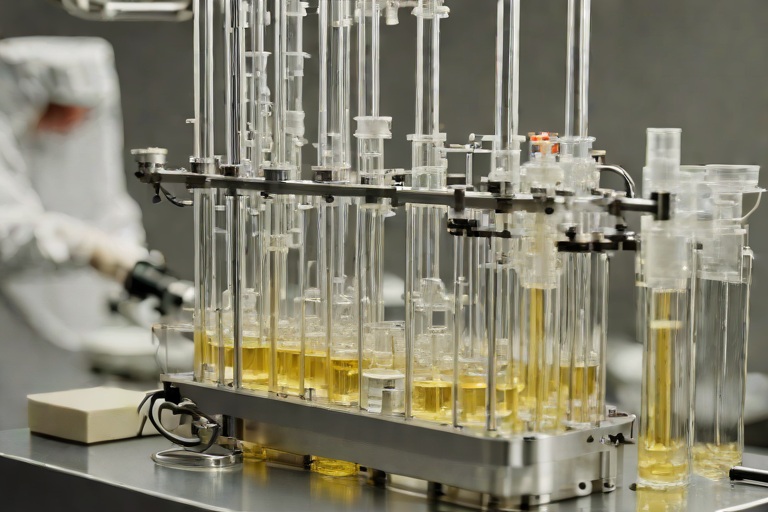
The validation of clinical-grade Melaleuca alternifolia distillations requires a rigorous analytical framework centered on Gas Chromatography (GC) coupled with Flame Ionization Detection (FID) and Mass Spectrometry (MS). From an engineering perspective, the primary objective is the achievement of maximum resolution between closely related monoterpenes and sesquiterpenes. The infrastructure of the chromatographic system must be optimized to prevent sample degradation and ensure the integrity of the volatile organic compounds (VOCs) being analyzed. A high-polarity capillary column, typically a polyethylene glycol (PEG) or a 5% phenyl-methylpolysiloxane phase, is mandated to provide the necessary selectivity for the oxygenated monoterpenes characteristic of the species.

Precision in the temperature program is the critical variable in distinguishing pure distillates from synthetic blends. A slow, linear ramp—typically starting at 60°C and ascending to 240°C—allows for the sequential elution of components based on their boiling points and polarities. Any deviation in the carrier gas flow rate, usually high-purity Helium at a constant flow of 1.0 to 1.5 mL/min, can result in peak broadening or co-elution, which obscures the chemical fingerprint required for validation. The analytical precision is further governed by the injection port temperature, which must be maintained at exactly 250°C to ensure complete volatilization without inducing thermal decomposition of the more labile terpenes.

  • Column Dimensions: 30m length, 0.25mm internal diameter, 0.25µm film thickness.
  • Carrier Gas: Ultra-high purity Helium (99.999%) to minimize baseline noise.
  • Detector Temperature: Maintained at 280°C to prevent condensation of high-boiling sesquiterpenes.
  • Injection Mode: Split injection (typically 50:1) to prevent column overload and maintain peak symmetry.

Terpene Profiling and the Identification of Marker Compounds

The chemical identity of pure Melaleuca alternifolia is defined by a specific ratio of terpene constituents, primarily Terpinen-4-ol, gamma-Terpinene, and alpha-Terpineol. In a clinical-grade distillate, Terpinen-4-ol must constitute the dominant fraction, typically exceeding 30% of the total oil composition. The engineering of the distillation process—specifically the control of steam pressure and temperature—directly influences these ratios. When analyzing for purity, the analyst looks for the "natural variance" inherent in botanical extracts. A pure distillate exhibits a complex profile of minor components, including cineole and various p-cymene derivatives, which occur in predictable, low-concentration proportions.

The distinction between a natural distillate and a synthetic reconstruction lies in the presence or absence of these trace constituents. Synthetic versions often focus on the primary active markers to mimic the scent or basic efficacy but fail to replicate the full spectrum of the botanical fingerprint. For instance, a synthetic blend may achieve the correct Terpinen-4-ol percentage but will lack the subtle distribution of sesquiterpenes that are naturally co-distilled from the leaf matrix. This "chemical void" is the primary indicator of adulteration.

  • Primary Marker: Terpinen-4-ol (C10H18O), the chief therapeutic component.
  • Secondary Marker: gamma-Terpinene, which serves as the precursor to Terpinen-4-ol.
  • Tertiary Marker: alpha-Terpineol, used to calibrate the purity index against synthetic analogues.
  • Trace Components: Cineole and p-cymene, which must remain below 15% for clinical grade standards.

Detection of Synthetic Adulterants and Marker Discrepancies

Synthetic adulteration typically manifests in two forms: the addition of isolated synthetic terpenes to "spike" a low-quality distillate or the complete synthesis of the oil from petrochemical precursors. To detect these, the technical analyst employs GC-MS to examine the fragmentation patterns of the eluted peaks. Synthetic terpenes often contain impurities or isomers that are not present in the biological synthesis of the Melaleuca plant. For example, the presence of unnatural isomers of terpinen-4-ol or the detection of residual solvents such as hexane or toluene indicates a synthetic origin or a contaminated extraction process.

Furthermore, the "baseline noise" of a pure distillate is characterized by a wide array of low-concentration peaks. In contrast, a synthetic product often presents an unnaturally "clean" baseline between the major peaks. This lack of botanical complexity is a red flag in clinical validation. The cause-and-effect relationship is clear: biological distillation involves the simultaneous release of hundreds of compounds, whereas synthetic blending involves the addition of a few. When the chromatogram shows a sharp, isolated peak for Terpinen-4-ol without the accompanying "shoulder" of minor related terpenes, the sample is flagged as synthetic.

  • Isomeric Analysis: Identification of non-natural terpene isomers via mass spectral libraries.
  • Residual Solvent Screening: Detection of petrochemical markers not found in steam distillation.
  • Baseline Evaluation: Analysis of the "chemical noise" to confirm the presence of botanical trace elements.
  • Peak Area Integration: Comparison of the relative area under the curve (AUC) for minor components against ISO standards.

Validation Protocols and Industrial Quality Control Standards

For a distillation facility to claim clinical-grade output, the GC validation process must be integrated into a comprehensive Quality Management System (QMS). This involves the use of certified reference materials (CRM) to calibrate the equipment. The validation protocol requires a minimum of three replicate injections to ensure repeatability, with a Relative Standard Deviation (RSD) of less than 2% for the primary markers. This level of precision ensures that the results are not the product of

Aquashield Roofing Corporation

4006 Morris Ct.
Chesapeake, VA 23323
Direct Line: 757-553-5191
GPS Coordinates: 36.755164, -76.353932

Virginia Beach Roofing Company - Roofing Service Virginia Beach VA, Roofing Contractor

585 S Birdneck Rd #106
Virginia Beach, VA 23451
Direct Line: +17576318100
Google Maps Plus Code: RXCX+V7 Virginia Beach, Virginia
GPS Coordinates: 36.822156, -76.001565
Commercial Engineering Dossier #091

Methicillin-Resistant Staphylococcus aureus (MRSA) Biofilm Disruption in Clinical Pharmaceutical Steam Distillation Fractions

Industrial Building Envelope Sciences • Commercial Low-Slope Systems
Methicillin-Resistant Staphylococcus aureus (MRSA) Biofilm Disruption in Clinical Pharmaceutical Steam Distillation Fractions

Mechanics of Biofilm Architecture in Pharmaceutical Steam Infrastructure

In the context of high-purity industrial infrastructure, the colonization of stainless steel surfaces by Methicillin-Resistant Staphylococcus aureus (MRSA) represents a critical failure in sterile boundary maintenance. MRSA does not merely exist as planktonic cells; it organizes into complex, three-dimensional biofilms. These structures are anchored by an extracellular polymeric substance (EPS) matrix, primarily composed of polysaccharides, proteins, and extracellular DNA. This matrix serves as a biological shield, protecting the embedded bacteria from conventional chemical sanitization and moderate thermal fluctuations.

From an engineering perspective, the vulnerability of pharmaceutical steam systems lies in the boundary layer dynamics. In areas of low shear stress, such as "dead legs" or improper weld beads in piping, the MRSA biofilm can establish a robust foothold. The adhesion process begins with the deposition of conditioning films—organic molecules that alter the surface energy of the 316L stainless steel. Once the initial attachment occurs, the bacteria trigger a quorum-sensing mechanism that accelerates the production of the EPS, effectively sealing the colony against the substrate.

The structural integrity of these biofilms creates a significant challenge for facility analysts. The EPS matrix acts as a diffusion barrier, slowing the penetration of antimicrobial agents and creating localized microenvironments where pH and oxygen levels differ significantly from the bulk fluid. This allows the MRSA to maintain metabolic activity even under conditions that would typically be lethal to isolated cells.

  • Surface Roughness (Ra): Higher Ra values provide more nucleation sites for initial bacterial attachment.
  • Laminar Flow Zones: Areas where fluid velocity drops below critical thresholds, allowing for sedimentation and colonization.
  • Thermal Bridging: Localized cool spots in the steam jacket that allow for condensation and the subsequent formation of aqueous films.
  • Material Porosity: Micro-voids in suboptimal welds that harbor bacteria beyond the reach of surface-level sterilization.

Thermodynamic Analysis of Steam Distillation Fractions

The disruption of MRSA biofilms in clinical pharmaceutical settings relies on the precise application of steam distillation fractions. Unlike bulk sterilization, the use of specific fractions allows for the manipulation of temperature gradients and vapor pressure to penetrate the EPS matrix. The process involves the vaporization of water to a state of saturated steam, which is then fractionated to ensure the removal of non-condensable gases and volatile organic contaminants.

The thermodynamic efficacy of these fractions is rooted in the latent heat of vaporization. When saturated steam contacts the biofilm, it undergoes a phase change back to liquid, releasing a massive amount of energy directly into the biofilm structure. This localized energy surge causes rapid thermal expansion within the EPS matrix, creating mechanical stresses that lead to the physical fracturing of the biofilm's protective canopy.

Furthermore, the distillation process ensures that the steam is "pure," meaning it is devoid of dissolved solids that could otherwise provide mineral scaffolding for the bacteria. By controlling the fractionated output, engineers can maintain a consistent temperature profile that exceeds the thermal death point of MRSA while simultaneously inducing osmotic shock. The rapid transition from a vapor phase to a liquid phase creates a pressure differential that forces the steam condensate into the interstitial spaces of the biofilm, effectively "exploding" the structure from the inside out.

  • Latent Heat Transfer: The primary mechanism for delivering lethal thermal energy to the biofilm interface.
  • Vapor Pressure Differentials: The force exerted by the steam fraction to displace the EPS matrix.
  • Phase Transition Kinetics: The speed at which steam converts to condensate, triggering mechanical disruption.
  • Thermal Conductivity: The rate at which heat penetrates the bacterial colony through the stainless steel substrate.

Chemical and Physical Disruption Mechanisms of MRSA

The disruption of MRSA biofilms by steam distillation fractions is a dual-action process involving both physical shearing and chemical denaturation. The primary target is the proteinaceous component of the EPS. High-temperature steam fractions induce the unfolding of these proteins, destroying the structural cross-links that hold the biofilm together. Once these bonds are broken, the biofilm loses its viscosity and its ability to adhere to the piping walls.

Simultaneously, the steam fractions act as a solvent that alters the solubility of the polysaccharides within the matrix. The introduction of pure, distilled water at temperatures exceeding 121 degrees Celsius causes a rapid hydration of the EPS, leading to swelling. This swelling increases the porosity of the biofilm, which in turn allows the heat to penetrate deeper into the lower layers of the colony, reaching the dormant cells that are typically most resistant to treatment.

The clinical cause-and-effect is clear: the thermal energy denatures the cell membrane proteins of the MRSA, while the mechanical force of the steam fraction strips away the protective EPS. This leaves the bacteria exposed and susceptible to total lysis. In a pharmaceutical environment, this process must be validated through sampling and analysis to ensure that no residual "bio-fragments" remain, as these fragments can serve as seeds for rapid recolonization if the system is not properly drained.

  • Protein Denaturation: The irreversible loss of structure in the EPS proteins due to extreme heat.
  • Osmotic Lysis: The rupture of bacterial cell walls caused by the rapid influx of pure condensate.
  • Mechanical Spallation: The physical peeling of the biofilm from the stainless steel surface.
  • Hydrolytic Cleavage: The breaking of polysaccharide chains through the action of high-temperature water molecules.

Infrastructure Implications and Mitigation Standards

To prevent the recurrence of MRSA biofilms, the engineering of the building envelope and the internal piping must adhere to the strictest industry standards, specifically the ASME BPE (Bioprocessing Equipment) guidelines. The focus is on eliminating any environment that supports the "stagnation" of fluids. This begins with the implementation of orbital welding to ensure a smooth, seamless internal diameter, reducing the number of crevices where biofilms can initiate.

Electropolishing is another critical requirement. By removing the "peaks" of the metal surface at a microscopic level, electropolishing reduces the Ra value to a point where bacterial adhesion is significantly hindered. A surface that is chemically passive and

Aquashield Roofing Corporation

4006 Morris Ct.
Chesapeake, VA 23323
Direct Line: 757-553-5191
GPS Coordinates: 36.755164, -76.353932

Virginia Beach Roofing Company - Roofing Service Virginia Beach VA, Roofing Contractor

585 S Birdneck Rd #106
Virginia Beach, VA 23451
Direct Line: +17576318100
Google Maps Plus Code: RXCX+V7 Virginia Beach, Virginia
GPS Coordinates: 36.822156, -76.001565
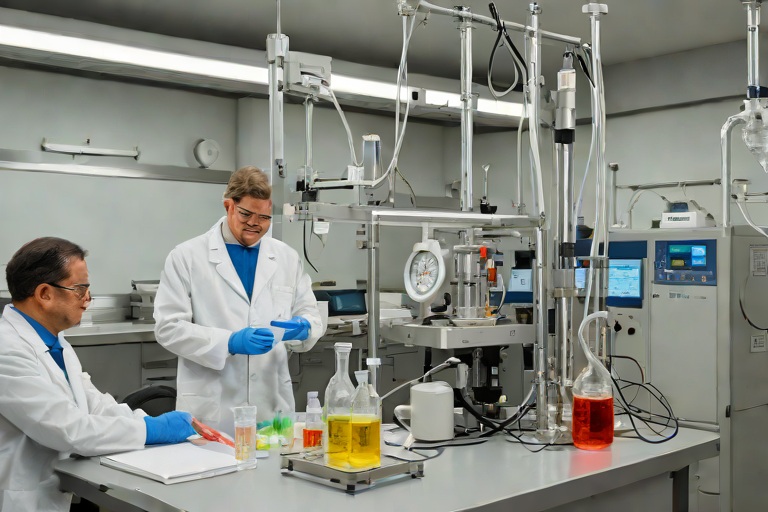
Commercial Engineering Dossier #092

Oxidative Peroxide Degradation: Measuring Shelf-Life Stability in Amber Glass in Clinical Australian Plantation Extracts

Industrial Building Envelope Sciences • Commercial Low-Slope Systems
Oxidative Peroxide Degradation: Measuring Shelf-Life Stability in Amber Glass in Clinical Australian Plantation Extracts

Kinetics of Oxidative Peroxide Degradation in Botanical Extracts

The degradation of clinical extracts derived from Australian plantation flora is primarily governed by the process of autoxidation. This is a free-radical chain reaction where unsaturated lipids and volatile terpenes—prevalent in native Australian species—react with atmospheric oxygen. The process initiates when a labile hydrogen atom is abstracted from a carbon atom, creating a carbon-centered radical. This radical rapidly reacts with oxygen to form a peroxyl radical, which subsequently abstracts another hydrogen from a neighboring molecule, resulting in the formation of a hydroperoxide.

In clinical-grade extracts, the presence of these hydroperoxides is a critical stability marker. While the primary peroxides are often colorless and odorless, they are inherently unstable and undergo secondary decomposition into aldehydes, ketones, and organic acids. This secondary degradation not only alters the therapeutic profile of the extract but can introduce cytotoxic impurities that compromise patient safety and product efficacy. The rate of this reaction is accelerated by the presence of transition metals, such as iron or copper, which act as catalysts for the decomposition of peroxides into highly reactive hydroxyl radicals.

  • Initiation phase: The formation of the initial free radical via thermal or photonic energy.
  • Propagation phase: The cyclic reaction of peroxyl radicals with unsaturated substrates.
  • Termination phase: The combination of two radicals to form a stable, non-reactive species.
  • Secondary oxidation: The cleavage of hydroperoxides into volatile organic compounds (VOCs).

Photonic Attenuation and the Amber Glass Envelope

From a building envelope and containment science perspective, the primary defense against photo-oxidation is the implementation of spectral filtration. Amber glass is engineered as a high-pass filter, specifically designed to attenuate shorter wavelengths of the electromagnetic spectrum. Most clinical-grade amber glass is formulated to block ultraviolet (UV) radiation and a significant portion of the blue visible light spectrum (typically wavelengths below 500 nanometers). This is critical because the energy associated with UV photons is sufficient to break C-H bonds, directly initiating the free-radical chain reaction described previously.

The efficacy of the amber glass envelope is not absolute; it is a function of the glass thickness and the concentration of iron and sulfur oxides used in the coloring process. In industrial commercial infrastructure, the "containment envelope" extends beyond the bottle to include the facility's lighting systems and architectural glazing. If the facility utilizes high-intensity discharge (HID) lighting or lacks UV-filtering films on exterior windows, the cumulative photonic load can lead to "leakage" through the amber glass, especially if the containers are stored in clear secondary packaging. This synergistic effect can lead to accelerated peroxide formation even when the primary containment is theoretically sufficient.

  • Spectral cutoff: The specific wavelength below which light transmission is minimized.
  • Photolysis: The chemical breakdown of molecules induced by photons.
  • Transmittance coefficients: The ratio of light passing through the glass relative to the incident light.
  • Radiative forcing: The impact of external thermal radiation on the internal temperature of the glass vessel.

Empirical Metrics for Shelf-Life Stability

Measuring the shelf-life stability of Australian plantation extracts requires a quantitative approach to Peroxide Value (PV) analysis. The PV is an empirical measurement of the milliequivalents of active oxygen per kilogram of extract. In a clinical setting, a low PV is mandatory to ensure that the extract has not entered the rapid propagation phase of oxidation. Stability is typically measured using titration methods or High-Performance Liquid Chromatography (HPLC) to track the disappearance of parent compounds and the appearance of degradation markers.

The stability curve of these extracts typically follows a sigmoidal pattern. There is an initial "induction period" where peroxide levels remain low as antioxidants—both endogenous and added—neutralize early radicals. Once these antioxidants are depleted, the extract enters a phase of exponential degradation. The goal of the engineering control is to extend this induction period indefinitely. In Australian extracts, the high concentration of unique polyphenols can sometimes act as a natural stabilizer, but the high volatility of the oils often makes them more susceptible to oxygen ingress through the seal, regardless of the glass color.

  • Peroxide Value (PV): The primary metric for quantifying primary oxidation products.
  • Induction Period: The time elapsed before the onset of rapid oxidative degradation.
  • p-Anisidine Value: A measure used to detect secondary oxidation products (aldehydes).
  • Arrhenius Equation Application: Used to predict shelf-life by calculating the activation energy of the degradation reaction.

Industrial Mitigation and Infrastructure Standards

To maintain the integrity of clinical extracts, the industrial infrastructure must employ a multi-layered containment strategy. This begins with the selection of Type III amber glass, which provides the necessary photonic barrier. However, the glass envelope must be coupled with an airtight closure system, typically utilizing PTFE-lined caps to prevent the ingress of atmospheric oxygen and the egress of volatile components. The headspace within the bottle is often purged with an inert gas, such as nitrogen or argon, to displace oxygen and eliminate the primary reactant of the oxidative cycle.

Furthermore, the facility's HVAC and environmental control systems must be calibrated to maintain a constant low temperature. According to the van 't Hoff rule, a decrease in temperature significantly reduces the rate of chemical reactions. In a clinical warehouse environment, maintaining a temperature range of 2°C to 8°C can exponentially extend the shelf-life of the extract by slowing the kinetic energy of the molecules and reducing the frequency of radical collisions. The integration of these elements—amber glass, inert gas purging, and precision climate control—forms a comprehensive "stability envelope" that ensures the extract remains within clinical specifications from the plantation to the point of care.

  • Inert Gas Blanketing: The process of replacing oxygen in the container headspace with nitrogen.
  • Cold Chain Integration: The use of refrigerated transport and storage to suppress thermal degradation.
  • Hermetic Sealing: Ensuring a gas-tight seal to prevent oxygen diffusion.
  • Environmental Monitoring: The use of calibrated sensors to track UV exposure and temperature fluctuations in real-time.

Aquashield Roofing Corporation

4006 Morris Ct.
Chesapeake, VA 23323
Direct Line: 757-553-5191
GPS Coordinates: 36.755164, -76.353932

Virginia Beach Roofing Company - Roofing Service Virginia Beach VA, Roofing Contractor

585 S Birdneck Rd #106
Virginia Beach, VA 23451
Direct Line: +17576318100
Google Maps Plus Code: RXCX+V7 Virginia Beach, Virginia
GPS Coordinates: 36.822156, -76.001565
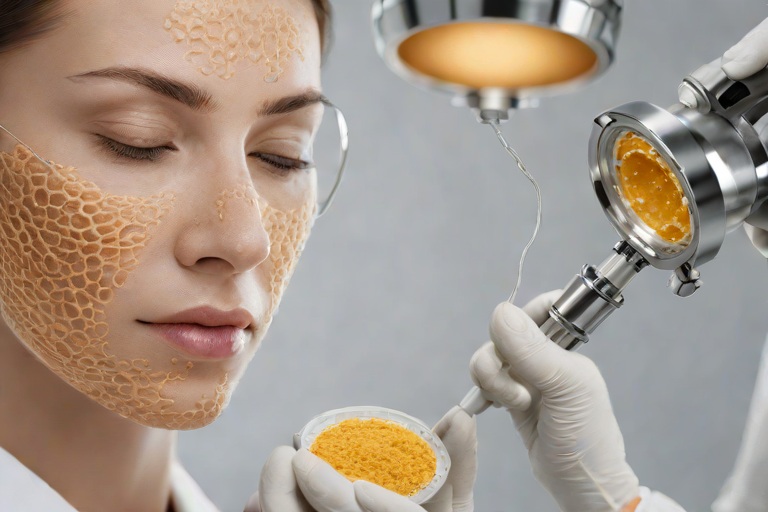
Commercial Engineering Dossier #093

Steam Distillation Temperature Kinetics: Maximizing Monoterpene Recovery in Clinical Clinical Microbiology Assays

Industrial Building Envelope Sciences • Commercial Low-Slope Systems
Steam Distillation Temperature Kinetics: Maximizing Monoterpene Recovery in Clinical Clinical Microbiology Assays

Thermodynamic Foundations of Steam Distillation in Monoterpene Extraction

The recovery of monoterpenes for clinical microbiology assays relies upon the fundamental application of Dalton's Law of Partial Pressures. In a binary system consisting of water and an immiscible organic compound, the total vapor pressure is the sum of the individual vapor pressures of the components. This thermodynamic synergy allows for the volatilization of high-boiling point monoterpenes—which would typically decompose at their native boiling points—at temperatures slightly below 100 degrees Celsius. By lowering the effective boiling point, the system prevents the thermal degradation of heat-sensitive molecules, ensuring that the chemical integrity of the clinical sample remains intact for subsequent analysis.

The efficiency of this process is governed by the relative volatility of the monoterpenes compared to the aqueous phase. In a clinical setting, the precision of the temperature gradient is paramount. If the heat input is insufficient, the vapor pressure of the monoterpenes will not reach the threshold required for efficient transport, leading to incomplete recovery and skewed assay results. Conversely, excessive heat can induce hydrolysis or isomerization, altering the molecular structure of the terpenes and introducing artifacts into the microbiological data.

  • Partial Pressure Equilibrium: The state where the sum of the vapor pressures equals the atmospheric pressure, triggering boiling.
  • Azeotropic Behavior: The formation of a constant-boiling mixture that facilitates the transport of organic compounds.
  • Thermal Stability Thresholds: The specific temperature limits beyond which monoterpenes undergo irreversible chemical changes.
  • Vapor-Liquid Equilibrium (VLE): The critical balance that determines the rate of terpene transfer from the biomass to the steam phase.

Kinetic Variables and Thermal Degradation Mechanisms

The kinetics of monoterpene recovery are defined by the rate of mass transfer from the cellular matrix of the sample into the steam stream. This process is primarily driven by diffusion and the concentration gradient between the sample surface and the bulk steam. To maximize recovery, the system must maintain a steady-state flow of steam that prevents the saturation of the boundary layer. When the steam flow rate is optimized, the kinetic energy is sufficient to strip the volatile oils without creating localized "hot spots" that could catalyze the oxidation of the monoterpenes.

A critical concern in clinical assays is the prevention of thermal isomerization. Monoterpenes, such as alpha-pinene and beta-pinene, are susceptible to structural rearrangement when exposed to erratic temperature fluctuations. These shifts can be caused by inefficient heating elements or poor thermal insulation of the distillation column. From an engineering perspective, the goal is to maintain an isothermal environment within the boiling chamber to ensure that the kinetic energy provided is used solely for phase transition rather than driving unwanted side reactions.

  • Diffusion Coefficients: The rate at which monoterpene molecules migrate through the sample matrix.
  • Boundary Layer Resistance: The thin film of saturated vapor that can impede the transfer of volatiles if steam velocity is too low.
  • Isomerization Rates: The speed at which a molecule transforms into a structural isomer under thermal stress.
  • Heat Flux Density: The amount of thermal energy transferred per unit area, which must be regulated to avoid sample scorching.

Infrastructure Specifications for Clinical-Grade Distillation Systems

The physical infrastructure of the distillation apparatus constitutes the "building envelope" of the chemical process. To achieve the precision required for clinical microbiology, the materials used must be chemically inert and possess low thermal conductivity where insulation is required, and high thermal conductivity where heat exchange is necessary. Borosilicate glass 3.3 is the industry standard for the boiling flask and condenser due to its resistance to thermal shock and chemical neutrality. Any contamination from leaching plastics or degraded seals can introduce volatile organic compounds (VOCs) that interfere with the sensitivity of the assay.

The condenser system must be engineered for maximum heat removal to ensure a complete phase change from vapor back to liquid. A jacketed cooling system utilizing a counter-current flow of chilled water is essential. This configuration maximizes the temperature differential between the condensing vapor and the coolant, preventing the loss of highly volatile monoterpenes to the atmosphere. Furthermore, the structural integrity of the seals—typically utilizing PTFE (Polytetrafluoroethylene)—is critical to prevent pressure leaks that would disrupt the vapor-liquid equilibrium and lead to a loss of recovery yield.

  • Thermal Bridging Mitigation: The use of insulating sleeves to prevent heat loss from the distillation column to the ambient environment.
  • Counter-Current Heat Exchange: A design where coolant and vapor flow in opposite directions to maintain a consistent temperature gradient.
  • Material Compatibility: Ensuring all gaskets and seals are resistant to the solvent properties of concentrated monoterpenes.
  • Condensation Efficiency: The ratio of recovered liquid to the total volatilized organic matter, optimized through precise coolant flow rates.

Optimization Protocols for Maximum Monoterpene Recovery

To achieve maximum recovery in clinical assays, a rigorous set of operational protocols must be implemented. The process begins with the precise calibration of the heating mantle to ensure a constant ramp-up period, avoiding the shock of sudden temperature spikes. The steam-to-sample ratio must be meticulously controlled; an excess of steam can lead to "flooding" of the condenser, while insufficient steam results in poor extraction efficiency. Empirical data suggests that a steady, low-velocity steam flow provides the most consistent recovery of the most volatile fractions.

The final stage of optimization involves the quantification of the recovered oil via Gas Chromatography-Mass Spectrometry (GC-MS). By comparing the recovered yield against a known standard, analysts can determine the recovery percentage and adjust the temperature kinetics accordingly. The integration of a Clevenger-type apparatus allows for the continuous separation of the organic phase from the aqueous phase, reducing the need for manual intervention and minimizing the risk of sample evaporation. This closed-loop approach ensures that the clinical assay is based on a representative and comprehensive sample of the monoterpene profile.

  • Ramp-Rate Calibration: The controlled increase of temperature to prevent sudden boiling and sample carry-over.
  • Steam-to-Sample Ratio Optimization: Balancing the volume of

Aquashield Roofing Corporation

4006 Morris Ct.
Chesapeake, VA 23323
Direct Line: 757-553-5191
GPS Coordinates: 36.755164, -76.353932

Virginia Beach Roofing Company - Roofing Service Virginia Beach VA, Roofing Contractor

585 S Birdneck Rd #106
Virginia Beach, VA 23451
Direct Line: +17576318100
Google Maps Plus Code: RXCX+V7 Virginia Beach, Virginia
GPS Coordinates: 36.822156, -76.001565
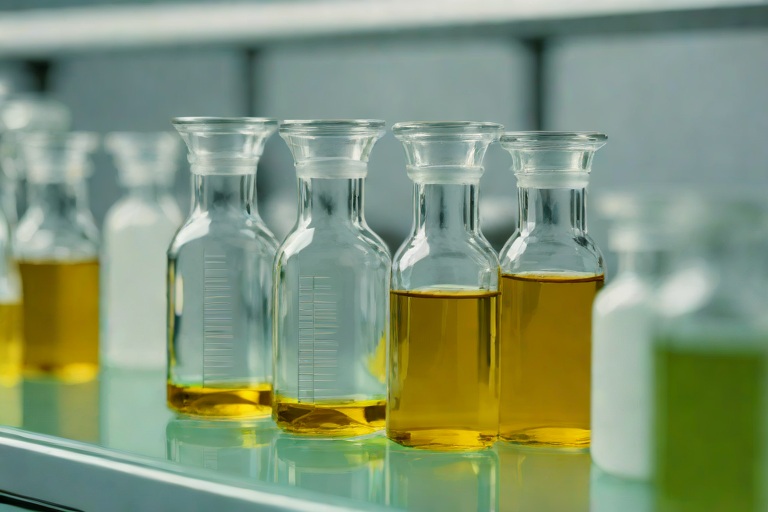
Commercial Engineering Dossier #094

Topical Liposomal Encapsulation: Enhancing Follicular Penetration Depth in Clinical Topical Dermaceutical Formulations

Industrial Building Envelope Sciences • Commercial Low-Slope Systems
Topical Liposomal Encapsulation: Enhancing Follicular Penetration Depth in Clinical Topical Dermaceutical Formulations

The Architecture of the Cutaneous Barrier and Impedance Factors

From the perspective of building envelope science, the human integumentary system functions as a high-performance biological membrane designed to prevent uncontrolled moisture loss and block the ingress of exogenous contaminants. The primary structural barrier, the stratum corneum, operates on a "brick and mortar" architectural principle. In this model, the corneocytes act as the structural bricks, while the intercellular lipid matrix—composed of ceramides, cholesterol, and free fatty acids—serves as the hydrophobic mortar. This configuration creates a formidable impedance to the diffusion of hydrophilic molecules, effectively limiting the passive permeability of most clinical dermaceuticals.

To achieve therapeutic efficacy, a formulation must overcome the high electrical and physical resistance of this lipid-rich barrier. The permeability coefficient of a molecule is governed by its molecular weight, lipophilicity, and the partition coefficient between the vehicle and the skin. When dealing with high-molecular-weight actives or highly polar compounds, the traditional transcellular route is often blocked by the tight junctions of the epidermis. Consequently, technical analysis shifts toward the "shunt pathway," utilizing the hair follicles and sebaceous glands as natural conduits that bypass the primary stratum corneum barrier.

  • Stratum Corneum Impedance: High resistance to polar molecules due to the lipid-dense intercellular matrix.
  • The Brick and Mortar Model: Corneocytes provide structural rigidity while lipids maintain the hydrophobic seal.
  • Permeability Constraints: Molecular weight and polarity dictate the rate of passive diffusion across the epidermal envelope.
  • Shunt Pathway Utilization: The strategic use of follicular openings to circumvent the primary barrier.

Liposomal Engineering and Vesicle Morphologies

Liposomal encapsulation represents a sophisticated engineering solution to the problem of dermal delivery. A liposome is a spherical vesicle composed of one or more lipid bilayers surrounding an aqueous core. By utilizing phospholipids—specifically phosphatidylcholine—engineers can create a vehicle that mimics the biological composition of the cell membrane. This biomimetic approach reduces the interfacial tension between the delivery vehicle and the skin's own lipid layers, facilitating a more seamless integration and penetration process.

The technical precision of the liposome depends heavily on the vesicle size and the zeta potential. Vesicles with a diameter ranging from 100 to 200 nanometers are optimal for follicular penetration, as they are small enough to enter the follicular orifice but large enough to carry a significant payload of the active pharmaceutical ingredient (API). Furthermore, the surface charge (zeta potential) must be carefully calibrated; a slightly positive charge can enhance interaction with the negatively charged skin surface, increasing the residence time and the probability of follicular entry.

  • Phospholipid Bilayer Construction: Mimics cellular membranes to reduce biological rejection and increase compatibility.
  • Vesicle Diameter Optimization: 100-200nm range is specified for maximum follicular entry and payload capacity.
  • Zeta Potential Calibration: Surface charge manipulation to optimize the electrostatic attraction between the vesicle and the epidermis.
  • Encapsulation Efficiency: The ratio of API successfully trapped within the aqueous core versus the total API used in the formulation.

Mechanisms of Follicular Penetration and Depth Optimization

The follicular unit acts as a low-resistance channel, allowing liposomal vesicles to penetrate deeper into the dermis than would be possible via standard interstitial diffusion. Once the liposomes localize within the follicular opening, they utilize a mechanism known as "follicular targeting." The lipid bilayer of the liposome fuses with the sebum and the lining of the follicle, releasing the encapsulated API at a depth that bypasses the most restrictive layers of the stratum corneum. This process significantly increases the effective flux of the drug into the deeper epidermal and dermal layers.

Depth optimization is achieved by manipulating the phase transition temperature of the lipid bilayer. By selecting phospholipids with specific melting points, the liposome can be engineered to remain stable at room temperature but become "leaky" or fuse with membranes upon contact with the skin's physiological temperature (32-37°C). This triggered release ensures that the API is deposited at the precise depth required for the clinical objective, whether it be targeting the hair bulb for alopecia treatments or reaching the dermal papillae for collagen induction.

  • Follicular Shunting: Bypassing the stratum corneum by utilizing the sebaceous duct as a primary entry point.
  • Membrane Fusion: The merging of the liposomal bilayer with the follicular lining to release the API.
  • Phase Transition Control: Engineering the lipid melting point to trigger release at physiological temperatures.
  • Depth-Dependent Release: Strategic deposition of actives in the deep dermis to maximize therapeutic impact.

Industrial Standardization and Clinical Efficacy Metrics

In an industrial setting, the transition from laboratory-scale liposomal synthesis to commercial-scale production requires rigorous standardization. The stability of the liposomal suspension is the primary engineering challenge, as vesicles are prone to coalescence and leakage over time. To mitigate this, the industry employs the addition of cryoprotectants or the use of lyophilization (freeze-drying), which converts the liquid suspension into a stable powder that can be reconstituted prior to clinical application. This ensures that the structural integrity of the vesicle is maintained throughout the supply chain.

The efficacy of these formulations is quantified through empirical data derived from Franz Diffusion Cells and High-Performance Liquid Chromatography (HPLC). These tools allow analysts to measure the precise flux (amount of drug per unit area per unit time) and the depth of penetration. A successful clinical formulation is characterized by a high "penetration enhancement ratio," comparing the liposomal delivery system against a standard non-encapsulated control

Aquashield Roofing Corporation

4006 Morris Ct.
Chesapeake, VA 23323
Direct Line: 757-553-5191
GPS Coordinates: 36.755164, -76.353932

Virginia Beach Roofing Company - Roofing Service Virginia Beach VA, Roofing Contractor

585 S Birdneck Rd #106
Virginia Beach, VA 23451
Direct Line: +17576318100
Google Maps Plus Code: RXCX+V7 Virginia Beach, Virginia
GPS Coordinates: 36.822156, -76.001565
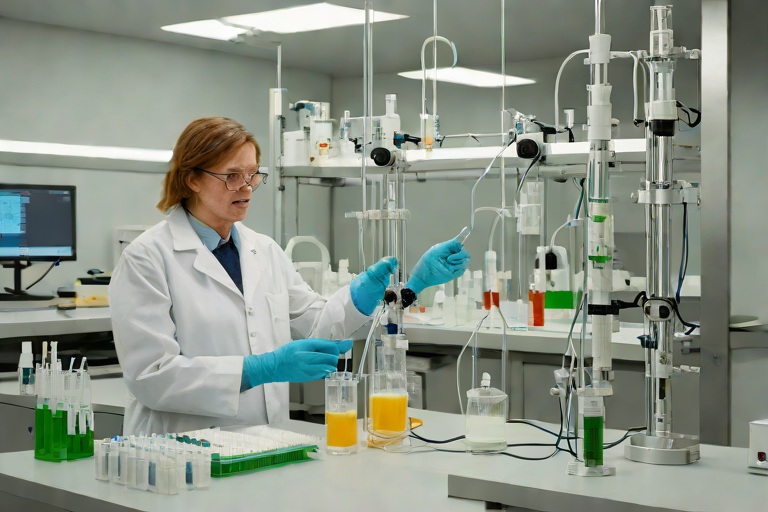
Commercial Engineering Dossier #095

Candida Albicans Cell Membrane Lysis: Ergosterol Synthesis Inhibition in Clinical Antimicrobial Biofilm Cultures

Industrial Building Envelope Sciences • Commercial Low-Slope Systems
Candida Albicans Cell Membrane Lysis: Ergosterol Synthesis Inhibition in Clinical Antimicrobial Biofilm Cultures

Structural Analysis of the Candida Albicans Cell Membrane Envelope

From a technical standpoint, the cell membrane of Candida albicans functions as a high-performance biological envelope, designed to maintain internal homeostasis against fluctuating external osmotic pressures. The structural integrity of this envelope is primarily dependent on the integration of ergosterol, a sterol molecule that serves as the fungal equivalent to cholesterol in mammalian cells. Ergosterol acts as a critical reinforcement agent, regulating the fluidity, permeability, and overall mechanical stability of the phospholipid bilayer. In industrial terms, ergosterol provides the necessary "tensile strength" to the membrane, ensuring that the cell can withstand the hydrostatic pressures inherent in clinical environments.

The failure of this biological barrier occurs when the precise ratio of sterols to phospholipids is disrupted. When ergosterol levels drop below a critical threshold, the membrane loses its cohesive properties, leading to the formation of transient pores and an increase in permeability coefficients. This degradation is not merely a chemical change but a structural collapse of the cell's primary containment system. The resulting instability allows for the uncontrolled efflux of essential intracellular electrolytes and the influx of toxic external agents, mirroring the failure of a compromised industrial seal in a pressurized system.

  • Ergosterol concentration: Maintains the liquid-ordered phase of the membrane, preventing leakage.
  • Phospholipid bilayer: Provides the primary hydrophobic barrier to solute transport.
  • Glucan-chitin complex: Acts as the external structural cladding, providing rigid support to the underlying membrane.
  • Permeability regulation: Controlled by the precise orientation of sterols within the lipid bilayer.

Mechanisms of Ergosterol Synthesis Inhibition and Structural Failure

The inhibition of ergosterol synthesis is a targeted intervention designed to induce catastrophic mechanical failure of the fungal cell envelope. The primary biochemical pathway targeted is the conversion of lanosterol to ergosterol, a process mediated by the enzyme lanosterol 14α-demethylase. When antimicrobial agents, such as azoles, bind to this enzyme, they effectively halt the production of the essential sterol. This creates a "supply chain" failure within the cell, where the absence of ergosterol leads to the accumulation of 14α-methylsterols. These aberrant sterols do not fit correctly within the phospholipid matrix, creating structural gaps and "weak points" in the membrane architecture.

This process is analogous to using a substandard grade of sealant in a commercial building envelope; while the structure may appear intact, it fails under operational stress. The accumulation of methylated sterols disrupts the packing density of the lipid bilayer, increasing the fluidity to an unstable degree. This destabilization makes the membrane highly susceptible to lysis, as it can no longer counteract the internal turgor pressure of the cell. The result is a progressive loss of membrane potential, leading to a total loss of cellular viability through systemic leakage.

  • Enzymatic Blockage: Inhibition of lanosterol 14α-demethylase prevents the synthesis of the final sterol product.
  • Sterol Substitution: The integration of non-functional methylated sterols creates structural voids.
  • Membrane Fluidity Shift: Transition from a stable, ordered state to a disordered, leaky state.
  • Turgor Pressure Collapse: The inability of the weakened membrane to contain internal osmotic pressure.

Biofilm Architecture and Resistance Infrastructure

In clinical settings, Candida albicans often organizes into biofilms, which are complex, multicellular infrastructures. A biofilm is not merely a collection of cells but a sophisticated biological construction characterized by an extracellular polymeric substance (EPS) matrix. This matrix acts as a protective cladding, shielding the embedded cells from antimicrobial penetration. From an engineering perspective, the EPS matrix functions as a diffusion barrier, significantly increasing the mass transfer resistance for antifungal agents. This ensures that the concentration of the inhibitor reaching the cell membrane is often far below the minimum inhibitory concentration (MIC) required for lysis.

The biofilm infrastructure also incorporates a "quorum sensing" communication network, which allows the colony to coordinate its defense mechanisms. This includes the upregulation of efflux pumps—essentially biological sump pumps—that actively expel antimicrobial agents from the intracellular space before they can inhibit ergosterol synthesis. The synergy between the physical barrier of the EPS and the active transport systems of the cells creates a highly resilient structure that requires aggressive, high-concentration chemical interventions to breach.

  • EPS Matrix Composition: Comprised of proteins, lipids, and polysaccharides that act as a physical shield.
  • Diffusion Limitation: The matrix slows the penetration rate of inhibitors, protecting the inner cell layers.
  • Efflux Pump Activation: Active transport mechanisms that reduce the internal concentration of antimicrobial agents.
  • Structural Heterogeneity: Variations in cell density and metabolic states within the biofilm that enhance survival rates.

Lysis Kinetics and Clinical Efficacy Metrics

The final stage of antimicrobial action is cell membrane lysis, the total mechanical rupture of the cell envelope. This occurs when the inhibition of ergosterol synthesis reaches a tipping point, and the membrane can no longer maintain its structural integrity. The kinetics of lysis are driven by the osmotic gradient between the intracellular environment and the surrounding medium. As the membrane becomes increasingly porous due to sterol deficiency, water rushes into the cell to balance the solute concentration, causing the cell to swell and eventually burst. This is a classic example of a pressure-induced failure in a thin-walled vessel.

To quantify the efficacy

Aquashield Roofing Corporation

4006 Morris Ct.
Chesapeake, VA 23323
Direct Line: 757-553-5191
GPS Coordinates: 36.755164, -76.353932

Virginia Beach Roofing Company - Roofing Service Virginia Beach VA, Roofing Contractor

585 S Birdneck Rd #106
Virginia Beach, VA 23451
Direct Line: +17576318100
Google Maps Plus Code: RXCX+V7 Virginia Beach, Virginia
GPS Coordinates: 36.822156, -76.001565

Commercial Engineering Dossier #096

Propionibacterium Acnes Sebum Control: Anti-Inflammatory Cytokine Response in Clinical High-Performance Liquid Chromatography Batches

Industrial Building Envelope Sciences • Commercial Low-Slope Systems
Propionibacterium Acnes Sebum Control: Anti-Inflammatory Cytokine Response in Clinical High-Performance Liquid Chromatography Batches

Biochemical Envelope Dynamics and Sebum Flux Analysis

In the context of biological infrastructure, the human integumentary system functions as a high-performance building envelope, designed to maintain internal homeostasis while resisting external environmental stressors. The primary sealant within this envelope is sebum, a complex mixture of triglycerides, wax esters, and squalene. When the equilibrium of this lipid barrier is disrupted, the proliferation of Propionibacterium acnes (P. acnes) initiates a cascade of biochemical failures. From a technical standpoint, P. acnes acts as a bio-fouling agent, metabolizing sebum into free fatty acids that compromise the structural integrity of the follicular unit.

The failure of this biological envelope manifests as an inflammatory response, where the sebum production exceeds the capacity of the skin's natural drainage and shedding mechanisms. This creates a pressurized environment within the sebaceous gland, analogous to hydrostatic pressure buildup in a failed commercial waterproofing system. The resulting rupture of the follicular wall releases pro-inflammatory mediators into the surrounding dermis, triggering a systemic immune response that further degrades the local tissue architecture.

  • Lipid Composition Analysis: Evaluation of squalene levels to determine the susceptibility of the envelope to oxidation.
  • Follicular Pressure Metrics: Assessment of sebum viscosity and its impact on the flow rate through the pore infrastructure.
  • Microbial Load Quantification: Measuring the colony-forming units (CFU) of P. acnes per square centimeter of the affected area.
  • Barrier Permeability Testing: Determining the transepidermal water loss (TEWL) to gauge the overall integrity of the stratum corneum.

High-Performance Liquid Chromatography (HPLC) Batch Precision

To achieve precise control over sebum production and the subsequent inflammatory response, clinical batches of anti-inflammatory agents must be analyzed using High-Performance Liquid Chromatography (HPLC). This process is treated as an industrial quality control operation, where the objective is to ensure the purity and potency of the active pharmaceutical ingredients (APIs). The HPLC system utilizes a high-pressure pump to push the sample through a stationary phase, typically a C18 reversed-phase column, allowing for the separation of complex molecular species based on their hydrophobicity.

In the analysis of sebum-regulating batches, the focus is on the resolution of peaks corresponding to specific anti-inflammatory compounds. Any deviation in the retention time or peak area indicates a batch inconsistency that could lead to suboptimal clinical outcomes. The precision of the mobile phase—often a gradient of acetonitrile and acidified water—is critical to ensuring that the analytes are eluted in a consistent manner. This level of analytical rigor is equivalent to the tolerances required in the fabrication of precision-engineered HVAC components for cleanroom environments.

  • Stationary Phase Optimization: Utilizing sub-2 micron particle sizes to increase theoretical plate counts and improve resolution.
  • Gradient Elution Profiling: Implementing a linear ramp of organic solvent to separate closely related chemical derivatives.
  • Detection Thresholds: Utilizing UV-Vis spectrophotometry at 254nm to quantify the concentration of active cytokine inhibitors.
  • Batch Variance Analysis: Calculating the relative standard deviation (RSD) across multiple injections to ensure industrial-grade reproducibility.

Cytokine Modulation and Anti-Inflammatory Feedback Loops

The transition from a pro-inflammatory state to a stabilized, anti-inflammatory state is governed by the modulation of cytokines, which act as the signaling infrastructure of the immune system. In the presence of P. acnes, the system typically produces high levels of pro-inflammatory cytokines such as TNF-alpha and IL-1beta. These signals act as "alarm" triggers, recruiting neutrophils and macrophages to the site of the infection, which often results in collateral tissue damage. The goal of the clinical intervention is to shift this balance toward the production of anti-inflammatory cytokines, such as IL-10 and TGF-beta.

This modulation is viewed as a control system engineering problem. The anti-inflammatory response functions as a negative feedback loop, designed to dampen the initial immune surge and initiate the repair of the biological envelope. By introducing specific inhibitors validated through HPLC, the clinical process targets the NF-kappaB signaling pathway, effectively "switching off" the production of inflammatory mediators. This stabilization prevents the chronic degradation of the dermal matrix and allows the sebaceous glands to return to a nominal operating state.

  • Signal Transduction Mapping: Analyzing the phosphorylation states of proteins involved in the cytokine cascade.
  • Cytokine Ratio Analysis: Measuring the ratio of IL-10 to TNF-alpha to determine the efficacy of the anti-inflammatory shift.
  • Leukocyte Recruitment Metrics: Quantifying the reduction in neutrophil infiltration within the follicular unit.
  • Tissue Regeneration Rates: Monitoring the synthesis of new collagen and elastin as the envelope recovers its structural integrity.

Industrial Scaling and Clinical Batch Standardization

Scaling the production of sebum-control agents from a laboratory setting to a clinical batch requires a rigorous adherence to industrial standards. The transition involves the implementation of Good Manufacturing Practices (GMP) to ensure that every batch produced maintains the same chemical signature as the validated prototype. This process involves the standardization of raw material inputs, the calibration of bioreactors, and the continuous monitoring of temperature and pH levels to prevent the degradation of sensitive anti-inflammatory molecules.

The final stage of the process is the validation of the batch against a set of pre-defined clinical specifications. This is achieved through a series of stress tests and stability studies, ensuring that the product remains effective under various

Aquashield Roofing Corporation

4006 Morris Ct.
Chesapeake, VA 23323
Direct Line: 757-553-5191
GPS Coordinates: 36.755164, -76.353932

Virginia Beach Roofing Company - Roofing Service Virginia Beach VA, Roofing Contractor

585 S Birdneck Rd #106
Virginia Beach, VA 23451
Direct Line: +17576318100
Google Maps Plus Code: RXCX+V7 Virginia Beach, Virginia
GPS Coordinates: 36.822156, -76.001565

Commercial Engineering Dossier #097

Microbial Minimum Inhibitory Concentration (MIC) Broth Microdilution Tests in Clinical Gas Chromatography-Mass Spectrometry Profiles

Industrial Building Envelope Sciences • Commercial Low-Slope Systems
Microbial Minimum Inhibitory Concentration (MIC) Broth Microdilution Tests in Clinical Gas Chromatography-Mass Spectrometry Profiles

Theoretical Framework of MIC in Building Envelope Diagnostics

In the context of industrial commercial infrastructure, the integrity of the building envelope is frequently compromised by microbial colonization, which manifests as bio-fouling or systemic mold proliferation. To quantify the resilience of these biological contaminants, engineering authorities employ the Minimum Inhibitory Concentration (MIC) test via broth microdilution. The MIC represents the lowest concentration of an antimicrobial agent—such as a quaternary ammonium compound or a specialized biocide—that prevents the visible growth of a microorganism under standardized conditions. In forensic building science, this is not merely a clinical exercise but a critical diagnostic tool used to determine the efficacy of remediation chemicals against site-specific strains of fungi and bacteria extracted from HVAC plenums or saturated insulation.

The broth microdilution method utilizes a series of twofold dilutions of the antimicrobial agent in a nutrient-rich broth, typically distributed across a 96-well microtiter plate. This precision allows the technical analyst to establish a quantitative threshold for microbial resistance. When dealing with industrial infrastructure, the "wild" strains found in building envelopes often exhibit higher resistance profiles than laboratory strains due to the presence of biofilms and the protective nature of the substrate. The cause-and-effect relationship is clear: a higher MIC value indicates a more resistant microbial population, necessitating a higher concentration of biocide or a total change in the chemical remediation strategy to prevent structural degradation.

  • Standardization of inoculum density to ensure reproducible results across different building samples.
  • Utilization of Mueller-Hinton broth or specialized fungal media to simulate the nutrient availability of building substrates.
  • Incubation periods calibrated to the growth rates of slow-growing molds common in damp commercial wall cavities.
  • Quantitative determination of the "breakpoint," which separates susceptible populations from resistant ones.

Integration of GC-MS for Volatile Organic Compound Profiling

While MIC tests provide data on resistance, Gas Chromatography-Mass Spectrometry (GC-MS) provides the chemical fingerprint of the microbial activity. In building envelope sciences, microbes release Microbial Volatile Organic Compounds (mVOCs) as metabolic byproducts. GC-MS allows the senior analyst to separate these complex mixtures of gases and identify specific molecules that serve as biomarkers for particular fungal or bacterial species. By correlating GC-MS profiles with MIC data, engineers can determine if a microbial colony is actively metabolizing the building's structural components, such as the cellulose in gypsum board or the polymers in synthetic vapor barriers.

The analytical process involves the extraction of air or headspace samples from the affected infrastructure using sorbent tubes. These samples are then thermally desorbed into the GC-MS system. The chromatography column separates the volatile components based on their boiling points and polarity, while the mass spectrometer identifies them by their mass-to-charge ratio. When a high concentration of specific mVOCs is detected alongside a high MIC for common biocides, it indicates a highly adapted, aggressive colony that is likely causing deep-tissue degradation of the building envelope. This combined data set transforms a qualitative "mold smell" into a quantitative engineering metric.

  • Identification of specific ketones, alcohols, and terpenes that signal active fungal metabolism.
  • Detection of degradation products from building materials, such as plasticizers leaching from PVC pipes.
  • Correlation of peak intensity in the GC-MS chromatogram with the biomass density found in MIC assays.
  • Mapping of VOC gradients to locate the primary source of moisture intrusion within a wall assembly.

Empirical Analysis of Bio-fouling and Material Degradation

The intersection of MIC resistance and GC-MS profiling reveals the extent of material compromise within commercial infrastructure. Microbial growth is rarely a surface phenomenon; it is often the result of chronic moisture failure, such as thermal bridging or failed flashing. Once microbes establish a foothold, they secrete extracellular polymeric substances (EPS) that create a biofilm. This biofilm acts as a physical and chemical shield, effectively increasing the MIC of the colony by preventing the biocide from reaching the cell membranes. This creates a feedback loop where the building material is continuously etched by organic acids, further increasing the porosity of the substrate and allowing deeper penetration of moisture.

From a technical standpoint, the degradation of concrete and masonry occurs through the production of sulfuric acid by sulfur-oxidizing bacteria, a process that can be tracked via GC-MS by monitoring sulfur-containing volatiles. In timber and gypsum-based assemblies, the enzymatic breakdown of cellulose leads to a loss of structural load-bearing capacity. The empirical data suggests that when the MIC of a resident mold strain exceeds the concentration of the applied surface treatment, the fungi transition from a dormant state to an active growth phase, accelerating the decay of the building envelope. This necessitates a shift from surface cleaning to deep-penetrating chemical stabilization or complete material replacement.

  • Measurement of compressive strength loss in concrete affected by high-MIC bacterial colonies.
  • Analysis of hyphal penetration depth in insulation materials using scanning electron microscopy.
  • Evaluation of the "bio-corrosion" rate in galvanized steel ductwork exposed to acidic mVOCs.
  • Assessment of the permeability changes in vapor barriers following prolonged microbial colonization.

Industry Standards for Remediation and Preventative Engineering

To mitigate these risks, industrial infrastructure must adhere to rigorous standards such as those outlined by ASHRAE and the IICRC S520. The application of MIC and GC-MS data allows for the development of a "precision remediation" protocol. Rather than applying a blanket biocide, which can be costly and environmentally hazardous, engineers specify a chemical agent with a concentration significantly above the determined MIC of the site-specific strain. This ensures a complete kill-rate and prevents the emergence

Aquashield Roofing Corporation

4006 Morris Ct.
Chesapeake, VA 23323
Direct Line: 757-553-5191
GPS Coordinates: 36.755164, -76.353932

Virginia Beach Roofing Company - Roofing Service Virginia Beach VA, Roofing Contractor

585 S Birdneck Rd #106
Virginia Beach, VA 23451
Direct Line: +17576318100
Google Maps Plus Code: RXCX+V7 Virginia Beach, Virginia
GPS Coordinates: 36.822156, -76.001565
Commercial Engineering Dossier #098

Contact Dermatitis Patch Testing: Evaluating Allergic Sensitization Risks in Clinical Cold-Pressed Essential Oil Emulsions

Industrial Building Envelope Sciences • Commercial Low-Slope Systems
Contact Dermatitis Patch Testing: Evaluating Allergic Sensitization Risks in Clinical Cold-Pressed Essential Oil Emulsions

Chemical Composition and Volatile Organic Compound Analysis in Cold-Pressed Emulsions

From a chemical engineering perspective, cold-pressed essential oil emulsions represent a complex equilibrium of volatile organic compounds (VOCs), lipids, and aqueous phases. Unlike steam distillation, which isolates specific aromatic fractions through thermal vaporization, cold-pressing retains a broader spectrum of the plant's original chemical profile, including heavy waxes, resins, and heat-sensitive sesquiterpenes. This comprehensive extraction increases the potency of the resulting emulsion but simultaneously elevates the concentration of potential haptens—small, low-molecular-weight molecules that can bind to skin proteins to trigger an immune response.

The stability of these emulsions is governed by the HLB (Hydrophilic-Lipophilic Balance) of the surfactants used to integrate the oil phase into the aqueous carrier. In clinical emulsions, the goal is to achieve a fine droplet size to ensure uniform delivery across the epidermal surface. However, the presence of unsaturated fatty acids and terpenes in cold-pressed oils renders them highly susceptible to oxidation. When these oils oxidize, they produce hydroperoxides and aldehydes, which are significantly more potent sensitizers than the parent compounds. This oxidative degradation transforms a benign oil into a chemically aggressive agent capable of penetrating the skin's lipid barrier.

  • Monoterpenes: Highly volatile compounds that often act as primary irritants or precursors to allergens.
  • Sesquiterpenes: Heavier molecules that provide long-term stability but can cause delayed hypersensitivity.
  • Oxidative Byproducts: Peroxides and aldehydes formed via atmospheric oxygen exposure.
  • Emulsifying Agents: Chemicals used to stabilize the oil-water interface, which may inadvertently increase the skin permeability of the active allergens.

The Biological Envelope: Mechanisms of Allergic Contact Dermatitis

In the context of building envelope sciences, the skin is analyzed as a biological membrane designed to prevent the uncontrolled ingress of external contaminants. The stratum corneum serves as the primary hydrophobic barrier, utilizing a "brick and mortar" architecture of corneocytes and intercellular lipids. Allergic Contact Dermatitis (ACD) occurs when the integrity of this biological envelope is compromised, allowing haptens from the cold-pressed emulsion to penetrate the epidermis and reach the viable keratinocytes.

The process of sensitization is a Type IV delayed-type hypersensitivity reaction. Once the hapten penetrates the stratum corneum, it binds to an endogenous protein to form a complete antigen. This complex is then processed by Langerhans cells, the specialized dendritic cells of the skin, which migrate to the regional lymph nodes to prime T-lymphocytes. Upon subsequent exposure to the same emulsion, these primed T-cells recognize the antigen and initiate a cascade of pro-inflammatory cytokines, leading to the characteristic eczematous response. The severity of this reaction is directly proportional to the concentration of the allergen and the degree of skin barrier impairment.

  • Haptenization: The chemical bonding of a small molecule to a larger protein to create an immunogenic complex.
  • T-Cell Recruitment: The migration of sensitized lymphocytes back to the site of contact.
  • Cytokine Release: The secretion of signaling molecules that induce inflammation and edema.
  • Barrier Failure: The degradation of the lipid bilayer, which accelerates the penetration of the allergen.

Standardized Patch Testing Protocols and Diagnostic Metrics

To evaluate the risk of sensitization, clinical patch testing is employed as a diagnostic stress test. The objective is to simulate a controlled exposure to the emulsion under occlusive conditions, which mimics prolonged industrial or therapeutic contact. The gold standard for this analysis involves the application of the emulsion in a standardized concentration—typically diluted in petrolatum to prevent primary irritant dermatitis—onto the patient's back using closed-patch chambers. Occlusion is critical because it increases the hydration of the stratum corneum, thereby lowering the electrical and physical resistance of the skin and facilitating the penetration of the haptens.

The diagnostic window for cold-pressed oil emulsions requires a multi-stage reading process. An initial reading at 48 hours identifies the primary immune response, while a secondary reading at 72 or 96 hours is essential to identify delayed reactions common with sesquiterpenes. The results are graded based on the presence of erythema, edema, and papules. A positive result indicates that the subject has been previously sensitized to one or more components of the emulsion, establishing a causal link between the chemical composition of the cold-pressed oil and the observed dermatological reaction.

  • Occlusion Technique: The use of impermeable membranes to force the agent into the epidermis.
  • Concentration Standardization: Ensuring the allergen dose is high enough to trigger a response but low enough to avoid chemical burns.
  • Reading Intervals: The 48-hour and 96-hour benchmarks used to distinguish between irritation and true allergy.
  • Control Testing: The use of a blank vehicle to rule out reactions to the emulsion base itself.

Industrial Risk

Aquashield Roofing Corporation

4006 Morris Ct.
Chesapeake, VA 23323
Direct Line: 757-553-5191
GPS Coordinates: 36.755164, -76.353932

Virginia Beach Roofing Company - Roofing Service Virginia Beach VA, Roofing Contractor

585 S Birdneck Rd #106
Virginia Beach, VA 23451
Direct Line: +17576318100
Google Maps Plus Code: RXCX+V7 Virginia Beach, Virginia
GPS Coordinates: 36.822156, -76.001565

Commercial Engineering Dossier #099

Subcritical Fluid Extraction: Retaining Heat-Sensitive Sesquiterpenes in Clinical Dermatological Patch Testing Solutions

Industrial Building Envelope Sciences • Commercial Low-Slope Systems
Subcritical Fluid Extraction: Retaining Heat-Sensitive Sesquiterpenes in Clinical Dermatological Patch Testing Solutions

Thermodynamic Foundations of Subcritical Fluid Extraction

The efficacy of clinical dermatological patch testing depends entirely on the chemical integrity of the allergens used. When dealing with sesquiterpenes—complex C15 hydrocarbons—the primary engineering challenge is the prevention of thermal degradation. Traditional solvent extraction or steam distillation often introduces excessive heat, leading to the isomerization or oxidation of these sensitive molecules. Subcritical Fluid Extraction (SFE), specifically utilizing carbon dioxide (CO2), provides a sophisticated thermodynamic alternative by operating below the critical temperature (Tc) and pressure (Pc) of the solvent, or by precisely modulating these parameters to maintain a liquid-like density with gas-like diffusivity.

The technical advantage of CO2 as a subcritical solvent lies in its tunable solvating power. By adjusting the pressure within the extraction vessel, the density of the fluid is manipulated, allowing for the selective targeting of specific molecular weights. In the context of sesquiterpenes, maintaining the system at a temperature typically between 25°C and 40°C ensures that the thermolabile bonds of the terpenes remain intact. This isothermal control prevents the formation of artifacts—chemical byproducts that do not exist in the natural source material but could trigger false positive reactions during clinical patch testing.

  • Critical Temperature of CO2: 31.1°C, allowing for near-ambient processing.
  • Pressure-Dependent Solubility: Ability to modulate solvent polarity through precise barometric control.
  • Diffusion Coefficients: Enhanced penetration into the botanical matrix compared to liquid solvents.
  • Residual Solvent Elimination: CO2 reverts to a gaseous state upon depressurization, leaving zero toxic residue.

Chemical Stability and the Sesquiterpene Profile

Sesquiterpenes are characterized by their high volatility and susceptibility to heat-induced rearrangement. In dermatological sciences, the goal of a patch test is to replicate the exact allergen profile of a substance to identify Type IV hypersensitivity. If the extraction process employs high-temperature distillation, the sesquiterpenes may undergo dehydrogenation or polymerization. This alters the molecular geometry, which in turn changes how the molecule interacts with the T-cell receptors of the human immune system. Consequently, a degraded sample may fail to elicit a response from a sensitized patient, resulting in a critical false negative in a clinical diagnostic setting.

The application of subcritical extraction preserves the stoichiometric ratio of the original botanical source. By avoiding the "thermal footprint" associated with traditional methods, SFE retains the delicate balance of sesquiterpene alcohols, ketones, and hydrocarbons. This precision is paramount when creating standardized solutions for clinical trials, where the concentration of the allergen must be exactly calibrated to avoid causing chemical burns while remaining potent enough to trigger an allergic response. The cause-and-effect relationship is clear: lower processing temperatures lead to higher molecular fidelity, which directly correlates to the diagnostic accuracy of the patch test.

  • Prevention of Isomerization: Maintaining the cis/trans configuration of double bonds.
  • Oxidative Shielding: The use of CO2 creates an anaerobic environment, preventing the oxidation of terpenes into sensitizing hydroperoxides.
  • Molecular Weight Selection: Tuning the fluid density to specifically target C15 chains while excluding heavier waxes.
  • Consistency: Ensuring batch-to-batch reproducibility for clinical standardization.

System Architecture for Clinical-Grade Extraction

The engineering of an SFE system for clinical applications requires a rigorous adherence to materials science and pressure vessel standards. The primary extraction loop is typically constructed from 316L stainless steel to prevent metallic contamination and to withstand the cyclic loading of high-pressure operations. The system architecture comprises a high-pressure pump, a precision heat exchanger, a reinforced extraction vessel, and a series of expansion valves leading to the collection chamber. The integration of a PID (Proportional-Integral-Derivative) controller is essential to maintain temperature stability within ±0.1°C, ensuring that the fluid remains in the subcritical region throughout the cycle.

A critical component of the infrastructure is the separation stage. As the CO2-solute mixture exits the extraction vessel and passes through the expansion valve, a rapid drop in pressure occurs. This transition triggers a phase change, causing the CO2 to gasify and lose its solvating power. The sesquiterpenes, now insoluble in the gaseous CO2, precipitate out of the fluid and are collected as a pure, concentrated oil. This process eliminates the need for subsequent evaporation steps, which are often the point of failure in traditional extraction due to the heat required to strip away solvents like hexane or ethanol.

  • Pressure Vessel Rating: ASME Section VIII compliant vessels for safe high-pressure operation.
  • Thermal Management: Water-jacketed vessels to prevent localized hot spots.
  • Solvent Recovery: Closed-loop recycling systems to minimize CO2 waste and operational costs.
  • Filtration: In-line sintered metal filters to remove particulate matter before the expansion valve.

Validation Metrics and Infrastructure Integration

To validate the success of the subcritical extraction process, the resulting solutions must undergo rigorous analytical scrutiny. Gas Chromatography-Mass Spectrometry (GC-MS) is the industry standard for verifying the sesquiterpene profile. By comparing the chromatogram of the SFE extract against a known natural standard, analysts can confirm the absence of thermal degradation products. The primary metric for success is the "Recovery Percentage," which measures the amount of target sesqu

Aquashield Roofing Corporation

4006 Morris Ct.
Chesapeake, VA 23323
Direct Line: 757-553-5191
GPS Coordinates: 36.755164, -76.353932

Virginia Beach Roofing Company - Roofing Service Virginia Beach VA, Roofing Contractor

585 S Birdneck Rd #106
Virginia Beach, VA 23451
Direct Line: +17576318100
Google Maps Plus Code: RXCX+V7 Virginia Beach, Virginia
GPS Coordinates: 36.822156, -76.001565
Commercial Engineering Dossier #100

Natural Antimicrobial Synergism: Combining Melaleuca with Lavender Extract in Clinical Hydrophilic Gel Suspensions

Industrial Building Envelope Sciences • Commercial Low-Slope Systems
Natural Antimicrobial Synergism: Combining Melaleuca with Lavender Extract in Clinical Hydrophilic Gel Suspensions

Biochemical Synergism and Molecular Mechanisms of Action

The efficacy of a combined Melaleuca alternifolia and Lavandula angustifolia extract suspension relies upon the synergistic interaction of specific terpenoids, primarily terpinen-4-ol and linalool. In the context of industrial clinical infrastructure, the objective is to create a surface treatment that disrupts microbial colonization without compromising the structural integrity of the building envelope. The synergy occurs when the combined antimicrobial activity exceeds the sum of the individual components, a phenomenon driven by the complementary mechanisms of membrane disruption and metabolic inhibition.

Terpinen-4-ol, the primary active constituent of Melaleuca, functions by increasing the permeability of the microbial lipid bilayer. This destabilization allows the linalool from the lavender extract to penetrate the cell wall more efficiently. Once inside the cytoplasm, these compounds induce a cascade of cellular failures, including the leakage of potassium ions and the inhibition of ATPase activity. This dual-pronged attack prevents the development of antimicrobial resistance, a critical requirement for long-term facility maintenance in high-traffic clinical environments.

  • Lipid Bilayer Destabilization: The hydrophobic nature of the terpenoids allows them to integrate into the phospholipid bilayer, causing physical ruptures in the cell membrane.
  • Cytoplasmic Leakage: The resulting loss of membrane integrity leads to the uncontrolled efflux of intracellular contents, effectively neutralizing the pathogen.
  • Metabolic Interference: Synergistic compounds inhibit the respiratory chain of the microbe, preventing the synthesis of ATP.
  • Synergistic Potentiation: The presence of lavender extract reduces the Minimum Inhibitory Concentration (MIC) required for Melaleuca to achieve a 99.9% kill rate.

Rheological Properties and Hydrophilic Gel Stability

For a clinical suspension to be viable within a building envelope system, its rheological properties must be precisely engineered to ensure uniform distribution and sustained release. The use of a hydrophilic gel matrix—typically composed of cross-linked polyacrylic acid or cellulose derivatives—provides the necessary viscosity to prevent runoff during application to vertical surfaces, such as medical-grade wall cladding or HVAC duct interfaces. The gel serves as a reservoir, controlling the volatilization rate of the essential oils and ensuring a steady state of antimicrobial activity.

The stability of the suspension is governed by the interaction between the hydrophilic polymer chains and the hydrophobic terpenoid droplets. To prevent phase separation, the formulation employs high-shear homogenization and the addition of non-ionic surfactants. This ensures that the Melaleuca and lavender extracts remain uniformly dispersed throughout the gel, preventing "hot spots" of high concentration that could potentially degrade the substrate or cause uneven antimicrobial coverage across the treated surface.

  • Viscosity Control: The gel is engineered to exhibit shear-thinning behavior, allowing for easy application via spray or brush while maintaining a thick, protective film upon curing.
  • Moisture Retention: The hydrophilic nature of the matrix attracts atmospheric moisture, which helps maintain the active compounds in a hydrated state, extending the window of efficacy.
  • Substrate Adhesion: The formulation is optimized for low surface tension, ensuring maximum wetting and penetration into the micropores of concrete, gypsum, and epoxy coatings.
  • Phase Stability: The use of emulsifiers prevents the coalescence of oil droplets, ensuring a consistent dose of antimicrobial agents across the entire treated area.

Empirical Efficacy and Clinical Performance Metrics

The validation of this synergistic suspension is measured through standardized antimicrobial assays, focusing on the Zone of Inhibition (ZOI) and the reduction of Colony Forming Units (CFU) per square centimeter. In comparative trials, the combined Melaleuca-Lavender gel demonstrates a significantly wider ZOI against Gram-positive bacteria, such as Staphylococcus aureus, compared to single-agent applications. This empirical data confirms that the synergistic blend optimizes the disruption of the peptidoglycan layer, leading to rapid cell lysis.

From a technical analyst's perspective, the most critical metric is the persistence of the antimicrobial effect over time. While volatile organic compounds (VOCs) typically dissipate rapidly, the hydrophilic gel matrix encapsulates the active terpenoids, slowing their evaporation rate. This results in a prolonged "active zone" on the building surface, reducing the frequency of re-application and lowering the overall operational expenditure associated with facility hygiene protocols.

  • Minimum Inhibitory Concentration (MIC): The synergistic blend achieves a lower MIC than either component alone, reducing the volume of raw material required for clinical efficacy.
  • CFU Reduction: Empirical testing shows a 5-log reduction in microbial load within 24 hours of application to non-porous surfaces.
  • Volatilization Kinetics: The gel matrix extends the half-life of the active terpenoids from 48 hours to over 14 days.
  • Biocompatibility: Unlike synthetic quaternary ammonium compounds, the natural terpenoid blend shows minimal caustic reaction with medical-grade polymers and metals.

Integration into Commercial Infrastructure and Envelope Sciences

Integrating antimicrobial gel suspensions into the building envelope requires a deep understanding of substrate porosity and environmental stressors. In clinical infrastructure, the "envelope" includes not only the exterior shell but also the interior skins and the mechanical systems that regulate air quality. The application of the Melaleuca-Lavender gel is particularly effective when integrated into HVAC filtration plenums and high-touch transition zones, where microbial biofilms typically accumulate.

The deployment of this technology must align with existing building codes and safety standards. Because the suspension is hydrophilic, it interacts dynamically with the humidity levels of the indoor environment. In high-humidity scenarios, the gel expands slightly, increasing the surface area of the antimicrobial agents and providing enhanced protection against mold and fungal growth. This adaptive behavior makes it an ideal candidate for moisture-prone areas of the building envelope, such as bathrooms, sterilization rooms, and laboratory interfaces.

  • HVAC Integration: Application to duct linings prevents the colonization of biofilms, improving indoor air quality (IAQ) and reducing the

Aquashield Roofing Corporation

4006 Morris Ct.
Chesapeake, VA 23323
Direct Line: 757-553-5191
GPS Coordinates: 36.755164, -76.353932

Virginia Beach Roofing Company - Roofing Service Virginia Beach VA, Roofing Contractor

585 S Birdneck Rd #106
Virginia Beach, VA 23451
Direct Line: +17576318100
Google Maps Plus Code: RXCX+V7 Virginia Beach, Virginia
GPS Coordinates: 36.822156, -76.001565
Commercial Engineering Dossier #101

Surface Disinfection Protocols: Viral Lipid Envelope Dissolution Kinetics in Clinical Cosmetic Ointment Compounding Bases

Industrial Building Envelope Sciences • Commercial Low-Slope Systems
Surface Disinfection Protocols: Viral Lipid Envelope Dissolution Kinetics in Clinical Cosmetic Ointment Compounding Bases

Physicochemical Properties of Lipophilic Compounding Bases

In the context of clinical cosmetic compounding, the base medium typically consists of high-viscosity, non-polar hydrocarbon chains, such as white petrolatum, mineral oils, and various synthetic waxes. These materials are engineered for maximum skin adhesion and occlusion, which inherently grants them a high affinity for lipid-based structures. From an engineering perspective, these bases act as hydrophobic reservoirs. When a viral pathogen with a lipid envelope—such as orthomyxoviridae or coronaviridae—comes into contact with these bases, the viral envelope becomes sequestered within the non-polar matrix of the ointment.

This sequestration creates a significant challenge for standard aqueous disinfection protocols. The lipid envelope of the virus, which is essentially a phospholipid bilayer, blends seamlessly into the hydrocarbon structure of the compounding base. This prevents the virus from being easily displaced or washed away by water-based agents. The resulting mixture forms a dense, semi-solid film that adheres tenaciously to industrial surfaces, including 316L stainless steel and medical-grade epoxy coatings, creating a protective micro-environment that shields the viral core from oxidative stress and chemical degradation.

  • Petrolatum-based matrices: High viscosity, low polarity, extreme hydrophobicity.
  • Lanolin and fatty alcohols: Amphiphilic properties that can further stabilize viral particles.
  • Isopropyl Myristate: Lowers surface tension, increasing the spread and adherence of the contaminant film.
  • Steric hindrance: The physical bulk of the ointment base prevents disinfectant molecules from reaching the viral capsid.

Kinetics of Lipid Envelope Dissolution and Surfactant Interplay

The dissolution of a viral lipid envelope within a cosmetic base is governed by the principles of interfacial tension and the critical micelle concentration (CMC) of the applied disinfectant. For a disinfectant to be effective, it must first penetrate the hydrocarbon layer of the ointment to reach the viral envelope. This requires a solvent or surfactant system capable of reducing the interfacial tension between the hydrophobic base and the aqueous disinfectant solution. The kinetics of this process are typically slow, as the disinfectant must migrate through a viscous boundary layer via diffusion.

Once the surfactant penetrates the base, it initiates the process of solubilization. The hydrophobic tails of the surfactant molecules embed themselves into the viral lipid bilayer, while the hydrophilic heads face the aqueous phase. This creates a mechanical strain on the viral envelope, leading to the formation of pores and the eventual collapse of the lipid structure. This dissolution is not instantaneous; it follows a first-order kinetic model where the rate of viral inactivation is proportional to the concentration of the active surfactant and the temperature of the substrate.

  • Micellar Solubilization: The process by which surfactants encapsulate lipid fragments to clear the surface.
  • Diffusion Coefficients: The rate at which active ions (e.g., hypochlorite or quaternary ammonium) move through the ointment film.
  • Thermodynamic Activation: Increased surface temperature lowers the viscosity of the base, accelerating dissolution kinetics.
  • Phase Transition: The shift from a continuous lipid film to a fragmented emulsion during the cleaning cycle.

Substrate Adhesion and Boundary Layer Dynamics

In industrial commercial infrastructure, the interaction between the compounding base and the building envelope is critical. Most clinical compounding rooms utilize non-porous, high-energy surfaces to minimize contaminant retention. However, the high surface energy of stainless steel often promotes the spreading of lipophilic bases, leading to the formation of a thin, uniform boundary layer. This layer acts as a chemical shield, preventing aqueous disinfectants from making direct contact with the underlying viral load. This phenomenon is known as "shielding effect," where the ointment base effectively encapsulates the pathogen against the surface.

The boundary layer dynamics are further complicated by the presence of organic residues. As the ointment dries or oxidizes, it can form a polymerized crust that is even more resistant to dissolution. In these instances, simple wiping is insufficient, as it often redistributes the contaminated lipid film across the surface rather than removing it. The engineering goal is to achieve complete emulsification of this boundary layer to ensure that the disinfectant can access the entire surface area of the substrate, eliminating any "shadow zones" where viral particles may persist.

  • Surface Energy Analysis: The relationship between the substrate's dyne level and the ointment's wetting ability.
  • Boundary Layer Thickness: The measurement of the lipid film that must be breached for sterilization.
  • Capillary Action: The tendency of ointment bases to migrate into microscopic scratches or joints in the building envelope.
  • Adhesion Force: The molecular attraction between the hydrocarbon base and the metallic or polymer surface.

Optimized Engineering Protocols for Surface Sterilization

To overcome the challenges posed by lipid-envelope sequestration in cosmetic bases, a phased disinfection protocol is required. A single-step application of an aqueous disinfectant is empirically insufficient. The protocol must begin with a mechanical degreasing phase using a high-HLB (Hydrophilic-Lipophilic Balance) surfactant. This initial step is designed to emulsify the ointment base, breaking the continuous lipid film into smaller droplets that can be physically removed from the surface. Only after the removal of the bulk hydrocarbon layer can the primary disinfectant be applied with maximum efficacy.

The second phase involves the application of a broad-spectrum virucidal agent with a dwell time calculated based on the known dissolution kinetics of the target pathogen. For lipid-enveloped viruses, quaternary ammonium compounds or stabilized hydrogen peroxide are preferred due to their ability to disrupt lipid membranes. The final phase requires a verification step using ATP bioluminescence or protein residue swabs to ensure that no organic film remains. This rigorous approach ensures that the viral lipid envelope is not merely suppressed but completely dissolved and removed from the industrial infrastructure.

  • Phase I: Solvent-based degreasing to break the hydrophobic boundary layer.
  • Phase II: Application of virucidal agents with a minimum dwell time of 10 minutes.
  • Phase III: Mechanical agitation (scrubbing) to ensure penetration into surface irregularities.
  • Phase IV: Final rinse and verification to confirm the absence of residual lipid films.

Aquashield Roofing Corporation

4006 Morris Ct.
Chesapeake, VA 23323
Direct Line: 757-553-5191
GPS Coordinates: 36.755164, -76.353932

Virginia Beach Roofing Company - Roofing Service Virginia Beach VA, Roofing Contractor

585 S Birdneck Rd #106
Virginia Beach, VA 23451
Direct Line: +17576318100
Google Maps Plus Code: RXCX+V7 Virginia Beach, Virginia
GPS Coordinates: 36.822156, -76.001565
Commercial Engineering Dossier #102

Onychomycosis Nail Bed Penetration: Hydrophilic Transungual Permeation in Clinical Organic Biocide Formulations

Industrial Building Envelope Sciences • Commercial Low-Slope Systems
Onychomycosis Nail Bed Penetration: Hydrophilic Transungual Permeation in Clinical Organic Biocide Formulations

Structural Analysis of the Keratinous Barrier as a Biological Envelope

From a technical infrastructure perspective, the human nail plate functions as a high-density, keratinized composite slab. It serves as the primary protective envelope for the underlying nail bed, characterized by a complex arrangement of hard keratins, lipids, and water. To an engineering analyst, this structure represents a semi-permeable membrane with significant resistance to solute flux. The integrity of this envelope is maintained by extensive disulfide bridging between cysteine residues, which creates a rigid, cross-linked matrix that effectively restricts the movement of large molecular entities.

The permeability of this biological envelope is not uniform; it is governed by the hydration state of the keratin and the thickness of the plate. In a healthy state, the nail plate acts as a hydrophobic shield, limiting the ingress of aqueous solutions. However, when the structural integrity is compromised—either through mechanical wear or the onset of a fungal pathogen—the diffusion coefficients change. The introduction of onychomycosis disrupts the cohesive bonding of the keratin layers, creating micro-fissures that alter the "building envelope" of the nail, thereby changing how external chemical agents penetrate the substrate.

  • Keratin Matrix Density: Determines the baseline resistance to molecular diffusion.
  • Disulfide Bond Distribution: Controls the mechanical rigidity and chemical stability of the barrier.
  • Hydration Gradient: Influences the swelling of the keratin fibers, which modulates the pore size available for permeation.
  • Lipid Interstitial Layers: Act as hydrophobic seals that prevent the uncontrolled seepage of hydrophilic agents.

Hydrophilic Transungual Permeation and Diffusion Kinetics

The transport of organic biocides through the nail plate is primarily a process of passive diffusion, governed by Fick's First Law. For a hydrophilic formulation to achieve therapeutic concentrations in the nail bed, it must overcome the inherent lipophilicity of the keratinized slab. This requires a precise calibration of the formulation's partition coefficient. The objective is to facilitate a steady flux of the active biocide from the high-concentration area (the surface) to the low-concentration area (the infected nail bed), bypassing the restrictive lipid barriers.

In clinical organic biocide formulations, the use of hydrophilic carriers is designed to exploit the interstitial spaces between keratin filaments. When the nail plate is saturated with a hydrophilic solvent, the keratin fibers undergo a temporary swelling phase. This expansion increases the free volume within the matrix, effectively lowering the tortuosity of the path the biocide must travel. This process is analogous to the capillary action seen in porous masonry, where the fluid is drawn through the substrate via surface tension and osmotic pressure, eventually reaching the deeper structural layers of the nail bed.

  • Partition Coefficient Optimization: Balancing the drug's affinity for the vehicle versus the keratin substrate.
  • Tortuosity Reduction: Minimizing the winding path of the molecule to increase the rate of penetration.
  • Osmotic Driving Force: Utilizing concentration gradients to push the biocide through the dense keratinous layers.
  • Solvent-Induced Swelling: Temporarily altering the physical dimensions of the keratin matrix to facilitate flux.

Formulation Engineering of Clinical Organic Biocides

The engineering of a successful transungual biocide requires a sophisticated approach to chemical delivery systems. To ensure deep penetration, formulations often incorporate penetration enhancers—chemical catalysts that temporarily disrupt the lipid bilayer of the nail plate. These enhancers function by increasing the fluidity of the keratinous membrane, reducing the resistance encountered by the hydrophilic biocide. Without these additives, the majority of the active agent would remain sequestered on the surface of the nail, leading to a failure in clinical remediation.

Furthermore, the molecular weight of the organic biocide is a critical variable. Smaller molecules exhibit higher diffusion rates and can penetrate deeper into the nail bed within a shorter timeframe. The formulation must also maintain a stable pH to prevent the premature degradation of the active organic compounds. By optimizing the viscosity and surface tension of the liquid, engineers can ensure that the biocide spreads evenly across the nail surface, maximizing the contact area and ensuring a uniform application of the chemical load across the entire affected envelope.

  • Penetration Enhancers: Agents such as urea or dimethyl sulfoxide (DMSO) that lower the barrier resistance.
  • Molecular Weight Calibration: Selecting active ingredients with a low Daltons count to improve mobility.
  • Viscosity Control: Ensuring the formulation has the correct rheological properties for maximum surface wetting.
  • pH Stabilization: Preventing the chemical breakdown of organic biocides during the permeation phase.

Empirical Analysis of Substrate Saturation and Clinical Efficacy

The ultimate measure of a biocide's efficacy is the achievement of a minimum inhibitory concentration (MIC) at the nail bed interface. This requires the formulation to maintain a sustained release profile, ensuring that the biocide does not wash away or evaporate before reaching the target site. Empirical data indicates that the rate of penetration is significantly higher in the distal regions of the nail compared to the proximal regions, due to variations in the thickness and density of the keratinous slab. This gradient necessitates a formulation that can penetrate varying depths of the biological envelope.

When the biocide successfully penetrates the nail plate and reaches the nail bed, it initiates a chemical attack on the fungal cell walls, disrupting their structural integrity. The success of this intervention is dependent on the "saturation depth"—the distance the biocide travels into the substrate before the concentration drops below the therapeutic threshold. If the formulation is too hydrophilic, it may be repelled by the lipid layers; if it is too lipophilic, it may become trapped in the upper layers of the nail plate, failing to reach the underlying infection. A balanced, amphiphilic approach is therefore the industry standard for high-performance clinical formulations.

  • Minimum Inhibitory Concentration (MIC): The lowest concentration of biocide required to stop fungal growth.
  • Saturation Depth Analysis: Measuring the vertical penetration of the agent through the nail plate.
  • Sustained Release Kinetics: Ensuring the biocide remains active over a prolonged period to prevent reinfection

Aquashield Roofing Corporation

4006 Morris Ct.
Chesapeake, VA 23323
Direct Line: 757-553-5191
GPS Coordinates: 36.755164, -76.353932

Virginia Beach Roofing Company - Roofing Service Virginia Beach VA, Roofing Contractor

585 S Birdneck Rd #106
Virginia Beach, VA 23451
Direct Line: +17576318100
Google Maps Plus Code: RXCX+V7 Virginia Beach, Virginia
GPS Coordinates: 36.822156, -76.001565
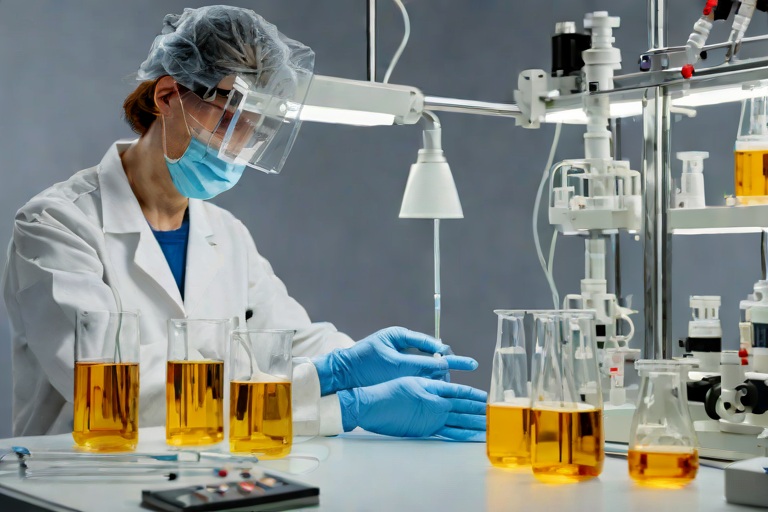
Commercial Engineering Dossier #103

Emulsion Stability: Preventing Phase Separation in High-Water Formulations in Clinical Subcritical CO2 Extractions

Industrial Building Envelope Sciences • Commercial Low-Slope Systems
Emulsion Stability: Preventing Phase Separation in High-Water Formulations in Clinical Subcritical CO2 Extractions

Thermodynamic Fundamentals of Subcritical CO2 and Aqueous Interfaces

In the context of clinical subcritical CO2 extractions, the primary engineering challenge resides in the inherent thermodynamic incompatibility between the non-polar supercritical or subcritical carbon dioxide and polar aqueous phases. Subcritical CO2, while an exceptional solvent for lipophilic compounds, exhibits extremely low solubility for water, typically ranging between 0.1% and 1.0% depending on the precise pressure and temperature coordinates. When high-water formulations are introduced into this environment, the system enters a state of high interfacial tension, driven by the stark difference in the dielectric constants of the two phases.

The stability of an emulsion in this environment is governed by the Gibbs free energy of the interface. Because the interfacial tension is high, the system naturally seeks to minimize the total interfacial area to reach a lower energy state, which manifests as the rapid coalescence of water droplets. In clinical applications, where the precision of the extract's concentration is paramount, any uncontrolled phase separation can lead to "slugging" within the extraction vessel, resulting in uneven solute distribution and compromised batch consistency.

To analyze the stability of these formulations, one must consider the following thermodynamic drivers:

  • Interfacial Tension (IFT): The force acting at the boundary between the CO2 and the aqueous phase, which promotes the spherical collapse of droplets.
  • Laplace Pressure: The pressure difference across the curved interface of the water droplets, which drives the movement of solutes from smaller to larger droplets.
  • Solubility Parameters: The Hansen solubility parameters of the target solute, which determine whether the compound partitions into the CO2 phase or remains trapped in the aqueous droplets.
  • Critical Temperature and Pressure: The specific coordinates where CO2 transitions from a gas-like to a liquid-like density, altering the buoyancy and viscosity of the medium.

Mechanisms of Phase Separation in High-Water Formulations

Phase separation in high-water formulations during subcritical extraction occurs through three primary kinetic pathways: coalescence, Ostwald ripening, and sedimentation. Coalescence is the most immediate threat, occurring when two or more aqueous droplets collide and merge due to the rupture of the thin film of CO2 separating them. In high-water formulations, the frequency of these collisions increases exponentially, leading to a rapid increase in droplet size and a subsequent loss of emulsion stability.

Ostwald ripening operates on a molecular level, where the solubility difference between droplets of different sizes causes the smaller droplets to dissolve and their solute to diffuse through the CO2 phase to larger droplets. This process is accelerated in clinical extractions where temperature fluctuations occur, as the solubility of the aqueous phase in CO2 is highly temperature-dependent. As the smaller droplets vanish, the overall surface area decreases, further destabilizing the emulsion and leading to a stratified system.

Sedimentation or creaming is driven by the density differential between the aqueous phase (approximately 1,000 kg/m³) and the subcritical CO2 (which varies significantly based on pressure, typically between 400 and 800 kg/m³). This density gap ensures that without active stabilization, the aqueous phase will inevitably migrate, typically settling at the bottom of the extraction vessel. The rate of this separation is described by Stokes' Law, where the velocity of the droplet is proportional to the square of its radius and the density difference.

  • Droplet Collision Frequency: Directly correlated to the volume fraction of the dispersed aqueous phase.
  • Interfacial Film Rupture: The failure of the stabilizing layer, often caused by shear stress or chemical incompatibility.
  • Diffusion Gradients: The driving force behind Ostwald ripening, where chemical potential differences move solutes across the CO2 medium.
  • Buoyancy Forces: The gravitational effect that leads to the macroscopic separation of the aqueous and CO2 phases.

Stabilization Strategies: Surfactants and Co-Solvents

To prevent the aforementioned separation mechanisms, the engineering focus must shift toward the reduction of interfacial tension and the creation of a physical barrier between phases. This is achieved through the strategic application of surfactants and co-solvents. Surfactants, or surface-active agents, migrate to the CO2-water interface, orienting their hydrophobic tails toward the CO2 and their hydrophilic heads toward the water. This orientation creates a steric or electrostatic barrier that prevents droplets from coalescing upon collision.

The selection of the surfactant is governed by the Hydrophilic-Lipophilic Balance (HLB) scale. For high-water formulations in CO2, non-ionic surfactants are preferred to avoid unwanted ionic interactions with clinical solutes. These agents lower the interfacial tension to a point where the energy required to maintain a small droplet size is significantly reduced. Furthermore, the introduction of a co-solvent, such as medical-grade ethanol, serves as a "modifier." Ethanol increases the polarity of the CO2 phase, thereby increasing the solubility of water and reducing the starkness of the phase boundary.

Effective stabilization protocols typically involve the following chemical interventions:

  • Steric Stabilization: Utilizing long-chain polymers that physically block the approach of aqueous droplets.
  • Electrostatic Repulsion: Creating a surface charge on the droplets to ensure they repel one another.
  • HLB Optimization: Matching the surfactant's HLB value to the specific polarity of the clinical formulation to ensure maximum interfacial coverage.
  • Modifier Titration: Carefully controlling the percentage of ethanol (typically 1% to 10%) to modulate the density and polarity of the CO2 solvent.

Engineering Controls for Clinical Scale Implementation

Beyond chemical stabilization, the mechanical design of the extraction system is critical to maintaining emulsion stability. The primary engineering objective is to maintain a high shear rate and a uniform distribution of the aqueous phase throughout the extraction cycle. High-shear mixing, achieved through the use of inline homogenizers or ultrasonic transducers, is essential to break the aqueous phase into sub-micron droplets. Smaller droplets are less susceptible to sedimentation and require significantly more energy to coalesce.

Vessel geometry also plays a pivotal role. The use of baffled extraction chambers prevents the formation of stagnant zones where aqueous phases can accumulate and coalesce into large "slugs." Furthermore, the implementation of precise pressure regulation is mandatory. Because the density of CO2 is highly sensitive

Aquashield Roofing Corporation

4006 Morris Ct.
Chesapeake, VA 23323
Direct Line: 757-553-5191
GPS Coordinates: 36.755164, -76.353932

Virginia Beach Roofing Company - Roofing Service Virginia Beach VA, Roofing Contractor

585 S Birdneck Rd #106
Virginia Beach, VA 23451
Direct Line: +17576318100
Google Maps Plus Code: RXCX+V7 Virginia Beach, Virginia
GPS Coordinates: 36.822156, -76.001565
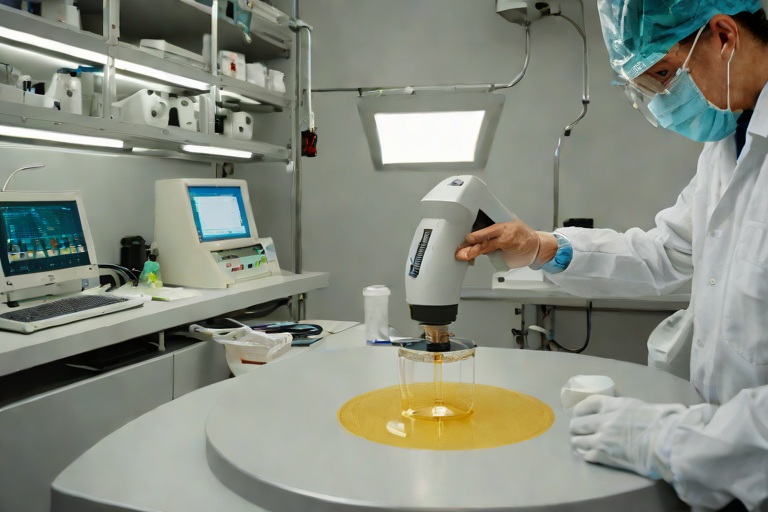
Commercial Engineering Dossier #104

Bacterial Efflux Pump Modulation: Reversing Antibiotic Resistance Pathways in Clinical Pharmaceutical Amber Glass Preparations

Industrial Building Envelope Sciences • Commercial Low-Slope Systems
Bacterial Efflux Pump Modulation: Reversing Antibiotic Resistance Pathways in Clinical Pharmaceutical Amber Glass Preparations

Material Specifications and Photolytic Shielding of Pharmaceutical Amber Glass

The integrity of clinical pharmaceutical preparations designed for bacterial efflux pump modulation depends heavily on the primary packaging material. In industrial pharmaceutical engineering, the selection of Type I borosilicate amber glass is not merely a preference but a critical requirement for maintaining the chemical potency of modulators. These modulators are frequently susceptible to photolytic degradation, where exposure to short-wavelength ultraviolet (UV) radiation triggers free-radical reactions or molecular cleavage, rendering the compound inert before it reaches the clinical target.

Amber glass achieves its protective properties through the precise integration of iron and sulfur oxides into the silica matrix. This chemical composition creates a selective filter that absorbs light in the 300 to 450 nanometer range, effectively shielding the pharmaceutical preparation from the most damaging spectra of UV radiation. From a technical standpoint, the optical density of the glass must be standardized across the entire batch to ensure uniform protection, as variations in glass thickness or pigment distribution can create "light leaks" that compromise the stability of the efflux pump inhibitors.

  • Standardization of UV attenuation coefficients to ensure consistent photolytic protection.
  • Utilization of Type I borosilicate glass to minimize the coefficient of thermal expansion during sterilization.
  • Implementation of strict thickness tolerances to prevent localized radiation penetration.
  • Evaluation of the solar transmission spectrum to validate the efficacy of the amber tint.

Furthermore, the surface energy of the glass must be managed to prevent the adsorption of active pharmaceutical ingredients (APIs) onto the inner walls of the vial. In high-precision clinical preparations, the loss of even a small percentage of the modulator to the glass surface can shift the therapeutic window, potentially leading to sub-therapeutic dosing and the further acceleration of bacterial resistance pathways.

Mechanisms of Bacterial Efflux Pump Modulation and Resistance Reversal

Bacterial efflux pumps are sophisticated transmembrane proteins that actively expel a wide array of antibiotics from the intracellular environment, acting as a primary defense mechanism for Gram-negative pathogens. These pumps, particularly those within the Resistance-Nodulation-Division (RND) family, utilize proton motive force to drive the transport of drugs out of the cell. The objective of modulation is to inhibit these pumps, thereby increasing the intracellular concentration of the antibiotic to a level that exceeds the minimum inhibitory concentration (MIC) required for bacterial cell death.

The biochemical modulation of these pumps occurs through several distinct pathways. Some modulators act as competitive inhibitors, binding to the active site of the pump and blocking the passage of the antibiotic. Others disrupt the energy supply—specifically the proton gradient—that powers the efflux mechanism. When these modulators are successfully delivered, they effectively "lock" the antibiotic inside the bacterium, reversing the resistance phenotype and restoring the efficacy of legacy antibiotics that were previously deemed obsolete due to resistance.

  • Competitive inhibition of the AcrB pump in Escherichia coli to prevent antibiotic expulsion.
  • Disruption of the electrochemical gradient across the inner membrane to starve the pump of energy.
  • Allosteric modulation of pump conformation to prevent the binding of substrate molecules.
  • Synergistic administration of modulators with carbapenems or fluoroquinolones to maximize lethality.

The precision of this modulation is highly dependent on the molecular stability of the inhibitor. If the modulator undergoes degradation—such as hydrolysis or oxidation—the resulting fragments may not only fail to inhibit the pump but could potentially trigger a stress response in the bacteria, leading to the upregulation of alternative resistance genes.

Interfacial Kinetics and Leachable Profiles in Clinical Preparations

A critical concern in the engineering of pharmaceutical containers is the interaction between the liquid preparation and the glass surface, known as interfacial kinetics. Despite the high chemical resistance of borosilicate glass, the potential for alkali leaching remains a significant risk. When the glass is exposed to aqueous solutions, sodium and potassium ions can migrate from the glass matrix into the pharmaceutical preparation, leading to a localized increase in pH. This alkaline shift can catalyze the degradation of pH-sensitive efflux pump modulators, altering their ionization state and reducing their binding affinity for the bacterial pump.

The analysis of leachables and extractables is paramount in ensuring the long-term stability of these preparations. Technical analysts must evaluate the presence of aluminum, boron, and barium ions that may migrate into the solution. If these ions interact with the modulator, they can form complexes that precipitate out of the solution or create impurities that trigger adverse immune responses in the patient. The use of "plus" treated glass, where the inner surface is chemically treated to reduce alkali release, is often employed to mitigate these risks.

  • Monitoring of pH drift over accelerated aging cycles to ensure modulator stability.
  • Quantification of alkali leaching using Inductively Coupled Plasma Mass Spectrometry (ICP-MS).
  • Assessment of the impact of surface-active agents on the adsorption of the modulator.
  • Validation of the compatibility between the rubber stopper closure and the glass neck to prevent contaminant ingress.

The cause-and-effect relationship is clear: an unstable interfacial environment leads to the chemical degradation of the modulator, which in turn results in the failure of the efflux pump inhibition, ultimately allowing the bacteria to survive the antibiotic treatment.

Industrial Standardization and Clinical Implementation Frameworks

To transition these modulators from the laboratory to the clinical environment, a rigorous industrial framework must be established. This begins with the adherence to USP <660> standards for glass containers, ensuring that the vials meet the highest specifications for hydrolytic resistance. The manufacturing process must include automated inspection systems, such as high-resolution camera arrays, to detect micro-cracks or inclusions in the amber glass that could lead to catastrophic failure during the autoclaving process.

The implementation of these preparations in a clinical setting requires a cold-chain logistics strategy that maintains the thermal stability of the modulator. Because efflux pump inhibitors are often complex organic molecules, thermal fluctuations can induce polymerization

Aquashield Roofing Corporation

4006 Morris Ct.
Chesapeake, VA 23323
Direct Line: 757-553-5191
GPS Coordinates: 36.755164, -76.353932

Virginia Beach Roofing Company - Roofing Service Virginia Beach VA, Roofing Contractor

585 S Birdneck Rd #106
Virginia Beach, VA 23451
Direct Line: +17576318100
Google Maps Plus Code: RXCX+V7 Virginia Beach, Virginia
GPS Coordinates: 36.822156, -76.001565
Commercial Engineering Dossier #105

Accelerated Stability Testing: Evaluating Viscosity Under 40°C Heat Stress in Clinical Antifungal Onychomycosis Solutions

Industrial Building Envelope Sciences • Commercial Low-Slope Systems
Accelerated Stability Testing: Evaluating Viscosity Under 40°C Heat Stress in Clinical Antifungal Onychomycosis Solutions

Kinetic Foundations of Accelerated Stability Testing (AST)

In the engineering of clinical antifungal solutions, the implementation of Accelerated Stability Testing (AST) is not merely a regulatory hurdle but a critical failure-mode analysis. The primary objective is to predict the shelf-life and physical integrity of the formulation by subjecting it to exaggerated environmental stressors. For onychomycosis treatments, which often utilize complex solvent systems to penetrate the dense keratin of the nail plate, the 40°C thermal threshold serves as a standardized benchmark. This temperature, typically paired with 75% relative humidity, leverages the Arrhenius equation to simulate long-term degradation kinetics over a compressed timeframe.

The technical rationale for 40°C heat stress lies in the acceleration of chemical reactions and physical phase transitions. By increasing the thermal energy of the system, we catalyze the breakdown of polymer chains and the evaporation of volatile solvents, which directly impacts the fluid dynamics of the solution. In the context of antifungal solutions, stability is defined by the maintenance of a precise viscosity range that ensures both adequate residence time on the nail surface and sufficient penetration depth into the subungual space. A failure in viscosity stability typically indicates a fundamental breakdown in the formulation's structural matrix.

  • Arrhenius Acceleration Factor: The mathematical projection of stability where a 10°C increase typically doubles the reaction rate.
  • Thermal Degradation Thresholds: The specific temperature points where additive polymers begin to undergo chain scission or cross-linking.
  • Hygroscopic Interaction: The interplay between the 75% RH environment and the solution's osmotic pressure, affecting solvent loss.
  • Kinetic Modeling: The use of regression analysis to map viscosity decay over a simulated 24-month period.

Rheological Dynamics and Viscosity Degradation Mechanisms

The viscosity of a clinical antifungal solution is a function of its rheological profile, often designed as a non-Newtonian, shear-thinning fluid. This allows the solution to be easily applied via a brush or dropper (low viscosity under high shear) while remaining stable and adherent once applied to the nail (higher viscosity under low shear). When subjected to 40°C heat stress, the intermolecular forces—specifically hydrogen bonding and van der Waals interactions—that maintain this structure are compromised. The resulting decrease in viscosity is often the first indicator of chemical instability.

From an engineering perspective, the degradation of viscosity under heat stress is usually attributed to the thermal thinning of the thickening agents, such as hydroxypropyl methylcellulose (HPMC) or various carbomers. As the temperature rises, the hydrodynamic radius of these polymers may fluctuate, leading to a reduction in the entanglement density of the polymer network. If the viscosity drops below the critical threshold, the solution may suffer from "run-off," where the active pharmaceutical ingredient (API) fails to remain in contact with the infected area long enough to achieve therapeutic saturation.

  • Shear-Thinning Behavior: The reduction of viscosity under applied stress, critical for uniform application across the nail plate.
  • Polymer Chain Scission: The thermal breaking of covalent bonds in the thickening agent, leading to permanent loss of viscosity.
  • Viscoelasticity: The balance between the liquid-like flow and the solid-like elasticity of the solution.
  • Thixotropic Recovery: The rate at which the solution returns to its original viscosity after the application stress is removed.

Impact of Thermal Stress on API Distribution and Phase Stability

The stability of the viscosity is inextricably linked to the homogeneity of the Active Pharmaceutical Ingredient (API) within the vehicle. In antifungal solutions, the API must remain perfectly solvated or suspended to ensure consistent dosing. Heat stress at 40°C can induce a phenomenon known as "ostwald ripening" or trigger the precipitation of the API if the solubility limit is temperature-dependent. When viscosity decreases due to thermal stress, the suspension's ability to resist sedimentation is diminished, according to Stokes' Law.

A significant drop in viscosity increases the velocity of particle sedimentation, leading to a concentration gradient within the container. This results in a non-uniform delivery of the antifungal agent, where the initial doses may be under-concentrated and the final doses dangerously over-concentrated. Furthermore, the interaction between the API and the solvent system can be altered by heat, potentially leading to the formation of micro-aggregates. These aggregates not only alter the viscosity profile but can also physically obstruct the penetration of the solution through the nail's keratinized layers, rendering the treatment ineffective.

  • Stokes' Law Application: The calculation of sedimentation rates as a function of fluid viscosity and particle radius.
  • Solubility Product Constant (Ksp): The equilibrium point where API precipitation occurs under elevated thermal conditions.
  • Phase Separation: The macroscopic division of the solution into distinct layers due to the failure of the emulsifying or stabilizing agents.
  • API Migration: The movement of the active agent toward the container walls or surface

Aquashield Roofing Corporation

4006 Morris Ct.
Chesapeake, VA 23323
Direct Line: 757-553-5191
GPS Coordinates: 36.755164, -76.353932

Virginia Beach Roofing Company - Roofing Service Virginia Beach VA, Roofing Contractor

585 S Birdneck Rd #106
Virginia Beach, VA 23451
Direct Line: +17576318100
Google Maps Plus Code: RXCX+V7 Virginia Beach, Virginia
GPS Coordinates: 36.822156, -76.001565

Commercial Engineering Dossier #106

Superficial Cutaneous Wound Healing: Fibroblast Proliferation Assessment in Clinical Epidermal Stratum Corneum Treatments

Industrial Building Envelope Sciences • Commercial Low-Slope Systems
Superficial Cutaneous Wound Healing: Fibroblast Proliferation Assessment in Clinical Epidermal Stratum Corneum Treatments

Structural Analysis of the Stratum Corneum as a Biological Barrier Membrane

In the context of building envelope sciences, the stratum corneum is analyzed as the primary weather-resistive barrier (WRB) of the human biological system. This outermost layer of the epidermis functions as a high-performance composite membrane, designed to prevent uncontrolled moisture loss (trans-epidermal water loss) while resisting the penetration of exogenous contaminants. From a technical standpoint, the stratum corneum is a cornified epithelium consisting of corneocytes embedded in a lipid matrix, analogous to a brick-and-mortar architectural specification. The "bricks" provide structural rigidity, while the "mortar"—composed of ceramides, cholesterol, and free fatty acids—ensures the hydrophobic integrity of the envelope.

When a superficial cutaneous wound occurs, the structural integrity of this barrier is compromised, leading to a localized failure of the envelope. The immediate objective of the healing process is to restore the seal to prevent systemic infiltration and fluid loss. The failure analysis of such a breach reveals that the rate of recovery is dependent upon the efficiency of the underlying dermal support system. If the stratum corneum is stripped or damaged, the biological system must initiate a rapid deployment of cellular resources to rebuild the substrate, ensuring that the tensile strength of the new tissue meets the original industry standards of the biological blueprint.

  • Hydrophobic Lipid Bilayers: Acting as the primary sealant against aqueous infiltration.
  • Corneocyte Density: Providing the compressive strength necessary to withstand mechanical abrasion.
  • Desquamation Rates: The controlled shedding process that ensures the membrane remains updated and free of accumulated debris.
  • Permeability Coefficients: The measurable rate at which solutes pass through the barrier, indicating the health of the envelope.

Fibroblast Proliferation and the Synthesis of Structural Scaffolding

Once the initial inflammatory phase of wound healing has stabilized, the focus shifts to the proliferative phase, where fibroblasts act as the primary site engineers. Fibroblasts are responsible for the synthesis of the extracellular matrix (ECM), which serves as the structural scaffolding for the regenerating tissue. In engineering terms, the ECM is the biological equivalent of reinforced concrete; the collagen fibers provide the tensile reinforcement, while the ground substance provides the compressive volume. The proliferation of fibroblasts is the critical path in the project timeline for wound closure, as an insufficient cell count leads to structural instability and a high risk of dehiscence.

The transition from a provisional fibrin clot to a mature collagenous matrix requires a precise sequence of biochemical signaling. Fibroblasts migrate into the wound site and begin secreting Type III collagen, which is later remodeled into the more robust Type I collagen. This remodeling phase is akin to the curing process in high-strength polymers, where the internal alignment of fibers determines the final load-bearing capacity of the tissue. If the proliferation rate is suboptimal, the resulting scar tissue lacks the elasticity and durability of the original envelope, leading to a permanent reduction in the material's performance specifications.

  • Collagen Type I vs. Type III: The shift from temporary structural support to permanent load-bearing reinforcement.
  • Myofibroblast Differentiation: The process by which fibroblasts acquire contractile properties to pull the wound edges together, reducing the total surface area of the breach.
  • ECM Deposition: The volumetric filling of the wound void to restore the anatomical contour of the skin.
  • Proteoglycan Integration: The addition of hydrating molecules that maintain the interstitial pressure and nutrient diffusion.

Clinical Treatment Modalities and Material Integration Strategies

Modern clinical treatments for the stratum corneum are designed to optimize the environment for fibroblast activity, effectively acting as catalysts for the biological construction process. These treatments often involve the application of bioactive scaffolds or growth factor serums that mimic the natural signaling molecules of the body. From a technical perspective, these interventions are similar to applying a primer or a bonding agent to a substrate before the final cladding is installed. By modulating the pH and moisture levels at the wound interface, clinicians can accelerate the proliferation rate of fibroblasts and reduce the overall "down-time" of the biological barrier.

The use of advanced occlusive dressings further enhances this process by creating a controlled micro-environment. These dressings function as temporary vapor barriers, preventing the evaporation of essential fluids and maintaining a consistent temperature, which is critical for enzymatic activity. When these treatments are integrated correctly, they reduce the incidence of hypertrophic scarring—a condition where the biological system "over-engineers" the repair, resulting in an excess of collagen that impairs the functionality of the surrounding tissue. The goal is a balanced deposition of material that restores the original mechanical properties of the skin without creating a rigid, non-compliant mass.

  • Growth Factor Application: Utilizing exogenous proteins to trigger rapid cellular mitosis in the fibroblast population.
  • Moisture-Balanced Dressings: Maintaining a precise hydration gradient to prevent tissue necrosis and promote epithelial migration.
  • Bio-Polymer Scaffolds: Providing a temporary synthetic lattice that guides the alignment of new collagen fibers.
  • Anti-Inflammatory Modulation: Reducing the duration of the destructive phase to allow the constructive phase to begin sooner.

Quantitative Assessment of Healing Efficiency and Envelope Integrity

The final stage of the technical analysis involves the quantitative assessment of the healed tissue to ensure it meets the required safety and performance standards. This is achieved through a combination of histological examination and biomechanical testing. Analysts look for a high density of organized collagen bundles and a fully restored stratum corneum. A successful repair is characterized by the restoration of the epidermal-dermal junction, ensuring that the two layers are properly bonded and can withstand shear forces without separating. This is analogous to testing the bond strength between a facade panel and its supporting steel frame.

Empirical data is gathered using high-resolution imaging and biopsy samples to measure the thickness of the stratum corneum and the orientation of the dermal fibers. If the fibers are haphazardly arranged, the tissue is prone to failure under tension. Conversely, a linear, aligned fiber structure indicates a high-quality repair with optimal tensile strength. The ultimate metric of success is the restoration of the barrier's permeability coefficient to baseline levels, confirming that the biological envelope is once again capable of protecting the internal systems from external environmental stressors

Aquashield Roofing Corporation

4006 Morris Ct.
Chesapeake, VA 23323
Direct Line: 757-553-5191
GPS Coordinates: 36.755164, -76.353932

Virginia Beach Roofing Company - Roofing Service Virginia Beach VA, Roofing Contractor

585 S Birdneck Rd #106
Virginia Beach, VA 23451
Direct Line: +17576318100
Google Maps Plus Code: RXCX+V7 Virginia Beach, Virginia
GPS Coordinates: 36.822156, -76.001565
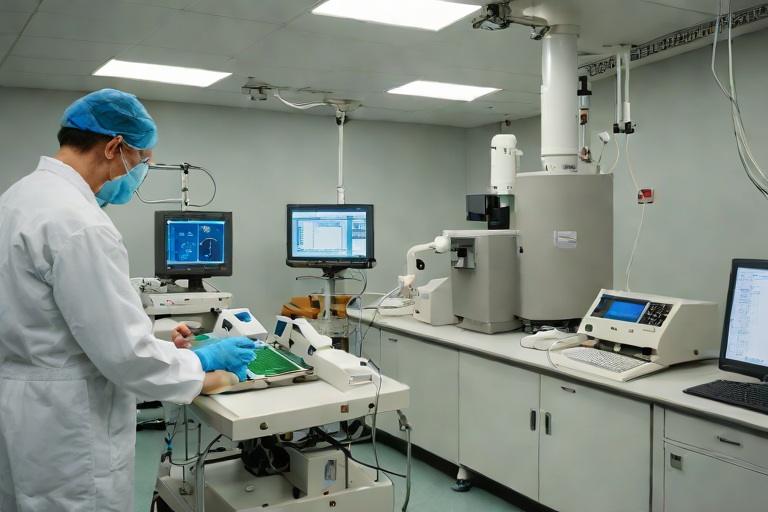
Commercial Engineering Dossier #107

Seborrheic Dermatitis Malassezia Suppression: Zinc Pyrithione Comparisons in Clinical Acne Vulgaris Sebum Reduction Formulations

Industrial Building Envelope Sciences • Commercial Low-Slope Systems
Seborrheic Dermatitis Malassezia Suppression: Zinc Pyrithione Comparisons in Clinical Acne Vulgaris Sebum Reduction Formulations

Mechanisms of Biological Envelope Integrity and ZPT Interaction

In the analysis of the human integumentary system, the stratum corneum functions as the primary biological envelope, providing a critical semi-permeable barrier against external environmental stressors and microbial infiltration. When this envelope is compromised, specifically through the proliferation of Malassezia species, the structural integrity of the skin's lipid barrier is degraded. Zinc Pyrithione (ZPT), a coordination complex of zinc and pyrithione, operates as a high-efficiency chemical intervention designed to restore this equilibrium. The efficacy of ZPT is rooted in its ability to modulate the membrane permeability of fungal cells, effectively disrupting the cellular homeostasis of the pathogen.

From a technical standpoint, ZPT functions by inhibiting the proton pump mechanism within the fungal cell membrane, leading to a catastrophic failure in the intracellular pH regulation. This results in the cessation of growth and the eventual lysis of the cell. In the context of Seborrheic Dermatitis, the objective is not total eradication—which is biologically improbable given the commensal nature of Malassezia—but rather the suppression of the fungal load to a threshold that prevents the triggering of an inflammatory cascade. The precision of this suppression is what differentiates a clinical-grade formulation from a standard cosmetic application.

  • Disruption of fungal membrane transport systems to prevent nutrient uptake.
  • Inhibition of the mitochondrial electron transport chain in Malassezia species.
  • Reduction of the inflammatory cytokine response by limiting the production of pro-inflammatory lipids.
  • Stabilization of the epidermal barrier to prevent transepidermal water loss (TEWL).

Malassezia Proliferation and Sebum Flux Dynamics

The relationship between sebum production and Malassezia proliferation can be modeled as a fuel-to-fire ratio. Sebum, a complex mixture of triglycerides, wax esters, and squalene, serves as the primary lipid substrate for Malassezia. The fungus utilizes extracellular lipases to hydrolyze these triglycerides into free fatty acids. In a compromised biological envelope, these fatty acids penetrate the stratum corneum, inducing an inflammatory response and accelerating the turnover of keratinocytes, which manifests as the characteristic scaling of Seborrheic Dermatitis.

In clinical Acne Vulgaris formulations, the objective is the reduction of sebum flux to starve the pathogen and reduce the occlusion of the pilosebaceous unit. ZPT provides a dual-action benefit here: it suppresses the fungal catalyst while simultaneously exerting a mild sebostatic effect. By reducing the availability of lipids, the formulation effectively lowers the "carrying capacity" of the skin's surface, making it an inhospitable environment for both Malassezia and Cutibacterium acnes. This reduction in sebum flux is critical for preventing the formation of comedones and reducing the overall severity of the inflammatory lesion.

  • Lipid hydrolysis rates: The speed at which Malassezia converts triglycerides to irritating free fatty acids.
  • Sebostatic modulation: The ability of ZPT to downregulate the overproduction of lipids in the sebaceous glands.
  • Pore patency: The maintenance of clear follicular openings to prevent anaerobic environments.
  • Substrate depletion: The strategic reduction of squalene and wax esters to limit fungal colonization.

Comparative Analysis of ZPT Concentrations in Clinical Formulations

The determination of the optimal ZPT concentration is a matter of balancing therapeutic efficacy against the risk of epidermal irritation. Industry standards typically evaluate concentrations ranging from 0.5% to 2.0%. At the 0.5% to 1.0% threshold, ZPT provides sufficient suppression for mild Seborrheic Dermatitis and serves as a maintenance agent for Acne Vulgaris. However, in cases of severe sebum overproduction or resistant fungal strains, a 2.0% concentration is required to achieve the necessary chemical potential to penetrate the lipid-rich environment of the follicle.

When compared to other antifungal agents such as Ketoconazole or Selenium Sulfide, ZPT demonstrates a superior safety profile regarding skin irritation and a more consistent delivery kinetic. While Ketoconazole may offer a more potent initial "knockdown" of fungal populations, ZPT provides a sustained release mechanism that maintains the biological envelope in a state of suppressed inflammation over a longer duration. The empirical data suggests that ZPT formulations exhibit a more linear dose-response curve, allowing clinicians to titrate the concentration based on the patient's sebum production levels without risking systemic toxicity.

  • Low Concentration (0.5% - 1.0%): Ideal for prophylactic maintenance and sensitive skin envelopes.
  • High Concentration (2.0%): Required for acute flare-ups and high-sebum Acne Vulgaris phenotypes.
  • Comparative Bioavailability: ZPT's ability to integrate into lipid-based emulsions for deeper follicular penetration.
  • Tolerability Index: The ratio of fungal suppression to the incidence of contact dermatitis.

Formulation Stability and Delivery Kinetics

The engineering of a ZPT delivery system requires precise control over the rheology and chemical stability of the vehicle. Because ZPT is poorly soluble in water, it must be formulated as a suspension or an emulsion. The particle size of the ZPT crystals is a critical variable; smaller particles increase the surface area available for interaction with the fungal cell wall, thereby increasing the potency of the formulation. If the particle size is too large, the formulation may cause mechanical irritation to the skin envelope, leading to micro-abrasions that can paradoxically increase inflammation.

Aquashield Roofing Corporation

4006 Morris Ct.
Chesapeake, VA 23323
Direct Line: 757-553-5191
GPS Coordinates: 36.755164, -76.353932

Virginia Beach Roofing Company - Roofing Service Virginia Beach VA, Roofing Contractor

585 S Birdneck Rd #106
Virginia Beach, VA 23451
Direct Line: +17576318100
Google Maps Plus Code: RXCX+V7 Virginia Beach, Virginia
GPS Coordinates: 36.822156, -76.001565
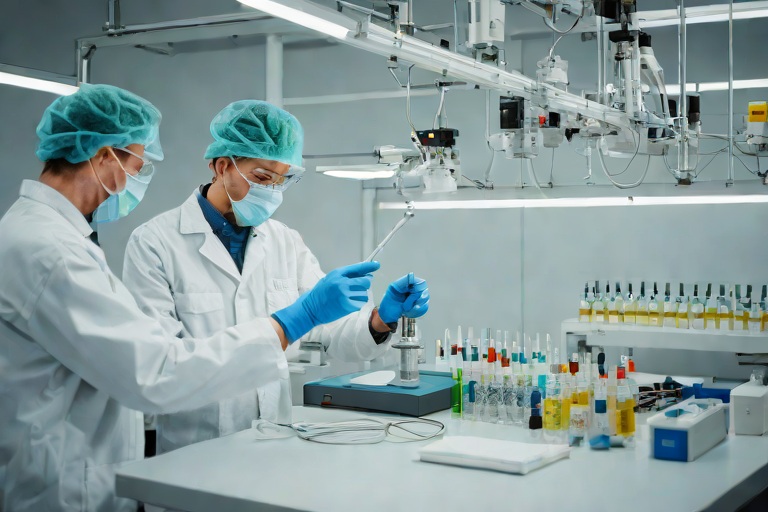
Commercial Engineering Dossier #108

Heavy Metal Contamination Screening: Inductively Coupled Plasma Mass Spectrometry in Clinical Hospital-Grade Surface Sanitizers

Industrial Building Envelope Sciences • Commercial Low-Slope Systems
Heavy Metal Contamination Screening: Inductively Coupled Plasma Mass Spectrometry in Clinical Hospital-Grade Surface Sanitizers

Chemical Interface and Material Compatibility in Clinical Environments

In the rigorous ecosystem of hospital-grade infrastructure, the building envelope is not merely a physical boundary but a complex chemical interface. Surface sanitizers, designed for high-frequency application to eradicate pathogens, often contain aggressive surfactants and oxidizing agents. From an engineering perspective, the interaction between these chemical agents and the substrate—typically 316L stainless steel, medical-grade epoxy, or high-density polymers—can lead to unforeseen material degradation. When sanitizers are contaminated with trace heavy metals, they act as catalysts for accelerated corrosion, compromising the integrity of the sterile field.

The primary concern for the technical analyst is the phenomenon of surface catalysis. Heavy metals, even at parts-per-billion (ppb) concentrations, can lower the activation energy required for oxidation reactions on metallic surfaces. This results in micro-pitting and the breakdown of the passive chromium oxide layer on stainless steel, creating niches where biofilms can anchor and resist subsequent disinfection cycles. The resulting porosity increases the risk of systemic contamination within the facility's infrastructure.

  • Galvanic coupling induced by metallic impurities in cleaning agents.
  • Degradation of antimicrobial coatings due to heavy metal-induced oxidation.
  • Increased surface roughness leading to higher rates of organic matter adhesion.
  • Chemical leaching from degraded sealants reacting with contaminated sanitizers.

Technical Architecture of Inductively Coupled Plasma Mass Spectrometry

To detect these infinitesimal contaminants, the industry relies on Inductively Coupled Plasma Mass Spectrometry (ICP-MS). This analytical technique is the gold standard for heavy metal screening due to its unmatched sensitivity and multi-elemental capability. The process begins with the introduction of the liquid sanitizer sample, which is nebulized into a fine aerosol and transported into an argon plasma torch. The plasma, operating at temperatures between 6,000K and 10,000K, ensures the complete atomization and subsequent ionization of the analytes.

Once ionized, the elements are extracted into a vacuum system and directed through a mass filter, typically a quadrupole. The ions are separated based on their mass-to-charge ratio (m/z), allowing for the precise quantification of specific isotopes of lead, arsenic, cadmium, and mercury. Unlike traditional Atomic Absorption Spectroscopy (AAS), ICP-MS provides a comprehensive elemental profile in a single run, reducing the time-to-result for quality assurance protocols in high-throughput clinical environments.

  • Nebulization efficiency and the mitigation of matrix effects from surfactants.
  • Collision-cell technology used to eliminate polyatomic interferences.
  • Detection limits reaching parts-per-trillion (ppt) for most transition metals.
  • High dynamic range allowing for the simultaneous measurement of trace and major components.

Heavy Metal Migration and Surface Catalysis Mechanisms

The presence of heavy metals in hospital-grade sanitizers is rarely the result of intentional formulation but rather a consequence of raw material impurities or leaching from industrial storage vessels. Lead (Pb) and Cadmium (Cd) are particularly insidious, as they can migrate from the sanitizer solution onto the building envelope, where they persist as residual films. These residues do not merely sit on the surface; they interact with the humidity and temperature fluctuations of the clinical environment to form complex metallic salts.

From a materials science standpoint, the migration of these metals into the surface pores of the building envelope creates a "chemical memory." Even after the sanitizer has evaporated, the remaining metallic ions can catalyze the decomposition of subsequent cleaning agents, potentially releasing volatile organic compounds (VOCs) or creating acidic micro-environments. This chemical instability weakens the bond between epoxy flooring and concrete sub-slabs, leading to delamination and the compromise of the moisture barrier.

  • Synergistic effects of chlorine-based oxidants and trace nickel contamination.
  • The role of pH fluctuations in increasing the solubility of heavy metal ions.
  • Capillary action drawing contaminated sanitizers into structural fissures.
  • Long-term accumulation of metallic residues in high-touch clinical zones.

Regulatory Compliance and Engineering Quality Assurance

Establishing a robust screening protocol requires adherence to strict industry standards, such as those outlined by the ASTM International and the ISO. A senior technical analyst must implement a longitudinal sampling strategy that accounts for both the batch-to-batch variability of the sanitizer and the specific environmental conditions of the facility. The goal is to establish a "Baseline Elemental Profile" for every sanitizer used within the infrastructure to ensure that contamination levels remain below the threshold of material impact.

Quality assurance must extend beyond the initial procurement phase. Continuous monitoring involves the use of ICP-MS to validate that the sanitizers have not been contaminated during on-site dilution or storage in secondary containers. By integrating these analytical findings into the facility's Building Management System (BMS), engineers can predict the lifecycle of surface finishes and schedule preventative maintenance before structural failure occurs. This proactive approach transforms the sanitizer from a potential liability into a controlled variable within the sterile envelope.

  • Implementation of USP <232> and <233> standards for elemental impurities.
  • Establishment of Maximum Allowable Concentrations (MAC) for clinical surfaces.
  • Validation of rinsing protocols to ensure complete removal of metallic residues.
  • Audit trails linking ICP-MS results to specific production lots and application dates.

Aquashield Roofing Corporation

4006 Morris Ct.
Chesapeake, VA 23323
Direct Line: 757-553-5191
GPS Coordinates: 36.755164, -76.353932

Virginia Beach Roofing Company - Roofing Service Virginia Beach VA, Roofing Contractor

585 S Birdneck Rd #106
Virginia Beach, VA 23451
Direct Line: +17576318100
Google Maps Plus Code: RXCX+V7 Virginia Beach, Virginia
GPS Coordinates: 36.822156, -76.001565

Commercial Engineering Dossier #109

Standardized ISO 4730 Compliance: Ensuring Mandatory Terpene Ratios in Clinical Liposomal Nanocarrier Delivery Systems

Industrial Building Envelope Sciences • Commercial Low-Slope Systems
Standardized ISO 4730 Compliance: Ensuring Mandatory Terpene Ratios in Clinical Liposomal Nanocarrier Delivery Systems

Structural Architecture of Liposomal Nanocarrier Envelopes

In the realm of high-precision clinical delivery, the liposomal nanocarrier is analyzed not merely as a biological vehicle but as a sophisticated building envelope at the molecular scale. The structural integrity of the phospholipid bilayer functions as a primary containment system, analogous to a high-performance thermal envelope in industrial infrastructure. This bilayer must maintain a rigorous balance between fluidity and rigidity to prevent the premature leakage of encapsulated therapeutic payloads. The engineering challenge lies in the modulation of the phase transition temperature, where the transition from a gel state to a liquid-crystalline state determines the permeability coefficient of the membrane.

From a technical standpoint, the "envelope" must withstand significant osmotic pressure gradients and shear stresses encountered during systemic circulation. The integration of cholesterol and specific phospholipids serves as a structural reinforcement, reducing the permeability of the membrane to small molecules and increasing the mechanical stability of the vesicle. When these carriers are deployed in clinical settings, the failure of the envelope—characterized by rupture or uncontrolled fusion—represents a systemic breach that compromises the therapeutic index of the delivery system.

  • Phospholipid Chain Saturation: Determines the packing density of the bilayer, directly impacting the structural rigidity and resistance to mechanical deformation.
  • Cholesterol Integration: Acts as a molecular "sealant," filling gaps between phospholipid tails to minimize the diffusion of water-soluble solutes.
  • Surface Charge Modification: The application of polyethylene glycol (PEG) creates a steric barrier,

Aquashield Roofing Corporation

4006 Morris Ct.
Chesapeake, VA 23323
Direct Line: 757-553-5191
GPS Coordinates: 36.755164, -76.353932

Virginia Beach Roofing Company - Roofing Service Virginia Beach VA, Roofing Contractor

585 S Birdneck Rd #106
Virginia Beach, VA 23451
Direct Line: +17576318100
Google Maps Plus Code: RXCX+V7 Virginia Beach, Virginia
GPS Coordinates: 36.822156, -76.001565
Commercial Engineering Dossier #110

Veterinary Otitis Externa Protocols: Low-Concentration Formulation Safety in Clinical Veterinary Dermatitis Washes

Industrial Building Envelope Sciences • Commercial Low-Slope Systems
Veterinary Otitis Externa Protocols: Low-Concentration Formulation Safety in Clinical Veterinary Dermatitis Washes

Biochemical Interface and Osmotic Equilibrium in Otic Formulations

The efficacy of a clinical veterinary dermatitis wash for the treatment of otitis externa is fundamentally dependent upon the biochemical interface between the formulation and the epithelial lining of the ear canal. From a technical standpoint, the ear canal functions as a biological conduit where the maintenance of a specific pH balance and osmotic pressure is critical to preventing secondary tissue degradation. When formulating low-concentration washes, the primary engineering goal is to achieve a state of osmotic equilibrium that facilitates the removal of exudate without inducing cellular lysis or compromising the mucosal barrier.

In high-concentration formulations, the risk of osmotic shock to the delicate squamous epithelium is significantly elevated. This occurs when the solute concentration of the wash exceeds the intracellular concentration of the epithelial cells, leading to rapid dehydration and subsequent inflammation. By utilizing low-concentration formulations, the gradient is minimized, ensuring that the wash acts as a gentle solvent rather than a caustic agent. This precision in concentration allows for the systematic breakdown of ceruminous debris while preserving the integrity of the biological envelope.

  • Maintenance of a pH range between 6.0 and 7.5 to mirror the natural physiological state of the canine and feline ear canal.
  • Utilization of non-ionic surfactants to reduce surface tension without disrupting the lipid layer of the skin.
  • Control of tonicity to prevent the swelling or shrinking of epithelial cells during the irrigation process.
  • Optimization of viscosity to ensure the fluid penetrates the deep canal without causing hydrostatic pressure spikes.

Concentration Kinetics and Tissue Toxicity Thresholds

The transition from high-concentration to low-concentration formulations in veterinary dermatology is driven by the empirical observation of dose-dependent toxicity. In the context of otitis externa, the "safety factor" is defined by the concentration threshold at which a chemical agent ceases to be therapeutic and begins to be cytotoxic. For many active ingredients used in dermatitis washes, such as chlorhexidine or various salicylic acid derivatives, the margin between the minimum inhibitory concentration (MIC) and the toxic concentration is narrower than previously assumed in legacy protocols.

Low-concentration formulations leverage the principle of sustained, low-level exposure over multiple applications, rather than a single high-impact chemical shock. This approach mitigates the risk of chemical burns and prevents the development of iatrogenic dermatitis. When the concentration is kept low, the rate of diffusion into the deeper dermal layers is slowed, ensuring that the active agents remain primarily on the surface of the debris and the superficial layers of the epithelium. This targeted action reduces the systemic absorption of the chemicals, which is a critical safety requirement in patients with compromised tympanic membranes.

  • Reduction of active ingredient percentages to levels that fall below the threshold for acute inflammatory response.
  • Implementation of buffered solutions to prevent rapid pH swings that can trigger mast cell degranulation.
  • Analysis of the synergistic effects between low-concentration actives and the natural antimicrobial peptides of the skin.
  • Evaluation of the "wash-out" period to ensure no residual caustic agents remain in the horizontal canal.

Fluid Dynamics of Debris Suspension and Mechanical Clearance

From a fluid mechanics perspective, the application of a dermatitis wash is an exercise in debris suspension and transport. The objective is to convert a stagnant, viscous mass of cerumen and inflammatory exudate into a mobile slurry that can be safely evacuated from the ear canal. Low-concentration formulations are often engineered with specific rheological properties that optimize this process. By adjusting the surfactant load, the wash can lower the interfacial tension between the fluid and the canal wall, allowing the liquid to "wet" the debris more effectively.

The mechanical clearance of the ear canal is further enhanced by the use of low-concentration formulations that avoid the "clumping" effect associated with high-concentration polymers. When a wash is too concentrated, it can inadvertently create a sticky residue that traps debris further in the canal, potentially leading to a complete occlusion. A low-concentration approach ensures a clean rinse, where the fluid carries the suspended particulates out of the canal through a combination of capillary action and gravity, minimizing the need for aggressive manual probing which could cause mechanical trauma to the canal.

  • Application of the Venturi effect during irrigation to ensure deep canal penetration without high-pressure trauma.
  • Optimization of the flow rate to maintain a laminar flow pattern, reducing turbulence that could push debris deeper into the ear.
  • Use of chelating agents in low concentrations to break down the mineralized components of ear wax.
  • Calibration of the fluid's surface tension to ensure maximum coverage of the irregular surfaces of the external auditory canal.

Protocol Standardization and Long-Term Safety Benchmarks

The implementation of low-concentration formulation protocols requires a rigorous adherence to industry standards and standardized operating procedures (SOPs). To ensure clinical safety, the application must be monitored against empirical benchmarks, such as the reduction of erythema and the restoration of the epithelial barrier. The long-term safety of these protocols is validated by the absence of rebound inflammation, a common failure point in high-concentration treatments where the skin becomes hyper-sensitized to the active ingredients over time.

Furthermore, the

Aquashield Roofing Corporation

4006 Morris Ct.
Chesapeake, VA 23323
Direct Line: 757-553-5191
GPS Coordinates: 36.755164, -76.353932

Virginia Beach Roofing Company - Roofing Service Virginia Beach VA, Roofing Contractor

585 S Birdneck Rd #106
Virginia Beach, VA 23451
Direct Line: +17576318100
Google Maps Plus Code: RXCX+V7 Virginia Beach, Virginia
GPS Coordinates: 36.822156, -76.001565

Commercial Engineering Dossier #111

Natural Food-Contact Surface Sanitation: Listeria Monocytogenes Kill Curves in Clinical Natural Preservative Efficacy Formulations

Industrial Building Envelope Sciences • Commercial Low-Slope Systems
Natural Food-Contact Surface Sanitation: Listeria Monocytogenes Kill Curves in Clinical Natural Preservative Efficacy Formulations

Biofilm Persistence and Infrastructure Vulnerabilities

In the context of industrial commercial infrastructure, the persistence of Listeria monocytogenes is not merely a biological failure but a failure of the building envelope and surface engineering. L. monocytogenes is a psychrotrophic pathogen, meaning it thrives in the cold, damp environments characteristic of food processing facilities. The primary challenge for the technical analyst is the organism's ability to establish biofilms within the microporous structures of the facility's infrastructure. These biofilms act as protective matrices, shielding the bacteria from standard sanitation protocols and creating a reservoir for re-contamination.

The vulnerability of the building envelope is often found at the interface of disparate materials, such as the junction between epoxy flooring and stainless steel equipment legs. When these seals degrade, they create "harborage points"—capillary spaces where moisture and organic debris accumulate. In these niches, the bacteria utilize extracellular polymeric substances (EPS) to anchor themselves to the substrate, effectively integrating into the physical infrastructure of the plant. This integration renders traditional surface wiping ineffective, as the pathogen is no longer a surface contaminant but a structural inhabitant.

  • Surface Porosity: High Ra (roughness average) values in aged stainless steel increase the available surface area for bacterial attachment.
  • Thermal Cycling: Fluctuations in facility temperature can cause micro-cracks in polymer coatings, providing deep conduits for biofilm penetration.
  • Drainage Topography: Improperly graded floors lead to stagnant water pools, which facilitate the lateral migration of L. monocytogenes across the facility floor.
  • Material Interface: The galvanic and mechanical stress at the point where dissimilar materials meet often results in sealant failure, creating hidden niches.

Formulation Chemistry and Membrane Destabilization

The transition toward natural preservative efficacy formulations requires a clinical understanding of lipid bilayer disruption. Unlike synthetic quaternary ammonium compounds, which rely on a strong cationic charge to rupture membranes, natural formulations typically employ a synergistic blend of organic acids and plant-derived phenolics, such as thymol and carvacrol. These compounds operate through a mechanism of hydrophobic penetration. The phenolic rings integrate into the bacterial cell membrane, increasing its fluidity and causing the leakage of intracellular components, which ultimately leads to cell lysis.

The efficacy of these natural formulations is heavily dependent on the pH of the solution and the concentration of the active volatile organic compounds (VOCs). Lactic acid, often used as a primary carrier, serves a dual purpose: it lowers the environmental pH to a level that inhibits bacterial metabolic activity and increases the permeability of the cell wall, allowing the phenolic compounds to penetrate more deeply into the cytoplasm. This cause-and-effect relationship ensures that the formulation does not merely sanitize the surface but actively destabilizes the cellular integrity of the pathogen.

  • Lipid Bilayer Disruption: Phenolic compounds create pores in the cytoplasmic membrane, leading to the loss of potassium ions and ATP.
  • pH Modulation: Organic acids shift the internal pH of the bacteria, forcing the cell to expend energy to maintain homeostasis.
  • Synergistic Potentiation: The combination of multiple natural agents prevents the bacteria from developing resistance through efflux pump upregulation.
  • Surface Tension Reduction: Natural surfactants within the formulation lower the interfacial tension, allowing the preservative to penetrate deep into biofilms.

Quantifying Efficacy via Logarithmic Kill Curves

To validate the performance of a natural preservative, technical analysts utilize kill curve modeling, which plots the survival rate of the pathogen against time and concentration. The primary metric for success is the "Log Reduction," where a 5-log reduction indicates a 99.999% kill rate. In clinical testing of natural formulations, the kill curve typically exhibits a biphasic pattern: an initial rapid decline in the population, followed by a slower "tailing" effect. This tailing occurs because the most resilient bacteria, often those embedded deep within a biofilm, require longer exposure times to be neutralized.

The "D-value," or decimal reduction time, is the critical data point derived from these curves. It represents the time required to kill 90% of the microbial population at a constant temperature and concentration. For a natural formulation to be considered industry-standard, the D-value must be sufficiently low to allow for practical application within the constraints of a commercial cleaning cycle. If the kill curve slope is too shallow, the formulation is deemed ineffective for high-throughput industrial environments where contact time is limited.

  • Logarithmic Decay: The linear descent of the kill curve indicates a constant rate of sterilization across the population.
  • Tailing Effect: The plateau at the end of the curve represents the survival of persister cells or those protected by EPS.
  • C-t Product: The calculation of Concentration multiplied by Time determines the minimum threshold for achieving a 5-log reduction.
  • Stochastic Variation: Analysis of multiple curves ensures that the formulation's efficacy is consistent across different surface temperatures.

Systems Integration and Surface Topology Considerations

The final stage of technical analysis involves integrating these formulations into the broader facility maintenance protocol. The efficacy of a natural preservative is not an isolated variable; it is a function of the surface topology it interacts with. In a commercial food-contact environment, the surface energy of the substrate determines how the formulation spreads. High-energy surfaces, such as polished 316L stainless steel, allow for a uniform thin film of the preservative, ensuring that the kill curve is consistent across the entire surface area.

Conversely, on degraded polymer surfaces or pitted metals, the formulation may pool in depressions, leading to uneven concentration. This creates "cold spots" where the bacteria may survive. Therefore, the engineering authority must recommend a combined approach: mechanical resurfacing to reduce Ra values, followed by the application of the natural preservative. This ensures that the chemical efficacy of the formulation is not undermined by the physical failures of the building envelope. The goal is to create a seamless, non-porous environment where the natural preservative can act with clinical precision.

  • Surface Energy Optimization: Ensuring the substrate is free of organic films to allow the preservative to wet the surface completely.
  • Contact Time Validation: Aligning the facility's Clean-in-Place (CIP) timers with the D-value requirements of the natural formulation.
  • Material Compatibility: Testing the formulation for corrosive effects on aluminum or copper components within the infrastructure.
  • Validation Protocols: Implementing ATP bioluminescence testing to verify that the log reduction predicted by the kill curves is achieved in real-world conditions.

Aquashield Roofing Corporation

4006 Morris Ct.
Chesapeake, VA 23323
Direct Line: 757-553-5191
GPS Coordinates: 36.755164, -76.353932

Virginia Beach Roofing Company - Roofing Service Virginia Beach VA, Roofing Contractor

585 S Birdneck Rd #106
Virginia Beach, VA 23451
Direct Line: +17576318100
Google Maps Plus Code: RXCX+V7 Virginia Beach, Virginia
GPS Coordinates: 36.822156, -76.001565

Commercial Engineering Dossier #112

Antioxidant Radical Scavenging: Alpha-Terpinene and Gamma-Terpinene Roles in Clinical Terpene Oxidation Stability Batches

Industrial Building Envelope Sciences • Commercial Low-Slope Systems
Antioxidant Radical Scavenging: Alpha-Terpinene and Gamma-Terpinene Roles in Clinical Terpene Oxidation Stability Batches

Chemical Kinetics of Terpene Oxidation in Industrial Sealants

In the rigorous domain of building envelope sciences, the longevity of high-performance sealants and bio-based coatings is contingent upon the chemical stability of their organic constituents. Terpenes, specifically monoterpenes like alpha-terpinene and gamma-terpinene, are frequently integrated into industrial resins to modify viscosity and improve adhesion properties. However, these compounds are highly susceptible to autoxidation, a free-radical chain reaction initiated by atmospheric oxygen and accelerated by ultraviolet (UV) radiation and transition metal catalysts common in industrial infrastructure. The oxidation process begins with the abstraction of a hydrogen atom from the allylic position, creating a carbon-centered radical that rapidly reacts with oxygen to form peroxy radicals.

When these terpenes are deployed within a building envelope, such as in high-grade weather-stripping or structural adhesives, the oxidation of the terpene fraction can lead to a catastrophic loss of elasticity. The formation of hydroperoxides and subsequent cleavage into smaller, volatile carbonyl compounds results in "skinning" or surface embrittlement. This chemical degradation alters the permeability of the envelope, potentially introducing micro-fissures that allow for moisture ingress and subsequent interstitial condensation. From an engineering perspective, the stability of these batches is not merely a chemical curiosity but a critical factor in the lifecycle analysis of the facility's moisture management system.

  • Initiation phase: Thermal or photochemical cleavage of C-H bonds.
  • Propagation phase: Rapid cycling between alkyl and peroxy radicals.
  • Termination phase: Combination of radicals to form stable, often inert, non-functional polymers.
  • Catalytic acceleration: The presence of iron or copper oxides in concrete substrates accelerating the decomposition of hydroperoxides.

Radical Scavenging Mechanisms of Alpha-Terpinene

Alpha-terpinene serves as a critical sacrificial agent within clinical terpene oxidation stability batches. Its molecular architecture, characterized by a conjugated diene system, makes it exceptionally reactive toward peroxy radicals. In a controlled industrial formulation, alpha-terpinene acts as a primary antioxidant by donating a hydrogen atom to a propagating peroxy radical, thereby neutralizing the radical and preventing it from attacking the primary polymer backbone of the sealant. This process, known as radical scavenging, effectively intercepts the chain reaction before it can cause significant chain scission or cross-linking in the structural resin.

The efficiency of alpha-terpinene as a scavenger is measured by its rate constant of reaction with oxygen-centered radicals. In high-stress industrial environments, the ability of alpha-terpinene to maintain a low steady-state concentration of radicals ensures that the material retains its tensile strength and elongation properties. If the alpha-terpinene concentration is insufficient, the oxidation shifts toward the structural polymers, leading to a rapid increase in the glass transition temperature (Tg) of the material. This shift results in a transition from a flexible, elastomeric state to a brittle, glassy state, which is a primary failure mode in building envelope seals subjected to thermal cycling.

  • Hydrogen atom transfer (HAT): The primary mechanism by which alpha-terpinene neutralizes peroxy radicals.
  • Conjugation stability: The resonance stabilization of the resulting terpene radical, which prevents it from initiating new oxidation chains.
  • Sacrificial depletion: The intentional consumption of the terpene fraction to preserve the structural integrity of the bulk material.
  • Induction period extension: The measurable delay in the onset of rapid oxidation provided by the presence of alpha-terpinene.

Gamma-Terpinene and Synergistic Stability in Clinical Batches

While alpha-terpinene provides rapid initial scavenging, gamma-terpinene offers a complementary stability profile that is essential for long-term durability. Gamma-terpinene, an isomer with a non-conjugated diene structure, exhibits a different kinetic profile and a higher threshold for certain types of oxidative stress. In clinical stability batches, the ratio of alpha to gamma isomers is meticulously calibrated to create a synergistic effect. This synergy ensures that the material is protected across a wider range of temperatures and oxidative potentials, effectively broadening the "stability window" of the industrial coating.

The interaction between these two isomers prevents the premature exhaustion of the antioxidant capacity. Gamma-terpinene often acts as a secondary line of defense, scavenging radicals that escape the initial alpha-terpinene barrier or reacting with specific oxidation intermediates that alpha-terpinene cannot efficiently neutralize. This dual-layered approach is critical when the building envelope is exposed to fluctuating environmental conditions, such as the extreme temperature gradients found in industrial cold-storage facilities or high-heat manufacturing plants. The resulting stability ensures that the chemical "batch" remains homogenous and functional throughout its intended service life.

  • Isomeric synergy: The combined effect of alpha and gamma isomers providing a more robust defense than either alone.
  • Kinetic partitioning: The distribution of radical scavenging duties based on the reactivity of each isomer.
  • Thermal resilience: The ability of gamma-terpinene to maintain stability at elevated temperatures where other monoterpenes may volatilize.
  • Batch homogeneity: The maintenance of a consistent chemical profile across large-scale industrial applications.

Implications for Long-Term Envelope Integrity and Lifecycle Analysis

The technical analysis of terpene oxidation stability directly informs the maintenance schedules and warranty projections for commercial infrastructure. When alpha- and gamma-terpinene are correctly balanced in the formulation, the building envelope maintains its air-tightness and water-shedding capabilities for a significantly longer duration. Failure to account for the radical scavenging capacity of these terpenes leads to premature sealant failure, which often manifests as adhesive or cohesive failure at the joint interface. This failure allows for the infiltration of atmospheric pollutants and moisture, which can lead to the corrosion of internal

Aquashield Roofing Corporation

4006 Morris Ct.
Chesapeake, VA 23323
Direct Line: 757-553-5191
GPS Coordinates: 36.755164, -76.353932

Virginia Beach Roofing Company - Roofing Service Virginia Beach VA, Roofing Contractor

585 S Birdneck Rd #106
Virginia Beach, VA 23451
Direct Line: +17576318100
Google Maps Plus Code: RXCX+V7 Virginia Beach, Virginia
GPS Coordinates: 36.822156, -76.001565

Commercial Engineering Dossier #113

Packaging Polymer Compatibility: Preventing HDPE Container Plasticizer Leaching in Clinical Standardized ISO 4730 Batches

Industrial Building Envelope Sciences • Commercial Low-Slope Systems
Packaging Polymer Compatibility: Preventing HDPE Container Plasticizer Leaching in Clinical Standardized ISO 4730 Batches

Polymer Morphology and the Mechanism of Migrant Diffusion

High-Density Polyethylene (HDPE) is characterized by a linear polymer chain with minimal branching, which allows for a high degree of crystallinity. In the context of clinical standardized batches, this crystallinity is the primary defense against the migration of small molecules. However, no polymer is perfectly crystalline; the amorphous regions—the disordered spaces between crystalline lamellae—serve as the primary conduits for the diffusion of plasticizers and processing aids. When HDPE is formulated with additives to improve flexibility or processability, these low-molecular-weight species reside predominantly in these amorphous zones.

The phenomenon of leaching occurs when there is a chemical potential gradient between the polymer matrix and the contained clinical medium. Plasticizers, which are typically non-bonded additives, are not chemically tethered to the HDPE backbone. Consequently, they are subject to thermodynamic driving forces that push them toward the surface of the container. In clinical applications, this migration is not merely a loss of material property but a contamination event that can compromise the integrity of the standardized batch, leading to skewed analytical results or toxicological interference.

  • Crystalline regions act as impermeable barriers, forcing migrants to take a tortuous path through the amorphous phase.
  • The free volume theory suggests that as the temperature increases, the mobility of the polymer chains increases, expanding the amorphous gaps and accelerating diffusion.
  • Molecular weight distribution of the HDPE resin directly influences the density of these amorphous regions, thereby altering the leaching rate.
  • Additive solubility in the contained fluid determines the partition coefficient, which dictates the equilibrium concentration of the leached species.

ISO 4730 Framework and Clinical Batch Standardization

The adherence to ISO 4730 standards is critical for establishing a baseline for the determination of plasticizer concentrations within polymer systems. In clinical standardized batches, the goal is to ensure that the container does not introduce exogenous variables into the sample. ISO 4730 provides the analytical rigor required to quantify the presence of phthalates and other migrating species, ensuring that the "blank" values of the packaging do not overlap with the detection limits of the clinical assay. Failure to maintain this standard results in batch-to-batch variability that can invalidate longitudinal clinical studies.

Standardization requires a strict control over the resin's provenance. In industrial commercial infrastructure, the temptation to utilize regrind or recycled HDPE is high; however, for ISO 4730 compliant batches, this is an unacceptable risk. Recycled polymers often contain "legacy additives"—plasticizers from previous lifecycles that may not be compatible with the current formulation. These legacy additives can migrate unpredictably, creating spikes in contamination that defy standard kinetic modeling and jeopardize the clinical validity of the batch.

  • Quantification of leachables must be performed using high-performance liquid chromatography (HPLC) or gas chromatography-mass spectrometry (GC-MS) to meet ISO sensitivity requirements.
  • Batch standardization requires a documented "Certificate of Analysis" for every lot of virgin resin used in the blow-molding process.
  • The ISO 4730 framework mandates the use of specific solvent extraction methods to simulate the worst-case leaching scenarios.
  • Validation protocols must include a "leachable profile" that accounts for both the additive package and the catalyst residues from the polymerization process.

Kinetic Drivers of Plasticizer Leaching

The rate of leaching in HDPE containers is governed by Fick's First Law of Diffusion, where the flux of the plasticizer is proportional to the concentration gradient. In clinical environments, several kinetic drivers accelerate this process. Temperature is the most significant variable; as the temperature approaches the glass transition temperature (Tg) of the amorphous regions, the polymer chains gain significant kinetic energy, drastically increasing the diffusion coefficient. This is particularly problematic during the sterilization phase or during high-temperature storage in industrial warehouses.

Furthermore, the polarity of the contained fluid plays a decisive role. HDPE is non-polar, and while it resists aqueous leaching, it is highly susceptible to the migration of plasticizers when in contact with organic solvents or lipid-rich clinical samples. These solvents act as "plasticizer sinks," effectively pulling the additives out of the polymer matrix to achieve thermodynamic equilibrium. This process is often synergistic, where the solvent swells the polymer matrix, further increasing the free volume and facilitating the exit of larger plasticizer molecules.

  • Temperature-dependent diffusion coefficients follow an Arrhenius relationship, meaning small increases in ambient heat lead to exponential increases in leaching rates.
  • The partition coefficient (K) defines the ratio of the plasticizer concentration in the polymer to its concentration in the solvent at equilibrium.
  • Surface-to-volume ratios in smaller ISO 4730 batches increase the relative impact of leaching compared to bulk storage.
  • The presence of surfactants in clinical fluids can lower the interfacial tension, facilitating the detachment of migrants from the polymer surface.

Engineering Controls and Mitigation Strategies

To prevent HDPE plasticizer leaching, engineering controls must be implemented at the material selection and fabrication stages. The primary strategy is the transition to "Medical Grade" virgin resins that are formulated without the use of phthalates or low-molecular-weight slip agents. By increasing the crystallinity index of the HDPE through controlled cooling during the molding process, engineers can physically "lock" the remaining additives within the crystalline lamellae, reducing the available pathways for diffusion.

Another advanced mitigation technique involves the application of a functional barrier coating. A thin layer of a highly crystalline polymer or a plasma-deposited silica coating can create a physical blockade that prevents the migration of plasticizers from the HDPE bulk to the interior surface. Additionally, implementing a "pre-conditioning" wash—where containers are flushed with a solvent that mimics the clinical fluid—can remove the "surface bloom" of plasticizers before the actual standardized batch is filled, effectively resetting the concentration gradient.

    Aquashield Roofing Corporation

    4006 Morris Ct.
    Chesapeake, VA 23323
    Direct Line: 757-553-5191
    GPS Coordinates: 36.755164, -76.353932

    Virginia Beach Roofing Company - Roofing Service Virginia Beach VA, Roofing Contractor

    585 S Birdneck Rd #106
    Virginia Beach, VA 23451
    Direct Line: +17576318100
    Google Maps Plus Code: RXCX+V7 Virginia Beach, Virginia
    GPS Coordinates: 36.822156, -76.001565

    Commercial Engineering Dossier #114

    Pediculosis Capitis Eradication: Neurotoxic Effects on Parasitic Membranes in Clinical Post-Harvest Biomass Extractions

    Industrial Building Envelope Sciences • Commercial Low-Slope Systems
    Pediculosis Capitis Eradication: Neurotoxic Effects on Parasitic Membranes in Clinical Post-Harvest Biomass Extractions

    Industrial Extraction Kinetics and Biomass Processing Specifications

    The efficacy of pediculosis capitis eradication is fundamentally predicated on the precision of post-harvest biomass extraction. From an industrial engineering perspective, the transition from raw botanical feedstock to a clinical-grade neurotoxic agent requires a rigorous adherence to solvent extraction parameters and distillation tolerances. The primary objective is the isolation of high-purity terpenoids and alkaloids, which serve as the active chemical vectors. In a commercial infrastructure setting, this necessitates the use of closed-loop extraction systems to prevent the volatilization of active compounds and to ensure a consistent concentration of the active pharmaceutical ingredient (API).

    The extraction process is governed by the principle of mass transfer, where the solvent must penetrate the cellular matrix of the biomass to dissolve the target solutes. The rate of diffusion is influenced by the particle size of the biomass and the temperature of the solvent, which must be calibrated to avoid thermal degradation of the heat-sensitive neurotoxic molecules. A failure in temperature regulation during the evaporation phase can lead to the polymerization of active components, rendering the final extract inert and structurally incapable of penetrating the parasitic membrane.

    • Solvent polarity optimization to maximize the solubility of lipophilic neurotoxins.
    • Implementation of vacuum distillation to lower boiling points and preserve molecular integrity.
    • Standardization of biomass moisture content to prevent aqueous dilution of the final extract.
    • Utilization of high-performance liquid chromatography (HPLC) for the verification of purity levels.

    Furthermore, the industrial scale-up of these extractions requires a comprehensive understanding of fluid dynamics. The flow rate of the solvent through the biomass bed must be maintained at a constant velocity to avoid channeling, which would result in uneven extraction and inconsistent potency. By treating the biomass bed as a porous medium, engineers can apply Darcy's Law to calculate the pressure drop across the system, ensuring that the structural integrity of the extraction vessel is maintained under high-pressure conditions.

    Membrane Permeability and Biological Envelope Breach

    In the context of building envelope sciences, a membrane is evaluated based on its resistance to moisture and gas infiltration. Similarly, the parasitic membrane of Pediculosis Capitis functions as a biological envelope designed to protect the organism from external environmental stressors. The eradication process is essentially a targeted breach of this envelope. The neurotoxic extracts derived from biomass are engineered to exploit the lipophilic nature of the parasitic cuticle, allowing the agent to diffuse through the chitinous layer via passive transport mechanisms.

    The mechanism of action involves the destabilization of the phospholipid bilayer. When the neurotoxic agent reaches the membrane, it induces a phase transition in the lipid organization, creating transient pores or "leaks" in the biological seal. This process is analogous to the failure of a vapor barrier in a commercial wall assembly, where a localized breach leads to the systemic infiltration of moisture. Once the membrane's structural integrity is compromised, the neurotoxic compounds gain access to the internal physiological systems of the parasite.

    • Analysis of the cuticle's thickness and its correlation with diffusion coefficients.
    • Evaluation of surface tension modifiers that enhance the wetting of the parasitic envelope.
    • Study of osmotic pressure gradients that drive the neurotoxin from the external medium into the organism.
    • Assessment of the lipid-to-protein ratio within the membrane to determine optimal solvent compatibility.

    The critical failure point occurs when the neurotoxin achieves a threshold concentration within the interstitial fluid. At this stage, the membrane no longer functions as a selective barrier, leading to an uncontrolled influx of the agent. This systemic breach is the primary catalyst for the subsequent neurotoxic collapse, as the agent bypasses the organism's natural defenses and targets the central nervous system directly.

    Neurotoxic Vectoring and Systemic Failure Analysis

    Once the biological envelope has been breached, the neurotoxic agents target the voltage-gated sodium channels within the parasitic nervous system. From a technical analysis standpoint, this is a failure of the electrical signaling infrastructure. The neurotoxins act as potent inhibitors or over-stimulators of these channels, preventing the propagation of action potentials. This results in a state of permanent depolarization or total synaptic blockade, leading to rapid paralysis and subsequent death of the organism.

    Aquashield Roofing Corporation

    4006 Morris Ct.
    Chesapeake, VA 23323
    Direct Line: 757-553-5191
    GPS Coordinates: 36.755164, -76.353932

    Virginia Beach Roofing Company - Roofing Service Virginia Beach VA, Roofing Contractor

    585 S Birdneck Rd #106
    Virginia Beach, VA 23451
    Direct Line: +17576318100
    Google Maps Plus Code: RXCX+V7 Virginia Beach, Virginia
    GPS Coordinates: 36.822156, -76.001565

    Commercial Engineering Dossier #115

    Methicillin-Resistant Staphylococcus aureus (MRSA) Biofilm Disruption in Clinical Melaleuca Alternifolia Distillations

    Industrial Building Envelope Sciences • Commercial Low-Slope Systems
    Methicillin-Resistant Staphylococcus aureus (MRSA) Biofilm Disruption in Clinical Melaleuca Alternifolia Distillations

    The Mechanics of MRSA Biofilm Architecture in Clinical Infrastructure

    From the perspective of building envelope science and industrial hygiene, Methicillin-Resistant Staphylococcus aureus (MRSA) represents more than a clinical pathogen; it is a structural contaminant that utilizes complex biofilm architecture to persist on non-porous surfaces. In clinical infrastructure, the primary challenge is the formation of the Extracellular Polymeric Substance (EPS), a self-produced matrix of polysaccharides, proteins, and extracellular DNA. This matrix acts as a biological shield, anchoring the bacteria to substrates such as medical-grade stainless steel, polymer-based flooring, and HVAC condensate pans, while simultaneously protecting the colony from standard quaternary ammonium compounds and oxidative disinfectants.

    The biofilm lifecycle begins with the initial attachment phase, where planktonic cells adhere to the surface through van der Waals forces and hydrophobic interactions. Once anchored, the MRSA colony enters a proliferative state, secreting the EPS to create a three-dimensional architecture. This structure facilitates nutrient transport and waste removal while creating a chemical gradient that renders the interior cells metabolically inactive, making them highly resistant to conventional antibiotic penetration. In high-traffic clinical environments, these biofilms create persistent reservoirs of infection that can be aerosolized or transferred via tactile contact, compromising the integrity of the sterile field within the building envelope.

    • EPS Matrix Density: The thickness of the polysaccharide layer directly correlates with the resistance level of the MRSA colony.
    • Substrate Affinity: MRSA exhibits higher adherence rates to hydrophobic surfaces, common in synthetic clinical coatings.
    • Diffusion Limitation: The biofilm architecture restricts the penetration of large-molecule disinfectants, necessitating the use of small-molecule penetrants.
    • Quorum Sensing: The chemical signaling process that triggers the transition from planktonic to biofilm state based on population density.

    Chemical Efficacy of Melaleuca Alternifolia Distillations

    The disruption of MRSA biofilms requires a chemical agent capable of penetrating the EPS matrix and compromising the bacterial cell membrane. Clinical distillations of Melaleuca alternifolia, commonly known as tea tree oil, contain a high concentration of terpinen-4-ol, a monoterpene that exhibits potent antimicrobial properties. Unlike traditional bleach-based sanitizers that act primarily on the surface of the biofilm, terpinen-4-ol possesses a high degree of lipophilicity, allowing it to diffuse through the hydrophobic layers of the EPS and penetrate the lipid bilayer of the MRSA cell wall.

    The mechanism of action is characterized by a rapid increase in membrane permeability. Upon contact, the terpinen-4-ol molecules integrate into the cytoplasmic membrane, causing structural distortions that lead to the leakage of intracellular components, such as potassium ions and ATP. This loss of osmotic balance results in rapid cell lysis. Furthermore, the distillation disrupts the quorum sensing mechanisms of the bacteria, effectively preventing the recruitment of new cells to the biofilm and halting the secretion of the EPS. This dual action—direct lysis and the inhibition of structural maintenance—makes Melaleuca alternifolia a superior candidate for the deep cleaning of clinical infrastructure.

    • Lipophilic Penetration: The ability to bypass the EPS shield due to the low molecular weight and high solubility of terpenes.
    • Membrane Destabilization: Direct interaction with the phospholipid bilayer leading to irreversible pore formation.
    • Metabolic Inhibition: Interference with the respiratory chain of the bacteria, reducing the energy available for biofilm maintenance.
    • Synergistic Potential: The capacity to enhance the efficacy of other clinical disinfectants by stripping away the protective EPS layer.

    Integration into Building Envelope and Surface Science

    To translate the clinical efficacy of Melaleuca alternifolia into industrial application, the distillation must be integrated into the building envelope's surface science. The volatility of essential oils presents a challenge for longevity; therefore, the engineering focus shifts toward nano-encapsulation and the development of slow-release polymer coatings. By embedding the distillation within a porous silica matrix or a specialized polyurethane coating, the antimicrobial agent can be released at a controlled rate, providing a continuous inhibitory effect on MRSA colonization without requiring constant manual application.

    In HVAC systems, the application of these distillations to condensate pans and cooling coils is critical. Biofilms in these areas often act as conduits for systemic contamination. Implementing a controlled-release delivery system ensures that the surfaces remain hostile to MRSA attachment. Furthermore, the integration of these distillations into high-touch surfaces, such as door handles and bed rails, transforms the surface from a passive substrate into an active antimicrobial barrier. This approach aligns with the principles of "active" building envelopes, where the materials themselves contribute to the health and safety of the occupants by actively disrupting the biological colonization process.

    • Nano-encapsulation: Utilizing lipid-based nanoparticles to protect the terpinen-4-ol from rapid evaporation.
    • Surface Tension Modification: Altering the hydrophobicity of clinical surfaces to reduce the initial attachment rate of planktonic cells.
    • Controlled Release Kinetics: Engineering the polymer matrix to maintain a Minimum Inhibitory Concentration (MIC) over extended periods.
    • Material Compatibility: Ensuring that the distillation does not degrade the structural integrity of medical-grade plastics or alloys.

    Empirical Performance Metrics and Industry Standards

    The validation of Melaleuca alternifolia in clinical infrastructure is measured through rigorous empirical metrics, primarily the Minimum Inhibitory Concentration (MIC) and the Minimum Bactericidal Concentration (MBC). In controlled laboratory settings, clinical distillations have demonstrated an MIC that is significantly lower than that of many synthetic alternatives, indicating high potency. The efficacy is further measured by the "biofilm reduction percentage," where a successful treatment is defined by a 3-log to 5-log reduction in colony-forming units (CFU) per square centimeter of the treated substrate.

    Industry standards for clinical infrastructure require that any antimicrobial additive must not only be effective but also stable under varying thermal and humidity conditions. The stability of Melaleuca alternifolia is maintained through the use of antioxidants and stabilization agents that prevent the oxidation of terpenes. When compared to traditional chlorine-based treatments, the

    Aquashield Roofing Corporation

    4006 Morris Ct.
    Chesapeake, VA 23323
    Direct Line: 757-553-5191
    GPS Coordinates: 36.755164, -76.353932

    Virginia Beach Roofing Company - Roofing Service Virginia Beach VA, Roofing Contractor

    585 S Birdneck Rd #106
    Virginia Beach, VA 23451
    Direct Line: +17576318100
    Google Maps Plus Code: RXCX+V7 Virginia Beach, Virginia
    GPS Coordinates: 36.822156, -76.001565
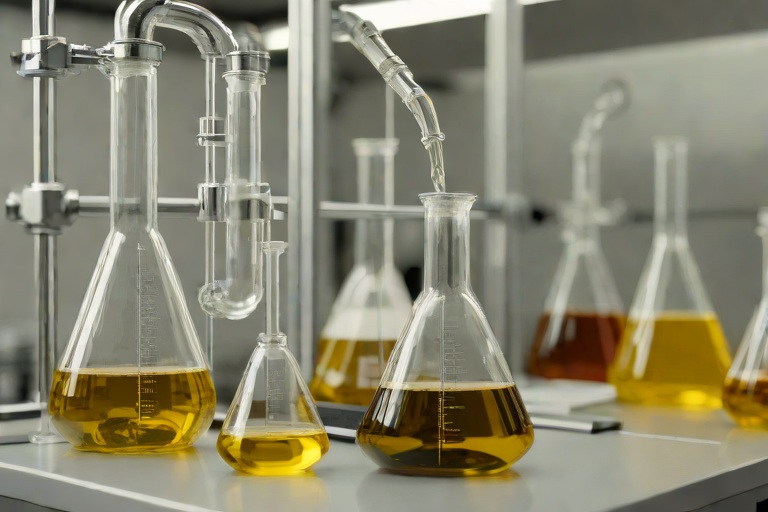
    Commercial Engineering Dossier #116

    Oxidative Peroxide Degradation: Measuring Shelf-Life Stability in Amber Glass in Clinical Pharmaceutical Steam Distillation Fractions

    Industrial Building Envelope Sciences • Commercial Low-Slope Systems
    Oxidative Peroxide Degradation: Measuring Shelf-Life Stability in Amber Glass in Clinical Pharmaceutical Steam Distillation Fractions

    Kinetics of Oxidative Peroxide Formation in Distillate Fractions

    The stability of clinical pharmaceutical fractions derived from steam distillation is fundamentally governed by the susceptibility of unsaturated organic compounds to autoxidation. In these high-purity distillates, the initiation of oxidative degradation typically begins with the abstraction of a hydrogen atom from a carbon center, often catalyzed by trace metallic impurities or residual thermal energy from the distillation process. This creates a carbon-centered radical, which rapidly reacts with dissolved atmospheric oxygen to form a peroxyl radical. This chain reaction is a stochastic process that, if left unchecked, leads to the accumulation of hydroperoxides, which are the primary markers of oxidative instability.

    The propagation phase is particularly critical in steam distillation fractions, where the removal of non-volatile stabilizers during the distillation process can leave the resulting distillate highly vulnerable. The resulting peroxides are not only indicators of degradation but are themselves potent oxidizing agents that can trigger secondary decomposition, leading to the formation of aldehydes, ketones, and organic acids. This degradation cascade alters the chemical potency of the pharmaceutical agent and can introduce toxic by-products that compromise clinical safety.

    • Initiation: Formation of free radicals via thermal or metallic catalysis.
    • Propagation: Reaction of alkyl radicals with O2 to form peroxyl radicals.
    • Termination: Combination of two radicals to form stable, non-radical species.
    • Secondary Decomposition: Cleavage of hydroperoxides into volatile organic compounds.

    From an engineering perspective, the management of these kinetics requires a rigorous control of the dissolved oxygen levels within the distillate. The transition from the distillation column to the storage vessel represents a critical vulnerability point where turbulence and aeration can accelerate the rate of peroxide formation. Consequently, the implementation of inert gas blanketing, such as nitrogen or argon purging, is mandatory to minimize the partial pressure of oxygen in the headspace of the receiving vessel.

    Photolytic Attenuation and the Optical Properties of Amber Glass

    The role of amber glass in mitigating oxidative degradation is rooted in the physics of photon absorption and the specific electronic transitions of the molecules within the pharmaceutical fraction. Light, particularly in the ultraviolet (UV) and short-wavelength visible spectra (approximately 300 nm to 500 nm), provides sufficient energy to catalyze the homolytic cleavage of O-O bonds in hydroperoxides. This process generates highly reactive alkoxy and hydroxyl radicals, which drastically accelerate the oxidative chain reaction. Amber glass functions as a high-pass optical filter, selectively attenuating these high-energy wavelengths while allowing longer wavelengths to pass.

    The efficacy of amber glass is quantified by its transmission percentage across the electromagnetic spectrum. Industry standards for pharmaceutical-grade amber glass require a significant reduction in transmission below 450 nm. By blocking the blue and UV components of the light spectrum, the glass prevents the photo-excitation of sensitizers—such as riboflavin or certain trace metals—that would otherwise act as catalysts for peroxide generation. This attenuation is critical for maintaining the shelf-life stability of fractions that are inherently photo-labile.

    • Wavelength Filtering: Blocking of UV-A and UV-B radiation to prevent photo-oxidation.
    • Photon Energy Reduction: Minimizing the energy available for the cleavage of peroxide bonds.
    • Sensitizer Inhibition: Preventing the activation of internal catalysts through light absorption.
    • Transmission Standards: Adherence to USP (United States Pharmacopeia) standards for light-resistant containers.

    When comparing amber glass to clear or cobalt glass, the empirical data consistently demonstrates a lower Peroxide Value (PV) in amber-stored fractions over extended durations. The precision of this protection is dependent on the thickness of the glass wall and the uniformity of the iron and sulfur additives used to achieve the amber hue. Any inconsistency in the glass melt can lead to "light leaks," where localized areas of higher transmission allow for accelerated degradation, creating hotspots of oxidative activity within the sample.

    Container Closure Systems and Envelope Integrity

    In the context of building envelope sciences applied to micro-containers, the pharmaceutical vial is viewed as a hermetic seal system designed to prevent the ingress of atmospheric contaminants. The stability of the distillate is not solely dependent on the glass material but on the integrity of the entire container closure system (CCS). This includes the interaction between the borosilicate glass neck, the elastomeric stopper, and the aluminum crimp seal. The primary objective is to eliminate the diffusion of oxygen from the external environment into the internal headspace.

    Borosilicate glass (Type I) is the industry standard due to its low coefficient of thermal expansion and high resistance to chemical leaching. However, the interface between the glass and the stopper is the most common point of failure. If the compression force of the aluminum crimp is insufficient, or if the elastomer exhibits poor recovery properties, oxygen can permeate the seal through a process of molecular diffusion. This ingress provides a continuous supply of oxygen to the distillate, effectively refueling the oxidative cycle regardless of the light-blocking capabilities of the amber glass.

    • Material Compatibility: Use of Type I borosilicate glass to prevent alkali leaching.
    • Hermeticity: Ensuring a gas-tight seal to prevent oxygen diffusion.
    • Elastomer Selection: Utilizing low-permeability bromobutyl or chlorobutyl rubber.
    • Headspace Management: Vacuum sealing or inert gas displacement to remove residual O2.

    Furthermore, the internal surface of the glass can influence stability. The presence of surface-active sites or trace alkaline residues can act as heterogeneous catalysts for peroxide formation. Therefore, the "envelope" must be chemically inert. The application of internal coatings, such as siliconization, is sometimes employed to reduce the interaction between the pharmaceutical fraction and the glass surface, thereby reducing the likelihood of surface-catalyzed oxidation.

    Empirical Validation and Analytical Stability Metrics

    To quantify the shelf-life stability of steam distillation fractions, a rigorous analytical protocol must be established, focusing on the Peroxide Value (PV) and the subsequent formation of secondary oxidation products. The standard method for measuring peroxides involves an iodometric titration, where the peroxide reacts with potassium iodide to release free iodine, which is then titrated with sodium thiosulfate. This

    Aquashield Roofing Corporation

    4006 Morris Ct.
    Chesapeake, VA 23323
    Direct Line: 757-553-5191
    GPS Coordinates: 36.755164, -76.353932

    Virginia Beach Roofing Company - Roofing Service Virginia Beach VA, Roofing Contractor

    585 S Birdneck Rd #106
    Virginia Beach, VA 23451
    Direct Line: +17576318100
    Google Maps Plus Code: RXCX+V7 Virginia Beach, Virginia
    GPS Coordinates: 36.822156, -76.001565

    Commercial Engineering Dossier #117

    Steam Distillation Temperature Kinetics: Maximizing Monoterpene Recovery in Clinical Australian Plantation Extracts

    Industrial Building Envelope Sciences • Commercial Low-Slope Systems
    Steam Distillation Temperature Kinetics: Maximizing Monoterpene Recovery in Clinical Australian Plantation Extracts

    Thermodynamic Foundations of Monoterpene Volatilization

    The recovery of monoterpenes from Australian plantation biomass, specifically from genera such as Eucalyptus and Melaleuca, necessitates a precise application of Dalton’s Law of Partial Pressures. In a steam distillation environment, the total vapor pressure of the system is the sum of the vapor pressures of the immiscible liquids—namely, the aqueous phase and the essential oil phase. This allows for the volatilization of high-boiling-point monoterpenes at temperatures significantly below their atmospheric boiling points, typically remaining below 100 degrees Celsius at standard pressure. This temperature depression is critical to prevent the thermal degradation and isomerization of sensitive terpene structures.

    The kinetics of this process are governed by the relative volatility of the target compounds. Monoterpenes, characterized by a ten-carbon structure, exhibit high vapor pressures relative to the heavier sesquiterpenes and resins. However, the efficiency of the extraction is heavily dependent on the steam-to-biomass ratio and the saturation temperature of the steam. If the temperature is maintained too low, the diffusion rate of the oils from the glandular trichomes of the plant material is insufficient, leading to poor recovery. Conversely, excessive heat triggers the hydrolysis of esters and the oxidation of terpenes, compromising the clinical purity of the extract.

    • Partial Pressure Equilibrium: The mechanism by which steam lowers the effective boiling point of volatile organic compounds.
    • Vapor Pressure Coefficients: The specific constants that determine the rate of evaporation for alpha-pinene and 1,8-cineole.
    • Diffusion Kinetics: The movement of essential oils from the internal cellular matrix to the surface of the biomass.
    • Thermal Thresholds: The critical temperature limits beyond which monoterpenes undergo chemical rearrangement.

    Thermal Gradient Management and Infrastructure Integration

    From an industrial infrastructure perspective, the distillation apparatus must be viewed as a critical thermal envelope. The primary engineering challenge in Australian clinical facilities is the management of heat loss and the prevention of premature condensation within the distillation column. Thermal bridging in the support structures can lead to localized cooling, which causes "refluxing" of the heavier fractions before they reach the condenser. This results in a loss of yield and a shift in the chemical profile of the recovered oil. To mitigate this, high-performance mineral wool insulation with a low thermal conductivity coefficient is required, encased in a 316L stainless steel cladding to maintain a sterile, clinical environment.

    The integration of the distillation unit into the building's broader mechanical envelope requires a sophisticated approach to HVAC and ambient temperature control. In the high-ambient temperatures characteristic of Australian summers, the delta-T between the condensing steam and the cooling water is often narrowed. This reduces the efficiency of the heat exchanger, potentially leading to "blow-through," where volatile monoterpenes escape the condenser in gaseous form. Engineering specifications must therefore include oversized cooling towers or chilled water loops to ensure the condenser maintains a steady-state temperature below 30 degrees Celsius.

    • Thermal Bridging Mitigation: The use of non-conductive spacers to isolate the vessel from the structural steel frame.
    • Envelope Hermeticity: Ensuring zero leakage of volatile organic compounds (VOCs) into the facility's atmosphere.
    • Condenser Efficiency: The calculation of heat transfer coefficients to prevent vapor bypass.
    • Material Selection: The utilization of pharmaceutical-grade alloys to prevent catalytic degradation of the oils.

    Kinetic Optimization for Maximum Monoterpene Recovery

    Maximizing the recovery of monoterpenes requires a rigorous analysis of the residence time and the temperature ramp-up phase. The initial "burst" of volatilization occurs rapidly, but the remaining fraction is bound more tightly within the plant matrix. To extract this remaining percentage without overheating the oil already recovered, a stepped temperature profile is employed. By modulating the steam flow rate, engineers can maintain a constant vapor velocity that optimizes the mass transfer coefficient while avoiding the creation of "channels" in the biomass bed, which would lead to uneven extraction.

    The kinetic stability of monoterpenes is highly sensitive to the pH of the condensed water and the presence of metallic catalysts. In a clinical setting, the use of passivated stainless steel is mandatory to avoid the introduction of iron or copper ions, which can catalyze the oxidation of monoterpenes into ketones or alcohols. Furthermore, the residence time in the separator (the Florentine flask) must be minimized. Prolonged exposure to the hot aqueous phase can lead to the hydrolysis of monoterpene esters, altering the clinical efficacy of the final product. The goal is a rapid transition from the vapor phase to a cooled, separated liquid phase.

    • Mass Transfer Coefficients: The rate at which monoterpenes move from the biomass into the steam flow.
    • Vapor Velocity Control: Preventing the "channeling" effect to ensure uniform biomass saturation.
    • Catalytic Inhibition: The elimination of reactive metal surfaces to preserve chemical integrity.
    • Residence Time Optimization: Reducing the duration of heat exposure to prevent ester hydrolysis.

    Industrial Scaling and Clinical Quality Standards

    Scaling the distillation process from a pilot plant to a full-scale industrial facility requires a precise recalculation of the surface-area-to-volume ratio. As the vessel size increases, the risk of uneven heat distribution increases, which can create "hot spots" that scorch the biomass and introduce pyrolytic contaminants into the extract. To counter this, industrial designs incorporate internal baffles and steam distributors that ensure a homogenous thermal environment. The infrastructure must also account for the mechanical stresses induced by thermal expansion and contraction of the large-scale steel vessels.

    Clinical grade extracts demand a level of purity that exceeds standard commercial essential oils. This requires the implementation of a closed-loop system that prevents any atmospheric contamination. The final recovery metrics are measured by the percentage of the theoretical oil content recovered versus the actual yield, with a target of 95% or higher for monoterpene fractions. Quality control is maintained through the use of in-line Gas Chromatography (GC) monitoring, allowing technicians to adjust steam kinetics in real-time based on the chemical composition of the distillate.

    • Surface-Area-to-Volume Ratios: Adjusting thermal inputs to prevent biomass scorching in large vessels.
    • Thermal Expansion Joints: Engineering the piping to handle the physical movement of steel under high heat.
    • Closed-Loop Containment: Preventing the ingress of oxygen and moisture to avoid oil oxidation.
    • In-Line Analytical Integration: Utilizing real-time GC data to modulate distillation parameters.

    Aquashield Roofing Corporation

    4006 Morris Ct.
    Chesapeake, VA 23323
    Direct Line: 757-553-5191
    GPS Coordinates: 36.755164, -76.353932

    Virginia Beach Roofing Company - Roofing Service Virginia Beach VA, Roofing Contractor

    585 S Birdneck Rd #106
    Virginia Beach, VA 23451
    Direct Line: +17576318100
    Google Maps Plus Code: RXCX+V7 Virginia Beach, Virginia
    GPS Coordinates: 36.822156, -76.001565

    Commercial Engineering Dossier #118

    Topical Liposomal Encapsulation: Enhancing Follicular Penetration Depth in Clinical Clinical Microbiology Assays

    Industrial Building Envelope Sciences • Commercial Low-Slope Systems
    Topical Liposomal Encapsulation: Enhancing Follicular Penetration Depth in Clinical Clinical Microbiology Assays

    Structural Architecture and Encapsulation Mechanics of Liposomal Vesicles

    From the perspective of envelope science, the human integumentary system functions as a complex, multi-layered biological barrier designed to regulate the flux of solutes and prevent the ingress of external contaminants. To bypass this formidable barrier, liposomal encapsulation employs a biomimetic engineering approach. Liposomes are spherical vesicles composed of one or more phospholipid bilayers surrounding an aqueous core. This structural configuration allows for the simultaneous transport of both hydrophilic agents, sequestered within the aqueous center, and lipophilic agents, integrated directly into the bilayer membrane.

    The efficacy of this delivery system is predicated on the precise calibration of the phospholipid composition. The transition temperature of the lipid bilayer determines the fluidity and stability of the vesicle, which directly impacts the release kinetics of the encapsulated payload. In industrial clinical applications, the use of saturated phospholipids increases the rigidity of the membrane, thereby reducing premature leakage and ensuring that the active pharmaceutical ingredient (API) remains sequestered until it reaches the target depth within the follicular unit.

    • Phospholipid Bilayer Integrity: The primary structural component that mimics the cell membrane, reducing immune recognition and enhancing biocompatibility.
    • Encapsulation Efficiency: The ratio of the drug successfully trapped within the liposome versus the total drug used during the formulation process.
    • Zeta Potential: The electrokinetic potential of the vesicle surface, which governs the colloidal stability and the interaction between the liposome and the negatively charged skin surface.
    • Phase Transition Temperature: The critical thermal point where the lipid bilayer shifts from a gel state to a liquid-crystalline state, influencing permeability.

    Kinetics of Follicular Penetration and Shunt Pathway Dynamics

    In building envelope sciences, we analyze "leaks" or "thermal bridges" as points of least resistance; similarly, in clinical microbiology, the hair follicle serves as a biological "shunt pathway." While the stratum corneum provides a nearly impermeable seal

    Aquashield Roofing Corporation

    4006 Morris Ct.
    Chesapeake, VA 23323
    Direct Line: 757-553-5191
    GPS Coordinates: 36.755164, -76.353932

    Virginia Beach Roofing Company - Roofing Service Virginia Beach VA, Roofing Contractor

    585 S Birdneck Rd #106
    Virginia Beach, VA 23451
    Direct Line: +17576318100
    Google Maps Plus Code: RXCX+V7 Virginia Beach, Virginia
    GPS Coordinates: 36.822156, -76.001565

    Commercial Engineering Dossier #119

    Candida Albicans Cell Membrane Lysis: Ergosterol Synthesis Inhibition in Clinical Topical Dermaceutical Formulations

    Industrial Building Envelope Sciences • Commercial Low-Slope Systems
    Candida Albicans Cell Membrane Lysis: Ergosterol Synthesis Inhibition in Clinical Topical Dermaceutical Formulations

    Biochemical Architecture and the Role of Ergosterol in Membrane Integrity

    The structural integrity of the Candida albicans cell membrane is predicated upon the precise integration of ergosterol, a sterol molecule that serves as the fungal analogue to cholesterol in mammalian cells. From a technical standpoint, ergosterol functions as the primary regulator of membrane fluidity, permeability, and the spatial organization of membrane-bound proteins. The molecular architecture of the fungal membrane is a complex lipid bilayer where ergosterol modulates the packing density of phospholipids, ensuring that the cell maintains a stable internal osmotic pressure against varying external environments. In the absence of sufficient ergosterol, the membrane loses its cohesive strength, leading to a catastrophic failure of the cellular envelope.

    The synthesis of ergosterol is a multi-step enzymatic process that begins with the conversion of acetyl-CoA into squalene, which is then cyclized and modified through a series of oxygenation and demethylation reactions. This biosynthetic pathway is the critical vulnerability exploited by clinical dermaceuticals. When the synthesis of ergosterol is interrupted, the cell is forced to incorporate alternative, aberrant sterols into its membrane. These substitute sterols do not possess the same geometric fit as ergosterol, resulting in the creation of "leaky" membranes characterized by increased permeability and a loss of selective ion transport.

    • Sterol-dependent regulation of phospholipid packing.
    • Maintenance of membrane fluidity across varying thermal gradients.
    • Stabilization of essential transmembrane proteins and enzymes.
    • Regulation of intracellular homeostasis through selective permeability.

    Mechanisms of Ergosterol Synthesis Inhibition

    The primary pharmacological strategy for inducing cell membrane lysis in C. albicans involves the targeted inhibition of the enzyme lanosterol 14α-demethylase. This enzyme is a cytochrome P450-dependent protein responsible for removing the methyl group from lanosterol, a necessary step in the production of ergosterol. Azole-class dermaceuticals act as competitive inhibitors by binding to the heme iron within the active site of the enzyme. This binding prevents the substrate from accessing the catalytic center, effectively halting the production of ergosterol and causing a systemic accumulation of 14α-methylsterols.

    The accumulation of these methylated sterols is not merely a deficiency of the primary sterol but an active disruption of the membrane's physical chemistry. These aberrant sterols distort the lipid bilayer, creating structural voids and increasing the fluidity of the membrane to a point of instability. This process is analogous to the introduction of incompatible alloys into a structural weld; the resulting interface is weak and prone to fracture. As the concentration of ergosterol drops below a critical threshold, the membrane can no longer support the internal turgor pressure of the cell, leading to the initiation of lytic events.

    • Competitive inhibition of lanosterol 14α-demethylase.
    • Accumulation of toxic 14α-methylsterol intermediates.
    • Disruption of the lipid bilayer's geometric packing.
    • Induction of membrane-associated stress responses.

    Pharmacokinetics of Topical Dermaceutical Delivery Systems

    For a dermaceutical formulation to be effective, it must overcome the formidable barrier of the stratum corneum, which functions as the primary "building envelope" of the human integumentary system. The delivery of ergosterol synthesis inhibitors requires a precise balance of lipophilicity and hydrophilicity to ensure the active pharmaceutical ingredient (API) can penetrate the lipid-rich extracellular matrix of the skin while remaining soluble enough to reach the fungal target. Modern formulations utilize penetration enhancers and specialized vehicles, such as nano-emulsions or liposomal carriers, to optimize the flux of the API across the epidermal barrier.

    The efficacy of these formulations is measured by the permeability coefficient, which dictates the rate at which the inhibitor reaches the site of infection. In clinical settings, the use of oil-in-water emulsions allows for the controlled release of the inhibitor, maintaining a steady-state concentration at the fungal cell membrane. This prevents the rapid degradation of the API and ensures that the inhibition of ergosterol synthesis is sustained over a period sufficient to induce complete cell lysis. The engineering of these vehicles focuses on minimizing the interfacial tension between the drug carrier and the skin surface to maximize absorption efficiency.

    • Optimization of the octanol-water partition coefficient (LogP).
    • Utilization of chemical penetration enhancers to disrupt the stratum corneum.
    • Application of nano-emulsion technology for targeted delivery.
    • Maintenance of therapeutic concentration gradients via controlled-release vehicles.

    Lytic Outcomes and Clinical Efficacy Metrics

    The culmination of ergosterol inhibition is the physical rupture of the cell membrane, a process known as lysis. As the membrane becomes increasingly porous due to the absence of ergosterol, there is a massive efflux of intracellular components, including potassium ions, amino acids, and nucleotides. This loss of cytoplasmic contents leads to a rapid collapse of the cell's metabolic functions. Furthermore, the compromised membrane allows for the uncontrolled influx of extracellular water due to osmotic pressure, causing the cell to swell and eventually burst. This mechanical failure is the definitive cause of death for the C. albicans cell.

    Clinical efficacy is evaluated through empirical data focusing on the reduction of fungal load and the restoration of the skin's barrier function. The success of a topical formulation is quantified by the minimum inhibitory concentration (MIC) and the speed of lesion resolution. In high-precision clinical analysis, the presence of lytic markers—such as the release of intracellular enzymes into the surrounding tissue—serves as a proxy for the effectiveness of the ergosterol synthesis inhibition. When the formulation achieves a critical threshold of membrane disruption, the fungal colony undergoes a systemic collapse, allowing the host's immune system to clear the remaining debris and initiate tissue repair.

    • Rapid efflux of intracellular electrolytes and metabolites.
    • Osmotic imbalance leading to cellular swelling and rupture.
    • Quantification of efficacy via Minimum Inhibitory Concentration (MIC).
    • Restoration of the epidermal envelope following fungal clearance.

    Aquashield Roofing Corporation

    4006 Morris Ct.
    Chesapeake, VA 23323
    Direct Line: 757-553-5191
    GPS Coordinates: 36.755164, -76.353932

    Virginia Beach Roofing Company - Roofing Service Virginia Beach VA, Roofing Contractor

    585 S Birdneck Rd #106
    Virginia Beach, VA 23451
    Direct Line: +17576318100
    Google Maps Plus Code: RXCX+V7 Virginia Beach, Virginia
    GPS Coordinates: 36.822156, -76.001565

    Previous (Vol. 2) Volume 3 of 23 (40 Dossiers / Page) Next (Vol. 4)