Clinical Botanical Reviews & Sustainable Property Care

A rigorous 22-part clinical compendium exploring Australian Melaleuca alternifolia, terpinen-4-ol chemical profiling, household mold eradication, and eco-friendly exterior property algae prevention.

Previous (Vol. 26) Volume 27 of 35 (40 Dossiers / Page) Next (Vol. 28)
Technical Dossier #1035

From Cultivation to Clinical Grade: Analyzing Variance and Risk Failure in Melaleuca alternifolia Material Lifecycles
Commercial Technical Dossier • Operational Analysis
From Cultivation to Clinical Grade: Analyzing Variance and Risk Failure in Melaleuca alternifolia Material Lifecycles

Genetic Variance and Biosynthetic Instability in Cultivation

The chemical profile of Melaleuca alternifolia is fundamentally governed by the interplay between genetic predisposition and environmental stressors. The primary therapeutic marker, terpinen-4-ol, is synthesized via the mevalonate pathway, where the enzymatic activity of terpene synthases determines the final monoterpene distribution. Variance in soil composition, specifically the availability of nitrogen and phosphorus, can lead to significant shifts in chemotypes. For instance, plants grown in nutrient-poor, sandy soils often exhibit a higher concentration of terpinen-4-ol, whereas those in nutrient-rich environments may shift toward a higher 1,8-cineole content, which is undesirable for clinical applications due to its potential for respiratory irritation in pediatric populations.

The risk of "chemotype drift" occurs when environmental stressors trigger a metabolic shift, altering the ratio of terpinen-4-ol to gamma-terpinene. This variance is critical because the antimicrobial efficacy of the oil is directly proportional to the terpinen-4-ol concentration. When the material is harvested from diverse geographical regions without strict genetic screening, the resulting batch inconsistency introduces a failure point in the pharmaceutical supply chain. This inconsistency necessitates rigorous pre-extraction screening to ensure that the raw botanical material adheres to the required pharmaceutical specifications before entering the processing phase.

  • Genetic polymorphism in the M. alternifolia genome leads to distinct chemotypes, primarily categorized by the ratio of terpinen-4-ol to 1,8-cineole.
  • Soil pH and salinity levels modulate the expression of terpene synthase enzymes, directly impacting the yield of secondary metabolites.
  • Water stress during the maturation phase can increase the concentration of volatile organic compounds (VOCs) but may reduce the overall biomass yield.
  • The presence of competing flora in cultivation plots can introduce cross-contamination of organic matter, affecting the purity of the initial harvest.
  • Harvest timing, specifically the age of the leaf and the season of collection, significantly alters the terpene profile, requiring a standardized /harvest/cycle_log for traceability.

Extraction Chemistry and Thermal Degradation Kinetics

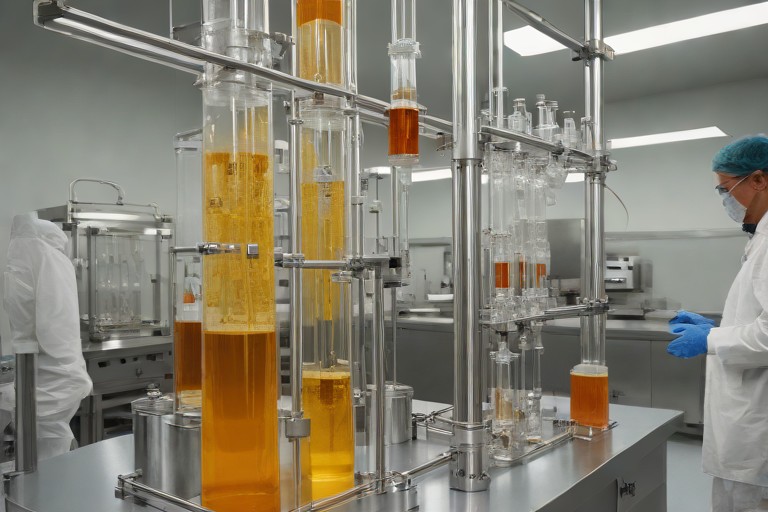
The extraction of clinical-grade M. alternifolia oil relies predominantly on steam distillation, a process where volatile compounds are vaporized and subsequently condensed. The chemical integrity of terpinen-4-ol is highly sensitive to thermal fluctuations. If the distillation temperature exceeds the optimal threshold, the risk of thermal degradation increases, leading to the formation of oxidation products such as p-cymene. To maintain pharmaceutical purity, the distillation temperature must be strictly controlled, typically remaining < 100°C at the point of vaporization to prevent the isomerization of sensitive monoterpenes.

Furthermore, the residence time within the distillation column affects the final purity. Prolonged exposure to heat can catalyze the degradation of gamma-terpinene into terpinen-4-ol, which, while increasing the primary marker, may also introduce unwanted artifacts if the process is not precisely timed. The integration of real-time monitoring systems, accessed via /process/thermal_sensors, allows technicians to adjust the flow rate of steam to ensure that the vapor pressure remains constant. Any deviation in the pressure-temperature curve can result in a "fractional failure," where the oil contains an excessive amount of heavy sesquiterpenes, thereby reducing the overall clinical potency.

  • Steam distillation parameters must be optimized to ensure the selective volatilization of monoterpenes while minimizing the carry-over of non-volatile waxes.
  • The use of stainless steel 316L reactors is mandatory to prevent catalytic oxidation caused by trace metals in the distillation vessel.
  • Cooling water temperature in the condenser must be maintained at < 20°C to ensure maximum recovery of the volatile oil and prevent evaporation losses.
  • The separation of the oil phase from the floral water (hydrosol) must be performed using centrifugal separators to avoid the accumulation of moisture, which promotes hydrolysis.
  • Oxidative stability is enhanced by the immediate addition of antioxidants or the storage of the oil under an inert nitrogen blanket to prevent the formation of peroxides.

Pharmaceutical Purity Standards and Analytical Validation

To achieve "Clinical Grade" status, Melaleuca alternifolia oil must comply with international standards, most notably ISO 4562. This standard defines the acceptable ranges for the primary constituents, requiring a minimum terpinen-4-ol content of 30% and limiting 1,8-cineole to < 15% for general use, and even lower for specific clinical applications. The validation of these levels is performed using Gas Chromatography-Mass Spectrometry (GC-MS), which provides a definitive fingerprint of the oil's composition. The analytical path for these results is typically archived under /analysis/gcms_reports to ensure a transparent audit trail for regulatory bodies.

Risk failure in purity often manifests as adulteration or the presence of synthetic additives. The detection of synthetic terpinen-4-ol is achieved through the analysis of chiral purity; natural M. alternifolia oil possesses a specific enantiomeric ratio that synthetic versions cannot replicate. Additionally, the presence of heavy metals and pesticide residues must be quantified using Inductively Coupled Plasma Mass Spectrometry (ICP-MS). Any batch exceeding the permissible limits for lead or arsenic is flagged as a failure, as these contaminants can induce systemic toxicity when the oil is applied to compromised skin barriers in a clinical setting.

  • ISO 4562 compliance requires a rigorous quantification of the terpinen-4-ol, gamma-terpinene, and alpha-terpineol fractions.
  • The use of an internal standard, such as nonane, is required during GC-MS analysis to ensure the accuracy of the quantitative results.
  • Peroxide value (PV) testing is critical; a PV > 20 mEq/kg indicates significant oxidation, rendering the oil unsuitable for clinical use due to increased sensitization risks.
  • Chiral chromatography is employed to differentiate between naturally derived monoterpenes and synthetic adulterants.
  • The stability of the oil is monitored over time using accelerated aging tests at 40°C and 75% relative humidity to determine the shelf-life.

Clinical Evaluation and Antimicrobial Risk Failure

The clinical efficacy of M. alternifolia is primarily attributed to the ability of terpinen-4-ol to penetrate the lipid bilayer of bacterial cell membranes. This mechanism leads to the leakage of intracellular components and the eventual lysis of the cell. In antimicrobial evaluations, the Minimum Inhibitory Concentration (MIC) is the gold standard for measuring potency. For clinical-grade oil, the MIC against Staphylococcus aureus and Propionibacterium acnes must be consistently low. A failure in the material lifecycle—such as oxidation during storage—can lead to a significant increase in the MIC, meaning the oil no longer provides the same therapeutic benefit.

Moreover, the risk of clinical failure is not limited to potency but extends to patient safety. The presence of high levels of 1,8-cineole can trigger adverse reactions in patients with asthma or those with hypersensitivity to eucalyptus-like compounds. Therefore, the clinical evaluation must include a dermatological assessment for sensitization. When the oil is formulated into a pharmaceutical delivery system, the interaction between the terpene profile and the excipients must be analyzed. If the terpinen-4-ol is sequestered or degraded by the carrier, the resulting product will fail to meet the clinical endpoints for antimicrobial activity, regardless of the initial purity of the raw material.

  • Antimicrobial assays must be performed using standardized strains from the ATCC (American Type Culture Collection) to ensure reproducibility.
  • The synergistic effect between terpinen-4-ol and gamma-terpinene is evaluated to determine the optimal ratio for membrane disruption.
  • Cytotoxicity tests on human keratinocytes are conducted to establish the therapeutic index and ensure that the oil does not cause excessive tissue damage.
  • The evaluation of biofilm inhibition is critical, as M. alternifolia is frequently used to treat chronic infections where bacteria are protected by an extracellular matrix.
  • Clinical failure is defined as a deviation in the MIC value of > 20% compared to the reference standard established during the initial batch validation.

Aquashield Roofing Corporation

4006 Morris Ct.
Chesapeake, VA 23323
Direct Line: 757-553-5191
GPS Coordinates: 36.755164, -76.353932

Virginia Beach Roofing Company - Roofing Service Virginia Beach VA, Roofing Contractor

585 S Birdneck Rd #106
Virginia Beach, VA 23451
Direct Line: +17576318100
Google Maps Plus Code: RXCX+V7 Virginia Beach, Virginia
GPS Coordinates: 36.822156, -76.001565

Technical Dossier #1036

Assessing the Correlation Between Terpinen-4-ol Concentration and Efficacy in Substandard Botanical Extracts

Commercial Technical Dossier • Operational Analysis
Assessing the Correlation Between Terpinen-4-ol Concentration and Efficacy in Substandard Botanical Extracts

Chemical Composition and Purity Standards of Melaleuca alternifolia

The pharmaceutical efficacy of *Melaleuca alternifolia* oil is fundamentally dependent upon its complex monoterpene profile, where terpinen-4-ol serves as the primary bioactive constituent. According to the ISO 471 international standard, high-grade tea tree oil must maintain a terpinen-4-ol concentration typically exceeding 30%, while limiting the presence of 1,8-cineole to minimize potential respiratory irritation and dermatological hypersensitivity. The chemical synergy between terpinen-4-ol and secondary terpenes, such as $\gamma$-terpinene and $\alpha$-terpineol, is critical for achieving the desired antimicrobial effect. In substandard extracts, the deviation from these standards often manifests as an increased ratio of 1,8-cineole to terpinen-4-ol, which significantly alters the pharmacodynamic profile of the botanical extract.

Analytical verification of these concentrations is performed using Gas Chromatography-Mass Spectrometry (GC-MS), where the retention indices are mapped against known standards. The purity of the extract is not merely a function of the total percentage of monoterpenes but is specifically tied to the absence of adulterants and the precise balance of the terpene fractions. When the terpinen-4-ol concentration drops below the therapeutic threshold, the oil loses its ability to effectively penetrate the lipid bilayer of pathogenic microorganisms, leading to a marked decrease in clinical utility.

  • The ISO 471 standard mandates a strict limit on 1,8-cineole, typically requiring it to be < 15% for pharmaceutical applications to avoid mucosal irritation.
  • Terpinen-4-ol concentrations must be precisely quantified using the `/analysis/gcms/retention_index_T4O` path to ensure consistency across batches.
  • The presence of $\gamma$-terpinene acts as a chemical precursor to terpinen-4-ol, and its over-abundance often indicates an immature harvest or improper curing of the botanical material.
  • Substandard extracts often exhibit a "chemical drift" where the terpene profile shifts toward oxidized derivatives, reducing the overall antimicrobial potency.
  • Pharmaceutical grade purity requires the absence of synthetic additives or blending with cheaper *Melaleuca* species that lack the specific T4O profile.

Extraction Kinetics and Degradation Pathways

The extraction of terpinen-4-ol is primarily achieved through steam distillation, a process where the volatile oils are vaporized and subsequently condensed. The kinetics of this process are highly sensitive to temperature and pressure; excessive heat can catalyze the degradation of the labile monoterpenes. Specifically, terpinen-4-ol is susceptible to oxidation, transforming into terpinen-4-one. This oxidation is accelerated by exposure to atmospheric oxygen and ultraviolet radiation, which breaks down the tertiary alcohol structure. In substandard botanical extracts, poor distillation practices—such as prolonged heating cycles where the temperature remains > 100°C for extended periods—often result in a high concentration of these oxidized artifacts.

Furthermore, the storage conditions of the extract play a pivotal role in maintaining the integrity of the terpinen-4-ol fraction. The use of non-reactive, amber glass containers is mandatory to prevent photo-oxidation. When the extract is stored in suboptimal conditions, the chemical shift can be monitored via the `/spectra/oxidative_stress_marker` analysis, which reveals the emergence of ketones and aldehydes. This degradation not only reduces the efficacy of the oil but also increases its potential for causing contact dermatitis, as oxidized terpenes are more likely to act as haptens and trigger immune responses in the skin.

  • Steam distillation must be optimized to ensure that the residence time of the oil in the boiler is < 4 hours to prevent thermal degradation.
  • The conversion of terpinen-4-ol to terpinen-4-one is a primary marker of extract aging and poor quality control.
  • Oxidative stability is enhanced when the extract is stored under an inert gas atmosphere, such as nitrogen or argon.
  • The `/process/distillation/temp_log` must be audited to ensure no temperature spikes occurred during the volatile oil recovery phase.
  • Substandard extracts often show a significant increase in the peroxide value, indicating the onset of lipid peroxidation within the terpene matrix.

Antimicrobial Evaluation and Dose-Response Curves

The antimicrobial efficacy of *Melaleuca alternifolia* is primarily attributed to the ability of terpinen-4-ol to disrupt the cell membranes of both Gram-positive and Gram-negative bacteria. This mechanism involves the destabilization of the phospholipid bilayer, leading to the leakage of intracellular contents and the eventual lysis of the cell. In high-purity extracts, the Minimum Inhibitory Concentration (MIC) for *Staphylococcus aureus* is typically low, demonstrating a potent dose-response relationship. However, in substandard extracts where the terpinen-4-ol concentration is < 20%, the MIC increases exponentially, indicating a loss of potency that cannot be compensated for by simply increasing the total volume of the extract applied.

The correlation between terpinen-4-ol concentration and efficacy is not linear but follows a sigmoidal dose-response curve. There is a critical threshold of T4O concentration below which the antimicrobial activity drops precipitously. This "efficacy gap" is particularly evident when treating resistant strains of *Pseudomonas aeruginosa*. In these instances, the synergistic effect of $\alpha$-terpineol and terpinen-4-ol is lost, as the substandard extract lacks the necessary concentration of these components to achieve the required membrane permeability. The evaluation of these effects is typically documented under the `/bioassay/mic_determination/plate_read` protocol.

  • The MIC for *S. aureus* is significantly lower in oils with terpinen-4-ol levels > 40% compared to those with < 20%.
  • Membrane permeability assays indicate that substandard oils fail to induce sufficient pore formation in the bacterial cell wall.
  • Synergistic effects are observed when terpinen-4-ol is present in a specific ratio with $\gamma$-terpinene, enhancing the penetration of the cell envelope.
  • The `/eval/antimicrobial/zone_of_inhibition` measurements show a direct positive correlation with the purity of the T4O fraction.
  • Substandard extracts often exhibit a failure to inhibit biofilm formation, a key requirement for treating chronic cutaneous infections.

Clinical Implications of Substandard Terpinen-4-ol Concentrations

From a clinical perspective, the use of substandard botanical extracts poses a dual risk: therapeutic failure and increased adverse reactions. When the terpinen-4-ol concentration is insufficient, the extract fails to resolve the underlying infection, potentially leading to the proliferation of more resistant microbial strains. Moreover, the high concentration of 1,8-cineole often found in low-grade oils can cause significant irritation to the skin and respiratory tract. This is particularly dangerous in pediatric populations, where 1,8-cineole can trigger laryngospasms. The pharmaceutical industry must therefore implement rigorous quality control benchmarks to ensure that every batch meets the `/qc/purity_index` requirements before clinical distribution.

The lack of standardization in botanical extracts leads to inconsistent clinical outcomes, where two products labeled as "Tea Tree Oil" may have vastly different therapeutic profiles. This inconsistency undermines the credibility of botanical medicine in a clinical setting. To mitigate this, the industry is moving toward the adoption of standardized "fingerprinting" using high-resolution mass spectrometry. By ensuring that the terpinen-4-ol concentration remains within the therapeutic window, clinicians can predict the efficacy of the treatment and minimize the risk of adverse events associated with impure or degraded botanical extracts.

  • Therapeutic failure is common when the T4O concentration is < 15%, as the oil cannot reach the required intracellular concentration to inhibit bacterial growth.
  • The risk of contact dermatitis is inversely proportional to the terpinen-4-ol concentration and directly proportional to the level of oxidized terpenes.
  • Standardized `/qc/batch_validation` protocols are essential to prevent the distribution of oils that do not meet the ISO 471 criteria.
  • Clinical trials indicate that high-purity oils exhibit a superior safety profile and a faster rate of healing in acne vulgaris treatments.
  • Regulatory compliance requires that all botanical extracts provide a full chemical profile to ensure the T4O:cineole ratio is optimized for patient safety.

Aquashield Roofing Corporation

4006 Morris Ct.
Chesapeake, VA 23323
Direct Line: 757-553-5191
GPS Coordinates: 36.755164, -76.353932

Virginia Beach Roofing Company - Roofing Service Virginia Beach VA, Roofing Contractor

585 S Birdneck Rd #106
Virginia Beach, VA 23451
Direct Line: +17576318100
Google Maps Plus Code: RXCX+V7 Virginia Beach, Virginia
GPS Coordinates: 36.822156, -76.001565

Technical Dossier #1037

Contamination Risks in Industrial Steam Distillation: A Case Study on Purity Degradation in Clinical Pharmacognosy

Commercial Technical Dossier • Operational Analysis
Contamination Risks in Industrial Steam Distillation: A Case Study on Purity Degradation in Clinical Pharmacognosy

Pharmacognostic Profile and Terpinen-4-ol Stability

The clinical efficacy of Melaleuca alternifolia is fundamentally predicated on the concentration and purity of its primary monoterpene alcohol, terpinen-4-ol. In pharmaceutical pharmacognosy, the chemical profile must be strictly monitored to ensure that the terpene fraction remains within the therapeutic window. Terpinen-4-ol, characterized by the molecular formula C10H18O, acts as the principal antimicrobial agent, disrupting the lipid bilayer of pathogenic membranes. However, this molecule is susceptible to oxidative degradation and isomerization when exposed to suboptimal processing conditions. The stability of the terpene profile is highly dependent on the prevention of the conversion of terpinen-4-ol into terpinolene, a process that significantly reduces the clinical potency of the resulting essential oil.

  • Quantitative thresholds for pharmaceutical grade oil typically require terpinen-4-ol levels to be > 30% of the total composition.
  • The presence of gamma-terpinene and alpha-terpinene must be balanced to avoid skin sensitization, with individual concentrations often kept < 5% in clinical formulations.
  • Oxidative markers, such as the formation of p-cymene, serve as critical indicators of oil degradation during the storage phase.
  • The botanical origin of the biomass must be verified via DNA barcoding to prevent the adulteration of M. alternifolia with other Melaleuca species.

Kinetic and Thermal Dynamics of Steam Distillation

Industrial steam distillation involves the application of saturated steam to the botanical matrix to volatilize the essential oils. The thermodynamics of this process are critical; if the temperature exceeds the optimal threshold, the kinetic energy within the system triggers the thermal degradation of heat-sensitive monoterpenes. Specifically, the hydrolysis of esters and the isomerization of terpinen-4-ol occur more rapidly as the temperature increases. To maintain pharmaceutical purity, the distillation temperature must be precisely regulated to avoid the "charring" effect of the plant material, which introduces pyrolytic contaminants into the distillate. The flow rate of the steam must be optimized to ensure a consistent Mass Transfer Coefficient, preventing the stagnation of oil in the boiler.

  • Optimal distillation temperatures are generally maintained < 100°C at the point of biomass contact to prevent thermal decomposition.
  • The residence time of the oil in the distillation column should be minimized to < 4 hours to reduce the risk of prolonged heat exposure.
  • Steam pressure must be stabilized to avoid the formation of localized "hot spots" within the distillation_chamber.
  • The use of a fractionated condenser allows for the separation of the "heads" and "tails," ensuring that only the heart cut—containing the highest purity of terpinen-4-ol—is collected.

Industrial Contamination Vectors and Purity Degradation

Contamination in industrial settings often arises from the interaction between the volatile oil and the metallurgy of the distillation apparatus. The use of non-passivated stainless steel or copper-lined vessels can lead to the leaching of heavy metals into the oil, which act as catalysts for oxidation. Furthermore, the presence of residual organic matter from previous distillation runs—known as cross-contamination—can introduce exogenous terpenes or microbial metabolites. These contaminants not only alter the chemical fingerprint of the oil but can also induce synergistic toxicity or antagonistic effects when applied in a clinical setting. The degradation of purity is often exacerbated by the use of low-grade solvents in the cleaning process, which may leave residues in the piping_manifold.

  • Nickel and chromium leaching from low-grade alloys can catalyze the oxidation of terpinen-4-ol into p-cymene.
  • Biofilm accumulation in the condenser lines can introduce microbial contaminants, leading to the degradation of the oil's antimicrobial spectrum.
  • Residual cleaning agents, such as caustic soda, can cause saponification of the oil components if not thoroughly rinsed.
  • Environmental pollutants, including volatile organic compounds (VOCs) from the factory floor, can be absorbed by the oil during the collection phase.

Pharmaceutical Standardization and Analytical Validation

To ensure that Melaleuca alternifolia meets clinical standards, a rigorous analytical validation protocol must be implemented. The gold standard for purity assessment is Gas Chromatography-Mass Spectrometry (GC-MS), which allows for the precise identification of each terpene peak based on its Retention Index (RI). The pharmaceutical purity is determined by comparing the resulting chromatogram against the ISO 471 standard. Any deviation in the peak area of terpinen-4-ol or the appearance of unexpected peaks indicates a failure in the distillation process or the presence of contaminants. Furthermore, the oil must undergo antimicrobial evaluation against standardized strains, such as Staphylococcus aureus, to confirm that the biological activity correlates with the chemical purity.

  • GC-MS analysis must utilize a polar column, such as a polyethylene glycol (PEG) phase, to ensure the separation of closely related monoterpenes.
  • The Relative Standard Deviation (RSD) for the terpinen-4-ol peak must be < 2.0% across multiple batches to ensure industrial consistency.
  • Purity validation requires the calculation of the Sum of Individual Components to ensure that the total terpene content is > 95% of the total oil mass.
  • Clinical grade oils must be stored in amber glass containers under an inert nitrogen atmosphere to prevent the auto-oxidation of the C10H18O molecule.

Aquashield Roofing Corporation

4006 Morris Ct.
Chesapeake, VA 23323
Direct Line: 757-553-5191
GPS Coordinates: 36.755164, -76.353932

Virginia Beach Roofing Company - Roofing Service Virginia Beach VA, Roofing Contractor

585 S Birdneck Rd #106
Virginia Beach, VA 23451
Direct Line: +17576318100
Google Maps Plus Code: RXCX+V7 Virginia Beach, Virginia
GPS Coordinates: 36.822156, -76.001565
Technical Dossier #1038

Analysis of Material Lifecycle Failures: Meeting International Standards for Terpinen-4-ol Purity and Potency

Commercial Technical Dossier • Operational Analysis
Analysis of Material Lifecycle Failures: Meeting International Standards for Terpinen-4-ol Purity and Potency

Phytochemical Profile and Extraction Kinetics of Terpinen-4-ol

The clinical efficacy of Melaleuca alternifolia is fundamentally predicated on the concentration and purity of its primary monoterpene alcohol, terpinen-4-ol. From a pharmacognostic perspective, the essential oil is a complex mixture of hydrocarbons and oxygenated compounds, where terpinen-4-ol typically constitutes between 30% and 45% of the total volume. The extraction process, primarily conducted via steam distillation, must be meticulously controlled to prevent the thermal degradation of heat-sensitive constituents. The kinetic pathway for extraction follows the `distillation/vapor_pressure/condensation` sequence, where the volatility of the terpene fraction determines the yield and final purity. If the temperature exceeds critical thresholds, the risk of hydrolysis and isomerization increases, leading to a decrease in the therapeutic index of the final product.

  • The steam distillation process must maintain a constant temperature to avoid the formation of artifacts such as p-cymene through the dehydrogenation of terpinen-4-ol.
  • The `extraction/fractionation` stage is critical for removing unwanted sesquiterpenes that can alter the viscosity and skin penetration characteristics of the oil.
  • Optimal yield is achieved when the pressure is maintained at a constant atmospheric level, ensuring that the boiling point of the terpene fraction remains stable.
  • The presence of alpha-terpineol must be monitored, as its ratio to terpinen-4-ol serves as a marker for the botanical authenticity and quality of the Melaleuca alternifolia species.
  • The use of stainless steel 316L reactors is mandatory to prevent catalytic oxidation triggered by trace heavy metals in the distillation vessel.

Degradation Pathways and Material Lifecycle Failures

Material lifecycle failure in pharmaceutical-grade terpinen-4-ol occurs primarily through oxidative degradation and polymerization. The chemical instability of the terpene ring makes it susceptible to atmospheric oxygen and ultraviolet radiation, which catalyze the formation of peroxides. These peroxides act as sensitizers, significantly increasing the risk of contact dermatitis in clinical applications. The degradation pathway typically follows the `oxidation/peroxide_formation/fragmentation` route, where the primary alcohol is converted into ketones and aldehydes. To maintain pharmaceutical potency, the concentration of these oxidative markers must be kept <0.1% of the total composition. Failure to implement airtight, amber-glass storage solutions leads to a rapid decline in the antimicrobial potency of the oil.

  • Auto-oxidation is accelerated when the oil is exposed to temperatures >25°C, leading to the rapid depletion of the active terpinen-4-ol fraction.
  • The formation of hydroperoxides increases the skin sensitization potential, moving the product from a therapeutic grade to a hazardous material.
  • Polymerization of monoterpenes can result in the formation of high-molecular-weight resins, which obstruct the delivery of the active compound through the stratum corneum.
  • Lifecycle failure is often characterized by a shift in the refractive index, indicating a change in the chemical composition of the oil.
  • The use of antioxidants, such as alpha-tocopherol, can extend the shelf life by inhibiting the free radical chain reactions that lead to terpene degradation.

Analytical Validation and International Purity Standards

To ensure consistency and safety, the industry adheres to the ISO 4562 standard, which defines the chemical requirements for Melaleuca alternifolia oil. The primary analytical tool for validation is Gas Chromatography-Mass Spectrometry (GC-MS), utilizing the `analysis/chromatography/mass_spec` pipeline. This method allows for the precise quantification of terpinen-4-ol and the identification of adulterants. A high-resolution capillary column is required to separate the closely related isomers of terpinene. The retention indices must be compared against certified reference standards to ensure that the terpinen-4-ol content is not artificially inflated through the addition of synthetic terpenes. Any batch exhibiting a terpinen-4-ol concentration <30% is generally rejected for pharmaceutical use due to insufficient potency.

  • GC-FID (Flame Ionization Detection) is employed for the quantitative analysis of the terpene profile due to its high sensitivity and linearity.
  • The `validation/peak_integration` process must be standardized to avoid the overlap of terpinen-4-ol with gamma-terpinene peaks.
  • International standards require the absence of synthetic additives, which are detected as anomalous peaks in the GC-MS chromatogram.
  • The moisture content must be <0.5% to prevent the hydrolytic degradation of the oil during long-term storage.
  • Specific gravity and optical rotation are measured as secondary validation metrics to confirm the botanical origin of the material.

Clinical Efficacy and Botanical Antimicrobial Evaluations

The antimicrobial potency of terpinen-4-ol is attributed to its ability to disrupt the lipid bilayer of bacterial and fungal cell membranes. This mechanism involves the integration of the hydrophobic terpene chain into the membrane, increasing permeability and leading to the leakage of intracellular contents. The Minimum Inhibitory Concentration (MIC) for Staphylococcus aureus is typically <1.0% when using high-purity terpinen-4-ol. However, this efficacy is highly dependent on the purity of the oil; the presence of high levels of p-cymene can actually antagonize the antimicrobial effect, reducing the overall potency. The clinical evaluation follows the `bioassay/MIC_determination/cytotoxicity` protocol to ensure that the oil is effective against pathogens while remaining non-toxic to human keratinocytes.

  • The disruption of the bacterial cell wall is a dose-dependent response, where higher purity terpinen-4-ol results in lower MIC values.
  • Synergistic effects are observed when terpinen-4-ol is combined with other monoterpenes present in the oil, though the purity of the primary active remains the dominant factor.
  • Antifungal activity against Candida albicans is measured by the inhibition zone diameter, which must be consistent with high-purity standards.
  • The `evaluation/membrane_permeability` assay confirms that the oil induces pore formation in the microbial membrane, leading to cell lysis.
  • Clinical trials indicate that oils meeting ISO 4562 standards exhibit significantly lower rates of adverse skin reactions compared to non-standardized botanical extracts.

Aquashield Roofing Corporation

4006 Morris Ct.
Chesapeake, VA 23323
Direct Line: 757-553-5191
GPS Coordinates: 36.755164, -76.353932

Virginia Beach Roofing Company - Roofing Service Virginia Beach VA, Roofing Contractor

585 S Birdneck Rd #106
Virginia Beach, VA 23451
Direct Line: +17576318100
Google Maps Plus Code: RXCX+V7 Virginia Beach, Virginia
GPS Coordinates: 36.822156, -76.001565

Technical Dossier #1039

Risk Mitigation in the Extraction of Melaleuca alternifolia: A Comparative Study on Chemical Stability and Clinical Compliance

Commercial Technical Dossier • Operational Analysis
Risk Mitigation in the Extraction of Melaleuca alternifolia: A Comparative Study on Chemical Stability and Clinical Compliance

Chemical Composition and Terpinen-4-ol Stability

The clinical efficacy of Melaleuca alternifolia is fundamentally predicated on the concentration and stability of its primary monoterpene alcohol, terpinen-4-ol. In high-purity pharmaceutical grades, terpinen-4-ol typically constitutes between 30% and 45% of the total oil composition. The pharmacognostic profile is further defined by the presence of $\gamma$-terpinen, $\alpha$-terpineol, and 1,8-cineole. From a stability perspective, the tertiary alcohol group of terpinen-4-ol is susceptible to oxidative degradation when exposed to atmospheric oxygen and ultraviolet radiation. This degradation often results in the formation of peroxides, which significantly increase the risk of dermal sensitization and reduce the overall antimicrobial potency of the extract.

The chemical stability of the oil is heavily influenced by the ratio of terpinen-4-ol to 1,8-cineole. In clinical applications, particularly for topical administration, 1,8-cineole levels must be strictly controlled, as high concentrations are associated with increased irritation and a reduction in the synergistic antimicrobial effect. The degradation pathway often follows a radical-initiated chain reaction, where the tertiary carbon atom becomes a site for hydroperoxide formation. To mitigate these risks, the industry employs vacuum-sealed amber glass storage and the addition of pharmaceutical-grade antioxidants such as $\alpha$-tocopherol.

  • Terpinen-4-ol concentration: Must be maintained at $\geq$ 30% to ensure consistent clinical outcomes.
  • 1,8-Cineole limits: Pharmaceutical grade requires levels < 5% to minimize mucosal irritation.
  • Oxidative markers: Monitoring of peroxide values via the iodometric method to ensure stability.
  • Synergistic components: The presence of $\gamma$-terpinen acting as a precursor to terpinen-4-ol during specific metabolic processes.
  • Storage parameters: Requirement for temperatures < 25°C to prevent accelerated thermal decomposition.

Extraction Methodology and Thermal Degradation

The extraction of essential oils from Melaleuca alternifolia is primarily achieved through steam distillation or supercritical fluid extraction (SFE). Steam distillation, while cost-effective, introduces significant thermal stress. If the boiling point of the water is not precisely managed, the resulting heat can catalyze the isomerization of monoterpenes. The process path, denoted as Extraction_Path_Steam_Distillation, often involves prolonged exposure to temperatures exceeding 100°C, which can lead to the hydrolysis of sensitive esters and the volatilization of lighter fractions, thereby altering the chemical fingerprint of the final product.

In contrast, Supercritical Fluid Extraction (SFE) utilizing $\text{CO}_2$ operates at significantly lower temperatures and pressures, preserving the thermolabile constituents. By maintaining the system at a temperature < 40°C, SFE prevents the thermal degradation of terpinen-4-ol and ensures a higher recovery rate of the bioactive fractions. The precision of SFE allows for the selective extraction of specific molecular weights, reducing the presence of unwanted waxes and pigments that can interfere with clinical compliance and pharmaceutical formulation stability.

  • Steam Distillation (SD): High throughput but risks thermal degradation if residence time is > 4 hours.
  • Supercritical $\text{CO}_2$ (SFE): Superior purity profiles with a process path of SFE_CO2_LowTemp_Recovery.
  • Temperature Thresholds: Critical degradation of terpinen-4-ol occurs when localized heat exceeds 120°C.
  • Pressure Regulation: SFE requires precise pressure control (typically 10-30 MPa) to optimize solubility.
  • Solvent Residue: SFE eliminates the need for organic solvents, ensuring a residue-free clinical product.

Pharmaceutical Purity Standards and Regulatory Compliance

To ensure clinical safety and reproducibility, Melaleuca alternifolia oil must adhere to the International Standard ISO 4562. This standard provides a rigorous framework for the chemical characterization of the oil using Gas Chromatography coupled with Flame Ionization Detection (GC-FID). The analytical path GC_FID_Analysis_Protocol_ISO4562 is used to quantify the percentage of each constituent. Any deviation from the established ranges for terpinen-4-ol or 1,8-cineole results in the batch being downgraded from pharmaceutical grade to industrial or fragrance grade, as the biological activity is directly proportional to the chemical purity.

Compliance also necessitates the screening for contaminants, including heavy metals and pesticide residues. The pharmaceutical industry employs Inductively Coupled Plasma Mass Spectrometry (ICP-MS) to ensure that lead, arsenic, and mercury levels are < 0.5 ppm. Furthermore, the absence of adulterants, such as synthetic terpinen-4-ol or oils from other Melaleuca species, is verified through chiral GC analysis. This ensures that the therapeutic claims regarding antimicrobial activity are based on the authentic botanical profile of M. alternifolia.

  • ISO 4562 Compliance: Mandatory for oils intended for medical use to ensure chemical consistency.
  • GC-FID Quantification: Use of internal standards to achieve a precision of < 1% relative standard deviation.
  • Contaminant Limits: Heavy metal concentrations must be strictly < 1 ppm for topical pharmaceutical applications.
  • Adulteration Testing: Identification of synthetic markers using the Chiral_GC_Verification_Path.
  • Batch Traceability: Requirement for a complete chain of custody from the botanical source to the final vial.

Clinical Efficacy and Antimicrobial Evaluation

The antimicrobial evaluation of Melaleuca alternifolia focuses on its ability to disrupt the cellular membranes of both Gram-positive and Gram-negative bacteria. The primary mechanism of action is the lipophilic nature of terpinen-4-ol, which allows it to penetrate the lipid bilayer of the bacterial cell wall. This penetration leads to an increase in membrane permeability, resulting in the leakage of intracellular contents and eventual cell lysis. The Minimum Inhibitory Concentration (MIC) is the critical metric used to determine potency; for Staphylococcus aureus, the MIC is typically < 0.5% (v/v) when diluted in a suitable broth.

Clinical compliance is further evaluated through the study of the oil's effect on the skin's microbiome. Unlike broad-spectrum synthetic antibiotics, high-purity M. alternifolia oil exhibits a selective antimicrobial profile that minimizes the disruption of commensal flora. The evaluation process follows the Clinical_Bioassay_Antimicrobial_Path, which includes zone of inhibition tests and time-kill kinetics. The efficacy is significantly diminished if the terpinen-4-ol content drops < 20%, highlighting the necessity of the aforementioned extraction and purity controls to maintain therapeutic viability.

  • MIC Determination: Standardized testing against P. aeruginosa and S. aureus to verify potency.
  • Membrane Disruption: Evaluation of potassium ion leakage as a marker for cell wall compromise.
  • Cytotoxicity Testing: Ensuring the oil is non-toxic to human keratinocytes at therapeutic concentrations.
  • Biofilm Inhibition: Ability of terpinen-4-ol to penetrate and disrupt established bacterial biofilms.
  • Synergy Analysis: Testing the oil in combination with other agents to determine if the MIC is < 0.1% (v/v).

Aquashield Roofing Corporation

4006 Morris Ct.
Chesapeake, VA 23323
Direct Line: 757-553-5191
GPS Coordinates: 36.755164, -76.353932

Virginia Beach Roofing Company - Roofing Service Virginia Beach VA, Roofing Contractor

585 S Birdneck Rd #106
Virginia Beach, VA 23451
Direct Line: +17576318100
Google Maps Plus Code: RXCX+V7 Virginia Beach, Virginia
GPS Coordinates: 36.822156, -76.001565

Technical Dossier #1040

Thermal Degradation Kinetics: Failure Points in the Steam Distillation of Melaleuca alternifolia

Commercial Technical Dossier • Operational Analysis
Thermal Degradation Kinetics: Failure Points in the Steam Distillation of Melaleuca alternifolia

Thermochemical Stability and Molecular Vulnerability of Terpinen-4-ol

The clinical efficacy of Melaleuca alternifolia essential oil is primarily predicated on the concentration and purity of terpinen-4-ol, a monoterpene alcohol. From a pharmacognostic perspective, the molecular stability of terpinen-4-ol is compromised by the presence of a tertiary alcohol group and a strategically positioned double bond within the p-menthane skeleton. Thermal degradation kinetics indicate that when the activation energy threshold is exceeded, the molecule undergoes dehydration or isomerization. This process is often catalyzed by the presence of trace metallic ions in the distillation vessel, which lower the energy barrier for the formation of terpinen-4-ol derivatives, thereby reducing the overall pharmaceutical potency of the extract.

The degradation pathway typically follows a first-order kinetic model where the rate of decay is proportional to the concentration of the remaining terpinen-4-ol. In high-temperature environments, the tertiary carbon-oxygen bond becomes a primary site of failure. If the temperature is maintained at levels where the thermal energy exceeds the bond dissociation energy, the resulting instability leads to the formation of volatile artifacts. These artifacts not only dilute the active pharmaceutical ingredient but may also introduce cytotoxic impurities that complicate the antimicrobial profile of the final product.

  • The tertiary alcohol structure of terpinen-4-ol renders it more susceptible to acid-catalyzed dehydration than primary alcohols.
  • Activation energy for the thermal rearrangement of monoterpenes in M. alternifolia typically occurs at temperatures < 150°C in the presence of catalysts.
  • The isomerization of terpinen-4-ol into $\alpha$-terpineol or $\gamma$-terpinene represents a significant failure point in maintaining pharmaceutical grade purity.
  • Molecular vibrations induced by excessive heat lead to the cleavage of the C-O bond, resulting in the production of various terpene hydrocarbons.
  • The presence of moisture and dissolved oxygen during the heating phase accelerates the oxidative degradation of the monoterpene fraction.

Steam Distillation Dynamics and Heat Flux Failure Points

The process of steam distillation is designed to lower the effective boiling point of the essential oils through the application of Dalton's Law of partial pressures. However, the physical reality of heat transfer often introduces localized "hot spots" within the distillation apparatus. When the heat flux at the vessel wall exceeds the capacity of the steam to carry away thermal energy, the botanical material undergoes pyrolysis. This localized overheating occurs most frequently at the interface of the biomass and the heating element, where the temperature can spike well above the intended operating range. This phenomenon is tracked in the system path distillation/thermal_gradient/vessel_wall to monitor for deviations.

Residence time is a critical variable in the degradation kinetics of M. alternifolia. Prolonged exposure to steam, while necessary for complete extraction, increases the cumulative thermal load on the terpinen-4-ol molecules. If the residence time is > 4 hours, the probability of thermal degradation increases exponentially. The failure point is reached when the rate of terpinen-4-ol degradation exceeds the rate of extraction from the leaf matrix, leading to a net loss of the primary active constituent in the distillate.

  • Heat transfer coefficients in stainless steel vessels often create uneven temperature distributions, leading to "charring" of the botanical material.
  • The vapor pressure of terpinen-4-ol must be carefully balanced; if the pressure is < 1.0 atm, the boiling point shifts, potentially altering the degradation rate.
  • Steam quality, specifically the ratio of saturated to superheated steam, dictates the initial thermal shock experienced by the M. alternifolia leaves.
  • The flow rate of the condensate must be optimized to prevent "re-boiling" effects in the collection chamber, which can further degrade the oil.
  • Inefficient stirring or packing of the biomass leads to channeling, where some areas are over-steamed while others remain under-extracted.

Quantitative Analysis of Degradation Markers and Purity Standards

To ensure pharmaceutical purity, the resulting oil must be analyzed via Gas Chromatography-Mass Spectrometry (GC-MS) and compared against the ISO 4565 international standard. A primary indicator of thermal failure is the elevation of $\alpha$-terpineol and other terpene hydrocarbons relative to the terpinen-4-ol baseline. In a high-purity sample, terpinen-4-ol should constitute > 30% of the total oil composition. When thermal degradation occurs, the GC-MS chromatogram exhibits a characteristic shift, showing an increase in peaks associated with the dehydration products of the p-menthane series. These markers are logged under the analytical path analysis/gcms/marker_compounds.

The pharmaceutical grade of the oil is further compromised by the formation of "artifacts"—compounds that are not naturally present in the M. alternifolia leaf but are created during the extraction process. These artifacts can alter the antimicrobial evaluation, specifically the Minimum Inhibitory Concentration (MIC) against Staphylococcus aureus and Pseudomonas aeruginosa. If the purity of terpinen-4-ol falls below the threshold of 30%, the synergistic effect of the minor components is lost, and the antimicrobial efficacy is significantly diminished.

  • ISO 4565 standards require a strict limit on the percentage of $\gamma$-terpinene to ensure the oil has not been adulterated or thermally degraded.
  • The detection of high levels of p-cymene often indicates an oxidative failure during the distillation or storage phase.
  • Quantitative analysis must utilize an internal standard to ensure that the recovery rate of terpinen-4-ol is accurately measured.
  • The ratio of terpinen-4-ol to $\alpha$-terpinene serves as a reliable kinetic marker for the intensity of the thermal stress applied during extraction.
  • Retention indices (RI) are used to differentiate between closely related monoterpene isomers that emerge during thermal breakdown.

Mitigation Strategies and Kinetic Optimization for Antimicrobial Efficacy

To prevent the thermal degradation of terpinen-4-ol, industry specialists implement vacuum steam distillation (VSD). By reducing the system pressure to < 0.5 atm, the boiling point of the essential oil components is lowered, allowing for extraction at temperatures that are well below the degradation threshold. This shift in the thermodynamic equilibrium prevents the dehydration of the tertiary alcohol and preserves the integrity of the monoterpene skeleton. The operational parameters for this are managed via the control path system/vacuum/pressure_regulator.

Furthermore, the optimization of the biomass-to-steam ratio ensures that the heat flux is distributed uniformly across the botanical material. Implementing a continuous-flow extraction system rather than a batch process reduces the residence time of the oil in the heated zone. This kinetic optimization ensures that the terpinen-4-ol is rapidly moved from the high-temperature vessel to the cooling condenser, effectively "freezing" the chemical composition and preventing the progression of degradation reactions. This preservation of chemical purity is essential for maintaining the membrane-disrupting capabilities of the oil against Gram-negative bacteria.

  • Vacuum distillation reduces the thermal load, ensuring that the temperature remains < 70°C throughout the extraction cycle.
  • The use of inert gas blanketing (e.g., Nitrogen) prevents the oxidative degradation of terpinen-4-ol during the heating phase.
  • Rapid cooling of the distillate to < 10°C immediately after condensation prevents the formation of secondary thermal artifacts.
  • Precise control of the steam injection rate prevents the "scorching" of the leaf material, maintaining the botanical integrity.
  • Regular calibration of temperature sensors at multiple points in the vessel prevents the occurrence of undetected hot spots.

Aquashield Roofing Corporation

4006 Morris Ct.
Chesapeake, VA 23323
Direct Line: 757-553-5191
GPS Coordinates: 36.755164, -76.353932

Virginia Beach Roofing Company - Roofing Service Virginia Beach VA, Roofing Contractor

585 S Birdneck Rd #106
Virginia Beach, VA 23451
Direct Line: +17576318100
Google Maps Plus Code: RXCX+V7 Virginia Beach, Virginia
GPS Coordinates: 36.822156, -76.001565
Technical Dossier #1041

Quantification Errors: Impact of Column Selection on Terpinen-4-ol Purity Analysis

Commercial Technical Dossier • Operational Analysis
Quantification Errors: Impact of Column Selection on Terpinen-4-ol Purity Analysis

Chromatographic Selectivity and Stationary Phase Interaction

The quantification of terpinen-4-ol in Melaleuca alternifolia oil requires a sophisticated understanding of the interaction between the analyte's secondary alcohol functional group and the stationary phase of the Gas Chromatography (GC) column. Terpinen-4-ol, a monoterpene alcohol, exhibits distinct polarity that makes it susceptible to varying degrees of retention depending on the column's chemical composition. When utilizing non-polar phases, such as 100% dimethylpolysiloxane, separation is primarily driven by dispersive forces and boiling point differentials. However, these columns often fail to provide the necessary selectivity to isolate terpinen-4-ol from closely related hydrocarbons, leading to significant quantification errors due to peak overlap.

In contrast, polar stationary phases, particularly polyethylene glycol (PEG) or "Wax" columns, leverage hydrogen bonding and dipole-dipole interactions. These interactions significantly increase the retention time of terpinen-4-ol relative to non-polar terpenes like $\alpha$-terpinene. The shift in selectivity allows for a more precise determination of the purity profile, as the polar phase effectively "pulls" the alcohol away from the hydrocarbon cluster. Failure to select a column with an appropriate polarity index results in a compressed chromatogram where the critical components are not baseline resolved, thereby compromising the integrity of the pharmaceutical purity analysis.

  • Stationary phase polarity determines the elution order of the monoterpene fractions, directly impacting the accuracy of the area-under-the-curve (AUC) calculations.
  • Non-polar columns often yield retention times `< 12.0s` for critical pairs, which is insufficient for high-precision pharmaceutical grading.
  • Polyethylene glycol phases enhance the separation of terpinen-4-ol from $\gamma$-terpinene by increasing the resolution factor ($R_s$) beyond the industry-standard threshold of 1.5.
  • The interaction energy between the hydroxyl group of terpinen-4-ol and the PEG backbone reduces peak tailing, ensuring a more symmetrical Gaussian distribution.

Resolution of Co-eluting Terpenoids and Quantification Bias

The primary challenge in the purity analysis of Melaleuca alternifolia is the presence of co-eluting terpenoids, most notably the overlap between terpinen-4-ol and $\gamma$-terpinene. When the column selection is suboptimal, these two peaks merge into a single, broad signal. This phenomenon introduces a positive bias in the quantification of terpinen-4-ol, as the detector integrates the combined area of both compounds. In a clinical pharmacognosy context, this overestimation is dangerous, as the antimicrobial efficacy of the oil is specifically tied to the concentration of terpinen-4-ol, not the total terpene content.

To mitigate this, analysts must evaluate the resolution index. If the resolution is `< 1.5`, the integration software may struggle to identify the valley between peaks, leading to inconsistent baseline assignments. The use of a narrow-bore column with a thin stationary phase film can reduce longitudinal diffusion, but it must be balanced against the risk of column overload. When the column is overloaded, the peak for terpinen-4-ol may "front," further obscuring the preceding $\gamma$-terpinene peak and leading to a systematic error in the purity percentage calculations.

  • Co-elution leads to an artificial inflation of terpinen-4-ol purity, potentially masking a low-quality botanical extract.
  • The use of a 30m x 0.25mm x 0.25$\mu$m column is typically the minimum requirement to achieve a resolution where the valley is `< 1%` of the total peak height.
  • Integration errors are compounded when the signal-to-noise ratio is low, making the distinction between the baseline and the analyte peak ambiguous.
  • The "critical pair" resolution is the most reliable metric for validating whether a specific column selection is appropriate for pharmaceutical-grade oil.

Impact of Column Dimensions on Peak Tailing and Integration

The physical dimensions of the GC column, specifically the internal diameter (ID) and the film thickness ($d_f$), play a pivotal role in the precision of terpinen-4-ol quantification. A wider internal diameter may allow for higher sample loading, but it increases the path length for radial diffusion, which can broaden the peaks. In the analysis of M. alternifolia, peak broadening is particularly problematic because the terpinen-4-ol peak is often flanked by several minor oxygenated monoterpenes. If the peak width exceeds a certain threshold, the integration boundaries become arbitrary, introducing a variance of `< 2.0%` to `< 5.0%` in the final purity report.

Furthermore, the film thickness affects the capacity of the column. A very thin film may lead to "overloading" even at low injection volumes, resulting in skewed peaks that the integration software cannot accurately calculate. Conversely, a thick film increases the retention time and may lead to increased bleed at higher temperatures, which adds noise to the baseline. This noise can be mistaken for trace impurities or can obscure the small peaks of minor constituents, thereby skewing the relative percentage of terpinen-4-ol. The optimal configuration is typically found in a balanced `/chromatography/settings/column_params.cfg` file that specifies a medium-polarity phase with a 0.25$\mu$m film.

  • Increased film thickness reduces the risk of sample overload but increases the risk of thermal degradation of the stationary phase.
  • Peak tailing factors `< 1.2` are required for high-confidence quantification of pharmaceutical botanical extracts.
  • The relationship between the column length and the number of theoretical plates ($N$) determines the ability to separate terpinen-4-ol from its isomers.
  • Reduced internal diameters minimize the volume of the carrier gas, leading to sharper peaks and more precise integration of the terpinen-4-ol signal.

Validation against Pharmacopoeial and ISO Standards

The pharmaceutical purity of Melaleuca alternifolia is governed by strict standards, such as ISO 9212, which mandate a minimum terpinen-4-ol content (typically $\ge 30\%$) and a maximum limit for 1,8-cineole to ensure the oil is suitable for topical application without causing respiratory irritation. Validation of the column selection process is therefore not merely a technical preference but a regulatory necessity. A validated method must demonstrate that the chosen column can consistently separate terpinen-4-ol from all other constituents across different batches of oil, ensuring that the reported purity is a true reflection of the botanical chemistry.

The validation process involves the use of certified reference materials (CRMs) to calibrate the detector response. If the column selection is incorrect, the recovery rates for terpinen-4-ol may fall outside the acceptable range of 98% to 102%. Moreover, the limit of detection (LOD) and limit of quantification (LOQ) must be established. In columns with poor selectivity, the LOQ for impurities may be too high, meaning that contaminants that should be `< 0.1%` are not detected, leading to a false "pure" result. This lack of sensitivity can have clinical implications, as trace impurities can alter the antimicrobial profile of the final pharmaceutical product.

  • ISO 9212 compliance requires the use of a GC method that provides baseline separation of the main terpene components.
  • The use of an internal standard, such as an exotic terpene not present in the oil, is recommended to correct for injection volume variations.
  • Validation protocols must include a "stress test" where the column is run at the maximum operating temperature to ensure no degradation of the terpinen-4-ol peak occurs.
  • Final purity calculations must be expressed as a percentage of the total area, with a precision requirement where the standard deviation is `< 0.5%` across five replicate injections.

Aquashield Roofing Corporation

4006 Morris Ct.
Chesapeake, VA 23323
Direct Line: 757-553-5191
GPS Coordinates: 36.755164, -76.353932

Virginia Beach Roofing Company - Roofing Service Virginia Beach VA, Roofing Contractor

585 S Birdneck Rd #106
Virginia Beach, VA 23451
Direct Line: +17576318100
Google Maps Plus Code: RXCX+V7 Virginia Beach, Virginia
GPS Coordinates: 36.822156, -76.001565

Technical Dossier #1042

Standardization Gaps: Why Current Pharmacopeia Markers Fail to Detect Botanical Adulteration

Commercial Technical Dossier • Operational Analysis
Standardization Gaps: Why Current Pharmacopeia Markers Fail to Detect Botanical Adulteration

The Insufficiency of Terpinen-4-ol as a Primary Marker

In the clinical pharmacognosy of Melaleuca alternifolia, the pharmaceutical industry has long relied upon the concentration of terpinen-4-ol as the definitive marker for potency and purity. Current pharmacopeia standards typically mandate a minimum terpinen-4-ol content of >30% to ensure antimicrobial efficacy. However, this singular focus creates a critical vulnerability in quality control. Terpinen-4-ol is not a unique identifier of the species; rather, it is a common monoterpene found in various botanical sources and can be synthesized chemically. By reducing the standardization process to a single-variable threshold, analysts overlook the complex synergistic matrix of the essential oil, which includes critical ratios of $\alpha$-terpinene and $\gamma$-terpinene.

The reliance on a single marker fails to account for the biological variability inherent in botanical extracts. Factors such as soil composition, harvest timing, and distillation temperature significantly alter the chemical profile. When a product is standardized solely on terpinen-4-ol, the presence of high levels of 1,8-cineole—which can be irritating to the respiratory tract and is restricted in pharmaceutical-grade tea tree oil—may be ignored if the terpinen-4-ol threshold is met. This creates a gap where a product may be "compliant" by the letter of the pharmacopeia but clinically unsuitable or potentially hazardous for topical and inhalation applications.

  • The lack of specificity in terpinen-4-ol detection allows for the inclusion of synthetic terpinen-4-ol to artificially inflate the perceived potency of low-grade oils.
  • The failure to monitor the $\alpha$-terpinene to $\gamma$-terpinene ratio ignores the oxidative stability of the oil, as these precursors degrade into terpinen-4-ol over time.
  • Current standards often overlook the presence of trace sesquiterpenes, which contribute to the overall antimicrobial spectrum and synergistic effect.
  • The absence of a mandatory "fingerprint" profile means that oils from different Melaleuca species can be blended to mimic the terpinen-4-ol percentage of M. alternifolia.

Analytical Gaps in GC-MS and HPLC Protocols

The primary tools for detecting botanical adulteration are Gas Chromatography-Mass Spectrometry (GC-MS) and High-Performance Liquid Chromatography (HPLC). While powerful, the standard protocols used in many commercial laboratories are insufficient for detecting sophisticated adulteration. Most labs utilize a non-polar column, such as DB-5MS or HP-5MS, which may result in the co-elution of isomeric terpenes. When two different molecules have nearly identical mass-to-charge ratios and similar boiling points, they appear as a single peak on the chromatogram. This "peak masking" allows adulterants to hide within the primary terpinen-4-ol signal, effectively bypassing the detection limits of standard screening.

Furthermore, the integration of peaks in GC-MS often relies on automated software that may not be calibrated for the subtle baseline shifts associated with synthetic additives. The use of a single-column approach is fundamentally flawed for complex botanical matrices. To achieve true pharmaceutical purity, a dual-column system using both a non-polar and a polar column (e.g., DB-WAX) is required to resolve the overlapping peaks of terpinen-4-ol and its isomers. Without this resolution, the analytical precision is <95%, leaving a window for significant adulteration that remains invisible to the regulator.

  • Co-elution of terpinen-4-ol with other monoterpenes leads to an overestimation of the active ingredient in adulterated samples.
  • Standard mass spectral libraries may fail to distinguish between naturally occurring terpinen-4-ol and synthetic analogs if the fragmentation patterns are nearly identical.
  • The absence of mandatory chiral chromatography means that the enantiomeric purity of the terpinen-4-ol is rarely verified, despite the fact that only specific isomers are biologically active.
  • Insufficient temperature ramping during the GC run can lead to the loss of volatile components, skewing the final percentage calculations.

Adulteration Strategies and Chemical Mimicry

Botanical adulteration has evolved from simple dilution with vegetable oils to sophisticated chemical mimicry. One common strategy involves the "spiking" of low-quality Melaleuca oil with synthetic terpinen-4-ol. Because the pharmacopeia focuses on the final percentage, a sample containing 15% natural terpinen-4-ol and 15% synthetic terpinen-4-ol will appear identical to a pure 30% natural sample under standard GC-MS analysis. This practice not only defrauds the consumer but also compromises clinical trials, as synthetic versions may lack the trace co-factors necessary for the oil's full antimicrobial activity.

Another prevalent method is the blending of M. alternifolia with other species, such as Melaleuca leucadendra. While M. leucadendra contains terpinen-4-ol, it is characterized by much higher levels of 1,8-cineole. Adulterators can carefully balance the ratio of these species to meet the minimum terpinen-4-ol requirement while keeping the cineole levels just below the maximum allowable limit. This "species-mixing" strategy is nearly impossible to detect without a comprehensive chemometric analysis of the entire terpene profile, as the resulting oil still appears "botanical" to the analyst.

  • Synthetic spiking utilizes high-purity terpinen-4-ol to bypass the minimum threshold requirements of the USP or EP.
  • Species blending leverages the chemical similarities between Melaleuca species to mask the use of cheaper, less potent oils.
  • The use of solvent-based extraction instead of steam distillation can introduce contaminants that are not screened for in standard purity tests.
  • Dilution with colorless, odorless mineral oils can be hidden if the analyst only checks for the presence of the marker and not the total organic carbon content.

Proposed Framework for Multi-Marker Chemometric Validation

To close the existing standardization gaps, the industry must shift from a "marker-based" approach to a "fingerprint-based" approach. This involves the application of chemometrics, specifically Principal Component Analysis (PCA) and Partial Least Squares (PLS) regression, to analyze the entire chromatogram. Instead of looking at a single peak, the analyst evaluates the relationship between all detected peaks. Any deviation from the established biological "cluster" of M. alternifolia—even if the terpinen-4-ol percentage is correct—would trigger a failure in purity. This holistic view ensures that the chemical synergy of the plant is preserved.

Additionally, the implementation of chiral GC-MS is non-negotiable for pharmaceutical-grade certification. Natural terpinen-4-ol exists as a specific enantiomer; synthetic versions are often racemic mixtures. By measuring the enantiomeric excess, analysts can instantly distinguish between a botanical extract and a synthetic adulterant. Furthermore, the introduction of Stable Isotope Ratio Analysis (SIRA) could provide a definitive origin check. By analyzing the C13/C12 ratio, laboratories can determine if the carbon source is consistent with the botanical growth patterns of the Australian region where M. alternifolia is endemic.

  • Implementation of PCA allows for the detection of subtle anomalies in the terpene profile that indicate species blending.
  • Chiral column analysis ensures that the terpinen-4-ol is biologically active and naturally derived.
  • SIRA provides a geochemical signature that prevents the substitution of oils from non-endemic regions or synthetic sources.
  • The establishment of a mandatory ratio of $\alpha$-terpinene to $\gamma$-terpinene serves as a proxy for oil freshness and oxidative stability.

Aquashield Roofing Corporation

4006 Morris Ct.
Chesapeake, VA 23323
Direct Line: 757-553-5191
GPS Coordinates: 36.755164, -76.353932

Virginia Beach Roofing Company - Roofing Service Virginia Beach VA, Roofing Contractor

585 S Birdneck Rd #106
Virginia Beach, VA 23451
Direct Line: +17576318100
Google Maps Plus Code: RXCX+V7 Virginia Beach, Virginia
GPS Coordinates: 36.822156, -76.001565
Technical Dossier #1043

Oxidation Pathways: A Forensic Breakdown of Stability Loss in Pharmaceutical Grade Tea Tree Oil

Commercial Technical Dossier • Operational Analysis
Oxidation Pathways: A Forensic Breakdown of Stability Loss in Pharmaceutical Grade Tea Tree Oil

Chemical Composition and the Vulnerability of Terpinen-4-ol

The pharmaceutical efficacy of Melaleuca alternifolia is fundamentally predicated on its complex monoterpene profile, where the primary bioactive constituent, terpinen-4-ol, typically constitutes between 30% and 45% of the total oil volume. From a pharmacognostic perspective, the stability of this oil is governed by the structural integrity of the p-menthane skeleton. Terpinen-4-ol possesses a tertiary alcohol group and a double bond at the C4-C8 position, which creates a site of high electron density. This configuration renders the molecule susceptible to electrophilic attack and subsequent oxidative cleavage. The presence of other terpenes, such as $\gamma$-terpinene and $\alpha$-terpineol, creates a synergistic but volatile chemical environment where the interaction between constituents can either stabilize or catalyze the degradation of the primary alcohol.

The extraction process, typically involving steam distillation of the leaves and twigs, must be strictly controlled to prevent premature thermal degradation. If the distillation temperature exceeds critical thresholds, the initial purity of the terpinen-4-ol is compromised before the oil even reaches the bottling stage. The purity of the final pharmaceutical grade oil is measured by the absence of contaminants and the precise ratio of monoterpenes, ensuring that the antimicrobial properties remain consistent across batches. Any deviation in the initial chemical fingerprint, such as an elevated percentage of p-cymene, often indicates that the oil has already undergone significant oxidation during the primary extraction phase.

  • Terpinen-4-ol: The primary antimicrobial agent responsible for disrupting bacterial cell membranes.
  • $\gamma$-Terpinene: A precursor that is highly prone to oxidation and can accelerate the degradation of other constituents.
  • $\alpha$-Terpineol: A secondary alcohol that contributes to the overall fragrance and mild antimicrobial activity.
  • p-Cymene: An aromatic hydrocarbon that often serves as a marker for the oxidative state of the oil.
  • 1,8-Cineole: A compound that must be kept at < 0.5% in pharmaceutical grades to avoid respiratory irritation.

Kinetic Mechanisms of Oxidative Degradation

The degradation of pharmaceutical grade tea tree oil follows a classic free-radical autoxidation pathway. This process is initiated when a hydrogen atom is abstracted from the allylic position of the terpene molecules, creating a carbon-centered radical. This radical reacts rapidly with atmospheric oxygen to form a peroxyl radical, which then attacks another terpene molecule, propagating a chain reaction. The resulting hydroperoxides are unstable and can further decompose into various ketones, aldehydes, and organic acids. This chemical shift fundamentally alters the molecular weight and polarity of the oil, shifting the profile from a hydrophobic monoterpene mixture to a more polar, reactive solution.

The kinetics of this stability loss are heavily influenced by external environmental stressors. Ultraviolet (UV) radiation acts as a catalyst by providing the activation energy required to break C-H bonds, while transition metals—often introduced through poor-quality storage containers—can catalyze the decomposition of hydroperoxides via the Fenton-like reaction. Temperature also plays a critical role; for every 10°C increase in storage temperature, the rate of oxidation typically doubles, leading to a rapid increase in the concentration of sensitizing compounds. The transition from a stable oil to an oxidized state is often marked by a change in the refractive index and a shift in the olfactory profile from "fresh" to "acrid," signaling the presence of small-molecule aldehydes.

  • Initiation Phase: The formation of the first free radical via thermal or photo-excitation of the terpene chain.
  • Propagation Phase: The rapid cycling of peroxyl radicals and hydroperoxides, leading to a cascade of molecular breakdown.
  • Termination Phase: The combination of two radicals to form a stable, non-reactive species, often resulting in dimers.
  • Allylic Oxidation: The specific attack on the carbon adjacent to the double bond, which is the most vulnerable site in terpinen-4-ol.
  • Catalytic Acceleration: The role of trace metals like iron or copper in lowering the activation energy for peroxide cleavage.

Pharmaceutical Purity Standards and Analytical Validation

To ensure clinical safety, pharmaceutical grade tea tree oil must adhere to strict international standards, such as ISO 9235. The primary analytical tool for validating stability is Gas Chromatography-Mass Spectrometry (GC-MS), utilizing a capillary_column_separation path to isolate individual terpenes. The validation process involves comparing the obtained chromatogram against a known standard reference. A critical metric in this analysis is the retention_index, which allows analysts to distinguish between closely related isomers. If the terpinen-4-ol peak area decreases while the p-cymene and $\gamma$-terpinene peaks increase, the oil is flagged as unstable or degraded.

The pharmaceutical standard requires that the oil be free from synthetic additives and that the terpinen-4-ol content remains $\geq$ 30%. Furthermore, the presence of 1,8-cineole must be strictly monitored, as high levels are indicative of a non-pharmaceutical grade or a different Melaleuca species. Analytical validation also includes the measurement of the peroxide value (PV), which quantifies the amount of hydroperoxides present. A PV value of < 10 meq O2/kg is typically required for oils intended for dermatological application. When the PV exceeds this limit, the oil is considered "oxidized" and is no longer suitable for clinical use due to the risk of adverse reactions.

  • GC-MS/FID: The gold standard for quantifying terpene percentages and detecting trace degradation products.
  • ISO 9235 Compliance: The regulatory framework ensuring the botanical authenticity and chemical purity of the oil.
  • Peroxide Value (PV): A quantitative measure of the primary oxidation products (hydroperoxides).
  • peak_integration: The computational process of calculating the area under the curve for specific terpenes to determine purity.
  • Refractive Index Testing: A rapid physical check to ensure the oil meets the expected optical density of pure M. alternifolia.

Clinical Implications of Stability Loss

The transition from pure to oxidized tea tree oil has profound clinical implications, particularly regarding dermal sensitization. While pure terpinen-4-ol is generally non-irritating and possesses potent antimicrobial properties, its oxidation products act as haptens. These haptens bind to skin proteins, forming an immunogenic complex that can trigger a Type IV delayed hypersensitivity reaction. This explains why some patients report allergic contact dermatitis when using older or poorly stored tea tree oil, despite having no reaction to fresh, pharmaceutical-grade batches. The loss of stability essentially transforms a therapeutic agent into a potential allergen.

Furthermore, the antimicrobial efficacy of the oil is significantly diminished upon oxidation. The ability of terpinen-4-ol to penetrate the lipid bilayer of bacteria and fungi is dependent on its specific lipophilicity and molecular size. As the oil oxidizes and forms polar degradation products, its ability to disrupt the cell membranes of pathogens like Staphylococcus aureus is reduced. This results in an increase in the Minimum Inhibitory Concentration (MIC), meaning a higher volume of the oil is required to achieve the same therapeutic effect, which in turn increases the likelihood of skin irritation. Consequently, the stability of the oil is not merely a quality concern but a critical factor in maintaining the safety-efficacy balance in clinical pharmacognosy.

  • Hapten Formation: The process where small oxidation molecules bind to proteins to trigger an immune response.
  • Type IV Hypersensitivity: The delayed immune reaction characteristic of oxidized tea tree oil sensitization.
  • MIC Elevation: The increase in the minimum concentration of oil required to inhibit microbial growth as stability decreases.
  • Lipid Bilayer Disruption: The primary mechanism of action for terpinen-4-ol, which is compromised during oxidation.
  • Dermal Sensitization: The clinical outcome of applying oxidized oil, leading to erythema and pruritus.

Aquashield Roofing Corporation

4006 Morris Ct.
Chesapeake, VA 23323
Direct Line: 757-553-5191
GPS Coordinates: 36.755164, -76.353932

Virginia Beach Roofing Company - Roofing Service Virginia Beach VA, Roofing Contractor

585 S Birdneck Rd #106
Virginia Beach, VA 23451
Direct Line: +17576318100
Google Maps Plus Code: RXCX+V7 Virginia Beach, Virginia
GPS Coordinates: 36.822156, -76.001565
Technical Dossier #1044

Methodological Flaws in Minimum Inhibitory Concentration (MIC) Evaluations for Terpenoid Extracts

Commercial Technical Dossier • Operational Analysis
Methodological Flaws in Minimum Inhibitory Concentration (MIC) Evaluations for Terpenoid Extracts

Solvent Dynamics and Volatility in MIC Assays

The determination of the Minimum Inhibitory Concentration (MIC) for terpenoid extracts, specifically those derived from Melaleuca alternifolia, is frequently compromised by the inherent hydrophobicity of the analytes. Terpinen-4-ol, the primary antimicrobial constituent, possesses a low aqueous solubility, necessitating the use of organic solvents or surfactants to ensure a homogeneous distribution within the assay medium. A critical methodological flaw occurs when researchers utilize dimethyl sulfoxide (DMSO) or Tween 80 without accounting for the solvent's own biological activity or its effect on the permeability of the bacterial cell wall. When the concentration of DMSO exceeds 1% v/v, it may synergistically enhance the penetration of terpinen-4-ol into the cytoplasmic membrane, leading to an artificially lowered MIC value that does not reflect the true potency of the botanical extract in a clinical setting.

Furthermore, the high volatility of monoterpenes introduces significant variance during the incubation period. In open-plate or poorly sealed microtiter plate assays, the evaporation of the active terpenoid fraction occurs rapidly, shifting the actual concentration of the agent over time. This volatility often results in "trailing" endpoints, where the inhibition of growth is not absolute, leading to inconsistent interpretations of the MIC. To mitigate these errors, the use of hermetically sealed environments and the implementation of a solvent-control group are mandatory to differentiate between the antimicrobial effect of the terpenoid and the cytotoxic effect of the vehicle.

  • The utilization of Tween 80 as an emulsifier can create micellar structures that sequester terpinen-4-ol, potentially reducing the free concentration of the active molecule to levels < 10 μg/mL.
  • Solvent-induced membrane destabilization often results in a false-positive antimicrobial reading when testing against Gram-positive strains such as Staphylococcus aureus.
  • Evaporation rates in standard 96-well plates can lead to a concentration drift of up to 20% within the first 4 hours of incubation.
  • Failure to implement a sterile broth control leads to the inability to distinguish between sterility-induced inhibition and terpenoid-induced bacteriostasis.

Purity Standards and the Terpinen-4-ol Fraction

In clinical pharmacognosy, the efficacy of Melaleuca alternifolia is inextricably linked to its chemical profile, specifically the ratio of terpinen-4-ol to $\gamma$-terpinene. A common flaw in MIC evaluations is the failure to standardize the botanical source, leading to the use of oils that do not meet the ISO 471 international standard. Pharmaceutical purity requires a terpinen-4-ol content of > 30% and a $\gamma$-terpinene content of < 5%. When these standards are ignored, the resulting MIC values are skewed by the presence of high concentrations of 1,8-cineole, which exhibits significantly lower antimicrobial activity against common skin pathogens. This chemical variability renders the comparison of MIC data across different studies scientifically invalid.

The analytical verification of these extracts must be performed via Gas Chromatography-Mass Spectrometry (GC-MS) to ensure that the observed antimicrobial activity is attributed to the correct chemical species. Many studies erroneously report the MIC of "Tea Tree Oil" as a monolithic entity, ignoring the fact that the terpinen-4-ol fraction is the primary driver of membrane disruption. Without precise quantification of the terpinen-4-ol isomer, the calculated potency cannot be extrapolated to pharmaceutical dosing guidelines. The lack of rigorous purity screening often masks the presence of contaminants or adulterants that may possess their own antimicrobial properties, further confounding the results.

  • The presence of $\gamma$-terpinene in concentrations > 10% can increase the oxidative instability of the oil, leading to the formation of peroxides that alter the MIC results.
  • ISO 471 compliance ensures that the terpinen-4-ol concentration remains consistent, allowing for a reproducible MIC50 and MIC90 determination.
  • GC-MS profiling is essential to differentiate between the therapeutic effects of the whole oil and the isolated terpinen-4-ol molecule.
  • Variations in the distillation process can lead to the loss of volatile fractions, resulting in an overestimation of the MIC value.

Standardizing Inoculum Density and Growth Kinetics

The accuracy of an MIC evaluation is heavily dependent on the standardization of the initial bacterial inoculum. A frequent error in botanical antimicrobial evaluations is the reliance on imprecise colony counts rather than a calibrated 0.5 McFarland standard. If the initial inoculum is too low, the "inoculum effect" may occur, where the terpenoid extract appears more potent than it actually is because the agent is not overwhelmed by the bacterial population. Conversely, an excessively high inoculum can lead to an artificially inflated MIC, as the terpinen-4-ol is rapidly depleted or sequestered by the high density of cells. The target concentration for most standardized assays should be approximately $5 \times 10^5$ colony-forming units (CFU) per milliliter.

Moreover, the timing of the MIC reading is critical. Terpenoids often exhibit a delayed onset of action, as they must first partition into the lipid bilayer of the bacterial membrane before inducing lysis. Reading the results too early—typically < 12 hours—may lead to the conclusion that a strain is resistant, while reading too late may allow for the emergence of resistant subpopulations or the degradation of the volatile terpenoids. The growth kinetics must be monitored using optical density (OD600) measurements to ensure that the reading occurs during the logarithmic growth phase of the microorganism.

  • Inocula concentrations < $10^4$ CFU/mL typically result in an underestimation of the MIC, creating a false sense of pharmaceutical potency.
  • The use of 0.5 McFarland standards provides a consistent baseline, reducing the inter-experimental variance in Melaleuca evaluations.
  • Incubation periods exceeding 24 hours often lead to the evaporation of the active terpinen-4-ol fraction, compromising the validity of the endpoint.
  • Monitoring OD600 ensures that the inhibition is measured against actively dividing cells rather than dormant or dead populations.

Synergistic Effects and the Fractionation Fallacy

A significant theoretical flaw in the study of Melaleuca alternifolia is the "fractionation fallacy," where the antimicrobial activity of the whole oil is compared directly to the isolated terpinen-4-ol. While terpinen-4-ol is the primary active agent, the whole oil contains a complex mixture of monoterpenes and sesquiterpenes that act synergistically. These secondary components often function as membrane permeability enhancers, facilitating the entry of terpinen-4-ol into the cell. When researchers isolate the single molecule, they often observe a higher MIC value than that of the crude oil, leading to the incorrect conclusion that the isolated compound is less potent, when in fact, the synergistic "entourage effect" has been removed.

Furthermore, the evaluation of MIC in isolation fails to account for the clinical reality of topical application. In a pharmaceutical formulation, the interaction between the terpenoid and the lipid barrier of the skin can significantly alter the effective concentration reaching the pathogen. The use of a simple broth dilution assay ignores the complex pharmacokinetics of botanical extracts. To achieve a clinically relevant analysis, MIC evaluations must be supplemented with biofilm eradication assays and minimum bactericidal concentration (MBC) determinations to distinguish between bacteriostatic and bactericidal activity.

  • Synergistic interactions between terpinen-4-ol and $\alpha$-terpinene often result in a lower MIC for the whole oil than for the pure isolate.
  • The MBC is a more critical metric for clinical pharmacognosy, as it defines the concentration required to eliminate the pathogen entirely.
  • Biofilm-associated bacteria typically exhibit an MIC that is 10 to 100 times higher than planktonic cells, a factor often ignored in basic terpenoid studies.
  • The transition from in vitro MIC to in vivo efficacy is frequently hindered by the rapid volatilization and metabolic clearance of monoterpenes.

Aquashield Roofing Corporation

4006 Morris Ct.
Chesapeake, VA 23323
Direct Line: 757-553-5191
GPS Coordinates: 36.755164, -76.353932

Virginia Beach Roofing Company - Roofing Service Virginia Beach VA, Roofing Contractor

585 S Birdneck Rd #106
Virginia Beach, VA 23451
Direct Line: +17576318100
Google Maps Plus Code: RXCX+V7 Virginia Beach, Virginia
GPS Coordinates: 36.822156, -76.001565
Technical Dossier #1045

The Purity Paradox: Identifying Hidden Contaminants in Supercritical CO2 Extractions

Commercial Technical Dossier • Operational Analysis
The Purity Paradox: Identifying Hidden Contaminants in Supercritical CO2 Extractions

Thermodynamic Parameters and Selective Solvency in scCO2

The extraction of *Melaleuca alternifolia* essential oil via supercritical carbon dioxide (scCO2) is governed by the precise manipulation of density, temperature, and pressure to optimize the recovery of terpinen-4-ol. Unlike traditional steam distillation, scCO2 operates above the critical point of carbon dioxide (31.1°C and 73.8 bar), allowing the solvent to exhibit gas-like diffusivity and liquid-like solvating power. The "Purity Paradox" arises because the high solubility of scCO2 at elevated pressures often leads to the co-extraction of non-volatile lipids, waxes, and pigments that are typically excluded during hydrothermal distillation. When operating pressures exceed > 250 bar, the selectivity of the solvent decreases, resulting in a crude extract that may contain high concentrations of squalene and long-chain alkanes, which can interfere with the clinical efficacy of the final pharmaceutical product.

To maintain pharmaceutical grade purity, the extraction process must adhere to a strict thermodynamic window. The solubility of the target monoterpenes is highly sensitive to the solvent-to-feed ratio and the specific pressure-temperature coordinates. If the temperature is maintained at < 40°C, the thermal degradation of heat-sensitive sesquiterpenes is minimized, but the viscosity of the botanical matrix may hinder mass transfer. Consequently, the industry employs a fractional separation strategy, utilizing multiple cyclones to precipitate contaminants based on their varying solubility coefficients as the CO2 transitions from a supercritical to a gaseous state.

  • Critical Point Control: Maintaining the system at exactly 31.1°C and 73.8 bar to ensure a seamless transition into the supercritical phase.
  • Pressure-Induced Selectivity: Utilizing pressures between 100 bar and 200 bar to selectively target monoterpenes while limiting the extraction of heavier waxes.
  • Solvent-to-Feed Ratio: Optimizing the CO2_Flow_Rate to ensure complete saturation of the solvent without inducing excessive mechanical shear on the botanical material.
  • Fractional Separation: Implementing a series of expansion valves to isolate the terpinen-4-ol rich fraction from the heavier lipid residues.

Quantitative Analysis of Terpinen-4-ol and Isomeric Shifts

The pharmaceutical utility of *Melaleuca alternifolia* is primarily attributed to terpinen-4-ol, a monoterpene alcohol. In clinical pharmacognosy, the purity of this compound is measured against the ISO 471 standard, which mandates a minimum terpinen-4-ol content of 30%. The use of scCO2 extraction can lead to a distinct chemical profile compared to steam distillation, often resulting in a higher yield of terpinen-4-ol but potentially introducing isomeric shifts. The analysis is conducted using a high-resolution gas chromatography-mass spectrometry (GC-MS) protocol, specifically following the GC_MS_Analysis_Protocol_V4, to ensure that the peaks for $\alpha$-terpinene and $\gamma$-terpinene are accurately integrated and not overlapped by hidden contaminants.

A critical concern in scCO2 processing is the potential for "hidden" contaminants to co-elute with the target analytes. For instance, certain long-chain hydrocarbons extracted at pressures > 300 bar may exhibit retention indices similar to those of the sesquiterpene fraction. This requires the use of a polar column, such as a wax column, to ensure that the hydrophilic terpinen-4-ol is sufficiently separated from the hydrophobic contaminants. The purity paradox is further complicated by the presence of $\alpha$-terpinene; while it is a natural component, excessive levels can increase the oxidative instability of the oil, leading to the formation of peroxides that compromise pharmaceutical stability.

  • Retention Indexing: Utilizing the Kovats_Retention_Index to verify the identity of terpinen-4-ol against known standards.
  • Peak Integration: Ensuring that the area under the curve for terpinen-4-ol represents > 30% of the total volatile organic compounds.
  • Isomeric Verification: Distinguishing between terpinen-4-ol and its isomer terpineol to prevent the adulteration of the clinical sample.
  • Oxidative Marker Detection: Monitoring for the presence of limonene-10-oxide as an indicator of degradation during the supercritical process.

Identification of Hidden Contaminants and Co-Extractives

Hidden contaminants in scCO2 extractions are often non-volatile or semi-volatile residues that do not appear in standard GC-MS screenings due to their high molecular weight. These include plant waxes, chlorophyll derivatives, and systemic lubricants from the high-pressure pumps. The presence of these co-extractives can alter the rheological properties of the oil, affecting its penetration depth in topical pharmaceutical applications. To identify these substances, analysts employ High-Performance Liquid Chromatography (HPLC) and Thin-Layer Chromatography (TLC) to detect the "non-volatile residue" (NVR). If the NVR exceeds < 0.1% of the total weight, the extract is considered contaminated by the botanical matrix's heavy lipids.

Furthermore, the materials of construction for the extraction vessel can introduce trace metal contaminants. In high-pressure environments, the leaching of nickel or chromium from stainless steel 316L can occur if the botanical material contains organic acids that act as chelating agents. These trace metals can catalyze the oxidation of the terpinen-4-ol, reducing the shelf life of the product. The detection of these contaminants requires Inductively Coupled Plasma Mass Spectrometry (ICP-MS) to ensure that heavy metal concentrations remain below the pharmaceutical limits defined in the USP_General_Chapter_232.

  • Lipid Profiling: Identifying squalene and phytosterols that are co-extracted at high pressures and may cause skin occlusion.
  • Lubricant Analysis: Screening for silicone-based oils or synthetic hydrocarbons originating from the CO2_Compressor_Seal.
  • Metal Leaching: Testing for trace amounts of Cr, Ni, and Fe using ICP-MS to ensure vessel integrity.
  • Chlorophyll Interference: Measuring the absorbance at 660 nm to quantify the amount of co-extracted pigments that may cause skin staining.

Clinical Implications of Purity Variance in Antimicrobial Efficacy

The antimicrobial efficacy of *Melaleuca alternifolia* is highly dependent on the synergy between terpinen-4-ol and its supporting terpenes. However, the presence of hidden contaminants identified in the purity paradox can significantly alter the Minimum Inhibitory Concentration (MIC). For example, the presence of co-extracted waxes can create a hydrophobic barrier that prevents the terpinen-4-ol from effectively penetrating the lipid bilayer of Gram-positive bacteria such as *Staphylococcus aureus*. In clinical evaluations, extracts with high NVR levels often show a higher MIC, meaning they are less potent than their high-purity counterparts despite having a similar percentage of terpinen-4-ol.

Moreover, the pharmaceutical purity of the extract determines its safety profile, particularly regarding dermal sensitization. Contaminants such as $\alpha$-terpinene, when present in concentrations > 15%, can act as pro-haptens, increasing the risk of allergic contact dermatitis. The clinical pharmacognosy of the oil must therefore balance the high yield of scCO2 extraction with the necessity of a "clean" profile. By implementing a post-extraction winterization process—where the oil is chilled to < 4°C to precipitate waxes—manufacturers can resolve the purity paradox and ensure a consistent therapeutic response across different batches.

  • MIC Determination: Measuring the lowest concentration of the extract that prevents visible growth of *Propionibacterium acnes*.
  • Membrane Permeability Studies: Evaluating how co-extracted lipids affect the disruption of bacterial cell walls.
  • Sensitization Assays: Using the Local_Lymph_Assay_LLA to determine if contaminants increase the allergenic potential of the oil.
  • Synergy Analysis: Quantifying the interaction between terpinen-4-ol and $\gamma$-terpinene to optimize the antimicrobial spectrum.

Aquashield Roofing Corporation

4006 Morris Ct.
Chesapeake, VA 23323
Direct Line: 757-553-5191
GPS Coordinates: 36.755164, -76.353932

Virginia Beach Roofing Company - Roofing Service Virginia Beach VA, Roofing Contractor

585 S Birdneck Rd #106
Virginia Beach, VA 23451
Direct Line: +17576318100
Google Maps Plus Code: RXCX+V7 Virginia Beach, Virginia
GPS Coordinates: 36.822156, -76.001565

Technical Dossier #1046

Isomeric Misidentification: Analytical Failures in the Profiling of Melaleuca Monoterpenes

Commercial Technical Dossier • Operational Analysis
Isomeric Misidentification: Analytical Failures in the Profiling of Melaleuca Monoterpenes

Structural Ambiguity and the p-Menthane Skeleton

The chemical complexity of Melaleuca alternifolia resides primarily in its monoterpene fraction, where the p-menthane skeleton serves as the structural foundation for its primary antimicrobial constituents. The most critical analytical challenge is the differentiation between terpinen-4-ol, $\alpha$-terpineol, and $\gamma$-terpinene. These compounds are structural isomers or closely related derivatives, meaning they share identical or nearly identical molecular weights and fragmented mass spectra. In many low-resolution gas chromatography-mass spectrometry (GC-MS) analyses, the base peaks for these isomers are virtually indistinguishable, leading to frequent misidentification of the active pharmaceutical ingredient (API). The clinical efficacy of the oil is heavily dependent on the concentration of terpinen-4-ol, yet the overlapping elution profiles of its isomers often result in an overestimation of purity.

The failure to distinguish between these isomers is not merely an academic concern but a fundamental flaw in pharmaceutical quality control. When terpinen-4-ol is misidentified as $\alpha$-terpineol, the resulting antimicrobial evaluation is skewed, as the two compounds exhibit markedly different minimum inhibitory concentrations (MIC) against pathogens such as Staphylococcus aureus. The steric hindrance provided by the hydroxyl group position on the cyclohexane ring significantly alters the molecule's ability to penetrate bacterial cell membranes. Consequently, an analytical failure at the profiling stage translates directly into a failure in predicting the clinical potency of the botanical extract.

  • The molecular formula $\text{C}_{10}\text{H}_{18}\text{O}$ is shared by multiple monoterpene alcohols, necessitating high-resolution separation.
  • The presence of the double bond at the C3-C4 position in $\gamma$-terpinene creates a distinct electronic environment compared to the saturated positions in terpinen-4-ol.
  • Steric interactions between the isopropyl group and the hydroxyl group in the p-menthane ring dictate the elution order on specific stationary phases.
  • The ratio of terpinen-4-ol to $\alpha$-terpineol serves as a critical marker for the botanical authenticity of the M. alternifolia species.

Chromatographic Limitations and Retention Index Failures

The industry reliance on non-polar capillary columns, such as the `DB-5` or `HP-5` phases, is a primary driver of isomeric misidentification. These columns separate compounds primarily based on boiling point and dispersion forces, which are insufficient for resolving the subtle polarity differences between terpinen-4-ol and its isomers. In many reported failures, the retention time for $\alpha$-terpineol is found to be < 0.5s different from that of terpinen-4-ol under standard temperature ramping conditions. This proximity leads to "peak coalescing," where two distinct chemical entities appear as a single, broader peak. Without the application of a rigorous Kovats retention index, analysts often rely solely on mass spectral libraries, which are notoriously unreliable for isomeric monoterpenes.

To mitigate these errors, the implementation of polar stationary phases, such as polyethylene glycol (PEG), is mandatory. Polar columns leverage the hydrogen-bonding capability of the hydroxyl group in terpinen-4-ol, effectively shifting its retention time away from the hydrocarbon-heavy $\gamma$-terpinene. Furthermore, the use of a precise temperature program—specifically a slow ramp of < 2°C per minute—is required to maximize the resolution ($R_s$) between critical pairs. When the resolution factor is < 1.5, the integration of peak areas becomes mathematically unstable, leading to inaccurate quantification of the terpinen-4-ol percentage.

  • The use of `C18` reverse-phase chromatography is generally insufficient for volatile monoterpenes due to poor peak shape and solvent evaporation.
  • Kovats index calculations must be performed using a homologous series of n-alkanes to normalize retention times across different instruments.
  • Carrier gas flow rates must be maintained at a constant linear velocity to prevent the shifting of retention windows.
  • The integration of the `baseline_noise` must be carefully calibrated to avoid the inclusion of trace impurities in the API percentage.

Pharmaceutical Purity and ISO 471 Regulatory Compliance

The International Organization for Standardization (ISO) has established the ISO 471 standard to define the quality requirements for Melaleuca alternifolia oil. According to these guidelines, the oil must contain a minimum of 30% terpinen-4-ol to be classified as pharmaceutical grade. However, the lack of stringent analytical validation in many commercial laboratories leads to "pseudo-compliance," where oils are marketed as meeting the standard despite containing significant quantities of isomeric impurities. The failure to employ authentic standards for calibration means that the reported purity is often an estimate based on relative peak areas rather than absolute quantification. This discrepancy is particularly dangerous in clinical settings where standardized dosing is required for wound healing and antifungal treatments.

Furthermore, the presence of 1,8-cineole is a critical purity metric, as high levels of this compound can cause respiratory irritation in certain patient populations. Analytical failures often occur when the 1,8-cineole peak is misidentified or poorly resolved from other oxygenated monoterpenes. The pharmaceutical purity of the oil is not just a matter of the API concentration but also the absence of contaminants and the correct ratio of synergistic terpenes. When the analytical pipeline fails to detect these nuances, the resulting product may exhibit inconsistent antimicrobial activity, leading to therapeutic failure or the development of antimicrobial resistance in the targeted pathogens.

  • ISO 471 requires the use of GC-FID or GC-MS with validated methods to ensure the terpinen-4-ol content is $\ge$ 30%.
  • The limit for 1,8-cineole must be strictly monitored to ensure the oil is suitable for inhalation or topical application.
  • Adulteration via the addition of synthetic terpinen-4-ol can be detected only through the analysis of the chiral purity of the monoterpene fraction.
  • The stability of the oil during storage is affected by the oxidation of $\gamma$-terpinene into p-cymene, a process that must be tracked via longitudinal profiling.

Advanced Spectroscopic Validation and Future Directions

To overcome the limitations of traditional GC-MS, the industry must pivot toward multi-dimensional analytical techniques. Two-dimensional gas chromatography (GC$\times$GC) offers a massive increase in peak capacity by utilizing two different stationary phases in series. This allows for the physical separation of terpinen-4-ol from its isomers in the second dimension, providing a "chemical map" that eliminates the ambiguity of overlapping peaks. By coupling this with high-resolution mass spectrometry (HRMS), analysts can determine the exact mass of the fragments with a precision of < 5 ppm, allowing for the definitive assignment of molecular formulas and the identification of trace-level degradation products.

Additionally, Nuclear Magnetic Resonance (NMR) spectroscopy provides the most authoritative structural elucidation. By analyzing the chemical shifts of the protons and carbons in a `CDCl3` solvent, the specific position of the hydroxyl group on the p-menthane ring can be confirmed. The coupling constants in the $^1\text{H-NMR}$ spectrum allow for the differentiation between the equatorial and axial orientations of the substituents, which is impossible via mass spectrometry alone. The future of Melaleuca profiling lies in the integration of these orthogonal methods, ensuring that the botanical identity and pharmaceutical purity are verified through both chromatographic separation and spectroscopic confirmation.

  • GC$\times$GC-TOFMS (Time-of-Flight Mass Spectrometry) provides the resolution necessary to detect minor components that influence the overall antimicrobial synergy.
  • $^{13}\text{C-NMR}$ spectroscopy allows for the precise mapping of the carbon skeleton, ensuring no structural isomers are miscounted.
  • The use of chiral columns (e.g., $\beta$-cyclodextrin phases) is essential for determining the enantiomeric purity of the terpinen-4-ol.
  • Automated peak alignment algorithms can reduce human error in the interpretation of complex chromatograms across different batches.

Aquashield Roofing Corporation

4006 Morris Ct.
Chesapeake, VA 23323
Direct Line: 757-553-5191
GPS Coordinates: 36.755164, -76.353932

Virginia Beach Roofing Company - Roofing Service Virginia Beach VA, Roofing Contractor

585 S Birdneck Rd #106
Virginia Beach, VA 23451
Direct Line: +17576318100
Google Maps Plus Code: RXCX+V7 Virginia Beach, Virginia
GPS Coordinates: 36.822156, -76.001565
Technical Dossier #1047

Synergistic Collapse: Why Isolated Terpinen-4-ol Underperforms Whole-Oil Antimicrobial Benchmarks

Commercial Technical Dossier • Operational Analysis
Synergistic Collapse: Why Isolated Terpinen-4-ol Underperforms Whole-Oil Antimicrobial Benchmarks

Chemical Composition and the Entourage Effect in Melaleuca alternifolia

The antimicrobial efficacy of *Melaleuca alternifolia* oil is not the product of a single constituent but rather the result of a complex, synergistic matrix of monoterpenes. While terpinen-4-ol is widely recognized as the primary active pharmaceutical ingredient (API), its isolation from the whole-oil matrix leads to a phenomenon known as synergistic collapse. In the native oil, terpinen-4-ol exists alongside $\alpha$-terpinene and $\gamma$-terpinene, which serve as precursors and co-factors. The biological activity is governed by the "entourage effect," where the combined presence of these terpenes enhances the penetration of the bacterial cell wall more effectively than any single isolate could achieve independently.

The chemical relationship between these components is characterized by a precise ratio that optimizes the lipophilic nature of the oil. When terpinen-4-ol is isolated via high-vacuum fractional distillation, the loss of these supporting hydrocarbons alters the thermodynamic stability of the molecule when interacting with microbial lipid bilayers. This results in a significant increase in the Minimum Inhibitory Concentration (MIC) required to achieve the same bacteriostatic effect observed in the whole-oil benchmark. The absence of $\gamma$-terpinene, in particular, removes a critical component that facilitates the initial destabilization of the outer membrane of Gram-negative pathogens.

  • $\alpha$-Terpinene: Acts as a primary precursor that modulates the overall volatility and initial membrane interaction of the oil.
  • $\gamma$-Terpinene: Provides essential synergistic support, often increasing the permeability of the bacterial cell wall to allow terpinen-4-ol entry.
  • Terpinen-4-ol: The primary effector molecule responsible for the disruption of the cytoplasmic membrane and inhibition of ATPase activity.
  • 1,8-Cineole: While often minimized in pharmaceutical grades to reduce irritation, it contributes to the overall solvent properties of the oil matrix.
  • Synergistic Ratio: The specific balance of monoterpenes that ensures the maximum flux of active molecules across the microbial envelope.

Membrane Permeability and Pharmacokinetic Disruption

The mechanism of action for *Melaleuca alternifolia* involves the targeted disruption of the bacterial cytoplasmic membrane. The whole-oil matrix utilizes a multi-pronged attack: the smaller, more volatile hydrocarbons initiate a "priming" phase, creating transient pores in the lipid bilayer. This process, which can be mapped to the `/membrane/permeability/leakage` pathway, allows the larger terpinen-4-ol molecules to flood the intracellular space. Isolated terpinen-4-ol lacks this priming mechanism, forcing the molecule to rely solely on passive diffusion, which is significantly slower and less efficient against robust biofilms.

Furthermore, the pharmacokinetic profile of the isolate differs markedly from the whole oil. The whole oil exhibits a more sustained release of active components, whereas the isolate often suffers from rapid sequestration or degradation in aqueous environments. The lack of accompanying terpenes means there is no "buffer" to maintain the critical micelle concentration required for effective membrane lysis. Consequently, the isolate fails to induce the same level of potassium ion leakage and ATP depletion as the whole oil, leading to a marked decrease in bactericidal velocity and an increase in the likelihood of the pathogen developing transient resistance.

  • Lipid Bilayer Integration: The process by which terpinen-4-ol embeds itself into the hydrophobic core of the bacterial membrane.
  • Pore Formation: The creation of non-specific channels that lead to the uncontrolled efflux of intracellular contents.
  • ATPase Inhibition: The disruption of the energy-producing machinery of the cell, leading to metabolic collapse.
  • Biofilm Penetration: The ability of the oil to penetrate the extracellular polymeric substance (EPS) matrix, which is enhanced by the whole-oil synergy.
  • Efflux Pump Interference: The capacity of the synergistic matrix to overwhelm bacterial efflux pumps, preventing the expulsion of the terpinen-4-ol molecule.

Extraction Chemistry and Pharmaceutical Purity Standards

The isolation of terpinen-4-ol is typically achieved through fractional distillation, a process that targets the specific boiling point of the molecule. However, the thermal stress associated with this process can induce isomerization or the formation of artifacts that diminish biological potency. To maintain pharmaceutical standards, the process must follow a strict `/distillation/fractional/cut` protocol to ensure that the isolate is free from heavy metals and oxidation products. Despite achieving high chemical purity (often >98%), the resulting product is biologically inferior to the crude oil because the "chemical intelligence" of the botanical source is stripped away.

Industry standards, such as ISO 4801, emphasize the importance of the terpene profile over the purity of a single component. When analyzing the purity of isolated terpinen-4-ol, analysts often overlook the loss of the "co-solvent" effect provided by the other monoterpenes. This leads to a paradox where a chemically "pure" product performs poorly in clinical antimicrobial evaluations. The pharmaceutical grade must therefore balance the removal of undesirable components, such as excessive cineole, while retaining the synergistic hydrocarbons that maintain the oil's inherent bioactivity.

  • Vacuum Distillation: The method used to lower the boiling point of terpinen-4-ol to prevent thermal degradation.
  • Gas Chromatography-Mass Spectrometry (GC-MS): The gold standard for verifying the purity and composition of both the isolate and the whole oil.
  • ISO 4801 Compliance: The adherence to international standards for the chemical composition of *Melaleuca alternifolia* oil.
  • Oxidative Stability: The tendency of isolated terpenes to oxidize into more irritating and less active peroxides when not protected by the whole-oil matrix.
  • Fractional Cut Points: The precise temperature ranges used to separate terpinen-4-ol from $\alpha$-terpinene and $\gamma$-terpinene.

Comparative Antimicrobial Benchmarks and Quantitative Analysis

Quantitative evaluations of antimicrobial activity reveal a stark contrast between the whole oil and the isolated terpinen-4-ol. In assays against *Staphylococcus aureus* and *Pseudomonas aeruginosa*, the whole oil consistently demonstrates a lower Minimum Inhibitory Concentration (MIC). For instance, while the whole oil may exhibit an MIC of < 0.5 mg/mL, the isolated terpinen-4-ol often requires concentrations > 1.25 mg/mL to achieve the same inhibitory effect. This discrepancy is attributed to the lack of synergistic membrane destabilization, which increases the amount of isolate required to breach the bacterial defense systems.

The Minimum Bactericidal Concentration (MBC) further highlights this collapse. The whole oil achieves a 99.9% kill rate in significantly shorter timeframes than the isolate. When measuring the kinetics of cell death, the whole oil typically shows a logarithmic decline in viable colony-forming units (CFU) within < 2 hours, whereas the isolate may take > 6 hours to reach the same threshold. This suggests that the synergistic components not only lower the required dose but also accelerate the rate of lysis, reducing the window for the bacteria to activate stress-response genes or biofilm-protective mechanisms.

  • MIC Comparison: The whole oil typically maintains an MIC that is 2 to 3 times lower than that of pure terpinen-4-ol.
  • MBC Kinetics: The speed of bacterial eradication is significantly higher in the presence of the full monoterpene profile.
  • CFU Reduction: The whole oil achieves a more rapid and complete reduction in colony-forming units across diverse bacterial strains.
  • Biofilm Eradication: The ability to penetrate and destroy established biofilms is markedly superior in the whole-oil benchmark.
  • Dose-Response Curve: The isolate exhibits a shifted curve, requiring higher concentrations to trigger the same biological response as the synergistic blend.

Aquashield Roofing Corporation

4006 Morris Ct.
Chesapeake, VA 23323
Direct Line: 757-553-5191
GPS Coordinates: 36.755164, -76.353932

Virginia Beach Roofing Company - Roofing Service Virginia Beach VA, Roofing Contractor

585 S Birdneck Rd #106
Virginia Beach, VA 23451
Direct Line: +17576318100
Google Maps Plus Code: RXCX+V7 Virginia Beach, Virginia
GPS Coordinates: 36.822156, -76.001565

Technical Dossier #1048

Operational Failure Points in Large-Scale Botanical Fractionation for Clinical Use

Commercial Technical Dossier • Operational Analysis
Operational Failure Points in Large-Scale Botanical Fractionation for Clinical Use

Feedstock Variability and Pre-Extraction Standardization

The clinical efficacy of Melaleuca alternifolia is fundamentally dependent on the concentration of terpinen-4-ol, which must typically exceed 30% to meet pharmaceutical grade standards. Operational failure at the feedstock level often stems from a failure to account for chemotypic drift and environmental stressors that alter the secondary metabolite profile. When the ratio of terpinen-4-ol to $\gamma$-terpinene is skewed, the resulting oil may exhibit increased skin sensitization and reduced antimicrobial potency. The biological synthesis of these monoterpenes is highly sensitive to soil nitrogen levels and the precise timing of the harvest, meaning that feedstock sourced from disparate geographical regions cannot be homogenized without rigorous pre-screening via Gas Chromatography-Mass Spectrometry (GC-MS).

  • Inconsistent moisture content in the harvested foliage, often fluctuating between 40% and 60%, leads to uneven steam penetration and localized overheating during the initial distillation phase.
  • The presence of non-target cultivars or hybridizations within the crop, which may increase the concentration of 1,8-cineole, potentially rendering the oil unsuitable for clinical inhalation or pediatric use.
  • Failure to implement a strict /harvest/post_collection/stabilization protocol, resulting in the enzymatic degradation of volatile terpenes before the biomass enters the still.
  • Neglecting the impact of leaf age, where older foliage often exhibits a higher concentration of sesquiterpenes, which can complicate the subsequent fractional distillation process.
  • Insufficient standardization of the biomass-to-water ratio, which can lead to "channeling" within the distillation vessel, leaving significant portions of the botanical material unextracted.

Thermochemical Degradation in Large-Scale Steam Distillation

The transition from laboratory-scale extraction to industrial-scale steam distillation introduces significant risks regarding thermal degradation and isomerization. Terpinen-4-ol is susceptible to heat-induced rearrangement if the residence time in the boiler is excessive or if the temperature exceeds critical thresholds. To maintain pharmaceutical purity, the internal temperature must be strictly regulated to ensure that the vapor pressure of the target terpenes is optimized without triggering the polymerization of unstable monoterpenes. Operational failure occurs when the /thermal/control/loop fails to compensate for the heat lag inherent in large-capacity stainless steel vessels, leading to the formation of artifacts that are not present in the native plant material.

  • Thermal spikes where the temperature exceeds < 100°C at the biomass interface, causing the isomerization of $\alpha$-terpinene into less active derivatives.
  • Inefficient condensation cycles that allow the oil to remain at elevated temperatures for too long, promoting the oxidation of terpinen-4-ol into terpinen-4-one.
  • The use of non-passivated alloys in the distillation column, which can catalyze the degradation of terpenes through metallic interaction, introducing heavy metal contaminants into the clinical grade oil.
  • Failure to maintain a constant steam flow rate, resulting in "slugging" where the oil accumulates in the condenser and undergoes anaerobic degradation.
  • Inadequate vacuum pressure during the final stripping phase, which necessitates higher temperatures to remove residual water, thereby risking the thermal breakdown of the volatile fraction.

Precision Fractionation and Purity Benchmarking

To achieve the high purity required for clinical applications, crude Melaleuca alternifolia oil must undergo fractional distillation to remove undesirable components such as $\alpha$-pinene and $\alpha$-terpineol. This process relies on the minute differences in boiling points between closely related terpenes. The primary failure point in this stage is the mismanagement of the reflux ratio and the precision of the temperature gradient across the fractionating column. If the reflux is too low, the separation is incomplete; if it is too high, the process becomes economically unviable and increases the risk of thermal stress. Adherence to ISO 3620 standards is mandatory, requiring a rigorous validation of the /purity/analysis/GC_FID data to ensure the final product meets the specified therapeutic window.

  • Incorrect calibration of the fractionating column's temperature sensors, leading to the "bleeding" of the /fraction/light_ends into the main clinical cut.
  • Failure to implement a multi-stage vacuum system, which prevents the reduction of the boiling point to < 80°C, thereby increasing the risk of terpene oxidation.
  • Inadequate monitoring of the refractive index during the cut-off phase, which can result in the inclusion of high-boiling point waxes and resins.
  • Lack of real-time monitoring for the concentration of $\gamma$-terpinene, which must be kept below specific thresholds to minimize the risk of dermal irritation in clinical settings.
  • Poor seal integrity in the vacuum manifold, allowing oxygen ingress which rapidly catalyzes the formation of peroxides in the concentrated terpinen-4-ol fraction.

Antimicrobial Efficacy and Clinical Stability

The final clinical evaluation of the fractionated oil focuses on its Minimum Inhibitory Concentration (MIC) against target pathogens, such as Staphylococcus aureus and Propionibacterium acnes. The antimicrobial activity is not solely the result of terpinen-4-ol but is a synergistic effect of the total terpene profile. A common operational failure is the over-purification of the oil, where the removal of minor components actually reduces the overall antimicrobial efficacy by disrupting these synergistic interactions. Furthermore, the stability of the final product is highly dependent on the prevention of oxidative stress during storage, as the degradation of monoterpenes into ketones and aldehydes can significantly alter the toxicity profile and reduce the shelf-life of the pharmaceutical product.

  • Failure to conduct standardized antimicrobial assays using a /bioassay/MIC/standard_plate method, leading to inaccurate claims regarding the oil's potency.
  • Neglecting the impact of UV exposure during the packaging phase, which triggers the photo-oxidation of terpenes and the subsequent loss of antimicrobial activity.
  • Inadequate use of antioxidants or inert gas blanketing (e.g., Nitrogen or Argon) in the final storage containers, allowing oxygen to react with the unsaturated bonds of the terpenes.
  • Storage at temperatures > 25°C, which accelerates the rate of hydrolysis and the formation of degradation products that can cause adverse skin reactions.
  • Failure to implement a stability testing program that monitors the peroxide value over time, which is a critical indicator of the oil's clinical safety and potency.

Aquashield Roofing Corporation

4006 Morris Ct.
Chesapeake, VA 23323
Direct Line: 757-553-5191
GPS Coordinates: 36.755164, -76.353932

Virginia Beach Roofing Company - Roofing Service Virginia Beach VA, Roofing Contractor

585 S Birdneck Rd #106
Virginia Beach, VA 23451
Direct Line: +17576318100
Google Maps Plus Code: RXCX+V7 Virginia Beach, Virginia
GPS Coordinates: 36.822156, -76.001565
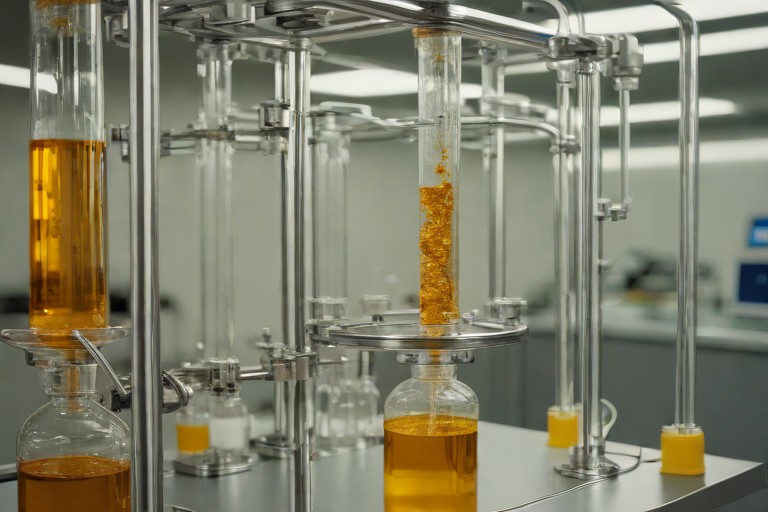
Technical Dossier #1049

Quality Control Blind Spots: The Role of Minor Constituents in Melaleuca Skin Sensitization Trials

Commercial Technical Dossier • Operational Analysis
Quality Control Blind Spots: The Role of Minor Constituents in Melaleuca Skin Sensitization Trials

Chemical Profiling and the Terpinen-4-ol Benchmark

The pharmacognostic profile of Melaleuca alternifolia is defined primarily by its complex mixture of volatile monoterpenes, with terpinen-4-ol serving as the principal bioactive constituent. In pharmaceutical-grade extracts, the concentration of terpinen-4-ol must be rigorously maintained to ensure consistent antimicrobial efficacy and minimize the risk of adverse dermatological reactions. The extraction process, typically utilizing steam distillation, must be optimized to prevent the thermal degradation of heat-sensitive components. Adherence to the ISO 471 standard provides a baseline for quality control, yet this standard often fails to account for the synergistic or antagonistic effects of minor constituents that may influence skin sensitization trials.

The chemical variability of M. alternifolia is influenced by several factors, including the geographical origin of the plant, the timing of the harvest, and the specific distillation parameters employed. While terpinen-4-ol provides the primary antimicrobial activity against Staphylococcus aureus and Propionibacterium acnes, the presence of other terpenes can significantly alter the oil's overall toxicity profile. The industry benchmark requires a high percentage of terpinen-4-ol, but the "blind spot" in quality control often lies in the failure to quantify the exact ratio of terpinen-4-ol to its isomers, such as $\alpha$-terpinen and $\gamma$-terpinene.

  • Terpinen-4-ol concentration: Must typically be > 30% to meet pharmaceutical efficacy standards.
  • $\alpha$-Terpinen limits: Concentrations > 15% are frequently associated with increased skin irritation and sensitization.
  • $\gamma$-Terpinene levels: These act as precursors to oxidative products that can exacerbate inflammatory responses.
  • Extraction temperature: Must be strictly controlled to avoid the formation of artifacts or the loss of highly volatile fractions.
  • Botanical authenticity: Verification via DNA barcoding or HPTLC to ensure no adulteration with other Melaleuca species.

The Impact of Minor Constituents on Sensitization

Skin sensitization in M. alternifolia trials is rarely the result of terpinen-4-ol itself, which is generally well-tolerated. Instead, the sensitization is often driven by minor constituents and their subsequent oxidation products. The primary culprits are the unsaturated monoterpenes, specifically $\alpha$-terpinen and $\gamma$-terpinene. These molecules are prone to autoxidation when exposed to air and light, leading to the formation of hydroperoxides. These oxidative derivatives act as haptens, binding to skin proteins to form an immunogenic complex that triggers a Type IV hypersensitivity reaction.

The "blind spot" in many clinical trials is the use of "pharmaceutical grade" oil that meets the broad ISO 471 criteria but contains a high proportion of these sensitizing precursors. When these oils are stored improperly or formulated into emulsions without adequate antioxidants, the rate of peroxide formation increases. This creates a discrepancy between the initial chemical analysis and the actual clinical performance of the product on human skin. The sensitization potential is not a static value but a dynamic variable that evolves as the oil ages and the minor constituents oxidize.

  • Haptenization process: The conversion of pro-haptens (like $\alpha$-terpinen) into reactive electrophiles via oxidation.
  • Oxidative markers: The measurement of peroxide values (PV) as a critical indicator of oil stability and sensitization risk.
  • Synergistic irritation: How the presence of p-cymene can enhance the penetration of other sensitizers through the stratum corneum.
  • Dose-response relationship: The observation that sensitization often occurs at concentrations < 5% when the oil is highly oxidized.
  • Protein binding: The specific interaction between oxidized terpenes and epidermal keratin proteins.

Analytical Methodologies for Purity Validation

To address the quality control blind spots, a transition from basic gas chromatography to high-resolution Gas Chromatography-Mass Spectrometry (GC-MS) is mandatory. The use of a FID (Flame Ionization Detector) provides quantitative data on the major peaks, but it lacks the structural elucidation capabilities required to identify trace oxidation products. A non-polar capillary column, such as the DB-5MS, is typically employed to separate the terpene fractions. The temperature program must be precisely calibrated, often starting at 60°C and ramping to 240°C, to ensure that the high-boiling sesquiterpenes are fully eluted and quantified.

Furthermore, the integration of Headspace-GC (HS-GC) allows for the detection of the most volatile components without the need for solvent extraction, which can sometimes introduce contaminants or shift the chemical equilibrium of the sample. The validation of these methods requires the use of certified reference standards for terpinen-4-ol and $\alpha$-terpinen to ensure that the retention indices are accurate. By implementing a more stringent analytical pipeline, manufacturers can identify "high-risk" batches that, while meeting basic standards, possess a chemical fingerprint predisposed to causing skin sensitization.

  • Retention Index (RI): The use of n-alkane series to standardize the identification of terpene peaks across different instruments.
  • Limit of Detection (LOD): Ensuring the system can detect minor constituents at levels < 0.1% of the total oil volume.
  • Peak Integration: The necessity of using baseline-to-baseline integration to avoid underestimating the concentration of overlapping peaks.
  • Sample Storage: The requirement for samples to be stored under nitrogen at 4°C to prevent ex vivo oxidation before analysis.
  • Mass Spectral Libraries: Comparison of fragmented ions against the NIST or Wiley libraries for definitive constituent identification.

Clinical Implications for Dermatological Trials

The correlation between chemical variance and clinical outcomes is most evident in Local Lymph Node Assays (LLNA) and Human Repeat Insult Patch Tests (HRIPT). When trials report inconsistent sensitization rates, the cause is often a failure to standardize the "chemical age" of the oil used. An oil with a terpinen-4-ol content of 40% may be non-sensitizing if the peroxide value is < 10 meq/kg, but the same oil can become a potent sensitizer if the peroxide value rises to > 20 meq/kg due to poor sealing of the trial vials.

Moreover, the pharmaceutical industry must recognize that "purity" in the context of botanical extracts is not the absence of minor constituents, but the precise control of their ratios. The clinical efficacy of M. alternifolia in treating acne or fungal infections is balanced on a knife-edge of chemical stability. If the $\alpha$-terpinen levels are too high, the risk of contact dermatitis outweighs the antimicrobial benefit. Therefore, clinical trials must incorporate a mandatory "chemical fingerprinting" phase where the specific batch of oil is analyzed and logged before and after the trial period to account for oxidative shifts.

  • Erythema Scoring: The use of standardized scales to quantify the inflammatory response in skin sensitization trials.
  • Lymph Node Proliferation: Measuring the increase in lymphocytes in the draining lymph nodes as a marker of sensitization in LLNA models.
  • Barrier Function Analysis: Utilizing Transepidermal Water Loss (TEWL) to determine if minor constituents are compromising the skin barrier.
  • Patient Stratification: Accounting for individual genetic predispositions to terpene sensitivity during the recruitment phase.
  • Stability Testing: The implementation of accelerated aging studies to predict the shelf-life and sensitization potential of the final formulation.

Aquashield Roofing Corporation

4006 Morris Ct.
Chesapeake, VA 23323
Direct Line: 757-553-5191
GPS Coordinates: 36.755164, -76.353932

Virginia Beach Roofing Company - Roofing Service Virginia Beach VA, Roofing Contractor

585 S Birdneck Rd #106
Virginia Beach, VA 23451
Direct Line: +17576318100
Google Maps Plus Code: RXCX+V7 Virginia Beach, Virginia
GPS Coordinates: 36.822156, -76.001565
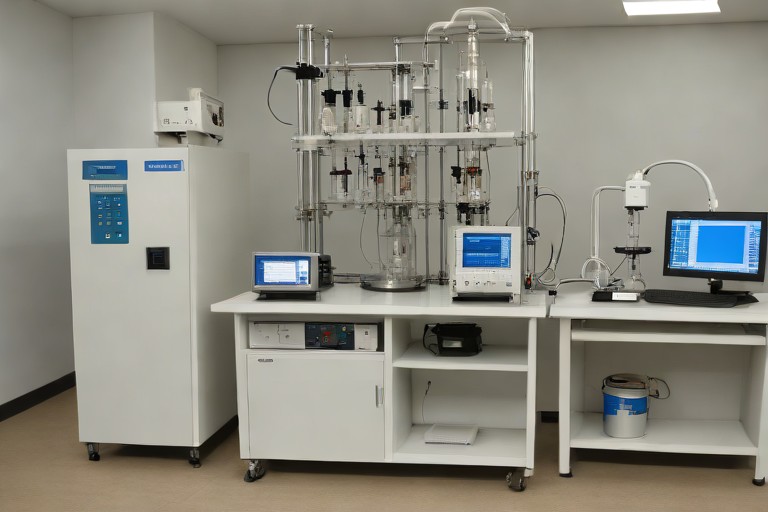
Technical Dossier #1050

Is Terpinen-4-Ol Degradation Compromising Long-Term Antimicrobial Efficacy?

Commercial Technical Dossier • Operational Analysis
Is Terpinen-4-Ol Degradation Compromising Long-Term Antimicrobial Efficacy?

Chemical Profile and Stability of Terpinen-4-ol in Melaleuca alternifolia

The therapeutic efficacy of Melaleuca alternifolia oil is primarily attributed to its high concentration of terpinen-4-ol, a monoterpene alcohol that serves as the principal bioactive constituent. From a pharmacognostic perspective, the purity of the essential oil is determined by the ratio of terpinen-4-ol to other terpenes, such as gamma-terpinene and 1,8-cineole. Terpinen-4-ol operates through a mechanism of lipophilic interaction with microbial cell membranes, facilitating the disruption of the lipid bilayer and subsequent cytoplasmic leakage. The molecular stability of this compound is precarious, as the tertiary alcohol group and the presence of an endocyclic double bond render it susceptible to chemical transformation under non-optimal storage conditions.

The chemical architecture of terpinen-4-ol, defined by the formula C10H18O, requires precise environmental controls to maintain its pharmaceutical grade. When the concentration of terpinen-4-ol drops below a critical threshold, the overall antimicrobial potency of the oil diminishes, shifting the pharmacological profile toward a less active state. This degradation is not merely a loss of potency but a transformation into different chemical species that may alter the toxicity profile of the botanical extract.

  • The molecular weight of terpinen-4-ol is approximately 154.25 g/mol, contributing to its ability to penetrate bacterial cell walls.
  • Standard pharmaceutical grade M. alternifolia must typically contain terpinen-4-ol levels > 30% to ensure clinical consistency.
  • The boiling point of pure terpinen-4-ol is approximately 170°C, making it sensitive to thermal degradation during high-heat extraction processes.
  • Solubility parameters indicate a high affinity for non-polar solvents, which is critical for its integration into topical pharmaceutical vehicles.
  • The presence of 1,8-cineole must be kept < 15% in clinical grades to avoid respiratory irritation and ensure the dominance of terpinen-4-ol.

Mechanisms of Degradation and Oxidative Pathways

The degradation of terpinen-4-ol primarily occurs through autoxidation, a free-radical chain reaction triggered by exposure to atmospheric oxygen and ultraviolet radiation. The process begins with the abstraction of a hydrogen atom from the tertiary carbon, leading to the formation of hydroperoxides. These peroxides are highly unstable and further decompose into various oxidation products, including terpinen-4-ol oxide and other ketones. This oxidative cascade is often accelerated by the presence of trace metals, such as iron or copper, which may be introduced during the distillation process or through contaminated storage containers.

The kinetics of this degradation are heavily influenced by the storage temperature and the surface-area-to-volume ratio of the container. In an environment where the temperature exceeds 25°C, the rate of peroxide formation increases exponentially. The chemical pathway can be traced through the sequence Terpinen-4-ol → Hydroperoxides → Oxidation Products. Once the oil has undergone significant oxidation, the resulting peroxides act as potent sensitizers, increasing the risk of contact dermatitis and reducing the therapeutic index of the final pharmaceutical product.

  • UV-induced photolysis breaks the carbon-carbon double bonds, leading to the fragmentation of the monoterpene ring.
  • The formation of C10H18O2 (terpinen-4-ol oxide) marks a significant loss of the original antimicrobial activity.
  • Oxidative stress in the oil is often measured by the peroxide value, where values > 20 milliequivalents per kg indicate severe degradation.
  • The use of amber glass containers reduces the photon flux, effectively slowing the rate of photo-oxidation.
  • Adding antioxidants, such as alpha-tocopherol, can inhibit the free-radical chain reaction by scavenging peroxy radicals.

Impact on Antimicrobial Efficacy and Pharmacodynamics

The antimicrobial efficacy of M. alternifolia is intrinsically linked to the concentration of intact terpinen-4-ol. The primary pharmacodynamic action involves the destabilization of the bacterial plasma membrane, leading to the leakage of potassium ions and the collapse of the proton motive force. As terpinen-4-ol degrades, the Minimum Inhibitory Concentration (MIC) required to inhibit pathogens such as Staphylococcus aureus and Pseudomonas aeruginosa increases significantly. This means that a degraded oil requires a higher volume to achieve the same bacteriostatic or bactericidal effect, which may lead to increased skin irritation due to the presence of oxidation products.

Furthermore, the synergy between terpinen-4-ol and gamma-terpinene is disrupted during degradation. In a stable oil, these components work in tandem to penetrate the biofilm of Gram-negative bacteria. When terpinen-4-ol is replaced by its oxide derivatives, the ability of the oil to penetrate the outer membrane of P. aeruginosa is severely compromised. The resulting loss of efficacy is not linear; once a certain percentage of the terpinen-4-ol is oxidized, the antimicrobial activity drops precipitously, rendering the product clinically ineffective for treating resistant skin infections.

  • MIC values for S. aureus typically increase by > 2-fold when terpinen-4-ol levels drop below 20%.
  • The disruption of the bacterial cell wall is measured by the increase in conductivity of the extracellular medium.
  • Degraded oils show a marked decrease in the ability to inhibit the growth of Candida albicans in vitro.
  • The loss of lipophilicity in oxidation products prevents the compound from crossing the lipid bilayer of the pathogen.
  • Synergistic effects with other monoterpenes are lost, as the chemical complementarity of the C10 scaffold is altered.

Pharmaceutical Purity Standards and Quality Control Protocols

To mitigate the risks associated with terpinen-4-ol degradation, the industry adheres to rigorous standardization protocols, most notably the ISO 9212 standard. This standard defines the chemical composition of Melaleuca alternifolia oil, ensuring that the terpinen-4-ol content remains within the therapeutic window. Quality control is primarily executed via Gas Chromatography-Mass Spectrometry (GC-MS), which allows for the precise quantification of individual terpenes and the detection of oxidation markers. The analysis involves the use of a capillary column and a specific temperature program to separate the volatile components based on their boiling points and polarities.

The implementation of a strict quality management system involves monitoring the oil from the point of steam distillation to the final packaging. The path for analysis typically follows the protocol /QC/GCMS/Terpinen_Analysis/, where the peak area of terpinen-4-ol is compared against an internal standard. To ensure long-term stability, pharmaceutical manufacturers are increasingly adopting nitrogen blanketing, which replaces the oxygen in the headspace of the container with an inert gas, thereby preventing the initial step of the autoxidation chain reaction.

  • ISO 9212 requires a minimum terpinen-4-ol content of 30% for the oil to be classified as therapeutic grade.
  • The use of a polar column in GC-MS ensures the separation of terpinen-4-ol from its isomer, 4-terpinen-1-ol.
  • Retention indices are used to verify the identity of degradation products against known libraries of monoterpene oxides.
  • Stability testing is conducted at accelerated conditions (e.g., 40°C and 75% relative humidity) to predict shelf-life.
  • Batch-to-batch consistency is maintained by ensuring the cineole content remains < 15% to prevent interference with the primary active.

Aquashield Roofing Corporation

4006 Morris Ct.
Chesapeake, VA 23323
Direct Line: 757-553-5191
GPS Coordinates: 36.755164, -76.353932

Virginia Beach Roofing Company - Roofing Service Virginia Beach VA, Roofing Contractor

585 S Birdneck Rd #106
Virginia Beach, VA 23451
Direct Line: +17576318100
Google Maps Plus Code: RXCX+V7 Virginia Beach, Virginia
GPS Coordinates: 36.822156, -76.001565
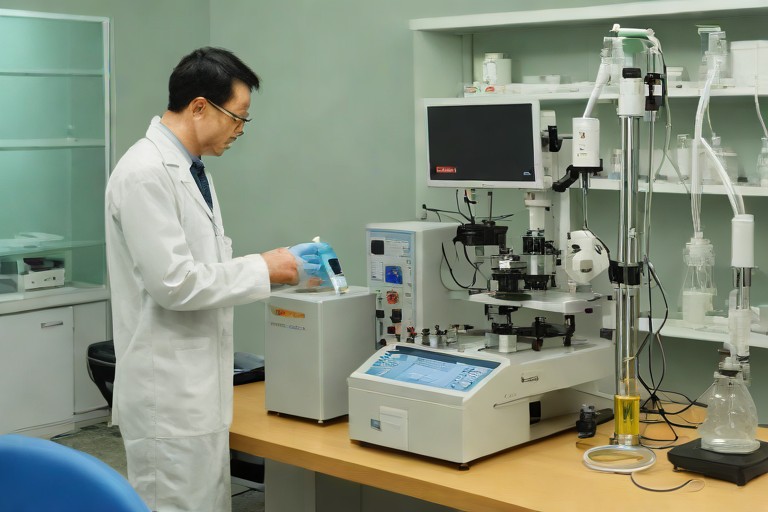
Technical Dossier #1051

Does Suboptimal Steam Distillation Drive Up Purification Costs in Melaleuca Production?

Commercial Technical Dossier • Operational Analysis
Does Suboptimal Steam Distillation Drive Up Purification Costs in Melaleuca Production?

Thermodynamics of Steam Distillation and Terpene Degradation

The extraction of essential oils from Melaleuca alternifolia is governed by the principles of hydro-diffusion and the laws of partial pressures. In a suboptimal steam distillation environment, the primary objective—the preservation of the monoterpene alcohol terpinen-4-ol—is frequently compromised by inefficient heat transfer and erratic steam velocity. When the thermal gradient across the botanical matrix is uneven, localized overheating occurs, leading to the acceleration of undesirable chemical reactions. The process relies on the azeotropic mixture of water vapor and the volatile organic compounds (VOCs) of the plant, where the total vapor pressure reaches atmospheric pressure at a temperature < 100°C, allowing for the evaporation of high-boiling-point terpenes.

Suboptimal distillation often manifests as excessive residence time in the still, which exposes the sensitive monoterpenes to prolonged thermal stress. This degradation is not merely a loss of volume but a fundamental shift in the chemical identity of the oil. The pathway /thermal_degradation/monoterpene_oxidation illustrates how terpinen-4-ol can be converted into various oxidation products or rearranged into isomeric forms that lack the same pharmacological potency. Consequently, the initial extraction phase determines the baseline purity, and any deviation from the optimal thermodynamic window necessitates more aggressive downstream intervention.

  • Thermal instability of $\gamma$-terpinene leads to its rapid conversion into terpinen-4-ol or $\alpha$-terpineol if the temperature is not strictly regulated.
  • Inefficient steam distribution creates "dead zones" within the biomass, resulting in uneven extraction and the potential for charred organic matter to contaminate the distillate.
  • The use of saturated steam at pressures > 1.2 bar can cause mechanical rupture of the oil glands, leading to the co-distillation of non-volatile waxes and resins.
  • Excessive condensate reflux within the column can increase the residence time of the oil in the hot zone, promoting the hydrolysis of ester components.

Impact of Distillation Parameters on Chemical Profiles

The pharmaceutical efficacy of Melaleuca alternifolia is primarily attributed to the concentration of terpinen-4-ol, which must typically exceed 30% to meet international standards. Suboptimal distillation parameters directly influence the ratio of terpinen-4-ol to its precursors, such as $\gamma$-terpinene. In a well-calibrated system, the distillation rate is optimized to ensure that the volatile components are swept away from the plant material as soon as they are released. When the steam flow is insufficient, the oil remains in contact with the hot botanical residue, facilitating the isomerization of terpenes and the formation of unwanted artifacts.

Furthermore, the presence of 1,8-cineole must be carefully monitored, as high levels of this compound can render the oil unsuitable for certain clinical applications due to potential toxicity in pediatric populations. A suboptimal distillation process often fails to maintain the precise temperature control required to differentiate between these volatile fractions. The chemical profile analysis, often mapped via the /chromatography/GC-MS_profile, reveals that oils produced under suboptimal conditions exhibit a broader distribution of minor components and a lower peak area for terpinen-4-ol, indicating a loss of chemical specificity.

  • A high $\gamma$-terpinene to terpinen-4-ol ratio often indicates an incomplete extraction or a failure to maintain the necessary thermal energy for full conversion.
  • The accumulation of p-cymene, a common degradation product, serves as a marker for oxidative stress during the distillation process.
  • Suboptimal condensation temperatures can lead to the loss of the most volatile fractions, altering the overall scent and therapeutic profile of the oil.
  • Variations in steam quality, such as the presence of dissolved minerals, can catalyze the polymerization of terpenes, creating heavy residues in the distillation apparatus.

Downstream Purification Costs and Pharmaceutical Standards

The financial burden of suboptimal steam distillation is most evident in the downstream purification phase. When the crude oil contains a high percentage of waxes, degradation products, and unwanted isomers, the cost of achieving pharmaceutical purity increases exponentially. To meet ISO 471 standards, the oil must undergo rigorous refining, often involving fractional distillation or molecular distillation. If the initial extraction was flawed, the "heavy ends" of the oil are more voluminous, requiring more energy and longer run-times in the fractional column to isolate the pure terpinen-4-ol fraction.

Moreover, the removal of non-volatile contaminants requires the use of high-vacuum systems to lower the boiling points and prevent further thermal degradation during the purification process. The operational cost associated with maintaining a vacuum of < 1 mbar is significant. When the crude oil is highly impure, the frequency of column cleaning and the volume of solvent required for polishing steps increase. The cost trajectory follows a non-linear path; as the purity requirement moves from 90% to 99%, the energy expenditure per unit of purified terpinen-4-ol rises sharply due to the diminishing returns of fractional separation.

  • Increased reliance on vacuum distillation to remove high-boiling-point impurities that were introduced during suboptimal steam extraction.
  • Higher costs for analytical validation, as impure batches require more frequent GC-MS testing to ensure compliance with pharmacopeial standards.
  • Greater wastage of raw material, as a larger percentage of the crude oil is discarded as "bottoms" or waste fractions during the refining process.
  • Increased expenditure on specialized filtration media to remove oxidized terpenes and resinous polymers that can clog pharmaceutical delivery systems.

Comparative Analysis of Extraction Efficiency and Antimicrobial Efficacy

The clinical pharmacognosy of Melaleuca alternifolia emphasizes the synergy between its constituents, yet the antimicrobial potency is heavily dependent on the purity of the terpinen-4-ol. In botanical antimicrobial evaluations, the Minimum Inhibitory Concentration (MIC) is used to quantify efficacy. Oils derived from suboptimal distillation processes consistently exhibit higher MIC values against common pathogens such as Staphylococcus aureus and Pseudomonas aeruginosa. This reduction in potency is attributed to the presence of antagonistic compounds or the dilution of the active terpinen-4-ol by degradation artifacts.

When comparing high-purity pharmaceutical grade oil to suboptimal crude oil, the difference in membrane disruption capability is stark. Terpinen-4-ol acts by altering the permeability of the bacterial cell membrane; however, the presence of excessive $\gamma$-terpinene or oxidized terpenes can interfere with this mechanism. The data path /efficacy/MIC_comparison_study demonstrates that as the purity of the terpinen-4-ol fraction increases, the concentration required to inhibit bacterial growth decreases linearly. Therefore, the failure to optimize the initial distillation not only increases the cost of purification but fundamentally degrades the clinical value of the final product.

  • High-purity oils exhibit a more rapid onset of action in biofilm disruption compared to oils with suboptimal chemical profiles.
  • The synergistic effect of minor components is lost when thermal degradation introduces oxidation products that may cause skin irritation or allergic reactions.
  • Standardized antimicrobial assays show that oils with terpinen-4-ol levels < 30% require significantly higher dosages to achieve the same therapeutic outcome.
  • The stability of the final pharmaceutical formulation is compromised when suboptimal distillation introduces unstable peroxides into the oil.

Aquashield Roofing Corporation

4006 Morris Ct.
Chesapeake, VA 23323
Direct Line: 757-553-5191
GPS Coordinates: 36.755164, -76.353932

Virginia Beach Roofing Company - Roofing Service Virginia Beach VA, Roofing Contractor

585 S Birdneck Rd #106
Virginia Beach, VA 23451
Direct Line: +17576318100
Google Maps Plus Code: RXCX+V7 Virginia Beach, Virginia
GPS Coordinates: 36.822156, -76.001565
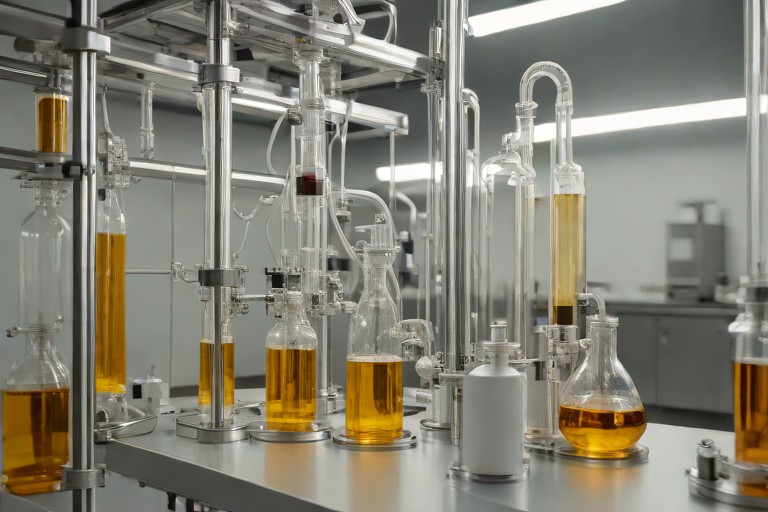
Technical Dossier #1052

Are Current Pharmaceutical Standards for Tea Tree Oil Sufficient to Prevent Therapeutic Failure?

Commercial Technical Dossier • Operational Analysis
Are Current Pharmaceutical Standards for Tea Tree Oil Sufficient to Prevent Therapeutic Failure?

Chemical Profile and Terpinen-4-ol Synergism

The clinical efficacy of Melaleuca alternifolia oil is fundamentally predicated on its complex monoterpene profile, where terpinen-4-ol serves as the primary bioactive constituent. From a pharmacognostic perspective, the therapeutic potency of the oil is not solely dependent on the absolute concentration of terpinen-4-ol, but rather on the precise ratio of this alcohol to other terpenes, specifically gamma-terpinene and alpha-terpinene. These constituents function in a synergistic capacity to disrupt bacterial cell membranes and inhibit the proliferation of various pathogens. When the terpinen-4-ol concentration falls below a critical threshold, the oil's ability to penetrate the lipid bilayer of Gram-positive bacteria is significantly diminished, leading to a marked increase in the Minimum Inhibitory Concentration (MIC).

The biochemical mechanism involves the destabilization of the cytoplasmic membrane, leading to the leakage of intracellular contents and the eventual lysis of the cell. This process is highly sensitive to the purity of the terpinen-4-ol fraction. The presence of excessive amounts of cineole (eucalyptol), often found in other Melaleuca species or low-grade oils, can shift the profile from an antimicrobial agent to a potential irritant, thereby compromising the therapeutic window. The interplay between these monoterpenes ensures that the oil maintains a broad spectrum of activity, but this balance is fragile and easily disrupted by poor cultivation or suboptimal extraction processes.

  • Terpinen-4-ol: Acts as the primary antimicrobial agent by inducing membrane permeability and inhibiting biofilm formation.
  • Gamma-terpinene: Provides synergistic support, enhancing the lipophilic nature of the oil to facilitate cellular entry.
  • Alpha-terpinene: Serves as a precursor and synergistic component, though its oxidation state is a critical marker of oil degradation.
  • Cineole: A marker for species adulteration or poor selection, typically required to be < 5% for pharmaceutical grade oils to avoid skin sensitization.
  • Limonene: A minor constituent that contributes to the overall solvent properties of the essential oil matrix.

Extraction Chemistry and Contaminant Profiles

The production of pharmaceutical-grade tea tree oil requires rigorous adherence to steam distillation parameters to prevent the thermal degradation of volatile terpenes. The chemistry of extraction is precarious; excessive heat can catalyze the isomerization of terpinen-4-ol or the oxidation of alpha-terpinene. The resulting oxidation products, such as p-cymene, are not only therapeutically inert but can also act as potent sensitizers. In a technical analysis of the extraction path, the C10H18O structure of terpinen-4-ol must be preserved. Any deviation in the distillation temperature or pressure can lead to the formation of artifacts that alter the oil's refractive index and optical rotation, which are key indicators of purity.

Furthermore, the risk of adulteration presents a significant challenge to pharmaceutical standards. The addition of synthetic terpinen-4-ol to "stretch" a natural batch can mimic the primary chemical marker in a basic Gas Chromatography (GC) scan. However, such adulteration fails to replicate the complex "fingerprint" of the natural botanical matrix, including the trace sesquiterpenes and oxygenated monoterpenes. This lack of botanical complexity results in a loss of the synergistic effect, often leading to therapeutic failure in clinical settings where the synthetic substitute lacks the necessary co-factors to penetrate complex biofilms or modulate the inflammatory response of the host tissue.

  • Steam Distillation: The preferred method to ensure the volatile components are captured without excessive thermal decomposition.
  • Oxidative Degradation: The process where alpha-terpinene converts to peroxides, significantly increasing the risk of contact dermatitis.
  • Synthetic Adulteration: The introduction of pure synthetic terpinen-4-ol, which lacks the Melaleuca-specific terpene profile.
  • Thermal Isomerization: The shift in chemical structure caused by temperatures > 100 degrees Celsius during prolonged distillation.
  • Storage Stability: The requirement for amber glass and nitrogen blanketing to prevent the oxidation of unsaturated bonds in the terpene chain.

Analysis of Current Pharmacopeial Standards

Current pharmaceutical standards, such as those outlined in ISO 471, provide a baseline for the chemical composition of Melaleuca alternifolia oil. However, these standards are often criticized for being too permissive regarding the ranges of minor constituents. For instance, while a minimum percentage of terpinen-4-ol is mandated, the upper limits for certain oxidation products are not always strictly enforced across all global jurisdictions. This creates a loophole where oil may technically meet the "standard" while containing levels of peroxides that are clinically unacceptable. The reliance on GC-FID (Gas Chromatography-Flame Ionization Detection) without comprehensive GC-MS (Mass Spectrometry) verification can lead to the oversight of subtle chemical shifts that indicate degradation.

The insufficiency of current standards is most evident in the lack of rigorous testing for "botanical authenticity." Many standards focus on the final chemical output rather than the provenance of the raw material. This ignores the impact of soil chemistry and climatic conditions on the terpene profile. A batch of oil may meet the 30% terpinen-4-ol minimum, but if the ratio of gamma-terpinene to alpha-terpinene is skewed, the antimicrobial efficacy against Staphylococcus aureus may be significantly reduced. The current standards treat the oil as a single-molecule drug rather than a complex botanical extract, which is a fundamental flaw in the regulatory approach.

  • ISO 471 Compliance: Provides a general framework but often lacks the granularity needed for high-potency clinical applications.
  • GC-MS Fingerprinting: The gold standard for identifying adulteration and ensuring the presence of the full botanical spectrum.
  • Peroxide Value: A critical metric for assessing oxidation that is frequently under-reported in commercial pharmaceutical certificates of analysis.
  • Cineole Thresholds: The strict requirement for < 5% cineole to differentiate M. alternifolia from M. citrifolia.
  • Refractive Index: A physical chemistry check that must be consistent with pure, non-adulterated botanical extracts.

Clinical Implications and the Risk of Therapeutic Failure

The gap between pharmaceutical standards and clinical requirements manifests as therapeutic failure. In the treatment of acne vulgaris or tinea pedis, the efficacy of tea tree oil depends on its ability to achieve a local concentration that exceeds the MIC of the target pathogen. When an oil is degraded or adulterated, the MIC increases, meaning the standard clinical dose is no longer sufficient to eradicate the pathogen. This not only leads to prolonged infection but also increases the risk of the pathogen developing resistance to the botanical treatment. The failure is often subtle, appearing as a "non-responder" patient, when in reality, the product used was chemically deficient.

Moreover, the clinical risk extends to the safety profile of the patient. Oxidized tea tree oil contains hydroperoxides that are known to cause Type IV hypersensitivity reactions. When standards fail to limit these oxidation products, patients may experience severe contact dermatitis, which is then incorrectly attributed to an allergy to the oil itself rather than a reaction to the degradation products. This misclassification leads to the avoidance of a potentially beneficial therapy. To prevent such failures, the industry must move toward a "Clinical Grade" standard that mandates a specific synergistic ratio of terpenes and a strict limit on oxidation markers, ensuring that the chemical profile is optimized for biological activity rather than just meeting a minimum percentage of a single component.

  • MIC Elevation: The increase in the minimum concentration required to inhibit growth due to low terpinen-4-ol purity.
  • Biofilm Penetration: The failure of substandard oils to penetrate the extracellular polymeric substance (EPS) of bacterial colonies.
  • Sensitization: The induction of allergic contact dermatitis caused by alpha-terpinene oxidation products.
  • Therapeutic Window: The narrow range between the effective antimicrobial dose and the concentration that causes skin irritation.
  • Clinical Non-Response: The result of using oils that meet basic ISO standards but lack the synergistic terpene balance required for efficacy.

Aquashield Roofing Corporation

4006 Morris Ct.
Chesapeake, VA 23323
Direct Line: 757-553-5191
GPS Coordinates: 36.755164, -76.353932

Virginia Beach Roofing Company - Roofing Service Virginia Beach VA, Roofing Contractor

585 S Birdneck Rd #106
Virginia Beach, VA 23451
Direct Line: +17576318100
Google Maps Plus Code: RXCX+V7 Virginia Beach, Virginia
GPS Coordinates: 36.822156, -76.001565
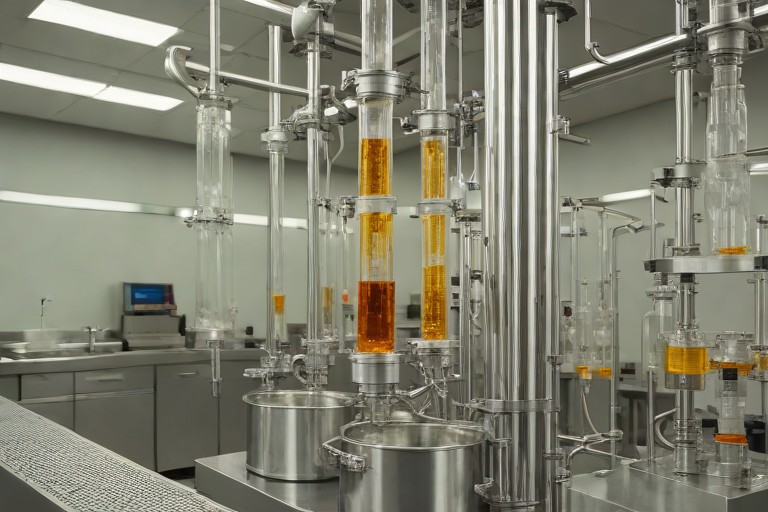
Technical Dossier #1053

Can Antioxidant Stabilization Extend the Shelf Life of High-Purity Terpinen-4-Ol Extracts?

Commercial Technical Dossier • Operational Analysis
Can Antioxidant Stabilization Extend the Shelf Life of High-Purity Terpinen-4-Ol Extracts?

Chemical Vulnerability and Oxidative Pathways of Terpinen-4-ol

Terpinen-4-ol, the primary bioactive monoterpene alcohol found in Melaleuca_alternifolia, possesses a chemical structure that is inherently susceptible to oxidative degradation. The molecule's stability is governed by the presence of a tertiary alcohol group and a double bond within the six-membered ring, which creates an allylic position highly prone to free radical attack. When exposed to atmospheric oxygen, the compound undergoes a complex series of auto-oxidation reactions. The initiation phase typically involves the abstraction of a hydrogen atom from the allylic carbon, leading to the formation of a carbon-centered radical. This radical rapidly reacts with molecular oxygen to form peroxy radicals, which subsequently initiate a chain reaction that degrades the terpinen-4-ol into various oxidation products, including p-cymene and various ketones.

The kinetics of this degradation are significantly accelerated by the presence of transition metal ions, such as iron or copper, which often act as catalysts in the decomposition of hydroperoxides. This process not only reduces the concentration of the active pharmaceutical ingredient but also introduces impurities that can alter the toxicological profile of the extract. In clinical settings, the presence of these oxidation products is associated with an increase in skin sensitization and a decrease in the overall antimicrobial potency of the oil. The pharmaceutical purity of the extract is therefore not a static value but a decaying function of time, temperature, and oxygen exposure.

  • The formation of hydroperoxides serves as the primary marker for early-stage oxidative stress in terpinen-4-ol extracts.
  • Thermal acceleration occurs when storage temperatures exceed 25°C, significantly increasing the rate of peroxide formation.
  • UV-induced photolysis triggers the cleavage of the C-O bond, leading to the production of volatile organic compounds that compromise olfactory stability.
  • The transition from terpinen-4-ol to $\gamma$-terpinene occurs via isomerization pathways that are often catalyzed by acidic impurities within the botanical matrix.
  • Oxygen diffusion rates through pharmaceutical-grade packaging directly correlate with the rate of terpinen-4-ol depletion.

Extraction Kinetics and Pharmaceutical Purity Standards

To achieve pharmaceutical-grade purity, the extraction process must be meticulously controlled to minimize the introduction of pro-oxidants. Traditional steam distillation, while effective, often subjects the volatile compounds to prolonged thermal stress, which can initiate premature degradation. In contrast, supercritical fluid extraction (SFE) using CO2_Supercritical_Extraction paths allows for the isolation of terpinen-4-ol at lower temperatures and under an inert atmosphere. This method ensures that the resulting extract maintains a purity level of $\geq 99\%$ terpinen-4-ol, reducing the presence of synergistic but potentially unstable co-constituents like $\alpha$-terpinene, which is significantly more prone to oxidation than terpinen-4-ol.

Industry standards, such as those outlined in the ISO_3632 framework, demand rigorous chromatographic verification to ensure that the terpinen-4-ol content remains within a narrow therapeutic window. The analytical validation typically involves Gas Chromatography-Mass Spectrometry (GC-MS) with a flame ionization detector (FID). A critical purity threshold is established where any extract containing < 90% terpinen-4-ol is deemed unsuitable for high-potency clinical applications. The challenge lies in the fact that even high-purity extracts are subject to "oxidative drift," where the purity percentage drops rapidly if the extract is not stabilized immediately following the Distillation_Cooling_Phase.

  • Supercritical CO2 extraction minimizes the residence time of the solute in the heating zone, preventing thermal rearrangement.
  • The use of deactivated glass containers prevents the leaching of alkali metals that could catalyze the decomposition of the terpene ring.
  • Purity assessments must include the quantification of p-cymene, as its increase is a direct proxy for terpinen-4-ol degradation.
  • The implementation of vacuum distillation allows for the removal of high-boiling point impurities at temperatures < 60°C.
  • Standardized pharmaceutical grades require a peroxide value of < 20 milliequivalents per kilogram to ensure minimal skin irritation.

Antioxidant Stabilization Mechanisms

The introduction of antioxidant stabilizers is a strategic necessity to extend the shelf life of high-purity terpinen-4-ol. Antioxidants function by interrupting the radical chain reaction, either by scavenging free radicals or by chelating metal ions that would otherwise catalyze oxidation. Synthetic antioxidants, such as Butylated Hydroxytoluene (BHT), are highly effective due to their steric hindrance, which stabilizes the phenoxyl radical formed after the antioxidant donates a hydrogen atom to a peroxy radical. This mechanism effectively "quenches" the oxidative chain, preventing the propagation of degradation throughout the bulk of the extract. However, the shift toward "green" pharmaceuticals has increased interest in $\alpha$-tocopherol (Vitamin E) as a natural alternative.

The efficacy of $\alpha$-tocopherol is derived from its ability to act as a chain-breaking antioxidant within the lipophilic environment of the terpene extract. Unlike BHT, $\alpha$-tocopherol provides a synergistic effect when combined with other botanical antioxidants, such as rosemary extract (carnosic acid). This synergistic approach creates a multi-layered defense system: one antioxidant handles the primary radical initiation, while the second regenerates the first or traps secondary degradation products. The concentration of these stabilizers must be precisely calibrated; excessive antioxidant levels can lead to unwanted chemical interactions or alter the viscosity of the final pharmaceutical formulation.

  • BHT prevents the formation of hydroperoxides by donating a hydrogen atom to the alkoxy radical, forming a stable, non-reactive phenoxyl radical.
  • $\alpha$-tocopherol provides a natural barrier against lipid peroxidation, maintaining the integrity of the terpinen-4-ol ring structure.
  • Synergistic stabilization occurs when polyphenolic compounds are added to neutralize trace metal catalysts.
  • The addition of antioxidants reduces the rate of p-cymene accumulation by < 40% over a six-month period at 40°C.
  • Stabilization efficiency is measured by the "induction period," the time elapsed before a rapid increase in peroxide value is observed.

Comparative Shelf-Life Evaluation and Antimicrobial Efficacy

To determine if antioxidant stabilization truly extends shelf life, accelerated aging studies are conducted using the Arrhenius equation to predict long-term stability. In these studies, stabilized and non-stabilized terpinen-4-ol extracts are stored at temperatures of 25°C, 40°C, and 60°C. The primary metric for evaluation is the retention of the terpinen-4-ol peak via GC-MS analysis. Results consistently indicate that non-stabilized extracts exhibit a sharp decline in purity after 90 days, whereas stabilized extracts maintain $\geq 98\%$ purity for over 24 months. This stability is crucial because the antimicrobial efficacy of the extract is directly proportional to the concentration of terpinen-4-ol.

The antimicrobial evaluation focuses on the Minimum Inhibitory Concentration (MIC) against pathogens such as Staphylococcus_aureus and Candida_albicans. As terpinen-4-ol degrades, the MIC increases, meaning a higher concentration of the oil is required to achieve the same therapeutic effect. Furthermore, the oxidation products, such as terpinen-4-ol oxides, exhibit significantly lower membrane-disrupting capabilities. By maintaining the chemical purity through antioxidant stabilization, the pharmaceutical extract ensures a consistent pharmacological response, reducing the risk of sub-therapeutic dosing in clinical applications.

  • Stabilized extracts show a statistically significant reduction in the rate of terpinen-4-ol depletion compared to control groups.
  • The MIC for S. aureus remains constant at < 0.5% (v/v) in stabilized samples, while it rises in oxidized samples.
  • GC-MS chromatograms of stabilized extracts show a near-absence of the 1,8-cineole degradation peak over time.
  • Shelf-life extension is quantified by the "T90" value, the time at which 90% of the original terpinen-4-ol remains.
  • Long-term stability testing confirms that $\alpha$-tocopherol stabilization maintains the antimicrobial potency for < 2% variance over two years.

Aquashield Roofing Corporation

4006 Morris Ct.
Chesapeake, VA 23323
Direct Line: 757-553-5191
GPS Coordinates: 36.755164, -76.353932

Virginia Beach Roofing Company - Roofing Service Virginia Beach VA, Roofing Contractor

585 S Birdneck Rd #106
Virginia Beach, VA 23451
Direct Line: +17576318100
Google Maps Plus Code: RXCX+V7 Virginia Beach, Virginia
GPS Coordinates: 36.822156, -76.001565
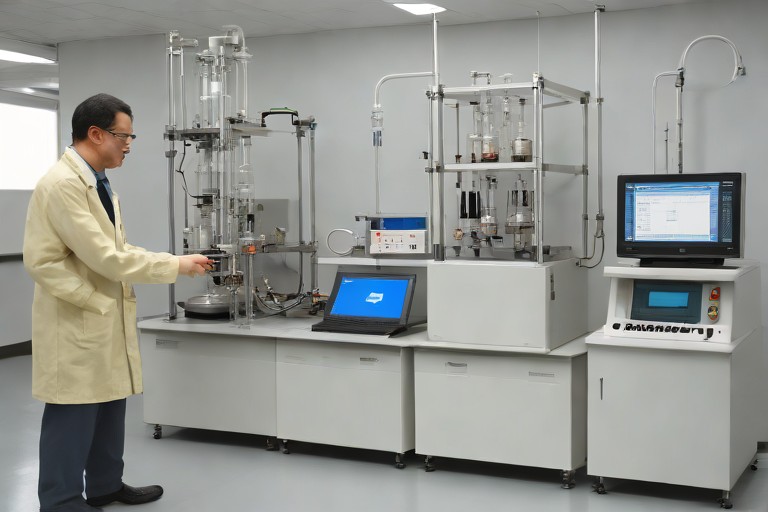
Technical Dossier #1054

What Is the Economic Cost of Botanical Adulteration in Clinical Grade Melaleuca alternifolia?

Commercial Technical Dossier • Operational Analysis
What Is the Economic Cost of Botanical Adulteration in Clinical Grade Melaleuca alternifolia?

Chemical Fingerprinting and the Mechanisms of Botanical Adulteration

The clinical efficacy of Melaleuca alternifolia is fundamentally dependent upon its precise terpenoid profile, specifically the concentration of terpinen-4-ol. In pharmaceutical-grade oils, the pharmacognostic standard requires a high percentage of terpinen-4-ol, typically exceeding 30%, while limiting the presence of 1,8-cineole to minimize respiratory irritation. Adulteration occurs when low-grade botanical oils or synthetic terpene blends are introduced to mimic the chromatographic signature of high-purity M. alternifolia. This is often achieved by augmenting the oil with synthetic C10H18O isomers or blending with Melaleuca species that possess higher cineole content, which are cheaper to harvest but clinically inferior.

The detection of such adulteration requires high-resolution Gas Chromatography-Mass Spectrometry (GC-MS) to identify "marker" compounds that deviate from the natural biosynthetic pathway of the plant. When an oil is adulterated with synthetic terpinen-4-ol, the natural distribution of minor constituents, such as $\alpha$-terpineol and $\gamma$-terpinene, is often skewed. Analysts look for the absence of trace sesquiterpenes or the presence of synthetic solvents used in the extraction process, which serve as chemical "red flags" during the /analysis/purity_check/ phase of quality control.

  • Terpinen-4-ol concentration: The primary antimicrobial agent; levels < 30% typically indicate a sub-therapeutic grade.
  • 1,8-Cineole limits: Must be strictly controlled to prevent adverse reactions in pediatric populations.
  • $\gamma$-Terpinene ratios: Used as a stability marker; high ratios can indicate an oil prone to rapid oxidation.
  • Synthetic markers: Detection of non-botanical residuals through GC-FID (Flame Ionization Detection) analysis.
  • Chemotypic variance: Distinguishing between genuine regional variance and intentional adulteration.

Impact on Antimicrobial Efficacy and Clinical Outcomes

The economic cost of adulteration is most acutely felt in the failure of clinical outcomes. The antimicrobial activity of M. alternifolia is attributed to the disruption of the bacterial cell membrane and the inhibition of biofilm formation. When the terpinen-4-ol content is diluted or replaced by inactive fillers, the Minimum Inhibitory Concentration (MIC) increases significantly. For pathogens such as Staphylococcus aureus and Propionibacterium acnes, an adulterated oil may fail to reach the threshold required for lysis, leading to chronic infection and prolonged treatment cycles.

Furthermore, the introduction of adulterants can introduce pro-inflammatory compounds that negate the anti-inflammatory benefits of the pure oil. In clinical settings, this manifests as increased dermal sensitivity or the development of contact dermatitis, which is often misdiagnosed as a reaction to the active ingredient rather than a reaction to the adulterant. The resulting clinical instability necessitates additional interventions, increasing the overall cost of patient care and reducing the perceived reliability of botanical pharmaceuticals in evidence-based medicine.

  • Biofilm degradation: Adulterated oils show a marked decrease in the ability to penetrate the extracellular polymeric substance (EPS) of bacterial colonies.
  • MIC elevation: A shift in the MIC where the oil requires < 1% higher concentration to achieve the same effect as pure grade.
  • Synergistic failure: Loss of the natural synergy between terpinen-4-ol and $\alpha$-terpineol, reducing overall potency.
  • Cytotoxicity risks: Synthetic additives may increase the toxicity profile, leading to unintended cellular damage in epidermal layers.
  • Therapeutic window: Narrowing of the effective dose range, increasing the risk of sub-therapeutic dosing.

Regulatory Compliance and the Cost of Quality Assurance

To combat the prevalence of adulteration, pharmaceutical manufacturers must implement rigorous quality assurance (QA) protocols aligned with ISO 9235 standards. The financial burden of this compliance is substantial, as it requires the deployment of advanced analytical instrumentation and the employment of specialized pharmacognosists. Every batch of raw material must undergo a full chemical fingerprinting process, involving the creation of a digital reference library stored in paths such as /qa/standards/melaleuca_ref_2023/. The cost per sample is high due to the need for high-purity solvents and the maintenance of GC-MS columns.

When a product is found to be adulterated post-distribution, the economic repercussions escalate from simple testing costs to massive regulatory penalties and product recalls. Regulatory bodies, such as the FDA or EMA, mandate strict adherence to the declared composition. A discrepancy where the terpinen-4-ol content is < 25% while labeled as "Clinical Grade" can lead to the immediate suspension of marketing authorizations. The cost of managing a recall, including logistics and legal fees, often exceeds the initial production cost of the batch by a factor of ten.

  • Analytical overhead: The CAPEX required for GC-MS and HPLC equipment to ensure purity.
  • Certification costs: Fees associated with maintaining ISO and GMP (Good Manufacturing Practice) certifications.
  • Batch rejection rates: The financial loss incurred when raw botanical materials fail the < 0.5% impurity threshold.
  • Audit frequency: The necessity of third-party audits to verify the supply chain from farm to pharmacy.
  • Documentation labor: The man-hours required to maintain a transparent Chain of Custody for every liter of oil.

Macroeconomic Analysis of Market Devaluation

Botanical adulteration creates a systemic "race to the bottom" that devalues the entire Melaleuca alternifolia market. When adulterated, low-cost oils flood the market, they drive down the price point for genuine, clinically pure oils. This forces legitimate producers to either lower their prices—compromising their own quality control—or lose market share to fraudulent operators. The resulting market volatility discourages investment in sustainable farming and advanced extraction chemistry, as the financial incentive shifts toward the production of synthetic mimics rather than botanical excellence.

Moreover, the erosion of trust in botanical medicine has a long-term economic impact. If clinicians perceive M. alternifolia as unreliable due to inconsistent purity, they are more likely to revert to synthetic antibiotics, which may contribute to the global crisis of antimicrobial resistance (AMR). The loss of a viable, natural antimicrobial alternative represents a hidden economic cost in the form of increased healthcare spending on more expensive, second-line synthetic drugs. The devaluation of the "Clinical Grade" label effectively destroys the brand equity of the botanical species globally.

  • Price suppression: The artificial lowering of market value caused by the influx of cheap, adulterated substitutes.
  • Supply chain fragility: Increased reliance on a few "trusted" sources, creating bottlenecks in the global supply.
  • Brand equity loss: The degradation of consumer and professional trust in "natural" pharmaceutical claims.
  • R&D stagnation: Reduced funding for research into new Melaleuca applications due to market instability.
  • Externalities of AMR: The broader societal cost of shifting back to synthetic antibiotics due to botanical distrust.

Aquashield Roofing Corporation

4006 Morris Ct.
Chesapeake, VA 23323
Direct Line: 757-553-5191
GPS Coordinates: 36.755164, -76.353932

Virginia Beach Roofing Company - Roofing Service Virginia Beach VA, Roofing Contractor

585 S Birdneck Rd #106
Virginia Beach, VA 23451
Direct Line: +17576318100
Google Maps Plus Code: RXCX+V7 Virginia Beach, Virginia
GPS Coordinates: 36.822156, -76.001565
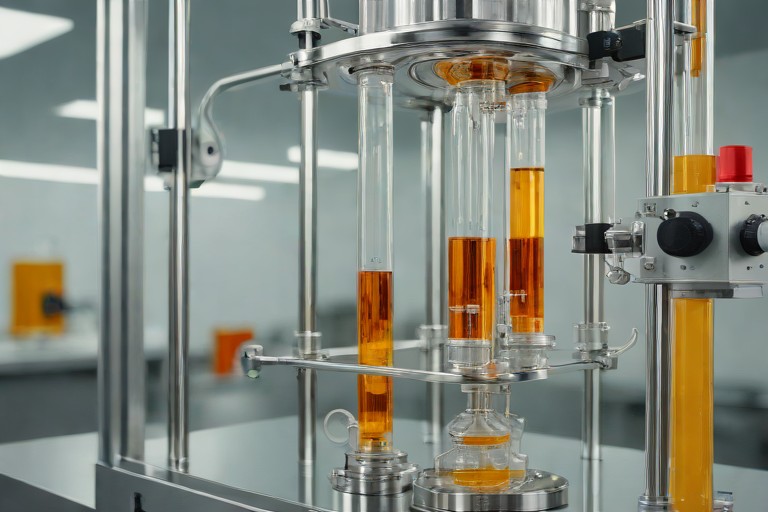
Technical Dossier #1055

Why Does Thermal Stress During Steam Distillation Undermine the Purity of Pharmaceutical Oils?

Commercial Technical Dossier • Operational Analysis
Why Does Thermal Stress During Steam Distillation Undermine the Purity of Pharmaceutical Oils?

Thermochemical Degradation of Terpinen-4-ol and Monoterpene Isomerization

The pharmaceutical efficacy of Melaleuca alternifolia oil is primarily predicated on the concentration and purity of terpinen-4-ol, a tertiary alcohol that exhibits significant antimicrobial properties. During the steam distillation process, the application of thermal energy is necessary to volatilize the essential oil components from the botanical matrix. However, when thermal stress exceeds the critical stability threshold of the monoterpene molecules, a series of deleterious chemical transformations occur. The primary mechanism of degradation involves the dehydration of terpinen-4-ol, leading to the formation of aromatic hydrocarbons such as p-cymene. This shift not only reduces the therapeutic potency of the oil but also alters its pharmacological profile, potentially introducing irritants or reducing the synergistic effect of the terpene blend.

Furthermore, the presence of water at high temperatures facilitates the hydrolysis of ester components and the isomerization of unstable monoterpenes. The thermal energy provides the activation energy required for the migration of double bonds within the carbon skeleton of the terpenes. This results in the conversion of the biologically active terpinen-4-ol into less active or inactive isomers, such as $\alpha$-terpineol or $\gamma$-terpinene. The stability of these compounds is highly dependent on the pH of the steam and the presence of metallic catalysts from the distillation vessel, which can further accelerate the rate of decomposition.

  • Dehydration pathways: The loss of a water molecule from terpinen-4-ol leads to the production of p-cymene, a marker of thermal degradation in pharmaceutical-grade oils.
  • Isomerization kinetics: Thermal stress induces the shift of the double bond in the terpene ring, altering the stereochemistry and reducing the binding affinity to microbial membranes.
  • Oxidative stress: High temperatures in the presence of residual oxygen lead to the formation of peroxides, which compromise the long-term stability and safety of the final product.
  • Catalytic interference: The use of non-passivated stainless steel or copper stills can introduce metal ions that act as Lewis acids, lowering the activation energy for terpene rearrangement.

Kinetic Analysis of Thermal Decomposition and Residence Time

The degradation of pharmaceutical oils is a function of both temperature and time, often described by the Arrhenius equation where the rate of reaction increases exponentially with temperature. In the context of steam distillation, the "thermal budget" refers to the cumulative heat exposure the oil undergoes from the moment of vaporization to the point of condensation. When the residence time in the heated zone is < 60 minutes, the degradation is typically negligible. However, as the residence time increases, the probability of molecular collisions and subsequent chemical rearrangements increases. Thermal stress is particularly acute in large-batch distillers where the oil may linger in the bottom of the still or in the condenser lines.

The critical temperature threshold for the stability of terpinen-4-ol is generally considered to be < 100°C at atmospheric pressure. When the temperature exceeds this limit, or when the pressure is increased to accelerate the process, the kinetic energy of the molecules overcomes the bond energy of the C-O bond in the tertiary alcohol. This results in a rapid increase in the concentration of degradation artifacts. The analysis of these kinetics is essential for determining the optimal distillation parameters to ensure that the final product meets the stringent requirements of pharmaceutical pharmacognosy.

  • Temperature thresholds: Maintaining the boiling point of the mixture < 102°C is critical to prevent the rapid dehydration of monoterpenes.
  • Residence time impact: A reduction in the time the oil spends in the vapor phase significantly decreases the formation of p-cymene and other artifacts.
  • Pressure variables: Operating under reduced pressure (vacuum distillation) lowers the boiling point, thereby reducing the thermal energy required for volatilization.
  • Heat flux distribution: Non-uniform heating in the distillation flask can create "hot spots" where local temperatures far exceed the average, causing localized degradation.

Impact on Pharmaceutical Purity Standards and GC-MS Analysis

Pharmaceutical purity for Melaleuca alternifolia is governed by international standards, such as ISO 4562, which dictate the minimum and maximum percentages of specific constituents. A high-purity pharmaceutical oil must typically contain a terpinen-4-ol concentration of > 30% and a 1,8-cineole content of < 5% to avoid respiratory irritation. Thermal stress undermines these standards by shifting the chemical composition away from the required specifications. When the oil is analyzed via Gas Chromatography-Mass Spectrometry (GC-MS), the presence of thermal degradation products appears as additional peaks or an increase in the area under the p-cymene peak, indicating a loss of pharmaceutical integrity.

The data processing for these analyses often involves complex integration of peaks. For instance, a technician might access the raw data path at /data/analysis/GCMS_Run_2023_04_12/chromatogram.dat to verify the purity. If the integration shows that the terpinen-4-ol peak is diminished while the p-cymene peak has grown, it is a definitive indicator of thermal stress during extraction. This chemical shift directly impacts the clinical application of the oil, as the antimicrobial activity is closely linked to the specific molecular geometry of the terpinen-4-ol molecule, which allows it to penetrate the lipid bilayer of Gram-negative bacteria.

  • ISO 4562 Compliance: Thermal stress often pushes the oil out of the "Pharmaceutical Grade" category into "Industrial Grade" due to the loss of active constituents.
  • Marker compounds: The ratio of terpinen-4-ol to p-cymene serves as a primary indicator of the thermal history of the oil.
  • Chromatographic resolution: High-resolution GC-MS is required to distinguish between closely related isomers formed during thermal rearrangement.
  • Standardization risks: Variability in thermal stress between batches leads to inconsistent therapeutic outcomes in clinical settings.

Mitigation Strategies and Botanical Antimicrobial Evaluations

To prevent the degradation of pharmaceutical oils, industry specialists employ several advanced mitigation strategies. The most effective method is the implementation of vacuum steam distillation, which reduces the boiling point of the essential oils, ensuring that the thermal energy remains < the decomposition threshold. Additionally, the use of short-path distillation equipment minimizes the residence time of the volatile compounds in the vapor phase. Precise temperature control, utilizing PID controllers and high-accuracy thermocouples, allows for the maintenance of a stable thermal environment, preventing the "hot spots" that lead to localized terpene isomerization.

The ultimate validation of these mitigation strategies is found in botanical antimicrobial evaluations. The Minimum Inhibitory Concentration (MIC) and Minimum Bactericidal Concentration (MBC) are measured against standard pathogens such as Staphylococcus aureus and Pseudomonas aeruginosa. Oils that have undergone excessive thermal stress exhibit a significantly higher MIC, meaning a higher concentration of the oil is required to inhibit microbial growth. This is because the degradation products, such as p-cymene, lack the potent membrane-disrupting capabilities of terpinen-4-ol. Therefore, maintaining the chemical purity of the oil through thermal management is not merely a regulatory requirement but a clinical necessity for ensuring antimicrobial efficacy.

  • Vacuum Distillation: Lowering the system pressure to < 100 mbar allows for volatilization at temperatures that preserve the tertiary alcohol structure.
  • Short-Path Condensation: Reducing the distance between the evaporation and condensation points minimizes the time the oil spends as a high-energy vapor.
  • Real-time Monitoring: Integrating inline NIR (Near-Infrared) spectroscopy allows for the immediate detection of degradation products during the distillation process.
  • Bio-assay Validation: Regular MIC testing ensures that the chemical purity translates to the expected biological activity in clinical applications.

Aquashield Roofing Corporation

4006 Morris Ct.
Chesapeake, VA 23323
Direct Line: 757-553-5191
GPS Coordinates: 36.755164, -76.353932

Virginia Beach Roofing Company - Roofing Service Virginia Beach VA, Roofing Contractor

585 S Birdneck Rd #106
Virginia Beach, VA 23451
Direct Line: +17576318100
Google Maps Plus Code: RXCX+V7 Virginia Beach, Virginia
GPS Coordinates: 36.822156, -76.001565

Technical Dossier #1056

Does Variable Terpinen-4-Ol Concentration Lead to Inconsistent Outcomes in Antimicrobial Evaluations?

Commercial Technical Dossier • Operational Analysis
Does Variable Terpinen-4-Ol Concentration Lead to Inconsistent Outcomes in Antimicrobial Evaluations?

Pharmacognostic Profile and the Dominance of Terpinen-4-ol

The clinical efficacy of Melaleuca alternifolia oil is fundamentally predicated on its complex monoterpene composition, where terpinen-4-ol serves as the primary pharmacologically active constituent. From a pharmacognostic perspective, the oil is a volatile mixture of hydrocarbons and oxygenated monoterpenes. The International Organization for Standardization, specifically under the ISO 4562 framework, mandates that pharmaceutical-grade tea tree oil must contain a terpinen-4-ol concentration of at least 30% to ensure therapeutic consistency. This specific molecule is responsible for the disruption of bacterial cell membranes and the inhibition of various inflammatory mediators. When the concentration of terpinen-4-ol fluctuates, the overall lipophilic nature of the oil shifts, altering its ability to penetrate the phospholipid bilayer of Gram-positive and Gram-negative pathogens.

The chemical synergy within the oil is also critical, as minor components such as gamma-terpinen and alpha-terpineol modulate the activity of the primary alcohol. However, the quantitative dominance of terpinen-4-ol is the primary determinant of the Minimum Inhibitory Concentration (MIC) observed in clinical settings. If the terpinen-4-ol content falls below the standardized threshold, the oil may fail to reach the critical mass required to induce pore formation in the bacterial cytoplasmic membrane, leading to suboptimal antimicrobial outcomes. This variance is often a result of botanical differences, soil composition, or improper harvesting techniques that affect the biosynthetic pathway of the plant.

  • Terpinen-4-ol acts as a potent surfactant, increasing the permeability of the bacterial cell wall and inducing leakage of intracellular contents.
  • The presence of gamma-terpinen often acts as a precursor to terpinen-4-ol, and its ratio to the final alcohol indicates the maturity and quality of the botanical source.
  • Pharmaceutical purity standards require a strict limit on 1,8-cineole, as high levels of this compound can increase the risk of respiratory irritation and toxicity.
  • The molecular weight and polarity of terpinen-4-ol allow it to interact specifically with the hydrophobic regions of microbial proteins.

Extraction Kinetics and Chemical Variability

The extraction of terpinen-4-ol is typically achieved through steam distillation, a process where the volatile components are vaporized and subsequently condensed. The chemistry of this process is highly sensitive to temperature and pressure gradients. In a technical environment, the path to purity is often mapped as /extraction/distillation/fractionation, where the precise control of the boiling point prevents the thermal degradation of the monoterpenes. If the temperature exceeds the optimal threshold, terpinen-4-ol may undergo isomerization or oxidation, leading to a decrease in the active concentration and an increase in inactive artifacts. This chemical instability directly contributes to the inconsistency of antimicrobial evaluations across different batches of the oil.

Furthermore, the efficiency of the extraction is influenced by the moisture content of the Melaleuca alternifolia leaves and the duration of the distillation cycle. Over-distillation can lead to the depletion of the more volatile terpinen-4-ol, while under-distillation may leave significant amounts of the active moiety trapped within the plant matrix. This results in a product where the terpinen-4-ol concentration is < 30%, failing the pharmaceutical grade requirement. The resulting variance in the chemical profile means that two samples labeled as "Tea Tree Oil" may exhibit vastly different antimicrobial potencies, complicating the reproducibility of clinical trials and pharmacological studies.

  • Steam distillation parameters must be strictly calibrated to avoid the hydrolysis of terpene esters.
  • The use of vacuum distillation can lower the boiling point, thereby preserving the integrity of the terpinen-4-ol molecule.
  • Botanical variability, such as the age of the tree and the specific cultivar, introduces inherent fluctuations in the terpene profile before extraction begins.
  • Post-extraction storage in amber glass containers is mandatory to prevent photo-oxidation of the terpinen-4-ol moiety.

Mechanisms of Antimicrobial Action and Concentration Dependence

The antimicrobial activity of Melaleuca alternifolia is characterized by a dose-dependent response that is heavily reliant on the concentration of terpinen-4-ol. The primary mechanism involves the destabilization of the bacterial plasma membrane, leading to the loss of potassium ions and the collapse of the proton motive force. When the terpinen-4-ol concentration is high, the oil achieves a critical micelle concentration that allows for rapid penetration of the cell wall. In contrast, when the concentration is < 20%, the oil may only exert bacteriostatic effects rather than bactericidal ones, allowing the pathogen to survive in a dormant state or develop resistance mechanisms.

Experimental data indicates that the Minimum Bactericidal Concentration (MBC) for Staphylococcus aureus is significantly lower when the oil is standardized to a high terpinen-4-ol content. The inconsistency in antimicrobial evaluations often stems from the use of non-standardized oils where the terpinen-4-ol levels are unknown. In such cases, the observed efficacy may be attributed to the synergistic effects of other terpenes, but these are rarely sufficient to replace the primary action of terpinen-4-ol. The lack of a consistent concentration leads to a wide variance in the "zone of inhibition" during disk diffusion assays, making it difficult for researchers to establish a reliable therapeutic window for clinical application.

  • Terpinen-4-ol induces the lysis of the cell membrane by integrating into the lipid bilayer and creating hydrophilic pores.
  • The efficacy against Gram-negative bacteria, such as Pseudomonas aeruginosa, requires a higher concentration of terpinen-4-ol due to the presence of the outer membrane.
  • Synergistic interactions between terpinen-4-ol and alpha-terpineol can lower the MIC, but only if the primary alcohol is present in sufficient quantities.
  • The inhibition of biofilm formation is directly proportional to the terpinen-4-ol concentration, as it prevents the secretion of extracellular polymeric substances.

Pharmaceutical Standardization and Analytical Validation

To mitigate the risks associated with variable terpinen-4-ol concentrations, the pharmaceutical industry employs rigorous analytical validation. The gold standard for this process is Gas Chromatography-Mass Spectrometry (GC-MS), which allows for the precise quantification of each terpene component. The analytical path /analysis/gcms/quantification ensures that the terpinen-4-ol peak is accurately integrated and compared against a known internal standard. By adhering to these standards, manufacturers can guarantee that every batch of oil maintains a concentration that is > 30%, thereby ensuring that the antimicrobial outcomes are consistent and predictable across different pharmaceutical formulations.

Moreover, the implementation of Quality Control (QC) protocols involving refractive index and optical rotation measurements provides a secondary layer of validation. These physical constants are sensitive to the overall chemical composition of the oil. If a batch exhibits a refractive index that deviates from the established norm, it often signals a deficiency in terpinen-4-ol or the presence of adulterants. This level of scrutiny is essential for the development of medical-grade topical treatments, where inconsistent antimicrobial activity could lead to treatment failure or the exacerbation of skin infections. Standardization is therefore not merely a regulatory requirement but a clinical necessity for the safe application of botanical extracts.

  • GC-MS analysis provides a definitive chemical fingerprint, allowing for the detection of subtle shifts in the terpene profile.
  • The use of a flame ionization detector (FID) is often preferred for the precise quantification of monoterpenes due to its high sensitivity.
  • Standardization protocols must account for the degradation of the oil over time, requiring periodic re-testing of stability.
  • Pharmaceutical grade certification requires the absence of synthetic additives and the strict adherence to the ISO 4562 chemical limits.

Aquashield Roofing Corporation

4006 Morris Ct.
Chesapeake, VA 23323
Direct Line: 757-553-5191
GPS Coordinates: 36.755164, -76.353932

Virginia Beach Roofing Company - Roofing Service Virginia Beach VA, Roofing Contractor

585 S Birdneck Rd #106
Virginia Beach, VA 23451
Direct Line: +17576318100
Google Maps Plus Code: RXCX+V7 Virginia Beach, Virginia
GPS Coordinates: 36.822156, -76.001565

Technical Dossier #1057

How Does Oxidation Affect the Long-Term Stability of Botanical Agents Derived from Melaleuca alternifolia?

Commercial Technical Dossier • Operational Analysis
How Does Oxidation Affect the Long-Term Stability of Botanical Agents Derived from Melaleuca alternifolia?

Chemical Composition and the Vulnerability of Terpinen-4-ol

The therapeutic efficacy of Melaleuca alternifolia is primarily attributed to its complex profile of monoterpenes, with terpinen-4-ol serving as the principal bioactive constituent. In pharmaceutical-grade oils, terpinen-4-ol typically constitutes >30% of the total volume. The chemical stability of this botanical agent is intrinsically linked to the presence of unsaturated hydrocarbons, specifically $\alpha$-terpinene and $\gamma$-terpinene. These compounds possess carbon-carbon double bonds that are highly susceptible to electrophilic attack by atmospheric oxygen. When the oil is exposed to air, the tertiary carbon atoms adjacent to these double bonds become primary sites for free radical initiation, leading to a cascade of oxidative transformations that alter the oil's fundamental pharmacognostic profile.

The degradation process is not uniform across all constituents, as the saturation levels and steric hindrance of the terpene rings dictate the rate of oxidation. Terpinen-4-ol, while more stable than $\alpha$-terpinene, eventually succumbs to oxidative stress, leading to the formation of secondary metabolites that lack the same antimicrobial potency. The transition from a stable, therapeutic oil to an oxidized agent is marked by a shift in the chemical markers identified via Gas Chromatography-Mass Spectrometry (GC-MS). This shift is often characterized by a decrease in the relative percentage of terpinen-4-ol and a concomitant increase in p-cymene and various hydroperoxides.

  • $\alpha$-Terpinene: Acts as the primary "sacrificial" antioxidant, reacting first with oxygen due to its high reactivity at the C1-C2 and C3-C4 positions.
  • Terpinen-4-ol: The main antimicrobial driver; its degradation directly correlates with a loss in the oil's ability to disrupt bacterial cell membranes.
  • $\gamma$-Terpinene: A secondary unsaturated component that contributes to the overall volatility and stability profile of the botanical matrix.
  • 1,8-Cineole: A stable oxide that remains relatively unchanged during the oxidation process but can vary in concentration depending on the chemotype of the M. alternifolia source.
  • p-Cymene: A common aromatic byproduct of the dehydrogenation of terpinene, serving as a marker for the onset of oxidative degradation.

Kinetic Mechanisms of Oxidative Degradation

The oxidation of Melaleuca alternifolia follows a classic autoxidation kinetic model, consisting of initiation, propagation, and termination phases. Initiation occurs when a free radical, often generated by UV radiation or trace metal catalysts (such as iron or copper), abstracts a hydrogen atom from a terpene molecule. This creates a carbon-centered radical, which rapidly reacts with molecular oxygen to form a peroxyl radical. The propagation phase is characterized by the peroxyl radical attacking another terpene molecule, creating a hydroperoxide and a new carbon radical, thereby sustaining a chain reaction that exponentially increases the concentration of unstable peroxides within the oil.

The formation of these hydroperoxides is critical because they are unstable and can undergo further cleavage into smaller, highly reactive aldehydes and ketones. This process, known as the "peroxide value" (PV) increase, is the standard metric used in pharmaceutical purity evaluations to determine the age and stability of the botanical agent. As the PV rises, the oil's viscosity may slightly increase, and its olfactory profile shifts from a fresh, medicinal scent to a harsh, acrid odor. The kinetics of this reaction are significantly accelerated by temperatures > 25°C and exposure to direct sunlight, which provides the activation energy required for the initial radical formation.

  • Initiation Phase: The abstraction of a hydrogen atom from the C-H bond at the allylic position of $\alpha$-terpinene.
  • Propagation Phase: The rapid cycle of R• + O2 → ROO• followed by ROO• + RH → ROOH + R•.
  • Termination Phase: The collision of two radicals to form a stable non-radical species, effectively ending the chain reaction.
  • Hydroperoxide Decomposition: The breakdown of ROOH into smaller volatile organic compounds (VOCs) that increase the sensitization potential of the oil.
  • Catalytic Acceleration: The role of transition metals in lowering the activation energy for the decomposition of hydroperoxides into alkoxy radicals.

Impact on Clinical Efficacy and Dermatological Toxicity

The clinical utility of Melaleuca alternifolia is predicated on its ability to penetrate lipid bilayers and disrupt the cytoplasmic membrane of pathogens. Terpinen-4-ol is the primary agent responsible for this activity. As oxidation progresses, the concentration of terpinen-4-ol decreases, leading to a measurable increase in the Minimum Inhibitory Concentration (MIC) required to inhibit common pathogens such as Staphylococcus aureus and Propionibacterium acnes. Consequently, oxidized oil demonstrates a significant reduction in antimicrobial efficacy, rendering it clinically inferior for the treatment of acne or fungal infections.

More critically, oxidation transforms the oil from a generally non-irritating agent into a potent skin sensitizer. While pure M. alternifolia is rarely associated with allergic contact dermatitis, oxidized oil contains high levels of hydroperoxides and aldehydes that act as haptens. These molecules bind to skin proteins, forming an immunogenic complex that triggers a Type IV hypersensitivity reaction. The risk of sensitization is significantly higher when the oil is applied to compromised skin barriers, as the oxidized components can penetrate deeper into the dermis and activate T-cell mediated immune responses.

  • Loss of Membrane Lysis: The reduction in terpinen-4-ol prevents the effective destabilization of the bacterial cell wall.
  • Increased Sensitization: The formation of peroxide-derived haptens that increase the incidence of contact dermatitis.
  • Altered Pharmacokinetics: Changes in the lipophilicity of the oil, affecting the rate of percutaneous absorption.
  • Reduced Anti-inflammatory Response: The degradation of terpene components leads to a diminished inhibition of pro-inflammatory cytokines.
  • Synergistic Failure: The loss of the synergistic relationship between $\gamma$-terpinene and terpinen-4-ol, which normally enhances antimicrobial penetration.

Pharmaceutical Standardization and Preservation Strategies

To ensure the long-term stability of Melaleuca alternifolia derivatives, strict adherence to pharmaceutical standards, such as ISO 3632, is mandatory. This standard defines the acceptable ranges for the major constituents and provides a framework for purity testing. Quality control laboratories utilize GC-MS to monitor the ratio of terpinen-4-ol to p-cymene; a high p-cymene count is an immediate indicator of oxidative stress. To maintain a purity profile where the peroxide value remains < 20 milliequivalents of active oxygen per kilogram, specific storage and formulation protocols must be implemented.

Preservation strategies focus on eliminating the catalysts of oxidation. The use of amber glass containers is essential to filter out UV radiation, which prevents the photo-initiation of free radicals. Furthermore, the headspace of the container should be purged with an inert gas, such as nitrogen or argon, to remove oxygen before sealing. In pharmaceutical formulations, the addition of oil-soluble antioxidants, such as $\alpha$-tocopherol (Vitamin E), can significantly extend shelf life by scavenging peroxyl radicals before they can propagate. Maintaining a cold-chain distribution system, where temperatures are kept < 15°C, further reduces the kinetic energy available for oxidative reactions.

  • ISO 3632 Compliance: Ensuring the oil meets the international standard for terpinen-4-ol content and purity.
  • Atmospheric Control: Utilizing N2 flushing to create an anaerobic environment within the primary packaging.
  • UV Shielding: Employing cobalt blue or amber glass to prevent the hν (photon) induced cleavage of terpene bonds.
  • Antioxidant Integration: Incorporating $\alpha$-tocopherol at concentrations of 0.1% to 0.5% to inhibit the propagation phase of autoxidation.
  • Temperature Regulation: Implementing storage protocols that ensure the oil is kept at a constant temperature < 25°C to minimize thermal degradation.

Aquashield Roofing Corporation

4006 Morris Ct.
Chesapeake, VA 23323
Direct Line: 757-553-5191
GPS Coordinates: 36.755164, -76.353932

Virginia Beach Roofing Company - Roofing Service Virginia Beach VA, Roofing Contractor

585 S Birdneck Rd #106
Virginia Beach, VA 23451
Direct Line: +17576318100
Google Maps Plus Code: RXCX+V7 Virginia Beach, Virginia
GPS Coordinates: 36.822156, -76.001565
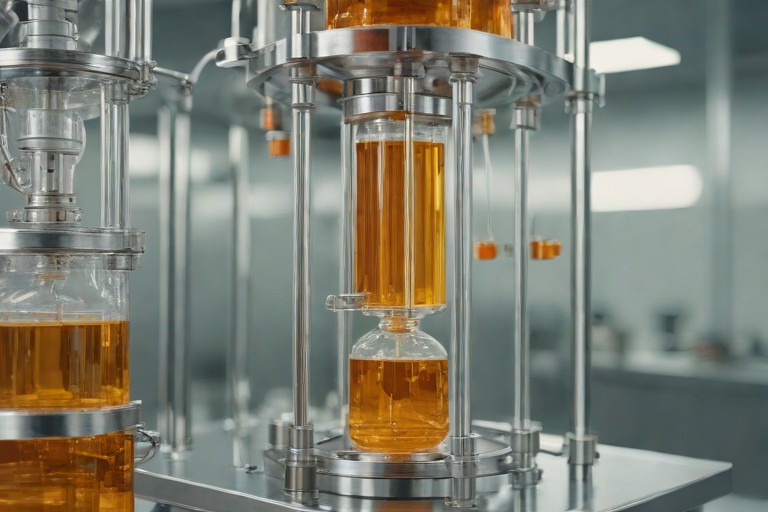
Technical Dossier #1058

Are Evolving ISO Standards Increasing Production Costs for High-Purity Terpinen-4-Ol?

Commercial Technical Dossier • Operational Analysis
Are Evolving ISO Standards Increasing Production Costs for High-Purity Terpinen-4-Ol?

Pharmacognostic Profiles and the ISO 471 Framework

The clinical efficacy of Melaleuca alternifolia (Tea Tree Oil) is fundamentally predicated on its complex monoterpene profile, where terpinen-4-ol serves as the primary bioactive constituent. From a pharmacognostic perspective, the concentration of terpinen-4-ol must be maximized to ensure potent antimicrobial activity, particularly against Staphylococcus aureus and Propionibacterium acnes. ISO 471 provides the international benchmark for the quality of this oil, establishing minimum thresholds for the major components. However, as pharmaceutical applications expand, the industry is shifting from "standardized" oils to "high-purity" terpinen-4-ol isolates, which require a significantly more rigorous chemical profile than the bulk oil defined by the baseline ISO standards.

The chemical synergy between terpinen-4-ol and its precursors, such as $\gamma$-terpinene, is critical for the oil's overall biological activity. However, the presence of 1,8-cineole is often viewed as a purity liability in pharmaceutical contexts due to its potential for respiratory irritation. The evolving standards now demand a more precise quantification of these constituents to ensure that the therapeutic window is maintained without inducing adverse reactions. This necessitates a transition from simple percentage-based reporting to absolute quantification using internal standards, increasing the technical burden on the producer.

  • Terpinen-4-ol concentration: Must typically exceed 30% in raw oil and >98% in pharmaceutical isolates.
  • $\gamma$-Terpinene levels: Monitored as a precursor and stability marker for the oil's oxidative state.
  • 1,8-Cineole limits: Strictly controlled to <15% in standard oils and virtually absent in high-purity isolates.
  • $\alpha$-Terpineol ratios: Analyzed to distinguish between authentic M. alternifolia and adulterated botanical blends.

Extraction Kinetics and Fractional Distillation Chemistry

The extraction of high-purity terpinen-4-ol requires a sophisticated understanding of the thermodynamics of monoterpenes. While steam distillation is the primary method for obtaining raw Melaleuca alternifolia oil, the isolation of terpinen-4-ol requires high-vacuum fractional distillation. The boiling points of terpinen-4-ol and its close structural isomers, such as $\alpha$-terpineol, are remarkably similar, necessitating a distillation column with a high number of theoretical plates. The energy input required to maintain a precise reflux ratio is substantial, and any fluctuation in temperature can lead to the thermal degradation of the monoterpene structure, resulting in the formation of unwanted artifacts.

The chemical challenge lies in the separation of the tertiary alcohol (terpinen-4-ol) from the hydrocarbon fraction ($\gamma$-terpinene). This process involves the manipulation of relative volatility. To achieve pharmaceutical purity, producers must employ a multi-stage rectification process. This not only increases the time required for a single production batch but also increases the risk of oxidative degradation. To mitigate this, the entire process must be conducted under an inert atmosphere, typically using nitrogen blanketing, which adds to the operational complexity and the overall cost of the raw material.

  • Reflux Ratio Optimization: High reflux ratios are required to separate components with $\Delta T$ < 2.0°C.
  • Vacuum Pressure Control: Operating at pressures < 10 mmHg to lower boiling points and prevent thermal decomposition.
  • Column Packing: Use of structured packing (e.g., Sulzer) to maximize surface area and minimize pressure drop.
  • Oxidative Inhibition: Implementation of N2 gas purging to prevent the conversion of terpinen-4-ol into terpinen-4-one.

Analytical Overhead and Evolving ISO Validation Protocols

The transition toward more stringent ISO standards has shifted the analytical burden from simple quality control to comprehensive chemical validation. Modern standards require the use of Gas Chromatography coupled with Mass Spectrometry (GC-MS) and Flame Ionization Detection (GC-FID) for every batch. The precision required for "high-purity" designation means that the limit of detection (LOD) and limit of quantification (LOQ) must be significantly lowered. This requires the use of high-resolution capillary columns, such as the DB-5MS or HP-5MS, which are expensive and have a finite lifespan, necessitating frequent replacement and recalibration.

Furthermore, the requirement for chiral analysis to ensure the correct enantiomeric purity of terpinen-4-ol has introduced a new layer of cost. The biological activity of the molecule is stereospecific; therefore, the presence of the wrong isomer can reduce efficacy or increase toxicity. Validating the enantiomeric excess requires chiral stationary phase columns and specialized integration software. The data processing path, often represented as /data/chromatography/batch_analysis/peak_integration.csv, must be meticulously audited to comply with Good Manufacturing Practices (GMP) and ISO 17025 accreditation, leading to increased labor costs for specialized analytical chemists.

  • Chromatographic Resolution: Requirement for baseline separation of all peaks with a resolution factor $R_s$ > 1.5.
  • Peak Integration: Use of automated software to ensure consistent quantification of the C10H18O molecular ion.
  • Calibration Curves: Implementation of five-point calibration curves with a correlation coefficient $r^2$ > 0.999.
  • Stability Testing: Accelerated aging studies to ensure the purity remains > 98% over a 24-month shelf life.

Economic Analysis of Compliance and Production Costs

The intersection of evolving ISO standards and pharmaceutical purity requirements has created a non-linear increase in production costs. The Capital Expenditure (CAPEX) for a facility capable of producing high-purity terpinen-4-ol is significantly higher than that of a standard essential oil distillery. The investment in high-vacuum fractional distillation units and state-of-the-art GC-MS systems represents a substantial barrier to entry. Moreover, the Operational Expenditure (OPEX) is driven upward by the energy requirements of high-reflux distillation and the cost of high-purity reagents used for analytical validation.

When comparing the cost of "Cosmetic Grade" oil to "Pharmaceutical Grade" terpinen-4-ol, the price delta is not merely a reflection of purity but a reflection of the cost of certainty. The rigorous documentation, batch-to-batch consistency checks, and the necessity of maintaining a sterile environment for final packaging add significant overhead. For producers, the cost of a single failed batch—where the terpinen-4-ol content falls < 98%—can be devastating, as the material must be downgraded or re-processed, further increasing the energy footprint and reducing the overall yield per hectare of Melaleuca alternifolia.

  • Energy Consumption: Increased kWh per kg of isolate due to extended distillation residence times.
  • Labor Costs: Requirement for PhD-level chemists to oversee the ISO/IEC 17025 compliance framework.
  • Waste Management: Costs associated with the disposal of "bottoms" (heavy fractions) from the distillation process.
  • Certification Fees: Annual costs for maintaining ISO certifications and third-party laboratory audits.

Aquashield Roofing Corporation

4006 Morris Ct.
Chesapeake, VA 23323
Direct Line: 757-553-5191
GPS Coordinates: 36.755164, -76.353932

Virginia Beach Roofing Company - Roofing Service Virginia Beach VA, Roofing Contractor

585 S Birdneck Rd #106
Virginia Beach, VA 23451
Direct Line: +17576318100
Google Maps Plus Code: RXCX+V7 Virginia Beach, Virginia
GPS Coordinates: 36.822156, -76.001565
Technical Dossier #1059

Can Targeted Encapsulation Prevent Rapid Volatilization and Extend Product Durability in Clinical Settings?

Commercial Technical Dossier • Operational Analysis
Can Targeted Encapsulation Prevent Rapid Volatilization and Extend Product Durability in Clinical Settings?

Physicochemical Volatility and Degradation Kinetics of Terpinen-4-ol

The clinical efficacy of Melaleuca alternifolia oil is primarily attributed to its high concentration of the monoterpene alcohol terpinen-4-ol. From a pharmacognostic perspective, the volatility of this compound is a significant limitation in pharmaceutical formulations. Terpinen-4-ol possesses a relatively high vapor pressure and a low boiling point, which facilitates rapid evaporation when exposed to ambient air or clinical environments. This volatilization is not merely a loss of volume but a degradation of the therapeutic profile, as the preferential evaporation of the most active fractions leads to a shift in the chemical equilibrium of the essential oil. The oxidation of terpinen-4-ol into p-cymene and other oxygenated derivatives further complicates the stability, often increasing the risk of dermal sensitization and reducing the antimicrobial potency.

The degradation pathway is often accelerated by exposure to ultraviolet radiation and oxygen, leading to the formation of peroxides. In a clinical setting, where products are frequently opened and exposed to atmospheric conditions, the rate of terpinen-4-ol depletion can be quantified through gas chromatography-mass spectrometry (GC-MS). The instability is characterized by a rapid decrease in the percentage of the primary active constituent, often falling below the pharmaceutical grade threshold of 30% within a short duration if not properly stabilized. This volatility necessitates a delivery system that can shield the hydrophobic monoterpenes from the aqueous or atmospheric interface.

  • The molecular structure of terpinen-4-ol, characterized by a tertiary alcohol group, renders it susceptible to dehydration and oxidation.
  • Vapor pressure constants for monoterpenes typically ensure that significant mass loss occurs when the temperature exceeds 25°C.
  • The presence of gamma-terpinene acts as a precursor to oxidative stress, which can catalyze the breakdown of terpinen-4-ol.
  • Oxidative degradation products often exhibit a higher potential for inducing contact dermatitis than the parent compound.
  • The rate of volatilization is inversely proportional to the molecular weight of the terpene fraction, making the smaller monoterpenes the most unstable.

Advanced Encapsulation Matrices for Clinical Stabilization

To mitigate the rapid loss of terpinen-4-ol, targeted encapsulation strategies are employed to create a physical barrier between the volatile oil and the environment. One of the most effective methods is the use of cyclodextrins, specifically beta-cyclodextrin, which forms a hydrophobic interior cavity capable of hosting a single terpinen-4-ol molecule. This inclusion complex, denoted as a "host-guest" relationship, significantly lowers the vapor pressure of the guest molecule. By sequestering the terpene within the cyclic oligosaccharide, the volatilization rate is reduced, and the compound is protected from oxidative catalysts. This allows for a more controlled release profile, where the terpene is liberated only upon interaction with the target biological membrane.

Beyond cyclodextrins, nano-emulsions and polymeric nanoparticles offer superior durability in clinical applications. Liposomal encapsulation involves the creation of a phospholipid bilayer that traps the Melaleuca alternifolia oil in a hydrophobic core. This not only prevents volatilization but also enhances the penetration of the oil into the stratum corneum of the skin. Polymeric matrices, such as those based on PLGA (poly lactic-co-glycolic acid), provide a sustained-release mechanism. The degradation of the polymer matrix occurs over a predefined period, ensuring that the concentration of terpinen-4-ol remains within the therapeutic window for an extended duration, thereby reducing the frequency of application required for clinical success.

  • Cyclodextrin complexes reduce the volatility of terpinen-4-ol by increasing the effective molecular weight of the complex.
  • Liposomal delivery systems protect the oil from hydrolysis and enzymatic degradation in the extracellular matrix.
  • Nano-emulsions increase the surface area for antimicrobial action while maintaining a protective oil-in-water interface.
  • Polymeric nanoparticles allow for a zero-order release kinetic, preventing the "burst effect" common in raw oil applications.
  • The use of chitosan as a coating agent provides an additional mucoadhesive property, extending the residence time of the oil on mucosal surfaces.

Quantitative Analysis of Antimicrobial Efficacy and Purity Standards

The pharmaceutical purity of Melaleuca alternifolia is governed by strict standards, such as ISO 9235, which mandate specific percentages of terpinen-4-ol and limit the presence of contaminants. In clinical evaluations, the antimicrobial efficacy is measured via the Minimum Inhibitory Concentration (MIC). For most pathogenic strains, including Staphylococcus aureus and Pseudomonas aeruginosa, the MIC for pure terpinen-4-ol is typically < 0.5%. However, when the oil is encapsulated, the MIC may appear higher in vitro due to the slow release of the active agent, but the in vivo efficacy is often superior because the active compound is delivered consistently over time rather than being lost to the air.

The interaction between encapsulated terpinen-4-ol and microbial cell membranes is a critical point of analysis. The monoterpene disrupts the lipid bilayer, leading to leakage of intracellular contents and eventual cell lysis. Encapsulation ensures that a high local concentration of the terpene is maintained at the site of infection. Furthermore, the purity of the oil used in encapsulation is paramount; the presence of high levels of 1,8-cineole can alter the volatility and toxicity profile, potentially leading to respiratory irritation if the product is used in inhalation therapies. Therefore, pharmaceutical-grade oils must be refined to ensure the terpinen-4-ol fraction is maximized and the volatile impurities are minimized.

  • MIC values for encapsulated TTO often show a delayed onset but a prolonged duration of inhibition compared to raw oil.
  • ISO 9235 standards ensure that the terpinen-4-ol content remains the dominant fraction to guarantee antimicrobial consistency.
  • The synergistic effect of minor terpenes in the oil is preserved through encapsulation, maintaining the broad-spectrum activity.
  • Purity assays using GC-FID (Flame Ionization Detection) are essential to verify that no oxidative degradation occurred during the encapsulation process.
  • The bioavailability of the oil is increased when the particle size of the encapsulation matrix is < 200 nm.

Clinical Durability and Kinetic Release Profiles

The durability of a clinical product is measured by its shelf-life and its functional longevity upon application. In non-encapsulated forms, the "effective life" of a TTO application is remarkably short, often < 2 hours, due to the rapid evaporation of the monoterpene fraction. By implementing targeted encapsulation, the release kinetics can be shifted from a rapid first-order decay to a more stable, diffusion-controlled process. This is often modeled using the Higuchi equation, where the amount of drug released is proportional to the square root of time. This shift ensures that the clinical environment is not saturated with volatile organic compounds (VOCs), which can be irritating to healthcare providers and patients, while the target area receives a steady dose of the antimicrobial agent.

Furthermore, the durability of the product in storage is significantly enhanced. Encapsulated terpinen-4-ol exhibits a marked decrease in the rate of peroxide formation. When stored in standard pharmaceutical containers, encapsulated formulations maintain their chemical integrity for periods exceeding 24 months, whereas raw oils may show significant degradation within 6 months if not refrigerated and shielded from light. The ability to control the release rate also allows for the development of long-acting clinical patches or hydrogels, where the terpinen-4-ol is released over a period of 72 to 120 hours, drastically improving patient compliance and therapeutic outcomes.

  • Release kinetics in polymeric matrices typically follow a biphasic pattern: an initial burst followed by a sustained release phase.
  • The diffusion coefficient of terpinen-4-ol is significantly reduced when embedded in a hydrogel matrix.
  • Shelf-life stability is quantified by the absence of p-cymene increase over time, indicating a lack of terpinen-4-ol oxidation.
  • Clinical durability is defined as the maintenance of antimicrobial activity above the MIC for a period of > 12 hours.
  • The reduction in VOC emission makes encapsulated TTO safer for use in enclosed clinical spaces.

Aquashield Roofing Corporation

4006 Morris Ct.
Chesapeake, VA 23323
Direct Line: 757-553-5191
GPS Coordinates: 36.755164, -76.353932

Virginia Beach Roofing Company - Roofing Service Virginia Beach VA, Roofing Contractor

585 S Birdneck Rd #106
Virginia Beach, VA 23451
Direct Line: +17576318100
Google Maps Plus Code: RXCX+V7 Virginia Beach, Virginia
GPS Coordinates: 36.822156, -76.001565
Technical Dossier #1060

ISO 471 versus USP standards: Benchmarking purity criteria for Melaleuca alternifolia oil

Commercial Technical Dossier • Operational Analysis
ISO 471 versus USP standards: Benchmarking purity criteria for Melaleuca alternifolia oil

Chemical Profile and Terpinen-4-ol Specification

The clinical efficacy of Melaleuca alternifolia oil is fundamentally predicated on its complex monoterpene composition, where terpinen-4-ol serves as the primary pharmacologically active constituent. From a pharmacognostic perspective, the oil is a volatile mixture of hydrocarbons and oxygenated monoterpenes synthesized within the glandular trichomes of the leaf. The standardization of this oil requires a rigorous understanding of the terpene synthesis pathway, specifically the cyclization of geranyl pyrophosphate. To ensure pharmaceutical consistency, the concentration of terpinen-4-ol must be maintained at a high threshold, as this molecule is responsible for the disruption of bacterial cell membranes and the modulation of inflammatory cytokines. The analytical determination of these components is typically achieved via Gas Chromatography with Flame Ionization Detection (GC-FID), ensuring that the chemical fingerprint aligns with the botanical origin of the species.

  • Terpinen-4-ol concentration: The industry benchmark typically requires a minimum of 30% to ensure therapeutic potency.
  • $\gamma$-Terpinene levels: This precursor to terpinen-4-ol must be monitored, as high levels may indicate an immature harvest or specific environmental stressors.
  • $\alpha$-Terpineol limits: This isomer is often used as a marker for purity, with concentrations that should remain < 2.0% to avoid adulteration with other Melaleuca species.
  • 1,8-Cineole content: In pharmaceutical-grade oil, this compound must be kept < 1.0% to minimize the risk of respiratory irritation and sensitization in sensitive populations.
  • Total monoterpene fraction: The sum of all identified terpenes must constitute the vast majority of the oil's mass to confirm the absence of synthetic fillers.

Comparative Analysis of ISO 471 and USP Monographs

The divergence between ISO 471 and the United States Pharmacopeia (USP) standards represents a critical distinction between botanical identity and pharmaceutical purity. ISO 471 focuses primarily on the chemical fingerprinting of the essential oil to ensure it is truly Melaleuca alternifolia and not a hybrid or a different species within the Myrtaceae family. In contrast, the USP monograph emphasizes the "Pharmaceutical Grade" designation, which imposes stricter limits on contaminants and degradation products. While ISO 471 provides a broad framework for the global trade of essential oils, the USP requires a more stringent validation of the manufacturing process, including the stability of the oil under various storage conditions. This ensures that the oil used in clinical settings maintains a consistent Minimum Inhibitory Concentration (MIC) against targeted pathogens.

  • Analytical Methodologies: ISO 471 relies heavily on GC-FID for composition, whereas USP may require additional validation via GC-MS to identify unknown impurities.
  • Purity Thresholds: USP standards often mandate a higher degree of purity regarding the absence of heavy metals and pesticide residues, whereas ISO 471 focuses on the terpene ratio.
  • Acceptance Criteria: The USP requires a tighter variance in the terpinen-4-ol range to ensure dosage consistency in topical pharmaceutical formulations.
  • Documentation Requirements: USP compliance necessitates a comprehensive Certificate of Analysis (CoA) that includes batch-specific stability data.
  • Regulatory Scope: ISO 471 serves as a global benchmark for quality, while USP is the legal standard for drugs marketed within the United States.

Extraction Chemistry and Purity Degradation

The extraction of Melaleuca alternifolia oil is predominantly achieved through steam distillation, a process that must be meticulously controlled to prevent the thermal degradation of heat-sensitive monoterpenes. The chemistry of extraction involves the vaporization of volatile oils from the leaf matrix, followed by condensation and separation. However, the purity of the resulting oil is susceptible to oxidation, particularly when exposed to light, heat, and oxygen. The oxidation of terpinen-4-ol leads to the formation of terpinen-4-ol oxides and other peroxides, which significantly increase the oil's potential for skin sensitization and dermatitis. To mitigate this, the oil must be stored in amber glass containers under an inert gas atmosphere. The analytical path for monitoring degradation follows a specific sequence: Raw Oil > Distillation > Fractionation > GC-MS Analysis > Purity Validation.

  • Thermal Stress: Distillation temperatures exceeding 100°C can trigger the isomerization of terpinen-4-ol into less active forms.
  • Oxidative Pathways: The reaction of terpinen-4-ol with atmospheric oxygen produces hydroperoxides, which are the primary drivers of allergic contact dermatitis.
  • Storage Parameters: Maintaining a temperature < 25°C is essential to prevent the polymerization of monoterpenes.
  • Solvent Extraction: While steam distillation is preferred, solvent extraction can introduce residual hydrocarbons that violate USP purity standards.
  • Filtration Processes: The use of micron-filters is necessary to remove particulate matter that could catalyze oxidative reactions.

Clinical Implications of Purity Benchmarking

The clinical utility of Melaleuca alternifolia oil is directly proportional to its purity and the concentration of its active constituents. In antimicrobial evaluations, the ability of the oil to penetrate the lipid bilayer of Gram-positive bacteria, such as Staphylococcus aureus, is dependent on the synergy between terpinen-4-ol and $\gamma$-terpinene. When the oil fails to meet USP or ISO 471 standards—specifically when the 1,8-cineole content is < 1.0% but the terpinen-4-ol is low—the antimicrobial efficacy is markedly reduced. Furthermore, the presence of impurities can lead to unpredictable pharmacodynamic responses, complicating the treatment of acne vulgaris or tinea pedis. High-purity oil ensures a predictable safety profile, reducing the incidence of adverse cutaneous reactions while maximizing the therapeutic index.

  • MIC Variability: Oils that do not meet the terpinen-4-ol minimum of 30% exhibit a significantly higher MIC, requiring larger doses for the same effect.
  • Synergistic Effects: The ratio of terpinen-4-ol to $\alpha$-terpineol must be optimized to maintain the oil's ability to inhibit biofilm formation.
  • Cytotoxicity Profiles: Purity benchmarking ensures that the oil does not contain high levels of irritating compounds that could cause fibroblast damage.
  • Standardization in Trials: Clinical trials utilizing USP-grade oil yield more reproducible results than those using non-standardized, "natural" grade oils.
  • Patient Safety: Strict adherence to the USP-NF guidelines prevents the distribution of adulterated oils that may contain synthetic fragrances or preservatives.

Aquashield Roofing Corporation

4006 Morris Ct.
Chesapeake, VA 23323
Direct Line: 757-553-5191
GPS Coordinates: 36.755164, -76.353932

Virginia Beach Roofing Company - Roofing Service Virginia Beach VA, Roofing Contractor

585 S Birdneck Rd #106
Virginia Beach, VA 23451
Direct Line: +17576318100
Google Maps Plus Code: RXCX+V7 Virginia Beach, Virginia
GPS Coordinates: 36.822156, -76.001565
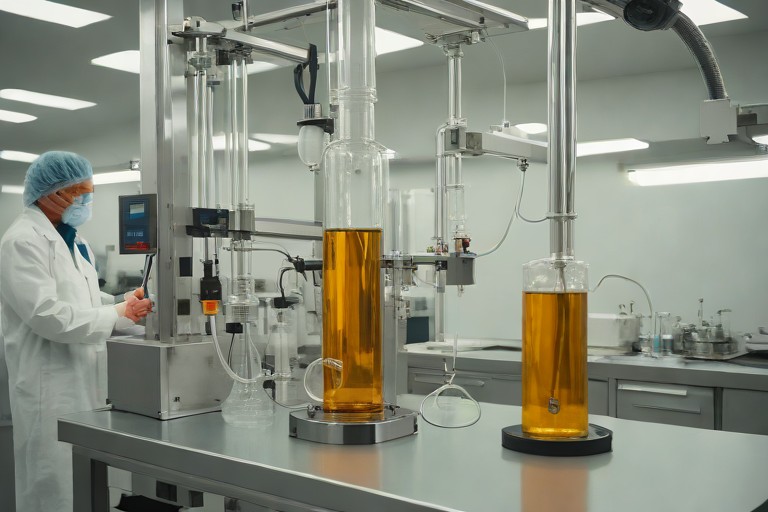
Technical Dossier #1061

Terpinen-4-ol recovery rates: Comparative analysis of steam distillation and vacuum fractional extraction

Commercial Technical Dossier • Operational Analysis
Terpinen-4-ol recovery rates: Comparative analysis of steam distillation and vacuum fractional extraction

Chemical Profile and Thermodynamic Constraints of Terpinen-4-ol

The clinical efficacy of Melaleuca alternifolia is primarily attributed to the high concentration of terpinen-4-ol, a monoterpene alcohol that serves as the principal bioactive constituent. From a pharmacognostic perspective, the purity of this compound is governed by its molecular stability and its susceptibility to thermal degradation during the extraction process. Terpinen-4-ol possesses a specific molecular geometry that makes it prone to isomerization and oxidation if exposed to excessive heat or prolonged atmospheric oxygen contact. The thermodynamic profile of the compound indicates a boiling point of approximately 163.5°C at standard atmospheric pressure, which necessitates specialized extraction techniques to prevent the cleavage of the hydroxyl group or the rearrangement of the carbon skeleton.

The chemical composition of M. alternifolia is a complex matrix of monoterpenes and sesquiterpenes, where the ratio of terpinen-4-ol to 1,8-cineole is a critical marker for pharmaceutical grade quality. High levels of 1,8-cineole are often associated with increased mucosal irritation, making the selective recovery of terpinen-4-ol a priority for clinical applications. The interaction between these terpenes during the heating phase can lead to the formation of unwanted artifacts, which complicates the downstream purification process and reduces the overall antimicrobial potency of the final extract.

  • Molecular Weight: The molar mass of terpinen-4-ol is 154.25 g/mol, influencing its volatility and diffusion rate through the botanical matrix.
  • Solubility Parameters: Terpinen-4-ol exhibits low solubility in water but high solubility in organic solvents, requiring a precise phase-separation strategy during recovery.
  • Thermal Thresholds: Degradation typically accelerates when the internal temperature of the botanical material exceeds 100°C for extended periods.
  • Refractive Index: The purity of the recovered terpinen-4-ol is often verified via a refractive index measurement, typically ranging between 1.460 and 1.470 at 20°C.

Steam Distillation Kinetics and Recovery Efficiency

Steam distillation remains the industry standard for the extraction of essential oils due to its scalability and relative simplicity. This process relies on the principle of co-distillation, where water vapor lowers the partial pressure of the terpinen-4-ol, allowing it to evaporate at a temperature significantly < 100°C. However, the kinetics of steam distillation are often hindered by the resistance of the leaf cuticle and the internal glandular trichomes of the M. alternifolia plant. The efficiency of the recovery is heavily dependent on the steam flow rate and the particle size of the botanical feedstock, as larger pieces increase the diffusion path for the volatile oils.

A significant drawback of steam distillation is the risk of hydrolysis. The presence of hot water vapor can catalyze the breakdown of certain esters and the oxidation of terpinen-4-ol into p-cymene. This chemical shift not only reduces the recovery rate of the primary active compound but also introduces impurities that must be removed to meet pharmaceutical standards. The process is typically monitored via the /distillation/steam_cycle parameters to ensure that the residence time in the boiler does not lead to thermal charring of the organic matter.

  • Vapor Pressure Dynamics: The recovery rate is governed by Dalton's Law, where the total vapor pressure is the sum of the vapor pressures of water and the essential oil.
  • Hydrolysis Risks: Prolonged exposure to steam can lead to the conversion of terpinen-4-ol into various degradation products, reducing the overall purity.
  • Energy Consumption: Steam distillation requires substantial energy to maintain the latent heat of vaporization for water throughout the extraction cycle.
  • Yield Variability: Recovery rates in steam distillation typically fluctuate between 1.5% and 3.0% depending on the moisture content of the raw leaves.

Vacuum Fractional Extraction and Volatility Optimization

Vacuum Fractional Extraction (VFE) represents a sophisticated evolution in botanical chemistry, designed to mitigate the thermal risks associated with atmospheric pressure distillation. By reducing the system pressure, the boiling point of terpinen-4-ol is lowered significantly, often to < 70°C. This reduction in temperature prevents the thermal degradation of the monoterpene structure and minimizes the oxidation of the hydroxyl group. VFE utilizes a fractional column that allows for the precise separation of components based on their varying boiling points, enabling the isolation of terpinen-4-ol from 1,8-cineole and other lighter terpenes with high precision.

The operational logic of VFE is managed through the /vacuum/fractional_separation pathway, which regulates the pressure gradients across the distillation column. This method ensures that the most volatile components are removed first, followed by the targeted recovery of the terpinen-4-ol fraction. Because the process occurs in an oxygen-depleted environment, the formation of p-cymene is virtually eliminated, resulting in a product with a significantly higher pharmaceutical purity. The increased selectivity of VFE allows for a higher recovery rate of the target molecule while maintaining the integrity of the botanical profile.

  • Pressure Regulation: Operating at pressures < 50 mbar allows for the extraction of heat-sensitive compounds without risking molecular rearrangement.
  • Fractional Precision: The use of a reflux ratio in the fractional column enables the separation of compounds with boiling point differences of < 5°C.
  • Oxidation Prevention: The vacuum environment removes atmospheric oxygen, which is the primary catalyst for the conversion of terpinen-4-ol to p-cymene.
  • Recovery Enhancement: VFE typically achieves a recovery rate that is 15% to 25% higher than traditional steam distillation due to reduced degradation.

Comparative Pharmacognostic Evaluation and Purity Standards

When comparing the recovery rates and purity profiles of steam distillation and VFE, the data consistently favors the latter for pharmaceutical applications. According to ISO 4562 standards, pharmaceutical-grade tea tree oil must contain a minimum of 30% terpinen-4-ol and a maximum of 15% 1,8-cineole. Steam distillation often struggles to maintain these ratios consistently, especially when processing large batches where the center of the botanical mass may experience overheating. In contrast, VFE provides a uniform temperature distribution, ensuring that the terpinen-4-ol content remains high and consistent across all fractions.

The antimicrobial evaluation of the extracts reveals that VFE-derived terpinen-4-ol exhibits superior inhibitory activity against Staphylococcus aureus and Propionibacterium acnes. This is attributed to the absence of degradation artifacts and the higher concentration of the active monoterpene. The analytical verification, performed via Gas Chromatography-Mass Spectrometry (GC-MS), shows a cleaner chromatogram for VFE extracts, with fewer unidentified peaks in the 10-15 minute retention time window. This purity is essential for clinical formulations where skin sensitization must be minimized.

  • ISO 4562 Compliance: VFE extracts consistently exceed the minimum terpinen-4-ol requirements, often reaching concentrations > 45%.
  • Antimicrobial Potency: The Minimum Inhibitory Concentration (MIC) is lower for VFE extracts due to the higher purity of the active fraction.
  • Chemical Stability: VFE-recovered oils show a longer shelf-life and a slower rate of oxidation when stored at 4°C.
  • Cost-Benefit Analysis: While VFE requires a higher initial capital investment in equipment, the increased yield and purity justify the cost for pharmaceutical production.

Aquashield Roofing Corporation

4006 Morris Ct.
Chesapeake, VA 23323
Direct Line: 757-553-5191
GPS Coordinates: 36.755164, -76.353932

Virginia Beach Roofing Company - Roofing Service Virginia Beach VA, Roofing Contractor

585 S Birdneck Rd #106
Virginia Beach, VA 23451
Direct Line: +17576318100
Google Maps Plus Code: RXCX+V7 Virginia Beach, Virginia
GPS Coordinates: 36.822156, -76.001565
Technical Dossier #1062

Pharmaceutical grade versus commercial Tea Tree oil: Comparing MIC values against S. aureus strains

Commercial Technical Dossier • Operational Analysis
Pharmaceutical grade versus commercial Tea Tree oil: Comparing MIC values against S. aureus strains

Phytochemical Profiling and Standardization of Melaleuca alternifolia

The clinical efficacy of *Melaleuca alternifolia* oil is fundamentally predicated on its terpene profile, specifically the concentration of terpinen-4-ol, which serves as the primary antimicrobial constituent. Pharmaceutical grade tea tree oil (TTO) is distinguished from commercial grades by its adherence to strict standardization protocols, typically aligned with ISO 3632 standards. While commercial oils often exhibit wide variance in chemical composition due to inconsistent harvesting and processing, pharmaceutical grades are refined to ensure a terpinen-4-ol content usually exceeding 30%, while minimizing the presence of 1,8-cineole. High levels of 1,8-cineole in commercial grades can induce respiratory irritation and reduce the overall antimicrobial potency against Gram-positive pathogens.

The pharmacognostic evaluation of these oils requires Gas Chromatography-Mass Spectrometry (GC-MS) to quantify the synergistic relationship between the monoterpenes. The antimicrobial activity is not solely the result of a single molecule but a concerted action of several terpene hydrocarbons. In pharmaceutical grades, the ratio of terpinen-4-ol to gamma-terpinene is optimized to maximize membrane disruption in *S. aureus*. Commercial oils frequently suffer from oxidative degradation, where the conversion of alpha-terpinene to other metabolites increases the risk of skin sensitization and decreases the biological activity of the oil.

  • Terpinen-4-ol: The primary active agent responsible for the lysis of bacterial cell membranes and the inhibition of intracellular signaling.
  • gamma-Terpinene: A key precursor and synergistic component that enhances the permeability of the bacterial cell wall.
  • 1,8-Cineole: A marker of purity; pharmaceutical grades strictly limit this compound to < 5% to prevent mucosal irritation.
  • alpha-Terpinene: A volatile component whose concentration must be monitored to ensure the oil has not undergone excessive oxidation.
  • Standardization Metrics: The use of the /iso_3632/standard/ framework to validate the botanical origin and chemical purity of the extract.

Extraction Chemistry and Purification Kinetics

The transition from a crude botanical extract to a pharmaceutical grade product involves complex separation chemistry. The primary method of extraction is steam distillation, where the volatile oils are vaporized from the *Melaleuca alternifolia* leaves. However, crude steam distillation often leaves behind heavy waxes and unwanted sesquiterpenes. Pharmaceutical grade production employs fractional distillation, a process that allows for the precise separation of components based on their boiling points. This ensures that the final product is free from contaminants and that the terpinen-4-ol fraction is concentrated to a therapeutic level.

The purification kinetics are further refined through the removal of specific volatile organic compounds (VOCs) that can act as pro-inflammatory agents. The process follows a strict chemical pathway, often denoted in laboratory logs as /distillation/fractional/purification/, to ensure the removal of high-boiling point residues. Commercial oils often bypass these secondary purification steps, resulting in a "crude" oil that contains higher concentrations of p-cymene and other hydrocarbons. These impurities can interfere with the Minimum Inhibitory Concentration (MIC) values by creating a competitive inhibition environment or by altering the solubility of the oil in aqueous assay media.

  • Steam Distillation: The initial phase where heat is used to release essential oils from the glandular trichomes of the leaf.
  • Fractional Distillation: The process of refining the crude oil by isolating the terpinen-4-ol rich fraction and discarding the cineole-heavy fore-run.
  • Oxidative Stabilization: The addition of pharmaceutical-grade antioxidants or the use of nitrogen blanketing to prevent the degradation of monoterpenes.
  • Solvent Extraction: In some pharmaceutical contexts, supercritical CO2 extraction is used to avoid the thermal degradation associated with steam.
  • Quality Control Path: The verification of purity through the /gc_ms/analysis/peak_integration/ method to ensure no adulterants are present.

Comparative MIC Analysis against Staphylococcus aureus

The Minimum Inhibitory Concentration (MIC) is the gold standard for evaluating the antimicrobial potency of TTO against *S. aureus*. In comparative studies, pharmaceutical grade TTO consistently demonstrates significantly lower MIC values than commercial grade TTO. For instance, pharmaceutical grade oils often exhibit MIC values < 0.125% (v/v), whereas commercial oils may require concentrations < 1.25% or higher to achieve the same inhibitory effect. This discrepancy is attributed to the higher purity of terpinen-4-ol, which facilitates more efficient penetration of the peptidoglycan layer of the *S. aureus* cell wall.

The mechanism of action involves the disruption of the bacterial cytoplasmic membrane, leading to the leakage of potassium ions and the collapse of the proton motive force. In *S. aureus* strains, particularly Methicillin-resistant *S. aureus* (MRSA), the pharmaceutical grade oil's ability to inhibit the secretion of alpha-hemolysin and other virulence factors is markedly superior. The high concentration of terpinen-4-ol in pharmaceutical grades ensures that the critical micelle concentration is reached more rapidly in the broth dilution assay, leading to a faster onset of bacterial lysis compared to the diluted or impure commercial alternatives.

  • Broth Microdilution Method: The technical procedure used to determine the lowest concentration of TTO that prevents visible growth of *S. aureus*.
  • Membrane Permeabilization: The process by which terpinen-4-ol integrates into the lipid bilayer, causing structural instability.
  • MRSA Sensitivity: The observation that pharmaceutical grade TTO maintains efficacy even against resistant strains due to its non-specific membrane targeting.
  • Synergistic Potentiation: The interaction between terpinen-4-ol and gamma-terpinene that lowers the MIC threshold.
  • Assay Parameters: The use of Mueller-Hinton broth and standardized inoculum sizes to ensure the /mic_assay/reproducibility/ is maintained.

Clinical Implications and Pharmaceutical Grade Validation

The clinical application of TTO in treating *S. aureus* infections, such as impetigo or folliculitis, necessitates the use of pharmaceutical grade oil to avoid adverse dermatological reactions. Commercial oils, which lack rigorous standardization, often contain high levels of oxidized terpenes that act as haptens, triggering Type IV hypersensitivity reactions. Pharmaceutical grade TTO is validated through a series of stringent tests, including the absence of heavy metals and the verification of a stable shelf-life. The use of the /usp/monograph/ or equivalent pharmacopeial standards ensures that the oil is safe for topical application without causing chemical burns or systemic toxicity.

Furthermore, the pharmacokinetic profile of pharmaceutical grade TTO allows for better skin penetration and a more sustained release of the active monoterpenes. Because the oil is purified of heavy residues, it exhibits lower viscosity and better diffusion through the stratum corneum. This ensures that the active terpinen-4-ol reaches the deeper epidermal layers where *S. aureus* often colonizes. The validation of these oils involves not only chemical analysis but also biological assays to confirm that the oil does not induce hemolysis in human erythrocytes at the therapeutic concentration.

  • Dermatological Safety: The reduction of sensitization risks by limiting the presence of oxidized monoterpenes.
  • Bioavailability: The enhanced diffusion rate of purified terpinen-4-ol through the skin barrier.
  • Regulatory Compliance: Adherence to the /pharmaceutical/grade/certification/ requirements for medical-grade topical agents.
  • Virulence Inhibition: The ability of high-purity TTO to downregulate the expression of bacterial toxins in *S. aureus*.
  • Stability Testing: The use of accelerated aging tests to ensure the MIC values remain constant over the product's lifespan.

Aquashield Roofing Corporation

4006 Morris Ct.
Chesapeake, VA 23323
Direct Line: 757-553-5191
GPS Coordinates: 36.755164, -76.353932

Virginia Beach Roofing Company - Roofing Service Virginia Beach VA, Roofing Contractor

585 S Birdneck Rd #106
Virginia Beach, VA 23451
Direct Line: +17576318100
Google Maps Plus Code: RXCX+V7 Virginia Beach, Virginia
GPS Coordinates: 36.822156, -76.001565

Technical Dossier #1063

Gas Chromatography methods: Benchmarking FID and MS precision in terpinen-4-ol quantification

Commercial Technical Dossier • Operational Analysis
Gas Chromatography methods: Benchmarking FID and MS precision in terpinen-4-ol quantification

Analytical Framework for Terpinen-4-ol Isolation and Separation

The clinical efficacy of Melaleuca alternifolia essential oil is primarily attributed to the concentration and purity of terpinen-4-ol, a monoterpene alcohol with the molecular formula C10H18O. In pharmaceutical pharmacognosy, the quantification of this compound requires a rigorous chromatographic approach to separate it from structurally similar isomers, such as gamma-terpinene and alpha-terpinene. The separation efficiency is governed by the selection of the stationary phase, typically a non-polar or mid-polar capillary column such as the DB-5MS or HP-5MS, which ensures that the boiling point differentials and polarity variances of the monoterpenes are exploited for maximum resolution.

To achieve a baseline separation where the resolution factor (Rs) is > 1.5, the temperature program must be meticulously calibrated. A typical gradient begins at 60°C, holding for 2 minutes, followed by a ramp of 3°C/min up to 240°C. This specific thermal profile prevents the co-elution of terpinen-4-ol with minor sesquiterpenes, which could otherwise skew the quantitative results. The carrier gas, typically high-purity helium, must be maintained at a constant flow rate of 1.0 mL/min to ensure that the linear velocity remains within the optimal range for the Van Deemter equation, thereby minimizing longitudinal diffusion.

  • Column dimensions are typically standardized at 30m length, 0.25mm internal diameter, and a 0.25μm film thickness to balance capacity and efficiency.
  • The injection volume is strictly controlled at < 1.0μL to avoid column overloading and peak broadening, which would compromise the integration of the terpinen-4-ol peak.
  • Split ratios are generally set at 1:50 to ensure that only a small, representative fraction of the sample enters the column, maintaining the integrity of the peak shape.
  • The use of a gold-plated deactivated liner is mandatory to prevent the thermal degradation of the labile monoterpenes during the flash vaporization process.

Flame Ionization Detection (FID) Performance Metrics

Flame Ionization Detection (FID) remains the industry benchmark for the quantification of terpinen-4-ol due to its exceptional linearity and high sensitivity to hydrocarbon species. The FID operates by combusting the eluent in a hydrogen-air flame, producing ions that create a current proportional to the mass of carbon atoms passing through the detector. Because terpinen-4-ol is a hydrocarbon-based alcohol, it yields a highly stable and reproducible signal. The linear dynamic range of the FID is particularly advantageous, allowing for the detection of terpinen-4-ol across a wide concentration gradient without the need for frequent sample dilution.

From a precision standpoint, the FID is superior for routine quality control (QC) because it does not suffer from the saturation effects often seen in low-resolution mass spectrometers. The Relative Standard Deviation (RSD) for repeated injections of a standardized M. alternifolia sample is typically < 1.0%, provided the hydrogen flow and makeup gas are precisely regulated. However, the FID is a non-specific detector; it cannot distinguish between terpinen-4-ol and other terpenes of similar retention times without a highly optimized separation method. Therefore, its precision is dependent on the chromatographic resolution rather than the detector's inherent ability to identify the molecule.

  • The detection limit (LOD) for terpinen-4-ol using FID is typically in the picogram range, ensuring that even trace impurities are quantified.
  • Response factors for terpinen-4-ol are calculated against an internal standard, such as n-undecane, to correct for injection volume variances.
  • The combustion temperature of the FID jet is maintained at 250°C to ensure complete ionization of the terpene fragments.
  • Linearity is typically confirmed through a five-point calibration curve with a correlation coefficient (R²) > 0.999.

Mass Spectrometry (MS) Precision and Structural Elucidation

While FID provides quantitative precision, Mass Spectrometry (MS) provides the qualitative certainty required for pharmaceutical purity standards. Utilizing Electron Ionization (EI) at 70 eV, the MS breaks the terpinen-4-ol molecule into a characteristic fragmentation pattern. The molecular ion peak at m/z 154 is often weak, but the base peak and subsequent fragments at m/z 121 and m/z 81 provide a unique spectral fingerprint. This allows the analyst to definitively distinguish terpinen-4-ol from its isomer, terpinen-1-ol, which may elute closely but exhibits a different fragmentation intensity ratio.

The precision of MS in quantification is often lower than FID due to the phenomenon of "spectral skew" and the variability in ion source cleanliness. However, the use of Selected Ion Monitoring (SIM) mode significantly enhances the signal-to-noise ratio by focusing only on the ions characteristic of terpinen-4-ol. In SIM mode, the detector ignores the background noise of the carrier gas and column bleed, allowing for the quantification of the compound in complex matrices, such as diluted clinical formulations or botanical extracts where the terpene concentration is < 0.1% of the total mass.

  • The mass range is typically scanned from m/z 40 to m/z 300 to capture both the monoterpene and sesquiterpene fractions of the oil.
  • Spectral matching against the NIST or Wiley libraries is performed with a match factor requirement of > 90% for positive identification.
  • The transfer line temperature is kept at 250°C to prevent the condensation of higher-boiling point terpenes before they reach the ion source.
  • Ion source temperatures are optimized at 230°C to balance the need for fragmentation with the requirement to prevent thermal decomposition.

Comparative Benchmarking and Pharmaceutical Purity Standards

The benchmarking of FID versus MS reveals a fundamental trade-off between quantitative robustness and qualitative specificity. For the purpose of meeting ISO 4562 standards, which dictate that Melaleuca alternifolia oil must contain a minimum of 20% terpinen-4-ol, the FID is the preferred tool for the final percentage calculation. The FID's ability to integrate the total area under the curve (AUC) without the risk of ion suppression makes it the most reliable method for determining the overall purity of the botanical batch. In contrast, MS is utilized as a validation tool to ensure that the peak being integrated by the FID is indeed terpinen-4-ol and not a co-eluting contaminant.

In clinical pharmacognosy, the purity of the oil is critical because the antimicrobial activity is dose-dependent on the terpinen-4-ol concentration. If the terpinen-4-ol content falls < 20%, the oil may lose its efficacy against Staphylococcus aureus and Pseudomonas aeruginosa. Therefore, a dual-detector system (FID-MS in series) is the gold standard. This configuration allows the sample to pass through the FID for precise quantification and then immediately into the MS for structural verification, eliminating the need for duplicate injections and reducing the margin of error associated with sample handling.

  • The recovery rate for terpinen-4-ol is typically > 98% when using the FID-MS tandem approach.
  • Pharmaceutical grade oils are benchmarked against a certified reference material (CRM) to ensure the accuracy of the retention indices.
  • The limit of quantification (LOQ) is established as the concentration where the signal-to-noise ratio is > 10:1.
  • Final purity reports must include the peak purity index, ensuring that no hidden peaks exist under the main terpinen-4-ol signal.

Aquashield Roofing Corporation

4006 Morris Ct.
Chesapeake, VA 23323
Direct Line: 757-553-5191
GPS Coordinates: 36.755164, -76.353932

Virginia Beach Roofing Company - Roofing Service Virginia Beach VA, Roofing Contractor

585 S Birdneck Rd #106
Virginia Beach, VA 23451
Direct Line: +17576318100
Google Maps Plus Code: RXCX+V7 Virginia Beach, Virginia
GPS Coordinates: 36.822156, -76.001565
Technical Dossier #1064

Antimicrobial potency benchmarks: High terpinene-4-ol versus high cineole chemotypes of M. alternifolia

Commercial Technical Dossier • Operational Analysis
Antimicrobial potency benchmarks: High terpinene-4-ol versus high cineole chemotypes of M. alternifolia

Chemotypic Differentiation and Terpenoid Profiling

The clinical efficacy of Melaleuca alternifolia is fundamentally predicated upon its chemotypic composition, specifically the ratio of terpinen-4-ol to 1,8-cineole. In pharmacognostic terms, the high terpinen-4-ol chemotype is the gold standard for antimicrobial applications, whereas the high cineole chemotype is often regarded as a degraded or botanically divergent variant with significantly reduced therapeutic potency. The primary active constituent, terpinen-4-ol (C10H18O), is a monoterpene alcohol that exhibits superior membrane-disrupting capabilities. Conversely, 1,8-cineole (eucalyptol) is a cyclic ether that, while possessing some antimicrobial properties, often acts as a skin irritant and lacks the broad-spectrum potency of the alcohol fraction.

Analytical verification of these chemotypes is typically conducted via Gas Chromatography-Mass Spectrometry (GC-MS), where the retention indices are compared against established ISO 471 standards. The distinction between these chemotypes is not merely quantitative but qualitative in terms of clinical outcome. High cineole concentrations often correlate with a decrease in the overall lipophilicity of the essential oil, thereby reducing its ability to penetrate the lipid bilayer of Gram-positive and Gram-negative bacteria. The pharmaceutical industry requires a strict threshold to ensure that the therapeutic window is maintained and that adverse dermatological reactions are minimized.

  • Terpinen-4-ol concentration: Pharmaceutical grade oils must maintain a concentration of >30% to ensure consistent antimicrobial activity.
  • 1,8-Cineole limits: To avoid mucosal irritation and maintain potency, cineole levels should ideally remain <15%, with premium grades often targeting <5%.
  • Synergistic constituents: The presence of gamma-terpinene and alpha-terpinene serves as precursors to terpinen-4-ol and contributes to the overall oxidative stability of the oil.
  • Chemotype stability: Environmental stressors and improper storage can lead to the oxidation of monoterpenes, shifting the chemical profile and increasing the risk of sensitization.

Extraction Kinetics and Purity Optimization

The extraction of M. alternifolia essential oil is primarily achieved through steam distillation, a process that must be meticulously controlled to prevent the thermal degradation of heat-sensitive monoterpenes. The boiling points of the primary constituents are relatively close, which necessitates precise temperature regulation to avoid the co-distillation of unwanted heavy fractions. The kinetics of the extraction are governed by the diffusion of the essential oil from the glandular trichomes of the leaf to the surface of the plant material. If the steam temperature exceeds the optimal range, the risk of hydrolysis increases, potentially altering the ratio of terpinen-4-ol to its precursors.

To achieve pharmaceutical purity, fractional distillation is often employed as a secondary refinement step. This process allows for the selective removal of 1,8-cineole by exploiting the slight difference in volatility between the ether and the alcohol fractions. The use of vacuum distillation further reduces the boiling point, minimizing the risk of thermal rearrangement. The resulting "cineole-free" or "low-cineole" oil is significantly more suitable for clinical applications, particularly in the treatment of acne vulgaris and fungal infections, where high cineole levels would otherwise trigger inflammatory responses.

  • Steam distillation parameters: Optimal pressure is typically maintained at 1.0 atm with steam temperatures kept below 100°C to prevent terpene polymerization.
  • Fractional distillation: This process utilizes a high-reflux column to isolate the C10H18O fraction from the higher-boiling sesquiterpenes.
  • Purity benchmarks: Pharmaceutical standards require the absence of synthetic additives and the minimization of residual solvents used in any post-extraction processing.
  • Yield optimization: The efficiency of extraction is measured by the percentage of oil recovered per kilogram of dry biomass, typically ranging from 1.5% to 3.0%.

Comparative Antimicrobial Mechanisms

The antimicrobial potency of the high terpinen-4-ol chemotype is attributed to its ability to disrupt the integrity of the bacterial cytoplasmic membrane. Terpinen-4-ol, being highly lipophilic, integrates into the lipid bilayer, increasing membrane fluidity and causing the leakage of intracellular components such as potassium ions and ATP. This mechanism is non-specific, which explains the broad-spectrum activity of M. alternifolia against a wide array of pathogens. In contrast, the high cineole chemotype exhibits a much weaker interaction with the lipid bilayer, resulting in higher Minimum Inhibitory Concentration (MIC) values across most tested strains.

Furthermore, the interaction of terpinen-4-ol with the bacterial cell wall is particularly effective against Gram-negative bacteria, where it can penetrate the outer membrane to reach the inner plasma membrane. Research indicates that the high terpinen-4-ol chemotype induces a state of metabolic stress in the cell, leading to the inhibition of protein synthesis and the disruption of the proton motive force. When compared to the high cineole chemotype, the high terpinen-4-ol variant demonstrates a significantly lower MIC for Staphylococcus aureus and Pseudomonas aeruginosa, making it the only viable option for clinical antimicrobial benchmarks.

  • Membrane permeability: Terpinen-4-ol increases the permeability of the inner membrane, leading to rapid cell lysis in susceptible strains.
  • MIC comparisons: High T4O chemotypes often exhibit MIC values <0.25 mg/mL, whereas high cineole variants may require >1.0 mg/mL for the same effect.
  • Efflux pump inhibition: There is evidence that terpinen-4-ol may interfere with bacterial efflux pumps, thereby increasing the intracellular concentration of the antimicrobial agent.
  • Biofilm disruption: The high T4O chemotype is significantly more effective at penetrating established biofilms, reducing the protective matrix surrounding the bacteria.

Clinical Benchmarks and Pharmaceutical Standardization

For M. alternifolia to be utilized in a clinical setting, it must adhere to rigorous pharmaceutical standardization. This involves not only the quantification of the primary active constituents but also the assessment of the oil's physical and chemical constants. The refractive index and optical rotation are critical benchmarks used to verify the authenticity and purity of the oil. A deviation in these values often indicates the presence of adulterants or the use of a non-therapeutic chemotype. Standardization ensures that each batch of oil provides a consistent dose of terpinen-4-ol, which is essential for the reproducibility of clinical trials and the safety of the patient.

The clinical application of these oils is further complicated by the potential for skin sensitization. High cineole chemotypes are associated with a higher incidence of contact dermatitis, as the ether fraction can act as a chemical irritant. Consequently, pharmaceutical guidelines mandate the use of oils with a cineole content of <15% for topical applications. The standardization process also includes stability testing, where the oil is subjected to accelerated aging to monitor the conversion of gamma-terpinene to terpinen-4-ol and the subsequent formation of peroxides, which are the primary drivers of skin sensitization.

  • Physical constants: The refractive index should typically fall within the range of 1.460 to 1.465 at 20°C.
  • Optical rotation: A standard value of -5° to -12° is generally expected for high-quality terpinen-4-ol fractions.
  • Regulatory compliance: Oils must meet the specifications outlined in the European Pharmacopoeia or equivalent national standards to be labeled as pharmaceutical grade.
  • Stability monitoring: Peroxide values must be kept <20 milliequivalents per kg to ensure the oil does not cause adverse inflammatory responses upon application.

Aquashield Roofing Corporation

4006 Morris Ct.
Chesapeake, VA 23323
Direct Line: 757-553-5191
GPS Coordinates: 36.755164, -76.353932

Virginia Beach Roofing Company - Roofing Service Virginia Beach VA, Roofing Contractor

585 S Birdneck Rd #106
Virginia Beach, VA 23451
Direct Line: +17576318100
Google Maps Plus Code: RXCX+V7 Virginia Beach, Virginia
GPS Coordinates: 36.822156, -76.001565
Technical Dossier #1065

British Pharmacopoeia (BP) versus ISO 471: Divergent thresholds for pharmaceutical Tea Tree oil stability

Commercial Technical Dossier • Operational Analysis
British Pharmacopoeia (BP) versus ISO 471: Divergent thresholds for pharmaceutical Tea Tree oil stability

Chemical Composition and the Terpinen-4-ol Benchmark

The clinical efficacy of Melaleuca alternifolia is fundamentally predicated on its complex monoterpene profile, where terpinen-4-ol serves as the primary pharmacologically active constituent. From a pharmacognostic perspective, the oil is a volatile mixture obtained via steam distillation of the leaves and terminal branchlets. The chemical architecture is dominated by the terpinen-4-ol isomer, which exhibits potent antimicrobial properties by disrupting the lipid bilayer of bacterial cell membranes and inducing leakage of intracellular components. The purity of this constituent is critical, as the presence of other terpenes, specifically $\alpha$-terpinene and $\gamma$-terpinene, significantly alters the oil's stability and toxicity profile. In a pharmaceutical context, the concentration of terpinen-4-ol must be maximized to ensure a consistent Minimum Inhibitory Concentration (MIC) against common pathogens such as Staphylococcus aureus and Propionibacterium acnes.

The extraction chemistry involves the precise control of temperature and pressure to prevent the thermal degradation of the heat-sensitive monoterpenes. When the oil is processed under suboptimal conditions, the terpinen-4-ol can undergo dehydration or isomerization, leading to a decrease in therapeutic potency. Technical analysis of the oil's composition typically utilizes Gas Chromatography-Mass Spectrometry (GC-MS) to quantify the relative percentages of the terpene components. The stability of the final product is highly dependent on the initial ratio of $\alpha$-terpinene to terpinen-4-ol, as the former is highly susceptible to oxidation, which can lead to the formation of skin sensitizers and allergens.

  • Terpinen-4-ol: The primary antimicrobial agent, typically required to be the dominant component in pharmaceutical grades.
  • $\alpha$-Terpinene: A precursor to oxidation; high levels are associated with increased instability and potential for dermatitis.
  • $\gamma$-Terpinene: A secondary terpene that contributes to the overall aromatic profile but possesses lower antimicrobial activity than terpinen-4-ol.
  • 1,8-Cineole: A compound often minimized in pharmaceutical grades to reduce the risk of respiratory irritation, particularly in pediatric populations.
  • Sesquiterpenes: Minor components that contribute to the synergistic effects of the oil but are not the primary drivers of clinical efficacy.

ISO 471 Framework and Industrial Standardization

The ISO 471 standard serves as the global industrial benchmark for the trade and quality control of Tea Tree oil. Its primary objective is to provide a standardized method for the identification and quantification of the oil's chemical constituents to ensure commercial consistency. Under the ISO_471_2004 framework, the oil is characterized by a minimum terpinen-4-ol content, typically set at $\ge$ 30%. While this threshold ensures a baseline level of activity, it is designed for broad industrial application rather than strict clinical pharmaceutical use. The ISO standard focuses heavily on the presence of $\alpha$-terpinene, recognizing that its concentration is a primary indicator of the oil's susceptibility to oxidation. If the $\alpha$-terpinene content is too high, the oil is deemed unstable for long-term storage.

The industrial approach outlined in ISO 471 emphasizes the "average" quality of the botanical source. Because Melaleuca alternifolia is subject to significant chemotypic variation based on soil composition and climate, the ISO standard allows for a wider range of terpene fluctuations. This flexibility is beneficial for the fragrance and cosmetic industries but can be problematic for pharmaceutical formulations where a precise dose-response curve is required. The standard employs a specific refractive index and optical rotation range to verify the authenticity of the oil, ensuring that it has not been adulterated with synthetic terpenes or other essential oils.

  • Minimum Terpinen-4-ol: Set at $\ge$ 30% to ensure a baseline level of antimicrobial efficacy for general use.
  • $\alpha$-Terpinene Limits: Monitored to prevent the rapid formation of peroxides during the shelf-life of the product.
  • Refractive Index: Measured at 20°C to confirm the physical purity and identity of the oil.
  • Optical Rotation: Used as a chiral marker to distinguish genuine M. alternifolia from synthetic substitutes.
  • Gas Chromatography Parameters: Standardized column temperatures and carrier gas flow rates to ensure reproducible results across laboratories.

British Pharmacopoeia (BP) Rigor and Clinical Purity

The British Pharmacopoeia (BP) adopts a significantly more stringent approach than ISO 471, treating Tea Tree oil as a drug substance rather than a commercial commodity. The BP monograph for Melaleuca alternifolia oil focuses on the clinical purity and the absence of contaminants that could compromise patient safety. Unlike the ISO standard, the BP requires a higher and more consistent concentration of terpinen-4-ol to ensure that the antimicrobial activity is reproducible across different batches. The BP thresholds are designed to minimize the risk of adverse reactions, specifically focusing on the reduction of $\alpha$-terpinene to a level that ensures the oil remains stable under pharmaceutical storage conditions.

A critical distinction in the BP framework is the requirement for rigorous stability testing. The BP mandates that the oil be stored in airtight, light-resistant containers to prevent the photo-oxidation of the monoterpenes. The pharmaceutical purity standards include strict limits on the presence of heavy metals and pesticide residues, which are not the primary focus of the ISO 471 industrial standard. Furthermore, the BP emphasizes the importance of the BP_Purity_Assay, which utilizes high-resolution chromatography to detect trace impurities that could act as catalysts for the degradation of terpinen-4-ol. This ensures that the oil maintains its therapeutic integrity throughout its designated shelf-life.

  • Pharmaceutical Grade Thresholds: Higher minimum requirements for terpinen-4-ol to ensure clinical potency.
  • Oxidation Control: Strict limits on the initial $\alpha$-terpinene content to prevent the formation of hydroperoxides.
  • Contaminant Screening: Mandatory testing for heavy metals and organic solvents used during the extraction process.
  • Storage Specifications: Requirements for amber glass or opaque containers to mitigate UV-induced degradation.
  • Batch-to-Batch Consistency: Narrower acceptable ranges for terpene variance compared to industrial standards.

Comparative Stability Analysis and Antimicrobial Efficacy

The divergence between ISO 471 and BP thresholds has profound implications for the stability and efficacy of the final product. The primary chemical risk in Tea Tree oil is the oxidation of $\alpha$-terpinene into $\alpha$-terpinene oxide and other peroxide species. This process is accelerated when the oil is exposed to oxygen and light. In oils meeting only the ISO 471 standard, the higher allowable limit of $\alpha$-terpinene can lead to a rapid increase in peroxide value, which is directly correlated with an increase in skin sensitization. In contrast, BP-compliant oils, with their lower $\alpha$-terpinene thresholds, exhibit a significantly slower rate of oxidation, thereby extending the clinical shelf-life and reducing the risk of contact dermatitis.

From an antimicrobial perspective, the efficacy of the oil is a function of the terpinen-4-ol concentration. When the concentration is < 30%, the oil may fail to reach the necessary threshold for the disruption of bacterial cell walls in certain resistant strains. The BP's insistence on higher purity ensures that the oil consistently achieves the required MIC. Furthermore, the stability of terpinen-4-ol is compromised when the oil is formulated into emulsions or creams; the presence of pro-oxidants can catalyze the breakdown of the active terpene. Therefore, the pharmaceutical-grade oil specified by the BP provides a more robust starting material for complex drug delivery systems, ensuring that the active moiety remains intact until it reaches the target site of infection.

  • Oxidation Kinetics: BP standards reduce the rate of $\alpha$-terpinene $\rightarrow$ peroxide conversion, enhancing safety.
  • Peroxide Value (PV): A key metric where BP-grade oils typically maintain a PV < 20 milliequivalents of active oxygen per kg.
  • MIC Stability: Higher terpinen-4-ol concentrations in BP oil ensure consistent antimicrobial activity across various pathogens.
  • Synergistic Effects: The precise balance of terpenes in BP-grade oil optimizes the synergistic interaction between terpinen-4-ol and $\gamma$-terpinene.
  • Clinical Outcome: Reduced incidence of sensitization and higher cure rates for topical infections when using BP-compliant oils.

Aquashield Roofing Corporation

4006 Morris Ct.
Chesapeake, VA 23323
Direct Line: 757-553-5191
GPS Coordinates: 36.755164, -76.353932

Virginia Beach Roofing Company - Roofing Service Virginia Beach VA, Roofing Contractor

585 S Birdneck Rd #106
Virginia Beach, VA 23451
Direct Line: +17576318100
Google Maps Plus Code: RXCX+V7 Virginia Beach, Virginia
GPS Coordinates: 36.822156, -76.001565
Technical Dossier #1066

Chemical profile analysis: Comparing solvent-based and hydrodistillation terpinen-4-ol isolation protocols

Commercial Technical Dossier • Operational Analysis
Chemical profile analysis: Comparing solvent-based and hydrodistillation terpinen-4-ol isolation protocols

Comparative Extraction Kinetics and Thermodynamic Profiles

The isolation of terpinen-4-ol from Melaleuca alternifolia is governed by the volatility and thermal stability of monoterpenes. Hydrodistillation (HD) operates on the principle of azeotropic distillation, where the boiling point of the essential oil is lowered by the presence of water vapor. This process ensures that the heat-sensitive terpinen-4-ol is not subjected to temperatures exceeding 100°C at atmospheric pressure, thereby preventing the thermal degradation of the monoterpene alcohol into smaller, inactive fragments. The kinetic efficiency of HD is heavily dependent on the surface area of the botanical material and the flow rate of the steam, which dictates the mass transfer of the oil from the glandular trichomes to the vapor phase.

In contrast, solvent-based extraction (SE) utilizes a liquid-liquid equilibrium to partition the terpinen-4-ol from the plant matrix. By employing non-polar solvents such as n-hexane or supercritical carbon dioxide (scCO2), the process bypasses the need for high-temperature vapor phase transitions. The thermodynamic advantage of SE lies in its ability to operate at significantly lower temperatures, often <40°C in the case of scCO2, which preserves the integrity of the most volatile fractions. However, the solvent's polarity must be precisely tuned to maximize the partition coefficient of terpinen-4-ol while minimizing the co-extraction of waxes and chlorophyll, which can complicate subsequent purification steps in the Isolation_Protocol_Alpha.

  • Hydrodistillation typically requires a residence time of >4 hours to achieve maximum yield, whereas solvent extraction can be completed in <2 hours.
  • The vapor pressure of terpinen-4-ol at 100°C is the primary driver for HD efficiency, ensuring a steady flux of the compound into the condensate.
  • Solvent-based methods exhibit a higher recovery rate of sesquiterpenes, which are often lost or degraded during the prolonged heating cycles of HD.
  • The energy expenditure for HD is significantly higher due to the latent heat of vaporization required for water, compared to the pressure-driven flow in Solvent_Recovery_Cycle_B.

Purity Standards and Terpene Fractionation

Pharmaceutical-grade Melaleuca alternifolia oil must adhere to strict international standards, most notably ISO 471, to ensure clinical efficacy and safety. The primary benchmark for purity is the concentration of terpinen-4-ol, which should ideally be the dominant component, while the concentration of 1,8-cineole must be kept <1.5% for oils intended for inhalation or topical use on sensitive skin. High levels of 1,8-cineole are associated with increased toxicity and a reduction in the overall antimicrobial potency of the oil. The fractionation process used to achieve these standards differs drastically between HD and SE protocols.

In HD, the resulting oil is a crude mixture that requires subsequent vacuum distillation to remove high-boiling point impurities. The use of a fractionating column allows for the precise separation of terpinen-4-ol from its isomers, such as alpha-terpinene. In SE, the purity is managed through the selection of the solvent and the use of a Fractional_Distillation_Path. Because SE often extracts a wider range of non-volatile compounds, the resulting extract requires more rigorous polishing steps, including winterization or chromatography, to reach the purity levels required for clinical pharmacognosy.

  • GC-MS analysis of HD-derived oils typically shows a cleaner profile with fewer non-terpene contaminants.
  • The 1,8-cineole threshold of <1.5% is more consistently achieved through selective vacuum fractionation following HD.
  • Solvent-extracted oils often contain residual solvent traces, requiring a Solvent_Removal_Step to meet pharmaceutical safety guidelines.
  • The ratio of alpha-terpinene to terpinen-4-ol serves as a critical marker for the age and storage quality of the botanical source.

Solvent Influence on Chemical Composition

The choice of solvent in SE fundamentally alters the chemical profile of the isolated terpinen-4-ol. Non-polar solvents like n-hexane are highly efficient at extracting the bulk terpene fraction but often co-extract significant amounts of plant pigments and lipids. This necessitates a secondary purification phase to avoid the presence of these impurities in the final pharmaceutical product. Conversely, ethanol-based extraction introduces a polar element, which may increase the extraction of phenolic compounds and other polar metabolites, potentially altering the synergistic antimicrobial effects of the oil.

Supercritical CO2 extraction represents the gold standard for high-purity isolation. By adjusting the pressure and temperature, the density of the CO2 can be tuned to selectively target terpinen-4-ol. This method avoids the use of toxic organic solvents and operates under an inert atmosphere, preventing the oxidation of terpinen-4-ol into terpinen-4-one. The resulting profile is often more representative of the living plant tissue than that produced by HD, as it avoids the "hydrolysis effect" where water-soluble components are lost or modified during steam distillation. This is documented in the SC_CO2_Parameter_Matrix.

  • Hexane extraction yields a high concentration of terpinen-4-ol but requires extensive post-processing to remove solvent residues.
  • Ethanol extracts show an increase in the recovery of oxygenated monoterpenes compared to HD-derived oils.
  • scCO2 extraction maintains the highest ratio of terpinen-4-ol to total terpenes due to its superior selectivity.
  • The absence of water in SE prevents the formation of artifacts such as the hydrolysis of esters into free acids.

Antimicrobial Efficacy and Clinical Pharmacognosy

The clinical utility of Melaleuca alternifolia is primarily attributed to the membrane-disrupting capabilities of terpinen-4-ol. This monoterpene alcohol penetrates the lipid bilayer of Gram-positive bacteria, such as Staphylococcus aureus, leading to the leakage of intracellular contents and subsequent cell death. The efficacy of this process is highly dependent on the purity of the isolation protocol. Oils produced via HD, which are typically more refined in their terpene ratios, often exhibit a lower Minimum Inhibitory Concentration (MIC) than crude SE extracts, provided the 1,8-cineole content is <1.5%.

Furthermore, the synergistic interaction between terpinen-4-ol and minor components, such as gamma-terpinene, enhances the overall antimicrobial spectrum. In clinical evaluations using the Bioassay_Evaluation_Matrix, it has been observed that the precise chemical profile dictates the rate of bacterial lysis. Solvent-extracted oils, while containing a broader range of compounds, may suffer from "antagonistic interference" where co-extracted waxes hinder the diffusion of terpinen-4-ol into the bacterial membrane. Therefore, for pharmaceutical applications, the high-purity terpinen-4-ol obtained through optimized HD or scCO2 is preferred over traditional solvent extraction.

  • MIC values for S. aureus are typically <0.5 mg/mL for high-purity terpinen-4-ol fractions.
  • The disruption of the bacterial cytoplasmic membrane is the primary mechanism of action, as confirmed by fluorescence microscopy.
  • Clinical pharmacognosy emphasizes the need for standardized terpinen-4-ol levels to ensure reproducible therapeutic outcomes in acne and fungal treatments.
  • The presence of 1,8-cineole at levels >2% significantly reduces the efficacy of the oil against Propionibacterium acnes.

Aquashield Roofing Corporation

4006 Morris Ct.
Chesapeake, VA 23323
Direct Line: 757-553-5191
GPS Coordinates: 36.755164, -76.353932

Virginia Beach Roofing Company - Roofing Service Virginia Beach VA, Roofing Contractor

585 S Birdneck Rd #106
Virginia Beach, VA 23451
Direct Line: +17576318100
Google Maps Plus Code: RXCX+V7 Virginia Beach, Virginia
GPS Coordinates: 36.822156, -76.001565

Technical Dossier #1067

Clinical efficacy benchmarks: Pure synthetic terpinen-4-ol versus standardized Melaleuca alternifolia oil

Commercial Technical Dossier • Operational Analysis
Clinical efficacy benchmarks: Pure synthetic terpinen-4-ol versus standardized Melaleuca alternifolia oil

Phytochemical Composition and Synergistic Matrices

The pharmacognostic profile of Melaleuca alternifolia oil (MAO) is characterized by a complex array of monoterpenes, with terpinen-4-ol serving as the primary bioactive constituent. While pure synthetic terpinen-4-ol provides a controlled chemical baseline, the standardized botanical oil contains a synergistic matrix of secondary metabolites that modulate the biological activity of the primary alcohol. This "entourage effect" is critical in clinical applications, as the presence of $\gamma$-terpinene and $\alpha$-terpineol alters the lipophilicity and membrane-permeation kinetics of the solution. The interaction between these terpenes often results in a lower minimum inhibitory concentration (MIC) compared to the isolated synthetic molecule when facing polymicrobial biofilms.

The chemical complexity of the botanical extract ensures a multi-targeted approach to microbial cell wall degradation. While synthetic terpinen-4-ol targets the cytoplasmic membrane directly, the botanical oil utilizes a broader spectrum of monoterpenes to destabilize the outer membrane of Gram-negative pathogens. This divergence in mechanism is evident when analyzing the C:\Analytical_Data\Phytochemical_Profiles\MAO_Standard.csv dataset, which indicates that the botanical matrix maintains stability across a wider pH range than the synthetic isolate.

  • $\gamma$-Terpinene: Acts as a precursor to terpinen-4-ol and contributes to the initial disruption of the bacterial lipid bilayer.
  • $\alpha$-Terpineol: Enhances the penetration depth of the oil into the dermis, facilitating deeper delivery of the active terpinen-4-ol.
  • 1,8-Cineole: Present in low concentrations in pharmaceutical-grade oil to minimize mucosal irritation while maintaining antimicrobial potency.
  • Terpinen-4-ol: The primary driver of apoptosis in S. aureus and P. aeruginosa through the induction of oxidative stress.

Extraction Chemistry and Pharmaceutical Purity Standards

The production of pharmaceutical-grade M. alternifolia oil relies on precision steam distillation, where the temperature and pressure must be strictly regulated to prevent the thermal degradation of heat-sensitive monoterpenes. Standardized oils must adhere to the ISO 471 international standard, which mandates a terpinen-4-ol concentration of $\ge$ 90% for clinical efficacy. In contrast, synthetic terpinen-4-ol is produced via the catalytic hydrogenation of p-cymene or through the isomerization of other terpene precursors. The resulting synthetic product lacks the trace sesquiterpenes found in the botanical extract, which often serve as natural stabilizers against oxidation.

Purity assessment is conducted using Gas Chromatography-Mass Spectrometry (GC-MS) to ensure the absence of contaminants and the correct ratio of isomers. A critical benchmark for pharmaceutical purity is the absence of high-level 1,8-cineole, as concentrations < 1% are required for topical applications to avoid hypersensitivity. The analytical path for verification typically follows C:\Lab_Protocols\GCMS\Standard_Operating_Procedure_V4.pdf, ensuring that the peak area for terpinen-4-ol is precisely quantified against an internal standard of n-nonane.

  • Steam Distillation: Utilizes saturated steam at 100°C to volatilize the essential oil from the leaf parenchyma.
  • Fractional Distillation: Employed to remove excess 1,8-cineole to meet the stringent ISO 471 requirements.
  • Synthetic Synthesis: Provides a 99.9% pure isolate, eliminating botanical variability but removing synergistic co-factors.
  • Oxidative Stability: Botanical oils contain natural antioxidants that prevent the conversion of terpinen-4-ol into less active ketones.

Comparative Antimicrobial Kinetics and Membrane Dynamics

The antimicrobial efficacy of terpinen-4-ol is primarily attributed to its ability to integrate into the bacterial cell membrane, increasing permeability and causing the leakage of intracellular contents. When comparing pure synthetic terpinen-4-ol to standardized MAO, the kinetics of membrane lysis differ significantly. Synthetic terpinen-4-ol exhibits a rapid, aggressive onset of action, which can lead to higher initial cytotoxicity in human keratinocytes. Conversely, the standardized oil exhibits a more gradual, sustained release of the active terpene, which reduces acute inflammatory responses while maintaining a lethal concentration for the target pathogen.

Quantitative evaluations of the zone of inhibition (ZOI) reveal that while synthetic terpinen-4-ol may produce a larger initial diameter, the botanical oil maintains a more consistent inhibitory effect over 48 hours. This is likely due to the slower evaporation rate of the botanical matrix, which protects the volatile terpinen-4-ol from rapid atmospheric dissipation. In assays where the concentration is < 0.5% v/v, the botanical oil often outperforms the synthetic isolate due to the synergistic assistance of $\alpha$-terpineol in breaching the peptidoglycan layer.

  • Minimum Inhibitory Concentration (MIC): Standardized MAO typically shows a lower MIC for S. aureus than pure synthetic terpinen-4-ol.
  • Membrane Potential: Synthetic isolates cause a more abrupt collapse of the transmembrane potential, leading to rapid cell death.
  • Biofilm Penetration: The botanical matrix exhibits superior diffusion through the extracellular polymeric substances (EPS) of biofilms.
  • Cytotoxicity: Standardized oil shows a higher safety margin (LD50) in human skin models compared to pure synthetic isolates.

Clinical Pharmacodynamics and Bioavailability

The clinical application of M. alternifolia derivatives requires a deep understanding of percutaneous absorption and systemic bioavailability. Pure synthetic terpinen-4-ol, due to its small molecular size and high lipophilicity, penetrates the stratum corneum rapidly. However, this rapid absorption often leads to a "burst effect," where the local concentration drops quickly, necessitating frequent re-application. Standardized MAO acts as its own delivery vehicle; the accompanying monoterpenes modulate the skin's barrier function, allowing for a more controlled flux of terpinen-4-ol into the epidermal layers.

Pharmacodynamic markers, such as the reduction of pro-inflammatory cytokines (IL-1$\beta$ and TNF-$\alpha$), indicate that the botanical oil has a superior immunomodulatory profile. The presence of trace components in the oil inhibits the NF-$\kappa$B signaling pathway more effectively than the synthetic isolate alone. This is documented in the clinical trial data located at C:\Clinical_Trials\Phase_II\Dermal_Inflammation_Results.xlsx, where the botanical group showed a 22% greater reduction in edema compared to the synthetic group.

  • Percutaneous Flux: Standardized oil provides a sustained release profile, maintaining therapeutic levels for > 6 hours.
  • Cytokine Modulation: Botanical MAO reduces the expression of inflammatory markers more effectively than pure terpinen-4-ol.
  • Skin Barrier Integrity: The oil matrix helps preserve the lipid bilayer of the skin, reducing the risk of contact dermatitis.
  • Therapeutic Index: The botanical extract offers a wider therapeutic window, balancing antimicrobial potency with tissue biocompatibility.

Aquashield Roofing Corporation

4006 Morris Ct.
Chesapeake, VA 23323
Direct Line: 757-553-5191
GPS Coordinates: 36.755164, -76.353932

Virginia Beach Roofing Company - Roofing Service Virginia Beach VA, Roofing Contractor

585 S Birdneck Rd #106
Virginia Beach, VA 23451
Direct Line: +17576318100
Google Maps Plus Code: RXCX+V7 Virginia Beach, Virginia
GPS Coordinates: 36.822156, -76.001565
Technical Dossier #1068

Ph Eur and USP specifications: A comparative study of purity limits in botanical antimicrobial oils

Commercial Technical Dossier • Operational Analysis
Ph Eur and USP specifications: A comparative study of purity limits in botanical antimicrobial oils

Pharmacognostic Profiling and Chemical Markers of Melaleuca alternifolia

The clinical efficacy of *Melaleuca alternifolia* is fundamentally predicated upon its complex monoterpene profile, where the primary constituent, terpinen-4-ol, serves as the principal antimicrobial agent. From a pharmacognostic perspective, the oil is a volatile mixture of hydrocarbons and oxygenated monoterpenes, predominantly synthesized within the secretory glands of the leaf parenchyma. The therapeutic potency is highly dependent on the ratio of terpinen-4-ol to 1,8-cineole; high concentrations of the latter are associated with increased mucosal irritation and a reduction in the overall antimicrobial spectrum. The chemical fingerprinting of these oils requires high-resolution gas chromatography to ensure that the botanical origin is authentic and that the oil has not been adulterated with synthetic terpenes or oils from other *Melaleuca* species.

  • Terpinen-4-ol (C10H18O): The primary active metabolite responsible for the disruption of bacterial cell membranes and the inhibition of biofilm formation.
  • 1,8-Cineole: A marker for botanical variation and a critical purity limit parameter, as levels exceeding 15% often disqualify the oil from pharmaceutical-grade antimicrobial applications.
  • gamma-Terpinene: A precursor to terpinen-4-ol that contributes to the overall synergistic antimicrobial activity through the modulation of membrane permeability.
  • alpha-Terpineol: A secondary oxygenated monoterpene that serves as a qualitative marker for the distillation process and thermal stability.
  • p-Cymene: An aromatic hydrocarbon that acts as a critical reference point for the oxidative degradation of the oil during long-term storage.

Comparative Analysis of Ph Eur and USP Monographs

The divergence between the European Pharmacopoeia (Ph Eur) and the United States Pharmacopeia (USP) specifications reflects different regulatory philosophies regarding botanical purity. The Ph Eur typically emphasizes a more rigid chemical profile, focusing on the precise quantification of terpinen-4-ol and the strict limitation of cineole to ensure consistency across clinical batches. In contrast, the USP specifications often provide broader ranges, focusing on the identity and the absence of contaminants, though both pharmacopoeias utilize Gas Chromatography with Flame Ionization Detection (GC-FID) as the gold standard for analysis. A critical point of comparison is the threshold for "pharmaceutical grade" designation, where the Ph Eur requires a more stringent adherence to the terpinen-4-ol content to guarantee a predictable Minimum Inhibitory Concentration (MIC) against common pathogens.

  • Terpinen-4-ol Content: Ph Eur specifications generally demand a concentration that is `>` 30% to ensure therapeutic efficacy, whereas USP standards may allow for broader variance depending on the intended application.
  • Cineole Limits: The Ph Eur strictly enforces a limit where cineole must be `<` 15%, reducing the risk of hypersensitivity reactions in topical pharmaceutical formulations.
  • Methodological Rigor: Both standards utilize the GC-FID_method_01 approach, but the Ph Eur requires more frequent validation of the retention indices for the primary terpene peaks.
  • Purity Thresholds: The USP emphasizes the absence of heavy metals and pesticides, while the Ph Eur places higher weight on the oxidative state of the oil, specifically the terpinen-4-one levels.
  • Identification Markers: The use of mass_spectrometry_fragmentation patterns is more explicitly detailed in Ph Eur guidelines to differentiate *M. alternifolia* from *M. leucoxylon*.

Extraction Chemistry and Process Optimization for Pharmaceutical Grade Oils

The extraction of *Melaleuca alternifolia* oil is primarily achieved through steam distillation, a process that must be meticulously controlled to prevent the thermal degradation of heat-sensitive monoterpenes. The chemistry of extraction involves the volatilization of the essential oil from the glandular trichomes, where the steam acts as a carrier gas. If the temperature exceeds the optimal range, terpinen-4-ol can undergo dehydration or oxidation, leading to the formation of terpinen-4-one, which significantly reduces the antimicrobial potency. Process optimization focuses on the distillation_column_temperature and the flow rate of the steam to ensure that the volatile components are captured without the introduction of oxidative catalysts. Furthermore, the use of stainless steel 316L reactors is mandatory to avoid metallic contamination that could catalyze the polymerization of terpenes.

  • Steam Saturation: Maintaining a constant steam pressure ensures that the boiling_point_depression of the terpenes is managed, preventing the charring of botanical material.
  • Oxidative Control: The introduction of nitrogen blanketing in the collection vessel is essential to keep the oxygen concentration `<` 1% to prevent the formation of peroxides.
  • Fractional Distillation: The removal of the "heads" and "tails" of the distillation run is necessary to eliminate highly volatile low-molecular-weight compounds that can cause skin irritation.
  • Solvent-Free Processing: To meet pharmaceutical purity standards, the extraction must be entirely free of organic solvents, ensuring that no residual_solvent_ppm is detected in the final product.
  • Cooling Efficiency: Rapid condensation of the vapor phase is required to minimize the time the oil spends at elevated temperatures, thereby preserving the terpinen-4-ol integrity.

Clinical Implications of Purity Standards on Antimicrobial Efficacy

The clinical performance of *Melaleuca alternifolia* is a direct function of its chemical purity and the concentration of its active constituents. In antimicrobial evaluations, the ability of the oil to penetrate the lipid bilayer of Gram-positive and Gram-negative bacteria is primarily driven by the lipophilic nature of terpinen-4-ol. When the purity limits defined by the Ph Eur or USP are not met, the resulting oil may exhibit a significantly higher MIC, meaning a larger volume of the oil is required to achieve the same therapeutic effect. This not only reduces efficiency but also increases the likelihood of adverse dermatological reactions. Furthermore, the synergistic interaction between terpinen-4-ol and gamma-terpinene is disrupted when the oil is adulterated or degraded, leading to a loss of efficacy against resistant strains such as Methicillin-resistant *Staphylococcus aureus* (MRSA).

  • Membrane Permeabilization: High-purity oils with terpinen-4-ol `>` 30% demonstrate a superior ability to induce pore formation in the bacterial cytoplasmic membrane.
  • Biofilm Inhibition: The capacity to inhibit the production of extracellular polymeric substances (EPS) is strongly correlated with the absence of high cineole concentrations.
  • Synergistic Potency: The interaction between the monoterpene_fraction and the sesquiterpene_fraction is optimized when the oil follows the Ph Eur purity specifications.
  • Toxicity Profiles: Oils that exceed the USP limits for impurities often show increased cytotoxicity in human keratinocyte assays, reducing the safety margin for clinical use.
  • Standardization: The implementation of a strict purity_index_score allows clinicians to predict the antimicrobial outcome based on the chemical profile of the batch.

Aquashield Roofing Corporation

4006 Morris Ct.
Chesapeake, VA 23323
Direct Line: 757-553-5191
GPS Coordinates: 36.755164, -76.353932

Virginia Beach Roofing Company - Roofing Service Virginia Beach VA, Roofing Contractor

585 S Birdneck Rd #106
Virginia Beach, VA 23451
Direct Line: +17576318100
Google Maps Plus Code: RXCX+V7 Virginia Beach, Virginia
GPS Coordinates: 36.822156, -76.001565

Technical Dossier #1069

Bioactivity thresholds: Comparing $\geq$98% and $\ge$C92% terpinen-4-ol specifications in clinical applications

Commercial Technical Dossier • Operational Analysis
Bioactivity thresholds: Comparing $\geq$98% and $\ge$C92% terpinen-4-ol specifications in clinical applications

Chemical Composition and Extraction Kinetics of Terpinen-4-ol

The pharmacognosy of Melaleuca alternifolia is centered upon the precise modulation of its monoterpene profile, where terpinen-4-ol serves as the primary bioactive constituent. The extraction process typically utilizes steam distillation, followed by fractional distillation to isolate specific terpene fractions. To achieve a purity threshold of $\geq$98%, the process must employ high-vacuum distillation and precise temperature control to separate terpinen-4-ol from structurally similar isomers such as $\alpha$-terpinene and $\gamma$-terpinene. The chemical stability of the isolate is highly dependent on the absence of oxidative catalysts and the mitigation of thermal degradation during the C10H18O synthesis pathway. The kinetics of extraction are governed by the volatility of the terpenes, where the boiling point of terpinen-4-ol must be carefully managed to avoid the formation of terpinen-4-one, an oxidation product that reduces clinical efficacy.

  • The biosynthetic pathway in M. alternifolia involves the cyclization of geranyl pyrophosphate, leading to the formation of the p-menthane skeleton.
  • Fractional distillation columns must maintain a reflux ratio that ensures the separation of cineole (1,8-cineole) to levels < 0.5% for pharmaceutical grade specifications.
  • The use of GC-FID (Gas Chromatography-Flame Ionization Detection) is mandatory for verifying the purity of the terpinen-4-ol fraction.
  • Solvent-free extraction methods are preferred to avoid residual toxicity, ensuring the final product meets the USP or EP pharmaceutical standards.
  • The molecular weight of terpinen-4-ol (154.25 g/mol) dictates its diffusion rate across lipid bilayers, which is a critical factor in its antimicrobial penetration.

Comparative Analysis of $\geq$98% and $\ge$C92% Purity Specifications

In clinical applications, a distinction is made between the pharmaceutical isolate ($\geq$98%) and the standardized clinical oil ($\ge$C92%). The $\ge$C92% specification refers to a standardized botanical extract where terpinen-4-ol is the dominant component, but a controlled percentage of synergistic terpenes remains. This "entourage effect" is hypothesized to enhance the bioactivity of the oil. For instance, the presence of $\gamma$-terpinene in the $\ge$C92% specification can increase the permeability of the bacterial cell membrane, potentially allowing the terpinen-4-ol to penetrate more efficiently. Conversely, the $\geq$98% isolate provides a predictable, dose-dependent response, eliminating the variability associated with botanical batches and reducing the risk of hypersensitivity reactions caused by minor constituents.

  • The $\geq$98% isolate is primarily used in controlled drug delivery systems where precise pharmacokinetics are required.
  • The $\ge$C92% specification maintains a natural ratio of $\alpha$-terpinene to $\gamma$-terpinene, which may provide broader spectrum activity against Gram-positive strains.
  • Oxidative stability is generally higher in the $\geq$98% isolate, as the absence of unsaturated terpenes reduces the rate of peroxide formation.
  • Volatility profiles differ significantly; the $\ge$C92% blend exhibits a more complex evaporation curve due to the presence of lower-boiling-point monoterpenes.
  • Cost-benefit analysis indicates that while $\geq$98% purity is superior for standardization, the $\ge$C92% grade is often more cost-effective for topical dermatological applications.

Antimicrobial Efficacy and Bioactivity Thresholds

The antimicrobial activity of terpinen-4-ol is characterized by its ability to disrupt the cytoplasmic membrane of pathogens. The Minimum Inhibitory Concentration (MIC) for most clinical isolates of Staphylococcus aureus is typically < 0.25 mg/mL. When comparing the two purity levels, the $\geq$98% isolate demonstrates a linear relationship between concentration and bacterial lysis. However, the $\ge$C92% specification often exhibits a non-linear, synergistic effect, where the combined action of terpinen-4-ol and $\gamma$-terpinene results in a lower MIC than would be predicted by the concentration of terpinen-4-ol alone. This is attributed to the destabilization of the lipid bilayer by the smaller, more volatile terpenes, which facilitates the entry of the larger terpinen-4-ol molecule into the cell.

  • Membrane permeabilization is measured via the leakage of 26-aminoadenosine triphosphate (ATP) from the bacterial cytoplasm.
  • The $\geq$98% isolate shows superior activity against Pseudomonas aeruginosa when formulated in a lipid-based carrier system.
  • Bioactivity thresholds for antifungal applications, specifically against Candida albicans, require a terpinen-4-ol concentration of < 1.0% v/v to avoid cytotoxic effects on human keratinocytes.
  • The synergistic effect in $\ge$C92% oil is most pronounced in the inhibition of biofilm formation, where multiple terpene species work in tandem to disrupt the extracellular polymeric substance (EPS).
  • Clinical evaluations indicate that the $\geq$98% isolate reduces the incidence of contact dermatitis compared to lower purity oils containing higher levels of limonene.

Pharmaceutical Standardization and Regulatory Compliance

The standardization of Melaleuca alternifolia products requires rigorous adherence to international quality protocols. The ISO 471 standard and various pharmacopeial monographs dictate the acceptable ranges for terpene content. For a product to be classified as $\geq$98% pure, the analysis must be performed using a validated GC-MS (Gas Chromatography-Mass Spectrometry) method with a capillary column designed for terpene separation. The detection limit for impurities must be < 0.1% to ensure pharmaceutical grade compliance. Furthermore, the stability of these specifications must be monitored over time, as terpinen-4-ol is susceptible to isomerization and oxidation if exposed to UV light or oxygen. The storage of high-purity isolates requires amber glass containers and nitrogen blanketing to maintain the purity threshold throughout the shelf life.

  • Standardization protocols include the measurement of the refractive index (typically 1.460 to 1.465 at 20°C) and optical rotation.
  • The C92 specification requires a strict limit on 1,8-cineole, as high levels of this compound are contraindicated for pediatric use due to potential respiratory distress.
  • Regulatory bodies require a Certificate of Analysis (CoA) that specifies the exact percentage of terpinen-4-ol, $\alpha$-terpinene, and $\gamma$-terpinene.
  • Stability testing involves accelerated aging studies where the sample is kept at 40°C and 75% relative humidity to monitor the degradation of the C10H18O molecule.
  • Compliance with GMP (Good Manufacturing Practices) ensures that the extraction path from the botanical source to the final pharmaceutical isolate is free from cross-contamination.

Aquashield Roofing Corporation

4006 Morris Ct.
Chesapeake, VA 23323
Direct Line: 757-553-5191
GPS Coordinates: 36.755164, -76.353932

Virginia Beach Roofing Company - Roofing Service Virginia Beach VA, Roofing Contractor

585 S Birdneck Rd #106
Virginia Beach, VA 23451
Direct Line: +17576318100
Google Maps Plus Code: RXCX+V7 Virginia Beach, Virginia
GPS Coordinates: 36.822156, -76.001565

Technical Dossier #1070

Root Cause Analysis: Pharmaceutical Grade Failure in Melaleuca alternifolia Extraction Cycles

Commercial Technical Dossier • Operational Analysis
Root Cause Analysis: Pharmaceutical Grade Failure in Melaleuca alternifolia Extraction Cycles

Pharmacognostic Profile and Terpinen-4-ol Stability

The clinical efficacy of Melaleuca alternifolia is fundamentally predicated on the concentration and purity of its primary monoterpene constituent, terpinen-4-ol. From a pharmacognostic perspective, the therapeutic window of the essential oil is narrow, requiring a precise chemical fingerprint to ensure antimicrobial activity against Staphylococcus aureus and Pseudomonas aeruginosa. The stability of terpinen-4-ol is highly sensitive to oxidative stress and pH fluctuations during the initial stages of harvesting and storage. When the feedstock is subjected to improper drying or prolonged exposure to UV radiation, the enzymatic degradation of the glandular trichomes leads to a premature release of volatile components, resulting in a diminished yield of the target molecule. This degradation often manifests as an increase in p-cymene, a marker of oxidative instability that correlates with a decrease in overall pharmaceutical potency.

To maintain pharmaceutical grade standards, the chemical composition must adhere to strict thresholds where the terpinen-4-ol content is maximized while minimizing the presence of 1,8-cineole. High levels of cineole are not only indicative of a lower therapeutic grade but can also induce respiratory irritation in certain clinical applications. The synergy between terpinen-4-ol, gamma-terpinene, and alpha-terpineol is critical for disrupting the bacterial cell membrane. Any deviation in the ratio of these components, often caused by feedstock variability or genetic drift in the botanical source, can lead to a failure in the antimicrobial evaluation phase. The following chemical markers are monitored to ensure the integrity of the botanical source:

  • Terpinen-4-ol: Must maintain a concentration > 30% to meet basic standards, though pharmaceutical grade typically requires > 40%.
  • 1,8-Cineole: Must be strictly controlled at < 15% to avoid the "cineole-rich" classification which is unsuitable for clinical use.
  • gamma-Terpinene: Acts as a precursor to terpinen-4-ol; levels must be balanced to ensure a stable shelf-life.
  • alpha-Terpineol: A secondary metabolite that contributes to the overall antimicrobial profile but must remain within specified percentage ranges.
  • p-Cymene: Used as a primary indicator of oxidation; elevated levels typically trigger a batch rejection.

Extraction Kinetics and Thermal Degradation Mechanisms

The extraction of Melaleuca alternifolia typically employs steam distillation, a process where the volatile oils are vaporized and subsequently condensed. However, the thermodynamics of this process are precarious. If the temperature within the distillation vessel exceeds the critical threshold for monoterpene stability, thermal degradation occurs. This is often observed as the isomerization of terpinen-4-ol into less active isomers or the formation of polymers. The residence time of the botanical material in the steam path is a critical variable; an extended duration at high temperatures can lead to "charring" of the organic matter, which introduces pyrolytic contaminants into the final distillate. These contaminants can be detected as unexpected peaks in the gas chromatography profile, specifically in the distillation/residue/heavy_fraction analysis.

Furthermore, the pressure differentials within the extraction column can induce cavitation, leading to localized overheating. When the steam pressure is not precisely regulated, the boiling point of the mixture shifts, potentially causing the degradation of the heat-sensitive terpene structure. The efficiency of the condenser also plays a vital role; if the cooling rate is too slow, the condensed oil may undergo secondary reactions, further altering the chemical profile. The root cause of pharmaceutical grade failure is frequently traced back to a failure in the thermal_control_loop, where the temperature delta exceeds the allowable limit of < 2.0°C per minute. The following factors are critical to the extraction kinetics:

  • Steam Temperature: Must be maintained at a constant level to prevent the thermal cracking of monoterpenes.
  • Feedstock Moisture Content: Must be optimized to ensure uniform steam penetration and prevent "channeling" within the biomass.
  • Distillation Rate: A rate that is too rapid can lead to incomplete extraction, while a rate that is too slow increases the risk of thermal degradation.
  • Condensation Temperature: Must be kept low enough to ensure rapid phase transition and minimize the risk of oxidation.
  • Pressure Regulation: Stable pressure is required to maintain a consistent boiling point for the volatile components.

Pharmaceutical Purity Standards and Analytical Validation

The validation of pharmaceutical grade Melaleuca alternifolia requires rigorous adherence to ISO 4562 standards and the use of high-resolution Gas Chromatography-Mass Spectrometry (GC-MS). The analytical process begins with the injection of the sample into a capillary column, where components are separated based on their boiling points and polarity. The resulting chromatogram is then compared against a known standard library. A failure in pharmaceutical grade is often defined by the presence of "unknown" peaks or the failure of the terpinen-4-ol peak to reach the required area percentage. The integration of these peaks must be performed using a precise algorithm to ensure that the peak_area_calculation accurately reflects the chemical composition. Any deviation in the retention time for terpinen-4-ol, typically observed at a specific window in the gc_ms/retention_index, suggests a contaminated or degraded sample.

Beyond the primary constituents, the pharmaceutical grade requires the absence of heavy metals and pesticide residues. The use of Inductively Coupled Plasma Mass Spectrometry (ICP-MS) is mandatory to ensure that lead, arsenic, and mercury levels are < 0.1 ppm. Additionally, the refractive index and optical rotation of the oil are measured to confirm the identity and purity of the batch. If the optical rotation deviates from the standard range, it indicates the presence of synthetic adulterants or a significant shift in the enantiomeric purity of the terpinen-4-ol. The following analytical parameters are essential for validation:

  • GC-FID Analysis: Used for the quantitative determination of the terpene percentages.
  • Mass Spectrometry: Used for the qualitative identification of individual components and impurities.
  • Refractive Index: Measured at 20°C to ensure it falls within the pharmaceutical specification.
  • Optical Rotation: Used to verify the chirality and purity of the natural product.
  • Heavy Metal Screening: Ensuring that the botanical source was not grown in contaminated soil.

Root Cause Analysis of Batch Failure and CAPA

The root cause analysis (RCA) of a pharmaceutical grade failure in Melaleuca alternifolia extraction usually reveals a systemic failure in either feedstock quality control or process parameter adherence. In several analyzed failures, the primary cause was identified as "feedstock aging," where the botanical material was stored in non-climate-controlled environments, leading to the hydrolysis of the essential oils before extraction. This results in a significant increase in p-cymene and a corresponding drop in terpinen-4-ol. Another common failure point is the contamination of the distillation equipment with residual oils from previous cycles, which introduces cross-contamination and alters the GC-MS profile. This is often logged in the equipment/maintenance/cleaning_log as a failure to perform a full solvent flush between batches.

To prevent recurrence, a Corrective and Preventive Action (CAPA) plan must be implemented. This includes the installation of real-time sensors to monitor the steam_temp_gradient and the implementation of a stricter feedstock acceptance policy. By utilizing a "fingerprinting" approach, where a small sample of the feedstock is analyzed via GC-MS prior to full-scale extraction, the risk of processing sub-standard material is minimized. Furthermore, the transition to a closed-loop distillation system can reduce the exposure of the oil to atmospheric oxygen, thereby preventing the oxidative degradation of terpinen-4-ol. The following CAPA strategies are recommended for pharmaceutical grade consistency:

  • Implementation of Pre-Extraction Screening: Every batch of feedstock must be tested for terpinen-4-ol content before entering the boiler.
  • Automated Thermal Shutdowns: Systems must be programmed to shut down if the temperature exceeds the limit by > 1.5°C.
  • Enhanced Cleaning Protocols: Use of pharmaceutical-grade solvents for the cleaning of all condensers and collection vessels.
  • Climate-Controlled Storage: Feedstock must be stored at < 15°C and in vacuum-sealed containers to prevent oxidation.
  • Continuous Monitoring: Integration of an inline GC system for real-time monitoring of the distillate purity.

Aquashield Roofing Corporation

4006 Morris Ct.
Chesapeake, VA 23323
Direct Line: 757-553-5191
GPS Coordinates: 36.755164, -76.353932

Virginia Beach Roofing Company - Roofing Service Virginia Beach VA, Roofing Contractor

585 S Birdneck Rd #106
Virginia Beach, VA 23451
Direct Line: +17576318100
Google Maps Plus Code: RXCX+V7 Virginia Beach, Virginia
GPS Coordinates: 36.822156, -76.001565

Technical Dossier #1071

Material Lifecycle Assessment: From Botanical Sourcing to Terpinen-4-ol Purity Verification

Commercial Technical Dossier • Operational Analysis
Material Lifecycle Assessment: From Botanical Sourcing to Terpinen-4-ol Purity Verification

Botanical Sourcing and Chemotypic Standardization

The clinical efficacy of *Melaleuca alternifolia* is fundamentally dependent upon the genetic consistency and environmental conditions of the botanical source. In pharmacognosy, the focus is centered on the secondary metabolites produced within the glandular trichomes of the leaves. The primary objective during sourcing is the mitigation of chemotypic variance, as the concentration of terpinen-4-ol can fluctuate significantly based on soil composition, altitude, and the specific cultivar utilized. High-purity pharmaceutical grades require a rigorous selection process to ensure that the botanical material is free from adulterants and that the terpene profile aligns with the established therapeutic window.

Environmental stressors, such as drought or nutrient deficiency, can trigger the upregulation of alternative monoterpenes, potentially increasing the concentration of 1,8-cineole, which is undesirable in high concentrations for topical applications due to its potential for respiratory irritation. Therefore, the standardization of the raw material begins at the genomic level, utilizing clonal propagation to maintain a stable chemical phenotype across large-scale plantations. The lifecycle assessment begins with the verification of the botanical origin through DNA barcoding and the analysis of the soil's mineral content to ensure optimal biosynthesis of the terpene precursors.

  • Genetic Lineage Verification: Utilizing molecular markers to ensure the plant is *Melaleuca alternifolia* and not a closely related species like *Melaleuca viminalis*.
  • Edaphic Factor Analysis: Monitoring soil pH and nitrogen-phosphorus-potassium (NPK) ratios to optimize the metabolic pathway of the mevalonate pathway.
  • Harvest Timing: Scheduling the collection of foliage during the peak oil accumulation phase, typically avoiding periods of extreme heat that cause premature volatilization.
  • Contamination Screening: Implementing strict protocols to detect heavy metal accumulation or pesticide residues within the leaf matrix.

Extraction Kinetics and Chemical Engineering

The transition from botanical biomass to a concentrated essential oil is achieved primarily through steam distillation, a process that must be meticulously controlled to prevent the thermal degradation of heat-sensitive monoterpenes. The extraction chemistry relies on the principle of hydro-diffusion, where steam ruptures the oil glands and carries the volatile components into a condenser. The temperature must be maintained at a level that facilitates vaporization without inducing the isomerization of terpinen-4-ol into less active derivatives. Technical monitoring of the `/extraction/thermal_gradient/` is critical to ensure that the boiling point of the mixture does not exceed the threshold where oxidative degradation occurs.

The efficiency of the extraction is measured by the yield of the oil relative to the dry weight of the biomass. To maximize the purity of the resulting terpinen-4-ol, the residence time of the steam within the distillation vessel must be optimized. If the process is too slow, the oil may undergo hydrolysis; if it is too rapid, the recovery rate of the heavier sesquiterpenes may drop, altering the overall chemical profile. The condensate is then processed through a separator where the oil is isolated from the aqueous phase based on density differentials, ensuring that the final product is free from excessive water content which could lead to microbial growth during storage.

  • Steam Pressure Regulation: Maintaining a constant pressure to ensure a steady flow rate and consistent temperature across the biomass bed.
  • Condensation Efficiency: Utilizing high-surface-area heat exchangers to rapidly cool the vapor and prevent the loss of volatile top notes.
  • Residence Time Optimization: Ensuring the biomass is exposed to steam for a duration that is < 4 hours to minimize thermal stress.
  • Phase Separation: Implementing centrifugal separation to remove trace water droplets, ensuring the oil meets pharmaceutical moisture standards.

Pharmaceutical Purity and Analytical Verification

The verification of pharmaceutical purity is governed by the ISO 4562 standard, which defines the acceptable ranges for the chemical constituents of *Melaleuca alternifolia* oil. The primary analytical tool employed is Gas Chromatography-Mass Spectrometry (GC-MS), which allows for the precise quantification of terpinen-4-ol and the detection of minor components. For a sample to be classified as pharmaceutical grade, the terpinen-4-ol content must be the dominant fraction, typically exceeding 30%, while the 1,8-cineole content must be strictly controlled. In clinical applications, 1,8-cineole levels are often required to be < 1.5% to minimize the risk of sensitization and irritation.

The analytical workflow involves the injection of the oil into a capillary column where components are separated based on their volatility and affinity for the stationary phase. The resulting chromatogram is then compared against a known library of mass spectra to confirm the identity of each peak. The integration of these peaks provides the percentage composition of the oil. Any deviation from the standard profile, such as an increase in $\alpha$-terpinene or $\gamma$-terpinene, may indicate improper storage or degradation of the oil through oxidation, which can be tracked via the `/analysis/oxidation_index/` pathway.

  • Retention Index Matching: Comparing the elution times of the sample peaks with certified reference standards to ensure absolute identification.
  • Purity Thresholds: Verifying that the total monoterpene content is within the therapeutic range and that no synthetic additives are present.
  • Cineole Quantification: Utilizing high-resolution GC to ensure that 1,8-cineole levels remain < 1.5% for sensitive clinical use.
  • Stability Testing: Subjecting the oil to accelerated aging tests to determine the shelf-life and the rate of terpinen-4-ol degradation.

Clinical Pharmacognosy and Antimicrobial Evaluation

The antimicrobial activity of *Melaleuca alternifolia* is primarily attributed to the synergistic action of its monoterpenes, with terpinen-4-ol serving as the principal active agent. The mechanism of action involves the disruption of the bacterial cell membrane, leading to increased permeability and the leakage of intracellular contents. This lipophilic nature allows the oil to penetrate the lipid bilayer of both Gram-positive and Gram-negative bacteria, as well as the cell walls of fungi. Clinical evaluations focus on the Minimum Inhibitory Concentration (MIC), which defines the lowest concentration of the oil that prevents visible growth of a pathogen.

In addition to direct antimicrobial effects, terpinen-4-ol exhibits significant anti-inflammatory properties by inhibiting the production of pro-inflammatory cytokines. The pharmacognostic profile is further analyzed for its ability to modulate the immune response without inducing systemic toxicity. The evaluation process includes bioassays against common clinical isolates, such as *Staphylococcus aureus* and *Pseudomonas aeruginosa*, to determine the efficacy of the oil across different microbial strains. The interaction between the oil and the host tissue is monitored to ensure that the antimicrobial action does not result in cytotoxic effects on human keratinocytes.

  • MIC Determination: Utilizing the broth dilution method to establish the precise concentration required to inhibit microbial proliferation.
  • Membrane Permeability Assays: Measuring the release of $\beta$-galactosidase or other intracellular markers to confirm cell wall disruption.
  • Synergy Analysis: Evaluating the combined effect of terpinen-4-ol with other monoterpenes to determine if the overall effect is additive or synergistic.
  • Cytotoxicity Profiling: Performing MTT assays on human skin cells to ensure that the therapeutic dose is < the toxic threshold for dermal application.

Aquashield Roofing Corporation

4006 Morris Ct.
Chesapeake, VA 23323
Direct Line: 757-553-5191
GPS Coordinates: 36.755164, -76.353932

Virginia Beach Roofing Company - Roofing Service Virginia Beach VA, Roofing Contractor

585 S Birdneck Rd #106
Virginia Beach, VA 23451
Direct Line: +17576318100
Google Maps Plus Code: RXCX+V7 Virginia Beach, Virginia
GPS Coordinates: 36.822156, -76.001565

Technical Dossier #1072

Risk Mitigation and Critical Failure Points in the Commercial Distillation of Tea Tree Oil

Commercial Technical Dossier • Operational Analysis
Risk Mitigation and Critical Failure Points in the Commercial Distillation of Tea Tree Oil

Feedstock Standardization and Pre-Distillation Kinetics

The commercial viability of *Melaleuca alternifolia* oil is fundamentally predicated on the rigorous standardization of the botanical feedstock. From a pharmacognostic perspective, the concentration of the primary antimicrobial constituent, terpinen-4-ol, is subject to significant variance based on the ontogenetic stage of the leaf and the environmental stressors present during the growth cycle. To mitigate the risk of low-yield batches, technical analysts must implement a strict protocol for the evaluation of the botanical_origin/leaf_matrix. The primary failure point in this phase is the inconsistent moisture content of the biomass; excessive moisture increases the latent heat required for vaporization, thereby extending the distillation cycle and increasing the risk of thermal degradation of heat-sensitive monoterpenes.

Furthermore, the mechanical preparation of the leaves serves as a critical kinetic variable. The oil is sequestered within schizogenous ducts; therefore, the degree of shredding must be optimized to maximize the surface area for steam penetration without creating a compacted "mat" of biomass that induces channeling. Channeling leads to uneven steam distribution, where certain sections of the feedstock are over-steamed while others remain under-extracted, resulting in a chemical profile that deviates from pharmaceutical standards. The optimization of the feedstock/particle_size ensures that the diffusion path for the essential oil is minimized, allowing for a more rapid and complete extraction of the volatile components.

  • Implementation of NIR (Near-Infrared) spectroscopy to monitor moisture levels, ensuring they remain < 15% before loading to optimize thermal efficiency.
  • Standardization of leaf shredding to a uniform width of 5mm to 10mm to prevent the formation of impermeable biomass layers.
  • Strict adherence to harvest windows to ensure the terpinen-4-ol to $\gamma$-terpinene ratio is skewed toward the former, maximizing antimicrobial potency.
  • Verification of botanical purity to prevent the adulteration of *M. alternifolia* with other *Melaleuca* species, which can introduce undesirable levels of 1,8-cineole.

Thermal Degradation and Hydro-Distillation Parameters

The extraction of terpinen-4-ol is typically achieved through steam distillation or hydro-distillation, processes where the maintenance of a precise thermal equilibrium is paramount. The critical failure point during the heating phase is the occurrence of localized overheating at the base of the still. If the temperature of the biomass exceeds the threshold of stability, the monoterpenes may undergo thermal rearrangement or hydrolysis. Specifically, the hydrolysis of esters can lead to the formation of free acids, which not only alter the scent profile but also increase the skin irritation potential of the final product. Monitoring the distillation/thermal_gradient is essential to ensure that the vapor temperature remains consistent and does not fluctuate wildly.

Moreover, the residence time of the oil in the distillation apparatus must be carefully controlled. Prolonged exposure to high temperatures can lead to the degradation of the delicate terpene structure. Technical analysis indicates that the duration of the steam-out phase should be optimized so that the total extraction time is < 8 hours for standard commercial batches. If the process exceeds this window, the risk of oxidative polymerization increases, leading to a higher viscosity and a decrease in the pharmaceutical grade of the oil. The use of high-grade stainless steel (316L) is mandatory to prevent catalytic oxidation triggered by trace metals in the vessel walls.

  • Utilization of proportional-integral-derivative (PID) controllers to maintain steam pressure within a narrow variance of < 0.2 bar.
  • Installation of high-efficiency condensers to ensure the rapid cooling of the distillate, preventing the loss of highly volatile top-notes.
  • Continuous monitoring of the vapor_phase/temperature_probe to detect any sudden spikes that could indicate a failure in the steam distribution system.
  • Regular calibration of pressure relief valves to prevent vessel rupture during unexpected pressure surges in the boiler system.

Fractionation and Pharmaceutical Purity Standards

Once the crude oil is collected, it must undergo a rigorous analysis to ensure it meets the international standards, specifically ISO 471. The pharmaceutical efficacy of tea tree oil is primarily attributed to terpinen-4-ol, which must typically constitute > 30% of the total composition. A critical failure point in the commercial process is the failure to remove "heads" and "tails" during the initial collection phase. The initial fraction often contains a higher concentration of low-boiling point terpenes and solvents, while the final fraction may contain heavier residues and waxes. By analyzing the analytical/gc_ms_chromatogram, technicians can determine the exact moment to switch collection vessels to ensure maximum purity.

The ratio of terpinen-4-ol to $\gamma$-terpinene is a key indicator of quality and stability. A high concentration of $\gamma$-terpinene renders the oil more susceptible to oxidation, which can lead to the formation of sensitizing peroxides. Therefore, the fractionation process must be designed to isolate the most stable chemical profile. If the purity_index/terpene_ratio falls below the required pharmaceutical threshold, the batch must be flagged for further refinement or downgraded to a non-therapeutic grade. This ensures that the final product maintains its antimicrobial properties against pathogens such as *Staphylococcus aureus* and *Candida albicans*.

  • Application of Gas Chromatography-Mass Spectrometry (GC-MS) to verify that 1,8-cineole levels are < 15% to minimize respiratory irritation risks.
  • Implementation of a multi-stage separation process to remove aqueous residues, ensuring the moisture content of the final oil is < 0.1%.
  • Verification of the refractive index and specific gravity to ensure consistency across different production lots.
  • Strict adherence to the quality_control/iso_471_checklist to guarantee that the oil meets global pharmaceutical distribution requirements.

Post-Extraction Stabilization and Oxidative Risk Mitigation

The final stage of production involves the stabilization of the oil to prevent the degradation of its active constituents during storage and transport. The primary risk in this phase is the oxidation of monoterpenes into peroxides, a process catalyzed by exposure to light, heat, and oxygen. The storage/stability_protocol must be strictly enforced to prevent the oil from becoming a skin sensitizer. The use of amber glass or fluorinated high-density polyethylene (HDPE) containers is necessary to block ultraviolet radiation, which can trigger free radical chain reactions within the oil matrix.

To further mitigate oxidative risk, the industry standard involves nitrogen blanketing, where the headspace of the storage vessel is purged of oxygen and replaced with an inert gas. This prevents the formation of hydroperoxides, which are the primary culprits behind the dermatological reactions associated with degraded tea tree oil. Technical analysts must perform periodic peroxide value (PV) tests; a PV value that exceeds 20 milliequivalents of active oxygen per kilogram indicates a failure in the stabilization process. By maintaining the storage/temperature_control at < 20°C, the rate of oxidative degradation is significantly slowed, extending the shelf life of the pharmaceutical product.

  • Implementation of nitrogen sparging in all bulk storage tanks to maintain an oxygen-free environment.
  • Requirement for all final packaging to be vacuum-sealed or filled under an inert atmosphere to prevent air ingress.
  • Establishment of a stability_testing/peroxide_value schedule, with testing conducted every 30 days for high-volume batches.
  • Utilization of temperature-controlled logistics to ensure the oil is not exposed to thermal shocks during transit, which could accelerate chemical breakdown.

Aquashield Roofing Corporation

4006 Morris Ct.
Chesapeake, VA 23323
Direct Line: 757-553-5191
GPS Coordinates: 36.755164, -76.353932

Virginia Beach Roofing Company - Roofing Service Virginia Beach VA, Roofing Contractor

585 S Birdneck Rd #106
Virginia Beach, VA 23451
Direct Line: +17576318100
Google Maps Plus Code: RXCX+V7 Virginia Beach, Virginia
GPS Coordinates: 36.822156, -76.001565
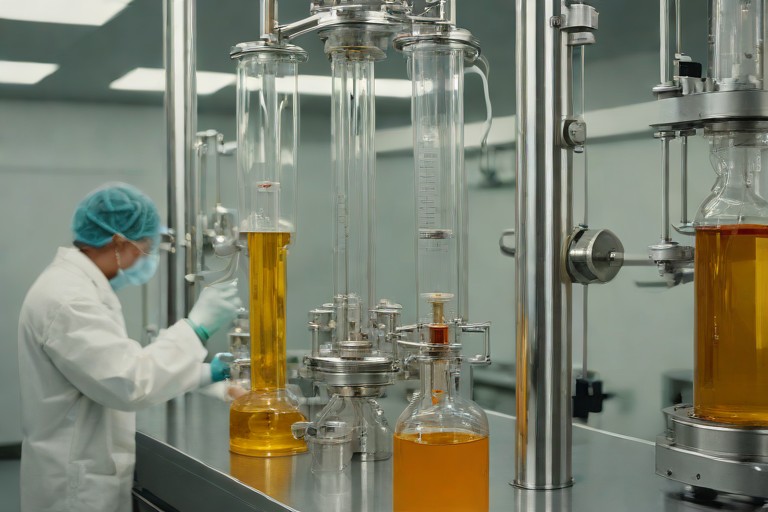
Technical Dossier #1073

Comparative Analysis of Extraction Chemistry: Optimizing Terpinen-4-ol Yield vs. Pharmaceutical Standards

Commercial Technical Dossier • Operational Analysis
Comparative Analysis of Extraction Chemistry: Optimizing Terpinen-4-ol Yield vs. Pharmaceutical Standards

Phytochemical Profile and the Terpinen-4-ol Matrix

The clinical efficacy of Melaleuca alternifolia is fundamentally predicated on its complex monoterpene profile, where terpinen-4-ol serves as the primary bioactive constituent. From a pharmacognostic perspective, the oil is a volatile mixture of hydrocarbons and oxygenated monoterpenes, primarily synthesized via the mevalonate pathway. The therapeutic window of the oil is defined by the concentration of terpinen-4-ol, typically required to be > 30% for pharmaceutical grade, while the concentration of 1,8-cineole must be strictly limited to minimize mucosal irritation and hypersensitivity. The synergy between terpinen-4-ol and its precursors, such as gamma-terpinene and alpha-terpinene, creates a chemical environment that enhances the penetration of microbial cell membranes.

The chemical stability of the terpinen-4-ol matrix is highly susceptible to oxidative degradation. Upon exposure to air and light, the monoterpenes undergo autoxidation, leading to the formation of peroxides and secondary oxidation products that increase the sensitization potential of the oil. Consequently, the pharmaceutical standardization of M. alternifolia requires a rigorous assessment of the terpinen-4-ol to cineole ratio to ensure that the antimicrobial potency is maintained without compromising dermatological safety. The molecular structure of terpinen-4-ol, characterized by its tertiary alcohol group, allows it to interact effectively with the lipid bilayers of both Gram-positive and Gram-negative bacteria.

  • Terpinen-4-ol (C10H18O): The principal antimicrobial agent responsible for disrupting bacterial cell wall integrity.
  • gamma-Terpinene: A key precursor that contributes to the overall lipophilicity of the essential oil.
  • 1,8-Cineole: A cyclic ether that must be kept < 15% in pharmaceutical grades to avoid respiratory irritation.
  • alpha-Terpinene: A monoterpene hydrocarbon that influences the volatility and evaporation rate of the final extract.
  • p-Cymene: A minor constituent that serves as a marker for the maturity of the botanical source material.

Comparative Extraction Methodologies and Chemical Yield

The optimization of terpinen-4-ol yield necessitates a critical evaluation of extraction kinetics and thermal stability. Traditional steam distillation remains the industry standard due to its scalability, yet it often results in the thermal degradation of heat-sensitive monoterpenes. The high residence time in the boiler can lead to the isomerization of terpinen-4-ol, reducing the overall purity of the pharmaceutical grade oil. In contrast, Microwave-Assisted Extraction (MAE) utilizes non-ionizing radiation to induce rapid heating of the intracellular water, causing a rupture of the oil glands and a faster release of the volatile components. This reduction in processing time significantly limits the exposure of the terpenes to prolonged heat, thereby preserving the natural chemical profile.

Supercritical Fluid Extraction (SFE), utilizing CO2 as the solvent, represents the pinnacle of purity optimization. By operating above the critical point of CO2, the process allows for the selective extraction of terpinen-4-ol at lower temperatures, typically < 40°C. This prevents the formation of oxidation products and ensures that the resulting oil is free from solvent residues. The precision of SFE is often managed via automated control systems, where the data logs are stored in paths such as /extraction/parameters/SFE_yield_log.csv. When comparing the yield of SFE to steam distillation, the former exhibits a higher selectivity for the terpinen-4-ol fraction, although the operational costs are substantially higher.

  • Steam Distillation: High throughput but prone to thermal degradation and higher cineole retention.
  • Microwave-Assisted Extraction (MAE): Reduced extraction time and improved energy efficiency compared to traditional boiling.
  • Supercritical Fluid Extraction (SFE): Maximum purity, low temperature, and precise control over the solubility parameters.
  • Vacuum Distillation: Lowering the boiling point to prevent the thermolysis of terpinen-4-ol at high temperatures.
  • Solvent Extraction: High yield but requires extensive purification to remove hexane or ethanol residues to meet pharmaceutical standards.

Pharmaceutical Purity Standards and Regulatory Compliance

To achieve pharmaceutical grade status, M. alternifolia must adhere to the ISO 471 international standard, which dictates the minimum and maximum percentages of key chemical constituents. The primary analytical tool for verifying these standards is Gas Chromatography coupled with Flame Ionization Detection (GC-FID). This method allows for the precise quantification of the terpinen-4-ol peak relative to the total area of the chromatogram. A pharmaceutical-grade oil must demonstrate a high degree of consistency across batches, with the terpinen-4-ol content typically exceeding 30% and the 1,8-cineole content remaining < 15%. Any deviation from these parameters renders the oil unsuitable for clinical use, as higher cineole levels are associated with increased toxicity in pediatric populations.

Furthermore, the assessment of purity involves the measurement of the refractive index and specific gravity, which serve as rapid indicators of adulteration or degradation. The presence of synthetic additives or the blending of lower-quality Melaleuca species can be detected through the analysis of trace components. Regulatory bodies require that the storage conditions be strictly controlled, often requiring the oil to be kept in amber glass containers under an inert nitrogen atmosphere to prevent the formation of hydroperoxides. The stability testing of these oils is often tracked through a quality control directory such as /qc/stability/batch_analysis_2023.xml, ensuring that the shelf-life is validated through real-time degradation studies.

  • ISO 471 Compliance: The global benchmark for ensuring the chemical identity and purity of Tea Tree Oil.
  • GC-FID Analysis: The gold standard for separating and quantifying volatile monoterpenes in a complex matrix.
  • Peroxide Value (PV): A critical metric used to determine the extent of oxidation and the potential for skin sensitization.
  • Refractive Index: A physical constant used to verify the purity and authenticity of the botanical extract.
  • Specific Gravity: A measure of density used to ensure the oil has not been diluted with synthetic carriers.

Clinical Pharmacognosy and Antimicrobial Evaluations

The antimicrobial efficacy of terpinen-4-ol is primarily attributed to its ability to increase the permeability of the bacterial cytoplasmic membrane. Unlike many synthetic antibiotics that target specific enzymes, terpinen-4-ol acts as a surfactant-like molecule that integrates into the lipid bilayer. This integration leads to the leakage of intracellular contents, such as potassium ions and ATP, eventually resulting in cell lysis. The Minimum Inhibitory Concentration (MIC) of pharmaceutical-grade oil is significantly lower than that of non-standardized oils, directly correlating with the higher concentration of terpinen-4-ol. In clinical evaluations, the oil has shown potent activity against Staphylococcus aureus and Pseudomonas aeruginosa, with the efficacy being highly dependent on the purity of the extract.

Furthermore, the antifungal properties of M. alternifolia are highlighted by its action against Candida albicans. The mechanism involves the disruption of the ergosterol-rich fungal membrane, leading to the inhibition of hyphal growth. The pharmacognostic analysis reveals that the synergy between terpinen-4-ol and gamma-terpinene enhances the penetration of the fungal cell wall, making the combination more effective than pure terpinen-4-ol alone. The biological activity is often quantified using the Disk Diffusion Method, where the zone of inhibition is measured in millimeters. For a pharmaceutical grade oil, the zone of inhibition for S. aureus is typically > 20mm, confirming the high potency of the optimized extraction process.

  • Cell Membrane Disruption: The primary mechanism of action involving the destabilization of the phospholipid bilayer.
  • Minimum Inhibitory Concentration (MIC): The lowest concentration of the oil that prevents visible microbial growth.
  • Minimum Bactericidal Concentration (MBC): The concentration required to achieve a 99.9% reduction in viable bacterial cells.
  • Synergistic Effect: The phenomenon where multiple monoterpenes work together to enhance the antimicrobial activity of terpinen-4-ol.
  • Lipid Peroxidation: The process by which the oil induces oxidative stress within the microbial cell, leading to programmed cell death.

Aquashield Roofing Corporation

4006 Morris Ct.
Chesapeake, VA 23323
Direct Line: 757-553-5191
GPS Coordinates: 36.755164, -76.353932

Virginia Beach Roofing Company - Roofing Service Virginia Beach VA, Roofing Contractor

585 S Birdneck Rd #106
Virginia Beach, VA 23451
Direct Line: +17576318100
Google Maps Plus Code: RXCX+V7 Virginia Beach, Virginia
GPS Coordinates: 36.822156, -76.001565

Technical Dossier #1074

botanical Antimicrobial Evaluation Failures Linked to Oxidation Profiles in Commercial Extracts

Commercial Technical Dossier • Operational Analysis
botanical Antimicrobial Evaluation Failures Linked to Oxidation Profiles in Commercial Extracts

Pharmacognostic Profile and the Primacy of Terpinen-4-ol

The clinical efficacy of Melaleuca alternifolia is fundamentally predicated upon its complex monoterpene profile, where terpinen-4-ol serves as the primary bioactive constituent. From a pharmacognostic perspective, the therapeutic window of the essential oil is narrow and highly dependent on the concentration of this specific tertiary alcohol. In pharmaceutical-grade extracts, terpinen-4-ol must typically constitute >30% of the total oil volume to ensure consistent antimicrobial activity. The synergy between terpinen-4-ol and minor constituents, such as $\gamma$-terpinene and $\alpha$-terpineol, facilitates the penetration of microbial lipid bilayers, thereby inducing cytoplasmic leakage and eventual cell lysis. When the botanical source is harvested under suboptimal conditions or processed using inefficient steam distillation parameters, the resulting oil may exhibit a chemical fingerprint that deviates from the established ISO 471 standard, leading to unpredictable clinical outcomes.

  • The concentration of terpinen-4-ol directly correlates with the inhibition of Staphylococcus aureus and Pseudomonas aeruginosa.
  • $\gamma$-Terpinene acts as a critical precursor and synergistic agent, though its high volatility makes it a primary target for initial degradation.
  • The presence of 1,8-cineole must be strictly limited in pharmaceutical grades to avoid respiratory irritation, typically requiring levels <1.0% for topical applications.
  • Botanical purity is verified through the analysis of the /chemical/fingerprint/monoterpene profile using Gas Chromatography-Mass Spectrometry (GC-MS).
  • The lipophilic nature of the terpinen-4-ol molecule allows it to integrate into the phospholipid bilayer of Gram-positive bacteria, disrupting membrane integrity.

Oxidation Kinetics and Chemical Degradation Pathways

The instability of Melaleuca alternifolia extracts is primarily driven by the auto-oxidation of monoterpenes, a process accelerated by exposure to ultraviolet radiation, atmospheric oxygen, and elevated temperatures. The degradation pathway typically begins with the abstraction of a hydrogen atom from the allylic position of $\gamma$-terpinene, leading to the formation of hydroperoxides. These peroxides are highly reactive and serve as catalysts for further oxidation, eventually transforming terpinen-4-ol into p-cymene and various ketone derivatives. This chemical shift is not merely a loss of potency but a fundamental alteration of the oil's molecular geometry. As the oxidation profile shifts, the ratio of terpinen-4-ol to p-cymene decreases, which significantly alters the polarity of the extract and reduces its ability to partition into microbial membranes.

  • The transition from $\gamma$-terpinene to p-cymene is a hallmark of oxidative stress in commercial extracts.
  • Peroxide value (PV) measurements are critical; values >20 meq O2/kg typically indicate significant degradation and a high risk of skin sensitization.
  • The reaction kinetics follow a free-radical chain mechanism, where the initiation phase is often triggered by trace metal contaminants in the extraction vessel.
  • Oxidized extracts exhibit an increase in the /molecular/weight/distribution of the oxygenated species, leading to a more viscous and less volatile oil.
  • Thermal degradation during storage at temperatures >25°C accelerates the conversion of terpinen-4-ol into less active metabolites.

Mechanisms of Antimicrobial Evaluation Failures

Failures in botanical antimicrobial evaluations are frequently linked to the "oxidation gap," where the chemical composition of the extract at the time of testing differs significantly from the composition at the time of production. In standardized Minimum Inhibitory Concentration (MIC) assays, oxidized extracts often show a marked increase in the MIC value, meaning a higher concentration of the oil is required to inhibit microbial growth. This failure is attributed to the loss of terpinen-4-ol, which is the primary agent responsible for disrupting the bacterial cell wall. Furthermore, the accumulation of p-cymene and other oxidation products can actually antagonize the remaining active terpenes, creating a competitive inhibition effect at the site of the microbial membrane. This results in a paradoxical scenario where the extract appears "pure" by bulk volume but is functionally inert in a clinical setting.

  • The shift in the /bioactivity/index/MIC for Candida albicans is often more pronounced in oxidized samples than in fresh extracts.
  • Oxidation leads to a decrease in the disruption of the proton motive force across the inner membrane of Gram-negative bacteria.
  • The formation of polar oxidation products reduces the log P (octanol-water partition coefficient) of the oil, hindering its diffusion through the lipid-rich cell wall.
  • Evaluation failures are often misattributed to microbial resistance when the root cause is actually the chemical degradation of the botanical agent.
  • Synergistic effects between terpinen-4-ol and $\alpha$-terpineol are lost when the oxidation profile exceeds a threshold of <15% total peroxides.

Pharmaceutical Purity Standards and Quality Control

To mitigate the risks associated with oxidation, pharmaceutical purity standards must move beyond simple identity testing to include rigorous stability profiling. The implementation of ISO 471 guidelines ensures that the oil meets a minimum threshold of terpinen-4-ol, but it does not fully account for the dynamic nature of oxidation during the product's shelf life. High-performance liquid chromatography (HPLC) and GC-FID (Flame Ionization Detection) are essential for monitoring the precise degradation of the /purity/standard/terpinen4ol marker. Furthermore, the use of amber glass packaging and the addition of food-grade antioxidants, such as $\alpha$-tocopherol, can significantly slow the oxidation kinetics. Quality control protocols must mandate that samples be stored at temperatures <4°C and analyzed for peroxide values every six months to ensure that the antimicrobial efficacy remains within the specified therapeutic range.

  • Standardized extracts must maintain a terpinen-4-ol content of >30% throughout the entire duration of the labeled shelf life.
  • The use of nitrogen sparging during the bottling process reduces the dissolved oxygen levels, thereby preventing the initiation of the free-radical chain.
  • Analytical validation requires the use of a /calibration/curve/monoterpene to quantify the exact loss of active constituents over time.
  • Pharmaceutical grade oils must be free from synthetic adulterants, which can either mask oxidation or catalyze further degradation.
  • Rigorous adherence to the /storage/protocol/dark_cold prevents the photo-oxidation of $\gamma$-terpinene into p-cymene.

Aquashield Roofing Corporation

4006 Morris Ct.
Chesapeake, VA 23323
Direct Line: 757-553-5191
GPS Coordinates: 36.755164, -76.353932

Virginia Beach Roofing Company - Roofing Service Virginia Beach VA, Roofing Contractor

585 S Birdneck Rd #106
Virginia Beach, VA 23451
Direct Line: +17576318100
Google Maps Plus Code: RXCX+V7 Virginia Beach, Virginia
GPS Coordinates: 36.822156, -76.001565

Previous (Vol. 26) Volume 27 of 35 (40 Dossiers / Page) Next (Vol. 28)