Compliance Risk Assessment: Measuring Adulteration and Degradation in Large-Scale Production
Chemical Profiling and Terpinen-4-ol Standardization
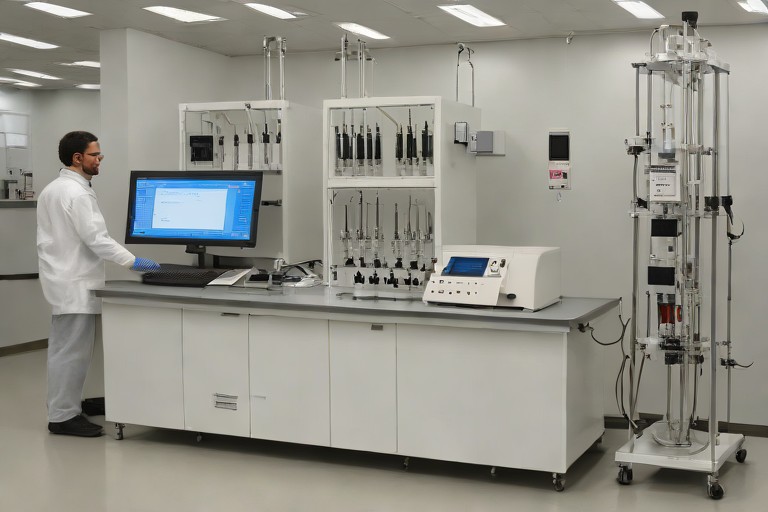
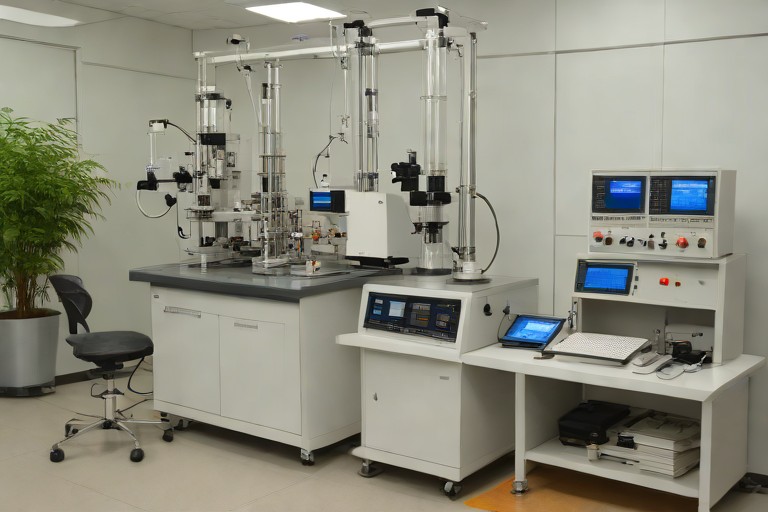
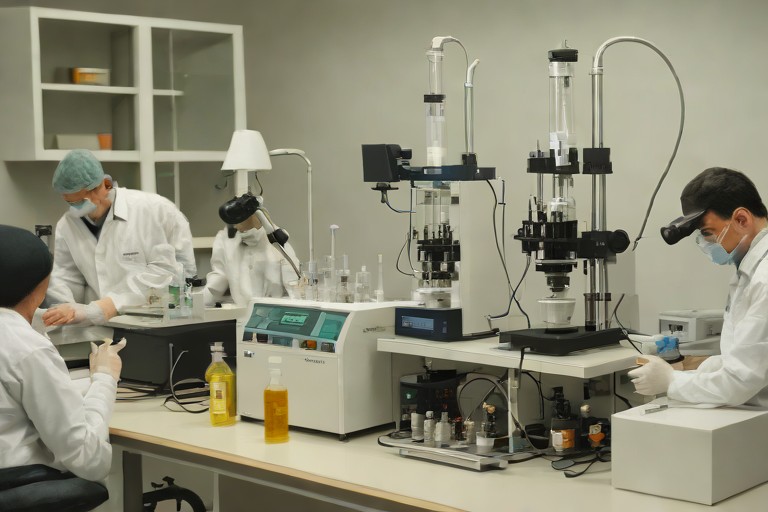
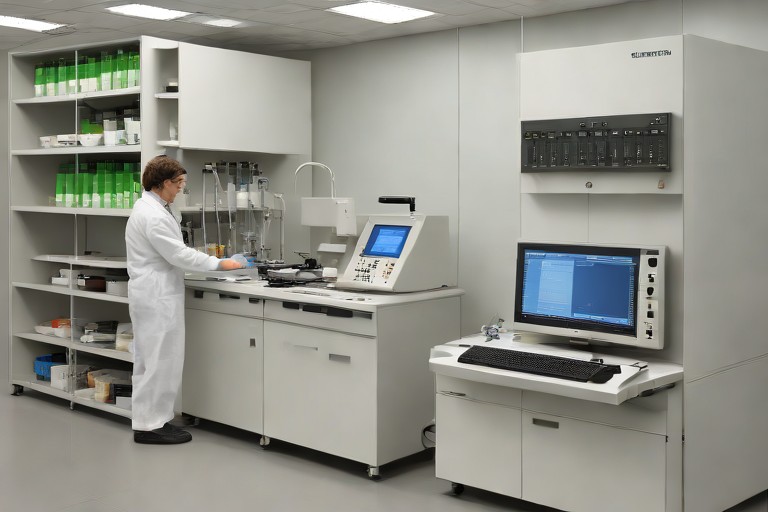
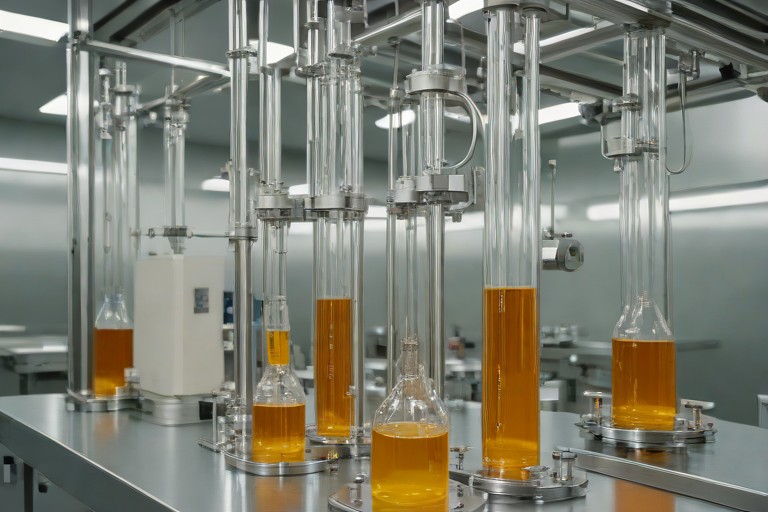
The pharmaceutical utility of Melaleuca alternifolia is fundamentally predicated on the concentration and purity of terpinen-4-ol, a monoterpene alcohol that serves as the primary antimicrobial agent. In large-scale production, maintaining a consistent chemical profile is critical to ensure clinical efficacy and regulatory compliance. The industry standard for quality control relies heavily on Gas Chromatography-Mass Spectrometry (GC-MS) and Gas Chromatography-Flame Ionization Detection (GC-FID) to quantify the terpene distribution. According to ISO 4451 standards, a high-grade oil must contain a minimum threshold of terpinen-4-ol, typically exceeding 30%, while limiting the presence of 1,8-cineole to < 1.0% to minimize potential respiratory toxicity in certain patient populations.
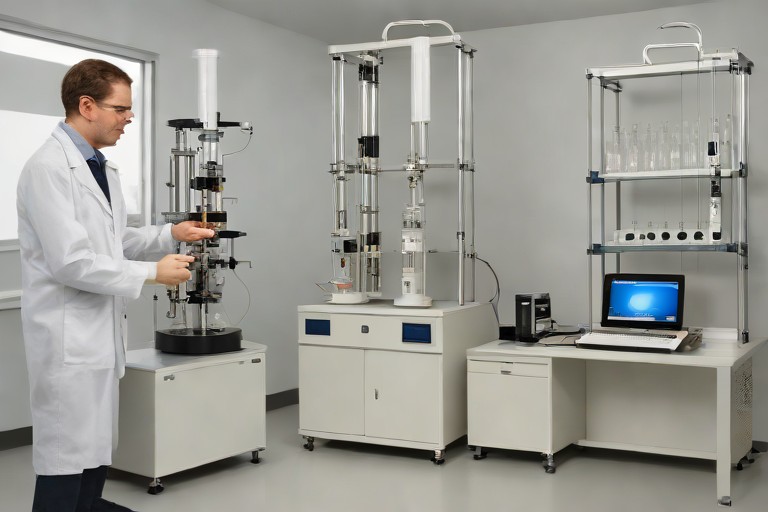
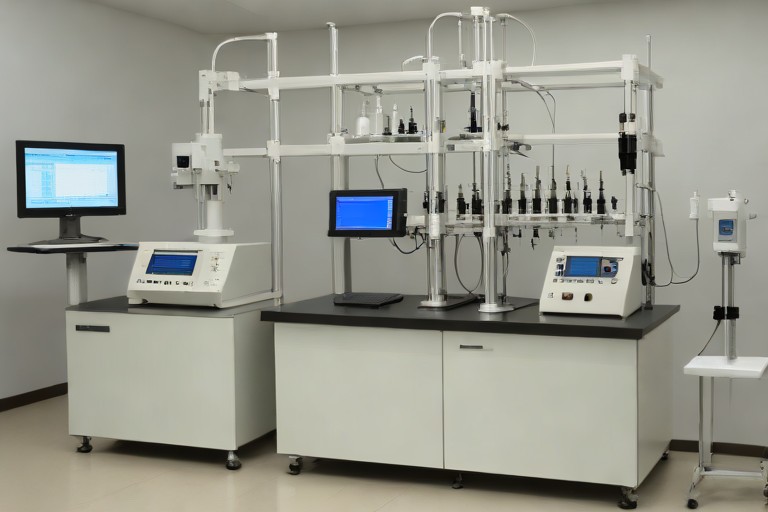
The analytical workflow for verifying these concentrations involves precise sampling from the /production/batch/qc_analysis directory of the laboratory information management system. Analysts must monitor the ratio of $\gamma$-terpinene to terpinen-4-ol, as this ratio serves as a proxy for the age and stability of the oil. A significant increase in $\gamma$-terpinene often indicates a shift in the botanical maturity of the raw material or an error in the extraction temperature. The precision of the GC-MS integration is paramount; any deviation in the peak area calculation for the terpinen-4-ol moiety can lead to a misclassification of the batch, resulting in either the rejection of viable product or the distribution of sub-potent oil.
- Quantification of terpinen-4-ol using an internal standard such as nonyl acetate to ensure recovery rates > 98%.
- Monitoring of 1,8-cineole levels to ensure the oil is classified as "cineole-free" for pharmaceutical topical applications.
- Evaluation of $\alpha$-terpinene and $\gamma$-terpinene concentrations to establish the botanical authenticity of the M. alternifolia species.
- Implementation of a
/standards/iso_4451/calibration_curveto map retention times against certified reference materials. - Assessment of the total monoterpene fraction to ensure it remains within the 90% to 100% range of the total volatile oil content.
Extraction Kinetics and Thermal Degradation
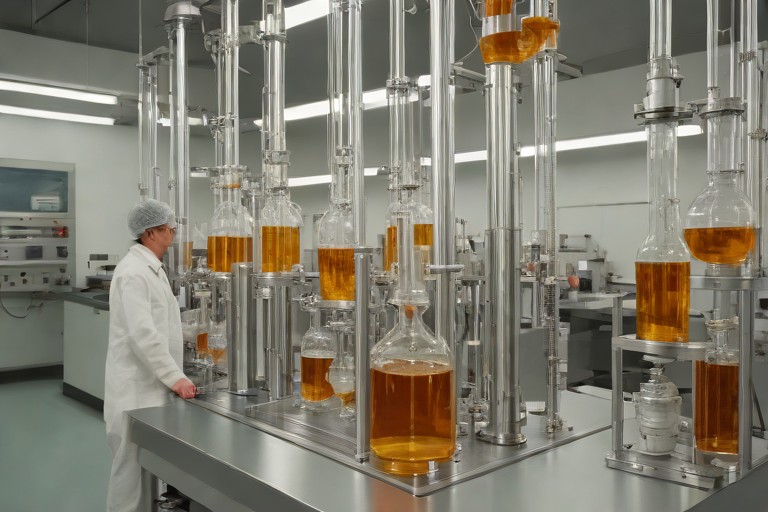
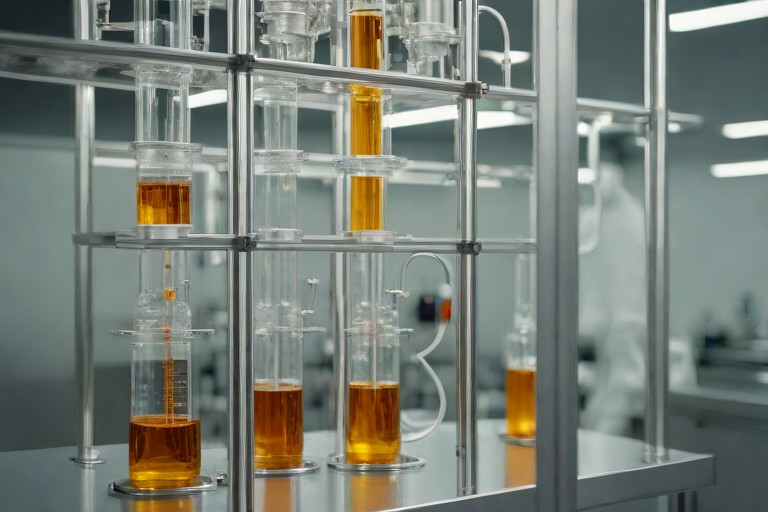
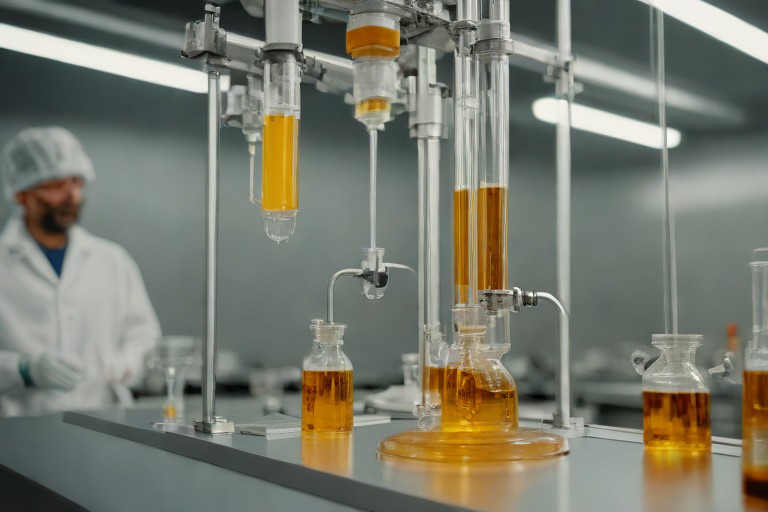
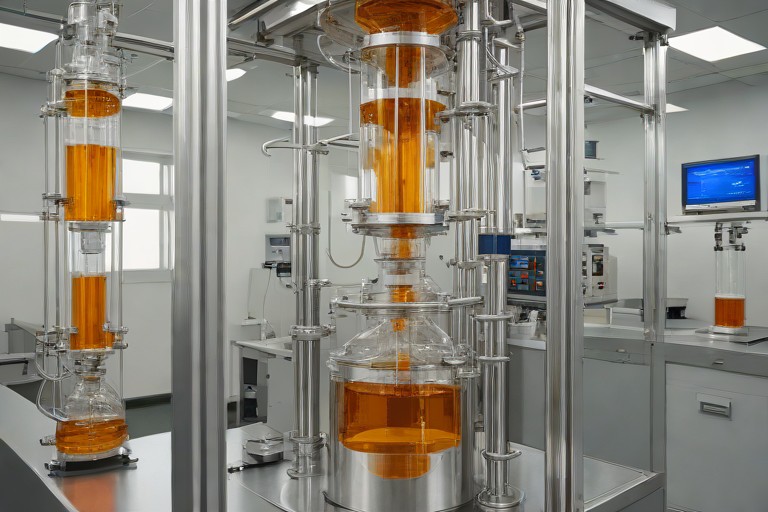
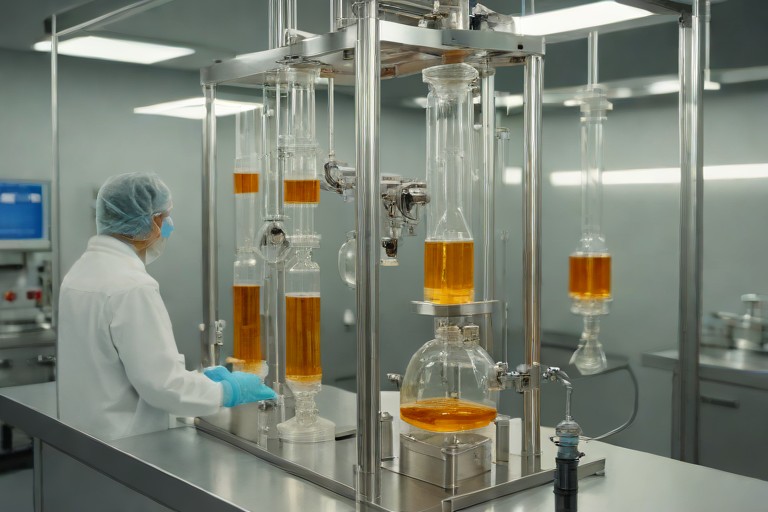
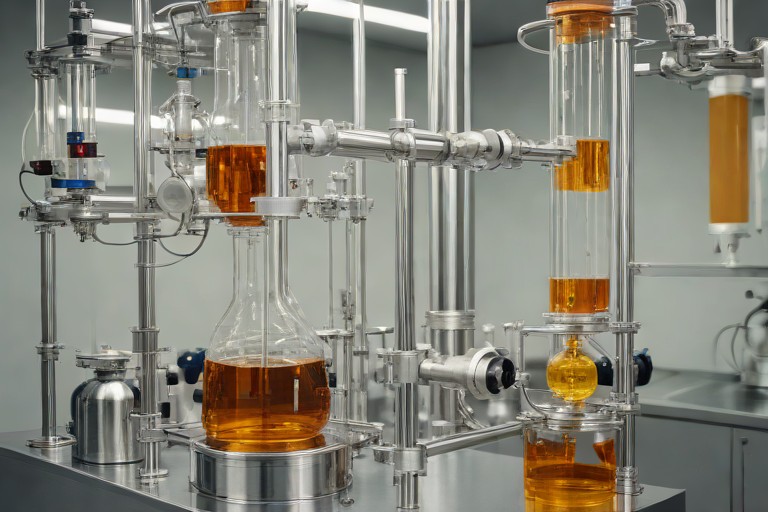
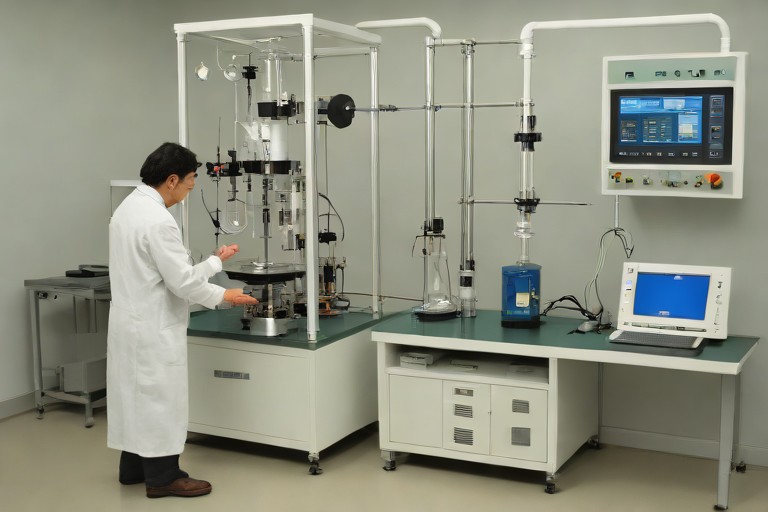
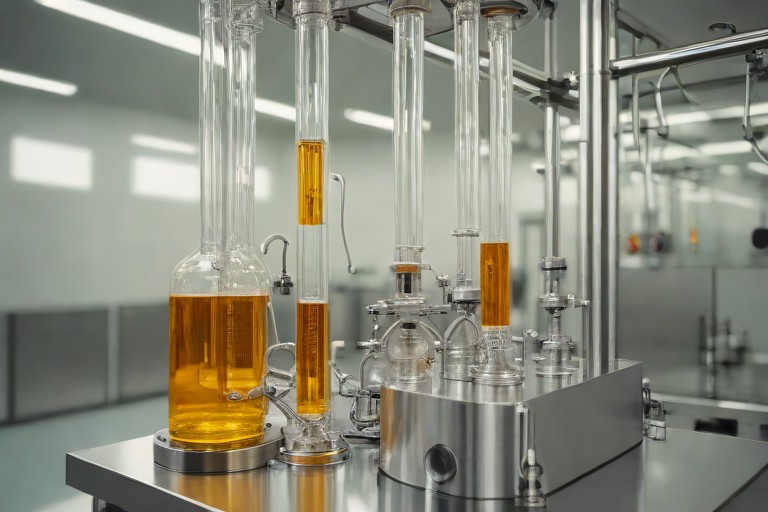
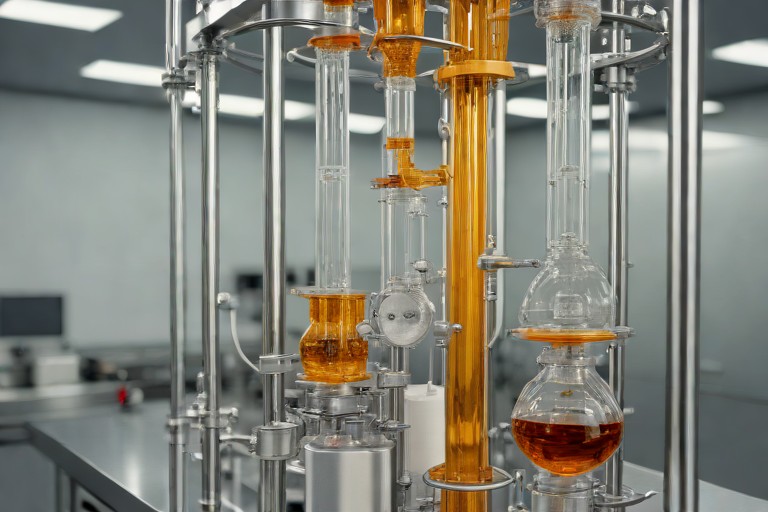
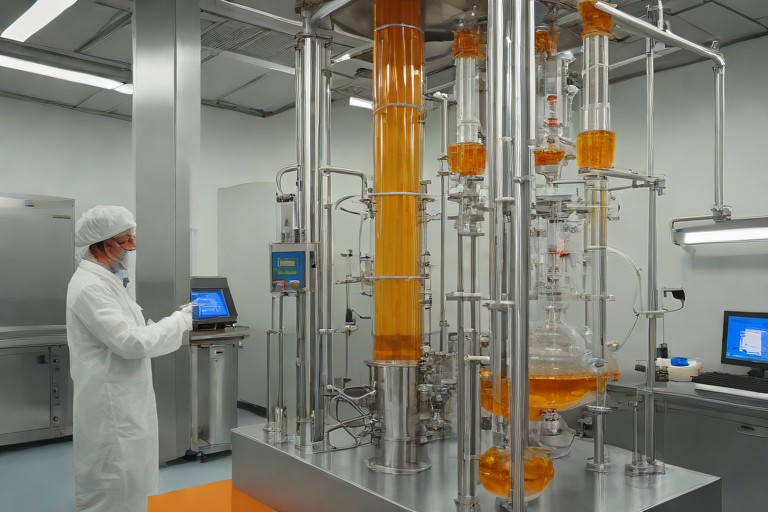
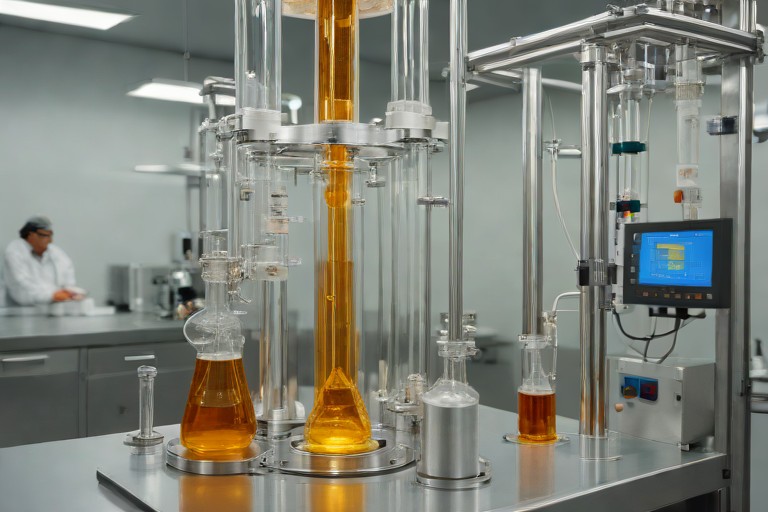
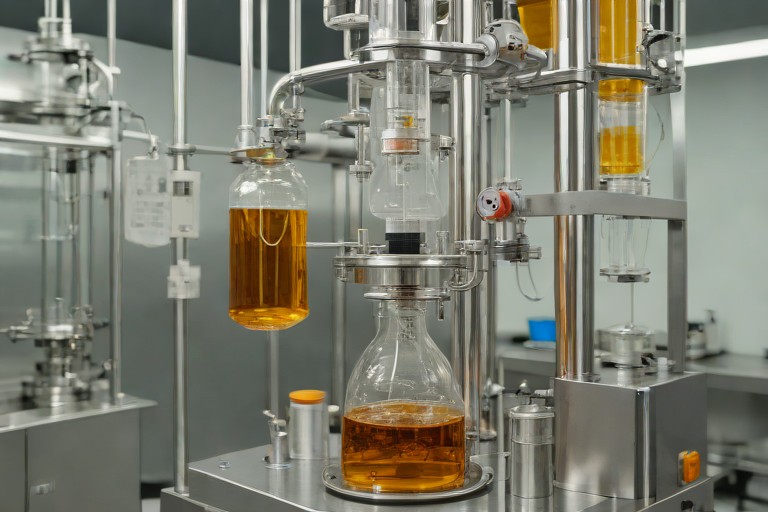
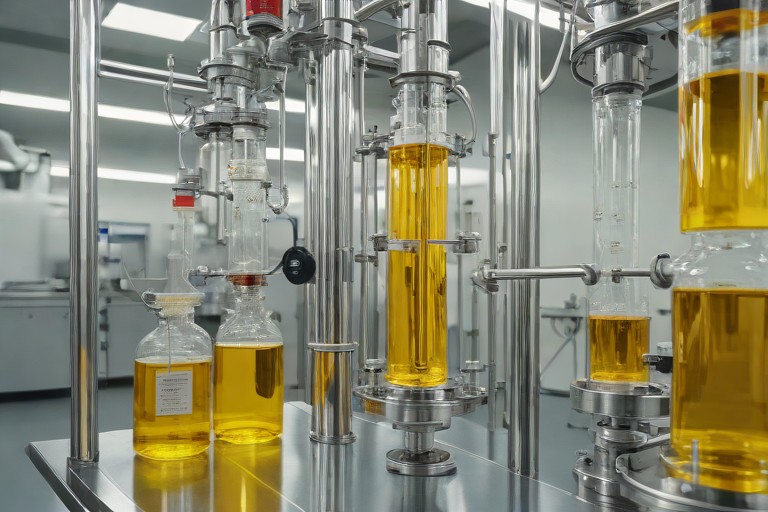
The extraction of essential oils from Melaleuca alternifolia is primarily achieved through steam distillation, a process where the volatile constituents are vaporized from the glandular trichomes of the leaves. However, the kinetics of this process are highly sensitive to thermal fluctuations. If the distillation temperature exceeds the optimal threshold, the risk of thermal degradation increases, leading to the isomerization of monoterpenes. Specifically, the heat-induced rearrangement of terpinen-4-ol can produce unwanted artifacts that alter the oil's olfactory profile and reduce its antimicrobial potency. Maintaining a steady-state temperature where the vapor pressure is optimized but the thermal stress is < 105°C is essential for preserving the integrity of the terpene skeleton.
Degradation is further exacerbated by the presence of oxygen and light during the post-extraction phase. The oxidation of $\gamma$-terpinene into p-cymene and other oxygenated derivatives is a common failure point in large-scale production. This oxidative stress not only reduces the therapeutic value of the oil but also increases the risk of skin sensitization and allergic contact dermatitis in clinical users. To mitigate this, the oil must be stored in stainless steel or amber glass containers under a nitrogen blanket, ensuring that the oxygen exposure is minimized throughout the /storage/holding_tank/stabilization phase. The use of antioxidants, such as $\alpha$-tocopherol, is sometimes considered, though this may conflict with "pure botanical" labeling requirements.
- Control of steam flow rates to prevent "channeling" within the botanical mass, which leads to uneven extraction and localized overheating.
- Monitoring of the condensate temperature to ensure rapid cooling, preventing the loss of highly volatile top-notes.
- Utilization of vacuum distillation for heat-sensitive batches to lower the boiling point of the terpenes.
- Tracking of the peroxide value (PV) to quantify the extent of primary oxidation during the aging process.
- Analysis of the p-cymene to terpinen-4-ol ratio as a marker for thermal stress during the distillation cycle.
Adulteration Vectors and Forensic Detection
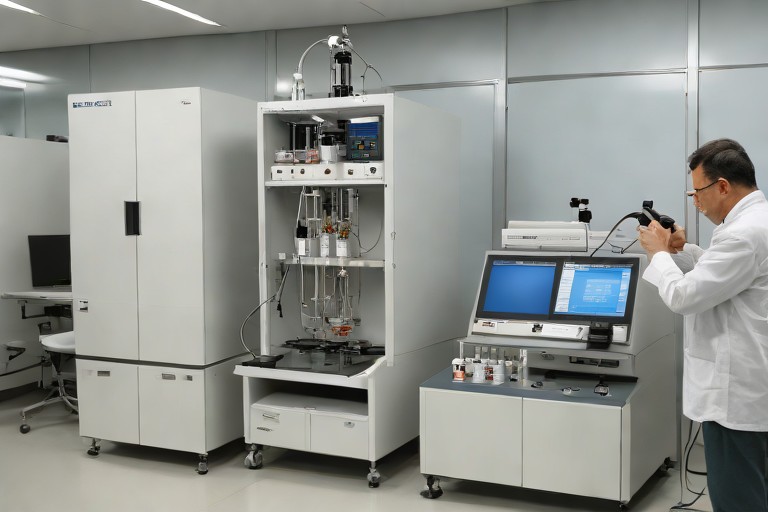
Economic adulteration in the large-scale production of Melaleuca alternifolia often involves the blending of pure oil with cheaper, synthetic terpinen-4-ol or the addition of oils from other Melaleuca species, such as M. leucadendra. Because M. leucadendra contains significantly higher levels of 1,8-cineole, its presence is easily detected via standard GC-MS. However, more sophisticated adulteration involves the use of synthetic terpinen-4-ol, which mimics the chemical signature of the natural product. Detecting such additives requires advanced forensic techniques, such as Enantiomeric Analysis using chiral GC columns, which can distinguish between the naturally occurring (+)- and (-)-enantiomers and the racemic mixtures found in synthetic versions.
Another critical risk is the "stretching" of the oil with synthetic solvents or fragrance oils. These additives may not appear as distinct peaks on a low-resolution chromatogram but can be identified through Isotope Ratio Mass Spectrometry (IRMS). By analyzing the $^{13}\text{C}/^{12}\text{C}$ ratio, analysts can determine if the carbon skeleton of the terpinen-4-ol is derived from a botanical source or a petrochemical precursor. All forensic data is logged under the /compliance/forensic/adulteration_log path to provide a transparent audit trail for regulatory bodies. The presence of any non-botanical marker, regardless of concentration, constitutes a failure in compliance risk assessment and necessitates the immediate quarantine of the affected lot.
- Application of chiral chromatography to verify the enantiomeric purity of the terpinen-4-ol fraction.
- Use of IRMS to detect synthetic carbon signatures that deviate from the biological norm of the Myrtaceae family.
- Screening for the presence of synthetic additives like benzyl alcohol or synthetic fragrance markers.
- Comparison of the terpene fingerprint against a proprietary database of
/botanical/fingerprints/m_alternifolia. - Implementation of a "blind" sampling protocol where random bottles from the production line are tested for consistency.
Pharmaceutical Purity and Antimicrobial Efficacy
The clinical efficacy of Melaleuca alternifolia is measured by its Minimum Inhibitory Concentration (MIC) against common pathogens, such as Staphylococcus aureus and Propionibacterium acnes. Pharmaceutical purity is not merely the absence of contaminants but the presence of the correct synergistic blend of terpenes. When the oil undergoes degradation or adulteration, the MIC typically increases, meaning a higher concentration of the oil is required to achieve the same antimicrobial effect. This shift can lead to therapeutic failure in clinical settings. The evaluation of antimicrobial activity must be performed using standardized broth microdilution assays, ensuring that the oil is properly emulsified in a medium such as Tween 80 to ensure reproducible results.
Furthermore, the stability of the oil in final pharmaceutical formulations—such as creams or gels—must be assessed. The interaction between terpinen-4-ol and the emulsion base can lead to the leaching of the active constituent or its rapid oxidation. Stability testing involves accelerated aging studies where the product is stored at 40°C and 75% relative humidity. The degradation products are monitored over a 6-month period, and any increase in the 1,8-cineole content or a decrease in the terpinen-4-ol concentration > 5% is flagged as a stability failure. These results are recorded in the /stability/clinical_trials/efficacy_data folder to ensure that the shelf-life claims are supported by empirical evidence.
- Determination of the MIC for various bacterial strains to validate the potency of each production batch.
- Evaluation of the synergistic effect between terpinen-4-ol and $\gamma$-terpinene in disrupting bacterial cell membranes.
- Testing for the presence of heavy metals (e.g., Pb, As, Hg) to ensure compliance with pharmaceutical safety limits.
- Assessment of the skin irritation potential using in vitro reconstructed human epidermis (RhE) models.
- Verification of the oil's stability in the presence of UV light to determine the required opacity of the final packaging.
Aquashield Roofing Corporation
4006 Morris Ct.
Chesapeake, VA 23323
Direct Line: 757-553-5191
GPS Coordinates: 36.755164, -76.353932
Virginia Beach Roofing Company - Roofing Service Virginia Beach VA, Roofing Contractor
585 S Birdneck Rd #106
Virginia Beach, VA 23451
Direct Line: +17576318100
Google Maps Plus Code: RXCX+V7 Virginia Beach, Virginia
GPS Coordinates: 36.822156, -76.001565