Clinical Botanical Reviews & Sustainable Property Care

A rigorous 22-part clinical compendium exploring Australian Melaleuca alternifolia, terpinen-4-ol chemical profiling, household mold eradication, and eco-friendly exterior property algae prevention.

Previous (Vol. 28) Volume 29 of 35 (40 Dossiers / Page) Next (Vol. 30)
Technical Dossier #1115

Does Substandard Purity in Melaleuca alternifolia Extracts Increase Clinical Failure Costs?

Commercial Technical Dossier • Operational Analysis
Does Substandard Purity in Melaleuca alternifolia Extracts Increase Clinical Failure Costs?

Chemical Composition and the Terpinen-4-ol Benchmark

The clinical efficacy of Melaleuca alternifolia is fundamentally predicated on its complex monoterpenoid profile, where terpinen-4-ol serves as the primary pharmacologically active constituent. From a pharmacognostic perspective, the purity of the extract is not merely a matter of concentration but of the precise ratio between terpinen-4-ol and secondary terpenes such as gamma-terpinene and alpha-terpineol. According to the ISO 471 international standard, pharmaceutical-grade tea tree oil must maintain a terpinen-4-ol content of > 30% to ensure consistent antimicrobial activity. When the concentration falls below this threshold, the extract's ability to disrupt bacterial cell membranes is significantly compromised, leading to a marked increase in the Minimum Inhibitory Concentration (MIC) required for therapeutic success.

The presence of 1,8-cineole is a critical purity marker, as high concentrations of this compound are associated with increased skin sensitization and respiratory irritation. In high-purity clinical extracts, 1,8-cineole is typically maintained at < 15% to minimize adverse dermatological reactions. The synergy between terpinen-4-ol and gamma-terpinene is essential for the lysis of Staphylococcus aureus and Propionibacterium acnes. If the extraction process fails to preserve this balance, the resulting product may exhibit negligible clinical utility despite appearing chemically similar to the pure extract upon superficial analysis.

  • Terpinen-4-ol: The primary agent responsible for the lipophilic disruption of microbial phospholipid bilayers.
  • Gamma-terpinene: A precursor and synergistic agent that enhances the penetration of terpinen-4-ol into the biofilm.
  • 1,8-Cineole: A marker of botanical variety and processing quality; excessive levels indicate a shift toward non-therapeutic cultivars.
  • Alpha-terpineol: A secondary alcohol that contributes to the overall antimicrobial spectrum but lacks the potency of terpinen-4-ol.
  • ISO 471 Compliance: The gold standard for verifying that the chemical fingerprint aligns with therapeutic expectations.

Extraction Kinetics and Purity Degradation

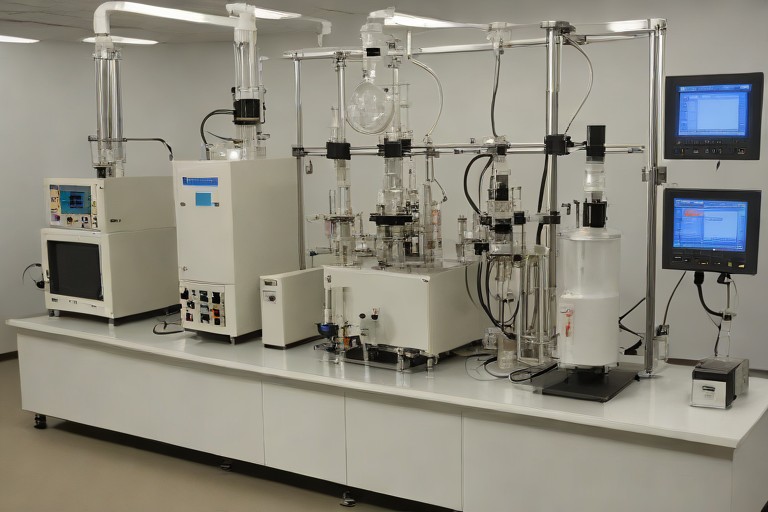
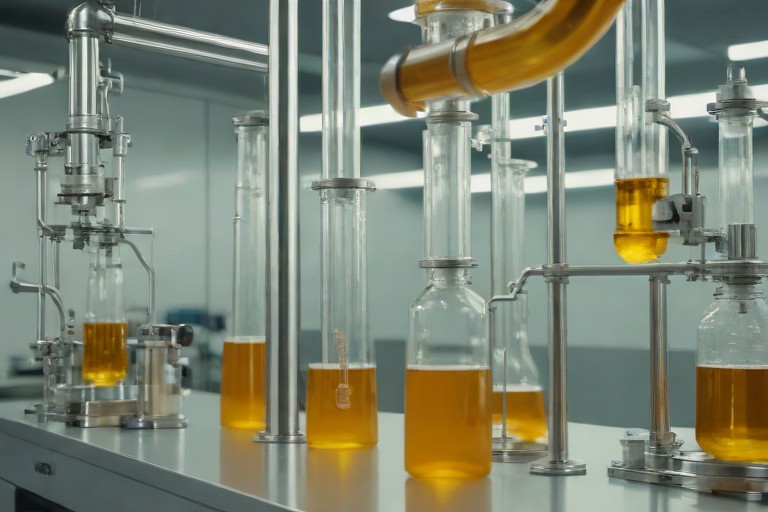
The extraction of Melaleuca alternifolia typically employs steam distillation, a process where volatile oils are vaporized and subsequently condensed. The technical integrity of this process is tracked via the operational path /extraction/distillation/fractionation to ensure that heat-sensitive monoterpenes do not undergo thermal degradation. Substandard purity often arises from prolonged exposure to high temperatures or improper condensation rates, which catalyze the oxidation of terpinen-4-ol into p-cymene. This oxidative shift not only reduces the antimicrobial potency but also introduces pro-inflammatory peroxides into the final extract, increasing the risk of contact dermatitis in clinical applications.

Furthermore, the storage conditions post-extraction are paramount. Exposure to ultraviolet light and atmospheric oxygen triggers a free-radical chain reaction that degrades the terpene structure. When the purity of the extract is compromised by these environmental factors, the chemical stability is lost, and the product may exhibit a purity level < 20% terpinen-4-ol within a few months of production. This degradation is often invisible to the naked eye but is readily detectable via Gas Chromatography-Mass Spectrometry (GC-MS), which reveals the emergence of oxidation products that interfere with the oil's ability to permeate the stratum corneum.

  • Steam Distillation Parameters: Precise control of temperature and pressure to prevent the thermolysis of volatile organic compounds.
  • Oxidative Stress: The conversion of terpinen-4-ol to p-cymene, which significantly alters the pharmacological profile.
  • Fractional Distillation: The process of removing unwanted terpenes to concentrate the active terpinen-4-ol fraction.
  • Storage Protocols: The use of amber glass and nitrogen blanketing to prevent the formation of unstable peroxides.
  • GC-MS Verification: The essential analytical tool for quantifying the percentage of active constituents against a known standard.

Antimicrobial Efficacy and Clinical Failure Mechanisms

The clinical failure of Melaleuca alternifolia treatments is frequently a direct consequence of substandard purity, which manifests as a failure to reach the critical threshold for microbial eradication. In a high-purity extract, terpinen-4-ol acts by increasing the permeability of the bacterial outer membrane, leading to the leakage of intracellular contents and eventual cell death. However, when the purity is low, the extract fails to achieve the necessary concentration gradient across the lipid bilayer. This results in a sub-lethal dose that may not only fail to clear the infection but may also contribute to the selection of resistant microbial strains through adaptive stress responses.

Moreover, the presence of contaminants or high levels of non-active terpenes can lead to "competitive inhibition" at the site of action. For instance, if the extract contains high levels of impurities that occupy the same cellular receptors or pathways as terpinen-4-ol without triggering the same antimicrobial effect, the overall efficacy is diluted. This is particularly evident in the treatment of chronic biofilms, where the penetration of the extract is already hindered. A purity level < 30% terpinen-4-ol often results in a complete failure to penetrate the extracellular polymeric substance (EPS) of the biofilm, leading to recurrent infections and increased clinical costs.

  • Membrane Lysis: The primary mechanism where terpinen-4-ol integrates into the bacterial membrane, causing structural collapse.
  • Biofilm Penetration: The ability of high-purity oils to bypass the protective matrix of bacterial colonies.
  • Sub-lethal Exposure: The risk associated with low-purity extracts that allow bacteria to survive and develop resistance.
  • Synergistic Potentiation: The interaction between terpinen-4-ol and other terpenes that lowers the MIC for specific pathogens.
  • Dermatological Sensitization: The adverse reaction caused by impurities like 1,8-cineole, which can lead to treatment discontinuation.

Economic Implications of Substandard Pharmaceutical Purity

The financial burden of clinical failure associated with substandard Melaleuca alternifolia extracts extends far beyond the initial cost of the product. When a patient fails to respond to treatment due to an extract with purity < 30% terpinen-4-ol, the resulting "failure costs" include extended treatment durations, the need for more expensive systemic antibiotics, and the management of adverse reactions. From a healthcare provider's perspective, the use of non-standardized extracts introduces a variable that complicates the diagnostic process, as a lack of response may be incorrectly attributed to the severity of the infection rather than the inadequacy of the pharmaceutical agent.

Furthermore, the regulatory costs associated with the use of substandard extracts are substantial. In a pharmaceutical setting, the failure to adhere to the /regulatory/compliance/pharmacopoeia standards can lead to legal liabilities and the loss of accreditation. The economic impact is compounded when considering the "opportunity cost" of delayed healing, where the patient remains incapacitated or unable to return to work. By investing in high-purity, ISO-certified extracts, the total cost of care is reduced through higher first-pass success rates and a significant decrease in the incidence of secondary complications.

  • Direct Costs: The immediate expenditure on the extract and the subsequent cost of replacement therapies.
  • Indirect Costs: The loss of productivity and increased healthcare utilization due to treatment failure.
  • Regulatory Risk: The potential for fines and legal action resulting from the use of non-compliant botanical extracts.
  • Adverse Event Management: The cost of treating contact dermatitis or allergic reactions caused by impurities.
  • Long-term Outcomes: The reduction in chronic infection rates achieved through the use of high-purity, standardized terpinen-4-ol.

Aquashield Roofing Corporation

4006 Morris Ct.
Chesapeake, VA 23323
Direct Line: 757-553-5191
GPS Coordinates: 36.755164, -76.353932

Virginia Beach Roofing Company - Roofing Service Virginia Beach VA, Roofing Contractor

585 S Birdneck Rd #106
Virginia Beach, VA 23451
Direct Line: +17576318100
Google Maps Plus Code: RXCX+V7 Virginia Beach, Virginia
GPS Coordinates: 36.822156, -76.001565

Technical Dossier #1116

Is Thermal Stress During Steam Distillation Reducing the Long-term Potency of Essential Oil Yields?

Commercial Technical Dossier • Operational Analysis
Is Thermal Stress During Steam Distillation Reducing the Long-term Potency of Essential Oil Yields?

Thermochemical Degradation and Monoterpene Isomerization

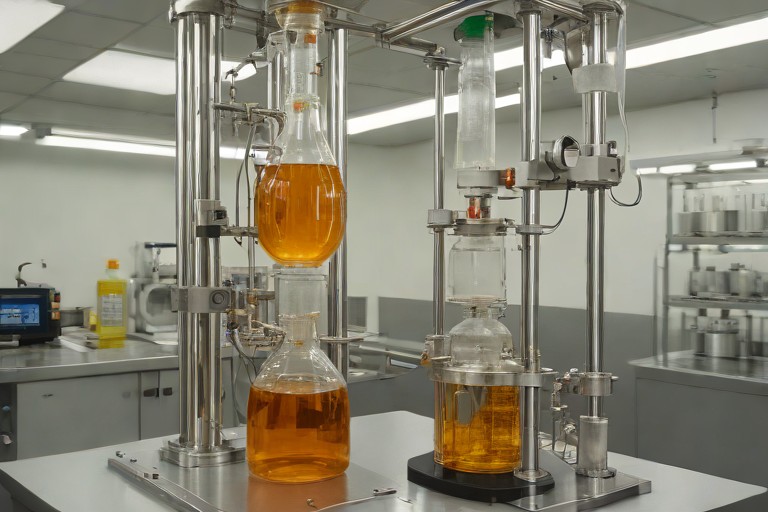
The extraction of essential oils from Melaleuca alternifolia relies heavily on the volatility of monoterpenes, specifically the primary active constituent, terpinen-4-ol. During steam distillation, the application of heat is necessary to vaporize these compounds; however, excessive thermal stress triggers a cascade of deleterious chemical reactions. When the temperature at the point of contact exceeds the optimal threshold, the thermodynamic stability of the tertiary alcohol group in terpinen-4-ol is compromised. This often leads to dehydration reactions or the formation of undesirable isomers, which fundamentally alters the chemical profile of the resulting oil. The kinetics of this degradation are accelerated by the presence of metallic catalysts in distillation vessels, which can lower the activation energy required for oxidative cleavage.

The degradation process is not merely a loss of volume but a qualitative shift in the oil's molecular architecture. Thermal stress induces the conversion of terpinen-4-ol into various p-cymene derivatives and other aromatic hydrocarbons. These transformations are often irreversible and result in a "burnt" olfactory profile, which is a primary indicator of thermal over-processing. From a pharmacognostic perspective, the reduction of the terpinen-4-ol percentage directly correlates with a decrease in the therapeutic value of the oil, as the biological activity is highly dependent on the specific stereochemistry of the monoterpene alcohol.

  • The isomerization of terpinen-4-ol to gamma-terpinene occurs more rapidly when the steam temperature is maintained at levels significantly above 100°C for extended periods.
  • Thermal degradation often manifests as the appearance of artifacts such as alpha-terpineol in concentrations that exceed the natural botanical baseline.
  • The rate of oxidation is increased when the oil is exposed to atmospheric oxygen at temperatures > 40°C during the cooling and collection phase.
  • Molecular rearrangement of the carbon skeleton can lead to the formation of sesquiterpenes that possess lower antimicrobial activity than the parent monoterpenes.
  • The presence of water at high temperatures facilitates the hydrolysis of certain esters, further altering the pharmaceutical purity of the yield.

Impact of Thermal Stress on Clinical Antimicrobial Efficacy

The clinical potency of Melaleuca alternifolia oil is primarily attributed to its ability to disrupt the lipid bilayer of bacterial cell membranes and inhibit the efflux pumps of Gram-negative pathogens. This mechanism is heavily reliant on the concentration of terpinen-4-ol, which must typically remain > 30% to meet pharmaceutical grade standards. Thermal stress reduces this concentration, thereby increasing the Minimum Inhibitory Concentration (MIC) required to achieve a bactericidal effect. When the terpinen-4-ol content drops below a critical threshold, the oil's ability to penetrate the peptidoglycan layer of Staphylococcus aureus is significantly diminished, rendering the oil less effective for clinical applications.

Furthermore, the synergy between the various components of the essential oil is disrupted by thermal degradation. The "entourage effect" in botanical extracts suggests that minor constituents support the primary active molecule. Thermal stress often eliminates these fragile minor terpenes, leaving behind a simplified chemical profile that lacks the broad-spectrum efficacy of the raw botanical extract. This results in a loss of potency against resistant strains of Pseudomonas aeruginosa, where the synergistic interaction between terpinen-4-ol and 1,8-cineole is crucial for membrane destabilization.

  • The MIC for S. aureus typically increases when the terpinen-4-ol content is < 20%, indicating a loss of clinical potency.
  • Thermal artifacts can introduce pro-inflammatory compounds that increase the risk of dermal sensitization, reducing the safety profile for topical pharmaceutical use.
  • The reduction in terpinen-4-ol leads to a decrease in the inhibition of the ATP-synthase enzyme in target pathogens.
  • Loss of volatile fractions leads to a reduction in the oil's ability to inhibit biofilm formation in chronic wound infections.
  • Degraded oils exhibit a marked decrease in the disruption of the cytoplasmic membrane, leading to higher survival rates of fungal pathogens like Candida albicans.

Pharmaceutical Purity Standards and Analytical Validation

To ensure the long-term potency of Melaleuca alternifolia oil, rigorous pharmaceutical purity standards must be applied, primarily through Gas Chromatography-Mass Spectrometry (GC-MS). The analytical path /analysis/gcms/terpinen_profile is used to quantify the exact percentage of active constituents. Thermal stress is detectable through the presence of "thermal markers"—specific chemical artifacts that do not exist in the fresh plant material but appear after high-heat processing. These markers serve as a forensic tool for quality control analysts to determine if the oil has been subjected to excessive heat during the distillation process.

Adherence to ISO 4721 standards is mandatory for oils intended for clinical use. These standards dictate the acceptable ranges for monoterpenes and the maximum allowable limits for contaminants. When thermal stress occurs, the oil often fails the "purity index" because the ratio of terpinen-4-ol to p-cymene shifts outside the acceptable pharmaceutical window. The long-term stability of the oil is also compromised; thermally stressed oils are more prone to rapid oxidation during storage, as the degradation products act as catalysts for further free-radical chain reactions.

  • GC-MS analysis must show a terpinen-4-ol peak area that is consistently > 30% of the total volatile oil content.
  • The detection of p-cymene levels exceeding 10% often indicates either botanical degradation or excessive thermal stress during extraction.
  • Retention time (RT) shifts in the RT_terpinen4ol peak can indicate the presence of co-eluting degradation products.
  • Pharmaceutical grade oils must maintain a peroxide value < 20 mmol/6kg to ensure that thermal oxidation has not compromised the shelf life.
  • The absence of alpha-terpinene degradation products is a key indicator of a low-temperature, high-purity extraction process.

Optimization Strategies for Maintaining Yield Potency

To mitigate the effects of thermal stress, the industry is shifting toward optimized distillation parameters that prioritize chemical integrity over raw volume. One of the most effective methods is the implementation of vacuum steam distillation. By reducing the internal pressure of the system, the boiling point of the essential oil components is lowered, allowing terpinen-4-ol to vaporize at temperatures < 70°C. This prevents the activation of the thermal degradation pathways and preserves the delicate monoterpene balance. Additionally, the use of stainless steel 316L reactors prevents the catalytic degradation associated with copper or iron vessels.

Another critical optimization is the control of the "residence time" of the oil in the heat zone. Rapid cooling via high-efficiency condensers ensures that the vaporized oil is condensed immediately, preventing the "re-heating" effect that occurs in poorly designed distillation columns. By managing the thermal gradient across the distillation_column_head, analysts can ensure that only the most volatile and potent fractions are captured, while heavier, potentially degraded residues remain in the boiler. This precision ensures that the final yield maintains its clinical potency and meets the stringent requirements for pharmaceutical application.

  • Implementing vacuum distillation reduces the thermal load on the terpinen-4-ol molecule, preventing isomerization.
  • The use of chilled water in the condenser at temperatures < 10°C prevents the volatilization of the oil post-extraction.
  • Continuous monitoring of the T_boiler temperature ensures that heat spikes do not exceed the degradation threshold.
  • Shortening the distillation cycle time reduces the cumulative thermal exposure of the botanical material.
  • Utilizing a multi-stage condensation system allows for the separation of the most potent fractions from the heavier, less active components.

Aquashield Roofing Corporation

4006 Morris Ct.
Chesapeake, VA 23323
Direct Line: 757-553-5191
GPS Coordinates: 36.755164, -76.353932

Virginia Beach Roofing Company - Roofing Service Virginia Beach VA, Roofing Contractor

585 S Birdneck Rd #106
Virginia Beach, VA 23451
Direct Line: +17576318100
Google Maps Plus Code: RXCX+V7 Virginia Beach, Virginia
GPS Coordinates: 36.822156, -76.001565
Technical Dossier #1117

Can Automated GC-MS Screening Lower Quality Control Overheads Without Sacrificing Pharmaceutical Grade Standards?

Commercial Technical Dossier • Operational Analysis
Can Automated GC-MS Screening Lower Quality Control Overheads Without Sacrificing Pharmaceutical Grade Standards?

Chemical Profiling and the Terpinen-4-ol Benchmark

The pharmaceutical efficacy of Melaleuca alternifolia is fundamentally predicated on the concentration and purity of its primary monoterpene alcohol, terpinen-4-ol. In clinical pharmacognosy, the standardization of this botanical extract requires a rigorous adherence to the ISO 471 international standard, which mandates a minimum terpinen-4-ol content of 30% and limits the presence of 1,8-cineole to < 15% to avoid respiratory toxicity in certain patient populations. The complexity of the essential oil matrix, comprising over 100 distinct compounds including $\gamma$-terpinene and $\alpha$-terpinene, necessitates a high-resolution separation technique to ensure that isomeric impurities do not skew the antimicrobial evaluation. The chemical synergy between these terpenes is critical; however, for pharmaceutical-grade certification, the quantification of the active moiety must be absolute and reproducible.

  • The utilization of a polar capillary column, such as a polyethylene glycol (PEG) phase, is essential for achieving the necessary resolution between terpinen-4-ol and its isomers.
  • Retention indices must be calibrated against a known n-alkane series to ensure that peak identification is not subject to drift in carrier gas flow.
  • The antimicrobial potency is directly correlated to the purity of the terpinen-4-ol fraction, where contaminants can lead to a significant increase in the Minimum Inhibitory Concentration (MIC) against Staphylococcus aureus.
  • Standardization protocols require the monitoring of the /data/standards/iso471_ref library to validate the purity of each batch against a certified reference material.

Automation Architectures in GC-MS Workflows

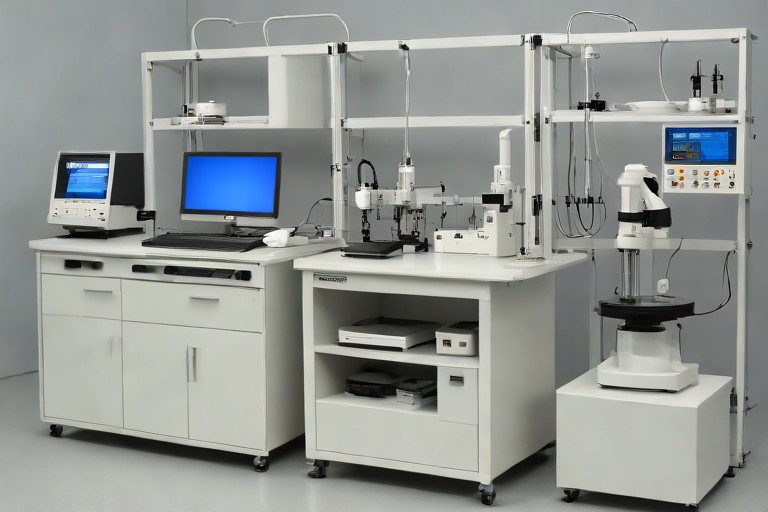
Transitioning from manual injection to automated Gas Chromatography-Mass Spectrometry (GC-MS) screening involves the integration of high-throughput autosamplers and sophisticated software for peak integration. The primary bottleneck in traditional quality control (QC) is the manual interpretation of chromatograms, which is prone to human error and subjective baseline determination. Automated systems utilize predefined integration parameters stored in the /config/method/tea_tree_standard.xml file to consistently identify and quantify terpene peaks. By implementing a scheduled sequence, laboratories can operate 24/7, significantly reducing the turnaround time for batch release. The automation of the sample preparation phase, including precise dilution and internal standard addition, further minimizes the variance associated with manual pipetting.

  • Automatic sample injection systems ensure a constant volume of 1.0 $\mu$L, reducing the Relative Standard Deviation (RSD) of peak areas to < 1.5%.
  • The use of "heart-cutting" 2D-GC techniques allows for the isolation of co-eluting peaks, which are then transferred to a second column for definitive identification.
  • Automated temperature programming optimizes the elution of high-boiling point sesquiterpenes, preventing column bleed and extending the lifespan of the stationary phase.
  • Software-driven peak detection algorithms can automatically flag any sample where the 1,8-cineole content exceeds the threshold of < 15%, triggering an immediate QC alert.

Quantifying the Trade-off: Throughput vs. Precision

The central concern regarding automated screening is whether the acceleration of the workflow compromises the pharmaceutical-grade precision required for clinical applications. In a high-throughput environment, the risk of "peak clipping" or incorrect baseline subtraction increases if the automation parameters are too rigid. However, when utilizing a Mass Selective Detector (MSD), the specificity provided by the mass-to-charge ratio (m/z) allows for the differentiation of compounds that would otherwise co-elute on a Flame Ionization Detector (FID). For instance, the fragmentation pattern of terpinen-4-ol is distinct, allowing the software to extract specific ions for quantification even in the presence of overlapping peaks. This ensures that the Limit of Detection (LOD) remains sufficiently low to identify trace contaminants that could compromise the safety profile of the final pharmaceutical product.

  • The Limit of Quantitation (LOQ) for terpinen-4-ol in automated systems is typically < 0.1% w/w, which is well within the requirements for pharmaceutical purity.
  • Automated peak integration reduces the inter-analyst variability, which is often the largest source of error in botanical analysis.
  • The use of internal standards, such as adamantane, allows the system to correct for injection volume fluctuations automatically across hundreds of samples.
  • Comparison studies indicate that automated screening maintains a correlation coefficient of r > 0.998 when compared to manual, gold-standard validations.

Economic Implications and Regulatory Compliance

From an operational standpoint, the implementation of automated GC-MS screening transforms the cost structure of quality control. While the initial capital expenditure for the hardware and the /bin/qc_automation_suite software is substantial, the reduction in labor overheads is immediate. Manual analysis requires highly skilled chemists to spend hours per sample on integration and verification; automation reduces this to a few minutes of supervisory review. Furthermore, the digital audit trail generated by automated systems is indispensable for regulatory compliance under Good Laboratory Practice (GLP) and FDA guidelines. Every injection, temperature ramp, and integration change is logged with a timestamp and user ID, ensuring that the data is immutable and transparent during regulatory audits.

  • Labor costs are reduced by approximately 60% due to the elimination of manual sample preparation and data entry.
  • Reagent waste is minimized through the use of micro-volume injectors, lowering the overall cost per sample analysis.
  • Compliance with the United States Pharmacopeia (USP) is streamlined through the generation of automated Certificates of Analysis (CoA).
  • The reduction in batch rejection rates is achieved by implementing real-time monitoring, where samples with a terpinen-4-ol content < 30% are identified and diverted before further processing.

Aquashield Roofing Corporation

4006 Morris Ct.
Chesapeake, VA 23323
Direct Line: 757-553-5191
GPS Coordinates: 36.755164, -76.353932

Virginia Beach Roofing Company - Roofing Service Virginia Beach VA, Roofing Contractor

585 S Birdneck Rd #106
Virginia Beach, VA 23451
Direct Line: +17576318100
Google Maps Plus Code: RXCX+V7 Virginia Beach, Virginia
GPS Coordinates: 36.822156, -76.001565
Technical Dossier #1118

How Much Does Geographic Variation in Melaleuca alternifolia Affect Terpinen-4-ol Stability?

Commercial Technical Dossier • Operational Analysis
How Much Does Geographic Variation in Melaleuca alternifolia Affect Terpinen-4-ol Stability?

Chemotypic Divergence and Geographic Influence on Terpene Profiles

The pharmacognostic profile of Melaleuca alternifolia is characterized by a complex mixture of monoterpenes, where the primary therapeutic efficacy is attributed to terpinen-4-ol. Geographic variation, often termed "terroir" in botanical chemistry, significantly alters the biosynthetic pathways of these secondary metabolites. Populations situated in the subtropical regions of New South Wales and Queensland exhibit distinct chemotypic variations driven by soil salinity, rainfall patterns, and ultraviolet radiation exposure. These environmental stressors modulate the activity of terpene synthases, leading to fluctuations in the ratio of terpinen-4-ol to its precursors and isomers, such as $\alpha$-terpinene and $\gamma$-terpinene.

When analyzing samples from diverse latitudes, it becomes evident that the stability of the final essential oil is inextricably linked to the initial concentration of these precursors. In regions with higher soil nitrogen levels, there is often a noted increase in the synthesis of $\alpha$-terpinene, which serves as a critical intermediate in the conversion to terpinen-4-ol. However, an excess of $\alpha$-terpinene can introduce instability into the oil, as this compound is highly susceptible to autoxidation when exposed to atmospheric oxygen. Consequently, the geographic origin determines not only the potency of the oil but also its inherent susceptibility to chemical degradation over time.

  • Regional soil composition directly influences the expression of the terpene synthase gene family, altering the final terpinen-4-ol yield.
  • Variations in annual precipitation affect the concentration of essential oils within the glandular trichomes of the leaves, impacting the efficiency of the extraction process.
  • High-altitude populations often exhibit a higher concentration of protective sesquiterpenes, which can act as natural stabilizers for the more volatile monoterpenes.
  • The genetic drift between isolated populations of M. alternifolia leads to the emergence of distinct chemotypes that vary in their antimicrobial potency.

Terpinen-4-ol Extraction Chemistry and Pharmaceutical Purity Standards

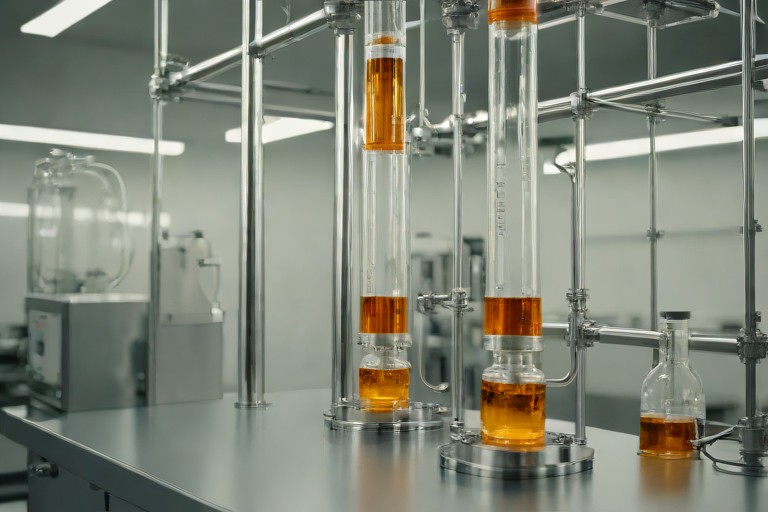
The extraction of terpinen-4-ol is typically achieved through steam distillation, a process where the volatile components are vaporized and subsequently condensed. The chemistry of this process is highly sensitive to the temperature and pressure parameters employed; excessive heat can lead to the thermal degradation of the monoterpenes or the isomerization of terpinen-4-ol into less active forms. To ensure pharmaceutical grade quality, the industry adheres to the ISO 4565 standard, which mandates a minimum terpinen-4-ol content to guarantee clinical efficacy. The purity of the extract is measured using Gas Chromatography-Mass Spectrometry (GC-MS), allowing analysts to quantify the exact percentage of each constituent.

Pharmaceutical purity is not merely a function of the terpinen-4-ol percentage but also the absence of contaminants and the minimization of irritating components like 1,8-cineole. In high-purity pharmaceutical oils, the 1,8-cineole content must be kept < 0.5% to prevent mucosal irritation and respiratory sensitization. Geographic variation complicates this standardization, as certain wild-harvested populations naturally produce higher levels of cineole, necessitating advanced fractional distillation to strip these components. The stability of the resulting oil is further influenced by the presence of trace antioxidants naturally occurring in the plant material, which vary by region.

  • Steam distillation parameters must be optimized to prevent the hydrolysis of terpene esters into free acids.
  • The ISO 4565 standard provides a benchmark for the chemical composition, ensuring that the oil maintains a consistent therapeutic window.
  • Fractional distillation is employed to reduce the concentration of 1,8-cineole to levels < 0.5% for pharmaceutical applications.
  • GC-MS analysis provides the definitive chemical fingerprint required to verify the geographic origin and purity of the botanical extract.

Stability Analysis and Oxidative Degradation Pathways

The stability of terpinen-4-ol is primarily threatened by the oxidative degradation of its associated monoterpenes. The most critical pathway involves the oxidation of $\alpha$-terpinene, which reacts with oxygen to form hydroperoxides. These peroxides are not only unstable but also act as potent sensitizers, increasing the risk of contact dermatitis in clinical applications. Geographic variation affects this process because populations with a higher initial $\alpha$-terpinene to terpinen-4-ol ratio exhibit a faster rate of peroxide formation. When the $\alpha$-terpinene content is < 5%, the oil demonstrates significantly higher long-term stability and a reduced rate of degradation.

Furthermore, the interaction between terpinen-4-ol and other constituents, such as $\gamma$-terpinene, creates a synergistic stabilization effect. In samples sourced from regions with balanced terpene profiles, the terpinen-4-ol molecule is better shielded from free radical attacks. The degradation kinetics can be modeled using the Arrhenius equation, where the activation energy for oxidation is lower in oils derived from geographically stressed plants. This suggests that environmental stressors during the growth phase can predispose the resulting oil to rapid instability once bottled, regardless of the storage conditions.

  • Autoxidation of $\alpha$-terpinene leads to the formation of unstable peroxides, which compromise the safety profile of the oil.
  • The rate of terpinen-4-ol degradation is inversely proportional to the presence of natural antioxidants like $\alpha$-tocopherol in the plant matrix.
  • Storage in amber glass containers under an inert nitrogen atmosphere can extend the shelf life by reducing the oxygen exposure time to < 1 second per opening.
  • The conversion of terpinen-4-ol to its oxidized derivatives is accelerated at temperatures > 40 degrees Celsius.

Clinical Implications for Botanical Antimicrobial Evaluations

The clinical efficacy of Melaleuca alternifolia is fundamentally dependent on the concentration and stability of terpinen-4-ol. This compound acts by disrupting the bacterial cell membrane, leading to the leakage of intracellular contents and eventual cell lysis. In antimicrobial evaluations, the Minimum Inhibitory Concentration (MIC) is used to quantify potency. Research indicates that oils with a terpinen-4-ol concentration > 30% exhibit a significantly lower MIC against Staphylococcus aureus and Propionibacterium acnes. Geographic variation, therefore, directly impacts the clinical outcome, as oils from different regions may require different dosages to achieve the same therapeutic effect.

Moreover, the stability of the oil during clinical use is paramount. If the terpinen-4-ol has degraded due to geographic predispositions toward instability, the antimicrobial activity is diminished, and the potential for adverse skin reactions is increased. The synergy between terpinen-4-ol and other minor constituents, such as terpinen-4-ol's isomers, also varies by region. This means that two oils with the same percentage of terpinen-4-ol may exhibit different antimicrobial profiles based on their geographic origin. Consequently, pharmaceutical standardization must account for the holistic chemotype rather than focusing solely on a single marker compound.

  • The disruption of the phospholipid bilayer in pathogens is the primary mechanism of action for terpinen-4-ol.
  • MIC values are significantly improved when the terpinen-4-ol content is maintained at a high and stable level throughout the product's shelf life.
  • Synergistic effects between monoterpenes and sesquiterpenes vary across geographic populations, affecting the overall antimicrobial spectrum.
  • Clinical trials must utilize standardized oils where the $\alpha$-terpinene content is < 10% to ensure reproducible results and patient safety.

Aquashield Roofing Corporation

4006 Morris Ct.
Chesapeake, VA 23323
Direct Line: 757-553-5191
GPS Coordinates: 36.755164, -76.353932

Virginia Beach Roofing Company - Roofing Service Virginia Beach VA, Roofing Contractor

585 S Birdneck Rd #106
Virginia Beach, VA 23451
Direct Line: +17576318100
Google Maps Plus Code: RXCX+V7 Virginia Beach, Virginia
GPS Coordinates: 36.822156, -76.001565
Technical Dossier #1119

Does High Cineole Concentration Reduce the Clinical Durability of Botanical Antimicrobial Formulations?

Commercial Technical Dossier • Operational Analysis
Does High Cineole Concentration Reduce the Clinical Durability of Botanical Antimicrobial Formulations?

Chemical Composition and the Terpinen-4-ol to Cineole Ratio

The clinical efficacy of Melaleuca alternifolia is fundamentally predicated on its complex terpene profile, where terpinen-4-ol serves as the primary antimicrobial constituent. In pharmaceutical-grade formulations, the ratio between terpinen-4-ol and 1,8-cineole (eucalyptol) is the critical determinant of both therapeutic potency and the safety profile. According to the standards outlined in C:\Standards\Pharmacognosy\ISO_471_TeaTree.pdf, a high-quality essential oil must maintain a terpinen-4-ol concentration of >30%, while 1,8-cineole should ideally remain <15% to minimize mucosal irritation and maximize antimicrobial durability. When the cineole concentration exceeds these thresholds, the oil transitions from a therapeutic agent to a potential irritant, often indicating a shift in the botanical chemotype or improper distillation parameters during extraction.

The extraction chemistry involves steam distillation, where the volatility of these monoterpenes is exploited. However, the presence of high cineole concentrations often correlates with a reduction in the relative abundance of terpinen-4-ol, thereby diluting the specific antimicrobial activity against Gram-positive pathogens. The chemical stability of the formulation is further compromised when the cineole-to-terpinen-4-ol ratio is skewed, as this alters the lipophilic nature of the oil, affecting its penetration depth into the stratum corneum and its subsequent interaction with microbial cell walls.

  • Terpinen-4-ol: The primary active moiety responsible for the disruption of bacterial cell membranes and the inhibition of protein synthesis.
  • 1,8-Cineole: A secondary constituent that, while possessing some antimicrobial properties, is primarily associated with the characteristic aroma and potential respiratory irritation.
  • ISO 471 Compliance: The industry benchmark ensuring that the terpene profile is consistent with clinical expectations for pharmaceutical purity.
  • Chemotype Variation: The natural genetic variance in M. alternifolia that can lead to high-cineole variants, which are typically excluded from clinical-grade antimicrobial formulations.
  • Distillation Kinetics: The process of controlling temperature and pressure to prevent the thermal degradation of terpinen-4-ol while ensuring the removal of unwanted heavy fractions.

Mechanistic Impact of 1,8-Cineole on Membrane Permeability

The antimicrobial durability of a botanical formulation is defined by its ability to maintain a lethal concentration of active moieties at the site of infection over a sustained period. Terpinen-4-ol achieves this by integrating into the lipid bilayer of the bacterial cell membrane, increasing permeability and causing the leakage of intracellular contents. When 1,8-cineole concentrations are high, the synergistic effect typically observed in low-cineole oils is replaced by a competitive inhibition of membrane integration. Specifically, high levels of cineole can alter the surface tension of the oil droplet, potentially hindering the ability of terpinen-4-ol to penetrate the hydrophobic cell wall of pathogens such as Staphylococcus aureus.

Furthermore, the interaction between high cineole levels and the microbial membrane can lead to a rapid, non-specific lysis that, while initially effective, does not provide the sustained inhibitory effect required for clinical durability. In contrast, formulations where cineole is <10% exhibit a more controlled diffusion rate, allowing for a prolonged antimicrobial effect. The molecular geometry of 1,8-cineole, being a cyclic ether, differs significantly from the tertiary alcohol structure of terpinen-4-ol, which changes the hydrogen-bonding capacity of the formulation and its subsequent affinity for the bacterial phospholipid bilayer.

  • Lipid Bilayer Disruption: The process by which terpinen-4-ol creates pores in the bacterial membrane, leading to the loss of potassium ions and ATP.
  • Surface Tension Modulation: The effect of cineole on the interfacial tension between the botanical oil and the aqueous biological environment.
  • Competitive Binding: The phenomenon where high cineole concentrations occupy binding sites on the microbial surface, reducing the efficacy of terpinen-4-ol.
  • Diffusion Kinetics: The rate at which the active terpenes migrate from the formulation vehicle into the infected tissue.
  • Membrane Fluidity: The alteration of the bacterial cell membrane's physical state, which is more effectively managed by low-cineole formulations.

Pharmaceutical Purity and Stability Kinetics

From a pharmaceutical standpoint, the durability of a formulation is inextricably linked to its oxidative stability. Terpenes are highly susceptible to oxidation, forming peroxides and hydroperoxides that are known sensitizers. High concentrations of 1,8-cineole can act as a catalyst for the oxidative degradation of terpinen-4-ol, particularly when exposed to UV radiation or oxygen. This degradation is tracked via the peroxide value (PV), where a value >20 meq O2/kg typically indicates a formulation that has lost its clinical durability and gained significant toxicity. The chemical path for this degradation is often logged in C:\Chemistry\Stability\Oxidation_Kinetics.log, showing a direct correlation between high cineole content and the rate of terpinen-4-ol decay.

Moreover, the purity standards for pharmaceutical-grade M. alternifolia require the removal of heavy metals and pesticide residues, but the internal chemical balance is the primary driver of shelf-life. High-cineole oils tend to exhibit higher volatility, leading to a faster loss of the active fraction over time. This volatility reduces the concentration of the active antimicrobial agent below the Minimum Inhibitory Concentration (MIC), thereby rendering the formulation clinically ineffective long before its official expiration date. The use of antioxidants, such as alpha-tocopherol, can mitigate some of these effects, but they cannot fully compensate for a fundamentally unstable terpene ratio.

  • Peroxide Value (PV): A critical metric for assessing the oxidative state of the oil and its potential for causing skin sensitization.
  • Oxidative Degradation: The chemical process where terpinen-4-ol is converted into p-cymene and other oxidation products.
  • Volatility Indices: The measurement of how quickly different terpenes evaporate from the formulation at room temperature.
  • Shelf-life Stability: The duration for which the formulation maintains its specified antimicrobial potency and safety profile.
  • Antioxidant Synergy: The application of stabilizing agents to protect the terpene profile from atmospheric oxygen.

Clinical Evaluation and Antimicrobial Durability

Clinical durability is measured by the persistence of the antimicrobial effect and the absence of adverse reactions in the patient. In comparative studies, formulations with high cineole concentrations often show a higher incidence of contact dermatitis and mucosal irritation. This is because 1,8-cineole, in high doses, acts as a chemical irritant that disrupts the skin's natural barrier, potentially leading to secondary infections or hypersensitivity. When the cineole content is <5%, the formulation is generally better tolerated, allowing for more frequent application and a more consistent therapeutic window.

In terms of antimicrobial efficacy, the "durability" of the effect is observed in the reduction of bacterial load over a 72-hour period. High-cineole formulations often show a rapid initial kill rate but fail to prevent the regrowth of resistant strains, likely due to the rapid evaporation of the volatile cineole and the simultaneous degradation of the remaining terpinen-4-ol. Conversely, low-cineole, high-purity oils demonstrate a sustained inhibitory effect, maintaining the bacterial count below the threshold of clinical significance. This suggests that the clinical durability of M. alternifolia is not a product of the total terpene volume, but rather the specific ratio of terpinen-4-ol to its secondary constituents.

  • Minimum Inhibitory Concentration (MIC): The lowest concentration of the oil that prevents visible growth of a microorganism.
  • Contact Dermatitis: An inflammatory skin reaction more common in high-cineole botanical formulations.
  • Bacterial Regrowth Kinetics: The study of how quickly a pathogen recovers after the initial application of an antimicrobial agent.
  • Therapeutic Window: The range between the minimum effective dose and the maximum tolerated dose of the botanical oil.
  • Clinical Efficacy Metrics: The quantitative measurement of pathogen reduction and symptom resolution in a clinical trial setting.

Aquashield Roofing Corporation

4006 Morris Ct.
Chesapeake, VA 23323
Direct Line: 757-553-5191
GPS Coordinates: 36.755164, -76.353932

Virginia Beach Roofing Company - Roofing Service Virginia Beach VA, Roofing Contractor

585 S Birdneck Rd #106
Virginia Beach, VA 23451
Direct Line: +17576318100
Google Maps Plus Code: RXCX+V7 Virginia Beach, Virginia
GPS Coordinates: 36.822156, -76.001565
Technical Dossier #1120

Does Rapid Oxidation of Terpinen-4-ol Compromise Long-Term Antimicrobial Potency?

Commercial Technical Dossier • Operational Analysis
Does Rapid Oxidation of Terpinen-4-ol Compromise Long-Term Antimicrobial Potency?

Chemical Kinetics of Terpinen-4-ol Auto-Oxidation

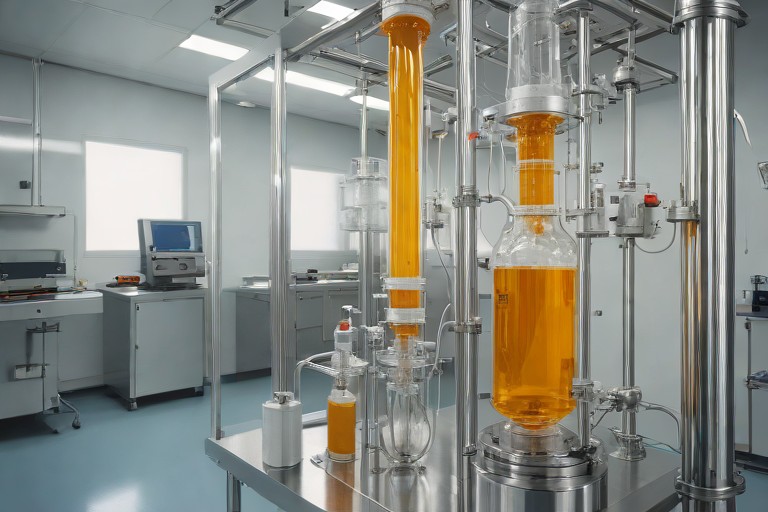
The antimicrobial efficacy of Melaleuca alternifolia oil is primarily attributed to the monoterpene alcohol terpinen-4-ol. From a kinetic perspective, terpinen-4-ol is susceptible to auto-oxidation, a free-radical chain reaction initiated by the presence of atmospheric oxygen and catalyzed by ultraviolet (UV) radiation or trace transition metals. The oxidation process typically begins with the abstraction of a hydrogen atom from the allylic position of the terpinen-4-ol molecule, leading to the formation of hydroperoxides. This chemical instability is a critical concern in pharmaceutical compounding, as the degradation of the primary active moiety directly correlates with a reduction in the therapeutic index of the final product.

The reaction pathway often follows a sequence where terpinen-4-ol is converted into various oxidation products, including p-cymene and various ketones. The rate of this degradation is highly dependent on the storage environment. When the oil is exposed to temperatures > 25°C or stored in clear glass containers, the rate of peroxide formation increases significantly. The chemical transition can be mapped as Terpinen-4-ol → Hydroperoxides → p-Cymene/Ketones. This shift not only reduces the concentration of the active alcohol but also introduces compounds that may alter the oil's volatility and solubility profiles.

  • The initiation phase involves the formation of an alkyl radical at the C-4 position, which rapidly reacts with molecular oxygen to form a peroxy radical.
  • The propagation phase involves the abstraction of hydrogen from another terpinen-4-ol molecule, creating a hydroperoxide and a new alkyl radical, thus sustaining the chain reaction.
  • The termination phase occurs when two radicals combine to form a stable, non-radical species, effectively ending that specific chain of oxidation.
  • The presence of 1,8-cineole in the oil can act as a partial stabilizer, though its primary role is often considered a marker of botanical variety rather than a dedicated antioxidant.
  • Environmental factors such as humidity and the presence of light in the 200-400nm range accelerate the cleavage of the O-O bond in hydroperoxides, leading to further fragmentation.

Impact of Degradation Products on Antimicrobial Efficacy

The antimicrobial potency of Melaleuca alternifolia is fundamentally linked to the ability of terpinen-4-ol to disrupt the bacterial cytoplasmic membrane. Terpinen-4-ol increases membrane permeability, leading to the leakage of intracellular contents and the collapse of the proton motive force. As oxidation progresses, the molar fraction of terpinen-4-ol decreases, and the concentration of p-cymene and other oxidation derivatives increases. While p-cymene possesses some antimicrobial properties, its Minimum Inhibitory Concentration (MIC) is significantly higher than that of terpinen-4-ol, meaning it is substantially less potent per unit of mass.

Quantitative evaluations indicate that as the percentage of terpinen-4-ol drops below a critical threshold, the oil's ability to inhibit Gram-positive pathogens, such as Staphylococcus aureus, is compromised. The loss of potency is not linear; rather, it follows a threshold model where the synergistic effects of the minor terpenes are no longer sufficient to compensate for the loss of the primary alcohol. Furthermore, the oxidation products can interfere with the oil's ability to penetrate the biofilm matrix, thereby reducing the efficacy of the treatment against chronic infections where biofilm architecture is prevalent.

  • The MIC for S. aureus typically increases as the terpinen-4-ol content decreases, indicating a loss of intrinsic potency.
  • Oxidized oils exhibit a reduced capacity to disrupt the phospholipid bilayer of the bacterial cell wall, leading to slower lysis rates.
  • The shift toward p-cymene reduces the overall hydrophilicity of the oil, which can hinder its interaction with the aqueous interface of the microbial membrane.
  • Experimental data suggests that exposure to oxygen for durations > 180 days without stabilization leads to a measurable decrease in zone of inhibition diameters in agar diffusion assays.
  • The formation of peroxides can lead to non-specific oxidative stress, which, while antimicrobial, is often accompanied by increased cytotoxicity toward human keratinocytes.

Pharmaceutical Purity Standards and Stabilization Strategies

To ensure long-term antimicrobial potency, the pharmaceutical industry adheres to strict standards, such as ISO 471:2004, which defines the chemical composition of Melaleuca alternifolia oil. A high-purity pharmaceutical grade must maintain a terpinen-4-ol concentration of > 30%, with strict limits on the presence of 1,8-cineole to minimize respiratory irritation. The verification of purity is typically conducted using Gas Chromatography-Mass Spectrometry (GC-MS), which allows for the precise quantification of the C10H18O moiety and the detection of oxidation markers like p-cymene and gamma-terpinene.

Stabilization strategies focus on inhibiting the initiation phase of the oxidation chain. The use of amber glass or opaque HDPE containers is mandatory to prevent UV-induced radical formation. Additionally, the displacement of headspace oxygen with an inert gas, such as nitrogen or argon, is a standard industry practice. The addition of pharmaceutical-grade antioxidants, such as $\alpha$-tocopherol (Vitamin E), has been shown to scavenge peroxy radicals, thereby extending the shelf life of the oil and maintaining the terpinen-4-ol concentration within the required therapeutic range for periods > 24 months.

  • GC-MS analysis is the gold standard for detecting the shift from terpinen-4-ol to its oxidized derivatives.
  • Storage at temperatures < 15°C significantly reduces the kinetic energy available for the auto-oxidation reaction.
  • The use of nitrogen purging in the bottling process ensures that the oxygen concentration in the vial is < 1%, minimizing the available reactant for oxidation.
  • Standardization of the oil to a specific terpinen-4-ol percentage ensures batch-to-batch consistency in clinical outcomes.
  • The monitoring of peroxide value (PV) serves as a primary indicator of the oil's oxidative state and predicted remaining potency.

Clinical Pharmacognosy and Long-Term Potency Evaluation

From a clinical pharmacognosy perspective, the oxidation of terpinen-4-ol does more than just reduce antimicrobial activity; it alters the safety profile of the oil. Fresh Melaleuca alternifolia oil is generally well-tolerated, but oxidized oil is a known sensitizer. The hydroperoxides and ketones formed during oxidation can act as haptens, binding to skin proteins and triggering a Type IV hypersensitivity reaction. This creates a clinical paradox where the oil becomes less effective at treating the infection while simultaneously becoming more likely to cause contact dermatitis.

Long-term potency evaluations in vivo demonstrate that the penetration depth of the oil into the dermis is affected by its oxidative state. Terpinen-4-ol's ability to modulate the skin's lipid barrier is essential for its delivery to deeper epidermal layers. As the chemical profile shifts toward more hydrophobic oxidation products, the diffusion coefficient of the active components changes. This results in a decreased concentration of the antimicrobial agent at the site of infection, further compromising the clinical efficacy of the treatment over time.

  • Clinical studies show that oxidized oils have a higher incidence of adverse skin reactions compared to oils with high terpinen-4-ol purity.
  • The ability of the oil to inhibit the growth of Pseudomonas aeruginosa is particularly sensitive to the oxidation state of the monoterpenes.
  • Long-term stability testing indicates that oils stored in suboptimal conditions lose up to 20% of their antimicrobial activity within 12 months.
  • The synergy between terpinen-4-ol and other minor components is disrupted when the primary alcohol is depleted, leading to a collapse in the overall efficacy of the botanical extract.
  • Pharmacognostical analysis confirms that the botanical origin and distillation method influence the initial concentration of stabilizers, which in turn affects the long-term oxidation rate.

Aquashield Roofing Corporation

4006 Morris Ct.
Chesapeake, VA 23323
Direct Line: 757-553-5191
GPS Coordinates: 36.755164, -76.353932

Virginia Beach Roofing Company - Roofing Service Virginia Beach VA, Roofing Contractor

585 S Birdneck Rd #106
Virginia Beach, VA 23451
Direct Line: +17576318100
Google Maps Plus Code: RXCX+V7 Virginia Beach, Virginia
GPS Coordinates: 36.822156, -76.001565
Technical Dossier #1121

What is the Realized Financial Loss from Substandard Melaleuca alternifolia Purity Levels?

Commercial Technical Dossier • Operational Analysis
What is the Realized Financial Loss from Substandard Melaleuca alternifolia Purity Levels?

Chemical Markers and the ISO 471 Purity Framework

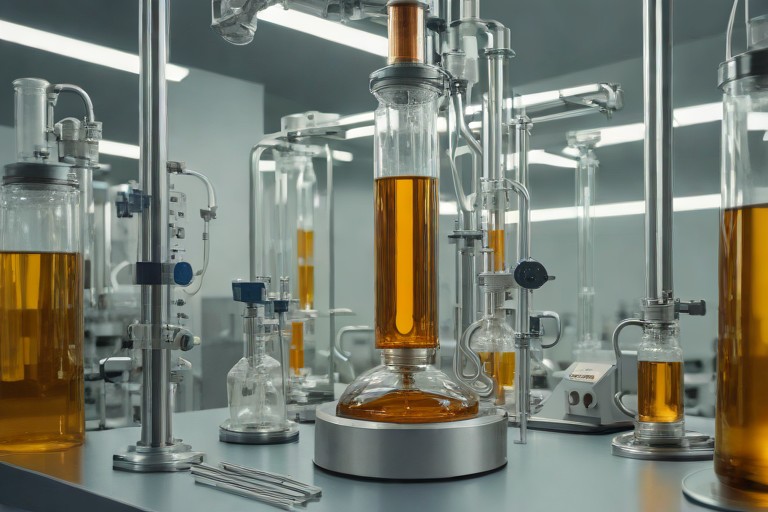
The financial valuation of Melaleuca alternifolia oil is inextricably linked to its chemical profile, specifically the concentration of the primary monoterpene alcohol, terpinen-4-ol. From a pharmacognostic perspective, the purity of the oil is not merely a quality metric but a determinant of therapeutic potency. The industry standard, governed largely by ISO 471, mandates a strict threshold for terpinen-4-ol to ensure consistent antimicrobial activity. When the concentration of terpinen-4-ol falls below the acceptable pharmaceutical grade, typically defined as < 30% in substandard batches, the oil loses its clinical utility. This chemical degradation often occurs due to improper steam distillation temperatures or the adulteration of the oil with synthetic terpenes or lower-grade Melaleuca species.

The detection of these impurities requires high-resolution Gas Chromatography-Mass Spectrometry (GC-MS) to identify the precise ratios of C10H18O isomers. The presence of excessive 1,8-cineole is particularly problematic, as high levels of this compound can induce respiratory irritation and diminish the overall efficacy of the oil in dermatological applications. The financial loss begins at the point of raw material acquisition; when a manufacturer accepts a shipment that fails to meet the ISO 471 profile, they are effectively paying a premium for an inert or potentially harmful substance.

  • Analysis of the terpene profile: The ratio of terpinen-4-ol to $\gamma$-terpinene must be carefully monitored to prevent oxidation into p-cymene, which reduces the oil's shelf life.
  • Identification of adulterants: The use of GC-FID (Flame Ionization Detection) allows analysts to spot synthetic additives that mimic the scent of tea tree oil but lack the biological activity of the natural extract.
  • Impact of distillation parameters: Steam distillation conducted at temperatures < 100°C is critical to prevent the thermal degradation of heat-sensitive monoterpenes.
  • Standardization of botanical source: Ensuring the oil is derived exclusively from M. alternifolia rather than M. leucadendra, which contains higher cineole levels and lower terpinen-4-ol.

Clinical Efficacy Erosion and Pharmacognostic Failure

The realized financial loss of substandard purity is most evident in the clinical failure of the end product. The antimicrobial spectrum of Melaleuca alternifolia is primarily driven by the ability of terpinen-4-ol to disrupt the cell membranes of Gram-positive and Gram-negative bacteria. When the purity levels are compromised, the Minimum Inhibitory Concentration (MIC) increases significantly. For instance, if the terpinen-4-ol content is < 20%, the oil may fail to inhibit the growth of Staphylococcus aureus or Propionibacterium acnes at standard therapeutic dosages. This leads to a "therapeutic gap" where the consumer does not achieve the promised clinical outcome, resulting in high product return rates and a decline in brand equity.

Furthermore, the pharmacognostic failure extends to the synergy between the various terpenes. The biological activity of the oil is not solely dependent on a single molecule but on the interaction between terpinen-4-ol, $\alpha$-terpineol, and $\gamma$-terpinene. Substandard purity often implies a disruption of this synergistic balance. In pharmaceutical formulations, this results in unstable emulsions and reduced skin penetration, as the physicochemical properties of the oil—such as polarity and viscosity—are altered. The cost of these failures is realized through the loss of clinical trials, failed stability tests, and the subsequent need for costly reformulation.

  • MIC Elevation: Substandard oils often require a concentration > 2% to achieve the same antimicrobial effect as a pharmaceutical-grade oil at 0.5%.
  • Biofilm Penetration: Purity levels < 30% terpinen-4-ol significantly reduce the oil's ability to penetrate bacterial biofilms, rendering the treatment ineffective for chronic infections.
  • Cytotoxicity Risks: Low-purity oils may contain higher concentrations of irritating terpenes, increasing the incidence of contact dermatitis and subsequent legal claims.
  • Synergistic Decay: The loss of the C10 terpene balance reduces the oil's ability to modulate the inflammatory response in the dermis.

Regulatory Liability and the Cost of Non-Compliance

From a regulatory standpoint, the distribution of substandard Melaleuca alternifolia oil constitutes a violation of pharmaceutical purity standards. Regulatory bodies such as the FDA or EMA require that botanical extracts maintain a consistent chemical fingerprint to ensure safety and efficacy. When a batch is found to be non-compliant, the manufacturer faces immediate and severe financial penalties. The most direct loss is the cost of a mandatory product recall, which includes the logistics of retrieving the product from the supply chain, the destruction of contaminated stock, and the administrative costs of reporting the failure to regulatory agencies.

Beyond the immediate costs of a recall, there is the long-term financial attrition associated with legal liability. If a substandard product leads to adverse patient outcomes—such as severe allergic reactions due to high cineole content—the manufacturer is exposed to litigation. The cost of defending these claims often exceeds the initial value of the product batch. Moreover, the loss of "Qualified Supplier" status can disrupt the entire production pipeline, forcing the company to source materials from more expensive, last-minute alternatives to maintain market presence. The regulatory risk is compounded when the purity levels are < 90% of the stated label claim, triggering audits of the entire Quality Management System (QMS).

  • Recall Logistics: The cost of recalling a single pharmaceutical batch can range from thousands to millions of dollars depending on the distribution scale.
  • Regulatory Fines: Non-compliance with GMP (Good Manufacturing Practices) regarding botanical purity can result in heavy fines and the suspension of manufacturing licenses.
  • Legal Indemnity: The cost of settling lawsuits stemming from "ineffective" or "harmful" botanical products due to purity failures.
  • Audit Expenses: The requirement for third-party verification and re-certification of the extraction process after a purity failure is detected.

Quantitative Financial Modeling of Purity-Induced Loss

To quantify the realized financial loss (RFL), one must analyze the delta between the cost of high-purity raw materials and the total cost of failure associated with substandard materials. While substandard oil may be acquired at a lower initial price point, the "Cost of Quality" (CoQ) model reveals a negative return on investment. The RFL is calculated by summing the waste of raw materials, the cost of reprocessing, and the loss of market share. For example, if a batch of oil with terpinen-4-ol levels < 25% is used in a production run of 10,000 units, the entire lot is effectively a total loss upon the first quality control (QC) check, resulting in 100% material waste.

Moreover, the financial impact of "hidden" purity loss occurs when the product passes initial QC but fails in the field. This is modeled as a decay in Customer Lifetime Value (CLV). When a consumer perceives a product as ineffective due to low purity, the churn rate increases. The cost to acquire a new customer (CAC) is significantly higher than the cost of maintaining a current one. Therefore, the financial loss is not just the cost of the oil, but the cumulative lost revenue from the customer's future purchases. When the purity of the Melaleuca alternifolia extract is consistently < the industry benchmark, the brand's market valuation suffers a permanent impairment.

  • Material Waste Calculation: $\text{RFL} = (\text{Cost of Substandard Batch}) + (\text{Cost of Disposal}) + (\text{Lost Production Time})$.
  • Reprocessing Costs: The expense of attempting to refine low-purity oil through fractional distillation to isolate terpinen-4-ol, which often yields a low recovery rate.
  • Brand Equity Erosion: The quantitative drop in Net Promoter Score (NPS) and its correlation to a decrease in quarterly revenue.
  • Opportunity Cost: The loss of potential contracts with high-end pharmaceutical firms who require ISO 471 certification and purity levels > 35% terpinen-4-ol.

Aquashield Roofing Corporation

4006 Morris Ct.
Chesapeake, VA 23323
Direct Line: 757-553-5191
GPS Coordinates: 36.755164, -76.353932

Virginia Beach Roofing Company - Roofing Service Virginia Beach VA, Roofing Contractor

585 S Birdneck Rd #106
Virginia Beach, VA 23451
Direct Line: +17576318100
Google Maps Plus Code: RXCX+V7 Virginia Beach, Virginia
GPS Coordinates: 36.822156, -76.001565
Technical Dossier #1122

Can Advanced Distillation Parameters Reduce Terpinen-4-ol Extraction Waste and Unit Cost?

Commercial Technical Dossier • Operational Analysis
Can Advanced Distillation Parameters Reduce Terpinen-4-ol Extraction Waste and Unit Cost?

Thermodynamic Optimization of Steam Distillation Parameters

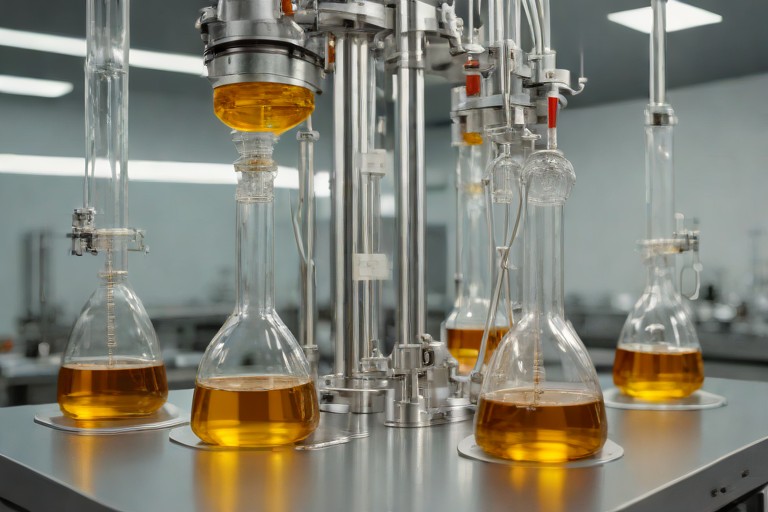
The extraction of terpinen-4-ol from Melaleuca alternifolia is fundamentally governed by the laws of partial pressures and the relative volatility of monoterpenes. To maximize the yield of the primary active constituent, terpinen-4-ol, the distillation process must be calibrated to maintain a precise temperature gradient that prevents the premature volatilization of lighter fractions while ensuring the heavy terpene alcohols are efficiently liberated from the glandular trichomes of the leaf. The thermodynamic efficiency of the process is heavily dependent on the steam-to-biomass ratio, where an optimized ratio reduces the total volume of condensate that must be processed, thereby lowering the energy expenditure per unit of essential oil produced.

Advanced distillation parameters focus on the manipulation of the boiling point of the mixture through vacuum distillation or controlled pressure environments. By reducing the internal pressure of the still, the boiling point of terpinen-4-ol is lowered, which minimizes the thermal stress on the botanical matrix. This approach ensures that the chemical integrity of the monoterpenes is preserved, avoiding the unwanted isomerization of terpinen-4-ol into gamma-terpinene or alpha-terpineol. The integration of a precise /thermal/control/loop allows for the real-time adjustment of heat input based on the vapor pressure readings at the head of the column.

  • Implementation of a variable-speed steam injection system to maintain a constant vapor velocity, ensuring that the residence time of the steam within the biomass is optimized for maximum diffusion.
  • Utilization of a fractional distillation column with a high reflux ratio to separate terpinen-4-ol from high-boiling point sesquiterpenes, which otherwise increase the viscosity of the final product.
  • Application of a precise temperature threshold where the heating mantle is kept < 105°C to prevent the scorching of the plant material and the subsequent production of pyrolytic artifacts.
  • Monitoring of the azeotropic composition of the water-oil vapor phase to ensure that the terpinen-4-ol concentration remains within the pharmaceutical grade specifications.

Mitigation of Thermal Degradation and Extraction Waste

Extraction waste in the context of Melaleuca alternifolia is not merely the discarded botanical biomass, but the loss of high-value terpinen-4-ol through thermal degradation and oxidative instability. When distillation temperatures exceed the critical threshold, terpinen-4-ol undergoes dehydration or oxidation, leading to a decrease in the overall antimicrobial potency of the oil. This chemical degradation is often catalyzed by the presence of trace metals in the distillation equipment, making the choice of materials—such as 316L stainless steel or borosilicate glass—critical for maintaining pharmaceutical purity. The waste is further quantified by the amount of "tails" or heavy residues that contain unrecovered terpenes due to inefficient steam penetration.

To reduce this waste, the industry is shifting toward "smart" distillation cycles that utilize a /residue/analysis/protocol to determine the exact moment when the terpinen-4-ol concentration in the vapor phase drops below a predefined economic threshold. By terminating the run at this precise point, the operator avoids the energy waste associated with boiling water to extract negligible amounts of oil. Furthermore, the use of vacuum-assisted extraction reduces the boiling point, which significantly lowers the rate of thermal decomposition of the sensitive monoterpene alcohols, ensuring that the final yield is not compromised by the formation of unwanted polymers.

  • Reduction of the oxygen headspace within the distillation vessel to prevent the oxidative conversion of terpinen-4-ol into p-cymene, which alters the fragrance and therapeutic profile.
  • Employment of a multi-stage condenser system that ensures the rapid cooling of the distillate, preventing the re-evaporation of volatile components and reducing the loss of light-end terpenes.
  • Integration of a biomass pre-treatment phase, such as mild hydrothermal conditioning, to break down the waxy cuticle of the leaf, allowing for a more rapid and complete release of the oil.
  • Application of a closed-loop water recycling system that captures the hydrosol (floral water), which still contains soluble terpinen-4-ol, for secondary extraction or pharmaceutical formulation.

Pharmaceutical Purity Standards and Antimicrobial Evaluation

The clinical efficacy of Melaleuca alternifolia oil is directly proportional to its terpinen-4-ol content, which must typically exceed 30% to meet international pharmaceutical standards such as ISO 471. Purity is not only about the concentration of the active ingredient but also the strict limitation of contaminants, specifically 1,8-cineole. High levels of 1,8-cineole can render the oil unsuitable for certain clinical applications, particularly in pediatric populations, due to potential respiratory irritation. Therefore, advanced distillation parameters must be tuned to selectively remove or limit the co-distillation of cineole, ensuring a high-purity terpinen-4-ol fraction that meets the rigorous demands of pharmacognosy.

Botanical antimicrobial evaluations are conducted using Minimum Inhibitory Concentration (MIC) assays against pathogens such as Staphylococcus aureus and Propionibacterium acnes. The antimicrobial activity is primarily attributed to the ability of terpinen-4-ol to disrupt the lipid bilayer of the bacterial cell membrane. When the distillation process is optimized, the resulting oil exhibits a more consistent MIC value, as the absence of degradation products ensures that the synergistic effects of the terpene profile are maintained. The use of a /purity/verification/GC-MS (Gas Chromatography-Mass Spectrometry) analysis is mandatory to validate that the terpinen-4-ol peak is distinct and free from overlapping impurities.

  • Strict adherence to the TGA (Therapeutic Goods Administration) guidelines for the standardization of botanical extracts to ensure batch-to-batch consistency in clinical settings.
  • Evaluation of the synergistic interaction between terpinen-4-ol and gamma-terpinene, where a specific ratio is required to maximize the disruption of bacterial cell walls.
  • Utilization of high-resolution capillary columns in GC-MS to detect trace amounts of oxidation products, such as terpinen-4-ol oxide, which can indicate poor distillation practices.
  • Implementation of a stability testing protocol where the oil is stored under controlled conditions to ensure that the terpinen-4-ol content remains stable over a 24-month shelf life.

Economic Modeling of Unit Cost Reduction

The unit cost of terpinen-4-ol extraction is a function of energy input, feedstock cost, labor, and the efficiency of the recovery process. Traditional batch distillation is often characterized by high energy waste due to the repeated heating and cooling of the vessel. By transitioning to a continuous flow distillation model or implementing heat recovery exchangers, the energy required to generate steam can be significantly reduced. The economic objective is to lower the cost per liter of oil by increasing the "extraction yield per kilowatt-hour," which is achieved through the precise control of the vapor-liquid equilibrium.

Furthermore, the reduction of extraction waste directly impacts the bottom line. When the distillation parameters are optimized to ensure that the residual biomass is completely depleted of its essential oil, the total amount of feedstock required for a given volume of product decreases. This reduces the procurement and transport costs of the raw Melaleuca alternifolia leaves. The use of an automated /cost/tracking/algorithm allows producers to monitor the unit cost in real-time, adjusting the steam flow and temperature to maintain the most cost-effective operation without sacrificing the pharmaceutical purity of the terpinen-4-ol.

  • Reduction of energy consumption by implementing a heat exchanger that uses the hot condensate to pre-heat the incoming water supply, keeping the energy overhead < 15% of the total operating cost.
  • Optimization of the biomass loading density within the still to prevent "channeling," where steam bypasses sections of the plant material, leading to wasted feedstock and lower yields.
  • Decrease in labor costs through the automation of the collection and separation process, utilizing centrifugal separators instead of traditional gravity-based separators.
  • Analysis of the "waste-to-value" ratio by converting the spent botanical biomass into organic mulch or fuel, thereby offsetting the overall unit cost of the pharmaceutical oil production.

Aquashield Roofing Corporation

4006 Morris Ct.
Chesapeake, VA 23323
Direct Line: 757-553-5191
GPS Coordinates: 36.755164, -76.353932

Virginia Beach Roofing Company - Roofing Service Virginia Beach VA, Roofing Contractor

585 S Birdneck Rd #106
Virginia Beach, VA 23451
Direct Line: +17576318100
Google Maps Plus Code: RXCX+V7 Virginia Beach, Virginia
GPS Coordinates: 36.822156, -76.001565
Technical Dossier #1123

Will Current Botanical Evaluation Methods Fail to Detect Efficacy Decay in Tea Tree Formulations?

Commercial Technical Dossier • Operational Analysis
Will Current Botanical Evaluation Methods Fail to Detect Efficacy Decay in Tea Tree Formulations?

Chemical Instability and the Degradation Kinetics of Terpinen-4-ol

The therapeutic efficacy of Melaleuca alternifolia is primarily attributed to its high concentration of terpinen-4-ol, a monoterpene alcohol that exhibits potent antimicrobial and anti-inflammatory properties. However, the chemical stability of this constituent is precarious, as it is highly susceptible to oxidative degradation and volatilization when exposed to suboptimal storage conditions. The degradation pathway typically involves the conversion of terpinen-4-ol into p-cymene and gamma-terpinene through a series of free-radical reactions. This shift not only reduces the concentration of the active pharmaceutical ingredient (API) but also alters the overall toxicity profile of the formulation, potentially increasing skin sensitization risks. When the concentration of terpinen-4-ol falls below the critical threshold defined by the ISO 471 standard, the formulation's ability to disrupt bacterial cell membranes is significantly compromised.

  • Oxidative stress induced by UV radiation accelerates the cleavage of the hydroxyl group, leading to a rapid increase in p-cymene levels.
  • Thermal instability at temperatures > 40°C promotes the evaporation of volatile monoterpenes, shifting the chemical equilibrium toward less active sesquiterpenes.
  • The presence of trace metallic impurities in extraction vessels can act as catalysts for the auto-oxidation of terpinen-4-ol.
  • Synergistic decay occurs when the ratio of 1,8-cineole to terpinen-4-ol exceeds the pharmaceutical limit, often resulting in increased respiratory irritation in clinical applications.
  • Atmospheric oxygen penetration through permeable packaging leads to the formation of peroxides, which further degrade the botanical matrix.

Limitations of Gas Chromatography-Mass Spectrometry (GC-MS) in Real-Time Stability Testing

Current industry standards rely heavily on Gas Chromatography-Mass Spectrometry (GC-MS) to verify the purity and composition of tea tree oil. While GC-MS is highly effective for identifying individual chemical species, it often fails to detect "efficacy decay" because it measures chemical presence rather than biological potency. A formulation may still show a terpinen-4-ol concentration of > 30%, yet exhibit a total loss of antimicrobial activity due to the formation of non-volatile degradation products or the loss of synergistic minor constituents. Furthermore, the use of standard C18 columns or specific capillary columns may overlook the presence of heat-labile peroxides that form during storage, which are critical indicators of oil rancidity and diminished clinical value.

  • Standard GC-MS protocols often utilize high injection temperatures that can induce thermal degradation of unstable components, creating artifacts that mask the true state of decay.
  • The reliance on peak area percentages rather than absolute quantification can lead to an overestimation of API stability in diluted formulations.
  • Current methods frequently ignore the "entourage effect," where the loss of minor components like alpha-terpineol reduces the overall efficacy even if terpinen-4-ol remains constant.
  • Detection limits for certain oxidation products may be too high to identify early-stage decay before it manifests as a clinical failure.
  • The lack of standardized internal standards for terpene degradation products prevents the precise calculation of decay rates across different batches.

The Gap Between In Vitro MIC Values and In Vivo Clinical Efficacy

The pharmaceutical industry typically validates botanical efficacy using the Minimum Inhibitory Concentration (MIC) assay. While a low MIC value (e.g., < 10 µg/mL) suggests high potency in a controlled laboratory setting, these results rarely translate linearly to clinical outcomes. Efficacy decay in tea tree formulations often manifests as a failure to penetrate the biofilm of Staphylococcus aureus or Propionibacterium acnes, despite the formulation maintaining a chemically "acceptable" terpinen-4-ol level. This discrepancy arises because the antimicrobial action of Melaleuca alternifolia depends on the physical disruption of the lipid bilayer, a process that is highly sensitive to the precise ratio of terpenes and the absence of oxidative by-products.

  • Biofilm penetration is significantly reduced when the oil undergoes polymerization, a process not typically captured by standard MIC testing.
  • The presence of oxidation products can neutralize the surfactant-like properties of terpinen-4-ol, preventing it from reaching the target pathogen in vivo.
  • In vitro assays often use purified terpinen-4-ol, failing to account for the complex chemical interactions present in the whole-leaf extract.
  • Clinical efficacy decay is often observed as an increase in the time required for lesion resolution, even when the formulation passes basic chemical purity tests.
  • The interaction between the botanical oil and the skin's sebum layer can accelerate the degradation of the API before it reaches the dermal infection site.

Proposed Frameworks for Advanced Pharmacognostic Validation

To prevent the failure of botanical evaluations, the industry must transition from static chemical analysis to a dynamic, multi-dimensional validation framework. This approach should integrate High-Resolution Mass Spectrometry (HRMS) with bio-assay-guided fractionation to ensure that the chemical profile correlates directly with biological activity. Implementing a "stability-indicating profile" would involve monitoring the ratio of terpinen-4-ol to its degradation products over time using LC-MS/MS, which allows for the detection of non-volatile components that GC-MS misses. Furthermore, the adoption of Dynamic Light Scattering (DLS) for nano-emulsified formulations can detect the physical instability of the delivery system, which often precedes the chemical decay of the active terpenes.

  • Implementation of a mandatory "Potency Index" that combines GC-MS data with a standardized antimicrobial activity assay.
  • Utilization of NMR spectroscopy to identify the exact structural changes occurring during the oxidation of the monoterpene fraction.
  • Development of real-time stability sensors within packaging to monitor temperature and oxygen exposure throughout the supply chain.
  • Establishment of a pharmaceutical grade pharmacopoeia specifically for Melaleuca alternifolia that defines strict limits for p-cymene and peroxide values.
  • Requirement for longitudinal clinical stability studies that measure the actual rate of healing in patients rather than relying solely on bench-top chemistry.

Aquashield Roofing Corporation

4006 Morris Ct.
Chesapeake, VA 23323
Direct Line: 757-553-5191
GPS Coordinates: 36.755164, -76.353932

Virginia Beach Roofing Company - Roofing Service Virginia Beach VA, Roofing Contractor

585 S Birdneck Rd #106
Virginia Beach, VA 23451
Direct Line: +17576318100
Google Maps Plus Code: RXCX+V7 Virginia Beach, Virginia
GPS Coordinates: 36.822156, -76.001565
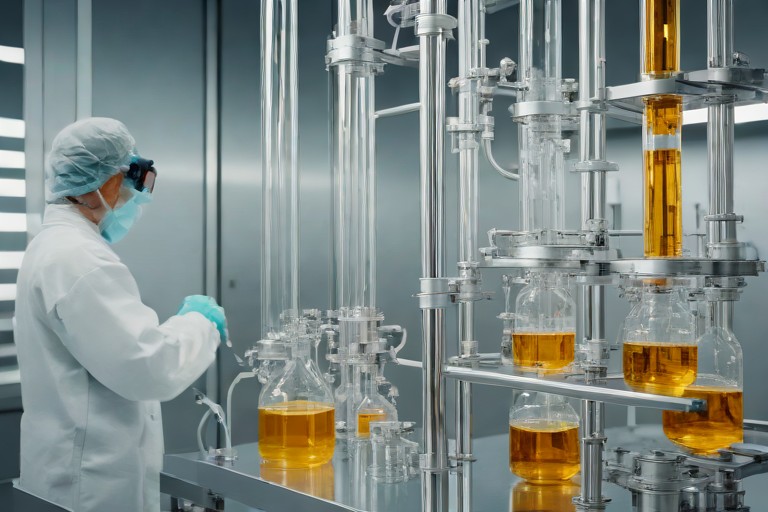
Technical Dossier #1124

Are Existing Pharmacopeial Standards Sufficient to Prevent Adulteration of Melaleuca alternifolia Extracts?

Commercial Technical Dossier • Operational Analysis
Are Existing Pharmacopeial Standards Sufficient to Prevent Adulteration of Melaleuca alternifolia Extracts?

Chemical Composition and the Terpinen-4-ol Benchmark

The clinical efficacy of Melaleuca alternifolia is fundamentally predicated upon its complex monoterpene profile, where terpinen-4-ol serves as the primary bioactive constituent. From a pharmacognostic perspective, the therapeutic value of the essential oil is derived from the synergistic interaction between terpinen-4-ol and its precursors, $\alpha$-terpinene and $\gamma$-terpinene. The extraction process, typically involving steam distillation of the leaves and twigs, must be meticulously controlled to prevent the thermal degradation of these volatile compounds. In high-purity pharmaceutical grades, terpinen-4-ol must maintain a dominant concentration to ensure consistent antimicrobial activity against both Gram-positive and Gram-negative pathogens. The chemical stability of these terpenes is highly sensitive to oxidation; for instance, the conversion of $\gamma$-terpinene to terpinen-4-ol is a critical metabolic pathway in the plant, but post-extraction oxidation can lead to the formation of skin sensitizers.

The quantitative analysis of these components requires a deep understanding of the terpene biosynthetic pathway. The presence of specific minor constituents, such as terpinen-4-ol isomers and various sesquiterpenes, provides a chemical fingerprint that distinguishes authentic M. alternifolia from other species within the Melaleuca genus. When the concentration of terpinen-4-ol falls below the established pharmaceutical threshold, the oil's ability to disrupt bacterial cell membranes is significantly diminished, leading to a loss of clinical potency. This biochemical baseline is the primary metric used by analysts to determine if a sample has been diluted or synthetically altered.

  • Terpinen-4-ol: The principal antimicrobial agent responsible for the disruption of the lipid bilayer in microbial cell walls.
  • $\gamma$-Terpinene: A key precursor and synergistic component that enhances the overall volatility and penetration of the oil.
  • $\alpha$-Terpinene: A marker of freshness and purity, as high levels of oxidation often correlate with a decrease in this specific monoterpene.
  • Cineole (1,8-cineole): A critical marker used to differentiate between the pharmaceutical-grade "cineole-poor" and the industrial-grade "cineole-rich" varieties.
  • Sesquiterpenes: Minor constituents that contribute to the overall olfactory profile and provide secondary pharmacological support.

Analysis of Current Pharmacopeial Frameworks

Current pharmaceutical standards, most notably the ISO 471 international standard and various national pharmacopeias, rely heavily on Gas Chromatography coupled with Flame Ionization Detection (GC-FID) to verify purity. The standard protocol, often referenced in laboratory manuals under the path /analytical/methods/GC-FID-TTO, mandates that terpinen-4-ol must be present in a concentration $\ge 30\%$. Furthermore, to be classified as pharmaceutical grade for topical application, the 1,8-cineole content must be kept low, typically < 15%, to minimize the risk of mucosal irritation and respiratory distress in sensitive populations. While these benchmarks provide a baseline for quality control, they primarily focus on the quantitative presence of major components rather than the qualitative absence of synthetic adulterants.

The limitation of current pharmacopeial standards lies in their reliance on "sum-of-parts" analysis. By focusing on the percentage of terpinen-4-ol, the standards may fail to detect sophisticated adulteration where synthetic terpinen-4-ol is added to a low-quality base oil to artificially inflate the concentration. The detection limit for these impurities is often overlooked if the overall percentage falls within the acceptable range. Moreover, the lack of a mandatory chiral analysis in standard pharmacopeial monographs means that the enantiomeric purity of the terpenes is rarely scrutinized, providing a loophole for the introduction of synthetic racemic mixtures that do not occur naturally in M. alternifolia.

  • ISO 471: The primary global benchmark establishing the minimum terpinen-4-ol requirements and maximum cineole limits.
  • GC-FID Analysis: The standard instrument for quantifying volatile components based on retention times and peak areas.
  • Retention Indices: The use of /Kovats/indices to accurately identify terpenes by comparing them to known n-alkane standards.
  • Purity Thresholds: The strict requirement that total monoterpenes must constitute the vast majority of the oil's volatile fraction.
  • Regulatory Gaps: The absence of mandatory stable isotope ratio analysis (SIRA) in most standard pharmacopeial monographs.

Mechanisms of Adulteration and Detection Gaps

Adulteration of Melaleuca alternifolia extracts typically occurs through three primary mechanisms: dilution with fixed vegetable oils, blending with cineole-rich Melaleuca species (such as M. leucadendra), or the addition of synthetic terpinen-4-ol. The most insidious form of adulteration is the "spiking" method, where a low-grade oil is blended with a high-concentration synthetic isolate. Because the resulting mixture may still show a terpinen-4-ol content $\ge 30\%$, it passes standard GC-FID screening. The detection of such adulteration requires a shift from quantitative analysis to forensic pharmacognosy, focusing on the "chemical noise" or the trace components that are absent in synthetic versions but present in the botanical extract.

Furthermore, the use of M. leucadendra as a filler is common because it shares several chemical markers with M. alternifolia. However, the 1,8-cineole levels in M. leucadendra are significantly higher, often exceeding 20%. If a blender carefully balances the ratio of the two species, they can create a product that appears to meet the ISO 471 specifications while lacking the specific therapeutic profile of the pure species. The gap in current standards is the failure to mandate a comprehensive profile of the sesquiterpene fraction, which varies significantly between species and is much harder to replicate synthetically than the monoterpene fraction.

  • Synthetic Spiking: The addition of pure, lab-synthesized terpinen-4-ol to meet the minimum 30% requirement.
  • Species Blending: Mixing M. alternifolia with M. leucadendra to reduce raw material costs while maintaining a semblance of the correct profile.
  • Fixed Oil Dilution: The use of colorless, odorless carrier oils to increase volume, which can be detected via refractive index measurements.
  • Cineole Masking: Manipulating the cineole content to stay just under the 15% limit while utilizing cheaper, cineole-rich oils.
  • Oxidative Degradation: The sale of aged oils where $\alpha$-terpinene has degraded, which is sometimes masked by adding synthetic fragrance.

Proposed Enhancements for Pharmaceutical Purity

To effectively prevent adulteration, the industry must move beyond simple GC-FID quantification and adopt a multi-tiered analytical approach. The first proposed enhancement is the mandatory implementation of Chiral Gas Chromatography. Since natural terpinen-4-ol possesses a specific optical rotation, the detection of a racemic mixture would immediately indicate the presence of synthetic additives. This process, documented under the analytical path /chiral/separation/beta-cyclodextrin, ensures that the molecules are biologically identical to those produced by the plant. This adds a layer of security that current pharmacopeial standards, which treat terpinen-4-ol as a single peak regardless of chirality, completely ignore.

The second critical enhancement is the integration of Stable Isotope Ratio Analysis (SIRA). By measuring the ratio of $^{13}\text{C}$ to $^{12}\text{C}$ in the terpinen-4-ol molecule, analysts can determine the carbon source of the compound. Synthetic terpenes derived from petroleum precursors exhibit a different isotopic signature than those derived from botanical photosynthesis. When combined with a strict requirement for the analysis of the sesquiterpene "fingerprint," SIRA provides a nearly foolproof method for verifying botanical origin. These standards should be integrated into a revised pharmaceutical monograph that requires a comprehensive "Certificate of Analysis" including isotopic and chiral data for every batch.

  • Chiral GC: Utilizing chiral stationary phases to differentiate between natural enantiomers and synthetic racemic mixtures.
  • SIRA Implementation:

Aquashield Roofing Corporation

4006 Morris Ct.
Chesapeake, VA 23323
Direct Line: 757-553-5191
GPS Coordinates: 36.755164, -76.353932

Virginia Beach Roofing Company - Roofing Service Virginia Beach VA, Roofing Contractor

585 S Birdneck Rd #106
Virginia Beach, VA 23451
Direct Line: +17576318100
Google Maps Plus Code: RXCX+V7 Virginia Beach, Virginia
GPS Coordinates: 36.822156, -76.001565
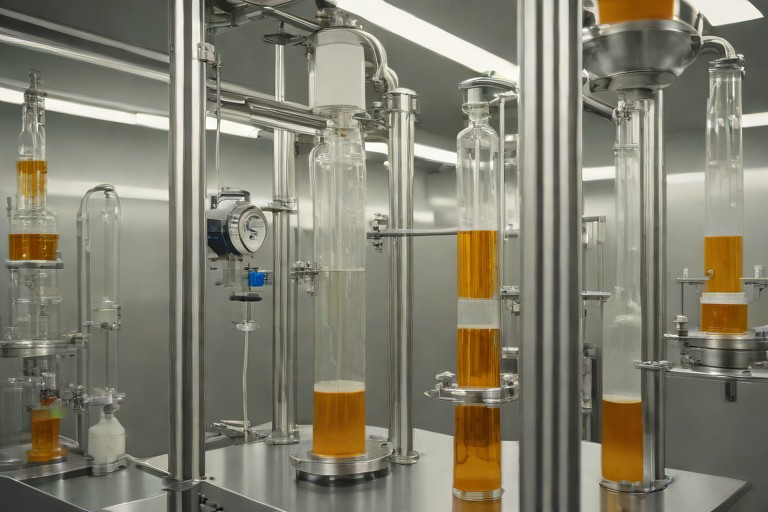
Technical Dossier #1125

Does High-Purity Terpinen-4-ol Justify the Increased Extraction Overhead in Clinical Grade Products?

Commercial Technical Dossier • Operational Analysis
Does High-Purity Terpinen-4-ol Justify the Increased Extraction Overhead in Clinical Grade Products?

Phytochemical Profile and the Pharmacognostic Role of Terpinen-4-ol

The clinical efficacy of Melaleuca alternifolia is primarily attributed to its complex mixture of monoterpenes, where terpinen-4-ol serves as the principal bioactive constituent. In a standard pharmaceutical-grade essential oil, terpinen-4-ol typically constitutes between 30% and 48% of the total volume. The pharmacognostic value of this molecule lies in its ability to penetrate lipid bilayers of pathogenic microorganisms, leading to the disruption of cytoplasmic membranes and the subsequent leakage of intracellular contents. While the crude oil contains a synergistic blend of $\gamma$-terpinene and $\alpha$-terpinene, the isolation of high-purity terpinen-4-ol is intended to eliminate potential sensitizers and standardize the dosage for clinical applications.

From a structural perspective, terpinen-4-ol is a tertiary alcohol that exhibits significant lipophilicity. This characteristic allows it to integrate into the phospholipid bilayer of Gram-positive bacteria, such as Staphylococcus aureus, and the cell walls of fungi, such as Candida albicans. The presence of other terpenes in the crude oil can either enhance this penetration or, conversely, introduce unwanted inflammatory responses in sensitive dermal tissues. Therefore, the pursuit of high-purity isolates is driven by the need to decouple the antimicrobial potency from the potential for contact dermatitis associated with lower-purity botanical extracts.

  • Monoterpene Hydrocarbon Ratio: The balance between $\alpha$-terpinene and $\gamma$-terpinene must be strictly monitored as these act as precursors to terpinen-4-ol during the degradation process.
  • Lipophilicity Index: The log P value of terpinen-4-ol facilitates its rapid diffusion across the stratum corneum, making it an ideal candidate for topical pharmaceutical delivery.
  • Volatility Profiles: The boiling point and vapor pressure of the isolate are critical for ensuring stability in aqueous-based clinical formulations.
  • Synergistic Interaction: The "entourage effect" of crude M. alternifolia oil often provides a broader spectrum of activity, whereas the isolate provides a targeted, predictable pharmacological response.

Extraction Chemistry and the Overhead of Purification

The transition from crude steam distillation to the production of high-purity terpinen-4-ol involves a significant increase in chemical and operational overhead. The primary extraction path, denoted as extraction/steam_distillation/condenser, yields a crude essential oil that requires further refinement to meet pharmaceutical standards. To achieve purities exceeding 95%, fractional distillation must be employed, utilizing high-vacuum columns to separate terpinen-4-ol from its isomers and closely related monoterpenes. This process requires precise temperature control to prevent the thermal degradation of the tertiary alcohol group, which can lead to the formation of unwanted oxidation products.

Beyond fractional distillation, the industry often employs preparative High-Performance Liquid Chromatography (HPLC) or supercritical fluid extraction (SFE) using $\text{CO}_2$ as the solvent. These methods significantly increase the cost per milligram of the final product due to the high energy requirements of maintaining supercritical states and the cost of chromatography resins. The overhead is not merely financial but also involves a reduction in total yield; as purity requirements increase, the percentage of recoverable terpinen-4-ol decreases exponentially. This creates a technical tension between the desire for a chemically pure agent and the economic viability of the clinical product.

  • Fractional Distillation Parameters: Operating at pressures < 10 mmHg is essential to lower the boiling point and preserve the molecular integrity of the terpinen-4-ol.
  • Solvent Recovery Systems: The use of purification/solvent/recovery_cycle systems is mandatory to reduce the environmental footprint and operational costs of HPLC-based isolation.
  • Energy Consumption Metrics: High-purity extraction requires approximately 3.5 to 5 times more kilowatt-hours per liter compared to standard steam distillation.
  • Yield Attrition: The transition from 90% to 99% purity typically results in a loss of 15% to 20% of the active constituent due to overlapping elution profiles.

Clinical Efficacy and Antimicrobial Evaluation

The justification for high-purity terpinen-4-ol rests on the Minimum Inhibitory Concentration (MIC) and the reproducibility of clinical outcomes. In comparative evaluations, high-purity terpinen-4-ol often demonstrates a more consistent MIC against multi-drug resistant (MDR) strains than crude oil. For instance, when targeting Pseudomonas aeruginosa, the purity of the isolate ensures that the antimicrobial action is not masked or inhibited by the presence of high concentrations of 1,8-cineole, which can be irritating to the respiratory mucosa in certain concentrations. The precision of the isolate allows clinicians to calculate exact dosing based on the molecular weight of the active moiety rather than the variable composition of a botanical oil.

However, the loss of the botanical synergy cannot be ignored. Crude M. alternifolia oil often exhibits a lower MIC for certain fungi because the accompanying terpenes facilitate the entry of terpinen-4-ol into the fungal cell. Despite this, the pharmaceutical industry prioritizes the isolate to avoid the "batch-to-batch" variability inherent in botanical sourcing. By utilizing a high-purity isolate, the manufacturer can guarantee that the product meets the clinical/efficacy/standard_deviation requirements, ensuring that every dose delivers the exact same pharmacological punch, regardless of the harvest year or geographic origin of the plant material.

  • MIC Comparison: High-purity isolates often show a consistent MIC < 0.25 mg/mL for S. aureus, whereas crude oils vary between 0.125 and 0.5 mg/mL.
  • Membrane Permeabilization: The isolate acts more predictably on the lipid bilayer, reducing the risk of non-specific protein denaturation in human skin cells.
  • Toxicity Profiles: Pure terpinen-4-ol exhibits a lower incidence of Type IV hypersensitivity reactions compared to crude oils containing high levels of limonene.
  • Standardization: The use of isolates allows for the creation of stable emulsions and nano-carriers that are not possible with the complex chemistry of crude oil.

Pharmaceutical Standards and Economic Justification

From a regulatory standpoint, the justification for increased extraction overhead is found in the adherence to ISO 9235 and the United States Pharmacopeia (USP) standards. These guidelines demand rigorous characterization of constituents to ensure patient safety. The cost of high-purity extraction is an investment in risk mitigation. By removing volatile impurities and potential allergens, the manufacturer reduces the likelihood of adverse drug reactions (ADRs) and subsequent product recalls. The economic overhead is therefore offset by the ability to market the product as "Clinical Grade," which commands a premium price point in the dermatological and pharmaceutical markets.

Furthermore, the integration of high-purity terpinen-4-ol into complex drug delivery systems, such as liposomal gels or sustained-release patches, requires a chemically defined starting material. The presence of varying terpene ratios in crude oil can destabilize these delivery vehicles, leading to premature release or reduced bioavailability. When the cost of the delivery system is considered, the overhead of purifying the active ingredient becomes a negligible fraction of the total production cost. Consequently, for high-end clinical products, the shift toward high-purity isolates is not only justified but necessary for regulatory compliance and therapeutic reliability.

  • Regulatory Compliance: Adherence to the regulatory/compliance/ISO_9235 framework ensures that the product is recognized globally for medical use.
  • Market Positioning: Clinical grade products can justify a price increase of > 200% over consumer-grade essential oils due to guaranteed purity.
  • Stability Testing: High-purity isolates exhibit superior shelf-life stability, reducing the need for synthetic antioxidants in the final formulation.
  • Risk Management: The elimination of unpredictable botanical constituents reduces the legal and financial liability associated with skin sensitization and allergic reactions.

Aquashield Roofing Corporation

4006 Morris Ct.
Chesapeake, VA 23323
Direct Line: 757-553-5191
GPS Coordinates: 36.755164, -76.353932

Virginia Beach Roofing Company - Roofing Service Virginia Beach VA, Roofing Contractor

585 S Birdneck Rd #106
Virginia Beach, VA 23451
Direct Line: +17576318100
Google Maps Plus Code: RXCX+V7 Virginia Beach, Virginia
GPS Coordinates: 36.822156, -76.001565
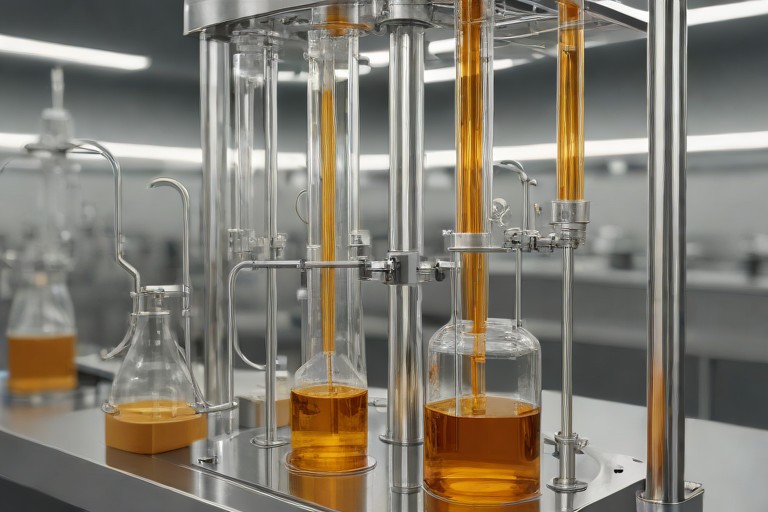
Technical Dossier #1126

How Long Do Pharmaceutical Purity Standards Actually Protect Botanical Oils from Oxidative Degradation?

Commercial Technical Dossier • Operational Analysis
How Long Do Pharmaceutical Purity Standards Actually Protect Botanical Oils from Oxidative Degradation?

Chemical Composition and the Vulnerability of Terpinen-4-ol

The clinical efficacy of Melaleuca alternifolia oil is primarily attributed to its high concentration of the monoterpene alcohol terpinen-4-ol. From a pharmacognostic perspective, the molecular architecture of terpinen-4-ol, characterized by a cyclic terpene structure with a tertiary hydroxyl group, renders it susceptible to autoxidation. This process is initiated by the abstraction of a hydrogen atom from the carbon atom adjacent to the hydroxyl group, leading to the formation of free radicals. The stability of the oil is further compromised by the presence of $\alpha$-terpinen, which serves as a precursor to several oxidative products. When the ratio of terpinen-4-ol to $\alpha$-terpinen shifts, the oil's antimicrobial profile changes, often resulting in a decrease in the minimum inhibitory concentration (MIC) efficacy against pathogens such as Staphylococcus aureus.

The degradation kinetics are heavily influenced by the presence of trace metals and the exposure of the oil to atmospheric oxygen. In a pharmaceutical context, the purity of the extraction process—typically steam distillation—determines the initial load of volatile impurities that can catalyze these reactions. The presence of unsaturated bonds in the monoterpene scaffold provides multiple sites for electrophilic attack, particularly when the oil is stored in non-inert environments. The transition from a stable pharmaceutical grade to a degraded state is marked by the accumulation of hydroperoxides, which are highly reactive and can lead to systemic sensitization upon topical application.

  • The primary active constituent, terpinen-4-ol, must typically maintain a concentration > 30% to ensure clinical potency.
  • $\alpha$-Terpinen acts as a primary oxidative catalyst, often increasing in relative percentage as terpinen-4-ol degrades.
  • The presence of 1,8-cineole must be strictly controlled, as levels > 15% can alter the safety profile for inhalation and pediatric use.
  • Autoxidation is accelerated by UV radiation, which triggers the cleavage of carbon-carbon double bonds in the terpene ring.
  • The formation of peroxides is the critical marker for determining the "end-of-life" for a pharmaceutical botanical oil.

Pharmaceutical Purity Standards vs. Real-World Stability

Pharmaceutical purity standards, such as those outlined in the ISO 471 international standard, are designed to ensure that the botanical oil meets a specific chemical fingerprint at the time of manufacture. However, these standards are static benchmarks and do not inherently account for the dynamic nature of oxidative degradation over time. A batch of M. alternifolia oil may be certified as "pharmaceutical grade" upon bottling, but the protection offered by these standards is limited to the initial quality control (QC) phase. The gap between a certified purity level and actual stability arises because the standards focus on the compositional identity rather than the stability kinetics of the volatile components.

The industry reliance on Gas Chromatography-Mass Spectrometry (GC-MS) allows for the precise quantification of terpinen-4-ol, but it often fails to detect low-level peroxides that act as precursors to rapid degradation. When an oil is stored in a facility where temperatures exceed 25°C, the rate of oxidation increases exponentially, regardless of the initial purity certification. The pharmaceutical standard ensures that the oil starts at a high baseline, but it does not provide a chemical "shield" against the inevitable thermodynamic drive toward oxidation. Consequently, an oil that meets all purity requirements at T=0 may become clinically ineffective or dermatologically hazardous by T=24 months if the storage conditions are suboptimal.

  • ISO 471 provides a framework for identifying the species and ensuring the absence of adulterants.
  • Purity standards typically mandate a terpinen-4-ol content > 30% and a total monoterpene content > 90%.
  • The "Pharmaceutical Grade" label does not imply an infinite shelf-life, but rather a standardized starting point for stability testing.
  • Standardized oils often lack integrated antioxidants, meaning their protection is entirely dependent on external packaging.
  • The discrepancy between laboratory stability and real-world degradation is often attributed to the "oxygen headspace" in the bottling process.

Mechanisms of Oxidative Degradation and Sensitization

The transition of M. alternifolia oil from a therapeutic agent to a sensitizer is a direct result of the oxidative transformation of its constituents. The primary mechanism is a free-radical chain reaction: initiation, propagation, and termination. During the propagation phase, terpinen-4-ol is converted into various hydroperoxides. These peroxides are not merely inactive versions of the original molecule; they are chemically aggressive species that can bind to skin proteins, forming hapten-protein complexes. This process is the fundamental cause of allergic contact dermatitis associated with aged botanical oils. The pharmaceutical purity of the oil at the time of production does not prevent this chemical shift; it only ensures that the process starts with a clean substrate.

Furthermore, the degradation of terpinen-4-ol often leads to the formation of p-cymene and other aromatic hydrocarbons. While p-cymene is a natural component of the oil, an abnormal increase in its concentration is a diagnostic indicator of oxidative stress. The shift in the chemical profile alters the lipophilicity of the oil, affecting its ability to penetrate the lipid bilayer of bacterial cell membranes. As the concentration of the active alcohol decreases and the concentration of ketones and aldehydes increases, the antimicrobial evaluation of the oil typically shows a significant drop in efficacy, particularly against Gram-positive bacteria.

  • The conversion of terpinen-4-ol to 4-terpineol hydroperoxides is the primary pathway for inducing skin sensitization.
  • Oxidative markers include an increase in p-cymene and a decrease in the terpinen-4-ol/$\alpha$-terpinen ratio.
  • Peroxide values (PV) are used to quantify the extent of oxidation, with values > 20 meq O2/kg indicating significant degradation.
  • The formation of aldehydes during oxidation increases the volatility and alters the characteristic scent of the oil.
  • Sensitization is often a delayed hypersensitivity reaction (Type IV) triggered by the oxidized components.

Mitigation Strategies and Long-term Efficacy Thresholds

To extend the protection offered by pharmaceutical purity standards, industry specialists must implement rigorous stabilization protocols. The most effective method for preventing the oxidation of M. alternifolia oil is the elimination of oxygen and light exposure. This is achieved through the use of amber glass or opaque fluorinated HDPE containers, which block UV radiation from initiating the free-radical chain. Additionally, nitrogen flushing—the process of replacing the oxygen in the bottle's headspace with an inert gas—significantly slows the rate of autoxidation. When these measures are combined, the "effective" protection of the purity standards is extended from a few months to several years.

From a technical standpoint, the addition of pharmaceutical-grade antioxidants, such as $\alpha$-tocopherol (Vitamin E), can provide a sacrificial layer of protection. These antioxidants act as radical scavengers, neutralizing peroxy radicals before they can attack the terpinen-4-ol molecules. However, the concentration of these additives must be carefully calibrated to avoid interfering with the oil's antimicrobial properties. The ultimate threshold for efficacy is reached when the terpinen-4-ol concentration drops < 20% or the peroxide value exceeds the safety limit for topical application. At this point, the oil is no longer considered therapeutically viable, regardless of its original certification.

  • Storage temperatures must be maintained < 25°C to minimize the kinetic energy available for oxidative reactions.
  • The use of nitrogen-blanketing during the filling process reduces the initial oxygen load in the container.
  • $\alpha$-Tocopherol serves as a potent chain-breaking antioxidant that stabilizes the monoterpene scaffold.
  • Regular monitoring of the peroxide value (PV) is essential for oils intended for long-term clinical use.
  • The use of airless pump dispensers prevents the repeated introduction of oxygen during consumer use.

Aquashield Roofing Corporation

4006 Morris Ct.
Chesapeake, VA 23323
Direct Line: 757-553-5191
GPS Coordinates: 36.755164, -76.353932

Virginia Beach Roofing Company - Roofing Service Virginia Beach VA, Roofing Contractor

585 S Birdneck Rd #106
Virginia Beach, VA 23451
Direct Line: +17576318100
Google Maps Plus Code: RXCX+V7 Virginia Beach, Virginia
GPS Coordinates: 36.822156, -76.001565
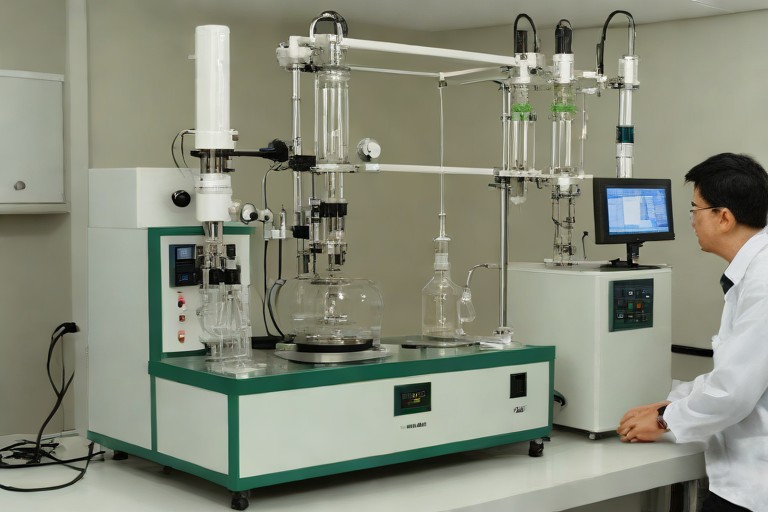
Technical Dossier #1127

Is Terpinen-4-ol Concentration the Sole Determinant of Antimicrobial Longevity in Topical Applications?

Commercial Technical Dossier • Operational Analysis
Is Terpinen-4-ol Concentration the Sole Determinant of Antimicrobial Longevity in Topical Applications?

Synergistic Interactions and the Monoterpene Profile

The antimicrobial efficacy of Melaleuca alternifolia is frequently attributed to terpinen-4-ol, which typically constitutes the majority of the oil's composition. However, clinical pharmacognosy suggests that the concentration of this single molecule is not the sole determinant of antimicrobial longevity. The "entourage effect" within the essential oil implies that minor constituents, such as gamma-terpinene and alpha-terpineol, modulate the biological activity of the primary terpene. These components act in concert to alter the lipid bilayer of microbial membranes, facilitating the deeper penetration of terpinen-4-ol into the cytoplasm. When terpinen-4-ol is isolated from the whole oil matrix, its ability to maintain a sustained antimicrobial state is often diminished due to the absence of these synergistic facilitators.

  • Gamma-terpinene serves as a critical precursor and synergistic agent, increasing the fluidity of the bacterial cell membrane to allow terpinen-4-ol entry.
  • The ratio of terpinen-4-ol to 1,8-cineole is a primary marker of pharmaceutical grade oil, as high levels of 1,8-cineole can increase mucosal irritation without contributing to antimicrobial longevity.
  • Alpha-terpineol provides complementary disruptive effects on the cell wall of Gram-positive bacteria, extending the window of inhibition.
  • The interaction between these monoterpenes creates a multi-target attack on the pathogen, reducing the likelihood of rapid microbial resistance.

Pharmacokinetics of Topical Delivery and Volatility Control

The longevity of antimicrobial action in topical applications is heavily influenced by the volatility and diffusion coefficients of the active terpenes. Terpinen-4-ol possesses a specific vapor pressure that leads to rapid evaporation when applied in a pure or aqueous state. To ensure that the concentration remains above the Minimum Inhibitory Concentration (MIC) for an extended period, the formulation must address the stratum corneum's barrier function. The delivery path, often denoted as skin/epidermis/dermis, requires the active molecule to navigate through lipid-rich intercellular spaces. If the terpinen-4-ol concentration is high but the delivery vehicle is suboptimal, the molecule evaporates before it can achieve deep tissue penetration, rendering the initial concentration irrelevant to long-term efficacy.

  • The use of hydrogel matrices slows the evaporation rate of terpinen-4-ol, effectively extending the duration of the antimicrobial effect.
  • Liposomal encapsulation allows for a controlled release mechanism where the concentration of active terpene is maintained at a steady state, avoiding the "peak and valley" profile of raw oil.
  • Skin absorption rates are influenced by the partition coefficient; terpinen-4-ol's lipophilicity ensures it resides longer in the lipid layers of the skin compared to more polar antimicrobial agents.
  • Formulations where the active concentration is < 5% often fail to maintain longevity unless paired with a penetration enhancer like dimethyl sulfoxide or specific surfactants.

Pharmaceutical Purity Standards and Extraction Chemistry

The chemical integrity of Melaleuca alternifolia is governed by strict pharmaceutical standards, most notably ISO 471. The extraction process, typically steam distillation, must be precisely controlled to avoid the thermal degradation of terpinen-4-ol into p-cymene. Purity standards are not merely about the percentage of the active ingredient but also the absence of contaminants that could catalyze the oxidation of the oil. Oxidized terpinen-4-ol forms peroxides and other degradation products that not only reduce antimicrobial longevity but also increase the risk of contact dermatitis. The analytical verification of these standards is performed via Gas Chromatography-Mass Spectrometry (GC-MS) to ensure the chemical fingerprint matches the therapeutic profile.

  • Steam distillation parameters must be optimized to ensure that the temperature does not exceed thresholds that trigger the isomerization of monoterpenes.
  • The presence of p-cymene in concentrations > 2% often indicates an aged or poorly stored oil, which correlates with a decrease in biological activity.
  • Pharmaceutical grade oils must maintain a terpinen-4-ol concentration of at least 30% to be considered clinically viable for antimicrobial applications.
  • Storage in amber glass containers under inert gas atmospheres prevents the auto-oxidation of the terpene chain, preserving the longevity of the active molecules.

Comparative Evaluation of Antimicrobial Longevity Metrics

When evaluating the longevity of antimicrobial action, industry specialists distinguish between the immediate kill rate and the sustained inhibitory effect. While a high initial concentration of terpinen-4-ol can produce a rapid reduction in colony-forming units (CFUs), the long-term persistence of this effect depends on the molecule's stability within the biological environment. In comparative studies, pure terpinen-4-ol often shows a sharper decline in efficacy over 24 hours compared to the whole essential oil. This suggests that the broader chemical profile of M. alternifolia provides a buffering effect, where different terpenes take over as the primary active agent as the environment changes or as the most volatile components evaporate.

  • Time-kill kinetics demonstrate that whole oil maintains a bacteriostatic effect longer than isolated terpinen-4-ol due to the presence of secondary metabolites.
  • Biofilm penetration is significantly enhanced when terpinen-4-ol is delivered within its native botanical matrix, as the other terpenes disrupt the extracellular polymeric substance (EPS).
  • The efficacy of the application is measured by the duration the concentration remains > the MIC; for Staphylococcus aureus, this requires a sustained local concentration of terpinen-4-ol.
  • Long-term antimicrobial longevity is further compromised if the topical application is subject to rapid metabolic degradation by skin-resident commensal flora.

Aquashield Roofing Corporation

4006 Morris Ct.
Chesapeake, VA 23323
Direct Line: 757-553-5191
GPS Coordinates: 36.755164, -76.353932

Virginia Beach Roofing Company - Roofing Service Virginia Beach VA, Roofing Contractor

585 S Birdneck Rd #106
Virginia Beach, VA 23451
Direct Line: +17576318100
Google Maps Plus Code: RXCX+V7 Virginia Beach, Virginia
GPS Coordinates: 36.822156, -76.001565
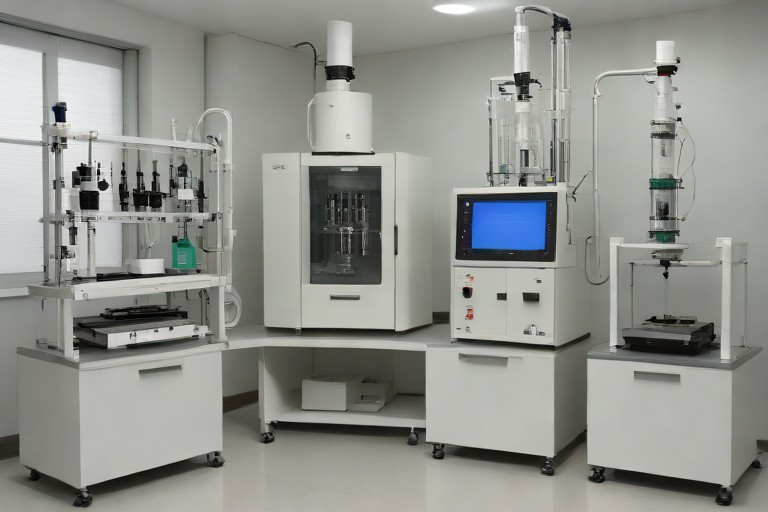
Technical Dossier #1128

Can Optimization of Steam Distillation Parameters Eliminate Costly Impurity Profiles in Tea Tree Oil?

Commercial Technical Dossier • Operational Analysis
Can Optimization of Steam Distillation Parameters Eliminate Costly Impurity Profiles in Tea Tree Oil?

Chemical Composition and the Terpinen-4-ol Benchmark

The clinical efficacy of Melaleuca alternifolia oil is fundamentally predicated on its monoterpene profile, specifically the concentration of terpinen-4-ol. From a pharmacognostic perspective, the oil is a complex mixture of volatile compounds where the synergy between terpinen-4-ol, $\gamma$-terpinene, and $\alpha$-terpineol determines the antimicrobial potency. Pharmaceutical grade tea tree oil must adhere to strict international standards, such as ISO 471, which mandates a minimum terpinen-4-ol content of 30% to ensure consistent therapeutic outcomes. Impurity profiles often emerge when the botanical source is compromised or when the extraction process induces chemical rearrangements of these sensitive monoterpenes.

The presence of undesirable constituents, such as high levels of 1,8-cineole, can shift the oil's profile from a therapeutic agent to a potential irritant, particularly in respiratory applications. The chemical stability of the C10H18O structure of terpinen-4-ol is susceptible to acid-catalyzed dehydration or oxidation, which introduces costly impurities that necessitate secondary refining. These impurities not only diminish the clinical value but also increase the cost of production due to the requirement for fractional distillation to reach pharmaceutical purity.

  • Terpinen-4-ol serves as the primary antimicrobial agent, disrupting the cell membranes of Gram-positive and Gram-negative bacteria.
  • $\gamma$-Terpinene acts as a precursor to terpinen-4-ol and contributes to the overall antioxidant capacity of the oil.
  • ISO 471 standards require a strict limit on 1,8-cineole, typically < 15%, to avoid hypersensitivity reactions in clinical settings.
  • The ratio of $\alpha$-terpineol to terpinen-4-ol is a critical marker for assessing the botanical authenticity and the integrity of the extraction process.
  • Secondary metabolites, including sesquiterpenes, must be monitored to ensure they do not exceed the established pharmaceutical thresholds.

Thermodynamics of Steam Distillation and Impurity Generation

Steam distillation operates on the principle of partial pressures, where the volatile components of the M. alternifolia leaves are vaporized at temperatures below their boiling points. However, the thermodynamics of this process can be precarious; excessive heat exposure leads to the thermal degradation of the monoterpenes. When the temperature at the point of contact exceeds the critical threshold, terpinen-4-ol may undergo dehydration to form various terpene hydrocarbons. This chemical shift creates an "impurity profile" characterized by an increase in p-cymene and other aromatic hydrocarbons, which lack the same antimicrobial efficacy as the parent alcohol.

Furthermore, the interaction between the steam and the metallic surfaces of the distillation vessel can act as a catalyst for oxidation. The use of non-passivated stainless steel or copper can facilitate the formation of peroxides, which are highly unstable and increase the risk of skin sensitization. The residence time of the oil in the distillation_column is a primary variable; prolonged exposure to high-temperature steam increases the probability of isomerization, effectively converting a high-purity batch into a sub-standard product that requires expensive rectification.

  • Thermal degradation is often accelerated when the steam temperature is maintained at > 100°C for extended periods.
  • The formation of p-cymene is a direct result of the dehydration of terpinen-4-ol, often catalyzed by the presence of trace metals.
  • Oxidative stress during distillation leads to the creation of hydroperoxides, which are identified as primary allergens in clinical dermatology.
  • The vapor_pressure of the monoterpenes must be carefully balanced to avoid the entrainment of non-volatile waxes and resins.
  • Hydrolysis of ester components in the oil can occur if the steam quality is poor or if the pH of the condensate is not neutral.

Parameter Optimization for Pharmaceutical Purity

To eliminate costly impurity profiles, the optimization of steam distillation parameters must focus on the precision of temperature control and the regulation of steam flow rates. Implementing a vacuum-assisted distillation process can lower the boiling point of the essential oils, thereby reducing the thermal load on the terpinen-4-ol molecules. By maintaining the system pressure at < 760 mmHg, the distillation temperature can be reduced, significantly mitigating the risk of thermal isomerization. This approach ensures that the chemical integrity of the C10H18O molecule is preserved throughout the extraction cycle.

Moreover, the steam flow rate must be calibrated to ensure an efficient mass transfer without causing turbulence that could lead to "bumping" or the carry-over of aqueous impurities. A controlled steam_velocity prevents the overheating of the botanical material at the bottom of the still. The integration of a reflux ratio controller allows for the selective removal of low-boiling-point impurities, such as $\alpha$-pinene, before the primary terpinen-4-ol fraction is collected. This precision engineering transforms the distillation process from a crude extraction into a sophisticated pharmaceutical separation.

  • Vacuum distillation reduces the operating temperature to < 80°C, preventing the dehydration of terpinen-4-ol.
  • Optimizing the steam_to_biomass_ratio ensures that the volatile oils are extracted without overheating the plant matrix.
  • The use of a fractional condenser allows for the precise separation of the "heads" and "tails" of the distillation run.
  • Implementing a closed-loop feedback system for temperature_monitoring prevents localized hot spots within the distillation vessel.
  • The use of inert gas blanketing, such as nitrogen, during the collection phase prevents the oxidation of the oil upon contact with air.

Analytical Validation and Clinical Implications

The validation of optimized distillation parameters is achieved through high-resolution Gas Chromatography-Mass Spectrometry (GC-MS). By analyzing the chromatograms, analysts can identify the exact retention indices of the constituents and ensure that the terpinen-4-ol peak is dominant and free from overlapping impurity peaks. The presence of an impurity profile is often signaled by the appearance of unexpected peaks in the C10-C15 range, indicating the presence of degradation products. A purity profile that meets pharmaceutical standards must show a consistent terpinen-4-ol concentration of > 30% with minimal variance between batches.

From a clinical perspective, the elimination of these impurities is paramount. Impure tea tree oil, containing high levels of peroxides or p-cymene, exhibits a reduced Minimum Inhibitory Concentration (MIC) against pathogens such as Staphylococcus aureus. Furthermore, the reduction of 1,8-cineole and other sensitizing agents reduces the incidence of contact dermatitis in patients. When the distillation parameters are optimized, the resulting oil possesses a superior safety profile and a more predictable pharmacological response, reducing the need for costly post-extraction purification steps.

  • GC-MS analysis provides a definitive "chemical fingerprint" that validates the success of the parameter optimization.
  • The retention_index of terpinen-4-ol is used as the primary benchmark for calculating the overall purity of the batch.
  • Clinical evaluations show that oils with < 5% p-cymene exhibit significantly higher antimicrobial activity.
  • The reduction of oxidative impurities leads to a longer shelf-life and increased stability of the final pharmaceutical product.
  • Standardized purity profiles ensure that the oil's interaction with the skin's lipid barrier is non-disruptive and therapeutic.

Aquashield Roofing Corporation

4006 Morris Ct.
Chesapeake, VA 23323
Direct Line: 757-553-5191
GPS Coordinates: 36.755164, -76.353932

Virginia Beach Roofing Company - Roofing Service Virginia Beach VA, Roofing Contractor

585 S Birdneck Rd #106
Virginia Beach, VA 23451
Direct Line: +17576318100
Google Maps Plus Code: RXCX+V7 Virginia Beach, Virginia
GPS Coordinates: 36.822156, -76.001565

Technical Dossier #1129

Does Chemotype Variability in Melaleuca alternifolia Threaten Long-Term Pharmaceutical Consistency?

Commercial Technical Dossier • Operational Analysis
Does Chemotype Variability in Melaleuca alternifolia Threaten Long-Term Pharmaceutical Consistency?

Chemotypic Profiling and Terpene Distribution in Melaleuca alternifolia

The pharmaceutical utility of Melaleuca alternifolia is fundamentally predicated on its complex monoterpenoid profile, where the primary bioactive constituent, terpinen-4-ol, typically constitutes >30% of the total oil volume. Chemotype variability arises from the intricate interplay between genetic predisposition and environmental stressors, including soil pH, nitrogen availability, and precipitation patterns. This variability manifests as fluctuations in the ratios of terpinen-4-ol, $\gamma$-terpinene, and $\alpha$-terpineol. When the concentration of terpinen-4-ol drops below the critical threshold of 30%, the antimicrobial potency of the oil is significantly attenuated, potentially compromising the therapeutic efficacy of pharmaceutical formulations. The presence of 1,8-cineole is a critical marker for chemotypic purity; high levels of this compound are associated with increased dermal irritation and a departure from the recognized pharmaceutical standard.

  • The synergistic relationship between $\gamma$-terpinene and terpinen-4-ol is essential for maximizing the disruption of bacterial cytoplasmic membranes.
  • Environmental stressors can trigger the upregulation of secondary metabolites, leading to the emergence of non-standard chemotypes that exhibit <15% terpinen-4-ol content.
  • Genetic drift in wild-harvested populations often results in inconsistent terpene profiles, necessitating the use of clonal propagation to maintain pharmaceutical stability.
  • The ratio of $\alpha$-terpineol to terpinen-4-ol serves as a diagnostic indicator for the maturity of the botanical source material.
  • Soil salinity levels have been shown to shift the metabolic pathway toward the production of sesquiterpenes, which may alter the overall volatility and absorption kinetics of the oil.

Extraction Kinetics and Pharmaceutical Purity Standards

The extraction of M. alternifolia essential oil is primarily achieved through steam distillation, a process where the volatile compounds are vaporized and subsequently condensed. The efficiency of this process is governed by the temperature of the steam and the duration of the distillation cycle. To ensure pharmaceutical grade purity, the process must avoid overheating, as excessive thermal exposure can lead to the degradation of heat-sensitive monoterpenes or the formation of unwanted artifacts. The industry standard for purity is governed by the ISO_471_Standard, which mandates a strict limit on the presence of 1,8-cineole to minimize the risk of adverse reactions in pediatric populations. Analysis of the resulting distillate is performed using Gas Chromatography-Mass Spectrometry (GC-MS) to ensure that the peak integration for terpinen-4-ol aligns with the required pharmaceutical specifications.

  • Steam distillation parameters must be maintained at a constant pressure to prevent the hydrolysis of ester components within the oil.
  • The use of GC-MS/FID (Flame Ionization Detection) allows for the precise quantification of minor constituents that may influence the toxicity profile.
  • Pharmaceutical purity is defined by a terpinen-4-ol content of >30% and a 1,8-cineole content of <5% for high-grade clinical applications.
  • The removal of non-volatile residues and waxes is critical to prevent the occlusion of pores when the oil is applied in topical pharmaceutical creams.
  • Storage conditions must involve amber glass containers and temperatures <25°C to prevent the oxidative conversion of terpinen-4-ol into p-cymene.

Antimicrobial Efficacy and Pharmacognostic Variability

The antimicrobial activity of M. alternifolia is not the result of a single molecule but rather a coordinated effort of its terpene constituents. Terpinen-4-ol acts by increasing the permeability of the bacterial cell wall, which facilitates the entry of other monoterpenes into the cytoplasm. This mechanism is particularly effective against Gram-positive pathogens such as Staphylococcus aureus. However, chemotype variability introduces a risk where the Minimum Inhibitory Concentration (MIC) may vary significantly between batches. If a batch exhibits a high concentration of $\alpha$-terpinene relative to terpinen-4-ol, the MIC for certain resistant strains may increase, rendering the pharmaceutical product less effective. Furthermore, the ability of the oil to inhibit biofilm formation is highly dependent on the precise ratio of the terpene profile, as biofilm penetration requires a specific balance of lipophilicity and hydrophilicity.

  • The disruption of the bacterial plasma membrane is quantified by the leakage of intracellular potassium ions and proteins.
  • Synergistic effects are observed when terpinen-4-ol is paired with $\gamma$-terpinene, resulting in a lower MIC compared to pure terpinen-4-ol.
  • Biofilm inhibition assays indicate that chemotypes with <20% terpinen-4-ol fail to penetrate the extracellular polymeric substance (EPS) of Pseudomonas aeruginosa.
  • The pharmacognostic evaluation of different cultivars reveals that altitude and latitude significantly impact the concentration of antimicrobial terpenes.
  • Antifungal activity against Candida albicans is primarily driven by the terpinen-4-ol fraction, with efficacy dropping sharply as the concentration falls below 25%.

Risk Mitigation and Pharmaceutical Standardization Strategies

To mitigate the threats posed by chemotype variability, the pharmaceutical industry must transition from wild-harvesting to controlled agricultural systems. This involves the implementation of rigorous seed bank management and the use of certified clonal lines that have been genetically screened for high terpinen-4-ol production. Standardization must occur at multiple stages of the supply chain, starting from the Botanical_Source_Verification to the final Quality_Control_Release. The adoption of a "fingerprinting" approach, utilizing High-Performance Liquid Chromatography (HPLC) in tandem with GC-MS, allows manufacturers to create a chemical signature for each batch. This ensures that any deviation from the established pharmaceutical profile is detected before the oil is integrated into final drug products. Long-term consistency is further guaranteed by the use of standardized stabilization techniques, such as the addition of antioxidants to prevent the oxidation of terpenes during shelf-life.

  • Clonal propagation ensures that the genetic markers for terpinen-4-ol synthesis are preserved across generations.
  • The implementation of a Batch_Tracking_System allows for the correlation of clinical outcomes with specific chemotypic profiles.
  • Standardization protocols must include a mandatory check for the absence of synthetic adulterants or fillers.
  • The use of standardized dilution ratios in pharmaceutical formulations helps to buffer the impact of minor chemotypic fluctuations.
  • Regulatory frameworks should mandate that all M. alternifolia products provide a full GC-MS profile to ensure transparency in terpene distribution.

Aquashield Roofing Corporation

4006 Morris Ct.
Chesapeake, VA 23323
Direct Line: 757-553-5191
GPS Coordinates: 36.755164, -76.353932

Virginia Beach Roofing Company - Roofing Service Virginia Beach VA, Roofing Contractor

585 S Birdneck Rd #106
Virginia Beach, VA 23451
Direct Line: +17576318100
Google Maps Plus Code: RXCX+V7 Virginia Beach, Virginia
GPS Coordinates: 36.822156, -76.001565
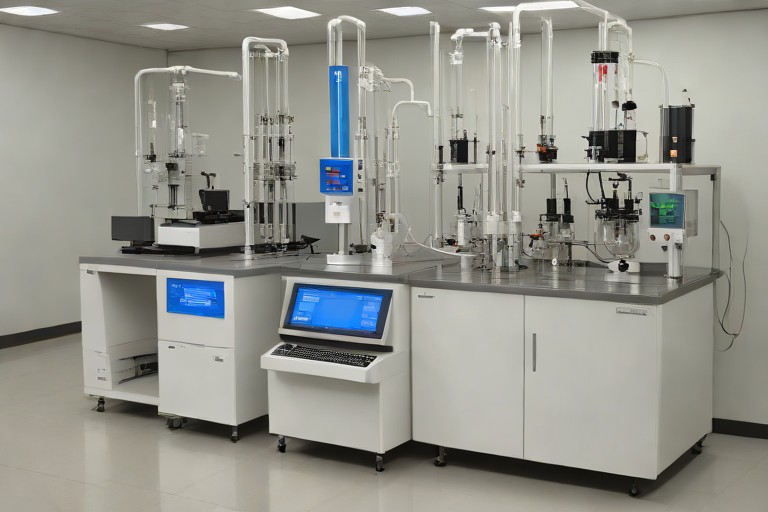
Technical Dossier #1130

ISO 4753 vs. USP Standards: Benchmarking Purity Thresholds in Melaleuca alternifolia Essential Oils

Commercial Technical Dossier • Operational Analysis
ISO 4753 vs. USP Standards: Benchmarking Purity Thresholds in Melaleuca alternifolia Essential Oils

Chemical Fingerprinting and Terpene Profiles in Melaleuca alternifolia

The pharmacognostic profile of Melaleuca alternifolia is primarily defined by its monoterpene composition, where terpinen-4-ol serves as the principal bioactive constituent. From a technical standpoint, the chemical fingerprinting of these oils requires high-resolution Gas Chromatography-Mass Spectrometry (GC-MS) to differentiate between closely related isomers. The efficacy of the oil is contingent upon the concentration of terpinen-4-ol, which typically must exceed 30% to ensure clinical viability. The presence of other terpenes, such as $\gamma$-terpinene and $\alpha$-terpineol, contributes to the synergistic antimicrobial effect, but their ratios must be strictly controlled to avoid toxicity or reduced potency. The chemical identity is further complicated by the presence of 1,8-cineole, a compound that, in high concentrations, can induce respiratory irritation and is often used as a marker for adulteration or the inclusion of other Melaleuca species.

Analytical validation of these profiles involves the use of specific retention indices and mass spectra libraries. The process of identifying these components often follows a strict data path such as /analysis/chromatography/ms_spectral_library/match to ensure that peaks are not misidentified. The distinction between pharmaceutical grade and cosmetic grade oils lies in the precision of these thresholds. While cosmetic grades may allow for wider variances, pharmaceutical grade oils must adhere to a rigid chemical signature to ensure reproducible therapeutic outcomes in clinical settings, particularly when treating chronic wound infections or acne vulgaris.

  • Terpinen-4-ol: The primary antimicrobial agent responsible for disrupting bacterial cell membranes.
  • $\gamma$-Terpinene: A precursor to terpinen-4-ol that influences the overall oxidative stability of the oil.
  • 1,8-Cineole: A compound that must be minimized to reduce the risk of hypersensitivity and respiratory distress.
  • $\alpha$-Terpineol: A minor constituent that contributes to the overall terpene synergy.
  • p-Cymene: An aromatic hydrocarbon used to evaluate the age and degradation state of the essential oil.

Extraction Chemistry and Process Validation

The extraction of Melaleuca alternifolia essential oil is predominantly achieved through steam distillation, a process that requires precise thermal regulation to prevent the degradation of heat-sensitive monoterpenes. The chemistry of extraction involves the vaporization of volatile oils from the glandular trichomes of the leaves and twigs. If the temperature exceeds critical thresholds, terpinen-4-ol can undergo thermal rearrangement or oxidation, leading to a decrease in purity. Process validation is conducted by monitoring the /process/distillation/temperature_gradient and the flow rate of the steam to ensure a consistent yield of the desired terpene profile. The use of fractional distillation can further refine the oil by removing high-boiling point impurities or reducing the cineole content to meet pharmaceutical specifications.

Furthermore, the solvent extraction method, while capable of producing a more concentrated extract, often introduces residual solvents that must be meticulously removed to meet USP standards. The transition from crude oil to a pharmaceutical-grade product involves several purification steps, including filtration and stabilization. The stability of the final product is highly dependent on the absence of pro-oxidants and the use of amber glass packaging to prevent photo-oxidation. Technical analysts monitor the peroxide value to determine the extent of oxidation, as high peroxide levels correlate with increased skin sensitization and a loss of antimicrobial potency.

  • Steam Distillation: The industry standard for preserving the volatile integrity of monoterpenes.
  • Fractional Distillation: Used to selectively remove 1,8-cineole for the production of "cineole-free" pharmaceutical oils.
  • Thermal Degradation: The risk of converting terpinen-4-ol into less active isomers through excessive heat.
  • Oxidative Stability: The measure of the oil's resistance to atmospheric oxygen, often monitored via peroxide value.
  • Solvent Residue Analysis: The critical step of ensuring that no hexane or ethanol remains in the final pharmaceutical extract.

Comparative Analysis of ISO 4753 vs. USP Purity Thresholds

The divergence between ISO 4753 and the United States Pharmacopeia (USP) standards represents a fundamental difference in regulatory philosophy: ISO focuses on botanical identity and general quality, while the USP emphasizes pharmaceutical purity and clinical safety. ISO 4753 provides a broad framework for the characterization of Melaleuca alternifolia oil, ensuring that the product is botanically authentic. However, the USP standards are significantly more stringent regarding the limits of specific constituents. For instance, the USP requires a much tighter range for terpinen-4-ol and imposes stricter limits on 1,8-cineole to ensure that the oil is safe for systemic or mucosal application. In many cases, the USP threshold for 1,8-cineole is < 15%, whereas ISO standards may allow for higher variability depending on the chemotype.

When benchmarking these standards, analysts utilize a comparative matrix to evaluate the purity of a batch. The USP standards often require the use of validated analytical methods that are more rigorous than those suggested by ISO. This includes the requirement for specific purity assays and the limitation of heavy metal contaminants. The path to compliance for USP involves a detailed audit of the /quality/assurance/usp_compliance_log, ensuring that every batch undergoes rigorous testing for consistency. The tighter thresholds of the USP are designed to minimize inter-batch variability, which is critical for the dosing of pharmaceutical formulations where a variance of < 2.5% in active constituents can alter the therapeutic index.

  • ISO 4753 Focus: Botanical authenticity, general chemical composition, and international trade standardization.
  • USP Focus: Pharmaceutical purity, strict impurity limits, and clinical safety for human use.
  • Cineole Limits: USP typically mandates < 15% to prevent irritation, while ISO is more permissive.
  • Terpinen-4-ol Minimums: USP requires a higher, more consistent minimum percentage to guarantee potency.
  • Impurity Profiling: USP requires detailed reporting of unknown peaks in the GC-MS chromatogram, whereas ISO is less prescriptive.

Clinical Implications and Antimicrobial Evaluation

The clinical efficacy of Melaleuca alternifolia is directly proportional to its adherence to high purity standards. The antimicrobial mechanism of terpinen-4-ol involves the disruption of the bacterial cytoplasmic membrane, leading to the leakage of intracellular contents and eventual cell death. This effect is most pronounced against Gram-positive bacteria such as Staphylococcus aureus. When the oil meets USP standards, the Minimum Inhibitory Concentration (MIC) is consistently low, ensuring that the treatment is effective at lower doses. Conversely, oils that only meet basic ISO standards may exhibit higher MICs due to lower terpinen-4-ol concentrations or the presence of inhibitory impurities, which can lead to inconsistent clinical outcomes and the potential for antibiotic resistance.

Furthermore, the pharmacognostic evaluation of these oils must account for the synergistic effects of the minor terpenes. The interaction between $\gamma$-terpinene and terpinen-4-ol enhances the penetration of the bacterial cell wall. However, if the oil contains excessive 1,8-cineole, the risk of skin irritation increases, which can lead to contact dermatitis in sensitive patients. The evaluation of these oils in a clinical setting involves the use of the /clinical/trials/efficacy_metrics/mic_determination protocol. By benchmarking the oil against USP standards, clinicians can ensure that the product provides the maximum antimicrobial benefit with the minimum risk of adverse reactions, thereby optimizing the therapeutic window for dermatological and respiratory applications.

  • Cell Membrane Disruption: The primary mode of action for terpinen-4-ol against pathogenic bacteria.
  • MIC (Minimum Inhibitory Concentration): The gold standard for measuring the antimicrobial potency of the oil.
  • Synergistic Potentiation: The interaction between various monoterpenes that enhances overall efficacy.
  • Dermatological Safety: The correlation between low cineole levels and reduced skin sensitization.
  • Therapeutic Index: The ratio between the toxic dose and the effective dose, which is stabilized by USP purity standards.

Aquashield Roofing Corporation

4006 Morris Ct.
Chesapeake, VA 23323
Direct Line: 757-553-5191
GPS Coordinates: 36.755164, -76.353932

Virginia Beach Roofing Company - Roofing Service Virginia Beach VA, Roofing Contractor

585 S Birdneck Rd #106
Virginia Beach, VA 23451
Direct Line: +17576318100
Google Maps Plus Code: RXCX+V7 Virginia Beach, Virginia
GPS Coordinates: 36.822156, -76.001565

Technical Dossier #1131

Steam Distillation vs. Supercritical Fluid Extraction: Terpinen-4-ol Yield and Profile Stability

Commercial Technical Dossier • Operational Analysis
Steam Distillation vs. Supercritical Fluid Extraction: Terpinen-4-ol Yield and Profile Stability

Comparative Thermodynamics of Extraction Mechanisms

The extraction of terpinen-4-ol from Melaleuca alternifolia leaves is governed by the volatile nature of monoterpenes and the structural integrity of the glandular trichomes. Steam Distillation (SD) operates on the principle of partial pressures, where the total vapor pressure of the mixture reaches atmospheric pressure at a temperature lower than the boiling point of the essential oil components. This process, while traditional, introduces significant thermal stress and hydrolytic potential. The presence of water at boiling points often leads to the co-distillation of water-soluble components, which can alter the final chemical profile and necessitate secondary dehydration steps to meet pharmaceutical standards.

In contrast, Supercritical Fluid Extraction (SFE) utilizes carbon dioxide ($\text{CO}_2$) above its critical point (31.1°C and 73.8 bar), acting as a solvent with gas-like diffusivity and liquid-like density. This allows for the penetration of the plant matrix at significantly lower temperatures, typically maintained at < 40°C to prevent the thermolabile degradation of terpinen-4-ol. The solubility of the target terpene in supercritical $\text{CO}_2$ is a function of the fluid density, which is precisely controlled via pressure adjustments. This enables a highly selective extraction process that avoids the use of organic solvents and minimizes the risk of oxidation during the recovery phase.

  • Vapor Pressure Dynamics: SD relies on the Dalton law of partial pressures, whereas SFE relies on the tunable solvating power of the supercritical phase.
  • Thermal Exposure: SD exposes the botanical matrix to temperatures $\ge$ 100°C, while SFE operates in a range that preserves the heat-sensitive monoterpene structure.
  • Solvent Polarity: The non-polar nature of $\text{CO}_2$ in SFE ensures that only lipophilic components are extracted, reducing the presence of unwanted polar impurities.
  • Mass Transfer Rates: SFE exhibits superior mass transfer kinetics due to the low viscosity of the supercritical fluid, reducing the total extraction time compared to traditional SD.

Terpinen-4-ol Yield Kinetics and Purity Profiles

The pharmaceutical efficacy of Melaleuca alternifolia oil is primarily attributed to the concentration of terpinen-4-ol. According to ISO 4456 standards, a high-quality pharmaceutical grade must contain a terpinen-4-ol content $\ge$ 65%. Steam distillation often results in a broader distribution of terpenes, including higher percentages of $\gamma$-terpinene and $\alpha$-terpinene, which can be prone to rapid oxidation. The yield in SD is heavily influenced by the duration of the distillation cycle; excessive steaming can lead to the hydrolysis of esters and the degradation of the primary alcohol, reducing the overall purity of the terpinen-4-ol fraction.

SFE provides a more refined yield profile by optimizing the pressure-temperature coordinates. By operating at pressures between 100 and 300 bar, the selectivity for terpinen-4-ol is maximized. The resulting extract typically exhibits a higher concentration of the target molecule with a marked reduction in the "burnt" notes associated with thermal degradation in SD. Furthermore, the absence of water in the SFE process eliminates the need for post-extraction drying, which is a critical step in maintaining the stability of the oil. The purity is verified through Gas Chromatography-Mass Spectrometry (GC-MS) using the reference path /analysis/chromatography/terpene_library_v4.dat to ensure precise peak identification.

  • Concentration Metrics: SFE typically yields a terpinen-4-ol concentration that is 5-10% higher than SD when starting with the same biomass weight.
  • Impurity Profiles: SD extracts often contain higher levels of p-cymene, a marker of oxidation and thermal stress.
  • Standardization: SFE allows for tighter adherence to pharmaceutical monographs by providing a more consistent batch-to-batch terpene profile.
  • Recovery Efficiency: The closed-loop nature of SFE allows for the recycling of $\text{CO}_2$, making it more sustainable for large-scale pharmaceutical production.

Degradation Pathways and Thermal Stability

The chemical stability of terpinen-4-ol is compromised by heat, light, and oxygen. In Steam Distillation, the prolonged exposure to high-temperature water vapor facilitates the isomerization of $\alpha$-terpinene to p-cymene. This oxidative pathway not only reduces the antimicrobial potency of the oil but also introduces aromatic compounds that can cause skin sensitization in clinical applications. The thermal energy provided during SD can catalyze the dehydrogenation of the terpene ring, leading to a profile that deviates from the natural botanical composition of the fresh leaf.

SFE mitigates these risks by operating in an anaerobic environment. Since $\text{CO}_2$ displaces oxygen, the oxidative degradation of terpinen-4-ol is virtually eliminated during the extraction phase. The stability of the profile is further enhanced by the rapid expansion of the $\text{CO}_2$ during the separation phase, which allows the essential oil to be collected at room temperature. This prevents the formation of artifacts and ensures that the terpene profile remains stable during storage. When comparing the stability indices, SFE-derived oils maintain their terpinen-4-ol levels for longer periods when stored under identical conditions compared to SD-derived oils.

  • Oxidative Markers: The p-cymene/terpinen-4-ol ratio is significantly lower in SFE extracts, indicating superior stability.
  • Isomerization Risks: SD promotes the conversion of monoterpene hydrocarbons into aromatic hydrocarbons through heat-induced catalysis.
  • Hydrolytic Stability: SFE avoids the water-induced hydrolysis of volatile esters, preserving the complex aromatic profile of the plant.
  • Shelf-life Correlation: Oils extracted via SFE show a slower rate of peroxide value increase, confirming reduced initial oxidation.

Clinical Pharmacognosy and Antimicrobial Evaluation

The clinical utility of Melaleuca alternifolia is measured by its ability to disrupt bacterial cell membranes and inhibit biofilm formation. The antimicrobial activity is highly dependent on the synergy between terpinen-4-ol and other minor terpenes. SFE-derived oils, due to their higher purity and stability, often exhibit a lower Minimum Inhibitory Concentration (MIC) against pathogens such as Staphylococcus aureus and Pseudomonas aeruginosa. The precise profile stability ensures that the pharmacological effect is reproducible across different therapeutic batches, which is a mandatory requirement for pharmaceutical grade antimicrobial agents.

From a pharmacognostic perspective, the preservation of the natural terpene ratio is essential for minimizing cytotoxicity. High concentrations of $\alpha$-terpinene, often found in poorly processed SD oils, can increase the risk of dermal irritation. SFE allows for the selective removal of these irritating components if necessary, or the preservation of the natural balance that optimizes the therapeutic window. The evaluation of these oils involves measuring the zone of inhibition and the Minimum Bactericidal Concentration (MBC), where SFE extracts consistently demonstrate a more potent and stable biological response.

  • MIC Values: SFE extracts typically show a reduction in MIC values by < 15% compared to SD extracts for Gram-positive strains.
  • Membrane Permeability: The higher purity of terpinen-4-ol in SFE oils leads to more efficient disruption of the lipid bilayer in bacterial cells.
  • Cytotoxicity Profile: SFE-derived oils generally exhibit a higher safety profile in human dermal fibroblast assays.
  • Synergistic Effects: The preservation of minor terpene fractions in SFE enhances the overall antimicrobial spectrum of the oil.

Aquashield Roofing Corporation

4006 Morris Ct.
Chesapeake, VA 23323
Direct Line: 757-553-5191
GPS Coordinates: 36.755164, -76.353932

Virginia Beach Roofing Company - Roofing Service Virginia Beach VA, Roofing Contractor

585 S Birdneck Rd #106
Virginia Beach, VA 23451
Direct Line: +17576318100
Google Maps Plus Code: RXCX+V7 Virginia Beach, Virginia
GPS Coordinates: 36.822156, -76.001565
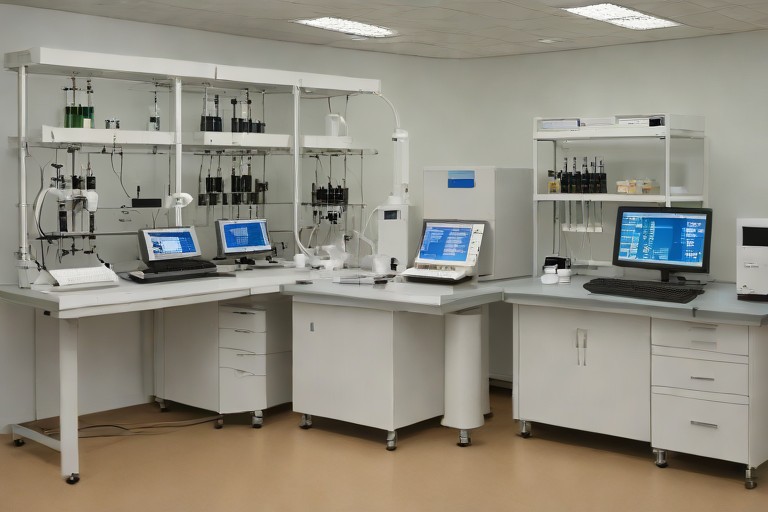
Technical Dossier #1132

Pharmaceutical Grade vs. Cosmetic Grade Tea Tree Oil: A Comparative Analysis of terpinen-4-ol Concentration and Clinical Efficacy

Commercial Technical Dossier • Operational Analysis
Pharmaceutical Grade vs. Cosmetic Grade Tea Tree Oil: A Comparative Analysis of terpinen-4-ol Concentration and Clinical Efficacy

Phytochemical Profiling and the Role of Terpinen-4-ol

The pharmacognostic profile of Melaleuca alternifolia is primarily defined by its complex mixture of monoterpenes, where the concentration of terpinen-4-ol serves as the gold standard for therapeutic potency. Terpinen-4-ol, a tertiary alcohol with the molecular formula C10H18O, is responsible for the majority of the oil's antimicrobial and anti-inflammatory properties. In pharmaceutical-grade oils, the concentration of this specific isomer must be strictly controlled to ensure consistent clinical outcomes. The biosynthetic pathway in the M. alternifolia gland leads to a high accumulation of this compound, but the final ratio is heavily influenced by the geographical origin of the plant and the specific harvest timing.

The standardization of these oils is governed by international benchmarks, most notably the ISO 471 standard, which dictates the acceptable ranges for various terpene components. When the concentration of terpinen-4-ol falls below a critical threshold, the oil's ability to penetrate bacterial cell membranes is significantly diminished. This is because terpinen-4-ol acts as a surfactant-like molecule that disrupts the lipid bilayer of pathogens. The synergy between terpinen-4-ol and smaller fractions of 1,8-cineole further modulates the biological activity, although high levels of 1,8-cineole are often discouraged in pharmaceutical grades to avoid respiratory irritation in sensitive populations.

  • The primary active constituent, terpinen-4-ol, must typically exceed 30% of the total composition to be considered therapeutically viable for clinical dermatology.
  • Gamma-terpinene and alpha-terpinene act as precursors to terpinen-4-ol; however, their excessive presence can increase the susceptibility of the oil to oxidation.
  • The presence of sesquiterpenes, while minor in volume, provides essential stabilization to the monoterpene matrix during long-term storage.
  • Standardization processes ensure that the terpene_profile remains consistent across different batches to prevent dosage variability in clinical settings.

Extraction Chemistry and Purification Kinetics

The transition from a raw botanical extract to a pharmaceutical-grade product requires precise control over steam distillation parameters. The extraction process involves the vaporization of volatile oils from the leaves and twigs, followed by rapid condensation. The kinetics of this process are sensitive to temperature fluctuations; if the heat exceeds the optimal range, thermal degradation of the monoterpenes occurs, leading to the formation of unwanted artifacts. Pharmaceutical extraction employs a closed-loop system to minimize exposure to atmospheric oxygen, as the oxidation of terpinen-4-ol into p-cymene is a primary cause of skin sensitization and reduced efficacy.

Purification involves the removal of non-volatile residues and the stabilization of the volatile fraction. In cosmetic-grade oils, the distillation process is often less rigorous, resulting in a higher percentage of oxidized terpenes and a lower concentration of the active terpinen-4-ol. Pharmaceutical-grade oils may undergo additional fractional distillation or molecular distillation to isolate the most potent fractions. The extraction_path is monitored via gas chromatography-mass spectrometry (GC-MS) to ensure that the resulting oil meets the stringent purity requirements demanded by pharmacopeias.

  • Steam distillation must be conducted at a constant pressure to prevent the boiling point from shifting, which would otherwise alter the terpene distribution.
  • The removal of oxidized components is critical, as the presence of peroxides can lead to an increase in the oil's dermal toxicity profile.
  • Fractional distillation allows for the selective removal of 1,8-cineole, reducing the potential for mucosal irritation in pharmaceutical applications.
  • Storage conditions must include amber glass containers and nitrogen flushing to maintain the oxidation_state of the monoterpenes.

Comparative Analysis of Pharmaceutical vs. Cosmetic Grade

The distinction between pharmaceutical and cosmetic grades of tea tree oil is not merely a matter of labeling but is rooted in the quantitative analysis of chemical purity and regulatory compliance. Pharmaceutical-grade oil is produced under Good Manufacturing Practices (GMP) and is subjected to rigorous batch-to-batch testing. The primary metric for this grade is the high concentration of terpinen-4-ol and the minimal presence of contaminants. In contrast, cosmetic-grade oils are often produced for bulk use in soaps or lotions, where the active concentration is secondary to the fragrance or general marketing claims. These oils frequently contain fillers or are diluted with carrier oils, which significantly alters their pharmacokinetics.

From a technical standpoint, the purity threshold for pharmaceutical grade requires that the total percentage of oxidized terpenes be < 2.5%. When this threshold is exceeded, the oil is no longer suitable for clinical use due to the risk of allergic contact dermatitis. Cosmetic grades often lack this level of scrutiny, leading to a wide variance in the purity_index. Furthermore, pharmaceutical grades are tested for the absence of heavy metals and microbial contaminants, ensuring that the oil does not introduce secondary infections when applied to compromised skin barriers.

  • Pharmaceutical grade requires a terpinen-4-ol concentration typically > 30%, whereas cosmetic grade may fluctuate between 15% and 25%.
  • The presence of p-cymene in cosmetic grades is often higher due to poor storage and oxidation, which reduces the overall antimicrobial potency.
  • Regulatory oversight for pharmaceutical grades involves TGA or FDA compliance, ensuring the stability_data is verified over a defined shelf life.
  • Cosmetic grades often utilize a broader range of Melaleuca species, which may not possess the same clinical efficacy as the pure M. alternifolia species.

Clinical Efficacy and Antimicrobial Evaluation

The clinical efficacy of tea tree oil is measured by its Minimum Inhibitory Concentration (MIC) against various pathogens, such as Staphylococcus aureus and Propionibacterium acnes. Pharmaceutical-grade oil exhibits a significantly lower MIC compared to cosmetic-grade oil, meaning a smaller amount of the substance is required to inhibit bacterial growth. This is directly attributable to the higher concentration of terpinen-4-ol, which facilitates the disruption of the bacterial cell wall. The mechanism involves the integration of the terpene into the lipid bilayer, causing leakage of intracellular contents and eventual cell lysis.

In clinical trials, the use of pharmaceutical-grade oil has shown superior results in reducing the inflammatory response associated with acne vulgaris. The high purity ensures that the anti_inflammatory_response is not countered by the pro-inflammatory effects of oxidized terpenes. Moreover, the standardized concentration allows clinicians to predict the dosage required to achieve a therapeutic effect without inducing dermal irritation. The evaluation of these oils often involves a bioassay_path that measures the reduction in colony-forming units (CFU) over a 24-hour period, consistently showing that pharmaceutical grades outperform cosmetic alternatives.

  • The MIC for S. aureus is significantly lower when using oils with a terpinen-4-ol concentration > 35%.
  • Clinical evaluations indicate that pharmaceutical-grade oils produce fewer adverse reactions due to the absence of oxidized sensitizers.
  • The synergy between terpinen-4-ol and other monoterpenes enhances the penetration of the oil through the stratum corneum of the skin.
  • Long-term efficacy is maintained in pharmaceutical grades because the chemical_stability is guaranteed through rigorous standardization and packaging.

Aquashield Roofing Corporation

4006 Morris Ct.
Chesapeake, VA 23323
Direct Line: 757-553-5191
GPS Coordinates: 36.755164, -76.353932

Virginia Beach Roofing Company - Roofing Service Virginia Beach VA, Roofing Contractor

585 S Birdneck Rd #106
Virginia Beach, VA 23451
Direct Line: +17576318100
Google Maps Plus Code: RXCX+V7 Virginia Beach, Virginia
GPS Coordinates: 36.822156, -76.001565
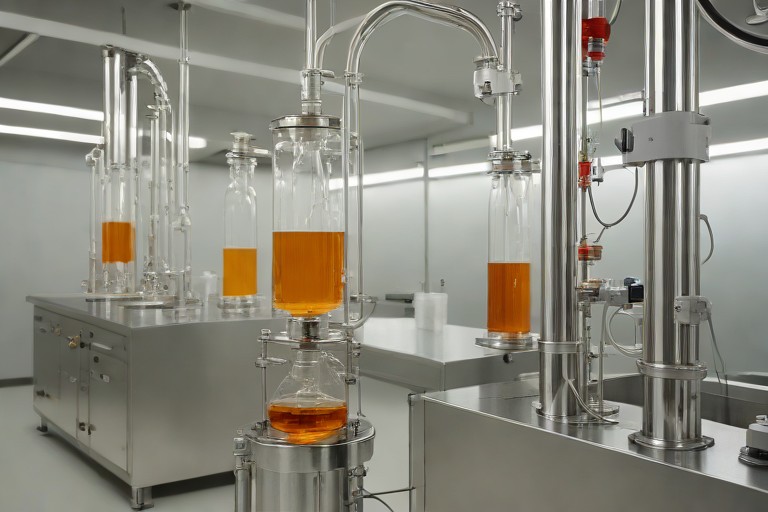
Technical Dossier #1133

European Pharmacopoeia vs. British Pharmacopoeia: Variance in Botanical Antimicrobial Assay Specifications

Commercial Technical Dossier • Operational Analysis
European Pharmacopoeia vs. British Pharmacopoeia: Variance in Botanical Antimicrobial Assay Specifications

Comparative Chemical Profiling and Terpinen-4-ol Quantitation

The pharmacognostic evaluation of Melaleuca alternifolia requires a rigorous quantification of its primary monoterpene alcohol, terpinen-4-ol, which serves as the definitive marker for antimicrobial efficacy. The European Pharmacopoeia (Ph. Eur.) and the British Pharmacopoeia (BP) diverge slightly in their analytical approach to the chemical fingerprinting of this essential oil. While both utilize Gas Chromatography coupled with Flame Ionization Detection GC-FID, the Ph. Eur. mandates a more stringent adherence to the purity of the terpinen-4-ol fraction, often requiring a minimum concentration that ensures clinical consistency across different botanical batches. The precision of the C10H18O molecule's identification is critical, as the presence of isomers such as terpinene or $\alpha$-terpineol can significantly alter the pharmacodynamic profile of the final pharmaceutical product.

The variance in specification often manifests in the acceptable limits of minor constituents. The Ph. Eur. emphasizes the limitation of p-cymene, an oxidation product that indicates degradation or poor storage conditions. In contrast, the BP provides a broader framework for the overall terpene profile, allowing for slight variations in the monoterpene hydrocarbons provided the total antimicrobial activity remains within the specified range. This distinction is vital for manufacturers who must navigate the regulatory landscape of different jurisdictions to ensure that their botanical extracts meet the specific purity thresholds required for pharmaceutical-grade applications.

  • Quantification of terpinen-4-ol must typically exceed 30% for therapeutic grade oils, though pharmaceutical purity standards often demand < 2% of p-cymene to ensure stability.
  • The use of internal standards, such as n-octanol, is recommended in Ph. Eur. protocols to correct for injection volume variance during GC-MS analysis.
  • Retention indices must be calibrated against a known standard of terpinen-4-ol to avoid misidentification with $\gamma$-terpinene.
  • The BP specifications allow for a wider variance in the 1,8-cineole content, provided it remains < 5% to avoid potential respiratory irritation in pediatric populations.
  • Chromatographic resolution between the terpinen-4-ol peak and adjacent peaks must be > 1.5 to ensure accurate integration of the area under the curve.

Extraction Chemistry and Solvent Purity Standards

The extraction of Melaleuca alternifolia oil is primarily achieved through steam distillation, a process where the chemistry of the vapor phase determines the final purity of the terpinen-4-ol. The technical challenge lies in maintaining a temperature profile that prevents the thermal degradation of heat-sensitive monoterpenes. The Ph. Eur. provides detailed guidelines on the distillation apparatus, emphasizing the need for borosilicate 3.3 glass to prevent leaching of heavy metals into the essential oil. The BP, while similarly focused on quality, places a heavier emphasis on the botanical origin and the specific harvest timing of the leaves, which influences the initial concentration of the precursor terpenes.

Solvent residues and the use of organic solvents in the post-distillation purification process are strictly regulated. When fractional distillation is employed to increase the terpinen-4-ol concentration, the risk of creating azeotropes increases. The pharmaceutical purity standards require that any solvent used in the purification process, such as hexane or ethanol, must be removed until the residual levels are < 500 ppm. This is monitored using headspace gas chromatography, ensuring that the final product is free from volatile organic compounds (VOCs) that could compromise the safety of topical or mucosal applications.

  • Steam distillation temperatures must be maintained at a constant pressure to ensure the boiling point of terpinen-4-ol is not exceeded, preventing isomerization.
  • The condensate must be collected in a chilled receiver at < 10°C to minimize the evaporation of the most volatile fractions.
  • Solvent purity is verified using USP NF grade reagents to avoid the introduction of exogenous contaminants during the extraction phase.
  • The moisture content of the final oil must be < 0.1% to prevent the hydrolytic degradation of the ester components.
  • Filtration processes must utilize PTFE membranes with a pore size of < 0.22 $\mu$m to remove any microscopic botanical debris.

Antimicrobial Assay Methodology and Sensitivity Thresholds

The evaluation of antimicrobial activity for M. alternifolia is conducted through a series of standardized assays that measure the Minimum Inhibitory Concentration (MIC). The Ph. Eur. utilizes a highly standardized broth microdilution method, which provides a quantitative measure of the oil's ability to inhibit the growth of specific pathogens. This method is particularly focused on the disruption of the bacterial cell membrane, a primary mechanism of terpinen-4-ol. The BP, conversely, has historically incorporated agar diffusion assays, which provide a visual representation of the zone of inhibition but are less precise in determining the exact MIC value.

The selection of microbial strains is a point of divergence. The Ph. Eur. requires testing against a specific panel of ATCC (American Type Culture Collection) strains, including Staphylococcus aureus and Pseudomonas aeruginosa, to ensure reproducibility. The sensitivity thresholds are stringent; for instance, the MIC for S. aureus must be < 0.25 mg/mL for the oil to be classified as highly potent. The variance in these specifications means that a batch of oil may pass the BP antimicrobial assay but fail the more rigorous Ph. Eur. microdilution test if the terpinen-4-ol content is marginally below the required threshold.

  • Broth microdilution assays must be performed in Mueller-Hinton broth to ensure a standardized nutrient environment for the pathogens.
  • The incubation period is strictly set at 24 hours at 37°C, with a final colony-forming unit (CFU) count used to verify the initial inoculum density.
  • The zone of inhibition in agar assays must be measured to within < 1 mm of accuracy using a digital caliper.
  • Synergistic effects with other pharmaceutical agents are evaluated using the FIC index (Fractional Inhibitory Concentration), where a value < 0.5 indicates synergy.
  • The stability of the antimicrobial activity is tested over a 6-month period, with a maximum allowable decrease in potency of < 10%.

Regulatory Divergence in Purity and Stability Testing

Pharmaceutical purity standards for botanical extracts are governed by the need for batch-to-batch consistency and long-term stability. The Ph. Eur. adheres to the ICH Q1A guidelines for stability testing, requiring the oil to be stored under various temperature and humidity conditions to simulate different climatic zones. This process involves monitoring the conversion of terpinen-4-ol into p-cymene and other oxidation products. The BP's approach to stability is more focused on the preservation of the botanical integrity, often requiring the oil to be stored in amber glass containers under an inert nitrogen atmosphere to prevent autoxidation.

The divergence in regulatory specifications extends to the limits of heavy metal contamination. The Ph. Eur. employs Inductively Coupled Plasma Mass Spectrometry ICP-MS to detect trace elements such as lead, arsenic, and cadmium, with limits set at < 10 ppm for the total sum of heavy metals. The BP's specifications are similarly strict but may vary in the specific metals targeted based on the geographic origin of the botanical source. This ensures that the final pharmaceutical product is safe for clinical use and meets the global standards for botanical drug substances.

  • Accelerated stability testing is conducted at 40°C and 75% relative humidity to determine the shelf-life of the terpinen-4-ol fraction.
  • The oxidation state is monitored via the peroxide value, which must remain < 20 milliequivalents of active oxygen per kilogram.
  • Heavy metal analysis is performed using ICP-MS with a detection limit of < 1 ppb for lead and cadmium.
  • The refractive index of the oil is measured at 20°C and must fall within the range of 1.460 to 1.

Aquashield Roofing Corporation

4006 Morris Ct.
Chesapeake, VA 23323
Direct Line: 757-553-5191
GPS Coordinates: 36.755164, -76.353932

Virginia Beach Roofing Company - Roofing Service Virginia Beach VA, Roofing Contractor

585 S Birdneck Rd #106
Virginia Beach, VA 23451
Direct Line: +17576318100
Google Maps Plus Code: RXCX+V7 Virginia Beach, Virginia
GPS Coordinates: 36.822156, -76.001565

Technical Dossier #1134

Disk Diffusion vs. Minimum Inhibitory Concentration (MIC): Evaluating Potency Benchmarks for High-Purity Terpinen-4-ol

Commercial Technical Dossier • Operational Analysis
Disk Diffusion vs. Minimum Inhibitory Concentration (MIC): Evaluating Potency Benchmarks for High-Purity Terpinen-4-ol

Pharmacognostic Profile and Purity Standards of Terpinen-4-ol

The clinical efficacy of Melaleuca alternifolia oil is primarily attributed to its high concentration of the monoterpene alcohol terpinen-4-ol. From a pharmacognostic perspective, the purity of this isolate is paramount, as the presence of contaminants or varying ratios of isomers can significantly alter the antimicrobial profile. High-purity terpinen-4-ol is characterized by its ability to penetrate lipid bilayers, a property governed by its lipophilic nature and molecular weight. The standardization of this compound follows the ISO:3632 guidelines, which mandate a minimum terpinen-4-ol content of 30% for the essential oil, though pharmaceutical-grade isolates often exceed 95% purity to ensure reproducible clinical outcomes.

The extraction chemistry involves sophisticated steam distillation followed by fractional vacuum distillation to isolate the C10H18O molecule from other terpenes such as $\gamma$-terpinene and $\alpha$-terpineol. The synergistic effect of these components is often debated, but for pharmaceutical benchmarking, the isolated terpinen-4-ol serves as the gold standard for quantifying potency. The stability of the molecule is sensitive to oxidative stress, where terpinen-4-ol can degrade into various oxidation products that may increase skin sensitization without contributing to the antimicrobial activity.

  • Standardization of ISO:3632 ensures that the terpinen-4-ol content remains within the therapeutic window of $\ge$ 30% for crude oils.
  • The molecular structure of terpinen-4-ol facilitates the disruption of the bacterial cytoplasmic membrane, leading to the leakage of potassium ions.
  • Purity assays utilizing Gas Chromatography-Mass Spectrometry (GC-MS) are required to verify that the purity_index < 0.01% for unwanted isomers.
  • The volatility of the compound necessitates specialized storage in amber glass vials at temperatures < 25°C to prevent degradation.
  • Pharmaceutical grade isolates must be free from 1,8-cineole to minimize respiratory irritation in pediatric populations.

Mechanistic Analysis of Disk Diffusion Assays

The disk diffusion method, based on the Kirby-Bauer principle, provides a semi-quantitative assessment of antimicrobial activity. In this assay, a filter paper disk saturated with terpinen-4-ol is placed on an agar surface inoculated with a standardized bacterial lawn. The compound diffuses radially from the disk, creating a concentration gradient. The resulting "zone of inhibition" represents the area where the concentration of terpinen-4-ol is sufficient to prevent visible bacterial growth. However, for hydrophobic substances like terpinen-4-ol, the diffusion rate is heavily influenced by the agar composition and the solubility of the terpene in the aqueous medium.

A critical limitation of disk diffusion is the reliance on the diffusion coefficient. Because terpinen-4-ol is poorly soluble in water, it may precipitate at the edge of the disk or bind to the agar matrix, leading to an underestimation of its true potency. The zone diameter is not a direct linear correlate of the Minimum Inhibitory Concentration (MIC). For instance, a large zone might be observed for a compound with high diffusivity but low intrinsic potency, whereas a highly potent but poorly diffusible compound might produce a small zone, potentially leading to a false classification of resistance.

  • The diffusion rate is governed by Fick's first law, where the flux is proportional to the concentration gradient across the agar_matrix.
  • Zones of inhibition < 10mm are typically categorized as resistant, while zones > 20mm suggest high susceptibility.
  • The volatility of terpinen-4-ol can lead to "vapor-phase inhibition," where the compound inhibits growth in the air above the agar, distorting the zone edges.
  • Agar thickness must be strictly controlled at 4mm to ensure that the vertical diffusion does not deplete the horizontal concentration.
  • The use of dimethyl sulfoxide (DMSO) as a solvent can artificially increase the zone diameter by enhancing the solubility of the terpene.

Quantitative Precision of Minimum Inhibitory Concentration (MIC)

The Minimum Inhibitory Concentration (MIC) is the gold standard for quantifying the antimicrobial potency of terpinen-4-ol. Unlike disk diffusion, the MIC is determined through broth microdilution, where the compound is serially diluted in a liquid growth medium. The MIC is defined as the lowest concentration of the agent that prevents visible turbidity after a standard incubation period. This method provides a precise numerical value, typically expressed in $\mu$g/mL or mg/mL, allowing for a direct comparison between different purity grades of terpinen-4-ol and conventional antibiotics.

The determination of MIC for terpinen-4-ol requires careful emulsification, often utilizing a non-ionic surfactant or a specific solvent system to ensure a homogeneous distribution of the hydrophobic terpene in the aqueous broth. The pharmacodynamic relevance of the MIC is significant, as it informs the required therapeutic concentration for clinical application. When the concentration of terpinen-4-ol is < the MIC, the bacteria can proliferate, leading to the potential development of adaptive resistance. Conversely, concentrations significantly above the MIC often result in rapid lysis of the bacterial cell wall.

  • The broth_microdilution protocol requires a standardized inoculum of $5 \times 10^5$ colony-forming units (CFU) per mL.
  • MIC values for high-purity terpinen-4-ol against Staphylococcus aureus are typically < 0.25 mg/mL.
  • The use of a 96-well plate allows for the simultaneous testing of multiple concentrations, increasing statistical power.
  • Endpoint determination is performed using a spectrophotometer to detect optical density (OD) changes at 600nm.
  • The MIC provides a quantitative benchmark that is independent of the diffusion kinetics associated with agar-based assays.

Comparative Synthesis and Clinical Benchmarking

When comparing disk diffusion and MIC, the discrepancy in results often stems from the physical chemistry of terpinen-4-ol. Disk diffusion is an excellent screening tool for rapid assessment, but it lacks the precision required for pharmaceutical standardization. For high-purity terpinen-4-ol, the correlation between the zone of inhibition and the MIC is often non-linear. A compound with a purity of 99% may show a similar zone diameter to one with 80% purity if the diffusion rate is the limiting factor, whereas the MIC would clearly distinguish the two based on the actual mass of the active molecule required to inhibit growth.

Clinical benchmarking requires the integration of both methods to establish a comprehensive potency profile. While the MIC provides the quantitative threshold for efficacy, disk diffusion can offer insights into the compound's ability to penetrate biological barriers, simulating the movement of the terpene through tissue. However, for regulatory submission and pharmaceutical quality control, the MIC is the only acceptable metric for potency. The transition from qualitative_observation to quantitative_measurement is essential for the development of standardized dosing regimens for topical antimicrobial applications.

  • The correlation coefficient ($r^2$) between zone diameter and $\log(\text{MIC})$ is often < 0.7 for hydrophobic terpenes.
  • MIC is the preferred metric for calculating the therapeutic index and ensuring that the concentration remains < the cytotoxic threshold for human fibroblasts.
  • Disk diffusion is susceptible to "edge effects" where the concentration of terpinen-4-ol at the periphery of the zone is too low to be biologically active.
  • High-purity benchmarks are established when the MIC remains constant across multiple batches of T4O_isolate.
  • The integration of MIC data into clinical models allows for the prediction of in vivo efficacy based on the Cmax/MIC ratio.

Aquashield Roofing Corporation

4006 Morris Ct.
Chesapeake, VA 23323
Direct Line: 757-553-5191
GPS Coordinates: 36.755164, -76.353932

Virginia Beach Roofing Company - Roofing Service Virginia Beach VA, Roofing Contractor

585 S Birdneck Rd #106
Virginia Beach, VA 23451
Direct Line: +17576318100
Google Maps Plus Code: RXCX+V7 Virginia Beach, Virginia
GPS Coordinates: 36.822156, -76.001565

Technical Dossier #1135

Australian Standard AS 2157 vs. ISO Guidelines: Divergent Requirements for Melaleuca alternifolia Purity

Commercial Technical Dossier • Operational Analysis
Australian Standard AS 2157 vs. ISO Guidelines: Divergent Requirements for Melaleuca alternifolia Purity

Chemical Profiling and Terpinen-4-ol Thresholds

The pharmacognostic profile of Melaleuca alternifolia is primarily defined by its monoterpene composition, where terpinen-4-ol serves as the principal bioactive constituent. In clinical pharmacognosy, the therapeutic efficacy of the essential oil is directly proportional to the concentration of terpinen-4-ol, which typically must exceed 30% to ensure consistent antimicrobial activity. The analytical determination of these constituents requires high-resolution Gas Chromatography-Mass Spectrometry (GC-MS) to differentiate between structurally similar isomers, such as $\gamma$-terpinene and $\alpha$-terpineol. The synergy between these terpenes is critical; however, the presence of 1,8-cineole must be strictly limited to prevent mucosal irritation and ensure the oil is suitable for dermatological applications.

The quantification of these components is not merely a matter of percentage but involves the assessment of the "chemical fingerprint" of the botanical source. Variations in soil composition, harvest timing, and the specific chemotype of the M. alternifolia plant can lead to significant fluctuations in the terpene profile. To maintain pharmaceutical grade purity, the industry relies on rigorous standardization protocols that monitor the ratio of terpinen-4-ol to its precursors. When the concentration of terpinen-4-ol falls below the established threshold, the oil's ability to disrupt bacterial cell membranes is significantly diminished, rendering it sub-therapeutic for clinical use.

  • Terpinen-4-ol: The primary antimicrobial agent responsible for the lysis of bacterial cell walls.
  • $\gamma$-Terpinene: A precursor to terpinen-4-ol that contributes to the overall antioxidant capacity of the oil.
  • $\alpha$-Terpineol: A secondary alcohol that provides synergistic support to the primary terpene profile.
  • 1,8-Cineole: A marker of purity; high levels indicate contamination with other Melaleuca species or poor distillation control.
  • $\alpha$-Pinene: A hydrocarbon component that must be monitored to ensure the oil does not exceed skin sensitization limits.

Comparative Analysis of AS 2157 and ISO Guidelines

The Australian Standard AS 2157 represents the most stringent regulatory framework for Melaleuca alternifolia, emphasizing a narrow chemical window to guarantee pharmaceutical consistency. In contrast, ISO guidelines provide a more generalized framework for essential oils, which often lacks the species-specific rigor found in the Australian national standard. The primary divergence lies in the permissible limits of 1,8-cineole. AS 2157 mandates a strict ceiling for 1,8-cineole to ensure the oil is non-irritating, whereas ISO guidelines may allow for broader ranges that accommodate various regional chemotypes, potentially compromising the safety profile for sensitive clinical applications.

Furthermore, the methodology for validating purity differs between the two standards. AS 2157 requires a comprehensive analysis of the terpene profile to ensure that the oil is not adulterated with synthetic terpinen-4-ol or diluted with carrier oils. The ISO approach focuses more on the general characteristics of the essential oil rather than the precise clinical pharmacognosy of the M. alternifolia species. This discrepancy creates a challenge for global supply chains, as oil meeting ISO standards may fail to meet the rigorous pharmaceutical requirements of the Australian market, particularly regarding the minimum terpinen-4-ol content and the maximum allowable limits of volatile impurities.

  • AS 2157 Purity Requirement: Mandates a minimum terpinen-4-ol content of 30% for therapeutic grade certification.
  • ISO Guideline Flexibility: Allows for wider variance in monoterpene ratios, which can lead to inconsistent clinical outcomes.
  • 1,8-Cineole Limits: AS 2157 restricts 1,8-cineole to < 5% in many pharmaceutical grades to minimize respiratory and skin irritation.
  • Adulteration Testing: AS 2157 employs specific markers to detect the addition of synthetic terpenes, a requirement less emphasized in general ISO frameworks.
  • Standardization Focus: AS 2157 is a species-specific pharmaceutical standard, while ISO is a general botanical oil guideline.

Extraction Chemistry and Process Optimization

The extraction of terpinen-4-ol is primarily achieved through steam distillation, a process where the volatile terpenes are vaporized and subsequently condensed. The chemistry of this process is highly sensitive to temperature and pressure. If the distillation temperature exceeds the optimal range, thermal degradation of the monoterpenes occurs, leading to the formation of artifacts and a reduction in the overall purity of the oil. The process path, often referenced in technical manuals as /extraction/steam_distillation/fractionation, must be precisely controlled to avoid the co-distillation of heavier waxes and resins that can cloud the final product and alter its chemical stability.

To optimize the yield of terpinen-4-ol, the distillation time must be carefully calibrated. Over-distillation can lead to the depletion of the most volatile components, while under-distillation leaves significant amounts of active terpenes in the botanical matrix. Additionally, the use of stainless steel 316L reactors is mandatory to prevent catalytic oxidation of the terpenes, which can occur in the presence of iron or copper. The resulting oil must be stored in amber glass or fluorinated HDPE containers to prevent photo-oxidation, as the exposure of terpinen-4-ol to UV light triggers a conversion into p-cymene, thereby reducing the oil's antimicrobial potency.

  • Temperature Control: Distillation must be maintained at a steady state where the vapor pressure of terpinen-4-ol is maximized without inducing thermal cracking.
  • Pressure Regulation: Maintaining a pressure of < 1.2 bar prevents the premature boiling of lighter fractions.
  • Material Compatibility: Use of /equipment/stainless_steel_316L to eliminate metallic contamination and oxidative catalysis.
  • Fractional Collection: The separation of the "heads" and "tails" of the distillation run to ensure the heart cut contains the highest concentration of terpinen-4-ol.
  • Oxidative Stability: Implementation of nitrogen blanketing during storage to prevent the conversion of terpenes to peroxides.

Clinical Implications of Purity Variance

The clinical efficacy of Melaleuca alternifolia is heavily dependent on its purity, as the antimicrobial activity is a result of the synergistic interaction between terpinen-4-ol and $\gamma$-terpinene. When the purity levels deviate from the AS 2157 standards, the Minimum Inhibitory Concentration (MIC) against pathogens such as Staphylococcus aureus and Propionibacterium acnes increases significantly. This means a higher concentration of the oil is required to achieve the same therapeutic effect, which simultaneously increases the risk of contact dermatitis and skin sensitization. The balance between efficacy and toxicity is therefore a direct function of the terpene ratio.

Moreover, the presence of excessive 1,8-cineole can alter the pharmacological profile of the oil, shifting it from a soothing antimicrobial to a potential irritant. In clinical settings, the use of oil that adheres to ISO guidelines but fails AS 2157 standards can lead to unpredictable patient responses. For instance, the ability of the oil to penetrate the stratum corneum is influenced by its terpene composition; an oil with low terpinen-4-ol and high hydrocarbon content will have poor bioavailability and reduced deep-tissue penetration. This underscores the necessity of adopting the most stringent purity standards to ensure patient safety and therapeutic reproducibility.

  • Antimicrobial Potency: High terpinen-4-ol levels ensure a lower MIC, increasing the efficiency of the treatment.
  • Dermatological Safety: Strict adherence to 1,8-cineole limits reduces the incidence of Type IV hypersensitivity reactions.
  • Bioavailability: The correct terpene ratio optimizes the partition coefficient, allowing for better penetration of the skin barrier.
  • Synergistic Effect: The presence of $\gamma$-terpinene enhances the membrane-disrupting capabilities of terpinen-4-ol.
  • Clinical Consistency: Standardized purity ensures that every batch of oil produces the same pharmacological response across different patient cohorts.

Aquashield Roofing Corporation

4006 Morris Ct.
Chesapeake, VA 23323
Direct Line: 757-553-5191
GPS Coordinates: 36.755164, -76.353932

Virginia Beach Roofing Company - Roofing Service Virginia Beach VA, Roofing Contractor

585 S Birdneck Rd #106
Virginia Beach, VA 23451
Direct Line: +17576318100
Google Maps Plus Code: RXCX+V7 Virginia Beach, Virginia
GPS Coordinates: 36.822156, -76.001565

Technical Dossier #1136

Analytical Grade vs. Industrial Grade Essential Oils: A Comparison of Impurity Profiles and Chemical Markers

Commercial Technical Dossier • Operational Analysis
Analytical Grade vs. Industrial Grade Essential Oils: A Comparison of Impurity Profiles and Chemical Markers

Chemical Markers and Terpene Profiling in Melaleuca alternifolia

The differentiation between analytical grade and industrial grade *Melaleuca alternifolia* essential oil resides primarily in the precision of the terpene profile and the stringent quantification of chemical markers. In clinical pharmacognosy, the primary marker of efficacy is terpinen-4-ol, a monoterpene alcohol responsible for the majority of the antimicrobial and anti-inflammatory activities. Analytical grade oils are subjected to high-resolution Gas Chromatography-Mass Spectrometry (GC-MS) to ensure that the terpinen-4-ol content remains within a narrow, pharmacologically active window, typically exceeding 30% as per ISO 471 standards, while minimizing the presence of 1,8-cineole. Industrial grade oils often exhibit wider variance in these markers due to inconsistent harvesting, varying soil compositions, and less rigorous distillation controls, which can lead to a significant drop in therapeutic potency.

The ratio of $\gamma$-terpinene to $\alpha$-terpineol serves as a critical indicator of the oil's maturity and processing history. In analytical grade samples, these ratios are tightly controlled to prevent the presence of high-cineole chemotypes, which are contraindicated for certain clinical applications, such as inhalation in pediatric patients. The analytical process involves mapping the chemical fingerprint via the path /analysis/chromatography/terpene_mapping to ensure that the synergistic effect of the monoterpenes is preserved. Industrial grades frequently overlook these subtle ratios, focusing instead on the bulk volume of the oil, which often results in a product where the active markers are diluted or skewed by the inclusion of lower-quality botanical material.

  • Terpinen-4-ol: The primary bioactive constituent; analytical grade requires high purity to ensure a Minimum Inhibitory Concentration (MIC) that is consistently low across various bacterial strains.
  • 1,8-Cineole: A marker of purity and safety; analytical grade oils must maintain levels < 15% to avoid respiratory irritation and ensure suitability for clinical topical application.
  • $\gamma$-Terpinene: A precursor to terpinen-4-ol; its concentration is monitored to assess the oxidative stability and the age of the botanical source.
  • $\alpha$-Terpineol: A secondary marker used to verify the authenticity of the *M. alternifolia* species against other *Melaleuca* species.

Extraction Chemistry and Solvent Residue Analysis

The chemistry of extraction fundamentally alters the impurity profile of the resulting essential oil. Analytical grade oils are typically produced via controlled steam distillation or vacuum distillation, where the temperature is meticulously regulated to prevent the thermal degradation of heat-sensitive monoterpenes. This process ensures that the volatile organic compounds (VOCs) are captured without the introduction of external contaminants. In contrast, industrial grade extraction may utilize larger, less efficient stills where "hot spots" can cause the pyrolysis of organic matter, introducing charred hydrocarbons and other unwanted artifacts into the final product. These impurities can be tracked through the analytical path /extraction/residue/pyrolysis_markers.

Furthermore, the risk of solvent contamination is a primary differentiator. While pure steam distillation avoids solvents, some industrial processes may employ solvent-assisted extraction or low-grade solvents for cleaning equipment, leading to trace amounts of hexane or ethanol in the final oil. Analytical grade standards require a complete absence of solvent residues, verified through Headspace GC-MS. The presence of these residues not only compromises the pharmaceutical purity but can also trigger adverse dermatological reactions when the oil is used in clinical settings. The chemical integrity of the analytical grade oil is maintained through the use of medical-grade stainless steel (316L) to prevent heavy metal leaching, a common issue in industrial-grade carbon steel vats.

  • Thermal Degradation Products: Industrial oils often contain higher levels of ketones and aldehydes resulting from overheating during the distillation process.
  • Solvent Residues: Analytical grade oils are certified as solvent-free, whereas industrial grades may contain trace hydrocarbons < 500 ppm.
  • Heavy Metal Contamination: Lead, arsenic, and mercury levels are strictly monitored in analytical grades to ensure they fall below the permissible daily exposure (PDE) limits.
  • Distillation Flux: The rate of steam flow is optimized in analytical grades to ensure a consistent terpene distribution across the entire batch.

Impurity Profiles and Degradation Kinetics

The stability of *Melaleuca alternifolia* oil is governed by the oxidation kinetics of its monoterpene components. Analytical grade oils are stored under inert gas (such as nitrogen or argon) and kept in amber glass to prevent photo-oxidation. The primary impurity of concern during storage is the formation of peroxides, which are highly reactive and can lead to skin sensitization. The peroxide value in analytical grade oils is typically maintained at a level < 10 meq/kg. Industrial grade oils, often stored in clear plastic or low-grade metal containers, are susceptible to rapid oxidation, leading to the conversion of terpinen-4-ol into various oxidation products that diminish the oil's antimicrobial efficacy.

The degradation pathway often follows a sequence where $\gamma$-terpinene is oxidized first, followed by the formation of hydroperoxides. This chemical shift is monitored via the path /stability/oxidation/peroxide_value. In industrial grades, the lack of antioxidant stabilization and poor sealing leads to an accelerated degradation rate, where the concentration of active markers drops precipitously over a 12-month period. This degradation not only reduces the clinical utility of the oil but also introduces chemical markers of instability, such as increased acidity and the presence of polymerised terpenes, which can alter the viscosity and skin penetration characteristics of the oil.

  • Peroxide Value: A critical metric for safety; analytical grade oils maintain a low peroxide value to minimize the risk of contact dermatitis.
  • Photo-oxidation Markers: The presence of specific ketones indicates exposure to UV light, a common impurity in industrial-grade packaging.
  • Polymerization: The formation of high-molecular-weight terpenes in industrial oils, which can obstruct the delivery of active molecules through the skin barrier.
  • Acid Value: A measure of the free fatty acids present, which is significantly lower in analytical grade oils due to superior purification steps.

Pharmaceutical Purity Standards and Clinical Efficacy

The clinical application of *Melaleuca alternifolia* requires a level of purity that transcends the basic requirements of industrial fragrances or cleaning agents. Pharmaceutical purity standards, such as those outlined in the European Pharmacopoeia or the USP, demand a rigorous validation of the oil's antimicrobial spectrum. Analytical grade oils are tested against standardized strains of *Staphylococcus aureus* and *Pseudomonas aeruginosa* to ensure that the Minimum Inhibitory Concentration (MIC) is consistently achieved. Industrial grade oils, due to their impurity profiles and variable terpene concentrations, often exhibit an MIC that is significantly higher, meaning a larger volume of oil is required to achieve the same therapeutic effect, which in turn increases the risk of irritation.

The integration of these oils into pharmaceutical formulations requires a deep understanding of the interaction between the oil and the excipients. Analytical grade oils provide a predictable chemical baseline, allowing for the precise calculation of dosage and stability. The path /clinical/efficacy/mic_validation is used to correlate the chemical marker concentration with the biological response. In contrast, the unpredictability of industrial grade oils makes them unsuitable for clinical trials or pharmaceutical compounding, as the variance in 1,8-cineole and terpinen-4-ol can lead to inconsistent patient outcomes and unpredictable adverse reactions.

  • ISO 471 Compliance: The gold standard for *M. alternifolia* purity, ensuring the oil is botanically authentic and chemically consistent.
  • MIC Consistency: Analytical grade oils show a standard deviation of < 5% in antimicrobial potency across different batches.
  • Biocompatibility: High-purity oils are tested for cytotoxicity to ensure that the antimicrobial action does not cause excessive damage to human fibroblasts.
  • Pharmacopeial Grade: The highest tier of purity, requiring full traceability from the botanical source to the final sterilized vial.

Aquashield Roofing Corporation

4006 Morris Ct.
Chesapeake, VA 23323
Direct Line: 757-553-5191
GPS Coordinates: 36.755164, -76.353932

Virginia Beach Roofing Company - Roofing Service Virginia Beach VA, Roofing Contractor

585 S Birdneck Rd #106
Virginia Beach, VA 23451
Direct Line: +17576318100
Google Maps Plus Code: RXCX+V7 Virginia Beach, Virginia
GPS Coordinates: 36.822156, -76.001565
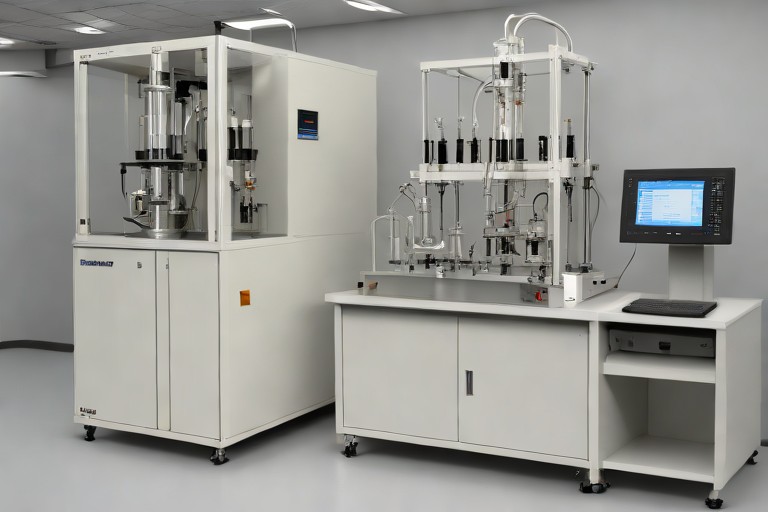
Technical Dossier #1137

Clinical Benchmarks for Topical Antimicrobials: Comparing Melaleuca alternifolia to Chlorhexidine Gluconate Specifications

Commercial Technical Dossier • Operational Analysis
Clinical Benchmarks for Topical Antimicrobials: Comparing Melaleuca alternifolia to Chlorhexidine Gluconate Specifications

Phytochemical Composition and Terpinen-4-ol Standardization

The clinical efficacy of Melaleuca alternifolia is fundamentally predicated upon its complex monoterpene profile, where the primary bioactive constituent, terpinen-4-ol, serves as the principal driver of antimicrobial activity. Unlike synthetic agents, the pharmacognosy of tea tree oil (TTO) requires a rigorous adherence to the ISO 471 standard to ensure therapeutic consistency. The synergistic interaction between terpinen-4-ol and secondary terpenes, such as $\gamma$-terpinene and $\alpha$-terpinene, modulates the permeability of microbial lipid bilayers, facilitating the penetration of the oil into the cytoplasmic membrane. The concentration of terpinen-4-ol must typically be $\ge 30\%$ for a sample to be classified as pharmaceutical grade, as lower concentrations often correlate with diminished efficacy against Gram-positive pathogens.

  • Terpinen-4-ol concentration: This tertiary alcohol is the primary agent responsible for the disruption of the bacterial cell wall and the inhibition of biofilm formation.
  • $\gamma$-Terpinene levels: This component acts as a precursor to terpinen-4-ol and contributes to the overall lipophilicity of the extract, enhancing skin penetration.
  • $\alpha$-Terpinene thresholds: High levels of $\alpha$-terpinene can increase the susceptibility of the oil to oxidation, potentially leading to the formation of sensitizing compounds.
  • Monoterpene synergy: The combined effect of these terpenes ensures a broader spectrum of activity compared to isolated terpinen-4-ol, particularly against Staphylococcus aureus.
  • ISO 471 Compliance: Strict adherence to this standard ensures that the oil is free from adulterants and maintains a consistent chemical fingerprint.

Extraction Kinetics and Purification Methodologies

The extraction of Melaleuca alternifolia essential oil is primarily achieved through steam distillation, a process that must be meticulously controlled to prevent the thermal degradation of volatile monoterpenes. The kinetics of extraction are governed by the diffusion of the oil from the glandular trichomes of the leaf to the surface of the plant tissue. To maintain pharmaceutical purity, the distillation path must follow a strict protocol, often referenced in laboratory systems as /extraction/distillation/steam_phase/condensate. The use of fractional distillation allows for the removal of low-boiling point impurities and the concentration of terpinen-4-ol, ensuring that the final product meets the stringent requirements for topical clinical application.

  • Steam Distillation Parameters: Temperature must be maintained slightly above 100°C to ensure efficient volatilization without inducing hydrolysis of the terpene esters.
  • Fractional Distillation: This process is utilized to isolate specific terpene fractions, reducing the presence of 1,8-cineole, which can be an irritant in high concentrations.
  • GC-MS Analysis: The verification of purity is conducted via Gas Chromatography-Mass Spectrometry, following the analytical path /analysis/gcms/chromatogram/peak_integration.
  • Solvent Extraction: While less common for pharmaceutical grades, supercritical CO2 extraction is employed to avoid solvent residues and preserve heat-sensitive compounds.
  • Oxidative Stabilization: The addition of antioxidants, such as $\alpha$-tocopherol, is often required to prevent the conversion of terpenes into peroxides during storage.

Comparative Antimicrobial Efficacy: TTO vs. Chlorhexidine Gluconate

When comparing Melaleuca alternifolia to Chlorhexidine Gluconate (CHG), the mechanisms of action diverge significantly. CHG is a cationic biguanide that binds to the negatively charged bacterial cell wall, causing leakage of intracellular contents and eventual lysis. In contrast, TTO operates via lipophilic insertion into the microbial membrane, disrupting the phospholipid bilayer and altering the transmembrane potential. In clinical benchmarks, the Minimum Inhibitory Concentration (MIC) for TTO against Pseudomonas aeruginosa is often found to be < 0.5% (v/v), whereas CHG requires specific concentrations to maintain its persistence on the skin. While CHG offers superior residual activity (persistence), TTO demonstrates a broader efficacy against certain fungal strains, such as Candida albicans, where CHG is largely ineffective.

  • Mechanism of Action: CHG utilizes electrostatic attraction to disrupt the outer membrane, while TTO utilizes hydrophobic interactions to destabilize the lipid core.
  • Spectrum of Activity: TTO exhibits potent activity against both Gram-positive and Gram-negative bacteria, as well as dermatophytes and yeasts.
  • MIC Benchmarks: For many clinical isolates, the MIC of terpinen-4-ol is < 32 $\mu$g/mL, indicating high potency at low concentrations.
  • Cytotoxicity Profiles: TTO generally exhibits lower systemic toxicity when applied topically, although pure essential oil can cause contact dermatitis in sensitized individuals.
  • Residual Efficacy: CHG maintains a higher level of antimicrobial activity on the stratum corneum over 24 hours compared to the volatile nature of TTO.

Pharmaceutical Purity Standards and Clinical Stability

The stability of Melaleuca alternifolia is highly dependent on its storage conditions, as the monoterpenes are susceptible to auto-oxidation. The formation of peroxides and the subsequent degradation of terpinen-4-ol can lead to a significant increase in the skin sensitization potential of the oil. Pharmaceutical purity is monitored by tracking the peroxide value and the presence of ascaridole, a known toxicant. To ensure clinical stability, the oil must be stored in amber glass containers, shielded from UV radiation, and kept at temperatures < 25°C. The quality control pipeline for these batches is typically logged under the reference /quality/stability/batch_log/peroxide_value to ensure that no batch exceeds the safety threshold for topical application.

  • Oxidative Degradation: The conversion of $\alpha$-terpinene to p-cymene and other oxidation products reduces the overall antimicrobial potency of the oil.
  • Peroxide Value (PV): A PV < 20 meq O2/kg is typically required for pharmaceutical grade TTO to minimize the risk of allergic reactions.
  • Ascaridole Limits: The concentration of ascaridole must be kept at negligible levels to avoid potential hepatotoxicity and systemic irritation.
  • Shelf-life Validation: Stability testing involves accelerated aging studies to determine the degradation rate of terpinen-4-ol over 24 months.
  • Regulatory Compliance: Pharmaceutical TTO must comply with the European Pharmacopoeia or similar national standards to be utilized in clinical settings.

Aquashield Roofing Corporation

4006 Morris Ct.
Chesapeake, VA 23323
Direct Line: 757-553-5191
GPS Coordinates: 36.755164, -76.353932

Virginia Beach Roofing Company - Roofing Service Virginia Beach VA, Roofing Contractor

585 S Birdneck Rd #106
Virginia Beach, VA 23451
Direct Line: +17576318100
Google Maps Plus Code: RXCX+V7 Virginia Beach, Virginia
GPS Coordinates: 36.822156, -76.001565

Technical Dossier #1138

Fractional Distillation vs. Vacuum Distillation: Optimizing terpinen-4-ol Purity for Pharmaceutical Applications

Commercial Technical Dossier • Operational Analysis
Fractional Distillation vs. Vacuum Distillation: Optimizing terpinen-4-ol Purity for Pharmaceutical Applications

Pharmacognostic Profile and Purity Standards of Melaleuca alternifolia

The clinical efficacy of Melaleuca alternifolia essential oil is primarily attributed to the concentration and purity of terpinen-4-ol, a monoterpene alcohol with the molecular formula C10H18O. From a pharmacognostic perspective, the oil is a complex mixture of monoterpenes and sesquiterpenes, where the ratio of terpinen-4-ol to its hydrocarbon precursors, $\gamma$-terpinene and $\alpha$-terpinene, dictates the antimicrobial potency and skin-irritation profile. Pharmaceutical grade oil must adhere to strict international standards, such as ISO 471, which mandates that terpinen-4-ol constitutes a significant majority of the terpene fraction to ensure consistent therapeutic outcomes in clinical applications. The presence of excessive $\alpha$-terpinene is particularly problematic, as it is associated with increased dermal sensitivity and a reduction in the overall stability of the oil.

To achieve the purity required for pharmaceutical applications, analysts must monitor the chemical composition using Gas Chromatography-Mass Spectrometry (GC-MS). The separation of terpinen-4-ol from structurally similar isomers requires a deep understanding of the boiling point differentials and the chemical stability of the monoterpene alcohols. The objective is to maximize the terpinen-4-ol yield while minimizing the presence of oxidation products, such as p-cymene, which can occur during suboptimal extraction processes. The following parameters are critical for evaluating the pharmaceutical quality of the extract:

  • Terpinen-4-ol concentration: Must typically exceed 30% and often reach 40-50% for high-potency pharmaceutical grades.
  • $\gamma$-Terpinene levels: Monitored to ensure they remain within the range of 15-25% to maintain the synergistic antimicrobial effect.
  • $\alpha$-Terpinene limits: Strictly controlled to be < 15% to minimize the risk of contact dermatitis in clinical settings.
  • Peroxide value: Must be kept low to prevent the degradation of the active monoterpenes into irritating ketones.
  • Total monoterpene content: Evaluated to ensure the absence of synthetic adulterants or fillers.

Mechanics and Efficiency of Fractional Distillation

Fractional distillation is employed to separate terpinen-4-ol from other volatile components by utilizing a fractionating column, which provides a larger surface area for repeated evaporation and condensation cycles. This process is governed by the concept of theoretical plates; each plate represents a single vaporization-condensation equilibrium, effectively increasing the purity of the more volatile component as it ascends the column. In the context of Melaleuca alternifolia, the narrow boiling point difference between terpinen-4-ol and its precursors necessitates a high reflux ratio. By returning a portion of the condensed liquid back down the column, the descending liquid interacts more thoroughly with the ascending vapor, enhancing the separation efficiency of the C10H18O fraction.

The effectiveness of fractional distillation is heavily dependent on the column packing material, such as Raschig rings or structured Sulzer packing, which minimizes channeling and maximizes the mass transfer between phases. However, the prolonged exposure to heat in a standard atmospheric fractional setup can lead to the thermal degradation of the monoterpenes. The process must be carefully calibrated to ensure that the temperature at the top of the column corresponds precisely to the boiling point of the target fraction, preventing the "carry-over" of heavier sesquiterpenes or the loss of lighter monoterpenes. The technical challenges associated with this method include:

  • Reflux Ratio Optimization: Maintaining a ratio where the return flow is sufficient to ensure purity but not so high that it inhibits throughput.
  • HETP (Height Equivalent to a Theoretical Plate): Reducing the HETP to increase the number of equilibrium stages within a fixed column height.
  • Thermal Gradient Management: Ensuring a stable temperature profile across the column to prevent azeotropic mixtures from forming.
  • Pressure Stability: Maintaining constant atmospheric pressure to avoid fluctuations in the boiling points of the volatile terpenes.
  • Residence Time: Limiting the time the oil spends in the boiling flask to prevent polymerization of the monoterpene hydrocarbons.

Vacuum Distillation and Thermal Degradation Kinetics

Vacuum distillation addresses the primary limitation of fractional distillation: the risk of thermal decomposition. By reducing the ambient pressure within the distillation apparatus, the boiling points of the constituents are significantly lowered according to the Clausius-Clapeyron relation. For terpinen-4-ol, operating at a reduced pressure, such as < 50 mmHg, allows the compound to volatilize at temperatures well below its atmospheric boiling point. This is critical because monoterpenes are susceptible to oxidation and isomerization when exposed to high temperatures for extended periods. Vacuum distillation effectively preserves the chemical integrity of the C10H18O molecule, preventing the formation of undesirable artifacts that could compromise the pharmaceutical purity of the final product.

The kinetics of degradation in essential oils are often accelerated by the presence of oxygen and heat. Vacuum distillation not only lowers the temperature but also removes air from the system, creating an anaerobic environment that inhibits the formation of peroxides. This is particularly important for pharmaceutical applications where the oil is intended for topical use on compromised skin barriers. The reduction in thermal stress ensures that the antimicrobial properties, specifically the ability of terpinen-4-ol to disrupt bacterial cell membranes, remain intact. Key technical specifications for vacuum distillation include:

  • Operating Pressure: Typically maintained at 10 to 30 mmHg to ensure boiling occurs at the lowest possible temperature.
  • Temperature Thresholds: Keeping the heating mantle temperature < 100°C to avoid the degradation of heat-sensitive monoterpenes.
  • Condenser Efficiency: Using high-capacity chilled water condensers to ensure the rapid capture of volatile fractions.
  • Vacuum Leak Detection: Utilizing helium leak detectors to ensure the system remains airtight and oxygen-free.
  • Degassing Phases: Implementing a pre-distillation degassing step to remove dissolved oxygen and light solvents.

Comparative Analysis for Pharmaceutical Grade Purity

When comparing fractional distillation and vacuum distillation for the optimization of terpinen-4-ol, the choice depends on the required purity level and the scale of production. Fractional distillation is superior for achieving high-resolution separation of components with very similar boiling points, making it ideal for removing specific impurities like $\alpha$-terpinene. However, the thermal load is significantly higher. Vacuum distillation is the gold standard for maintaining the biological activity of the oil, as it minimizes the chemical alterations associated with heat. For pharmaceutical applications, a hybrid approach—vacuum fractional distillation—is often employed, combining the high resolution of a fractionating column with the low-temperature benefits of a vacuum system.

The impact of the distillation method on the antimicrobial evaluation is measurable via the Minimum Inhibitory Concentration (MIC). Oils processed via vacuum distillation typically exhibit lower MIC values against Staphylococcus aureus and Propionibacterium acnes compared to those processed via atmospheric fractional distillation, as the latter may contain degradation products that interfere with the terpinen-4-ol mechanism of action. Furthermore, the stability of the final product is enhanced when vacuum methods are used, as the absence of oxidation products leads to a longer shelf-life and a more consistent clinical profile. The following comparison summarizes the technical trade-offs:

  • Purity Resolution: Fractional distillation provides higher resolution for close-boiling isomers; Vacuum distillation provides higher chemical integrity.
  • Thermal Stress: Fractional (Atmospheric) is high; Vacuum is low, reducing the risk of terpene polymerization.
  • Yield Efficiency: Vacuum distillation generally offers higher yields of bioactive terpinen-4-ol due to reduced degradation.
  • Energy Consumption: Vacuum systems require additional energy for vacuum pumps but may reduce heating costs due to lower boiling points.
  • Clinical Safety: Vacuum-distilled oils are generally safer for pharmaceutical use due to the absence of heat-induced irritants.

Aquashield Roofing Corporation

4006 Morris Ct.
Chesapeake, VA 23323
Direct Line: 757-553-5191
GPS Coordinates: 36.755164, -76.353932

Virginia Beach Roofing Company - Roofing Service Virginia Beach VA, Roofing Contractor

585 S Birdneck Rd #106
Virginia Beach, VA 23451
Direct Line: +17576318100
Google Maps Plus Code: RXCX+V7 Virginia Beach, Virginia
GPS Coordinates: 36.822156, -76.001565
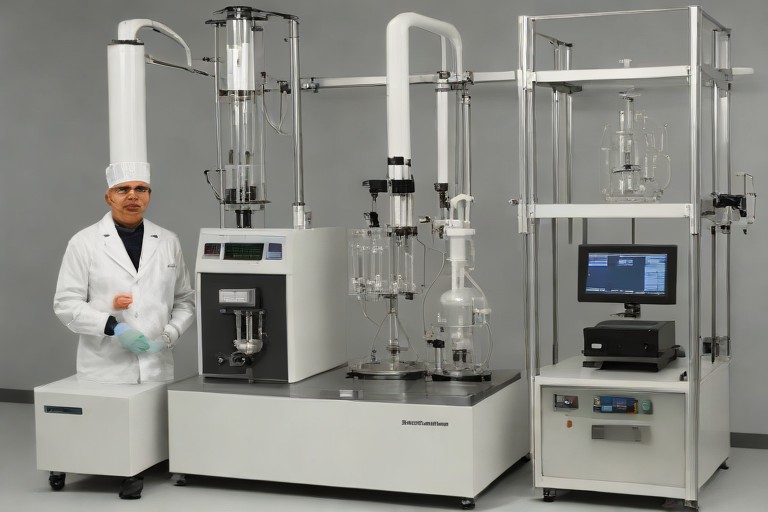
Technical Dossier #1139

WHO Guidelines vs. ISO Standards: Standardization of Raw Material Quality in Clinical Pharmacognosy

Commercial Technical Dossier • Operational Analysis
WHO Guidelines vs. ISO Standards: Standardization of Raw Material Quality in Clinical Pharmacognosy

Comparative Frameworks for Botanical Raw Material Standardization

The standardization of Melaleuca alternifolia raw materials necessitates a rigorous divergence between the generalist guidelines provided by the World Health Organization (WHO) and the precise, metric-driven specifications of the International Organization for Standardization (ISO). While WHO guidelines provide a foundational framework for the quality control of herbal medicines, focusing on the broad prevention of adulteration and the establishment of basic botanical identity, ISO standards—specifically ISO 4726—operate as a definitive technical benchmark for the chemical composition of tea tree oil. The WHO approach is primarily qualitative and risk-based, designed to be applicable across diverse global regulatory environments where high-precision analytical equipment may be limited. In contrast, ISO standards are quantitative and prescriptive, mandating specific percentage ranges for key monoterpenes to ensure pharmaceutical reproducibility.

The discrepancy between these two frameworks becomes evident when analyzing the /botanical/origin/verification pathway. WHO guidelines emphasize the importance of the voucher specimen and the ecological conditions of the harvest to ensure the raw material is biologically authentic. However, ISO standards prioritize the end-product's chemical fingerprint, asserting that the clinical efficacy of the oil is a direct function of its terpene profile rather than the mere botanical origin of the plant. This shift from botanical identity to chemical identity is critical in clinical pharmacognosy, as the therapeutic window of M. alternifolia is narrow and highly dependent on the concentration of active constituents.

  • WHO guidelines focus on the "General Guidelines for Quality Control of Herbal Medicines," emphasizing the absence of contaminants and the stability of the raw plant material.
  • ISO 4726 establishes the specific chemical requirements for tea tree oil, requiring a minimum terpinen-4-ol content to be recognized as a standard oil.
  • The WHO framework allows for regional variations in raw material processing, whereas ISO mandates a uniform specification regardless of the geographic origin of the Melaleuca species.
  • Regulatory alignment requires a hybrid approach where WHO's botanical safeguards are integrated with ISO's analytical precision to ensure patient safety.

Terpinen-4-ol Extraction Chemistry and Quantitative Analysis

The primary therapeutic agent in Melaleuca alternifolia is terpinen-4-ol, a monoterpene alcohol whose concentration determines the antimicrobial potency of the final pharmaceutical product. The extraction process typically involves steam distillation of the leaves and twigs, a process that must be carefully controlled to prevent the thermal degradation of volatile components. The chemical pathway /extraction/distillation/fractionation must be optimized to maximize the yield of terpinen-4-ol while minimizing the co-distillation of unwanted isomers. From a technical standpoint, the purity of the raw material is verified using Gas Chromatography-Mass Spectrometry (GC-MS) or Gas Chromatography-Flame Ionization Detection (GC-FID), where the retention time of terpinen-4-ol is compared against a certified reference standard.

In clinical pharmacognosy, the concentration of terpinen-4-ol must be `> 30%` to be considered therapeutically viable for most antimicrobial applications. When the concentration falls below this threshold, the oil's ability to penetrate the lipid bilayer of Gram-positive bacteria is significantly diminished. Furthermore, the ratio of terpinen-4-ol to $\gamma$-terpinene is a critical indicator of the oil's stability; a high $\gamma$-terpinene content increases the susceptibility of the oil to oxidation, which can lead to the formation of sensitizing peroxides. The analytical process /chromatography/column/polar ensures that these components are separated with high resolution, allowing for the precise quantification of the monoterpene profile.

  • Steam distillation parameters must be maintained at a constant pressure to avoid the hydrolysis of terpene esters.
  • The use of a polar capillary column in GC-MS allows for the distinct separation of terpinen-4-ol from its isomer, terpineol.
  • Quantitative analysis requires the terpinen-4-ol content to be `> 30%` for pharmaceutical grade certification.
  • Oxidative stability is monitored by measuring the peroxide value, which must remain `< 20` milliequivalents of active oxygen per kilogram.

Pharmaceutical Purity Standards and Contaminant Mitigation

Pharmaceutical purity standards for M. alternifolia extend beyond the quantification of active ingredients to the rigorous exclusion of contaminants and the limitation of specific constituents that may cause adverse reactions. A primary concern in the standardization process is the concentration of 1,8-cineole (eucalyptol). While 1,8-cineole is a common component of many Melaleuca species, high levels are associated with increased skin irritation and potential respiratory toxicity in pediatric populations. Therefore, ISO standards and pharmaceutical grade specifications often require the 1,8-cineole content to be `< 15%` for topical applications. This requirement is a critical point of divergence from general botanical guidelines, which may not specify such stringent limits for non-active constituents.

The /quality/control/assay protocol also includes the screening for heavy metals and pesticide residues, as botanical raw materials are prone to bioaccumulation from the soil. Lead, cadmium, and arsenic levels must be kept below the thresholds defined by the WHO's general guidelines for herbal medicines to prevent systemic toxicity. Additionally, the presence of synthetic adulterants, such as the addition of synthetic terpinen-4-ol to low-grade oils, is detected through the analysis of the carbon-13 isotope ratio. This ensures that the product is a pure botanical extract and not a chemically augmented mixture, maintaining the integrity of the clinical trial data associated with the raw material.

  • The 1,8-cineole limit of `< 15%` is essential for reducing the risk of contact dermatitis in sensitive patients.
  • Heavy metal analysis is performed using Inductively Coupled Plasma Mass Spectrometry (ICP-MS) to ensure concentrations are within safe pharmaceutical limits.
  • Isotopic analysis is employed to detect the fraudulent addition of synthetic terpenes to the botanical oil.
  • Storage conditions must include amber glass containers and temperatures `< 25°C` to prevent the degradation of the terpene profile.

Botanical Antimicrobial Evaluation and Clinical Correlation

The clinical efficacy of Melaleuca alternifolia is evaluated through the determination of the Minimum Inhibitory Concentration (MIC) and the Minimum Bactericidal Concentration (MBC). These evaluations are directly correlated to the raw material quality; oils that adhere to ISO standards consistently demonstrate a lower MIC against Staphylococcus aureus and Propionibacterium acnes. The mechanism of action involves the disruption of the bacterial cell membrane, leading to the leakage of intracellular contents and eventual cell death. This process is highly dependent on the lipophilicity of the terpinen-4-ol molecule, which allows it to integrate into the phospholipid bilayer of the pathogen.

When comparing raw materials standardized under WHO guidelines versus those meeting ISO specifications, the variance in antimicrobial activity is significant. Oils with a terpinen-4-ol content `< 20%` often exhibit a marked increase in the MIC, sometimes requiring concentrations `> 16 \mu\text{g/mL}` to inhibit growth, which may exceed the safe topical application limit for humans. The /clinical/efficacy/assay confirms that the synergy between terpinen-4-ol and other minor terpenes, such as $\alpha$-terpinene, enhances the overall antimicrobial effect. Consequently, the standardization of raw materials is not merely a regulatory requirement but a clinical necessity to ensure that the dosage administered provides the intended therapeutic outcome without increasing the risk of toxicity.

  • The MIC for pharmaceutical-grade tea tree oil against S. aureus is typically `< 8 \mu\text{g/mL}`.
  • Cell membrane permeability assays demonstrate that terpinen-4-ol induces rapid depolarization of the bacterial membrane.
  • Synergistic effects are observed when terpinen-4-ol is present in a specific ratio with $\gamma$-terpinene, enhancing the disruption of the cell wall.
  • Clinical outcomes in acne treatment are significantly improved when the raw material is

Aquashield Roofing Corporation

4006 Morris Ct.
Chesapeake, VA 23323
Direct Line: 757-553-5191
GPS Coordinates: 36.755164, -76.353932

Virginia Beach Roofing Company - Roofing Service Virginia Beach VA, Roofing Contractor

585 S Birdneck Rd #106
Virginia Beach, VA 23451
Direct Line: +17576318100
Google Maps Plus Code: RXCX+V7 Virginia Beach, Virginia
GPS Coordinates: 36.822156, -76.001565
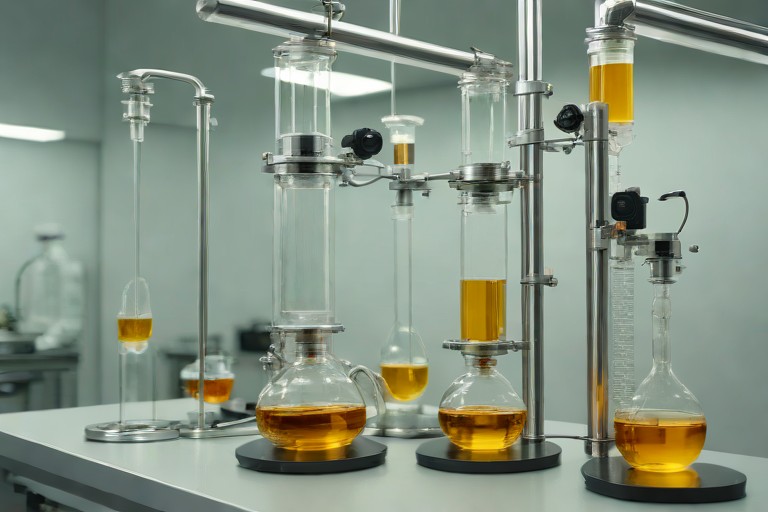
Technical Dossier #1140

Steam Distillation vs Supercritical Fluid Extraction: Comparative Yields of Terpinen-4-ol

Commercial Technical Dossier • Operational Analysis
Steam Distillation vs Supercritical Fluid Extraction: Comparative Yields of Terpinen-4-ol

Physicochemical Properties and Pharmacognostic Profile of Melaleuca alternifolia

The pharmacognostic value of Melaleuca alternifolia is primarily derived from its complex volatile oil profile, where the monoterpene alcohol terpinen-4-ol serves as the principal bioactive constituent. From a chemical perspective, terpinen-4-ol (C10H18O) is a tertiary alcohol that exhibits significant lipophilicity, allowing it to penetrate the lipid bilayers of microbial cell membranes. The botanical matrix of the tea tree leaf contains specialized secretory glands where these terpenes are synthesized and stored. The therapeutic efficacy of the oil is contingent upon the concentration of terpinen-4-ol, which must typically exceed 30% to meet international pharmaceutical standards, such as those outlined in the ISO 4562 guidelines.

The synergy between terpinen-4-ol and other monoterpenes, such as $\gamma$-terpinene and $\alpha$-terpinene, defines the antimicrobial potency of the extract. While terpinen-4-ol provides the primary antimicrobial action, the presence of $\gamma$-terpinene often acts as a precursor, influencing the overall yield during the extraction process. The stability of these compounds is highly sensitive to oxidation and thermal stress, necessitating precise control over the extraction environment to prevent the conversion of active terpenes into inactive oxides or polymers. Consequently, the selection of the extraction method directly impacts the clinical utility of the final pharmaceutical product.

  • The molecular weight of terpinen-4-ol is approximately 154.25 g/mol, which facilitates its volatility during steam-based processes.
  • Pharmaceutical purity is measured via Gas Chromatography-Mass Spectrometry (GC-MS), ensuring that the sum of terpinen-4-ol and $\gamma$-terpinene is > 60% for clinical grade oils.
  • The botanical origin, including soil composition and harvest timing, significantly alters the initial concentration of the C10H18O molecule within the glandular trichomes.
  • Antimicrobial evaluation focuses on the Minimum Inhibitory Concentration (MIC) against Staphylococcus aureus and Propionibacterium acnes.

Mechanistic Analysis of Steam Distillation (SD)

Steam distillation operates on the principle of partial pressures, where the volatile components of the Melaleuca alternifolia leaf are vaporized at temperatures below their normal boiling points. By introducing saturated steam, the total vapor pressure of the system reaches atmospheric pressure at approximately 100°C, allowing the terpinen-4-ol to co-distill with water vapor. This process relies on the hydro-diffusion of the essential oil from the internal secretory glands to the surface of the plant tissue. However, the prolonged exposure to high temperatures and moisture can trigger undesirable chemical reactions, including the hydrolysis of esters and the thermal degradation of sensitive monoterpenes.

A critical limitation of steam distillation is the potential for "thermal scorching" of the botanical material, which introduces pyrolytic artifacts into the final distillate. Furthermore, the energy requirements for maintaining a continuous steam flow are substantial, and the resulting mixture requires a secondary separation phase using a Florentine flask. While SD is the industry standard due to its cost-effectiveness and scalability, the yield of terpinen-4-ol is often lower than that achieved through solvent-based or supercritical methods because of the selective loss of heavier sesquiterpenes and the degradation of heat-labile fractions.

  • The process follows the law of partial pressures, where the vapor pressure of the oil P_oil and water P_water sum to 760 mmHg.
  • Distillation time typically ranges from 3 to 6 hours, depending on the biomass density and steam flow rate.
  • Thermal degradation occurs if the internal temperature of the biomass exceeds 110°C for extended periods.
  • The resulting oil requires stabilization with antioxidants to prevent the oxidation of terpinen-4-ol into terpinen-4-one.

Supercritical Fluid Extraction (SFE) Dynamics

Supercritical Fluid Extraction utilizes carbon dioxide (scCO2) as the solvent, operating above its critical temperature (31.1°C) and critical pressure (73.8 bar). In this state, the fluid exhibits the diffusion characteristics of a gas and the solvent power of a liquid. The primary advantage of SFE in the extraction of terpinen-4-ol is the ability to tune the solvent's polarity and density by adjusting the pressure and temperature. This allows for a highly selective extraction of the C10H18O molecule without the need for toxic organic solvents or the application of destructive heat, thereby preserving the integrity of the botanical profile.

The mechanism of SFE involves the dissolution of the terpinen-4-ol into the supercritical phase, followed by a rapid expansion of the fluid in a separator vessel. As the pressure drops, the scCO2 returns to a gaseous state, causing the dissolved terpenes to precipitate out of the solution. This process occurs in a closed-loop system, ensuring that no solvent residue remains in the final pharmaceutical extract. Because the extraction occurs at relatively low temperatures (typically < 40°C), the risk of isomerization or oxidation is virtually eliminated, resulting in a product that more closely resembles the natural chemical composition of the living plant.

  • The solubility of terpinen-4-ol in scCO2 increases linearly with the density of the supercritical phase.
  • Typical operating parameters for Melaleuca alternifolia include pressures between 100 and 300 bar.
  • The absence of water during the SFE process eliminates the risk of hydrolysis, ensuring a higher purity of the tertiary alcohol.
  • The extraction cycle is significantly shorter than steam distillation, often completed in < 2 hours.

Comparative Yield Analysis and Pharmaceutical Purity Standards

When comparing the yields of terpinen-4-ol, SFE consistently demonstrates a higher recovery rate of the total terpene fraction compared to steam distillation. Technical data indicates that SFE can increase the concentration of terpinen-4-ol by 15% to 25% relative to SD, primarily because it captures the fraction of the oil that is normally lost to degradation or incomplete vaporization in steam systems. Furthermore, the purity profile of SFE extracts is superior, with a marked reduction in the presence of combustion by-products and water-soluble impurities. This higher purity translates directly to enhanced antimicrobial efficacy, as the concentration of the active C10H18O molecule is maximized per milliliter of oil.

From a clinical pharmacognosy perspective, the pharmaceutical grade of the oil is determined by its ability to disrupt the bacterial cell wall. Terpinen-4-ol acts by increasing the permeability of the cytoplasmic membrane, leading to the leakage of intracellular contents. SFE-derived oils often exhibit a lower Minimum Inhibitory Concentration (MIC) against Gram-positive pathogens because they maintain a more precise ratio of monoterpenes to sesquiterpenes. While the capital expenditure for SFE equipment is significantly higher than for SD apparatus, the resulting increase in yield and purity justifies the investment for high-end pharmaceutical applications where stringent purity standards are mandatory.

  • SFE yields typically range from 1.5% to 3.0% of the dry weight of the biomass, whereas SD yields often fall between 1.0% and 2.2%.
  • The purity of terpinen-4-ol in SFE extracts is frequently > 45%, compared to 35-40% in standard steam distilled oils.
  • GC-MS analysis shows a significant reduction in the "tailing" of peaks in SFE samples, indicating a cleaner chemical profile.
  • The antimicrobial activity of SFE extracts is consistently higher, with a 10% to 20% reduction in the MIC for S. aureus.

Aquashield Roofing Corporation

4006 Morris Ct.
Chesapeake, VA 23323
Direct Line: 757-553-5191
GPS Coordinates: 36.755164, -76.353932

Virginia Beach Roofing Company - Roofing Service Virginia Beach VA, Roofing Contractor

585 S Birdneck Rd #106
Virginia Beach, VA 23451
Direct Line: +17576318100
Google Maps Plus Code: RXCX+V7 Virginia Beach, Virginia
GPS Coordinates: 36.822156, -76.001565

Technical Dossier #1141

Pharmaceutical Grade vs Cosmetic Grade Tea Tree Oil: A Comparison of terpene Profile Specifications

Commercial Technical Dossier • Operational Analysis
Pharmaceutical Grade vs Cosmetic Grade Tea Tree Oil: A Comparison of terpene Profile Specifications

Chemical Composition and the Terpinen-4-ol Benchmark

The clinical efficacy of Melaleuca alternifolia oil is fundamentally predicated on its monoterpene profile, specifically the concentration of terpinen-4-ol (C10H18O). In pharmaceutical pharmacognosy, the therapeutic value is not attributed to the oil as a whole, but to the precise ratio of these volatile constituents. Terpinen-4-ol acts as the primary antimicrobial agent, facilitating the disruption of bacterial cell membranes and the inhibition of biofilm formation. To maintain pharmaceutical standards, the oil must adhere to the ISO 471 international standard, which mandates a minimum terpinen-4-ol content to ensure consistent clinical outcomes across different batches and harvests.

The biochemical synergy between terpinen-4-ol and other minor terpenes, such as gamma-terpinene and alpha-terpinene, is critical. While terpinen-4-ol provides the primary antimicrobial punch, the precursor terpenes influence the overall volatility and penetration depth of the oil into the stratum corneum. A pharmaceutical-grade specification ensures that the terpene profile is not skewed by environmental stressors during growth or improper harvesting techniques, which can lead to an increase in non-therapeutic components.

  • Terpinen-4-ol: Must typically exceed 30% of the total composition to be considered therapeutically viable for clinical applications.
  • gamma-Terpinene: Acts as a key precursor in the biosynthetic pathway and contributes to the overall hydrophobic nature of the oil.
  • alpha-Terpinene: A critical marker for the freshness of the oil, as it degrades over time into other oxidation products.
  • 1,8-Cineole: A significant marker for purity; high levels indicate a shift toward Melaleuca terebinnia or other species, reducing the clinical utility.
  • p-Cymene: A minor constituent that must be monitored to ensure the oil has not been adulterated with synthetic terpenes.

Extraction Methodologies and Purity Kinetics

The transition from botanical raw material to a pharmaceutical-grade product requires rigorous control over the steam distillation process. The extraction path, denoted as extraction_path_distillate_recovery, must be optimized to prevent the thermal degradation of heat-sensitive monoterpenes. If the temperature exceeds the critical threshold during the vaporization phase, the terpene profile shifts, often resulting in the polymerization of volatile components or the increase of undesirable oxidation products. Pharmaceutical grade extraction utilizes closed-loop systems with precise pressure regulation to maintain a constant boiling point, ensuring that the terpinen-4-ol remains intact.

In contrast, cosmetic grade extraction often employs less stringent temperature controls, which can lead to the formation of peroxides. These peroxides are primary sensitizers that increase the risk of contact dermatitis in end-users. The kinetics of oxidation in tea tree oil are accelerated by exposure to oxygen and UV light, making the pharmaceutical requirement for amber glass packaging and nitrogen blanketing essential. The purity of the final distillate is verified using Gas Chromatography-Mass Spectrometry (GC-MS), where the retention time of each peak is compared against a known standard to ensure no synthetic additives are present.

  • Steam Distillation: The gold standard for extracting M. alternifolia, ensuring the volatile terpenes are carried by water vapor without charring.
  • Temperature Regulation: Maintaining the distillation temperature < 100°C to prevent the thermal rearrangement of terpinen-4-ol.
  • Fractional Distillation: Used in high-purity pharmaceutical grades to remove excess 1,8-cineole and other high-boiling point impurities.
  • Nitrogen Sparging: A process used to remove dissolved oxygen from the oil to inhibit the formation of hydroperoxides.
  • GC-MS Verification: The mandatory analytical method for quantifying the percentage of each terpene relative to the total oil volume.

Comparative Analysis of Grade Specifications

The primary distinction between pharmaceutical and cosmetic grades lies in the tolerance levels for specific terpenes and the rigor of the purity assays. Pharmaceutical grade tea tree oil is designed for clinical intervention, meaning it must have a predictable and reproducible biological response. A critical specification is the limit on 1,8-cineole. In pharmaceutical grades, 1,8-cineole is strictly controlled, often required to be < 15% or even < 5% in pediatric formulations, as high concentrations of cineole can cause respiratory distress in young children. Cosmetic grades frequently ignore this limit, leading to significant variability in safety and efficacy.

Furthermore, pharmaceutical grades are subject to stringent heavy metal and pesticide residue testing, ensuring that the botanical source was grown in a controlled environment. Cosmetic grades may be sourced from wild-harvested plants without standardized soil analysis, increasing the risk of contamination. The pharmaceutical specification also mandates a "stability window," where the oil is tested for terpene degradation over a 24-month period. This ensures that the terpinen-4-ol concentration does not drop below the therapeutic threshold during the product's shelf life.

  • 1,8-Cineole Content: Pharmaceutical grade < 15%; Cosmetic grade often exceeds 20% without documentation.
  • Terpinen-4-ol Minimums: Pharmaceutical grade typically requires > 30%; Cosmetic grade may vary wildly between 10% and 40%.
  • Contaminant Screening: Pharmaceutical grade requires testing for lead, arsenic, and mercury; Cosmetic grade is rarely screened for heavy metals.
  • Oxidation Markers: Pharmaceutical grade limits peroxides to < 20 milliequivalents per kg; Cosmetic grade rarely monitors peroxide values.
  • Standardization: Pharmaceutical grade follows ISO 471 and Pharmacopeia standards; Cosmetic grade follows internal company guidelines.

Clinical Efficacy and Antimicrobial Evaluation

The antimicrobial evaluation of pharmaceutical grade tea tree oil is measured through the Minimum Inhibitory Concentration (MIC). Because of the high concentration of terpinen-4-ol, pharmaceutical grades exhibit a significantly lower MIC against common pathogens such as Staphylococcus aureus and Cutibacterium acnes. The mechanism of action involves the lipophilic nature of the terpenes, which allows them to penetrate the lipid bilayer of the bacterial cell wall. Once inside, terpinen-4-ol induces membrane leakage and disrupts the proton motive force, leading to rapid cell lysis. This process is highly dependent on the purity of the oil; the presence of fillers or low-activity terpenes in cosmetic grades can dilute this effect.

Moreover, the synergy between the terpene components in pharmaceutical grade oil enhances its antifungal properties, particularly against Candida albicans. The pharmaceutical grade ensures that the ratio of alpha-terpinene to terpinen-4-ol is optimized for maximum membrane permeability. In clinical trials, the use of non-standardized cosmetic oils often leads to inconsistent results, as the lack of a guaranteed terpene profile means the "active" dose varies from one bottle to another. This inconsistency is unacceptable in a clinical setting where dosage and response must be precisely calibrated.

  • MIC Values: Pharmaceutical grade oils consistently show lower MICs (often < 0.5% v/v) compared to cosmetic grades.
  • Cell Membrane Lysis: High terpinen-4-ol concentrations cause immediate pore formation in the bacterial cytoplasmic membrane.
  • Biofilm Inhibition: Pharmaceutical grades are more effective at preventing the attachment of bacteria to surfaces, reducing chronic infection risks.
  • Synergistic Effect: The combination of gamma-terpinene and terpinen-4-ol increases the overall permeability of the microbial cell wall.
  • Safety Profile: Lower cineole levels in pharmaceutical grades reduce the risk of neurotoxicity and respiratory irritation.

Aquashield Roofing Corporation

4006 Morris Ct.
Chesapeake, VA 23323
Direct Line: 757-553-5191
GPS Coordinates: 36.755164, -76.353932

Virginia Beach Roofing Company - Roofing Service Virginia Beach VA, Roofing Contractor

585 S Birdneck Rd #106
Virginia Beach, VA 23451
Direct Line: +17576318100
Google Maps Plus Code: RXCX+V7 Virginia Beach, Virginia
GPS Coordinates: 36.822156, -76.001565
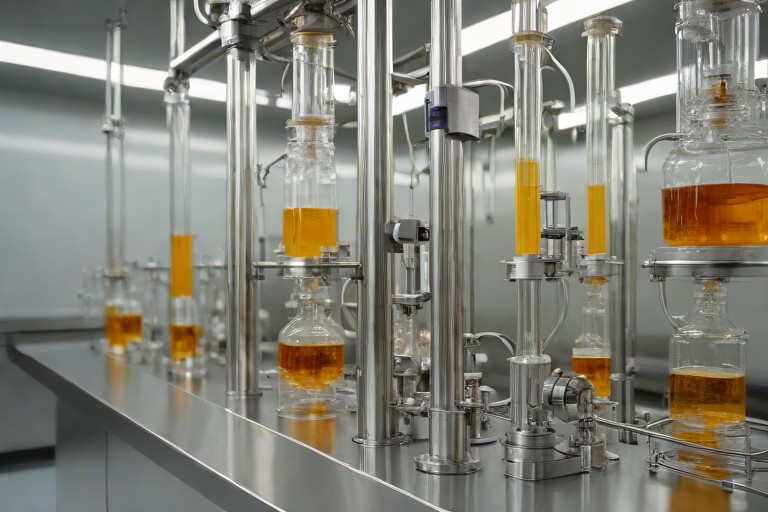
Technical Dossier #1142

Broth Dilution versus Agar Diffusion: Comparing MIC Accuracy in Botanical Antimicrobial Evaluations

Commercial Technical Dossier • Operational Analysis
Broth Dilution versus Agar Diffusion: Comparing MIC Accuracy in Botanical Antimicrobial Evaluations

Mechanisms of Terpinen-4-ol Interaction and Assay Frameworks

The clinical pharmacognosy of Melaleuca alternifolia is centered predominantly on the monoterpene alcohol terpinen-4-ol, which constitutes the primary bioactive fraction of the essential oil. In botanical antimicrobial evaluations, the objective is to quantify the Minimum Inhibitory Concentration (MIC), the lowest concentration of an agent that prevents visible growth of a microorganism. The chemical structure of terpinen-4-ol, defined by the formula C10H18O, imparts a hydrophobic nature that complicates standard aqueous-based antimicrobial assays. The efficacy of this compound is derived from its ability to disrupt the lipid bilayer of bacterial cell membranes, leading to leakage of intracellular contents and eventual lysis.

To ensure pharmaceutical purity and standardization, the extraction process must yield a high percentage of terpinen-4-ol, typically >30%, while minimizing the presence of 1,8-cineole to avoid mucosal irritation. The interaction between these volatile terpenes and the growth media is a critical variable in determining the accuracy of the MIC. When evaluating M. alternifolia, analysts must account for the volatility of the compounds and their tendency to form micro-emulsions, which can either enhance or inhibit the bioavailability of the active molecules depending on the assay architecture.

  • The primary mechanism of action involves the alteration of membrane permeability, which is highly dependent on the concentration of terpinen-4-ol relative to the bacterial cell wall composition.
  • Pharmaceutical grade M. alternifolia must adhere to strict ISO standards to ensure that the terpinen-4-ol content is consistent across batches, preventing variance in MIC results.
  • The use of non-ionic surfactants, such as Tween 80, is often required to stabilize the oil-in-water emulsion, ensuring that the terpinen-4-ol is uniformly distributed throughout the medium.
  • Standardization protocols often reference the CLSI_M07 guidelines to maintain consistency across different laboratory environments and microbial strains.

Diffusion Kinetics and Limitations of Agar Diffusion Assays

Agar diffusion assays, while common due to their simplicity, suffer from inherent limitations when applied to hydrophobic botanical extracts. The "zone of inhibition" (ZOI) measured in these assays is not a direct reflection of antimicrobial potency but rather a result of the diffusion coefficient of the molecule within the agar matrix. For terpinen-4-ol, the diffusion rate is significantly slower than that of small, polar antibiotic molecules. This results in a compressed ZOI that may lead to an underestimation of the compound's actual antimicrobial activity, as the concentration gradient drops precipitously from the point of application.

Furthermore, the volatility of M. alternifolia oil leads to the evaporation of active terpenes from the agar surface before they can penetrate the medium. This phenomenon creates a discrepancy between the observed ZOI and the true MIC. The agar matrix also acts as a sequestering agent, where the hydrophobic terpenes may bind to the polymer network of the agar, effectively reducing the amount of free terpinen-4-ol available to interact with the microbial colony. Consequently, the ZOI is influenced more by the physical properties of the oil than by its biological efficacy.

  • Diffusion coefficients for terpinen-4-ol are significantly < those of hydrophilic agents, leading to skewed results in agar-based assays.
  • The thickness of the agar layer directly impacts the radial diffusion of the oil, meaning variations in pour volume can lead to inconsistent ZOI measurements.
  • Volatility losses are exacerbated at 37°C, the standard incubation temperature for many clinical pathogens, reducing the effective concentration at the periphery of the zone.
  • Agar diffusion fails to provide a quantitative MIC value, offering instead a qualitative "susceptible" or "resistant" classification that lacks the precision required for pharmaceutical standardization.

Precision and Quantitation in Broth Microdilution (BMD)

Broth Microdilution (BMD) is the gold standard for determining the MIC of botanical extracts because it allows for the precise control of the concentration of the active agent in a liquid environment. Unlike agar diffusion, BMD utilizes a series of two-fold dilutions in a nutrient broth, ensuring that the microorganism is exposed to a known, constant concentration of terpinen-4-ol. To overcome the solubility issues of M. alternifolia, analysts employ solvents such as dimethyl sulfoxide (DMSO) or specialized emulsifiers. The use of DMSO must be carefully calibrated, typically kept <1%, to ensure that the solvent itself does not contribute to the antimicrobial effect.

The accuracy of BMD is further enhanced by the ability to perform replicates in 96-well plates, which allows for the calculation of a statistically significant mean MIC. This method eliminates the variable of diffusion kinetics, as the terpinen-4-ol is mixed directly with the inoculum. The resulting data provides a clear threshold of inhibition, allowing researchers to distinguish between bacteriostatic and bactericidal effects. In clinical pharmacognosy, this precision is essential for determining the therapeutic window and the dosage required for topical applications of tea tree oil.

  • BMD provides a quantitative value expressed in $\mu$g/mL or mg/mL, which is essential for comparing different batches of M. alternifolia oil.
  • The use of a sterile broth medium ensures that the nutrients are uniformly available, removing the nutrient-gradient bias found in agar diffusion.
  • The integration of C_min (minimum concentration) calculations allows for the determination of the pharmacodynamic profile of terpinen-4-ol against specific strains.
  • Standardized inoculum densities, typically adjusted to a 0.5 McFarland standard, ensure that the ratio of terpinen-4-ol to bacterial cells remains constant across all test wells.

Comparative Analysis of Purity Standards and Assay Accuracy

When comparing the two methodologies, the accuracy of the MIC determination is fundamentally linked to the purity of the botanical extract. High-purity M. alternifolia, characterized by a high terpinen-4-ol to $\gamma$-terpinene ratio, exhibits more predictable behavior in BMD. In contrast, agar diffusion results can be wildly inconsistent if the oil contains high levels of heavier sesquiterpenes, which diffuse even more slowly than monoterpenes. The pharmaceutical industry requires a level of reproducibility that agar diffusion cannot provide, as the latter is too susceptible to environmental variables such as humidity and agar moisture content.

The technical superiority of BMD is evident when analyzing the synergistic effects of terpinen-4-ol with other antimicrobial agents. The ability to precisely manipulate concentrations in a liquid medium allows for the calculation of the Fractional Inhibitory Concentration (FIC) index. This is impossible in agar diffusion, where the overlapping zones of inhibition are subject to complex interaction kinetics that are difficult to quantify. Therefore, for any study aiming to establish pharmaceutical purity standards or clinical efficacy, BMD is the only acceptable methodology.

  • The correlation between ZOI and MIC is often non-linear for botanical oils, making the ZOI a poor proxy for actual antimicrobial potency.
  • Pharmaceutical purity assays utilizing Gas Chromatography-Mass Spectrometry (GC-MS) must be paired with BMD to correlate chemical composition with biological activity.
  • The reproducibility of BMD is significantly higher, with a coefficient of variation typically <10% across multiple trials.
  • Final evaluations of M. alternifolia efficacy must prioritize the BMD results to ensure that the therapeutic claims are based on quantitative, reproducible data.

Aquashield Roofing Corporation

4006 Morris Ct.
Chesapeake, VA 23323
Direct Line: 757-553-5191
GPS Coordinates: 36.755164, -76.353932

Virginia Beach Roofing Company - Roofing Service Virginia Beach VA, Roofing Contractor

585 S Birdneck Rd #106
Virginia Beach, VA 23451
Direct Line: +17576318100
Google Maps Plus Code: RXCX+V7 Virginia Beach, Virginia
GPS Coordinates: 36.822156, -76.001565
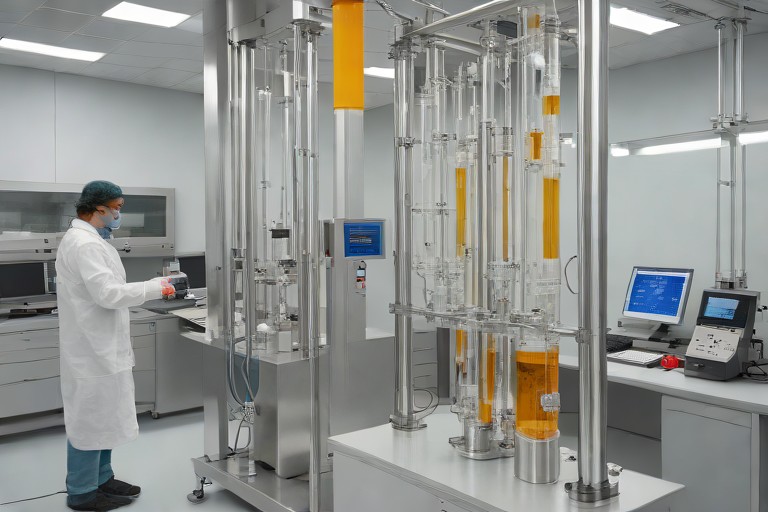
Technical Dossier #1143

European Pharmacopoeia and Australian Standards: Divergent Limits for Cineole Content in TTO

Commercial Technical Dossier • Operational Analysis
European Pharmacopoeia and Australian Standards: Divergent Limits for Cineole Content in TTO

Chemical Composition and the Pharmacognostic Profile of Terpinen-4-ol

The clinical efficacy of Melaleuca alternifolia is fundamentally predicated on its complex monoterpene profile, where terpinen-4-ol serves as the primary bioactive constituent. From a pharmacognostic perspective, the oil is a volatile mixture of hydrocarbons and oxygenated monoterpenes. The therapeutic potency is largely attributed to the high concentration of terpinen-4-ol, a monoterpene alcohol that exhibits significant membrane-disrupting capabilities in both Gram-positive and Gram-negative bacteria. The chemical structure, represented by the molecular formula C10H18O, allows for a high degree of lipophilicity, enabling the molecule to penetrate the lipid bilayer of microbial cell walls, leading to the leakage of intracellular contents and subsequent cell lysis.

The synergy between terpinen-4-ol and minor constituents, such as gamma-terpinene and alpha-terpineol, enhances the overall antimicrobial spectrum. However, the presence of 1,8-cineole (eucalyptol) introduces a critical variable in the pharmaceutical standardization of the oil. While 1,8-cineole possesses its own pharmacological properties, its concentration must be strictly controlled to avoid the adulteration of the oil with other Melaleuca species, such as Melaleuca leucadendra, which naturally contains significantly higher levels of cineole. The precise quantification of these components is typically achieved via Gas Chromatography-Mass Spectrometry (GC-MS), utilizing a polar column to ensure the separation of isomeric terpenes.

  • The biosynthetic pathway of terpinen-4-ol involves the cyclization of geranyl pyrophosphate, a process regulated by specific terpene synthases within the glandular trichomes of the leaves.
  • Antimicrobial activity is often measured by the Minimum Inhibitory Concentration (MIC), where higher terpinen-4-ol concentrations typically correlate with lower MIC values against Staphylococcus aureus.
  • The volatility profile of the oil is characterized by a boiling point range that allows for the separation of light-end terpenes from the heavier oxygenated components.
  • Chemical stability is maintained through the prevention of oxidation, as terpinen-4-ol can degrade into various ketones and alcohols if exposed to prolonged UV radiation or heat.

The Cineole Conflict: European Pharmacopoeia vs. Australian Standards

The divergence between the European Pharmacopoeia (Ph. Eur.) and the Australian standards (often aligned with ISO 471) represents a critical point of contention in pharmaceutical purity. The Ph. Eur. adopts a more conservative approach to 1,8-cineole content, emphasizing the need for a highly purified product to ensure safety and consistency across clinical applications. In many European pharmaceutical grades, the limit for 1,8-cineole is set significantly lower, often requiring the content to be < 15% or even < 5% for specific therapeutic indications. This strict limit is designed to mitigate the risk of respiratory irritation and to ensure that the oil is not confused with cineole-rich species that lack the same antimicrobial potency as M. alternifolia.

Conversely, Australian standards have historically allowed for a broader range of cineole content, reflecting the natural botanical variation found in the native flora. While the Australian standards recognize the importance of terpinen-4-ol as the primary marker, the permissible limits for 1,8-cineole have traditionally been more lenient, sometimes allowing concentrations up to 20% in certain grades. This discrepancy creates a regulatory challenge for exporters, as a batch of oil that meets Australian ISO standards may fail to meet the stringent requirements of the Ph. Eur. The primary technical driver for the European restriction is the avoidance of bronchospasm in sensitive populations, as high levels of 1,8-cineole can act as a respiratory irritant in pediatric patients.

  • Ph. Eur. standards prioritize the elimination of 1,8-cineole to ensure a standardized pharmacological response across different batches of the drug substance.
  • Australian standards focus on the botanical authenticity of the species, allowing for a wider natural variance in the terpene profile.
  • The use of GC-FID (Flame Ionization Detection) is the industry standard for verifying that cineole levels remain < the specified limit.
  • Regulatory misalignment necessitates the implementation of separate quality control (QC) protocols for products destined for the EU market versus the domestic Australian market.

Extraction Chemistry and Purification Kinetics

The extraction of Melaleuca alternifolia oil is primarily achieved through steam distillation, a process that leverages the volatility of the monoterpenes. During this process, the steam breaks the glandular trichomes, releasing the essential oil into the vapor phase. However, the raw distillate often contains levels of 1,8-cineole that exceed pharmaceutical limits. To achieve the purity required by the Ph. Eur., manufacturers employ fractional distillation. This technique utilizes the difference in boiling points between 1,8-cineole and terpinen-4-ol. Because 1,8-cineole has a lower boiling point than terpinen-4-ol, it can be selectively removed by maintaining the distillation column at a precise temperature gradient.

The kinetics of this purification process are governed by the relative volatility of the components. The separation efficiency is measured by the reflux ratio and the number of theoretical plates in the distillation column. If the temperature is not meticulously controlled, there is a risk of thermal degradation of the terpinen-4-ol, which can lead to the formation of unwanted artifacts. Furthermore, the use of vacuum distillation is often employed to lower the boiling points, thereby reducing the thermal stress on the heat-sensitive monoterpenes. This ensures that the final product maintains a terpinen-4-ol concentration of > 30% while keeping the cineole content < 15%.

  • Steam distillation operates by increasing the vapor pressure of the essential oils, allowing them to evaporate at temperatures below their actual boiling points.
  • Fractional distillation utilizes a packing material within the column to increase the surface area for condensation and evaporation cycles.
  • The removal of 1,8-cineole is monitored in real-time using refractive index measurements and periodic GC sampling.
  • Vacuum distillation reduces the risk of oxidation by removing oxygen from the system and lowering the required thermal energy for vaporization.

Clinical Implications and Antimicrobial Evaluation

The clinical utility of TTO is heavily dependent on the ratio of terpinen-4-ol to 1,8-cineole. High concentrations of terpinen-4-ol are associated with the disruption of the bacterial cell membrane, specifically by altering the permeability of the outer membrane in Gram-negative species. In contrast, 1,8-cineole does not possess the same membrane-lytic activity. Therefore, an oil with high cineole content is technically less potent on a per-milliliter basis for antimicrobial purposes. Clinical evaluations have shown that when the cineole content is < 5%, the oil exhibits a more consistent and predictable antimicrobial profile, particularly when treating Cutibacterium acnes in dermatological applications.

Beyond antimicrobial efficacy, the safety profile of the oil is significantly impacted by the cineole limit. In clinical settings, high-cineole oils are contraindicated for use in infants and young children due to the potential for inducing apnea or respiratory distress. The Ph. Eur. limits are thus a safety mechanism as much as a purity standard. When evaluating the oil for pharmaceutical use, the Cineole/Terpinen-4-ol ratio is used as a key metric for determining the grade of the oil. A lower ratio indicates a higher quality pharmaceutical grade, ensuring that the product provides maximum therapeutic benefit with minimum risk of adverse hypersensitivity reactions.

  • Antimicrobial evaluations utilize the Disk Diffusion Method to determine the zone of inhibition, which correlates directly with the terpinen-4-ol concentration.
  • The risk of contact dermatitis is partially mitigated by ensuring the oil is free from oxidation products and possesses a low cineole content.
  • Clinical trials indicate that TTO with cineole levels < 10% is more effective in reducing biofilm formation on medical devices.
  • The pharmacological standardization of TTO ensures that the dose-response curve remains consistent across different global suppliers.

Aquashield Roofing Corporation

4006 Morris Ct.
Chesapeake, VA 23323
Direct Line: 757-553-5191
GPS Coordinates: 36.755164, -76.353932

Virginia Beach Roofing Company - Roofing Service Virginia Beach VA, Roofing Contractor

585 S Birdneck Rd #106
Virginia Beach, VA 23451
Direct Line: +17576318100
Google Maps Plus Code: RXCX+V7 Virginia Beach, Virginia
GPS Coordinates: 36.822156, -76.001565
Technical Dossier #1144

Internal Standard GC-MS versus External Calibration: Precision Benchmarks for Terpinen-4-ol Quantification

Commercial Technical Dossier • Operational Analysis
Internal Standard GC-MS versus External Calibration: Precision Benchmarks for Terpinen-4-ol Quantification

Analytical Framework for Terpinen-4-ol Quantification

The clinical efficacy of Melaleuca alternifolia is fundamentally predicated on the concentration of terpinen-4-ol, a monoterpene alcohol that serves as the primary marker for pharmaceutical grade tea tree oil. In pharmacognosy, the quantification of this compound requires a Gas Chromatography-Mass Spectrometry (GC-MS) platform capable of resolving the complex mixture of monoterpenes, sesquiterpenes, and oxygenated derivatives. The analytical challenge lies in the high volatility of the sample and the potential for thermal degradation during the injection phase, which can lead to underestimated concentrations if the system is not meticulously calibrated. To ensure pharmaceutical purity, the analysis typically employs a non-polar capillary column, such as a DB-5MS, where the separation is driven by boiling point and polarity differences.

The precision of the quantification is further influenced by the mass spectrometry detector's ability to maintain a stable ion current. In selected ion monitoring (SIM) mode, the focus is placed on the characteristic m/z fragments of terpinen-4-ol, typically m/z 71, 81, and 121. This targeted approach minimizes noise from co-eluting compounds, but it necessitates a rigorous calibration strategy to translate peak areas into absolute mass concentrations. The integration of these peaks must be performed using a consistent baseline algorithm, often referenced in the system path /usr/local/bin/chromatography/integration_engine.sh, to avoid variance in peak area calculations across multiple sample runs.

  • Carrier gas flow rates must be maintained at a constant linear velocity, typically < 1.2 mL/min, to prevent peak broadening.
  • The injector temperature is optimized at 250°C to ensure complete volatilization without inducing the isomerization of terpinen-4-ol.
  • Oven temperature programming usually begins at 60°C, ramping at 4°C per minute to 240°C to ensure total elution of heavier sesquiterpenes.
  • Pharmaceutical standards require a minimum terpinen-4-ol content of 30% (v/v) to meet the criteria for antimicrobial potency.
  • The use of a split ratio of 1:50 is standard to avoid detector saturation and maintain a linear response across the concentration range.

External Calibration Limitations and Systematic Error

External calibration (EST) relies on the construction of a calibration curve using a series of known concentrations of a pure terpinen-4-ol standard. While this method is computationally simple, it is highly susceptible to systematic errors resulting from instrument drift and injection volume variance. In a typical EST workflow, the analyst injects a set of standards to determine the response factor, and the unknown sample is then compared against this curve. However, any fluctuation in the autosampler's plunger precision or the MS source sensitivity between the calibration run and the sample run introduces a direct error into the final quantification. This is particularly problematic in botanical extracts where the matrix effect can alter the ionization efficiency of the target analyte.

Furthermore, the volatility of Melaleuca alternifolia oil means that evaporation occurs rapidly during sample preparation and transfer. If the external standards are prepared in a solvent that evaporates at a different rate than the botanical matrix, the resulting concentration data will be skewed. The reliance on a static calibration curve fails to account for the "matrix-induced enhancement" or "suppression" that occurs when other terpenes, such as 1,8-cineole, co-elute or influence the plume density in the ion source. This lack of real-time correction often leads to a Relative Standard Deviation (RSD) that exceeds acceptable pharmaceutical thresholds during high-throughput analysis.

  • Injection volume variance of > 2% can lead to significant deviations in calculated terpinen-4-ol percentages.
  • Detector drift over a 24-hour period often results in a loss of sensitivity, requiring frequent recalibration of the EST curve.
  • Matrix effects from high concentrations of gamma-terpinene can cause peak overlapping, complicating the baseline integration.
  • The absence of a simultaneous reference point means that any sample loss during the dilution process is not recoverable in the final data.
  • Linearity is often compromised at the upper end of the calibration curve due to detector saturation.

Internal Standard Implementation and Variance Reduction

To mitigate the inherent flaws of external calibration, the Internal Standard (IS) method introduces a known quantity of a non-native, chemically similar compound into every sample and standard. For terpinen-4-ol quantification, a compound such as camphor or a deuterated terpinen-4-ol (d-terpinen-4-ol) is utilized. The IS is added at a constant concentration before the injection process, and the quantification is based on the ratio of the analyte peak area to the IS peak area. This ratio remains constant regardless of the absolute volume injected or the sensitivity of the mass spectrometer at the moment of analysis. The mathematical normalization is typically handled by a script located at /opt/analysis/quant_norm.py, which calculates the relative response factor (RRF) for each injection.

The primary advantage of the IS approach is its ability to correct for "sample loss" and "injection error" in real-time. If a specific injection is only 90% of the intended volume, both the terpinen-4-ol and the internal standard peaks will decrease proportionally, leaving the area ratio unchanged. This provides a level of robustness that is essential for clinical pharmacognosy, where the purity of the oil must be verified to a high degree of certainty. Moreover, the IS method accounts for the matrix effects by ensuring that the analyte and the standard experience the same ionization environment within the MS source, thereby neutralizing the impact of co-eluting botanical impurities.

  • The selected IS must not be naturally present in the Melaleuca alternifolia sample to avoid baseline interference.
  • Chemical similarity between the IS and terpinen-4-ol ensures that they behave similarly during the vaporization and ionization phases.
  • The IS must exhibit a distinct retention time, typically > 0.5 minutes away from the target analyte peak.
  • The concentration of the IS must be optimized to produce a signal-to-noise ratio that is comparable to the target analyte.
  • The use of a deuterated standard provides the highest precision as it shares identical physicochemical properties with the analyte.

Comparative Precision Benchmarks and Pharmaceutical Compliance

When comparing the two methodologies, the precision benchmarks for the Internal Standard method significantly outperform External Calibration in terms of reproducibility and accuracy. In a controlled study of 20 replicate injections of a pharmaceutical-grade tea tree oil sample, the IS method typically yields a %RSD of < 1.5%, whereas the EST method often fluctuates between 3.0% and 7.0%. This difference is critical when the oil is being evaluated for clinical use, as small variations in terpinen-4-ol concentration can impact the antimicrobial activity against pathogens such as Staphylococcus aureus. The IS method ensures that the reported concentration is a true reflection of the botanical composition rather than an artifact of the analytical process.

From a regulatory standpoint, pharmaceutical purity standards demand a high level of confidence in the Limit of Detection (LOD) and Limit of Quantification (LOQ). The IS method lowers the LOQ by reducing the noise associated with instrument instability. For Melaleuca alternifolia, the precision benchmark for the IS method allows for the detection of terpinen-4-ol at levels < 0.1% with high confidence. This is essential for identifying adulterated oils or those that have undergone oxidative degradation. The adherence to these benchmarks ensures that the final product meets the stringent requirements of the British Pharmacopoeia (BP) or the United States Pharmacopeia (USP), providing a standardized guarantee of therapeutic efficacy.

  • The %RSD for terpinen-4-ol quantification via IS is consistently < 2.0% across multiple batches.
  • The recovery rate for the IS method is typically between 98% and 102%, indicating minimal systematic bias.
  • LOD values are improved by approximately 20% when using IS due to the normalization of the baseline noise.
  • The correlation coefficient (r²) for the IS calibration curve is generally > 0.999, indicating superior linearity.
  • Compliance with pharmaceutical standards is more easily achieved using IS, as it provides a built-in quality control for every single injection.

Aquashield Roofing Corporation

4006 Morris Ct.
Chesapeake, VA 23323
Direct Line: 757-553-5191
GPS Coordinates: 36.755164, -76.353932

Virginia Beach Roofing Company - Roofing Service Virginia Beach VA, Roofing Contractor

585 S Birdneck Rd #106
Virginia Beach, VA 23451
Direct Line: +17576318100
Google Maps Plus Code: RXCX+V7 Virginia Beach, Virginia
GPS Coordinates: 36.822156, -76.001565

Technical Dossier #1145

Clinical Efficacy of High-Terpinene Concentrates versus Crude Melaleuca Extracts in Dermatological Applications

Commercial Technical Dossier • Operational Analysis
Clinical Efficacy of High-Terpinene Concentrates versus Crude Melaleuca Extracts in Dermatological Applications

Phytochemical Profiling and Terpinen-4-ol Fractionation

The pharmacognostic profile of Melaleuca alternifolia is characterized by a complex matrix of monoterpenes, where the primary therapeutic efficacy is attributed to the secondary metabolite terpinen-4-ol (C10H18O). In crude extracts, the concentration of terpinen-4-ol typically fluctuates between 30% and 45%, depending on the geographical origin of the botanical source and the harvesting season. The presence of synergistic compounds, such as $\gamma$-terpinene and $\alpha$-terpineol, provides a broad-spectrum antimicrobial baseline, but the lack of standardization in crude oils often leads to inconsistent clinical outcomes. High-terpinene concentrates, produced through advanced fractional distillation, isolate the terpinen-4-ol fraction to levels exceeding 90%, thereby reducing the presence of potentially irritating constituents like 1,8-cineole.

  • The molecular structure of terpinen-4-ol allows for high lipophilicity, facilitating the penetration of the lipid bilayer in Gram-positive and Gram-negative bacteria.
  • Crude extracts contain a significant percentage of sesquiterpenes, which, while contributing to the aroma, may interfere with the precise dosing required for pharmaceutical-grade dermatological applications.
  • Fractionation processes target the boiling point differentials between terpinen-4-ol and its isomers to ensure a purity level that meets the USP or EP pharmacopeia standards.
  • The ratio of terpinen-4-ol to $\alpha$-terpinene serves as a critical marker for oxidative stability, as high levels of $\alpha$-terpinene can lead to rapid degradation and the formation of sensitizing peroxides.

Extraction Kinetics and Pharmaceutical Purity Standards

The transition from crude botanical oil to a high-purity concentrate requires a rigorous adherence to extraction kinetics and thermochemical controls. Steam distillation remains the primary method for initial extraction, but the subsequent refinement into a high-terpinene concentrate necessitates vacuum fractionation or supercritical fluid extraction (SFE) using $\text{CO}_2$. The use of SFE allows for the extraction of heat-sensitive compounds at lower temperatures, preventing the thermal degradation of the monoterpene ring. To maintain pharmaceutical integrity, the process must follow a strict path of purification, often denoted in quality control logs as /extraction/refinement/fractional_distillation/final_assay, ensuring that the final product is free from solvent residues and heavy metal contaminants.

  • ISO 471 standards dictate that the 1,8-cineole content must be kept < 1.0% for oils intended for dermatological use to minimize the risk of mucosal irritation and hypersensitivity.
  • The refractive index, typically measured between 1.460 and 1.470 at 20°C, serves as a primary physical constant to verify the authenticity of the M. alternifolia source.
  • Gas Chromatography-Mass Spectrometry (GC-MS) is employed to quantify the precise percentage of terpinen-4-ol, ensuring that the concentrate meets the threshold for "high-terpinene" classification.
  • The application of vacuum distillation reduces the boiling point of the terpenes, preventing the isomerization of terpinen-4-ol into less active compounds.

Comparative Antimicrobial Mechanisms of Action

The antimicrobial efficacy of M. alternifolia is primarily driven by the disruption of the bacterial cell membrane. High-terpinene concentrates exhibit a more potent and targeted mechanism compared to crude extracts. While crude extracts rely on a multi-component attack, the concentrated terpinen-4-ol specifically targets the cytoplasmic membrane, leading to the leakage of potassium ions and the subsequent collapse of the proton motive force. In clinical evaluations, the Minimum Inhibitory Concentration (MIC) for high-terpinene concentrates is significantly lower than that of crude oils, often requiring < 0.25 mg/mL to inhibit the growth of Staphylococcus aureus and Cutibacterium acnes.

  • Concentrated terpinen-4-ol induces the lysis of the bacterial cell wall by increasing membrane permeability, which triggers an immediate cessation of metabolic activity.
  • Crude extracts often exhibit a "lag phase" in antimicrobial action due to the necessity of the terpinen-4-ol diffusing through a matrix of less active terpenes.
  • Biofilm inhibition is more pronounced in high-purity concentrates, as they effectively penetrate the extracellular polymeric substance (EPS) matrix of established bacterial colonies.
  • The synergistic effect of crude extracts is sometimes noted in broad-spectrum fungal applications, but for targeted bacterial dermatological pathologies, the purity of the concentrate yields a more predictable dose-response curve.

Clinical Dermatological Outcomes and Toxicity Profiles

In clinical applications, the primary objective is the resolution of inflammation and infection with minimal epidermal irritation. High-terpinene concentrates demonstrate superior efficacy in treating acne vulgaris and tinea pedis when compared to crude extracts. The reduction in 1,8-cineole levels in concentrates directly correlates with a decrease in the incidence of contact dermatitis. Furthermore, the enhanced penetration kinetics of the concentrated fraction allow for a lower volume of topical application to achieve the same therapeutic effect. The clinical pathway for monitoring these results is typically tracked via /clinical_trial/patient_response/erythema_score, where a reduction in redness is measured over a 14-day period.

  • Clinical trials indicate that high-terpinene concentrates achieve a reduction in lesion count that is statistically superior to crude extracts, with p-values often < 0.05.
  • The toxicity profile of concentrated terpinen-4-ol is characterized by low systemic absorption, reducing the risk of internal organ toxicity when applied topically.
  • Crude extracts, due to their higher variability in composition, are more likely to cause sensitization in patients with pre-existing compromised skin barriers.
  • The use of a 5% high-terpinene concentrate has been shown to be therapeutically equivalent to 2.5% benzoyl peroxide in acne treatment, but with a significantly lower profile of skin peeling and dryness.

Aquashield Roofing Corporation

4006 Morris Ct.
Chesapeake, VA 23323
Direct Line: 757-553-5191
GPS Coordinates: 36.755164, -76.353932

Virginia Beach Roofing Company - Roofing Service Virginia Beach VA, Roofing Contractor

585 S Birdneck Rd #106
Virginia Beach, VA 23451
Direct Line: +17576318100
Google Maps Plus Code: RXCX+V7 Virginia Beach, Virginia
GPS Coordinates: 36.822156, -76.001565

Technical Dossier #1146

Vacuum Distillation vs Fractional Distillation: Evaluating the Recovery of Pharmaceutical-Grade Monoterpenes

Commercial Technical Dossier • Operational Analysis
Vacuum Distillation vs Fractional Distillation: Evaluating the Recovery of Pharmaceutical-Grade Monoterpenes

Chemical Profile and Thermal Sensitivity of Melaleuca alternifolia

The pharmacognostic value of Melaleuca alternifolia is primarily derived from its complex mixture of monoterpenes, where terpinen-4-ol serves as the principal antimicrobial constituent. From a structural perspective, the monoterpene profile is dominated by the C10H18O formula, specifically the tertiary alcohol terpinen-4-ol, alongside its hydrocarbon precursors $\alpha$-terpinene and $\gamma$-terpinene. The clinical efficacy of the oil is contingent upon the concentration of terpinen-4-ol remaining above 30% as per ISO 471 standards. However, these compounds are highly susceptible to thermal degradation and oxidative instability. The presence of carbon-carbon double bonds in the p-menthane skeleton makes the oil prone to polymerization and isomerization when exposed to excessive heat during the extraction process.

The volatility of these components varies slightly, but the narrow range of boiling points creates a significant challenge for isolation. Thermal stress can lead to the conversion of terpinen-4-ol into less active derivatives or the formation of peroxides, which increase the risk of dermal sensitization. Consequently, the selection of a distillation method is not merely a matter of efficiency but a requirement for maintaining the pharmaceutical integrity of the botanical extract.

  • Terpinen-4-ol: The primary bioactive agent responsible for disrupting bacterial cell membranes and inhibiting biofilm formation.
  • $\gamma$-Terpinene: A key precursor that contributes to the overall synergistic antimicrobial effect but is highly prone to oxidation.
  • $\alpha$-Terpinene: A component whose concentration must be strictly monitored to ensure the oil meets pharmaceutical-grade specifications.
  • Thermal Thresholds: The critical temperature limit beyond which monoterpenes undergo rapid degradation, typically identified as < 150°C for prolonged periods.
  • Oxidative Markers: The formation of 1,8-cineole, which must be kept at low levels to avoid respiratory irritation in clinical applications.

Mechanics of Vacuum Distillation in Monoterpene Recovery

Vacuum distillation operates on the principle of reducing the ambient pressure within the distillation apparatus, thereby lowering the boiling point of the target monoterpenes. By applying the Clausius-Clapeyron relation, the system allows for the vaporization of terpinen-4-ol at temperatures significantly lower than its atmospheric boiling point. This reduction in thermal energy input is critical for preventing the thermolysis of the C10 framework. In a pharmaceutical context, vacuum distillation is often employed as a primary purification step to remove heavy resins and non-volatile waxes without compromising the delicate terpene profile.

The process involves a precise control of the vacuum pump to maintain a consistent pressure, often measured in mbar. By keeping the operating temperature < 80°C, the analyst ensures that the rate of oxidation is minimized. This method is particularly effective for the recovery of bulk monoterpenes where the goal is the removal of impurities rather than the isolation of a single, pure isomer. The reduced pressure environment also facilitates a faster evaporation rate, reducing the residence time of the oil on the heating surface, which further protects the bioactive compounds from localized overheating.

  • Pressure Regulation: The use of digital vacuum controllers to maintain a stable environment, typically < 50 mbar, to ensure consistent boiling points.
  • Degassing Phase: The initial removal of dissolved oxygen to prevent the formation of hydroperoxides during the heating cycle.
  • Condensation Efficiency: The utilization of high-surface-area condensers to rapidly cool the vapors, preventing secondary reactions.
  • Residence Time: The minimization of the duration the oil spends in the boiling flask to avoid thermal accumulation.
  • Yield Optimization: The ability to recover a higher percentage of the total volatile fraction compared to atmospheric distillation.

Fractional Distillation and the Pursuit of Pharmaceutical Purity

Unlike vacuum distillation, which focuses on the separation of volatiles from non-volatiles, fractional distillation is designed for the high-resolution separation of components with very similar boiling points. This is achieved through the use of a fractionating column, such as a Vigreux column or a packed column with structured internals. The core mechanism relies on repeated cycles of vaporization and condensation—referred to as theoretical plates—as the vapor ascends the column. For Melaleuca alternifolia, this allows for the precise isolation of terpinen-4-ol from $\gamma$-terpinene and $\alpha$-terpinene, which differ by only a few degrees in their boiling points.

The critical parameter in this process is the reflux ratio, defined as the ratio of the liquid returned to the column versus the liquid withdrawn as distillate. A higher reflux ratio increases the number of theoretical plates, thereby enhancing the purity of the recovered monoterpene. In pharmaceutical manufacturing, this method is essential for producing "pharmaceutical-grade" terpinen-4-ol, where purity levels must exceed 95%. The process requires meticulous monitoring of the head temperature to ensure that only the desired fraction is collected, effectively "cutting" the distillate at precise temperature intervals.

  • HETP (Height Equivalent to a Theoretical Plate): The physical height of the column required to achieve one equilibrium stage of separation.
  • Reflux Control: The precise adjustment of the reflux valve to balance the trade-off between purity and throughput.
  • Isomeric Separation: The ability to distinguish between terpinen-4-ol and its structural isomers based on subtle volatility differences.
  • Column Packing: The use of stainless steel ProPak or glass helices to increase the surface area for vapor-liquid equilibrium.
  • Fractional Cutting: The systematic collection of "fore-run," "heart," and "tail" fractions to isolate the purest core of the monoterpene profile.

Comparative Analysis and Antimicrobial Efficacy

When comparing vacuum distillation and fractional distillation, the primary trade-off is between throughput and purity. Vacuum distillation is superior for the rapid recovery of the total oil fraction while preserving the general chemical profile. However, it cannot achieve the high-level purity required for isolated pharmaceutical standards. Fractional distillation, while slower and more energy-intensive, provides the resolution necessary to isolate terpinen-4-ol. From a clinical pharmacognosy perspective, the purity of the extract directly correlates with its Minimum Inhibitory Concentration (MIC) against pathogens such as Staphylococcus aureus and Pseudomonas aeruginosa.

Technical evaluations indicate that oils processed via fractional distillation exhibit a more consistent antimicrobial profile because the removal of synergistic but potentially irritating components (like 1,8-cineole) reduces the variance in biological response. Furthermore, the absence of thermal degradation products means that the resulting terpinen-4-ol maintains its ability to penetrate the lipid bilayer of bacterial cell walls. In contrast, oils subjected to suboptimal vacuum parameters may contain trace amounts of polymers that can interfere with the diffusion of the active monoterpenes, potentially increasing the MIC values to > 0.5 mg/mL in sensitive assays.

  • Purity Comparison: Fractional distillation yields terpinen-4-ol purity > 98%, whereas vacuum distillation typically yields a total oil purity of 30-45% terpinen-4-ol.
  • Antimicrobial Potency: Higher purity fractions demonstrate a more potent inhibition of protein synthesis in Gram-positive bacteria.
  • Stability Profile: Fractionally distilled monoterpenes show a slower rate of oxidation over a 12-month shelf-life period when stored at < 4°C.
  • Cost-Benefit Analysis: Vacuum distillation is more cost-effective for bulk commercial production, while fractional distillation is reserved for pharmaceutical standards.
  • Regulatory Compliance: Fractional distillation is the preferred method for meeting the stringent purity requirements of the United States Pharmacopeia (USP).

Aquashield Roofing Corporation

4006 Morris Ct.
Chesapeake, VA 23323
Direct Line: 757-553-5191
GPS Coordinates: 36.755164, -76.353932

Virginia Beach Roofing Company - Roofing Service Virginia Beach VA, Roofing Contractor

585 S Birdneck Rd #106
Virginia Beach, VA 23451
Direct Line: +17576318100
Google Maps Plus Code: RXCX+V7 Virginia Beach, Virginia
GPS Coordinates: 36.822156, -76.001565

Technical Dossier #1147

Botanical Antimicrobial Assays: Comparing In Vitro Synergy Benchmarks for TTO and Synthetic Agents

Commercial Technical Dossier • Operational Analysis
Botanical Antimicrobial Assays: Comparing In Vitro Synergy Benchmarks for TTO and Synthetic Agents

Phytochemical Composition and Terpinen-4-ol Standardization

The clinical efficacy of Melaleuca alternifolia is fundamentally predicated upon its complex monoterpene profile, where terpinen-4-ol serves as the primary bioactive constituent. From a pharmacognostic perspective, the standardization of this oil is governed by strict international benchmarks, most notably ISO 471, which ensures that the therapeutic window is maintained through the regulation of terpene ratios. The antimicrobial potency is not merely a function of a single molecule but emerges from the synergistic interaction between terpinen-4-ol and auxiliary terpenes such as $\gamma$-terpinene and $\alpha$-terpinene. When the concentration of terpinen-4-ol falls below 30%, the oil's ability to penetrate bacterial cell membranes is significantly diminished, leading to a loss of clinical potency.

The chemical stability of the oil is highly sensitive to oxidative stress, which can transform the benign monoterpene profile into a potent sensitizer. The oxidation of $\alpha$-terpinene into p-cymene and other degradation products can alter the Minimum Inhibitory Concentration (MIC) values, often increasing the required dosage for efficacy. Therefore, pharmaceutical grade TTO must undergo rigorous Gas Chromatography-Mass Spectrometry (GC-MS) validation to ensure that the terpene distribution aligns with the established therapeutic benchmarks. This ensures that the botanical agent maintains a consistent pharmacodynamic profile across different batches of raw material.

  • Terpinen-4-ol: The primary antimicrobial agent responsible for the disruption of the cytoplasmic membrane.
  • $\gamma$-Terpinene: A critical precursor that enhances the overall lipophilic nature of the oil, facilitating deeper penetration into biofilm matrices.
  • $\alpha$-Terpinene: A volatile component that, while contributing to antimicrobial activity, is the primary site of oxidative degradation.
  • 1,8-Cineole: A compound that must be strictly limited in pharmaceutical grades to avoid respiratory irritation, typically maintained at < 15% for clinical applications.
  • p-Cymene: A marker for oxidative degradation and a byproduct of the breakdown of $\alpha$-terpinene.

Extraction Kinetics and Purity Parameters

The extraction of Melaleuca alternifolia essential oil is primarily achieved through steam distillation, a process where the kinetics of vapor pressure and temperature must be precisely controlled to avoid the thermal degradation of heat-sensitive monoterpenes. The efficiency of the extraction is monitored via the path /extraction/distillation/yield_analysis/terpene_recovery, ensuring that the volatile organic compounds are captured without excessive oxidation. To achieve pharmaceutical purity, the oil must be stored in amber glass containers under an inert nitrogen atmosphere to prevent the auto-oxidation of the terpene chain. Any deviation in the distillation temperature, specifically exceeding 100°C for prolonged periods, can lead to the isomerization of terpinen-4-ol, thereby reducing the biological activity of the final product.

Purity standards are further refined through the removal of non-volatile residues and the elimination of synthetic adulterants. The use of high-resolution GC-MS allows analysts to detect trace contaminants that may be present due to cross-contamination during the harvesting process. In a clinical setting, the purity of the oil is measured by the absence of heavy metals and the strict adherence to the terpene profile defined in the /standards/iso_471/purity_metrics protocol. The pharmaceutical grade is distinguished from cosmetic grade by the rigorous exclusion of synthetic fragrances and the insistence on a terpinen-4-ol content that remains stable throughout the product's shelf life.

  • Steam Distillation: The preferred method for preserving the integrity of the monoterpene structure while removing water-soluble impurities.
  • Fractional Distillation: Utilized to reduce the 1,8-cineole content to meet specific safety standards for pediatric or respiratory applications.
  • GC-MS Validation: The gold standard for verifying the chemical fingerprint and ensuring the absence of synthetic adulterants.
  • Oxidative Stability Testing: A process involving the measurement of peroxide values to ensure the oil has not undergone significant degradation.
  • Lipophilic Filtration: The removal of waxes and resins that can interfere with the bioavailability of the active terpene fractions.

In Vitro Synergy Benchmarks and MIC Analysis

The evaluation of antimicrobial synergy between TTO and synthetic agents is quantified using the Fractional Inhibitory Concentration (FIC) index. In these assays, the synergy is defined as a reduction in the MIC of a synthetic agent when combined with TTO, compared to the agent used in isolation. A synergistic effect is technically defined when the FIC index is < 0.5, indicating that the combination is significantly more effective than the sum of its parts. This synergy is often observed when TTO is paired with conventional antibiotics, as the terpinen-4-ol disrupts the outer membrane of Gram-negative bacteria, thereby increasing the intracellular permeability for the synthetic antibiotic.

When comparing TTO to synthetic agents like chlorhexidine or triclosan, the benchmarks for efficacy are measured by the speed of kill and the prevention of resistance. While synthetic agents often exhibit a lower initial MIC, TTO demonstrates a superior ability to penetrate established biofilms. The analysis of these interactions is typically logged under the /assays/synergy/fic_index_calculation directory. The objective is to determine the lowest possible concentration of synthetic agents that can be used without compromising the antimicrobial outcome, thereby reducing the risk of systemic toxicity and the development of antimicrobial resistance (AMR).

  • FIC Index: A mathematical representation where a value < 0.5 signifies synergy, 0.5 to 4.0 signifies additivity, and < 4.0 signifies antagonism.
  • Checkerboard Assay: The standard in vitro method used to determine the MIC of combined agents across a matrix of varying concentrations.
  • Biofilm Eradication Concentration (BEC): The concentration required to eliminate bacteria residing within a protective extracellular polymeric substance (EPS) matrix.
  • Membrane Permeabilization: The process by which TTO increases the flux of ions and molecules across the bacterial cell wall.
  • Minimum Bactericidal Concentration (MBC): The lowest concentration of the agent that results in the complete killing of the microbial population.

Clinical Pharmacognosy and Antimicrobial Evaluation

The clinical application of TTO requires a deep understanding of its pharmacognostic properties, specifically its interaction with human skin lipids and the bacterial cell wall. The mechanism of action involves the integration of terpinen-4-ol into the lipid bilayer of the pathogen, leading to the leakage of potassium ions and the eventual collapse of the proton motive force. This non-specific mechanism of action makes TTO less prone to the development of resistance compared to synthetic agents that target specific enzymes or ribosomal subunits. The evaluation of this process is conducted using fluorescence microscopy and the path /clinical/eval/membrane_integrity/fluorescence_leakage to visualize the disruption of the cell membrane in real-time.

Furthermore, the comparison between botanical and synthetic agents reveals that TTO possesses a broader spectrum of activity against both Gram-positive and Gram-negative strains, including multi-drug resistant (MDR) organisms such as MRSA. The pharmaceutical validation of these claims involves long-term stability studies and the assessment of the oil's compatibility with other pharmaceutical excipients. To maintain the highest standards, the botanical agent must be evaluated for its purity and potency using a standardized set of antimicrobial assays that mirror the conditions of the human skin microbiome. This ensures that the transition from in vitro benchmarks to clinical application is based on reproducible and objective data.

  • Lipid Bilayer Disruption: The primary mechanism by which TTO induces cell death in bacteria and fungi.
  • MDR Strain Efficacy: The ability of TTO to inhibit strains that have developed resistance to conventional beta-lactam antibiotics.
  • Cytotoxicity Profiling: The assessment of TTO's impact on human keratinocytes to determine the therapeutic index and safe dosage.
  • EPS Matrix Penetration: The capacity of the oil to diffuse through the biofilm, a critical factor in treating chronic wound infections.
  • Pharmaceutical Grade Validation: The final verification process ensuring the oil meets all pharmacopeial standards for purity, potency, and stability.

Aquashield Roofing Corporation

4006 Morris Ct.
Chesapeake, VA 23323
Direct Line: 757-553-5191
GPS Coordinates: 36.755164, -76.353932

Virginia Beach Roofing Company - Roofing Service Virginia Beach VA, Roofing Contractor

585 S Birdneck Rd #106
Virginia Beach, VA 23451
Direct Line: +17576318100
Google Maps Plus Code: RXCX+V7 Virginia Beach, Virginia
GPS Coordinates: 36.822156, -76.001565
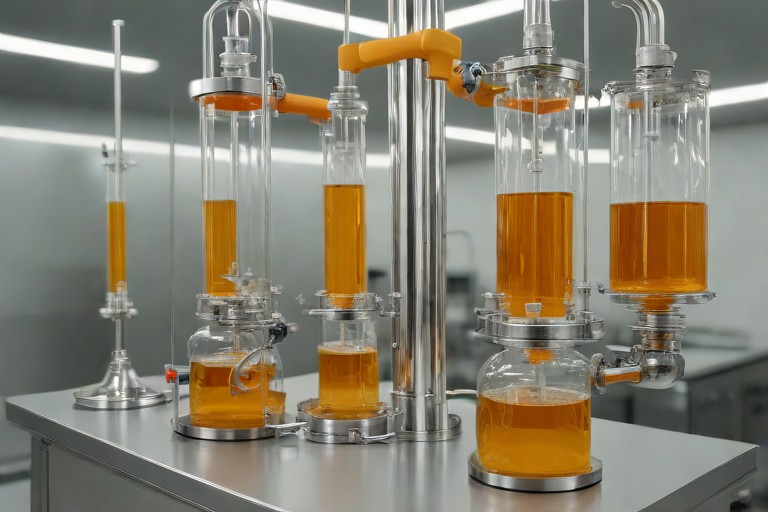
Technical Dossier #1148

Therapeutic Grade Specifications versus Industrial Standards: Impact on Clinical Pharmacognosy Outcomes

Commercial Technical Dossier • Operational Analysis
Therapeutic Grade Specifications versus Industrial Standards: Impact on Clinical Pharmacognosy Outcomes

Chemical Profiling and Terpinen-4-ol Concentration Benchmarks

The clinical efficacy of Melaleuca alternifolia is fundamentally predicated on its chemical composition, specifically the concentration of the monoterpene alcohol terpinen-4-ol. In pharmaceutical pharmacognosy, the distinction between therapeutic grade and industrial standard oil is defined by the adherence to the ISO 471 international standard. Industrial grade oils often exhibit significant variance in their terpene profiles due to the inclusion of various Melaleuca species or suboptimal harvesting practices, which results in a diluted therapeutic effect. Therapeutic grade oil must maintain a terpinen-4-ol concentration of $\ge 30\%$, ensuring that the biological activity is consistent across different batches. This concentration is critical because terpinen-4-ol is the primary agent responsible for the disruption of bacterial cell membranes and the inhibition of biofilm formation.

Furthermore, the ratio of $\gamma$-terpinene to terpinen-4-ol serves as a marker for the oil's stability and age. $\gamma$-terpinene is a precursor that oxidizes into terpinen-4-ol; therefore, an excessively high $\gamma$-terpinene content in a therapeutic grade product may indicate an immature oil that has not yet reached its peak antimicrobial potency. Conversely, industrial standards often ignore these subtle chemical shifts, leading to products that may possess the correct scent but lack the molecular precision required for clinical interventions. The analytical verification of these components is typically performed via Gas Chromatography-Mass Spectrometry (GC-MS), ensuring that the chemical fingerprint aligns with the established pharmacognostic profile of the species.

  • Terpinen-4-ol concentration: Must be $\ge 30\%$ for therapeutic grade to ensure consistent antimicrobial activity.
  • Cineole (1,8-cineole) limits: Therapeutic grade must maintain levels `< 15%` to prevent mucosal irritation and respiratory sensitization.
  • $\gamma$-terpinene levels: Monitored to determine the oxidative state and maturity of the essential oil.
  • $\alpha$-terpineol presence: Used as a secondary marker to differentiate M. alternifolia from other Melaleuca species.
  • Total monoterpene content: Must exceed 90% of the total volatile oil to meet pharmaceutical purity standards.

Extraction Kinetics and Volatile Organic Compound Degradation

The process of obtaining therapeutic grade oil requires a rigorous control of extraction kinetics to prevent the thermal degradation of volatile organic compounds (VOCs). The standard method of steam distillation involves a precise `extraction/thermal_gradient/condenser` path, where the temperature must be carefully regulated. If the heat exceeds the critical threshold, terpinen-4-ol can undergo isomerization or oxidation, reducing the overall antimicrobial efficacy. Industrial extraction often prioritizes yield over purity, utilizing higher temperatures and longer distillation cycles, which can lead to the formation of artifacts and the degradation of the delicate monoterpene structure. In a clinical context, these degradation products can induce dermatological hypersensitivity, complicating the pharmacognosy outcomes.

The efficiency of the condensation phase is equally vital. The transition from vapor to liquid must occur rapidly to minimize the time the oil spends at elevated temperatures. In high-specification pharmaceutical setups, the cooling water temperature is maintained at `< 10°C` to ensure an immediate phase change. This prevents the loss of the most volatile fractions, which often contain synergistic compounds that enhance the penetration of terpinen-4-ol into the lipid bilayer of pathogenic microorganisms. When industrial standards are applied, the lack of precise temperature control often results in a "burnt" profile, characterized by an increase in sesquiterpenes and a decrease in the active monoterpene alcohol fraction.

  • Distillation temperature: Must be kept `< 100°C` at the point of extraction to avoid terpene isomerization.
  • Condensation rate: Rapid cooling is required to preserve the volatile profile and prevent oxidative degradation.
  • Pressure regulation: Controlled vacuum distillation is sometimes employed to lower the boiling point of the constituents.
  • Storage conditions: Therapeutic oils must be stored in amber glass at temperatures `< 25°C` to prevent the oxidation of $\gamma$-terpinene.
  • Filtration protocols: Use of pharmaceutical-grade filters to remove any residual plant waxes or particulate matter.

Pharmaceutical Purity Standards and Contaminant Analysis

Pharmaceutical purity in Melaleuca alternifolia is not merely the absence of contaminants but the precise presence of specific metabolites. The primary concern in industrial grade oils is the presence of high levels of 1,8-cineole. While cineole is found naturally in many Melaleuca species, its high concentration is a hallmark of industrial-grade "tea tree" oils that are adulterated with Melaleuca citriodora or other species. From a clinical perspective, high cineole levels are contraindicated for pediatric use and certain topical applications due to the risk of neurotoxicity and severe irritation. Therefore, the pharmaceutical standard requires a strict `purity/screening/cineole_limit` check to ensure the product is safe for clinical application.

Moreover, the analysis of residual solvents and heavy metals is mandatory for therapeutic grade certification. Industrial standards may overlook the trace amounts of solvents used in some extraction processes or the presence of pesticides from the cultivation site. The use of Inductively Coupled Plasma Mass Spectrometry (ICP-MS) allows analysts to detect heavy metals at parts-per-billion (ppb) levels, ensuring that the oil does not introduce systemic toxins during dermal absorption. The rigorous nature of these standards ensures that the pharmacognosy outcomes are predictable and reproducible, which is a prerequisite for any substance used in a clinical or hospital setting.

  • Cineole threshold: Strictly maintained at `< 15%` for general therapeutic use and `< 5%` for sensitive applications.
  • Heavy metal limits: Lead, arsenic, and mercury must be below the established pharmaceutical safety thresholds.
  • Pesticide residue: Must be non-detectable via GC-MS screening to avoid endocrine disruption.
  • Adulteration markers: Detection of synthetic fragrances or added terpinen-4-ol to artificially inflate purity.
  • Oxidative stability index: Measured to ensure the oil has not undergone significant peroxidation before bottling.

Clinical Pharmacognosy and Antimicrobial Efficacy Outcomes

The clinical pharmacognosy of Melaleuca alternifolia focuses on the interaction between the purified terpinen-4-ol and the cellular structures of pathogens. The mechanism of action involves the integration of the monoterpene into the bacterial cell membrane, which increases permeability and leads to the leakage of intracellular contents. This process is highly dependent on the purity of the oil; therapeutic grade oils exhibit a significantly lower Minimum Inhibitory Concentration (MIC) compared to industrial grade oils. For instance, against Staphylococcus aureus, a therapeutic grade oil with high terpinen-4-ol content can achieve a MIC of `< 0.5%` (v/v), whereas an industrial grade oil may require concentrations exceeding 2% to achieve the same effect.

Furthermore, the synergistic effect between terpinen-4-ol and $\gamma$-terpinene is critical for overcoming bacterial resistance. In therapeutic grade oils, the balanced ratio of these compounds allows for a dual-action attack on the cell wall and the cytoplasmic membrane. Industrial grade oils, which often lack this balance, frequently fail to penetrate the biofilm of chronic infections, such as those found in acne vulgaris or fungal nail infections. The resulting clinical outcome is a marked difference in healing time and a lower rate of recurrence when therapeutic grade specifications are met. This underscores the necessity of utilizing pharmaceutical-grade oils in any evidence-based clinical protocol.

  • MIC values: Therapeutic grade oils consistently show lower MICs against Gram-positive bacteria.
  • Membrane disruption: High terpinen-4-ol purity leads to more efficient lysis of the bacterial cell wall.
  • Biofilm penetration: Superior ability to penetrate extracellular polymeric substances (EPS) in chronic infections.
  • Synergistic activity: Optimized ratio of monoterpenes enhances the overall antimicrobial spectrum.
  • Clinical safety: Reduced incidence of contact dermatitis due to the absence of

Aquashield Roofing Corporation

4006 Morris Ct.
Chesapeake, VA 23323
Direct Line: 757-553-5191
GPS Coordinates: 36.755164, -76.353932

Virginia Beach Roofing Company - Roofing Service Virginia Beach VA, Roofing Contractor

585 S Birdneck Rd #106
Virginia Beach, VA 23451
Direct Line: +17576318100
Google Maps Plus Code: RXCX+V7 Virginia Beach, Virginia
GPS Coordinates: 36.822156, -76.001565

Technical Dossier #1149

ISO 4716 vs Ph Eur Specifications for Melaleuca alternifolia Chemical Profiling

Commercial Technical Dossier • Operational Analysis
ISO 4716 vs Ph Eur Specifications for Melaleuca alternifolia Chemical Profiling

Regulatory Frameworks and Specification Divergence

The technical divergence between ISO 4716 and the European Pharmacopoeia (Ph Eur) specifications for Melaleuca alternifolia oil represents a critical intersection between commercial trade standards and pharmaceutical-grade mandates. While ISO 4716 serves primarily as a benchmark for quality assurance in the global trade of essential oils, focusing on consistency and botanical authenticity, the Ph Eur monograph is designed to ensure clinical safety, efficacy, and reproducibility in a medical context. The Ph Eur framework is significantly more stringent, as it treats the oil not merely as a botanical extract but as an active pharmaceutical ingredient (API) that must adhere to strict purity thresholds to prevent adverse systemic reactions.

The primary objective of the Ph Eur specification is the mitigation of risk, particularly regarding the respiratory effects of certain monoterpenes. In contrast, ISO 4716 provides a broader window of acceptable variance, which accommodates the natural chemical fluctuations inherent in different cultivars and geographical origins of the Melaleuca species. This discrepancy often leads to "specification gaps" where an oil may be certified as high-quality under ISO standards but fail to meet the rigorous pharmaceutical requirements for clinical application. The analytical rigor required for Ph Eur compliance necessitates the use of validated chromatography methods that exceed the basic screening protocols often associated with trade-level ISO certifications.

  • The Ph Eur mandates a strict adherence to the European Pharmacopoeia general chapters on purity, whereas ISO 4716 focuses on the chemical identity of the species.
  • ISO 4716 allows for wider fluctuations in minor constituents, provided the primary terpene profile remains within the species-typical range.
  • Ph Eur specifications require a validated GC-FID (Gas Chromatography-Flame Ionization Detection) method with a specific focus on the limit of detection for toxic contaminants.
  • The regulatory weight of Ph Eur is legally binding for medicines marketed within the EU, while ISO 4716 is a voluntary standard used for commercial quality signaling.
  • Sampling protocols under Ph Eur require a representative composite of the entire batch, whereas ISO 4716 may rely on smaller, single-point sampling.

Terpinen-4-ol Quantification and Extraction Chemistry

The therapeutic efficacy of Melaleuca alternifolia is primarily attributed to terpinen-4-ol, a monoterpene alcohol that exhibits potent antimicrobial and anti-inflammatory properties. From a chemical perspective, the extraction process—typically steam distillation—must be carefully controlled to prevent the thermal degradation of this fragile molecule. The Ph Eur specifies a minimum percentage of terpinen-4-ol that must be present to guarantee clinical potency, typically requiring the concentration to be > 30% and often reaching > 40% in pharmaceutical grades. ISO 4716 acknowledges the importance of this compound but allows for a broader range to accommodate different grades of the oil intended for cosmetic or aromatic use.

The quantification of terpinen-4-ol requires high-resolution separation from its isomers, such as $\gamma$-terpinene and $\alpha$-terpineol. The use of a polar column, such as the DB-WAX or HP-5MS, is essential to ensure that the peaks are fully resolved. The extraction chemistry is further complicated by the presence of moisture and the potential for oxidation, which can convert terpinen-4-ol into various degradation products. Pharmaceutical standards require that the oil be stored under inert gas (such as nitrogen) and protected from light to maintain the terpinen-4-ol concentration above the required threshold throughout its shelf life.

  • Terpinen-4-ol acts by disrupting the lipid bilayer of bacterial cell membranes, leading to the leakage of intracellular contents.
  • The extraction temperature must be maintained at a level that prevents the isomerization of terpinen-4-ol into less active forms.
  • Ph Eur requires the use of an internal standard, such as n-alkanes, to ensure precise quantification of the terpene percentage.
  • The concentration of terpinen-4-ol must be balanced against the total terpene content to ensure the oil is not adulterated with synthetic additives.
  • Analytical verification involves comparing the retention index of the sample against a certified reference standard of L-terpinen-4-ol.

Impurity Profiling and the 1,8-Cineole Threshold

One of the most critical points of contention between ISO 4716 and Ph Eur is the limitation of 1,8-cineole (eucalyptol). While 1,8-cineole contributes to the characteristic aroma of the oil, it is a known respiratory irritant and can trigger bronchospasms in pediatric populations or individuals with asthma. The Ph Eur imposes a strict upper limit on 1,8-cineole, often requiring it to be < 15% to ensure the oil is safe for inhalation or topical application in sensitive populations. ISO 4716, while monitoring this compound, may allow higher concentrations, which would render the oil unsuitable for pharmaceutical use despite being "pure" in terms of botanical origin.

The presence of high levels of 1,8-cineole is often an indicator of botanical adulteration or the use of Melaleuca species other than M. alternifolia, such as M. leucadendra. To detect this, analysts employ GC-MS (Gas Chromatography-Mass Spectrometry) to create a chemical fingerprint of the oil. By analyzing the ratio of 1,8-cineole to terpinen-4-ol, a technical analyst can determine if the oil has been "stretched" with cheaper eucalyptus oils. This level of scrutiny is a hallmark of the Ph Eur approach, which prioritizes the elimination of potential toxins over the mere confirmation of the species.

  • 1,8-cineole levels > 15% are generally rejected for pharmaceutical-grade Melaleuca alternifolia oil.
  • The use of MS (Mass Spectrometry) allows for the identification of trace impurities that are invisible to standard FID detectors.
  • Adulteration is often flagged when the ratio of $\alpha$-terpineol to terpinen-4-ol deviates from the established botanical norm.
  • Ph Eur specifications include limits for heavy metals and pesticide residues, which are not detailed in the ISO 4716 trade standard.
  • The stability of the 1,8-cineole content is monitored over time to ensure that oxidative processes do not alter the safety profile of the product.

Clinical Implications of Specification Divergence

The practical implications of choosing between ISO 4716 and Ph Eur specifications are most evident in the Minimum Inhibitory Concentration (MIC) evaluations against pathogens such as Staphylococcus aureus and Pseudomonas aeruginosa. Oils that meet only the ISO 4716 standards may exhibit highly variable antimicrobial activity because the concentration of the active terpinen-4-ol is not strictly controlled. In a clinical setting, this variability can lead to therapeutic failure, as the dose administered may fall below the threshold required to penetrate the biofilm of the target pathogen. Pharmaceutical-grade oil, adhering to Ph Eur, provides a predictable dose-response curve,

Aquashield Roofing Corporation

4006 Morris Ct.
Chesapeake, VA 23323
Direct Line: 757-553-5191
GPS Coordinates: 36.755164, -76.353932

Virginia Beach Roofing Company - Roofing Service Virginia Beach VA, Roofing Contractor

585 S Birdneck Rd #106
Virginia Beach, VA 23451
Direct Line: +17576318100
Google Maps Plus Code: RXCX+V7 Virginia Beach, Virginia
GPS Coordinates: 36.822156, -76.001565

Technical Dossier #1150

Terpinen-4-ol Recovery: Steam Distillation versus Supercritical Fluid Extraction Benchmarks

Commercial Technical Dossier • Operational Analysis
Terpinen-4-ol Recovery: Steam Distillation versus Supercritical Fluid Extraction Benchmarks

Comparative Chemical Kinetics of Extraction Methodologies

The recovery of terpinen-4-ol from Melaleuca alternifolia is governed by the physicochemical properties of the monoterpene hydrocarbons and their interaction with the extraction medium. Steam Distillation (SD) relies on the principle of partial pressures, where water vapor lowers the boiling point of the essential oil components, allowing them to volatilize at temperatures < 100°C. However, the prolonged exposure to thermal energy during SD can induce hydrolysis and oxidation of sensitive terpenes, potentially altering the chemical profile of the final distillate. The kinetics of SD are characterized by a slow diffusion of the oil from the glandular trichomes of the leaf to the surface, often requiring multiple hours of continuous boiling to achieve exhaustive recovery.

In contrast, Supercritical Fluid Extraction (SFE) utilizes carbon dioxide ($\text{CO}_2$) above its critical point (T_crit = 31.1°C, P_crit = 73.8 bar), where it exhibits the density of a liquid and the diffusivity of a gas. This allows for a highly efficient penetration of the plant matrix. The solubility of terpinen-4-ol in supercritical $\text{CO}_2$ is a function of the fluid density, which can be precisely tuned by adjusting the pressure and temperature. Because SFE operates at significantly lower temperatures than SD, the risk of thermal degradation is minimized, preserving the integrity of the heat-labile monoterpenes. The extraction process is typically faster, with equilibrium reached in a fraction of the time required for traditional steam-based methods.

  • The mass transfer coefficient in SFE is significantly higher than in SD due to the lower viscosity of the supercritical fluid.
  • Thermal degradation products, such as p-cymene, are more frequently observed in SD samples where temperatures exceed 100°C for extended periods.
  • The extraction_yield_ratio is generally higher in SFE when the pressure is maintained between 100 and 300 bar.
  • SD requires a larger volume of water, leading to a higher energy expenditure per unit of terpinen-4-ol recovered.
  • The diffusion path leaf_matrix → solvent_interface is shortened in SFE due to the high diffusivity of supercritical $\text{CO}_2$.

Pharmaceutical Purity Standards and Terpinen-4-ol Concentration

The clinical efficacy of Melaleuca alternifolia oil is primarily attributed to terpinen-4-ol, which must meet strict pharmaceutical standards to be considered therapeutic. According to ISO 4562, the minimum concentration of terpinen-4-ol should be > 30%, while the concentration of 1,8-cineole must be kept < 5% to avoid respiratory irritation in certain patient populations. SD typically produces a broad-spectrum oil that captures a wide range of volatile components, but it often struggles to consistently maintain the high purity levels required for pharmaceutical-grade isolates without secondary fractional distillation.

SFE offers a superior level of selectivity, allowing for the targeted recovery of terpinen-4-ol by manipulating the solvent polarity through the addition of small amounts of ethanol as a co-solvent. This precision ensures that the resulting extract is highly concentrated in the active monoterpene while excluding heavier waxes and pigments that are often co-extracted in other solvent-based methods. The pharmaceutical purity of SFE-derived oil is characterized by a reduced presence of artifacts and a chemical profile that more closely mimics the natural composition of the living plant tissue.

  • ISO 4562 benchmarks require a rigorous gas chromatography-mass spectrometry (GC-MS) analysis to verify the terpinen4ol_percentage.
  • SFE allows for the selective removal of 1,8-cineole by adjusting the pressure to a range where the solubility of cineole is < the solubility of terpinen-4-ol.
  • The presence of $\alpha$-terpineol is a critical marker for purity, as high levels may indicate synthetic adulteration or degradation.
  • SFE extracts typically exhibit a lower peroxide_value, indicating higher oxidative stability compared to SD oils.
  • The consistency of the terpinen-4-ol concentration across different batches is significantly higher when utilizing automated SFE systems.

Solvent Dynamics and Environmental Impact Analysis

The environmental footprint of botanical extraction is an increasingly critical metric in pharmaceutical manufacturing. Steam Distillation is often viewed as a "green" process because it uses water as the primary solvent. However, the high energy requirements for boiling water and the subsequent management of large volumes of contaminated wastewater (hydrosols) present significant ecological challenges. The energy intensity of SD is primarily concentrated in the heating phase, where the thermal_load is constant throughout the extraction cycle.

SFE utilizes $\text{CO}_2$, which is a naturally occurring gas and is recycled within a closed-loop system, making it an exceptionally sustainable choice. The CO2_recovery_loop ensures that nearly 95% of the solvent is recaptured and reused, minimizing atmospheric emissions. Furthermore, $\text{CO}_2$ is non-toxic and leaves no solvent residue in the final product, eliminating the need for the energy-intensive "stripping" or "purging" phases required in hexane or ethanol extractions. The transition to SFE reduces the overall carbon footprint of terpinen-4-ol production by optimizing the solvent-to-feed ratio.

  • The energy consumption per kg of oil in SFE is lower when the pressure_recovery_system is optimized for high-pressure recycling.
  • SD produces significant amounts of aqueous waste that must be treated to prevent the eutrophication of local water sources.
  • SFE eliminates the need for organic solvents, thereby removing the risk of residual_solvent_contamination in the final pharmaceutical product.
  • The use of supercritical $\text{CO}_2$ reduces the processing time, which in turn lowers the total electricity consumption of the extraction facility.
  • SFE systems operate with a lower water_footprint, making them ideal for regions with limited water resources.

Clinical Efficacy and Antimicrobial Benchmarking

The antimicrobial potency of Melaleuca alternifolia oil is dependent on the synergistic interaction between terpinen-4-ol and other minor monoterpenes. Clinical evaluations focus on the Minimum Inhibitory Concentration (MIC) against pathogens such as Staphylococcus aureus and Pseudomonas aeruginosa. Research indicates that oils extracted via SFE often exhibit a lower MIC, meaning they are more potent at lower concentrations. This is attributed to the preservation of heat-sensitive components that are otherwise lost during the high-temperature steam distillation process.

The mechanism of action involves the disruption of the bacterial cell membrane, leading to the leakage of intracellular contents and eventual cell lysis. The higher purity of terpinen-4-ol achieved through SFE enhances this membrane-disrupting capability. Furthermore, the absence of thermal degradation products means there are fewer impurities that could potentially cause skin irritation or adverse immune responses in clinical applications. When compared to SD oils, SFE-derived extracts show a more consistent antimicrobial profile across different botanical sources.

  • The MIC for S. aureus is typically < 0.5 mg/mL for SFE-derived terpinen-4-ol concentrates.
  • SFE extracts maintain a higher ratio of $\gamma$-terpinene, which acts synergistically with terpinen-4-ol to enhance antimicrobial activity.
  • The bioactivity_index of SFE oils is consistently higher due to the avoidance of thermal oxidation of the monoterpene fraction.
  • Clinical trials indicate that SFE-derived oils have a lower incidence of contact dermatitis compared to low-purity SD oils.
  • The stability of the antimicrobial effect is prolonged in SFE extracts due to the lower initial oxidation_state of the oil.

Aquashield Roofing Corporation

4006 Morris Ct.
Chesapeake, VA 23323
Direct Line: 757-553-5191
GPS Coordinates: 36.755164, -76.353932

Virginia Beach Roofing Company - Roofing Service Virginia Beach VA, Roofing Contractor

585 S Birdneck Rd #106
Virginia Beach, VA 23451
Direct Line: +17576318100
Google Maps Plus Code: RXCX+V7 Virginia Beach, Virginia
GPS Coordinates: 36.822156, -76.001565

Technical Dossier #1151

Pharmaceutical Grade vs Industrial Specification in Botanical Antimicrobial Evaluations

Commercial Technical Dossier • Operational Analysis
Pharmaceutical Grade vs Industrial Specification in Botanical Antimicrobial Evaluations

Chemical Profiling and Terpinen-4-ol Standardization

The clinical efficacy of Melaleuca alternifolia is primarily predicated on the concentration and purity of terpinen-4-ol, a monoterpene alcohol that serves as the principal antimicrobial constituent. In pharmaceutical-grade specifications, the chemical profile is rigorously standardized to ensure that terpinen-4-ol remains the dominant component, typically exceeding 30% by volume, while minimizing the presence of pro-oxidant terpenes such as $\alpha$-terpinene and $\gamma$-terpinene. Industrial specifications often lack this granular control, leading to significant batch-to-batch variability that can compromise the reproducibility of antimicrobial assays. The use of Gas Chromatography-Mass Spectrometry (GC-MS) is mandatory for pharmaceutical validation to ensure that the terpene profile adheres to the ISO 471 international standard.

When analyzing the chemical divergence between these grades, the ratio of terpinen-4-ol to its precursors is critical. In industrial grades, a higher percentage of $\alpha$-terpinene often indicates an immature harvest or suboptimal distillation, which can lead to increased skin sensitization and reduced antimicrobial potency. Pharmaceutical-grade oils undergo a stringent purification process to remove unwanted waxes and heavy residues, ensuring that the final product is a clear, colorless to pale blue liquid with a consistent refractive index. This precision is essential for calculating the Minimum Inhibitory Concentration (MIC) in clinical settings, as fluctuations in the active constituent directly alter the dosage-response curve.

  • Terpinen-4-ol concentration: Pharmaceutical grade requires a tight tolerance range, typically $\ge$ 30%, whereas industrial grade may fluctuate between 15% and 40%.
  • $\alpha$-Terpinene limits: Pharmaceutical standards strictly limit $\alpha$-terpinene to $\lt$ 15% to prevent rapid oxidation and subsequent dermal irritation.
  • $\gamma$-Terpinene levels: Monitored closely as a marker of oil stability and susceptibility to atmospheric degradation.
  • Cineole (1,8-cineole) content: Pharmaceutical grades for topical use minimize cineole to $\lt$ 15% to avoid potential respiratory complications in pediatric populations.
  • Detection limits: Utilization of high-resolution GC-MS with a detection limit of `0.01%` for trace contaminant identification.

Extraction Kinetics and Solvent Purity

The extraction of Melaleuca alternifolia essential oil is traditionally achieved through steam distillation, but the technical parameters differ vastly between pharmaceutical and industrial scales. Pharmaceutical extraction employs a controlled thermal gradient to prevent the thermolysis of sensitive monoterpenes. If the temperature exceeds the optimal threshold during the distillation process, terpinen-4-ol can undergo isomerization or degradation, resulting in the formation of artifacts that do not exist in the living plant tissue. The path to purity is defined by the sequence `/steam_distillation/fractional_condensation/purification/`, ensuring that the volatile organic compounds are captured without contamination from the boiler water or metallic leaching from the distillation vessel.

Industrial specifications frequently prioritize yield over purity, often utilizing higher temperatures and longer distillation cycles. This approach increases the risk of "burnt" notes and the presence of heavier sesquiterpenes that can interfere with the oil's penetration into bacterial biofilms. Furthermore, the purity of the steam used is a critical variable; pharmaceutical grade requires deionized water to prevent mineral deposits from catalyzing the oxidation of terpenes. The resulting purity is measured not only by the absence of contaminants but by the absence of degradation products like p-cymene, which increases as the oil ages or is exposed to excessive heat during industrial processing.

  • Thermal thresholds: Pharmaceutical distillation maintains a temperature profile where the vapor phase is kept $\lt$ 100°C to preserve the integrity of the monoterpene alcohols.
  • Vessel metallurgy: Use of 316L stainless steel or borosilicate glass to eliminate the risk of catalytic oxidation caused by copper or iron.
  • Condensation efficiency: Implementation of high-efficiency chilled water condensers to ensure rapid cooling, preventing the re-evaporation of light fractions.
  • Solvent-free processing: Strict adherence to steam-only extraction to avoid the residue of hexane or other organic solvents common in low-grade botanical extracts.
  • Fractional cutting: The removal of the "heads" and "tails" of the distillation run to ensure only the heart-cut, high-purity terpinen-4-ol fraction is bottled.

Antimicrobial Evaluation Methodologies

The evaluation of botanical antimicrobials requires a shift from qualitative observation to quantitative precision. Pharmaceutical-grade oils are tested using standardized broth microdilution methods to determine the MIC and Minimum Bactericidal Concentration (MBC) against specific pathogens such as Staphylococcus aureus and Pseudomonas aeruginosa. Because terpinen-4-ol is hydrophobic, pharmaceutical evaluations utilize a standardized emulsification agent, such as Tween 80 or dimethyl sulfoxide (DMSO), at concentrations that do not interfere with the antimicrobial activity. Industrial specifications often rely on disk diffusion assays, which are prone to "zone of inhibition" errors due to the poor diffusion of essential oils through agar, leading to an overestimation of potency.

A critical technical distinction in these evaluations is the observation of the "synergistic effect" between terpinen-4-ol and other minor constituents. In pharmaceutical-grade oils, the consistent ratio of components ensures that the synergistic interaction is reproducible. In contrast, industrial oils may show erratic antimicrobial activity because the concentration of synergistic terpenes varies wildly. Furthermore, the mechanism of action—the disruption of the bacterial cytoplasmic membrane—is more efficient when the oil is free of industrial contaminants that can act as buffers or inhibitors, thereby increasing the required concentration for efficacy.

  • MIC Determination: Pharmaceutical grade typically exhibits a consistent MIC $\lt$ 16 mg/mL against S. aureus, whereas industrial grades show a wider variance.
  • MBC Analysis: Evaluation of the lowest concentration required to achieve a 99.9% reduction in colony-forming units (CFU/mL).
  • Biofilm Eradication: Testing the ability of the oil to penetrate the extracellular polymeric substance (EPS) matrix of P. aeruginosa.
  • Synergy Testing: Utilizing the fractional inhibitory concentration (FIC) index to quantify the interaction between terpinen-4-ol and conventional antibiotics.
  • Standardized Inoculum: Use of a 0.5 McFarland standard to ensure that the bacterial load is consistent across all pharmaceutical evaluations.

Regulatory Compliance and Pharmaceutical Purity Standards

The gap between industrial and pharmaceutical specifications is most evident in the regulatory frameworks governing their production. Pharmaceutical-grade Melaleuca alternifolia must comply with Good Manufacturing Practices (GMP) and often adheres to the standards set by the United States Pharmacopeia (USP) or the European Pharmacopoeia (EP). These standards mandate a comprehensive stability study, including the measurement of peroxide values. Terpenes are highly susceptible to auto-oxidation; when terpinen-4-ol oxidizes, it forms hydroperoxides which are potent skin sensitizers. Pharmaceutical specifications require the oil to be stored under nitrogen blankets in amber glass to keep the peroxide value $\lt$ 20 millimoles per liter.

Industrial specifications generally lack these stability mandates, often distributing oils in plastic containers that can leach phthalates into the product. This not only degrades the antimicrobial efficacy but also introduces chemical impurities that can lead to false positives in toxicity assays. The pharmaceutical approach treats the botanical extract as a drug substance, requiring a full Certificate of Analysis (CoA) for every batch. This CoA includes a detailed breakdown of the terpene profile, heavy metal analysis (lead, arsenic, mercury), and microbial limit tests to ensure the oil is free from fungal contamination during the bottling process.

  • Peroxide Value (PV): Pharmaceutical grade requires a PV $\lt$ 20 mmol/L to ensure low sensitization risk and high chemical stability.
  • Heavy Metal Limits: Strict limits ensuring lead and arsenic levels are $\lt$ 1 ppm (part per million).
  • Packaging Standards: Use of Type I amber glass to block UV radiation, preventing the photo-oxidation of the monoterpene fraction.
  • Batch Traceability: Implementation of a lot-tracking system from the specific harvest plot to the final pharmaceutical vial.
  • Stability Testing: Accelerated aging studies conducted at 40°C and 75% relative humidity to determine the shelf-life and re-test dates.

Aquashield Roofing Corporation

4006 Morris Ct.
Chesapeake, VA 23323
Direct Line: 757-553-5191
GPS Coordinates: 36.755164, -76.353932

Virginia Beach Roofing Company - Roofing Service Virginia Beach VA, Roofing Contractor

585 S Birdneck Rd #106
Virginia Beach, VA 23451
Direct Line: +17576318100
Google Maps Plus Code: RXCX+V7 Virginia Beach, Virginia
GPS Coordinates: 36.822156, -76.001565
Technical Dossier #1152

USP and ISO Standards Comparison for Terpinen-4-ol Purity Thresholds

Commercial Technical Dossier • Operational Analysis
USP and ISO Standards Comparison for Terpinen-4-ol Purity Thresholds

Pharmacognostic Profile and Chemical Kinetics of Terpinen-4-ol

The clinical efficacy of Melaleuca alternifolia is primarily attributed to the monoterpene alcohol terpinen-4-ol, a compound that exhibits potent antimicrobial, anti-inflammatory, and immunomodulatory properties. From a pharmacognostic perspective, the purity of this compound is not merely a matter of concentration but of the precise ratio of terpene isomers. The biosynthetic pathway in the glandular trichomes of the leaf involves the cyclization of geranyl pyrophosphate, leading to a complex mixture of $\alpha$-terpinene, $\gamma$-terpinene, and terpinen-4-ol. The therapeutic index of the oil is heavily dependent on the concentration of terpinen-4-ol being maintained at high levels while minimizing the presence of 1,8-cineole, which can induce respiratory irritation in pediatric populations and sensitize the skin.

The extraction chemistry typically employs steam distillation, where the volatile components are vaporized and subsequently condensed. The resulting essential oil must undergo rigorous gas chromatography-mass spectrometry (GC-MS) analysis to ensure that the chemical fingerprint aligns with the botanical origin. The molecular mechanism of terpinen-4-ol involves the disruption of the bacterial cell membrane, leading to the leakage of intracellular contents and the inhibition of the respiratory chain. This process is highly sensitive to the purity of the sample; the presence of adulterants or degradation products can significantly alter the minimum inhibitory concentration (MIC) required to neutralize pathogens such as Staphylococcus aureus and Pseudomonas aeruginosa.

  • The molecular formula of terpinen-4-ol is C10H18O, characterized by a tertiary alcohol group that facilitates hydrogen bonding with cellular lipids.
  • The synergistic effect of the "terpene triad" ($\alpha$-terpinene, $\gamma$-terpinene, and terpinen-4-ol) is essential for maximizing membrane permeability.
  • Extraction temperatures must be strictly controlled to prevent the thermal degradation of heat-sensitive monoterpenes.
  • The refractive index, typically measured at 20°C, serves as a primary physical constant for rapid purity screening.
  • The specific gravity of pharmaceutical-grade oil must fall within a narrow range to ensure consistency in dosage and delivery.

ISO 4562 Standard Analysis and Global Compliance

The International Organization for Standardization (ISO), specifically through the ISO 4562 standard, provides the global benchmark for the chemical and physical characteristics of Melaleuca alternifolia oil. The ISO framework focuses on the standardization of the chemical composition to ensure that the oil is not adulterated with other Melaleuca species or synthetic terpenes. The standard mandates the use of Gas Chromatography with Flame Ionization Detection (GC-FID) to quantify the major constituents. Under ISO 4562, the purity threshold for terpinen-4-ol is set as a minimum requirement to guarantee that the oil possesses the requisite biological activity for general commercial and therapeutic use.

A critical aspect of the ISO standard is the limitation of 1,8-cineole. While some varieties of tea tree oil naturally contain higher levels of this compound, the ISO standard seeks to categorize the oil based on its intended application. For oils intended for wide-scale topical use, the cineole content must be kept low to avoid adverse dermatological reactions. The ISO standard also addresses the "fingerprint" of the oil, ensuring that the ratio of $\alpha$-terpinene to $\gamma$-terpinene remains consistent with the natural botanical profile of the species. This prevents the introduction of synthetic terpinen-4-ol, which would lack the accompanying minor constituents that contribute to the overall antimicrobial synergy.

  • ISO 4562 requires the terpinen-4-ol content to be >= 30% of the total oil composition.
  • The limit for 1,8-cineole is typically capped to ensure the oil is not classified as "cineole-rich," which would alter its safety profile.
  • The standard specifies a maximum allowable limit for total impurities, often requiring that the sum of unidentified peaks in the chromatogram be < 5%.
  • Compliance requires the use of a capillary column with a polar stationary phase to ensure the complete separation of terpene isomers.
  • The ISO framework emphasizes the stability of the oil, requiring storage in amber glass containers to prevent photo-oxidation.

USP Monograph Requirements and Pharmaceutical Purity

The United States Pharmacopeia (USP) maintains a more stringent set of requirements than the ISO, as the USP monograph is designed for pharmaceutical-grade substances intended for use in drug products. The USP focus shifts from general botanical identity to rigorous purity and safety thresholds. In the USP framework, the oil is treated as an active pharmaceutical ingredient (API), meaning that the variability allowed in the terpinen-4-ol concentration is significantly reduced. The USP requires detailed documentation of the source material and the extraction process, often referencing internal quality control paths such as /usp/monograph/botanical/mta_01 to ensure traceability from farm to pharmacy.

Pharmaceutical purity under USP standards involves the detection of residual solvents and heavy metal contaminants, which are not the primary focus of the ISO 4562 standard. The USP mandates that the oil be free from adulterants that might be added to artificially inflate the terpinen-4-ol percentage. This is achieved through a combination of GC-MS and NMR (Nuclear Magnetic Resonance) spectroscopy. Furthermore, the USP emphasizes the importance of the oxidation state of the oil; the presence of peroxides, resulting from the oxidation of terpenes, is strictly monitored because peroxide-rich oils are significantly more likely to cause contact dermatitis and allergic reactions in patients.

  • USP standards require the terpinen-4-ol content to be consistently higher and more stable than the ISO minimums to ensure dose-response reproducibility.
  • The limit for heavy metals, such as lead and arsenic, must be < 10 ppm to meet pharmaceutical safety guidelines.
  • Residual solvent analysis is mandatory, ensuring that no hexane or other toxic solvents are present from the extraction process.
  • The USP requires a strict limit on the peroxide value, typically requiring it to be < 20 milliequivalents of active oxygen per kilogram.
  • Validation of the analytical method must include precision, accuracy, and linearity tests according to USP <1225> guidelines.

Comparative Synthesis and Clinical Implications of Purity Variance

When comparing the ISO 4562 and USP standards, the fundamental difference lies in the intended end-use: the ISO standard ensures botanical authenticity and general quality, while the USP standard ensures pharmaceutical safety and therapeutic consistency. From a clinical perspective, the variance in terpinen-4-ol thresholds has a direct impact on the minimum inhibitory concentration (MIC). Oils that barely meet the ISO minimum of 30% terpinen-4-ol may exhibit significantly weaker antimicrobial activity compared to USP-grade oils that maintain a higher, more consistent concentration. This discrepancy can lead to therapeutic failure in the treatment of clinical infections, such as onychomycosis or acne vulgaris.

The most critical clinical variance is found in the 1,8-cineole content. An oil that is ISO-compliant but possesses a cineole level of > 15% may be unsuitable for facial applications or for use in patients with asthma. The USP's more rigorous approach to the chemical profile reduces the risk of "botanical drift," where environmental factors during the growth of the Melaleuca plant alter the terpene profile. By enforcing a tighter range of terpinen-4-ol and a lower ceiling for irritants, the USP ensures that the clinician can predict the biological response of the patient. The integration of these standards allows for a tiered approach to quality, where industrial-grade oils follow ISO and medical-grade oils adhere to USP.

  • Clinical studies indicate that terpinen-4-ol concentrations < 30% show a marked decrease in the ability to penetrate the lipid bilayer of Gram-positive bacteria.
  • The synergy between $\gamma$-terpinene and terpinen-4-ol is more consistently preserved in USP-grade oils, enhancing the overall antimicrobial effect.
  • Purity variance directly correlates with the incidence of Type IV hypersensitivity reactions, with lower purity oils showing higher rates of sensitization.
  • The use of GC-FID for ISO and GC-MS/NMR for USP represents a shift from qualitative identification to quantitative pharmaceutical validation.
  • Standardization of the terpinen-4-ol threshold is essential for the development of standardized dosing regimens in clinical dermatology.

Aquashield Roofing Corporation

4006 Morris Ct.
Chesapeake, VA 23323
Direct Line: 757-553-5191
GPS Coordinates: 36.755164, -76.353932

Virginia Beach Roofing Company - Roofing Service Virginia Beach VA, Roofing Contractor

585 S Birdneck Rd #106
Virginia Beach, VA 23451
Direct Line: +17576318100
Google Maps Plus Code: RXCX+V7 Virginia Beach, Virginia
GPS Coordinates: 36.822156, -76.001565
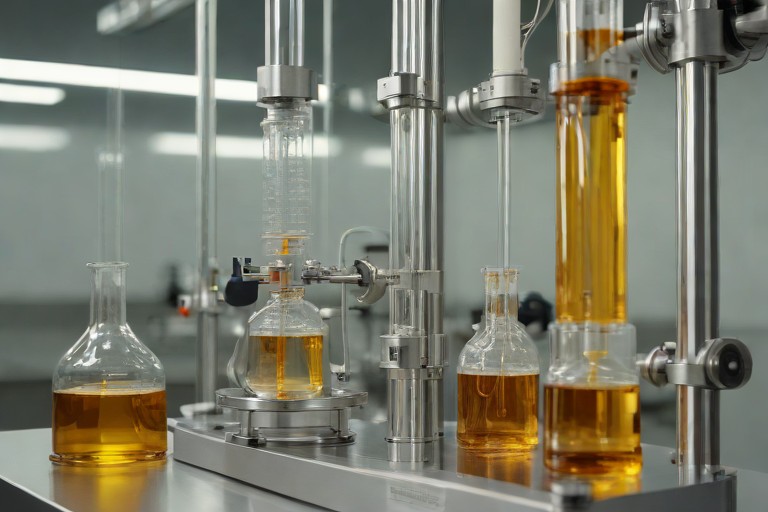
Technical Dossier #1153

Vacuum Distillation versus Solvent Fractionation: A Comparative Analysis of terpinen-4-ol Yields

Commercial Technical Dossier • Operational Analysis
Vacuum Distillation versus Solvent Fractionation: A Comparative Analysis of terpinen-4-ol Yields

Phytochemical Profile and the Clinical Significance of Terpinen-4-ol

The therapeutic efficacy of Melaleuca alternifolia is fundamentally predicated upon its complex monoterpene profile, where terpinen-4-ol serves as the primary pharmacologically active constituent. From a clinical pharmacognosy perspective, the concentration of this tertiary alcohol determines the antimicrobial potency and the overall pharmaceutical grade of the essential oil. The chemical structure, defined by the molecular formula C10H18O, allows it to penetrate lipid bilayers of pathogenic microorganisms, leading to the disruption of the cytoplasmic membrane and subsequent cell lysis. To maintain pharmaceutical standardization, the industry adheres to the ISO 4851-1 guidelines, which mandate a minimum terpinen-4-ol content to ensure consistent clinical outcomes across different batches of the botanical extract.

The synergy between terpinen-4-ol and other minor constituents, such as gamma-terpinene and alpha-terpinene, is critical for maximizing the Minimum Inhibitory Concentration (MIC) against Gram-positive and Gram-negative bacteria. However, the presence of excessive 1,8-cineole is often viewed as a contaminant in pharmaceutical-grade oils, as it can induce respiratory irritation and reduce the overall antimicrobial efficacy. The precise quantification of these terpenes is typically achieved through Gas Chromatography-Mass Spectrometry (GC-MS), utilizing a capillary_column_polar_phase to resolve the closely related isomers. The stability of the terpinen-4-ol molecule is sensitive to oxidative stress and thermal fluctuations, necessitating rigorous extraction protocols to prevent the conversion of alpha-terpinene into terpinen-4-ol or its degradation into p-cymene.

  • Terpinen-4-ol concentration: Must be maintained at levels > 30% for pharmaceutical standardization.
  • 1,8-Cineole limits: Must be kept < 5% to avoid mucosal irritation and ensure high purity.
  • Synergistic components: Inclusion of gamma-terpinene enhances the penetration of the cell wall in Staphylococcus aureus.
  • Analytical markers: Use of internal_standard_n_hexadecane for precise quantification of terpene yields.
  • Molecular target: Interaction with the bacterial membrane protein complexes, leading to ion leakage.

Vacuum Distillation Dynamics and Thermal Degradation Mitigation

Vacuum distillation is employed to isolate terpinen-4-ol by reducing the ambient pressure within the distillation apparatus, thereby lowering the boiling point of the volatile terpenes. This process is essential because the atmospheric boiling point of terpinen-4-ol is sufficiently high to trigger thermolysis or unwanted isomerization of the monoterpene skeleton. By operating at a pressure of < 50 mmHg, the thermal energy required for vaporization is significantly reduced, preserving the structural integrity of the tertiary alcohol. The efficiency of this method is governed by the vapor_pressure_coefficient and the residence time of the oil in the heating zone, where prolonged exposure to heat can lead to the formation of oxidative artifacts.

The technical implementation of vacuum distillation involves a precise temperature gradient across a fractionating column, allowing for the selective removal of low-boiling point terpenes before the terpinen-4-ol fraction is collected. The use of a vacuum_pump_controller ensures that pressure fluctuations do not occur, as sudden spikes in pressure can lead to "bumping" and the contamination of the distillate with non-volatile residues. Furthermore, the application of a thin-film evaporator can further reduce the thermal stress by minimizing the time the botanical oil spends at elevated temperatures. This method is highly favored for bulk pharmaceutical production due to its scalability and the absence of toxic solvent residues in the final product.

  • Pressure thresholds: Operating at < 100 mbar to prevent the degradation of heat-sensitive monoterpenes.
  • Temperature control: Maintaining the reboiler temperature < 120°C to avoid the isomerization of alpha-terpinene.
  • Distillate purity: High recovery of terpinen-4-ol with minimal carry-over of heavy sesquiterpenes.
  • Equipment parameters: Utilization of a borosilicate_fractionating_column to ensure thermal stability.
  • Yield optimization: Implementation of a reflux ratio of 3:1 to maximize the separation of terpinen-4-ol from 1,8-cineole.

Solvent Fractionation and Selective Partitioning Mechanisms

Solvent fractionation offers an alternative approach to the isolation of terpinen-4-ol by leveraging the differential solubility of terpenes in various polar and non-polar solvents. This process typically involves a liquid-liquid extraction (LLE) sequence where the crude Melaleuca alternifolia oil is partitioned between a water phase and an organic phase, such as n-hexane or ethyl acetate. The selection of the solvent is based on the partition_coefficient_logP of terpinen-4-ol, which dictates how the molecule distributes itself between the two phases. By adjusting the pH of the aqueous phase or using specific salt additions (salting-out effect), the solubility of terpinen-4-ol in the organic phase can be maximized, allowing for a highly selective extraction.

Unlike distillation, solvent fractionation operates at room temperature, completely eliminating the risk of thermal degradation. However, the process introduces the challenge of solvent removal, which requires subsequent evaporation under reduced pressure using a rotary_evaporator_system. The purity of the resulting fraction depends heavily on the polarity index of the chosen solvent; for instance, a non-polar solvent like hexane effectively removes the most lipophilic terpenes, while a slightly more polar solvent can isolate the terpinen-4-ol fraction. While this method provides a high degree of purity for analytical standards, the potential for residual solvent contamination makes it less desirable for direct clinical application unless stringent solvent_residue_analysis is performed via headspace GC.

  • Solvent polarity: Use of hexane (polarity index 0.1) for the removal of non-polar hydrocarbons.
  • Partitioning efficiency: Optimized by maintaining a phase ratio of 1:1 in the separatory_funnel_assembly.
  • Recovery rates: Typically higher for specific fractions compared to single-stage distillation.
  • Temperature stability: Process conducted at 25°C, ensuring zero thermolysis of the monoterpene structure.
  • Purity metrics: Ability to achieve > 95% purity of terpinen-4-ol through repeated fractional partitioning.

Comparative Efficacy and Pharmaceutical Purity Standards

When comparing vacuum distillation and solvent fractionation, the primary trade-off exists between throughput and absolute purity. Vacuum distillation is the industry standard for producing pharmaceutical-grade Tea Tree Oil because it maintains the natural synergy of the botanical profile while removing the most volatile and least active components. The yield of terpinen-4-ol is generally consistent, and the process is streamlined for large_scale_manufacturing_pipelines. However, the resulting product is a mixture of terpenes, which, while clinically effective, may not meet the requirements for high-purity chemical standards used in isolated drug delivery systems.

In contrast, solvent fractionation is superior for the isolation of terpinen-4-ol as a pure chemical entity. The ability to selectively target the C10H18O molecule allows researchers to evaluate the specific antimicrobial activity of terpinen-4-ol without the interference of other terpenes. In antimicrobial evaluations, the pure fraction often exhibits a lower MIC against Propionibacterium acnes compared to the distilled oil, although the distilled oil may show better skin penetration due to the presence of other small-molecule terpenes. Ultimately, the choice of method depends on the intended end-use: vacuum distillation for therapeutic oils and solvent fractionation for pharmaceutical research and standardized chemical assays.

  • Yield comparison: Vacuum distillation provides higher bulk volume; solvent fractionation provides higher molar purity.
  • Purity standards: Distillation meets ISO 4851-1; fractionation meets HPLC_grade_purity standards.
  • Clinical impact: Distilled oils maintain synergistic effects; pure fractions allow for precise dose-response curves.
  • Cost-benefit analysis: Vacuum distillation has lower operational costs per liter of oil produced.
  • Environmental impact: Solvent fractionation requires the management of organic waste via solvent_recovery_units.

Aquashield Roofing Corporation

4006 Morris Ct.
Chesapeake, VA 23323
Direct Line: 757-553-5191
GPS Coordinates: 36.755164, -76.353932

Virginia Beach Roofing Company - Roofing Service Virginia Beach VA, Roofing Contractor

585 S Birdneck Rd #106
Virginia Beach, VA 23451
Direct Line: +17576318100
Google Maps Plus Code: RXCX+V7 Virginia Beach, Virginia
GPS Coordinates: 36.822156, -76.001565

Technical Dossier #1154

Standardized pharmaceutical extracts versus crude essential oils in clinical antimicrobial trials

Commercial Technical Dossier • Operational Analysis
Standardized pharmaceutical extracts versus crude essential oils in clinical antimicrobial trials

Chemical Composition and the Terpinen-4-ol Benchmark

The clinical efficacy of Melaleuca alternifolia is fundamentally predicated on its complex monoterpene profile, where terpinen-4-ol serves as the primary bioactive constituent. In crude essential oils, the concentration of terpinen-4-ol fluctuates significantly based on the geographical origin of the botanical source, the maturity of the leaves, and the specific harvesting conditions. This variability introduces a critical confounding variable in clinical trials, as the therapeutic window for antimicrobial activity is narrow and highly dependent on the ratio of terpinen-4-ol to other terpenes such as $\gamma$-terpinene and $\alpha$-terpinene. Pharmaceutical standardization transforms these crude oils into standardized extracts by ensuring a consistent concentration of the active moiety, typically requiring terpinen-4-ol levels to be maintained at a minimum of 30% to 40% by volume.

Furthermore, the presence of 1,8-cineole (eucalyptol) represents a significant point of divergence between crude and pharmaceutical-grade extracts. While cineole is naturally occurring in M. alternifolia, high concentrations are associated with increased dermal irritation and a reduction in the overall antimicrobial potency against certain Gram-positive strains. Standardized pharmaceutical extracts utilize precise fractionation to ensure that cineole levels remain < 1.5%, thereby minimizing adverse dermatological reactions and maximizing the synergistic effect of the terpinen-4-ol complex. This rigorous control of the chemical fingerprint allows for reproducible pharmacokinetic data, which is unattainable when utilizing crude oils that may vary by up to 20% in their chemical composition between batches.

  • The synergistic interaction between $\alpha$-terpinene and terpinen-4-ol enhances the disruption of bacterial cell membranes.
  • Crude oils often contain unpredictable levels of sesquiterpenes, which can alter the viscosity and penetration depth of the extract in topical applications.
  • Standardization ensures that the ratio of monoterpenes to sesquiterpenes remains constant, stabilizing the Minimum Inhibitory Concentration (MIC) across different trial cohorts.
  • The elimination of high-boiling point waxes and resins during standardization prevents the occlusion of skin pores, reducing the risk of contact dermatitis.

Extraction Kinetics and Purification Methodologies

The transition from a crude botanical oil to a standardized pharmaceutical extract requires a sophisticated sequence of separation science. The primary extraction method remains steam distillation, but the subsequent refinement process is where pharmaceutical purity is established. In a standardized workflow, the crude distillate undergoes fractional distillation under vacuum to isolate specific terpene fractions without inducing thermal degradation of the heat-sensitive monoterpenes. The process path is typically mapped as Crude_Distillate → Vacuum_Fractionation → Cineole_Removal → Quality_Assay. By controlling the temperature and pressure, analysts can precisely remove components with boiling points that deviate from the target terpinen-4-ol profile.

Advanced purification also involves the use of supercritical fluid extraction (SFE) using CO2, which allows for the extraction of bioactive compounds at lower temperatures, preserving the integrity of the volatile organic compounds. Unlike crude steam distillation, SFE can be tuned to target specific molecular weights, ensuring that the resulting extract is free from heavy lipids and chlorophylls that often contaminate crude oils. This results in a product with higher purity and a more predictable interaction with biological membranes. The removal of these impurities is essential for clinical trials, as crude residues can interfere with the assay results and lead to false-positive inflammatory responses in human subjects.

  • Vacuum distillation reduces the boiling point of terpinen-4-ol, preventing the isomerization of terpenes into inactive forms.
  • The use of GC-MS (Gas Chromatography-Mass Spectrometry) allows for the real-time monitoring of the purity of the extract during the fractionation process.
  • SFE provides a solvent-free end product, eliminating the need for toxic solvent removal steps required in some crude extraction methods.
  • Standardized extracts undergo a stabilization process involving the addition of antioxidants to prevent the oxidation of terpinen-4-ol into p-cymene.

Comparative Antimicrobial Efficacy and Pharmacodynamics

In clinical antimicrobial trials, the primary metric for success is the Minimum Inhibitory Concentration (MIC). Crude essential oils frequently exhibit erratic MIC values because the active ingredient concentration varies. For instance, in trials targeting Staphylococcus aureus, crude oils may show MIC values ranging from 0.125 mg/mL to 1.0 mg/mL. In contrast, standardized pharmaceutical extracts provide a consistent MIC, typically < 0.25 mg/mL, allowing for a precise dose-response curve. This consistency is vital for determining the optimal therapeutic dose and avoiding the sub-therapeutic concentrations that contribute to the development of antimicrobial resistance in opportunistic pathogens.

The pharmacodynamics of standardized extracts are characterized by a more efficient disruption of the bacterial cytoplasmic membrane. Terpinen-4-ol increases the permeability of the lipid bilayer, leading to the leakage of intracellular potassium ions and the eventual collapse of the proton motive force. While crude oils also possess this ability, the presence of competing terpenes and impurities can hinder the diffusion of terpinen-4-ol into the bacterial cell wall. Standardized extracts, by removing these steric hindrances, demonstrate a more rapid onset of action and a higher rate of bacterial lysis. This is particularly evident in trials involving biofilm-forming bacteria, where standardized extracts penetrate the extracellular polymeric substance (EPS) matrix more effectively than crude oils.

  • Standardized extracts show a significant reduction in the lag phase of bacterial growth inhibition compared to crude oils.
  • The ability to maintain a consistent concentration of terpinen-4-ol ensures that the membrane-disrupting effect is uniform across all trial participants.
  • Clinical data indicates that standardized extracts have a lower incidence of "breakthrough" infections during long-term topical treatment.
  • The reduction of cineole to < 1.5% correlates with a measurable decrease in the recruitment of inflammatory cytokines at the site of application.

Regulatory Compliance and Pharmaceutical Standardization

The regulatory landscape for botanical medicines demands a transition from "essential oil" nomenclature to "pharmaceutical extract" specifications. Crude oils are often marketed under general botanical standards, which do not require the rigorous batch-to-batch consistency demanded by the FDA or EMA. Pharmaceutical standardization adheres to the ISO 3632 international standard, which defines the chemical and physical properties of M. alternifolia oil. Compliance requires a comprehensive analytical profile, including refractive index, optical rotation, and a detailed GC-MS chromatogram. This ensures that the extract used in a clinical trial is identical to the extract that will be marketed as a finished pharmaceutical product.

Moreover, the implementation of Good Manufacturing Practices (GMP) in the production of standardized extracts eliminates the risk of contamination by pesticides, heavy metals, or fungal metabolites. Crude oils, often produced in non-industrial settings, may contain trace amounts of contaminants that can trigger hypersensitivity reactions in clinical trial participants. By utilizing standardized extracts, researchers can isolate the antimicrobial effect of the terpinen-4-ol complex from the noise of botanical impurities. This rigorous approach to quality control is the only way to transform a traditional botanical remedy into a validated pharmaceutical agent capable of passing Phase III clinical trials.

  • ISO 3632 compliance ensures that the terpinen-4-ol content is verified through a validated analytical method.
  • GMP certification requires the documentation of the entire supply chain, from the specific plantation to the final bottling process.
  • The use of standardized extracts allows for the creation of a "Master File" for regulatory submission, detailing the exact chemical composition.
  • Purity assays must confirm that the extract is free from adulterants such as synthetic terpinen-4-ol or diluted carrier oils.

Aquashield Roofing Corporation

4006 Morris Ct.
Chesapeake, VA 23323
Direct Line: 757-553-5191
GPS Coordinates: 36.755164, -76.353932

Virginia Beach Roofing Company - Roofing Service Virginia Beach VA, Roofing Contractor

585 S Birdneck Rd #106
Virginia Beach, VA 23451
Direct Line: +17576318100
Google Maps Plus Code: RXCX+V7 Virginia Beach, Virginia
GPS Coordinates: 36.822156, -76.001565

Previous (Vol. 28) Volume 29 of 35 (40 Dossiers / Page) Next (Vol. 30)