Clinical Botanical Reviews & Sustainable Property Care

A rigorous 22-part clinical compendium exploring Australian Melaleuca alternifolia, terpinen-4-ol chemical profiling, household mold eradication, and eco-friendly exterior property algae prevention.

Previous (Vol. 29) Volume 30 of 35 (40 Dossiers / Page) Next (Vol. 31)
Technical Dossier #1155

GC-FID vs LC-MS Precision for the Quantification of Terpinen-4-ol Purity
Commercial Technical Dossier • Operational Analysis
GC-FID vs LC-MS Precision for the Quantification of Terpinen-4-ol Purity

Chemical Profile and Pharmacognostic Significance of Terpinen-4-ol

The clinical efficacy of Melaleuca alternifolia oil is primarily predicated on the concentration and purity of terpinen-4-ol, a monoterpene alcohol that serves as the principal antimicrobial agent. From a pharmacognostic perspective, the therapeutic window of the essential oil is tightly coupled to the ratio of terpinen-4-ol to its isomers, such as gamma-terpinene and alpha-terpineol. The molecular architecture of terpinen-4-ol allows it to disrupt bacterial cell membranes and inhibit the production of pro-inflammatory cytokines, making its precise quantification essential for pharmaceutical standardization. In accordance with ISO 471 standards, the purity of the oil must be rigorously validated to ensure that the terpinen-4-ol content remains high while minimizing the presence of potential sensitizers like 1,8-cineole.

  • Molecular Formula: C10H18O, characterized by a tertiary alcohol group which influences its polarity and solubility in lipid bilayers.
  • Boiling Point Dynamics: The compound exhibits a boiling point typically between 163°C and 165°C, a critical factor when determining the thermal stability during gas-phase analysis.
  • Antimicrobial Mechanism: Terpinen-4-ol induces lysis of the cytoplasmic membrane in Gram-positive bacteria, with efficacy often dependent on concentrations < 1% in diluted clinical formulations.
  • Isomeric Interference: The structural similarity between terpinen-4-ol and alpha-terpineol necessitates high-resolution separation to avoid overestimation of purity.
  • Pharmacological Potency: The biological activity is directly proportional to the purity grade, where pharmaceutical-grade oils must maintain a terpinen-4-ol concentration > 30% to ensure consistent clinical outcomes.

GC-FID Methodology and Chromatographic Resolution

Gas Chromatography coupled with Flame Ionization Detection (GC-FID) remains the industry benchmark for the quantification of volatile terpenes due to its exceptional linearity and sensitivity to hydrocarbons. The process involves the vaporization of the Melaleuca alternifolia sample and its transport via an inert carrier gas, typically helium, through a capillary column. The separation is achieved based on the differential partitioning of the analytes between the mobile phase and the stationary phase, often a non-polar 5% phenyl-methylpolysiloxane polymer. The FID detector is particularly effective because it produces a signal proportional to the mass of carbon atoms burned in a hydrogen-air flame, providing a robust quantitative response for terpinen-4-ol without the need for complex ionization steps.

  • Column Specifications: Utilization of a 30m x 0.25mm id column with a 0.25μm film thickness, referenced in the system path /chrom/column_params/db5_ms, ensures optimal peak capacity.
  • Temperature Programming: A ramped heating profile, starting at 60°C and increasing to 240°C at a rate of 3°C/min, is required to resolve the terpinen-4-ol peak from the 1,8-cineole peak.
  • Detector Stability: The FID operates at a constant temperature of 250°C to prevent condensation of high-boiling point terpenes, ensuring the signal-to-noise ratio remains high.
  • Quantification Limits: The method exhibits a Limit of Detection (LOD) that is often < 0.01% for the primary terpinen-4-ol peak when utilizing internal standard calibration.
  • Volatility Constraints: While highly efficient, GC-FID is limited to volatile components; any non-volatile degradation products or heavy resins in the oil remain undetected, potentially skewing the absolute purity percentage.

LC-MS Sensitivity and Molecular Identification

Liquid Chromatography-Mass Spectrometry (LC-MS) offers a fundamentally different approach by analyzing the sample in a liquid mobile phase, which eliminates the need for thermal vaporization and prevents the degradation of heat-sensitive constituents. The use of a Reversed-Phase (RP) C18 column allows for the separation of terpinen-4-ol based on hydrophobicity. Upon elution, the analytes are ionized, typically via Atmospheric Pressure Chemical Ionization (APCI) or Electrospray Ionization (ESI), and then accelerated into a mass analyzer. This provides not only the retention time but also the precise mass-to-charge ratio (m/z), allowing for the unambiguous identification of terpinen-4-ol (m/z 155.2) and the detection of trace impurities that GC-FID might overlook.

  • Ionization Strategy: The use of APCI is preferred over ESI for terpinen-4-ol due to the compound's low polarity, as detailed in the protocol /ms/ionization/apci_terpene_std.
  • Mass Analysis: A Triple Quadrupole (QqQ) analyzer in Multiple Reaction Monitoring (MRM) mode allows for extreme sensitivity, detecting impurities at levels < 10 ppb.
  • Solvent Systems: The mobile phase typically consists of a gradient of water and acetonitrile, ensuring that the terpinen-4-ol peak is well-separated from polar oxidation products.
  • Non-Volatile Detection: LC-MS excels in identifying polymeric artifacts or oxidized terpene dimers that do not volatilize in a GC injector, providing a more comprehensive purity profile.
  • Matrix Effects: The primary challenge in LC-MS is ion suppression, where co-eluting compounds compete for charge, necessitating the use of isotope-labeled internal standards for absolute precision.

Comparative Precision and Pharmaceutical Standardization

When comparing GC-FID and LC-MS for the quantification of terpinen-4-ol, the choice depends on whether the objective is routine quantification or deep impurity profiling. GC-FID provides superior precision for the primary terpinen-4-ol peak due to its wider linear dynamic range and the absence of ion suppression. However, LC-MS provides superior accuracy in the context of "absolute purity" because it captures the non-volatile fraction of the oil. In pharmaceutical manufacturing, a dual-platform approach is often employed to satisfy regulatory requirements. The GC-FID ensures the oil meets the minimum terpinen-4-ol threshold, while LC-MS validates the absence of toxic markers or adulterants that could compromise patient safety.

  • Relative Standard Deviation (RSD): GC-FID typically yields an RSD < 1.5% for terpinen-4-ol quantification, whereas LC-MS may vary between 2% and 5% depending on the ionization stability.
  • Recovery Rates: Recovery of terpinen-4-ol is generally higher in GC-FID (98-102%) compared to LC-MS (92-97%) due to the complexities of the ionization process.
  • Analysis Time: GC-FID runs are typically faster for simple purity checks, often completing in < 20 minutes, while LC-MS requires longer equilibration and vacuum stabilization.
  • Regulatory Alignment: Both methods are recognized, but GC-FID is more frequently cited in pharmacopoeial monographs for essential oils due to its historical reliability and lower operational cost.
  • Detection Thresholds: LC-MS is the clear winner for trace analysis, capable of identifying contaminants at concentrations < 0.001%, which is critical for clinical-grade botanical extracts.

Aquashield Roofing Corporation

4006 Morris Ct.
Chesapeake, VA 23323
Direct Line: 757-553-5191
GPS Coordinates: 36.755164, -76.353932

Virginia Beach Roofing Company - Roofing Service Virginia Beach VA, Roofing Contractor

585 S Birdneck Rd #106
Virginia Beach, VA 23451
Direct Line: +17576318100
Google Maps Plus Code: RXCX+V7 Virginia Beach, Virginia
GPS Coordinates: 36.822156, -76.001565

Technical Dossier #1156

Clinical Potency Benchmarks: Comparing standardized and non-standardized M. alternifolia oil

Commercial Technical Dossier • Operational Analysis
Clinical Potency Benchmarks: Comparing standardized and non-standardized M. alternifolia oil

Phytochemical Profiling and Terpene Distribution Analysis

The clinical efficacy of Melaleuca alternifolia is fundamentally predicated on its complex terpene profile, where the synergy between monoterpenes and sesquiterpenes dictates the antimicrobial potency. The primary bioactive constituent, terpinen-4-ol, serves as the benchmark for pharmaceutical grade oil. In standardized extracts, the concentration of terpinen-4-ol is rigorously maintained to ensure a consistent therapeutic window, typically requiring a minimum threshold of 30% to 40% of the total volatile oil content. Non-standardized oils, conversely, exhibit significant variance based on the botanical origin, soil composition, and harvesting timing, often leading to inconsistent clinical outcomes in dermatological applications.

The "terpene triad"—consisting of terpinen-4-ol, $\gamma$-terpinene, and $\alpha$-terpinene—functions as a cohesive unit. While terpinen-4-ol provides the bulk of the antimicrobial activity, $\gamma$-terpinene and $\alpha$-terpinene act as precursors and synergistic enhancers. The ratio of these components is critical; for instance, an excess of 1,8-cineole (eucalyptol) can shift the oil's profile from a therapeutic antimicrobial agent to a potential irritant, which is why pharmaceutical standards strictly limit cineole content to < 5% in clinical-grade M. alternifolia.

  • Terpinen-4-ol: The principal monoterpene alcohol responsible for the lysis of bacterial cell membranes and the inhibition of biofilm formation.
  • $\gamma$-Terpinene: A key intermediate in the biosynthetic pathway that enhances the permeability of the microbial lipid bilayer.
  • $\alpha$-Terpinene: A highly volatile component that, while contributing to antimicrobial activity, is prone to rapid oxidation into p-cymene.
  • 1,8-Cineole: A marker of botanical purity; high levels indicate contamination with other Melaleuca species or poor distillation control.
  • Sesquiterpenes: Minor components that modulate the overall volatility and skin penetration kinetics of the oil.

Extraction Kinetics and Pharmaceutical Purity Parameters

The extraction of M. alternifolia oil is primarily achieved through steam distillation, a process where the volatile compounds are vaporized and subsequently condensed. The technical precision of this process determines the final purity of the oil. In a standardized pharmaceutical environment, the extraction path distillation/fractional/terpene_separation is monitored using real-time Gas Chromatography-Mass Spectrometry (GC-MS). To prevent the thermal degradation of heat-sensitive monoterpenes, the distillation temperature must be kept < 100°C. Exceeding this threshold can trigger the isomerization of terpenes, leading to the formation of artifacts that diminish the oil's clinical potency and increase its sensitization potential.

Purity benchmarks are further complicated by the presence of non-volatile residues and oxidation products. Standardized oils undergo a secondary purification process to remove heavy metals and pesticide residues, ensuring compliance with international pharmacopoeia standards. Non-standardized oils often bypass these refinements, resulting in a product with a higher refractive index and inconsistent specific gravity, which can interfere with the formulation of stable topical emulsions or hydrogels used in clinical settings.

  • Steam Distillation Temperature: Maintained strictly < 100°C to preserve the integrity of the terpinen-4-ol molecule.
  • Fractional Distillation: Used to isolate the "heart" of the oil, removing the "heads" (highly volatile terpenes) and "tails" (heavy resins).
  • GC-MS Verification: The gold standard for quantifying the exact percentage of each terpene, ensuring the oil meets ISO 471 specifications.
  • Oxidative Stability: The measurement of p-cymene levels, which indicates the extent of $\alpha$-terpinene oxidation during storage.
  • Solvent Extraction: Rarely used for clinical grades due to the risk of residual solvent contamination, which can cause contact dermatitis.

Antimicrobial Efficacy and Pharmacodynamic Comparison

The pharmacodynamics of standardized M. alternifolia oil are characterized by a predictable Minimum Inhibitory Concentration (MIC) across a wide spectrum of Gram-positive and Gram-negative pathogens. The primary mechanism of action involves the disruption of the cytoplasmic membrane, leading to the leakage of intracellular contents and the eventual lysis of the cell. In standardized oils, the consistent concentration of terpinen-4-ol ensures that the MIC remains stable, typically ranging between 0.125 $\mu$g/mL and 1.0 $\mu$g/mL for Staphylococcus aureus. This predictability is essential for dosing in clinical trials and pharmaceutical labeling.

In contrast, non-standardized oils exhibit erratic pharmacodynamic profiles. Because the terpene distribution varies, the oil may lack the necessary concentration of terpinen-4-ol to penetrate the thick peptidoglycan layer of certain bacteria, or it may contain excessive amounts of $\alpha$-terpinene, which increases the risk of skin sensitization without providing a proportional increase in antimicrobial activity. The lack of a benchmarked terpene ratio means that the synergistic effect between the terpene triad is often absent or diminished, resulting in a higher and more variable MIC.

  • Cell Membrane Permeabilization: The process by which terpinen-4-ol integrates into the lipid bilayer, increasing membrane fluidity and causing pore formation.
  • Biofilm Inhibition: The ability of standardized oil to prevent the attachment of Pseudomonas aeruginosa to surfaces, a critical factor in treating chronic wound infections.
  • Synergistic Potentiation: The interaction where $\gamma$-terpinene facilitates the entry of terpinen-4-ol into the microbial cell.
  • MIC Variance: Standardized oils show < 5% variance in MIC across batches, whereas non-standardized oils can show variance > 50%.
  • Cytotoxicity Profile: Standardized oils are refined to ensure that the antimicrobial effect occurs at concentrations well below the threshold for human keratinocyte toxicity.

Clinical Standardization and Regulatory Benchmarks

The transition from a botanical extract to a pharmaceutical agent requires adherence to strict regulatory frameworks. Clinical standardization involves the establishment of a "fingerprint" for the oil, which is then compared against every production batch. This process ensures that the oil's chemical composition remains within the narrow parameters required for therapeutic efficacy. The regulatory path regulatory/compliance/ISO_471_validation ensures that the oil is free from adulterants and that the terpene profile is consistent with the species Melaleuca alternifolia, rather than other species like M. leucadendra, which contains higher levels of cineole.

One of the most critical benchmarks in clinical standardization is the management of oxidation. The conversion of $\alpha$-terpinene to p-cymene is a primary marker of oil degradation. Standardized oils are typically stored in amber glass containers under an inert nitrogen atmosphere to prevent oxygen exposure. When the p-cymene level exceeds a specific threshold, the oil is deemed clinically obsolete, as the oxidized components are known to be potent allergens. Non-standardized oils often lack this stability monitoring, leading to a high incidence of adverse reactions in clinical applications, such as contact dermatitis or allergic sensitization.

  • ISO 471 Standard: The international benchmark for the chemical composition of tea tree oil, defining the acceptable ranges for terpinen-4-ol and cineole.
  • Oxidative Marker Analysis: Monitoring the ratio of $\alpha$-terpinene to p-cymene to determine the shelf-life and safety of the oil.
  • Batch-to-Batch Consistency: The requirement that every lot of oil must fall within a $\pm$ 2% variance of the established terpene fingerprint.
  • Heavy Metal Screening: Ensuring that lead, arsenic, and mercury levels are < 1 ppm to prevent systemic toxicity.
  • Stability Testing: Accelerated aging studies conducted at 40°C and 75% relative humidity to ensure the oil maintains its potency over its stated expiration date.

Aquashield Roofing Corporation

4006 Morris Ct.
Chesapeake, VA 23323
Direct Line: 757-553-5191
GPS Coordinates: 36.755164, -76.353932

Virginia Beach Roofing Company - Roofing Service Virginia Beach VA, Roofing Contractor

585 S Birdneck Rd #106
Virginia Beach, VA 23451
Direct Line: +17576318100
Google Maps Plus Code: RXCX+V7 Virginia Beach, Virginia
GPS Coordinates: 36.822156, -76.001565
Technical Dossier #1157

ISO 4716 versus USP specifications for botanical contaminant thresholds in tea tree oils

Commercial Technical Dossier • Operational Analysis
ISO 4716 versus USP specifications for botanical contaminant thresholds in tea tree oils

Chemical Profiling and Terpinen-4-ol Benchmarks

The clinical efficacy of Melaleuca alternifolia is fundamentally predicated on the concentration and purity of terpinen-4-ol, a monoterpene alcohol that serves as the primary antimicrobial agent. From a pharmacognostic perspective, the extraction process—typically utilizing steam distillation—must be precisely controlled to prevent the thermal degradation of labile terpenes. The chemical profile is analyzed via GC-MS (Gas Chromatography-Mass Spectrometry) to ensure that the terpinen-4-ol content remains within the therapeutic window, generally requiring a minimum of 30% to 40% for pharmaceutical applications. The presence of $\alpha$-terpinene and $\gamma$-terpinene is also critical, as these precursors are essential for the biosynthesis of terpinen-4-ol, yet their over-abundance can indicate an immature harvest or improper storage leading to oxidation.

The purity of the terpene fraction is further complicated by the presence of 1,8-cineole. While 1,8-cineole is found in many Melaleuca species, its concentration in M. alternifolia must be strictly limited, as high levels are associated with increased respiratory toxicity and a reduction in the overall antimicrobial potency against Staphylococcus aureus. The analytical path for verifying these components involves the ISO 11022 standard for essential oil analysis, ensuring that the chromatographic peaks are correctly identified and quantified against certified reference materials. The interaction between these terpenes determines the oil's ability to penetrate bacterial cell membranes and disrupt the lipid bilayer, a process that is highly dependent on the specific ratio of terpinen-4-ol to other monoterpenes.

  • The minimum therapeutic threshold for terpinen-4-ol is typically set at < 30% for cosmetic use but must be > 30% for clinical pharmacognosy.
  • Oxidative degradation products, such as p-cymene, serve as markers for oil instability and must be kept at minimal levels to prevent skin sensitization.
  • The use of GC-FID (Flame Ionization Detection) provides the necessary sensitivity for quantifying minor constituents that may influence the synergistic antimicrobial effect.
  • Steam distillation temperatures must be maintained to avoid the isomerization of terpenes, which can alter the pharmacological profile of the final extract.

ISO 4716 Framework for Botanical Standardization

ISO 4716 provides a framework focused primarily on the botanical identity and the standardization of essential oils as raw materials. This standard emphasizes the "botanical purity" of the oil, ensuring that the source material is exclusively Melaleuca alternifolia and not adulterated with other Melaleuca species or synthetic additives. The ISO approach is largely descriptive and focuses on the consistency of the chemical fingerprint across different batches. It establishes a baseline for the acceptable variance in terpene distribution, acknowledging that environmental factors such as soil composition and climate can influence the terpene profile without necessarily compromising the oil's identity.

Contaminant thresholds under the ISO framework are often aligned with general agricultural standards. This includes the monitoring of pesticide residues and the absence of synthetic solvents used during the extraction process. The ISO methodology utilizes a Reference Standard approach, where the oil is compared against a known botanical profile. While this ensures that the product is "true to species," it may not always provide the rigorous safety margins required for systemic pharmaceutical delivery or deep-tissue clinical applications. The focus is on the Botanical Origin and the prevention of adulteration through the detection of non-native terpenes.

  • ISO 4716 prioritizes the verification of the species through the analysis of characteristic markers like terpinen-4-ol and $\gamma$-terpinene.
  • Pesticide residue limits are governed by maximum residue limits (MRLs) that are generally higher than those found in pharmaceutical monographs.
  • The standard allows for a broader range of natural variation, provided the core antimicrobial constituents remain within the defined percentage ranges.
  • Verification of the absence of synthetic adulterants is performed using Headspace-GC to detect volatile organic compounds (VOCs) not native to the plant.

USP Monograph Rigor and Pharmaceutical Grade Requirements

The United States Pharmacopeia (USP) specifications for tea tree oil are significantly more stringent than ISO standards, as they categorize the oil as a pharmaceutical ingredient rather than a botanical extract. The USP monograph focuses on the USP-NF (National Formulary) requirements, which mandate strict limits on impurities that could cause adverse reactions in a clinical setting. This includes a rigorous evaluation of heavy metal contaminants, such as lead, arsenic, cadmium, and mercury, utilizing ICP-MS (Inductively Coupled Plasma Mass Spectrometry) to ensure that these elements are present at levels below the detectable limit or within very narrow safety margins.

Furthermore, the USP requires a detailed analysis of residual solvents. If any solvents are used in the purification or stabilization of the oil, they must comply with the ICH Q3C guidelines for residual solvents. This ensures that the oil is free from Class 1 solvents, which are known carcinogens. The USP also mandates a higher degree of consistency in the terpinen-4-ol concentration, often requiring a tighter specification range to ensure dose-response predictability in clinical trials. The pharmaceutical grade designation implies that the oil has undergone a validation process that includes stability testing under various temperature and humidity conditions to ensure the terpene profile does not shift over the shelf-life of the product.

  • Heavy metal thresholds are strictly defined, often requiring concentrations < 10 ppm for lead and cadmium.
  • Residual solvent limits are governed by the ICH guidelines, ensuring that any solvent used in the process is removed to a level that does not pose a systemic risk.
  • The USP mandates a specific assay for terpinen-4-ol that must be validated for precision, accuracy, and linearity.
  • Pharmaceutical purity requires the absence of any foreign matter or particulate contamination, verified through filtration and microscopic analysis.

Comparative Analysis of Contaminant Thresholds and Clinical Implications

When comparing ISO 4716 and USP specifications, the primary divergence lies in the intended application: botanical identity versus pharmaceutical safety. ISO 4716 is designed to prevent fraud and ensure species consistency, whereas the USP is designed to prevent toxicity and ensure therapeutic reproducibility. For instance, the threshold for pesticide residues in an ISO-compliant oil may be acceptable for topical cosmetic use, but for a USP-grade oil intended for clinical wound care, these residues must be < 0.1% of the total weight to avoid interfering with the healing process or causing localized dermatitis.

The clinical implications of these differences are most evident in the Minimum Inhibitory Concentration (MIC) evaluations. Contaminants such as heavy metals or high levels of 1,8-cineole can alter the permeability of the bacterial cell wall, potentially leading to an artificial inflation of the oil's antimicrobial activity or, conversely, a reduction in the efficacy of terpinen-4-ol. In a pharmaceutical context, the presence of oxidation products like p-cymene can act as sensitizers, increasing the risk of allergic contact dermatitis. Therefore, the USP's insistence on a lower threshold for oxidation markers is critical for patient safety in long-term clinical treatments.

  • ISO 4716 focuses on Species Authenticity, while USP focuses on Patient Safety and Chemical Purity.
  • Heavy metal limits are significantly more restrictive in USP monographs, utilizing ICP-MS for detection at the parts-per-billion (ppb) level.
  • The threshold for residual solvents is a mandatory requirement in USP, whereas it is often a secondary consideration in ISO botanical standards.
  • Clinical efficacy is more predictable in USP-grade oils due to the tighter specifications on the terpinen-4-ol to 1,8-cineole ratio, ensuring a consistent MIC across different batches.

Aquashield Roofing Corporation

4006 Morris Ct.
Chesapeake, VA 23323
Direct Line: 757-553-5191
GPS Coordinates: 36.755164, -76.353932

Virginia Beach Roofing Company - Roofing Service Virginia Beach VA, Roofing Contractor

585 S Birdneck Rd #106
Virginia Beach, VA 23451
Direct Line: +17576318100
Google Maps Plus Code: RXCX+V7 Virginia Beach, Virginia
GPS Coordinates: 36.822156, -76.001565

Technical Dossier #1158

Therapeutic vs Cosmetic Specifications: Assessing terpinen-4-ol concentrations for pharmaceutical use

Commercial Technical Dossier • Operational Analysis
Therapeutic vs Cosmetic Specifications: Assessing terpinen-4-ol concentrations for pharmaceutical use

Chemical Profiling and the Terpinen-4-ol Benchmark

The clinical efficacy of Melaleuca alternifolia is fundamentally predicated on its complex monoterpene profile, where terpinen-4-ol serves as the primary pharmacologically active constituent. In pharmaceutical-grade preparations, the concentration of terpinen-4-ol must be rigorously maintained to ensure consistent antimicrobial and anti-inflammatory outcomes. Unlike cosmetic-grade oils, which may prioritize scent or shelf-stability over bioactivity, therapeutic specifications demand a high purity index to minimize the presence of 1,8-cineole. High levels of 1,8-cineole are not only associated with increased skin irritation and potential respiratory sensitization but also indicate a deviation from the botanical purity required for clinical interventions. The synergistic interaction between terpinen-4-ol and $\gamma$-terpinene further enhances the lipophilic penetration of the oil into bacterial cell membranes, a critical factor in treating recalcitrant dermal infections.

  • The primary active marker, terpinen-4-ol, typically constitutes between 30% and 48% of the total oil volume in pharmaceutical specifications.
  • The concentration of 1,8-cineole must be strictly controlled and is generally required to be < 15% to avoid mucosal irritation and ensure safety for pediatric applications.
  • $\gamma$-terpinene acts as a precursor and synergistic agent, often maintained at levels between 10% and 20% to optimize the overall antimicrobial potency.
  • The presence of $\alpha$-terpineol is monitored as a secondary marker of purity, ensuring the oil has not been adulterated with synthetic terpenes.
  • Pharmaceutical specifications require the absence of heavy metal contaminants and pesticide residues, adhering to strict pharmacopeia limits.

Extraction Kinetics and Purity Optimization

The isolation of terpinen-4-ol from the leaves and twigs of M. alternifolia relies on precision-controlled steam distillation. The chemical stability of the monoterpene fraction is highly sensitive to thermal degradation and oxidation. To prevent the conversion of terpinen-4-ol into less active oxides, the distillation process must occur under optimized pressure and temperature parameters. The use of a high-efficiency `fractional_distillation_column` allows for the separation of volatile components based on their boiling points, ensuring that the final distillate meets the pharmaceutical purity threshold. Any deviation in the steam-to-biomass ratio can lead to the co-distillation of unwanted waxes or the thermal decomposition of the terpene skeleton, which significantly alters the therapeutic index of the oil.

  • Steam distillation temperatures are typically maintained at approximately 100°C, though localized overheating must be avoided to prevent the polymerization of monoterpenes.
  • The residence time in the distillation chamber is kept < 4 hours to minimize the risk of thermal oxidation of the terpinen-4-ol molecule.
  • Post-distillation storage requires the use of amber glass containers and nitrogen blanketing to prevent the oxidation of terpenes into irritating peroxides.
  • The `solvent_extraction_method` using supercritical CO2 is occasionally employed for high-purity isolates to avoid the heat-induced degradation associated with steam.
  • Quality control of the extraction process involves monitoring the refractive index and specific gravity to ensure consistency across different botanical batches.

Comparative Antimicrobial Efficacy and Pharmacodynamics

The pharmacodynamics of pharmaceutical-grade M. alternifolia are characterized by the ability of terpinen-4-ol to disrupt the lipid bilayer of the bacterial cell wall. This mechanism leads to an increase in membrane permeability, the leakage of intracellular contents, and the eventual lysis of the pathogen. In contrast, cosmetic-grade oils often contain lower concentrations of terpinen-4-ol and higher concentrations of fillers or synthetic fragrances, which can attenuate the Minimum Inhibitory Concentration (MIC). For clinical applications, such as the treatment of Staphylococcus aureus or Propionibacterium acnes, the concentration of terpinen-4-ol must be sufficient to overcome the bacterial defense mechanisms. When the concentration is < 10%, the oil often fails to achieve the necessary therapeutic threshold for systemic or deep-tissue infection resolution.

  • The MIC for pharmaceutical-grade oil against S. aureus is significantly lower than that of cosmetic-grade oil due to the higher terpinen-4-ol density.
  • Terpinen-4-ol induces the depolarization of the cytoplasmic membrane, leading to a collapse of the proton motive force in Gram-positive bacteria.
  • Anti-inflammatory action is mediated through the downregulation of NF-$\kappa$B and the reduction of pro-inflammatory cytokines such as TNF-$\alpha$.
  • The lipophilic nature of the `C10H18O` molecule allows for rapid penetration through the stratum corneum, facilitating deep dermal delivery.
  • Comparative studies indicate that pharmaceutical oils exhibit a > 40% increase in fungal inhibition compared to diluted cosmetic alternatives.

Regulatory Standards and Quality Control Frameworks

The standardization of M. alternifolia is governed by international benchmarks, most notably the `ISO 471` standard, which defines the chemical composition of tea tree oil. Pharmaceutical-grade oils must undergo rigorous validation using Gas Chromatography-Mass Spectrometry (GC-MS) to ensure the terpinen-4-ol content aligns with therapeutic requirements. The analysis involves the use of a `GC-FID` (Gas Chromatography-Flame Ionization Detector) to quantify the percentage of each monoterpene. Regulatory bodies distinguish between "cosmetic" and "pharmaceutical" use based on the intended claim of the product; pharmaceutical claims require evidence of stability, purity, and a consistent active ingredient profile across multiple lots. This ensures that a clinician prescribing the oil can rely on a predictable dose-response curve.

  • The `ISO 471:2004` standard provides the definitive framework for identifying the chemical constituents of the oil via retention indices.
  • Quality control protocols require that the total monoterpene content be > 90% of the overall composition to be classified as pharmaceutical grade.
  • The specific gravity of the oil must fall within the range of 0.860 to 0.865 at 20°C to ensure the absence of heavy adulterants.
  • Validation of the `chromatographic_peak_area` is used to calculate the exact percentage of terpinen-4-ol relative to the internal standard.
  • Pharmaceutical certifications require a documented "Certificate of Analysis" (CoA) for every batch, detailing the exact terpene distribution.

Aquashield Roofing Corporation

4006 Morris Ct.
Chesapeake, VA 23323
Direct Line: 757-553-5191
GPS Coordinates: 36.755164, -76.353932

Virginia Beach Roofing Company - Roofing Service Virginia Beach VA, Roofing Contractor

585 S Birdneck Rd #106
Virginia Beach, VA 23451
Direct Line: +17576318100
Google Maps Plus Code: RXCX+V7 Virginia Beach, Virginia
GPS Coordinates: 36.822156, -76.001565

Technical Dossier #1159

Scaling Steam Distillation of Melaleuca alternifolia: A Case Study on Terpinen-4-ol Yield Variance

Commercial Technical Dossier • Operational Analysis
Scaling Steam Distillation of Melaleuca alternifolia: A Case Study on Terpinen-4-ol Yield Variance

Phytochemical Profile and Terpinen-4-ol Dynamics

The clinical efficacy of Melaleuca alternifolia is fundamentally predicated on its complex monoterpene profile, where terpinen-4-ol serves as the primary bioactive constituent. From a pharmacognostic perspective, the essential oil is a volatile mixture of hydrocarbons and oxygenated derivatives, with terpinen-4-ol typically constituting between 30% and 45% of the total oil volume in pharmaceutical-grade extracts. The chemical stability of this molecule is critical, as it is prone to isomerization and oxidation if the extraction parameters are not strictly controlled. The pharmaceutical industry adheres to the ISO 4565 standard, which establishes the benchmarks for the purity and composition of tea tree oil to ensure consistent therapeutic outcomes across different batches.

The synergy between terpinen-4-ol and other minor constituents, such as gamma-terpinene and alpha-terpineol, modulates the overall antimicrobial potency. While terpinen-4-ol provides the primary membrane-disrupting capability, the presence of terpinen-4-ol precursors can lead to variance in the final yield if the distillation process induces premature chemical conversion. The molecular weight and polarity of these monoterpenes dictate their volatility and their subsequent behavior during the steam distillation process, necessitating a precise equilibrium between temperature and pressure to avoid the degradation of the heat-sensitive oxygenated monoterpenes.

  • Terpinen-4-ol: The primary antimicrobial agent responsible for disrupting bacterial cell membranes and inhibiting biofilm formation.
  • Gamma-terpinene: A key precursor that, if present in excess, indicates an immature botanical source or insufficient distillation duration.
  • 1,8-cineole: A compound that must be strictly limited in pharmaceutical grades to avoid respiratory irritation, typically maintained at < 0.5% for clinical applications.
  • Alpha-terpineol: A secondary alcohol that contributes to the overall fragrance and synergistic antimicrobial activity of the oil.
  • Sesquiterpenes: Heavier molecules that provide stability to the oil but require higher energy inputs for efficient volatilization.

Thermodynamics of Steam Distillation Scaling

Scaling the extraction of Melaleuca alternifolia from laboratory-scale apparatus to industrial-scale steam distillation units introduces significant thermodynamic complexities. In a small-scale environment, the surface-area-to-volume ratio allows for rapid heat dissipation and uniform steam distribution. However, as the vessel size increases, the risk of "channeling" occurs, where steam bypasses large sections of the botanical material, leading to an uneven extraction of terpinen-4-ol. This phenomenon results in a higher residual oil content within the plant matrix, thereby decreasing the overall yield efficiency and increasing the variance between batches.

The process relies on Dalton's Law of Partial Pressures, where the total vapor pressure is the sum of the vapor pressures of water and the essential oil. Because terpinen-4-ol has a boiling point significantly higher than 100°C, the steam acts as a carrier gas, lowering the effective boiling point of the oil to < 100°C at atmospheric pressure. When scaling, the pressure drop across the botanical bed must be carefully managed; if the packing density is too high, the pressure increase can lead to localized overheating, causing the thermal degradation of the monoterpenes into less active isomers.

  • Vapor Pressure Optimization: Maintaining a constant steam flow rate to ensure that the partial pressure of terpinen-4-ol remains consistent throughout the extraction cycle.
  • Condensation Efficiency: The use of high-surface-area heat exchangers to rapidly cool the vapor, preventing the re-evaporation of light fractions.
  • Thermal Gradient Management: Implementing multi-point temperature sensors to ensure the botanical bed does not exceed critical thermal thresholds.
  • Steam Quality: Utilizing saturated steam to prevent the "dry spots" that can lead to the charring of botanical material and the introduction of pyrolytic contaminants.
  • Residence Time: Calculating the exact duration of steam exposure to maximize terpinen-4-ol recovery without inducing hydrolysis of the ester components.

Variance Analysis in Extraction Yields

The variance in terpinen-4-ol yield during scaling is often attributed to the interaction between botanical moisture content and the mechanical properties of the distillation vessel. Analysis of the data path /extraction/yield_variance/delta_t reveals that fluctuations in the temperature of the steam inlet can lead to a non-linear response in oil recovery. When the moisture content of the Melaleuca alternifolia leaves is < 15%, the botanical material becomes overly compressed, increasing the resistance to steam flow and creating anaerobic pockets where terpinen-4-ol remains trapped.

Furthermore, the chemical transition from gamma-terpinene to terpinen-4-ol is a time-dependent process influenced by the heat flux. If the distillation is terminated prematurely, the oil will exhibit a high percentage of gamma-terpinene, which is less clinically effective. Conversely, over-distillation can lead to the loss of the most volatile fractions and the potential for oxidation. The variance is further compounded by the biological age of the plant; older leaves typically possess a more developed terpene profile, but their increased lignin content can hinder the release of the essential oil from the glandular trichomes.

  • Botanical Packing Density: The ratio of plant material to vessel volume, which directly impacts the flow dynamics of the steam.
  • Moisture Content Variance: The impact of pre-distillation drying processes on the volatility and release rate of the monoterpenes.
  • Steam-to-Oil Ratio: The quantitative measure of how much steam is required to extract a unit of oil, which varies based on the scale of the operation.
  • Degradation Kinetics: The rate at which terpinen-4-ol decomposes under prolonged exposure to high-temperature steam.
  • Batch Consistency: The statistical deviation of terpinen-4-ol percentages across multiple industrial runs using the same botanical lot.

Pharmaceutical Purity and Antimicrobial Efficacy

The pharmaceutical utility of Melaleuca alternifolia is measured by its ability to penetrate microbial cell walls and disrupt the cytoplasmic membrane. This activity is directly proportional to the purity of the terpinen-4-ol fraction. In clinical evaluations, the Minimum Inhibitory Concentration (MIC) against Staphylococcus aureus and Propionibacterium acnes is significantly lower when the terpinen-4-ol concentration is > 35%. Purity standards are verified using Gas Chromatography-Mass Spectrometry (GC-MS), which allows for the precise quantification of each terpene isomer and the detection of adulterants or contaminants.

When scaling production, maintaining this purity requires a rigorous post-distillation purification process. The separation of the oil from the hydrosol must be absolute, as residual water can catalyze the oxidation of terpinen-4-ol into terpinen-4-one, a compound with significantly lower antimicrobial activity. The final product must be stored in amber glass containers under an inert nitrogen atmosphere to prevent photo-oxidation and the subsequent loss of potency. The correlation between the chemical purity of the extract and its clinical performance underscores the necessity of stringent control over the steam distillation parameters.

  • GC-MS Verification: The gold standard for ensuring that the terpinen-4-ol yield meets the pharmaceutical specifications for purity.
  • Membrane Permeability: The mechanism by which terpinen-4-ol interacts with the lipid bilayer of pathogens to induce cell lysis.
  • Oxidative Stability: The resistance of the oil to the formation of peroxides, which can increase the risk of skin sensitization in clinical applications.
  • Biofilm Inhibition: The capacity of high-purity terpinen-4-ol to prevent the adhesion of bacteria to surfaces, a critical factor in wound healing.
  • Standardization Protocols: The implementation of rigorous quality control checks at every stage of the scaling process to ensure batch-to-batch uniformity.

Aquashield Roofing Corporation

4006 Morris Ct.
Chesapeake, VA 23323
Direct Line: 757-553-5191
GPS Coordinates: 36.755164, -76.353932

Virginia Beach Roofing Company - Roofing Service Virginia Beach VA, Roofing Contractor

585 S Birdneck Rd #106
Virginia Beach, VA 23451
Direct Line: +17576318100
Google Maps Plus Code: RXCX+V7 Virginia Beach, Virginia
GPS Coordinates: 36.822156, -76.001565

Technical Dossier #1160

Failure Analysis of Pharmaceutical Grade Tea Tree Oil: Impact of Adulteration on Antimicrobial Efficacy

Commercial Technical Dossier • Operational Analysis
Failure Analysis of Pharmaceutical Grade Tea Tree Oil: Impact of Adulteration on Antimicrobial Efficacy

Chemical Profiling and Terpinen-4-ol Benchmarks

The pharmaceutical efficacy of Melaleuca alternifolia oil is fundamentally predicated on its complex monoterpene profile, where terpinen-4-ol serves as the primary bioactive constituent. To meet pharmaceutical grade standards, the oil must adhere to strict chemical benchmarks, typically governed by ISO 471, which mandates that terpinen-4-ol concentrations remain > 30% and < 48% for specific therapeutic applications. The synergy between terpinen-4-ol and other constituents, such as $\gamma$-terpinene and $\alpha$-terpineol, creates a potent antimicrobial matrix that disrupts the lipid bilayer of pathogenic microorganisms. When the ratio of these terpenes is skewed, the pharmacodynamic profile shifts, often resulting in a loss of potency or an increase in dermal sensitization.

The extraction process, typically involving steam distillation of the leaves and twigs, must be meticulously controlled to prevent the thermal degradation of heat-sensitive monoterpenes. Over-heating during the distillation phase can lead to the isomerization of terpinen-4-ol into less active forms, effectively reducing the pharmaceutical value of the batch. Analysts utilize Gas Chromatography-Mass Spectrometry (GC-MS) to verify the "chemical fingerprint" of the oil, ensuring that the terpene distribution aligns with the botanical origin of the species. Any deviation in the C10H18O molecular weight distribution indicates a failure in purity or a compromise in the botanical source material.

  • Terpinen-4-ol concentration: Must be maintained within the specified ISO range to ensure consistent antimicrobial activity.
  • $\gamma$-Terpinene levels: Acts as a precursor to terpinen-4-ol and must be monitored to assess the maturity of the botanical source.
  • $\alpha$-Terpineol thresholds: High concentrations of $\alpha$-terpineol relative to terpinen-4-ol often indicate a lower quality grade or improper storage.
  • 1,8-Cineole limits: Pharmaceutical grade oil requires low levels of 1,8-cineole to minimize respiratory irritation and potential toxicity.
  • Specific gravity and refractive index: These physical constants serve as the first line of defense in verifying the authenticity of the oil.

Mechanisms of Adulteration and Detection

Adulteration of pharmaceutical grade tea tree oil typically occurs through the introduction of synthetic terpenes or the blending of M. alternifolia with cheaper, less potent Melaleuca species. A common industry failure involves the "stretching" of the oil using synthetic terpinen-4-ol, which, while maintaining the percentage of the primary active, lacks the synergistic secondary metabolites required for full antimicrobial efficacy. Other forms of adulteration include the addition of fixed oils or synthetic fragrances to mask the pungent odor of degraded oil. These additives not only dilute the active concentration but can also introduce impurities that trigger adverse immunological responses in clinical settings.

Detection of these adulterants requires high-resolution analytical techniques that go beyond basic GC-MS. Enantiomeric analysis using chiral columns allows specialists to distinguish between naturally occurring (+)- and (-)- isomers and synthetic racemic mixtures. Because synthetic terpinen-4-ol is typically produced as a racemate, any significant deviation from the natural enantiomeric ratio is a definitive marker of adulteration. Furthermore, the presence of residual solvents, such as hexane or acetone, used in low-grade extraction processes, indicates a failure to meet pharmaceutical purity standards, as these solvents are strictly prohibited in clinical-grade botanical extracts.

  • Chiral Chromatography: Used to identify synthetic racemic mixtures that mimic the natural terpene profile.
  • Isotope Ratio Mass Spectrometry (IRMS): Detects the carbon-13 depletion associated with synthetic precursors.
  • Residual Solvent Analysis: Identifies the presence of C6H14 or other industrial solvents used in non-pharmaceutical extraction.
  • Marker Compound Analysis: Searching for specific sesquiterpenes that are absent in pure M. alternifolia but present in adulterant species.
  • Oxidative Marker Tracking: Monitoring the increase of p-cymene as a marker for oil degradation and subsequent "topping off" with fresh oil.

Impact on Antimicrobial Efficacy

The antimicrobial potency of tea tree oil is primarily attributed to its ability to increase the permeability of the cell membrane, leading to the leakage of intracellular contents and eventual cell lysis. In pharmaceutical grade oil, the high concentration of terpinen-4-ol allows for a low Minimum Inhibitory Concentration (MIC) against common pathogens such as Staphylococcus aureus and Propionibacterium acnes. When adulteration occurs, the MIC typically increases, meaning a higher concentration of the oil is required to achieve the same therapeutic effect. This failure in efficacy is often invisible to the naked eye but is clinically significant in the treatment of resistant skin infections.

Furthermore, the synergistic effect of the minor terpenes is lost in adulterated samples. For instance, the interaction between $\gamma$-terpinene and terpinen-4-ol is known to enhance the disruption of the bacterial cytoplasmic membrane. In synthetic blends, this synergy is absent, resulting in a diminished ability to penetrate biofilms. Biofilms act as a protective shield for bacteria, and the failure of adulterated oil to penetrate these structures leads to chronic infection recurrence. The lack of a balanced terpene profile also reduces the oil's ability to inhibit the production of virulence factors, such as toxins and enzymes, which are critical for the progression of the infection.

  • MIC Elevation: Adulterated oils exhibit a significant increase in the concentration required to inhibit bacterial growth.
  • Membrane Destabilization Failure: Reduced ability to disrupt the lipid bilayer leads to decreased bacterial lysis.
  • Biofilm Penetration Loss: Inability to penetrate the extracellular polymeric substance (EPS) matrix of bacterial colonies.
  • Synergistic Collapse: The loss of secondary metabolites prevents the potentiation of the primary active, terpinen-4-ol.
  • Increased Resistance: Sub-lethal dosing caused by diluted potency can contribute to the development of antimicrobial resistance.

Pharmaceutical Quality Control and Regulatory Failure Analysis

The failure analysis of pharmaceutical grade tea tree oil reveals a critical gap between industrial standards and clinical requirements. Many products labeled as "therapeutic grade" lack the rigorous validation required for pharmaceutical applications, such as stability testing under various temperature and humidity conditions. Oxidation is a primary cause of failure; when exposed to air and light, terpinen-4-ol oxidizes into peroxides. These peroxides are potent sensitizers and can cause severe contact dermatitis, transforming a therapeutic agent into a harmful irritant. Pharmaceutical quality control must therefore include a peroxide value (PV) analysis to ensure the oil has not undergone significant oxidative degradation.

Regulatory frameworks must mandate the use of C-14 dating or advanced spectroscopic methods to ensure botanical authenticity. The current reliance on simple percentage-based terpene profiles is insufficient to prevent sophisticated adulteration. A robust quality control pipeline must integrate raw material sourcing, rigorous batch-to-batch consistency checks, and long-term stability studies. Failure to implement these controls results in a product that may meet the basic chemical specifications on a datasheet but fails in a clinical environment due to the absence of the full botanical complex. The transition from a botanical extract to a pharmaceutical ingredient requires a level of purity and consistency that only stringent, validated analytical protocols can provide.

  • Peroxide Value (PV) Monitoring: Essential for detecting the presence of hydroperoxides that cause skin sensitization.
  • Batch-to-Batch Variance Analysis: Ensuring that the terpene profile remains consistent across different harvest cycles.
  • Stability Testing: Evaluating the degradation kinetics of terpinen-4-ol over a 24-month shelf life.
  • Botanical Voucher Specimen Verification: Linking every batch to a verified botanical source to prevent species substitution.
  • Regulatory Compliance Audits: Verifying that the extraction facility adheres to Good Manufacturing Practices (GMP).

Aquashield Roofing Corporation

4006 Morris Ct.
Chesapeake, VA 23323
Direct Line: 757-553-5191
GPS Coordinates: 36.755164, -76.353932

Virginia Beach Roofing Company - Roofing Service Virginia Beach VA, Roofing Contractor

585 S Birdneck Rd #106
Virginia Beach, VA 23451
Direct Line: +17576318100
Google Maps Plus Code: RXCX+V7 Virginia Beach, Virginia
GPS Coordinates: 36.822156, -76.001565

Technical Dossier #1161

Degradation Kinetics of Terpinen-4-ol During Long-Term Storage: A Commercial Stability Case Study

Commercial Technical Dossier • Operational Analysis
Degradation Kinetics of Terpinen-4-ol During Long-Term Storage: A Commercial Stability Case Study

Molecular Architecture and Structural Vulnerability of Terpinen-4-ol

The clinical efficacy of Melaleuca alternifolia oil is primarily attributed to the monoterpene alcohol terpinen-4-ol, a compound characterized by its tertiary alcohol functional group and a p-menthane skeleton. From a pharmacognostic perspective, the structural stability of terpinen-4-ol is governed by the electronic environment of the C-4 hydroxyl group and the presence of the endocyclic double bond. The molecule C10H18O exhibits a specific susceptibility to oxidative stress due to the allylic positions surrounding the double bond, which serve as primary sites for free radical attack. In a commercial stability context, the purity of the terpinen-4-ol fraction must be maintained above a specific threshold to ensure consistent antimicrobial activity, as the degradation products often lack the membrane-disrupting capabilities of the parent molecule.

  • The tertiary nature of the alcohol group provides a degree of resistance to simple dehydration, yet it remains vulnerable to oxidation into terpinen-4-one under aerobic conditions.
  • The molecular weight of approximately 154.25 g/mol influences its volatility and diffusion rates through pharmaceutical-grade packaging materials.
  • Intermolecular interactions between terpinen-4-ol and other constituents of the essential oil, such as gamma-terpinene, can either stabilize or catalyze the degradation process depending on the C10 hydrocarbon ratio.
  • The polarity index of the compound dictates its solubility and the specific requirements for solvent-free extraction chemistry to avoid introducing pro-oxidant contaminants.

Kinetic Modeling of Degradation Pathways and Rate Constants

The degradation of terpinen-4-ol during long-term storage follows a pseudo-first-order kinetic model, where the rate of disappearance is proportional to the remaining concentration of the active terpene. The primary chemical transformation is the oxidation of the alcohol to its corresponding ketone, terpinen-4-one, a process accelerated by the presence of transition metals and atmospheric oxygen. Applying the Arrhenius equation allows for the calculation of the activation energy required for this transition, providing a predictive model for shelf-life. When the storage temperature is maintained at T < 25°C, the degradation rate constant k remains sufficiently low to preserve pharmaceutical purity for a period of 24 months, provided the headspace oxygen is minimized.

  • The rate of oxidation is significantly increased when the concentration of gamma-terpinene is high, as it acts as a synergistic sensitizer to oxygen.
  • Mathematical analysis indicates that the half-life of the compound decreases exponentially as the temperature exceeds 40°C, leading to a rapid decline in antimicrobial potency.
  • The formation of peroxides serves as a critical kinetic marker; when the peroxide value is < 10 mmol/L, the oil is generally considered stable for clinical application.
  • Isomerization pathways, though less common than oxidation, can lead to the formation of alpha-terpineol, altering the fragrance profile and the biological activity of the extract.

Environmental Variables and Packaging Influence on Purity

The stability of terpinen-4-ol is heavily dependent on the external environment, specifically the interplay between ultraviolet (UV) radiation, temperature, and the oxygen permeability of the primary container. UV exposure triggers the photo-oxidation of the endocyclic double bond, creating unstable hydroperoxides that subsequently decompose into smaller, irritating aldehydes and ketones. This process not only reduces the concentration of the active principle but also increases the risk of dermal sensitization in clinical users. Consequently, the selection of packaging materials is a critical engineering decision in the commercialization of Melaleuca alternifolia products to prevent the leaching of plasticizers and the ingress of atmospheric gases.

  • Amber glass containers are preferred over clear glass because they filter out wavelengths < 450 nm, which are most responsible for triggering photo-degradation.
  • High-density polyethylene (HDPE) may be used for short-term transport, but long-term storage in polymers can lead to the absorption of terpinen-4-ol into the container walls.
  • The use of nitrogen flushing to achieve a headspace oxygen concentration of < 1% significantly inhibits the initiation phase of the free radical chain reaction.
  • Aluminum canisters provide an absolute barrier to light and oxygen, ensuring that the RT_index (Retention Time index) of the terpinen-4-ol peak remains constant during GC-MS monitoring.

Pharmaceutical Standardization and Quality Control Metrics

To ensure the therapeutic consistency of Melaleuca alternifolia, industry specialists employ rigorous Gas Chromatography-Mass Spectrometry (GC-MS) analysis based on ISO 3632 standards. The pharmaceutical grade of the oil is defined by a terpinen-4-ol content that typically exceeds 30%, while the levels of 1,8-cineole must be strictly controlled to avoid respiratory irritation in certain patient populations. Quality control protocols involve the tracking of "marker compounds" that appear only during degradation, such as specific p-menthane derivatives. The integration of these peaks allows analysts to determine the "chemical age" of the batch and assess whether the product still meets the clinical specifications for antimicrobial evaluation.

  • Standardization requires that the sum of the monoterpene alcohols remains within a tight variance of < 5% across different production batches.
  • The use of an internal standard, such as nonane, ensures that the quantification of terpinen-4-ol is accurate and reproducible across different GC-MS platforms.
  • Clinical evaluations of degraded samples often show a significant increase in the Minimum Inhibitory Concentration (MIC) against Staphylococcus aureus, correlating directly with the loss of terpinen-4-ol.
  • The presence of contaminants such as heavy metals from the extraction equipment must be < 10 ppm to prevent the catalytic oxidation of the terpene skeleton.

Aquashield Roofing Corporation

4006 Morris Ct.
Chesapeake, VA 23323
Direct Line: 757-553-5191
GPS Coordinates: 36.755164, -76.353932

Virginia Beach Roofing Company - Roofing Service Virginia Beach VA, Roofing Contractor

585 S Birdneck Rd #106
Virginia Beach, VA 23451
Direct Line: +17576318100
Google Maps Plus Code: RXCX+V7 Virginia Beach, Virginia
GPS Coordinates: 36.822156, -76.001565
Technical Dossier #1162

Discrepancies in Botanical Antimicrobial Evaluations: Analyzing Batch Failures in Melaleuca alternifolia Formulations

Commercial Technical Dossier • Operational Analysis
Discrepancies in Botanical Antimicrobial Evaluations: Analyzing Batch Failures in Melaleuca alternifolia Formulations

Chemical Profiling and Terpinen-4-ol Variance

The therapeutic efficacy of Melaleuca alternifolia is fundamentally predicated on the precise concentration of monoterpenes, specifically terpinen-4-ol, which serves as the primary antimicrobial agent. In clinical pharmacognosy, batch failures are frequently traced to a deviation in the terpene profile, where the ratio of terpinen-4-ol to 1,8-cineole shifts beyond acceptable pharmaceutical thresholds. The analytical verification of these components is typically conducted via Gas Chromatography-Mass Spectrometry (GC-MS), utilizing a specific data processing path such as /analysis/chromatography/gcms_peak_integration. When the terpinen-4-ol content falls below the industry-standard threshold of 30%, the formulation fails to meet the minimum inhibitory concentration (MIC) required for systemic antimicrobial activity, leading to a total batch rejection during quality control.

Furthermore, the presence of $\gamma$-terpinene and $\alpha$-terpineol acts as a critical indicator of the oil's oxidative state. High levels of $\gamma$-terpinene often suggest a lack of stability or improper storage, as this compound is a precursor to oxidative degradation. The chemical stability of the batch is monitored through the detection of p-cymene, an oxidation product that increases as the terpinen-4-ol degrades. If the p-cymene concentration exceeds a specific limit, the batch is flagged for potential skin sensitization risks, which contradicts the pharmaceutical purity standards required for topical dermatological applications.

  • Terpinen-4-ol concentration: Must be maintained at $\ge$ 30% to ensure consistent antimicrobial potency across different microbial strains.
  • 1,8-Cineole levels: Must be kept low, typically < 15%, as high concentrations are associated with increased respiratory irritation and reduced antibacterial efficacy.
  • $\gamma$-Terpinene stability: Monitored to prevent the rapid conversion into p-cymene, which alters the fragrance and therapeutic profile.
  • $\alpha$-Terpineol markers: Used as a secondary confirmation of botanical authenticity to differentiate M. alternifolia from other Melaleuca species.

Extraction Kinetics and Thermal Degradation

The extraction of essential oils from Melaleuca alternifolia is primarily achieved through steam distillation, a process where the precise control of thermal kinetics is paramount. Batch failures often occur when the temperature within the distillation vessel is not strictly regulated, leading to the thermal degradation of heat-sensitive monoterpenes. If the steam temperature is maintained at a level that exceeds the boiling point of the volatile components for an extended duration, the resulting oil may undergo isomerization. This chemical shift alters the molecular geometry of the terpenes, rendering them biologically inactive or, in some cases, toxic. The process monitoring path /extraction/thermal_logs/distillation_v1 is used to audit these temperature spikes.

Moreover, the duration of the extraction cycle significantly impacts the purity of the final product. Over-distillation can lead to the extraction of heavier sesquiterpenes and resins, which increase the viscosity of the oil and interfere with its penetration into the lipid bilayer of microbial cell membranes. To prevent this, the distillation time must be optimized so that the total volatile recovery occurs in a window < 4.0 hours. Failure to adhere to this temporal constraint results in a "heavy" oil profile that fails the pharmaceutical viscosity and purity tests, necessitating a costly rectification process or complete disposal of the batch.

  • Steam temperature regulation: Maintaining a steady state to avoid the pyrolysis of terpinen-4-ol and other volatile constituents.
  • Condensation efficiency: Ensuring the cooling system reduces the vapor to liquid rapidly to prevent the re-evaporation of light-end terpenes.
  • Distillation duration: Limiting the cycle to prevent the co-distillation of non-therapeutic heavy resins and waxes.
  • Pressure differentials: Monitoring the internal vessel pressure to ensure that the boiling point of the essential oil remains constant.

Pharmaceutical Purity Standards and Regulatory Compliance

Adherence to international standards, such as ISO 4562, is mandatory for the commercialization of Melaleuca alternifolia oil. These standards dictate the exact chemical composition required for the oil to be labeled as "Tea Tree Oil." A common cause of batch failure is the adulteration of the oil with synthetic terpinen-4-ol or the blending of M. alternifolia with other species like M. leucadendra. Such adulteration is detected through the analysis of the chiral purity of the terpenes. The verification path /compliance/iso4562/chiral_analysis allows analysts to distinguish between naturally occurring L-terpinen-4-ol and synthetic racemic mixtures, which lack the same biological activity.

Beyond botanical purity, pharmaceutical grade formulations must be free from contaminants such as heavy metals and pesticide residues. The presence of lead, arsenic, or cadmium above the parts-per-billion (ppb) threshold results in immediate batch failure due to the risk of systemic toxicity. Furthermore, the oil must be stored in amber glass or fluorinated HDPE containers to prevent photo-oxidation. If the oil is exposed to UV light, the terpinen-4-ol undergoes a photo-chemical reaction that produces peroxides. These peroxides are potent allergens and are measured using the peroxide value (PV) test; a PV > 20 meq O2/kg typically indicates a batch that is unfit for pharmaceutical use.

  • ISO 4562 Compliance: Rigorous checking of the terpene percentage to ensure the product meets the global definition of Tea Tree Oil.
  • Chiral Purity Testing: Utilizing polarimetry or chiral GC to ensure the absence of synthetic additives.
  • Heavy Metal Screening: Utilizing Inductively Coupled Plasma Mass Spectrometry (ICP-MS) to ensure contaminants are < 1 ppm.
  • Peroxide Value (PV) Monitoring: Regular testing to ensure the oil has not oxidized during storage or transport.

Antimicrobial Evaluation and Synergistic Discrepancies

The final stage of batch validation involves botanical antimicrobial evaluations, where the oil is tested against a panel of pathogens, including Staphylococcus aureus and Candida albicans. Discrepancies in these evaluations often arise from the synergistic or antagonistic interactions between the various terpenes. While terpinen-4-ol is the primary driver of antimicrobial activity, the presence of 1,8-cineole can actually inhibit the efficacy of the oil. In batches where 1,8-cineole levels are high, the Minimum Inhibitory Concentration (MIC) is observed to increase, meaning a higher concentration of the oil is required to achieve the same antimicrobial effect. This is documented in the evaluation path /bioassay/mic_results/pathogen_panel.

The mechanism of action involves the disruption of the microbial cell membrane, leading to the leakage of intracellular contents and eventual cell lysis. However, if the batch has suffered from thermal degradation or oxidation, the ability of the terpinen-4-ol molecules to integrate into the lipid bilayer is compromised. This results in a failure to achieve a Minimum Bactericidal Concentration (MBC) within the required timeframe, often defined as < 24 hours. When the MBC is not reached, the batch is deemed a failure, as it cannot guarantee the eradication of the target pathogen in a clinical setting, potentially leading to the development of antimicrobial resistance.

  • MIC Determination: Measuring the lowest concentration of the oil that prevents visible growth of the microorganism.
  • MBC Analysis: Determining the concentration required to kill 99.9% of the initial microbial population.
  • Synergy Assessment: Evaluating how the ratio of terpinen-4-ol to 1,8-cineole affects the overall zone of inhibition.
  • Membrane Permeability Assays: Using fluorescent markers to verify that the oil is successfully disrupting the bacterial cell wall.

Aquashield Roofing Corporation

4006 Morris Ct.
Chesapeake, VA 23323
Direct Line: 757-553-5191
GPS Coordinates: 36.755164, -76.353932

Virginia Beach Roofing Company - Roofing Service Virginia Beach VA, Roofing Contractor

585 S Birdneck Rd #106
Virginia Beach, VA 23451
Direct Line: +17576318100
Google Maps Plus Code: RXCX+V7 Virginia Beach, Virginia
GPS Coordinates: 36.822156, -76.001565
Technical Dossier #1163

From Harvest to Formulation: Lifecycle Risk Assessment of Terpinen-4-ol Purity Standards

Commercial Technical Dossier • Operational Analysis
From Harvest to Formulation: Lifecycle Risk Assessment of Terpinen-4-ol Purity Standards

Botanical Variability and Pre-Extraction Risk Factors

The pharmaceutical efficacy of Melaleuca alternifolia is fundamentally dependent on the concentration of terpinen-4-ol (T4O), a monoterpene alcohol that serves as the primary antimicrobial constituent. The biosynthetic pathway, specifically the /metabolism/isoprenoid/ sequence, is highly sensitive to environmental stressors and genetic drift among different chemotypes. Variations in soil composition, particularly the availability of phosphorus and nitrogen, can shift the metabolic flux, potentially increasing the production of 1,8-cineole at the expense of T4O. This shift is clinically significant because high levels of 1,8-cineole are associated with increased skin irritation and a reduction in the overall antimicrobial potency of the essential oil.

Furthermore, the timing of the harvest plays a critical role in the lifecycle risk assessment. The concentration of T4O within the glandular trichomes of the leaves fluctuates based on the plant's circadian rhythm and seasonal growth cycles. Harvesting during periods of extreme heat or drought can lead to the premature volatilization of lighter monoterpenes, altering the chemical profile before the biomass ever reaches the distillation unit. To maintain pharmaceutical grade standards, the raw botanical material must be screened for a T4O content that is consistently > 30% by volume, ensuring that the subsequent extraction process yields a product capable of meeting stringent pharmacopeial requirements.

  • Genetic drift within M. alternifolia populations can lead to "high-cineole" chemotypes, which are unsuitable for clinical topical applications.
  • Soil pH and moisture levels directly influence the expression of terpene synthase enzymes, modulating the ratio of T4O to $\gamma$-terpinene.
  • Harvesting protocols must account for the /harvest/seasonal/ variance to prevent the inclusion of degraded botanical matter.
  • The presence of exogenous contaminants, such as fungal spores or pesticide residues, can introduce impurities that complicate the downstream purification process.
  • Pre-extraction storage of biomass must occur in temperature-controlled environments to prevent the oxidative degradation of labile monoterpenes.

Extraction Chemistry and Fractionation Kinetics

The recovery of T4O is primarily achieved through steam distillation, a process where the volatilization of the essential oil is driven by the latent heat of water vapor. However, the thermal kinetics of this process introduce significant risks. Prolonged exposure to high temperatures can catalyze the isomerization of T4O or lead to the hydrolysis of ester components. To mitigate this, the distillation temperature must be precisely regulated. The use of vacuum distillation, which lowers the boiling point of the target compounds, is often preferred in high-purity pharmaceutical production to avoid the thermal degradation of the /chemical/structure/T4O/ moiety.

Following the initial distillation, fractional distillation is employed to refine the purity of the T4O. This process relies on the slight differences in boiling points between T4O and its structural isomers, such as $\alpha$-terpineol. The risk in this phase is the potential for "over-fractionation," where the removal of synergistic components, such as $\gamma$-terpinene, may actually reduce the overall antimicrobial efficacy of the final formulation. The technical objective is to achieve a purity profile where the T4O concentration is maximized while keeping the 1,8-cineole content < 15%, and ideally < 5% for hypoallergenic clinical grades.

  • Steam distillation parameters must be optimized to ensure a constant vapor flow rate, preventing the "charring" of botanical material.
  • Vacuum distillation reduces the required thermal energy, thereby minimizing the risk of oxidation of the terpene alcohols.
  • The /distillation/fractionation/ column must be calibrated to separate T4O from heavier sesquiterpenes effectively.
  • Condenser efficiency is paramount; inadequate cooling can lead to the loss of volatile fractions, skewing the final purity analysis.
  • The use of inert gas blankets, such as nitrogen, during the collection phase prevents the atmospheric oxidation of T4O into its corresponding ketone.

Pharmaceutical Purity Standards and Analytical Validation

The validation of terpinen-4-ol purity is governed by international standards, most notably ISO 471, which defines the chemical composition of Melaleuca alternifolia oil. Analytical verification is conducted using Gas Chromatography coupled with Mass Spectrometry (GC-MS) or Flame Ionization Detection (GC-FID). The process involves the injection of the sample into a capillary column where components are separated based on their polarity and boiling points. The resulting chromatogram is analyzed by comparing the retention indices against known standards. Any deviation in the /analytical/peak/integration/ of the T4O peak relative to the total area indicates a failure to meet purity specifications.

A critical aspect of pharmaceutical purity is the quantification of "marker" compounds. While T4O is the primary target, the levels of 1,8-cineole must be strictly monitored because it acts as a respiratory irritant in certain populations. Furthermore, the presence of $\alpha$-terpineol must be quantified, as it is a common degradation product or a result of poor distillation control. For a product to be classified as "pharmaceutical grade," the T4O content must typically be > 30%, and the total monoterpene content must be > 90%, ensuring that the oil is not adulterated with synthetic fillers or lower-grade botanical oils.

  • GC-MS analysis provides the molecular fingerprint necessary to distinguish T4O from its isomers.
  • The retention index for T4O must be precisely matched to the /standard/library/NIST/ database for authoritative validation.
  • Purity thresholds for clinical use require that 1,8-cineole levels remain < 15% to minimize the risk of mucosal irritation.
  • Quantitative analysis must include the detection of trace heavy metals and pesticide residues to ensure patient safety.
  • Batch-to-batch consistency is verified through the calculation of the Relative Standard Deviation (RSD) across multiple analytical runs.

Formulation Stability and Clinical Efficacy Correlation

Once the purity of T4O is established, the focus shifts to the stability of the compound within a pharmaceutical formulation. T4O is susceptible to oxidation when exposed to light, heat, and oxygen. This oxidative process transforms the alcohol into various ketones and aldehydes, which can not only reduce the antimicrobial activity but also increase the potential for contact dermatitis. To preserve the /stability/shelf-life/ of the formulation, T4O is often encapsulated in liposomes or formulated in a stable emulsion. The addition of antioxidants, such as $\alpha$-tocopherol, is frequently employed to inhibit the free-radical chain reactions that lead to terpene degradation.

The clinical efficacy of the formulation is directly correlated with the purity of the T4O. In antimicrobial evaluations, the Minimum Inhibitory Concentration (MIC) is used to determine the lowest concentration of T4O that prevents visible growth of pathogens. High-purity T4O typically exhibits an MIC < 0.25 mg/mL against common strains of Staphylococcus aureus. If the purity is compromised—either through the presence of high cineole levels or oxidative degradation—the MIC increases, necessitating a higher dose and increasing the risk of adverse skin reactions. Therefore, the lifecycle risk assessment concludes with a rigorous stability study to ensure that the T4O purity remains within specification throughout the product's expiration period.

  • Oxidative stability is monitored by measuring the peroxide value of the oil over a 24-month period.
  • Liposomal encapsulation protects the T4O molecule from atmospheric oxygen, extending the clinical shelf-life.
  • The synergy between T4O and $\gamma$-terpinene is critical; the latter acts as a precursor and enhancer of T4O's membrane-disrupting capabilities.
  • MIC and MBC (Minimum Bactericidal Concentration) tests are the gold standard for correlating chemical purity with biological activity.
  • Storage in amber glass containers at temperatures < 25°C is mandatory to prevent the thermal acceleration of oxidative pathways.

Aquashield Roofing Corporation

4006 Morris Ct.
Chesapeake, VA 23323
Direct Line: 757-553-5191
GPS Coordinates: 36.755164, -76.353932

Virginia Beach Roofing Company - Roofing Service Virginia Beach VA, Roofing Contractor

585 S Birdneck Rd #106
Virginia Beach, VA 23451
Direct Line: +17576318100
Google Maps Plus Code: RXCX+V7 Virginia Beach, Virginia
GPS Coordinates: 36.822156, -76.001565
Technical Dossier #1164

Optimization Failures in Solvent Extraction of Melaleuca alternifolia: A Study on Impurity Profiles

Commercial Technical Dossier • Operational Analysis
Optimization Failures in Solvent Extraction of Melaleuca alternifolia: A Study on Impurity Profiles

Chemical Composition and the Terpinen-4-ol Benchmark

The clinical efficacy of Melaleuca alternifolia is fundamentally predicated on the concentration and purity of its primary monoterpenoid constituent, terpinen-4-ol. From a pharmacognostic perspective, the essential oil is a complex mixture of hydrocarbons and oxygenated monoterpenes, where the synergistic interaction between these components determines the antimicrobial potency. The industry standard, governed by ISO 4562, mandates a strict chemical profile to ensure pharmaceutical consistency. When extraction processes fail to optimize the recovery of terpinen-4-ol, the resulting oil often exhibits a diminished therapeutic index, leading to inconsistent clinical outcomes in dermatological and respiratory applications.

The chemical architecture of the oil is dominated by the terpinen-4-ol molecule, which possesses a hydroxyl group that facilitates its interaction with bacterial cell membranes. The presence of other isomers, such as $\alpha$-terpinene and $\gamma$-terpinene, serves as a precursor system; however, an imbalance in these ratios often indicates a failure in the extraction kinetics or the degradation of the botanical material prior to processing. High-resolution gas chromatography (GC) reveals that the purity of the final extract is highly sensitive to the botanical origin and the specific harvesting window of the M. alternifolia leaves.

  • Terpinen-4-ol concentration must be $\ge 30\%$ to meet pharmaceutical grade requirements for topical antimicrobial activity.
  • The ratio of $\gamma$-terpinene to terpinen-4-ol serves as a critical marker for the maturity of the botanical source material.
  • $\alpha$-Terpinene levels must be monitored as they are prone to rapid oxidation into p-cymene when exposed to atmospheric oxygen.
  • The presence of sesquiterpenes, while minor, contributes to the overall stability and scent profile of the pharmaceutical extract.
  • ISO 4562 standards require the total monoterpene content to be meticulously quantified to avoid adulteration with other Melaleuca species.

Solvent Extraction Kinetics and Thermal Degradation

The transition from traditional steam distillation to solvent-based extraction methods, such as supercritical fluid extraction (SFE) or maceration with organic solvents, introduces complex thermodynamic variables. The primary objective is to maximize the partition coefficient of terpinen-4-ol from the glandular trichomes of the leaf into the solvent phase. However, optimization failures frequently occur when the solvent polarity is mismatched or when the temperature exceeds the critical threshold for monoterpene stability. If the extraction temperature exceeds 100°C, the risk of thermal rearrangement increases, leading to the formation of unwanted artifacts that compromise the purity profile.

Solvent selection is paramount; the use of non-polar solvents like hexane can lead to the co-extraction of excessive waxes and chlorophyll, which complicate the subsequent purification steps. Conversely, polar solvents may extract water-soluble impurities that facilitate the hydrolysis of ester components within the oil. The residence time of the solvent in contact with the botanical matrix also plays a role; prolonged exposure often results in the extraction of heavier resins that increase the viscosity of the oil and decrease the bioavailability of the active terpinen-4-ol fraction.

  • Solvent-to-feed ratios must be maintained at a precise equilibrium to prevent the saturation of the solvent phase.
  • Thermal degradation is accelerated when the extraction environment is not strictly anaerobic, leading to the formation of peroxides.
  • The use of ethanol as a solvent requires a subsequent vacuum evaporation step at temperatures < 40°C to prevent the volatilization of light terpenes.
  • Supercritical $\text{CO}_2$ extraction offers a superior purity profile by operating at lower temperatures and avoiding toxic solvent residues.
  • Pressure fluctuations during SFE can cause sudden precipitation of impurities, leading to inconsistent batch-to-batch potency.

Analysis of Impurity Profiles and Degradation Products

The impurity profile of Melaleuca alternifolia extracts is primarily characterized by the concentration of 1,8-cineole (eucalyptol). While 1,8-cineole is a natural component of many Melaleuca species, its concentration in pharmaceutical-grade tea tree oil must be kept low, typically < 15%, to minimize the risk of respiratory irritation and sensitization. Optimization failures in the extraction process often result in an enrichment of 1,8-cineole, which can occur if the botanical material is sourced from hybrid species or if the extraction parameters favor the recovery of smaller, more volatile oxygenated monoterpenes over the target terpinen-4-ol.

Analytical verification via GC-MS (Gas Chromatography-Mass Spectrometry) allows for the identification of degradation products such as p-cymene and various oxidized terpenes. The appearance of these markers indicates a failure in the stabilization process, often caused by exposure to UV light or oxygen during the solvent recovery phase. Furthermore, the presence of heavy metal contaminants or pesticide residues in the solvent extract can indicate a failure in the raw material sourcing or the purity of the solvent grade used in the industrial process.

  • 1,8-Cineole levels exceeding 15% categorize the oil as non-compliant with pharmaceutical standards for certain clinical applications.
  • The detection of p-cymene in concentrations > 2% is a strong indicator of the oxidative degradation of $\alpha$-terpinene.
  • Chromatographic resolution must be sufficient to distinguish between terpinen-4-ol and its isomer, terpineol.
  • Impurity markers are often quantified using the Internal Standard Method to ensure precision across different extraction batches.
  • The presence of residual solvents, measured in parts per million (ppm), must be < 5000 ppm according to ICH guidelines for pharmaceutical impurities.

Pharmaceutical Purity Standards and Antimicrobial Efficacy

The clinical pharmacognosy of M. alternifolia emphasizes that antimicrobial efficacy is not merely a function of the presence of terpinen-4-ol, but of its purity relative to the total oil composition. In vitro evaluations against Staphylococcus aureus and Propionibacterium acnes demonstrate that oils with high impurity profiles exhibit significantly higher Minimum Inhibitory Concentrations (MIC). When the purity of terpinen-4-ol is compromised, the ability of the oil to penetrate the lipid bilayer of the microbial cell wall is diminished, thereby reducing the overall therapeutic effect.

Furthermore, the pharmaceutical application of these extracts requires a rigorous evaluation of the safety profile. Impurities such as high levels of 1,8-cineole can alter the toxicity profile, potentially causing adverse reactions in pediatric populations. The industry must therefore implement a stringent quality control framework that links the extraction parameters directly to the clinical outcome. This involves a continuous feedback loop where the antimicrobial activity of each batch is tested against standardized strains to ensure that the optimization of the solvent extraction process has not inadvertently introduced inhibitory or toxic compounds.

  • MIC values for pharmaceutical-grade oil are typically < 0.5% (v/v) against most Gram-positive pathogens.
  • The synergy between terpinen-4-ol and $\gamma$-terpinene is essential for maximizing the disruption of bacterial cell membranes.
  • Purity standards must include a limit on the total peroxide value to ensure the long-term stability of the antimicrobial activity.
  • Clinical trials indicate that oils meeting ISO 4562 standards have a significantly lower incidence of contact dermatitis.
  • The integration of Quality by Design (QbD) principles in extraction ensures that the final impurity profile remains within predefined pharmaceutical limits.

Aquashield Roofing Corporation

4006 Morris Ct.
Chesapeake, VA 23323
Direct Line: 757-553-5191
GPS Coordinates: 36.755164, -76.353932

Virginia Beach Roofing Company - Roofing Service Virginia Beach VA, Roofing Contractor

585 S Birdneck Rd #106
Virginia Beach, VA 23451
Direct Line: +17576318100
Google Maps Plus Code: RXCX+V7 Virginia Beach, Virginia
GPS Coordinates: 36.822156, -76.001565
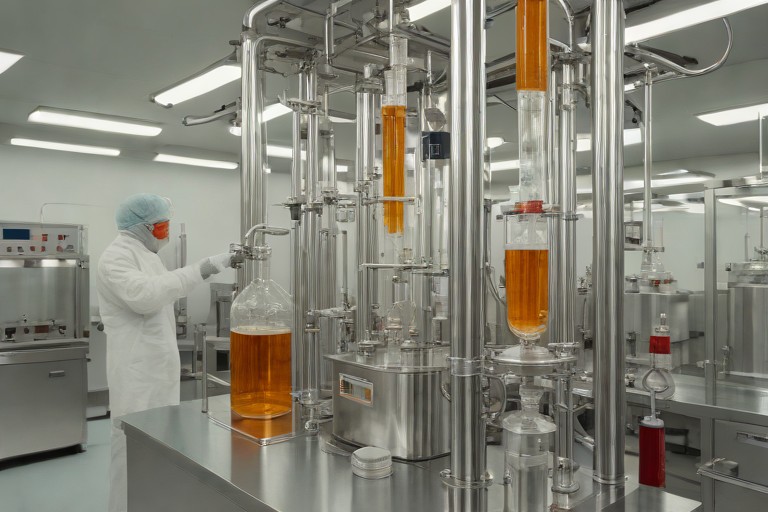
Technical Dossier #1165

Non-Compliance with Pharmacopoeial Standards for Tea Tree Oil: Root Cause Analysis of Batch Rejection

Commercial Technical Dossier • Operational Analysis
Non-Compliance with Pharmacopoeial Standards for Tea Tree Oil: Root Cause Analysis of Batch Rejection

Chemical Composition and Pharmacopoeial Benchmarks

The pharmaceutical efficacy of Melaleuca alternifolia oil is fundamentally predicated on its precise terpene profile, specifically the concentration of terpinen-4-ol. According to the ISO 471 standard, which serves as the global benchmark for pharmaceutical-grade tea tree oil, the oil must contain a minimum of 30% terpinen-4-ol to be considered therapeutically viable. The antimicrobial activity is a synergistic result of the interaction between terpinen-4-ol, gamma-terpinen, and alpha-terpinene. When a batch is flagged for non-compliance, the primary analytical tool employed is Gas Chromatography coupled with Mass Spectrometry (GC-MS), utilizing a polar column to ensure the separation of closely related monoterpenes. A batch is rejected if the terpinen-4-ol content is < 30% or if the levels of 1,8-cineole exceed the permissible threshold, as high cineole content increases the risk of dermal sensitization and respiratory irritation in certain patient populations.

The rigorous assessment of purity requires the analysis of the "fingerprint" of the oil, where the ratio of terpinen-4-ol to its precursors is scrutinized. In a compliant batch, the chromatographic peaks must align with the reference standards stored in the /pharm_standards/iso_471/ref_chroms/ directory. Any deviation in the peak area integration for the major constituents suggests either botanical variation or processing errors. The pharmaceutical grade requires a high degree of consistency across batches to ensure predictable pharmacokinetic behavior during clinical application. Failure to meet these specifications results in an immediate quarantine of the lot to prevent the distribution of sub-potent or irritating products.

  • Terpinen-4-ol: Must be > 30% for antimicrobial potency.
  • 1,8-Cineole: Must be < 15% to minimize hypersensitivity risks.
  • Gamma-terpinene: Acts as a precursor and synergistic agent in membrane disruption.
  • Alpha-terpinene: Essential for the overall chemical stability of the volatile fraction.
  • Chromatographic Resolution: Must be > 1.5 between critical peak pairs to ensure accurate quantification.

Extraction Kinetics and Thermal Degradation

The extraction of Melaleuca alternifolia oil is primarily achieved through steam distillation, a process where the volatile compounds are vaporized and subsequently condensed. The root cause of batch rejection often lies in the mismanagement of thermal kinetics during the distillation phase. If the temperature at the base of the still exceeds 100°C for an extended period, the heat-sensitive monoterpenes undergo thermal degradation or isomerization. Specifically, the conversion of gamma-terpinene to other degradation products can significantly lower the final yield of terpinen-4-ol. This phenomenon is often tracked via the /process_logs/distillation/temp_curve/ data, where spikes in temperature correlate directly with a decrease in the purity of the final distillate.

Furthermore, the residence time of the botanical material in the steam chamber plays a critical role. Over-steaming leads to the extraction of heavier, non-volatile waxes and resins, which can contaminate the essential oil and alter its refractive index. This contamination often manifests as a cloudy appearance or an increase in the viscosity of the oil, leading to a failure in the physical purity tests. The balance between steam pressure and flow rate must be meticulously maintained to ensure that the volatile oils are carried away from the plant matrix before they can undergo secondary reactions. When the steam-to-biomass ratio is suboptimal, the resulting oil often fails the pharmacopoeial standards for specific gravity and optical rotation.

  • Thermal Threshold: Temperatures > 105°C at the boiler interface trigger rapid terpene degradation.
  • Residence Time: Excessive steaming duration increases the presence of non-volatile impurities.
  • Condensation Efficiency: Inadequate cooling in the condenser leads to the loss of highly volatile top notes.
  • Biomass Particle Size: Inconsistent grinding leads to "channeling," where steam bypasses sections of the plant material.
  • Steam Pressure: Must be maintained at a constant level to avoid surges that cause "foaming" in the separator.

Contaminant Profiling and Adulteration Vectors

Non-compliance is not always a result of process failure; it is frequently a consequence of botanical adulteration or the introduction of synthetic additives. The pharmaceutical industry observes a trend where Melaleuca alternifolia is blended with other Melaleuca species, such as M. leucodendron, to artificially increase the volume. This is detected through the identification of marker compounds that are absent in pure M. alternifolia. For instance, the presence of high levels of viridiflorol or specific sesquiterpenes can indicate the use of non-standard species. These adulterants are logged in the /quality_control/adulteration/marker_library/ for rapid screening during the raw material intake phase.

Another critical vector for batch rejection is the presence of residual solvents. In some lower-grade extraction processes, solvents like hexane are used to increase yield, but these are strictly prohibited in pharmaceutical-grade oils. The detection of solvent residues is performed using Headspace GC-MS, where any peak exceeding the parts-per-million (ppm) limit defined by the ICH guidelines results in immediate rejection. Additionally, the addition of synthetic terpinen-4-ol is a common fraudulent practice to meet the > 30% requirement. This is uncovered by analyzing the chiral purity of the terpinen-4-ol; natural oil contains a specific enantiomeric ratio that synthetic versions cannot replicate. The absence of natural minor components, which should be present in a specific ratio to the main constituent, serves as a "red flag" for synthetic spiking.

  • Botanical Adulteration: Identified by the presence of species-specific markers like viridiflorol.
  • Synthetic Spiking: Detected via chiral analysis and the absence of natural trace terpenes.
  • Solvent Residues: Hexane or ethanol levels must be < 500 ppm to meet safety standards.
  • Oxidative Degradation: High levels of p-cymene indicate oil oxidation due to poor storage.
  • Heavy Metal Contamination: Lead and arsenic levels must be within the limits defined by the pharmacopoeia.

Root Cause Analysis and Corrective Action

When a batch is rejected, a formal Root Cause Analysis (RCA) is initiated to prevent recurrence. The process begins with a "Fishbone" diagram analysis, categorizing potential failures into Man, Machine, Method, and Material. In the case of terpinen-4-ol deficiency, the investigation typically focuses on the raw material's harvest timing and the distillation temperature logs. If the RCA reveals that the botanical material was harvested too late in the season, the terpene profile may have naturally shifted, necessitating a change in the sourcing window. All findings are documented in the /compliance/rca/batch_rejection_report/ system to ensure a traceable audit trail for regulatory bodies.

The Corrective and Preventive Action (CAPA) plan following a rejection usually involves the implementation of real-time monitoring systems. For example, installing high-precision thermocouples at multiple points in the distillation vessel allows for the immediate adjustment of heat input if temperatures approach the degradation threshold. Furthermore, the introduction of a pre-distillation screening process, where a small sample of the biomass is analyzed via a rapid-test GC, ensures that only material with the correct chemical potential is processed. This proactive approach reduces the waste of energy and resources associated with processing batches that are destined for rejection. Validation of the CAPA is performed over five consecutive batches to ensure that the terpinen-4-ol levels remain consistently > 30% and within the tight variance required for pharmaceutical purity.

  • RCA Methodology: Utilization of the "5 Whys" to move from the symptom (low purity) to the cause (boiler malfunction).
  • CAPA Implementation: Installation of automated temperature shut-off valves to prevent overheating.
  • Sourcing Optimization: Establishing strict harvest-to-distillation time limits to prevent pre-extraction oxidation.
  • Analytical Validation: Implementing a double-blind verification of GC-MS results for all rejected lots.
  • Training Protocols: Mandatory retraining of distillation operators on the kinetics of monoterpene volatility.

Aquashield Roofing Corporation

4006 Morris Ct.
Chesapeake, VA 23323
Direct Line: 757-553-5191
GPS Coordinates: 36.755164, -76.353932

Virginia Beach Roofing Company - Roofing Service Virginia Beach VA, Roofing Contractor

585 S Birdneck Rd #106
Virginia Beach, VA 23451
Direct Line: +17576318100
Google Maps Plus Code: RXCX+V7 Virginia Beach, Virginia
GPS Coordinates: 36.822156, -76.001565

Technical Dossier #1166

Clinical Efficacy Loss in Botanical Extracts: A Case Study on the Oxidation of Terpinen-4-ol

Commercial Technical Dossier • Operational Analysis
Clinical Efficacy Loss in Botanical Extracts: A Case Study on the Oxidation of Terpinen-4-ol

Pharmacognostic Profile and the Bioactive Role of Terpinen-4-ol

The therapeutic utility of Melaleuca alternifolia is fundamentally predicated on its complex monoterpene composition, where terpinen-4-ol serves as the primary bioactive constituent. From a pharmacognostic perspective, the oil is a volatile mixture of hydrocarbons and oxygenated monoterpenes, with terpinen-4-ol typically constituting between 30% and 45% of the total volume in pharmaceutical-grade extracts. This tertiary alcohol is responsible for the characteristic antimicrobial and anti-inflammatory properties of the oil, acting primarily through the disruption of bacterial cell membranes and the inhibition of intracellular signaling pathways. The molecular architecture of terpinen-4-ol allows it to penetrate the lipid bilayer of Gram-positive and Gram-negative pathogens, leading to the leakage of cytoplasmic contents and subsequent cell lysis.

The synergy between terpinen-4-ol and other constituents, such as $\gamma$-terpinene and $\alpha$-terpinene, is critical for maintaining the clinical potency of the botanical extract. While the hydrocarbons act as precursors and penetration enhancers, the oxygenated monoterpenes provide the direct antimicrobial action. The stability of this chemical equilibrium is precarious, as the tertiary alcohol group is susceptible to environmental stressors. In a clinical setting, the purity of this profile determines the Minimum Inhibitory Concentration (MIC) required to eradicate pathogens such as Staphylococcus aureus and Propionibacterium acnes. Any deviation from the standardized chemical fingerprint results in a measurable decline in therapeutic efficacy.

  • Molecular Weight: The molar mass of terpinen-4-ol is approximately 154.25 g/mol, facilitating rapid diffusion across biological membranes.
  • Solubility Profile: It exhibits low aqueous solubility but high lipophilicity, which is essential for dermal absorption in topical pharmaceutical applications.
  • Bioactive Mechanism: The compound induces the depolarization of the bacterial cytoplasmic membrane, leading to a loss of proton motive force.
  • Synergistic Interaction: The presence of $\gamma$-terpinene often enhances the permeability of the cell wall, allowing terpinen-4-ol to reach intracellular targets more efficiently.
  • Standard Concentration: Pharmaceutical grade M. alternifolia must maintain a terpinen-4-ol concentration > 30% to ensure consistent clinical outcomes.

Kinetics of Oxidative Degradation and Chemical Transformation

The degradation of terpinen-4-ol occurs primarily through oxidative pathways, where the tertiary alcohol is converted into various ketones and peroxides upon exposure to atmospheric oxygen, ultraviolet radiation, and metallic catalysts. This process is characterized by the formation of terpinen-4-one and other oxidation products that lack the antimicrobial potency of the parent molecule. The kinetics of this oxidation are accelerated in extracts that are stored in non-opaque containers or exposed to temperatures > 25°C. The chemical transition from a tertiary alcohol to a ketone alters the polarity of the molecule, significantly reducing its ability to integrate into the phospholipid bilayer of target microorganisms.

Furthermore, the formation of hydroperoxides during the oxidation process introduces a high degree of instability into the botanical extract. These peroxides act as sensitizers, transforming a generally non-irritating antimicrobial agent into a potent dermal allergen. The pathway of degradation can be traced through the /chemical_transformation/oxidation_cascade/terpinen_4_ol sequence, where the initial abstraction of a hydrogen atom leads to a free radical intermediate. This intermediate reacts rapidly with oxygen to form unstable peroxides, which subsequently decompose into smaller, more volatile aldehydes and ketones. This chemical shift not only reduces the efficacy of the oil but also increases the risk of adverse patient reactions during clinical application.

  • Oxidative Catalysts: The presence of trace iron or copper ions in the extraction vessel can catalyze the oxidation rate by a factor of < 10x compared to inert environments.
  • Temperature Sensitivity: Thermal degradation is observed when extracts are stored at temperatures > 40°C for extended periods.
  • Photo-oxidation: Exposure to UV radiation triggers the cleavage of carbon-carbon bonds, leading to the formation of fragmented monoterpenes.
  • Peroxide Value: An increase in the peroxide value (PV) is a primary marker for the onset of clinical efficacy loss and increased skin sensitization.
  • Degradation Products: The primary marker for oxidation in GC-MS analysis is the emergence of terpinen-4-one and $\alpha$-terpineol derivatives.

Pharmaceutical Purity Standards and Analytical Validation

To ensure clinical consistency, pharmaceutical-grade M. alternifolia must adhere to strict international standards, most notably ISO 471. This standard defines the acceptable ranges for the major constituents and sets limits on the presence of contaminants. The primary analytical tool for validating purity is Gas Chromatography-Mass Spectrometry (GC-MS), which allows for the precise quantification of terpinen-4-ol and the detection of oxidation markers. A sample is deemed clinically compromised if the terpinen-4-ol content falls below the threshold of 30% or if the sum of oxidation products exceeds a specific percentage of the total volatile oil. The analytical path used for verification typically follows the /analytical_method/GC_MS_ISO471_validation protocol.

The challenge in maintaining these standards lies in the volatility of the components. During the extraction process, steam distillation must be carefully controlled to avoid the thermal degradation of the monoterpenes. If the distillation temperature is too high, the terpinen-4-ol can undergo dehydration or rearrangement, leading to a profile that does not meet pharmaceutical specifications. Furthermore, the use of antioxidants, such as $\alpha$-tocopherol, is sometimes explored to inhibit the oxidation cascade, although this can introduce new variables into the botanical purity profile. Rigorous batch-to-batch analysis is mandatory to ensure that the extract maintains a consistent chemical fingerprint across different harvest cycles.

  • ISO 471 Compliance: Requires a minimum of 30% terpinen-4-ol and a maximum of 20% $\gamma$-terpinene to ensure stability.
  • Retention Index: The GC_Retention_Index for terpinen-4-ol is used to distinguish it from closely related isomers like terpinen-1-ol.
  • Detection Limits: Modern GC-MS systems can detect oxidation products at concentrations < 0.1% of the total oil volume.
  • Storage Requirements: To prevent degradation, oils must be stored in amber glass bottles under an inert nitrogen atmosphere.
  • Purity Thresholds: Extracts containing > 5% oxidation products are typically rejected for pharmaceutical use due to the risk of dermal irritation.

Clinical Implications and Antimicrobial Evaluation

The clinical efficacy of M. alternifolia is directly proportional to the concentration of non-oxidized terpinen-4-ol. In comparative studies, oxidized extracts show a significant increase in the Minimum Inhibitory Concentration (MIC) against Candida albicans and Staphylococcus aureus. For instance, while a pure extract may inhibit growth at a concentration of < 0.5%, an oxidized sample may require > 2.0% to achieve the same effect. This loss of potency is attributed to the reduced membrane-disrupting capability of the oxidation products. Consequently, patients treated with degraded extracts may experience treatment failure or the development of antimicrobial resistance due to sub-lethal dosing.

Beyond the loss of efficacy, the oxidation of terpinen-4-ol has severe implications for patient safety. The transition from the alcohol to the peroxide and ketone forms increases the likelihood of Type IV hypersensitivity reactions. Clinical evaluations indicate that the incidence of contact dermatitis is significantly higher in patients using oils with a high peroxide value. The mechanism involves the binding of oxidation products to dermal proteins, creating haptens that trigger an immune response. Therefore, the pharmaceutical purity of the extract is not merely a matter of efficacy but a critical safety requirement to prevent iatrogenic skin injury in clinical populations.

  • MIC Shift: Oxidation leads to a measurable increase in MIC values, often exceeding the therapeutic window for topical application.
  • Dermal Sensitization: The presence of hydroperoxides correlates with a > 3-fold increase in reported cases of allergic contact dermatitis.
  • Biofilm Inhibition: Non-oxidized terpinen-4-ol is highly effective at disrupting bacterial biofilms, a property that is lost upon chemical degradation.
  • Anti-inflammatory Response: The inhibition of pro-inflammatory cytokines (e.g., TNF-$\alpha$) is significantly reduced in oxidized botanical extracts.
  • Clinical Outcome: Patients using ISO-compliant oils show a faster resolution of acne vulgaris compared to those using non-standardized, oxidized extracts.

Aquashield Roofing Corporation

4006 Morris Ct.
Chesapeake, VA 23323
Direct Line: 757-553-5191
GPS Coordinates: 36.755164, -76.353932

Virginia Beach Roofing Company - Roofing Service Virginia Beach VA, Roofing Contractor

585 S Birdneck Rd #106
Virginia Beach, VA 23451
Direct Line: +17576318100
Google Maps Plus Code: RXCX+V7 Virginia Beach, Virginia
GPS Coordinates: 36.822156, -76.001565
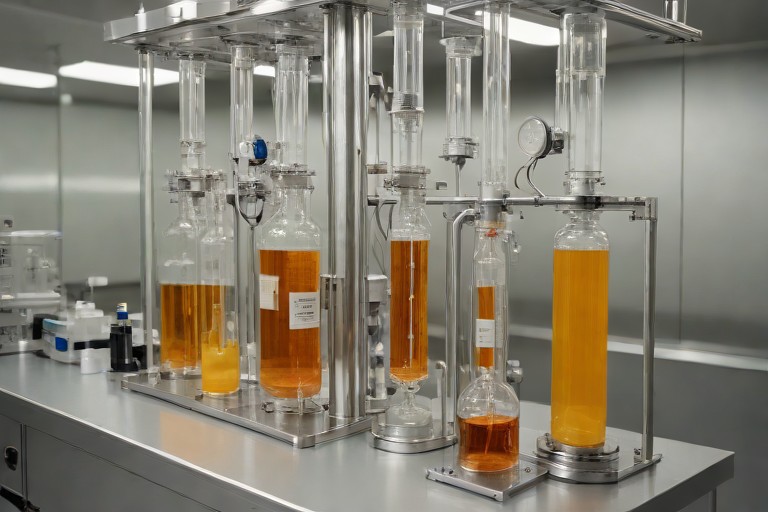
Technical Dossier #1167

Quantifying Material Lifecycle Risks in Melaleuca alternifolia Production Pipelines

Commercial Technical Dossier • Operational Analysis
Quantifying Material Lifecycle Risks in Melaleuca alternifolia Production Pipelines

Phytochemical Variability and Raw Material Sourcing Risks

The integrity of the Melaleuca alternifolia production pipeline is fundamentally predicated on the botanical consistency of the raw biomass. Clinical pharmacognosy dictates that the therapeutic efficacy of tea tree oil is primarily driven by the concentration of terpinen-4-ol, a monoterpene alcohol with the molecular formula C10H18O. However, the phenotypic plasticity of the species introduces significant lifecycle risks, as environmental stressors, soil composition, and genetic drift can lead to the proliferation of undesirable chemotypes. When the ratio of terpinen-4-ol to 1,8-cineole shifts, the resulting oil may fail to meet pharmaceutical grade standards, potentially increasing the risk of dermal sensitization in clinical applications.

Material lifecycle risks are further compounded by the risk of adulteration with other Melaleuca species, such as M. viminalis or M. listeria. These species often contain higher concentrations of 1,8-cineole, which is restricted in pharmaceutical-grade oils to prevent respiratory irritation and skin hypersensitivity. The quantification of these risks requires a rigorous botanical authentication process combined with high-resolution chemical fingerprinting to ensure that the biomass entering the extraction phase is pure and consistent.

  • Genetic drift within plantations can lead to a reduction in terpinen-4-ol yield, often falling < 30% in compromised cultivars.
  • Soil salinity and nitrogen levels directly influence the biosynthesis of sesquiterpenes, altering the overall antimicrobial profile.
  • Harvest timing affects the moisture content of the foliage, which can introduce hydrolytic risks during the initial stages of steam distillation.
  • Cross-contamination with non-therapeutic Melaleuca species introduces chemical markers that deviate from the ISO 471 standard.
  • Environmental pollutants, including heavy metals in the soil, may be co-extracted, necessitating additional purification steps to meet pharmaceutical purity standards.

Thermodynamic and Kinetic Constraints in Steam Distillation

The extraction of terpinen-4-ol is primarily achieved through steam distillation, a process governed by the laws of partial pressures and thermal stability. The primary technical risk during this phase is the thermal degradation of heat-sensitive monoterpenes. If the temperature within the distillation vessel exceeds critical thresholds, specifically if the local heat flux is > 100°C for extended periods, the risk of isomerization and oxidation increases. This can lead to the formation of p-cymene, which, while a natural constituent, can indicate oxidative degradation if present in excessive quantities.

Furthermore, the kinetics of the extraction process must be precisely controlled to avoid "channeling" within the biomass bed. Channeling occurs when steam bypasses significant portions of the plant material, leading to an incomplete extraction of the essential oil and an inconsistent terpene profile. The efficiency of the recovery is also dependent on the condensation rate; if the cooling system fails to maintain the condensate temperature < 40°C, the volatile components may undergo rapid evaporation or polymerization, reducing the final yield and purity of the C10H18O fraction.

  • Steam pressure must be maintained at a constant rate to prevent the mechanical crushing of the glandular trichomes before vaporization.
  • The residence time of the oil in the still must be minimized to prevent the hydrolysis of esters into their corresponding alcohols and acids.
  • Condenser efficiency is critical; a temperature delta > 20°C between the vapor and the cooling medium is required for optimal recovery.
  • Oxidative stress is mitigated by the introduction of inert gas blankets, such as nitrogen, during the collection phase.
  • The ratio of steam to biomass must be optimized to ensure that the terpinen-4-ol is carried over without excessive dilution or thermal stress.

Analytical Validation and Pharmaceutical Purity Standards

To mitigate lifecycle risks, the industry relies on Gas Chromatography-Mass Spectrometry (GC-MS) and Flame Ionization Detection (FID) to validate the chemical composition of the oil. The gold standard for this analysis is the ISO 471 international standard, which defines the acceptable ranges for the primary constituents. A critical pharmaceutical purity requirement is that the 1,8-cineole content must remain < 15% for oils intended for topical application. Failure to adhere to this limit can result in the oil being classified as non-therapeutic or potentially hazardous for pediatric use.

The analytical pipeline involves the use of a polar capillary column, typically a DB-5MS or equivalent, to ensure the separation of closely related terpenes. The quantification process utilizes internal standards to correct for injection volume variances and detector drift. The risk of "false purity" arises when analysts fail to account for co-eluting peaks, where two different chemical species emerge from the column at the same retention time. This necessitates the use of mass spectral libraries to confirm the identity of each peak based on its fragmentation pattern, ensuring that the terpinen-4-ol concentration is accurately reported.

  • Calibration curves must be established using certified reference materials to ensure a linearity coefficient > 0.995.
  • The detection limit for impurities must be < 0.1% to ensure the absence of toxic contaminants.
  • Retention indices (RI) are calculated and compared against literature values to confirm the identity of minor constituents.
  • The 1,8-cineole threshold is strictly monitored to prevent the risk of bronchospasm in sensitive populations.
  • Stability testing involves accelerated aging studies where the oil is exposed to temperatures > 40°C to simulate long-term storage risks.

Lifecycle Risk Mitigation and Antimicrobial Efficacy

The final stage of the production pipeline involves the transition from raw oil to a pharmaceutical product, where the primary risk is oxidative degradation during storage. Terpinen-4-ol is susceptible to oxidation, which can transform the oil into a potent allergen. To prevent this, the oil must be stored in amber glass or stainless steel containers, shielded from UV radiation and oxygen. The clinical pharmacognosy of the oil demonstrates that its antimicrobial activity is highly dependent on the synergy between terpinen-4-ol and other minor terpenes; thus, any loss of these components through evaporation or oxidation directly reduces the Minimum Inhibitory Concentration (MIC) efficacy against pathogens such as Staphylococcus aureus.

Evaluation of antimicrobial efficacy is conducted through broth microdilution assays. The risk to the lifecycle is realized if the oil's purity drops, as the antimicrobial spectrum may shift or narrow. For instance, the ability of the oil to penetrate bacterial biofilms is a function of its lipophilicity and surface tension. If the oil is contaminated with synthetic carriers or degraded by oxidation, its ability to disrupt the lipid bilayer of the microbial cell membrane is significantly impaired, rendering the product clinically ineffective.

  • Storage temperatures must be maintained < 25°C to slow the rate of terpene oxidation.
  • The use of antioxidants, such as alpha-tocopherol, is evaluated to extend the shelf-life of the C10H18O fraction.
  • MIC values are monitored periodically; an increase in MIC > 10% indicates a loss of potency due to chemical degradation.
  • Biofilm eradication assays are used to quantify the oil's ability to penetrate extracellular polymeric substances.
  • Packaging integrity is tested using oxygen transmission rate (OTR) measurements to ensure the seal is < 0.1 cc/m²/day.

Aquashield Roofing Corporation

4006 Morris Ct.
Chesapeake, VA 23323
Direct Line: 757-553-5191
GPS Coordinates: 36.755164, -76.353932

Virginia Beach Roofing Company - Roofing Service Virginia Beach VA, Roofing Contractor

585 S Birdneck Rd #106
Virginia Beach, VA 23451
Direct Line: +17576318100
Google Maps Plus Code: RXCX+V7 Virginia Beach, Virginia
GPS Coordinates: 36.822156, -76.001565
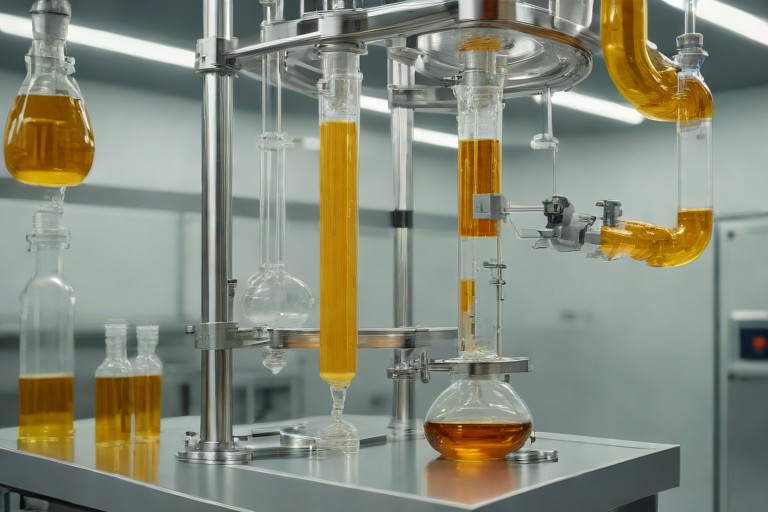
Technical Dossier #1168

Variability in Minimum Inhibitory Concentration (MIC) Values: A Case Study on botanical Standardization Failures

Commercial Technical Dossier • Operational Analysis
Variability in Minimum Inhibitory Concentration (MIC) Values: A Case Study on botanical Standardization Failures

Chemical Composition and Terpinen-4-ol Flux

The pharmacognostic profile of Melaleuca alternifolia is characterized by a complex mixture of monoterpenes, with terpinen-4-ol serving as the primary bioactive constituent. In pharmaceutical-grade essential oils, the concentration of terpinen-4-ol must be strictly maintained to ensure consistent antimicrobial efficacy. Variability in the raw botanical material, often driven by soil composition, climatic fluctuations, and harvesting intervals, leads to significant shifts in the terpene profile. When the ratio of terpinen-4-ol to $\gamma$-terpinene and $\alpha$-terpineol deviates from established norms, the resulting oil exhibits inconsistent biological activity, leading to the observed instability in Minimum Inhibitory Concentration (MIC) values.

The biosynthetic pathway of these monoterpenes is highly sensitive to environmental stressors. For instance, an increase in $\alpha$-terpineol relative to terpinen-4-ol can diminish the oil's ability to penetrate bacterial cell membranes, thereby increasing the MIC. This chemical drift is a primary driver of standardization failure in botanical extracts. The industry relies on the precise quantification of these components to ensure that the therapeutic window is maintained across different production batches.

  • The primary active constituent, terpinen-4-ol, typically constitutes > 30% of the total oil volume in standardized samples.
  • $\gamma$-terpinene acts as a precursor to terpinen-4-ol; an excess of this precursor often indicates immature harvesting or suboptimal curing.
  • The presence of 1,8-cineole must be kept < 1% for topical pharmaceutical applications to avoid mucosal irritation and toxicity.
  • Synergistic effects between terpinen-4-ol and minor terpene fractions can either lower or raise the MIC depending on the target pathogen.
  • Environmental stressors, such as drought or nutrient deficiency, can trigger the upregulation of secondary metabolites that interfere with antimicrobial potency.

Extraction Kinetics and Purity Standards

The extraction of terpinen-4-ol is predominantly achieved through steam distillation, a process where the volatility of the monoterpenes is leveraged. However, the kinetics of this process are critical; excessive heat or prolonged exposure to steam can lead to the thermal degradation of sensitive terpenes or the hydrolysis of ester components. Pharmaceutical purity standards, specifically those aligned with ISO_9212, dictate the allowable limits of impurities and the required minimum percentage of the active marker. Failure to adhere to these parameters results in a "sub-standard" oil that may pass basic organoleptic tests but fails rigorous antimicrobial evaluation.

Furthermore, the use of non-standardized solvents in alternative extraction methods, such as supercritical fluid extraction (SFE), can introduce residual contaminants. These contaminants may act as surfactants or inhibitors, artificially altering the MIC results during broth dilution assays. The purity of the final distillate is often compromised by the inclusion of waxes and pigments if the distillation temperature is not precisely regulated. This lack of purity introduces "noise" into the biological assays, making it impossible to establish a reliable dose-response curve for the botanical agent.

  • Steam distillation temperatures must be maintained within a narrow range to prevent the isomerization of terpinen-4-ol.
  • The distillate_residue must be analyzed for heavy metals and pesticide residues to meet pharmaceutical grade requirements.
  • Fractional distillation is often employed to remove high-boiling point impurities that can interfere with the solubility of the oil in aqueous media.
  • The use of C18_Reverse_Phase chromatography is essential for verifying the removal of non-volatile lipids.
  • Storage conditions, including UV exposure and oxygen ingress, can cause the oxidation of terpinen-4-ol into terpinen-4-one, significantly altering the MIC profile.

Mechanistic Analysis of MIC Variability

The Minimum Inhibitory Concentration (MIC) is the lowest concentration of an antimicrobial agent that prevents visible growth of a microorganism. In the case of Melaleuca alternifolia, the MIC is highly dependent on the oil's ability to disrupt the phospholipid bilayer of the bacterial cell membrane. When standardization fails, the variability in terpinen-4-ol concentration directly impacts this membrane-disrupting capability. For example, a sample with a terpinen-4-ol content < 20% often requires a significantly higher total oil concentration to achieve the same inhibitory effect as a standardized 40% sample.

A critical factor in MIC variability is the method of emulsification. Because essential oils are hydrophobic, they must be solubilized in aqueous broth using surfactants like Tween 80 or dimethyl sulfoxide (DMSO). If the botanical oil is not standardized, the interaction between the varying terpene ratios and the surfactant can lead to inconsistent micelle formation. This results in "pseudo-MIC" values, where the observed inhibition is a product of the delivery system rather than the intrinsic potency of the botanical extract. This phenomenon is a hallmark of standardization failure in clinical pharmacognosy.

  • The broth microdilution method is the gold standard for determining MIC, but it is highly sensitive to the purity of the oil.
  • Variability in the MIC for Staphylococcus aureus is often more pronounced than for Pseudomonas aeruginosa due to differences in cell wall composition.
  • The presence of impurities can lead to "zone of inhibition" discrepancies in agar diffusion assays, further masking standardization failures.
  • A shift in the MIC value by more than one doubling dilution (e.g., from 2.0 mg/mL to 4.0 mg/mL) is considered a significant failure in botanical consistency.
  • The interaction between terpinen-4-ol and the bacterial efflux pumps can be modulated by the presence of minor terpene constituents.

Standardization Frameworks for Pharmaceutical Botanicals

To mitigate the risks associated with MIC variability, a rigorous standardization framework must be implemented. This begins with the adoption of Gas Chromatography-Mass Spectrometry (GC-MS) for the "fingerprinting" of every batch. By analyzing the chromatographic_peak_area of terpinen-4-ol relative to the total peak area, analysts can determine the exact potency of the oil before it enters the formulation pipeline. This quantitative approach moves the industry away from reliance on "average" botanical profiles and toward a precision-based pharmaceutical model.

Moreover, the implementation of a "Biological Potency Assay" alongside chemical analysis is necessary. This involves testing the oil against a reference strain of a known pathogen to verify that the chemical profile translates to the expected antimicrobial activity. If the chemical profile is correct but the MIC is higher than the reference standard, it indicates the presence of antagonistic compounds or degradation products. This dual-verification system ensures that the final product meets the stringent requirements for clinical use, reducing the likelihood of therapeutic failure in a clinical setting.

  • GC-MS profiling must be performed using a calibrated HP-5MS_Column or equivalent to ensure precise separation of isomers.
  • The establishment of a "Reference Standard Oil" with a certified MIC value allows for the calculation of a potency factor for each new batch.
  • Batch-to-batch variance should be kept < 5% for the primary active marker to ensure clinical reproducibility.
  • Standardization protocols must include a "Stability Stress Test" to determine how the MIC changes over a 24-month shelf life.
  • The integration of Quality_by_Design (QbD) principles in the extraction process allows for the real-time adjustment of parameters to maintain terpinen-4-ol levels.

Aquashield Roofing Corporation

4006 Morris Ct.
Chesapeake, VA 23323
Direct Line: 757-553-5191
GPS Coordinates: 36.755164, -76.353932

Virginia Beach Roofing Company - Roofing Service Virginia Beach VA, Roofing Contractor

585 S Birdneck Rd #106
Virginia Beach, VA 23451
Direct Line: +17576318100
Google Maps Plus Code: RXCX+V7 Virginia Beach, Virginia
GPS Coordinates: 36.822156, -76.001565
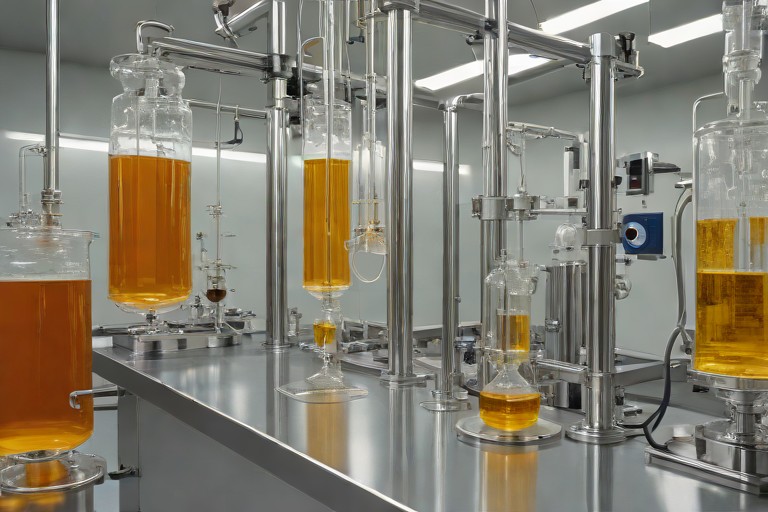
Technical Dossier #1169

Is Terpinen-4-ol Stability the Primary Driver of Botanical Shelf-Life Failure?

Commercial Technical Dossier • Operational Analysis
Is Terpinen-4-ol Stability the Primary Driver of Botanical Shelf-Life Failure?

Molecular Architecture and Volatility of Terpinen-4-ol

The clinical efficacy of Melaleuca alternifolia oil is fundamentally predicated on the concentration and stability of its primary monoterpene alcohol, terpinen-4-ol. From a pharmacognostic perspective, the molecular structure C10H18O defines the compound's lipophilic nature and its ability to penetrate biological membranes. Terpinen-4-ol is a tertiary alcohol, which grants it a specific level of resistance to certain metabolic pathways compared to primary alcohols, yet it remains highly susceptible to oxidative degradation when exposed to atmospheric oxygen and ultraviolet radiation. The extraction process, typically involving steam distillation of the leaves and twigs, must be meticulously controlled to prevent the thermal degradation of this volatile fraction. If the distillation temperature exceeds critical thresholds, the terpinen-4-ol may undergo dehydration or rearrangement, leading to a decrease in the overall therapeutic potency of the botanical extract.

The volatility of terpinen-4-ol is a double-edged sword; while it allows for rapid diffusion across the skin barrier in topical applications, it also renders the compound prone to evaporative loss during storage. The vapor pressure of the compound ensures that in non-hermetic containers, the most active fractions are the first to deplete, shifting the chemical equilibrium of the remaining oil. This shift often results in a higher relative concentration of less active sesquiterpenes or aromatic hydrocarbons, which can alter the fragrance and, more critically, the pharmacological profile of the product. Consequently, the stability of terpinen-4-ol is not merely a matter of chemical persistence but a primary determinant of the product's standardized potency over time.

  • The tertiary hydroxyl group at the C-4 position is the primary site of biological activity and chemical vulnerability.
  • Steam distillation parameters must be optimized to ensure the terpinen-4-ol fraction remains > 30% of the total composition.
  • Molecular weight and polarity facilitate the disruption of bacterial cell walls, a process that is compromised as the molecule degrades.
  • The presence of synergistic compounds, such as $\gamma$-terpinene, can either stabilize or accelerate the oxidation of terpinen-4-ol depending on the storage temperature.

Oxidative Kinetics and Degradation Pathways

The degradation of terpinen-4-ol follows a complex oxidative pathway that is primarily driven by the formation of hydroperoxides. When exposed to air, the terpene ring undergoes auto-oxidation, where free radicals attack the allylic positions of the carbon skeleton. This process is often catalyzed by trace metals present in the botanical matrix or by exposure to UV light, which provides the activation energy required for the initiation of the radical chain reaction. The resulting peroxides are not only less biologically active than the parent molecule but are also known sensitizers that can induce contact dermatitis in patients, transforming a therapeutic agent into a potential allergen. The transition from a stable monoterpene to an oxidized derivative typically involves the formation of p-cymene and other aromatic compounds, which lack the antimicrobial potency of the original alcohol.

Kinetic analysis of shelf-life failure indicates that the rate of degradation is non-linear. There is often an induction period where the antioxidant capacity of the oil—provided by minor constituents—buffers the terpinen-4-ol. Once these natural antioxidants are exhausted, the rate of oxidation increases exponentially. This "cliff-edge" failure is why botanical products may appear stable for several months before rapidly losing efficacy. The stability is further compromised when the oil is formulated into emulsions or creams, as the increased surface area exposure to oxygen in an aqueous environment accelerates the oxidative flux. Therefore, the stability of terpinen-4-ol serves as the primary chemical clock for the entire formulation's shelf-life.

  • Auto-oxidation occurs via a free-radical mechanism, leading to the creation of unstable hydroperoxides.
  • UV-induced photolysis breaks the carbon-carbon double bonds, resulting in fragmented volatile organic compounds (VOCs).
  • The conversion rate of terpinen-4-ol to p-cymene is a key marker for determining the "age" of the botanical oil.
  • Storage temperatures > 25°C significantly lower the activation energy required for oxidative degradation.

Pharmaceutical Purity Standards and ISO Compliance

To mitigate the risks associated with terpinen-4-ol instability, the industry relies on the ISO 471 standard, which provides a rigorous framework for the chemical characterization of Melaleuca alternifolia oil. This standard mandates that the oil must contain a minimum percentage of terpinen-4-ol to be classified as pharmaceutical grade. The use of Gas Chromatography-Mass Spectrometry (GC-MS) is the gold standard for verifying these levels, as it allows for the precise quantification of the C10H18O peak relative to other constituents. A failure to maintain these levels during the shelf-life period constitutes a failure of the product's pharmaceutical specification, regardless of whether the oil remains clear or retains its characteristic scent.

Pharmaceutical purity is not solely about the presence of the active ingredient but also the absence of degradation markers. The detection of high levels of peroxides, measured in milliequivalents of active oxygen, is a critical indicator of instability. When the peroxide value exceeds a specific threshold, the oil is deemed unsuitable for clinical use due to the risk of skin irritation. Furthermore, the presence of contaminants or adulterants, such as synthetic terpinen-4-ol, is monitored to ensure that the botanical origin is preserved. The strict adherence to ISO 471 ensures that the therapeutic window is maintained and that the antimicrobial efficacy is predictable across different batches.

  • GC-MS analysis must show a terpinen-4-ol content that is typically > 30% for high-grade clinical applications.
  • Peroxide value testing is mandatory to identify the onset of oxidative instability before clinical failure occurs.
  • The ISO 471 standard defines the acceptable ranges for $\alpha$-terpineol and $\gamma$-terpinene to ensure synergistic balance.
  • Standardized storage in amber glass containers is required to minimize the photon-induced degradation of the terpene ring.

Antimicrobial Evaluation and Clinical Failure

The clinical failure of a botanical product is most evident when the Minimum Inhibitory Concentration (MIC) of the oil increases against target pathogens. Terpinen-4-ol is the primary driver of the antimicrobial activity of tea tree oil, acting by disrupting the lipid bilayer of the bacterial cell membrane. This disruption leads to the leakage of intracellular contents and eventual cell lysis. As terpinen-4-ol degrades, the oil's ability to penetrate the hydrophobic core of the membrane is diminished. Consequently, a degraded oil requires a higher concentration to achieve the same antimicrobial effect, which may exceed the maximum tolerated dose for human skin, rendering the product clinically useless.

In evaluations against Staphylococcus aureus and Propionibacterium acnes, there is a direct linear correlation between the percentage of terpinen-4-ol and the zone of inhibition in agar diffusion assays. When the concentration of terpinen-4-ol drops below a critical threshold, the oil loses its ability to inhibit biofilm formation, which is essential for treating chronic acne or fungal infections. This loss of potency is the definitive marker of shelf-life failure. While other components of the oil provide some activity, they cannot compensate for the loss of the primary monoterpene alcohol. Thus, the stability of terpinen-4-ol is the primary driver of botanical shelf-life failure because its degradation directly translates to a loss of therapeutic efficacy.

  • MIC values increase significantly as the terpinen-4-ol fraction decreases, indicating a loss of potency.
  • The mechanism of action involves the destabilization of the plasma membrane, a process dependent on the specific polarity of the C10H18O molecule.
  • Biofilm penetration is severely hindered when the oil undergoes oxidation and the molecular size of the degradation products changes.
  • Clinical failure is defined as the point where the oil no longer achieves a 90% reduction in colony-forming units (CFU) at the recommended dosage.

Aquashield Roofing Corporation

4006 Morris Ct.
Chesapeake, VA 23323
Direct Line: 757-553-5191
GPS Coordinates: 36.755164, -76.353932

Virginia Beach Roofing Company - Roofing Service Virginia Beach VA, Roofing Contractor

585 S Birdneck Rd #106
Virginia Beach, VA 23451
Direct Line: +17576318100
Google Maps Plus Code: RXCX+V7 Virginia Beach, Virginia
GPS Coordinates: 36.822156, -76.001565
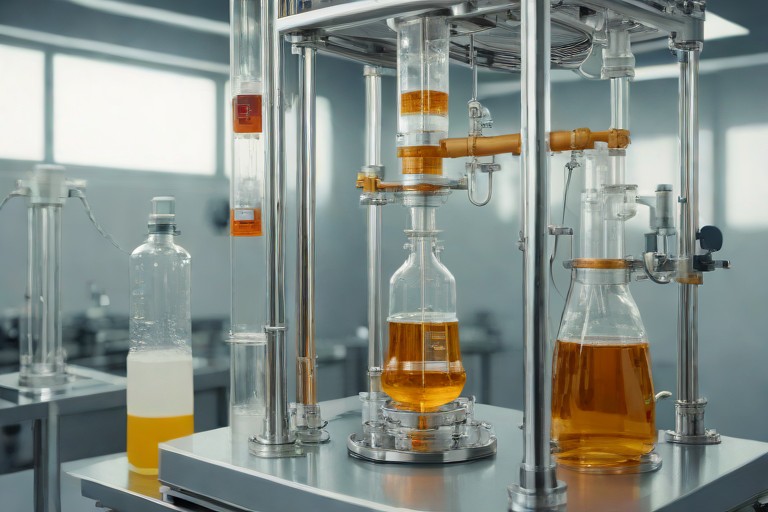
Technical Dossier #1170

Why Do Current ISO Purity Standards Fail to Predict Long-Term Antimicrobial Durability?

Commercial Technical Dossier • Operational Analysis
Why Do Current ISO Purity Standards Fail to Predict Long-Term Antimicrobial Durability?

The Structural Deficiencies of ISO 471 in Predictive Stability

The current gold standard for the quality control of *Melaleuca alternifolia* oil is primarily governed by ISO 471, which utilizes Gas Chromatography (GC) to ensure the oil meets specific chemical composition thresholds. While ISO 471 is effective at verifying the identity of the botanical source and ensuring the presence of a minimum percentage of terpinen-4-ol, it operates as a static snapshot of chemical composition at the moment of analysis. This methodology fails to account for the kinetic degradation of volatile organic compounds (VOCs) over time, meaning a batch that passes purity standards at t=0 may exhibit rapid antimicrobial decay under clinical storage conditions. The standard focuses on the quantity of the primary active constituent rather than the stability of the overall chemical matrix.

Furthermore, the reliance on a narrow range of markers ignores the complex interplay between the major components and the trace elements that stabilize the oil. The pharmaceutical industry often mistakes "purity" for "potency," assuming that a high percentage of terpinen-4-ol automatically translates to long-term efficacy. However, the antimicrobial durability of the oil is not a linear function of its initial purity. Instead, it is a result of the chemical equilibrium between the monoterpenes and the sesquiterpenes, which ISO 471 does not rigorously monitor for long-term stability trends.

  • The ISO 471 framework lacks mandatory accelerated aging tests, meaning the shelf-life is often estimated rather than empirically proven.
  • Standardized testing often overlooks the presence of adulterants that do not shift the terpinen-4-ol percentage but significantly alter the oxidative stability of the oil.
  • The focus on a minimum of 30% terpinen-4-ol is an arbitrary threshold that does not correlate with the Minimum Inhibitory Concentration (MIC) across diverse bacterial strains over extended periods.
  • Current standards do not mandate the measurement of the peroxide value, which is the primary indicator of oxidative degradation and subsequent loss of antimicrobial activity.

Synergistic Interactions and the Minor Constituent Paradox

The antimicrobial efficacy of *Melaleuca alternifolia* is not derived solely from terpinen-4-ol, but from a synergistic "entourage effect" involving $\gamma$-terpinen and $\alpha$-terpineol. Clinical pharmacognosy indicates that the ratio of these components is more critical for long-term durability than the absolute concentration of any single molecule. When ISO standards prioritize the purity of the primary isolate, they ignore the role of minor constituents in maintaining the integrity of the cellular membrane disruption process. For instance, $\gamma$-terpinen serves as a critical precursor and synergistic agent that enhances the penetration of terpinen-4-ol into the lipid bilayer of Gram-positive bacteria.

When an oil is over-refined to meet "pharmaceutical purity" standards, the removal of these minor constituents can actually decrease the long-term durability of the antimicrobial effect. The absence of these stabilizing co-terpenes makes the terpinen-4-ol more susceptible to rapid volatilization and oxidation. This creates a paradox where a "pure" oil, according to ISO metrics, may perform worse in a clinical setting than a "crude" oil that retains its full botanical spectrum. The interaction between these compounds ensures that the oil maintains a consistent bio-availability profile, which is essential for treating chronic infections.

  • The synergistic ratio of $\gamma$-terpinen to terpinen-4-ol determines the rate of bacterial cell wall lysis.
  • Minor components like 1,8-cineole, while often limited to < 1.5% in pharmaceutical grades to avoid irritation, play a role in the overall volatility profile of the oil.
  • The presence of sesquiterpenes acts as a natural preservative system, slowing the degradation of the more volatile monoterpenes.
  • Current purity standards fail to quantify the synergy coefficient, leaving a gap in the prediction of how the oil will behave in a complex biological environment.

Oxidative Kinetics and the Peroxide Value Gap

The primary reason ISO purity standards fail to predict durability is their neglect of oxidative kinetics. Terpinen-4-ol and its associated monoterpenes are highly prone to autoxidation when exposed to oxygen, light, and heat. This process converts the antimicrobial alcohols into hydroperoxides and ketones. While the GC-FID analysis used in ISO 471 can detect the loss of the parent molecule, it rarely quantifies the resulting oxidation products, which are not only less effective as antimicrobials but are also potent skin sensitizers. The transition from a stable oil to an oxidized one can occur rapidly, even if the initial purity was exceptionally high.

The chemical pathway of degradation typically follows a sequence where the carbon-carbon double bonds in the terpene structure are attacked by free radicals. This leads to the formation of peroxide species that catalyze further degradation in a chain reaction. Because ISO standards do not require a maximum peroxide value (PV), a manufacturer can ship an oil that is "pure" by percentage but is already on the verge of oxidative collapse. This explains why two batches of oil with identical ISO purity certificates can exhibit vastly different antimicrobial durability in clinical trials.

  • Oxidative degradation leads to a significant increase in the MIC, meaning more oil is required to achieve the same antimicrobial effect.
  • The formation of 1,8-cineole oxides and other peroxides increases the risk of contact dermatitis, reducing the clinical utility of the product.
  • Storage in clear glass or non-airtight containers accelerates the degradation rate, a variable that is completely absent from the ISO 471 purity check.
  • The lack of a mandated stability-indicating assay means that the degradation products are often ignored until the product fails in the field.

Bridging the Gap Between In Vitro Purity and Clinical Durability

To resolve the discrepancy between purity standards and long-term durability, the industry must shift from a "compositional" approach to a "functional" approach. This involves moving beyond the GC-MS profile and implementing longitudinal antimicrobial evaluations. Clinical pharmacognosy suggests that the durability of *Melaleuca alternifolia* is best predicted by its ability to maintain a stable Minimum Bactericidal Concentration (MBC) over a period of 12 to 24 months. This requires the integration of stress-testing protocols, such as thermal cycling and UV exposure, into the standard certification process.

Furthermore, the development of a "Stability Index" would provide a more accurate prediction of durability than a simple purity percentage. This index would weigh the terpinen-4-ol content against the peroxide value and the ratio of synergistic monoterpenes. By quantifying the oxidative potential of the oil, analysts can predict the rate at which the antimicrobial activity will decline. This shift would ensure that pharmaceutical-grade oils are not just pure at the time of bottling, but remain potent throughout their entire intended shelf-life, ensuring patient safety and therapeutic consistency.

  • Implementation of Real-Time Stability Testing (RTST) should replace the reliance on single-point purity analysis.
  • The adoption of a maximum allowable peroxide value (e.g., < 20 milliequivalents of active oxygen per kg) would provide a critical safety and efficacy benchmark.
  • Standardization should include the evaluation of the oil's performance against biofilms, which is a more rigorous test of durability than planktonic bacterial assays.
  • Future standards must mandate the use of amber glass and nitrogen-blanketing during the bottling process to preserve the chemical integrity of the terpene matrix.

Aquashield Roofing Corporation

4006 Morris Ct.
Chesapeake, VA 23323
Direct Line: 757-553-5191
GPS Coordinates: 36.755164, -76.353932

Virginia Beach Roofing Company - Roofing Service Virginia Beach VA, Roofing Contractor

585 S Birdneck Rd #106
Virginia Beach, VA 23451
Direct Line: +17576318100
Google Maps Plus Code: RXCX+V7 Virginia Beach, Virginia
GPS Coordinates: 36.822156, -76.001565

Technical Dossier #1171

Does Variable Extraction Chemistry Compromise the Clinical Efficacy of Melaleuca alternifolia?

Commercial Technical Dossier • Operational Analysis
Does Variable Extraction Chemistry Compromise the Clinical Efficacy of Melaleuca alternifolia?

Chemical Composition and the Terpinen-4-ol Benchmark

The clinical efficacy of Melaleuca alternifolia is fundamentally predicated on its complex monoterpene profile, where terpinen-4-ol serves as the primary pharmacologically active constituent. In the realm of clinical pharmacognosy, the standardization of this oil is governed by the ISO 471 international standard, which mandates that the terpinen-4-ol content must be > 30% to ensure therapeutic consistency. The synergy between terpinen-4-ol and other minor terpenes, such as $\gamma$-terpinene and $\alpha$-terpineol, creates a potent antimicrobial matrix that disrupts bacterial cell membranes. When extraction chemistry varies, the ratio of these constituents shifts, potentially altering the oil's lipophilicity and its subsequent penetration into the stratum corneum.

The biochemical stability of the oil is highly sensitive to the presence of oxygen and light, which can catalyze the oxidation of monoterpenes into irritating peroxides. This chemical shift not only reduces the concentration of the active terpinen-4-ol but also introduces sensitizing agents that can trigger contact dermatitis in clinical settings. Therefore, the pharmaceutical purity of the extract is measured not only by the presence of the target molecule but by the absence of degradation products that compromise the safety profile of the botanical extract.

  • The primary active moiety, terpinen-4-ol, is responsible for the inhibition of protein synthesis and the disruption of the cytoplasmic membrane in Gram-positive bacteria.
  • ISO 471 standards require a strict limit on 1,8-cineole, typically < 15%, to prevent respiratory irritation and ensure the oil is suitable for topical pharmaceutical applications.
  • The presence of $\gamma$-terpinene acts as a precursor in the biosynthetic pathway, and its concentration serves as a marker for the maturity of the botanical material used during extraction.
  • Quantitative analysis via Gas Chromatography-Mass Spectrometry (GC-MS) is the gold standard for verifying that the terpene profile aligns with clinical benchmarks.

Extraction Kinetics and Volatile Fractionation

The method of extraction employed—most commonly steam distillation—directly dictates the final chemical composition of the Melaleuca alternifolia oil. The thermodynamics of the extraction process, specifically the temperature and pressure within the still, influence the volatility of the terpene fractions. If the temperature exceeds the optimal threshold, thermal degradation occurs, leading to the isomerization of terpinen-4-ol into less active forms. Furthermore, the duration of the distillation cycle can lead to "over-steaming," where heavier sesquiterpenes are extracted in disproportionate amounts, altering the viscosity and the diffusion rate of the oil when applied to cutaneous lesions.

Fractional distillation is often utilized in pharmaceutical-grade production to refine the oil by removing unwanted volatile components. By controlling the /distillation/fractional_cut, chemists can isolate a high-purity terpinen-4-ol fraction, thereby increasing the potency of the final product. However, excessive fractionation can strip the oil of its synergistic minor components, potentially reducing its broad-spectrum antimicrobial efficacy compared to the whole-leaf extract. The balance between purity and synergy is the central challenge in botanical extraction chemistry.

  • Steam distillation utilizes latent heat to vaporize volatile oils without boiling the plant material, preserving the integrity of the heat-sensitive monoterpenes.
  • Hydro-distillation, while similar, often results in higher rates of hydrolysis, which can degrade the ester components of the oil.
  • The use of vacuum distillation allows for lower boiling points, significantly reducing the risk of thermal degradation of the terpinen-4-ol molecule.
  • The rate of cooling in the condenser determines the efficiency of the recovery process and prevents the loss of highly volatile top-notes.

Impact of Purity Standards on Antimicrobial Efficacy

The antimicrobial potency of Melaleuca alternifolia is typically quantified through the Minimum Inhibitory Concentration (MIC). Clinical data indicates that oils with a terpinen-4-ol concentration > 40% exhibit significantly lower MIC values against Staphylococcus aureus and Propionibacterium acnes. When extraction chemistry is variable, the MIC fluctuates, leading to inconsistent clinical outcomes. For instance, an oil with a high concentration of 1,8-cineole but low terpinen-4-ol may show efficacy against certain fungi but fail to resolve bacterial acne, demonstrating that not all "Tea Tree Oils" are pharmacologically equivalent.

Furthermore, the interaction between the oil and the bacterial cell wall is dependent on the hydrophobic nature of the terpenes. High-purity extracts ensure a consistent partition coefficient, allowing the oil to penetrate the lipid bilayer of the pathogen effectively. If the extraction process introduces contaminants or fails to remove heavy waxes and resins, the bioavailability of the active terpenes is reduced, necessitating higher concentrations for the same therapeutic effect, which in turn increases the risk of skin irritation.

  • MIC values for high-purity terpinen-4-ol are typically < 0.5% (v/v) against most common cutaneous pathogens.
  • The synergistic effect of $\alpha$-terpineol enhances the permeability of the bacterial membrane, facilitating the entry of terpinen-4-ol.
  • Oxidized oils show a marked increase in MIC, as the conversion of terpenes to peroxides reduces the intrinsic antimicrobial activity.
  • Pharmaceutical grade oils must undergo rigorous testing for heavy metal contamination and pesticide residues to meet pharmacopeia standards.

Clinical Implications of Batch Variability

In a clinical environment, batch-to-batch variability in extraction chemistry can lead to "therapeutic drift," where a patient responds well to one lot of a product but experiences a relapse or an adverse reaction with another. This is particularly problematic in the treatment of chronic conditions like cystic acne or tinea pedis, where consistent dosing is required. The lack of stringent regulatory oversight in the cosmetic industry, compared to the pharmaceutical industry, means that many commercial products lack the /standardization/batch_analysis required to guarantee a consistent terpinen-4-ol percentage.

To mitigate these risks, clinical practitioners must insist on pharmaceutical-grade extracts that provide a Certificate of Analysis (CoA) for every batch. Such documentation ensures that the terpene profile is within the acceptable range and that the oil has been stored under conditions that prevent oxidation. The transition from "botanical extract" to "pharmaceutical agent" requires a shift from simple extraction to a controlled chemical process that prioritizes reproducibility over yield. Without this rigor, the clinical efficacy of Melaleuca alternifolia remains subject to the whims of the extraction chemistry employed by the manufacturer.

  • Standardization of the active fraction ensures that the dosage of terpinen-4-ol per milliliter remains constant across different production cycles.
  • The use of antioxidants, such as $\alpha$-tocopherol, in the final formulation can stabilize the oil and prevent the formation of allergenic peroxides.
  • Clinical trials utilizing non-standardized oils often report conflicting results, which can be attributed to the variable terpene profiles of the extracts used.
  • Regulatory bodies are increasingly demanding that botanical drugs demonstrate a "fingerprint" consistency via HPLC or GC-MS to ensure patient safety.

Aquashield Roofing Corporation

4006 Morris Ct.
Chesapeake, VA 23323
Direct Line: 757-553-5191
GPS Coordinates: 36.755164, -76.353932

Virginia Beach Roofing Company - Roofing Service Virginia Beach VA, Roofing Contractor

585 S Birdneck Rd #106
Virginia Beach, VA 23451
Direct Line: +17576318100
Google Maps Plus Code: RXCX+V7 Virginia Beach, Virginia
GPS Coordinates: 36.822156, -76.001565
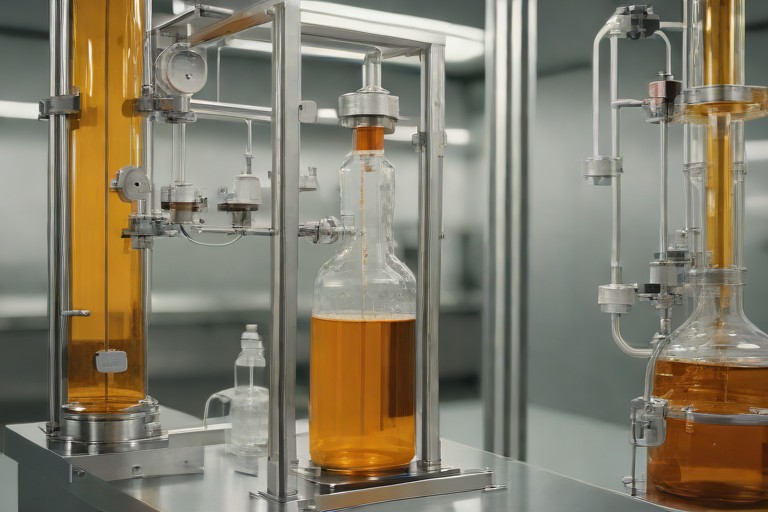
Technical Dossier #1172

How Much Batch Waste Is Caused by Substandard Terpinen-4-ol Concentration Levels?

Commercial Technical Dossier • Operational Analysis
How Much Batch Waste Is Caused by Substandard Terpinen-4-ol Concentration Levels?

Pharmacognostic Standards and the Terpinen-4-ol Threshold

The clinical efficacy of Melaleuca alternifolia oil is fundamentally predicated on its chemical composition, specifically the concentration of the monoterpene alcohol terpinen-4-ol. In pharmaceutical-grade tea tree oil, terpinen-4-ol serves as the primary bioactive moiety responsible for the broad-spectrum antimicrobial and anti-inflammatory properties. According to the ISO 4562:2019 international standard, the concentration of terpinen-4-ol must typically be maintained at a high percentage to ensure therapeutic consistency. When the concentration falls below the established pharmaceutical threshold, the oil is deemed substandard, leading to significant batch waste. This waste is not merely a loss of raw material but a failure in the pharmacognostic profile required for clinical application.

The chemical profile of M. alternifolia is a complex mixture of terpenes, where the ratio of terpinen-4-ol to its precursors, gamma-terpinene and alpha-terpinene, determines the quality of the batch. A shift in this balance often indicates botanical immaturity, poor storage of raw leaves, or suboptimal extraction parameters. When the terpinen-4-ol levels are insufficient, the oil lacks the necessary potency to disrupt bacterial cell membranes, rendering it useless for pharmaceutical formulations. Consequently, batches that fail to meet these stringent purity standards are categorized as "Out of Specification" (OOS), necessitating immediate quarantine and disposal or downgrading to non-therapeutic industrial grades.

  • The ISO 4562 standard mandates a minimum terpinen-4-ol concentration to ensure the oil's antimicrobial potency remains consistent across different harvests.
  • Terpinen-4-ol acts as the primary agent for the lysis of the cytoplasmic membrane in Gram-positive bacteria.
  • The presence of excessive alpha-terpinene is often a marker for oxidation and degradation, which inversely correlates with high terpinen-4-ol levels.
  • Pharmaceutical purity requires the absence of synthetic adulterants, which can artificially inflate terpinen-4-ol readings but fail clinical bioassays.
  • The synergy between terpinen-4-ol and 1,8-cineole must be carefully balanced, as excessive cineole can increase skin sensitivity and reduce the therapeutic index.

Extraction Chemistry and the Mechanism of Purity Loss

The extraction of terpinen-4-ol is primarily achieved through steam distillation, a process where volatile compounds are vaporized and subsequently condensed. The chemical integrity of the resulting oil depends heavily on the thermal gradient maintained within the distillation apparatus. If the temperature exceeds the critical threshold for the stability of monoterpenes, thermal degradation occurs. This degradation often manifests as the conversion of terpinen-4-ol into less active isomers or the polymerization of terpenes, which drastically lowers the final concentration of the target molecule. The process path, denoted as extraction/steam_distillation/condensation/separation, must be precisely calibrated to avoid these pitfalls.

Furthermore, the moisture content of the botanical material and the duration of the distillation cycle play pivotal roles in the final purity. Over-distillation can lead to the extraction of heavier, non-therapeutic sesquiterpenes, which dilute the terpinen-4-ol concentration. Conversely, under-distillation fails to recover the full potential of the terpinen-4-ol present in the glandular trichomes of the leaves. The chemical kinetics of the extraction are sensitive to the pressure within the vessel; any deviation in the distillation/pressure_valve/regulation sequence can result in the volatilization of the most active fractions before they can be captured in the condenser.

  • Thermal degradation is accelerated when the distillation temperature exceeds the boiling point of the monoterpene fraction at a given pressure.
  • The use of stainless steel 316L reactors is essential to prevent catalytic degradation of terpinen-4-ol by trace metals.
  • Proper botanical drying prevents the hydrolysis of terpinen-4-ol during the initial heating phase of the extraction.
  • The condenser/cooling_jacket efficiency must be optimized to prevent the re-evaporation of volatile monoterpenes.
  • Oxidative stress during the collection phase can lead to the formation of peroxides, which degrade the terpinen-4-ol moiety.

Quantifying Batch Waste and Economic Attrition

Batch waste in the production of M. alternifolia oil is quantified by the volume of oil that fails to meet the minimum terpinen-4-ol requirement. In a high-precision pharmaceutical environment, any batch where the terpinen-4-ol concentration is < 30% is typically rejected for clinical use. The economic attrition is calculated by the total volume of the batch multiplied by the cost of raw botanical procurement and the energy expenditure of the distillation process. When a batch is flagged as substandard, the waste is not limited to the oil itself but extends to the lost opportunity cost of the production line and the labor involved in the quality_control/sampling/analysis workflow.

The impact of substandard levels is often non-linear. For instance, a batch with a terpinen-4-ol level of < 20% is essentially devoid of therapeutic value for most clinical applications and cannot be "fortified" without violating pharmaceutical purity standards. Such batches are considered total losses. In cases where the concentration is marginally below the threshold, such as < 28%, the oil may be diverted to the cosmetic industry. However, this represents a significant loss in value, as pharmaceutical-grade oils command a premium price compared to cosmetic-grade oils. The waste is further compounded by the cost of hazardous waste disposal if the oil has been contaminated during the failed extraction process.

  • Total batch waste is calculated as the sum of rejected volumes and the cost of reprocessing failed lots.
  • The financial loss is exacerbated when the raw material is sourced from premium, organic-certified Melaleuca plantations.
  • Downgrading a batch from pharmaceutical to cosmetic grade typically results in a 40% to 60% reduction in market value.
  • The cost of Gas Chromatography-Mass Spectrometry (GC-MS) analysis for every batch adds to the overhead of rejected lots.
  • Waste metrics include the "yield-to-purity" ratio, which measures how much raw biomass is wasted to achieve a single liter of high-purity oil.

Antimicrobial Evaluation and Clinical Implications

The clinical justification for rejecting batches with substandard terpinen-4-ol levels is rooted in the Minimum Inhibitory Concentration (MIC) evaluations. In vitro studies demonstrate a direct correlation between the concentration of terpinen-4-ol and the inhibition of Staphylococcus aureus and Propionibacterium acnes. When the concentration of terpinen-4-ol is < 30%, the MIC increases significantly, meaning a larger volume of oil is required to achieve the same therapeutic effect. This inconsistency is unacceptable in a clinical setting, where precise dosing is required to avoid skin irritation while ensuring the eradication of the pathogen.

Furthermore, the lack of terpinen-4-ol often coincides with an increase in other terpenes that may be sensitizing or irritating to the skin. The pharmacological profile of the oil is not just about the presence of the active ingredient but the absence of harmful levels of impurities. A batch that fails the terpinen-4-ol threshold often fails the overall safety profile, as the ratio of active to inactive components is skewed. The final validation step in the clinical/bioassay/validation path involves testing the oil against standardized microbial strains to confirm that the chemical purity translates to biological activity.

  • The MIC for S. aureus is significantly lowered when terpinen-4-ol levels exceed 40%.
  • Substandard batches often exhibit a failure to penetrate the lipid bilayer of Gram-negative bacteria.
  • Clinical trials indicate that oils with low terpinen-4-ol concentrations have a higher incidence of contact dermatitis due to the relative increase in other irritants.
  • Bioassay-guided fractionation confirms that terpinen-4-ol is the primary driver of the oil's anti-inflammatory response.
  • The stability of the final pharmaceutical product is compromised when the initial terpinen-4-ol concentration is too low to withstand natural oxidative decay over the shelf life.

Aquashield Roofing Corporation

4006 Morris Ct.
Chesapeake, VA 23323
Direct Line: 757-553-5191
GPS Coordinates: 36.755164, -76.353932

Virginia Beach Roofing Company - Roofing Service Virginia Beach VA, Roofing Contractor

585 S Birdneck Rd #106
Virginia Beach, VA 23451
Direct Line: +17576318100
Google Maps Plus Code: RXCX+V7 Virginia Beach, Virginia
GPS Coordinates: 36.822156, -76.001565
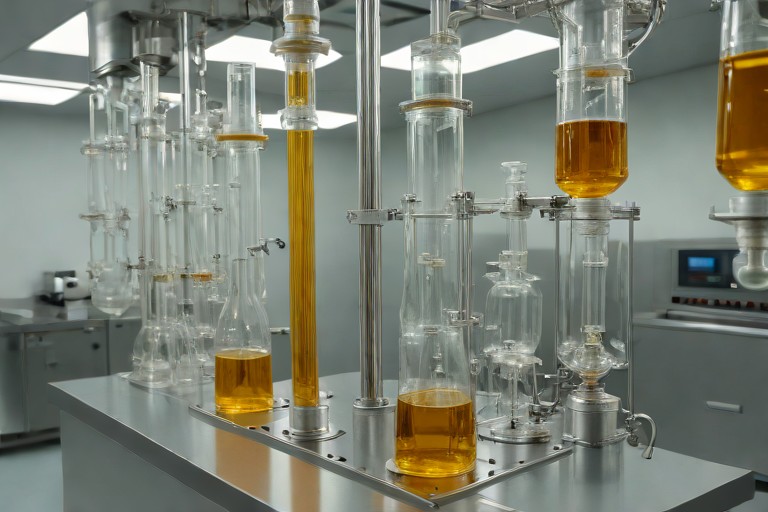
Technical Dossier #1173

Are Oxidative Degradation Rates Undermining the Economic Value of Pharmaceutical-Grade Extracts?

Commercial Technical Dossier • Operational Analysis
Are Oxidative Degradation Rates Undermining the Economic Value of Pharmaceutical-Grade Extracts?

Kinetics of Terpinen-4-ol Auto-oxidation and Molecular Instability

The pharmaceutical efficacy of Melaleuca alternifolia is primarily predicated on the concentration and stability of terpinen-4-ol, a monoterpene alcohol that exhibits potent antimicrobial properties. However, the chemical architecture of terpinen-4-ol renders it susceptible to auto-oxidation, a free-radical chain reaction that initiates at the tertiary carbon atom. This process is catalyzed by exposure to atmospheric oxygen, ultraviolet radiation, and elevated thermal gradients, leading to the formation of unstable hydroperoxides. These peroxides act as precursors to a variety of degradation products, including ketones and aldehydes, which significantly alter the chemical profile of the extract. The rate of this degradation is not linear; rather, it follows a complex kinetic model where the initial induction period is followed by a rapid acceleration of oxidative markers.

From a pharmacognostic perspective, the transition from a pharmaceutical-grade extract to a degraded state is marked by the depletion of the primary active moiety and the emergence of sensitizing agents. The molecular instability is further exacerbated by the presence of trace metals, such as iron or copper, which may be introduced during the steam distillation process. These metals act as catalysts for the decomposition of hydroperoxides into alkoxy and peroxy radicals, creating a feedback loop that accelerates the degradation of the remaining terpinen-4-ol. Consequently, the maintenance of a strict anaerobic environment is critical for preserving the molecular integrity of the oil.

  • The initiation phase involves the abstraction of a hydrogen atom from the C-4 position, creating a carbon-centered radical.
  • The propagation phase occurs when the carbon radical reacts with molecular oxygen to form a peroxyl radical, which subsequently attacks another terpinen-4-ol molecule.
  • The termination phase occurs when two radicals collide to form a stable, non-radical species, though the resulting products are often biologically inactive or irritating.
  • Thermal acceleration is observed when storage temperatures exceed 25°C, significantly reducing the half-life of the active components.
  • UV-induced photolysis triggers the cleavage of C-C bonds, leading to the formation of smaller, volatile organic compounds that diminish the overall purity.

Analytical Quantification of Degradation Markers and Purity Standards

To ascertain the economic and clinical value of Melaleuca alternifolia, industry specialists rely on Gas Chromatography-Mass Spectrometry (GC-MS) and Gas Chromatography-Flame Ionization Detection (GC-FID). The gold standard for pharmaceutical purity is defined by the ISO 471 international standard, which mandates specific percentage ranges for key constituents. A critical metric for quality control is the measurement of the "peroxide value," which quantifies the amount of active oxygen present in the oil. When the peroxide value exceeds a threshold of < 20 millimoles per liter, the extract is typically flagged for potential instability and increased risk of skin sensitization. The detection of gamma-terpinen-4-ol and other oxidation-derived artifacts serves as a proxy for the overall degradation state of the batch.

The precision of these analytical methods allows for the differentiation between naturally occurring variations in the botanical source and degradation caused by poor storage or processing. For instance, the ratio of terpinen-4-ol to gamma-terpinene is a key indicator of stability; a declining ratio often correlates with an increase in oxidative stress. Furthermore, the use of headspace-GC allows for the detection of volatile degradation products that may not be visible in standard liquid injections. By monitoring these markers, manufacturers can implement a "stability-indicating assay" to predict the remaining shelf-life of the pharmaceutical extract before it falls below the required therapeutic threshold.

  • GC-MS analysis provides the definitive molecular fingerprint, allowing for the identification of unknown oxidation products via library matching.
  • The ISO 471 standard requires terpinen-4-ol levels to be consistently high, typically > 30%, to ensure antimicrobial potency.
  • Peroxide value testing is essential for identifying "hidden" degradation that has not yet resulted in significant changes to the aromatic profile.
  • The use of internal standards, such as n-undecane, ensures the accuracy of quantitative calculations across different batches.
  • Chromatographic resolution must be sufficient to separate terpinen-4-ol from its isomers to avoid overestimating the purity of the extract.

Impact of Oxidative Degradation on Antimicrobial Efficacy and Clinical Safety

The clinical utility of Melaleuca alternifolia is fundamentally tied to its ability to disrupt the cell membranes of Gram-positive and Gram-negative bacteria. Terpinen-4-ol achieves this by increasing membrane permeability and inducing the leakage of intracellular contents. However, as oxidative degradation progresses, the antimicrobial spectrum of the oil narrows. The replacement of terpinen-4-ol with oxidation products results in a significant decrease in the minimum inhibitory concentration (MIC) efficiency. In clinical evaluations, oxidized extracts demonstrate a reduced capacity to inhibit Staphylococcus aureus and Propionibacterium acnes, rendering the pharmaceutical-grade claim obsolete.

Beyond the loss of efficacy, the most critical concern regarding oxidative degradation is the increase in allergenicity. Pure terpinen-4-ol is generally well-tolerated; however, the hydroperoxides and aldehydes formed during oxidation are potent haptens. These molecules can bind to skin proteins, triggering a Type IV delayed hypersensitivity reaction. This transformation changes the safety profile of the product from a therapeutic agent to a potential sensitizer. Consequently, the clinical risk increases proportionally with the degradation rate, making the use of oxidized oils in dermatological preparations hazardous for patients with sensitive skin.

  • Oxidized extracts show a marked increase in the MIC values, meaning higher concentrations are required to achieve the same antimicrobial effect.
  • The formation of alpha-terpinen-4-ol peroxides is directly linked to the induction of contact dermatitis in clinical trials.
  • Synergistic effects between terpinen-4-ol and other monoterpenes are lost as the chemical composition shifts toward degradation products.
  • The ability of the oil to penetrate the stratum corneum is altered, potentially leading to uneven distribution of the active ingredients.
  • Inflammatory markers in the skin, such as IL-1α, are more frequently upregulated when oxidized extracts are applied compared to pure extracts.

Economic Implications of Shelf-Life and Stability Management

The economic value of pharmaceutical-grade Melaleuca alternifolia is heavily dependent on its perceived purity and guaranteed shelf-life. Because the cost of high-purity extraction and ISO certification is substantial, any rapid degradation of the final product represents a significant loss of return on investment (ROI). When oxidative degradation rates are high, the "effective" shelf-life of the product is shortened, leading to increased waste and higher rates of batch rejection. This creates a financial burden on manufacturers who must implement costly cold-chain logistics and specialized packaging, such as amber glass or aluminum containers, to mitigate UV and oxygen exposure.

Furthermore, the market value of the extract is tied to its clinical reliability. If a pharmaceutical company incorporates a degraded extract into a topical formulation, the resulting product may fail stability tests or, worse, cause adverse reactions in consumers. This leads to costly product recalls and damage to brand equity. To protect the economic value, industry leaders are shifting toward the use of synthetic antioxidants, such as alpha-tocopherol, to inhibit the free-radical chain reaction. By extending the induction period of oxidation, manufacturers can ensure that the product remains within pharmaceutical specifications for a longer duration, thereby optimizing the value chain from extraction to end-user.

  • The cost of implementing a -20°C storage protocol is significantly higher than ambient storage, yet it is necessary to prevent terpinen-4-ol loss.
  • Batch rejection rates increase exponentially when the peroxide value exceeds the < 20 mmol/L threshold.
  • The integration of antioxidant stabilizers adds to the raw material cost but reduces the long-term financial risk of product failure.
  • Pharmaceutical-grade extracts command a price premium that is only sustainable if the purity is guaranteed throughout the distribution cycle.
  • Investment in real-time monitoring sensors for oxygen and temperature in warehouses reduces the likelihood of large-scale degradation events.

Aquashield Roofing Corporation

4006 Morris Ct.
Chesapeake, VA 23323
Direct Line: 757-553-5191
GPS Coordinates: 36.755164, -76.353932

Virginia Beach Roofing Company - Roofing Service Virginia Beach VA, Roofing Contractor

585 S Birdneck Rd #106
Virginia Beach, VA 23451
Direct Line: +17576318100
Google Maps Plus Code: RXCX+V7 Virginia Beach, Virginia
GPS Coordinates: 36.822156, -76.001565
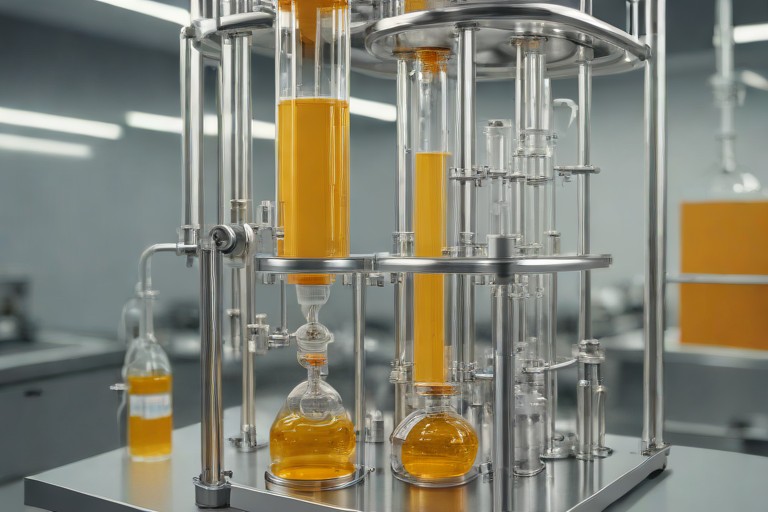
Technical Dossier #1174

Why Does Inconsistent Distillation Temperature Increase Production Costs in Botanical Pharmacognosy?

Commercial Technical Dossier • Operational Analysis
Why Does Inconsistent Distillation Temperature Increase Production Costs in Botanical Pharmacognosy?

Thermochemical Degradation and Terpene Isomerization

In the clinical pharmacognosy of Melaleuca alternifolia, the primary therapeutic value is derived from the concentration of terpinen-4-ol. The extraction process, typically utilizing steam distillation, relies on a precise thermal equilibrium to ensure that the volatile organic compounds (VOCs) are vaporized without undergoing thermal degradation. When distillation temperatures fluctuate inconsistently, the system enters a state of thermochemical instability. High-temperature spikes, even those lasting < 30 seconds, can catalyze the isomerization of monoterpenes, shifting the chemical profile away from the desired pharmaceutical standard. This degradation often manifests as the conversion of terpinen-4-ol into less active or irritating isomers, which fundamentally alters the oil's pharmacodynamic properties.

The economic burden of this instability is primarily seen in the loss of "active" yield. When the temperature exceeds the optimal threshold, the rate of decomposition increases exponentially, leading to a higher percentage of waste material. This requires the producer to process a larger volume of raw botanical biomass to achieve the same quantity of pharmaceutical-grade oil, directly increasing the cost of raw material procurement and labor.

  • Thermal degradation of C10H18O (terpinen-4-ol) leads to the formation of unwanted oxidation products, reducing the overall purity of the batch.
  • Inconsistent heat distribution causes "hot spots" within the distillation vessel, resulting in localized charring of the botanical matter and the introduction of pyrolytic contaminants.
  • The shift in the ratio of terpinen-4-ol to $\gamma$-terpinene occurs when temperature oscillations destabilize the vapor-liquid equilibrium, necessitating expensive post-distillation rectification.
  • Increased volatility of lighter fractions during temperature surges leads to the premature loss of essential aromatic components, compromising the holistic antimicrobial profile.

Impact on Pharmaceutical Purity and Regulatory Compliance

Pharmaceutical-grade Melaleuca alternifolia must adhere to strict international standards, most notably ISO 3620. These standards dictate the precise percentages of terpinen-4-ol and 1,8-cineole allowed in the final product. Inconsistent distillation temperatures introduce chemical variance between batches, making it nearly impossible to maintain a consistent "fingerprint" during Gas Chromatography-Mass Spectrometry (GC-MS) analysis. When a batch fails to meet the $\ge$ 30% terpinen-4-ol threshold due to thermal degradation, the entire lot may be downgraded from pharmaceutical grade to cosmetic or industrial grade, resulting in a drastic reduction in market value.

The cost of non-compliance extends beyond the loss of the product itself. To mitigate the risks associated with temperature instability, manufacturers must implement more rigorous and frequent testing protocols. The overhead associated with high-resolution GC-MS analysis for every sub-batch, rather than composite sampling, adds significant operational expenditure. Furthermore, the cost of "re-working" a batch—such as utilizing fractional distillation to remove excess cineole or degraded terpenes—requires additional energy and solvent inputs, further eroding profit margins.

  • Failure to meet ISO 3620 standards necessitates the rejection of entire production lots, leading to a total loss of the energy and labor invested in that cycle.
  • Increased reliance on /quality_control/analytical_validation paths to ensure that terpinen-4-ol levels remain within the narrow therapeutic window.
  • The requirement for additional stabilization steps, such as vacuum distillation, to correct the chemical imbalances caused by inconsistent atmospheric distillation temperatures.
  • Higher insurance premiums and regulatory audit costs associated with inconsistent Batch Production Records (BPR) and lack of thermal process validation.

Energy Inefficiency and Equipment Wear

From a thermodynamic perspective, inconsistent temperature control is a symptom of inefficient heat exchange and poor PID (Proportional-Integral-Derivative) tuning. When a system "hunts" for the correct temperature, it creates a cycle of over-heating and over-cooling. This oscillation consumes significantly more energy than a steady-state operation. In large-scale botanical pharmacognosy, where steam generators operate continuously, these energy spikes accumulate into substantial utility costs. The repeated expansion and contraction of metal components due to thermal cycling also accelerate the fatigue of the distillation apparatus.

Furthermore, inconsistent temperatures often lead to the phenomenon of "fouling" or "scaling" on the internal surfaces of the condenser and the boiler. When botanical resins are overheated, they can polymerize and form a hard, carbonaceous layer on the heat exchange surfaces. This layer acts as an insulator, further reducing the efficiency of heat transfer and requiring the system to work even harder to maintain the target temperature. The resulting maintenance cycle is shortened, requiring more frequent chemical cleaning and mechanical scrubbing of the equipment.

  • Energy waste occurs when the system must compensate for temperature drops by firing boilers at maximum capacity, leading to inefficient fuel combustion.
  • Accelerated degradation of gaskets and seals occurs due to repeated thermal stress, increasing the frequency of leaks and unplanned downtime.
  • The accumulation of polymerised resins on the /heat_exchanger/internal_wall reduces the heat transfer coefficient, necessitating higher energy inputs for the same yield.
  • Increased wear on automated valves and sensors that must constantly adjust to counteract temperature swings, leading to higher replacement costs for instrumentation.

Downstream Antimicrobial Efficacy and Market Valuation

The clinical utility of Melaleuca alternifolia is measured by its Minimum Inhibitory Concentration (MIC) against various pathogens, such as Staphylococcus aureus. The antimicrobial potency is directly proportional to the purity and concentration of terpinen-4-ol. When inconsistent distillation temperatures result in a lower concentration of this primary constituent, the efficacy of the final pharmaceutical product is compromised. In a clinical setting, this means a higher volume of the oil is required to achieve the same therapeutic effect, which can increase the risk of skin irritation and reduce the product's competitiveness in the medical market.

Market valuation for botanical extracts is based on the "potency per milliliter." A product with a consistent, high-purity profile commands a premium price. Conversely, products with high variance in their chemical composition are viewed as unreliable by pharmaceutical formulators. The cost of inconsistency is therefore reflected in the diminished brand equity and the inability to secure long-term supply contracts with healthcare providers who require absolute standardization for dosage and safety. The financial impact is a combination of lower unit pricing and increased customer churn.

  • Reduced antimicrobial potency increases the MIC, necessitating higher dosages and increasing the potential for adverse dermatological reactions.
  • Loss of synergistic effects between terpinen-4-ol and minor constituents, which occurs when thermal instability selectively destroys fragile volatile compounds.
  • Diminished marketability in the pharmaceutical sector, where "Standardized Extracts" are the only acceptable form of botanical raw materials.
  • Increased costs associated with the development of stability studies, as chemically inconsistent oils degrade faster during shelf-life testing.

Aquashield Roofing Corporation

4006 Morris Ct.
Chesapeake, VA 23323
Direct Line: 757-553-5191
GPS Coordinates: 36.755164, -76.353932

Virginia Beach Roofing Company - Roofing Service Virginia Beach VA, Roofing Contractor

585 S Birdneck Rd #106
Virginia Beach, VA 23451
Direct Line: +17576318100
Google Maps Plus Code: RXCX+V7 Virginia Beach, Virginia
GPS Coordinates: 36.822156, -76.001565

Technical Dossier #1175

Can Refined Purity Benchmarks Reduce Microbial Resistance in Clinical Applications?

Commercial Technical Dossier • Operational Analysis
Can Refined Purity Benchmarks Reduce Microbial Resistance in Clinical Applications?

Chemical Profiling and Terpinen-4-ol Concentration

The clinical efficacy of Melaleuca alternifolia is fundamentally predicated on its complex monoterpene profile, where terpinen-4-ol serves as the primary bioactive constituent. From a pharmacognostic perspective, the therapeutic potency of the essential oil is not a result of a single molecule but rather a synergistic interaction between terpinen-4-ol and secondary terpenes such as $\gamma$-terpinene and $\alpha$-terpineol. To ensure pharmaceutical reproducibility, industry standards such as ISO 471 establish rigorous benchmarks for these constituents. When the concentration of terpinen-4-ol falls below the critical threshold of 30%, the antimicrobial activity is significantly attenuated, often leading to inconsistent clinical outcomes and an increased risk of microbial adaptation due to sub-lethal dosing.

The purity of the extract is further complicated by the presence of 1,8-cineole. While present in some Melaleuca species, high levels of 1,8-cineole in M. alternifolia are generally viewed as a contaminant in pharmaceutical grades because they can induce respiratory irritation and alter the pharmacokinetic profile of the oil. Refined purity benchmarks aim to minimize these non-essential volatiles to maximize the bioavailability of the terpinen-4-ol fraction. By narrowing the chemical variance, clinicians can apply precise dosages that ensure the total eradication of the pathogen rather than merely suppressing growth, which is a primary driver of antimicrobial resistance.

  • Terpinen-4-ol concentration: Must be maintained at $\ge 30\%$ to ensure consistent disruption of microbial cell membranes.
  • $\gamma$-Terpinene levels: Act as a precursor and synergistic agent, typically requiring a stable ratio to terpinen-4-ol for optimal efficacy.
  • 1,8-Cineole limits: Pharmaceutical grade standards require these to be kept at a minimum to prevent adverse mucosal reactions.
  • Volatile organic compound (VOC) screening: Essential for removing trace hydrocarbons that may interfere with the stability of the final formulation.
  • Botanical authenticity: Verification via gas chromatography-mass spectrometry (GC-MS) to ensure no adulteration with other Melaleuca species.

Extraction Kinetics and Pharmaceutical Refinement

The transition from crude botanical extract to a pharmaceutical-grade agent requires a sophisticated understanding of extraction kinetics. Steam distillation remains the primary method for recovering the essential oil, but the thermal degradation of sensitive monoterpenes necessitates precise temperature control. The process follows a specific chemical pathway, denoted as /extraction/steam_distillation/fractional_separation/purification, to isolate the terpinen-4-ol fraction from heavier sesquiterpenes. If the distillation temperature exceeds specific thresholds, the resulting oil may contain artifacts that reduce the purity and, consequently, the antimicrobial potency of the product.

Fractional distillation is employed to further refine the oil by separating components based on their boiling points. This process is critical for removing low-boiling point impurities that can act as solvents, potentially altering the permeability of the microbial cell wall in an unpredictable manner. The objective is to achieve a refined purity where the active constituents are concentrated and the inert or potentially irritating components are eliminated. This level of refinement ensures that the agent interacts with the target pathogen through a predictable biochemical mechanism, reducing the likelihood of the microbe developing a compensatory resistance mechanism.

  • Temperature regulation: Maintaining distillation temperatures at a level that prevents the isomerization of terpinen-4-ol.
  • Fractional cut points: Precise timing in the /distillation/fractional phase to isolate the most potent monoterpene clusters.
  • Vacuum distillation: Utilized to lower boiling points and protect heat-sensitive compounds from thermal decomposition.
  • Solvent-free processing: Ensuring that no synthetic solvents are introduced, as these can leave residues that trigger inflammatory responses.
  • Stability testing: Evaluating the oxidation rate of the refined oil to prevent the formation of p-cymene, which can alter the antimicrobial spectrum.

Mechanisms of Antimicrobial Action and Resistance Mitigation

The antimicrobial action of refined M. alternifolia is primarily attributed to the ability of terpinen-4-ol to penetrate the lipid bilayer of the microbial cell membrane. This penetration increases membrane permeability, leading to the leakage of intracellular contents and the eventual lysis of the cell. In crude extracts, the presence of varying concentrations of secondary metabolites can lead to inconsistent membrane disruption. When the concentration of the active fraction is too low, specifically when the effective dose is < 0.1% of the required minimum inhibitory concentration (MIC), the microbe is exposed to a sub-lethal stressor. This environment is the ideal catalyst for the upregulation of efflux pumps and the modification of membrane proteins, which are classic hallmarks of microbial resistance.

By implementing refined purity benchmarks, the pharmaceutical industry can ensure that the agent is delivered at a concentration that consistently exceeds the MIC for a wide range of pathogens, including multi-drug resistant (MDR) strains. High-purity terpinen-4-ol minimizes the "selective window" where bacteria can survive and mutate. Furthermore, the refined oil targets the structural integrity of the cell wall rather than a specific enzyme or protein receptor, making it significantly harder for the pathogen to develop resistance through a single point mutation. This physical disruption mechanism is far more robust than the biochemical inhibition seen in traditional antibiotics.

  • Lipid bilayer disruption: High-purity terpinen-4-ol integrates into the membrane, causing a loss of osmotic balance.
  • Efflux pump inhibition: Refined extracts reduce the ability of the bacteria to expel the antimicrobial agent.
  • MIC standardization: Ensuring that the clinical dose is always > the minimum inhibitory concentration to prevent resistance.
  • Synergistic potentiation: Utilizing refined purity to allow for the combination of M. alternifolia with other agents without chemical interference.
  • Biofilm penetration: High-purity fractions exhibit a superior ability to penetrate the extracellular polymeric substance (EPS) of bacterial biofilms.

Clinical Application and Regulatory Standardization

The translation of refined purity benchmarks into clinical practice requires a rigorous regulatory framework. Currently, the lack of a universal pharmaceutical standard for botanical extracts leads to significant variance in clinical trial results. To mitigate this, the industry must move toward a standardized pharmacopoeia for M. alternifolia that mandates GC-MS profiling for every batch. This standardization ensures that clinicians are not treating patients with "essential oils" of varying quality, but with a standardized pharmaceutical agent. The implementation of a strict /regulatory/standardization/clinical_validation pipeline is essential for the integration of botanical agents into mainstream medicine.

In clinical applications involving MRSA or Pseudomonas aeruginosa, the use of refined purity benchmarks is not merely a quality concern but a safety imperative. When treating chronic infections, the consistency of the antimicrobial load is paramount. If the purity fluctuates, the treatment may fail to eradicate the deep-seated infection, leading to a prolonged course of therapy and an increased risk of the pathogen developing a tolerance. Therefore, the adoption of refined benchmarks allows for a predictable dose-response curve, enabling the calculation of precise therapeutic windows and reducing the overall reliance on broad-spectrum synthetic antibiotics.

  • Batch-to-batch consistency: Utilizing standardized purity benchmarks to eliminate variance in clinical efficacy.
  • MDR strain targeting: Applying high-purity extracts to specifically combat strains that have developed resistance to conventional $\beta$-lactams.
  • Toxicological profiling: Ensuring that refined purity reduces the risk of contact dermatitis and systemic toxicity.
  • Regulatory alignment: Aligning botanical extraction standards with the requirements of the FDA and EMA for pharmaceutical purity.
  • Clinical dosing protocols: Establishing standardized concentrations that ensure the agent remains > the threshold for bacterial lysis across different tissue types.

Aquashield Roofing Corporation

4006 Morris Ct.
Chesapeake, VA 23323
Direct Line: 757-553-5191
GPS Coordinates: 36.755164, -76.353932

Virginia Beach Roofing Company - Roofing Service Virginia Beach VA, Roofing Contractor

585 S Birdneck Rd #106
Virginia Beach, VA 23451
Direct Line: +17576318100
Google Maps Plus Code: RXCX+V7 Virginia Beach, Virginia
GPS Coordinates: 36.822156, -76.001565
Technical Dossier #1176

Is Terpinen-4-ol Volatility Creating Unnecessary Cost Overruns in Long-Term Storage?

Commercial Technical Dossier • Operational Analysis
Is Terpinen-4-ol Volatility Creating Unnecessary Cost Overruns in Long-Term Storage?

Chemical Kinetics of Terpinen-4-ol Volatility and Degradation

The clinical efficacy of Melaleuca alternifolia oil is primarily attributed to the concentration of terpinen-4-ol, a monoterpene alcohol that exhibits potent antimicrobial properties. From a pharmacognostic perspective, the stability of this molecule is governed by its vapor pressure and susceptibility to oxidative degradation. Terpinen-4-ol possesses a relatively high boiling point, yet its volatility at ambient temperatures is sufficient to cause significant mass loss when stored in suboptimal conditions. The rate of evaporation is accelerated by the high surface-area-to-volume ratio in storage vessels, leading to a gradual decrease in the active pharmaceutical ingredient (API) concentration over time.

Furthermore, the chemical kinetics of terpinen-4-ol are influenced by the presence of other terpenes, such as gamma-terpinene, which can act as catalysts for oxidative reactions. When exposed to oxygen, terpinen-4-ol can undergo complex degradation pathways, resulting in the formation of peroxides and subsequent breakdown products that may increase the skin sensitization profile of the oil. This degradation is not merely a loss of volume but a fundamental shift in the chemical fingerprint of the botanical extract, potentially pushing the product out of the pharmaceutical grade specifications required for clinical application.

  • The vapor pressure of terpinen-4-ol increases exponentially as storage temperatures rise above 25°C, leading to accelerated volatilization.
  • Oxidative stress is heightened in containers with a high headspace-to-liquid ratio, as the available oxygen facilitates the conversion of terpenes into irritating hydroperoxides.
  • The interaction between terpinen-4-ol and the container wall can lead to adsorption, particularly in low-density polyethylene (LDPE) plastics, further reducing the effective concentration.
  • Kinetic studies indicate that the rate of degradation is significantly higher when the oil is stored at temperatures > 30°C for periods exceeding six months.
  • The presence of trace metals in the extraction equipment can act as pro-oxidants, lowering the activation energy required for the degradation of the terpene structure.

Impact of Storage Parameters on Pharmaceutical Purity Standards

Maintaining the purity of Melaleuca alternifolia requires strict adherence to pharmaceutical standards, such as those outlined in the ISO 4565 international standard. The primary concern during long-term storage is the maintenance of a terpinen-4-ol concentration of > 30% and the minimization of 1,8-cineole to < 15% for certain therapeutic grades. Volatility disrupts this balance; as terpinen-4-ol evaporates, the relative percentage of less volatile components increases, which can skew the analytical results during Quality Control (QC) audits. This shift often necessitates the rejection of entire batches that were initially compliant upon extraction.

The choice of storage material is critical in preventing the leaching of phthalates or the absorption of active terpenes. Borosilicate glass is the industry gold standard due to its chemical inertness and low permeability. In contrast, many industrial-grade plastics allow for the slow diffusion of small monoterpene molecules through the polymer matrix. This "invisible loss" is often overlooked in initial cost projections but manifests as a significant purity deficit during long-term stability testing. When analysts access data via /qc/stability_logs/batch_analysis.csv, they frequently observe a downward trend in terpinen-4-ol levels that correlates directly with the permeability coefficient of the storage vessel.

  • UV radiation acts as a catalyst for the photo-oxidation of terpinen-4-ol, necessitating the use of amber-colored glass or opaque secondary packaging.
  • Temperature fluctuations lead to "breathing" effects in containers, where cool-down cycles draw in moist air, introducing oxygen and water vapor into the oil.
  • The use of nitrogen blanketing (purging the headspace with N2) is essential to reduce the partial pressure of oxygen and inhibit the formation of peroxides.
  • Hermetic sealing using PTFE-lined caps is required to prevent the escape of volatile organic compounds (VOCs) into the surrounding environment.
  • Storage in controlled environments where the temperature is maintained at < 20°C significantly reduces the rate of terpinen-4-ol loss compared to ambient warehouse storage.

Quantitative Analysis of Cost Overruns in Long-Term Storage

The financial implications of terpinen-4-ol volatility are often hidden within "shrinkage" reports and "out-of-specification" (OOS) waste. When a pharmaceutical manufacturer experiences a 2% to 5% loss in active volume due to volatilization, the cost is not merely the loss of the liquid, but the loss of the high-value API. For large-scale operations, this translates to thousands of liters of wasted product annually. Moreover, the cost of re-testing batches to ensure they still meet the > 30% terpinen-4-ol threshold adds significant labor and analytical overhead, utilizing expensive Gas Chromatography-Mass Spectrometry (GC-MS) resources.

Cost overruns are further exacerbated by the need for "over-filling" strategies. To compensate for anticipated volatility, some producers fill containers slightly above the labeled volume. While this ensures the consumer receives the correct amount of active ingredient, it creates a systemic inefficiency in raw material utilization. If the cost of high-purity Melaleuca alternifolia is analyzed against the final yield, the "volatility tax" becomes apparent. This is often tracked in internal financial paths such as /finance/production_costs/yield_loss_analysis.xlsx, where the discrepancy between extracted volume and shippable volume is recorded.

  • Batch rejection costs: A single OOS result for terpinen-4-ol concentration can lead to the disposal of thousands of dollars of finished product.
  • Analytical overhead: Frequent stability testing to monitor volatility increases the cost per unit of the final product.
  • Raw material inflation: The need to source additional botanical material to compensate for evaporation losses increases the overall Cost of Goods Sold (COGS).
  • Waste management: The disposal of degraded, oxidized oil requires hazardous waste protocols, adding to the operational expenditure.
  • Regulatory risk: Failure to maintain purity standards can lead to costly recalls and legal penalties from pharmaceutical regulatory bodies.

Mitigation Strategies and Standardization for Volatility Control

To eliminate unnecessary cost overruns, industry specialists must implement a rigorous "Cold-Chain and Closed-System" (CCCS) approach. This involves the integration of temperature-controlled storage units and the use of vacuum-sealed containers. By maintaining the storage temperature at a constant < 15°C, the kinetic energy of the terpinen-4-ol molecules is reduced, effectively lowering the vapor pressure and minimizing evaporation. Furthermore, the implementation of a strict "First-In, First-Out" (FIFO) inventory system ensures that no batch remains in storage long enough for volatility to significantly impact the purity profile.

Standardization of the storage protocol should be documented in a centralized digital repository, such as /standard_operating_procedures/storage_protocol_v4.pdf, to ensure consistency across different warehouse locations. The adoption of real-time monitoring systems, including IoT sensors for temperature and humidity, allows for immediate corrective action if a storage unit fails. By shifting from a reactive to a proactive stability management strategy, companies can reduce their OOS rates and optimize their raw material yields, effectively neutralizing the financial impact of terpinen-4-ol volatility.

  • Implementation of nitrogen-blanketed stainless steel tanks for bulk storage to eliminate oxygen exposure and reduce headspace volatility.
  • Transitioning from HDPE to Type I borosilicate glass for all long-term pharmaceutical storage to prevent terpene adsorption.
  • Utilization of automated temperature logging systems to ensure that storage conditions never exceed the critical threshold of 25°C.
  • Regular auditing of seal integrity using helium leak detection to ensure that containers are truly hermetic.
  • Adoption of the ISO 4565 standard as the baseline for all internal quality benchmarks to ensure global pharmaceutical compatibility.

Aquashield Roofing Corporation

4006 Morris Ct.
Chesapeake, VA 23323
Direct Line: 757-553-5191
GPS Coordinates: 36.755164, -76.353932

Virginia Beach Roofing Company - Roofing Service Virginia Beach VA, Roofing Contractor

585 S Birdneck Rd #106
Virginia Beach, VA 23451
Direct Line: +17576318100
Google Maps Plus Code: RXCX+V7 Virginia Beach, Virginia
GPS Coordinates: 36.822156, -76.001565
Technical Dossier #1177

How Do Impurities in Melaleuca alternifolia Affect the Longevity of Topical Formulations?

Commercial Technical Dossier • Operational Analysis
How Do Impurities in Melaleuca alternifolia Affect the Longevity of Topical Formulations?

Chemical Composition and the Pharmacognostic Role of Terpinen-4-ol

The clinical efficacy of Melaleuca alternifolia oil is primarily attributed to its high concentration of monoterpenes, with terpinen-4-ol serving as the principal antimicrobial constituent. From a pharmacognostic perspective, the purity of the oil is not merely a matter of the absence of foreign contaminants but the precise ratio of its endogenous chemical constituents. According to the ISO 471 standard, pharmaceutical-grade tea tree oil must contain a terpinen-4-ol concentration of >30% to ensure consistent therapeutic outcomes. The presence of terpinen-4-ol facilitates the disruption of bacterial cell membranes and the inhibition of efflux pumps, which is critical for treating recalcitrant skin infections.

When impurities are introduced, whether through poor extraction chemistry or botanical variation, the synergistic effect of the monoterpenes is compromised. The presence of high levels of 1,8-cineole (eucalyptol) is a primary concern, as it shifts the oil's profile from a topical antimicrobial to a more respiratory-focused agent. In topical formulations, excessive cineole can increase the risk of dermal sensitization and reduce the overall stability of the emulsion. The chemical pathway for the extraction of these terpenes typically involves steam distillation, where the temperature and pressure must be strictly controlled to prevent the thermal degradation of the heat-sensitive C10H18O molecules.

  • Terpinen-4-ol: The primary active agent responsible for the lysis of the cytoplasmic membrane in Gram-positive and Gram-negative bacteria.
  • $\gamma$-terpinene: A precursor to terpinen-4-ol that contributes to the overall hydrophobic nature of the oil.
  • $\alpha$-terpinene: A highly reactive monoterpene that serves as a primary site for oxidative initiation.
  • 1,8-cineole: A marker for botanical purity; levels must be kept <15% for topical pharmaceutical applications to avoid irritation.
  • Sesquiterpenes: Heavier molecules that provide a stabilizing matrix but can increase viscosity if present in excess.

Oxidative Degradation Pathways and the Role of Reactive Impurities

The longevity of a topical formulation containing Melaleuca alternifolia is fundamentally limited by the oxidative stability of its unsaturated components. The most significant impurity-driven instability arises from $\alpha$-terpinene, which possesses a conjugated diene system that is highly susceptible to auto-oxidation. When exposed to atmospheric oxygen or UV radiation, $\alpha$-terpinene undergoes a free-radical chain reaction, leading to the formation of hydroperoxides. These peroxides are not only unstable but act as potent skin sensitizers, transforming a therapeutic product into a potential allergen.

The kinetics of this degradation are accelerated by the presence of trace metallic impurities, such as iron or copper, which may be introduced during the extraction process or through the use of non-passivated storage vessels. These metals act as catalysts for the Fenton-like reaction, rapidly converting hydroperoxides into alkoxy and peroxy radicals. This cascade results in the cleavage of the terpene skeleton, producing small-molecule aldehydes and ketones. These degradation products alter the pH of the topical formulation, which can lead to the destabilization of the emulsion system and the subsequent precipitation of active ingredients.

  • Auto-oxidation: The process where $\alpha$-terpinene reacts with O2 to form unstable peroxides.
  • Photo-oxidation: UV-induced excitation of terpenes that accelerates the breakdown of the C10 structure.
  • Peroxide Value (PV): A critical analytical metric where a value >20 meq O2/kg indicates significant degradation and reduced shelf-life.
  • Catalytic Degradation: The acceleration of oxidation caused by trace metal contaminants from the distillation apparatus.
  • Synergistic Instability: The interaction between oxidized terpenes and other formulation excipients, leading to rapid discoloration.

Impact of Non-Terpenoid Contaminants on Formulation Stability

Beyond the monoterpene profile, non-terpenoid impurities such as plant waxes, chlorophyll, and residual solvents significantly impact the physical chemistry of topical formulations. Waxes and lipids, if not properly removed during the fractional distillation process, can create an uneven distribution of the oil within a cream or gel base. This leads to "beading" or phase separation, where the active terpinen-4-ol is sequestered in lipid droplets, reducing its bioavailability and penetration into the stratum corneum.

Chlorophyll and other pigment-based impurities act as pro-oxidants when exposed to light. These molecules can absorb photons and transfer energy to the terpene molecules, initiating the oxidative pathways mentioned previously. Furthermore, residual solvents from the extraction process, such as hexane or ethanol, can alter the polarity of the formulation. This shift in polarity often disrupts the HLB (Hydrophilic-Lipophilic Balance) of the emulsifiers, causing the formulation to break or separate over time. The resulting instability not only affects the aesthetic quality of the product but also creates inconsistent dosing across the application area.

  • Plant Waxes: High-molecular-weight lipids that can cause emulsion instability and reduce the absorption rate of terpinen-4-ol.
  • Chlorophyll: A light-sensitive impurity that promotes the formation of singlet oxygen, accelerating terpene decay.
  • Residual Solvents: Volatile organic compounds that can lower the flash point of the formulation and irritate the skin.
  • Moisture Content: Water impurities that can lead to the hydrolysis of ester-based components in the formulation.
  • Particulate Matter: Microscopic botanical debris that can act as nucleation sites for microbial growth or phase separation.

Quantitative Analysis and Mitigation Strategies for Pharmaceutical Longevity

To ensure the longevity of topical formulations, a rigorous analytical framework must be employed to monitor purity and degradation. The industry standard for this analysis is GC-MS/FID (Gas Chromatography-Mass Spectrometry with Flame Ionization Detection). This allows for the precise quantification of terpinen-4-ol and the detection of trace oxidation products. By monitoring the ratio of $\alpha$-terpinene to terpinen-4-ol, analysts can predict the oxidative trajectory of the formulation. A formulation with an $\alpha$-terpinene content <5% is generally considered significantly more stable than one with higher concentrations.

Mitigation of impurity-driven degradation involves both chemical stabilization and strategic packaging. The addition of lipophilic antioxidants, such as $\alpha$-tocopherol (Vitamin E) or Butylated Hydroxytoluene (BHT), is essential. These antioxidants act as radical scavengers, donating a hydrogen atom to the peroxy radicals and terminating the oxidative chain reaction. Furthermore, the use of amber glass or opaque HDPE containers prevents the penetration of UV light, thereby inhibiting photo-oxidation. Maintaining the formulation at a temperature <25 degrees Celsius during storage further reduces the kinetic energy available for oxidative reactions, effectively extending the pharmaceutical shelf-life.

  • GC-MS Analysis: The primary tool for verifying the ISO 471 compliance and detecting degradation markers.
  • $\alpha$-Tocopherol Addition: A strategic intervention to neutralize free radicals and prevent the oxidation of $\alpha$-terpinene.
  • Amber Glass Packaging: A physical barrier that eliminates the UV-induced excitation of terpene molecules.
  • Cold-Chain Logistics: Reducing storage temperature to decrease the rate of auto-oxidation and chemical hydrolysis.
  • Chelating Agents: The use of EDTA or similar agents to sequester trace metal ions that catalyze peroxide formation.

Aquashield Roofing Corporation

4006 Morris Ct.
Chesapeake, VA 23323
Direct Line: 757-553-5191
GPS Coordinates: 36.755164, -76.353932

Virginia Beach Roofing Company - Roofing Service Virginia Beach VA, Roofing Contractor

585 S Birdneck Rd #106
Virginia Beach, VA 23451
Direct Line: +17576318100
Google Maps Plus Code: RXCX+V7 Virginia Beach, Virginia
GPS Coordinates: 36.822156, -76.001565
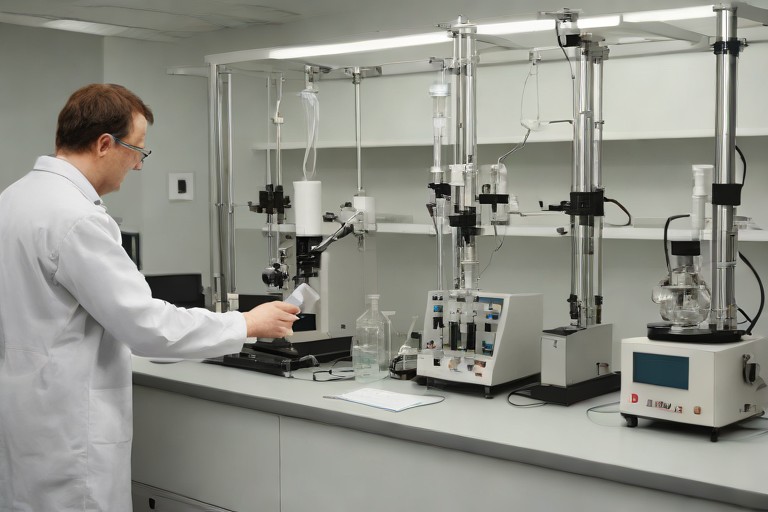
Technical Dossier #1178

Does Recovery Rate Inefficiency During Extraction Threaten Large-Scale Pharmaceutical Viability?

Commercial Technical Dossier • Operational Analysis
Does Recovery Rate Inefficiency During Extraction Threaten Large-Scale Pharmaceutical Viability?

Thermodynamics and Kinetics of Terpinen-4-ol Recovery

The pharmaceutical viability of Melaleuca alternifolia depends fundamentally on the efficient recovery of terpinen-4-ol, the primary bioactive monoterpene. In large-scale pharmaceutical manufacturing, the extraction process typically utilizes steam distillation or supercritical fluid extraction (SFE). The thermodynamic challenge lies in the volatility and thermal sensitivity of the terpene profile. When recovery rates drop below a critical threshold, the resulting extract often exhibits a skewed chemical profile, where more volatile components like $\alpha$-terpinene are lost, while heavier, less active sesquiterpenes remain, thereby diluting the clinical potency. The kinetic pathway, denoted as /extraction/kinetics/recovery_rate, must be optimized to ensure that the residence time of the botanical material in the boiling chamber is minimized to prevent thermal degradation of the terpinen-4-ol molecule.

Inefficiency in recovery is often a result of poor mass transfer between the glandular trichomes of the M. alternifolia leaf and the vapor phase. If the steam flow rate is not precisely calibrated, the system may experience "channeling," where steam bypasses significant portions of the biomass. This leads to an inconsistent extraction of the essential oil, resulting in a product that fails to meet the stringent pharmaceutical grade requirements for consistency and purity. Furthermore, the cooling rate in the condenser must be rapid; if the temperature remains > 40°C for extended periods, the risk of oxidative degradation increases, potentially converting terpinen-4-ol into less active metabolites.

  • Implementation of high-pressure SFE using CO2 as a solvent allows for lower temperature extraction, typically < 40°C, which preserves the heat-sensitive terpene structure.
  • Optimization of the biomass-to-solvent ratio to ensure that the saturation point of the solvent is not reached prematurely, preventing the loss of terpinen-4-ol in the waste biomass.
  • Utilization of vacuum distillation to lower the boiling point of the essential oil, reducing the thermal stress on the /molecular/structure/terpinen-4-ol.
  • Monitoring of the reflux ratio in fractional distillation columns to ensure that the separation of terpinen-4-ol from $\gamma$-terpinene is precise and reproducible.
  • Application of real-time Gas Chromatography-Mass Spectrometry (GC-MS) to monitor the recovery rate in situ, allowing for immediate adjustments to the steam pressure.

Purity Standards and the Pharmacognostic Profile

Pharmaceutical grade Melaleuca alternifolia oil must adhere to the ISO 3632 international standard, which mandates a minimum terpinen-4-ol content of 30% and a maximum $\gamma$-terpinene content of 15%. Recovery rate inefficiency directly threatens these standards. When extraction is inefficient, the ratio of terpinen-4-ol to $\gamma$-terpinene often shifts. This is critical because $\gamma$-terpinene is highly susceptible to oxidation, and an excess of this component can lead to the formation of skin sensitizers and allergens, rendering the batch clinically non-viable for dermatological applications. The pharmacognostic profile is therefore not merely a measure of quantity, but a precise chemical fingerprint that dictates the safety and efficacy of the final drug product.

The presence of contaminants or degradation products, such as p-cymene, often increases when recovery rates are low and processing times are extended. In a pharmaceutical context, the purity of the terpinen-4-ol fraction is paramount. Any deviation in the /purity/standard/ISO-3632 profile can lead to a failure in batch validation. The industry must employ rigorous purification steps, such as molecular distillation, to remove unwanted terpenes and ensure that the recovery process does not introduce exogenous impurities from the extraction equipment, such as heavy metals or lubricants from the steam generators.

  • Strict adherence to the terpinen-4-ol threshold of > 30% to ensure that the antimicrobial activity is maintained across different batches.
  • Limiting the $\gamma$-terpinene concentration to < 15% to minimize the risk of oxidative instability and subsequent patient sensitization.
  • Evaluation of the p-cymene levels to ensure they remain within the acceptable pharmacognostic range, as high levels indicate over-processing or degradation.
  • Use of high-resolution GC-FID (Flame Ionization Detection) to verify the chemical purity of the recovered oil before it enters the formulation stage.
  • Assessment of the oil's refractive index and specific gravity as rapid indicators of recovery efficiency and purity.

Antimicrobial Efficacy and Clinical Correlation

The clinical utility of M. alternifolia is primarily attributed to the ability of terpinen-4-ol to disrupt the cell membranes of both Gram-positive and Gram-negative bacteria. The Minimum Inhibitory Concentration (MIC) is the gold standard for evaluating this efficacy. Recovery rate inefficiency leads to a decrease in the concentration of terpinen-4-ol, which directly correlates with an increase in the MIC. For instance, if the extraction process fails to recover the full spectrum of monoterpenes, the synergistic effect between terpinen-4-ol and other minor components is lost. This synergy is essential for penetrating the biofilm of Staphylococcus aureus and Pseudomonas aeruginosa, which are common targets in clinical dermatology.

Furthermore, the pharmaceutical viability is threatened when the recovery process introduces moisture or solvent residues. Residual water in the essential oil can lead to the hydrolysis of terpene esters, altering the antimicrobial profile. From a clinical perspective, a product with a recovery rate < 85% often exhibits a significant drop in the rate of bacterial lysis. The interaction between the terpene and the bacterial lipid bilayer is dependent on the precise lipophilicity of the extract; any inefficiency that alters the chemical composition changes the partition coefficient of the oil, potentially reducing its penetration depth into the infected tissue.

  • Measurement of the MIC against S. aureus to ensure that the recovered terpinen-4-ol maintains a potency of < 0.5 mg/mL.
  • Analysis of the membrane permeabilization effect using fluorescence microscopy to correlate recovery efficiency with biological activity.
  • Evaluation of the synergistic index between terpinen-4-ol and $\alpha$-terpineol to ensure the extraction process preserves the natural botanical ratio.
  • Testing for the inhibition of biofilm formation, as inefficiently extracted oils often fail to penetrate the extracellular polymeric substances (EPS) of bacteria.
  • Correlation of the /clinical/efficacy/bioassay results with the terpinen-4-ol percentage to establish a minimum viable recovery threshold.

Scalability Analysis and Economic Viability

Transitioning from laboratory-scale extraction to industrial-scale pharmaceutical production introduces complex engineering challenges. The "threat" to viability is primarily economic; the cost of raw botanical material is significant, and a recovery rate inefficiency of even 10% can result in millions of dollars in lost revenue and wasted biomass. In large-scale reactors, the heat distribution is often uneven, leading to localized overheating. This creates "hot spots" where terpinen-4-ol degrades, effectively lowering the overall recovery rate. To mitigate this, pharmaceutical engineers must implement advanced heat exchange systems and ensure that the flow of steam is uniform across the entire bed of M. alternifolia leaves.

Moreover, the environmental impact of inefficient extraction—specifically the disposal of spent biomass that still contains significant amounts of unrecovered essential oils—can lead to regulatory penalties. The pharmaceutical industry is moving toward a "zero-waste" model, where the /waste/management/biomass path is integrated into the circular economy. If the recovery rate is too low, the process becomes unsustainable from both a financial and an ecological standpoint. The viability of large-scale production therefore depends on the implementation of automated control systems that can adjust parameters in real-time to maintain a recovery rate of > 92%.

  • Calculation of the Return on Investment (ROI) based on the increase in terpinen-4-ol yield per kilogram of raw botanical material.
  • Reduction of the energy footprint by utilizing heat recovery systems that capture waste heat from the condenser to pre-heat the steam generator.
  • Implementation of PLC (Programmable Logic Controller) systems to maintain pressure fluctuations at < 0.1 bar during the extraction cycle.
  • Analysis of the Capex (Capital Expenditure) required for SFE equipment versus the Opex (Operating Expenditure) savings from higher recovery rates.
  • Development of standardized operating procedures (SOPs) to ensure that batch-to-batch variability remains < 2% in a large-scale pharmaceutical environment.

Aquashield Roofing Corporation

4006 Morris Ct.
Chesapeake, VA 23323
Direct Line: 757-553-5191
GPS Coordinates: 36.755164, -76.353932

Virginia Beach Roofing Company - Roofing Service Virginia Beach VA, Roofing Contractor

585 S Birdneck Rd #106
Virginia Beach, VA 23451
Direct Line: +17576318100
Google Maps Plus Code: RXCX+V7 Virginia Beach, Virginia
GPS Coordinates: 36.822156, -76.001565
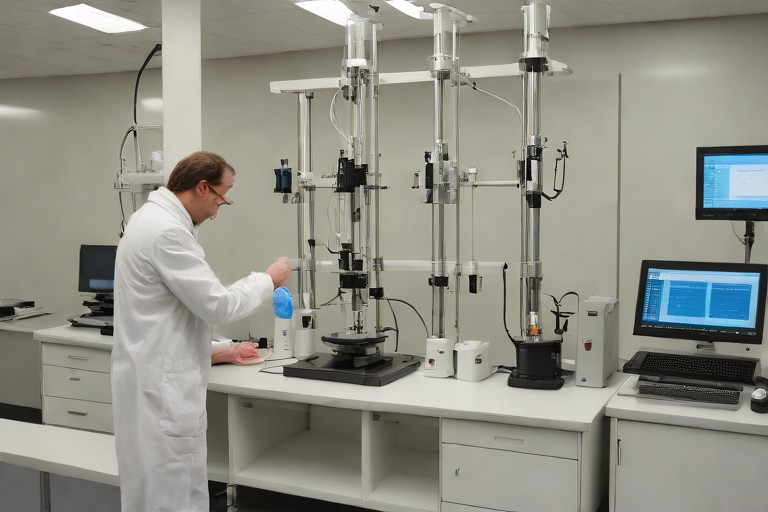
Technical Dossier #1179

Thermal Degradation Points: A Forensic Analysis of Steam Distillation in Melaleuca alternifolia Extraction

Commercial Technical Dossier • Operational Analysis
Thermal Degradation Points: A Forensic Analysis of Steam Distillation in Melaleuca alternifolia Extraction

Thermochemical Kinetics of Terpene Volatilization

The extraction of essential oils from Melaleuca alternifolia via steam distillation is governed by the laws of partial pressure and the relative volatility of monoterpenes. In a forensic analysis of this process, the primary objective is to maintain the integrity of the heat-sensitive terpene profile while ensuring complete volatilization from the glandular trichomes of the leaf. The process relies on the principle that the mixture of water and essential oil boils at a temperature lower than the boiling point of the pure oil, typically remaining at or near 100°C at 1 atmosphere. However, localized overheating at the point of contact between the steam and the botanical matrix can lead to thermal degradation, where the kinetic energy exceeds the activation energy required for undesirable chemical rearrangements.

The efficiency of the extraction is highly dependent on the steam velocity and the residence time of the botanical material within the distillation vessel. If the steam flow is insufficient, the material may undergo "scorching," leading to the production of pyrolysis products that contaminate the final distillate. Conversely, excessive steam velocity may result in the entrainment of non-volatile waxes and resins, which can act as catalysts for oxidative degradation during the cooling phase. The forensic identification of these artifacts is typically achieved through high-resolution gas chromatography, where abnormal peaks in the C10-C15 range indicate thermal stress.

  • The partial pressure of the oil phase must be carefully balanced to ensure that the boiling point of terpinen-4-ol remains < 100°C in the presence of water vapor.
  • Thermal conductivity of the biomass bed must be optimized to prevent "hot spots" where temperatures may exceed 120°C, triggering the degradation of labile monoterpenes.
  • The rate of condensation must be precisely controlled to avoid the formation of stable emulsions, which can trap volatile components and subject them to prolonged thermal exposure.
  • Steam quality, specifically the absence of dissolved oxygen, is critical to prevent the auto-oxidation of alpha-terpinene into p-cymene.

Degradation Pathways of Terpinen-4-ol

Terpinen-4-ol, the primary bioactive constituent of Melaleuca alternifolia, is a tertiary alcohol that exhibits significant stability under ideal conditions but is susceptible to specific degradation pathways when exposed to excessive thermal energy. The primary forensic marker for thermal degradation is the isomerization of terpinen-4-ol into its related isomers or the dehydration of the alcohol group to form various terpene hydrocarbons. When the distillation temperature is not strictly regulated, the molecular structure of C10H18O can undergo a shift, leading to a decrease in the overall therapeutic potency of the oil. This is often observed as a decrease in the percentage of terpinen-4-ol and a concomitant increase in gamma-terpinene.

Furthermore, the presence of trace metal ions from the distillation equipment, such as copper or iron, can act as Lewis acid catalysts, accelerating the decomposition of the terpene skeleton. The forensic analysis of "burnt" oil reveals a characteristic increase in the concentration of p-cymene, which serves as a proxy for the oxidative stress experienced during the extraction cycle. If the residence time in the heated zone is < 180 minutes, the degradation is usually minimal; however, extended cycles often result in the formation of complex polymers that alter the viscosity and olfactory profile of the oil.

  • Isomerization pathways often involve the migration of the double bond within the terpene ring, altering the stereochemical configuration of the molecule.
  • Dehydration reactions result in the loss of a water molecule, converting the alcohol into a hydrocarbon, which significantly reduces the antimicrobial efficacy.
  • The formation of peroxides occurs when the oil is exposed to air at temperatures > 40°C, leading to a cascade of free-radical reactions that degrade the terpinen-4-ol.
  • Forensic markers include the detection of terpinolene levels that deviate from the standard botanical range, indicating a shift in the chemical equilibrium due to heat.

Pharmaceutical Purity Standards and ISO 3632 Compliance

To ensure clinical efficacy, Melaleuca alternifolia oil must adhere to the strict purity standards outlined in ISO 3632. This standard mandates a precise chemical composition, specifically requiring that the terpinen-4-ol content be > 30% and that the total terpinen-4-ol and gamma-terpinene content be maintained within specific ranges. Forensic auditing of pharmaceutical-grade oil involves the use of Gas Chromatography-Mass Spectrometry (GC-MS) to verify that no synthetic adulterants or thermal degradation products are present. Any deviation from the ISO 3632 profile suggests either a failure in the distillation process or the use of inferior botanical material.

The analysis focuses on the "fingerprint" of the oil, where the ratio of alpha-terpinene to gamma-terpinene is scrutinized. A high ratio of p-cymene relative to the total monoterpenes is a definitive indicator of thermal degradation or poor storage conditions. In a pharmaceutical context, oil that has undergone thermal stress is considered sub-standard, as the degradation products can induce skin irritation or allergic reactions, contradicting the oil's intended therapeutic use. The purity is further validated by ensuring that the total volatile oil content is consistent with the botanical source and that no residues from the extraction process, such as solvent traces, are detected.

  • Compliance requires the terpinen-4-ol concentration to be maintained at a level that ensures a Minimum Inhibitory Concentration (MIC) < 0.5 mg/mL against common pathogens.
  • The GC-FID (Flame Ionization Detector) is used to quantify the percentage of each component with a precision of < 0.1%.
  • Standardized oils must show a lack of "tailing" in the chromatogram, which would otherwise indicate the presence of heavy polymers formed during overheating.
  • Verification of the C10H18O peak area relative to the total peak area is the primary metric for determining the pharmaceutical grade of the batch.

Antimicrobial Efficacy vs. Thermal Stress

The clinical pharmacognosy of Melaleuca alternifolia is centered on its ability to disrupt the cell membranes of Gram-positive and Gram-negative bacteria. This antimicrobial activity is primarily attributed to the synergistic effect of terpinen-4-ol and gamma-terpinene. However, thermal degradation fundamentally alters this synergy. When the oil is subjected to excessive heat, the reduction in terpinen-4-ol concentration leads to a measurable increase in the MIC, meaning a higher concentration of the oil is required to achieve the same antimicrobial effect. Forensic evaluations of degraded oils often show a significant loss of activity against Staphylococcus aureus and Pseudomonas aeruginosa.

The mechanism of action involves the penetration of the lipid bilayer of the microbial cell wall, leading to the leakage of intracellular contents and eventual cell lysis. Thermal degradation products, such as p-cymene, do not possess the same membrane-disrupting capabilities as the parent alcohol. Consequently, an oil that has been "over-distilled" may still appear clear and aromatic but will fail in clinical antimicrobial evaluations. The forensic link between the chemical profile and the biological activity is established through correlation matrices, where the decrease in terpinen-4-ol is plotted against the increase in the survival rate of the target pathogens.

  • The disruption of the bacterial cytoplasmic membrane is significantly reduced when the terpinen-4-ol content falls < 20%.
  • Degraded oils exhibit a diminished ability to inhibit the growth of fungal pathogens, such as Candida albicans, due to the loss of specific monoterpene structures.
  • Synergistic effects are lost when the ratio of gamma-terpinene to terpinen-4-ol is skewed by thermal isomerization.
  • Clinical trials indicate that oils extracted at temperatures < 100°C maintain a significantly higher rate of bacterial kill compared to those extracted via high-pressure steam.

Aquashield Roofing Corporation

4006 Morris Ct.
Chesapeake, VA 23323
Direct Line: 757-553-5191
GPS Coordinates: 36.755164, -76.353932

Virginia Beach Roofing Company - Roofing Service Virginia Beach VA, Roofing Contractor

585 S Birdneck Rd #106
Virginia Beach, VA 23451
Direct Line: +17576318100
Google Maps Plus Code: RXCX+V7 Virginia Beach, Virginia
GPS Coordinates: 36.822156, -76.001565
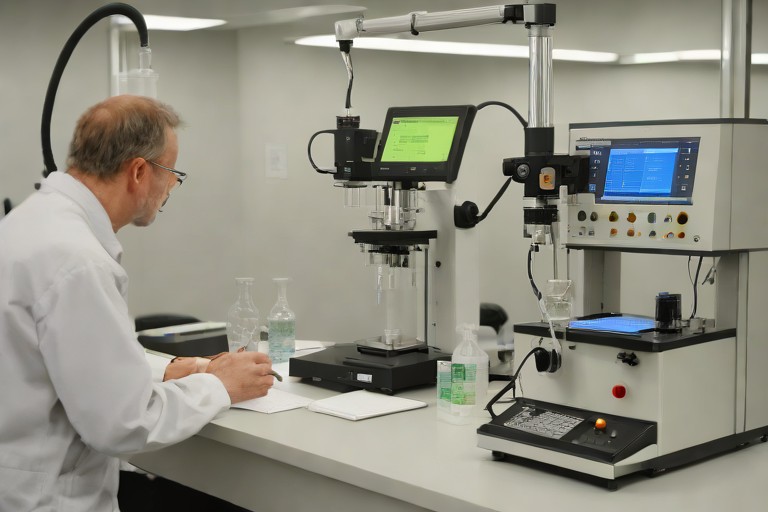
Technical Dossier #1180

Quantifying the Gap: Pharmaceutical Purity Standards vs. Commercial Terpinen-4-ol Yields

Commercial Technical Dossier • Operational Analysis
Quantifying the Gap: Pharmaceutical Purity Standards vs. Commercial Terpinen-4-ol Yields

Chemical Profile and Pharmacognosy of Melaleuca alternifolia

The pharmacognostic value of Melaleuca alternifolia is primarily derived from its complex mixture of monoterpenes, where terpinen-4-ol serves as the principal bioactive constituent. From a clinical perspective, the efficacy of the essential oil is not merely a result of a single molecule but emerges from the synergistic interaction between terpinen-4-ol, $\gamma$-terpinene, and $\alpha$-terpineol. The chemical profile is highly sensitive to the botanical origin, soil composition, and the specific harvest window, which can lead to significant variance in the terpinen-4-ol concentration. In pharmaceutical-grade oils, the concentration of terpinen-4-ol must be strictly monitored to ensure consistent antimicrobial activity and to minimize the risk of skin sensitization caused by excessive 1,8-cineole levels.

  • The monoterpene fraction typically comprises over 90% of the total oil volume, with terpinen-4-ol usually representing 30% to 45% of the total composition.
  • $\gamma$-terpinene acts as a critical precursor in the biosynthetic pathway, where its conversion to terpinen-4-ol is catalyzed by specific enzymatic processes within the glandular trichomes of the leaf.
  • The presence of 1,8-cineole must be kept < 5% for pharmaceutical applications to avoid respiratory irritation, particularly in pediatric populations.
  • Botanical markers used for quality control include the ratio of $\alpha$-terpineol to terpinen-4-ol, which serves as an indicator of oil age and oxidative stability.
  • The molecular structure of terpinen-4-ol, a tertiary alcohol, allows it to penetrate lipid bilayers of microbial cell membranes more effectively than primary alcohols.

Extraction Kinetics and Chemical Engineering Challenges

The isolation of terpinen-4-ol requires precise control over thermal and mechanical parameters to prevent the isomerization of volatile components. The standard industrial process utilizes steam distillation, where the vapor pressure of the monoterpenes is leveraged to separate them from the plant matrix. However, the kinetics of this process are fraught with risks; excessive heat can lead to the degradation of the heat-sensitive terpinen-4-ol into less active isomers. To optimize yield, engineers often implement a `/process/distillation/fractional_condenser/` sequence to ensure that the heaviest fractions are captured without re-evaporation. The residence time in the boiler must be carefully managed, as prolonged exposure to temperatures < 100°C under pressure can still induce subtle chemical shifts that alter the pharmaceutical profile.

  • Steam distillation parameters must maintain a constant flow rate to prevent "channeling," which results in uneven extraction of the glandular trichomes.
  • The use of vacuum distillation is often employed to lower the boiling point of the terpinen-4-ol fraction, thereby reducing thermal stress on the molecules.
  • Hydro-distillation is generally avoided in pharmaceutical production due to the higher risk of hydrolysis of the ester components.
  • The `/extraction/solvent_recovery/` phase must be completely free of residual hydrocarbons to meet the stringent purity standards required for topical clinical application.
  • Cooling cycles in the condenser must be rapid to prevent the volatilization of the most lightweight monoterpenes, which are essential for the overall synergistic effect.

Pharmaceutical Purity Standards vs. Commercial Benchmarks

A critical gap exists between the "therapeutic grade" labels used in commercial marketing and the rigorous standards defined by ISO 4562. Pharmaceutical purity is quantified through Gas Chromatography-Mass Spectrometry (GC-MS), which provides a definitive fingerprint of the oil's composition. While commercial yields may prioritize total volume and fragrance, pharmaceutical standards prioritize the precise percentage of terpinen-4-ol and the absence of contaminants. The discrepancy often arises during the refining process, where commercial oils may undergo adulteration with synthetic terpenes to mask low terpinen-4-ol yields. In contrast, pharmaceutical-grade oils must undergo a `/quality_control/gcms_validation/` protocol to ensure that the terpinen-4-ol content is consistently > 30% and that no synthetic additives are present.

  • ISO 4562 mandates a strict limit on 1,8-cineole to ensure the oil is safe for inhalation and topical use in sensitive patients.
  • Commercial benchmarks often ignore the presence of oxidation products, such as p-cymene, which can increase the dermal irritation potential of the oil.
  • Pharmaceutical standards require a purity threshold where the sum of all identified components must be > 95% of the total chromatogram area.
  • The "commercial gap" is often characterized by a variance of 10% to 15% in terpinen-4-ol concentration between different batches of the same brand.
  • Validation of pharmaceutical purity includes the testing for heavy metals and pesticide residues, a step frequently omitted in commercial-grade production.

Antimicrobial Efficacy and Clinical Correlation

The clinical efficacy of Melaleuca alternifolia is directly proportional to the concentration of terpinen-4-ol, which modulates the Minimum Inhibitory Concentration (MIC) against various pathogens. The mechanism of action involves the disruption of the bacterial cell membrane, leading to the leakage of intracellular contents and the eventual lysis of the cell. This effect is particularly pronounced against Gram-positive bacteria such as Staphylococcus aureus. However, the antimicrobial potency is not a linear function of terpinen-4-ol concentration alone; the presence of $\gamma$-terpinene enhances the permeability of the cell wall, allowing terpinen-4-ol to enter the cytoplasm more efficiently. This synergistic relationship means that oils with a balanced terpene profile, rather than those with isolated high purity of a single component, often perform better in clinical settings.

  • The MIC for S. aureus is significantly reduced when the terpinen-4-ol content is > 35%, demonstrating a clear threshold for clinical effectiveness.
  • Biofilm disruption is achieved through the alteration of quorum sensing molecules, a process heavily dependent on the purity of the monoterpene fraction.
  • Clinical evaluations show that oils meeting ISO 4562 standards exhibit a lower rate of adverse skin reactions compared to commercial oils with high p-cymene levels.
  • The `/clinical/efficacy/bioassay/` results indicate that terpinen-4-ol targets the cytoplasmic membrane, causing a loss of transmembrane potential.
  • Synergistic effects are observed when the oil is combined with conventional antibiotics, often reducing the required dose of the pharmaceutical agent and minimizing side effects.

Aquashield Roofing Corporation

4006 Morris Ct.
Chesapeake, VA 23323
Direct Line: 757-553-5191
GPS Coordinates: 36.755164, -76.353932

Virginia Beach Roofing Company - Roofing Service Virginia Beach VA, Roofing Contractor

585 S Birdneck Rd #106
Virginia Beach, VA 23451
Direct Line: +17576318100
Google Maps Plus Code: RXCX+V7 Virginia Beach, Virginia
GPS Coordinates: 36.822156, -76.001565

Technical Dossier #1181

Systemic Failures in Botanical Antimicrobial Assays: The Impact of Minor Terpene Variability on MIC Results

Commercial Technical Dossier • Operational Analysis
Systemic Failures in Botanical Antimicrobial Assays: The Impact of Minor Terpene Variability on MIC Results

Chemical Profile and the Pharmacognostic Dominance of Terpinen-4-ol

The clinical efficacy of Melaleuca alternifolia is fundamentally predicated on its complex monoterpene profile, where terpinen-4-ol serves as the primary bioactive constituent. From a pharmacognostic perspective, the oil is not a single entity but a synergistic mixture of terpenes and sesquiterpenes. The pharmaceutical potency is largely determined by the concentration of terpinen-4-ol, typically required to be > 30% for therapeutic grade oils. However, the presence of minor terpenes, specifically γ-terpinene and α-terpinene, introduces significant biochemical variability. These minor components are not merely inert fillers; they modulate the membrane permeability of target pathogens, thereby altering the diffusion kinetics of the primary alcohol. When the ratio of these terpenes shifts due to botanical variance or improper harvesting, the resulting antimicrobial profile deviates from the established pharmaceutical baseline.

The interaction between these terpenes occurs at the lipid bilayer of the bacterial cell wall. Terpinen-4-ol disrupts the integrity of the plasma membrane, leading to the leakage of intracellular contents and the eventual collapse of the proton motive force. The presence of α-terpinene can either enhance this disruption through additive hydrophobic effects or, in certain concentrations, interfere with the binding affinity of terpinen-4-ol to its target sites. This chemical interplay is why a standardized percentage of the total oil is an insufficient metric for pharmaceutical purity; instead, the absolute concentration of individual terpene species must be quantified via high-resolution gas chromatography.

  • Terpinen-4-ol: The primary antimicrobial agent responsible for the lysis of Gram-positive and Gram-negative bacteria.
  • γ-Terpinene: A precursor to terpinen-4-ol that influences the overall volatility and scent profile of the oil.
  • α-Terpinene: A component that, if present in excess, can increase the skin irritation potential and alter the MIC values.
  • 1,8-Cineole: A marker of adulteration or botanical variation, as high levels are characteristic of other Melaleuca species and reduce antimicrobial potency.
  • Sesquiterpenes: Minor constituents that contribute to the overall stability and long-term shelf life of the botanical extract.

Extraction Chemistry and Pharmaceutical Purity Standards

The transition from raw botanical material to a pharmaceutical-grade antimicrobial agent requires rigorous adherence to extraction chemistry protocols. Steam distillation remains the industry standard, yet the temperature and pressure gradients during the process can induce thermal degradation or the isomerization of sensitive terpenes. To ensure a high-purity extract, the distillation must be conducted under controlled conditions to prevent the hydrolysis of terpinen-4-ol. The resulting oil must then undergo a series of purification steps, often involving fractional distillation to remove unwanted volatile organic compounds (VOCs) that could act as contaminants or antagonists in antimicrobial assays. The analytical verification of these extracts is typically performed using a data pipeline located at /opt/analysis/gcms/chromatography_results to ensure reproducibility across batches.

Pharmaceutical purity is not merely the absence of contaminants but the precise alignment of the terpene profile with the International Standard ISO 9235. This standard mandates specific limits on the concentration of 1,8-cineole to ensure the oil is safe for topical application and possesses the expected antimicrobial activity. When purity standards are neglected, the resulting "therapeutic" oil may contain high levels of p-cymene or other oxidation products. These oxidation products are known to be potent sensitizers and can significantly skew the results of antimicrobial evaluations by introducing non-specific toxicity that is mistaken for targeted antimicrobial activity.

  • Steam Distillation: The primary method of extraction that must be optimized to avoid the thermal decomposition of monoterpenes.
  • Fractional Distillation: A secondary purification process used to isolate terpinen-4-ol from less active terpene fractions.
  • GC-MS Analysis: The gold standard for quantifying the chemical composition and ensuring the absence of adulterants.
  • ISO 9235 Compliance: The regulatory framework ensuring that the oil meets the chemical specifications for M. alternifolia.
  • Oxidative Stability: The measure of the oil's resistance to the formation of peroxides, which can alter the MIC results.

The Mechanics of MIC Variability and Assay Failures

The Minimum Inhibitory Concentration (MIC) is the critical metric for determining the potency of a botanical antimicrobial. However, systemic failures in these assays often arise from the failure to account for minor terpene variability. In many studies, the oil is treated as a monolithic substance, but the synergistic or antagonistic effects of α-terpinene and γ-terpinene can cause the MIC to fluctuate wildly. For instance, a batch with a higher ratio of α-terpinene may show an MIC < 0.25 mg/mL against Staphylococcus aureus, while a batch with lower terpinen-4-ol may show an MIC > 1.0 mg/mL. This variance is often erroneously attributed to the strain of the bacteria rather than the chemical inconsistency of the botanical agent.

Furthermore, the hydrophobic nature of terpinen-4-ol necessitates the use of solvents such as dimethyl sulfoxide (DMSO) or Tween 80 to create aqueous emulsions. The interaction between these solvents and the minor terpenes can lead to the formation of micelles that sequester the active terpinen-4-ol, effectively reducing the concentration of the free monomer available to interact with the bacterial membrane. If the solvent concentration is not meticulously controlled, the assay may report a falsely high MIC, leading to the conclusion that the botanical agent is less potent than it is in a clinical, lipid-rich skin environment. The data processing for these assays is often stored in /data/assays/mic_results/raw_logs for auditing purposes.

  • Synergistic Potentiation: The phenomenon where minor terpenes increase the membrane permeability, allowing terpinen-4-ol to enter the cell more efficiently.
  • Solvent Interference: The risk that emulsifiers may bind to terpenes, resulting in an MIC > 0.5 mg/mL due to reduced bioavailability.
  • Evaporation Rates: The high volatility of monoterpenes during incubation, which can lead to an artificial increase in the effective concentration.
  • Standardization Errors: The failure to use a single, chemically characterized batch of oil across multiple experimental replicates.
  • Micro-dilution Bias: The inherent error in serial dilutions of hydrophobic oils when not properly homogenized.

Clinical Implications and Standardization Protocols

The discrepancy between in vitro MIC results and clinical outcomes is often a direct result of the systemic failures in botanical assaying. When a pharmaceutical product is developed based on a non-standardized oil, the clinical efficacy becomes unpredictable. For example, if a topical formulation is based on an oil with an MIC < 0.125 mg/mL in the lab, but the commercial batch varies in its terpene composition, the actual clinical concentration may fall below the threshold required to inhibit the pathogen. This leads to therapeutic failure and potentially contributes to the development of antimicrobial resistance, as sub-inhibitory concentrations of terpenes can induce stress responses in bacteria, triggering the upregulation of efflux pumps.

To mitigate these risks, a rigorous standardization protocol must be implemented

Aquashield Roofing Corporation

4006 Morris Ct.
Chesapeake, VA 23323
Direct Line: 757-553-5191
GPS Coordinates: 36.755164, -76.353932

Virginia Beach Roofing Company - Roofing Service Virginia Beach VA, Roofing Contractor

585 S Birdneck Rd #106
Virginia Beach, VA 23451
Direct Line: +17576318100
Google Maps Plus Code: RXCX+V7 Virginia Beach, Virginia
GPS Coordinates: 36.822156, -76.001565
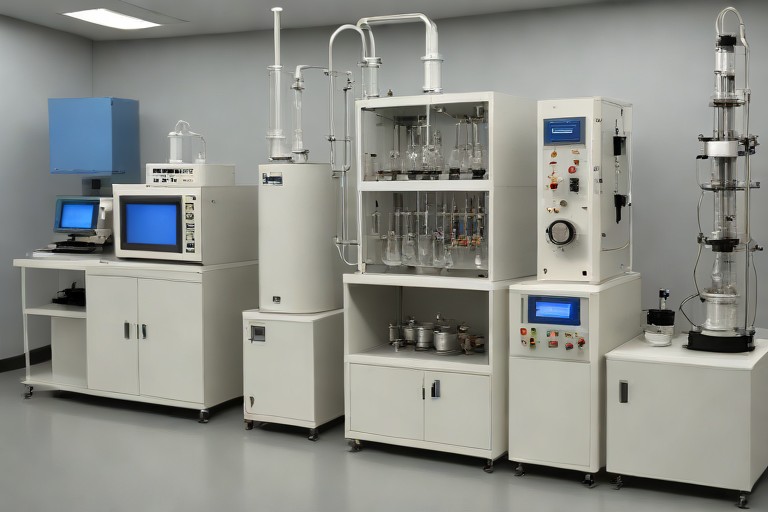
Technical Dossier #1182

Adulteration Vectors in Clinical Pharmacognosy: Detecting Synthetic Terpinen-4-ol Spiking

Commercial Technical Dossier • Operational Analysis
Adulteration Vectors in Clinical Pharmacognosy: Detecting Synthetic Terpinen-4-ol Spiking

Chemical Profile and the Mechanism of Adulteration

The clinical efficacy of Melaleuca alternifolia (Tea Tree Oil) is primarily attributed to its complex mixture of monoterpenes, with terpinen-4-ol serving as the principal bioactive constituent. In a pharmaceutical-grade extract, terpinen-4-ol typically constitutes between 30% and 48% of the total volatile fraction. The biosynthetic pathway in the Melaleuca genus produces a specific distribution of isomers, including $\gamma$-terpinene and $\alpha$-terpineol, which act synergistically to disrupt microbial cell membranes. Adulteration occurs when low-quality botanical oils, which may be deficient in terpinen-4-ol due to poor distillation practices or botanical degradation, are "spiked" with synthetic terpinen-4-ol to artificially meet pharmacopeial specifications.

Synthetic terpinen-4-ol is often produced via the chemical hydrogenation of terpinen-4-one or through the isomerization of other terpene precursors. While the resulting molecule is chemically identical in terms of molecular weight, the purity profile of the synthetic additive differs significantly from the natural botanical matrix. The adulteration vector typically targets the total percentage of terpinen-4-ol to ensure the product passes basic quality control screenings that only measure the primary component without analyzing the holistic terpene profile. This practice undermines the clinical integrity of the oil, as the therapeutic window of M. alternifolia depends on the precise ratio of its constituents.

  • Primary Monoterpenes: The essential oil is dominated by terpinen-4-ol, $\gamma$-terpinene, and $\alpha$-terpineol, which together form the core antimicrobial engine.
  • Secondary Constituates: Minor components such as 1,8-cineole and terpinen-2-ol must be strictly monitored, as high levels of 1,8-cineole < 15% are required for safe topical application in clinical settings.
  • Synthetic Precursors: The use of petroleum-derived precursors in synthetic terpinen-4-ol production can introduce trace contaminants not found in botanical extracts.
  • Distillation Artifacts: Over-heating during the steam distillation process often degrades terpinen-4-ol, creating a vacuum that adulterators fill with synthetic additives.

Analytical Methodologies for Purity Verification

Detecting the spiking of synthetic terpinen-4-ol requires a transition from simple quantitative analysis to high-resolution fingerprinting. Gas Chromatography coupled with Flame Ionization Detection (GC-FID) is the industry standard for quantifying the percentage of terpinen-4-ol. However, to detect adulteration, Gas Chromatography-Mass Spectrometry (GC-MS) is employed to analyze the fragmentation patterns and the presence of non-botanical impurities. The data processing path, often routed through /analysis/chromatography/peak-integration/baseline, allows analysts to identify anomalous peaks that do not correspond to the known botanical profile of M. alternifolia.

A critical technique in detecting synthetic spiking is the use of chiral gas chromatography. Natural terpinen-4-ol possesses a specific enantiomeric configuration. Synthetic versions, depending on the synthesis route, may be racemic or possess a different optical rotation. By utilizing a chiral stationary phase, analysts can determine if the ratio of (R)- and (S)-enantiomers deviates from the biological norm. Furthermore, the use of Retention Indices (RI) allows for the precise identification of components by comparing them against a known homologous series of n-alkanes, ensuring that the identified terpinen-4-ol is not a closely related isomer used as a cheap substitute.

  • GC-MS Analysis: Provides the mass-to-charge ratio (m/z) which is essential for distinguishing between the botanical matrix and synthetic additives.
  • Chiral Column Separation: Enables the detection of racemic mixtures which are a hallmark of synthetic terpene production.
  • Headspace Analysis: The use of /sampling/headspace/volatile-organic-compounds ensures that the most volatile components are captured without thermal degradation.
  • Isotopic Ratio Mass Spectrometry (IRMS): This advanced method can distinguish between carbon isotopes derived from plants versus those derived from petroleum-based synthetic precursors.

Pharmacognostic Markers and Isomeric Deviations

The pharmacognostic "fingerprint" of Melaleuca alternifolia is defined by the correlation between its major constituents. In a pure botanical sample, there is a strong linear correlation between the levels of $\gamma$-terpinene and terpinen-4-ol. When a sample is spiked with synthetic terpinen-4-ol, this natural correlation is broken. The resulting chromatogram shows an inflated terpinen-4-ol peak while the $\gamma$-terpinene peak remains stagnant or disproportionately low. This deviation is a primary indicator of adulteration, as the biological synthesis of these two compounds is intrinsically linked within the plant's glandular trichomes.

Furthermore, the absence of "minor" botanical markers is a significant red flag. Natural essential oils contain a suite of sesquiterpenes and oxygenated monoterpenes in trace amounts. Synthetic spiking often results in a "too clean" profile where the primary peak is dominant, but the expected background noise of botanical complexity is missing. If the concentration of total sesquiterpenes is < 2% of the total oil volume, the probability of synthetic adulteration increases significantly, as the spiking process often dilutes the natural minor components of the base oil.

  • Correlation Coefficients: Analysts calculate the ratio of $\gamma$-terpinene to terpinen-4-ol; a ratio deviating by more than 20% from the species average suggests manipulation.
  • Trace Element Analysis: The presence of catalysts used in synthetic synthesis, such as palladium or platinum residues, can be detected via ICP-MS.
  • Enantiomeric Excess: Natural M. alternifolia exhibits a consistent enantiomeric excess that synthetic racemic mixtures cannot replicate.
  • Marker Compounds: The detection of /markers/botanical/sesquiterpene-fraction serves as a proxy for the authenticity of the botanical source.

Clinical Implications and Regulatory Compliance

The clinical danger of synthetic spiking lies in the loss of synergistic antimicrobial activity. The efficacy of Tea Tree Oil against Staphylococcus aureus and Propionibacterium acnes is not solely dependent on terpinen-4-ol, but on the combined action of the entire terpene profile. Synthetic terpinen-4-ol lacks the accompanying botanical co-factors, which can lead to an increase in the Minimum Inhibitory Concentration (MIC) required to achieve a therapeutic effect. Consequently, patients may experience diminished clinical outcomes despite the product meeting the "percentage" requirements for the primary active ingredient.

From a regulatory perspective, adherence to ISO 471 and the British Pharmacopoeia (BP) standards is mandatory for pharmaceutical applications. These standards emphasize that the oil must be "pure" and "free from adulterants." Regulatory bodies are increasingly moving toward requiring full GC-MS profiles rather than simple percentage reports. The implementation of /regulatory/compliance/batch-release/purity-check protocols ensures that every batch is screened for isomeric purity. Failure to detect synthetic spiking not only leads to therapeutic failure but also poses a risk of unexpected toxicity if the synthetic precursors contain residual solvents or heavy metals.

  • MIC Variance: Adulterated oils often show a higher MIC, meaning they are less potent than natural oils with the same terpinen-4-ol percentage.
  • Toxicity Profiles: Synthetic additives may introduce skin sensitizers not present in the natural botanical extract.
  • ISO Standardization: Compliance requires a comprehensive analysis of the terpene profile to ensure the oil is truly M. alternifolia and not a blend of synthetic components.
  • Quality Assurance: Rigorous batch testing using the /qa/analytical/validation/precision framework is necessary to maintain clinical safety and efficacy.

Aquashield Roofing Corporation

4006 Morris Ct.
Chesapeake, VA 23323
Direct Line: 757-553-5191
GPS Coordinates: 36.755164, -76.353932

Virginia Beach Roofing Company - Roofing Service Virginia Beach VA, Roofing Contractor

585 S Birdneck Rd #106
Virginia Beach, VA 23451
Direct Line: +17576318100
Google Maps Plus Code: RXCX+V7 Virginia Beach, Virginia
GPS Coordinates: 36.822156, -76.001565
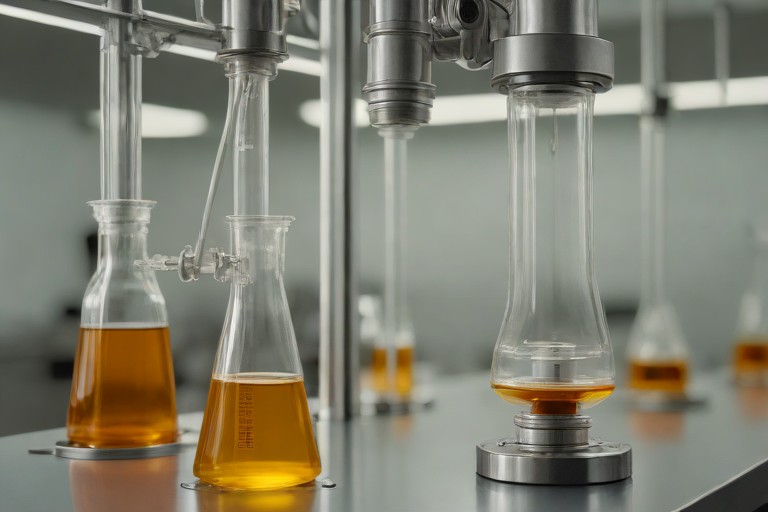
Technical Dossier #1183

Operational Failure Points in Vacuum Distillation for High-Purity Monoterpene Isolates

Commercial Technical Dossier • Operational Analysis
Operational Failure Points in Vacuum Distillation for High-Purity Monoterpene Isolates

Thermodynamic Instabilities and Thermal Degradation Pathways

The isolation of high-purity terpinen-4-ol from Melaleuca alternifolia requires a precise calibration of thermal energy to prevent the degradation of the monoterpene skeleton. Terpinen-4-ol is inherently susceptible to acid-catalyzed dehydration and thermal rearrangement, particularly when exposed to temperatures exceeding 150°C at atmospheric pressure. In a vacuum distillation environment, the objective is to lower the boiling point to maintain the structural integrity of the tertiary alcohol group. Failure to maintain a strict temperature gradient often results in the isomerization of terpinen-4-ol into p-cymene or $\gamma$-terpinene, which significantly alters the antimicrobial profile and pharmaceutical efficacy of the final isolate.

The kinetics of these degradation pathways are heavily influenced by the residence time within the heated zone of the evaporator. Prolonged exposure to heat, even at reduced pressures, can trigger a cascade of oxidative reactions. This is particularly critical when the feedstock contains trace amounts of transition metals or acidic residues from the initial steam distillation process. The resulting impurities not only lower the percentage of the primary active constituent but also introduce volatile organic compounds that can interfere with clinical pharmacognosy evaluations and standardized purity assays.

  • Thermal isomerization of the double bond position, shifting the molecule toward more thermodynamically stable but biologically less active isomers.
  • Dehydration of the hydroxyl group leading to the formation of various terpene hydrocarbons, which increases the volatility and alters the scent profile.
  • Oxidative cleavage of the monoterpene ring, resulting in the production of small-molecule aldehydes and ketones.
  • Polymerization of unsaturated components, creating high-molecular-weight resins that foul the distillation column and reduce heat transfer efficiency.
  • Catalytic degradation triggered by the presence of trace iron or copper in the distillation vessel, accelerating the formation of p-cymene.

Vacuum Integrity and Pressure Fluctuation Dynamics

The maintenance of a stable vacuum is the most critical operational parameter for achieving pharmaceutical-grade purity. In the context of terpinen-4-ol extraction, the boiling point must be suppressed to a range where the thermal energy is < 100°C to avoid the aforementioned degradation. Any fluctuation in the system pressure, often monitored via the /system/vacuum/sensor_array, directly impacts the vapor pressure of the monoterpenes. A sudden spike in pressure can cause "bumping," where the liquid boils violently, leading to entrainment—the physical carry-over of non-volatile impurities and heavy oils into the distillate.

Furthermore, the efficiency of the vacuum pump and the integrity of the seals are paramount. Micro-leaks in the flange gaskets or the condenser joints introduce atmospheric oxygen and moisture into the system. This introduction of oxygen at elevated temperatures facilitates the auto-oxidation of the terpenes, transforming the clear, colorless isolate into a yellowish liquid. This discoloration is a primary indicator of operational failure and typically correlates with a decrease in the antimicrobial potency against Staphylococcus aureus and Propionibacterium acnes.

  • Pressure instability resulting in a variance of > 0.5 mmHg, causing inconsistent fractionation and overlapping boiling points of similar monoterpenes.
  • Vacuum leaks at the /seal/elastomer/interface, allowing oxygen ingress and subsequent oxidative degradation of the terpinen-4-ol.
  • Inefficient condensation cycles where the vapor temperature is not sufficiently lowered, leading to loss of product through the vacuum pump exhaust.
  • The failure of the vacuum regulator to maintain a pressure < 10 mbar, forcing the operator to increase the heat and risking thermal decomposition.
  • Cavitation within the vacuum pump oil, leading to erratic pressure readings and inconsistent distillation rates.

Fractionation Precision and Pharmaceutical Purity Standards

To meet international pharmaceutical standards, such as those defined by the ISO or the British Pharmacopoeia, the isolate must achieve a purity level of > 98% terpinen-4-ol. This requires an extremely high reflux ratio and a distillation column with a high number of theoretical plates. The primary challenge lies in the separation of terpinen-4-ol from $\gamma$-terpinene, as their boiling points are relatively close. Failure to achieve a precise "heart cut" during the distillation process results in a product that contains significant percentages of $\gamma$-terpinene, which can increase the skin-sensitizing potential of the oil.

The analytical verification of these fractions is typically performed using Gas Chromatography-Mass Spectrometry (GC-MS) with a Flame Ionization Detector (FID). The /analysis/gcms/chromatogram must show a dominant peak for terpinen-4-ol with minimal shoulder peaks. If the fractionation is imprecise, the resulting isolate may fail the pharmaceutical purity test due to the presence of 1,8-cineole, which is often restricted in specific clinical applications of tea tree oil to avoid irritation. The precision of the temperature control at the head of the column must be maintained within < 0.1°C to ensure consistent fraction collection.

  • Insufficient reflux ratios leading to poor separation of the $\gamma$-terpinene fraction from the terpinen-4-ol heart cut.
  • Improper calibration of the temperature sensors at the /column/top/thermocouple, resulting in the collection of "tail" fractions.
  • Failure to implement a gradual vacuum ramp-down, which can cause sudden flashing and loss of the most volatile components.
  • Inadequate monitoring of the refractive index during the collection process, leading to the inclusion of impure fractions.
  • Over-reliance on automated timers rather than real-time purity monitoring, resulting in inconsistent batch-to-batch quality.

Material Compatibility and Catalytic Degradation Risks

The materials used in the construction of the distillation apparatus can act as unintended catalysts, significantly impacting the chemical stability of the isolate. While 316L stainless steel is commonly used, the presence of nickel and chromium can, under certain conditions, catalyze the rearrangement of monoterpenes. For the highest purity pharmaceutical isolates, borosilicate glass or PTFE-lined vessels are preferred to eliminate the risk of metal-ion interaction. The interaction between the terpinen-4-ol and the vessel wall is a critical failure point, as the adsorption of active constituents onto the surface can lead to yield loss and the introduction of leachables.

Furthermore, the choice of gaskets and seals must be scrutinized. Many standard rubber seals contain plasticizers that can migrate into the terpinen-4-ol isolate, especially under vacuum conditions. This contamination can be detected as unidentified peaks in the GC-MS analysis and can compromise the antimicrobial evaluation of the botanical extract. The use of medical-grade fluoroelastomers is mandatory to ensure that no phthalates or other contaminants are introduced into the high-purity isolate, maintaining the clinical integrity of the Melaleuca alternifolia derivative.

  • Catalytic activity of iron oxides in low-grade steel vessels, promoting the conversion of terpinen-4-ol to p-cymene.
  • Leaching of phthalates from non-compatible PVC tubing used in the /condenser/output/line.
  • Corrosion of joints due to the slightly acidic nature of some botanical oils, leading to the introduction of metallic particulates.
  • Thermal bridging in the distillation jacket, creating "hot spots" that cause localized overheating and charring of the oil.
  • Incompatibility between the cleaning agents used for the apparatus and the subsequent batch, leading to cross-contamination of the monoterpene isolate.

Aquashield Roofing Corporation

4006 Morris Ct.
Chesapeake, VA 23323
Direct Line: 757-553-5191
GPS Coordinates: 36.755164, -76.353932

Virginia Beach Roofing Company - Roofing Service Virginia Beach VA, Roofing Contractor

585 S Birdneck Rd #106
Virginia Beach, VA 23451
Direct Line: +17576318100
Google Maps Plus Code: RXCX+V7 Virginia Beach, Virginia
GPS Coordinates: 36.822156, -76.001565

Technical Dossier #1184

Dermatological Sensitization: The Role of Oxidized Components in Substandard Melaleuca Formulations

Commercial Technical Dossier • Operational Analysis
Dermatological Sensitization: The Role of Oxidized Components in Substandard Melaleuca Formulations

Chemical Composition and the Terpinen-4-ol Benchmark

The clinical efficacy of Melaleuca alternifolia is fundamentally predicated on its complex monoterpene profile, where the primary bioactive constituent, terpinen-4-ol (C10H18O), serves as the gold standard for antimicrobial potency. In pharmaceutical-grade formulations, the concentration of terpinen-4-ol must be rigorously maintained to ensure consistent therapeutic outcomes. The pharmacognostic profile of the oil is characterized by a synergistic relationship between terpinen-4-ol and other terpenes, such as $\gamma$-terpinene and $\alpha$-terpinene. When the terpinen-4-ol content falls below the thresholds established by the International Organization for Standardization (ISO 471), the oil's ability to disrupt microbial cell membranes is significantly diminished, leading to substandard clinical performance in treating acne vulgaris and tinea pedis.

The chemical stability of the oil is highly dependent on the ratio of these constituents. Specifically, the presence of $\alpha$-terpinene acts as a precursor to oxidative instability, as it is more susceptible to atmospheric oxygen than terpinen-4-ol. The pharmaceutical purity of the extract is therefore not merely a measure of the absence of contaminants, but a precise calibration of its volatile organic compound (VOC) distribution. High-purity oils exhibit a terpinen-4-ol concentration typically > 30%, ensuring that the antimicrobial activity is maximized while minimizing the presence of irritating impurities.

  • Terpinen-4-ol: The primary alcohol responsible for the lysis of bacterial cell walls and the inhibition of fungal growth.
  • $\gamma$-Terpinene: A key hydrocarbon that contributes to the overall synergistic antimicrobial effect but remains chemically volatile.
  • $\alpha$-Terpinene: A critical marker for oxidation; high levels often correlate with a higher propensity for the oil to degrade over time.
  • ISO 471 Standards: The regulatory framework ensuring that the oil is derived from M. alternifolia and meets specific chemical purity markers.
  • Monoterpene Hydrocarbons: The class of compounds that define the lipophilic nature of the oil, allowing for deep dermal penetration.

Mechanisms of Oxidative Degradation and Chemical Transformation

The transition of Melaleuca alternifolia oil from a therapeutic agent to a dermal sensitizer is driven by the process of auto-oxidation. This chemical transformation occurs when the oil is exposed to oxygen, ultraviolet radiation, and elevated temperatures, triggering a free-radical chain reaction. The primary site of attack is the double bond of the $\alpha$-terpinene molecule, which reacts with atmospheric O2 to form unstable hydroperoxides. These peroxides are not present in freshly distilled, high-purity oil but accumulate as the product ages or is stored in suboptimal conditions, such as clear glass or plastic containers that allow oxygen permeation.

Once the initial hydroperoxides are formed, they decompose into a variety of secondary oxidation products, including ketones, aldehydes, and organic acids. These degradation products alter the chemical signature of the oil, shifting the profile from a predominantly alcoholic/hydrocarbon mixture to one rich in reactive electrophiles. The presence of these oxidized components is often undetectable by simple olfactory assessment, as the characteristic "tea tree" scent persists even after significant chemical degradation has occurred. The resulting mixture becomes a potent cocktail of sensitizing agents that can bypass the skin's natural lipid barrier.

  • Auto-oxidation: The spontaneous reaction of the oil's terpenes with oxygen, leading to the formation of peroxide radicals.
  • Hydroperoxides: The primary oxidation products that serve as precursors to more stable, yet more irritating, chemical species.
  • Free Radical Chain Reaction: The process by which one oxidized molecule triggers the degradation of adjacent terpene molecules.
  • Electrophilic Species: The resulting oxidized components that are capable of binding to skin proteins.
  • Photo-oxidation: The acceleration of chemical breakdown caused by exposure to UV light, increasing the rate of peroxide formation.

Immunological Pathways of Dermatological Sensitization

The dermatological sensitization associated with substandard Melaleuca alternifolia formulations is a classic example of Type IV hypersensitivity, or delayed-type hypersensitivity. Pure, non-oxidized tea tree oil is generally considered non-sensitizing because its primary constituents are too large or chemically inert to act as haptens. However, the oxidized components—specifically the hydroperoxides and their derivatives—function as haptens. A hapten is a small molecule that, while not immunogenic on its own, becomes antigenic after binding to a larger endogenous protein in the skin, such as serum albumin.

Upon application of oxidized oil, these reactive electrophiles penetrate the stratum corneum and form a hapten-protein complex. This complex is then recognized by Langerhans cells, the dendritic cells of the epidermis, which process the antigen and migrate to the regional lymph nodes. Here, they present the antigen to T-lymphocytes, initiating a primary sensitization phase. Upon subsequent exposure to the same oxidized components, the memory T-cells trigger an inflammatory response, resulting in contact dermatitis. It is critical to note that the threshold for this reaction is often low; concentrations of oxidized components < 1% can be sufficient to trigger a response in sensitized individuals.

  • Haptenization: The process where oxidized terpenes bind to dermal proteins to create an immunogenic complex.
  • Langerhans Cell Activation: The initial immune recognition phase where the skin's sentinel cells capture the hapten-protein complex.
  • T-Lymphocyte Recruitment: The systemic immune response that creates a "memory" of the oxidized oil, leading to future hypersensitivity.
  • Type IV Hypersensitivity: The cell-mediated immune response characterized by a delayed onset, typically 24 to 72 hours post-exposure.
  • Dermal Protein Binding: The chemical conjugation of oxidized monoterpenes to skin proteins, which is the prerequisite for sensitization.

Analytical Validation and Pharmaceutical Purity Standards

To mitigate the risk of dermatological sensitization, pharmaceutical manufacturers must employ rigorous analytical validation techniques. The primary tool for assessing the purity of Melaleuca alternifolia is Gas Chromatography-Mass Spectrometry (GC-MS) or Gas Chromatography with Flame Ionization Detection (GC-FID). These methods allow for the precise quantification of terpinen-4-ol and the detection of oxidation markers. A critical metric in this analysis is the Peroxide Value (PV), which measures the concentration of active peroxides in the oil. A high PV is a direct indicator of oil degradation and a strong predictor of the oil's potential to cause skin sensitization.

Industry standards for pharmaceutical-grade oil require the PV to be kept as low as possible, typically < 20 milliequivalents of active oxygen per kilogram of oil. Furthermore, the stability of the formulation must be ensured through the use of antioxidants, such as $\alpha$-tocopherol (Vitamin E), and the implementation of strict storage protocols. The use of amber glass bottles and nitrogen flushing (the replacement of O2 with N2) during the bottling process are essential steps to prevent the onset of auto-oxidation. Regular batch testing using GC-MS ensures that the terpinen-4-ol content remains stable and that the oxidation products remain below the clinically significant threshold for sensitization.

  • GC-MS Analysis: The gold standard for identifying volatile components and quantifying the terpinen-4-ol to $\alpha$-terpinene ratio.
  • Peroxide Value (PV): A quantitative measure of the extent of oxidation, used to determine the safety and shelf-life of the oil.
  • Nitrogen Flushing: A preservation technique that removes oxygen from the headspace of the container to inhibit oxidation.
  • $\alpha$-Tocopherol: A potent antioxidant added to formulations to scavenge free radicals and stabilize the terpene profile.
  • Amber Glass Packaging: A physical barrier used to filter out UV radiation, preventing photo-oxidative degradation of the oil.

Aquashield Roofing Corporation

4006 Morris Ct.
Chesapeake, VA 23323
Direct Line: 757-553-5191
GPS Coordinates: 36.755164, -76.353932

Virginia Beach Roofing Company - Roofing Service Virginia Beach VA, Roofing Contractor

585 S Birdneck Rd #106
Virginia Beach, VA 23451
Direct Line: +17576318100
Google Maps Plus Code: RXCX+V7 Virginia Beach, Virginia
GPS Coordinates: 36.822156, -76.001565

Technical Dossier #1185

Critical Flaws in In Vitro Antimicrobial Evaluations for Tea Tree Oil Variants

Commercial Technical Dossier • Operational Analysis
Critical Flaws in In Vitro Antimicrobial Evaluations for Tea Tree Oil Variants

Chemical Standardization and Terpinen-4-ol Purity Constraints

The clinical efficacy of Melaleuca alternifolia is fundamentally predicated on the concentration and purity of terpinen-4-ol, the primary monoterpene alcohol responsible for its broad-spectrum antimicrobial activity. Inconsistent standardization across commercial variants often leads to skewed data in antimicrobial evaluations. The industry standard, ISO 4801, mandates a minimum terpinen-4-ol content of 30%, yet many "therapeutic grade" oils fluctuate significantly based on the extraction method and the botanical origin of the leaves. When terpinen-4-ol levels drop < 30%, the oil's ability to disrupt bacterial cell membranes is drastically reduced, often resulting in a loss of synergistic potency with other minor constituents like $\gamma$-terpinene. The failure to employ high-resolution Gas Chromatography-Mass Spectrometry (GC-MS) to verify the chemotype before testing introduces a critical variable that renders many in vitro results non-reproducible.

  • Quantitative analysis of terpinen-4-ol must be performed using a calibrated FID detector to ensure precise quantification of the peak area relative to internal standards.
  • The presence of 1,8-cineole must be strictly monitored, as levels > 5% can induce respiratory irritation and alter the pharmacognostic profile of the oil.
  • Oxidative degradation of monoterpenes into peroxides can lead to an artificial increase in antimicrobial activity in vitro, which does not translate to clinical safety or efficacy.
  • Standardization protocols must account for the /chem/analysis/volatility_index to ensure that the volatile fraction is not lost during the preparation of stock solutions.
  • The ratio of $\alpha$-terpinene to $\gamma$-terpinene serves as a critical marker for the age and storage conditions of the botanical raw material.

Methodological Failures in MIC and MBC Determinations

A recurring flaw in the evaluation of Tea Tree Oil (TTO) variants is the improper management of the oil's inherent hydrophobicity during Minimum Inhibitory Concentration (MIC) and Minimum Bactericidal Concentration (MBC) assays. Because TTO is not water-soluble, researchers frequently employ organic solvents such as Dimethyl Sulfoxide (DMSO) or surfactants like Tween 80 to create emulsions. However, the concentration of DMSO often exceeds the threshold where it begins to exert its own antimicrobial effects or, conversely, stabilizes the bacterial membrane, thereby masking the true potency of the TTO. Furthermore, the "edge effect" in 96-well microdilution plates often leads to uneven evaporation of the volatile terpene fraction, resulting in localized concentrations that are significantly < the intended dosage, leading to false-positive resistance reports.

  • The use of Tween 80 as an emulsifier can create micellar structures that sequester terpinen-4-ol, reducing the effective concentration available to interact with the microbial cell wall.
  • Failure to implement a sterile, airtight sealing mechanism on microtiter plates leads to the rapid loss of the C10H18O molecule through evaporation.
  • Many studies neglect the use of a "solvent-only" control group, failing to subtract the baseline inhibitory effect of the carrier agent from the final MIC value.
  • The lack of standardized incubation temperatures can alter the viscosity and diffusion rate of the oil through the agar medium in disk diffusion assays.
  • Inaccurate pipetting of hydrophobic oils often results in a volumetric error where the actual delivery is < 95% of the target volume, skewing the dose-response curve.

Synergistic Interactions and Membrane Permeability Dynamics

The antimicrobial mechanism of TTO is not the result of a single molecule but a synergistic interplay between terpinen-4-ol and other hydrocarbons. Terpinen-4-ol acts by increasing the permeability of the cytoplasmic membrane, which subsequently allows other lipophilic components to penetrate the cell and disrupt intracellular homeostasis. Critical flaws in current evaluations arise when researchers test isolated terpinen-4-ol against whole-oil variants without accounting for this synergy. For instance, the presence of $\gamma$-terpinene can enhance the membrane-disrupting capabilities of TTO, making the whole oil significantly more potent than the sum of its parts. When evaluations ignore the /biochem/synergy/fractional_inhibitory_concentration (FIC) index, they fail to capture the complex pharmacodynamics of the botanical extract.

  • The disruption of the bacterial proton motive force is a primary event that occurs when TTO concentrations exceed the critical micelle concentration in the lipid bilayer.
  • Synergistic effects are often observed between TTO and conventional antibiotics, where TTO reduces the MIC of the drug by < 50% in certain S. aureus strains.
  • The interaction between TTO and the outer membrane of Gram-negative bacteria requires a higher concentration of terpinen-4-ol to overcome the lipopolysaccharide (LPS) barrier.
  • Variant blends that incorporate synthetic additives often suffer from antagonistic interactions that neutralize the natural antimicrobial properties of the monoterpenes.
  • Evaluation of membrane leakage via fluorescence spectroscopy often reveals that TTO causes irreversible pore formation rather than simple transient permeability.

Translational Gaps from In Vitro Data to Clinical Efficacy

The most significant flaw in the technical literature is the over-reliance on in vitro data to justify clinical claims. An MIC of < 128 $\mu\text{g/mL}$ on a nutrient agar plate does not account for the complex biological environment of human skin, where sebum, keratin, and epidermal lipids modulate the bioavailability of the oil. The high protein-binding affinity of terpinen-4-ol means that a substantial fraction of the oil is sequestered by skin proteins, reducing the free concentration available to combat pathogens. Moreover, the rapid volatilization of TTO at skin temperature (32°C to 37°C) means that the effective residence time is often too short to achieve the bactericidal concentrations observed in a controlled, sealed in vitro environment.

  • Bioavailability is severely limited by the stratum corneum, which acts as a physical barrier that TTO must penetrate to reach deeper dermal infections.
  • The /clinical/pharmacokinetics/dermal_absorption rate of TTO is significantly slower than its diffusion rate in a synthetic broth medium.
  • In vitro assays typically use exponential-phase bacteria, whereas clinical infections often involve biofilms which exhibit a resistance profile 100 to 1000 times higher than planktonic cells.
  • The absence of an immune system response in vitro means that the potentiation of TTO by macrophages and neutrophils is entirely ignored in laboratory settings.
  • Long-term toxicity and sensitization are not captured in MIC assays, yet they are the primary limiting factors in the pharmaceutical formulation of TTO variants.

Aquashield Roofing Corporation

4006 Morris Ct.
Chesapeake, VA 23323
Direct Line: 757-553-5191
GPS Coordinates: 36.755164, -76.353932

Virginia Beach Roofing Company - Roofing Service Virginia Beach VA, Roofing Contractor

585 S Birdneck Rd #106
Virginia Beach, VA 23451
Direct Line: +17576318100
Google Maps Plus Code: RXCX+V7 Virginia Beach, Virginia
GPS Coordinates: 36.822156, -76.001565
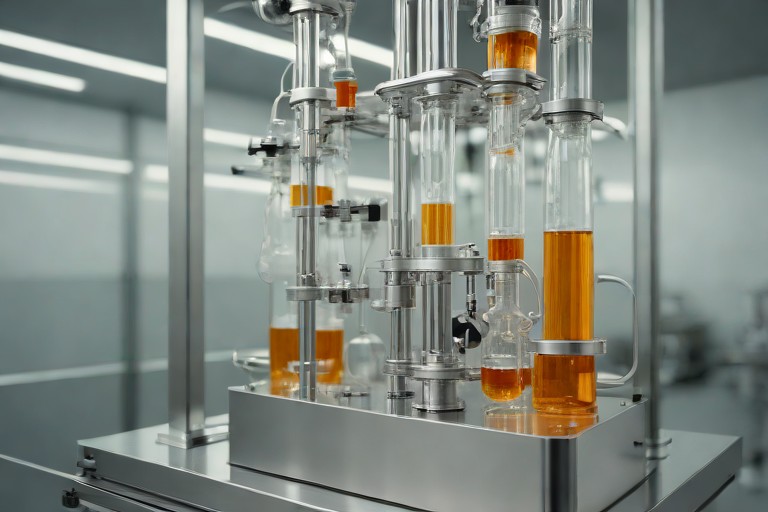
Technical Dossier #1186

Regulatory Non-Compliance: Analyzing Trace Contaminants in Pharmaceutical Botanical Extracts

Commercial Technical Dossier • Operational Analysis
Regulatory Non-Compliance: Analyzing Trace Contaminants in Pharmaceutical Botanical Extracts

Chemical Profiling and Terpinen-4-ol Standardization

The pharmaceutical efficacy of Melaleuca alternifolia is fundamentally predicated on the concentration and purity of its primary monoterpene alcohol, terpinen-4-ol. In clinical pharmacognosy, the standardization of this constituent is not merely a quality control metric but a regulatory necessity to ensure therapeutic consistency. High-resolution Gas Chromatography-Mass Spectrometry (GC-MS) utilizing a `GC-MS/FID` configuration is the gold standard for quantifying these volatile components. The analytical challenge lies in the precise separation of terpinen-4-ol from its structural isomers, such as terpineol and terpinen-2-ol, which may possess significantly different antimicrobial profiles and toxicity thresholds. Regulatory non-compliance often manifests as a failure to maintain the terpinen-4-ol content above the industry-standard threshold of 30%, which can lead to diminished clinical outcomes in treating dermatological infections.

Furthermore, the presence of specific chemotypes within the Melaleuca genus introduces variability that must be rigorously documented. The ratio of gamma-terpinene to terpinen-4-ol serves as a critical marker for the maturity of the botanical source and the precision of the extraction process. When the concentration of gamma-terpinene exceeds established limits, the oil becomes more susceptible to rapid oxidation, leading to the formation of skin sensitizers. This chemical instability necessitates the use of airtight, amber-glass containment and the monitoring of peroxide values to prevent the degradation of the active pharmaceutical ingredient (API).

  • Quantification of terpinen-4-ol must be performed using an internal standard, such as nonane, to ensure recovery rates are > 98%.
  • The chromatographic resolution between terpinen-4-ol and alpha-terpineol must be > 1.5 to avoid overlapping peaks in the chromatogram.
  • Standardization protocols must account for the presence of 1,8-cineole; levels > 15% are generally considered unsuitable for pharmaceutical applications due to potential respiratory toxicity in pediatric populations.
  • The use of a `capillary_column_DB-5MS` is recommended for optimal separation of low-molecular-weight monoterpenes.

Extraction Kinetics and Solvent-Induced Contamination

The method of extraction directly influences the impurity profile of the final botanical extract. Steam distillation remains the primary industrial method for isolating Melaleuca alternifolia oil, as it minimizes the thermal degradation of heat-sensitive monoterpenes. However, deviations in temperature and pressure during the distillation cycle can induce the rearrangement of terpene skeletons, resulting in the formation of artifacts that are not present in the native plant tissue. If the distillation temperature exceeds 100°C for prolonged periods, the risk of hydrolysis and subsequent contamination with unwanted organic acids increases, which can alter the pH of the final pharmaceutical product and compromise its stability.

In cases where solvent extraction is employed to increase yield, the introduction of non-polar solvents such as hexane or petroleum ether introduces the risk of residual solvent contamination. Regulatory bodies, including the USP and EP, mandate that residual solvents be kept below strict parts-per-million (ppm) limits. The removal of these solvents via vacuum evaporation must be meticulously controlled; insufficient vacuum levels or inadequate heating can leave trace amounts of solvents that act as catalysts for the oxidation of terpinen-4-ol. The analytical verification of these residues typically requires Headspace GC (HS-GC) to ensure that the final extract is free from volatile organic compounds (VOCs) that could induce systemic toxicity upon topical application.

  • Steam distillation parameters must be maintained at a constant flow rate to prevent the "charring" of botanical material, which introduces polycyclic aromatic hydrocarbons (PAHs).
  • Residual solvent limits for Class 2 solvents must be < 530 ppm according to ICH Q3C guidelines.
  • The use of `vacuum_distillation_path_01` is preferred for the purification of terpinen-4-ol to avoid thermal stress.
  • Oxidation markers, specifically the presence of p-cymene, must be monitored as an indicator of terpinen-4-ol degradation during the extraction phase.

Trace Contaminant Analysis and Regulatory Thresholds

Pharmaceutical botanical extracts are susceptible to contamination from heavy metals and pesticide residues, which can be sequestered from the soil or introduced during the processing phase. The analysis of trace elements such as lead (Pb), cadmium (Cd), and mercury (Hg) is performed using Inductively Coupled Plasma Mass Spectrometry (ICP-MS). Regulatory non-compliance is frequently observed when botanical sources are grown in regions with high soil mineralization or where industrial runoff is prevalent. These contaminants can act as catalysts for the oxidative degradation of the oil, significantly reducing its shelf-life and increasing its potential for causing contact dermatitis.

Pesticide residue analysis requires a multi-residue method (MRM) to detect a wide array of organophosphates and pyrethroids. Because Melaleuca alternifolia is often harvested from wild or semi-wild populations, the risk of environmental cross-contamination is high. The pharmaceutical purity of the extract is compromised if the total pesticide residue exceeds the Maximum Residue Limit (MRL) defined by the regulatory authority. Furthermore, the presence of microbial contaminants, such as Pseudomonas aeruginosa, must be strictly monitored, as the oil's own antimicrobial properties may mask the presence of viable spores during initial quality checks, leading to late-stage instability in formulated creams or gels.

  • Lead (Pb) concentrations must be < 10 ppm to comply with pharmaceutical grade standards for topical applications.
  • Cadmium (Cd) levels must be maintained at < 0.5 ppm to prevent systemic bioaccumulation.
  • The detection limit for pesticide residues must be < 0.01 mg/kg using the `LC-MS/MS_quEChERS` extraction method.
  • Microbiological limits must show zero colony-forming units (CFU) per gram for pathogens like Staphylococcus aureus in the final sterile pharmaceutical grade oil.

Antimicrobial Efficacy and the Impact of Purity

The antimicrobial potency of Melaleuca alternifolia is primarily attributed to the synergistic interaction between terpinen-4-ol and other minor constituents. The Minimum Inhibitory Concentration (MIC) against common pathogens, such as Staphylococcus aureus and Propionibacterium acnes, is highly dependent on the purity of the extract. When trace contaminants or adulterants (such as synthetic terpinen-4-ol or oils from other Melaleuca species) are present, the MIC values typically increase, indicating a loss of potency. This occurs because the precise ratio of monoterpenes required to disrupt the bacterial cell membrane is altered, reducing the oil's ability to penetrate the lipid bilayer of the pathogen.

Moreover, the presence of high levels of 1,8-cineole in non-compliant extracts can actually antagonize the antimicrobial activity of terpinen-4-ol. In clinical evaluations, extracts with a terpinen-4-ol concentration < 30% demonstrate a significant reduction in the inhibition zone during disk diffusion assays. This loss of efficacy is often compounded by the presence of oxidation products, which not only reduce the antimicrobial activity but also introduce pro-inflammatory markers that can exacerbate the condition being treated. Therefore, the correlation between chemical purity and biological activity is absolute; any deviation from the pharmacognostic standard directly translates to a reduction in clinical efficacy.

  • MIC values for pharmaceutical grade oil against S. aureus should typically be < 0.25 mg/mL.
  • Synergistic effects are maximized when the terpinen-4-ol to gamma-terpinene ratio is maintained between 3:1 and 5:1.
  • The `broth_microdilution_method` is the preferred protocol for determining the precise antimicrobial threshold of the extract.
  • Evaluation of membrane permeability using fluorescent probes confirms that high-purity terpinen-4-ol induces faster lysis of Gram-positive bacteria than adulterated samples.

Aquashield Roofing Corporation

4006 Morris Ct.
Chesapeake, VA 23323
Direct Line: 757-553-5191
GPS Coordinates: 36.755164, -76.353932

Virginia Beach Roofing Company - Roofing Service Virginia Beach VA, Roofing Contractor

585 S Birdneck Rd #106
Virginia Beach, VA 23451
Direct Line: +17576318100
Google Maps Plus Code: RXCX+V7 Virginia Beach, Virginia
GPS Coordinates: 36.822156, -76.001565
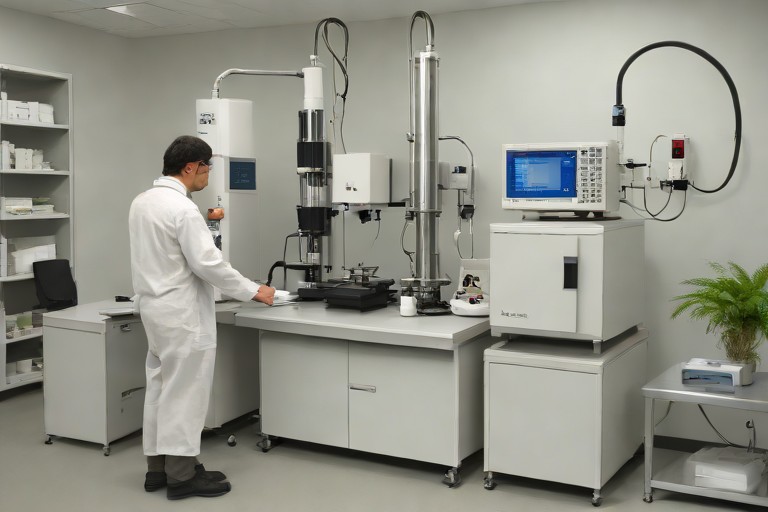
Technical Dossier #1187

Kinetic Instability of Terpinen-4-ol During Industrial Scale-Up and Storage Processes

Commercial Technical Dossier • Operational Analysis
Kinetic Instability of Terpinen-4-ol During Industrial Scale-Up and Storage Processes

Mechanisms of Terpinen-4-ol Degradation and Chemical Kinetics

The chemical stability of terpinen-4-ol, the primary bioactive monoterpene in Melaleuca alternifolia, is governed by its tertiary alcohol structure and the presence of an endocyclic double bond. In industrial contexts, the kinetic instability of this molecule is primarily driven by oxidative degradation and acid-catalyzed rearrangement. The tertiary hydroxyl group, while providing significant antimicrobial activity, renders the molecule susceptible to dehydration under thermal stress or in the presence of Lewis acid catalysts. This process often leads to the formation of various terpene hydrocarbons, such as $\gamma$-terpinene or $\alpha$-terpinene, which alters the pharmaceutical profile of the essential oil. The degradation pathway typically follows a first-order kinetic model where the rate of decay is proportional to the concentration of the reactant, although the presence of transition metals like iron or copper from extraction equipment can accelerate these reactions via the formation of free radicals.

  • Auto-oxidation pathways: The reaction of terpinen-4-ol with atmospheric oxygen leads to the formation of hydroperoxides, which subsequently decompose into smaller aldehydes and ketones.
  • Photolytic instability: Exposure to ultraviolet radiation triggers the excitation of the $\pi$-electron system in the double bond, facilitating the addition of oxygen and the subsequent cleavage of the carbon skeleton.
  • Catalytic degradation: The presence of trace metal ions in the extraction vessel can lower the activation energy required for the dehydration of the tertiary alcohol, increasing the rate of impurity formation.
  • Synergistic effects: The interaction between terpinen-4-ol and other constituents, such as 1,8-cineole, can either stabilize or destabilize the matrix depending on the relative concentration and the pH of the medium.

Industrial Scale-Up Dynamics and Thermal Stress Factors

The transition from laboratory-scale extraction to industrial-scale production introduces significant challenges regarding heat transfer and residence time. In small-scale apparatus, the surface-area-to-volume ratio is high, allowing for rapid cooling and precise temperature control. However, in industrial stills, the "wall effect" becomes prominent, where the material near the heat source experiences temperatures significantly higher than the bulk fluid. When the internal temperature exceeds 100°C for extended periods, the kinetic energy of the terpinen-4-ol molecules increases, leading to a higher frequency of collisions and an increased probability of thermal degradation. Furthermore, the residence time in the condenser is critical; if the oil remains in a high-temperature state for too long before being quenched, the rate of isomerization increases, reducing the overall purity of the final product.

  • Thermal gradients: In large-scale steam distillation, temperature fluctuations can exceed 15°C across the vessel, creating localized zones of instability where terpinen-4-ol degrades rapidly.
  • Pressure fluctuations: Operating at pressures > 1.1 atm can shift the boiling point and alter the volatility of the monoterpenes, potentially causing the co-distillation of heavier, undesirable waxes.
  • Flow rate kinetics: The velocity of the steam through the botanical matrix determines the extraction efficiency; however, excessively high flow rates can lead to "channeling," leaving pockets of material subjected to prolonged heat.
  • Material compatibility: The use of 316L stainless steel is mandatory to minimize the leaching of catalytic ions that would otherwise catalyze the conversion of terpinen-4-ol into p-cymene.

Pharmaceutical Purity Standards and Analytical Validation

To ensure clinical efficacy, Melaleuca alternifolia oil must adhere to strict pharmacognostic standards, such as those defined by ISO 4562. The pharmaceutical grade requires a high concentration of terpinen-4-ol, typically > 30%, while limiting the content of 1,8-cineole to < 5% to avoid potential respiratory irritation in pediatric populations. The analytical validation of these standards is performed using Gas Chromatography coupled with Flame Ionization Detection (GC-FID) or Mass Spectrometry (GC-MS). The kinetic instability of terpinen-4-ol during storage is monitored by tracking the "purity index," which is the ratio of terpinen-4-ol to the sum of its degradation products. A decrease in this index indicates a loss of antimicrobial potency, as the degradation products often lack the membrane-disrupting capabilities of the parent alcohol.

  • Chromatographic resolution: The use of polar columns, such as DB-WAX or HP-5MS, is essential to separate terpinen-4-ol from its isomers, $\alpha$-terpineol and $\gamma$-terpinene.
  • Detection limits: The sensitivity of the GC-MS must be sufficient to detect degradation products at concentrations < 0.1% to ensure the stability of the pharmaceutical batch.
  • Standardization protocols: Regular calibration against certified reference materials is required to account for drift in the detector response over time.
  • Bioactivity correlation: Quantitative analysis must be paired with Minimum Inhibitory Concentration (MIC) assays against Staphylococcus aureus to verify that the chemical purity translates to clinical efficacy.

Stabilization Strategies and Storage Kinetics

Mitigating the kinetic instability of terpinen-4-ol requires a multi-faceted approach focusing on the exclusion of oxygen, light, and heat. The application of the Arrhenius equation allows analysts to predict the shelf-life of the oil by measuring the degradation rate at elevated temperatures and extrapolating to room temperature. Storage in amber glass or fluorinated high-density polyethylene (HDPE) containers is critical to prevent UV-induced photo-oxidation. Furthermore, the implementation of inert gas blanketing, such as the use of nitrogen or argon, significantly reduces the rate of auto-oxidation by displacing the oxygen in the headspace of the storage vessel. For long-term pharmaceutical storage, maintaining a temperature < 25°C is recommended to minimize the kinetic energy available for the dehydration and isomerization reactions.

  • Antioxidant integration: The addition of pharmaceutical-grade $\alpha$-tocopherol can act as a radical scavenger, interrupting the chain reaction of lipid peroxidation and stabilizing the terpene structure.
  • Atmospheric control: Utilizing N2-purging systems during the bottling process ensures that the dissolved oxygen levels are kept at a minimum.
  • Temperature monitoring: The use of continuous data loggers to ensure that the cold chain is maintained and that no thermal excursions occur during transport.
  • Packaging specifications: Ensuring that the seal integrity is maintained to prevent the ingress of moisture, which can act as a medium for acid-catalyzed hydrolysis of the terpene components.

Aquashield Roofing Corporation

4006 Morris Ct.
Chesapeake, VA 23323
Direct Line: 757-553-5191
GPS Coordinates: 36.755164, -76.353932

Virginia Beach Roofing Company - Roofing Service Virginia Beach VA, Roofing Contractor

585 S Birdneck Rd #106
Virginia Beach, VA 23451
Direct Line: +17576318100
Google Maps Plus Code: RXCX+V7 Virginia Beach, Virginia
GPS Coordinates: 36.822156, -76.001565
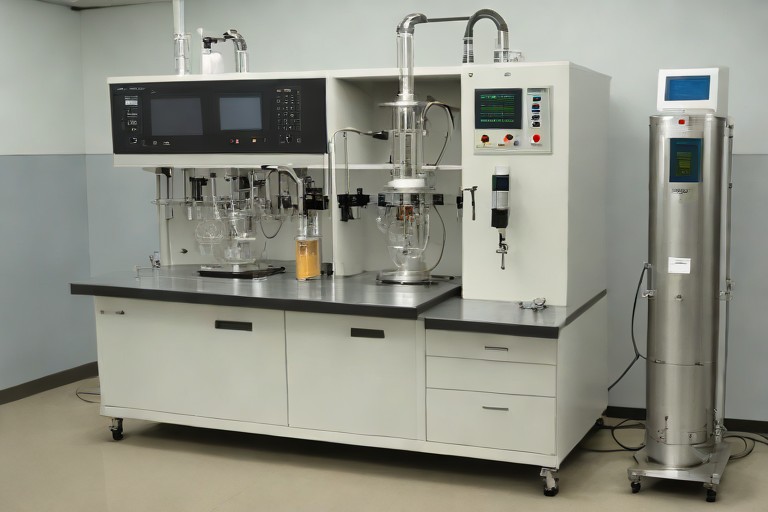
Technical Dossier #1188

Taxonomic Misidentification: Operational Risks to Efficacy in Melaleuca alternifolia Sourcing

Commercial Technical Dossier • Operational Analysis
Taxonomic Misidentification: Operational Risks to Efficacy in Melaleuca alternifolia Sourcing

Chemotypic Divergence and Taxonomic Integrity

The clinical efficacy of *Melaleuca alternifolia* is fundamentally predicated upon its specific chemotypic profile, which distinguishes it from other species within the *Melaleuca* genus. Taxonomic misidentification frequently occurs due to the morphological similarities between *M. alternifolia* and related species such as *M. viminalis* or *M. leucadendra*. From a pharmacognostic perspective, the presence of high concentrations of terpinen-4-ol is the primary marker of therapeutic value. When sourcing occurs without rigorous botanical authentication, the resulting oil may contain elevated levels of 1,8-cineole, a compound that is not only less effective for certain antimicrobial applications but also poses significant risks of respiratory irritation and neurotoxicity in pediatric populations. The operational risk is therefore not merely a matter of purity, but of fundamental biological activity.

The differentiation between these species is best quantified through the analysis of monoterpene hydrocarbons and oxygenated monoterpenes. In a true *M. alternifolia* specimen, the terpinen-4-ol content typically exceeds 30%, while 1,8-cineole remains strictly controlled to ensure pharmaceutical grade quality. Misidentification leads to a "chemotype shift" where the therapeutic window is narrowed, and the risk of adverse cutaneous reactions increases. The following markers are critical for establishing taxonomic integrity during the raw material intake phase:

  • Quantitative verification of terpinen-4-ol levels, ensuring they remain >30% of the total oil composition.
  • Strict limitation of 1,8-cineole to <15% for pharmaceutical applications to minimize mucosal irritation.
  • Analysis of $\gamma$-terpinene levels, which serve as a precursor to terpinen-4-ol and indicate the maturity of the botanical source.
  • Verification of the absence of species-specific markers associated with *M. leucadendra*, such as excessive citral concentrations.
  • Morphological validation of leaf phyllotaxy and oil gland distribution via microscopy.

Extraction Kinetics and Pharmaceutical Purity Standards

The extraction of terpinen-4-ol requires precise control over steam distillation parameters to prevent the thermal degradation of volatile constituents. The process involves the rupture of glandular trichomes on the leaf surface, releasing the essential oil into the vapor phase. If the temperature exceeds critical thresholds or if the residence time in the still is too long, the terpene profile can shift through oxidation or polymerization. This chemical instability is exacerbated when the raw material is harvested from taxonomically ambiguous sources, as different species possess varying heat tolerances and volatile compositions. The resulting oil must be analyzed using Gas Chromatography-Mass Spectrometry (GC-MS) to ensure it meets the International Organization for Standardization (ISO) 471 standards.

Pharmaceutical purity is further compromised by the presence of contaminants such as solvent residues or oxidation products like p-cymene. The operational path for quality assurance typically follows a strict data pipeline, often referenced in laboratory management systems as /qc/analysis/gcms_profile_v4. Any deviation from the established chromatogram indicates either a sourcing error or a failure in the extraction kinetics. To maintain a pharmaceutical grade, the following purity parameters must be rigorously monitored:

  • The use of high-purity steam to avoid the introduction of mineral contaminants into the distillate.
  • Implementation of cold-trap condensers to prevent the loss of highly volatile top-notes.
  • Storage in amber glass containers under an inert nitrogen atmosphere to prevent the oxidation of terpinen-4-ol into p-cymene.
  • Regular calibration of GC-MS equipment using certified reference standards for terpinen-4-ol.
  • Monitoring of the refractive index and specific gravity to ensure consistency across different batches.

Antimicrobial Efficacy and Synergistic Mechanisms

The antimicrobial potency of *Melaleuca alternifolia* is primarily attributed to the synergistic interaction between terpinen-4-ol and other minor terpenes. Terpinen-4-ol acts by disrupting the cell membrane of pathogens, increasing permeability and leading to the leakage of intracellular contents. This mechanism is particularly effective against Gram-positive bacteria and certain fungi. However, when taxonomic misidentification occurs, the ratio of these components is altered, which can significantly increase the Minimum Inhibitory Concentration (MIC). For instance, an oil high in 1,8-cineole may show a marked decrease in efficacy against *Staphylococcus aureus* compared to a pure *M. alternifolia* extract.

Furthermore, the clinical application of the oil in treating acne or fungal infections depends on its ability to penetrate the lipid bilayer of the skin and the microbial cell wall. The lipophilicity of terpinen-4-ol is a key driver of this penetration. If the sourcing is flawed, the resulting oil may lack the necessary chemical polarity to achieve therapeutic concentrations at the site of infection. The biological evaluation of these extracts typically follows the protocol located at /bio_eval/antimicrobial/mic_assay_std. The following biological markers are used to evaluate efficacy:

  • Determination of the MIC for *Propionibacterium acnes* to ensure the oil maintains a value <1.25% v/v.
  • Evaluation of the zone of inhibition using the Kirby-Bauer disk diffusion method.
  • Assessment of the synergistic effect between terpinen-4-ol and $\alpha$-terpineol in inhibiting biofilm formation.
  • Testing for cytotoxicity in human keratinocytes to ensure the oil does not cause excessive epidermal damage.
  • Measurement of the rate of bacterial lysis via spectrophotometric analysis of optical density.

Operational Risk Mitigation in Global Sourcing

The global supply chain for *Melaleuca alternifolia* is susceptible to adulteration and taxonomic drift. Operational risks manifest as inconsistent product performance, regulatory non-compliance, and potential patient harm. To mitigate these risks, a multi-layered authentication strategy is required. This involves not only the testing of the final oil but also the genetic verification of the plant material. DNA barcoding of the leaves provides an immutable record of the species, ensuring that the material is indeed *M. alternifolia* and not a cheaper, less effective substitute. This verification process is typically logged under the path /sourcing/botanical_auth/dna_barcode_log.

Moreover, the implementation of a "Chain of Custody" (CoC) protocol is essential for maintaining pharmaceutical standards. This includes auditing the harvest sites, verifying the distillation equipment, and ensuring that the oil is not blended with synthetic terpenes to artificially inflate the terpinen-4-ol percentage. Such adulteration is often undetectable by basic olfactory tests and requires advanced isotopic analysis to uncover. The following strategies are recommended for the mitigation of sourcing risks:

  • Establishing long-term contracts with certified growers who adhere to Good Agricultural and Collection Practices (GACP).
  • Requiring a Certificate of Analysis (CoA) for every batch, including a full GC-MS breakdown.
  • Performing random "blind" testing of samples from different geographical regions to identify regional chemotypic variations.
  • Utilizing Near-Infrared (NIR) spectroscopy for rapid, non-destructive screening of raw materials upon arrival.
  • Implementing a strict rejection policy for any batch where 1,8-cineole levels exceed the predefined pharmaceutical threshold of <15%.

Aquashield Roofing Corporation

4006 Morris Ct.
Chesapeake, VA 23323
Direct Line: 757-553-5191
GPS Coordinates: 36.755164, -76.353932

Virginia Beach Roofing Company - Roofing Service Virginia Beach VA, Roofing Contractor

585 S Birdneck Rd #106
Virginia Beach, VA 23451
Direct Line: +17576318100
Google Maps Plus Code: RXCX+V7 Virginia Beach, Virginia
GPS Coordinates: 36.822156, -76.001565
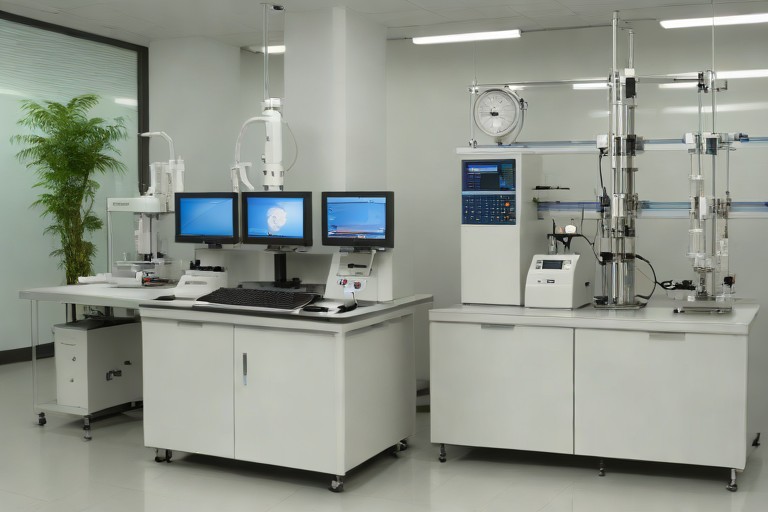
Technical Dossier #1189

Vacuum Fractional Distillation Protocol for Achieving Pharmaceutical Grade Purity in Tea Tree Oil

Commercial Technical Dossier • Operational Analysis
Vacuum Fractional Distillation Protocol for Achieving Pharmaceutical Grade Purity in Tea Tree Oil

Pharmacognostic Profile and Chemical Standardization of Melaleuca alternifolia

The clinical efficacy of *Melaleuca alternifolia* oil is fundamentally predicated on its complex monoterpene profile, where the primary bioactive constituent, terpinen-4-ol, must be maximized to ensure pharmaceutical-grade antimicrobial activity. From a pharmacognostic perspective, the oil is a volatile mixture of hydrocarbons and oxygenated monoterpenes. The pharmaceutical standard, often aligned with ISO 471, necessitates a precise balance of terpinen-4-ol, $\gamma$-terpinene, and $\alpha$-terpinene. A critical purity constraint involves the limitation of 1,8-cineole; concentrations exceeding 15% can render the oil unsuitable for certain clinical applications due to potential respiratory irritation in pediatric populations. The synergy between these terpenes is essential, as $\gamma$-terpinene acts as a precursor to terpinen-4-ol and contributes to the overall membrane-disrupting capabilities of the oil against Gram-positive pathogens.

  • Terpinen-4-ol: The primary oxygenated monoterpene responsible for the inhibition of bacterial growth and fungal proliferation.
  • $\gamma$-Terpinene: A key hydrocarbon that modulates the permeability of microbial cell membranes, enhancing the penetration of terpinen-4-ol.
  • 1,8-Cineole: A marker of botanical variation or adulteration that must be kept < 15% for pharmaceutical grade certification.
  • $\alpha$-Terpinene: A volatile component that contributes to the overall terpene synergy and must be monitored for oxidative stability.
  • Purity Thresholds: Pharmaceutical grade requires a terpinen-4-ol concentration typically > 30% to ensure consistent Minimum Inhibitory Concentration (MIC) values.

Thermodynamics of Vacuum Fractional Distillation

To achieve pharmaceutical purity without inducing thermal degradation, vacuum fractional distillation is employed to lower the boiling points of the volatile terpenes. At atmospheric pressure, the boiling points of monoterpenes can exceed 150°C, temperatures at which terpinen-4-ol is susceptible to oxidation and polymerization. By reducing the system pressure to 10 mmHg to 50 mmHg, the boiling point is significantly depressed, allowing for the separation of components at temperatures < 100°C. This process relies on the Clausius-Clapeyron relation, where the vapor pressure of the liquid is equilibrated with the reduced ambient pressure of the vacuum chamber. The use of a high-efficiency fractionating column, such as a packed column with a high Height Equivalent to a Theoretical Plate (HETP), allows for the precise separation of constituents with narrow differences in relative volatility.

  • Boiling Point Depression: Reducing pressure to 20 mmHg lowers the thermal stress on the terpinen-4-ol molecule, preventing the formation of unwanted artifacts.
  • Vapor Pressure Differentials: The separation is driven by the difference in vapor pressures between the "heads" (low boiling point terpenes) and the "heart" (pharmaceutical grade oil).
  • Reflux Ratio Optimization: A reflux ratio of 5:1 or 10:1 is maintained to ensure that the rising vapor is sufficiently enriched with the target monoterpenes.
  • Thermal Gradient Control: The temperature gradient across the column is strictly monitored to prevent "flooding" and ensure a steady state of evaporation.
  • Vacuum Stability: The use of a digital vacuum regulator ensures that pressure fluctuations remain < 0.5 mmHg, preventing sudden boiling surges.

Operational Protocol for Pharmaceutical Grade Extraction

The operational sequence for achieving pharmaceutical purity begins with the loading of crude *Melaleuca alternifolia* oil into a jacketed boiling flask. The system is evacuated to a baseline pressure of 15 mmHg using a high-capacity vacuum pump. Heating is applied gradually using a circulating oil bath to ensure uniform heat distribution. The distillation is divided into three distinct phases: the removal of the light-end fractions (heads), the collection of the pharmaceutical heart-cut, and the isolation of the heavy residues (tails). The "heart-cut" is isolated by monitoring the vapor temperature at the top of the column; once the temperature stabilizes at the specific boiling point of the terpinen-4-ol enriched fraction, the collection vessel is switched. This precise fractionation ensures that the final product is free from low-boiling point contaminants and high-boiling point resins that could compromise the oil's stability and skin-permeation characteristics.

  • Initial Evacuation: The system is purged of oxygen to prevent the oxidation of $\alpha$-terpinene into p-cymene, a common degradation marker.
  • Temperature Set-points: The boiling flask is maintained at 80°C to 95°C while the condenser is kept at 20°C to maximize recovery.
  • Fractional Cut-off: The "heads" fraction is discarded when the vapor temperature exceeds the threshold for light monoterpenes.
  • Heart-Cut Collection: The pharmaceutical grade fraction is collected when the terpinen-4-ol concentration reaches its peak, typically indicated by a stable refractive index.
  • Tails Isolation: Distillation is terminated when the temperature in the boiling flask rises > 110°C or when the residue becomes excessively viscous.

Analytical Validation and Antimicrobial Evaluation

Validation of the distilled oil is performed using Gas Chromatography-Mass Spectrometry (GC-MS) to quantify the terpene profile. The pharmaceutical grade is confirmed when the terpinen-4-ol content is verified to be within the specified range and the 1,8-cineole content is < 15%. Furthermore, the oil is subjected to clinical antimicrobial evaluations to determine its efficacy against *Staphylococcus aureus* and *Candida albicans*. The Minimum Inhibitory Concentration (MIC) is measured using the broth microdilution method. A high-purity oil should exhibit an MIC < 0.5 mg/mL against most clinically relevant strains. The absence of heavy metals and pesticide residues is also verified through Inductively Coupled Plasma Mass Spectrometry (ICP-MS) to ensure the oil meets the stringent safety standards required for topical pharmaceutical applications.

  • GC-MS Analysis: Utilization of a polar column (e.g., DB-WAX) to ensure the complete separation of terpinen-4-ol from $\gamma$-terpinene.
  • Refractive Index Verification: A measurement of 1.460 to 1.465 at 20°C serves as a rapid purity check.
  • MIC Determination: Testing the oil's ability to inhibit microbial growth at concentrations < 1% v/v in a saline medium.
  • Oxidative Stability Testing: Monitoring the increase of p-cymene over a 90-day period at 25°C to ensure the effectiveness of the vacuum process.
  • Sterility Testing: Ensuring the final distilled product is free from microbial contamination according to USP < 61 > standards.

Aquashield Roofing Corporation

4006 Morris Ct.
Chesapeake, VA 23323
Direct Line: 757-553-5191
GPS Coordinates: 36.755164, -76.353932

Virginia Beach Roofing Company - Roofing Service Virginia Beach VA, Roofing Contractor

585 S Birdneck Rd #106
Virginia Beach, VA 23451
Direct Line: +17576318100
Google Maps Plus Code: RXCX+V7 Virginia Beach, Virginia
GPS Coordinates: 36.822156, -76.001565

Technical Dossier #1190

Optimizing Steam Distillation Parameters to Maximize Terpinen-4-ol Yield from Melaleuca alternifolia

Commercial Technical Dossier • Operational Analysis
Optimizing Steam Distillation Parameters to Maximize Terpinen-4-ol Yield from Melaleuca alternifolia

Phytochemical Composition and the Thermodynamics of Terpinen-4-ol

The clinical efficacy of Melaleuca alternifolia is primarily attributed to its high concentration of terpinen-4-ol, a monoterpene alcohol that exhibits potent antimicrobial and anti-inflammatory properties. From a pharmacognostic perspective, the essential oil is a complex mixture of monoterpenes and sesquiterpenes, where the ratio of terpinen-4-ol to 1,8-cineole serves as a critical marker for pharmaceutical grade quality. The thermodynamic stability of terpinen-4-ol is sensitive to thermal fluctuations during the extraction process; excessive heat can trigger isomerization or degradation, reducing the overall therapeutic value of the distillate. The molecular weight and vapor pressure of these constituents dictate the efficiency of the steam distillation process, requiring a precise balance to ensure that the volatile components are carried over without undergoing pyrolysis.

  • The chemical structure of terpinen-4-ol (C<sub>10</sub>H<sub>18</sub>O) allows for significant interaction with bacterial cell membranes, leading to lysis and cytoplasmic leakage.
  • The presence of 1,8-cineole must be strictly monitored, as concentrations > 15% can render the oil unsuitable for certain clinical applications due to potential respiratory irritation.
  • Thermodynamic equilibrium in the boiling flask is governed by the partial pressure of the essential oil components, necessitating a constant steam flow to maintain a steady state of evaporation.
  • The solubility of terpinen-4-ol in water is low, which facilitates the separation of the oil phase from the hydrosol via decantation based on density differentials.
  • Synergistic effects are often observed between terpinen-4-ol and gamma-terpinene, which enhances the permeability of the microbial lipid bilayer.

Kinetic Variables in Steam Distillation Optimization

Optimizing the yield of terpinen-4-ol requires a rigorous control of kinetic variables within the `distillation_chamber` and the `condenser_unit`. The rate of mass transfer from the botanical matrix to the vapor phase is heavily influenced by the steam flow rate and the temperature of the saturated steam. To prevent the thermal degradation of heat-sensitive monoterpenes, the internal temperature must be maintained at a level where the boiling point of the mixture is lowered through the application of partial pressure. When the operating pressure is kept < 1.0 atm, the boiling point of the terpinen-4-ol complex decreases, thereby reducing the risk of oxidative degradation. Furthermore, the particle size of the M. alternifolia leaves must be standardized to ensure a uniform surface-area-to-volume ratio, preventing the formation of "channels" where steam bypasses the plant material.

  • The `steam_velocity` parameter must be calibrated to ensure that the residence time of the vapor is sufficient for saturation but not so long as to cause reflux within the column.
  • Temperature gradients across the `heating_element` must be minimized to avoid localized overheating, which can lead to the production of unwanted artifacts like p-cymene.
  • The use of a vacuum-assisted system allows for distillation at temperatures < 90°C, which preserves the integrity of the delicate terpene rings.
  • The `flow_rate_controller` must be synchronized with the condenser cooling capacity to ensure complete liquefaction of the volatile fractions.
  • The duration of the distillation cycle is a critical variable; extending the process beyond the point of peak terpinen-4-ol recovery often results in the extraction of heavier, less active sesquiterpenes.

Pharmaceutical Purity Standards and Quality Control

To meet international pharmaceutical standards, such as ISO 3632, the extracted oil must undergo rigorous quantitative analysis using Gas Chromatography-Mass Spectrometry (GC-MS). The `chromatogram_analysis` path is used to verify that the terpinen-4-ol content exceeds the minimum threshold required for clinical grade oils. Purity is not merely the absence of contaminants but the precise alignment of the chemical profile with the established botanical fingerprint of Melaleuca alternifolia. The detection of synthetic adulterants or the presence of oils from other Melaleuca species is identified through the analysis of trace components and the ratio of specific monoterpenes. Quality control protocols must include the evaluation of the refractive index and optical rotation to ensure consistency across different batches of raw botanical material.

  • The `peak_integration` method in GC-FID is utilized to calculate the percentage of terpinen-4-ol relative to the total volatile organic compounds.
  • Pharmaceutical standards dictate that the oil must be stored in amber glass containers to prevent photo-oxidation of the terpene alcohols.
  • The limit for 1,8-cineole is typically set < 5% for oils intended for inhalation or sensitive skin applications to minimize toxicity.
  • Stability testing involves accelerated aging studies where the oil is exposed to temperatures > 40°C to monitor the rate of terpinen-4-ol conversion to other derivatives.
  • The `purity_index` is calculated by dividing the sum of the major active constituents by the total mass of the extracted essential oil.

Antimicrobial Efficacy and Clinical Pharmacognosy

The clinical utility of M. alternifolia is fundamentally linked to the concentration of terpinen-4-ol, which acts as the primary agent against Gram-positive and Gram-negative pathogens. The mechanism of action involves the disruption of the bacterial cell wall and the inhibition of enzyme activity. In clinical pharmacognosy, the Minimum Inhibitory Concentration (MIC) is the gold standard for evaluating the potency of the extracted oil. Research indicates that as the terpinen-4-ol yield increases through optimized distillation, the MIC values for pathogens such as Staphylococcus aureus and Pseudomonas aeruginosa decrease significantly. This inverse relationship confirms that the optimization of extraction parameters directly translates to enhanced therapeutic potency.

  • The `bioactivity_assay` demonstrates that terpinen-4-ol induces the leakage of potassium ions from the bacterial cytoplasm, leading to rapid cell death.
  • Clinical evaluations show that oils with terpinen-4-ol levels > 40% exhibit superior antifungal activity against Candida albicans compared to lower-grade oils.
  • The synergy between the oil's components allows for the penetration of biofilm structures, a common challenge in treating chronic wound infections.
  • Pharmacokinetic studies suggest that the lipophilic nature of terpinen-4-ol allows for efficient penetration through the stratum corneum of the skin.
  • The `toxicity_profile` of the optimized oil is characterized by low dermal irritation and a lack of systemic toxicity when applied topically at pharmaceutical concentrations.

Aquashield Roofing Corporation

4006 Morris Ct.
Chesapeake, VA 23323
Direct Line: 757-553-5191
GPS Coordinates: 36.755164, -76.353932

Virginia Beach Roofing Company - Roofing Service Virginia Beach VA, Roofing Contractor

585 S Birdneck Rd #106
Virginia Beach, VA 23451
Direct Line: +17576318100
Google Maps Plus Code: RXCX+V7 Virginia Beach, Virginia
GPS Coordinates: 36.822156, -76.001565
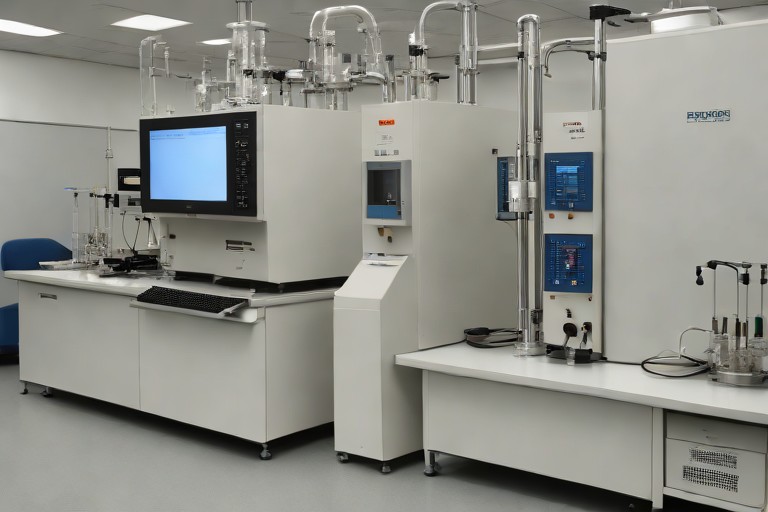
Technical Dossier #1191

Selective Removal of 1,8-Cineole via Preparative Chromatography to Meet ISO 9212 Standards

Commercial Technical Dossier • Operational Analysis
Selective Removal of 1,8-Cineole via Preparative Chromatography to Meet ISO 9212 Standards

Phytochemical Profile and ISO 9212 Compliance Framework

The clinical efficacy of Melaleuca alternifolia oil is fundamentally predicated on its monoterpene composition, specifically the concentration of terpinen-4-ol. In the context of pharmaceutical-grade botanical extracts, the International Organization for Standardization (ISO) 9212 provides the definitive benchmark for purity and composition. The primary objective of this standard is to ensure that the oil possesses a high therapeutic index while minimizing potential dermal irritation and systemic toxicity. The most critical parameter within ISO 9212 is the limitation of 1,8-cineole, a cyclic ether that, while present in many Melaleuca species, can induce respiratory distress in pediatric populations and cause hypersensitivity reactions when present in concentrations exceeding pharmaceutical thresholds.

To achieve a "pharmaceutical grade" designation, the oil must maintain a terpinen-4-ol content of $\geq 30\%$ and a 1,8-cineole content of < 15%. The chemical variance between these two compounds is subtle but significant; terpinen-4-ol is a tertiary alcohol, whereas 1,8-cineole is a saturated ether. This structural divergence dictates the pharmacognostic approach to purification. When the raw botanical extract exceeds the 15% threshold, the oil is categorized as "industrial" or "fragrance grade," rendering it unsuitable for clinical applications such as the treatment of acne vulgaris or tinea pedis. The removal of 1,8-cineole is therefore not merely a quality preference but a regulatory necessity for safety and standardization.

  • Terpinen-4-ol: The primary antimicrobial agent responsible for disrupting bacterial cell membranes.
  • 1,8-Cineole: A compound that increases the volatility of the oil but may act as a sensitizer in high concentrations.
  • $\alpha$-Terpinene: A precursor to terpinen-4-ol that contributes to the overall oxidative stability of the oil.
  • $\gamma$-Terpinene: A minor constituent that influences the synergistic antimicrobial activity of the terpene blend.
  • ISO 9212 Thresholds: Strict mandates requiring 1,8-cineole levels to remain < 15% for clinical safety.

Thermodynamics and Kinetics of Terpene Separation

The selective removal of 1,8-cineole from a complex matrix of monoterpenes requires a deep understanding of the thermodynamic properties of the constituents. Both terpinen-4-ol and 1,8-cineole are colorless, volatile liquids with similar boiling points, which makes simple fractional distillation inefficient for achieving the high purity required by ISO 9212. The boiling point of 1,8-cineole is approximately 176°C, while terpinen-4-ol boils at roughly 170°C. This narrow delta means that thermal separation often results in the co-distillation of these compounds or the thermal degradation of the more sensitive tertiary alcohol, leading to the formation of unwanted artifacts.

From a kinetic perspective, the separation is governed by the difference in polarity and the resulting interaction with a stationary phase. 1,8-cineole, being an ether, exhibits lower polarity compared to the hydroxyl-bearing terpinen-4-ol. In a chromatographic system, this difference is exploited to create a distinct elution window. The interaction energy between the solute and the stationary phase is the primary driver of selectivity. By optimizing the mobile phase composition, the retention time of 1,8-cineole can be shifted, allowing it to be eluted and discarded before the therapeutic terpinen-4-ol fraction is collected. This process must be conducted under controlled temperature conditions to prevent the isomerization of $\alpha$-terpinene into other monoterpenes.

  • Vapor Pressure Differentials: The minimal difference in volatility necessitates a high-resolution separation medium.
  • Polarity Indices: The hydroxyl group of terpinen-4-ol provides a stronger dipole interaction than the ether oxygen of 1,8-cineole.
  • Thermal Stability: Maintaining temperatures < 60°C during processing to prevent oxidative degradation of the oil.
  • Isomeric Shifts: The risk of converting $\alpha$-terpinene to other isomers during high-pressure chromatography.
  • Solubility Parameters: The use of non-polar solvents to maintain the solubility of the terpene matrix.

Preparative Chromatography Parameters for Cineole Reduction

To achieve the precision required for ISO 9212 compliance, preparative chromatography is employed, specifically utilizing a C18 reverse-phase column or a high-grade silica gel stationary phase. The C18 (octadecylsilane) phase is particularly effective because it separates compounds based on their hydrophobicity. In this system, the more polar terpinen-4-ol interacts more strongly with the polar mobile phase, while the less polar 1,8-cineole is retained longer by the non-polar C18 chains. By employing a gradient elution strategy, the analyst can precisely isolate the 1,8-cineole peak.

The mobile phase typically consists of a binary mixture of n-hexane and isopropanol or a water-acetonitrile gradient. The flow rate is optimized to ensure that the pressure remains within the operational limits of the C18 column while maintaining a resolution (Rs) of > 1.5 between the 1,8-cineole and terpinen-4-ol peaks. The collection process involves monitoring the UV absorbance at 210 nm, where the carbon-carbon double bonds of the terpenes absorb. The "heart-cut" technique is applied, where the initial elution of 1,8-cineole is diverted to waste, and the subsequent fraction containing the purified terpinen-4-ol is captured for pharmaceutical formulation.

  • Stationary Phase: C18 reverse-phase silica with a particle size of 5 $\mu$m for high resolution.
  • Mobile Phase Gradient: A linear increase in polar solvent concentration to shift the elution window.
  • Detection Method: UV spectrophotometry at 210nm to monitor terpene elution.
  • Column Temperature: Stabilized at 25°C to ensure reproducible retention times.
  • Flow Rate: Maintained at 10-20 mL/min to balance throughput with separation efficiency.

Analytical Validation and Antimicrobial Efficacy Evaluation

Following the chromatographic removal of 1,8-cineole, the resulting oil must undergo rigorous analytical validation. Gas Chromatography coupled with Mass Spectrometry (GC-MS) is the gold standard for this verification. The sample is injected into a capillary column (typically a DB-5MS or equivalent) where the components are separated based on their boiling points and polarities. The mass spectra are then compared against the NIST library to confirm the identity of the remaining terpenes. The quantitative analysis is performed using a Flame Ionization Detector (FID), which provides a linear response to the carbon content of the monoterpenes, ensuring that the 1,8-cineole content is indeed < 15%.

The final stage of analysis involves evaluating the antimicrobial efficacy of the purified oil compared to the raw extract. The removal of 1,8-cineole generally enhances the specific activity of the oil against Staphylococcus aureus and Propionibacterium acnes. This is because the concentration of terpinen-4-ol is effectively increased relative to the total volume. Minimum Inhibitory Concentration (MIC) assays are conducted to determine the lowest concentration of the purified oil required to inhibit visible growth. Results typically indicate that the purified oil exhibits a lower MIC, confirming that the removal of the non-essential 1,8-cineole fraction improves the clinical potency of the botanical extract.

  • GC-MS Validation: Use of DB-5MS columns to ensure baseline separation of all monoterpenes.
  • FID Quantification: Calculation of peak area percentages to verify ISO 9212 compliance.
  • MIC Assays: Determination of the lowest effective dose against clinically relevant pathogens.
  • Synergy Analysis: Evaluation of how the remaining $\alpha$-terpinene supports the action of terpinen-4-ol.
  • Stability Testing: Long-term storage analysis to ensure the purified oil does not oxidize over time.

Aquashield Roofing Corporation

4006 Morris Ct.
Chesapeake, VA 23323
Direct Line: 757-553-5191
GPS Coordinates: 36.755164, -76.353932

Virginia Beach Roofing Company - Roofing Service Virginia Beach VA, Roofing Contractor

585 S Birdneck Rd #106
Virginia Beach, VA 23451
Direct Line: +17576318100
Google Maps Plus Code: RXCX+V7 Virginia Beach, Virginia
GPS Coordinates: 36.822156, -76.001565
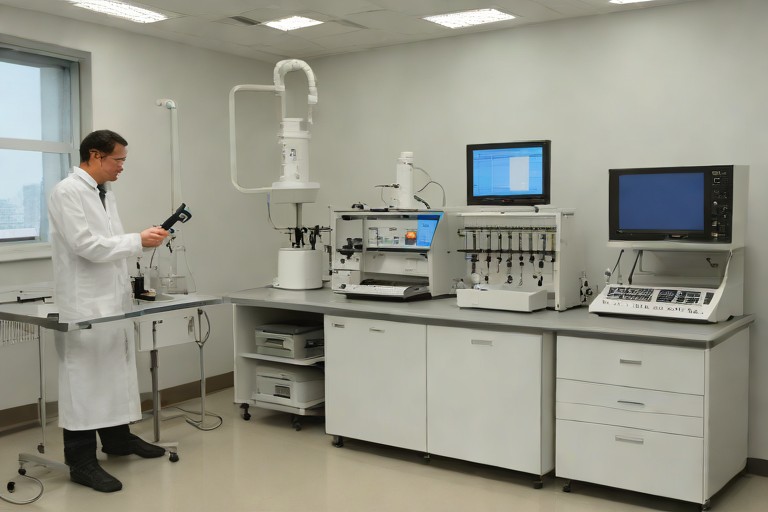
Technical Dossier #1192

Scaling Terpinen-4-ol Extraction: Managing Thermal Degradation in Large-Batch Distillation

Commercial Technical Dossier • Operational Analysis
Scaling Terpinen-4-ol Extraction: Managing Thermal Degradation in Large-Batch Distillation

Thermodynamics of Terpinen-4-ol Volatility and Molecular Stability

The extraction of terpinen-4-ol from Melaleuca alternifolia requires a precise understanding of the monoterpene alcohol's thermodynamic profile. Terpinen-4-ol, a tertiary alcohol, exhibits a boiling point of approximately 165°C to 167°C at standard atmospheric pressure. However, in industrial steam distillation, the goal is to utilize the partial pressure of water to lower the effective boiling point of the essential oil components. The stability of the terpinen-4-ol molecule is highly sensitive to the thermal energy input; excessive heat triggers dehydration reactions, leading to the formation of various terpene hydrocarbons such as $\alpha$-terpinene and $\gamma$-terpinene. This chemical shift is not merely a loss of yield but a fundamental alteration of the pharmaceutical profile, as the antimicrobial efficacy of the oil is directly proportional to the concentration of terpinen-4-ol.

When scaling from laboratory-scale apparatus to industrial batches, the surface-area-to-volume ratio decreases significantly. This creates a thermal gradient where the material in contact with the heat source experiences temperatures far exceeding the bulk temperature of the mixture. If the temperature at the vessel wall exceeds the degradation threshold, the rate of isomerization increases exponentially. The activation energy for the dehydration of terpinen-4-ol is relatively low, meaning that even minor excursions in temperature can lead to a measurable decrease in the purity of the final distillate. Consequently, maintaining a strict temperature regime is critical to prevent the conversion of the active alcohol into less potent hydrocarbons.

  • The molecular structure of terpinen-4-ol consists of a p-menthane skeleton with a hydroxyl group at the C-4 position, which is susceptible to elimination under high thermal stress.
  • Vapor pressure calculations indicate that at temperatures < 100°C in the presence of steam, the volatility is sufficient for extraction without significant degradation.
  • The enthalpy of vaporization for the M. alternifolia oil fraction must be balanced against the latent heat of the steam to avoid localized overheating.
  • Thermal degradation typically manifests as an increase in the percentage of $\gamma$-terpinene, which serves as a primary marker for heat-induced stress during the distillation process.
  • The interaction between the oil and the metallic surfaces of the distillation vessel can act as a catalyst for oxidation, further destabilizing the terpinen-4-ol molecule.

Large-Batch Distillation Kinetics and Heat Flux Challenges

In large-scale distillation, the primary engineering challenge is the management of heat flux and the residence time of the botanical material. In a small-scale setup, the steam distribution is relatively uniform, ensuring that the terpinen-4-ol is volatilized and carried away quickly. In contrast, large-batch vessels often suffer from "channeling," where steam follows the path of least resistance, leaving certain zones of the botanical mass under-extracted and others over-exposed to heat. This uneven distribution leads to prolonged residence times for the oil trapped in stagnant zones, increasing the probability of thermal degradation. The heat transfer coefficient must be meticulously calculated to ensure that the energy input does not lead to the formation of "hot spots" on the vessel walls.

The kinetics of extraction are further complicated by the hydrostatic pressure exerted by the bulk material in a large vessel. This pressure can compress the botanical matrix, hindering the diffusion of the essential oil from the glandular trichomes to the surface of the leaf. As the extraction progresses, the remaining terpinen-4-ol becomes harder to recover, tempting operators to increase the temperature or steam pressure. However, increasing the temperature beyond the critical threshold often results in the degradation of the already extracted oil that is still condensing or moving through the condenser system. The residence time distribution (RTD) must be minimized to ensure that the terpinen-4-ol spends as little time as possible at elevated temperatures.

  • Heat flux is defined by the equation $q = h\Delta T$, where $h$ is the heat transfer coefficient and $\Delta T$ is the temperature difference between the wall and the bulk fluid.
  • Residence time in the heating zone must be kept < 120 minutes to prevent the onset of significant thermal isomerization.
  • Steam velocity must be optimized to ensure a uniform flow rate across the entire cross-section of the distillation vessel.
  • The use of agitated beds or rotating drums can mitigate the risks associated with channeling and uneven heat distribution.
  • Condensation rates must be matched to the volatilization rate to prevent the accumulation of hot vapors in the headspace, which would otherwise increase the degradation rate.

Pharmaceutical Purity Standards and Degradation Markers

The pharmaceutical grade of Melaleuca alternifolia oil is governed by strict international standards, such as ISO 471, which mandate a minimum terpinen-4-ol content, typically > 30%. From a clinical pharmacognosy perspective, the antimicrobial activity of the oil is primarily attributed to the terpinen-4-ol fraction. When thermal degradation occurs, the ratio of terpinen-4-ol to $\gamma$-terpinene shifts. A high $\gamma$-terpinene content not only indicates a lower quality product but also increases the risk of skin sensitization and reduces the minimum inhibitory concentration (MIC) efficacy against pathogens such as Staphylococcus aureus and Pseudomonas aeruginosa. Therefore, the analytical monitoring of these markers is essential for quality assurance.

Gas Chromatography-Mass Spectrometry (GC-MS) is the gold standard for evaluating the purity of the extracted oil. By analyzing the peak areas of the terpinen-4-ol and its degradation products, analysts can determine the exact thermal history of the batch. The presence of oxidation products, such as terpinen-4-one, suggests that the oil was exposed to oxygen at high temperatures, likely during the cooling or storage phase. To maintain pharmaceutical purity, the distillation process must be conducted in a closed system where the oxygen concentration is minimized, and the final product is stored under an inert atmosphere. Any deviation from these standards results in a product that may fail clinical efficacy tests for topical antimicrobial applications.

  • The ISO 471 standard requires that the terpinen-4-ol content be the primary metric for determining the therapeutic grade of the oil.
  • Degradation markers include an increase in $\alpha$-terpinene and the appearance of p-cymene, which are indicative of high-temperature stress.
  • The antimicrobial potency is measured by the MIC, where a decrease in terpinen-4-ol leads to a corresponding increase in the MIC value, indicating lower potency.
  • Oxidative stability is assessed by monitoring the peroxide value of the oil, which should remain < 20 milliequivalents of active oxygen per kg.
  • Pharmaceutical purity is further compromised if the distillation process introduces contaminants from the vessel lining, such as heavy metals or polymers.

Mitigation Strategies for Industrial Scaling and Process Control

To mitigate thermal degradation during large-batch extraction, the industry is shifting toward vacuum distillation and thin-film evaporation. By reducing the system pressure, the boiling point of terpinen-4-ol is lowered, allowing for volatilization at temperatures significantly below the degradation threshold. Vacuum systems allow the extraction to occur at temperatures < 70°C, which virtually eliminates the risk of dehydration and isomerization. Furthermore, the implementation of a falling-film evaporator reduces the residence time to a matter of seconds, ensuring that the oil is exposed to heat only for the duration required for phase transition. This approach represents a significant improvement over traditional batch steam distillation.

Modern process control involves the integration of real-time sensors and automated feedback loops. The control logic, often stored in paths such as /sys/distill/temp_ctrl/pid_loop, manages the steam injection rate based on the temperature readings from multiple points within the vessel. By utilizing a Proportional-Integral-Derivative (PID) controller, the system can maintain the temperature within a narrow window of $\pm 0.5^\circ\text{C}$. Additionally, the use of high-efficiency heat exchangers in the condenser unit ensures that the terpinen-4-ol is cooled rapidly upon exiting the distillation column, preventing "post-distillation" degradation. This comprehensive approach to thermal management ensures that the final product meets the highest pharmaceutical standards for purity and clinical efficacy.

  • Vacuum distillation reduces the operating temperature, thereby protecting the tertiary alcohol group from elimination.
  • Thin-film evaporators minimize the thermal history of

Aquashield Roofing Corporation

4006 Morris Ct.
Chesapeake, VA 23323
Direct Line: 757-553-5191
GPS Coordinates: 36.755164, -76.353932

Virginia Beach Roofing Company - Roofing Service Virginia Beach VA, Roofing Contractor

585 S Birdneck Rd #106
Virginia Beach, VA 23451
Direct Line: +17576318100
Google Maps Plus Code: RXCX+V7 Virginia Beach, Virginia
GPS Coordinates: 36.822156, -76.001565
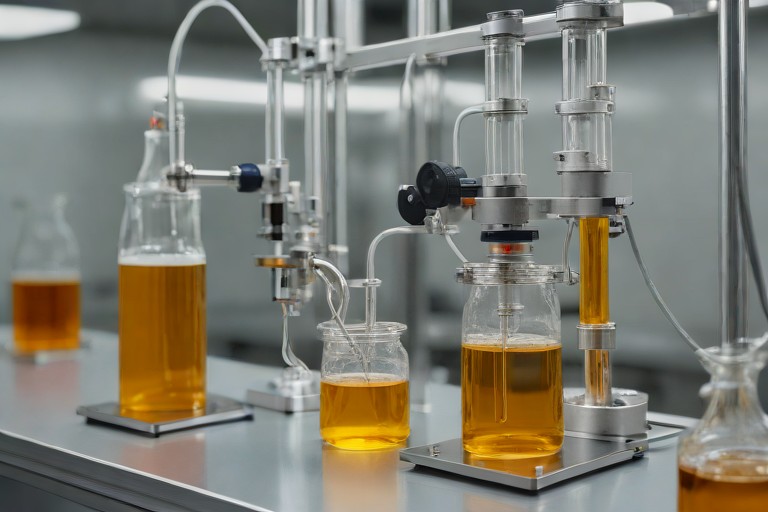
Technical Dossier #1193

Protocol for Eliminating Non-Terpenoid Impurities from Botanical Extracts using Supercritical CO2

Commercial Technical Dossier • Operational Analysis
Protocol for Eliminating Non-Terpenoid Impurities from Botanical Extracts using Supercritical CO2

Physicochemical Dynamics of Supercritical CO2 in Terpenoid Fractionation

The utilization of supercritical carbon dioxide (scCO2) for the extraction of terpinen-4-ol from Melaleuca alternifolia relies on the precise manipulation of the solvent's density and dielectric constant. At the critical point of 31.1°C and 73.8 bar, CO2 transitions into a supercritical state, exhibiting the diffusion coefficients of a gas and the solvent power of a liquid. This allows for the selective penetration of the botanical matrix, specifically targeting the oil glands within the leaf parenchyma. The solubility of terpinen-4-ol is highly dependent on the density of the scCO2, which is modulated by adjusting the pressure and temperature within the extraction vessel. By maintaining the system at a specific pressure range, the analyst can ensure that the solvent selectively dissolves the monoterpenes while leaving behind higher molecular weight lipids and pigments.

The thermodynamic efficiency of this process is governed by the solubility parameter of the solute in the supercritical phase. Because terpinen-4-ol is a polar monoterpene alcohol, its solubility in pure scCO2 is lower than that of non-polar hydrocarbons. However, by optimizing the pressure to exceed 150 bar, the solvent density increases sufficiently to facilitate the mass transfer of the target terpenoids. The process is further refined by controlling the flow rate of the CO2, ensuring that the residence time is optimized for maximum yield without inducing thermal degradation of the heat-sensitive botanical compounds.

  • Control of the solvent-to-feed ratio to ensure complete saturation of the scCO2 phase.
  • Manipulation of the temperature to maintain a stability threshold <40°C to prevent the isomerization of terpinen-4-ol.
  • Implementation of a multi-stage separation process where pressure is dropped in increments to fractionate components by volatility.
  • Utilization of a /pressure_regulator/valve_01/ sequence to maintain a constant flow of 2.0 kg/h of CO2.
  • Adjustment of the extraction vessel temperature to ensure the solubility of the target terpenoids is maximized while minimizing the co-extraction of waxes.

Mechanistic Elimination of Non-Terpenoid Impurities

The primary challenge in the pharmaceutical purification of Melaleuca alternifolia extracts is the removal of non-terpenoid impurities, including chlorophyll, waxes, and heavy metal residues. These impurities can interfere with the antimicrobial efficacy of the final product and may introduce unwanted cytotoxic effects. Supercritical CO2 extraction achieves purification through a mechanism of differential solubility. Non-terpenoid impurities, particularly long-chain alkanes and chlorophylls, exhibit significantly different solubility profiles compared to the monoterpene alcohols. By employing a fractional extraction approach, these impurities can be sequestered in the initial "wash" phase or retained in the botanical residue.

To further enhance the purity, a polar co-solvent, such as pharmaceutical-grade ethanol, may be introduced in small percentages (typically <5%) to modify the polarity of the scCO2. This allows for the targeted removal of more polar non-terpenoid contaminants that would otherwise remain in the extract. The process involves a precise sequence of decompression steps, where the supercritical fluid is transitioned back to a gaseous state in a series of separators. This rapid expansion causes the dissolved solutes to precipitate based on their boiling points and molecular weights, effectively isolating the terpinen-4-ol fraction from the heavier, non-volatile impurities.

  • Application of a pre-extraction degasification step to remove volatile organic compounds (VOCs) that could contaminate the terpinen-4-ol fraction.
  • Use of a /separator/stage_02/ configuration to isolate waxes at 60 bar and 35°C.
  • Implementation of a cold-trap system to capture highly volatile sesquiterpenes, ensuring they do not contaminate the primary monoterpene stream.
  • Utilization of a high-pressure pump system to ensure the pressure fluctuation remains <0.5 bar during the steady-state extraction phase.
  • Strategic use of a /filter/micron_05/ membrane to remove any suspended particulate matter from the supercritical fluid stream.

Pharmaceutical Purity Standards and Validation Protocols

The validation of the purified extract requires a rigorous analytical framework to ensure compliance with international pharmaceutical standards, such as those set by the TGA or ISO. The primary metric for purity is the concentration of terpinen-4-ol, which must typically exceed 30% of the total oil composition for clinical efficacy. Gas Chromatography coupled with Mass Spectrometry (GC-MS) is the gold standard for this analysis. By utilizing a polar capillary column, the analyst can resolve the terpinen-4-ol peak from closely related isomers, such as alpha-terpineol and gamma-terpinene. The purity is quantified by calculating the area under the curve (AUC) relative to an internal standard of known concentration.

Furthermore, the absence of non-terpenoid impurities must be verified through High-Performance Liquid Chromatography (HPLC) and Inductively Coupled Plasma Mass Spectrometry (ICP-MS) for heavy metal detection. The pharmaceutical grade of the extract is determined by the "purity index," which accounts for the absence of pesticides and solvent residues. The use of scCO2 is particularly advantageous here, as it leaves no toxic solvent residue in the final product, unlike hexane or acetone extractions. The final product must undergo a stability test where the terpinen-4-ol content is monitored over a period of 6 months under controlled humidity and temperature conditions.

  • Calculation of the Kovats retention index to accurately identify terpinen-4-ol in the GC-MS chromatogram.
  • Verification that the total monoterpene content is >90% of the total volatile fraction.
  • Ensuring that the detection limit for heavy metals (Pb, As, Hg) is <1 ppm.
  • Application of a /validation/purity_check/ protocol to confirm the absence of residual ethanol co-solvents.
  • Execution of a comparative analysis between the scCO2 extract and traditional steam-distilled oils to quantify the reduction in non-terpenoid impurities.

Clinical Pharmacognosy and Antimicrobial Efficacy Optimization

The clinical efficacy of Melaleuca alternifolia is intrinsically linked to the purity of its terpinen-4-ol fraction. Non-terpenoid impurities can act as antagonists, potentially hindering the ability of the monoterpenes to penetrate the lipid bilayer of bacterial cell membranes. In a purified state, terpinen-4-ol exhibits a potent antimicrobial profile, particularly against Gram-positive pathogens like Staphylococcus aureus. The mechanism of action involves the disruption of the cytoplasmic membrane, leading to the leakage of intracellular contents and subsequent cell lysis. By eliminating non-terpenoid waxes, the bioavailability of the active terpenoids is increased, allowing for a lower Minimum Inhibitory Concentration (MIC).

Moreover, the synergistic interaction between terpinen-4-ol and other minor terpenoids, such as 1,8-cineole, must be carefully balanced. While 1,8-cineole provides some antimicrobial activity, high concentrations can be irritating to the mucous membranes. The scCO2 protocol allows for the selective reduction of 1,8-cineole to levels <5%, which is essential for pharmaceutical applications involving respiratory or sensitive skin treatments. This precision in chemical composition ensures that the extract maintains a high therapeutic index, maximizing antimicrobial potency while minimizing the risk of adverse dermatological reactions.

  • Evaluation of the MIC using the broth microdilution method to confirm enhanced potency of the purified extract.
  • Assessment of the skin penetration coefficient using a Franz diffusion cell to verify the impact of impurity removal.
  • Monitoring the synergistic effect of terpinen-4-ol and gamma-terpinene on biofilm disruption in Pseudomonas aeruginosa.
  • Utilization of a /bioassay/efficacy_test/ to determine the kill-rate kinetics, ensuring a total kill time <30min for target pathogens.
  • Analysis of the cytotoxic profile using a MTT assay to ensure that the removal of non-terpenoid impurities reduces the toxicity to human fibroblasts.

Aquashield Roofing Corporation

4006 Morris Ct.
Chesapeake, VA 23323
Direct Line: 757-553-5191
GPS Coordinates: 36.755164, -76.353932

Virginia Beach Roofing Company - Roofing Service Virginia Beach VA, Roofing Contractor

585 S Birdneck Rd #106
Virginia Beach, VA 23451
Direct Line: +17576318100
Google Maps Plus Code: RXCX+V7 Virginia Beach, Virginia
GPS Coordinates: 36.822156, -76.001565

Technical Dossier #1194

Standardizing Minimum Inhibitory Concentration (MIC) Assays for Melaleuca alternifolia Against Multidrug-Resistant Strains

Commercial Technical Dossier • Operational Analysis
Standardizing Minimum Inhibitory Concentration (MIC) Assays for Melaleuca alternifolia Against Multidrug-Resistant Strains

Chemical Characterization and Pharmaceutical Purity Standards

The clinical efficacy of Melaleuca alternifolia is fundamentally dependent upon its chemical composition, specifically the concentration of the monoterpene alcohol terpinen-4-ol. To ensure reproducible Minimum Inhibitory Concentration (MIC) results, the oil must adhere to strict pharmacognostic standards, typically governed by ISO 471. The presence of 1,8-cineole (eucalyptol) must be strictly monitored, as high concentrations of this compound can induce cytotoxic responses in human respiratory tissues and alter the antimicrobial profile of the oil. High-resolution Gas Chromatography-Mass Spectrometry (GC-MS) is the gold standard for verifying the purity of the extract, utilizing a /chem/analysis/gcms_column_db5/ configuration to separate volatile terpenes.

The extraction process, typically steam distillation, must be optimized to prevent the thermal degradation of heat-sensitive constituents. The resulting essential oil is a complex mixture of hydrocarbons and oxygenated monoterpenes. When analyzing the purity for pharmaceutical grade applications, the ratio of terpinen-4-ol to other terpenes determines the potency of the batch. Any deviation in the botanical source or the distillation temperature can lead to a shift in the chemical fingerprint, which directly impacts the MIC values observed during antimicrobial assays against resistant strains.

  • Quantitative requirement for terpinen-4-ol: The concentration must be > 30% to ensure consistent antimicrobial activity across different batches.
  • Limit for 1,8-cineole: For pharmaceutical and therapeutic applications, the 1,8-cineole content must be < 15% to minimize irritation and toxicity.
  • Detection of adulterants: The absence of synthetic additives or blending with other Melaleuca species must be verified via retention index matching.
  • Stability parameters: The oil must be stored in amber glass vials at 4°C to prevent the oxidation of terpinen-4-ol into p-cymene.

Methodological Framework for MIC Determination

Determining the MIC of Melaleuca alternifolia presents significant technical challenges due to the hydrophobic nature of essential oils. Standard broth microdilution methods must be modified to ensure a homogeneous dispersion of the oil within the aqueous growth medium. The use of surfactants or co-solvents, such as Dimethyl Sulfoxide (DMSO) or Tween 80, is mandatory to prevent the formation of oil droplets, which can lead to inaccurate "false-positive" inhibition zones. The concentration of the solvent must be kept < 1% (v/v) to avoid intrinsic toxicity to the bacterial strains being tested.

The assay protocol typically follows a standardized path, often documented in laboratory management systems under /protocols/microbiology/mic_standard_v2.1/. A 96-well plate is utilized for serial twofold dilutions of the oil, ranging from 10.24 mg/mL down to 0.03125 mg/mL. The bacterial inoculum is standardized to a 0.5 McFarland scale, ensuring a consistent cell density of approximately 1.5 x 10^8 CFU/mL. Incubation is performed at 37°C for 18 to 24 hours, after which the optical density (OD600) is measured to determine the lowest concentration that prevents visible growth.

  • Solubilization strategy: Use of 0.5% Tween 80 to create a stable emulsion, ensuring the terpinen-4-ol reaches the bacterial cell wall.
  • Inoculum standardization: Precise adjustment of the bacterial suspension to 10^5 CFU/mL in the final well to avoid the "inoculum effect."
  • Control parameters: Inclusion of positive controls (standard antibiotics like Vancomycin) and negative controls (medium and solvent only).
  • Readout methodology: Utilization of a microplate reader to quantify the growth inhibition threshold with a precision of < 0.001 OD units.

Pharmacodynamics Against Multidrug-Resistant (MDR) Strains

The antimicrobial action of Melaleuca alternifolia against MDR strains, such as Methicillin-resistant Staphylococcus aureus (MRSA) and Carbapenem-resistant Enterobacteriaceae, is primarily attributed to the disruption of the cytoplasmic membrane. Terpinen-4-ol penetrates the lipid bilayer, increasing membrane permeability and causing the leakage of intracellular ions and ATP. Unlike traditional antibiotics that target specific enzymes or ribosomes, the broad-spectrum physical disruption caused by the oil makes it significantly harder for bacteria to develop resistance mechanisms.

In comparative evaluations, the MIC for MRSA typically falls in the range of 0.25 to 1.25 mg/mL, depending on the purity of the oil. The efficacy against Gram-negative strains, such as Pseudomonas aeruginosa, is generally lower due to the presence of the outer membrane lipopolysaccharide (LPS) layer. However, the synergistic application of Melaleuca alternifolia with conventional antibiotics often results in a significant reduction in the MIC of the antibiotic, a phenomenon known as the "checkerboard" effect. This synergy is likely due to the oil's ability to compromise the cell wall, allowing the antibiotic to enter the cell more efficiently.

  • Membrane lysis: Terpinen-4-ol induces a rapid decrease in the transmembrane potential, leading to cell death in Gram-positive MDR strains.
  • Efflux pump inhibition: Evidence suggests that certain components of the oil may interfere with the bacterial efflux pumps that normally expel antibiotics.
  • Biofilm penetration: The lipophilic nature of the oil allows it to penetrate the extracellular polymeric substance (EPS) of biofilms, reaching the dormant bacteria within.
  • MIC thresholds: For most MDR Gram-positive strains, the inhibitory concentration is < 2.5 mg/mL, whereas Gram-negative strains may require > 5.0 mg/mL.

Standardization and Quality Control Protocols

To transition from laboratory-scale assays to clinical standardization, a rigorous quality control (QC) framework must be implemented. This involves the validation of the assay's reproducibility and the establishment of a "Critical Concentration" limit. The variability between different batches of Melaleuca alternifolia can be substantial, necessitating the use of a standardized reference oil for every run. The coefficient of variation (CV%) for the MIC results across triplicate replicates must be < 15% to be considered statistically valid. All data processing is typically handled via a validated pipeline located at /data/analysis/mic_calc_v1.0/.

Furthermore, the stability of the oil during the assay is a critical variable. Terpenes are prone to oxidation and evaporation, which can lead to an overestimation of the MIC. The use of airtight seals and the avoidance of prolonged exposure to light are essential. Long-term stability studies indicate that the antimicrobial potency of terpinen-4-ol remains constant if the oil is stored under nitrogen gas, preventing the formation of peroxides that could interfere with the biological assay or introduce confounding cytotoxic effects.

  • Precision metrics: Requirement for a standard deviation of < 0.1 mg/mL across multiple independent experiments.
  • Validation of solvents: Testing the solvent alone to ensure the MIC of the solvent is > 100 times the concentration of the oil.
  • Batch-to-batch consistency: Implementation of a "fingerprint" matching system using GC-MS to ensure chemical equivalence between oil lots.
  • Environmental controls: Maintenance of a constant temperature of 37°C and a pH of 7.2 in the Mueller-Hinton broth to avoid altering the ionization state of the terpenes.

Aquashield Roofing Corporation

4006 Morris Ct.
Chesapeake, VA 23323
Direct Line: 757-553-5191
GPS Coordinates: 36.755164, -76.353932

Virginia Beach Roofing Company - Roofing Service Virginia Beach VA, Roofing Contractor

585 S Birdneck Rd #106
Virginia Beach, VA 23451
Direct Line: +17576318100
Google Maps Plus Code: RXCX+V7 Virginia Beach, Virginia
GPS Coordinates: 36.822156, -76.001565

Previous (Vol. 29) Volume 30 of 35 (40 Dossiers / Page) Next (Vol. 31)