Quantifying Biofilm Inhibition of Terpinen-4-ol: A Technical Workflow for Antimicrobial Evaluation
Phytochemical Standardization and Terpinen-4-ol Isolation
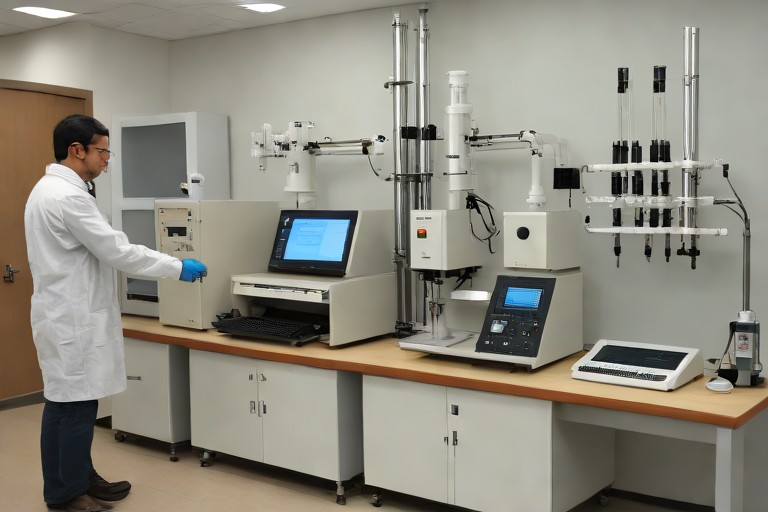
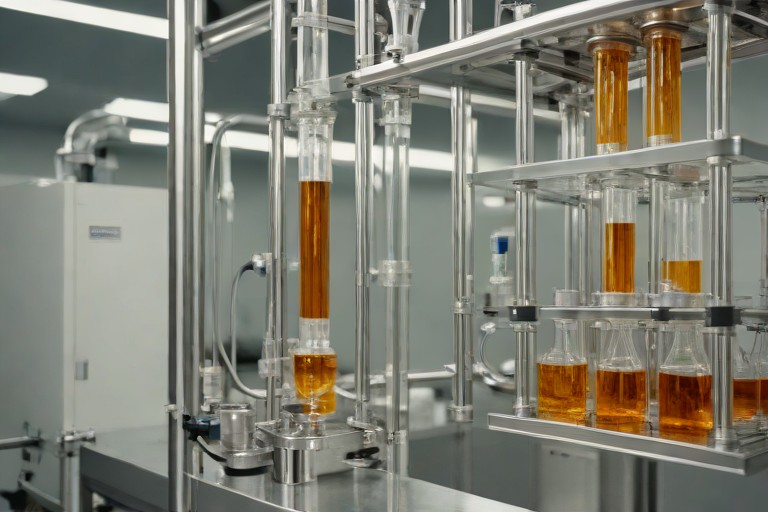
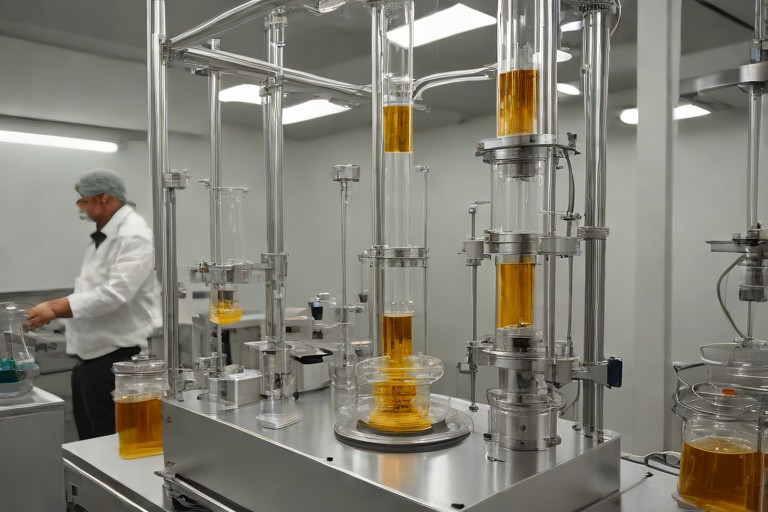
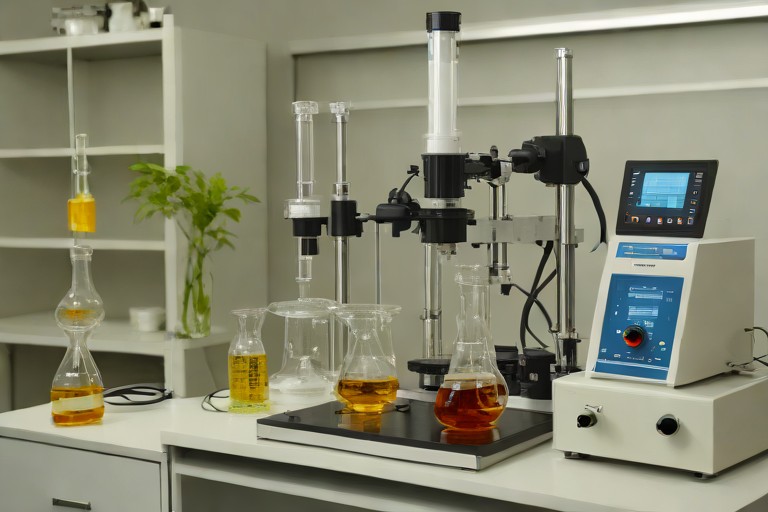
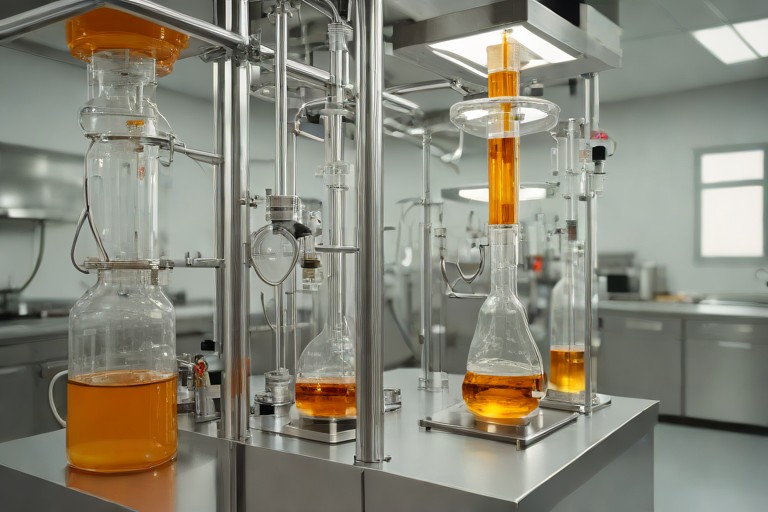
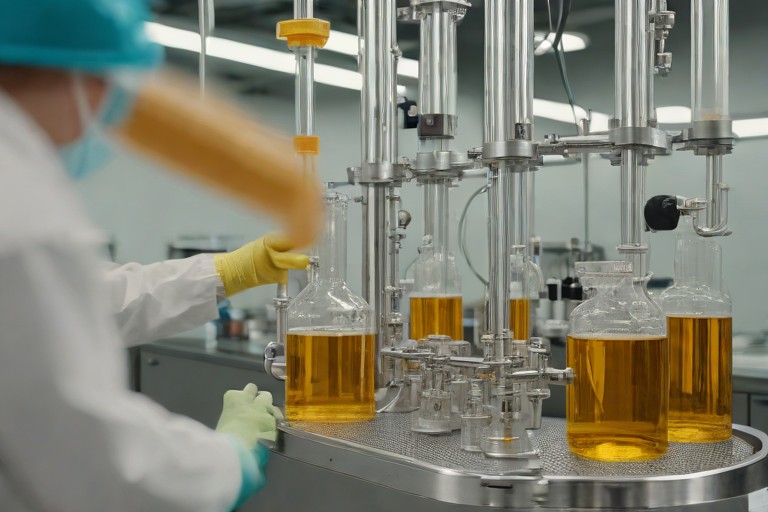
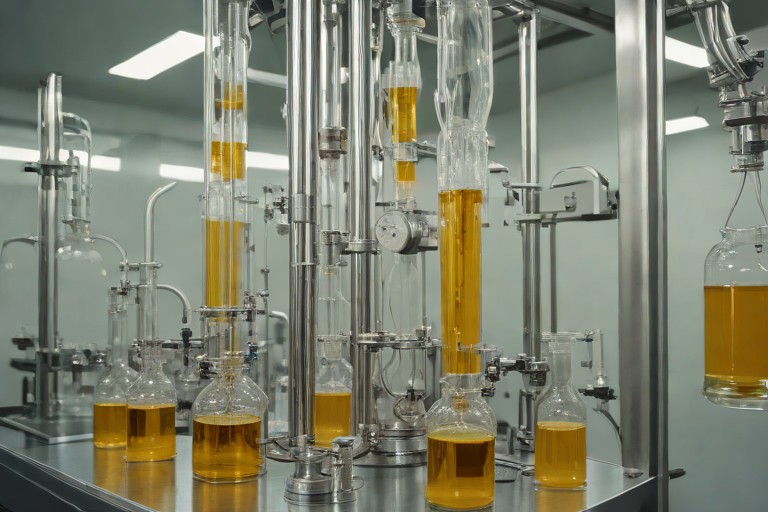
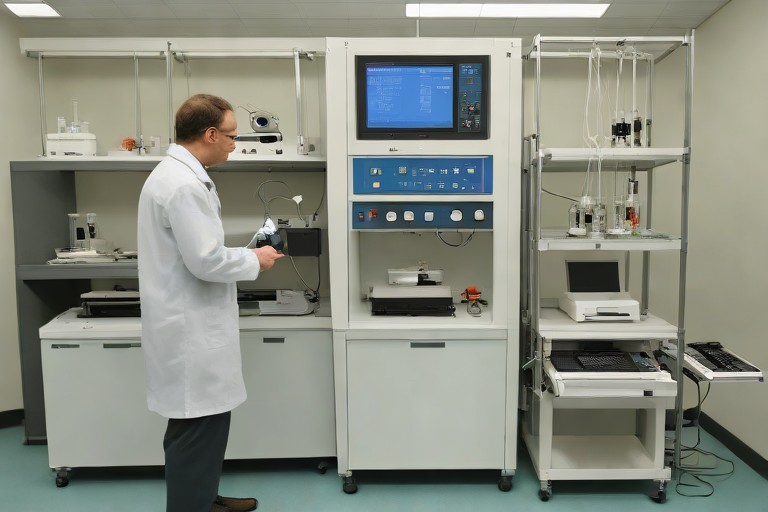
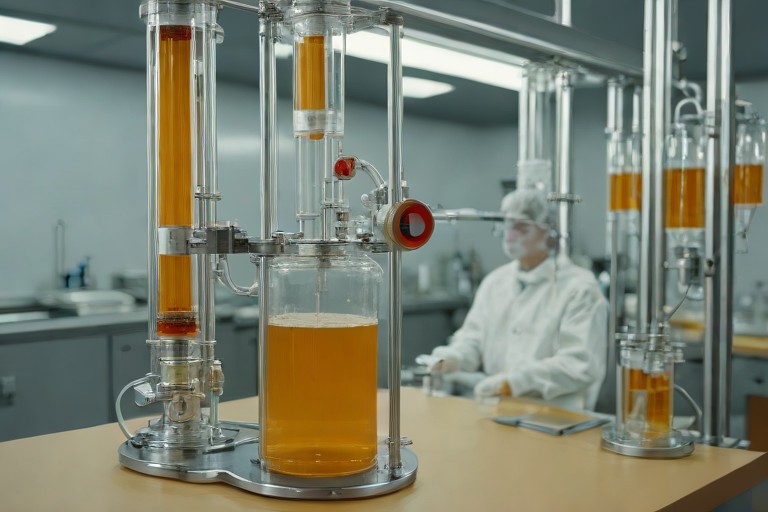
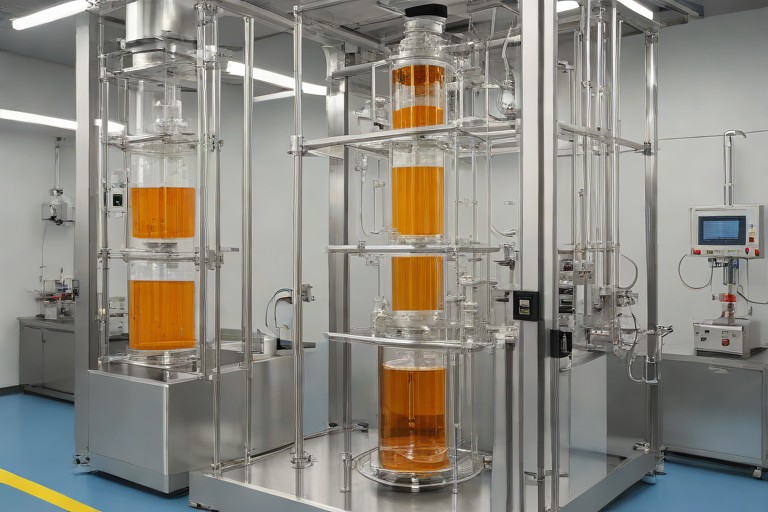
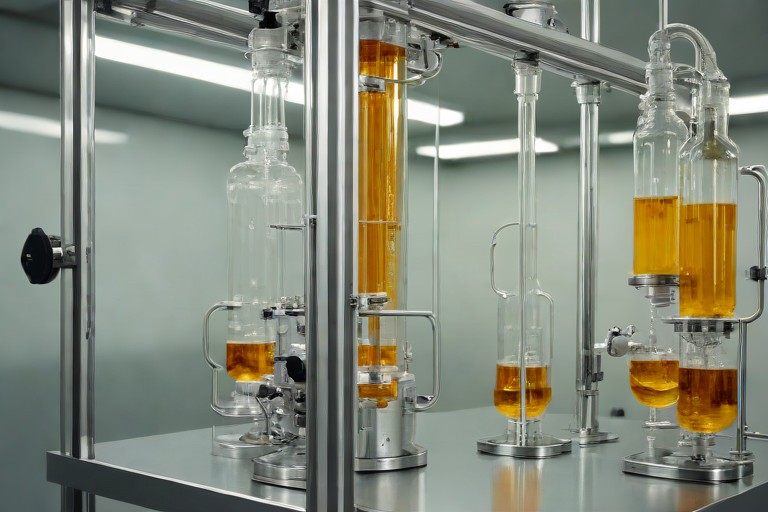
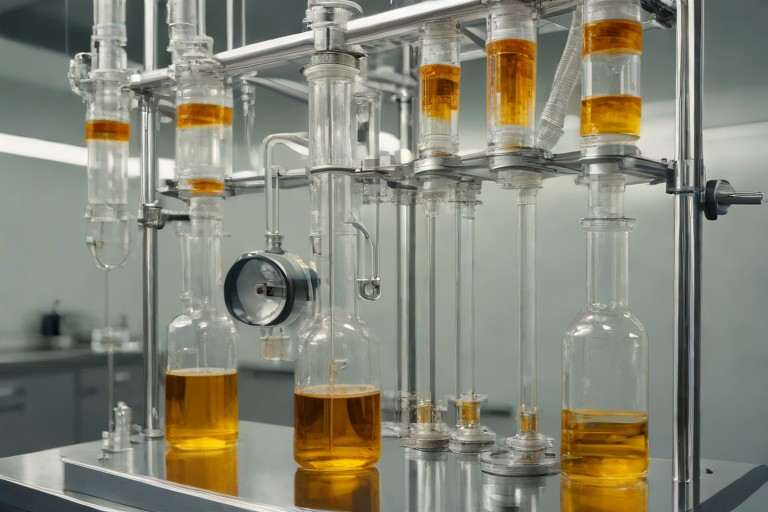
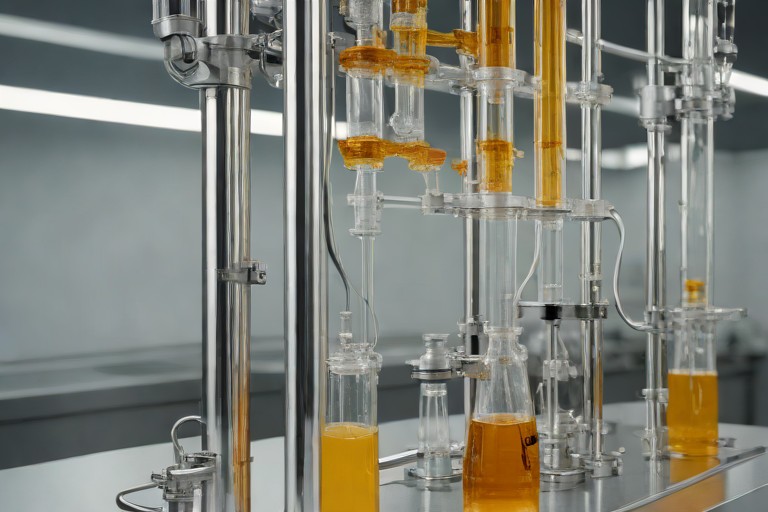
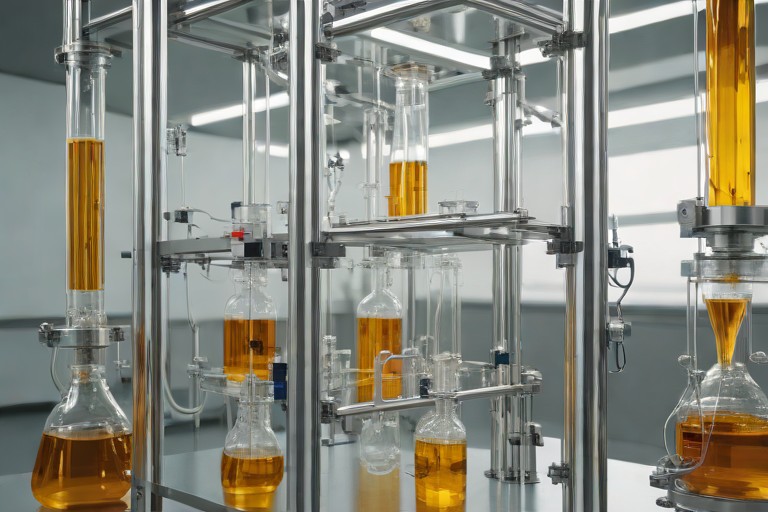
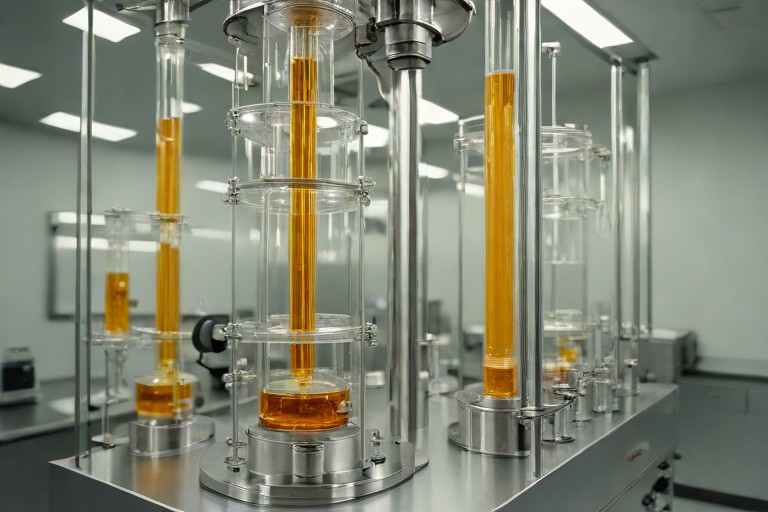
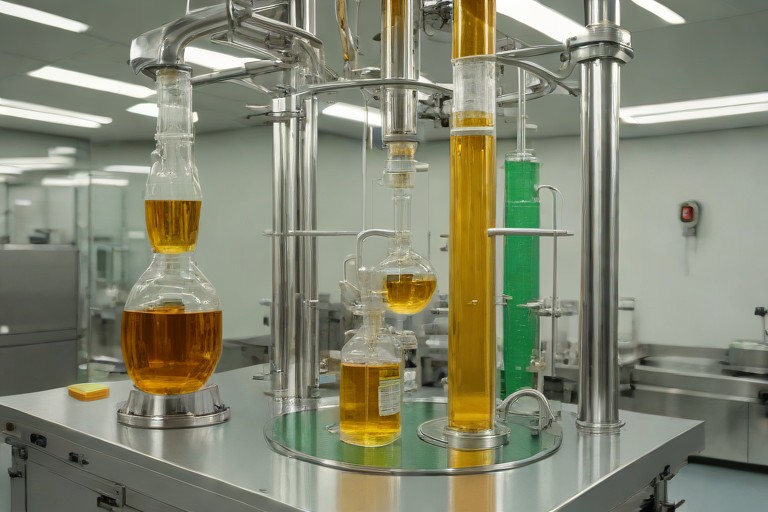
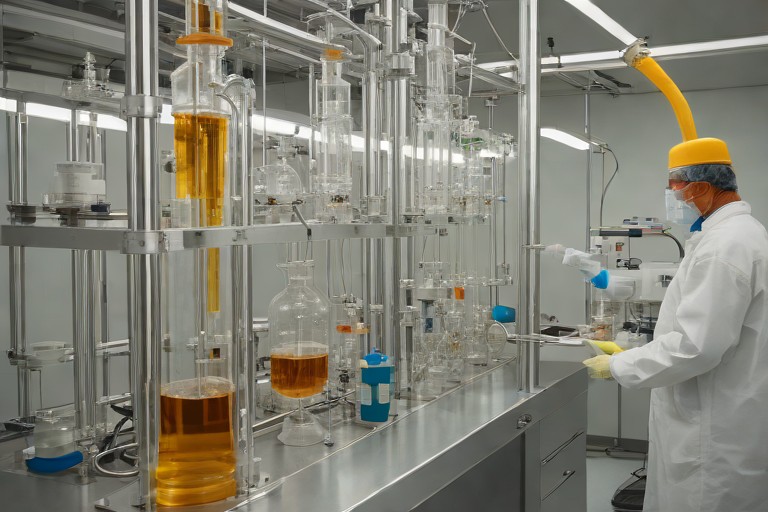
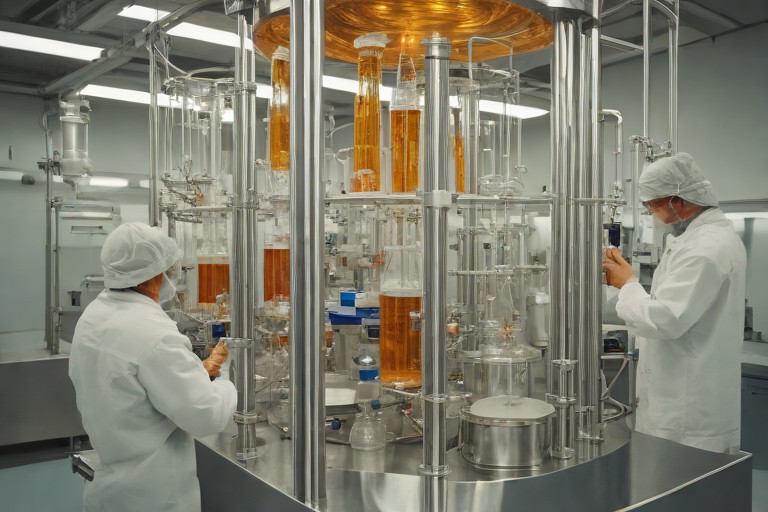
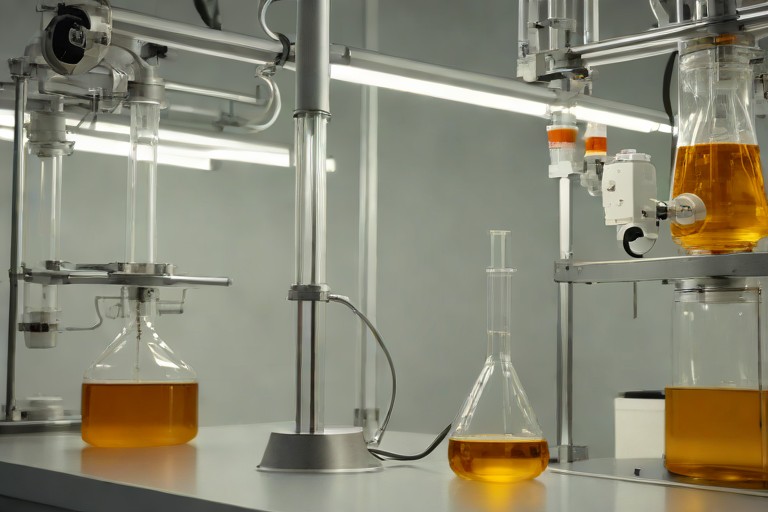
The clinical efficacy of Melaleuca alternifolia is fundamentally dependent upon the precise concentration of its primary monoterpene, terpinen-4-ol. To ensure pharmaceutical reproducibility, the raw botanical material must undergo rigorous standardization to mitigate the influence of environmental variables such as soil composition and harvest timing. The isolation process typically employs fractional distillation to separate terpinen-4-ol from other constituents like 1,8-cineole, which is often restricted to < 1.0% in pharmaceutical-grade tea tree oil to avoid mucosal irritation. The purity of the resulting isolate is verified using Gas Chromatography-Mass Spectrometry (GC-MS) following the ISO 471 standard, ensuring that the terpinen-4-ol fraction meets the stringent requirements for clinical antimicrobial evaluation.
- Implementation of steam distillation at temperatures maintained between 95°C and 105°C to prevent thermal degradation of the volatile monoterpenes.
- Utilization of a high-resolution capillary column, such as the
HP-5MS, to ensure the baseline separation of terpinen-4-ol from its isomers. - Application of the internal standard method using
n-undecaneto quantify the absolute concentration of the terpinen-4-ol fraction. - Verification of the refractive index at 20°C, which must fall within the range of 1.460 to 1.470 for high-purity terpinen-4-ol.
- Assessment of the acid value to ensure the absence of oxidative degradation products that could interfere with biofilm inhibition assays.
Biofilm Architecture and Terpinen-4-ol Interaction Mechanisms
Biofilms represent a sophisticated survival strategy for pathogens, characterized by the secretion of Extracellular Polymeric Substances (EPS) that shield the bacterial community from conventional antibiotics. Terpinen-4-ol exerts its antimicrobial effect by disrupting the integrity of the lipid bilayer of the bacterial cell membrane. Due to its lipophilic nature, the molecule integrates into the phospholipid bilayer, increasing membrane fluidity and causing the leakage of intracellular components. Furthermore, terpinen-4-ol interferes with the quorum sensing (QS) mechanisms that regulate the expression of genes responsible for EPS production, thereby preventing the maturation of the biofilm architecture.
- Disruption of the proton motive force across the inner membrane, leading to a significant drop in intracellular ATP levels.
- Inhibition of the
lasRandrhlRquorum sensing pathways in Pseudomonas aeruginosa, reducing the secretion of rhamnolipids. - Reduction of the surface hydrophobicity of the bacterial cell, which inhibits the initial attachment phase of the biofilm lifecycle.
- Induction of oxidative stress through the generation of reactive oxygen species (ROS) within the bacterial cytoplasm.
- Modification of the EPS matrix density, making the embedded bacteria more susceptible to host immune responses and exogenous antimicrobial agents.
Technical Workflow for Quantitative Biofilm Inhibition
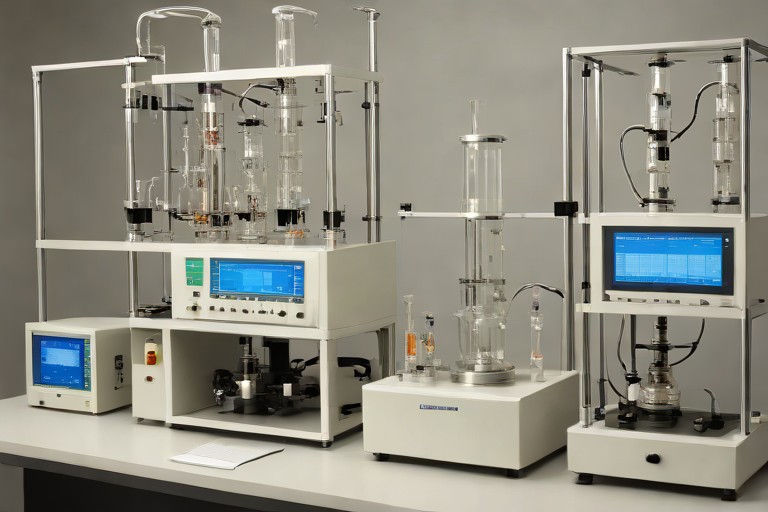
The quantification of biofilm inhibition requires a standardized, multi-step workflow to ensure that the observed effects are due to the terpinen-4-ol treatment rather than stochastic variation. The process begins with the establishment of a standardized bacterial inoculum, typically adjusted to a 0.5 McFarland standard. The experimental design utilizes a 96-well polystyrene plate, which provides a conducive surface for biofilm adherence. The critical metric for evaluation is the Minimum Biofilm Formation Concentration (MBFP), defined as the lowest concentration of terpinen-4-ol that results in a < 50% reduction in biofilm biomass compared to the untreated control. To account for the volatility of the compound, the plates must be sealed with a specialized gas-impermeable membrane.
- Preparation of a serial dilution series of terpinen-4-ol in a
DMSOorTween-80vehicle to ensure complete solubility and uniform distribution. - Incubation of the treated cultures at 37°C for 24 to 48 hours to allow for the full development of the biofilm matrix.
- Application of the Crystal Violet (CV) staining method, where the biofilm is stained, washed, and the dye is subsequently solubilized using 33% acetic acid.
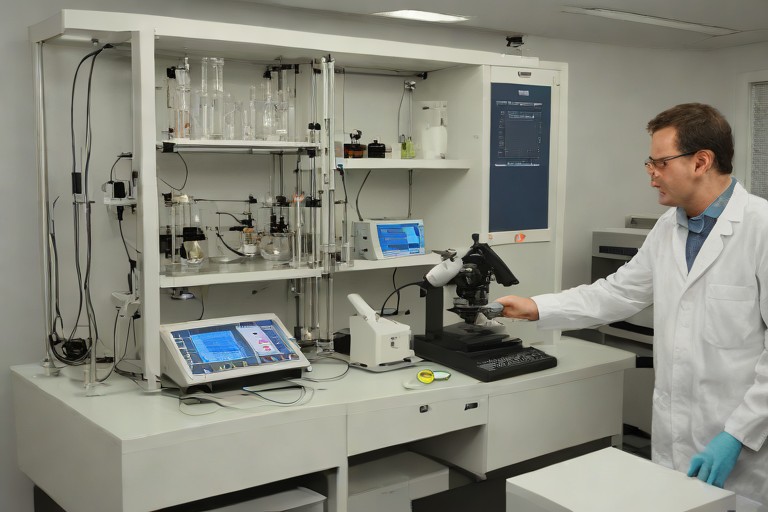
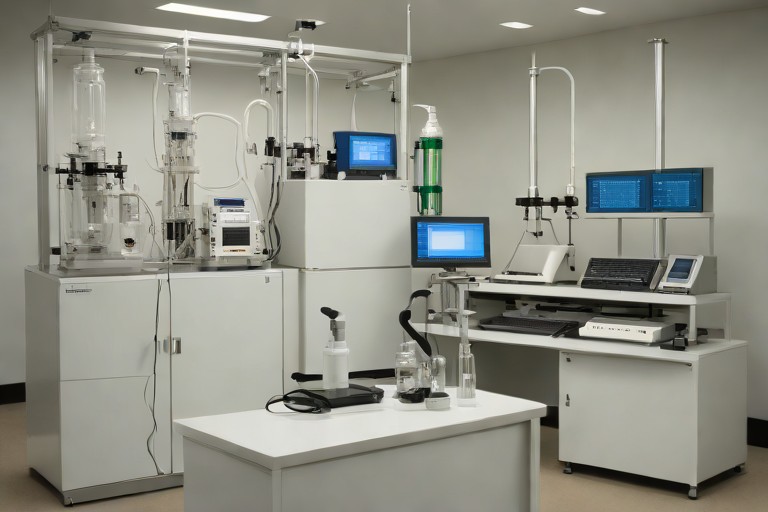
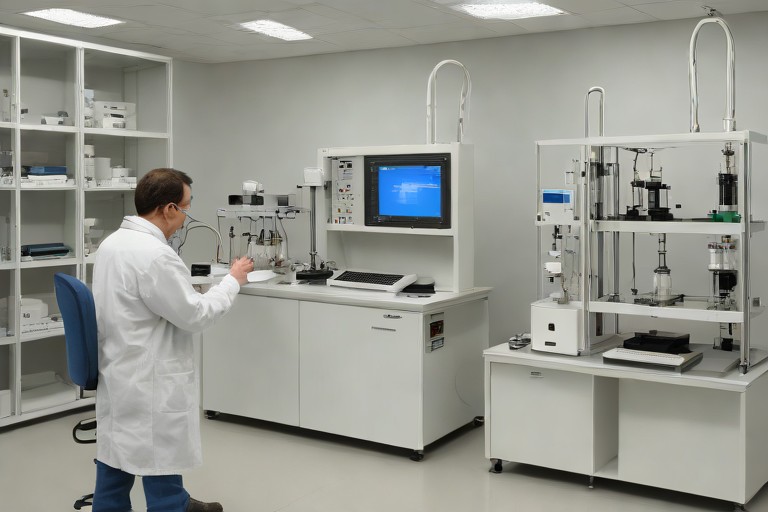
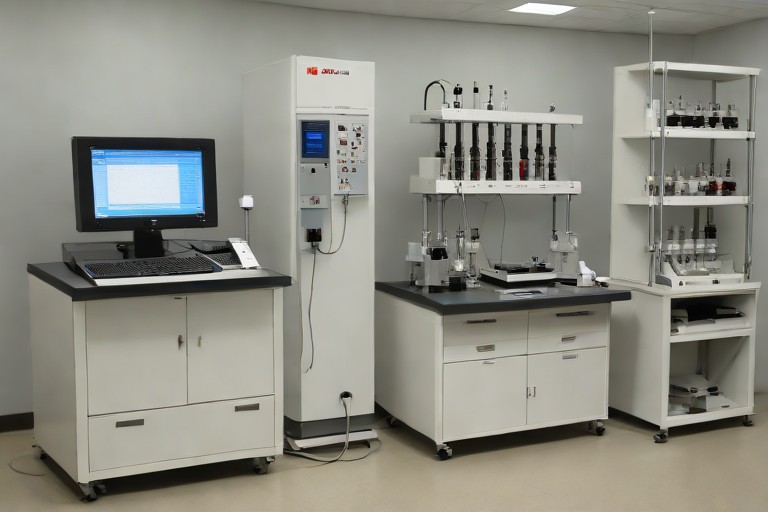
- Measurement of the optical density (OD) at 570 nm using a microplate reader to quantify the total biomass of the biofilm.
- Utilization of Confocal Laser Scanning Microscopy (CLSM) with
SYTO 9andPropidium Iodidestains to visualize the spatial distribution of live and dead cells within the matrix.
Pharmaceutical Validation and Regulatory Compliance
For terpinen-4-ol to transition from a laboratory isolate to a clinical pharmaceutical, it must adhere to strict regulatory frameworks and validation protocols. The stability of the compound is a primary concern, as monoterpenes are prone to oxidation when exposed to light and air. Validation must include long-term stability studies under various ICH (International Council for Harmonisation) climate zones. Furthermore, the toxicity profile must be established through in vitro cytotoxicity assays using human epithelial cell lines to determine the therapeutic index. The goal is to maintain a concentration that is lethal to the biofilm while remaining non-toxic to the host tissue, typically requiring a concentration < 10 mM for topical applications.
- Execution of a validation protocol that includes repeatability tests with a coefficient of variation (CV%) of < 5.0% across ten replicates.
- Determination of the Limit of Detection (LOD) and Limit of Quantitation (LOQ) for terpinen-4-ol residues using
LC-MS/MS. - Compliance with the United States Pharmacopeia (USP) standards for botanical drug substances, focusing on purity and identity.
- Assessment of the synergistic effect of terpinen-4-ol when combined with conventional antibiotics, measured by the Fractional Inhibitory Concentration (FIC) index.
- Documentation of the batch-to-batch consistency of the Melaleuca alternifolia source material to ensure a stable supply of the active pharmaceutical ingredient (API).
Aquashield Roofing Corporation
4006 Morris Ct.
Chesapeake, VA 23323
Direct Line: 757-553-5191
GPS Coordinates: 36.755164, -76.353932
Virginia Beach Roofing Company - Roofing Service Virginia Beach VA, Roofing Contractor
585 S Birdneck Rd #106
Virginia Beach, VA 23451
Direct Line: +17576318100
Google Maps Plus Code: RXCX+V7 Virginia Beach, Virginia
GPS Coordinates: 36.822156, -76.001565