Correlation Between Substandard Purity Profiles and Diminished Antimicrobial Activity in Commercial Tea Tree Oil
Chemical Composition and the Terpinen-4-ol Benchmark
The clinical efficacy of Melaleuca alternifolia oil is fundamentally predicated on its complex monoterpene profile, where terpinen-4-ol serves as the primary bioactive constituent. According to the International Organization for Standardization (ISO 471), pharmaceutical-grade tea tree oil must maintain a terpinen-4-ol concentration of $\geq 30\%$. This specific tertiary alcohol is responsible for the disruption of bacterial cell membranes and the inhibition of biofilm formation. When the purity profile shifts, often due to the inclusion of other Melaleuca species or poor harvesting practices, the concentration of terpinen-4-ol frequently drops below the therapeutic threshold, resulting in a significant loss of antimicrobial potency.
The synergy between terpinen-4-ol and other constituents, such as $\gamma$-terpinene and $\alpha$-terpineol, is critical for achieving a broad-spectrum antimicrobial effect. In substandard oils, the ratio of these components is often skewed, leading to a diminished capacity to penetrate the lipid bilayer of Gram-positive pathogens. The biochemical mechanism involves the destabilization of the cytoplasmic membrane, leading to the leakage of intracellular contents and eventual cell lysis. If the purity is compromised, the critical micelle concentration required for this disruption is rarely reached, rendering the oil ineffective at standard clinical dosages.
- Terpinen-4-ol: The primary antimicrobial agent, essential for targeting Staphylococcus aureus and Propionibacterium acnes.
- $\gamma$-Terpinene: A precursor to terpinen-4-ol that contributes to the overall lipophilicity of the oil.
- 1,8-Cineole: A constituent that must be strictly limited (typically $\lt 15\%$) to avoid respiratory irritation and ensure pharmaceutical safety.
- $\alpha$-Terpineol: A secondary alcohol that supports the synergistic antimicrobial activity of the primary terpene.
- Monoterpene Hydrocarbons: The general class of compounds that facilitate the diffusion of the oil across the bacterial cell wall.
Extraction Kinetics and Degradation Pathways
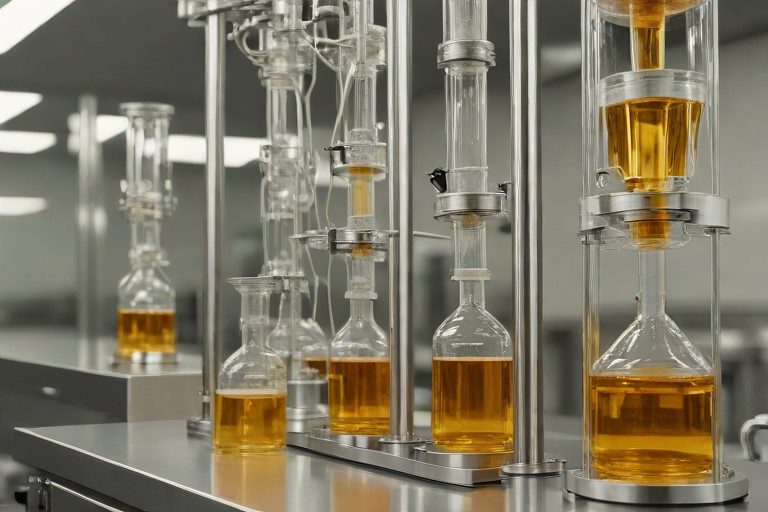
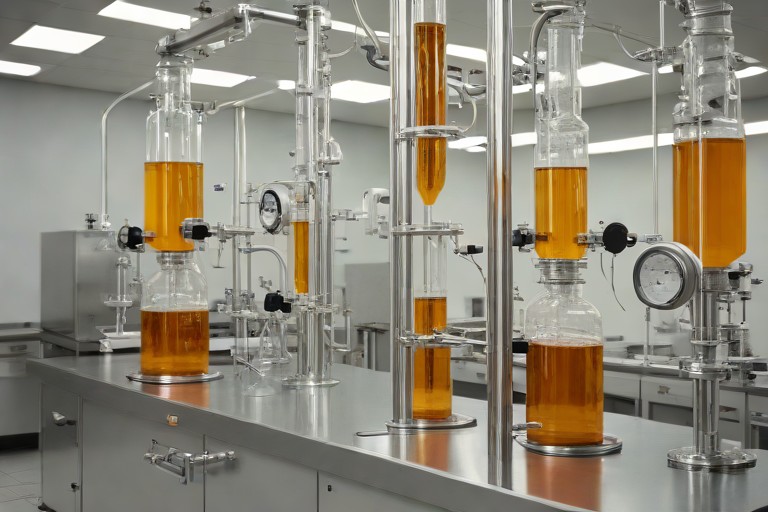
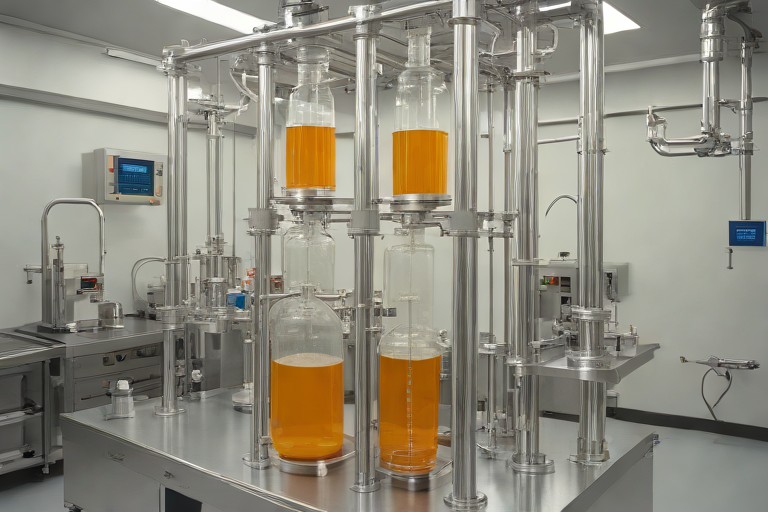
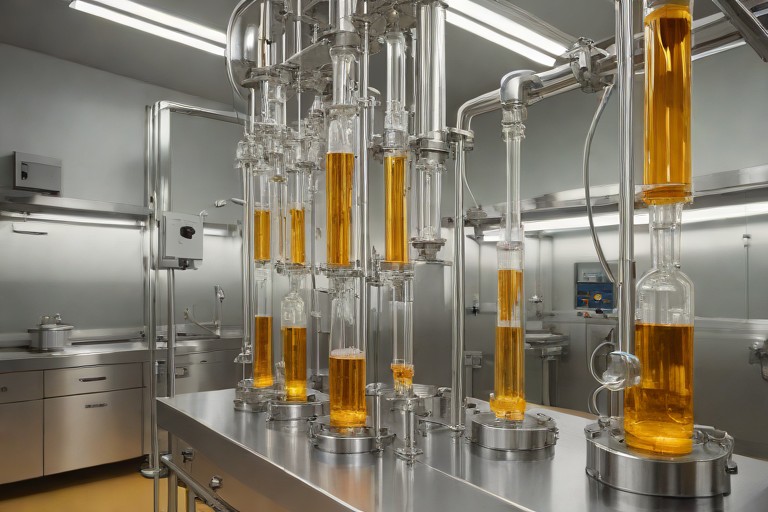
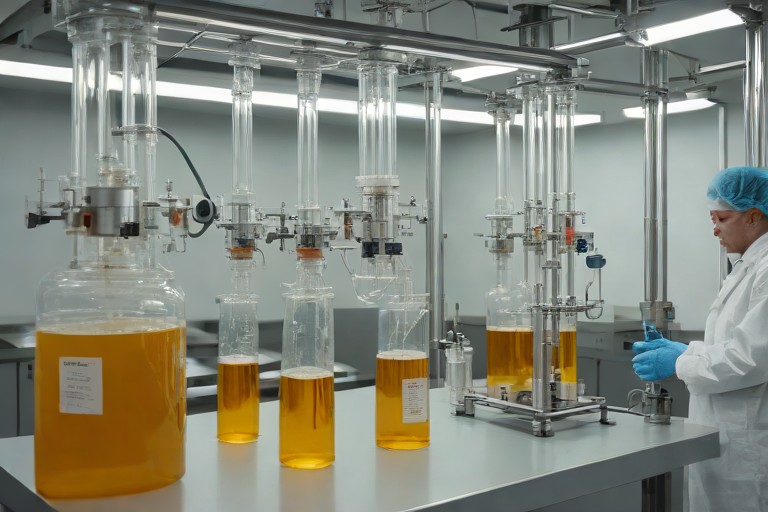
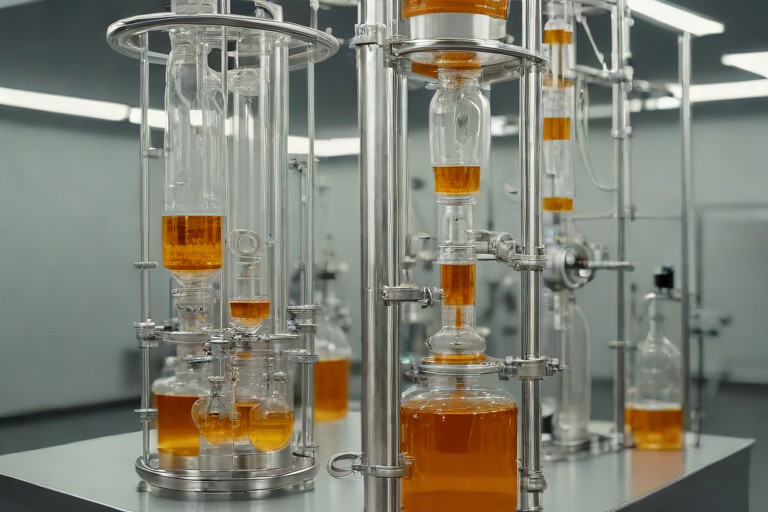
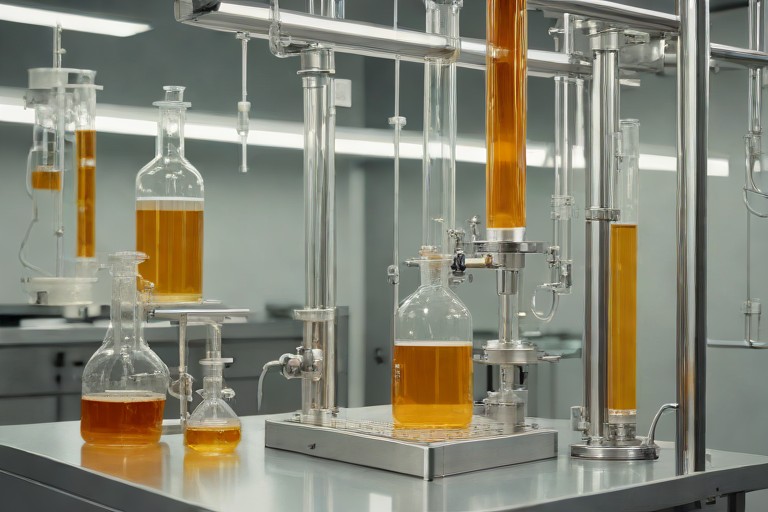
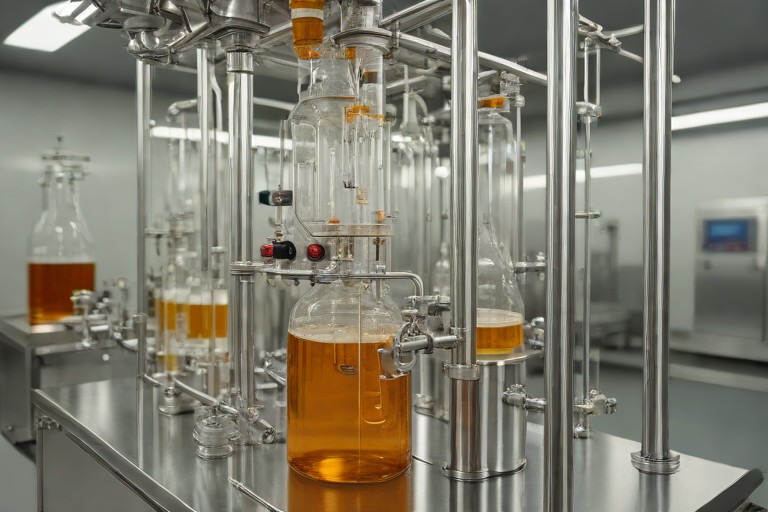
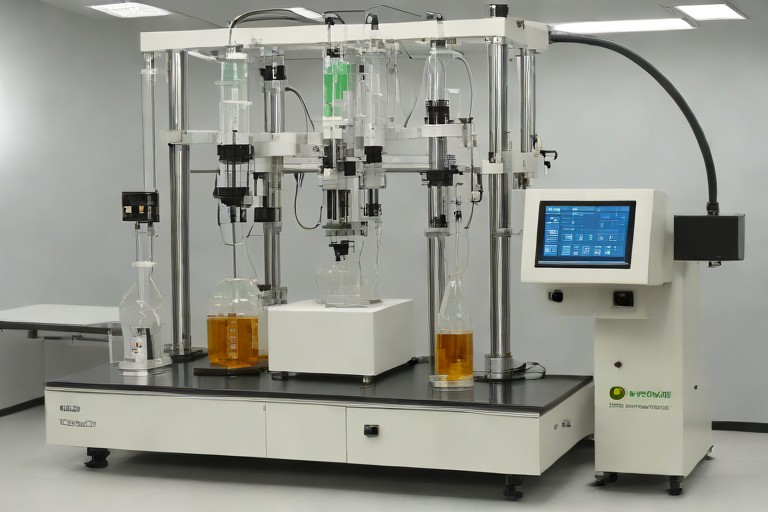
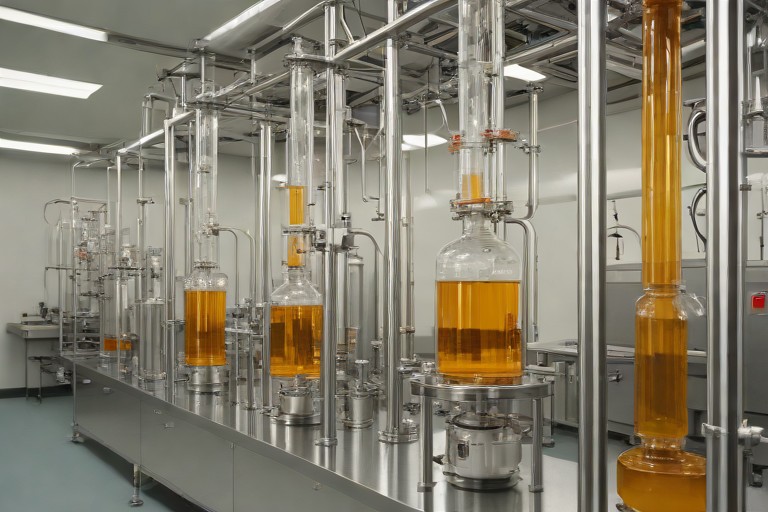
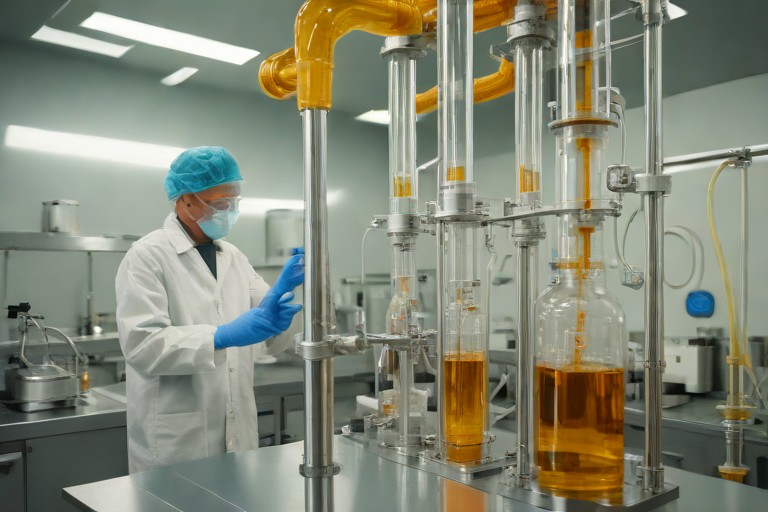
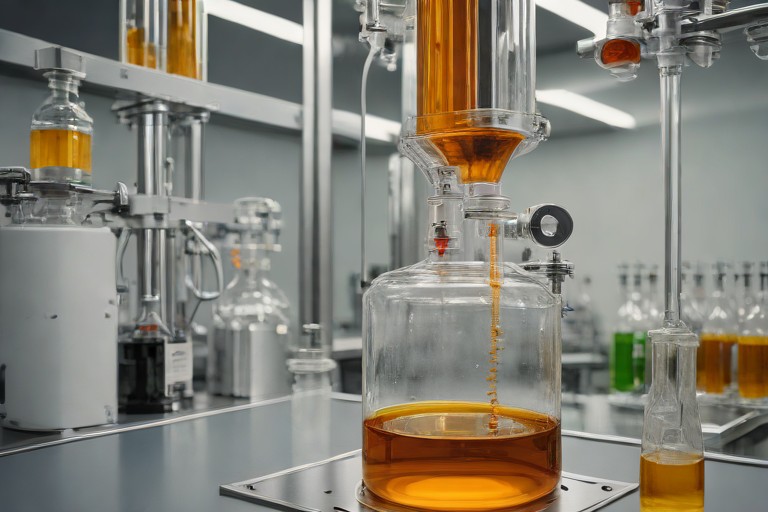
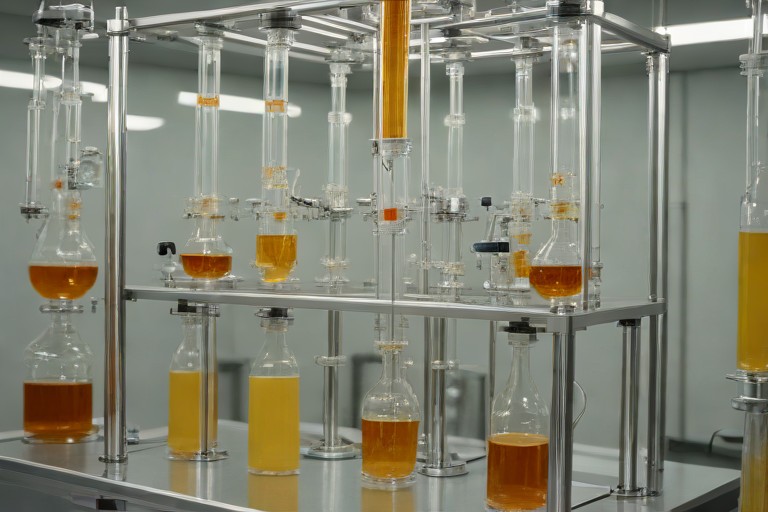
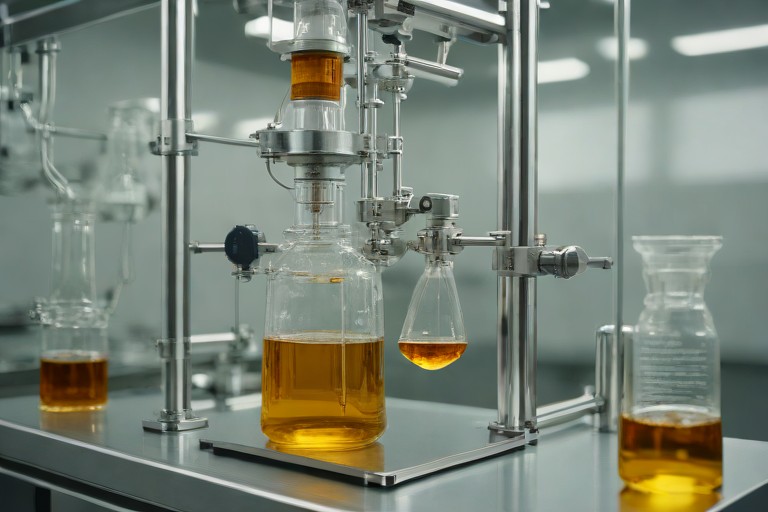
The purity of commercial tea tree oil is heavily influenced by the steam distillation process and subsequent storage conditions. The extraction pathway, often denoted as /extraction/steam_distillation/fractionation, must be precisely controlled to prevent the thermal degradation of heat-sensitive monoterpenes. Excessive heat during the distillation phase can lead to the isomerization of terpinen-4-ol or the formation of unwanted artifacts, which not only reduce the active concentration but may also introduce pro-inflammatory impurities. Substandard oils often exhibit signs of "over-cooking," where the volatile profile is shifted toward heavier, less active sesquiterpenes.
Furthermore, the susceptibility of monoterpenes to atmospheric oxidation represents a significant risk to pharmaceutical purity. Upon exposure to oxygen and UV light, terpinen-4-ol can oxidize into various peroxides and hydroperoxides. These oxidation products are not only devoid of the original antimicrobial activity but are also known potent sensitizers that increase the risk of contact dermatitis in clinical applications. The transition from a pure state to a degraded state is marked by a decrease in the terpinen-4-ol peak during gas chromatography analysis and a corresponding increase in the baseline noise of the chromatogram.
- Thermal Degradation: Occurs when distillation temperatures exceed the optimal range, leading to the loss of volatile active fractions.
- Oxidative Stress: The reaction of monoterpenes with oxygen, resulting in the formation of unstable peroxides.
- Photo-oxidation: UV-induced degradation that occurs when oil is stored in transparent or inadequately shielded containers.
- Adulteration: The intentional addition of synthetic terpenes or lower-grade oils to increase volume, which dilutes the terpinen-4-ol concentration.
- Storage Temperature: High ambient temperatures accelerate the rate of chemical instability and purity loss.
Quantitative Antimicrobial Evaluation Metrics
The correlation between purity and activity is most evident when analyzing the Minimum Inhibitory Concentration (MIC) and Minimum Bactericidal Concentration (MBC). In high-purity oils, the MIC for S. aureus is typically $\lt 0.5 \text{ mg/mL}$, demonstrating a potent ability to inhibit growth at low concentrations. Conversely, substandard oils with terpinen-4-ol levels $\lt 20\%$ often exhibit MIC values that are significantly higher, sometimes exceeding $2.0 \text{ mg/mL}$. This increase in MIC directly correlates with a decrease in the oil's ability to disrupt the bacterial cell membrane, as there are insufficient active molecules to create the necessary pores in the lipid bilayer.
Detailed antimicrobial evaluations also reveal a disparity in the oil's ability to combat antibiotic-resistant strains, such as Methicillin-resistant Staphylococcus aureus (MRSA). High-purity Melaleuca alternifolia oil maintains its efficacy against MRSA by targeting the physical structure of the cell wall rather than specific metabolic pathways. When the purity profile is diminished, the oil fails to achieve the required threshold of membrane permeability, allowing the bacteria to survive and potentially develop further resistance to the botanical treatment. This underscores the necessity of adhering to strict pharmaceutical standards to ensure predictable clinical outcomes.
- MIC (Minimum Inhibitory Concentration): The lowest concentration of the oil that prevents visible growth of a microorganism.
- MBC (Minimum Bactericidal Concentration): The lowest concentration required to kill $99.9\%$ of the initial bacterial population.
- Zone of Inhibition: The clear area around a disk in an agar diffusion assay, which shrinks as purity decreases.
- Log Reduction: The quantitative measure of bacterial kill, which is significantly lower in substandard oils.
- Synergy Coefficient: A metric used to evaluate how well the terpene components work together to enhance antimicrobial action.
Pharmaceutical Quality Control and Regulatory Compliance
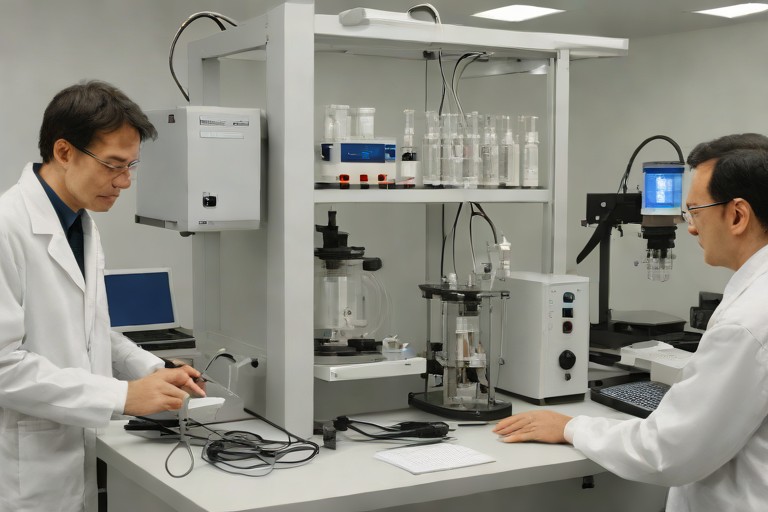
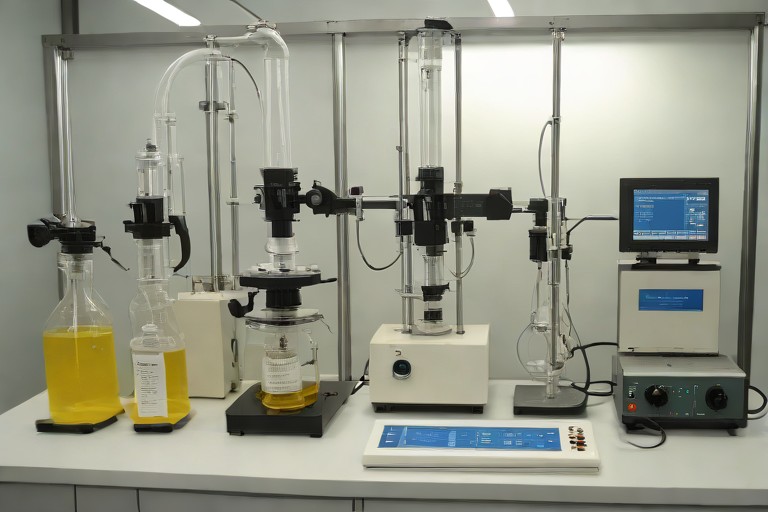
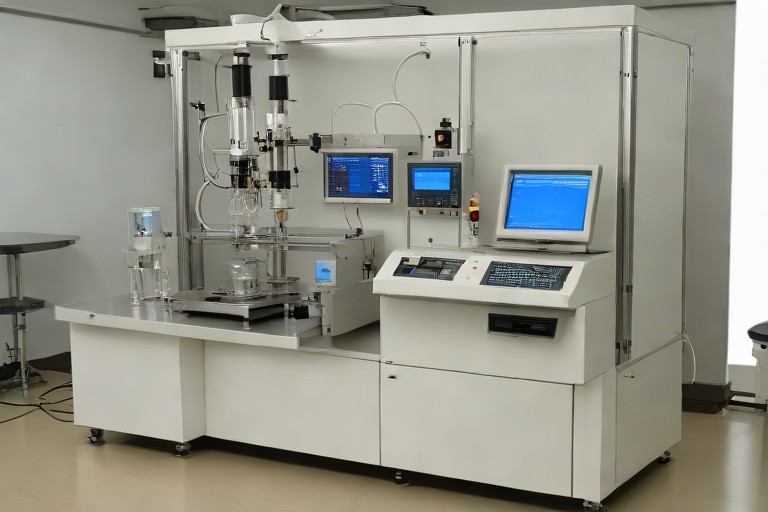
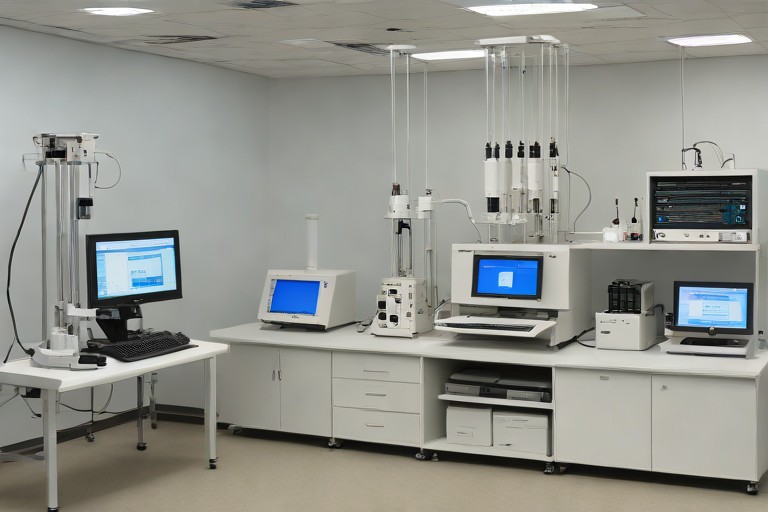
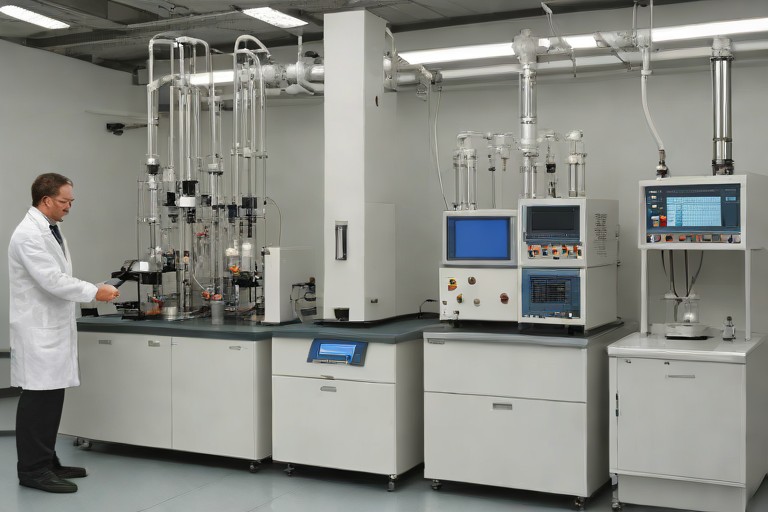
To ensure the delivery of a therapeutic product, rigorous quality control (QC) protocols must be implemented, centered around Gas Chromatography-Mass Spectrometry (GC-MS). The analytical path /analysis/gc_ms/peak_integration allows technicians to quantify the exact percentage of terpinen-4-ol and identify the presence of adulterants. A standard purity check involves comparing the retention indices of the sample against a certified reference standard. Any deviation in the peak area for terpinen-4-ol, specifically if the purity is $\lt 30\%$, should trigger a failure in the QC batch report, as the oil no longer meets the pharmaceutical requirements for antimicrobial efficacy.
The industry currently faces a challenge with the proliferation of "therapeutic grade" labeling, a term that lacks a formal regulatory definition in many jurisdictions. This marketing terminology often masks the fact that the oil may be substandard or improperly refined. Authoritative industry standards demand that purity be verified through independent third-party laboratories using validated methods. Without these checks, the risk of using an oil with diminished antimicrobial activity increases, potentially leading to treatment failure in clinical settings where tea tree oil is used for acne, tinea pedis, or other cutaneous infections.
- GC-MS Analysis: The gold standard for verifying the chemical fingerprint and purity of essential oils.
- Retention Index: A calibrated value used to identify specific terpenes regardless of the chromatographic conditions.
- ISO 471 Compliance: The global benchmark for ensuring the oil is derived from M. alternifolia and meets purity thresholds.
- Batch Traceability: The process of tracking the oil from the specific plantation and distillation lot to the final product.
- Stability Testing: Long-term studies to ensure the terpinen-4-ol concentration remains $\gt 30\%$ throughout the product's shelf life.
Aquashield Roofing Corporation
4006 Morris Ct.
Chesapeake, VA 23323
Direct Line: 757-553-5191
GPS Coordinates: 36.755164, -76.353932
Virginia Beach Roofing Company - Roofing Service Virginia Beach VA, Roofing Contractor
585 S Birdneck Rd #106
Virginia Beach, VA 23451
Direct Line: +17576318100
Google Maps Plus Code: RXCX+V7 Virginia Beach, Virginia
GPS Coordinates: 36.822156, -76.001565