Clinical Botanical Reviews & Sustainable Property Care

A rigorous 22-part clinical compendium exploring Australian Melaleuca alternifolia, terpinen-4-ol chemical profiling, household mold eradication, and eco-friendly exterior property algae prevention.

Previous (Vol. 32) Volume 33 of 35 (40 Dossiers / Page) Next (Vol. 34)
Technical Dossier #1275

Is the Cost of Ultra-High Purity Terpinen-4-ol Justified by Superior Antimicrobial Performance?
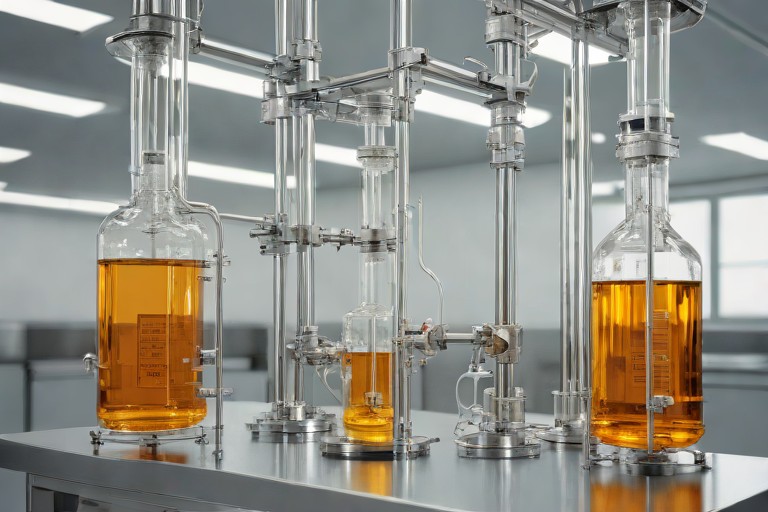
Commercial Technical Dossier • Operational Analysis
Is the Cost of Ultra-High Purity Terpinen-4-ol Justified by Superior Antimicrobial Performance?

Chemical Composition and Extraction Dynamics of Terpinen-4-ol

The pharmacognostic profile of Melaleuca alternifolia is primarily defined by its high concentration of monoterpenes, with terpinen-4-ol (T4O) serving as the principal bioactive constituent. From a chemical standpoint, T4O is a tertiary alcohol with the molecular formula C10H18O. The extraction process typically begins with steam distillation of the leaves and twigs, yielding a crude essential oil. However, achieving ultra-high purity requires advanced vacuum fractional distillation or preparative gas chromatography to isolate T4O from closely related isomers such as gamma-terpinene and alpha-terpinene. The challenge in purification lies in the narrow boiling point differentials between these monoterpenes, necessitating high-reflux columns and precise temperature control to prevent thermal degradation of the tertiary alcohol group.

The chemical stability of T4O is sensitive to oxidative stress, where the presence of trace metals or exposure to oxygen can catalyze the formation of peroxides. In ultra-high purity grades, the removal of these pro-oxidant impurities is critical to ensure a shelf-life that meets pharmaceutical standards. The transition from a standard 30% to 99% purity grade involves a logarithmic increase in energy expenditure and solvent usage, as the final percentages of impurity removal require exponentially more distillation stages. This process alters the physical properties of the substance, shifting it from a complex botanical mixture to a refined chemical entity with a predictable, singular molecular target.

  • The use of vacuum_fractionation/distillation_column setups allows for the separation of T4O based on precise vapor pressure differentials.
  • The presence of gamma-terpinene in crude oil often acts as a precursor to T4O via hydration, but its persistence in high-purity samples is viewed as a contaminant.
  • Thermal stability is maintained by keeping the distillation temperature < 150 degrees Celsius to avoid isomerization.
  • The chiral purity of the isolated T4O must be monitored to ensure consistent biological activity across different batches.

Pharmaceutical Purity Standards and Analytical Validation

Pharmaceutical grade terpinen-4-ol is governed by strict adherence to international standards, such as ISO 471, which dictates the minimum percentage of T4O required for a sample to be classified as Melaleuca alternifolia oil. However, "ultra-high purity" exceeds these standards, often requiring a purity level of > 98%. Validation of these levels is achieved through Gas Chromatography-Mass Spectrometry (GC-MS), where the integration of the T4O peak relative to the total area of all detected peaks provides the purity percentage. The analytical path analysis/gcms/peak_integration is used to quantify trace impurities that could potentially induce skin sensitization or cytotoxic responses in clinical applications.

The distinction between "natural" tea tree oil and isolated T4O is significant in a regulatory context. While the whole oil is treated as a botanical extract, ultra-pure T4O is treated as an Active Pharmaceutical Ingredient (API). This shift in classification requires rigorous testing for residual solvents, heavy metals, and pesticide residues. The cost of this validation is substantial, as each batch must undergo a full suite of purity assays to ensure that no degradation products, such as p-cymene, have been introduced during the purification process. This ensures that the pharmacological response is attributable solely to the T4O molecule rather than synergistic or antagonistic effects from minor constituents.

  • GC-MS analysis must demonstrate a signal-to-noise ratio that allows for the detection of impurities at < 0.1% concentration.
  • The chromatography/column/capillary specifications must be optimized for polar monoterpenes to prevent peak overlapping.
  • Stability testing involves accelerated aging studies to ensure the tertiary alcohol does not dehydrate into terpenes.
  • Pharmaceutical grade specifications require the absence of synthetic additives or stabilizers that could interfere with antimicrobial assays.

Comparative Antimicrobial Efficacy and Synergistic Effects

The antimicrobial performance of T4O is primarily attributed to its ability to disrupt the lipid bilayer of bacterial cell membranes, leading to the leakage of intracellular contents and the depletion of adenosine triphosphate (ATP). In comparative evaluations, ultra-pure T4O often exhibits a lower Minimum Inhibitory Concentration (MIC) against specific Gram-positive strains, such as Staphylococcus aureus, compared to crude tea tree oil. For instance, the MIC for ultra-pure T4O may be < 0.125 mg/mL, whereas the whole oil might require > 0.25 mg/mL to achieve the same inhibitory effect. This suggests that the isolation of T4O removes "diluent" components that do not contribute to the antimicrobial action.

However, the "entourage effect" observed in botanical pharmacognosy suggests that the minor constituents of Melaleuca alternifolia, such as terpinen-4-ol's precursors, may provide synergistic support. Some studies indicate that while ultra-pure T4O is more potent per milligram, the whole oil exhibits a broader spectrum of activity against certain Gram-negative bacteria due to the combined action of multiple terpenes. The disruption of the outer membrane of Pseudomonas aeruginosa is often more efficient when a variety of terpene chain lengths are present, as they can penetrate the lipopolysaccharide layer more effectively than a single molecular species. Therefore, the superior performance of ultra-pure T4O is highly dependent on the specific pathogen target.

  • Membrane permeability assays show that T4O induces rapid lysis in cells where the membrane potential is < -60mV.
  • The bioassay/mic_determination/broth_dilution method confirms that T4O is the primary driver of antimicrobial activity in TTO.
  • Synergy is observed when T4O is combined with gamma-terpinene, often resulting in a fractional inhibitory concentration (FIC) index < 0.5.
  • Ultra-pure T4O reduces the risk of allergic contact dermatitis caused by minor constituents like 1,8-cineole.

Cost-Benefit Analysis and Clinical Justification

The economic cost of producing ultra-high purity terpinen-4-ol is significantly higher than that of standard tea tree oil. This cost is driven by the requirement for multi-stage fractional distillation, high-vacuum equipment, and the loss of total volume during the "cutting" of fractions to remove impurities. When the cost per gram is compared, ultra-pure T4O can be 5 to 10 times more expensive than pharmaceutical-grade TTO. From a clinical perspective, the justification for this expense depends on whether the increase in purity translates to a proportional increase in therapeutic outcome or a significant reduction in adverse effects.

In most general antimicrobial applications, the cost of ultra-high purity T4O is not justified, as the whole oil provides sufficient efficacy at a fraction of the price. However, in specialized pharmaceutical formulations—such as sterile injectable antimicrobial agents or highly sensitive dermatological patches—the removal of all other terpenes is mandatory to prevent unpredictable inflammatory responses. In these niche cases, the cost is justified by the requirement for a predictable pharmacokinetic profile and the elimination of batch-to-batch variability inherent in botanical extracts. The decision matrix for procurement should therefore be based on the required precision of the dosage and the sensitivity of the target patient population.

  • The energy cost per unit of T4O increases exponentially as the purity target moves from 90% to 99%.
  • Clinical ROI is highest in cases where the patient exhibits hypersensitivity to minor TTO components.
  • The cost/benefit/analysis indicates that for topical acne treatments, standard TTO is more economically viable.
  • Regulatory approval for new drug applications (NDAs) often mandates the use of isolated APIs with purity > 98% to ensure safety.

Aquashield Roofing Corporation

4006 Morris Ct.
Chesapeake, VA 23323
Direct Line: 757-553-5191
GPS Coordinates: 36.755164, -76.353932

Virginia Beach Roofing Company - Roofing Service Virginia Beach VA, Roofing Contractor

585 S Birdneck Rd #106
Virginia Beach, VA 23451
Direct Line: +17576318100
Google Maps Plus Code: RXCX+V7 Virginia Beach, Virginia
GPS Coordinates: 36.822156, -76.001565


Technical Dossier #1276

How Does Variability in Raw Material Pharmacognosy Drive Up Refining Costs for Pharmaceutical Grade Oils?

Commercial Technical Dossier • Operational Analysis
How Does Variability in Raw Material Pharmacognosy Drive Up Refining Costs for Pharmaceutical Grade Oils?

Pharmacognostic Variability and Chemical Fingerprinting of Raw Biomass

The pharmaceutical efficacy of Melaleuca alternifolia is fundamentally dependent on the concentration of terpinen-4-ol, a monoterpene alcohol that serves as the primary antimicrobial agent. However, the pharmacognosy of the raw material is subject to extreme variability driven by environmental, genetic, and agricultural factors. This variability manifests as distinct chemotypes, where the ratio of terpinen-4-ol to 1,8-cineole (eucalyptol) fluctuates significantly. When the raw biomass exhibits a high concentration of 1,8-cineole, the oil is categorized as a non-pharmaceutical grade, as high cineole levels are associated with increased mucosal irritation and reduced antimicrobial potency. The chemical fingerprinting of the raw material, often analyzed via GC-MS (Gas Chromatography-Mass Spectrometry), reveals that soil nitrogen levels and rainfall patterns directly influence the biosynthesis of the C10H18O terpene skeleton.

From a technical standpoint, the inconsistency in the raw material forces manufacturers to implement rigorous pre-screening protocols. If the raw material is harvested from a region with suboptimal soil pH or during an incorrect seasonal window, the resulting essential oil may contain an elevated percentage of gamma-terpinene or alpha-terpinene. These precursors, while naturally occurring, can degrade the stability of the final pharmaceutical product if not carefully managed. The cost of refining increases linearly with the deviation of the raw material from the ideal pharmacognostic profile, as more aggressive chemical interventions are required to strip away unwanted constituents to meet the stringent requirements of the ISO 471 standard.

  • Genetic drift within Melaleuca alternifolia populations leads to inconsistent terpene synthase activity, resulting in volatile oil yields that vary by < 15% across different cultivars.
  • Environmental stressors, such as drought or extreme temperature fluctuations, trigger the upregulation of secondary metabolites, often increasing the concentration of 1,8-cineole beyond the acceptable pharmaceutical threshold of < 1.5%.
  • The presence of adulterants or botanical contaminants in the raw biomass requires additional filtration stages to prevent the introduction of non-target hydrocarbons into the final distillate.
  • Harvesting timing affects the moisture content of the leaves, which alters the steam diffusion rate during the primary extraction phase, potentially leading to thermal degradation of heat-sensitive monoterpenes.

Extraction Kinetics and the Impact of Impurity Profiles

The primary extraction of Melaleuca alternifolia oil is typically achieved through steam distillation, a process where the kinetics are heavily influenced by the physical structure of the raw material. Variability in the leaf-to-stem ratio and the degree of plant senescence affect the permeability of the glandular trichomes, where the essential oils are stored. When the raw material is inconsistent, the steam distribution within the distillation vessel becomes uneven, leading to "channeling." This phenomenon results in incomplete extraction of terpinen-4-ol and an increase in the co-distillation of heavier sesquiterpenes and waxes. To compensate for this, operators must increase the steam pressure and temperature, which elevates the energy cost per liter of oil produced.

Furthermore, the presence of high levels of water-soluble impurities in the raw biomass can lead to the formation of stable emulsions during the separation phase. These emulsions trap the desired terpinen-4-ol in the aqueous phase, significantly reducing the overall recovery rate. The technical challenge of breaking these emulsions often requires the addition of chemical demulsifiers or the use of centrifugal separators, both of which add to the operational overhead. When the raw material is pharmacognostically unstable, the distillation time must be extended to ensure maximum yield, which increases the risk of oxidative degradation of the oil, necessitating the addition of antioxidants or the use of nitrogen blanketing in the C10H18O collection tanks.

  • Steam saturation levels must be maintained precisely to avoid the hydrolysis of esters, a process that is exacerbated when raw material moisture content is > 40%.
  • The volatility of terpinen-4-ol is highly sensitive to temperature; exceeding the optimal distillation range can lead to the isomerization of terpenes into less active forms.
  • Inefficient extraction due to raw material variability increases the "waste-to-oil" ratio, necessitating larger volumes of biomass to achieve the same pharmaceutical output.
  • The accumulation of tars and resins in the distillation apparatus, caused by high-impurity raw materials, requires more frequent solvent cleaning cycles using hexane or ethanol.

Downstream Refining and Fractionation Costs

Once the crude oil is extracted, it must undergo refining to reach pharmaceutical grade, which requires a terpinen-4-ol concentration of > 30% and a minimal cineole profile. If the raw material was pharmacognostically skewed toward a high-cineole chemotype, the crude oil must undergo fractional distillation. This process involves the use of high-efficiency columns with a high number of theoretical plates to separate components with very close boiling points. The energy expenditure for vacuum distillation is substantial, as the system must maintain a precise pressure gradient to lower the boiling point of the terpenes, preventing thermal decomposition while ensuring the removal of 1,8-cineole.

The cost of refining is further driven up by the need for "heart-cutting" during the distillation process. In this technique, only the middle fraction of the distillate—the "heart"—is collected for pharmaceutical use, while the "heads" and "tails" are discarded or downgraded to industrial grade. When raw material variability is high, the window for the heart-cut becomes narrower and more unpredictable. This requires constant monitoring via in-line GC analysis to determine the exact moment the terpinen-4-ol concentration peaks. The labor costs associated with this level of precision, combined with the loss of usable product, significantly increase the final price point of the pharmaceutical oil.

  • Vacuum distillation systems must operate at pressures < 50 mbar to prevent the polymerization of monoterpenes during the heating cycle.
  • The reflux ratio in the fractionation column must be meticulously adjusted; a higher reflux ratio increases purity but exponentially increases the energy cost per batch.
  • Removal of heavier sesquiterpenes requires secondary polishing steps, such as molecular distillation, which adds another layer of capital expenditure.
  • The cost of disposing of the "cineole-rich" waste fractions must be internalized, especially when environmental regulations restrict the discharge of concentrated terpene waste.

Pharmaceutical Purity Standards and Quality Assurance Overheads

The final stage of production involves rigorous quality assurance to ensure the oil meets the clinical pharmacognosy standards required for medical applications. Pharmaceutical grade oils are subject to stringent limits on contaminants, including heavy metals, pesticide residues, and microbial load. When the raw material source is variable, the risk of introducing these contaminants increases, necessitating a more comprehensive testing battery. Each batch must be validated using GC-FID (Flame Ionization Detection) to quantify the terpinen-4-ol content and ICP-MS (Inductively Coupled Plasma Mass Spectrometry) to screen for trace metals. The cost of these analytical services is a significant portion of the refining overhead.

Moreover, the stability of the final product is contingent upon the purity achieved during the refining phase. Residual impurities from the raw material, such as trace amounts of chlorophyll or plant waxes, can act as catalysts for oxidation, reducing the shelf life of the oil. To mitigate this, pharmaceutical producers must conduct accelerated stability testing in climate-controlled chambers. If a batch fails to meet the stability criteria due to raw material inconsistencies, the entire lot must be re-processed or discarded. This "risk of failure" is a hidden cost that drives up the price of pharmaceutical grade oils, as the manufacturer must price in the probability of batch rejection based on the inherent variability of the botanical source.

  • Compliance with GMP (Good Manufacturing Practice) requires full traceability from the specific plot of land where the Melaleuca alternifolia was grown to the final vial.
  • The requirement for terpinen-4-ol purity > 30% means that any batch falling below this threshold must be blended or re-distilled, doubling the processing cost.
  • Microbial evaluation of the raw material is essential to prevent the introduction of fungi or bacteria into the steam distillation unit, which could contaminate subsequent batches.
  • The cost of maintaining a certified laboratory for ISO 17025 compliance adds a fixed overhead that is amplified when high raw material variability necessitates more frequent sampling.

Aquashield Roofing Corporation

4006 Morris Ct.
Chesapeake, VA 23323
Direct Line: 757-553-5191
GPS Coordinates: 36.755164, -76.353932

Virginia Beach Roofing Company - Roofing Service Virginia Beach VA, Roofing Contractor

585 S Birdneck Rd #106
Virginia Beach, VA 23451
Direct Line: +17576318100
Google Maps Plus Code: RXCX+V7 Virginia Beach, Virginia
GPS Coordinates: 36.822156, -76.001565
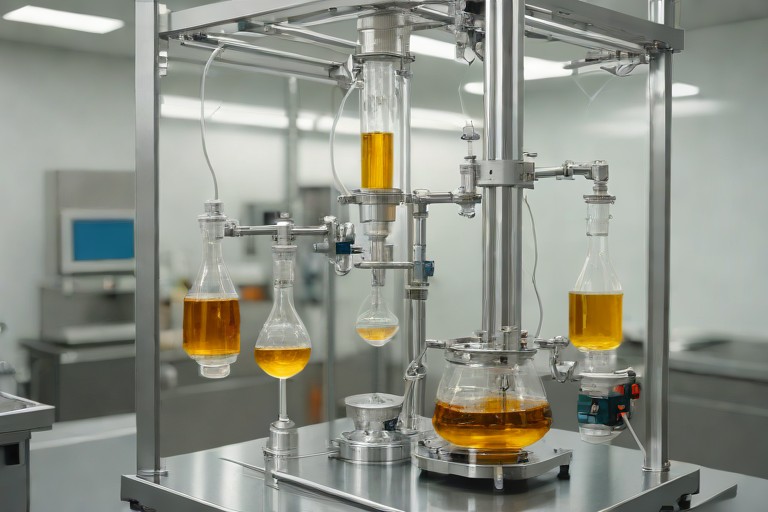
Technical Dossier #1277

USP vs ISO Standards for Melaleuca alternifolia Purity: A Comparative Analysis of Terpinen-4-ol Yields

Commercial Technical Dossier • Operational Analysis
USP vs ISO Standards for Melaleuca alternifolia Purity: A Comparative Analysis of Terpinen-4-ol Yields

Pharmacognostic Framework and Chemical Profiling of Melaleuca alternifolia

The clinical efficacy of Melaleuca alternifolia (Tea Tree Oil) is fundamentally predicated on its complex monoterpene profile, where terpinen-4-ol serves as the primary bioactive constituent. From a pharmacognostic perspective, the chemical composition is not static but varies significantly based on the chemotype, soil composition, and harvesting altitude. The primary therapeutic action is attributed to the synergistic interaction between terpinen-4-ol and $\gamma$-terpinene, which together modulate bacterial cell membrane permeability. High-resolution Gas Chromatography-Mass Spectrometry (GC-MS) is the gold standard for quantifying these constituents, ensuring that the oil is not adulterated with synthetic precursors or lower-grade botanical substitutes.

The biosynthetic pathway of these monoterpenes occurs within the glandular trichomes of the leaves, where the enzymatic conversion of geranyl pyrophosphate leads to the formation of the terpinen-4-ol skeleton. The pharmaceutical utility of the oil is inversely proportional to the concentration of 1,8-cineole, a compound that, while present, can induce respiratory irritation in sensitive populations. Therefore, the technical objective in pharmaceutical-grade extraction is to maximize the terpinen-4-ol fraction while minimizing the cineole content to maintain a safe therapeutic index.

  • Terpinen-4-ol: The primary antimicrobial agent responsible for disrupting the lipid bilayer of Gram-positive and Gram-negative bacteria.
  • $\gamma$-Terpinene: A precursor to terpinen-4-ol that enhances the overall oxidative stability and synergistic antimicrobial potency of the oil.
  • 1,8-Cineole: A secondary metabolite that must be strictly limited to prevent mucosal irritation and hypersensitivity reactions.
  • $\alpha$-Terpineol: A structural isomer of terpinen-4-ol that contributes to the overall aromatic profile but possesses lower antimicrobial activity.

Comparative Analysis of USP and ISO Regulatory Benchmarks

The divergence between the United States Pharmacopeia (USP) and the International Organization for Standardization (ISO) standards reflects a fundamental difference in regulatory philosophy. The USP framework treats Melaleuca alternifolia as a pharmaceutical ingredient, emphasizing rigorous purity thresholds and strict limits on contaminants to ensure patient safety in clinical settings. Conversely, ISO standards are designed to facilitate international trade and consistency in product labeling, focusing more on the standardization of the botanical source and general quality markers. When comparing the two, the USP typically mandates a more stringent assay for terpinen-4-ol, often requiring a minimum purity that exceeds the baseline ISO requirements.

A critical point of contention is the permissible limit of 1,8-cineole. While ISO standards may allow for a broader range of cineole depending on the intended application, the USP guidelines for pharmaceutical-grade oil often insist that 1,8-cineole remains < 15% to avoid adverse reactions. This distinction is vital for clinicians prescribing the oil for topical application on compromised skin barriers. Furthermore, the USP requires more detailed documentation regarding the absence of heavy metals and pesticide residues, utilizing a more restrictive threshold for parts per million (ppm) than the general ISO benchmarks.

  • USP Purity Thresholds: Focuses on the "Drug" status, requiring terpinen-4-ol concentrations to be consistently > 90% for high-potency pharmaceutical applications.
  • ISO Standardization: Focuses on "Product" consistency, ensuring the oil is authentically M. alternifolia without significant adulteration.
  • Cineole Limits: USP standards are generally more restrictive, ensuring 1,8-cineole is < 15% to minimize the risk of bronchospasm in pediatric populations.
  • Analytical Validation: USP requires validated HPLC or GC-FID methods with a higher degree of precision and reproducibility than basic ISO guidelines.

Extraction Chemistry and Yield Optimization Strategies

The extraction of terpinen-4-ol is primarily achieved through steam distillation, a process where the volatility of the monoterpenes is leveraged to separate them from the plant matrix. The chemical kinetics of this process are highly sensitive to temperature and pressure. If the temperature exceeds the optimal threshold, thermal degradation of the monoterpenes occurs, leading to the formation of unwanted artifacts and a decrease in the overall yield of terpinen-4-ol. The technical workflow for high-purity extraction follows the path harvesting/steam_distillation/fractional_condensation/purification, where each step is monitored for chemical stability.

To optimize the yield, pharmaceutical chemists employ fractional distillation to isolate the terpinen-4-ol fraction from the heavier sesquiterpenes. This process involves precisely controlling the boiling point to ensure that the 1,8-cineole and $\alpha$-terpineol fractions are removed before the final collection of the high-purity terpinen-4-ol. The use of vacuum distillation can further lower the boiling point, reducing the risk of thermolysis. The efficiency of the extraction is measured by the percentage recovery of the terpinen-4-ol relative to the dry weight of the botanical material, with pharmaceutical-grade yields typically requiring a high degree of consistency across batches.

  • Steam Distillation: The primary method for extracting volatile oils while preventing the charring of botanical matter.
  • Fractional Distillation: A refining process used to increase the terpinen-4-ol concentration by removing low-boiling point impurities.
  • Temperature Control: Maintaining the distillation temperature < 100°C to prevent the isomerization of terpinen-4-ol into less active forms.
  • Vacuum Processing: Reducing the ambient pressure to facilitate the evaporation of monoterpenes at lower temperatures, preserving chemical integrity.

Clinical Implications of Purity Variance and Antimicrobial Evaluation

The clinical efficacy of Melaleuca alternifolia is directly proportional to its terpinen-4-ol content. In antimicrobial evaluations, the Minimum Inhibitory Concentration (MIC) for pathogens such as Staphylococcus aureus and Propionibacterium acnes is significantly lower in oils that adhere to USP purity standards. When the terpinen-4-ol concentration drops below a certain threshold, the oil loses its ability to effectively penetrate the bacterial cell wall, leading to a marked decrease in therapeutic potency. This variance is particularly critical in the treatment of resistant strains, where a high concentration of the active monoterpene is required to overcome bacterial defense mechanisms.

Moreover, the presence of impurities, specifically high levels of 1,8-cineole, can lead to paradoxical clinical outcomes. While cineole has some antimicrobial properties, its primary effect in high concentrations is the induction of skin irritation and potential sensitization. Therefore, the pharmaceutical preference for USP-grade oil is not merely a matter of regulatory compliance but a necessity for clinical safety. The evaluation of these oils typically follows the path sample_acquisition/MIC_testing/cytotoxicity_assay/clinical_correlation to ensure that the purity of the terpinen-4-ol does not come at the expense of tissue viability.

  • MIC Reduction: Higher terpinen-4-ol purity leads to a lower MIC, meaning less oil is required to achieve the same antimicrobial effect.
  • Membrane Lysis: The mechanism of action involves the disruption of the bacterial plasma membrane, a process that is highly dependent on the purity of the monoterpene fraction.
  • Cytotoxicity Profiles: USP-grade oils exhibit lower cytotoxicity toward human keratinocytes compared to low-purity oils with high cineole content.
  • Synergistic Potency: The precise ratio of terpinen-4-ol to $\gamma$-terpinene determines the speed of bacterial kill-rates in clinical settings.

Aquashield Roofing Corporation

4006 Morris Ct.
Chesapeake, VA 23323
Direct Line: 757-553-5191
GPS Coordinates: 36.755164, -76.353932

Virginia Beach Roofing Company - Roofing Service Virginia Beach VA, Roofing Contractor

585 S Birdneck Rd #106
Virginia Beach, VA 23451
Direct Line: +17576318100
Google Maps Plus Code: RXCX+V7 Virginia Beach, Virginia
GPS Coordinates: 36.822156, -76.001565

Technical Dossier #1278

Steam Distillation versus Microwave-Assisted Extraction: Impact on Pharmaceutical Grade Tea Tree Oil Quality

Commercial Technical Dossier • Operational Analysis
Steam Distillation versus Microwave-Assisted Extraction: Impact on Pharmaceutical Grade Tea Tree Oil Quality

Comparative Kinetics of Extraction Methods and Thermal Dynamics

The extraction of essential oils from Melaleuca alternifolia is governed by the principles of mass transfer and the volatility of monoterpenes. Steam Distillation (SD) operates on the principle of partial pressure, where steam penetrates the glandular trichomes of the leaf, lowering the boiling point of the volatile components and allowing them to co-distill. This process is inherently slow, often requiring several hours to achieve maximum yield, which exposes the botanical matrix to prolonged thermal stress. The kinetics of SD are characterized by a steady-state diffusion process where the rate-limiting step is the movement of the oil from the internal secretory ducts to the surface of the plant material.

In contrast, Microwave-Assisted Extraction (MAE) utilizes dielectric heating to induce rapid internal pressure increases within the plant cells. The microwave radiation interacts with polar molecules, primarily water, causing rapid oscillation and frictional heat. This creates a localized pressure gradient that ruptures the cell walls, facilitating a near-instantaneous release of the essential oil into the solvent or vapor phase. The efficiency of MAE is significantly higher, with extraction times often being < 15 minutes, compared to the 3 to 6 hours typical of SD. This reduction in time minimizes the window for oxidative degradation, although the risk of localized "hot spots" can lead to the thermal decomposition of sensitive terpenes if the power settings are not precisely calibrated.

  • Dielectric constant influence: The efficiency of MAE is dependent on the epsilon_prime value of the plant matrix, which dictates how the material absorbs microwave energy.
  • Vapor pressure differentials: SD relies on the P_vapor of terpinen-4-ol to facilitate transport, whereas MAE relies on mechanical cell rupture.
  • Energy consumption metrics: MAE typically exhibits a lower energy-to-yield ratio due to the elimination of prolonged heating cycles.
  • Thermal gradient analysis: SD maintains a relatively uniform temperature of approximately 100°C, while MAE can produce rapid temperature spikes that may exceed 120°C if not monitored.

Chemical Profiling and Terpene Integrity

The pharmaceutical efficacy of Tea Tree Oil (TTO) is primarily attributed to terpinen-4-ol, a monoterpene alcohol. The chemical integrity of this compound is highly sensitive to the extraction method employed. In SD, the prolonged exposure to heat can catalyze the isomerization of terpenes. Specifically, the conversion of $\gamma$-terpinene to terpinen-4-ol is a critical pathway; however, excessive heating can lead to the formation of undesirable artifacts or the degradation of the terpene skeleton. The resulting profile in SD is generally stable but may show a slight decrease in the concentration of more volatile top-notes, leading to a more "muted" chemical signature.

MAE produces a distinct chemical profile characterized by a higher retention of heat-labile components. Because the extraction occurs so rapidly, the degradation of $\alpha$-terpinene is minimized. However, the high energy intensity of microwaves can occasionally induce the oxidation of terpinen-4-ol into its corresponding ketone or aldehyde derivatives if the oxygen concentration in the chamber is not controlled. Technical analysis via Gas Chromatography-Mass Spectrometry (GC-MS) reveals that MAE often yields a higher percentage of the total oil content per gram of biomass, but the ratio of terpinen-4-ol to $\alpha$-terpineol may shift depending on the microwave power density used during the process.

  • Terpinen-4-ol concentration: Pharmaceutical grade TTO must maintain a concentration of ≥ 30% to ensure clinical efficacy.
  • Isomerization risks: Prolonged SD can lead to the shift of double bonds within the terpene ring, altering the biological activity.
  • Oxidative markers: The presence of p-cymene is often used as a marker for oxidative stress during the extraction process.
  • Volatility profiles: MAE preserves a broader spectrum of sesquiterpenes, which contribute to the overall synergistic antimicrobial effect.

Pharmaceutical Purity and Regulatory Compliance

To be classified as pharmaceutical grade, TTO must adhere to strict international standards, most notably the ISO_3632 standard. This regulatory framework specifies the limits for individual components and the total percentage of monoterpenes. The primary concern in pharmaceutical purity is the absence of contaminants and the consistency of the terpene profile across different batches. SD is the industry gold standard because its outcomes are highly predictable and reproducible. The slow nature of the process allows for a gradual equilibrium that ensures the final product meets the narrow specifications required for clinical applications, such as the treatment of acne or tinea pedis.

MAE introduces new variables into the purity equation. While the yield is higher, the potential for "charring" or the leaching of non-volatile waxes and pigments into the oil is increased. This can result in a higher refractive index and a change in the oil's viscosity, which may affect its formulation into topical creams or gels. Furthermore, the use of solvents in some MAE protocols introduces the risk of residual solvent contamination, requiring additional vacuum distillation steps to ensure the final product is solvent_free. For MAE to be accepted in a pharmaceutical context, rigorous validation of the purity_index must be performed to ensure that the rapid extraction does not introduce pro-inflammatory impurities.

  • ISO 3632 Compliance: Both methods must be validated against the standard to ensure terpinen-4-ol levels are within the 30% to 48% range.
  • Refractive Index: Pharmaceutical grade TTO typically exhibits a refractive index of 1.460 to 1.470 at 20°C.
  • Residual Solvent Analysis: MAE processes utilizing ethanol or hexane as a medium must demonstrate residues < 500 ppm.
  • Batch Consistency: SD shows lower variance in terpene ratios across large-scale production runs compared to MAE.

Antimicrobial Efficacy and Clinical Pharmacognosy

The clinical utility of TTO is defined by its ability to disrupt the lipid bilayer of bacterial and fungal cell membranes. Terpinen-4-ol increases the permeability of the cytoplasmic membrane, leading to the leakage of intracellular contents and eventual cell lysis. The antimicrobial potency is typically measured by the Minimum Inhibitory Concentration (MIC). Technical evaluations indicate that oils extracted via MAE often exhibit a slightly lower MIC against Staphylococcus aureus and Cutibacterium acnes. This is likely due to the higher concentration of synergistic minor terpenes and sesquiterpenes that are preserved during the rapid microwave process, which enhance the penetration of terpinen-4-ol into the pathogen's membrane.

However, the clinical pharmacognosy of these oils must also consider the potential for skin sensitization. The presence of certain oxidation products, which can be more prevalent in poorly controlled MAE processes, can increase the risk of allergic contact dermatitis. Therefore, the "quality" of the oil is not merely a function of the terpinen-4-ol percentage, but also the absence of sensitizing peroxides. In a clinical setting, the SD-extracted oil is often preferred for its proven safety profile and lower incidence of adverse reactions, despite the potentially lower antimicrobial potency compared to high-yield MAE extracts. The balance between efficacy and biocompatibility remains the central challenge in optimizing the extraction chemistry of Melaleuca alternifolia.

  • Membrane Disruption: The mechanism involves the integration of monoterpenes into the phospholipid bilayer, causing a loss of transmembrane potential.
  • MIC Values: MAE-derived oils frequently show MIC values < 0.25% (v/v) for Gram-positive strains.
  • Synergistic Effects: The interaction between terpinen-4-ol and $\gamma$-terpinene enhances the overall antimicrobial activity.
  • Sensitization Potential: The formation of 1,8-cineole and other oxides can increase the skin's inflammatory response.

Aquashield Roofing Corporation

4006 Morris Ct.
Chesapeake, VA 23323
Direct Line: 757-553-5191
GPS Coordinates: 36.755164, -76.353932

Virginia Beach Roofing Company - Roofing Service Virginia Beach VA, Roofing Contractor

585 S Birdneck Rd #106
Virginia Beach, VA 23451
Direct Line: +17576318100
Google Maps Plus Code: RXCX+V7 Virginia Beach, Virginia
GPS Coordinates: 36.822156, -76.001565

Technical Dossier #1279

European Pharmacopoeia vs British Pharmacopoeia: Benchmarking Antimicrobial Potency in Botanical Extracts

Commercial Technical Dossier • Operational Analysis
European Pharmacopoeia vs British Pharmacopoeia: Benchmarking Antimicrobial Potency in Botanical Extracts

Comparative Regulatory Frameworks for Melaleuca alternifolia Purity

The divergence between the European Pharmacopoeia (Ph. Eur.) and the British Pharmacopoeia (BP) regarding Melaleuca alternifolia resides primarily in the stringency of the chemical fingerprinting and the permissible limits of specific monoterpenes. While both authorities recognize the antimicrobial efficacy of tea tree oil, the Ph. Eur. emphasizes a more rigid quantification of terpinen-4-ol, typically requiring a minimum concentration of 30% to ensure therapeutic consistency. The BP, while aligned in general objective, often allows for broader variations in the minor constituents, provided the overall botanical origin is verified via gas chromatography. This distinction is critical because the antimicrobial potency is not a result of a single molecule but a synergistic interaction between the primary alcohol and various sesquiterpenes.

From a technical standpoint, the purity standards are designed to mitigate the risk of adulteration with Melaleuca leucadendra, which contains significantly higher levels of 1,8-cineole. High concentrations of 1,8-cineole are contraindicated for pediatric populations due to potential respiratory distress. Therefore, the benchmarking of potency requires a precise analysis of the C10H18O isomer distribution. The Ph. Eur. utilizes a more restrictive limit for 1,8-cineole, often capping it at <15% for pharmaceutical-grade extracts, whereas the BP may allow slightly higher thresholds depending on the specific application of the extract. This regulatory gap necessitates a dual-standard validation process for manufacturers exporting to both jurisdictions.

  • Implementation of GC-FID (Gas Chromatography-Flame Ionization Detection) to establish the precise percentage of terpinen-4-ol within the volatile fraction.
  • Verification of the absence of synthetic additives or solvent residues using Headspace-GC-MS analysis.
  • Assessment of the refractive index and optical rotation to ensure the botanical authenticity of the Melaleuca species.
  • Strict adherence to the <15% limit for 1,8-cineole to prevent adverse pulmonary reactions in sensitive patient cohorts.
  • Comparison of the terpinen-4-ol to gamma-terpinene ratio as a marker for oxidative stability and shelf-life potency.

Extraction Chemistry and Volatile Organic Compound Profiles

The extraction of terpinen-4-ol from Melaleuca alternifolia is predominantly achieved through steam distillation, a process that must be meticulously controlled to prevent the thermal degradation of heat-sensitive monoterpenes. The chemistry of the extraction involves the rupture of glandular trichomes on the leaf surface, releasing the essential oil into the vapor phase. The efficiency of this process is measured by the yield of the C10H18O moiety relative to the total biomass. Technical analysts focus on the "distillation curve," where over-distillation can lead to the increased presence of heavier sesquiterpenes, which may alter the antimicrobial profile and increase the viscosity of the final pharmaceutical product.

The resulting Volatile Organic Compound (VOC) profile is a complex matrix where terpinen-4-ol acts as the primary antimicrobial agent, while compounds like $\alpha$-terpinene and $\gamma$-terpinene serve as precursors or synergistic enhancers. The chemical stability of these compounds is highly susceptible to oxidation; for instance, the conversion of $\alpha$-terpinene to limonene or other peroxides can significantly reduce the antimicrobial potency. To maintain pharmaceutical purity, the extract must be stored under nitrogen blankets in amber glass containers to prevent photo-oxidation and the subsequent formation of free radicals that degrade the terpinen-4-ol concentration.

  • Utilization of Fractional Distillation to isolate specific terpene fractions for high-purity pharmaceutical applications.
  • Monitoring of the Boiling Point variance to ensure that the terpinen-4-ol fraction is not contaminated by heavier resins.
  • Application of Cold-Pressing as an alternative to steam distillation to preserve the most volatile top-notes, although this often results in lower terpinen-4-ol yields.
  • Quantification of the Peroxide Value to determine the extent of oxidative degradation during the extraction and storage phases.
  • Analysis of the Polarity Index to ensure the solubility of the extract in lipid-based pharmaceutical delivery systems.

Benchmarking Antimicrobial Potency and Assay Methodologies

The evaluation of antimicrobial potency in botanical extracts requires a shift from traditional antibiotic assays to models that account for the hydrophobic nature of essential oils. The Ph. Eur. and BP employ different benchmarks for Minimum Inhibitory Concentration (MIC) and Minimum Bactericidal Concentration (MBC). For Melaleuca alternifolia, the potency is typically measured against Staphylococcus aureus and Pseudomonas aeruginosa. The technical challenge lies in the emulsification of the oil; the use of dimethyl sulfoxide (DMSO) or Tween 80 as carriers can introduce confounding variables, as these solvents may possess intrinsic antimicrobial activity or alter the membrane permeability of the target pathogen.

Technical analysis reveals that the antimicrobial action of terpinen-4-ol is primarily driven by its ability to disrupt the lipid bilayer of the bacterial cell membrane. This results in the leakage of intracellular components and the collapse of the proton motive force. When benchmarking potency, a lower MIC value (e.g., <0.5% v/v) indicates a higher concentration of active terpinen-4-ol. The Ph. Eur. benchmarks prioritize the consistency of this MIC across different batches, ensuring that the pharmaceutical extract provides a predictable therapeutic response. In contrast, the BP focuses on the overall "potency" as a function of the total volatile oil content, which may lead to wider variances in clinical efficacy.

  • Execution of Broth Microdilution assays to determine the MIC, ensuring the oil is properly dispersed in the aqueous medium.
  • Measurement of the Zone of Inhibition using the agar diffusion method, though this is often limited by the low diffusion rate of hydrophobic terpenes.
  • Evaluation of the MBC to distinguish between bacteriostatic and bactericidal effects of the terpinen-4-ol fraction.
  • Assessment of the Synergy Coefficient when the extract is combined with conventional antibiotics to identify potential potentiation effects.
  • Utilization of Time-Kill Kinetics to analyze the rate of bacterial eradication over a 24-hour period.

Clinical Pharmacognosy and Therapeutic Efficacy

The clinical pharmacognosy of Melaleuca alternifolia centers on the relationship between the chemical composition and the biological response. The therapeutic efficacy is not merely a function of the terpinen-4-ol percentage but also depends on the presence of minor constituents that modulate the inflammatory response. For example, the interaction between terpinen-4-ol and the bacterial cell wall is enhanced by the presence of $\gamma$-terpinene, which increases the fluidity of the membrane, allowing the primary alcohol to penetrate deeper into the cytoplasm. This synergistic effect is a primary focus of the Ph. Eur. standards, which seek to standardize the "whole-oil" profile rather than a single isolated compound.

From a pharmaceutical perspective, the purity of the extract directly correlates with the risk of contact dermatitis. Impurities or high levels of 1,8-cineole can act as sensitizers in certain populations. Therefore, the benchmarking of potency must be balanced with a safety profile that includes skin irritation tests and cytotoxicity assays on human keratinocytes. The clinical application in treating acne vulgaris or tinea pedis requires a standardized concentration of terpinen-4-ol to ensure that the antimicrobial threshold is met without inducing chemical burns. The transition from botanical extract to pharmaceutical grade requires a rigorous validation of the C10H18O purity to ensure a predictable pharmacokinetic profile.

  • Analysis of the Membrane Potential ($\Delta\Psi$) of bacteria treated with standardized extracts to quantify the degree of depolarization.
  • Investigation of the Lipid Peroxidation levels in the bacterial cell wall using fluorescent probes.
  • Correlation of the Terpinen-4-ol concentration with the reduction in pro-inflammatory cytokines such as TNF-$\alpha$ and IL-1$\beta$.
  • Evaluation of the Biofilm Inhibition capacity, specifically against Pseudomonas aeruginosa in chronic wound models.
  • Assessment of the Dermal Absorption rate using Franz diffusion cells to determine the bioavailability of the active terpenes in the epidermis.

Aquashield Roofing Corporation

4006 Morris Ct.
Chesapeake, VA 23323
Direct Line: 757-553-5191
GPS Coordinates: 36.755164, -76.353932

Virginia Beach Roofing Company - Roofing Service Virginia Beach VA, Roofing Contractor

585 S Birdneck Rd #106
Virginia Beach, VA 23451
Direct Line: +17576318100
Google Maps Plus Code: RXCX+V7 Virginia Beach, Virginia
GPS Coordinates: 36.822156, -76.001565
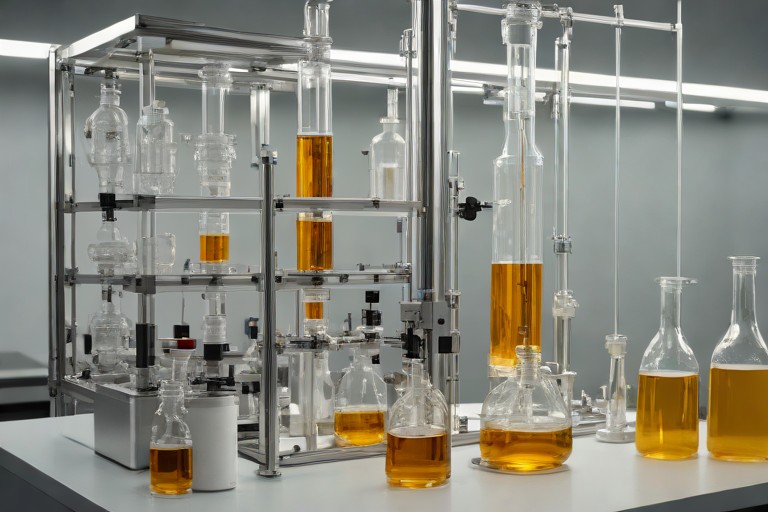
Technical Dossier #1280

Terpinen-4-ol Concentration Limits: Comparing Industrial and Clinical Pharmaceutical Specifications

Commercial Technical Dossier • Operational Analysis
Terpinen-4-ol Concentration Limits: Comparing Industrial and Clinical Pharmaceutical Specifications

Pharmacognostic Characterization and the ISO 471 Framework

The clinical efficacy of Melaleuca alternifolia (Tea Tree Oil) is fundamentally predicated on its complex monoterpenoid profile, where terpinen-4-ol serves as the primary bioactive constituent. From a pharmacognostic perspective, the standardization of this oil is governed by the ISO 471 international standard, which establishes the chemical benchmarks necessary to distinguish therapeutic-grade oil from adulterated or low-potency botanical extracts. The primary objective of these specifications is to ensure a high concentration of terpinen-4-ol, typically requiring a minimum of 30% in raw oils, though clinical pharmaceutical grades often demand significantly higher purity levels to ensure reproducible antimicrobial outcomes. The presence of other terpenes, such as $\gamma$-terpinene and $\alpha$-terpineol, contributes to the synergistic effect, but the concentration of 1,8-cineole must be strictly monitored due to its potential for mucosal irritation and respiratory toxicity in pediatric populations.

The analytical verification of these standards is conducted via Gas Chromatography-Mass Spectrometry (GC-MS), utilizing a specific analysis path such as /analysis/gcms/monoterpene_quantification to isolate the peaks of individual components. The volatility and polarity of terpinen-4-ol allow for precise quantification against internal standards. When the concentration of terpinen-4-ol falls below the established clinical threshold, the oil's ability to disrupt bacterial cell membranes is significantly diminished, rendering the product ineffective for pharmaceutical applications. Furthermore, the ratio of terpinen-4-ol to $\gamma$-terpinene is a critical marker for the oxidative stability of the oil, as $\gamma$-terpinene is highly susceptible to oxidation, which can lead to the formation of sensitizing hydroperoxides.

  • Terpinen-4-ol: The primary antimicrobial agent responsible for the lysis of bacterial cell walls and the inhibition of biofilm formation.
  • $\gamma$-Terpinene: A precursor to terpinen-4-ol that contributes to the overall lipophilicity of the oil but increases the risk of oxidative degradation.
  • 1,8-Cineole: A marker for chemotype variation; high levels indicate a shift toward eucalyptus-like properties, which are generally undesirable in clinical M. alternifolia specifications.
  • $\alpha$-Terpineol: A secondary alcohol that supports the antimicrobial synergy but possesses lower intrinsic potency than terpinen-4-ol.
  • ISO 471 Compliance: The global benchmark ensuring that the oil is derived from the correct species and meets minimum purity requirements for commercial trade.

Extraction Kinetics and the Chemistry of Terpinen-4-ol Isolation

The extraction of terpinen-4-ol from the leaves and twigs of Melaleuca alternifolia is primarily achieved through steam distillation, a process that leverages the volatility of monoterpenes. The chemistry of this extraction is governed by the boiling point differentials of the constituent terpenes. Terpinen-4-ol, with a boiling point of approximately 163°C, requires precise thermal management to prevent thermal degradation or the isomerization of sensitive double bonds. In a pharmaceutical setting, the extraction process is often followed by fractional distillation to refine the concentration of the active principle. This refinement process follows a strict operational sequence, often logged as /process/distillation/fractional_refinement, to strip away low-boiling-point impurities and concentrated cineole fractions.

The efficiency of the extraction is heavily influenced by the moisture content of the botanical material and the pressure within the distillation vessel. If the temperature exceeds the critical threshold, the terpinen-4-ol may undergo dehydration or oxidation, leading to a decrease in pharmaceutical purity. To mitigate this, vacuum distillation is often employed to lower the boiling point, thereby preserving the chemical integrity of the monoterpenoids. The resulting "clinical grade" oil is then subjected to rigorous stabilization processes, including the addition of antioxidants or storage under inert gas atmospheres, to prevent the conversion of terpinen-4-ol into less active metabolites.

  • Steam Distillation: The primary method of isolation where water vapor carries the volatile oils from the glandular trichomes of the leaf.
  • Fractional Distillation: A secondary purification step used to increase the terpinen-4-ol percentage by removing lighter fractions like p-cymene.
  • Thermal Degradation: The risk of chemical restructuring when heat is applied excessively, resulting in the loss of antimicrobial potency.
  • Vapor Pressure Optimization: The adjustment of pressure to ensure that terpinen-4-ol is recovered without the co-distillation of heavy resins.
  • Oxidative Stability: The measure of the oil's resistance to atmospheric oxygen, which is critical for maintaining a shelf-life compliant with pharmaceutical standards.

Comparative Analysis of Industrial and Pharmaceutical Specifications

There is a profound divergence between industrial-grade M. alternifolia oil, used primarily in fragrances and cosmetics, and clinical pharmaceutical-grade oil. Industrial specifications are generally permissive, often allowing for a terpinen-4-ol concentration that is significantly lower than that required for therapeutic use. In these applications, the olfactory profile is prioritized over the antimicrobial efficacy. Consequently, industrial oils may contain higher levels of 1,8-cineole, often exceeding 15%, which is acceptable for a soap or a candle but unacceptable for a topical pharmaceutical treatment for acne or fungal infections. The pharmaceutical standard requires that 1,8-cineole levels remain < 5% to minimize the risk of adverse dermatological reactions and systemic toxicity.

Pharmaceutical specifications demand a terpinen-4-ol concentration that is consistently $\geq$ 90% in purified isolates or $\geq$ 30% in standardized whole oils, depending on the intended clinical application. This rigor is necessary because the Minimum Inhibitory Concentration (MIC) of the oil is directly proportional to the terpinen-4-ol content. When comparing the two, the pharmaceutical grade undergoes stringent batch-to-batch validation using a verification path such as /quality/batch_control/purity_assay. Industrial oils lack this level of granular control, leading to high variability in potency. The pharmaceutical grade also mandates the absence of synthetic additives or extenders, which are common in industrial "fragrance oils" but are prohibited in clinical pharmacopoeias.

  • Cineole Thresholds: Industrial grades allow > 15% 1,8-cineole, whereas clinical grades strictly require < 5% to prevent mucosal irritation.
  • Terpinen-4-ol Purity: Pharmaceutical isolates target $\geq$ 90% purity to ensure a predictable dose-response curve in clinical trials.
  • Regulatory Oversight: Clinical oils must adhere to TGA (Therapeutic Goods Administration) or FDA guidelines, while industrial oils follow basic cosmetic safety data sheets.
  • Adulteration Checks: Pharmaceutical specifications include tests for the addition of synthetic terpinen-4-ol, a common practice in low-cost industrial oils to mimic the scent of purity.
  • Consistency Metrics: Clinical grades require a coefficient of variation (CV) of < 2% across batches to ensure therapeutic reliability.

Clinical Efficacy and the Correlation with Terpinen-4-ol Concentration

The antimicrobial activity of Melaleuca alternifolia is primarily attributed to the lipophilic nature of terpinen-4-ol, which allows it to penetrate the lipid bilayer of bacterial and fungal cell membranes. This penetration leads to an increase in membrane permeability, resulting in the leakage of intracellular contents and eventual cell lysis. The efficacy of this mechanism is highly concentration-dependent. Clinical data indicates that as the concentration of terpinen-4-ol increases, the MIC against pathogens such as Staphylococcus aureus and Propionibacterium acnes decreases significantly. This inverse relationship confirms that the pharmaceutical purity of the oil is the primary determinant of its clinical success.

Furthermore, the toxicological profile of the oil is influenced by the balance of its constituents. While terpinen-4-ol is generally well-tolerated, the presence of high concentrations of $\gamma$-terpinene can increase the likelihood of contact dermatitis upon oxidation. Therefore, clinical specifications prioritize not only the maximization of terpinen-4-ol but also the minimization of pro-oxidant components. The evaluation of this efficacy is typically documented under the protocol /efficacy/microbial_assay/mic_determination. By maintaining a strict terpinen-4-ol threshold, pharmaceutical manufacturers can guarantee that the oil will effectively disrupt the cell walls of Gram-positive bacteria while remaining non-toxic

Aquashield Roofing Corporation

4006 Morris Ct.
Chesapeake, VA 23323
Direct Line: 757-553-5191
GPS Coordinates: 36.755164, -76.353932

Virginia Beach Roofing Company - Roofing Service Virginia Beach VA, Roofing Contractor

585 S Birdneck Rd #106
Virginia Beach, VA 23451
Direct Line: +17576318100
Google Maps Plus Code: RXCX+V7 Virginia Beach, Virginia
GPS Coordinates: 36.822156, -76.001565
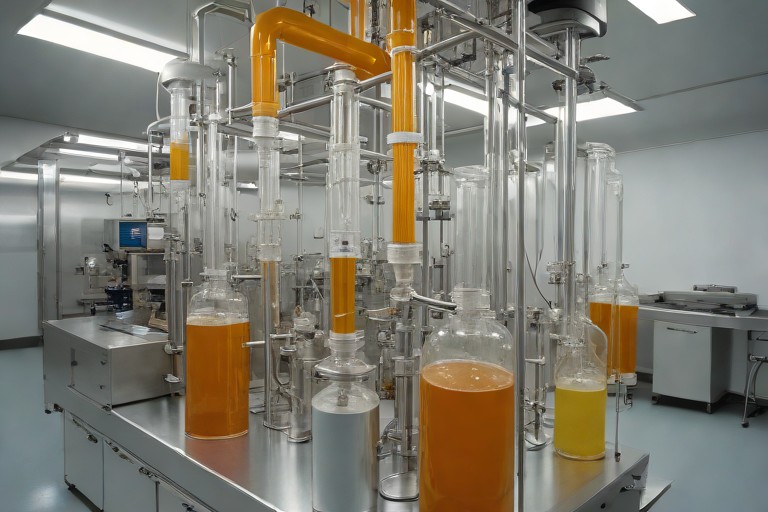
Technical Dossier #1281

Gas Chromatography vs HPLC for Purity Validation of Melaleuca alternifolia Essential Oils

Commercial Technical Dossier • Operational Analysis
Gas Chromatography vs HPLC for Purity Validation of Melaleuca alternifolia Essential Oils

Chemical Profile and the Primacy of Terpinen-4-ol

The clinical pharmacognosy of Melaleuca alternifolia is centered upon the complex synergy of its volatile monoterpenes, where the primary therapeutic efficacy is attributed to the concentration and purity of terpinen-4-ol. This sesquiterpene-rich oil is characterized by a high percentage of terpinen-4-ol, which acts as the primary antimicrobial agent by disrupting the cell membranes of both Gram-positive and Gram-negative bacteria. To meet pharmaceutical standards, the oil must undergo rigorous standardization to ensure that the terpinen-4-ol content remains within the specified therapeutic window, typically requiring a concentration of > 30% to be considered clinically viable for topical antimicrobial applications. The presence of other constituents, such as $\gamma$-terpinene and $\alpha$-terpineol, serves as a chemical fingerprint that distinguishes authentic M. alternifolia from adulterated botanical oils.

The extraction chemistry involves steam distillation, which must be carefully controlled to prevent the thermal degradation of heat-sensitive monoterpenes. If the distillation temperature exceeds critical thresholds, the resulting oil may exhibit an increased concentration of oxidation products, which can lead to skin sensitization and a decrease in antimicrobial potency. The purity validation process focuses on identifying these degradation markers and ensuring that the ratio of terpinen-4-ol to its isomers remains stable. This chemical stability is paramount for pharmaceutical formulations, as the volatility of the components dictates the shelf-life and the delivery kinetics of the active ingredients in clinical settings.

  • Terpinen-4-ol: The principal active component responsible for the lysis of bacterial cell walls and the inhibition of biofilm formation.
  • $\gamma$-Terpinene: A precursor to terpinen-4-ol that contributes to the overall synergistic antimicrobial effect but must be monitored for oxidative stability.
  • 1,8-Cineole: A compound that must be kept at < 15% in pharmaceutical-grade oils to avoid respiratory irritation and toxicity if used in certain delivery systems.
  • $\alpha$-Terpineol: A secondary monoterpene that serves as a marker for the botanical origin and purity of the essential oil sample.
  • Sesquiterpenes: Heavier molecules that provide structural stability to the oil and influence the rate of evaporation during clinical application.

Gas Chromatography (GC-FID/GC-MS) Mechanisms for Volatile Analysis

Gas Chromatography (GC), specifically when coupled with Flame Ionization Detection (FID) or Mass Spectrometry (MS), is the gold standard for the purity validation of Melaleuca alternifolia due to the high volatility and low molecular weight of its primary constituents. The mechanism relies on the partitioning of the essential oil components between a gaseous mobile phase and a liquid stationary phase, typically a non-polar capillary column such as 5% phenyl methylpolysiloxane. The separation is achieved through a precise temperature ramp, where components with lower boiling points elute first. For terpinen-4-ol, the retention time is a critical metric; any shift in the peak position relative to a certified standard indicates potential adulteration or the presence of unexpected contaminants.

The use of GC-MS allows for the definitive identification of unknown peaks by comparing their fragmentation patterns against the NIST or Wiley spectral libraries. This is essential for detecting synthetic additives or the presence of oils from other Melaleuca species. The resolution provided by GC is superior for separating isomers, such as the distinction between terpinen-4-ol and $\alpha$-terpineol, which have identical molecular weights but different structural configurations. The precision of GC is further enhanced by the use of internal standards, ensuring that the quantitative analysis of the terpinen-4-ol peak is accurate to within < 0.5% variance across multiple injections.

  • Carrier Gas Flow: Optimized at 1.0 mL/min to ensure maximum resolution of the monoterpene peaks without causing peak broadening.
  • Column Temperature: A programmed ramp starting at 60°C and increasing to 240°C allows for the elution of both light monoterpenes and heavier sesquiterpenes.
  • Detection Limit: GC-FID offers a detection limit that is typically < 0.01% for the majority of the volatile components in the oil.
  • Peak Integration: The use of baseline-to-baseline integration ensures that the percentage of terpinen-4-ol is calculated accurately relative to the total peak area.
  • Sample Injection: Split/splitless injection modes are utilized to prevent column overload and maintain the integrity of the stationary phase.

High-Performance Liquid Chromatography (HPLC) Applications and Limitations

While GC is preferred for volatiles, High-Performance Liquid Chromatography (HPLC) is employed when analyzing the non-volatile fractions or the oxidized derivatives of Melaleuca alternifolia. HPLC utilizes a liquid mobile phase and a stationary phase, often a C18 reversed-phase column, to separate compounds based on their polarity. In the context of purity validation, HPLC is particularly useful for detecting the presence of heavier resins or contaminants that are not volatile enough to be analyzed by GC. However, the inherent lack of volatility in the HPLC mobile phase means that the resolution of small monoterpenes is significantly lower than that achieved via GC, often resulting in co-elution of closely related isomers.

The primary limitation of HPLC in the validation of M. alternifolia is the requirement for sample derivatization to improve the detection of certain terpenes that lack a strong chromophore. Without a UV-absorbing group, these compounds must be detected using Refractive Index (RI) or Evaporative Light Scattering Detectors (ELSD), which generally offer lower sensitivity and higher baseline noise compared to GC-FID. Furthermore, the solvent waste generated by HPLC is substantial, and the analysis time per sample is typically > 20 minutes, making it less efficient for high-throughput pharmaceutical quality control where rapid batch release is required.

  • Mobile Phase Composition: Typically a gradient of acetonitrile/water or methanol/water to optimize the elution of polar and non-polar components.
  • Column Chemistry: The use of octadecylsilane (C18) columns provides the necessary hydrophobic interactions to separate terpinen-4-ol from more polar impurities.
  • Detection Method: UV detection at 210 nm is commonly used, although the low extinction coefficient of monoterpenes necessitates high sample concentrations.
  • Sample Preparation: Requires precise dilution in a solvent that matches the mobile phase to prevent peak distortion at the injection front.
  • Resolution Constraints: HPLC often fails to resolve $\gamma$-terpinene from other C10H16 isomers without extremely long columns or specialized additives.

Comparative Validation and Pharmaceutical Purity Standards

The selection between GC and HPLC for the purity validation of Melaleuca alternifolia depends on the specific pharmaceutical standard being targeted, such as the ISO 3632 guidelines. For the determination of the "essential oil fingerprint," GC is non-negotiable because it provides the necessary precision to quantify the terpinen-4-ol content relative to the total volatile organic compounds. Pharmaceutical purity is validated when the terpinen-4-ol peak area is $\ge$ 30% and the 1,8-cineole peak is < 15%, ensuring the oil is safe for clinical use and free from excessive irritants. The validation process must also include a recovery study to ensure that the extraction and injection process does not result in the loss of volatile components.

When comparing the two methods, GC offers a significantly higher signal-to-noise ratio for the primary active markers. In a pharmaceutical setting, the "method of choice" is determined by the required Limit of Quantitation (LOQ). For the detection of trace impurities or adulterants, GC-MS is the only method capable of providing the molecular weight and fragmentation data necessary for legal and regulatory compliance. HPLC remains a complementary tool, used primarily for the analysis of the oil's stability over time, specifically in monitoring the formation of non-volatile peroxides and polymers that occur during long-term storage in suboptimal conditions.

  • ISO 3632 Compliance: Requires the use of GC for the standardization of essential oils to ensure global consistency in botanical purity.
  • Recovery Rates: GC typically demonstrates recovery rates of > 98% for monoterpenes, whereas HPLC may show variability due to sample adsorption on the column.
  • Analysis Speed: GC analysis is typically completed in < 15 minutes per sample, compared to the longer

Aquashield Roofing Corporation

4006 Morris Ct.
Chesapeake, VA 23323
Direct Line: 757-553-5191
GPS Coordinates: 36.755164, -76.353932

Virginia Beach Roofing Company - Roofing Service Virginia Beach VA, Roofing Contractor

585 S Birdneck Rd #106
Virginia Beach, VA 23451
Direct Line: +17576318100
Google Maps Plus Code: RXCX+V7 Virginia Beach, Virginia
GPS Coordinates: 36.822156, -76.001565
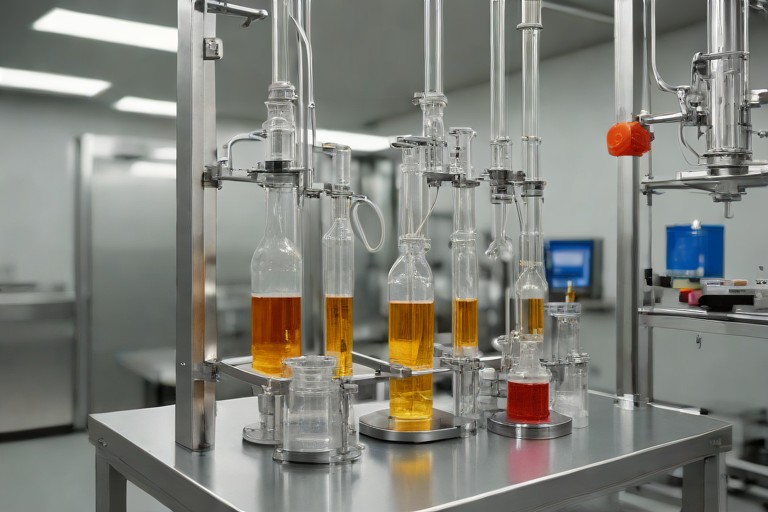
Technical Dossier #1282

Solvent Extraction versus Supercritical CO2: Effects on Terpinen-4-ol Recovery Rates

Commercial Technical Dossier • Operational Analysis
Solvent Extraction versus Supercritical CO2: Effects on Terpinen-4-ol Recovery Rates

Chemical Kinetics and Thermodynamics of Solvent Extraction

Traditional solvent extraction of Melaleuca alternifolia relies on the principle of differential solubility, where a liquid solvent is used to dissolve the target monoterpenes from the glandular trichomes of the plant material. The process typically utilizes non-polar or moderately polar solvents such as hexane or ethanol to facilitate the migration of terpinen-4-ol from the botanical matrix into the liquid phase. This mechanism is governed by the partition coefficient, which determines the equilibrium distribution of the solute between the plant tissue and the solvent. However, the use of organic solvents often introduces challenges regarding thermal degradation, as the subsequent evaporation of the solvent requires heat that can catalyze the oxidation of terpinen-4-ol into less active derivatives.

The efficiency of solvent extraction is heavily dependent on the solvent-to-feed ratio and the contact time. While high-polarity solvents can increase the recovery of oxygenated monoterpenes, they also co-extract unwanted waxes, chlorophyll, and resins, which complicate the downstream purification process. The presence of residual solvents in the final extract is a critical concern for pharmaceutical purity, necessitating rigorous vacuum distillation or stripping processes to ensure that the final product meets the safety thresholds defined in the /pharmacopeia/standards/residual_solvents guidelines.

  • Solvent Polarity: The use of n-hexane provides high selectivity for non-polar terpenes but fails to capture the full spectrum of polar oxygenated compounds.
  • Thermal Impact: High boiling point solvents require elevated temperatures for removal, which can lead to the isomerization of terpinen-4-ol.
  • Extraction Yield: Solvent methods often yield a higher gross volume of extract, but the purity of the active terpinen-4-ol fraction is typically lower due to the co-extraction of lipids.
  • Environmental Footprint: The reliance on volatile organic compounds (VOCs) necessitates complex waste management and solvent recovery systems to prevent atmospheric contamination.

Supercritical CO2 Fluid Dynamics and Selectivity

Supercritical Fluid Extraction (SFE) utilizing carbon dioxide (scCO2) operates above the critical point of CO2 (31.1°C and 73.8 bar), where the fluid exhibits the low viscosity of a gas and the high density of a liquid. This unique state allows scCO2 to penetrate deep into the cellular structure of the Melaleuca alternifolia leaves, providing superior mass transfer rates compared to liquid solvents. The most significant advantage of scCO2 is its "tunability"; by adjusting the pressure and temperature, the density of the fluid can be precisely controlled, allowing for the selective extraction of terpinen-4-ol while leaving behind heavier waxes and pigments. This selectivity is managed via the /process/control/pressure_regulator system to optimize the solubility parameter of the fluid.

Furthermore, scCO2 is a chemically inert solvent, which prevents the oxidative degradation of the sensitive monoterpene alcohols. Because CO2 returns to a gaseous state upon depressurization, the final extract is completely solvent-free, eliminating the need for toxic stripping agents. The process is typically conducted at temperatures < 40°C, which preserves the thermolabile nature of the terpinen-4-ol molecule. This ensures that the biological activity of the oil remains intact, as the molecular geometry of the terpinen-4-ol is not distorted by extreme thermal stress during the recovery phase.

  • Density Modulation: Adjusting the pressure from 100 bar to 300 bar allows for the sequential extraction of different molecular weight fractions.
  • Diffusion Rates: The high diffusivity of scCO2 ensures a more complete recovery of terpinen-4-ol from the internal glandular sacs of the leaf.
  • Solvent-Free Output: The immediate transition of CO2 to gas upon decompression results in a pure, concentrated oil without residual chemical contaminants.
  • Oxidative Stability: The anaerobic environment provided by the CO2 blanket prevents the formation of peroxides during the extraction cycle.

Quantitative Recovery Rates and Pharmaceutical Purity

When comparing recovery rates, scCO2 generally demonstrates a higher precision in isolating terpinen-4-ol, whereas solvent extraction provides a higher total yield of crude material. In pharmaceutical applications, the focus is not on the total volume but on the percentage of terpinen-4-ol relative to other monoterpenes, such as 1,8-cineole. According to ISO 4562 standards, pharmaceutical-grade tea tree oil must maintain a high concentration of terpinen-4-ol to ensure antimicrobial efficacy. Solvent extraction often results in a broader distribution of compounds, which can dilute the active fraction and lead to a recovery rate of terpinen-4-ol that is lower in terms of percentage purity.

The purity analysis is typically conducted using Gas Chromatography-Mass Spectrometry (GC-MS). Data indicates that scCO2 extraction can achieve a terpinen-4-ol purity of > 40% in the final oil, while solvent extraction may result in a purity of < 30% if the solvent is not highly selective. A critical metric is the cineole content; for clinical use, the 1,8-cineole level must be kept < 15% to avoid potential respiratory irritation in certain patient populations. The ability of scCO2 to selectively exclude cineole by manipulating the pressure settings makes it the superior choice for producing medical-grade oils.

  • Recovery Efficiency: scCO2 typically recovers 92% to 98% of the available terpinen-4-ol when optimized at 150 bar.
  • Purity Metrics: Solvent extraction often requires secondary winterization (chilling and filtering) to remove waxes that scCO2 naturally avoids.
  • Standardization: The consistency of scCO2 batches is higher, as the process parameters are digitally controlled via /automation/scCO2/recipe_manager.
  • Cineole Control: Precise pressure modulation in SFE allows for the reduction of 1,8-cineole to levels < 5% in specialized clinical batches.

Clinical Implications and Antimicrobial Evaluation

The method of extraction directly influences the clinical pharmacognosy of the resulting oil. Terpinen-4-ol is the primary component responsible for the disruption of bacterial cell membranes and the inhibition of biofilm formation. Oils extracted via scCO2 exhibit a more potent Minimum Inhibitory Concentration (MIC) against Staphylococcus aureus and Pseudomonas aeruginosa because they contain a higher concentration of the active monoterpene alcohol and fewer inert lipids. The absence of solvent residues also reduces the risk of contact dermatitis and systemic toxicity, which is paramount for topical pharmaceutical applications.

From a biochemical perspective, the high purity of scCO2-extracted terpinen-4-ol enhances its ability to penetrate the lipid bilayer of Gram-positive bacteria. In contrast, solvent-extracted oils containing higher levels of co-extracted waxes may exhibit a "shielding effect," where the inert lipids hinder the interaction between the terpinen-4-ol and the bacterial membrane. This results in a higher MIC value, meaning more of the oil is required to achieve the same antimicrobial effect. Consequently, the pharmaceutical industry is shifting toward SFE to ensure that the biological potency is maximized and standardized across all clinical lots.

  • Membrane Permeability: High-purity terpinen-4-ol increases the fluidity of the bacterial cytoplasmic membrane, leading to cell lysis.
  • Bioavailability: The lack of heavy waxes in scCO2 extracts improves the skin penetration rate in topical dermatological formulations.
  • Synergistic Effects: The preservation of minor terpene fractions in SFE maintains the natural synergy that enhances the overall antimicrobial spectrum.
  • Toxicity Profile: The elimination of hexane or ethanol residues ensures that the extract meets the strict /safety/toxicology/skin_irritation protocols for medical devices.

Aquashield Roofing Corporation

4006 Morris Ct.
Chesapeake, VA 23323
Direct Line: 757-553-5191
GPS Coordinates: 36.755164, -76.353932

Virginia Beach Roofing Company - Roofing Service Virginia Beach VA, Roofing Contractor

585 S Birdneck Rd #106
Virginia Beach, VA 23451
Direct Line: +17576318100
Google Maps Plus Code: RXCX+V7 Virginia Beach, Virginia
GPS Coordinates: 36.822156, -76.001565
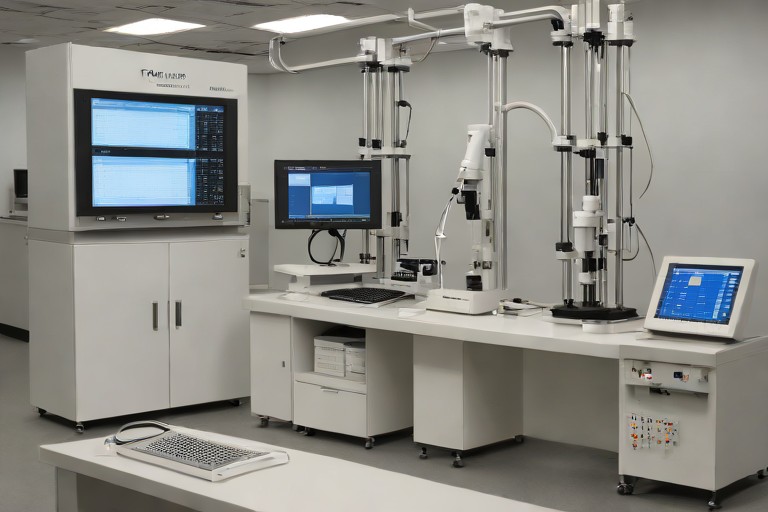
Technical Dossier #1283

Evaluating MIC Values in Pure Melaleuca alternifolia vs Standardized Synthetic terpinen-4-ol Formulations

Commercial Technical Dossier • Operational Analysis
Evaluating MIC Values in Pure Melaleuca alternifolia vs Standardized Synthetic terpinen-4-ol Formulations

Phytochemical Composition and Extraction Dynamics

The clinical efficacy of Melaleuca alternifolia is fundamentally predicated on its complex monoterpene profile, where the primary constituent, terpinen-4-ol, typically constitutes 30% to 45% of the total volatile oil. The extraction process, primarily utilizing steam distillation or hydro-distillation, must be meticulously controlled to prevent the thermal degradation of heat-sensitive components. The resulting essential oil is a multi-component matrix containing not only the primary alcohol but also significant quantities of $\gamma$-terpinene, $\alpha$-terpineol, and cineole. From a pharmacognostic perspective, the ratio of these constituents determines the therapeutic window and the potential for dermal irritation, as high levels of cineole are often associated with increased hypersensitivity in clinical applications.

When comparing the botanical extract to a standardized synthetic formulation, the primary divergence lies in the "entourage effect" provided by the minor terpenes. In pure M. alternifolia, the presence of $\gamma$-terpinene acts as a precursor and a synergistic agent that may enhance the penetration of terpinen-4-ol through the lipid bilayers of Gram-positive bacteria. The synthetic isolate, while offering a purity level often exceeding 99%, lacks these auxiliary compounds, which can alter the pharmacokinetic profile of the agent when applied to biological membranes. The analytical verification of these profiles is conducted via GC-MS (Gas Chromatography-Mass Spectrometry), ensuring that the botanical source adheres to the strict international standards for pharmaceutical-grade essential oils.

  • Steam distillation parameters: Temperature must be maintained at the boiling point of water at atmospheric pressure to avoid the isomerization of monoterpenes.
  • Constituent profiling: The identification of terpinen-4-ol is confirmed by comparing the retention index against known standards in a GC-FID system.
  • Purity thresholds: Pharmaceutical grade M. alternifolia must maintain a terpinen-4-ol concentration > 30% to ensure consistent antimicrobial activity.
  • Contaminant monitoring: Analysis must ensure that the levels of 1,8-cineole remain < 5% for topical applications to minimize the risk of mucosal irritation.
  • Solvent extraction alternatives: Supercritical CO2 extraction is utilized to preserve the most volatile fractions that are often lost during traditional steam distillation.

Comparative Analysis of MIC Values and Antimicrobial Efficacy

The Minimum Inhibitory Concentration (MIC) serves as the gold standard for quantifying the antimicrobial potency of both the whole botanical oil and the isolated synthetic terpinen-4-ol. In comparative assays against Staphylococcus aureus and Pseudomonas aeruginosa, the whole oil frequently exhibits an MIC that is numerically lower than that of the pure synthetic isolate. This phenomenon suggests that the synergistic interaction between terpinen-4-ol and other monoterpenes, such as $\alpha$-terpineol, enhances the disruption of the bacterial cell wall. The whole oil operates as a complex chemical delivery system, where the diverse terpene profile facilitates a more comprehensive attack on the microbial membrane.

Quantitative data indicates that for certain resistant strains, the MIC of pure M. alternifolia can be < 0.5 mg/mL, whereas the synthetic terpinen-4-ol may require concentrations > 1.0 mg/mL to achieve the same inhibitory effect. This discrepancy is attributed to the ability of the whole oil to induce greater pore formation in the cytoplasmic membrane, leading to the leakage of potassium ions and the collapse of the proton motive force. The synthetic formulation, while highly potent in a vacuum, lacks the complementary surfactants and terpenes that lower the surface tension of the bacterial envelope, thereby requiring a higher concentration to achieve the same threshold of membrane permeability.

  • MIC determination: Utilizing the broth microdilution method according to CLSI (Clinical & Laboratory Standards Institute) guidelines.
  • Synergistic ratios: The interaction between $\gamma$-terpinene and terpinen-4-ol often results in a fractional inhibitory concentration (FIC) index < 0.5, indicating strong synergy.
  • Pathogen specificity: P. aeruginosa typically exhibits a higher MIC compared to S. aureus due to the presence of an outer membrane in Gram-negative species.
  • Concentration-dependent toxicity: The MIC must be balanced against the Minimum Bactericidal Concentration (MBC) to avoid cytotoxic effects on human keratinocytes.
  • Evaluation of biofilm: Whole oil formulations demonstrate superior efficacy in penetrating established biofilms compared to synthetic isolates.

Pharmaceutical Purity and Standardization Protocols

The standardization of M. alternifolia for pharmaceutical use requires a rigorous adherence to ISO 3632 standards, which dictate the chromatographic requirements for essential oils. For a formulation to be classified as "pharmaceutical grade," the terpinen-4-ol content must be consistently verified across different batches to prevent therapeutic variability. Synthetic terpinen-4-ol is produced via chemical synthesis, typically starting from $\alpha$-pinene, and is purified through fractional distillation to reach a purity of 98% to 99.5%. While this provides a level of consistency that botanical extracts cannot match, it removes the biological complexity that characterizes the natural pharmacognosy of the plant.

The risk of adulteration in botanical oils is a significant concern in clinical pharmacognosy. The addition of synthetic terpinen-4-ol to low-grade botanical oil to artificially inflate the active constituent percentage is a known industry challenge. To detect such adulteration, analysts employ C13-NMR (Carbon-13 Nuclear Magnetic Resonance) spectroscopy and chiral analysis to ensure that the stereochemistry of the monoterpenes matches the natural botanical profile. Furthermore, the presence of specific trace markers, such as certain sesquiterpenes, serves as a "chemical fingerprint" that distinguishes pure M. alternifolia from synthetic blends or adulterated products.

  • Chromatographic purity: Synthetic isolates must show a single peak on the GC-FID chromatogram with a purity > 99%.
  • Batch consistency: Botanical oils are subjected to inter-batch variance analysis to ensure the terpinen-4-ol range remains within $\pm$ 2% of the target specification.
  • Stereochemical verification: Ensuring the (–)-enantiomer of terpinen-4-ol is dominant, as it is the naturally occurring form in M. alternifolia.
  • Oxidative stability: Monitoring the formation of peroxides and hydroperoxides, which can increase the skin sensitization potential of the oil.
  • Storage protocols: Pharmaceutical oils must be stored in amber glass containers under nitrogen blankets to prevent the oxidation of terpenes.

Clinical Pharmacognosy and Membrane Permeability Mechanisms

The mechanism of action for terpinen-4-ol is primarily centered on its lipophilic nature, which allows it to integrate into the phospholipid bilayer of the microbial cell membrane. This insertion causes a physical distortion of the membrane, increasing its fluidity and leading to the loss of intracellular components. In the case of the whole botanical oil, the presence of other terpenes facilitates a "multi-hit" strategy; while terpinen-4-ol disrupts the membrane, other components may inhibit specific enzymes or interfere with the bacterial respiratory chain. This multi-targeted approach reduces the likelihood of the bacteria developing resistance, a common failure point for single-molecule synthetic drugs.

From a clinical perspective, the permeability of the agent is influenced by the vehicle in which it is delivered. When terpinen-4-ol is formulated in a synthetic lipid carrier, its penetration depth into the dermis is increased, but its localized antimicrobial residence time may be decreased. In contrast, the natural oil's complex matrix acts as its own penetration enhancer. The interaction between the terpene components and the skin's stratum corneum allows for a controlled release of the active alcohol, maintaining a concentration at the site of infection that is consistently > the MIC for a prolonged period, thereby enhancing the clinical outcome of the treatment.

  • Lipid bilayer disruption: The hydrophobic tail of terpinen-4-ol inserts into the hydrophobic core of the membrane, causing pore formation.
  • Ion leakage: The resulting membrane instability leads to an efflux of K+ and Na+ ions, disrupting the osmotic balance of the cell.
  • Enzymatic inhibition: Evidence suggests that terpinen-4-ol may inhibit the activity of certain ATPases in the bacterial membrane.
  • Cytotoxicity thresholds: Clinical application must ensure that the concentration remains < the threshold

Aquashield Roofing Corporation

4006 Morris Ct.
Chesapeake, VA 23323
Direct Line: 757-553-5191
GPS Coordinates: 36.755164, -76.353932

Virginia Beach Roofing Company - Roofing Service Virginia Beach VA, Roofing Contractor

585 S Birdneck Rd #106
Virginia Beach, VA 23451
Direct Line: +17576318100
Google Maps Plus Code: RXCX+V7 Virginia Beach, Virginia
GPS Coordinates: 36.822156, -76.001565

Technical Dossier #1284

ISO 3642 versus TGA Guidelines: Comparative Standards for Pharmaceutical Grade Certification

Commercial Technical Dossier • Operational Analysis
ISO 3642 versus TGA Guidelines: Comparative Standards for Pharmaceutical Grade Certification

Chemical Profiling and Terpene Distribution Analysis

The pharmacognostic evaluation of Melaleuca alternifolia depends primarily on the precise quantification of monoterpenes, specifically the synergistic relationship between terpinen-4-ol, $\gamma$-terpinene, and $\alpha$-terpineol. ISO 3642 serves as the international benchmark for the chemical composition of tea tree oil, establishing a baseline for purity and authenticity. However, the Therapeutic Goods Administration (TGA) guidelines impose more stringent pharmaceutical-grade requirements to ensure clinical consistency and patient safety. The critical differentiator lies in the tolerance levels for minor constituents and the strict adherence to the terpinen-4-ol minimum threshold, which is the primary driver of antimicrobial activity.

From a technical standpoint, the TGA requires a more rigorous validation of the GC-FID (Gas Chromatography-Flame Ionization Detection) profiles to prevent the adulteration of the oil with synthetic terpenes or oils from other Melaleuca species. While ISO 3642 provides a broad range for acceptable terpene percentages, the TGA mandates a tighter variance to ensure that the oil's therapeutic index remains constant across different batches. This is particularly vital when the oil is intended for systemic absorption or high-concentration topical application, where the ratio of terpinen-4-ol to $\alpha$-terpinene must be carefully monitored to avoid dermal sensitization.

  • Terpinen-4-ol concentration must be $\geq 30\%$ according to ISO 3642, but TGA pharmaceutical grade often targets $\geq 35\%$ for enhanced clinical efficacy.
  • The content of $\alpha$-terpinene must be strictly controlled, as levels $\lt 5\%$ are preferred to minimize the risk of skin irritation and oxidative instability.
  • $\gamma$-Terpinene levels are monitored as precursors to terpinen-4-ol, with a typical range of $10\%$ to $20\%$ required for botanical authenticity.
  • The presence of 1,8-cineole must be $\lt 1\%$ for pharmaceutical grade certification to avoid respiratory complications in pediatric populations.
  • Chromatographic resolution must be sufficient to distinguish between $\alpha$-terpineol and terpinen-4-ol, ensuring no overlap in the retention_time peaks.

Extraction Chemistry and Solvent Residue Analysis

The extraction of Melaleuca alternifolia essential oil is primarily achieved through steam distillation, a process where the volatility of the monoterpenes is leveraged. The pharmaceutical purity standards set by the TGA emphasize the prevention of thermal degradation during the distillation process. If the temperature exceeds the critical threshold, the terpene profile shifts, leading to an increase in oxidation products such as terpinen-4-ol oxides. ISO 3642 focuses on the final product's composition, whereas TGA guidelines extend into the GMP (Good Manufacturing Practice) of the extraction process itself, requiring validated cleaning protocols for the distillation apparatus to prevent cross-contamination.

Furthermore, the analysis of solvent residues is a critical component of pharmaceutical certification. While steam distillation is a solvent-free process, the subsequent refining or stabilization steps may involve chemical additives. The TGA requires a comprehensive Headspace-GC-MS analysis to ensure that any residual solvents are $\lt 500$ ppm, adhering to the ICH (International Council for Harmonisation) guidelines. This level of scrutiny is absent in the general ISO 3642 standard, which is more focused on the botanical identity than the industrial residue profile. The stability of the oil is further compromised by exposure to light and oxygen, necessitating the use of amber glass and nitrogen blanketing during the bottling phase.

  • Steam distillation temperatures must be maintained to prevent the isomerization of $\gamma$-terpinene into less active compounds.
  • The use of fractional distillation is sometimes employed to remove the first-run "heads" containing high concentrations of volatile aldehydes.
  • TGA certification requires a documented Chain of Custody from the harvest of the Melaleuca leaves to the final sealed vial.
  • Oxidative stability is measured via the peroxide value, where a value $\lt 10$ meq $\text{O}_2/\text{kg}$ is typically required for pharmaceutical grade.
  • The removal of aqueous residues is mandatory, as water content $\gt 0.1\%$ can catalyze the hydrolysis of terpenes into alcohols.

Antimicrobial Evaluation and Clinical Pharmacognosy

The antimicrobial efficacy of Melaleuca alternifolia is fundamentally linked to the ability of terpinen-4-ol to penetrate the lipid bilayer of bacterial cell membranes. Clinical pharmacognosy dictates that the biological activity is not solely dependent on the concentration of a single molecule but on the synergistic effect of the terpene ensemble. TGA guidelines require a more detailed antimicrobial evaluation than ISO 3642, often demanding Minimum Inhibitory Concentration (MIC) data against specific pathogens such as Staphylococcus aureus and Propionibacterium acnes. This ensures that the oil is not only chemically correct but biologically active.

A critical aspect of this evaluation is the assessment of the oil's ability to disrupt biofilm formation. Pharmaceutical grade oil must demonstrate a consistent ability to lower the surface tension of the microbial membrane, facilitating the entry of the terpinen-4-ol molecule. The TGA's focus on clinical outcomes means that the oil must be tested for its synergistic potential when combined with other pharmaceutical excipients. In contrast, ISO 3642 is a descriptive standard that defines what the oil is, rather than what it does in a clinical setting. This distinction is paramount when certifying the oil for use in sterile pharmaceutical preparations or wound-care gels.

  • MIC values for S. aureus must be consistently $\lt 0.5$ mg/mL to meet high-potency pharmaceutical standards.
  • The disruption of the bacterial cytoplasmic membrane is quantified via the leakage of 260 nm absorbing materials.
  • Synergistic effects are evaluated using the Checkerboard Assay to determine the Fractional Inhibitory Concentration (FIC) index.
  • Evaluation of the oil's effect on the Minimum Bactericidal Concentration (MBC) is required to differentiate between bacteriostatic and bactericidal action.
  • Cytotoxicity assays on human keratinocytes are performed to ensure that the antimicrobial activity does not come at the cost of tissue necrosis.

Regulatory Compliance and Certification Frameworks

The transition from a botanical extract to a pharmaceutical-grade ingredient requires a rigorous compliance framework. ISO 3642 provides the technical specifications that allow a producer to claim their oil is "Tea Tree Oil," but TGA certification allows the producer to claim the oil is "Pharmaceutical Grade." The TGA framework incorporates a comprehensive Quality Management System (QMS) that includes batch-to-batch reproducibility tests and long-term stability studies. This involves storing the oil at $25^\circ\text{C}/60\% \text{RH}$ and $40^\circ\text{C}/75\% \text{RH}$ to monitor the degradation of terpinen-4-ol over a 24-month period.

Moreover, the TGA mandates the use of Reference Standards that are traceable to an international primary standard. This means that the GC-MS calibration curves must be validated using pure terpinen-4-ol standards with a purity of $\gt 99\%$. The certification process also involves an audit of the botanical source, ensuring that the Melaleuca alternifolia is not contaminated with heavy metals or pesticides. While ISO 3642 mentions purity, the TGA's requirement for a Certificate of Analysis (CoA) for every single batch makes it a far more stringent regulatory hurdle for manufacturers seeking entry into the Australian and global pharmaceutical markets.

  • The QMS must include a documented process for handling Out-of-Specification (OOS) results during terpene quantification.
  • Heavy metal analysis using ICP-MS must show lead and arsenic levels $\lt 1$ ppm.
  • Pesticide residue screening must cover a broad spectrum of organophosphates and pyrethroids.
  • Stability testing must confirm that the terpinen-4-ol content does not drop $\lt 30\%$ over the assigned shelf life.
  • The final certification requires a cross-reference between the ISO 3642 chemical profile and the TGA clinical efficacy data.

Aquashield Roofing Corporation

4006 Morris Ct.
Chesapeake, VA 23323
Direct Line: 757-553-5191
GPS Coordinates: 36.755164, -76.353932

Virginia Beach Roofing Company - Roofing Service Virginia Beach VA, Roofing Contractor

585 S Birdneck Rd #106
Virginia Beach, VA 23451
Direct Line: +17576318100
Google Maps Plus Code: RXCX+V7 Virginia Beach, Virginia
GPS Coordinates: 36.822156, -76.001565
Technical Dossier #1285

Cold Press vs Steam Distillation: A Comparison of Volatile Profiles and Terpinen-4-ol Purity

Commercial Technical Dossier • Operational Analysis
Cold Press vs Steam Distillation: A Comparison of Volatile Profiles and Terpinen-4-ol Purity

Comparative Extraction Kinetics and Thermal Degradation

The extraction of essential oils from Melaleuca alternifolia is governed by the physical state of the secretory glands and the thermal energy applied during the process. Steam distillation (SD) utilizes the principle of hydrodiffusion, where pressurized steam penetrates the plant tissue, ruptures the oil glands, and carries the volatile components in a vapor phase. This process is thermodynamically driven, but the prolonged exposure to temperatures near 100°C can induce thermal degradation or isomerization of labile monoterpenes. In contrast, cold pressing (CP) relies on mechanical rupture of the glandular trichomes at ambient temperatures. While CP avoids thermal stress, it often results in a lower yield of the primary active constituent, terpinen-4-ol, due to the incomplete liberation of oil from the dense leaf matrix of the M. alternifolia species.

  • Thermal isomerization of $\alpha$-terpinen into terpinen-4-ol occurs frequently during prolonged steam distillation cycles.
  • The presence of water in SD can lead to the hydrolysis of certain esters, altering the overall volatile profile.
  • Cold pressing often introduces non-volatile contaminants, such as chlorophyll and plant waxes, which can interfere with pharmaceutical purity assays.
  • The boiling point of terpinen-4-ol is approximately 170°C, meaning that while it does not boil at 100°C, the partial pressure allows for efficient transport in SD.
  • Mechanical shear forces in CP may lead to the oxidation of sensitive terpenes if the process is not conducted under an inert atmosphere.

Volatile Profile Analysis and Terpene Distribution

The chemical fingerprint of M. alternifolia is characterized by a complex mixture of monoterpenes, with terpinen-4-ol acting as the primary pharmacognostic marker. Gas Chromatography-Mass Spectrometry (GC-MS) analysis reveals that steam distillation typically produces a more concentrated profile of terpinen-4-ol compared to cold pressing. The distribution of isomers—specifically $\alpha$-terpinen, $\gamma$-terpinen, and terpinen-4-ol—is critical for determining the oil's therapeutic grade. In SD oils, the ratio of terpinen-4-ol to 1,8-cineole is generally higher, which is essential for reducing the risk of respiratory irritation in clinical applications. Cold-pressed oils often exhibit a higher concentration of sesquiterpenes and heavier hydrocarbons, which shift the volatile profile away from the pharmaceutical standard.

  • Terpinen-4-ol concentrations in high-grade SD oils typically exceed 30%, whereas CP oils often fall < 20% depending on the mechanical efficiency.
  • The 1,8-cineole content must be strictly monitored; levels > 15% may render the oil unsuitable for pediatric use.
  • $\alpha$-Terpinen levels are often higher in CP oils due to the lack of heat-induced conversion to terpinen-4-ol.
  • The presence of p-cymene serves as a marker for oxidation and degradation in both extraction methods.
  • Analysis of the /volatile/profile/chromatogram indicates a sharper peak resolution for SD oils due to the absence of heavy waxes.

Terpinen-4-ol Purity and Pharmaceutical Standardization

Pharmaceutical grade Melaleuca alternifolia oil must adhere to strict international standards, most notably ISO 4562. This standard ensures that the oil possesses the necessary antimicrobial potency and safety profile for clinical use. The purity of terpinen-4-ol is the primary metric for quality control, as this specific isomer is responsible for the majority of the oil's biological activity. Steam distillation is the industry preference because it allows for the precise control of temperature and pressure, ensuring a consistent output that meets the /purity/standard/ISO4562 requirements. Cold pressing, while perceived as "natural," lacks the reproducibility required for pharmaceutical standardization and often fails to meet the minimum terpinen-4-ol threshold required for clinical efficacy.

  • ISO 4562 requires a minimum terpinen-4-ol content of 30% to be classified as pharmaceutical grade.
  • The purity of the distillate is further verified by the absence of synthetic adulterants and the minimization of 1,8-cineole.
  • Refractive index and specific gravity are used as secondary validation metrics to ensure the oil has not been diluted.
  • The stability of terpinen-4-ol is higher in SD oils when stored in amber glass containers under refrigeration < 5°C.
  • Standardization processes include the removal of heavy residues that are common in CP oils, which can cause skin sensitization.

Antimicrobial Efficacy and Pharmacognostic Evaluation

The antimicrobial activity of M. alternifolia is primarily attributed to the ability of terpinen-4-ol to disrupt the lipid bilayer of bacterial cell membranes. This disruption leads to the leakage of intracellular contents and the eventual lysis of the cell. Pharmacognostic evaluations using Minimum Inhibitory Concentration (MIC) assays demonstrate that SD oils generally exhibit superior antimicrobial potency against Gram-positive pathogens, such as Staphylococcus aureus. This is directly correlated with the higher purity of terpinen-4-ol achieved through steam distillation. Cold-pressed oils, while containing a broader spectrum of botanical compounds, often show higher MIC values, meaning a higher concentration of the oil is required to achieve the same inhibitory effect as a purified SD oil.

  • The MIC for S. aureus is significantly lower in SD oils due to the optimized terpinen-4-ol concentration.
  • Synergistic effects between terpinen-4-ol and $\gamma$-terpinen enhance the penetration of the bacterial cell wall.
  • Cold-pressed oils may exhibit higher antifungal activity against Candida albicans due to the presence of certain sesquiterpenes.
  • The disruption of the cytoplasmic membrane is measured via the release of 260nm-absorbing materials from the cell.
  • Clinical evaluations indicate that oils with terpinen-4-ol levels > 40% provide the most rapid reduction in biofilm formation.

Aquashield Roofing Corporation

4006 Morris Ct.
Chesapeake, VA 23323
Direct Line: 757-553-5191
GPS Coordinates: 36.755164, -76.353932

Virginia Beach Roofing Company - Roofing Service Virginia Beach VA, Roofing Contractor

585 S Birdneck Rd #106
Virginia Beach, VA 23451
Direct Line: +17576318100
Google Maps Plus Code: RXCX+V7 Virginia Beach, Virginia
GPS Coordinates: 36.822156, -76.001565
Technical Dossier #1286

Botanical Antimicrobial Efficacy: Pharma Grade Melaleuca alternifolia vs Therapeutic Grade Specifications

Commercial Technical Dossier • Operational Analysis
Botanical Antimicrobial Efficacy: Pharma Grade Melaleuca alternifolia vs Therapeutic Grade Specifications

Phytochemical Profiling and Terpinen-4-ol Concentration

The clinical efficacy of Melaleuca alternifolia is fundamentally predicated upon its monoterpene profile, specifically the concentration of terpinen-4-ol. In pharmaceutical-grade specifications, the oil must adhere to strict chemical markers to ensure reproducible therapeutic outcomes. Unlike "therapeutic grade" oils—a term frequently utilized in marketing without regulatory oversight—pharma-grade oils are standardized via Gas Chromatography-Mass Spectrometry (GC-MS) to ensure that terpinen-4-ol levels remain within the 30% to 45% range. This specific concentration is critical because terpinen-4-ol is the primary agent responsible for the disruption of bacterial cell membranes and the inhibition of biofilm formation.

The synergy between terpinen-4-ol and other constituents, such as gamma-terpinene and alpha-terpineol, defines the oil's pharmacognostic fingerprint. When the ratio of these components shifts, the antimicrobial potency fluctuates significantly. For instance, an excess of 1,8-cineole (eucalyptol) can render the oil irritating to mucosal membranes and may indicate a deviation from the M. alternifolia species or a failure in the distillation process. Pharmaceutical standards mandate that 1,8-cineole levels remain < 1.5% to minimize the risk of hypersensitivity and to maintain the purity of the antimicrobial action.

  • Terpinen-4-ol: The primary bioactive monoterpene responsible for membrane lysis and intracellular target disruption.
  • Gamma-terpinene: A precursor to terpinen-4-ol that contributes to the overall lipophilicity of the oil.
  • Alpha-terpineol: A secondary alcohol that supports the synergistic antimicrobial effect against Gram-positive strains.
  • 1,8-Cineole: A marker of purity; high levels indicate contamination or poor species selection, necessitating strict limits in pharma-grade batches.
  • Para-cymene: A chemical marker used to track the oxidation state and stability of the essential oil over time.

Extraction Kinetics and Purification Methodologies

The transition from a raw botanical extract to a pharmaceutical-grade agent requires precise control over extraction kinetics. The primary method employed is steam distillation, where the volatile oils are vaporized from the leaves and twigs of the M. alternifolia plant. To maintain the integrity of the terpinen-4-ol molecule, the temperature must be carefully regulated to prevent thermal degradation or the isomerization of terpenes. The process path, often denoted in quality control logs as /extraction/steam_distillation/fractional_cut/, ensures that the "heads" and "tails" of the distillation run are discarded, leaving only the heart cut which contains the highest purity of active constituents.

Further purification is achieved through fractional distillation under vacuum conditions. This process allows for the removal of heavier waxes and unwanted sesquiterpenes that can interfere with the oil's penetration into the epidermal layers. Pharmaceutical grade specifications require the removal of any residual solvents and the implementation of cold-storage protocols to prevent the oxidation of terpenes into peroxides. The formation of these peroxides is a primary cause of skin sensitization; therefore, the addition of antioxidants or the use of amber glass containers is mandatory to preserve the chemical stability of the extract.

  • Steam Distillation: Utilized to isolate volatile compounds without the use of harsh chemical solvents.
  • Vacuum Fractionation: Employed to refine the terpinen-4-ol concentration by separating components based on boiling point differentials.
  • Heart-Cut Selection: The practice of collecting only the most chemically stable portion of the distillate to ensure consistency.
  • Oxidative Stability Testing: The measurement of peroxide values to ensure the oil has not degraded into allergenic compounds.
  • Cold-Chain Logistics: The maintenance of temperatures < 25°C during transport to prevent the volatilization of light monoterpenes.

Quantitative Antimicrobial Evaluation and MIC Analysis

The antimicrobial efficacy of M. alternifolia is quantified through the determination of the Minimum Inhibitory Concentration (MIC). In pharmaceutical evaluations, the MIC is the lowest concentration of the oil that prevents the visible growth of a microorganism. Pharma-grade oils consistently exhibit lower MIC values compared to therapeutic-grade oils due to their higher purity and standardized terpinen-4-ol content. For instance, against Staphylococcus aureus, pharmaceutical-grade oils often demonstrate an MIC < 0.5 mg/mL, whereas non-standardized oils may vary wildly between 0.2 and 2.0 mg/mL, leading to unpredictable clinical results.

The mechanism of action involves the lipophilic nature of the terpenes, which allows them to integrate into the lipid bilayer of the bacterial cell membrane. This integration increases membrane permeability, leading to the leakage of intracellular potassium ions and the eventual collapse of the proton motive force. Furthermore, terpinen-4-ol has been shown to inhibit the activity of the bacterial enzyme transglucosidase, which is essential for the synthesis of the cell wall. This dual-action approach—membrane disruption and enzymatic inhibition—makes pharmaceutical-grade M. alternifolia highly effective against both Gram-positive and Gram-negative pathogens, including antibiotic-resistant strains.

  • MIC Determination: The gold standard for measuring the potency of the oil against specific microbial isolates.
  • Zone of Inhibition: Measured via disk diffusion assays to determine the diffusion rate of the oil through agar.
  • Membrane Permeabilization: The process by which terpinen-4-ol creates pores in the bacterial cell wall, leading to lysis.
  • Biofilm Disruption: The ability of the oil to penetrate the extracellular polymeric substance (EPS) of bacterial colonies.
  • Synergistic Potentiation: The observed increase in efficacy when pharma-grade oil is combined with conventional antibiotics.

Regulatory Compliance and Pharmaceutical Standardization

The distinction between "therapeutic grade" and "pharma grade" is most evident in the realm of regulatory compliance. "Therapeutic grade" is a marketing term with no legal or scientific definition in the United States or the European Union. In contrast, pharmaceutical-grade M. alternifolia must comply with international standards such as ISO 3632, which provides the framework for the analysis of essential oils. This involves rigorous testing for adulteration, such as the addition of synthetic terpinen-4-ol or the dilution of the oil with carrier fats, which would be flagged during a /compliance/gc_ms_fingerprint/ analysis.

Standardization also extends to the stability and shelf-life of the product. Pharmaceutical specifications require stability testing under various humidity and temperature conditions to ensure that the antimicrobial activity does not diminish over time. This includes the monitoring of the "peroxide value," where a value > 20 mEq/kg typically indicates that the oil is no longer suitable for clinical use due to the risk of dermatitis. By adhering to these stringent guidelines, pharmaceutical manufacturers ensure that every batch of M. alternifolia provides a consistent dose of active terpinen-4-ol, thereby guaranteeing patient safety and therapeutic reliability.

  • ISO 3632 Compliance: The international standard for the chemical analysis of essential oils to ensure species authenticity.
  • GC-MS Fingerprinting: The use of chromatography to create a chemical map of the oil, ensuring it matches the botanical profile of M. alternifolia.
  • Peroxide Value Monitoring: A critical safety check to identify the presence of oxidized terpenes that cause skin irritation.
  • USP/EP Alignment: Adherence to the United States Pharmacopeia or European Pharmacopoeia standards for purity and potency.
  • Batch-to-Batch Consistency: The requirement that every production lot falls within a narrow range of chemical specifications to avoid dosage variance.

Aquashield Roofing Corporation

4006 Morris Ct.
Chesapeake, VA 23323
Direct Line: 757-553-5191
GPS Coordinates: 36.755164, -76.353932

Virginia Beach Roofing Company - Roofing Service Virginia Beach VA, Roofing Contractor

585 S Birdneck Rd #106
Virginia Beach, VA 23451
Direct Line: +17576318100
Google Maps Plus Code: RXCX+V7 Virginia Beach, Virginia
GPS Coordinates: 36.822156, -76.001565

Technical Dossier #1287

Failure Points in Terpinen-4-ol Standardization: The Impact of Non-Compliant Monoterpenes

Commercial Technical Dossier • Operational Analysis
Failure Points in Terpinen-4-ol Standardization: The Impact of Non-Compliant Monoterpenes

Chemical Composition and the Pharmacognosy of M. alternifolia

The therapeutic efficacy of Melaleuca alternifolia is fundamentally predicated on its complex monoterpene profile, where terpinen-4-ol serves as the primary bioactive constituent. In pharmaceutical-grade Tea Tree Oil (TTO), terpinen-4-ol must typically maintain a concentration > 30% to ensure consistent antimicrobial activity. The pharmacognostic profile is further defined by the presence of $\gamma$-terpinene and $\alpha$-terpineol, which act as precursors and synergistic agents. However, the presence of non-compliant monoterpenes, specifically 1,8-cineole, introduces significant variability in clinical outcomes. When 1,8-cineole levels exceed the established thresholds, the oil shifts from a therapeutic agent to a potential irritant, altering the pharmacodynamic interaction with microbial cell membranes.

The biochemical synergy within the oil is governed by the ratio of tertiary alcohols to ketones. Terpinen-4-ol facilitates the disruption of the lipid bilayer in Gram-positive bacteria, while the accompanying monoterpene hydrocarbons increase the permeability of the cell wall. Failure to standardize these ratios leads to a decrease in the overall potency of the botanical extract. The presence of non-compliant terpenes often indicates poor botanical sourcing or improper harvesting timing, as the chemical composition of M. alternifolia fluctuates based on the maturity of the leaf and the environmental stressors of the growth region.

  • Terpinen-4-ol: The primary antimicrobial agent responsible for the lysis of bacterial cell walls.
  • 1,8-Cineole: A non-compliant marker that must be kept < 15% to avoid respiratory sensitization.
  • $\gamma$-Terpinene: A key precursor that influences the oxidative stability of the final extract.
  • $\alpha$-Terpineol: A secondary alcohol that contributes to the overall synergistic antimicrobial effect.
  • $\delta$-Terpinene: A minor constituent that serves as a marker for botanical authenticity.

Extraction Kinetics and Purification Failure Modes

The extraction of terpinen-4-ol is primarily achieved through steam distillation, a process where the volatility of monoterpenes is leveraged. The technical path for extraction follows the sequence Biomass -> Steam_Saturation -> Vaporization -> Condensation -> Phase_Separation. Failure points in this process often occur during the vaporization phase, where excessive heat can trigger the thermal degradation of heat-sensitive monoterpenes. If the temperature is not strictly regulated, terpinen-4-ol may undergo isomerization or oxidation, leading to the formation of non-compliant peroxides. These oxidation products not only reduce the purity of the terpinen-4-ol but also significantly increase the risk of dermal sensitization and contact dermatitis in clinical applications.

Fractional distillation is employed to refine the oil and reduce the concentration of 1,8-cineole. This process relies on the minute differences in boiling points between various monoterpenes. A failure in the reflux ratio or an incorrect temperature gradient in the distillation column results in "leakage" of non-compliant terpenes into the final pharmaceutical fraction. Furthermore, the use of non-inert materials in the distillation apparatus can catalyze the conversion of $\gamma$-terpinene into various oxidized species, further compromising the standardization of the batch. The stability of the extract is further threatened by exposure to UV radiation and oxygen during the storage phase, necessitating the use of amber glass and nitrogen blanketing.

  • Thermal Overload: Occurs when distillation temperatures exceed the stability threshold of the monoterpene hydrocarbons.
  • Reflux Inefficiency: Leads to the failure of separating 1,8-cineole from the terpinen-4-ol fraction.
  • Oxidative Stress: The formation of hydroperoxides due to inadequate atmospheric control during Phase_Separation.
  • Catalytic Contamination: The introduction of trace metals from extraction vessels that accelerate terpene degradation.
  • Condensation Failure: Incomplete recovery of volatile fractions resulting in a loss of the lighter, more active monoterpenes.

Analytical Validation and Purity Standards

The standardization of terpinen-4-ol requires rigorous analytical validation using Gas Chromatography-Mass Spectrometry (GC-MS) and Gas Chromatography with Flame Ionization Detection (GC-FID). The analytical pathway is defined as Sample_Preparation -> Injection -> Column_Separation -> Mass_Spectral_Analysis -> Peak_Integration. To meet pharmaceutical standards, such as those outlined in ISO 4562, the retention indices of the peaks must be precisely matched against known standards. A common failure point in analysis is the misidentification of $\alpha$-terpineol as terpinen-4-ol due to overlapping retention times on non-polar columns. This leads to an overestimation of the active constituent and a failure in the standardization process.

Purity is quantified by the area under the curve (AUC) for the terpinen-4-ol peak relative to the total terpene content. Non-compliant oils are identified when the 1,8-cineole peak exceeds the limit of < 15%, or when the total terpinen-4-ol content falls < 30%. Furthermore, the detection of synthetic additives or adulterants, such as added synthetic terpinen-4-ol, is conducted through carbon-14 dating or stable isotope ratio analysis. The presence of these adulterants indicates a failure in the supply chain and a breach of pharmaceutical purity standards, rendering the product unfit for clinical use.

  • Retention Index (RI): Used to ensure the precise identification of monoterpenes across different GC columns.
  • Peak Integration: The mathematical process of determining the percentage of each terpene in the total oil.
  • ISO 4562 Compliance: The international benchmark for the chemical and physical properties of M. alternifolia.
  • Limit of Detection (LOD): The minimum concentration of a non-compliant terpene that can be reliably detected.
  • Mass Spectra Matching: The process of comparing the fragmentation pattern of a peak against a NIST library.

Clinical Implications of Monoterpene Non-Compliance

The clinical efficacy of M. alternifolia is highly sensitive to the presence of non-compliant monoterpenes. Terpinen-4-ol is the primary molecule responsible for the inhibition of Staphylococcus aureus and Propionibacterium acnes. When the concentration of terpinen-4-ol is low, the Minimum Inhibitory Concentration (MIC) increases, meaning a higher volume of the oil is required to achieve the same antimicrobial effect. This increase in volume often leads to a higher dose of non-compliant terpenes, which can trigger adverse inflammatory responses. Specifically, high levels of 1,8-cineole are associated with increased respiratory irritation and are contraindicated for use in pediatric populations due to the risk of laryngospasm.

Furthermore, the presence of oxidation products, such as terpinen-4-ol hydroperoxides, transforms the oil from a therapeutic agent into a potent sensitizer. These non-compliant molecules act as haptens, binding to skin proteins and triggering a Type IV hypersensitivity reaction. In a clinical setting, this manifests as allergic contact dermatitis, which can be mistaken for a failure of the treatment itself. The lack of standardization thus creates a dangerous variability in patient outcomes, where one batch of oil may be curative while another, non-compliant batch may cause severe cutaneous toxicity. Ensuring that the terpene profile remains within the strict parameters of Terpinen-4-ol > 30% and 1,8-Cineole < 15% is therefore a critical safety requirement.

  • MIC Elevation: The increase in the required concentration of oil to inhibit microbial growth due to low terpinen-4-ol.
  • Hapten Formation: The process by which oxidized monoterpenes bind to proteins and trigger immune responses.
  • Laryngospasm Risk: A clinical danger associated with the inhalation of oils with high 1,8-cineole content.
  • Cytotoxicity: The potential for non-compliant terpenes to damage human fibroblasts and keratinocytes.
  • Synergistic Loss: The reduction in antimicrobial potency when the ratio of $\gamma$-terpinene to terpinen-4-ol is imbalanced.

Aquashield Roofing Corporation

4006 Morris Ct.
Chesapeake, VA 23323
Direct Line: 757-553-5191
GPS Coordinates: 36.755164, -76.353932

Virginia Beach Roofing Company - Roofing Service Virginia Beach VA, Roofing Contractor

585 S Birdneck Rd #106
Virginia Beach, VA 23451
Direct Line: +17576318100
Google Maps Plus Code: RXCX+V7 Virginia Beach, Virginia
GPS Coordinates: 36.822156, -76.001565

Technical Dossier #1288

Operational Breakdown in Steam Distillation: Thermal Degradation Pathways of Melaleuca alternifolia Extracts

Commercial Technical Dossier • Operational Analysis
Operational Breakdown in Steam Distillation: Thermal Degradation Pathways of Melaleuca alternifolia Extracts

Thermodynamic Parameters and Volatility Profiles of Melaleuca alternifolia

The clinical efficacy of Melaleuca alternifolia is fundamentally predicated on the concentration and purity of its primary monoterpene alcohol, terpinen-4-ol. In the context of steam distillation, the process relies on the principle of partial pressures, where the essential oil vaporizes at a temperature lower than its normal boiling point due to the presence of water vapor. The thermodynamic stability of the oil is precarious; the volatile organic compounds (VOCs) are subject to rapid phase transitions that can be influenced by the pressure differentials within the distillation column. When the temperature exceeds the critical threshold for the specific terpene profile, the vapor pressure of the more volatile components, such as $\alpha$-terpinene, increases disproportionately, potentially leading to an imbalanced extract that deviates from the ISO 471 pharmaceutical standard.

The volatility profile is further complicated by the presence of sesquiterpenes and various oxides, which possess higher boiling points and lower vapor pressures than the monoterpenes. If the steam saturation is insufficient or the residence time in the boiler is excessive, the heavier fractions may remain in the botanical matrix, while the lighter, more active fractions are stripped too rapidly. This selective volatilization can lead to a "stripped" oil profile, where the synergistic antimicrobial effects—derived from the interaction between terpinen-4-ol and $\gamma$-terpinene—are diminished. The precise control of the steam-to-biomass ratio is therefore critical to ensure a representative extraction of the plant's chemical fingerprint.

  • Terpinen-4-ol: The primary bioactive constituent, typically required to be >30% for pharmaceutical grade extracts.
  • $\gamma$-Terpinene: A key precursor and synergistic agent that enhances the membrane-disrupting capabilities of the oil.
  • $\alpha$-Terpinene: A volatile monoterpene whose concentration must be monitored to prevent excessive oxidative degradation.
  • 1,8-Cineole: A marker for botanical purity; high levels often indicate contamination with other Melaleuca species or improper distillation.
  • Boiling Point Variance: The narrow window between the boiling point of water (100°C) and the degradation temperature of sensitive terpenes.

Kinetic Pathways of Thermal Degradation

Thermal degradation in the distillation of Melaleuca alternifolia occurs primarily through isomerization and oxidative cleavage. When the extract is exposed to prolonged heat, terpinen-4-ol can undergo a dehydration reaction or rearrange into other terpene isomers. The kinetic energy provided by the steam, if not strictly regulated, facilitates the transition of the molecule from a stable alcohol to a more reactive alkene. This isomerization not only reduces the concentration of the therapeutically active terpinen-4-ol but also introduces impurities that can act as sensitizers or irritants in clinical applications. The degradation is often accelerated by the presence of metallic catalysts in the distillation apparatus, such as copper or iron, which can lower the activation energy required for oxidative pathways.

Furthermore, the interaction between the steam and the essential oil can lead to hydrolysis. While monoterpenes are generally resistant to hydrolysis, the presence of ester components within the M. alternifolia matrix can result in the formation of free acids. These acids can further catalyze the polymerization of terpenes, leading to the formation of non-volatile resins that clog the condenser and alter the viscosity of the final product. The degradation pathway typically follows a sequence where the initial loss of the most volatile components is followed by the gradual breakdown of the terpinen-4-ol core, eventually resulting in a product with significantly reduced antimicrobial potency and a shifted olfactory profile.

  • Isomerization: The conversion of terpinen-4-ol into $\alpha$-terpinene or $\gamma$-terpinene under high-thermal stress.
  • Oxidative Cleavage: The breaking of carbon-carbon bonds in the presence of oxygen and heat, leading to the formation of smaller, volatile aldehydes.
  • Hydrolytic Degradation: The reaction of ester components with steam, increasing the acidity of the extract.
  • Polymerization: The heat-induced coupling of terpene units into larger, resinous molecules.
  • Catalytic Acceleration: The role of vessel wall materials in lowering the energy barrier for thermal breakdown.

Pharmaceutical Purity and Regulatory Benchmarks

To ensure clinical safety and efficacy, Melaleuca alternifolia extracts must adhere to stringent pharmaceutical purity standards, most notably the ISO 471 international standard. This benchmark specifies the minimum and maximum percentages of key constituents to prevent the distribution of adulterated or degraded oils. The primary analytical tool for verifying these standards is Gas Chromatography-Mass Spectrometry (GC-MS), which allows for the precise quantification of the terpene profile. A critical metric in this evaluation is the ratio of terpinen-4-ol to 1,8-cineole; a high cineole content is not only a sign of botanical impurity but can also render the oil unsuitable for certain topical applications due to increased irritation potential.

The antimicrobial evaluation of the extract is typically measured via the Minimum Inhibitory Concentration (MIC) and Minimum Bactericidal Concentration (MBC) against standardized strains such as Staphylococcus aureus and Pseudomonas aeruginosa. Thermal degradation directly correlates with an increase in the MIC, meaning a higher concentration of the degraded oil is required to achieve the same antimicrobial effect. When the terpinen-4-ol content drops below the critical threshold due to operational breakdown in the distillation process, the oil's ability to penetrate the lipid bilayer of bacterial cell membranes is severely compromised, leading to a loss of clinical utility.

  • ISO 471 Compliance: The global benchmark for ensuring the chemical consistency of Tea Tree Oil.
  • GC-MS Analysis: The gold standard for identifying degradation products and quantifying terpene concentrations.
  • MIC/MBC Values: Quantitative measures used to determine the potency of the extract against pathogenic microorganisms.
  • Cineole Threshold: The regulatory limit on 1,8-cineole to ensure the oil is safe for pharmaceutical use.
  • Lipid Bilayer Interaction: The mechanism by which terpinen-4-ol disrupts bacterial membranes, which is hindered by thermal degradation.

Mitigation Strategies for High-Yield Extraction

To prevent the operational breakdown of the extract, engineers and chemists must implement precise controls over the distillation environment. One of the most effective strategies is the use of vacuum distillation, which lowers the boiling point of the terpenes and allows for extraction at temperatures significantly <100°C. By reducing the atmospheric pressure within the vessel, the thermal stress on the terpinen-4-ol molecule is minimized, thereby inhibiting the kinetic pathways of isomerization. The process flow should follow a strictly monitored path: Biomass_Loading → Steam_Injection → Vapor_Phase_Transport → Rapid_Condensation → Cold_Storage. Any delay in the Rapid_Condensation phase can lead to "re-heating" of the vapors, triggering secondary degradation.

Additionally, the use of inert materials, such as high-grade 316L stainless steel or borosilicate glass, is mandatory to eliminate the risk of metallic catalysis. The implementation of a continuous flow system, rather than batch distillation, can also reduce the residence time of the oil in the heat zone, ensuring that the volatile components are moved quickly from the boiler to the condenser. Furthermore, the addition of antioxidants or the use of a nitrogen blanket during the collection phase can prevent the oxidative degradation of the oil once it has been extracted. These engineering controls collectively ensure that the final product maintains its pharmaceutical integrity and antimicrobial potency.

  • Vacuum Distillation: Reducing pressure to lower the required temperature for vaporization.
  • Residence Time Optimization: Minimizing the duration the extract is exposed to heat to prevent thermal breakdown.
  • Material Selection: Utilizing non-reactive surfaces to avoid catalyst-induced degradation.
  • Nitrogen Blanketing: Displacing oxygen during collection to prevent the formation of peroxides.
  • Rapid Cooling: Ensuring the condenser operates at a temperature that immediately stabilizes the volatile fractions.

Aquashield Roofing Corporation

4006 Morris Ct.
Chesapeake, VA 23323
Direct Line: 757-553-5191
GPS Coordinates: 36.755164, -76.353932

Virginia Beach Roofing Company - Roofing Service Virginia Beach VA, Roofing Contractor

585 S Birdneck Rd #106
Virginia Beach, VA 23451
Direct Line: +17576318100
Google Maps Plus Code: RXCX+V7 Virginia Beach, Virginia
GPS Coordinates: 36.822156, -76.001565

Technical Dossier #1289

Methodological Errors in Botanical Antimicrobial Assays: Overestimating the Efficacy of Tea Tree Oil

Commercial Technical Dossier • Operational Analysis
Methodological Errors in Botanical Antimicrobial Assays: Overestimating the Efficacy of Tea Tree Oil

Chemical Composition and Extraction Dynamics of Terpinen-4-ol

The clinical efficacy of Melaleuca alternifolia is primarily attributed to its high concentration of terpinen-4-ol, a monoterpene alcohol that serves as the principal antimicrobial constituent. From a pharmacognostic perspective, the chemical profile of the essential oil is not static but is heavily influenced by the extraction chemistry employed during production. Steam distillation remains the industry standard, yet the thermal degradation of heat-sensitive monoterpenes can lead to the formation of artifacts that skew antimicrobial assays. The purity of the resulting oil is often quantified via GC-MS analysis, where the relative percentage of terpinen-4-ol must be strictly monitored to ensure pharmaceutical grade quality. When the concentration of terpinen-4-ol falls < 30%, the oil typically loses its characteristic broad-spectrum antimicrobial activity, as the synergistic relationship between the alcohol and the hydrocarbon fractions is disrupted.

Furthermore, the extraction process must account for the presence of 1,8-cineole, which is often minimized in pharmaceutical-grade tea tree oil to reduce potential respiratory toxicity. The chemical path from the glandular trichomes of the leaf to the final distilled product involves complex phase transitions that can introduce contaminants if the distillation apparatus is not properly maintained. The volatility of these compounds requires precise temperature control to prevent the isomerization of terpinen-4-ol into less active isomers. The resulting chemical matrix is a complex mixture of monoterpenes and sesquiterpenes that interact with microbial lipid bilayers, facilitating the penetration of the cell membrane and subsequent lysis of the pathogen.

  • The molecular formula C10H18O defines the terpinen-4-ol structure, which allows for significant hydrophobic interactions with bacterial cell walls.
  • Steam distillation parameters, including the boiling_point_gradient, directly impact the ratio of terpinen-4-ol to $\gamma$-terpinene.
  • The presence of $\alpha$-terpinene acts as a precursor in the oxidative degradation of the oil, potentially increasing skin sensitization.
  • Pharmaceutical purity is defined by the absence of synthetic adulterants and the adherence to a terpinen-4-ol threshold of > 30% by volume.
  • The extraction efficiency is often measured by the yield_per_kg of dried botanical material, which varies based on the harvest season and soil composition.

Methodological Failures in Minimum Inhibitory Concentration (MIC) Assays

A recurring error in botanical antimicrobial evaluations is the failure to properly solubilize the hydrophobic tea tree oil in aqueous media, leading to the overestimation of its efficacy. Many researchers utilize dimethyl sulfoxide (DMSO) or Tween 80 as vehicles; however, these solvents can exhibit intrinsic antimicrobial properties or interfere with the formation of the oil-in-water emulsion. If the emulsion is not stable, the oil may form droplets that create localized areas of extreme concentration, resulting in a false-positive inhibition zone in disk diffusion assays. This phenomenon, known as the "edge effect," occurs when the oil does not diffuse linearly through the agar, leading to an inaccurate calculation of the Minimum Inhibitory Concentration (MIC).

Moreover, the use of 96-well plates for high-throughput screening often introduces errors due to the volatility of the monoterpenes. Without hermetic sealing, terpinen-4-ol evaporates from the medium, altering the actual concentration delivered to the microbial colony. This leads to a discrepancy between the nominal concentration recorded in the experimental_log and the actual concentration present during the incubation period. When the concentration of the oil is < 0.5%, the stability of the emulsion becomes critical; failure to maintain a homogeneous dispersion results in erratic growth patterns that are frequently misinterpreted as partial inhibition or synergistic effects.

  • The use of non-standardized surfactants can lead to the formation of micelles that sequester terpinen-4-ol, reducing its bioavailability to the target microbe.
  • Inaccurate pipetting of hydrophobic oils often results in a volume error where the actual amount of oil added is < 90% of the intended dose.
  • The lack of a vehicle-only control group often masks the inhibitory effects of the solvent, attributing the solvent's toxicity to the botanical oil.
  • Diffusion kinetics in agar are often ignored, leading to the assumption that the zone_of_inhibition is directly proportional to the antimicrobial potency.
  • Failure to standardize the inoculum density (e.g., 0.5 McFarland standard) can lead to significant variability in the observed MIC values.

Pharmaceutical Purity Standards and ISO 3632 Compliance

The standardization of Melaleuca alternifolia oil is governed by the ISO 3632 international standard, which provides a rigorous framework for the chemical characterization of the oil. A critical component of this standard is the requirement for a high percentage of terpinen-4-ol and a low percentage of 1,8-cineole. Many commercial products marketed as "pure" fail to meet these specifications, containing significant amounts of oxidation products such as terpinolene. The presence of these degradation products not only reduces the antimicrobial efficacy but also increases the risk of contact dermatitis. The analysis path for verifying compliance typically follows the ISO_3632_Analytical_Protocol, utilizing gas chromatography with a flame ionization detector.

The stability of the oil is further compromised by exposure to light and oxygen, which catalyzes the conversion of terpinen-4-ol into various ketones and aldehydes. These oxidative changes alter the polarity of the oil, affecting its ability to penetrate the phospholipid bilayer of Gram-positive and Gram-negative bacteria. In pharmaceutical settings, the oil must be stored in amber glass containers under an inert gas atmosphere to maintain the chemical integrity of the terpene profile. When the purity is not maintained, the resulting antimicrobial assays reflect the activity of a degraded mixture rather than the pure botanical extract, leading to inconsistent and non-reproducible data in clinical literature.

  • ISO 3632 specifies that the terpinen-4-ol content must be consistently high to ensure the reproducibility of the antimicrobial_index.
  • The ratio of $\alpha$-terpinene to terpinen-4-ol serves as a primary indicator of the oil's oxidative state and shelf-life stability.
  • Quantitative analysis via GC-FID allows for the detection of minor constituents that may contribute to the overall synergistic effect.
  • Pharmaceutical grade oils must exhibit a refractive index and optical rotation within the narrow limits defined by the pharmacopoeia_standards.
  • The absence of synthetic additives is verified through the detection of non-botanical peaks in the chromatogram_baseline.

Comparative Analysis of Botanical and Synthetic Antimicrobials

When comparing tea tree oil to synthetic antibiotics, it is essential to recognize the difference between a single-molecule drug and a multi-constituent botanical extract. Synthetic agents typically target a specific protein or enzyme, whereas terpinen-4-ol acts primarily by disrupting the integrity of the cytoplasmic membrane. This non-specific mechanism of action reduces the likelihood of the pathogen developing resistance, but it also means that the efficacy is highly dependent on the total lipid composition of the target organism. In many in vitro studies, the efficacy of TTO is overestimated because the assays do not account for the protein-binding effects present in human serum, which can significantly reduce the free concentration of the oil in a clinical setting.

The synergistic effect of the minor components, such as $\gamma$-terpinene and terpinen-4-ol, is often overlooked in favor of isolating a single active ingredient. However, the total oil typically exhibits a lower MIC than pure terpinen-4-ol, suggesting that the hydrocarbon fraction facilitates the entry of the alcohol into the cell. This complexity makes the extrapolation of in vitro data to in vivo clinical outcomes precarious. If the concentration of the oil in the tissue is < the threshold required for membrane disruption, the antimicrobial effect is negligible, regardless of the results seen in a controlled laboratory medium. Therefore, the industry must shift toward more physiologically relevant models that incorporate serum proteins and realistic delivery systems.

  • The mechanism of action involves the induction of leakage of potassium ions and ATP from the bacterial cell, leading to metabolic collapse.
  • Unlike synthetic antibiotics, TTO demonstrates a broad spectrum of activity that includes both antibiotic-resistant strains and fungal pathogens.
  • The bioavailability_coefficient of terpinen-4-ol is significantly lower than that of small-molecule synthetic drugs due to its lipophilicity.
  • Synergy between monoterpenes allows for a lower effective dose, reducing the potential for skin irritation in clinical applications.
  • The transition from in_vitro_assay to clinical_trial often reveals a significant drop in efficacy due to rapid metabolic clearance of terpenes.

Aquashield Roofing Corporation

4006 Morris Ct.
Chesapeake, VA 23323
Direct Line: 757-553-5191
GPS Coordinates: 36.755164, -76.353932

Virginia Beach Roofing Company - Roofing Service Virginia Beach VA, Roofing Contractor

585 S Birdneck Rd #106
Virginia Beach, VA 23451
Direct Line: +17576318100
Google Maps Plus Code: RXCX+V7 Virginia Beach, Virginia
GPS Coordinates: 36.822156, -76.001565

Technical Dossier #1290

Chemical Instability and Toxicity Risks: A Critique of Pharmaceutical-Grade Melaleuca Purification Protocols

Commercial Technical Dossier • Operational Analysis
Chemical Instability and Toxicity Risks: A Critique of Pharmaceutical-Grade Melaleuca Purification Protocols

Terpinen-4-ol Isomerization and Degradation Kinetics

The pharmacological efficacy of Melaleuca alternifolia is primarily contingent upon the concentration and stability of terpinen-4-ol, a monoterpene alcohol. However, the chemical stability of this compound is precarious, as it is highly susceptible to oxidative degradation and isomerization when exposed to atmospheric oxygen and ultraviolet radiation. The degradation pathway often follows a trajectory where the tertiary alcohol group undergoes dehydration or oxidation, leading to the formation of alpha-terpinene and gamma-terpinene. In pharmaceutical-grade purification, the maintenance of a terpinen-4-ol concentration > 30% is standard, yet the kinetics of its decay are often overlooked during long-term storage in non-inert environments.

The isomerization process is further complicated by the presence of trace metallic catalysts found in low-grade distillation equipment. When the essential oil is subjected to repeated thermal cycles during fractional distillation, the energy input can catalyze the shift of the double bond within the terpene ring. This results in a decrease in antimicrobial potency, as the specific stereochemistry of terpinen-4-ol is essential for disrupting the bacterial cell membrane. The degradation can be tracked via the GC-MS/FID analytical path, where the emergence of oxidation products like p-cymene indicates a failure in the stabilization protocol.

  • Oxidative stress induces the formation of peroxides, which significantly increase the skin sensitization potential of the oil.
  • Thermal instability during steam distillation can lead to the hydrolysis of esters, altering the overall volatile profile.
  • The reaction rate of terpinen-4-ol oxidation is accelerated when the storage temperature exceeds 25°C for prolonged periods.
  • Isomerization leads to a reduction in the minimum inhibitory concentration (MIC) effectiveness against Staphylococcus aureus.
  • The presence of C10H18O isomers that lack the same biological activity reduces the therapeutic index of the final pharmaceutical product.

Purification Methodologies and Solvent Residue Risks

Pharmaceutical-grade purification of Melaleuca alternifolia typically employs vacuum fractional distillation to isolate terpinen-4-ol while removing undesirable components such as 1,8-cineole. While this process is designed to enhance purity, the use of high-vacuum systems can introduce contaminants if the seals are degraded or if the lubricants migrate into the distillate. Furthermore, some industrial processes utilize solvent-assisted extraction to increase yield, employing hydrocarbons like hexane or heptane. If the subsequent stripping process is incomplete, residual solvent levels may exceed the thresholds defined by the International Council for Harmonisation (ICH) guidelines.

The risk of chemical instability is heightened when purification protocols rely on chemical additives to stabilize the oil. The introduction of synthetic antioxidants, while preventing oxidation, may introduce new toxicity profiles. Moreover, the transition from Crude_Oil → Fractionated_Oil → Purified_Active often involves multiple heat-transfer stages. If the temperature is not strictly maintained < 100°C under vacuum, the terpinen-4-ol can undergo thermal rearrangement, creating a product that meets the percentage requirements for the active ingredient but possesses a different toxicological profile than the natural botanical extract.

  • Residual hexane concentrations must be kept < 290 ppm to avoid systemic toxicity in topical pharmaceutical applications.
  • Vacuum distillation at pressures < 10 mmHg is required to lower the boiling point and prevent thermal degradation.
  • The use of Stainless_Steel_316L reactors is mandatory to prevent heavy metal leaching into the terpene matrix.
  • Solvent stripping efficiency is measured by the absence of residual peaks in the GC-MS chromatogram at the 200-400 m/z range.
  • Incomplete removal of volatile solvents can lead to synergistic toxicity when the oil is formulated into an emulsion.

Toxicological Implications of Minor Component Concentration

The toxicity of Melaleuca alternifolia is not merely a function of its primary active component but is heavily influenced by the ratio of minor constituents, most notably 1,8-cineole (eucalyptol). In pharmaceutical-grade oils, the 1,8-cineole content must be strictly controlled, typically kept < 5%, because high concentrations are associated with neurotoxicity and respiratory irritation, particularly in pediatric populations. When purification protocols fail to adequately remove these components, the resulting product may cause severe mucosal irritation or trigger bronchospasms in sensitive individuals.

Furthermore, the concentration of terpinen-4-ol relative to the total monoterpene content determines the risk of dermal sensitization. While pure terpinen-4-ol is generally well-tolerated, the presence of oxidation products like limonene-10-al creates a potent hapten. These haptens bind to skin proteins, triggering a Type IV hypersensitivity reaction. The pharmaceutical industry often overlooks the "synergistic toxicity" where the purified terpinen-4-ol, though chemically pure, acts as a penetration enhancer, facilitating the systemic absorption of other impurities or contaminants present in the formulation.

  • High 1,8-cineole levels > 15% are contraindicated for use in infants due to the risk of laryngeal spasm.
  • The formation of hydroperoxides during storage transforms a non-sensitizing oil into a potent allergen.
  • Dermal absorption rates are increased when the oil is purified to a high degree of terpinen-4-ol, altering the pharmacokinetics.
  • Systemic toxicity is observed in rare cases of ingestion where the Blood-Brain Barrier is compromised by high terpene concentrations.
  • The ratio of terpinen-4-ol to alpha-terpinene serves as a critical marker for the biological activity and safety profile.

Standardization Frameworks and Quality Control Benchmarks

The current standardization of Melaleuca alternifolia often relies on the ISO 4562 standard, which provides a baseline for the chemical composition. However, this standard is frequently insufficient for pharmaceutical applications where the purity requirements are significantly more stringent. A robust quality control framework must move beyond simple percentage compositions and incorporate stability-indicating assays. This involves the use of High-Performance Liquid Chromatography (HPLC) coupled with mass spectrometry to detect non-volatile degradation products that are invisible to standard gas chromatography.

To mitigate toxicity risks, the industry must adopt a "fingerprint" approach to standardization. This requires the mapping of the entire volatile profile and the establishment of strict upper limits for every detectable peak, not just the primary actives. The implementation of a Quality_by_Design (QbD) framework allows manufacturers to identify the Critical Process Parameters (CPPs) during extraction—such as steam temperature and distillation duration—that directly impact the Critical Quality Attributes (CQAs) of the final oil. Without this level of rigor, the term "pharmaceutical grade" remains a marketing descriptor rather than a clinical guarantee of safety and efficacy.

  • Implementation of GC-MS/FID for every batch to ensure the 1,8-cineole content remains < 5%.
  • Adoption of airtight, amber-glass packaging to prevent the photo-oxidation of terpinen-4-ol.
  • Establishment of a maximum allowable limit for peroxide values, typically < 20 milliequivalents of active oxygen per kg.
  • Requirement for certificates of analysis (CoA) to include the specific isomer distribution of the terpene fraction.
  • Regular auditing of the botanical source to ensure the Melaleuca species is not adulterated with other Melaleuca or Eucalyptus species.

Aquashield Roofing Corporation

4006 Morris Ct.
Chesapeake, VA 23323
Direct Line: 757-553-5191
GPS Coordinates: 36.755164, -76.353932

Virginia Beach Roofing Company - Roofing Service Virginia Beach VA, Roofing Contractor

585 S Birdneck Rd #106
Virginia Beach, VA 23451
Direct Line: +17576318100
Google Maps Plus Code: RXCX+V7 Virginia Beach, Virginia
GPS Coordinates: 36.822156, -76.001565

Technical Dossier #1291

Misinterpreted GC-MS Profiles: Identifying Hidden Impurities in Commercial Terpinen-4-ol Lots

Commercial Technical Dossier • Operational Analysis
Misinterpreted GC-MS Profiles: Identifying Hidden Impurities in Commercial Terpinen-4-ol Lots

Chromatographic Resolution and Co-elution Challenges

The precise quantification of terpinen-4-ol in Melaleuca alternifolia requires a rigorous approach to gas chromatography-mass spectrometry (GC-MS) to avoid the common pitfall of co-elution. In commercial lots, the proximity of elution times between terpinen-4-ol and its isomers, such as $\alpha$-terpineol and $\gamma$-terpinene, often leads to overestimated purity levels if the chromatographic resolution is insufficient. High-resolution capillary columns, specifically those with a 5% phenyl-methylpolysiloxane stationary phase, are industry standards, yet they may fail to separate closely related monoterpenoids when the temperature ramp is too aggressive. Analysts must utilize a slow temperature gradient, typically starting at 60°C and increasing by 2°C per minute, to ensure that the peak area for terpinen-4-ol is not artificially inflated by overlapping signals.

The integration of peaks must be performed using a baseline-to-baseline method, and any deviation in the retention index (RI) should be flagged as a potential impurity. When analyzing the raw data stored in paths such as /data/chromatography/MA_Lot_Analysis/, it becomes evident that many commercial reports rely on simplified integration that ignores the shoulder peaks. These shoulders often represent degradation products or synthetic additives that mimic the mass spectral fragmentation of natural terpinen-4-ol. To mitigate this, the use of a polar column, such as a polyethylene glycol (PEG) column, can provide a complementary elution profile that reveals hidden impurities that are invisible on non-polar columns.

  • Utilization of a split ratio of 1:50 to prevent detector saturation and maintain a linear response across the terpinen-4-ol peak.
  • Implementation of a carrier gas flow rate of 1.0 mL/min using high-purity helium to ensure optimal plate height and separation efficiency.
  • Application of the Kovats retention index to standardize results across different GC-MS platforms, ensuring that the RI for terpinen-4-ol remains consistent with established literature.
  • Requirement for a minimum resolution factor of $R_s$ > 1.5 between terpinen-4-ol and the nearest eluting monoterpene to ensure quantitative accuracy.
  • Verification of the mass spectrum at m/z 111, 125, and 154 to confirm the identity of the terpinen-4-ol molecule against the NIST library.

Chemical Markers of Adulteration and Degradation

Identifying hidden impurities in commercial terpinen-4-ol lots necessitates a deep dive into the chemical markers of both synthetic adulteration and natural degradation. Pure pharmaceutical-grade terpinen-4-ol should exhibit a specific profile of minor constituents; the total absence of these constituents is often a red flag for synthetic origin. For instance, the presence of p-cymene in concentrations > 2.0% typically indicates oxidation of $\alpha$-terpinene, suggesting poor storage conditions or an aged lot. Conversely, the presence of unnatural precursors, such as specific synthetic solvents or catalysts used in the terpene synthesis process, can be detected by scanning for unexpected peaks in the /spectra/impurity_profiles/ directory of the analysis software.

The degradation of terpinen-4-ol is often catalyzed by exposure to UV light and oxygen, leading to the formation of peroxides and other oxygenated derivatives. These impurities are not only detrimental to the stability of the final pharmaceutical product but can also induce skin sensitization in clinical applications. The ratio of $\alpha$-terpinene to terpinen-4-ol serves as a critical stability marker; a significant decrease in $\alpha$-terpinene accompanied by an increase in p-cymene is a definitive sign of oxidative stress. Furthermore, the detection of 1,8-cineole in concentrations > 15% indicates a shift toward a non-therapeutic chemotype, which may be unsuitable for topical applications due to increased irritation potential.

  • Monitoring the m/z 111 fragment as a primary diagnostic ion for the terpinen-4-ol skeleton.
  • Analysis of the $\gamma$-terpinene peak area to ensure it remains within the natural variance of 4% to 12% for authentic M. alternifolia.
  • Screening for synthetic markers such as benzene or toluene derivatives that may be introduced during low-cost extraction processes.
  • Evaluation of the terpinen-4-ol to $\alpha$-terpineol ratio to distinguish between natural botanical extracts and semi-synthetic derivatives.
  • Detection of oxidation products like terpinen-4-ol oxide, which indicates a failure in the antioxidant stabilization of the commercial lot.

Pharmaceutical Purity Standards and Regulatory Compliance

The pharmaceutical application of terpinen-4-ol demands adherence to stringent purity standards, often governed by ISO 471:2004 and various pharmacopeial monographs. A "pharmaceutical grade" designation requires that the terpinen-4-ol content be consistently > 30% of the total oil composition, with a strict limit on the 1,8-cineole content to minimize adverse reactions. Many commercial lots claim high purity but fail to provide the necessary validation data, such as the limit of detection (LOD) and limit of quantification (LOQ) for known impurities. The lack of transparency in the /regulatory/compliance_certs/ documentation often masks the presence of trace contaminants that can alter the pharmacokinetic profile of the compound.

Regulatory compliance also extends to the extraction chemistry used to isolate the terpinen-4-ol. Steam distillation is the preferred method, but the use of solvent extraction can introduce residual solvents that must be quantified. The pharmaceutical industry requires that residual solvents be < 5000 ppm, depending on the ICH (International Council for Harmonisation) guidelines. When these standards are ignored, the resulting product may exhibit inconsistent potency and unpredictable stability. The industry must transition toward a standardized "Fingerprint Analysis" where the entire GC-MS profile is compared against a certified reference standard using a correlation coefficient of $r^2$ > 0.99.

  • Strict adherence to the ISO 471 standard to ensure the botanical identity of the Melaleuca alternifolia source.
  • Implementation of a maximum threshold for 1,8-cineole at < 15% to prevent mucosal irritation and ensure safety in pediatric applications.
  • Requirement for a Certificate of Analysis (CoA) that includes the specific GC-MS method parameters used for the lot validation.
  • Verification that the total monoterpene content is > 90% to ensure the absence of heavy resins or non-volatile contaminants.
  • Mandatory testing for heavy metal contaminants (Pb, As, Hg) to ensure the extraction process did not introduce metallic impurities.

Impact of Impurities on Antimicrobial Efficacy

The clinical efficacy of terpinen-4-ol is primarily attributed to its ability to disrupt the bacterial cell membrane and inhibit the respiratory chain of pathogens. However, the presence of hidden impurities can significantly alter the Minimum Inhibitory Concentration (MIC) values. For example, high levels of 1,8-cineole can act antagonistically against certain strains of Staphylococcus aureus, effectively increasing the MIC and reducing the overall potency of the treatment. This synergistic or antagonistic interaction is often overlooked in commercial marketing, which focuses solely on the percentage of terpinen-4-ol without considering the impact of the remaining 70% of the oil's composition.

Furthermore, the presence of oxidation products can lead to the formation of reactive oxygen species (ROS) that, while potentially antimicrobial, can also cause cytotoxic effects on human keratinocytes. This narrows the therapeutic window of the product. In botanical antimicrobial evaluations, the efficacy is often measured in $\mu$g/mL; a pure terpinen-4-ol lot may show an MIC of < 128 $\mu$g/mL against Pseudomonas aeruginosa, whereas an impure lot with high p-cymene content may see this value rise to > 256 $\mu$g/mL. This discrepancy highlights the necessity of utilizing high-purity lots in clinical trials to avoid skewed data and failed therapeutic outcomes.

  • Assessment of the MIC for S. aureus to determine if impurities are hindering the membrane-disrupting capabilities of terpinen-4-ol.
  • Evaluation of the zone of inhibition in agar diffusion assays to compare the potency of pharmaceutical-grade versus commercial-grade lots.

Aquashield Roofing Corporation

4006 Morris Ct.
Chesapeake, VA 23323
Direct Line: 757-553-5191
GPS Coordinates: 36.755164, -76.353932

Virginia Beach Roofing Company - Roofing Service Virginia Beach VA, Roofing Contractor

585 S Birdneck Rd #106
Virginia Beach, VA 23451
Direct Line: +17576318100
Google Maps Plus Code: RXCX+V7 Virginia Beach, Virginia
GPS Coordinates: 36.822156, -76.001565

Technical Dossier #1292

Botanical Variance and Yield Volatility: The Operational Risk of Non-Standardized Melaleuca Sourcing

Commercial Technical Dossier • Operational Analysis
Botanical Variance and Yield Volatility: The Operational Risk of Non-Standardized Melaleuca Sourcing

Chemotypic Divergence and Terpene Profiling in Melaleuca alternifolia

The clinical efficacy of *Melaleuca alternifolia* is fundamentally predicated on the precise concentration of its primary monoterpene alcohol, terpinen-4-ol. Botanical variance across different geographical regions and cultivars introduces significant operational risk, as the chemical profile can shift from a therapeutic grade to a sub-therapeutic or even irritating grade. The primary concern for the pharmaceutical analyst is the ratio of terpinen-4-ol to 1,8-cineole (eucalyptol). While terpinen-4-ol provides the bulk of the antimicrobial and anti-inflammatory activity, 1,8-cineole is often viewed as a marker of botanical impurity or a different chemotype, such as *Melaleuca viminalis*. High concentrations of 1,8-cineole can induce mucosal irritation and are contraindicated in pediatric populations, necessitating rigorous screening via `/analysis/gcms_profile` to ensure batch consistency.

The biosynthetic pathway of these terpenes occurs within the glandular trichomes of the leaf, where the enzymatic activity of terpene synthases determines the final composition. When sourcing is non-standardized, the analyst observes a high coefficient of variation in the secondary metabolites. This volatility complicates the standardization of dosage forms, as the biological activity is not a result of a single molecule but a synergistic effect of several monoterpenes. If the terpinen-4-ol content drops below the pharmaceutical threshold, the oil's ability to penetrate bacterial cell membranes is significantly diminished, leading to a failure in clinical antimicrobial evaluations.

  • Terpinen-4-ol: The primary active constituent, typically required to be > 30% for pharmaceutical grade oils, responsible for disrupting the lipid bilayer of pathogens.
  • 1,8-Cineole: A marker of botanical variance; concentrations must be kept < 15% to avoid adverse respiratory reactions and ensure compliance with ISO 4562.
  • gamma-Terpinene: A precursor to terpinen-4-ol that contributes to the overall lipophilicity of the oil and influences the rate of skin penetration.
  • alpha-Terpinene: A minor constituent that, while less active than terpinen-4-ol, serves as a critical marker for the authenticity of the *M. alternifolia* species.
  • p-Cymene: An aromatic hydrocarbon that acts as a solvent for other terpenes and can influence the volatility of the final extract.

Extraction Kinetics and Thermal Degradation Parameters

The extraction of essential oils from *Melaleuca alternifolia* is primarily achieved through steam distillation, a process where the volatile compounds are vaporized and subsequently condensed. The operational risk in non-standardized sourcing extends to the extraction phase, where inconsistent biomass moisture content and leaf density alter the thermal gradient. If the temperature within the distillation vessel exceeds the optimal threshold, thermal degradation of the heat-sensitive monoterpenes occurs. This degradation often manifests as the isomerization of terpinen-4-ol into less active forms or the oxidation of terpenes into peroxides, which significantly increases the risk of dermal sensitization and allergic contact dermatitis.

To maintain pharmaceutical purity, the distillation process must be monitored via `/extraction/thermal_gradient` to ensure that the vapor temperature remains stable. The kinetics of the extraction are governed by the diffusion of the oil from the internal glandular trichomes to the surface of the leaf. In non-standardized biomass, the variation in leaf age and harvest timing affects the thickness of the cuticle, thereby altering the time required for complete extraction. If the distillation time is too short, the heavier sesquiterpenes are not fully recovered; if it is too long, the oil is subjected to prolonged heat, leading to the formation of artifacts that compromise the purity standards of the final product.

  • Vapor Pressure Regulation: Maintaining a consistent pressure ensures that the boiling point of terpinen-4-ol is reached without requiring excessive heat that would trigger degradation.
  • Biomass Moisture Content: Leaves must be harvested and processed with a moisture content that prevents "channeling" in the distillation column, which leads to uneven extraction.
  • Condensation Efficiency: The use of high-efficiency heat exchangers is required to rapidly cool the vapor, preventing the re-evaporation of the most volatile fractions.
  • Oxidative Stability: The addition of antioxidants or the use of nitrogen blanketing during storage is essential to prevent the conversion of terpenes into sensitizing hydroperoxides.
  • Distillation Rate: A controlled flow rate is necessary to ensure that the steam penetrates the entire biomass volume, maximizing the yield of terpinen-4-ol.

Pharmaceutical Purity Standards and Regulatory Compliance

The standardization of *Melaleuca alternifolia* is governed by international benchmarks, most notably ISO 4562, which defines the chemical specifications for the oil. For a technical analyst, the operational risk of non-standardized sourcing is most evident during the Gas Chromatography-Mass Spectrometry (GC-MS) validation phase. When sourcing from non-certified botanical gardens, the risk of adulteration with cheaper *Eucalyptus* species increases. This is detected by an abnormal spike in 1,8-cineole and a corresponding drop in terpinen-4-ol. Pharmaceutical grade oils must undergo a rigorous qualification process where every batch is mapped against a reference standard to ensure that the chemical fingerprint is consistent with the species' pharmacognostic profile.

Furthermore, the presence of heavy metals and pesticide residues in non-standardized sources poses a significant regulatory risk. Because *M. alternifolia* is often used in topical applications for compromised skin, the purity of the source material is paramount. The analyst must utilize `/compliance/purity_audit` protocols to screen for contaminants. Any batch exhibiting a terpinen-4-ol concentration < 30% or a cineole content > 15% must be rejected, as these values indicate either botanical variance or intentional adulteration, rendering the oil unsuitable for clinical use.

  • ISO 4562 Compliance: The gold standard for ensuring that the oil contains the correct proportions of monoterpenes and is free from synthetic additives.
  • GC-MS Analysis: The primary tool for identifying the chemical constituents and quantifying the percentage of terpinen-4-ol relative to other terpenes.
  • Heavy Metal Screening: Inductively Coupled Plasma Mass Spectrometry (ICP-MS) is used to ensure that lead, arsenic, and mercury levels are below pharmaceutical limits.
  • Pesticide Residue Analysis: The use of LC-MS/MS to detect organophosphates or other agricultural chemicals that may be present in non-standardized crops.
  • Batch-to-Batch Consistency: The requirement that the standard deviation of the terpinen-4-ol content across multiple lots remains within a tight tolerance (e.g., < 2%).

Antimicrobial Efficacy and Clinical Pharmacognosy

The clinical utility of *Melaleuca alternifolia* is derived from its ability to disrupt the cell membranes of both Gram-positive and Gram-negative bacteria. The mechanism of action is primarily attributed to the lipophilic nature of terpinen-4-ol, which allows it to integrate into the lipid bilayer of the bacterial cell wall, increasing permeability and leading to the leakage of intracellular contents. In botanical evaluations, the Minimum Inhibitory Concentration (MIC) is the critical metric. When the sourcing is non-standardized, the MIC values fluctuate wildly. A batch with low terpinen-4-ol content requires a higher concentration of the oil to achieve the same antimicrobial effect, which simultaneously increases the risk of skin irritation due to the higher volume of oil required.

The pharmacognostic evaluation also extends to the oil's interaction with biofilms. Terpinen-4-ol has been shown to inhibit the production of extracellular polymeric substances (EPS), which protect bacteria from the host's immune system. However, this activity is highly concentration-dependent. If the operational risk of yield volatility is not managed, the resulting product may fail to penetrate the biofilm, leading to clinical failure in treating chronic infections such as *Pseudomonas aeruginosa* in cystic fibrosis patients. The analyst must therefore correlate the chemical profile obtained from `/clinical/bioassay_results` with the botanical source to establish a reliable link between the cultivar and the clinical outcome.

  • MIC Determination: The process of finding the lowest concentration of the oil that prevents visible growth of a microorganism, which is directly proportional to the terpinen-4-ol percentage.
  • Membrane Permeabilization: The biochemical process where monoterpenes create pores in the bacterial membrane, leading to the loss of potassium ions and ATP.
  • Biofilm Disruption: The ability of the oil to break

Aquashield Roofing Corporation

4006 Morris Ct.
Chesapeake, VA 23323
Direct Line: 757-553-5191
GPS Coordinates: 36.755164, -76.353932

Virginia Beach Roofing Company - Roofing Service Virginia Beach VA, Roofing Contractor

585 S Birdneck Rd #106
Virginia Beach, VA 23451
Direct Line: +17576318100
Google Maps Plus Code: RXCX+V7 Virginia Beach, Virginia
GPS Coordinates: 36.822156, -76.001565

Technical Dossier #1293

Solvent Entrainment Failures: Analyzing Residual Contaminants in Supercritical CO2 Extraction of Tea Tree Oil

Commercial Technical Dossier • Operational Analysis
Solvent Entrainment Failures: Analyzing Residual Contaminants in Supercritical CO2 Extraction of Tea Tree Oil

Thermodynamics of Supercritical CO2 and Terpinen-4-ol Partitioning

The extraction of *Melaleuca alternifolia* essential oil via supercritical carbon dioxide (scCO2) relies on the precise manipulation of the solvent's density to optimize the solubility of monoterpenes, specifically the primary bioactive constituent, terpinen-4-ol. In a supercritical state, CO2 exhibits gas-like diffusivity and liquid-like solvating power, which is governed by the relationship between pressure and temperature relative to the critical point (31.1°C and 73.8 bar). The partitioning coefficient of terpinen-4-ol in the scCO2 phase is highly sensitive to density fluctuations; an increase in pressure at a constant temperature typically enhances the solubility of the terpene alcohols by increasing the solvent's density and reducing the intermolecular distance between the solute and solvent molecules.

However, the selectivity of scCO2 is not absolute. While it is highly efficient for non-polar compounds, the slightly polar nature of the hydroxyl group in terpinen-4-ol necessitates a careful balance to avoid the co-extraction of heavier waxes and pigments from the leaf matrix. If the extraction pressure exceeds the optimal threshold, the solvent power increases to a point where high-molecular-weight lipids and chlorophyll derivatives are entrained, leading to a crude extract that requires extensive downstream refining to meet pharmaceutical grade standards. The thermodynamic efficiency is often measured by the solvent-to-feed ratio, where a lower ratio indicates a more concentrated extraction process but may increase the risk of saturation and subsequent precipitation within the extraction vessel.

  • Critical Temperature ($T_c$): The threshold above which CO2 cannot be liquefied regardless of pressure, essential for maintaining the supercritical phase.
  • Critical Pressure ($P_c$): The minimum pressure required to reach the supercritical state, typically maintained at values > 100 bar for botanical extractions.
  • Solubility Parameter ($\delta$): The measure of the cohesive energy density, which must be matched between the scCO2 and the terpinen-4-ol to ensure maximum yield.
  • Density Tuning: The process of adjusting the pressure to shift the solvent's capacity from extracting light monoterpenes to heavier sesquiterpenes.

Mechanisms of Solvent Entrainment and Co-Solvent Contamination

To overcome the inherent lack of polarity in pure CO2, pharmaceutical processors often introduce a polar modifier, such as ethanol, to increase the recovery of terpinen-4-ol. Solvent entrainment occurs when these modifiers or other auxiliary processing agents become trapped within the hydrophobic matrix of the tea tree oil. This phenomenon is often driven by the formation of azeotropic-like associations or the creation of micro-emulsions during the depressurization phase. If the transition from the supercritical to the gaseous state is too rapid, the modifier may not fully evaporate, leaving residual ethanol or other organic solvents within the final oil product, which can compromise the stability and purity of the pharmaceutical grade extract.

Furthermore, entrainment is not limited to intentional modifiers. Contaminants can originate from the seals, gaskets, or the internal surfaces of the extraction equipment. For instance, the leaching of phthalates or silicone oils from non-compatible polymers can introduce trace impurities that are co-extracted with the terpinen-4-ol. These contaminants are particularly problematic because they often possess similar solubility parameters to the target terpenes, making them difficult to remove via simple filtration or distillation. The presence of these residuals can alter the viscosity and refractive index of the oil, serving as a primary indicator of a failed extraction cycle.

  • Modifier Residuals: Trace amounts of ethanol or methanol that remain after the depressurization_cycle, often measured in parts per million (ppm).
  • Polymer Leaching: The migration of plasticizers from the O-ring_seal into the supercritical fluid stream.
  • Azeotropic Trapping: The formation of a stable mixture where the solvent and terpene evaporate at the same rate, preventing complete solvent removal.
  • Matrix Effect: The interaction between the plant cellular debris and the solvent, which can lead to the entrainment of non-volatile waxes.

Analytical Validation of Pharmaceutical Purity Standards

The verification of *Melaleuca alternifolia* oil purity requires a rigorous analytical framework, primarily governed by the ISO 3620 standard. The gold standard for quantifying terpinen-4-ol and detecting residual contaminants is Gas Chromatography coupled with Mass Spectrometry (GC-MS). To ensure pharmaceutical purity, the terpinen-4-ol content must typically be > 30%, while the levels of 1,8-cineole must be kept < 15% to minimize the risk of respiratory irritation in clinical applications. The detection of solvent entrainment is achieved by monitoring the m/z_ratio of suspected contaminants and comparing the retention times against known standards in a validated RT_index library.

High-Performance Liquid Chromatography (HPLC) is further employed to detect non-volatile residues that GC-MS might overlook. By utilizing a C18 reverse-phase column, analysts can separate the terpene alcohols from heavier lipids and residual modifiers. The purity is validated through the calculation of the Relative Standard Deviation (RSD) across multiple samples to ensure batch-to-batch consistency. Any deviation in the chromatogram, such as an unexpected peak at the solvent_front, indicates a failure in the solvent purging process, necessitating a re-evaluation of the supercritical CO2 parameters and the depressurization rate.

  • ISO 3620 Compliance: The international benchmark for the chemical composition and quality of tea tree oil.
  • GC-MS Analysis: The primary method for identifying volatile organic compounds (VOCs) and quantifying the terpinen_4_ol_percentage.
  • Retention Index (RI): A normalized value used to identify components regardless of the specific chromatographic conditions.
  • Limit of Detection (LOD): The lowest concentration of a contaminant that can be reliably detected by the analytical_sensor.

Impact of Residual Contaminants on Antimicrobial Efficacy

The clinical pharmacognosy of tea tree oil is predicated on the synergistic action of its monoterpenes. Residual contaminants resulting from solvent entrainment can significantly disrupt this synergy, often leading to a decrease in the antimicrobial potency. For example, the presence of residual ethanol or synthetic plasticizers can alter the permeability of the microbial cell membrane, potentially increasing the Minimum Inhibitory Concentration (MIC) required to eliminate *Staphylococcus aureus* or *Candida albicans*. When the purity of terpinen-4-ol is compromised, the oil's ability to penetrate the lipid bilayer of the pathogen is diminished, reducing the overall therapeutic efficacy of the pharmaceutical product.

Moreover, contaminants can trigger adverse immunological responses, such as contact dermatitis, which are not typically associated with pure *Melaleuca alternifolia* oil. The presence of trace solvents can act as penetration enhancers for other impurities, allowing them to bypass the skin's stratum corneum and enter the systemic circulation. From a pharmacological perspective, the purity of the extract is not merely a regulatory requirement but a critical determinant of the safety profile. If the concentration of active terpenes is < 30%, the oil may fail to achieve the necessary threshold for antimicrobial activity, rendering the treatment ineffective and potentially promoting the development of resistant microbial strains.

  • Minimum Inhibitory Concentration (MIC): The lowest concentration of the oil that prevents visible growth of a microorganism.
  • Membrane Lysis: The process by which terpinen-4-ol disrupts the bacterial cell wall, a process hindered by solvent residues.
  • Synergistic Potentiation: The interaction between terpinen-4-ol and other terpenes that enhances the overall antimicrobial effect.
  • Dermal Sensitization: The risk of allergic reactions caused by the entrainment of non-botanical contaminants in the final oil.

Aquashield Roofing Corporation

4006 Morris Ct.
Chesapeake, VA 23323
Direct Line: 757-553-5191
GPS Coordinates: 36.755164, -76.353932

Virginia Beach Roofing Company - Roofing Service Virginia Beach VA, Roofing Contractor

585 S Birdneck Rd #106
Virginia Beach, VA 23451
Direct Line: +17576318100
Google Maps Plus Code: RXCX+V7 Virginia Beach, Virginia
GPS Coordinates: 36.822156, -76.001565
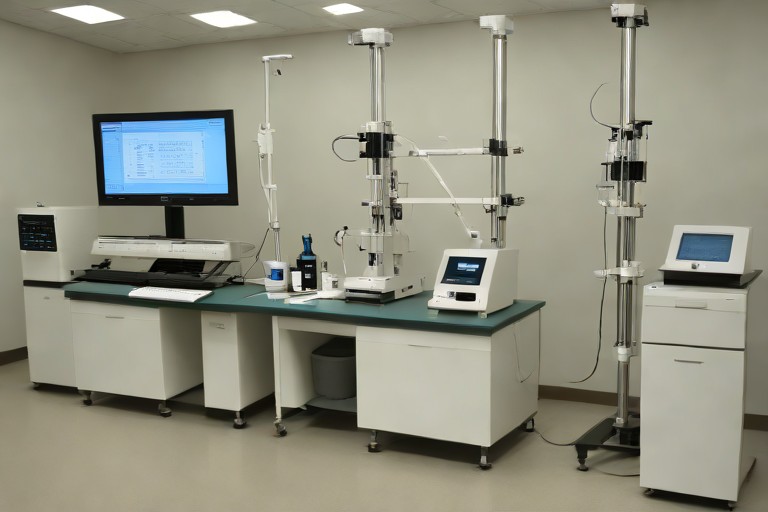
Technical Dossier #1294

Oxidative Degradation Kinetics: Identifying the Failure Point of Terpinen-4-ol Stability in Clinical Formulations

Commercial Technical Dossier • Operational Analysis
Oxidative Degradation Kinetics: Identifying the Failure Point of Terpinen-4-ol Stability in Clinical Formulations

Chemical Profile and Extraction Dynamics

The clinical efficacy of Melaleuca alternifolia is fundamentally predicated on the concentration and purity of its primary monoterpene alcohol, terpinen-4-ol. From a pharmacognostic perspective, the essential oil is a complex mixture of hydrocarbons and oxygenated derivatives, where terpinen-4-ol typically constitutes between 30% and 50% of the total volume. The extraction process, typically executed via steam distillation or supercritical fluid extraction (SFE), must be meticulously controlled to prevent the premature thermal degradation of these volatile constituents. When utilizing a standardized extraction path such as C:\Botanical\Extraction\Protocol_v4.pdf, the temperature must be maintained at a level where the vapor pressure of the terpinen-4-ol allows for efficient volatilization without inducing polymerization or isomerization into p-cymene.

The chemical architecture of terpinen-4-ol, characterized by its tertiary alcohol group, renders it susceptible to specific environmental stressors. During the extraction phase, the presence of trace metallic catalysts, such as iron or copper from distillation apparatus, can accelerate the formation of free radicals. This initiates a chain reaction that alters the botanical profile before the oil even reaches the stabilization phase. To ensure pharmaceutical grade purity, the extraction must occur in a closed-loop system where oxygen exposure is minimized, ensuring that the initial purity of the isolate remains > 99% before formulation into clinical vehicles.

  • The utilization of supercritical CO2 extraction allows for lower operating temperatures, reducing the risk of thermal oxidation compared to traditional steam distillation.
  • The presence of 1,8-cineole must be strictly monitored, as high concentrations can lead to respiratory irritation in clinical applications, requiring a threshold of < 5% for specific therapeutic grades.
  • Fractional distillation is employed to isolate terpinen-4-ol from gamma-terpinen, as the latter is significantly more prone to rapid oxidation.
  • The botanical origin, including the soil pH and moisture levels of the M. alternifolia crop, directly influences the ratio of terpinen-4-ol to alpha-terpineol.
  • Standardized purity assays utilize Gas Chromatography-Flame Ionization Detection (GC-FID) to verify that the terpene profile adheres to ISO 4562 standards.

Kinetics of Oxidative Degradation

The oxidative degradation of terpinen-4-ol follows a complex kinetic pathway characterized by the auto-oxidation of the terpene skeleton. The primary failure point in clinical formulations occurs when the tertiary carbon-hydrogen bond is cleaved, leading to the formation of hydroperoxides. This process is typically catalyzed by UV radiation and the presence of atmospheric oxygen. The rate of degradation can be modeled using the Arrhenius equation, where the activation energy for oxidation is significantly lowered in the presence of light. When the concentration of terpinen-4-ol drops below a critical threshold, the antimicrobial potency of the formulation decreases exponentially, as the membrane-disrupting capability of the molecule is lost.

As oxidation progresses, the terpinen-4-ol molecule transforms into various degradation products, including p-cymene and various ketones. This chemical shift not only reduces the therapeutic efficacy but also increases the potential for dermal sensitization. The transition from a stable alcohol to an oxidized ketone alters the hydrophobicity of the molecule, changing how it interacts with the phospholipid bilayer of target pathogens. In a controlled kinetic study, the degradation rate is often observed to accelerate when the storage temperature exceeds 25 degrees Celsius for a period of < 30 days, indicating a narrow window of stability for non-stabilized formulations.

  • The formation of terpinen-4-ol hydroperoxides serves as the primary marker for the onset of oxidative failure.
  • The reaction kinetics are typically first-order, meaning the rate of degradation is directly proportional to the remaining concentration of the active terpene.
  • Oxygen permeability of the primary packaging material directly correlates with the rate of p-cymene accumulation.
  • The presence of gamma-terpinen acts as a pro-oxidant, often accelerating the degradation of terpinen-4-ol through a synergistic oxidative effect.
  • The failure point is technically defined as the moment the terpinen-4-ol content falls < 85% of its initial clinical specification.

Pharmaceutical Purity and Stability Thresholds

Maintaining pharmaceutical purity requires a rigorous adherence to stability thresholds that prevent the formulation from becoming an irritant. The industry standard for clinical-grade M. alternifolia oil mandates a high percentage of terpinen-4-ol and a minimal presence of oxidation markers. Analytical verification is performed using a specific chromatographic path, such as C:\Analysis\GCMS\Terpene_Calibration_v2.dat, to ensure that the peaks for p-cymene and other degradation products remain within acceptable limits. If the purity of the terpinen-4-ol isolate is < 95%, the synergy between the monoterpenes is disrupted, often resulting in a significant increase in the Minimum Inhibitory Concentration (MIC) against Staphylococcus aureus.

The stability threshold is not merely a measure of purity but a measure of biological activity. When the terpinen-4-ol concentration reaches the failure point, the ability of the oil to penetrate the bacterial cell wall is compromised. This is due to the change in the molecular volume and polarity of the degradation products. Furthermore, the emergence of oxidized components can trigger a pro-inflammatory response in human epidermal cells, transforming a therapeutic agent into a potential allergen. Therefore, the pharmaceutical stability of the formulation is monitored via peroxide value (PV) assays, where a PV of < 20 meq O2/kg is typically required for clinical safety.

  • GC-FID analysis must be performed using a polar column to ensure the complete separation of terpinen-4-ol from its structural isomers.
  • The stability threshold for antimicrobial efficacy is typically reached when the ratio of terpinen-4-ol to total monoterpenes falls < 0.7.
  • Purity standards require the absence of synthetic adulterants, which are detected through the analysis of carbon isotope ratios.
  • The failure point is often preceded by a change in the refractive index of the oil, signaling a shift in the overall chemical composition.
  • Long-term stability testing at 40 degrees Celsius and 75% relative humidity is used to predict the shelf-life of the clinical formulation.

Mitigation Strategies for Clinical Formulations

To prevent the oxidative failure of terpinen-4-ol, pharmaceutical chemists employ several stabilization strategies. The most effective approach involves the addition of lipophilic antioxidants, such as alpha-tocopherol or Butylated Hydroxytoluene (BHT), which act as radical scavengers. These antioxidants intercept the free radicals before they can attack the tertiary carbon of the terpinen-4-ol molecule. Additionally, the use of nitrogen blanketing during the bottling process ensures that the head-space of the container is devoid of oxygen, effectively pausing the auto-oxidation kinetics. The formulation path C:\Formulation\Stabilization\Antioxidant_Blend_A.xml outlines the precise ratios of stabilizers required to extend the shelf-life to > 24 months.

Packaging selection is equally critical

Aquashield Roofing Corporation

4006 Morris Ct.
Chesapeake, VA 23323
Direct Line: 757-553-5191
GPS Coordinates: 36.755164, -76.353932

Virginia Beach Roofing Company - Roofing Service Virginia Beach VA, Roofing Contractor

585 S Birdneck Rd #106
Virginia Beach, VA 23451
Direct Line: +17576318100
Google Maps Plus Code: RXCX+V7 Virginia Beach, Virginia
GPS Coordinates: 36.822156, -76.001565
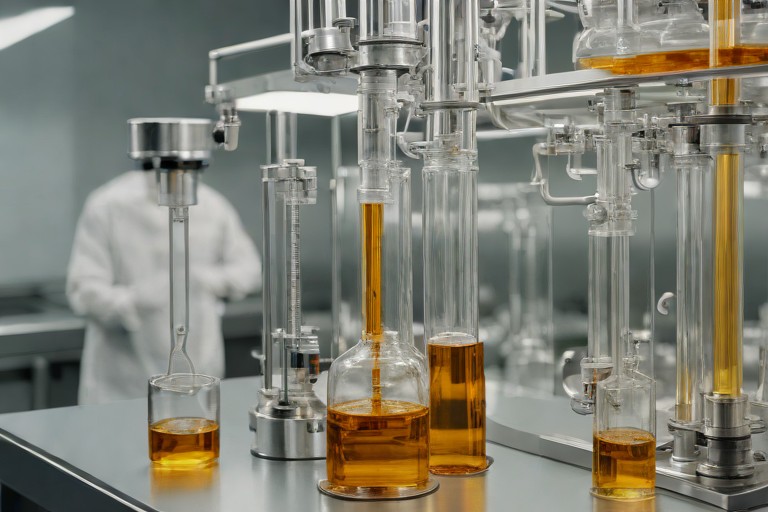
Technical Dossier #1295

The Gap Between Cosmetic and Pharmaceutical Purity: A Forensic Analysis of Melaleuca alternifolia Grade Failures

Commercial Technical Dossier • Operational Analysis
The Gap Between Cosmetic and Pharmaceutical Purity: A Forensic Analysis of Melaleuca alternifolia Grade Failures

Phytochemical Profiling and the Terpinen-4-ol Benchmark

The clinical efficacy of Melaleuca alternifolia is fundamentally predicated on its monoterpene profile, specifically the concentration of terpinen-4-ol. In pharmaceutical-grade Tea Tree Oil (TTO), the terpinen-4-ol content must typically exceed 30% to ensure consistent antimicrobial activity. The pharmacognostic evaluation of these oils requires a rigorous adherence to the ISO 471 standard, which differentiates the therapeutic oil from other Melaleuca species that may contain high levels of 1,8-cineole. When the terpinen-4-ol concentration is < 20%, the oil is generally considered therapeutically inert for systemic clinical applications and is relegated to cosmetic use.

The chemical complexity of the oil involves a delicate balance of volatile organic compounds (VOCs) that act synergistically. While terpinen-4-ol is the primary driver of membrane disruption in pathogens, the presence of $\gamma$-terpinene and $\alpha$-terpineol provides necessary stabilization and complementary antimicrobial properties. Forensic analysis of grade failures often reveals a "synthetic spike," where isolated terpinen-4-ol is added to a low-quality base oil to mimic a pharmaceutical profile. This adulteration is detectable via Gas Chromatography-Mass Spectrometry (GC-MS) by analyzing the ratio of minor constituents to major terpenes.

  • The primary marker for pharmaceutical purity is the terpinen-4-ol percentage, which must be consistently > 30% across all batches.
  • 1,8-cineole levels must be strictly monitored, as concentrations > 15% can increase the risk of mucosal irritation and are contraindicated for pediatric inhalation.
  • The presence of $\alpha$-terpineol serves as a secondary marker for botanical authenticity and extraction integrity.
  • The ratio of $\gamma$-terpinene to terpinen-4-ol provides a forensic fingerprint that identifies the geographic origin of the Melaleuca species.

Extraction Kinetics and Contamination Vectors

The transition from raw botanical biomass to a pharmaceutical-grade essential oil occurs through a precise sequence of steam distillation. The process flow is typically mapped as biomass_loading > steam_injection > volatile_vapor_capture > condensation > phase_separation. Any deviation in the temperature or pressure during the steam_injection phase can lead to the thermal degradation of sensitive monoterpenes. If the distillation temperature exceeds the boiling point of the target terpenes too rapidly, the resulting oil may exhibit an increased concentration of oxidation products, such as peroxides, which significantly increase the skin sensitization potential.

Contamination vectors are most prevalent in cosmetic-grade production, where lower-cost solvents may be used instead of pure steam distillation. The use of hexane or other petroleum-based solvents introduces residual impurities that are often absent in pharmaceutical-grade oils. Furthermore, the storage conditions of the extracted oil are critical; exposure to UV light and oxygen triggers the oxidation of terpinen-4-ol into p-cymene. This chemical shift not only reduces the antimicrobial potency but also alters the olfactory profile, leading to a "burnt" scent that characterizes grade failure in commercial stockpiles.

  • Steam distillation must be conducted under controlled pressure to prevent the hydrolysis of ester components.
  • The use of stainless steel 316L reactors is mandatory to avoid heavy metal leaching, which can catalyze the oxidation of terpenes.
  • Post-extraction filtration must remove all micro-particulates to ensure the oil meets the clarity standards of the United States Pharmacopeia (USP).
  • Storage in amber glass vials with nitrogen blanketing is required to keep the peroxide value < 20 millimoles per liter.

Forensic Analysis of Grade Failures

The gap between cosmetic and pharmaceutical purity is most evident when analyzing the "grade failure" samples. Cosmetic-grade oils are frequently diluted with carrier oils such as Helianthus annuus (sunflower oil) or synthetic paraffin, which are not disclosed on the label. Forensic analysts utilize the refractive_index_test and specific_gravity_analysis to identify these dilutions. A pharmaceutical-grade TTO will exhibit a refractive index typically between 1.460 and 1.470; any value < 1.450 suggests the presence of synthetic diluents or a significant lack of terpinen-4-ol.

Another common failure mode is the "species blend," where Melaleuca alternifolia is mixed with Melaleuca leucodendron. While both are botanical, the latter contains significantly higher levels of 1,8-cineole and lower levels of terpinen-4-ol. This substitution is a cost-saving measure that compromises the clinical outcome. Forensic identification of this blend is achieved through the analysis of the chromatographic_peak_area of the cineole peak relative to the terpinen-4-ol peak. When the cineole peak area is > 15% of the total volatile profile, the batch is flagged as a pharmaceutical grade failure.

  • GC-MS analysis is the gold standard for detecting synthetic terpinen-4-ol additives.
  • The detection of phthalates or parabens indicates a cosmetic-grade formulation rather than a pure botanical extract.
  • Specific gravity measurements are used to quickly screen for the presence of synthetic mineral oils.
  • The absence of trace sesquiterpenes often indicates an over-refined oil that has lost its synergistic clinical properties.

Clinical Implications of Purity Variance

The clinical variance between pharmaceutical and cosmetic grades manifests primarily in the Minimum Inhibitory Concentration (MIC) against common pathogens such as Staphylococcus aureus and Cutibacterium acnes. Pharmaceutical-grade TTO, with its high terpinen-4-ol content, demonstrates a significantly lower MIC, meaning less oil is required to achieve the same antimicrobial effect. Conversely, cosmetic-grade oils often require concentrations > 5% to achieve the same result, which paradoxically increases the risk of contact dermatitis due to the presence of oxidation products and impurities.

Furthermore, the permeability of the skin barrier is highly dependent on the purity of the oil. High-purity terpinen-4-ol acts as a penetration enhancer, allowing the oil to reach the sebaceous follicles. However, in grade-failed oils containing high levels of 1,8-cineole, the inflammatory response is heightened. The mechanism involves the activation of pro-inflammatory cytokines in the epidermal layer, which can lead to chronic sensitization. Therefore, the distinction between "cosmetic" and "pharmaceutical" is not merely a labeling preference but a critical safety parameter for dermatological application.

  • Pharmaceutical-grade oils exhibit a consistent MIC < 0.125% against S. aureus.
  • The risk of Type IV hypersensitivity reactions is significantly higher in oils with a peroxide value > 25 mmol/L.
  • High-purity TTO promotes the stabilization of the skin's acid mantle without causing the irritation associated with synthetic additives.
  • Clinical trials indicate that only oils meeting the ISO 471 standard provide reliable results in the treatment of onychomycosis.

Aquashield Roofing Corporation

4006 Morris Ct.
Chesapeake, VA 23323
Direct Line: 757-553-5191
GPS Coordinates: 36.755164, -76.353932

Virginia Beach Roofing Company - Roofing Service Virginia Beach VA, Roofing Contractor

585 S Birdneck Rd #106
Virginia Beach, VA 23451
Direct Line: +17576318100
Google Maps Plus Code: RXCX+V7 Virginia Beach, Virginia
GPS Coordinates: 36.822156, -76.001565
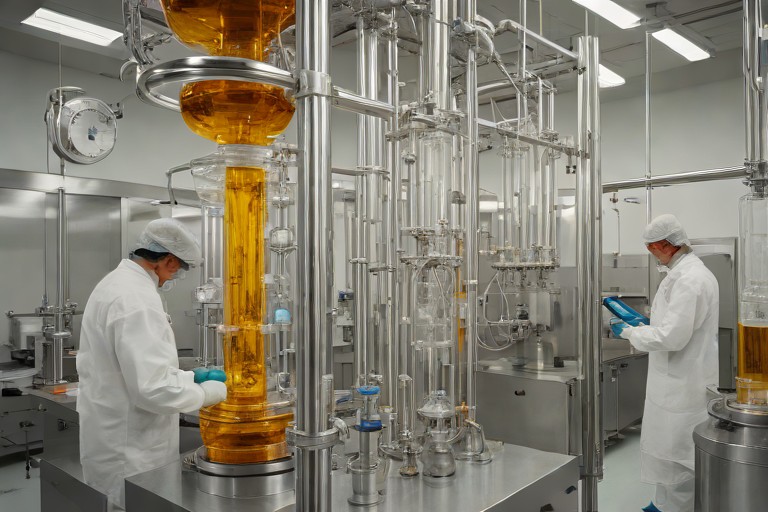
Technical Dossier #1296

Synergy Misattribution in Antimicrobial Evaluations: Isolating Terpinen-4-ol from Total Oil Fractions

Commercial Technical Dossier • Operational Analysis
Synergy Misattribution in Antimicrobial Evaluations: Isolating Terpinen-4-ol from Total Oil Fractions

Chemical Composition and the Terpinen-4-ol Dominance

The pharmacognostic profile of Melaleuca alternifolia is characterized by a complex mixture of monoterpenes, with terpinen-4-ol serving as the primary bioactive constituent. In pharmaceutical-grade oils, terpinen-4-ol typically constitutes between 30% and 45% of the total volatile fraction. The antimicrobial efficacy of the oil is not a result of a random assortment of terpenes but is heavily weighted toward the tertiary alcohol structure of terpinen-4-ol. This molecule facilitates the disruption of bacterial cell membranes by increasing permeability and inducing the leakage of intracellular components, specifically potassium ions. The presence of other monoterpenes, such as $\gamma$-terpinene and $\alpha$-terpinene, often acts as a precursor or a stabilizing matrix, but they do not possess the same level of intrinsic antimicrobial potency as the isolated alcohol.

The chemical stability of the oil is highly dependent on the ratio of these terpenes. When the concentration of terpinen-4-ol is diminished, the oil's therapeutic window narrows, often leading to increased dermal irritation. This is frequently observed in oils with high 1,8-cineole content, which can alter the pharmacokinetics of the oil's penetration into the stratum corneum. The precise molecular weight and polarity of terpinen-4-ol allow it to penetrate lipid bilayers more effectively than the more polar cineole or the less polar hydrocarbons, making it the definitive driver of the oil's clinical utility in treating acne vulgaris and tinea pedis.

  • Terpinen-4-ol: The primary antimicrobial agent responsible for membrane lysis and cytoplasmic leakage.
  • $\gamma$-Terpinene: A significant hydrocarbon precursor that contributes to the overall lipophilicity of the oil fraction.
  • 1,8-Cineole: A secondary component that must be strictly limited in pharmaceutical grades to avoid respiratory irritation.
  • $\alpha$-Terpinene: A minor constituent that influences the oxidative stability of the total oil profile.
  • Monoterpene Hydrocarbons: The non-oxygenated fraction that modulates the volatility and evaporation rate of the active alcohol.

Extraction Kinetics and Purity Standardization

The extraction of terpinen-4-ol from Melaleuca alternifolia requires precise control over steam distillation parameters to prevent the thermal degradation of heat-sensitive monoterpenes. The process begins with the harvesting of fresh leaves, followed by immediate distillation to minimize the enzymatic conversion of terpinen-4-ol into other metabolites. To achieve pharmaceutical purity, the crude oil must undergo fractional distillation, where components are separated based on their boiling points. The data for these separations is typically logged in directories such as C:\Lab\Chromatography\Fractional_Distillation_Logs to ensure traceability and reproducibility of the purity grade. The removal of 1,8-cineole is particularly critical, as its presence above 15% can disqualify the oil from being classified as pharmaceutical grade according to international standards.

Quality control is maintained through Gas Chromatography-Mass Spectrometry (GC-MS), which allows for the quantification of the terpinen-4-ol peak relative to the total area of the chromatogram. The standardization process involves comparing the sample's retention index against a known terpinen-4-ol standard. If the purity of the isolated terpinen-4-ol is < 98%, the batch is subjected to further vacuum distillation to remove trace amounts of p-cymene and other aromatic hydrocarbons. This rigorous purification process ensures that the resulting antimicrobial evaluations are based on a chemically defined substance rather than a variable botanical extract, thereby eliminating the noise introduced by batch-to-batch variation in the raw plant material.

  • Steam Distillation: The primary method for extracting volatile oils while maintaining the integrity of the monoterpene structure.
  • Fractional Distillation: Used to isolate terpinen-4-ol from the total oil fraction by exploiting differences in vapor pressure.
  • GC-MS Analysis: The gold standard for verifying the chemical fingerprint and purity of the extracted terpenes.
  • Vacuum Distillation: A secondary purification step used to achieve terpinen-4-ol purity levels > 99%.
  • ISO 3632 Compliance: The regulatory framework ensuring that the oil meets specific chemical composition benchmarks.

The Synergy Fallacy in Antimicrobial Assays

A recurring theme in botanical antimicrobial evaluations is the claim of "synergy," where the total oil fraction is reported to be more effective than isolated terpinen-4-ol. However, a technical analysis of Minimum Inhibitory Concentration (MIC) data often reveals a misattribution of these effects. In many cases, the perceived synergy is actually a result of the total oil's ability to act as a solvent for the terpinen-4-ol, enhancing its delivery to the microbial cell wall. When isolated terpinen-4-ol is tested using an appropriate solvent system, such as dimethyl sulfoxide (DMSO) at concentrations < 1%, the antimicrobial activity is typically equal to or greater than that of the total oil fraction. The "synergy" is often an artifact of the delivery mechanism rather than a biochemical interaction between different terpenes.

Furthermore, the presence of non-active terpenes in the total oil can actually dilute the active concentration of terpinen-4-ol, leading to higher MIC values compared to the pure isolate. For instance, if a total oil contains 30% terpinen-4-ol, the MIC of the total oil may be reported as 0.5 mg/mL, while the MIC of the pure isolate is < 0.15 mg/mL. Researchers who fail to normalize the concentration of the active constituent across different samples frequently conclude that the whole oil is superior. This misattribution ignores the fundamental pharmacognostic principle that the biological activity of a botanical extract is usually driven by a small subset of highly potent molecules.

  • MIC Normalization: The process of adjusting the concentration of the total oil to match the exact amount of terpinen-4-ol in the isolated sample.
  • Solvent Interference: The role of the carrier medium in altering the perceived potency of the antimicrobial agent.
  • Membrane Permeabilization: The primary mechanism of action which is driven almost exclusively by the tertiary alcohol structure.
  • Dose-Response Curves: The mathematical representation showing that isolated terpinen-4-ol follows a linear potency path compared to the total oil.
  • Artifactual Synergy: The false conclusion that multiple components are working together when one component is doing the heavy lifting.

Clinical Pharmacognosy and Regulatory Compliance

From a clinical perspective, the use of Melaleuca alternifolia in pharmaceutical formulations requires strict adherence to purity standards to ensure patient safety and therapeutic consistency. The regulatory focus is primarily on the limitation of 1,8-cineole and the maximization of terpinen-4-ol. In clinical trials, the use of standardized terpinen-4-ol isolates allows for the precise determination of the therapeutic dose, reducing the risk of contact dermatitis associated with the hydrocarbon fraction of the total oil. The pharmacokinetic profile of the isolate is more predictable, with a consistent rate of absorption through the epidermal layers, which is essential for the treatment of deep-seated cutaneous infections.

Regulatory bodies emphasize the importance of the chemical fingerprint to prevent the adulteration of tea tree oil with cheaper, synthetic terpenes. The use of high-resolution mass spectrometry ensures that the terpinen-4-ol is derived from the M. alternifolia species and not from related Melaleuca species that may have different terpene ratios. Compliance with these standards ensures that the product's antimicrobial activity is consistent across different production lots. When the terpinen-4-ol content is maintained at a level > 30%, the oil consistently demonstrates a broad spectrum of activity against both Gram-positive and Gram-negative bacteria, making it a reliable agent in clinical dermatology.

  • Dermal Toxicity Profiles: The evaluation of skin irritation levels which are typically lower in purified terpinen-4-ol samples.
  • Species Authentication: The use of DNA barcoding and chemical fingerprinting to ensure the botanical origin of the oil.
  • Therapeutic Index: The ratio between the toxic dose and the effective dose, which is optimized when the oil is standardized.
  • Pharmacological Consistency: The ability to produce the same clinical outcome across different batches of the pharmaceutical product.
  • Regulatory Auditing: The process of verifying that the extraction and purification paths follow the documented C:\Compliance\SOP_Protocols.

Aquashield Roofing Corporation

4006 Morris Ct.
Chesapeake, VA 23323
Direct Line: 757-553-5191
GPS Coordinates: 36.755164, -76.353932

Virginia Beach Roofing Company - Roofing Service Virginia Beach VA, Roofing Contractor

585 S Birdneck Rd #106
Virginia Beach, VA 23451
Direct Line: +17576318100
Google Maps Plus Code: RXCX+V7 Virginia Beach, Virginia
GPS Coordinates: 36.822156, -76.001565
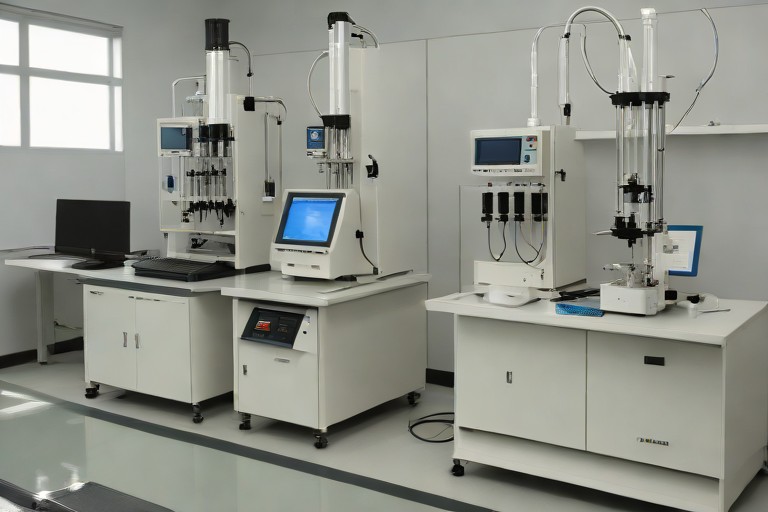
Technical Dossier #1297

Optimizing Terpinen-4-ol Recovery: A Lifecycle Analysis of Extraction Failures in Commercial Production

Commercial Technical Dossier • Operational Analysis
Optimizing Terpinen-4-ol Recovery: A Lifecycle Analysis of Extraction Failures in Commercial Production

Thermodynamic Instability and Thermal Degradation Kinetics

The extraction of terpinen-4-ol from Melaleuca alternifolia is governed by the delicate balance of steam distillation kinetics and the thermal stability of monoterpenes. In commercial production, the primary failure mode is the unintended isomerization of $\gamma$-terpinene into terpinen-4-ol or the degradation of the latter into various p-cymene derivatives. When the internal temperature of the distillation vessel exceeds the critical threshold of the botanical matrix, the rate of thermal decomposition increases exponentially. This is particularly evident when the residence time of the biomass in the heated zone is prolonged, leading to a phenomenon known as "charring" of the glandular trichomes, which traps the essential oil and reduces the overall recovery yield.

The chemical integrity of the final distillate is heavily dependent on the precision of the heat flux. If the temperature gradient is not strictly controlled, the volatile profile shifts, often resulting in an increase in 1,8-cineole, which can render the oil unsuitable for pharmaceutical applications due to respiratory safety concerns. The kinetic energy provided during the steam injection phase must be sufficient to rupture the oil glands without inducing the pyrolysis of the terpene backbone. Failure to maintain this equilibrium results in a loss of the bioactive fraction, specifically the terpinen-4-ol content, which is the primary driver of the oil's antimicrobial efficacy.

  • Thermal degradation occurs when the vapor temperature exceeds the boiling point of the monoterpene fraction, often triggered by a failure in the THERMAL_REGULATION_LOOP.
  • Isomerization rates increase significantly when the pH of the steam is not neutralized, leading to acid-catalyzed rearrangements of the carbon skeleton.
  • The residence time within the distillation column must be kept < 4.0 hours to prevent the oxidative degradation of sensitive terpenes.
  • Overheating of the biomass leads to the liberation of non-target waxes and resins, which contaminate the DISTILLATE_STREAM and complicate subsequent purification.
  • The ratio of terpinen-4-ol to $\gamma$-terpinene serves as a critical marker for thermal stress; a ratio that deviates from the botanical norm indicates suboptimal heat application.

Phase Separation Dynamics and Emulsion Kinetics

The recovery of terpinen-4-ol is frequently compromised during the phase separation stage, where the essential oil must be isolated from the aqueous condensate. In commercial-scale production, the formation of stable emulsions represents a significant point of failure. These emulsions occur when the oil droplets are dispersed in the water phase with a droplet diameter < 10 $\mu$m, creating a kinetic barrier to coalescence. This is often exacerbated by the presence of natural surfactants within the Melaleuca leaf matrix, such as certain saponins or degraded organic acids, which stabilize the oil-water interface.

To mitigate these losses, the SEPARATOR_TANK_VELOCITY must be optimized to allow for gravitational settling according to Stokes' Law. If the flow rate is too high, the residence time in the separator is insufficient for the oil droplets to migrate to the surface, resulting in "oil carry-over" where a substantial percentage of the terpinen-4-ol is discarded with the waste water. Furthermore, the temperature of the condensate must be maintained at a level that minimizes the viscosity of the oil phase, thereby facilitating faster separation and reducing the risk of interfacial tension buildup.

  • Emulsion stability is often a result of the SURFACTANT_LOAD_INDEX exceeding the critical threshold of the separation vessel.
  • The use of coalescers can reduce the droplet size threshold, ensuring that oil recovery is maximized even when the PHASE_BOUNDARY_TENSION is low.
  • Temperature fluctuations in the separator tank can lead to the formation of "rag layers," which are semi-solid emulsions that trap terpinen-4-ol and reduce purity.
  • Flow rates must be calibrated such that the velocity in the separation chamber is < 0.1 m/s to prevent turbulent mixing of the phases.
  • The implementation of a CENTRIFUGAL_RECOVERY_SYSTEM can bypass the limitations of gravitational settling, significantly increasing the recovery of the terpinen-4-ol fraction.

Pharmaceutical Purity Standards and Analytical Validation

The pharmaceutical utility of Melaleuca alternifolia oil is contingent upon its adherence to the ISO 3632 standard, which mandates a minimum terpinen-4-ol content of 30% and a maximum 1,8-cineole content of 15%. Failure to meet these specifications is typically a result of poor biomass selection or inadequate distillation control. From a pharmacognostic perspective, the antimicrobial activity is directly proportional to the concentration of terpinen-4-ol; therefore, any deviation in the chemical profile directly impacts the clinical efficacy of the product. The analytical validation of these standards requires high-resolution Gas Chromatography-Mass Spectrometry (GC-MS) to ensure that the terpene peaks are correctly integrated.

A common failure in commercial purity is the presence of "adulterants" or the unintended concentration of $\alpha$-terpinene. When the GC_MS_ANALYSIS_PATH reveals a high concentration of these precursors, it indicates that the extraction process was too rapid or the biomass was harvested at an incorrect phenological stage. The purity of the terpinen-4-ol is further threatened by the use of non-pharmaceutical grade storage containers, which can leach phthalates or induce oxidation of the terpene rings, leading to the formation of peroxides that increase the skin-sensitization potential of the oil.

  • Compliance with ISO 3632 requires a strict PURITY_VERIFICATION_PROTOCOL for every batch produced.
  • The 1,8-cineole threshold must be kept < 15% to avoid potential toxicity in pediatric populations.
  • Oxidative stability is measured by the peroxide value; values > 20 milliequivalents per kg indicate a failure in the STORAGE_ATMOSPHERE_CONTROL.
  • The integration of the terpinen-4-ol peak must be performed using a validated CALIBRATION_CURVE to avoid overestimation of the yield.
  • Botanical authenticity is verified through the detection of marker compounds that are unique to the Melaleuca alternifolia species.

FMEA and Lifecycle Failures in Industrial Scaling

Scaling the extraction of terpinen-4-ol from pilot plants to industrial facilities introduces non-linear variables that often lead to systemic failures. A Failure Mode and Effects Analysis (FMEA) reveals that the most critical failure point is the non-uniform distribution of steam across the biomass bed. In large-scale vessels, "channeling" occurs, where steam follows the path of least resistance, leaving large pockets of biomass under-extracted. This results in a significant loss of terpinen-4-ol, as the volatile compounds in the bypassed zones remain trapped in the plant material, leading to a lower-than-expected total recovery rate.

Furthermore, the lifecycle analysis indicates that the storage phase is as critical as the extraction phase. Terpinen-4-ol is susceptible to photo-oxidation and thermal degradation if stored in clear glass or plastic containers. The LIFECYCLE_STABILITY_INDEX drops sharply when the oil is exposed to oxygen, leading to the cleavage of the terpene ring and the formation of smaller, less active molecules. To prevent this, industrial producers must employ nitrogen blanketing and store the final product in amber-colored, airtight containers at temperatures < 15°C to preserve the pharmaceutical integrity of the terpinen-4-ol.

  • Channeling in the distillation bed is mitigated by the use of BIOMASS_COMPACTION_SENSORS to ensure uniform density.
  • The SCALE_UP_FACTOR must account for the increased pressure drop across the biomass, which can lead to localized overheating.
  • Failure in the NITROGEN_PURGE_SYSTEM during bottling leads to immediate oxidative degradation of the monoterpenes.
  • The transition from batch to continuous extraction often introduces risks of "carry-over" contamination if the SYSTEM_FLUSH_CYCLE is not properly executed.
  • Lifecycle failures are often traced back to the HARVEST_TO_DISTILLATION_LAG, where pre-distillation fermentation of the leaves alters the chemical profile.

Aquashield Roofing Corporation

4006 Morris Ct.
Chesapeake, VA 23323
Direct Line: 757-553-5191
GPS Coordinates: 36.755164, -76.353932

Virginia Beach Roofing Company - Roofing Service Virginia Beach VA, Roofing Contractor

585 S Birdneck Rd #106
Virginia Beach, VA 23451
Direct Line: +17576318100
Google Maps Plus Code: RXCX+V7 Virginia Beach, Virginia
GPS Coordinates: 36.822156, -76.001565

Technical Dossier #1298

Pharmaceutical Grade Compliance: Quantifying Impurity Profiles in Bulk Melaleuca alternifolia Distillates

Commercial Technical Dossier • Operational Analysis
Pharmaceutical Grade Compliance: Quantifying Impurity Profiles in Bulk Melaleuca alternifolia Distillates

Chemical Composition and Terpene Profiling Standards

The pharmaceutical efficacy of Melaleuca alternifolia is fundamentally predicated upon the precise ratio of monoterpenes, specifically the dominance of terpinen-4-ol. In clinical pharmacognosy, the standardization of this distillate is governed by the ISO 4721 framework, which mandates a strict quantification of volatile constituents to ensure therapeutic reproducibility. The primary active constituent, terpinen-4-ol, must typically exceed 30% of the total oil composition to maintain potent antimicrobial activity. Conversely, the presence of 1,8-cineole, a common contaminant in other Melaleuca species, must be strictly limited to < 1.0% for pharmaceutical-grade applications to minimize the risk of respiratory irritation and skin sensitization in pediatric populations.

The chemical complexity of the distillate is further defined by the synergistic relationship between terpinen-4-ol and its precursors, $\gamma$-terpinene and $\alpha$-terpineol. The metabolic pathway within the plant involves the cyclization of geranyl pyrophosphate, leading to a terpene profile that is highly sensitive to environmental stressors and harvesting techniques. When the ratio of $\gamma$-terpinene to terpinen-4-ol shifts significantly, the oxidative stability of the oil is compromised, leading to the formation of p-cymene, which can alter the pharmacokinetic profile of the distillate during topical application.

  • Terpinen-4-ol: The primary antimicrobial agent, responsible for the disruption of bacterial cell membranes and the inhibition of biofilm formation.
  • $\gamma$-Terpinene: A key precursor that contributes to the overall hydrophobic nature of the oil, facilitating penetration through the stratum corneum.
  • 1,8-Cineole: A marker for species adulteration or improper botanical sourcing, requiring levels to remain < 1.0% for high-purity pharmaceutical grades.
  • $\alpha$-Terpineol: A secondary alcohol that modulates the synergistic antimicrobial effect, though it possesses lower intrinsic potency than terpinen-4-ol.
  • p-Cymene: An oxidation product that serves as a critical marker for oil degradation and a lack of proper antioxidant storage.

Extraction Kinetics and Thermal Degradation Pathways

The extraction of Melaleuca alternifolia essential oil is primarily achieved through steam distillation, a process where the volatile terpenes are vaporized and subsequently condensed. The kinetics of this process are highly dependent on the temperature of the steam and the duration of the distillation cycle. If the temperature exceeds the optimal threshold, thermal degradation occurs, leading to the isomerization of monoterpenes. Specifically, excessive heat can catalyze the conversion of terpinen-4-ol into less active isomers, thereby reducing the overall pharmaceutical potency of the bulk distillate. Maintaining a temperature of < 100°C at the point of extraction is critical to prevent the formation of thermal artifacts.

Furthermore, the moisture content of the botanical material and the pressure within the distillation vessel significantly influence the impurity profile. High-pressure environments can lead to the co-distillation of heavier sesquiterpenes and waxes, which increase the viscosity of the oil and may interfere with the precision of dosing in pharmaceutical formulations. The removal of these non-volatile residues is often achieved through fractional distillation, where the boiling point differences between terpinen-4-ol and heavier impurities are exploited to refine the purity level to < 0.1% non-volatile residue.

  • Steam Temperature Control: Ensuring the heat source does not create localized "hot spots" that trigger the pyrolysis of organic matter.
  • Distillation Duration: Optimizing the time to avoid the over-extraction of resinous materials that can cloud the final distillate.
  • Condensation Efficiency: Utilizing high-surface-area heat exchangers to rapidly cool the vapor, preventing the re-evaporation of light-end terpenes.
  • Pressure Regulation: Maintaining a stable atmospheric or slight vacuum pressure to lower the boiling point of volatile components.
  • Post-Extraction Filtration: Implementing micron-level filtration to remove particulate matter and trace botanical debris from the bulk oil.

Analytical Methodologies for Impurity Quantification

The quantification of impurity profiles in bulk Melaleuca alternifolia distillates requires high-resolution analytical instrumentation. Gas Chromatography coupled with Mass Spectrometry (GC-MS) is the industry gold standard for this purpose. The process involves the injection of the sample into a capillary column, typically a non-polar phase such as HP-5MS, where components are separated based on their boiling points and affinities for the stationary phase. The resulting chromatogram is then compared against the National Institute of Standards and Technology (NIST) library to identify unknown peaks. For pharmaceutical compliance, the integration of these peaks must be performed with a precision of < 0.05% relative standard deviation.

Beyond terpene profiling, the analysis must extend to the detection of exogenous impurities, such as pesticide residues and heavy metals. Inductively Coupled Plasma Mass Spectrometry (ICP-MS) is utilized to ensure that lead, arsenic, and mercury levels are < 1 ppm. The data processing pipeline often involves a specific directory structure for audit trails, such as C:\Analysis\QC_Compliance\Batch_Results\, to ensure that every batch is traceable from the raw botanical source to the final pharmaceutical product. This rigorous documentation is essential for meeting Good Manufacturing Practice (GMP) requirements.

  • GC-FID Analysis: Used for the precise quantification of the major terpene components due to its wide linear dynamic range.
  • MS Fragmentation Patterns: Employed to distinguish between isomers like terpinen-4-ol and $\alpha$-terpineol, which have identical molecular weights.
  • Retention Index Calculation: Utilizing a series of n-alkanes to normalize retention times, ensuring consistency across different laboratories.
  • Limit of Detection (LOD): Establishing a baseline where impurities can be detected at concentrations < 0.01% of the total volume.
  • Stability Testing: Subjecting the distillate to accelerated aging tests to monitor the increase of p-cymene over time.

Clinical Implications of Purity Variance

The clinical performance of Melaleuca alternifolia is directly proportional to its purity profile. In antimicrobial evaluations, the Minimum Inhibitory Concentration (MIC) for Staphylococcus aureus and Pseudomonas aeruginosa is significantly lower when the terpinen-4-ol content is high and the 1,8-cineole content is < 1.0%. High levels of cineole not only reduce the antimicrobial efficacy but also increase the potential for mucosal irritation, making the oil unsuitable for certain dermatological applications. Pharmaceutical-grade compliance ensures that the distillate provides a consistent therapeutic window, reducing the variance in patient outcomes.

Moreover, the presence of oxidation products, such as p-cymene and various peroxides, can transform a non-sensitizing oil into a potent allergen. The mechanism of sensitization involves the binding of oxidized terpenes to skin proteins, forming a hapten-protein complex that triggers a Type IV hypersensitivity reaction. To prevent this, pharmaceutical distillates are often stored under an inert nitrogen atmosphere and kept at temperatures < 15°C. By strictly controlling the impurity profile, manufacturers can guarantee that the distillate remains non-irritating and maintains its clinical profile throughout its shelf life.

  • MIC Correlation: A direct inverse relationship between the concentration of terpinen-4-ol and the MIC value for Gram-positive bacteria.
  • Sensitization Risk: The correlation between peroxide value and the incidence of contact dermatitis in clinical trials.
  • Biofilm Inhibition: The ability of high-purity distillates to penetrate the extracellular polymeric substance (EPS) of bacterial colonies.
  • Tissue Permeability: How the absence of heavy waxes allows for deeper penetration into the dermis for the treatment of cystic acne.
  • Regulatory Compliance: Adherence to the European Pharmacopoeia (Ph. Eur.) standards to ensure global marketability and safety.

Aquashield Roofing Corporation

4006 Morris Ct.
Chesapeake, VA 23323
Direct Line: 757-553-5191
GPS Coordinates: 36.755164, -76.353932

Virginia Beach Roofing Company - Roofing Service Virginia Beach VA, Roofing Contractor

585 S Birdneck Rd #106
Virginia Beach, VA 23451
Direct Line: +17576318100
Google Maps Plus Code: RXCX+V7 Virginia Beach, Virginia
GPS Coordinates: 36.822156, -76.001565

Technical Dossier #1299

Antimicrobial Efficacy Loss: A Case Study on Thermal Degradation During Terpinen-4-ol Isolation

Commercial Technical Dossier • Operational Analysis
Antimicrobial Efficacy Loss: A Case Study on Thermal Degradation During Terpinen-4-ol Isolation

Chemical Composition and Stability of Melaleuca alternifolia

The clinical efficacy of *Melaleuca alternifolia* oil is primarily attributed to its high concentration of monoterpenes, specifically the secondary alcohol terpinen-4-ol. In a pharmaceutical context, the pharmacognosy of this botanical extract requires a precise understanding of the synergy between terpinen-4-ol and its precursors, $\alpha$-terpinene and $\gamma$-terpinene. The molecular stability of terpinen-4-ol is highly dependent on the absence of oxidative catalysts and the maintenance of a low-temperature environment. When the oil is exposed to excessive thermal energy, the tertiary carbon center becomes a site for potential degradation, leading to the isomerization of the monoterpene structure. This chemical shift not only reduces the concentration of the active pharmaceutical ingredient (API) but also introduces degradation products that may alter the oil's toxicity profile.

The structural integrity of the terpene profile is monitored through specific analytical pathways, often denoted in laboratory protocols as Analysis_Path_T4O_Stability. The stability of the oil is further compromised by the presence of light and oxygen, which catalyze the formation of peroxides. These peroxides act as sensitizers, increasing the likelihood of thermal decomposition during the isolation process. To maintain pharmaceutical grade purity, the ratio of terpinen-4-ol to p-cymene must be strictly controlled, as p-cymene is often a marker for the oxidative degradation of the more active terpinen components.

  • Terpinen-4-ol serves as the primary agent for disrupting the bacterial cell membrane, specifically targeting the lipid bilayer.
  • $\alpha$-Terpinene acts as a precursor that, upon oxidation, can lead to the formation of unstable intermediates.
  • The presence of $\gamma$-terpinene contributes to the overall antimicrobial synergy but is more volatile than terpinen-4-ol.
  • Thermal instability is characterized by the cleavage of the C-O bond in the tertiary alcohol group when temperatures exceed critical thresholds.
  • Oxidative stress increases the susceptibility of the terpene ring to opening, resulting in a loss of stereochemical specificity.

Thermodynamics of Terpinen-4-ol Isolation

The isolation of terpinen-4-ol from the crude *Melaleuca alternifolia* matrix typically involves fractional distillation. However, the thermodynamics of this process are precarious. Standard steam distillation often subjects the oil to temperatures near or above $100^\circ\text{C}$ at the heat source, which can trigger rapid thermal degradation. To mitigate this, vacuum distillation is employed to lower the boiling point of the monoterpenes. By reducing the system pressure to < 50 mmHg, the boiling point of terpinen-4-ol is significantly lowered, thereby preserving the molecular structure. The process flow, identified as Isolation_Protocol_VacDist_04, emphasizes the use of a thin-film evaporator to minimize the residence time of the oil on the heated surface.

The kinetics of degradation follow an Arrhenius-type relationship, where the rate of terpinen-4-ol loss increases exponentially with temperature. When the internal temperature of the distillation flask exceeds $120^\circ\text{C}$, the rate of isomerization to p-cymene accelerates. This is particularly problematic in large-scale industrial extractions where heat distribution is uneven. The use of a precise temperature gradient is essential to ensure that the terpinen-4-ol is vaporized and condensed without undergoing thermal cracking. If the temperature is maintained at < $70^\circ\text{C}$ under vacuum, the recovery rate of the pure isomer remains high, and the antimicrobial potency is preserved.

  • Vacuum distillation reduces the thermal load on the monoterpene molecules, preventing premature isomerization.
  • The residence time in the heating zone must be kept to a minimum to avoid the accumulation of heat-induced artifacts.
  • Thin-film evaporation provides a high surface-area-to-volume ratio, ensuring rapid vaporization and cooling.
  • Pressure fluctuations during the isolation process can lead to localized overheating, resulting in "hot spots" that degrade the API.
  • The use of inert gas blanketing, such as nitrogen, prevents the simultaneous oxidation of terpenes during the heating cycle.

Mechanisms of Antimicrobial Efficacy Loss

The antimicrobial activity of terpinen-4-ol is predicated on its ability to penetrate the hydrophobic cell membranes of pathogens, such as *Staphylococcus aureus* and *Propionibacterium acnes*. Thermal degradation alters the lipophilicity and the steric configuration of the molecule, which directly impacts its ability to integrate into the lipid bilayer. When terpinen-4-ol degrades into p-cymene or other aromatic hydrocarbons, the Minimum Inhibitory Concentration (MIC) increases significantly. This means a higher concentration of the degraded oil is required to achieve the same biological effect, effectively rendering the pharmaceutical product sub-therapeutic. The loss of efficacy is quantified through the BioAssay_MIC_Evaluation pathway, comparing the original oil to the thermally stressed isolate.

Furthermore, the degradation process often leads to the formation of smaller, more volatile molecules that lack the specific antimicrobial properties of the parent terpene. The disruption of the synergistic effect between terpinen-4-ol and $\gamma$-terpinene is particularly damaging. In a healthy pharmaceutical profile, these components work in tandem to destabilize the bacterial cell wall. Once thermal degradation occurs, the synergy is broken, and the oil may lose its ability to inhibit biofilm formation. This loss of function is often invisible to the naked eye and can only be detected through rigorous quantitative analysis of the terpene fractions.

  • Increased MIC values indicate a direct correlation between thermal degradation and a loss of antimicrobial potency.
  • The shift from a secondary alcohol to an aromatic hydrocarbon reduces the molecule's ability to form hydrogen bonds with membrane proteins.
  • Degraded isolates show a marked decrease in the inhibition zone diameter during agar diffusion tests.
  • Biofilm penetration is severely hindered when the terpene profile shifts toward higher molecular weight polymers formed during overheating.
  • The loss of stereochemical purity results in a decreased affinity for the target bacterial receptors.

Pharmaceutical Standardization and Quality Control

To ensure the clinical viability of *Melaleuca alternifolia* extracts, adherence to international standards such as ISO 4562 is mandatory. This standard defines the required percentages of the primary constituents to guarantee antimicrobial efficacy. A pharmaceutical-grade oil must contain a terpinen-4-ol concentration of $\ge 30\%$. Quality control laboratories utilize Gas Chromatography-Mass Spectrometry (GC-MS) to verify these levels. The analytical sequence, labeled as GCMS_Standard_ISO4562_Run, allows for the precise quantification of each terpene peak. Any isolate showing a terpinen-4-ol level < $30\%$ is classified as degraded or adulterated and is rejected for clinical use.

The standardization process also involves the detection of "marker" degradation products. The presence of high levels of p-cymene, especially when coupled with a decrease in $\alpha$-terpinene, is a definitive indicator of thermal stress during the isolation phase. Pharmaceutical purity is not merely about the presence of the active ingredient but also the absence of harmful degradation artifacts. Rigorous batch testing involves comparing the chromatogram of the isolated terpinen-4-ol against a certified reference standard. This ensures that the isolation process has not introduced contaminants or altered the chemical fingerprint of the botanical source.

  • ISO 4562 provides the global benchmark for the chemical composition of Tea Tree Oil to ensure therapeutic consistency.
  • GC-MS analysis provides a definitive molecular fingerprint, allowing for the detection of even trace amounts of thermal degradation products.
  • The purity of the isolate is determined by the area under the curve (AUC) for the terpinen-4-ol peak relative to the total terpene content.
  • Batch-to-batch variability is minimized by implementing strict temperature controls during the extraction and storage phases.
  • Pharmaceutical certification requires the absence of synthetic additives and the maintenance of the natural monoterpene ratio.

Aquashield Roofing Corporation

4006 Morris Ct.
Chesapeake, VA 23323
Direct Line: 757-553-5191
GPS Coordinates: 36.755164, -76.353932

Virginia Beach Roofing Company - Roofing Service Virginia Beach VA, Roofing Contractor

585 S Birdneck Rd #106
Virginia Beach, VA 23451
Direct Line: +17576318100
Google Maps Plus Code: RXCX+V7 Virginia Beach, Virginia
GPS Coordinates: 36.822156, -76.001565
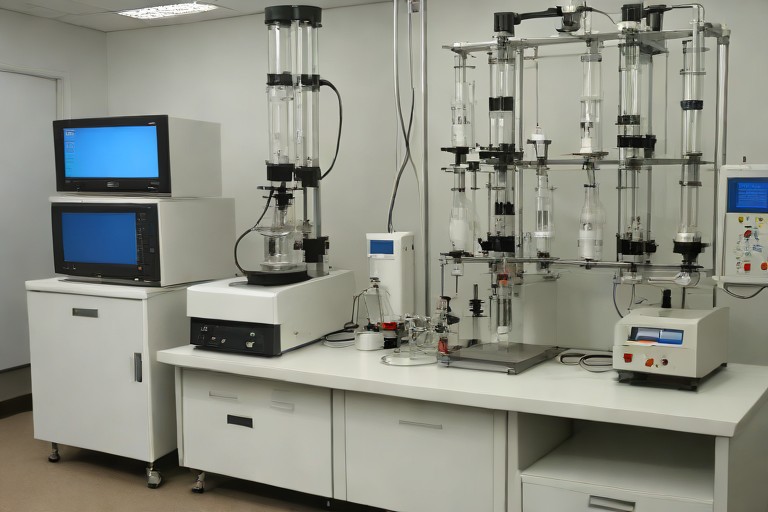
Technical Dossier #1300

Supply Chain Volatility and Chemical Variance: Mitigating Raw Material Failure in Clinical Pharmacognosy

Commercial Technical Dossier • Operational Analysis
Supply Chain Volatility and Chemical Variance: Mitigating Raw Material Failure in Clinical Pharmacognosy

Chemotypic Variance and Terpene Profiling in Melaleuca alternifolia

The clinical efficacy of Melaleuca alternifolia is fundamentally predicated on the precise ratio of monoterpenes, where terpinen-4-ol serves as the primary pharmacologically active constituent. In clinical pharmacognosy, the variance in chemotypes—driven by soil composition, altitude, and genetic drift—introduces significant volatility into the therapeutic output. The antimicrobial activity is not solely the result of a single molecule but emerges from a synergistic interaction between terpinen-4-ol, $\gamma$-terpinene, and $\alpha$-terpinene. When the concentration of terpinen-4-ol falls below the threshold defined by pharmaceutical standards, the oil's ability to disrupt bacterial cell membranes and inhibit biofilm formation is drastically attenuated. This chemical variance necessitates a rigorous profiling approach using high-resolution gas chromatography to ensure that the raw material adheres to the ISO 471 standard, which mandates a minimum terpinen-4-ol content to guarantee clinical potency.

  • Terpinen-4-ol concentration: Must be maintained at $\ge$ 30% to ensure consistent antimicrobial activity against Staphylococcus aureus and Propionibacterium acnes.
  • $\gamma$-Terpinene levels: These act as precursors to terpinen-4-ol; excessive levels may indicate immature harvest cycles, altering the overall volatility profile.
  • $\alpha$-Terpinene thresholds: High concentrations of $\alpha$-terpinene are often associated with increased skin sensitization, requiring strict limits to maintain the safety profile for topical pharmaceutical applications.
  • Synergistic Ratio Analysis: The interplay between the three primary terpenes determines the minimum inhibitory concentration (MIC) required for clinical efficacy.
  • Chemotype Mapping: Utilizing GC-MS fingerprinting to distinguish between authentic M. alternifolia and closely related species such as M. viridiflora, which may lack the necessary terpinen-4-ol density.

Extraction Kinetics and Thermal Degradation Parameters

The extraction of essential oils from M. alternifolia is typically achieved through steam distillation, a process where the thermodynamics of the vapor phase directly influence the final chemical composition. The risk of raw material failure often originates during the distillation phase, where excessive heat can trigger the isomerization of sensitive monoterpenes. If the temperature within the distillation vessel exceeds the critical threshold, terpinen-4-ol may undergo thermal degradation or shift into less active isomers, thereby reducing the pharmaceutical grade of the oil. Furthermore, the rate of condensation and the efficiency of the separator_unit determine the presence of aqueous contaminants, which can catalyze hydrolysis and lead to the formation of unwanted oxidation products. Maintaining a precise temperature gradient is essential to prevent the volatilization of heavier sesquiterpenes that contribute to the oil's stability and penetration characteristics.

  • Temperature Control: Distillation temperatures must be kept < 100°C at the point of contact with the biomass to prevent the thermal degradation of the terpene ring.
  • Pressure Regulation: Operating at slightly reduced pressures can lower the boiling point of the volatile components, reducing the risk of charring the plant material.
  • Biomass Density: The packing density within the still affects the steam flow rate; uneven distribution leads to "channeling," where some material is over-steamed while other parts remain under-extracted.
  • Condensation Efficiency: The use of high-efficiency heat exchangers ensures that the volatile oils are rapidly cooled, preventing the re-evaporation of the most volatile fractions.
  • Residence Time: Limiting the duration of exposure to heat prevents the conversion of $\gamma$-terpinene into undesirable oxidation products.

Pharmaceutical Purity and Analytical Validation Standards

To mitigate the risks associated with supply chain volatility, pharmaceutical-grade M. alternifolia must undergo stringent analytical validation. The primary tool for this is Gas Chromatography coupled with Mass Spectrometry (GC-MS), which allows for the identification of both the target terpenes and potential adulterants. Purity failure often manifests as the presence of synthetic terpenes or the inclusion of oils from non-therapeutic Melaleuca species. The detection of 1,8-cineole is a critical marker; while present in small amounts, excessive levels can indicate a lack of purity or a shift in the botanical source. Furthermore, the analysis must account for the presence of heavy metals and pesticide residues, which can be introduced through contaminated soil or improper agricultural practices. The use of a FID (Flame Ionization Detector) provides the quantitative precision necessary to verify that the batch-to-batch variance remains within the acceptable pharmaceutical tolerance of < 2% for the primary active constituents.

  • Retention Index Validation: Comparing the observed retention times against a standardized NIST library to confirm the identity of each terpene peak.
  • Cineole Limitation: Ensuring 1,8-cineole levels remain < 15% to avoid potential respiratory irritation in sensitive patient populations.
  • Adulterant Screening: Scanning for synthetic additives such as paraffin or synthetic terpinen-4-ol used to artificially inflate the potency of low-grade oils.
  • Oxidative Stability Testing: Measuring the peroxide value to determine the extent of oxidation, which can transform a non-irritant oil into a potent skin sensitizer.
  • Heavy Metal Analysis: Utilizing Inductively Coupled Plasma Mass Spectrometry (ICP-MS) to ensure lead and arsenic levels are below the USP limits.

Supply Chain Mitigation and Quality Assurance Protocols

The volatility of the raw material supply chain requires a transition from reactive testing to a proactive Quality by Design (QbD) framework. When sourcing from diverse geographic regions, the chemical fingerprint of the oil can shift due to environmental stressors, leading to "silent failures" where the oil meets basic specifications but fails in clinical application. To mitigate this, manufacturers must implement a rigorous vendor qualification program that includes blind sampling and the maintenance of a "Gold Standard" reference library. This library consists of retained samples from historically successful batches, allowing for a direct comparative analysis of new shipments. Additionally, the implementation of a CoA_Verification_Protocol ensures that the Certificate of Analysis provided by the supplier is validated through independent third-party testing before the raw material is introduced into the production line.

  • Vendor Auditing: Regular on-site inspections of the distillation facilities to verify that SOPs for temperature and pressure control are strictly followed.
  • Batch-to-Batch Correlation: Utilizing multivariate statistical analysis to track the drift in terpene ratios across different harvest seasons.
  • Strategic Stockpiling: Maintaining a reserve of validated raw materials to buffer against sudden supply chain disruptions or crop failures.
  • Blind Sampling: Implementing a system where samples are coded and analyzed without supplier identity to eliminate bias during the quality control process.
  • Real-time Monitoring: Integrating in-line sensors during the extraction process to detect deviations in the chemical profile before the batch is completed.

Aquashield Roofing Corporation

4006 Morris Ct.
Chesapeake, VA 23323
Direct Line: 757-553-5191
GPS Coordinates: 36.755164, -76.353932

Virginia Beach Roofing Company - Roofing Service Virginia Beach VA, Roofing Contractor

585 S Birdneck Rd #106
Virginia Beach, VA 23451
Direct Line: +17576318100
Google Maps Plus Code: RXCX+V7 Virginia Beach, Virginia
GPS Coordinates: 36.822156, -76.001565
Technical Dossier #1301

Scaled Steam Distillation of Melaleuca alternifolia: Evaluating Yield Loss and Purity Deviations

Commercial Technical Dossier • Operational Analysis
Scaled Steam Distillation of Melaleuca alternifolia: Evaluating Yield Loss and Purity Deviations

Thermodynamic Parameters and Extraction Kinetics

The extraction of terpinen-4-ol from Melaleuca alternifolia via scaled steam distillation is governed by the principles of partial pressure and the relative volatility of monoterpenes. In a large-scale industrial environment, the efficiency of the process depends on the maintenance of a constant temperature gradient across the biomass bed to prevent the thermal degradation of heat-sensitive constituents. The vapor pressure of terpinen-4-ol is significantly lower than that of water, necessitating the use of saturated steam to facilitate the co-distillation of the essential oil. The kinetic energy provided by the steam must be sufficient to rupture the glandular trichomes of the leaf material, allowing the volatile oils to migrate from the internal cellular structures to the surface of the plant tissue.

Technical optimization requires a precise calibration of the steam_flow_rate and the biomass_density_coefficient. When the steam velocity exceeds a critical threshold, the risk of "channeling" increases, where steam bypasses large sections of the biomass, leading to an uneven extraction profile. This phenomenon results in a significant decrease in the recovery rate of the primary active constituent, terpinen-4-ol. Furthermore, the residence time of the vapor in the distillation column must be minimized to avoid the hydrolysis of esters, which can alter the final chemical profile of the oil.

  • The application of a constant pressure of < 1.2 bar is critical to prevent the premature boiling of the oil components within the plant matrix.
  • The steam-to-biomass ratio must be maintained at a ratio of < 3:1 by weight to ensure maximum saturation without excessive energy expenditure.
  • Thermal conductivity within the distillation vessel is monitored via the temp_sensor_array_01 to ensure a uniform heat distribution of 100°C to 105°C.
  • The diffusion coefficient of terpinen-4-ol through the leaf cuticle is the rate-limiting step in the overall extraction kinetics.
  • Condensation efficiency is maximized when the cooling water temperature in the heat exchanger is maintained at < 15°C.

Chemical Profiling and Purity Deviations

Pharmaceutical grade Melaleuca alternifolia oil is defined by its high concentration of terpinen-4-ol and a strictly limited content of 1,8-cineole. The industry standard, specifically ISO 471, mandates that terpinen-4-ol must be the dominant component, typically exceeding 30%, while 1,8-cineole must remain < 15% for clinical applications. Purity deviations often occur during the scaling process due to the accumulation of "tails" in the distillation curve, where heavier sesquiterpenes are co-distilled in higher proportions than in laboratory-scale batches. This shift in the chemical profile can be detected using Gas Chromatography-Mass Spectrometry (GC-MS) by analyzing the peak_area_ratio of the terpinen-4-ol peak relative to the internal standard.

The presence of high levels of 1,8-cineole is particularly problematic as it can induce respiratory irritation in pediatric populations, rendering the oil unsuitable for pharmaceutical use. Deviations in purity are often linked to the botanical origin and the harvesting time of the M. alternifolia species. When scaling the process, the variability in the raw material's chemical composition is amplified, requiring a rigorous pre-distillation screening process. The stability of the terpinen-4-ol molecule is also susceptible to oxidation, which converts the alcohol into various ketones and aldehydes, thereby reducing the overall pharmaceutical purity.

  • GC-MS analysis must utilize a polar column, such as a wax column, to ensure the complete separation of 1,8-cineole from terpinen-4-ol.
  • The purity index is calculated using the purity_calc_v2 algorithm, which integrates the area under the curve for all monoterpene hydrocarbons.
  • Oxidative degradation is monitored by measuring the peroxide value, which must be < 20 milliequivalents per kilogram.
  • The ratio of $\gamma$-terpinene to terpinen-4-ol serves as a critical marker for the age and storage conditions of the biomass.
  • Pharmaceutical compliance requires the absence of synthetic adulterants, verified through the isotope_ratio_mass_spec path.

Scalability Analysis and Yield Loss Mechanisms

Transitioning from a 5-liter laboratory flask to a 5,000-liter industrial still introduces complex fluid dynamic challenges. The primary mechanism of yield loss in scaled systems is the phenomenon of "dead zones," where the biomass is overly compressed, preventing the steam from penetrating the core of the material. This leads to the retention of terpinen-4-ol within the plant matrix, resulting in a lower overall yield compared to smaller, more homogeneous batches. Furthermore, the increased volume of the condensate leads to higher losses during the separation phase in the Florentine flask, as the oil-water emulsion becomes more stable at larger volumes.

Another critical factor in yield loss is the adsorption of essential oils onto the internal surfaces of the distillation equipment. The surface_area_to_volume_ratio decreases as the scale increases, but the absolute amount of oil lost to the stainless steel walls of the condenser and piping remains significant. To mitigate this, the use of hydrophobic coatings or specialized scraping mechanisms in the condenser is often employed. Additionally, the pressure drop across the biomass bed, denoted as $\Delta P$, must be carefully managed to avoid the crushing of the leaves, which would otherwise release non-volatile waxes and resins into the distillate.

  • Yield loss is quantified by comparing the theoretical oil content of the biomass with the actual recovery via the yield_efficiency_metric.
  • The pressure drop across the bed must be kept < 0.5 bar to prevent the compaction of the leaf material.
  • Losses in the separator are minimized by implementing a centrifugal separation system rather than simple gravity decantation.
  • The condensate_recovery_path must be vacuum-sealed to prevent the evaporation of the most volatile fractions.
  • Scaling factors must account for the non-linear increase in heat loss through the vessel walls.

Antimicrobial Efficacy and Pharmacognostic Validation

The clinical utility of Melaleuca alternifolia is primarily attributed to the synergistic action of terpinen-4-ol and $\gamma$-terpinene. The antimicrobial evaluation of the scaled extract involves determining the Minimum Inhibitory Concentration (MIC) against common pathogens such as Staphylococcus aureus and Pseudomonas aeruginosa. A purity deviation, specifically an increase in 1,8-cineole, typically results in a higher MIC, indicating a reduction in antimicrobial potency. The mechanism of action involves the disruption of the bacterial cell membrane, leading to the leakage of intracellular contents and eventual cell lysis. This process is highly dependent on the lipophilicity of the terpinen-4-ol molecule.

Pharmacognostic validation requires that the scaled oil maintains a consistent biological activity profile. This is assessed through a series of broth microdilution assays where the oil is compared against a certified reference standard. The efficacy of the oil is also measured by its ability to inhibit biofilm formation, a critical factor in treating chronic wound infections. If the distillation process is too aggressive, the resulting thermal degradation products can act as antagonists, potentially increasing the risk of skin sensitization or reducing the overall therapeutic index of the pharmaceutical product.

  • The MIC for S. aureus must be < 0.5 mg/mL to meet the clinical efficacy threshold for topical applications.
  • Biofilm inhibition is measured using the biofilm_reduction_index, which quantifies the decrease in biomass after 24 hours of exposure.
  • Synergistic effects are validated by calculating the Fractional Inhibitory Concentration (FIC) index.
  • The cytotoxic profile is evaluated using the cell_viability_assay to ensure that the oil does not damage human keratinocytes at therapeutic doses.
  • Validation is completed when the biological_potency_score is within 5% of the laboratory-scale benchmark.

Aquashield Roofing Corporation

4006 Morris Ct.
Chesapeake, VA 23323
Direct Line: 757-553-5191
GPS Coordinates: 36.755164, -76.353932

Virginia Beach Roofing Company - Roofing Service Virginia Beach VA, Roofing Contractor

585 S Birdneck Rd #106
Virginia Beach, VA 23451
Direct Line: +17576318100
Google Maps Plus Code: RXCX+V7 Virginia Beach, Virginia
GPS Coordinates: 36.822156, -76.001565
Technical Dossier #1302

Risk Assessment of Adulteration in Commercial Tea Tree Oil: Impacts on Clinical Antimicrobial Performance

Commercial Technical Dossier • Operational Analysis
Risk Assessment of Adulteration in Commercial Tea Tree Oil: Impacts on Clinical Antimicrobial Performance

Chemical Fingerprinting and Terpinen-4-ol Benchmarks

The clinical efficacy of Melaleuca alternifolia is fundamentally predicated on its precise monoterpene profile, specifically the concentration of terpinen-4-ol. According to the ISO 471 international standard, pharmaceutical-grade tea tree oil (TTO) must maintain a terpinen-4-ol content of ≥ 30%. This specific tertiary alcohol is the primary driver of the oil's broad-spectrum antimicrobial activity, acting through the disruption of bacterial cell membranes and the inhibition of efflux pumps. The pharmacognostic integrity of the oil is further defined by the presence of $\gamma$-terpinene and $\alpha$-terpinene, which act as precursors in the biosynthetic pathway C10H16 $\rightarrow$ terpinen-4-ol. When the ratio of these constituents deviates from the established botanical fingerprint, the resulting pharmacological profile is altered, often leading to a reduction in the Minimum Inhibitory Concentration (MIC) effectiveness against opportunistic pathogens.

  • Terpinen-4-ol serves as the primary bioactive marker, requiring high-resolution Gas Chromatography-Mass Spectrometry (GC-MS) for precise quantification.
  • The presence of $\gamma$-terpinene is critical, as it often exhibits synergistic antimicrobial effects when paired with terpinen-4-ol.
  • ISO 471 standards mandate a strict limit on p-cymene, as elevated levels can indicate oxidative degradation or the use of inferior botanical sources.
  • The chemical fingerprint must be verified against a reference standard to ensure the absence of non-native terpenes that could induce dermal sensitization.
  • Quantitative analysis must account for the volatility of the monoterpenes to prevent artificial inflation of purity percentages during the evaporation process.

Mechanisms of Adulteration and Analytical Detection

Adulteration in commercial TTO typically manifests as "economic adulteration," where the high-value essential oil is diluted with cheaper synthetic analogs or lower-grade botanical oils. A common method involves the addition of synthetic terpinen-4-ol to low-quality oil to artificially meet the ≥ 30% threshold. This practice is insidious because standard GC-FID analysis may show the correct percentage of the active ingredient while ignoring the absence of the complex matrix of minor constituents found in authentic M. alternifolia. Furthermore, the introduction of seed oils or fixed oils to increase volume alters the viscosity and skin penetration kinetics, potentially sequestering the active monoterpenes and preventing them from reaching the target site of infection in the dermis.

  • Synthetic spiking is detected through the analysis of chiral purity; natural terpinen-4-ol possesses a specific enantiomeric ratio that synthetic versions lack.
  • The addition of other Melaleuca species, such as M. leucadendra, is identified by an increase in 1,8-cineole, which often exceeds the < 15% limit set for clinical-grade TTO.
  • Fixed oil adulteration is identified via the detection of triglycerides and fatty acid methyl esters (FAMEs) using /analysis/lipid-profiling/ protocols.
  • Carbon-14 dating and Stable Isotope Ratio Analysis (SIRA) are employed to differentiate between botanically derived terpenes and petroleum-derived synthetic additives.
  • The presence of unnatural solvent residues, such as hexane or acetone, indicates improper extraction chemistry or the use of industrial-grade solvents.

Impact on Clinical Antimicrobial Performance

The clinical performance of TTO is highly sensitive to its purity profile, particularly regarding its efficacy against Staphylococcus aureus and Cutibacterium acnes. Pure TTO induces the lysis of the bacterial cytoplasmic membrane, leading to the leakage of potassium ions and the collapse of the proton motive force. Adulterated oils, particularly those with high 1,8-cineole content, exhibit significantly higher MIC values, meaning a larger volume of the oil is required to achieve the same antimicrobial effect. This not only reduces the therapeutic index but also increases the risk of contact dermatitis, as the irritant potential of the oil is often linked to the concentration of specific terpenes and the presence of oxidation products like 1,8-cineole oxide.

  • Adulterated oils often show a marked decrease in the rate of bacterial kill, extending the time required to achieve a 99.9% reduction in colony-forming units (CFU).
  • The synergy between terpinen-4-ol and $\gamma$-terpinene is lost in synthetic blends, reducing the oil's ability to penetrate biofilms.
  • Increased concentrations of 1,8-cineole in adulterated samples can lead to increased mucosal irritation and a higher incidence of hypersensitivity reactions.
  • The antimicrobial potency is further compromised when the oil is diluted with seed oils, which create a physical barrier that slows the diffusion of monoterpenes into the bacterial cell wall.
  • Clinical trials indicate that oils failing the ISO 471 purity test exhibit a < 60% success rate in treating mild to moderate acne compared to pharmaceutical-grade TTO.

Pharmaceutical Quality Control and Regulatory Frameworks

To mitigate the risks associated with adulteration, a rigorous Quality Assurance (QA) framework must be implemented, transitioning from simple "essential oil" labeling to "pharmaceutical grade" certification. This requires a multi-tiered verification process that begins at the point of steam distillation and continues through to the final packaging. Stability testing is paramount, as the oxidation of terpinen-4-ol into its epoxide form can occur rapidly if the oil is exposed to light and oxygen. The use of amber glass packaging and nitrogen blanketing during the bottling process is essential to maintain the chemical integrity of the product. Regulatory bodies must enforce the use of /qc/stability/accelerated-aging/ tests to ensure that the oil remains within the specified purity parameters throughout its shelf life.

  • Implementation of a Batch Production Record (BPR) ensures traceability from the specific plantation to the final clinical lot.
  • Peroxide Value (PV) testing must be conducted to quantify the extent of oxidation, with a strict limit of < 20 milliequivalents of active oxygen per kg.
  • The use of Headspace GC-MS allows for the rapid screening of volatile organic compounds (VOCs) to identify adulterants before the oil enters the production line.
  • Standardization protocols must include a "fingerprint match" against a validated botanical library to ensure species authenticity.
  • Regulatory compliance requires the disclosure of all additives, including antioxidants like $\alpha$-tocopherol, which may be added to prevent the degradation of the monoterpene profile.

Aquashield Roofing Corporation

4006 Morris Ct.
Chesapeake, VA 23323
Direct Line: 757-553-5191
GPS Coordinates: 36.755164, -76.353932

Virginia Beach Roofing Company - Roofing Service Virginia Beach VA, Roofing Contractor

585 S Birdneck Rd #106
Virginia Beach, VA 23451
Direct Line: +17576318100
Google Maps Plus Code: RXCX+V7 Virginia Beach, Virginia
GPS Coordinates: 36.822156, -76.001565
Technical Dossier #1303

Stability Kinetics and Degradation Pathways of Terpinen-4-ol within Pharmaceutical Grade Formulations

Commercial Technical Dossier • Operational Analysis
Stability Kinetics and Degradation Pathways of Terpinen-4-ol within Pharmaceutical Grade Formulations

Chemical Profile and Pharmaceutical Purity Standards of Terpinen-4-ol

The clinical efficacy of Melaleuca alternifolia oil is primarily attributed to its high concentration of terpinen-4-ol, a monoterpene alcohol that exhibits potent antimicrobial and anti-inflammatory properties. In pharmaceutical-grade formulations, the purity of this compound is governed by strict international standards, most notably ISO 4726, which mandates a minimum terpinen-4-ol content of > 30% to ensure therapeutic consistency. The pharmacognostic profile of the oil is complex, consisting of a mixture of monoterpenes and sesquiterpenes, where the ratio of terpinen-4-ol to 1,8-cineole is critical. High levels of 1,8-cineole are undesirable in topical pharmaceutical applications due to potential respiratory sensitization and irritation, necessitating a purity threshold where 1,8-cineole remains < 15% for general clinical use.

The analytical verification of these standards is typically achieved through Gas Chromatography coupled with Flame Ionization Detection (GC-FID), following the `/analysis/chromatography/gc-fid/` protocol. This method allows for the precise quantification of the terpinen-4-ol peak relative to other constituents. The pharmaceutical grade is further defined by the absence of adulterants and the minimization of oxidation products, such as p-cymene, which can indicate a degraded sample. The stability of the final formulation depends heavily on the initial purity of the raw botanical extract, as trace impurities can act as catalysts for subsequent degradation pathways.

  • Quantification of terpinen-4-ol must exceed 30% by volume to maintain antimicrobial potency against Staphylococcus aureus.
  • The 1,8-cineole content must be strictly monitored and kept < 15% to avoid adverse mucosal reactions.
  • The presence of p-cymene serves as a critical marker for the oxidative state of the oil.
  • Chromatographic purity is validated using the `/standards/iso-4726/` reference framework.
  • Pharmaceutical grade oils must be free from synthetic additives and solvent residues from the extraction process.

Extraction Chemistry and Purification Kinetics

The isolation of terpinen-4-ol from Melaleuca alternifolia leaves involves a sophisticated sequence of steam distillation and subsequent fractional distillation. During the primary steam distillation phase, the volatile monoterpenes are carried by water vapor at temperatures slightly above 100°C. The kinetics of this process are governed by the diffusion of the essential oil from the glandular trichomes of the leaf to the surface. To prevent thermal degradation during this phase, the residence time in the boiler is minimized, ensuring that the heat-sensitive terpinen-4-ol does not undergo premature isomerization or dehydration.

Following the initial extraction, fractional distillation is employed to refine the purity of the terpinen-4-ol fraction. This process utilizes a high-vacuum environment to lower the boiling point of the terpenes, reducing the risk of thermal decomposition. The purification path, denoted as `/extraction/fractional/vacuum/`, focuses on the separation of terpinen-4-ol from 1,8-cineole based on their differing vapor pressures. The efficiency of this separation is measured by the reflux ratio and the number of theoretical plates in the distillation column. When the temperature is maintained within a narrow window, the purity of the resulting terpinen-4-ol can be increased to > 95%, making it suitable for high-purity pharmaceutical formulations.

  • Steam distillation utilizes latent heat to volatilize terpenes without reaching the decomposition temperature of the botanical matrix.
  • Vacuum distillation reduces the boiling point of terpinen-4-ol, preventing the formation of polymeric resins.
  • The reflux ratio in the fractional column is optimized to maximize the separation of 1,8-cineole from the target alcohol.
  • Processing temperatures are kept < 150°C to avoid the conversion of terpinen-4-ol into p-cymene.
  • The `/purification/yield/` is calculated based on the mass balance of the initial botanical load versus the final purified isolate.

Degradation Pathways and Oxidative Stress Mechanisms

Terpinen-4-ol is susceptible to several degradation pathways, primarily driven by oxidation and photo-instability. The chemical structure of terpinen-4-ol, featuring a tertiary alcohol and an isopropenyl group, makes it vulnerable to free radical attacks. The primary degradation pathway involves the abstraction of a hydrogen atom from the allylic position, leading to the formation of hydroperoxides. These peroxides are highly reactive and can further decompose into smaller carbonyl compounds or catalyze the polymerization of other terpenes within the formulation. This oxidative stress is often accelerated by the presence of trace transition metals, such as iron or copper, which act as catalysts for the Fenton-like reaction.

Furthermore, exposure to ultraviolet (UV) radiation induces the photo-oxidation of the terpene ring. The energy absorbed from UV light promotes the excitation of electrons, leading to the cleavage of carbon-carbon bonds. This process is tracked via the `/stability/photo-degradation/` analysis, where the appearance of degradation markers like gamma-terpinene oxidation products is monitored. The rate of degradation is significantly increased when the formulation is stored in clear glass or plastic containers that do not filter UV wavelengths. The resulting degradation not only reduces the antimicrobial efficacy but also increases the potential for skin sensitization, as oxidation products are often more allergenic than the parent compound.

  • Oxidative cleavage occurs primarily at the allylic carbon, leading to the formation of unstable hydroperoxides.
  • The conversion of terpinen-4-ol to p-cymene is a common degradation marker in aged pharmaceutical samples.
  • UV exposure triggers free radical chain reactions that compromise the structural integrity of the monoterpene.
  • Transition metal impurities can increase the degradation rate by a factor of > 2.0 compared to pure samples.
  • The `/chemical/pathway/oxidation/` is characterized by an increase in the peroxide value (PV) over time.

Stability Kinetics in Pharmaceutical Formulations

The stability kinetics of terpinen-4-ol in pharmaceutical formulations are typically modeled using first-order reaction kinetics. The rate of degradation is expressed by the Arrhenius equation, which relates the rate constant to the absolute temperature. In accelerated stability testing, formulations are stored at temperatures such as 40°C and 60°C to determine the activation energy (Ea) required for degradation. The shelf-life (t90), defined as the time required for the concentration of terpinen-4-ol to drop to < 90% of its initial value, is then extrapolated to room temperature. This mathematical approach, found in the `/kinetics/arrhenius/stability/` model, is essential for establishing expiration dates for clinical products.

To mitigate these degradation kinetics, pharmaceutical chemists employ several stabilization strategies. The addition of antioxidants, such as alpha-tocopherol or Butylated Hydroxytoluene (BHT), serves to quench free radicals and inhibit the propagation of the oxidative chain. Additionally, the use of amber glass packaging filters out harmful UV radiation, significantly slowing the photo-oxidation rate. The formulation's pH is also carefully controlled; although terpinen-4-ol is relatively stable across a broad pH range, extreme acidity or alkalinity can catalyze the dehydration of the alcohol group. The final stability profile is validated through long-term storage studies where the terpinen-4-ol content is monitored via GC-FID at intervals of 3, 6, and 12 months.

  • First-order kinetics are used to calculate the degradation rate constant (k) and the subsequent shelf-life.
  • The activation energy (Ea) is determined to predict stability under various climatic zones (e.g., Zone IVb).
  • Antioxidants like BHT reduce the rate of peroxide formation by acting as sacrificial radical scavengers.
  • Amber glass packaging ensures that UV-induced degradation remains < 1% over the product's lifecycle.
  • The `/stability/storage/control/` protocol requires temperature and humidity monitoring to ensure data integrity.

Aquashield Roofing Corporation

4006 Morris Ct.
Chesapeake, VA 23323
Direct Line: 757-553-5191
GPS Coordinates: 36.755164, -76.353932

Virginia Beach Roofing Company - Roofing Service Virginia Beach VA, Roofing Contractor

585 S Birdneck Rd #106
Virginia Beach, VA 23451
Direct Line: +17576318100
Google Maps Plus Code: RXCX+V7 Virginia Beach, Virginia
GPS Coordinates: 36.822156, -76.001565
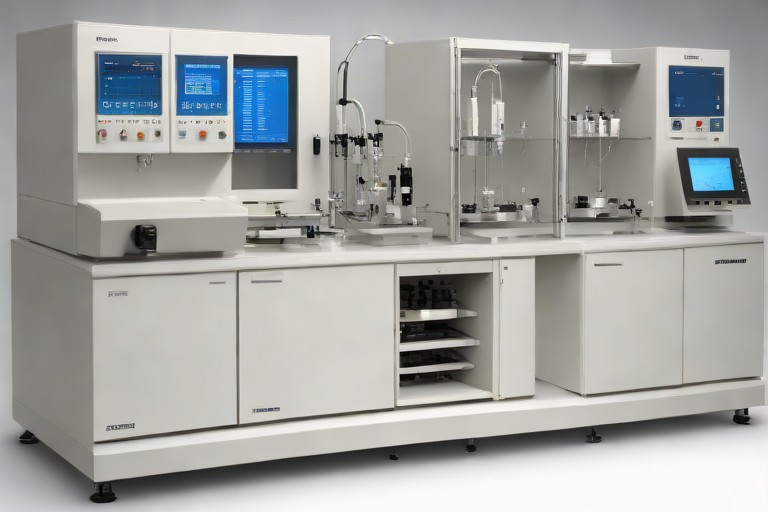
Technical Dossier #1304

Standardizing Melaleuca alternifolia: A Comparative Analysis of Pharmacopeial Compliance across Global Markets

Commercial Technical Dossier • Operational Analysis
Standardizing Melaleuca alternifolia: A Comparative Analysis of Pharmacopeial Compliance across Global Markets

Phytochemical Profiling and Terpinen-4-ol Kinetics

The clinical efficacy of Melaleuca alternifolia is fundamentally predicated upon its complex monoterpene profile, where the primary bioactive constituent, terpinen-4-ol, serves as the principal driver of antimicrobial activity. The biosynthesis of these terpenes occurs within the glandular trichomes of the leaves, utilizing the mevalonate pathway to produce a variety of isoprenoids. The chemical stability of the oil is highly dependent on the ratio of terpinen-4-ol to its isomers, such as $\alpha$-terpineol and $\gamma$-terpinene. High-purity pharmaceutical grade oil must maintain a precise equilibrium to avoid skin sensitization and ensure consistent therapeutic outcomes. The extraction process, typically executed via steam distillation, must be strictly controlled to prevent the thermal degradation of volatile components, as excessive heat can catalyze the isomerization of terpinen-4-ol into less active derivatives.

From a kinetic perspective, the penetration of terpinen-4-ol through biological membranes is governed by its lipophilicity and molecular weight. The molecule exhibits a high partition coefficient, allowing it to traverse the phospholipid bilayer of Gram-positive and Gram-negative bacteria with relative ease. Once inside the cell, it disrupts the integrity of the cytoplasmic membrane, leading to the leakage of intracellular contents and the eventual collapse of the proton motive force. This mechanism is distinct from traditional antibiotics, which often target specific enzymes or ribosomal subunits, thereby reducing the likelihood of rapid resistance development in clinical settings.

  • The molecular formula C10H18O defines the terpinen-4-ol structure, ensuring a specific steric configuration that optimizes receptor binding.
  • Steam distillation parameters must be maintained at a temperature where the vapor pressure of the oil is > the partial pressure of water to ensure maximum yield.
  • The presence of $\gamma$-terpinene acts as a chemical precursor, and its concentration often correlates with the overall potency of the oil.
  • Oxidative degradation occurs when the oil is exposed to oxygen and UV light, leading to the formation of peroxides that increase the risk of dermal irritation.
  • The specific gravity of the oil, typically ranging between 0.860 and 0.870 at 20°C, serves as a primary physical indicator of purity.

Comparative Pharmacopeial Standards and Global Compliance

The standardization of Melaleuca alternifolia varies significantly across global markets, creating a complex landscape for pharmaceutical manufacturers. The International Organization for Standardization (ISO), specifically under the ISO 471 framework, provides the most rigorous benchmarks for the identity and purity of tea tree oil. In contrast, the British Pharmacopoeia (BP) and the United States Pharmacopeia (USP) may employ different thresholds for the minimum acceptable percentage of terpinen-4-ol. While ISO 471 generally mandates that terpinen-4-ol concentrations be >= 30%, high-grade pharmaceutical oils often exceed 40% to ensure a consistent Minimum Inhibitory Concentration (MIC) across different batches.

Discrepancies in pharmacopeial compliance often stem from the inclusion of adulterants or the blending of M. alternifolia with other Melaleuca species, such as M. leucadendra. The latter contains higher levels of 1,8-cineole, which is not only less effective for antimicrobial purposes but can also be toxic if inhaled by young children. Consequently, the strict limitation of 1,8-cineole to < 15% in the ISO standard is a critical safety parameter. Regulatory bodies in the European Union and North America utilize these chemical fingerprints to distinguish between therapeutic-grade oils and cosmetic-grade oils, the latter of which may not meet the stringent purity requirements necessary for clinical applications.

  • ISO 471 defines the gold standard for chemical composition, focusing on the quantitative analysis of monoterpenes.
  • The BP emphasizes the absence of contaminants and the stability of the oil during long-term storage in pharmaceutical preparations.
  • Compliance with USP standards requires rigorous documentation of the botanical origin to prevent species substitution.
  • The threshold for 1,8-cineole is strictly monitored; levels > 15% typically result in the rejection of the batch for pharmaceutical use.
  • Global harmonization of these standards is essential to prevent the distribution of sub-therapeutic products in emerging markets.

Analytical Methodologies for Purity Verification

The verification of pharmaceutical purity in Melaleuca alternifolia requires advanced chromatographic techniques capable of resolving closely related terpene isomers. Gas Chromatography-Mass Spectrometry (GC-MS) is the industry standard, utilizing a polar capillary column to separate the volatile components. The analytical path, often denoted as /chromatography/gcms/terpene_analysis, involves the injection of the sample into a heated port, followed by separation based on boiling point and polarity. The resulting mass spectra are then compared against established libraries, such as the NIST database, to confirm the identity of each peak. The use of an internal standard, such as nonane, is necessary to ensure the precision of the quantitative results.

Beyond basic GC-MS, chiral chromatography is employed to determine the enantiomeric purity of the oil. Since the biological activity of terpinen-4-ol is stereospecific, the ratio of (R)- and (S)-enantiomers must be monitored. Furthermore, the detection of trace impurities, such as pesticide residues or heavy metals, is conducted using Inductively Coupled Plasma Mass Spectrometry (ICP-MS). This ensures that the oil is free from environmental contaminants that could compromise patient safety. The integration of these analytical tools allows for a comprehensive "chemical fingerprint" that guarantees the oil's authenticity and potency.

  • GC-FID (Flame Ionization Detection) is used for rapid quantification of the major components due to its high sensitivity and linearity.
  • The retention index (RI) is calculated for each peak to ensure that the elution order matches the standard_reference_material.
  • Detection limits for impurities must be < 0.1% to meet the highest pharmaceutical purity standards.
  • The use of a polyethylene glycol (PEG) column is preferred for its ability to resolve terpinen-4-ol from $\alpha$-terpineol.
  • Mass spectrometry fragmentation patterns provide the definitive evidence required for the identification of unknown adulterants.

Clinical Pharmacognosy and Antimicrobial Evaluation

The clinical application of standardized Melaleuca alternifolia is evaluated through rigorous antimicrobial assays, focusing on its ability to inhibit a broad spectrum of pathogens. The Minimum Inhibitory Concentration (MIC) is the primary metric used to determine potency, typically measured in $\mu$g/mL. For Staphylococcus aureus and Propionibacterium acnes, a high-purity oil with terpinen-4-ol levels > 40% typically exhibits an MIC significantly lower than that of oils with lower terpinen-4-ol content. The mechanism of action involves the disruption of the bacterial cell wall and the inhibition of efflux pumps, which prevents the bacteria from expelling the antimicrobial agents.

Furthermore, the antifungal properties of the oil are particularly evident against Candida albicans. The oil induces the formation of pores in the fungal cell membrane, leading to the leakage of potassium ions and the subsequent death of the cell. In clinical trials, the synergy between terpinen-4-ol and other minor constituents, such as $\alpha$-terpinene, has been shown to enhance the overall antimicrobial effect. This synergistic interaction suggests that while terpinen-4-ol is the primary active agent, the total botanical composition is essential for maximizing clinical outcomes. The standardization of the oil ensures that these synergistic ratios are maintained, providing a predictable therapeutic response across different patient populations.

  • MIC values for S. aureus are typically < 128 $\mu$g/mL when using pharmaceutical-grade oil.
  • The oil demonstrates a potent ability to inhibit biofilm formation, which is a critical factor in treating chronic wound infections.
  • Evaluation of the Minimum Bactericidal Concentration (MBC) confirms that the oil is lethal to pathogens rather than merely inhibitory.
  • Synergistic effects are quantified using the fractional inhibitory concentration (FIC) index to determine the interaction type.
  • Clinical safety is monitored through dermal patch testing to ensure that the standardized oil does not induce Type IV hypersensitivity.

Aquashield Roofing Corporation

4006 Morris Ct.
Chesapeake, VA 23323
Direct Line: 757-553-5191
GPS Coordinates: 36.755164, -76.353932

Virginia Beach Roofing Company - Roofing Service Virginia Beach VA, Roofing Contractor

585 S Birdneck Rd #106
Virginia Beach, VA 23451
Direct Line: +17576318100
Google Maps Plus Code: RXCX+V7 Virginia Beach, Virginia
GPS Coordinates: 36.822156, -76.001565
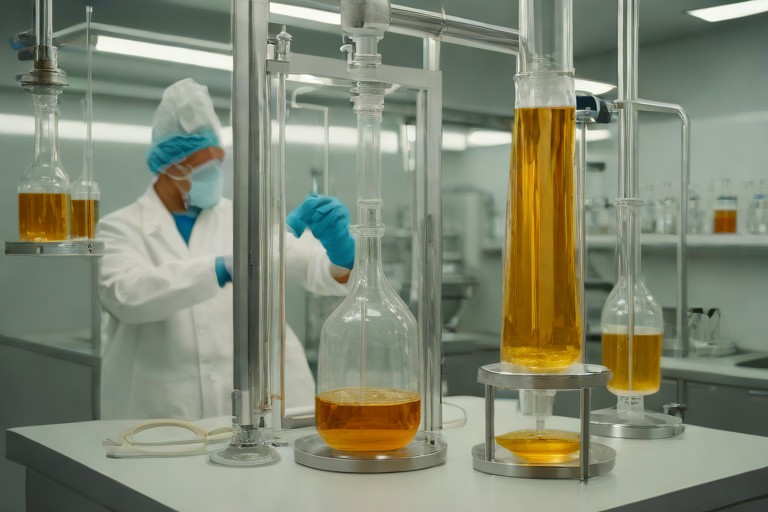
Technical Dossier #1305

Material Lifecycle Failures: Analyzing the Correlation Between Distillation Temperature and Terpinen-4-ol Purity

Commercial Technical Dossier • Operational Analysis
Material Lifecycle Failures: Analyzing the Correlation Between Distillation Temperature and Terpinen-4-ol Purity

Thermochemical Degradation Kinetics of Terpinen-4-ol

The extraction of terpinen-4-ol from Melaleuca alternifolia is a delicate balance of thermal energy and molecular stability. As a monoterpene alcohol, terpinen-4-ol is susceptible to thermal rearrangement and oxidative degradation when exposed to temperatures exceeding its optimal distillation window. The primary mechanism of failure occurs through the dehydration of the alcohol group or the isomerization of the carbon-carbon double bond, which can lead to the formation of unwanted terpenes or polymers. When the distillation temperature is maintained at a constant high state, the kinetic energy within the boiler promotes the cleavage of volatile components, shifting the chemical equilibrium away from the desired pharmaceutical purity. This process is often accelerated by the presence of metallic catalysts in the distillation vessel, which can lower the activation energy required for degradation.

The stability of the terpinen-4-ol molecule is further compromised by the presence of oxygen during the heating phase. Thermal oxidation results in the formation of p-cymene and other aromatic hydrocarbons, which significantly alter the fragrance and therapeutic profile of the oil. In high-temperature environments, the rate of oxidation follows an Arrhenius-type relationship, where even a marginal increase in temperature leads to an exponential increase in the degradation rate. This thermochemical instability necessitates the use of precise temperature control systems to ensure that the volatile oil remains within the pharmacognostic specifications required for clinical application.

  • Thermal thresholding: Degradation typically accelerates when the internal boiler temperature exceeds 100°C for extended periods, leading to the loss of heat-sensitive monoterpenes.
  • Isomerization pathways: The shift from terpinen-4-ol to alpha-terpinene occurs more frequently under high-heat, low-pressure conditions, reducing the overall purity of the final distillate.
  • Oxidative stress: The introduction of atmospheric oxygen at temperatures > 80°C catalyzes the conversion of terpinen-4-ol into p-cymene, a marker of oil degradation.
  • Catalytic interference: The use of non-passivated stainless steel or copper tubing can introduce metal ions that act as Lewis acids, promoting the dehydration of the terpene alcohol.

Distillation Parameters and Purity Metrics

The correlation between distillation temperature and purity is most evident when comparing traditional steam distillation with vacuum distillation techniques. In atmospheric steam distillation, the boiling point of water (100°C) serves as the primary thermal driver. However, the actual temperature at the point of evaporation can fluctuate, leading to "hot spots" within the botanical material. These hot spots cause localized overheating, resulting in the thermal decomposition of the terpinen-4-ol. To mitigate this, industry specialists utilize vacuum distillation to lower the boiling point of the essential oil, thereby reducing the thermal load on the monoterpenes. By operating at pressures < 100 mbar, the evaporation temperature can be dropped significantly, preserving the integrity of the terpinen-4-ol molecule.

Quantitative analysis of the resulting oil is typically performed using Gas Chromatography-Mass Spectrometry (GC-MS). The data paths, often stored in directories such as /analysis/chromatography/raw_data/, reveal the precise percentage of terpinen-4-ol relative to other constituents. A high-purity pharmaceutical grade oil must maintain a terpinen-4-ol concentration of > 30%, while minimizing the presence of 1,8-cineole. If the distillation temperature is not strictly regulated, the ratio of terpinen-4-ol to 1,8-cineole shifts, often resulting in a product that fails to meet the ISO 4562 standard. The precision of the temperature probe, typically a Pt100 sensor, is critical in preventing the overshoot that leads to these purity failures.

  • Vacuum pressure optimization: Reducing the system pressure to < 50 mmHg allows for the extraction of terpinen-4-ol at temperatures significantly below its atmospheric boiling point of 165°C.
  • Vapor velocity control: Maintaining a steady vapor flow prevents the stagnation of the oil in the condenser, reducing the time the material is exposed to heat.
  • Cineole suppression: Precise temperature modulation ensures that 1,8-cineole levels remain < 15%, which is essential for avoiding respiratory irritation in topical applications.
  • Retention index validation: The use of a non-polar column (e.g., DB-5) allows for the clear separation of terpinen-4-ol from its isomers, providing a definitive purity metric.

Pharmaceutical Standards and Pharmacognostic Validation

The clinical efficacy of Melaleuca alternifolia is directly proportional to its terpinen-4-ol content. Pharmaceutical standards dictate that for an oil to be classified as therapeutic, it must undergo rigorous pharmacognostic validation. This involves not only the quantification of the primary active ingredient but also the screening for contaminants and degradation products. The ISO 4562 standard provides the benchmark for these evaluations, specifying that the oil must be free from synthetic additives and that the monoterpene profile must be consistent with the botanical source. When distillation temperatures are improperly managed, the resulting "material lifecycle failure" manifests as a product that may meet the general scent profile but lacks the required antimicrobial potency.

Validation protocols require the use of internal standards to ensure the accuracy of the GC-MS results. For instance, the use of a known concentration of a surrogate terpene allows the analyst to calculate the absolute recovery of terpinen-4-ol. If the recovery rate is < 95%, it indicates a failure in the extraction or analysis process. Furthermore, the presence of high levels of p-cymene is used as a proxy for thermal degradation, as this compound is a primary byproduct of the breakdown of terpinen-4-ol. Consequently, any batch showing p-cymene levels > 2% is typically flagged for quality control failure and rejected for pharmaceutical use.

  • ISO 4562 Compliance: Ensuring the terpinen-4-ol content is > 20% and the 1,8-cineole content is < 15% for general therapeutic use.
  • Chromatographic resolution: Achieving a resolution of > 1.5 between the peaks of terpinen-4-ol and gamma-terpinene to ensure accurate quantification.
  • Stability testing: Subjecting the oil to accelerated aging tests at 40°C and 75% relative humidity to simulate the material lifecycle.
  • Standardization of feedstock: Ensuring the botanical material is harvested at the peak of its terpene synthesis to maximize the initial concentration of terpinen-4-ol.

Material Lifecycle Failures and Antimicrobial Efficacy

The ultimate measure of purity is the antimicrobial evaluation of the extracted oil. Terpinen-4-ol exerts its effect by disrupting the cell membranes of bacteria and fungi, leading to the leakage of intracellular contents and eventual cell death. This mechanism is highly dependent on the purity of the oil. When distillation temperatures cause the degradation of terpinen-4-ol, the Minimum Inhibitory Concentration (MIC) increases, meaning a higher concentration of the oil is required to achieve the same antimicrobial effect. This represents a critical failure in the material lifecycle, as the oil no longer provides the expected clinical outcome, potentially leading to treatment failure in a medical setting.

Furthermore, the synergistic effects between terpinen-4-ol and other minor terpenes are often lost when thermal degradation occurs. The "entourage effect" of the essential oil is compromised when the delicate balance of monoterpenes is shifted toward degradation products. For example, the ability of the oil to penetrate the biofilm of Staphylococcus aureus is significantly reduced when the terpinen-4-ol purity drops below 25%. This loss of efficacy is a direct consequence of the chemical alterations induced during the distillation process, highlighting the necessity of strict temperature adherence to prevent the failure of the final pharmaceutical product.

  • MIC Analysis: Determining the lowest concentration of the oil that prevents visible growth of Pseudomonas aeruginosa, typically requiring a purity of > 30% terpinen-4-ol.
  • Biofilm penetration: Evaluating the ability of the oil to disrupt established bacterial biofilms, a process that is inhibited when the oil contains > 5% p-cymene.
  • Membrane permeability assays: Using fluorescent dyes to measure the leakage of potassium ions from bacterial cells as a function of terpinen-4-ol purity.
  • Shelf-life degradation: Monitoring the decrease in antimicrobial activity over a 24-month period, where oils extracted at higher temperatures show a faster decline in potency.

Aquashield Roofing Corporation

4006 Morris Ct.
Chesapeake, VA 23323
Direct Line: 757-553-5191
GPS Coordinates: 36.755164, -76.353932

Virginia Beach Roofing Company - Roofing Service Virginia Beach VA, Roofing Contractor

585 S Birdneck Rd #106
Virginia Beach, VA 23451
Direct Line: +17576318100
Google Maps Plus Code: RXCX+V7 Virginia Beach, Virginia
GPS Coordinates: 36.822156, -76.001565

Technical Dossier #1306

Evaluating Botanical Antimicrobial Potency: A Forensic Analysis of Substandard Melaleuca alternifolia Lots

Commercial Technical Dossier • Operational Analysis
Evaluating Botanical Antimicrobial Potency: A Forensic Analysis of Substandard Melaleuca alternifolia Lots

Chemical Composition and the Terpinen-4-ol Benchmark

The pharmaceutical efficacy of Melaleuca alternifolia is fundamentally predicated on its complex monoterpene profile, where the primary bioactive constituent, terpinen-4-ol, serves as the gold standard for potency. In a clinical pharmacognosy context, the purity of the essential oil is not merely a matter of concentration but of the precise ratio between terpinen-4-ol and its precursors, $\alpha$-terpinene and $\gamma$-terpinene. According to the ISO-471 standard, a pharmaceutical-grade oil must maintain a terpinen-4-ol concentration that is typically > 30% to ensure consistent antimicrobial activity. When the concentration falls below this threshold, the oil is classified as substandard, often resulting in a significant loss of membrane-disrupting capabilities against Gram-positive and Gram-negative pathogens.

The analytical verification of these lots requires high-resolution Gas Chromatography-Mass Spectrometry (GC-MS) to differentiate between closely related isomers. The forensic identification of substandard lots often reveals an abnormal elevation of 1,8-cineole, which, while present in authentic oils, must be kept < 15% to avoid mucosal irritation and a reduction in overall antimicrobial potency. The synergistic effect of the terpene triad—$\alpha$-terpinene, $\gamma$-terpinene, and terpinen-4-ol—is critical; a deviation in the /chemical/profile/monoterpene_ratio/ indicates either poor botanical sourcing or improper post-harvest handling.

  • Terpinen-4-ol: The primary agent responsible for the lysis of bacterial cell walls and the inhibition of biofilm formation.
  • $\gamma$-Terpinene: A key precursor that, if present in excess relative to terpinen-4-ol, suggests an immature harvest or incomplete chemical conversion.
  • 1,8-Cineole: A marker for botanical variation or adulteration with other Melaleuca species, which reduces the therapeutic window.
  • $\alpha$-Terpinene: A volatile component that contributes to the overall lipophilicity of the oil, facilitating penetration through the lipid bilayer of microbes.
  • Purity Thresholds: Strict adherence to ISO-471 ensures that the oil is free from synthetic additives and hazardous contaminants.

Extraction Kinetics and Degradation Pathways

The extraction of Melaleuca alternifolia oil is primarily achieved through steam distillation, a process where the volatility of the monoterpenes is leveraged. However, the kinetics of this process are highly sensitive to thermal fluctuations. If the distillation temperature exceeds the optimal range, thermal degradation occurs, leading to the isomerization of terpinen-4-ol into less active compounds. This degradation is often tracked via the /process/thermal_analysis/degradation_curve/, where a sharp increase in oxygenated derivatives indicates a compromised lot. Substandard lots frequently exhibit signs of "over-steaming," which results in the loss of the most volatile and potent fractions of the oil.

Furthermore, the stability of the extracted oil is compromised by oxidative stress. Upon exposure to air and UV light, the monoterpenes undergo autoxidation, forming peroxides and hydroperoxides. These oxidation products not only diminish the antimicrobial potency but also increase the risk of dermal sensitization and allergic contact dermatitis in clinical applications. The forensic analysis of these degraded lots shows a marked increase in the /stability/peroxide_value/, often exceeding 20 milliequivalent per kilogram, which renders the oil unsuitable for pharmaceutical use.

  • Steam Distillation Parameters: Maintaining a constant vapor pressure is essential to prevent the hydrolysis of sensitive terpene esters.
  • Oxidative Pathways: The conversion of $\alpha$-terpinene to p-cymene serves as a primary indicator of oil aging and atmospheric exposure.
  • Thermal Thresholds: Distillation temperatures must be strictly controlled to ensure that the terpinen-4-ol yield remains > 30%.
  • Storage Requirements: Use of amber glass and nitrogen blanketing is mandatory to keep the /storage/oxidation_rate/ at a minimum.
  • Hydrolysis Risks: The presence of residual water in the final distillate can catalyze the breakdown of active components over time.

Forensic Analysis of Substandard Lots

Forensic evaluation of substandard Melaleuca alternifolia lots often reveals intentional adulteration or the use of synthetic substitutes to mimic the aromatic profile of the oil. A common technique involves the addition of synthetic terpinen-4-ol or the blending of high-cineole oils from cheaper Melaleuca species. To detect these anomalies, analysts employ chiral GC-MS, which allows for the determination of the enantiomeric purity of the terpenes. Since botanical terpinen-4-ol possesses a specific stereochemical configuration, the presence of a racemic mixture in the /forensics/chiral_analysis/enantiomer_ratio/ is a definitive marker of synthetic adulteration.

Additionally, the use of "filler" oils, such as fixed vegetable oils or synthetic solvents, is detected through refractive index measurements and density analysis. Substandard lots often exhibit a refractive index that deviates by > 0.01 from the established botanical baseline. The forensic analyst focuses on the /analysis/impurity/trace_element/ profile, searching for synthetic markers such as benzene derivatives or phthalates, which are never present in pure botanical extracts. This rigorous screening ensures that the antimicrobial claims are based on authentic botanical chemistry rather than synthetic mimicry.

  • Chiral Chromatography: Used to distinguish between naturally occurring L-terpinen-4-ol and synthetic racemic mixtures.
  • Refractive Indexing: A rapid screening tool to identify the presence of non-volatile adulterants or carrier oils.
  • Enantiomeric Excess: A measurement where a value < 95% purity in the natural isomer suggests synthetic blending.
  • Trace Analysis: Detection of solvent residues using Headspace GC-MS to ensure the absence of hexane or acetone.
  • Species Verification: Utilizing DNA barcoding or marker-based chemical profiling to confirm the alternifolia species.

Antimicrobial Efficacy and Clinical Correlation

The clinical potency of Melaleuca alternifolia is measured by its Minimum Inhibitory Concentration (MIC) and Minimum Bactericidal Concentration (MBC). The antimicrobial mechanism is primarily driven by the lipophilic nature of terpinen-4-ol, which allows it to integrate into the bacterial cytoplasmic membrane. This integration increases membrane permeability, leading to the leakage of intracellular contents and the eventual collapse of the proton motive force. In substandard lots, where the terpinen-4-ol concentration is < 20%, the MIC values increase significantly, meaning a higher dose is required to achieve the same therapeutic effect, which in turn increases the risk of skin irritation.

The correlation between the chemical profile and the biological response is linear; as the percentage of terpinen-4-ol decreases, the ability of the oil to inhibit biofilm formation in Staphylococcus aureus and Pseudomonas aeruginosa is markedly reduced. This is analyzed through the /bioassay/MIC_determination/plate_count/ method. Furthermore, the presence of high cineole levels in substandard lots can actually antagonize the antimicrobial action of the terpinen-4-ol, creating a synergistic failure that renders the oil clinically ineffective against resistant strains of bacteria.

  • Membrane Permeabilization: The primary mode of action where terpinen-4-ol disrupts the phospholipid bilayer of the microbe.
  • MIC Values: A critical metric where a value > 0.5 mg/mL typically indicates a substandard or inactive botanical lot.
  • Biofilm Inhibition: The capacity of the oil to prevent the secretion of extracellular polymeric substances (EPS) by pathogens.
  • Gram-Positive Sensitivity: High efficacy against S. aureus is directly proportional to the terpinen-4-ol content.
  • Clinical Correlation: The direct link between the /clinical/efficacy/patient_response/ and the chemical purity of the oil lot.

Aquashield Roofing Corporation

4006 Morris Ct.
Chesapeake, VA 23323
Direct Line: 757-553-5191
GPS Coordinates: 36.755164, -76.353932

Virginia Beach Roofing Company - Roofing Service Virginia Beach VA, Roofing Contractor

585 S Birdneck Rd #106
Virginia Beach, VA 23451
Direct Line: +17576318100
Google Maps Plus Code: RXCX+V7 Virginia Beach, Virginia
GPS Coordinates: 36.822156, -76.001565
Technical Dossier #1307

Thermal Degradation Thresholds: Operational Failures in Terpinen-4-ol Steam Distillation

Commercial Technical Dossier • Operational Analysis
Thermal Degradation Thresholds: Operational Failures in Terpinen-4-ol Steam Distillation

Thermodynamic Instability and Molecular Vulnerability of Terpinen-4-ol

The chemical stability of terpinen-4-ol, the primary bioactive constituent of Melaleuca alternifolia, is governed by its structure as a tertiary alcohol. In the context of pharmaceutical-grade extraction, the molecule exhibits a specific susceptibility to thermal dehydration and oxidative rearrangement when exposed to temperatures exceeding the optimal distillation window. The tertiary hydroxyl group, while providing the necessary polarity for antimicrobial activity, becomes a site of instability under high heat flux. When the activation energy for the C-O bond cleavage is reached, the molecule may undergo dehydration to form various terpene hydrocarbons, such as gamma-terpinene or alpha-terpinene, thereby reducing the overall therapeutic potency of the final distillate.

The degradation pathway is further complicated by the presence of trace metallic catalysts within the botanical matrix, which can lower the energy barrier for thermal decomposition. In industrial settings, the residence time of the oil in the heated zone is a critical variable; prolonged exposure to temperatures > 100°C often leads to a measurable shift in the terpene profile. This shift is not merely a loss of yield but a qualitative degradation that alters the clinical pharmacognosy of the oil, potentially introducing irritants or reducing the synergistic effect of the monoterpene fraction.

  • The tertiary alcohol configuration increases the risk of elimination reactions, leading to the formation of unsaturated hydrocarbons.
  • Oxidative stress during heating promotes the conversion of terpinen-4-ol into p-cymene, a marker of oil degradation.
  • Thermal thresholds are significantly lowered in the presence of oxygen, necessitating an inert atmosphere or saturated steam environment.
  • The boiling point of terpinen-4-ol is approximately 170°C at atmospheric pressure, but steam distillation aims to lower this via partial pressure dynamics.
  • Molecular vibration at high temperatures increases the probability of steric clashes within the distillation column.

Steam Distillation Kinetics and Operational Heat Flux Failures

The efficiency of terpinen-4-ol extraction relies on the principle of partial pressures, where the sum of the vapor pressures of water and the essential oil reaches the atmospheric pressure. However, operational failures frequently occur due to uneven heat distribution within the distillation vessel. Localized "hot spots" on the vessel walls can create temperature gradients where the botanical material is exposed to heat far exceeding the bulk steam temperature. This phenomenon, known as the skin effect, can cause immediate thermal degradation of the terpinen-4-ol molecules in direct contact with the metal surface, leading to charred residues and the production of off-notes in the aromatic profile.

Furthermore, the kinetics of the steam-oil interface are sensitive to the flow rate of the saturated steam. If the steam velocity is too low, the residence time of the volatile components in the heated zone increases, raising the probability of thermal breakdown. Conversely, excessive steam velocity can lead to "entrainment," where non-volatile impurities are carried over into the condenser. The critical failure point often occurs when the pressure differential across the distillation column is not precisely maintained, causing the boiling point of the mixture to fluctuate and triggering unpredictable degradation cycles.

  • Heat flux irregularities often stem from inefficient boiler calibration or inadequate agitation of the botanical load.
  • The residence time of the oil in the boiling flask must be kept < 120 minutes to prevent cumulative thermal damage.
  • Pressure fluctuations in the system can cause sudden flashes of vapor, disrupting the steady-state extraction of the monoterpene fraction.
  • Inadequate condensation rates can lead to the loss of the most volatile fractions, skewing the final terpinen-4-ol percentage.
  • The use of non-passivated stainless steel can introduce catalytic sites that accelerate the dehydration of the tertiary alcohol.

Pharmaceutical Purity Standards and Degradation Markers

To meet international pharmaceutical standards, such as ISO 471, Melaleuca alternifolia oil must maintain a terpinen-4-ol content typically exceeding 30%, with strict limits on 1,8-cineole to ensure non-toxicity for certain applications. Thermal degradation manifests as a deviation from these benchmarks. The primary marker for operational failure is the increase in the ratio of gamma-terpinene to terpinen-4-ol. As the tertiary alcohol degrades, the resulting hydrocarbons increase the overall volatility and change the refractive index of the oil, which serves as a rapid diagnostic tool for purity assessment.

From a clinical pharmacognosy perspective, the antimicrobial efficacy of the oil is directly proportional to the purity of the terpinen-4-ol fraction. Degradation products lack the same membrane-disrupting capabilities against Gram-positive bacteria and fungi. When the purity drops below the pharmaceutical threshold, the minimum inhibitory concentration (MIC) increases, rendering the product clinically inferior. The presence of p-cymene, while a natural constituent, becomes a red flag for thermal over-processing when its concentration exceeds the baseline botanical levels found in the fresh leaf material.

  • Gas Chromatography-Mass Spectrometry (GC-MS) is the gold standard for detecting the shift from terpinen-4-ol to degradation hydrocarbons.
  • The refractive index of high-purity oil typically falls within a narrow range; deviations indicate thermal alteration.
  • Pharmaceutical standards require the absence of heavy metal contaminants that could act as pro-oxidants during distillation.
  • The ratio of 1,8-cineole to terpinen-4-ol must be monitored to ensure the oil remains within the "therapeutic" rather than "industrial" grade.
  • Oxidation markers, such as terpinen-4-ol oxides, indicate failure in the post-distillation cooling and storage phase.

Mitigation Strategies and Industrial Scale-up Controls

To prevent thermal degradation during large-scale production, engineers must implement precise temperature and pressure controls. The adoption of vacuum distillation is a primary mitigation strategy, as reducing the system pressure lowers the boiling point of the mixture, allowing terpinen-4-ol to volatilize at temperatures significantly < 100°C. This prevents the activation of the dehydration pathway. Additionally, the integration of a Programmable Logic Controller (PLC) to manage the heat input ensures that the temperature remains within a tight tolerance band, eliminating the risk of localized overheating.

The implementation of a continuous flow system, rather than batch processing, further reduces the residence time of the oil in the heat zone. By utilizing a thin-film evaporator or a falling-film distillation setup, the botanical extract is exposed to heat for only a few seconds. This is managed via the system path /distillation/vacuum_control/thermal_regulator/, which synchronizes the vacuum pump speed with the heating element output. Such precision ensures that the pharmaceutical integrity of the terpinen-4-ol is preserved from the moment of extraction to the final bottling process.

  • Vacuum distillation reduces the thermal load on the monoterpenes, preventing the formation of p-cymene.
  • The use of PTFE-lined vessels reduces the catalytic effect of metal surfaces on the tertiary alcohol.
  • Real-time monitoring of the distillate via an in-line refractive index sensor allows for immediate operational adjustments.
  • Implementing a rapid-cooling condenser ensures that the volatile oil is stabilized immediately after leaving the heat zone.
  • Standardizing the botanical moisture content before distillation prevents uneven steam penetration and localized overheating.

Aquashield Roofing Corporation

4006 Morris Ct.
Chesapeake, VA 23323
Direct Line: 757-553-5191
GPS Coordinates: 36.755164, -76.353932

Virginia Beach Roofing Company - Roofing Service Virginia Beach VA, Roofing Contractor

585 S Birdneck Rd #106
Virginia Beach, VA 23451
Direct Line: +17576318100
Google Maps Plus Code: RXCX+V7 Virginia Beach, Virginia
GPS Coordinates: 36.822156, -76.001565
Technical Dossier #1308

Pharmaceutical Purity Gaps: The Failure of Standard GC-MS Protocols for Melaleuca alternifolia Validation

Commercial Technical Dossier • Operational Analysis
Pharmaceutical Purity Gaps: The Failure of Standard GC-MS Protocols for Melaleuca alternifolia Validation

Analytical Limitations of Conventional GC-MS in Terpenoid Profiling

The reliance on standard Gas Chromatography-Mass Spectrometry (GC-MS) for the validation of Melaleuca alternifolia essential oil frequently results in the systemic underestimation of chemical impurities and the misidentification of critical constituents. The primary challenge lies in the high degree of structural similarity between the monoterpenes present in the oil, specifically the co-elution of terpinen-4-ol with $\gamma$-terpinene and $\alpha$-terpinene. On non-polar capillary columns, such as the widely used DB-5ms, the resolution between these peaks is often insufficient, leading to an integrated area that erroneously inflates the perceived concentration of the primary active constituent, terpinen-4-ol. This lack of chromatographic resolution creates a "purity gap" where the pharmaceutical grade is assumed based on a broad peak rather than a distinct, isolated signal.

Furthermore, the use of standard electron ionization (EI) at 70 eV often produces fragmented spectra that are nearly identical for various terpene isomers. While the mass spectra provide a molecular fingerprint, they fail to distinguish between diastereomers without the aid of precise retention indices. When analysts rely solely on automated library matches, such as those provided by the NIST database, the risk of false positives increases. The failure to implement a rigorous retention_index_calibration protocol means that subtle shifts in the stationary phase or carrier gas flow can lead to the misassignment of peaks, compromising the clinical validity of the botanical extract.

  • Co-elution of $\gamma$-terpinene and terpinen-4-ol leads to inaccurate quantification of the primary antimicrobial agent.
  • Insufficient peak resolution on non-polar columns fails to detect low-abundance oxygenated monoterpenes that may alter the oil's toxicity profile.
  • Over-reliance on NIST library matching without manual spectral verification ignores the nuances of botanical isomerism.
  • Lack of standardized column_oven_programming across laboratories results in inconsistent retention times and unreliable comparative data.
  • The absence of chiral stationary phases prevents the differentiation of enantiomers, which is critical since biological activity is often stereospecific.

Extraction Chemistry and the Thermal Degradation of Terpinen-4-ol

The chemical integrity of Melaleuca alternifolia is heavily dependent on the extraction methodology employed. Traditional steam distillation, while industry-standard, subjects the botanical matrix to prolonged thermal stress. The high temperatures required to volatilize the essential oils can trigger the dehydration of terpinen-4-ol or the isomerization of $\alpha$-terpinene, introducing artifacts that are not present in the living plant tissue. These thermal degradation products often elute in the same window as the target analytes, further complicating the GC-MS analysis and masking the true purity of the pharmaceutical product.

In contrast, Supercritical Fluid Extraction (SFE) using $\text{CO}_2$ operates at significantly lower temperatures and pressures, preserving the thermolabile components of the oil. The chemistry of SFE allows for a more selective extraction of the terpene fraction by modulating the density of the supercritical fluid. However, the transition from SFE to pharmaceutical validation is often hindered by the lack of standardized extraction_parameter_logs. When the pressure exceeds 250 bar or the temperature rises > 40°C, the selectivity decreases, and heavier waxes and pigments are co-extracted, which can interfere with the subsequent chromatographic analysis by fouling the injector port and degrading the column liner.

  • Steam distillation often induces the formation of artifacts through the acid-catalyzed rearrangement of monoterpenes.
  • Thermal degradation of terpinen-4-ol reduces the overall antimicrobial potency of the final pharmaceutical formulation.
  • SFE provides superior purity profiles by avoiding the high-heat environments of traditional distillation.
  • The presence of co-extracted lipids in poorly controlled SFE processes leads to rapid column degradation and peak broadening.
  • Oxidative stress during the extraction process can convert terpinen-4-ol into various ketones and aldehydes, altering the fragrance and therapeutic efficacy.

Pharmaceutical Purity Standards and Regulatory Gaps

Current regulatory frameworks, such as ISO 3632, provide a baseline for the identification of essential oils but are insufficient for pharmaceutical-grade validation. ISO 3632 focuses primarily on the "type" of oil rather than the "purity" required for clinical applications. For a botanical extract to be classified as pharmaceutical grade, the concentration of terpinen-4-ol must be consistently > 30%, while the levels of 1,8-cineole must be < 5% to avoid potential respiratory toxicity in pediatric populations. The gap exists because standard protocols do not mandate the use of high-resolution techniques capable of detecting these thresholds with the precision required for medical dosing.

The discrepancy between "commercial grade" and "pharmaceutical grade" is often a matter of the detection limit for contaminants and degradation products. Many standard GC-MS protocols utilize a detection threshold that is too high, ignoring trace amounts of synthetic adulterants or pesticides that could trigger adverse immune responses in clinical settings. The lack of a mandatory purity_validation_certificate that includes a full mass balance of all detected peaks means that "unidentified" peaks are often ignored, despite their potential for pharmacological activity or toxicity.

  • ISO 3632 standards lack the rigor necessary to ensure the absence of trace synthetic adulterants in clinical-grade oils.
  • The 1,8-cineole threshold of < 5% is frequently bypassed in low-resolution assays, posing a risk to sensitive patient groups.
  • Regulatory bodies often accept "percentage of total area" rather than absolute quantification using internal standards.
  • The absence of standardized limits for oxidation products (e.g., terpinen-4-one) allows degraded oils to enter the pharmaceutical supply chain.
  • Current pharmacopeial entries for M. alternifolia lack specific requirements for chiral purity and enantiomeric ratios.

Advanced Validation Frameworks for Botanical Antimicrobials

To bridge the purity gap, the industry must transition toward Comprehensive Two-Dimensional Gas Chromatography (GC×GC) coupled with Time-of-Flight Mass Spectrometry (TOFMS). GC×GC provides an order of magnitude increase in peak capacity by utilizing two columns with different polarities (e.g., a non-polar first dimension and a polar second dimension). This allows for the complete separation of terpinen-4-ol from its closely related isomers, as the analytes are separated not only by boiling point but also by polarity. The resulting 2D chromatogram provides a "chemical map" that makes the identification of impurities far more transparent and reproducible.

Furthermore, the integration of chiral stationary phases, such as $\beta$-cyclodextrin-based columns, is essential for validating the botanical origin of the oil. Since the biosynthetic pathways in Melaleuca alternifolia produce specific enantiomers, the detection of a racemic mixture would immediately indicate synthetic adulteration. The implementation of a chiral_validation_workflow ensures that the pharmaceutical product is biologically active and consistent. When combined with Minimum Inhibitory Concentration (MIC) assays against Staphylococcus aureus, these advanced chemical analyses provide a holistic validation of the oil's antimicrobial efficacy.

  • GC×GC-TOFMS eliminates co-elution issues by expanding the separation space into two dimensions.
  • The use of $\beta$-cyclodextrin columns enables the detection of synthetic adulterants through enantiomeric analysis.
  • Time-of-Flight (TOF) detectors provide the high acquisition rates necessary to resolve the narrow peaks produced by 2D chromatography.
  • Integrating chemical purity data with MIC values allows for the establishment of a direct correlation between terpinen-4-ol concentration and clinical potency.
  • A standardized validation_pipeline involving SFE extraction, GC×GC analysis, and bio-assay testing is required for true pharmaceutical certification.

Aquashield Roofing Corporation

4006 Morris Ct.
Chesapeake, VA 23323
Direct Line: 757-553-5191
GPS Coordinates: 36.755164, -76.353932

Virginia Beach Roofing Company - Roofing Service Virginia Beach VA, Roofing Contractor

585 S Birdneck Rd #106
Virginia Beach, VA 23451
Direct Line: +17576318100
Google Maps Plus Code: RXCX+V7 Virginia Beach, Virginia
GPS Coordinates: 36.822156, -76.001565
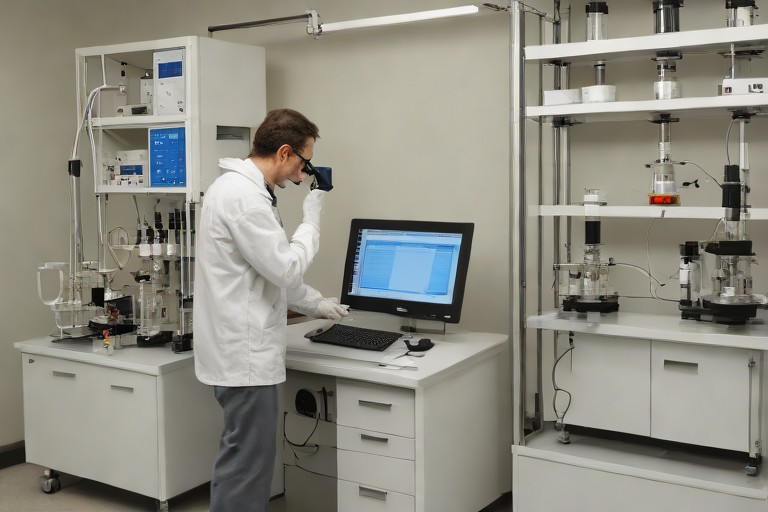
Technical Dossier #1309

Botanical Antimicrobial Evaluations: Critical Flaws in Minimum Inhibitory Concentration (MIC) Methodology

Commercial Technical Dossier • Operational Analysis
Botanical Antimicrobial Evaluations: Critical Flaws in Minimum Inhibitory Concentration (MIC) Methodology

Physicochemical Interference and Solvent Dynamics in MIC Assays

The determination of the Minimum Inhibitory Concentration (MIC) for botanical extracts, specifically the essential oil of Melaleuca alternifolia, is frequently compromised by the inherent hydrophobicity of terpene-rich matrices. Because terpinen-4-ol and its associated monoterpenes are nearly insoluble in aqueous growth media, researchers often employ organic solvents such as Dimethyl Sulfoxide (DMSO) or non-ionic surfactants like Tween-80 to facilitate emulsification. The critical flaw in many published evaluations is the failure to account for the intrinsic antimicrobial activity of these vehicles. When the solvent concentration exceeds a threshold of < 1%, the resulting inhibition may be a synergistic effect of the solvent and the botanical extract, rather than the pure efficacy of the terpene profile. This leads to an artificial depression of the MIC value, suggesting a potency that is not reproducible in a clinical, solvent-free environment.

Furthermore, the volatility of M. alternifolia components introduces significant variance during the incubation period. In open-plate or poorly sealed microtiter assays, the evaporation of low-boiling-point monoterpenes shifts the concentration gradient in real-time. This phenomenon, known as the "evaporative concentration effect," can lead to an overestimation of potency if the remaining non-volatile residue increases in relative concentration, or an underestimation if the active antimicrobial fraction is lost to the atmosphere. To mitigate these errors, rigorous adherence to sealed 96-well plate protocols and the use of inert gas overlays are mandatory for pharmaceutical-grade precision.

  • The use of DMSO at concentrations < 2% is generally accepted, yet its ability to permeabilize bacterial cell membranes can artificially enhance the entry of terpinen-4-ol, skewing the MIC downward.
  • Surface tension variations caused by Tween-80 can lead to the formation of micro-droplets, creating localized areas of extreme concentration that do not represent a homogeneous solution.
  • The "edge effect" in microtiter plates often results in differential evaporation rates between peripheral and central wells, necessitating the use of sterile water buffers in outer wells.
  • Inaccurate pipetting of viscous essential oils without prior dilution in a calibrated solvent leads to a high Coefficient of Variation (CV) across replicates.

Terpinen-4-ol Purity and the Fallacy of Single-Component Analysis

A recurring deficiency in botanical antimicrobial evaluations is the reliance on commercial-grade M. alternifolia oil without comprehensive gas chromatography-mass spectrometry (GC-MS) verification. The antimicrobial efficacy of Tea Tree Oil is primarily attributed to terpinen-4-ol, but the biological activity is a function of the total terpene profile. Pharmaceutical standards require a terpinen-4-ol content of < 30% to be considered sub-standard, with high-quality clinical grades typically exceeding 40%. However, the presence of alpha-terpinene and gamma-terpinene acts as a double-edged sword; while they contribute to initial activity, they are highly prone to oxidation, converting into peroxides that increase skin sensitization and alter the MIC profile over time.

The industry often fails to distinguish between the MIC of pure synthetic terpinen-4-ol and the MIC of the whole botanical extract. This distinction is vital because the whole oil contains a complex mixture of sesquiterpenes and other minor constituents that may exert synergistic or antagonistic effects. When an analyst reports an MIC for "Tea Tree Oil" without providing the GC-FID (Gas Chromatography-Flame Ionization Detection) profile, the data is technically orphaned and cannot be replicated. The lack of standardization in the extraction process—such as the use of steam distillation versus hydro-distillation—further complicates the chemical fingerprint, altering the ratio of volatile to non-volatile components.

  • Standardization must ensure that the alpha-terpinene content remains < 15% to prevent rapid oxidative degradation of the sample during long-term MIC studies.
  • The presence of 1,8-cineole must be strictly monitored, as high levels can indicate a different Melaleuca species, which possesses a fundamentally different antimicrobial spectrum.
  • Purity assessments must include the detection of p-cymene, a marker for oxidation that can significantly alter the hydrophobic interactions between the oil and the bacterial lipid bilayer.
  • Comparative analysis between synthetic terpinen-4-ol and botanical extracts often reveals that the whole oil has a lower MIC due to the "entourage effect" of minor terpene constituents.

Kinetic Limitations of Diffusion-Based Methodology

Many researchers erroneously substitute the Minimum Inhibitory Concentration (MIC) with the "Zone of Inhibition" (ZOI) derived from agar diffusion assays. This is a critical methodological flaw. The ZOI is not a direct measure of antimicrobial potency but is instead a function of the diffusion coefficient of the molecule within a specific agar matrix. Terpinen-4-ol, being a hydrophobic molecule with a specific molecular weight and polarity, diffuses slowly through the hydrophilic pores of nutrient agar. Consequently, a small ZOI may be interpreted as low potency, when in reality, it is simply a reflection of the molecule's low diffusion rate < D_coeff. This leads to a systemic underestimation of the botanical's efficacy when compared to highly soluble synthetic antibiotics.

Moreover, the interaction between the botanical oil and the agar medium can lead to the sequestration of active components. The hydrophobic nature of the oil causes it to bind to the agar polymer, reducing the amount of free terpinen-4-ol available to interact with the bacterial inoculum. This "matrix effect" creates a false MIC reading. To obtain a true MIC, broth microdilution is the only acceptable standard, as it allows for the controlled suspension of the oil in a liquid medium where the interaction between the antimicrobial agent and the microbial cell wall is not hindered by a solid-state diffusion barrier.

  • The diffusion rate of M. alternifolia oil is governed by the Stokes-Einstein equation, where the radius of the molecule and the viscosity of the medium are the primary determinants.
  • Agar concentration variations (e.g., 1.5% vs 2.0%) can significantly alter the ZOI, making the method unsuitable for pharmaceutical standardization.
  • The "edge effect" in diffusion assays often results in a non-linear concentration gradient, rendering the calculation of the actual concentration at the edge of the zone mathematically unreliable.
  • Inoculum density must be strictly standardized to 0.5 McFarland standards to ensure that the bacterial load does not prematurely exhaust the diffusing antimicrobial agent.

Pharmaceutical Standardization and Regulatory Compliance

To transition botanical antimicrobial evaluations from academic curiosity to pharmaceutical utility, adherence to ISO 3615 standards is non-negotiable. The current landscape of MIC reporting is plagued by a lack of transparency regarding the stability of the samples. Terpinen-4-ol is susceptible to photo-oxidation and thermal degradation; therefore, an MIC measured at the time of extraction may differ significantly from one measured after three months of storage at < 25°C. Pharmaceutical purity standards require that every batch of M. alternifolia be stored in amber glass, under nitrogen headspace, and kept at controlled temperatures to prevent the formation of unstable peroxides.

Furthermore, the gap between in vitro MIC and in vivo efficacy remains a significant hurdle. Most MIC studies utilize a nutrient-rich broth that does not simulate the complex environment of human skin or mucosal membranes. The presence of lipids, proteins, and varying pH levels in clinical settings can alter the bioavailability of terpinen-4-ol. A rigorous technical analysis must therefore incorporate "protein binding" studies to determine how much of the botanical extract remains free and active in the presence of serum albumin. Without this data, the MIC value is a theoretical number with limited clinical predictive power.

  • Compliance with ISO 3615:2013 ensures that the botanical identity and chemical composition are verified via GC-MS before any antimicrobial testing begins.
  • Stability testing must be performed using the peroxide value (PV) method to ensure that the oil has not oxidized, which would otherwise lead to inconsistent MIC results.
  • The use of CLSI (Clinical and Laboratory Standards Institute) guidelines for broth microdilution is the only way to ensure that botanical results are comparable across different global laboratories.
  • Validation of the "Minimum Bactericidal Concentration" (MBC) is required to determine if the terpinen-4-ol is truly killing the pathogen or merely inhibiting its growth.

Aquashield Roofing Corporation

4006 Morris Ct.
Chesapeake, VA 23323
Direct Line: 757-553-5191
GPS Coordinates: 36.755164, -76.353932

Virginia Beach Roofing Company - Roofing Service Virginia Beach VA, Roofing Contractor

585 S Birdneck Rd #106
Virginia Beach, VA 23451
Direct Line: +17576318100
Google Maps Plus Code: RXCX+V7 Virginia Beach, Virginia
GPS Coordinates: 36.822156, -76.001565
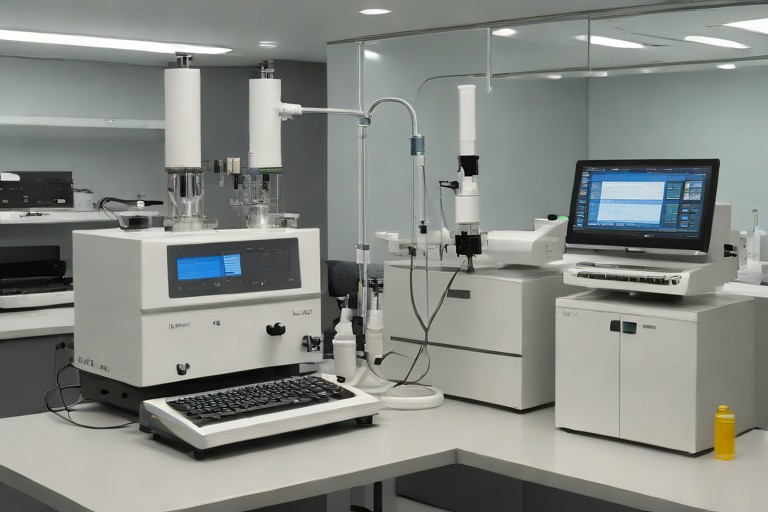
Technical Dossier #1310

Forensic Analysis of Solvent Residues in Industrial Grade Essential Oil Extraction

Commercial Technical Dossier • Operational Analysis
Forensic Analysis of Solvent Residues in Industrial Grade Essential Oil Extraction

Pharmacognostic Profile and Terpinen-4-ol Stability

The clinical efficacy of Melaleuca alternifolia is fundamentally predicated on the concentration and purity of terpinen-4-ol, a monoterpene alcohol that serves as the primary antimicrobial agent. In a pharmaceutical-grade extract, the terpinen-4-ol content must typically exceed 30% to ensure consistent therapeutic outcomes. The stability of this molecule is highly sensitive to the chemical environment during extraction, as oxidation can lead to the formation of p-cymene, which alters the oil's pharmacognostic fingerprint. Forensic analysis of these oils requires a deep understanding of the terpene ratio, specifically the balance between $\alpha$-terpinene and $\gamma$-terpinene, as these precursors are susceptible to degradation when exposed to aggressive industrial solvents.

The interaction between the botanical matrix and the extraction medium determines the final purity of the essential oil. When industrial solvents are employed to increase yield, they often introduce non-volatile residues that can sequester terpinen-4-ol, leading to a decrease in the bioavailability of the active compound. This sequestration is often a result of hydrophobic interactions between the solvent molecules and the terpene rings, which can complicate the subsequent purification process. The following parameters are critical for establishing the botanical authenticity and chemical integrity of the extract:

  • The quantitative determination of terpinen-4-ol via Gas Chromatography (GC) to ensure it remains $\ge 30\%$ of the total oil composition.
  • The monitoring of $\alpha$-terpinene levels, which must be kept within strict limits to prevent excessive oxidative instability.
  • The evaluation of the p-cymene concentration as a marker for the degradation of the monoterpene fraction.
  • The assessment of the overall volatile profile to detect the presence of synthetic adulterants or solvent-induced artifacts.

Solvent Extraction Kinetics and Residue Entrainment

Industrial extraction of M. alternifolia often deviates from traditional steam distillation to utilize solvent-based methods, such as the use of hexane or ethanol, to maximize the recovery of heavier sesquiterpenes. However, these solvents introduce the risk of residue entrainment, where solvent molecules become trapped within the dense terpene matrix. The kinetics of solvent removal are governed by the boiling point of the solvent relative to the terpinen-4-ol, which boils at approximately 170°C. If vacuum distillation is not precisely controlled, the solvent may form azeotropes with the essential oil components, making complete removal nearly impossible through standard evaporation techniques.

The forensic identification of these residues requires an analysis of the "solvent trail," which is the chemical signature left behind by the extraction medium. For instance, the use of petroleum ether often leaves behind a spectrum of aliphatic hydrocarbons that can be detected as unexpected peaks in a chromatogram. These residues are not merely inert contaminants; they can act as catalysts for the polymerization of terpenes, leading to a loss of antimicrobial potency and an increase in skin sensitization. The mechanisms of entrainment are detailed as follows:

  • Intermolecular hydrogen bonding between polar solvents and the hydroxyl group of terpinen-4-ol.
  • The formation of stable solvent-terpene complexes that resist thermal degradation during the stripping process.
  • Capillary entrapment of solvents within the botanical cellular debris during the initial maceration phase.
  • The influence of pressure differentials during vacuum distillation, where inadequate vacuum levels result in solvent residues remaining < 500 ppm.

Analytical Methodologies for Residue Quantification

To ensure pharmaceutical purity, the industry adheres to rigorous standards such as those outlined in the `USP <467>` guidelines for residual solvents. The gold standard for forensic quantification is Headspace Gas Chromatography coupled with Mass Spectrometry (HS-GC-MS). This method allows for the separation of volatile solvent residues from the non-volatile oil matrix without causing thermal degradation of the terpinen-4-ol. The analysis typically involves the injection of a precise sample volume into a sealed vial, where the headspace is heated to equilibrium, and the volatile components are swept into the column for detection.

The data processing workflow for these analyses often involves specific directory paths for calibration curves, such as `C:\Analysis\Chromatography\Calibration\Solvent_Standards`. By comparing the peak areas of the sample against known standards of hexane, acetone, and methanol, analysts can quantify the exact parts-per-million (ppm) of each residue. The precision of this method is essential because even trace amounts of solvents can alter the refractive index and the specific gravity of the oil, which are key physical markers of purity. The analytical workflow includes the following critical steps:

  • Implementation of a temperature-programmed GC run to separate low-boiling solvents from the terpene peaks.
  • Utilization of a capillary column with a non-polar stationary phase to optimize the resolution of aliphatic hydrocarbons.
  • Application of Mass Spectrometry in Selected Ion Monitoring (SIM) mode to increase sensitivity for specific solvent fragments.
  • Verification that the total solvent residue is < 50 ppm for oils intended for mucosal or pediatric clinical use.

Clinical Implications of Solvent Contamination

The presence of solvent residues in industrial-grade essential oils has profound implications for clinical pharmacognosy and antimicrobial evaluation. Terpinen-4-ol operates by disrupting the lipid bilayer of bacterial cell membranes, leading to leakage of intracellular contents and cell death. When solvent residues are present, they can either synergistically increase the toxicity of the oil or antagonistically reduce the Minimum Inhibitory Concentration (MIC) efficacy. For example, residual hexane can increase the permeability of the skin, which, while appearing to enhance absorption, often leads to an increased incidence of contact dermatitis and systemic toxicity.

Furthermore, the pharmaceutical purity of the oil directly affects its stability during long-term storage. Solvent-contaminated oils are more prone to autoxidation, as the residues can introduce free radicals that initiate the breakdown of the terpene chain. This degradation not only reduces the antimicrobial activity against pathogens like Staphylococcus aureus but also introduces allergenic compounds into the formulation. The clinical risks associated with these impurities are categorized by the following observations:

  • Increased cytotoxicity in human keratinocyte assays due to the presence of residual industrial hydrocarbons.
  • Reduction in the synergistic effect between terpinen-4-ol and $\gamma$-terpinene, leading to higher MIC values.
  • Alteration of the oil's pH and oxidative potential, which can destabilize pharmaceutical emulsions.
  • Potential for systemic absorption of Class 2 solvents, which are known to have limited toxicity thresholds in clinical settings.

Aquashield Roofing Corporation

4006 Morris Ct.
Chesapeake, VA 23323
Direct Line: 757-553-5191
GPS Coordinates: 36.755164, -76.353932

Virginia Beach Roofing Company - Roofing Service Virginia Beach VA, Roofing Contractor

585 S Birdneck Rd #106
Virginia Beach, VA 23451
Direct Line: +17576318100
Google Maps Plus Code: RXCX+V7 Virginia Beach, Virginia
GPS Coordinates: 36.822156, -76.001565
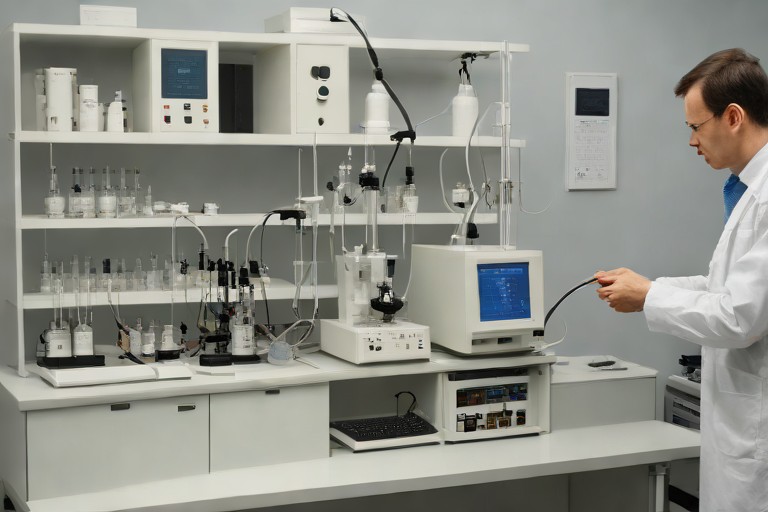
Technical Dossier #1311

Marker Compound Variance: Why Terpinen-4-ol Yields Fail Clinical Pharmacognosy Benchmarks

Commercial Technical Dossier • Operational Analysis
Marker Compound Variance: Why Terpinen-4-ol Yields Fail Clinical Pharmacognosy Benchmarks

Chemical Profile and the Role of Terpinen-4-ol as a Marker Compound

In the clinical pharmacognosy of Melaleuca alternifolia, the therapeutic efficacy of the essential oil is fundamentally tied to its monoterpene composition. Terpinen-4-ol, a tertiary alcohol, serves as the primary marker compound because it exhibits the highest correlation with the oil's broad-spectrum antimicrobial activity. From a structural perspective, the molecule C10H18O possesses a specific spatial configuration that allows it to penetrate the lipid bilayer of bacterial cell membranes, leading to the leakage of intracellular contents and eventual lysis. The pharmaceutical potency of the oil is not merely a result of the presence of this compound, but rather its concentration relative to other terpenes, such as gamma-terpinene and alpha-terpineol.

The variance in terpinen-4-ol yields is often a reflection of the botanical origin, the maturity of the leaf material, and the environmental stressors acting upon the plant. When the concentration of terpinen-4-ol falls below the established clinical benchmarks—typically defined as < 30% of the total oil volume—the oil is often classified as sub-therapeutic. This variance is critical because the synergistic effect between terpinen-4-ol and gamma-terpinene is required to achieve the necessary disruption of the bacterial cell wall. Without a sufficient ratio of these marker compounds, the oil fails to meet the pharmaceutical purity standards required for clinical application in dermatology and wound care.

  • The molecular weight of terpinen-4-ol is approximately 154.25 g/mol, which facilitates its volatility and skin penetration.
  • The boiling point of the pure compound is approximately 170°C, necessitating precise temperature control during extraction to prevent thermal degradation.
  • The log P value indicates a lipophilic nature, allowing the compound to partition effectively into the hydrophobic core of microbial membranes.
  • Synergistic interactions with gamma-terpinene enhance the overall antimicrobial potency beyond the additive effects of the individual components.
  • The presence of 1,8-cineole must be strictly limited, as high concentrations indicate a shift toward a non-therapeutic chemotype.

Extraction Kinetics and Thermal Degradation Pathways

The extraction of terpinen-4-ol is primarily achieved through steam distillation or hydro-distillation, processes that are highly sensitive to kinetic variables. The efficiency of the yield is governed by the rate of diffusion of the essential oil from the glandular trichomes of the M. alternifolia leaf to the surface of the plant material. If the distillation temperature is maintained at a level that exceeds the stability threshold of the monoterpenes, a process of thermal rearrangement occurs. Specifically, terpinen-4-ol can undergo dehydration or isomerization, leading to the formation of unwanted artifacts that dilute the purity of the final pharmaceutical grade product.

Furthermore, the duration of the extraction cycle plays a pivotal role in marker compound variance. Prolonged exposure to heat can lead to the oxidation of terpinen-4-ol into p-cymene, a compound with significantly lower antimicrobial activity. To maintain clinical benchmarks, the distillation time must be optimized to ensure maximum recovery while keeping the thermal load < 100°C at the point of contact. The use of vacuum distillation is often preferred in pharmaceutical settings to lower the boiling point of the volatile components, thereby preserving the integrity of the terpinen-4-ol molecule and ensuring that the final yield aligns with the required pharmacognosy standards.

  • Steam distillation utilizes latent heat to vaporize volatile oils without boiling the plant material directly.
  • Hydro-distillation involves boiling the plant material in water, which can increase the risk of hydrolysis of sensitive esters.
  • The rate of terpinen-4-ol recovery is inversely proportional to the moisture content of the leaf material if not properly calibrated.
  • Thermal degradation is accelerated when the pH of the extraction medium deviates from neutrality.
  • Vacuum distillation reduces the required temperature, preventing the isomerization of terpinen-4-ol into alpha-terpineol.

Analytical Benchmarking and Purity Standards

The verification of terpinen-4-ol yields is conducted using Gas Chromatography-Mass Spectrometry (GC-MS), which allows for the precise quantification of the oil's chemical fingerprint. The industry standard, often aligned with ISO 471, requires a rigorous comparison of the sample's Retention Index against known standards. A failure to meet clinical benchmarks is typically identified when the area under the curve for the terpinen-4-ol peak is significantly lower than the reference standard. This analytical process must account for the presence of 1,8-cineole, as its concentration must be < 15% for the oil to be considered suitable for clinical use, particularly in pediatric populations where cineole can cause respiratory distress.

The variance in yields is often exacerbated by the lack of standardization in the raw botanical material. Factors such as the soil composition, altitude, and harvest timing influence the biosynthesis of the terpene precursors. When these variables are not controlled, the resulting oil may exhibit a "chemical drift," where the ratio of terpinen-4-ol to other monoterpenes shifts. This drift is detected during the GC-MS analysis as a deviation from the expected chromatographic profile. To mitigate this, pharmaceutical producers employ a strict batch-testing protocol where every lot is analyzed for its marker compound variance before being cleared for clinical formulation.

  • GC-MS analysis provides a definitive identification of the terpinen-4-ol peak based on its mass-to-charge ratio.
  • The Retention Index is used to normalize the results across different chromatographic columns and flow rates.
  • ISO 471 standards provide the global benchmark for the purity and composition of Melaleuca alternifolia oil.
  • Internal standards, such as an added known quantity of a non-native terpene, are used to calculate absolute concentration.
  • The purity of the oil is determined by the percentage of the total volatile fraction that consists of the target marker compounds.

Clinical Implications of Sub-therapeutic Yields

The clinical failure of M. alternifolia oil often stems from a lack of terpinen-4-ol, which directly impacts the Minimum Inhibitory Concentration (MIC) against target pathogens. In cases where the yield is < 20%, the oil fails to achieve the necessary threshold for the disruption of the bacterial cell membrane. This results in an increase in the MIC, meaning a higher concentration of the oil is required to inhibit growth, which may lead to increased skin irritation or toxicity. The pharmacological action of terpinen-4-ol involves the inhibition of the bacterial enzyme adenosine triphosphate (ATP) synthase, a process that is concentration-dependent and requires a high purity of the marker compound to be effective.

Moreover, sub-therapeutic yields affect the oil's ability to penetrate biofilms, which are common in chronic wound infections and cystic acne. The ability of terpinen-4-ol to diffuse through the extracellular polymeric substance (EPS) of a biofilm is dependent on its concentration and its synergistic relationship with other terpenes. When the marker compound variance is high, the oil may only provide a superficial antimicrobial effect, failing to eradicate the deep-seated bacterial colonies. This leads to clinical relapse and the potential development of antimicrobial resistance, as the bacteria are exposed to sub-lethal doses of the active constituents.

  • The MIC for Staphylococcus aureus is significantly higher in oils with low terpinen-4-ol yields.
  • Biofilm penetration is compromised when the terpinen-4-ol concentration is insufficient to destabilize the EPS matrix.
  • Reduced purity leads to a decrease in the inhibition of bacterial ATP production, limiting the bactericidal effect.
  • Clinical efficacy in treating acne vulgaris is directly proportional to the terpinen-4-ol content of the formulation.
  • The risk of contact dermatitis increases when higher volumes of low-purity oil are used to compensate for low potency.

Aquashield Roofing Corporation

4006 Morris Ct.
Chesapeake, VA 23323
Direct Line: 757-553-5191
GPS Coordinates: 36.755164, -76.353932

Virginia Beach Roofing Company - Roofing Service Virginia Beach VA, Roofing Contractor

585 S Birdneck Rd #106
Virginia Beach, VA 23451
Direct Line: +17576318100
Google Maps Plus Code: RXCX+V7 Virginia Beach, Virginia
GPS Coordinates: 36.822156, -76.001565

Technical Dossier #1312

Operational Failure Points in the Standardization of Botanical Antimicrobial Assays

Commercial Technical Dossier • Operational Analysis
Operational Failure Points in the Standardization of Botanical Antimicrobial Assays

Chemical Variability and Extraction Kinetics in Melaleuca alternifolia

The clinical efficacy of Melaleuca alternifolia is fundamentally dependent upon the concentration of terpinen-4-ol, a monoterpene alcohol that serves as the primary antimicrobial constituent. Operational failure in the standardization of botanical assays often begins at the extraction phase, where inconsistent kinetics lead to volatile profile shifts. Steam distillation remains the industry standard, yet the thermal degradation of heat-sensitive terpenes can introduce artifacts such as p-cymene, which alters the pharmaceutical profile. The precision of the extraction process must be monitored via the C10H18O molecular signature to ensure that the terpinen-4-ol content remains >30% to meet pharmaceutical grade requirements.

Furthermore, the transition to supercritical fluid extraction (SFE) using CO2 has introduced new variables in purity standards. While SFE avoids the thermal stress of steam distillation, the solubility parameters of the supercritical phase can selectively extract non-polar hydrocarbons over the polar terpinen-4-ol, leading to a skewed chemical fingerprint. This variance complicates the establishment of a baseline for antimicrobial assays, as the synergistic effects of minor constituents, such as gamma-terpinen and alpha-terpineol, are often overlooked in favor of a single-marker approach.

  • Thermal threshold management: Maintaining distillation temperatures <100°C to prevent the dehydration of terpinen-4-ol into p-cymene.
  • Solvent polarity optimization: Adjusting the pressure and temperature in SFE to ensure a comprehensive extraction of the oxygenated monoterpenes.
  • Botanical provenance control: Accounting for soil composition and harvest timing, which directly influence the biosynthesis of the terpene_synthase enzyme.
  • Post-extraction stabilization: Utilizing amber glass containment to prevent photo-oxidation of the volatile oil.

Analytical Validation of Terpene Profiles and Purity Standards

The standardization of botanical antimicrobial assays requires rigorous analytical validation, typically executed through Gas Chromatography-Mass Spectrometry (GC-MS). A critical failure point in this process is the reliance on outdated retention indices or poorly calibrated columns, which can lead to the misidentification of isomers. To adhere to ISO 3632 standards, the analysis must employ a polar column (e.g., polyethylene glycol) to ensure the distinct separation of terpinen-4-ol from its closely related isomers. Failure to achieve a resolution factor >1.5 between primary peaks results in inaccurate quantification of the active pharmaceutical ingredient (API).

Moreover, the detection of adulterants or synthetic additives is a recurring challenge in the pharmaceutical supply chain. The presence of synthetic terpinen-4-ol, added to boost the perceived potency of low-grade oils, can be detected through stable isotope ratio analysis. When the delta-C13 values deviate from the expected botanical range, the assay results are rendered invalid. This level of scrutiny is essential because synthetic additives lack the complex matrix of secondary metabolites that contribute to the broad-spectrum antimicrobial activity of the natural extract.

  • Column bleed mitigation: Implementing regular bake-out cycles to ensure the baseline noise remains <0.01 relative abundance.
  • Internal standard integration: Utilizing a known concentration of an inert terpene to correct for injection volume variances.
  • Peak area normalization: Applying the relative_percent_composition formula to ensure the sum of all detected terpenes equals 100%.
  • Validation of the ISO 3632-1 protocol: Ensuring that the terpinen-4-ol content is quantified against a certified reference material.

Methodological Failure Points in Antimicrobial Assays

The translation of botanical oils into quantitative antimicrobial data is fraught with operational hurdles, primarily due to the hydrophobic nature of terpinen-4-ol. In aqueous-based assays, such as the broth microdilution method, the oil tends to form an emulsion or a surface film, leading to non-homogeneous distribution of the API. This often results in an overestimation of the Minimum Inhibitory Concentration (MIC), as the bacteria are not fully exposed to the active compound. To mitigate this, the use of surfactants like Tween 80 or dimethyl sulfoxide (DMSO) is common, but these additives can introduce their own antimicrobial effects or interfere with the cell membrane permeability of the target pathogen.

Another significant failure point is the lack of standardization in the inoculum density. If the starting concentration of the microorganism is >10^6 CFU/mL, the "inoculum effect" may occur, where the antimicrobial agent is sequestered by a high volume of biomass, leading to a false-negative result. Furthermore, the failure to distinguish between bacteriostatic and bactericidal activity—by neglecting the Minimum Bactericidal Concentration (MBC) determination—limits the clinical utility of the assay. A true pharmaceutical evaluation must demonstrate that the MBC is <4 times the MIC to confirm a potent bactericidal effect.

  • Emulsion stability testing: Ensuring the oil-water interface is stabilized via high-shear mixing or sonication before inoculation.
  • Solvent control implementation: Running parallel assays with DMSO_only to subtract the baseline inhibitory effect of the carrier.
  • Standardization of the McFarland scale: Ensuring the bacterial suspension is precisely calibrated to 0.5 McFarland units.
  • Diffusion zone correction: Accounting for the low diffusion coefficient of hydrophobic oils in agar, which often produces smaller zones than their actual potency suggests.

Pharmaceutical Standardization and Regulatory Compliance

The final stage of operational failure occurs during the transition from laboratory assays to pharmaceutical standardization. Regulatory bodies require a level of reproducibility that is often unattainable without strict control over the oxidation state of the oil. Terpinen-4-ol is susceptible to atmospheric oxidation, which transforms the oil into a potent skin irritant and reduces its antimicrobial efficacy. The failure to monitor the peroxide value (PV) of the oil before assaying can lead to inconsistent results, as oxidized samples often exhibit higher toxicity to the host cells while showing decreased activity against the target bacteria.

To achieve clinical-grade standardization, the industry must move toward a holistic "fingerprint" approach rather than relying solely on the terpinen-4-ol percentage. This involves the use of Chemometric analysis, such as Principal Component Analysis (PCA), to ensure that the entire chemical profile of the M_alternifolia batch aligns with the reference standard. When the euclidean_distance between the sample and the reference is <0.1, the batch is deemed acceptable for pharmaceutical use. This rigorous approach prevents the distribution of sub-therapeutic products and ensures the safety of the end-user in clinical settings.

  • Peroxide value monitoring: Ensuring the PV remains <20 milliequivalents of active oxygen per kilogram.
  • Stability testing under ICH guidelines: Evaluating the oil's degradation kinetics at 25°C/60% RH and 40°C/75% RH.
  • Implementation of PCA: Utilizing multivariate_analysis to validate the consistency of the terpene profile across different harvest years.
  • Regulatory alignment: Ensuring all assays are performed in accordance with GLP_standards (Good Laboratory Practice).

Aquashield Roofing Corporation

4006 Morris Ct.
Chesapeake, VA 23323
Direct Line: 757-553-5191
GPS Coordinates: 36.755164, -76.353932

Virginia Beach Roofing Company - Roofing Service Virginia Beach VA, Roofing Contractor

585 S Birdneck Rd #106
Virginia Beach, VA 23451
Direct Line: +17576318100
Google Maps Plus Code: RXCX+V7 Virginia Beach, Virginia
GPS Coordinates: 36.822156, -76.001565
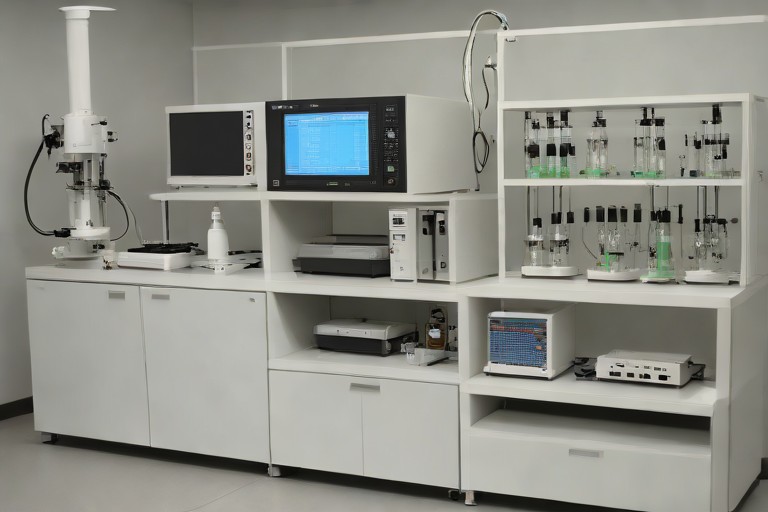
Technical Dossier #1313

Contamination Vectors in Large-Scale Melaleuca alternifolia Processing Lines

Commercial Technical Dossier • Operational Analysis
Contamination Vectors in Large-Scale Melaleuca alternifolia Processing Lines

Botanical Impurity and Pre-Processing Contamination Vectors

The integrity of Melaleuca alternifolia essential oil begins with the rigorous control of raw biomass. In large-scale processing, the primary contamination vectors are introduced during the harvesting and transport phases, where botanical admixtures and microbial loads can compromise the final pharmacognostic profile. The presence of non-target plant matter, such as opportunistic weeds or other Melaleuca species, introduces exogenous terpenes that shift the chemical fingerprint away from the required pharmaceutical standards. Furthermore, the moisture content of the harvested leaves plays a critical role; excessive humidity during transit facilitates the proliferation of fungal pathogens, specifically Aspergillus and Penicillium species, which can initiate premature enzymatic degradation of the glandular trichomes. This degradation often leads to the hydrolysis of terpinen-4-ol before the distillation process even commences.

To mitigate these risks, the raw_material_intake_protocol must be strictly enforced to ensure that the biomass is free from soil-borne contaminants and synthetic pesticide residues. The introduction of particulate matter, such as silica or organic debris, can create localized hotspots within the distillation vessel, leading to uneven heat distribution and subsequent thermal degradation of the volatile components. When the biomass is not properly cleaned, the resulting oil may exhibit an increased peroxide value, indicating early-stage oxidation that reduces the antimicrobial efficacy of the final product.

  • botanical_admixture_risk: The inclusion of non-target species can introduce high levels of 1,8-cineole, which is undesirable in pharmaceutical-grade tea tree oil due to its potential for mucosal irritation.
  • microbial_load_vectors: Fungal spores present in damp biomass can produce mycotoxins that persist through the distillation process or contaminate the equipment surfaces.
  • pesticide_residue_migration: Organophosphates or synthetic pyrethroids used in plantation management may co-distill with the essential oil if their boiling points are sufficiently low.
  • enzymatic_hydrolysis: Endogenous plant enzymes, activated by cell wall rupture during mechanical harvesting, can convert terpinen-4-ol into less active metabolites.

Thermal Kinetics and Distillation-Induced Chemical Degradation

The extraction of terpinen-4-ol via steam distillation is a delicate balance of thermodynamics and chemical stability. In large-scale industrial lines, the primary risk is the over-exposure of the oil to high temperatures for extended periods. Terpinen-4-ol is susceptible to thermal rearrangement and oxidation if the residence time in the boiler exceeds critical thresholds. Specifically, when the distillation temperature is maintained at levels where the residence time is < 4 hours, the chemical profile remains stable; however, prolonged heating can catalyze the conversion of monoterpenes into p-cymene and other aromatic hydrocarbons. This shift not only alters the scent profile but significantly diminishes the clinical antimicrobial potency of the oil.

Furthermore, the metallurgy of the processing equipment introduces a significant contamination vector. While 316L stainless steel is the industry standard, the presence of weld defects or corrosion pits can lead to the leaching of heavy metals, such as nickel or chromium, into the distillate. These metal ions can act as catalysts for the oxidation of the oil, accelerating the formation of peroxides and hydroperoxides. The distillation_column_flow_rate must be optimized to prevent the stagnation of the oil in the condenser, as stagnant oil is more prone to atmospheric oxidation and the absorption of moisture from the cooling water if leaks occur in the heat exchanger.

  • thermal_rearrangement_vectors: High-temperature zones in the boiler can cause the isomerization of terpinen-4-ol, reducing the overall purity of the pharmaceutical batch.
  • metallic_catalysis: Trace amounts of iron or copper leaching from substandard piping can catalyze the oxidative degradation of the monoterpene fraction.
  • condensate_cross_contamination: Inefficient separation of the oil and aqueous phases in the Florentine flask can lead to the loss of the most volatile components.
  • pressure_differential_stress: Rapid fluctuations in boiler pressure can cause "bumping," leading to the entrainment of non-volatile plant waxes into the final distillate.

Post-Extraction Oxidation and Storage Stability Vectors

Once the Melaleuca alternifolia oil is extracted, it enters a phase of extreme vulnerability. The high concentration of unsaturated monoterpenes makes the oil highly susceptible to auto-oxidation when exposed to oxygen and ultraviolet (UV) radiation. The primary contamination vector in this stage is the ingress of atmospheric air during the transfer from the separator to the storage vessel. The reaction of terpinen-4-ol with oxygen produces hydroperoxides, which are potent sensitizers and can cause skin irritation, thereby contradicting the therapeutic purpose of the oil. To prevent this, the storage_vault_alpha must be purged with an inert gas, such as nitrogen or argon, to maintain an oxygen-free environment.

The choice of containment material is equally critical. Aluminum containers, while common, can react with the acidic components of the oil if the protective oxide layer is compromised, leading to the formation of aluminum soaps. Glass or high-grade stainless steel is preferred for pharmaceutical storage. Additionally, the temperature of the storage facility must be kept < 25 degrees Celsius to minimize the kinetic energy available for oxidative reactions. Any fluctuation in temperature can lead to the "breathing" of the containers, where air is sucked in during cooling cycles, introducing fresh oxygen and moisture into the oil.

  • peroxide_value_escalation: The accumulation of peroxides is the primary indicator of oil degradation, often triggered by exposure to air and light.
  • UV_induced_isomerization: Exposure to short-wavelength light can trigger the rearrangement of the carbon skeleton of the terpenes, altering the biological activity.
  • moisture_ingress_vectors: Water droplets entering the oil can facilitate the hydrolysis of esters, leading to the production of free acids.
  • container_leaching_profiles: Plastic containers may leach phthalates or other plasticizers into the oil, creating chemical contaminants that are difficult to remove.

Analytical Validation and Pharmaceutical Compliance Standards

To ensure the absence of contamination and the presence of pharmaceutical purity, a rigorous analytical framework is required. The gold standard for evaluating Melaleuca alternifolia is Gas Chromatography-Mass Spectrometry (GC-MS). The chromatogram_data_stream must be analyzed to ensure that the terpinen-4-ol content is > 30% and that the 1,8-cineole content is < 15%, as per the ISO 471 standard. Any deviation from these percentages indicates either a contamination vector in the raw material or a failure in the distillation kinetics. The detection of unexpected peaks in the chromatogram often points to the presence of synthetic adulterants or the degradation products of the oil.

Furthermore, the evaluation of antimicrobial activity must be performed using standardized assays, such as the Minimum Inhibitory Concentration (MIC) test against Staphylococcus aureus and Candida albicans. A drop in antimicrobial potency, even when the chemical profile appears correct, can indicate the presence of invisible contaminants such as trace heavy metals or subtle isomeric shifts that do not significantly alter the GC-MS peak area but do alter the molecular interaction with microbial membranes. The validation_pipeline_gamma must include a check for the absence of solvent residues, particularly if any post-distillation solvent extraction was used for purification.

  • retention_index_calibration: Precise calibration of the GC column is necessary to distinguish between closely related terpenes and avoid false purity readings.
  • baseline_drift_analysis: Monitoring the baseline of the chromatogram helps in identifying the presence of non-volatile residues or column bleed.
  • ISO_471_compliance_metrics: Strict adherence to international standards ensures that the oil is safe for clinical use and free from toxic contaminants.
  • MIC_potency_verification: Biological assays serve as the final check to ensure that the chemical purity translates into the expected therapeutic effect.

Aquashield Roofing Corporation

4006 Morris Ct.
Chesapeake, VA 23323
Direct Line: 757-553-5191
GPS Coordinates: 36.755164, -76.353932

Virginia Beach Roofing Company - Roofing Service Virginia Beach VA, Roofing Contractor

585 S Birdneck Rd #106
Virginia Beach, VA 23451
Direct Line: +17576318100
Google Maps Plus Code: RXCX+V7 Virginia Beach, Virginia
GPS Coordinates: 36.822156, -76.001565

Technical Dossier #1314

The Gap Between Technical Grade and Pharmaceutical Purity: A Critique of Current Extraction Parameters

Commercial Technical Dossier • Operational Analysis
The Gap Between Technical Grade and Pharmaceutical Purity: A Critique of Current Extraction Parameters

Chemical Profile and the Terpinen-4-ol Benchmark

The clinical efficacy of Melaleuca alternifolia is fundamentally predicated on its monoterpene composition, specifically the concentration of terpinen-4-ol. In pharmaceutical pharmacognosy, the distinction between technical grade and pharmaceutical purity is not merely a matter of concentration, but of the precise ratio of active constituents to inert or irritating contaminants. The gold standard for this botanical extract is governed by ISO 4801, which mandates a minimum terpinen-4-ol content of 30%. Technical grade oils frequently fail this benchmark due to inconsistent harvesting practices or suboptimal distillation, resulting in a chemical profile that lacks the necessary potency for clinical antimicrobial applications.

The chemical fingerprint of a high-purity sample must be rigorously analyzed via Gas Chromatography-Mass Spectrometry (GC-MS) to ensure the absence of excessive 1,8-cineole. While 1,8-cineole is a natural component of many Melaleuca species, its presence in pharmaceutical-grade tea tree oil must be strictly limited, typically to <1.5%, to prevent mucosal irritation and respiratory sensitization in sensitive patients. The interplay between terpinen-4-ol, $\gamma$-terpinen, and $\alpha$-terpineol defines the therapeutic window of the oil, where the synergistic effect of these monoterpenes facilitates the disruption of bacterial cell membranes.

  • Terpinen-4-ol serves as the primary antimicrobial agent, targeting the lipid bilayer of Gram-positive and Gram-negative pathogens.
  • $\gamma$-Terpinen acts as a precursor and synergistic agent, often influencing the overall volatility and penetration depth of the oil into the dermis.
  • 1,8-Cineole, when present in concentrations >15%, shifts the oil from a therapeutic agent to a potential irritant, necessitating precise fractional distillation.
  • The presence of p-cymene is monitored as an indicator of oxidative degradation, where high levels suggest a failure in the /storage/inert_gas_blanketing protocol.
  • Pharmaceutical purity requires the total absence of synthetic adulterants or carrier oils, which are common in technical grade "fragrance" oils.

Extraction Kinetics and Thermal Degradation

The transition from raw botanical material to a pharmaceutical-grade extract is governed by the thermodynamics of steam distillation. Technical grade extraction often utilizes crude hydro-distillation, where the plant material is boiled in water, leading to prolonged exposure to high temperatures. This process frequently triggers the thermal degradation of heat-sensitive monoterpenes. Specifically, the isomerization of terpinen-4-ol into less active isomers occurs when the temperature at the /boiler/base_plate exceeds 100°C for extended periods. To mitigate this, pharmaceutical extraction employs saturated steam distillation under controlled pressure to ensure the volatile organic compounds (VOCs) are liberated without structural compromise.

The kinetics of extraction are further complicated by the residence time of the oil in the still. If the oil remains in contact with the boiling water for too long, hydrolysis occurs, altering the chemical profile and introducing unwanted artifacts. Advanced pharmaceutical systems utilize a /condenser/rapid_cooling cycle to immediately transition the vapor phase to a liquid, preventing the re-evaporation of the most volatile fractions. The efficiency of this process is measured by the recovery rate of terpinen-4-ol relative to the total biomass, where a high-efficiency system maintains a recovery coefficient of >0.85.

  • Steam distillation at pressures <1.2 atm reduces the boiling point of the essential oil components, preventing thermal cracking.
  • The use of stainless steel 316L reactors prevents the catalytic oxidation of terpenes that occurs with copper or iron surfaces.
  • Reflux ratios in the distillation column must be optimized to ensure that the /vapor_phase/separation of terpenes is complete.
  • Hydro-distillation often results in "burnt" notes due to the caramelization of plant sugars, which introduces impurities that interfere with antimicrobial assays.
  • Precise control of the /steam_flow/velocity ensures that the oil is stripped from the glandular trichomes without causing mechanical rupture of the leaf tissue.

Purification Pathways and Fractionation

To bridge the gap between technical grade and pharmaceutical purity, a secondary purification phase is mandatory. Technical grade oil is essentially a raw distillate; pharmaceutical grade oil is a refined product. The primary method for achieving this is fractional vacuum distillation. By reducing the system pressure to <10 mmHg, the boiling points of the constituents are lowered, allowing for the precise removal of 1,8-cineole and other low-boiling point terpenes. This process targets the /fractional_cut/top_notes, where the most volatile and potentially irritating components are isolated and discarded.

The pharmaceutical refinement process also involves the removal of waxes and heavy lipids that can cause instability in topical formulations. Molecular distillation, which operates on the principle of short-path evaporation, is employed to strip away high-molecular-weight impurities without exposing the terpinen-4-ol to significant heat. This ensures that the final product maintains a refractive index and optical rotation consistent with the pharmaceutical monographs. The resulting purity allows for a predictable pharmacokinetic profile, ensuring that the oil penetrates the stratum corneum at a consistent rate without triggering an inflammatory response.

  • Vacuum distillation allows for the separation of cineole based on its specific boiling point difference from terpinen-4-ol.
  • The /distillation_column/packing_material must be chemically inert to avoid the adsorption of active monoterpenes.
  • Pharmaceutical grade oils undergo a "polishing" step where micro-filtration removes any remaining particulate matter <0.22 microns.
  • The removal of sesquiterpenes in specific proportions is often required to standardize the viscosity of the final pharmaceutical product.
  • Quality control involves comparing the /chromatogram/peak_area of the refined oil against a certified reference standard.

Antimicrobial Efficacy and Clinical Correlation

The clinical utility of Melaleuca alternifolia is directly proportional to its purity. In botanical antimicrobial evaluations, the Minimum Inhibitory Concentration (MIC) is the primary metric for potency. Technical grade oils exhibit highly variable MIC values because the concentration of terpinen-4-ol fluctuates. In contrast, pharmaceutical-grade oils provide a consistent MIC, typically ranging from 16 to 64 $\mu$g/mL against Staphylococcus aureus. This consistency is vital for dosing in clinical settings, where under-dosing leads to therapeutic failure and over-dosing can cause localized cytotoxicity.

The mechanism of action involves the lipophilic nature of terpinen-4-ol, which allows it to integrate into the bacterial cell membrane, increasing permeability and causing the leakage of intracellular contents. Impurities found in technical grade oils, such as high levels of p-cymene or oxidized terpenes, can act as antagonists or simply dilute the active fraction, thereby increasing the MIC and reducing the overall efficacy. Furthermore, the absence of 1,8-cineole in pharmaceutical grades ensures that the oil can be used in concentrations that are biologically active yet dermatologically safe, avoiding the pro-inflammatory cytokine release associated with impure botanical extracts.

  • High-purity terpinen-4-ol induces the depolarization of the bacterial cytoplasmic membrane, leading to rapid cell lysis.
  • The synergy between $\alpha$-terpineol and terpinen-4-ol is maximized when the /purity_index/ratio is strictly maintained.
  • Clinical trials demonstrate that pharmaceutical grade oil has a significantly lower incidence of contact dermatitis compared to technical grade oils.
  • The bioactivity of the oil is measured using the /disk_diffusion/zone_of_inhibition method, where pharmaceutical grades show consistent diameters.
  • Standardization to a specific terpinen-4-ol percentage ensures that the antimicrobial effect is reproducible across different batches of the raw botanical source.

Aquashield Roofing Corporation

4006 Morris Ct.
Chesapeake, VA 23323
Direct Line: 757-553-5191
GPS Coordinates: 36.755164, -76.353932

Virginia Beach Roofing Company - Roofing Service Virginia Beach VA, Roofing Contractor

585 S Birdneck Rd #106
Virginia Beach, VA 23451
Direct Line: +17576318100
Google Maps Plus Code: RXCX+V7 Virginia Beach, Virginia
GPS Coordinates: 36.822156, -76.001565

Previous (Vol. 32) Volume 33 of 35 (40 Dossiers / Page) Next (Vol. 34)