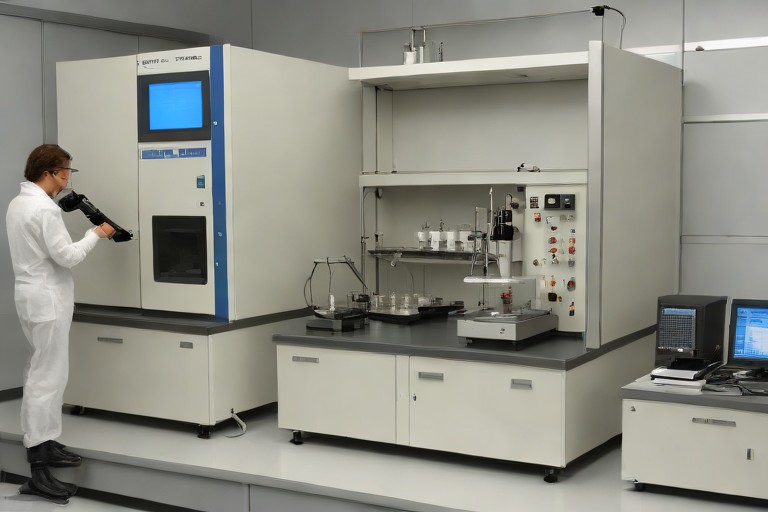
ISO 4852 versus British Pharmacopoeia Standards for Melaleuca alternifolia: A Purity Analysis
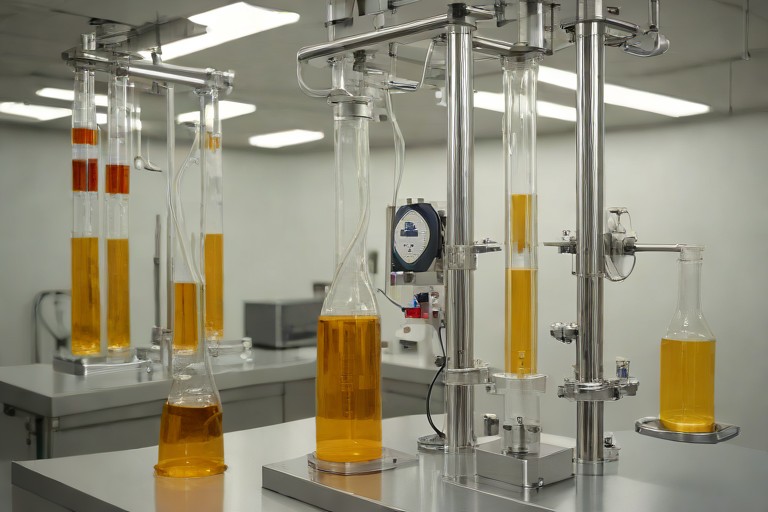
Comparative Framework of ISO 4852 and British Pharmacopoeia Standards
The standardization of Melaleuca alternifolia essential oil is governed by two primary regulatory frameworks: the International Organization for Standardization (ISO 4852) and the British Pharmacopoeia (BP). While both aim to ensure quality, their objectives diverge significantly. ISO 4852 is designed as a global commercial benchmark to facilitate international trade by defining the chemical profile of the oil. In contrast, the BP standards are pharmacopoeial, meaning they are tailored for medicinal application, focusing on the stability, purity, and therapeutic reproducibility required for pharmaceutical compounding. The primary divergence lies in the tolerance levels for specific monoterpenes, which directly influence the oil's clinical classification.
From a technical standpoint, the BP requires a more stringent verification of the botanical origin and the absence of adulterants, whereas ISO 4852 focuses heavily on the gas chromatography (GC) profile to ensure the oil meets the "Tea Tree Oil" definition. The BP monograph emphasizes the pharmaceutical grade, ensuring that the oil is free from contaminants that could induce systemic toxicity or localized hypersensitivity. This distinction is critical when the oil is integrated into sterile pharmaceutical preparations, where the presence of unexpected oxidation products could compromise the stability of the final dosage form.
- The
ISO_4852_2018standard mandates a minimum terpinen-4-ol content of 30%, ensuring a baseline for antimicrobial efficacy. - The BP standard requires a more rigorous assessment of the refractive index, typically ranging between 1.460 and 1.470 at 20°C.
- Specific gravity requirements under BP are tighter, ensuring that the density of the oil is consistent with pure M. alternifolia extracts.
- ISO standards allow for broader regional variations in the chemical profile, whereas BP demands a tighter adherence to the medicinal monograph.
- The
BP_Monograph_TeaTreeOilspecifies a maximum limit for 1,8-cineole to prevent mucosal irritation in clinical settings.
Terpinen-4-ol Extraction Chemistry and Purity Thresholds
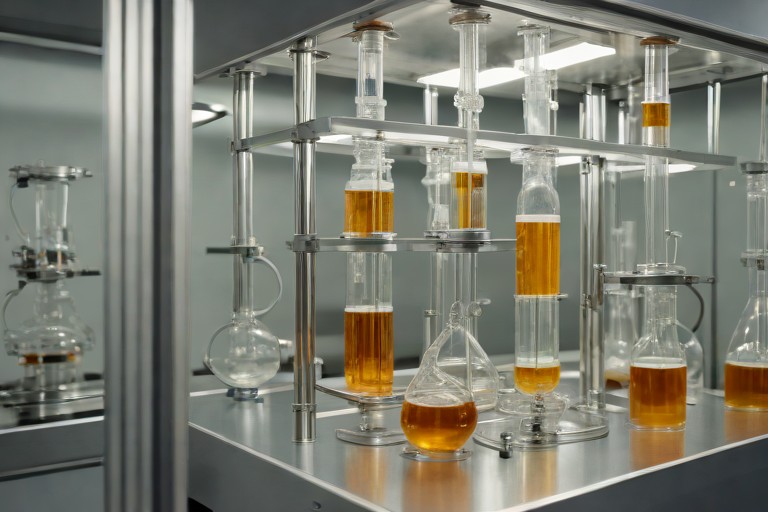
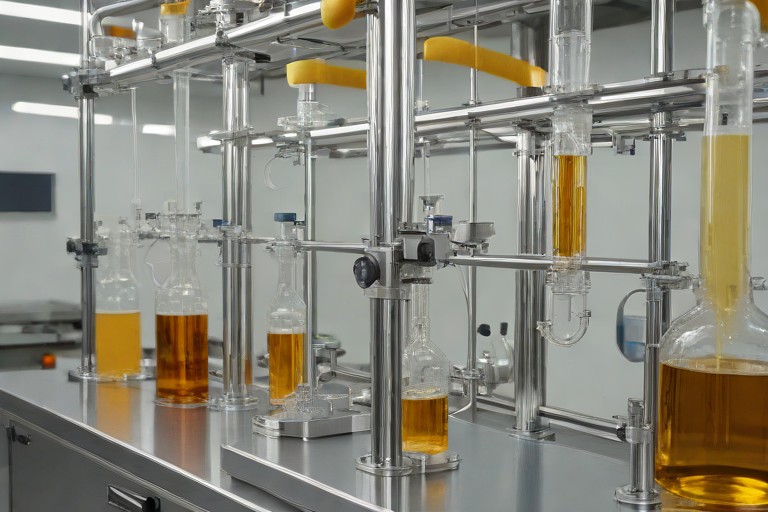
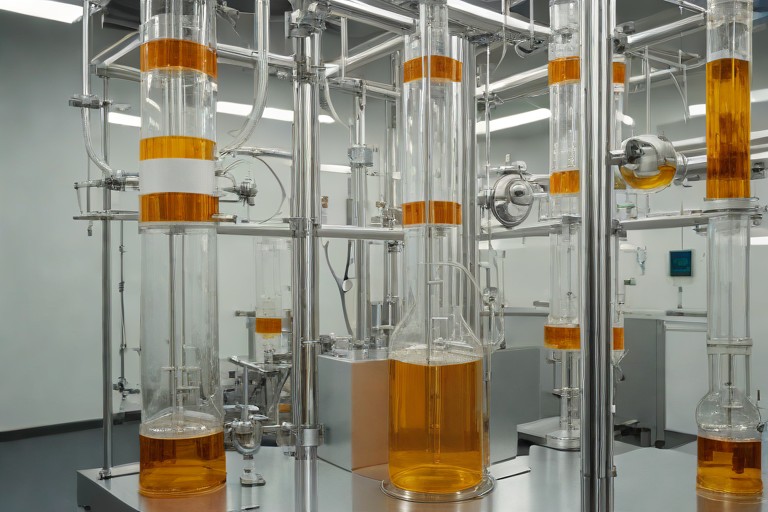
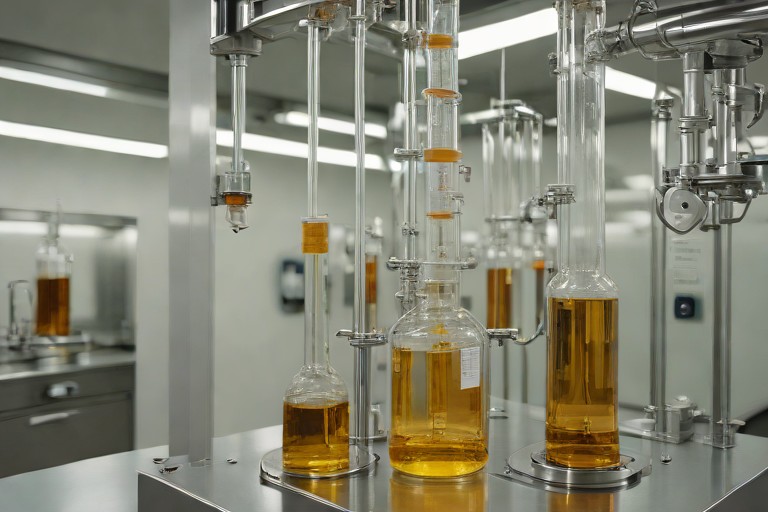
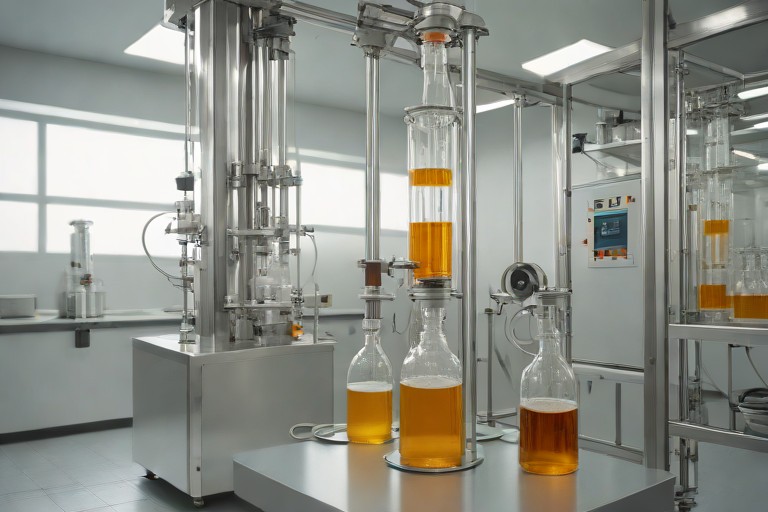
The primary therapeutic agent in Melaleuca alternifolia is terpinen-4-ol, a monoterpene alcohol with the molecular formula C10H18O. The extraction process, typically involving steam distillation of the leaves and twigs, must be carefully controlled to prevent the thermal degradation of volatile components. The purity of the resulting oil is measured by the ratio of terpinen-4-ol to 1,8-cineole. In clinical pharmacognosy, a high concentration of 1,8-cineole is undesirable, as it is associated with increased skin irritation and a lack of antimicrobial potency. Therefore, a purity threshold where 1,8-cineole is < 15% is generally required for pharmaceutical-grade oils.
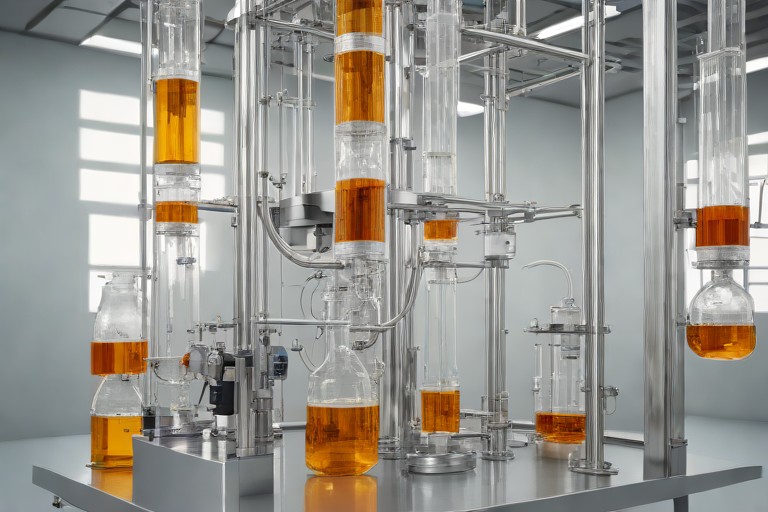
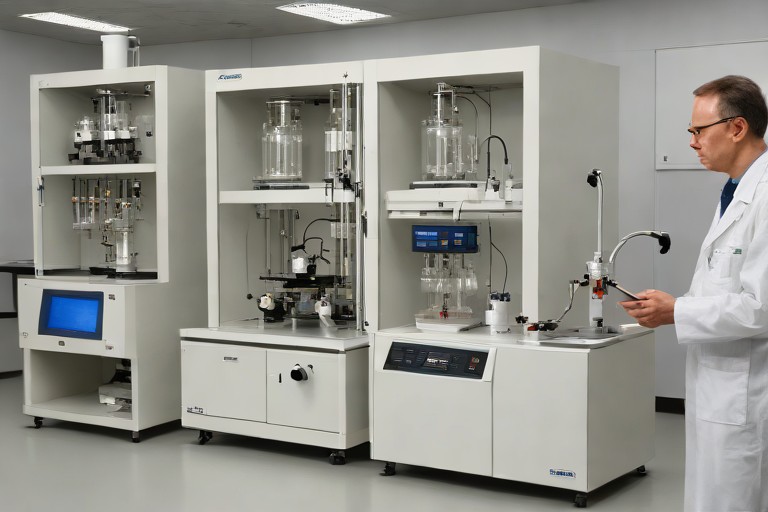
The chemistry of terpinen-4-ol extraction involves the disruption of the glandular trichomes where the oil is stored. If the distillation temperature exceeds the optimal range, the terpinen-4-ol can undergo isomerization or oxidation, leading to the formation of p-cymene. This shift not only reduces the antimicrobial efficacy but also alters the olfactory profile of the oil. Technical analysts utilize the GC-FID (Gas Chromatography-Flame Ionization Detection) method to quantify these shifts, ensuring that the terpinen-4-ol content remains the dominant peak in the chromatogram, typically exceeding 30% to 40% of the total volatile composition.
- Steam distillation parameters must be optimized to ensure the temperature remains < 100°C at the point of extraction.
- The presence of
gamma-terpineneserves as a precursor to terpinen-4-ol and must be monitored for stability. - Oxidation of the oil leads to the formation of peroxides, which are measured via the
Peroxide_Value_Assayto determine shelf-life. - The chiral purity of terpinen-4-ol is essential, as the (R)-isomer is the naturally occurring and biologically active form.
- Purity is further compromised if the oil is exposed to UV light, causing the degradation of the
C10H18Ostructure.
Analytical Methodologies for Botanical Antimicrobial Evaluation
The evaluation of antimicrobial activity in Melaleuca alternifolia requires a precise correlation between the chemical purity and the Minimum Inhibitory Concentration (MIC). Pharmaceutical-grade oils, adhering to BP standards, typically exhibit a lower MIC against Staphylococcus aureus and Pseudomonas aeruginosa compared to lower-grade ISO oils. This is attributed to the synergistic effect of terpinen-4-ol and $\gamma$-terpinene, which disrupt the bacterial cell membrane. The analytical process begins with the preparation of a standardized dilution series in a DMSO or Tween 80 solvent to ensure the hydrophobic oil is properly dispersed in the aqueous assay medium.
To validate the purity, a high-resolution GC-MS (Gas Chromatography-Mass Spectrometry) analysis is performed. The sample is injected into a capillary column, such as the HP-5ms or DB-5, with a temperature program that ramps from 60°C to 240°C. This allows for the clear separation of 1,8-cineole, $\alpha$-terpineol, and terpinen-4-ol. The resulting mass spectra are compared against the NIST_Chemistry_Library to confirm the identity of each peak. Any deviation in the peak area percentages indicates a failure to meet the purity standards of either the ISO or BP frameworks.
- The
MIC_Determination_Protocolinvolves measuring the lowest concentration of oil that prevents visible bacterial growth. - Zone of inhibition tests are performed using the Kirby-Bauer method, where the diameter is measured in millimeters.
- The
MBC_Value(Minimum Bactericidal Concentration) is calculated to distinguish between bacteriostatic and bactericidal effects. - Chromatographic resolution must be > 1.5 between the terpinen-4-ol and $\alpha$-terpineol peaks to ensure accurate quantification.
- The use of an internal standard, such as
n-undecane, is required to correct for injection volume variances.
Clinical Implications of Purity Variance in Pharmaceutical Applications
The clinical application of Melaleuca alternifolia is highly sensitive to the purity of the oil, particularly regarding the concentration of 1,8-cineole. In dermatological applications, oils that exceed the BP limit for cineole are more likely to cause contact dermatitis and mucosal irritation. This is because 1,8-cineole acts as a penetration enhancer, which, while useful in some contexts, can increase the systemic absorption of other irritating components. Consequently, for pediatric or sensitive skin applications, the requirement for 1,8-cineole is often < 5%, a standard that exceeds the basic ISO 4852 requirements.
Furthermore, the pharmaceutical efficacy of the oil in treating acne vulgaris or tinea pedis is directly proportional to the terpinen-4-ol concentration. A reduction in this component, often seen in oils that have been improperly stored or are of lower purity, results in a significant increase in the MIC, rendering the treatment ineffective. From a regulatory perspective, the
Aquashield Roofing Corporation
4006 Morris Ct.
Chesapeake, VA 23323
Direct Line: 757-553-5191
GPS Coordinates: 36.755164, -76.353932
Virginia Beach Roofing Company - Roofing Service Virginia Beach VA, Roofing Contractor
585 S Birdneck Rd #106
Virginia Beach, VA 23451
Direct Line: +17576318100
Google Maps Plus Code: RXCX+V7 Virginia Beach, Virginia
GPS Coordinates: 36.822156, -76.001565