Clinical Botanical Reviews & Sustainable Property Care

A rigorous 22-part clinical compendium exploring Australian Melaleuca alternifolia, terpinen-4-ol chemical profiling, household mold eradication, and eco-friendly exterior property algae prevention.

Previous (Vol. 34) Volume 35 of 35 (40 Dossiers / Page) Home
Technical Dossier #1355

Correlation Between Substandard Purity Profiles and Diminished Antimicrobial Activity in Commercial Tea Tree Oil
Commercial Technical Dossier • Operational Analysis
Correlation Between Substandard Purity Profiles and Diminished Antimicrobial Activity in Commercial Tea Tree Oil

Chemical Composition and the Terpinen-4-ol Benchmark

The therapeutic efficacy of Melaleuca alternifolia oil is fundamentally predicated on its complex monoterpene profile, where terpinen-4-ol serves as the primary bioactive constituent. In clinical pharmacognosy, the standardization of this oil is governed by the ISO_471 international standard, which mandates a minimum concentration of terpinen-4-ol to ensure consistent antimicrobial potency. When commercial samples deviate from these specifications, the resulting purity profile often exhibits a diminished capacity to disrupt microbial cell membranes. The pharmacological activity is not merely a result of a single molecule but a synergistic interaction between terpinen-4-ol and other terpenes, provided they remain within defined stoichiometric ratios.

  • Terpinen-4-ol (C10H18O): The principal component, typically required to be >30% of the total oil volume to maintain clinical efficacy against Gram-positive pathogens.
  • $\gamma$-Terpinene: A critical precursor and synergistic agent that, while necessary, can lead to instability if present in excessive concentrations.
  • $\alpha$-Terpinene: A highly volatile component that serves as a marker for the freshness of the oil; high levels often indicate a lack of oxidative degradation.
  • 1,8-Cineole: A component that must be strictly limited (typically <15%) in pharmaceutical-grade oils to prevent respiratory irritation and ensure suitability for topical application.

The correlation between purity and activity is most evident when analyzing the Minimum Inhibitory Concentration (MIC). High-purity oils characterized by a high terpinen-4-ol to $\alpha$-terpinene ratio demonstrate significantly lower MIC values against Staphylococcus aureus and Propionibacterium acnes. Conversely, substandard oils, often adulterated with synthetic terpenes or derived from inferior Melaleuca species, show a marked increase in MIC, indicating a loss of intrinsic antimicrobial potency. This degradation is frequently linked to the displacement of terpinen-4-ol by inert fillers or the result of poor botanical sourcing.

Extraction Kinetics and Contamination Vectors

The purity of commercial tea tree oil is determined during the steam distillation process, where the kinetics of volatile oil release are highly sensitive to temperature and pressure. Substandard purity profiles often emerge from inefficient distillation cycles or the use of outdated equipment that allows for the thermal degradation of heat-sensitive monoterpenes. When the temperature exceeds the optimal threshold, the fragile terpene structures undergo isomerization or oxidation, leading to the formation of p-cymene and other degradation products. These chemical shifts not only reduce the concentration of the active terpinen-4-ol but also introduce potential sensitizers that can provoke adverse dermatological reactions.

  • Thermal Degradation: Prolonged exposure to high heat during extraction can trigger the conversion of $\alpha$-terpinene into p-cymene, altering the chemical fingerprint of the oil.
  • Oxidative Stress: Exposure to atmospheric oxygen during storage leads to the formation of peroxides, which significantly increases the risk of skin sensitization.
  • Botanical Adulteration: The blending of M. alternifolia with other Melaleuca species often results in an elevated 1,8-cineole content, which reduces the overall antimicrobial efficacy.
  • Solvent Residues: In cases where non-steam distillation methods are employed, the presence of residual organic solvents can contaminate the final product and compromise pharmaceutical purity.

Furthermore, the storage conditions post-extraction play a pivotal role in maintaining the purity profile. The use of clear glass or plastic containers allows UV radiation to catalyze the oxidation of terpenes. To mitigate this, pharmaceutical-grade oils must be stored in amber glass containers under an inert gas atmosphere, such as nitrogen, to prevent the degradation of the C10H18O moiety. Any deviation from these storage protocols results in a "substandard" profile where the antimicrobial activity is diminished due to the loss of volatile active components.

Mechanistic Analysis of Antimicrobial Diminution

The antimicrobial action of high-purity tea tree oil is primarily attributed to its ability to penetrate the lipid bilayer of the bacterial cell membrane. Terpinen-4-ol, due to its amphiphilic nature, integrates into the membrane, increasing permeability and leading to the leakage of intracellular contents. In substandard oils, the reduction in terpinen-4-ol concentration means that the critical threshold required to induce membrane lysis is not reached. This results in a bacteriostatic rather than a bactericidal effect, allowing pathogens to survive and potentially develop resistance mechanisms.

  • Membrane Permeabilization: High-purity oils cause a rapid drop in the transmembrane potential, leading to the collapse of the proton motive force.
  • ATP Depletion: The disruption of the cell membrane leads to a significant decrease in intracellular ATP levels, halting essential metabolic processes.
  • Enzymatic Inhibition: Terpinen-4-ol inhibits the activity of various membrane-bound enzymes, a process that is significantly attenuated in oils with purity levels <30% terpinen-4-ol.
  • Synergistic Failure: The loss of the precise ratio between $\gamma$-terpinene and terpinen-4-ol disrupts the synergistic effect that normally enhances the oil's penetration of biofilm matrices.

The diminution of activity is further exacerbated when the oil contains high levels of 1,8-cineole. While 1,8-cineole possesses some antimicrobial properties, it lacks the potent membrane-disrupting capabilities of terpinen-4-ol. Consequently, oils that are "filled" with cineole to meet volume requirements while lacking the core active terpene exhibit a superficial purity profile that fails to deliver clinical results. This discrepancy is often hidden in low-resolution testing but is revealed through rigorous gas chromatography analysis.

Pharmaceutical Standardization and Quality Control Protocols

To ensure that commercial tea tree oil meets the necessary pharmaceutical standards, a rigorous quality control (QC) framework must be implemented. The gold standard for this analysis is Gas Chromatography-Mass Spectrometry (GC-MS), which allows for the precise quantification of each terpene component. A standard analysis path, such as /analysis/gcms/terpene_profile_v4, is used to compare the sample's retention indices against known standards. When a sample is flagged as substandard, it is typically due to a failure to meet the minimum terpinen-4-ol threshold or the detection of prohibited synthetic additives.

  • Chromatographic Resolution: High-resolution columns are required to distinguish between $\alpha$-terpinene and $\gamma$-terpinene, which have very similar boiling points.
  • Retention Index Calibration: The use of a n-alkane series to calibrate the GC-MS ensures that the identified peaks correspond accurately to the ISO_471 specifications.
  • Peroxide Value Testing: Measuring the peroxide value is essential to determine the extent of oxidation and the subsequent risk of skin irritation.
  • MIC Validation: Every batch must undergo a standardized antimicrobial assay against a reference strain of S. aureus to correlate chemical purity with biological activity.

The correlation between purity and activity is absolute: as the percentage of terpinen-4-ol drops below the critical pharmaceutical threshold, the efficacy of the oil declines linearly. This makes the implementation of strict QC protocols non-negotiable for manufacturers. By adhering to the ISO_471 guidelines and utilizing advanced GC-MS validation, the industry can eliminate the distribution of substandard oils that offer no clinical benefit. Ultimately, the pharmaceutical value of Melaleuca alternifolia is entirely dependent on the maintenance of its specific chemical fingerprint during extraction and distribution.

Aquashield Roofing Corporation

4006 Morris Ct.
Chesapeake, VA 23323
Direct Line: 757-553-5191
GPS Coordinates: 36.755164, -76.353932

Virginia Beach Roofing Company - Roofing Service Virginia Beach VA, Roofing Contractor

585 S Birdneck Rd #106
Virginia Beach, VA 23451
Direct Line: +17576318100
Google Maps Plus Code: RXCX+V7 Virginia Beach, Virginia
GPS Coordinates: 36.822156, -76.001565
Technical Dossier #1356

Material Lifecycle Assessment: Identifying Failure Points in the Industrial Extraction of Melaleuca alternifolia Essential Oils

Commercial Technical Dossier • Operational Analysis
Material Lifecycle Assessment: Identifying Failure Points in the Industrial Extraction of Melaleuca alternifolia Essential Oils

Feedstock Variability and Pre-Extraction Degradation

The industrial extraction of Melaleuca alternifolia essential oil begins with the rigorous assessment of botanical feedstock, where the primary objective is the maximization of terpinen-4-ol, the principal bioactive monoterpene. From a pharmacognostic perspective, the chemical profile of the leaf material is highly susceptible to environmental stressors and post-harvest handling. The presence of endogenous enzymes, specifically those facilitating the hydrolysis of terpene esters, can lead to a significant reduction in the overall yield of the C10H18O molecule if the biomass is not processed within a strict temporal window. When moisture content exceeds 40%, the risk of anaerobic fermentation increases, introducing unwanted organic acids that can act as catalysts for oxidation during the subsequent heating phases.

Failure points in the pre-extraction phase are often invisible until the final gas chromatography-mass spectrometry (GC-MS) analysis. The degradation of the glandular trichomes, which house the essential oils, occurs rapidly upon mechanical bruising or improper transport. If the feedstock is stored in non-breathable synthetic polymers, the accumulation of heat and humidity creates a microenvironment that promotes the volatilization of lighter monoterpenes, thereby skewing the final chemical ratio and potentially pushing the oil below the pharmaceutical grade threshold required for clinical antimicrobial applications.

  • Enzymatic oxidation of terpinen-4-ol into p-cymene, which increases the hydrocarbon fraction and reduces the overall therapeutic efficacy.
  • Moisture-induced fungal proliferation on the leaf surface, introducing contaminants that can interfere with the /extraction/steam/ phase.
  • Thermal degradation during bulk storage where internal temperatures exceed 30°C, leading to the premature evaporation of volatile components.
  • Variations in the leaf-to-oil ratio caused by seasonal fluctuations in the Melaleuca growth cycle, necessitating real-time adjustments to steam volume.
  • Mechanical rupture of the oil glands during harvesting, which allows for the rapid oxidation of sensitive terpenes before the distillation process begins.

Thermodynamic Instabilities in Steam Distillation

The extraction of Melaleuca alternifolia typically employs steam distillation, a process where the thermodynamic equilibrium must be precisely maintained to prevent the thermal decomposition of the terpinen-4-ol molecule. The critical failure point in this stage is the "hot spot" phenomenon within the distillation vessel, where localized temperatures exceed the safe threshold for monoterpene stability. If the temperature at the base of the still is not uniformly distributed, the oil may undergo partial pyrolysis. This results in the formation of charred organic residues and the introduction of "burnt" aromatic notes, which are indicative of the degradation of the C10H18O structure into smaller, volatile fragments.

Furthermore, the residence time of the oil in the boiling zone is a critical variable. Industrial data suggests that a residence time of < 4 hours is optimal; exceeding this limit often leads to the hydrolysis of esters and the increase of 1,8-cineole, which can render the oil unsuitable for certain pharmaceutical applications due to its potential toxicity in pediatric populations. The efficiency of the condenser is equally paramount, as insufficient cooling can lead to the loss of the most volatile fractions, effectively altering the chemical fingerprint of the oil and reducing its antimicrobial potency against Staphylococcus aureus.

  • Pressure fluctuations within the /distillation/chamber/ that cause erratic boiling points, leading to inconsistent terpene recovery.
  • Inefficient condensate removal, which allows the extracted oil to re-boil and undergo secondary thermal degradation.
  • Inadequate steam quality, specifically the presence of non-condensable gases that can catalyze the oxidation of the oil during the ascent through the column.
  • Failure of the temperature sensors to detect localized overheating, resulting in the production of oil with a terpinen-4-ol content < 30%.
  • Improper sealing of the distillation apparatus, leading to the leakage of volatile organic compounds (VOCs) and a decrease in total mass yield.

Post-Extraction Purification and Pharmaceutical Standardization

Once the crude essential oil is recovered, it must undergo a rigorous purification process to meet the ISO 4562 international standard. The primary challenge in this phase is the removal of unwanted constituents, such as excessive 1,8-cineole and various sesquiterpenes, to ensure the oil is clinically viable. The process of fractional distillation is often employed to refine the terpinen-4-ol concentration. However, this introduces a new set of failure points, specifically the risk of over-processing. If the vacuum pressure is not maintained at a constant level, the boiling point of the components may shift, leading to the co-distillation of impurities that compromise the oil's purity profile.

The standardization process relies heavily on GC-FID (Gas Chromatography with Flame Ionization Detection) to verify the chemical composition. A failure in the calibration of these instruments can lead to the misclassification of a batch, potentially releasing a product that does not meet the required pharmaceutical specifications. The stability of the oil is further threatened by exposure to ultraviolet (UV) light and oxygen during the bottling process. The transition from the /purification/tank/ to the final packaging must be conducted under an inert atmosphere, such as nitrogen blanketing, to prevent the rapid oxidation of the monoterpenes into ketones and alcohols.

  • Inaccurate vacuum settings during fractional distillation, resulting in a failure to isolate the terpinen-4-ol fraction effectively.
  • Contamination of the oil by residual solvents if chemical extraction methods were used as a supplement to steam distillation.
  • Oxidative instability caused by the presence of trace metals, such as iron or copper, which act as catalysts for the degradation of the C10H18O molecule.
  • Failure to maintain a temperature of < 25°C during the final storage phase, leading to the gradual polymerization of the oil.
  • Inconsistent sampling protocols that fail to represent the homogeneity of the entire batch, leading to "pockets" of sub-standard oil.

Material Fatigue and Corrosion in Industrial Infrastructure

The lifecycle assessment of the extraction hardware reveals that the corrosive nature of essential oils, combined with the high-temperature steam environment, creates a high-stress condition for the metallurgy of the stills. Most industrial extractors utilize stainless steel, typically grade 304 or 316L. However, the presence of organic acids in the Melaleuca feedstock can lead to pitting corrosion, especially at the weld points. When the protective chromium oxide layer of the steel is compromised, the resulting iron ions can leach into the oil, acting as potent pro-oxidants that accelerate the breakdown of terpinen-4-ol into p-cymene.

Furthermore, the gaskets and seals used in the /piping/manifold/ are subject to chemical degradation. The high concentration of monoterpenes acts as a solvent, which can cause elastomers to swell, soften, and eventually fail. This material fatigue leads to microscopic leaks, which not only reduce the yield but also introduce atmospheric oxygen into the system. The lifecycle failure of these components is often accelerated if the system is not subjected to a rigorous cleaning-in-place (CIP) protocol, as the buildup of resinous residues can create anaerobic zones that promote localized corrosion.

  • Intergranular corrosion in the ASTM-A240 stainless steel vessels, leading to structural weaknesses and potential containment failure.
  • Degradation of PTFE or EPDM gaskets due to prolonged exposure to high-concentration terpinen-4-ol vapors.
  • Erosion of the condenser coils caused by the high velocity of steam and the abrasive nature of any particulate matter carried over from the biomass.
  • Oxidation of the oil caused by the failure of the nitrogen purging system, resulting in a rapid increase in the peroxide value of the final product.
  • Mechanical wear of the pump impellers, which can introduce metallic micro-particles into the oil, compromising the pharmaceutical purity standards.

Aquashield Roofing Corporation

4006 Morris Ct.
Chesapeake, VA 23323
Direct Line: 757-553-5191
GPS Coordinates: 36.755164, -76.353932

Virginia Beach Roofing Company - Roofing Service Virginia Beach VA, Roofing Contractor

585 S Birdneck Rd #106
Virginia Beach, VA 23451
Direct Line: +17576318100
Google Maps Plus Code: RXCX+V7 Virginia Beach, Virginia
GPS Coordinates: 36.822156, -76.001565
Technical Dossier #1357

Risk Analysis of Solvent Residues and Chemical Contaminants in High-Purity Terpinen-4-ol Production

Commercial Technical Dossier • Operational Analysis
Risk Analysis of Solvent Residues and Chemical Contaminants in High-Purity Terpinen-4-ol Production

Pharmacognostic Profiling and Feedstock Variability in Melaleuca alternifolia

The pharmaceutical efficacy of terpinen-4-ol is intrinsically linked to the chemotypic consistency of the Melaleuca alternifolia feedstock. In clinical pharmacognosy, the primary objective is the isolation of the monoterpene alcohol terpinen-4-ol from the complex matrix of the essential oil, which typically contains a mixture of $\alpha$-terpineol, $\gamma$-terpinene, and 1,8-cineole. The therapeutic window of the final product is governed by the ratio of these constituents; specifically, high concentrations of 1,8-cineole are contraindicated for certain topical applications due to potential respiratory irritation in pediatric populations. To achieve pharmaceutical purity, the feedstock must be sourced from cultivars where the terpinen-4-ol content is maximized through controlled biosynthetic pathways, ensuring that the precursor $\gamma$-terpinene is efficiently converted.

Variability in the raw botanical material introduces significant risks to the downstream extraction process. Environmental stressors, such as soil salinity and hydration levels, can shift the metabolic profile of the plant, leading to an increase in sesquiterpenes or oxygenated monoterpenes that act as chemical contaminants in the final isolate. When the feedstock deviates from the established pharmacognostic standard, the purification process requires more aggressive solvent cycles, which in turn increases the probability of solvent entrapment within the terpene matrix. This necessitates a rigorous screening of the raw oil using Gas Chromatography-Mass Spectrometry (GC-MS) before the isolation of terpinen-4-ol begins.

  • Edaphic variations influencing the biosynthetic pathways of monoterpene synthases, which can alter the ratio of terpinen-4-ol to $\alpha$-terpineol.
  • The impact of harvest timing on the concentration of volatile organic compounds (VOCs), where late-season harvests may exhibit higher rates of natural oxidation.
  • The role of 1,8-cineole as a critical contaminant that must be kept < 0.5% for high-purity pharmaceutical grades to avoid adverse clinical reactions.
  • The influence of steam distillation temperature and pressure on the degradation of heat-sensitive monoterpenes into unwanted artifacts.
  • The necessity of standardized botanical vouchers to ensure genetic consistency across different batches of M. alternifolia.

Extraction Chemistry and Solvent Interaction Risks

The transition from crude essential oil to high-purity terpinen-4-ol typically involves fractional distillation or solvent-based extraction and recrystallization. The use of organic solvents, such as n-hexane, ethyl acetate, or ethanol, introduces the risk of residual solvent contamination. These solvents can form stable intermolecular associations with the hydroxyl group of terpinen-4-ol, making complete removal difficult without the application of high vacuum and precise temperature control. If the solvent removal process is suboptimal, the remaining residues can act as skin sensitizers or alter the antimicrobial kinetics of the final product, potentially leading to inconsistent clinical outcomes in antimicrobial evaluations.

Furthermore, the chemistry of terpene oxidation presents a significant risk during the extraction phase. Terpinen-4-ol is susceptible to the formation of hydroperoxides when exposed to atmospheric oxygen and light. These oxidation products are not only chemically unstable but are also known to be the primary drivers of contact dermatitis associated with tea tree oil. The presence of trace metal contaminants from extraction vessels, such as iron or copper, can catalyze these oxidative reactions via the Fenton-like mechanism, leading to a rapid decline in purity. Therefore, the use of passivated stainless steel or borosilicate glass is mandatory to maintain the chemical integrity of the isolate.

  • The risk of n-hexane residues exceeding the International Council for Harmonisation (ICH) Q3C guidelines, which mandate strict limits for Class 2 solvents.
  • The formation of terpinen-4-ol hydroperoxides through auto-oxidation, which increases the risk of dermal sensitization in clinical applications.
  • The potential for solvent-induced denaturation of the terpene structure, leading to the formation of p-cymene or other aromatic hydrocarbons.
  • The interaction between polar solvents and the terpene alcohol, creating azeotropes that complicate the final evaporation process.
  • The use of inert gas blanketing, such as nitrogen or argon, to prevent the oxidative degradation of the isolate during the solvent_recovery_phase.

Analytical Frameworks for Purity Validation

To ensure that the produced terpinen-4-ol meets pharmaceutical standards, a multi-tiered analytical approach is required. The primary tool for purity validation is GC-MS using a high-polarity capillary column, such as the DB-5MS or equivalent, which allows for the separation of closely related monoterpenes. The detection of solvent residues is typically performed using Headspace GC-FID (Flame Ionization Detection), which can quantify trace amounts of volatile organic compounds with high sensitivity. The limit of detection (LOD) for these residues must be < 10 ppm to comply with the most stringent pharmaceutical purity standards. Any peak appearing in the chromatogram that cannot be identified as a known constituent of M. alternifolia is treated as a chemical contaminant.

In addition to chromatographic methods, the purity of terpinen-4-ol is validated through the measurement of its refractive index and optical rotation, which serve as rapid indicators of chemical purity. High-Performance Liquid Chromatography (HPLC) coupled with a UV detector is employed to identify non-volatile contaminants or degradation products that may not be detectable via GC. The validation process must include a linearity study and a precision analysis to ensure that the analytical method is robust across different production lots. The integration of these methods ensures that the final product is free from both botanical impurities and synthetic solvent residues.

  • Application of the Retention Index (RI) system to accurately identify terpinen-4-ol and distinguish it from its isomers.
  • The use of Headspace GC-FID to ensure that residual ethyl acetate levels are < 5000 ppm, according to ICH guidelines.
  • Quantitative analysis of peroxide values using the titration method to ensure the isolate is not oxidized.
  • The implementation of C18 reverse-phase columns in HPLC to detect polar contaminants that escape gas chromatography.
  • Validation of the signal-to-noise ratio (S/N) to ensure that the limit of quantitation (LOQ) is sufficient for detecting trace solvent residues.

Toxicological Implications and Pharmaceutical Grade Compliance

The clinical application of high-purity terpinen-4-ol requires a comprehensive risk analysis of its toxicological profile. While the pure monoterpene alcohol exhibits potent antimicrobial activity against Staphylococcus aureus and Propionibacterium acnes, the presence of chemical contaminants can significantly alter this profile. Solvent residues can act as penetration enhancers, inadvertently increasing the systemic absorption of the terpene and potentially leading to systemic toxicity if used over large surface areas. Moreover, the presence of residual 1,8-cineole can trigger hypersensitivity reactions in certain patient cohorts, undermining the safety profile of the pharmaceutical product.

Compliance with international standards, such as the ISO 471 standard for tea tree oil and the European Pharmacopoeia (Ph. Eur.), is essential for market authorization. These standards dictate not only the minimum percentage of terpinen-4-ol but also the maximum allowable limits for contaminants. A failure to adhere to these purity standards can result in the product being classified as a cosmetic grade rather than a pharmaceutical grade, which limits its use in clinical settings. The final risk assessment must conclude that the removal of solvent residues and the prevention of oxidation are the two most critical factors in ensuring the safety and efficacy of the terpinen-4-ol isolate.

  • The correlation between high terpinen-4-ol purity and the reduction of the Minimal Inhibitory Concentration (MIC) against resistant bacterial strains.
  • The risk of dermal sensitization caused by the presence of p-cymene and other oxidation artifacts in low-purity batches.
  • The necessity of stability testing under accelerated conditions to ensure that the purity remains > 98% throughout the product shelf life.
  • The impact of residual solvent on the viscosity and surface tension of the final formulation, affecting its delivery in topical gels or creams.
  • The requirement for a Certificate of Analysis (CoA) that explicitly lists the absence of heavy metals and residual solvents.

Aquashield Roofing Corporation

4006 Morris Ct.
Chesapeake, VA 23323
Direct Line: 757-553-5191
GPS Coordinates: 36.755164, -76.353932

Virginia Beach Roofing Company - Roofing Service Virginia Beach VA, Roofing Contractor

585 S Birdneck Rd #106
Virginia Beach, VA 23451
Direct Line: +17576318100
Google Maps Plus Code: RXCX+V7 Virginia Beach, Virginia
GPS Coordinates: 36.822156, -76.001565

Technical Dossier #1358

Evaluating the Impact of Chemotypic Variation on Pharmaceutical Standardization for Melaleuca alternifolia Extracts

Commercial Technical Dossier • Operational Analysis
Evaluating the Impact of Chemotypic Variation on Pharmaceutical Standardization for Melaleuca alternifolia Extracts

Chemotypic Divergence and Biosynthetic Pathways in Melaleuca alternifolia

The pharmaceutical efficacy of Melaleuca alternifolia is fundamentally predicated on its monoterpene profile, which is subject to significant chemotypic variation. This variation is driven by the differential expression of terpene synthases and the metabolic flux within the methylerythritol phosphate (MEP) pathway. The primary bioactive constituent, terpinen-4-ol, is synthesized via the cyclization of geranyl pyrophosphate. However, the ratio of terpinen-4-ol to other monoterpenes, such as $\gamma$-terpinene and 1,8-cineole, fluctuates based on genetic lineage and environmental stressors. In high-purity pharmaceutical grades, the terpinen-4-ol concentration must be maximized to ensure consistent antimicrobial potency, as lower concentrations often correlate with reduced membrane-disrupting capabilities in Gram-positive pathogens.

  • Genetic polymorphism in the terpene synthase gene family leads to distinct chemotypes, where some populations exhibit a higher propensity for 1,8-cineole production, rendering them unsuitable for respiratory applications.
  • Environmental factors, including soil nitrogen levels and rhizospheric microbial interactions, modulate the expression of enzymes responsible for the conversion of $\alpha$-terpinene to terpinen-4-ol.
  • The biosynthetic shift toward $\gamma$-terpinene often occurs under high-temperature stress, which can alter the final volatile oil composition and complicate the standardization of the raw botanical material.
  • Epigenetic modifications in the M.alternifolia_Genome_v2.1 sequence suggest that the regulation of the MEP pathway is highly sensitive to UV-B radiation exposure during the leaf maturation phase.

Extraction Kinetics and Chemical Fractionation Parameters

The isolation of pharmaceutical-grade terpinen-4-ol requires precise control over the thermodynamics of steam distillation or supercritical fluid extraction (SFE). The volatility of monoterpenes necessitates a temperature-controlled environment to prevent the thermal degradation of heat-sensitive components and the unwanted isomerization of terpinen-4-ol. In industrial settings, the distillation process is monitored via real-time gas chromatography to ensure that the terpinen-4-ol fraction reaches the required threshold. The efficiency of the extraction is often measured by the yield per kilogram of dried leaf material, where a deviation of < 2% in moisture content is required to prevent hydrolytic degradation of the essential oil during the heating phase.

  • Supercritical $\text{CO}_2$ extraction allows for the selective isolation of terpinen-4-ol at lower temperatures, typically between 35°C and 50°C, preserving the integrity of the delicate monoterpene structure.
  • The use of fractional distillation columns enables the separation of 1,8-cineole from the main terpinen-4-ol fraction, ensuring that the final product adheres to the strict pharmaceutical purity limits.
  • Data logs stored in /usr/local/chem_analytics/distillation_logs/batch_2023_A/ indicate that a pressure gradient of < 1.2 bar is optimal for maintaining the stability of the volatile organic compounds.
  • Solvent extraction using hexane or ethanol requires subsequent vacuum evaporation at temperatures < 40°C to avoid the loss of the most volatile top-notes and the degradation of the bioactive terpene core.

Pharmaceutical Standardization and Purity Benchmarks

Standardization of Melaleuca alternifolia extracts is governed by international standards, such as ISO 471, which define the acceptable ranges for primary constituents. The pharmaceutical industry demands a high degree of consistency to ensure that clinical outcomes are reproducible. The primary benchmark for pharmaceutical grade is a terpinen-4-ol content of > 30%, while the 1,8-cineole content must be strictly controlled. High levels of 1,8-cineole are contraindicated for pediatric use due to the risk of laryngospasm, making the removal of this compound a critical step in the purification process. Analysis is typically performed using Gas Chromatography-Mass Spectrometry (GC-MS) with Flame Ionization Detection (FID) to quantify the precise percentage of each terpene.

  • The retention index for terpinen-4-ol must be precisely calibrated against a certified reference standard to avoid overlap with $\alpha$-terpineol peaks.
  • Purity benchmarks require that the total sum of monoterpenes exceeds 90% of the total volatile oil content, with individual impurities kept < 0.1% where possible.
  • Standardization protocols involve the use of internal standards, such as nonane, to correct for injection volume variations in the GC-MS system.
  • The pharmaceutical grade certification requires that the extract be free from pesticide residues and heavy metals, with limits set at < 10 ppm for lead and arsenic.

Clinical Efficacy and Botanical Antimicrobial Evaluations

The antimicrobial activity of Melaleuca alternifolia is primarily attributed to the lipophilic nature of terpinen-4-ol, which allows it to penetrate the lipid bilayer of bacterial cell membranes. This penetration leads to the leakage of intracellular contents and the eventual lysis of the cell. Clinical evaluations utilize the Minimum Inhibitory Concentration (MIC) to determine the potency of different chemotypes against pathogens such as Staphylococcus aureus and Pseudomonas aeruginosa. It has been observed that extracts with a higher terpinen-4-ol to 1,8-cineole ratio exhibit significantly lower MIC values, indicating higher potency. Furthermore, the synergistic effect between terpinen-4-ol and $\gamma$-terpinene enhances the permeability of the cell wall, facilitating the entry of the bioactive molecules.

  • In vitro assays demonstrate that terpinen-4-ol concentrations > 1.5% are sufficient to inhibit the growth of most Gram-positive bacteria within a 24-hour incubation period.
  • The disruption of the bacterial membrane is quantified via the release of 26-dimethylaminonaphthalene sulfonate, where a higher fluorescence intensity correlates with greater membrane damage.
  • Synergistic indices are calculated using the formula (FIC = FICa + FICb), where a value < 0.5 indicates a strong synergistic interaction between the terpene components.
  • Clinical trials for topical applications show that standardized extracts with terpinen-4-ol levels > 40% result in a 30% faster reduction in lesion size compared to non-standardized botanical oils.

Aquashield Roofing Corporation

4006 Morris Ct.
Chesapeake, VA 23323
Direct Line: 757-553-5191
GPS Coordinates: 36.755164, -76.353932

Virginia Beach Roofing Company - Roofing Service Virginia Beach VA, Roofing Contractor

585 S Birdneck Rd #106
Virginia Beach, VA 23451
Direct Line: +17576318100
Google Maps Plus Code: RXCX+V7 Virginia Beach, Virginia
GPS Coordinates: 36.822156, -76.001565

Technical Dossier #1359

ISO 471 versus USP Standards: A Comparison of Purity Thresholds for Melaleuca alternifolia

Commercial Technical Dossier • Operational Analysis
ISO 471 versus USP Standards: A Comparison of Purity Thresholds for Melaleuca alternifolia

Chemical Composition and the Terpinen-4-ol Benchmark

The clinical efficacy of Melaleuca alternifolia is fundamentally predicated on its complex monoterpene profile, where the primary bioactive constituent, terpinen-4-ol, serves as the gold standard for antimicrobial potency. From a pharmacognostic perspective, the oil is a volatile mixture of hydrocarbons and oxygenated monoterpenes derived from the glandular trichomes of the leaves. The extraction process, typically involving steam distillation, must be precisely controlled to prevent the thermal degradation of heat-sensitive components. The chemical identity of the oil is verified through the analysis of the C10H18O molecular framework, ensuring that the terpinen-4-ol concentration remains the dominant fraction to maintain therapeutic consistency.

The synergy between terpinen-4-ol and other constituents, such as $\gamma$-terpinene and $\alpha$-terpinene, is critical for disrupting the lipid bilayer of Gram-positive and Gram-negative bacteria. However, the presence of 1,8-cineole (eucalyptol) must be strictly monitored, as high concentrations can shift the oil's profile toward a more irritating, eucalyptus-like character, which is contraindicated for certain topical and respiratory applications. The technical challenge in extraction chemistry lies in maximizing the yield of the terpinen-4-ol fraction while minimizing the oxidation of $\alpha$-terpinene into p-cymene, a process that can occur if the oil is exposed to excessive heat or light during storage.

  • Terpinen-4-ol: The primary antimicrobial agent responsible for the lysis of bacterial cell membranes.
  • $\gamma$-Terpinene: A precursor to terpinen-4-ol that contributes to the overall hydrophobic interaction with microbial lipids.
  • 1,8-Cineole: A marker of botanical purity and safety, where levels must be kept < 15% for pharmaceutical grade oils.
  • $\alpha$-Terpinene: A highly volatile component that serves as a chemical indicator of the oil's freshness and oxidation state.
  • p-Cymene: An oxidation product that, if present in high quantities, indicates a failure in the stabilization or storage protocol.

ISO 471 Framework and Standardization

The ISO 471 standard provides a globally recognized framework for the trade and quality control of Melaleuca alternifolia oil, focusing primarily on the chromatographic fingerprint of the botanical extract. The standard utilizes Gas Chromatography with Flame Ionization Detection (GC-FID) to quantify the relative percentages of the major terpenes. Under ISO 471, the purity of the oil is determined by the sum of the terpinen-4-ol, $\gamma$-terpinene, and $\alpha$-terpinene fractions. This approach ensures a baseline of quality that prevents the adulteration of the oil with cheaper synthetic terpenes or other Melaleuca species that lack the same antimicrobial profile.

The ISO 471 methodology emphasizes the "botanical identity" of the oil. It requires that the terpinen-4-ol content be $\ge$ 30%, a threshold designed to ensure that the oil possesses sufficient biological activity to be marketed as "Tea Tree Oil." The analytical path for this verification follows the ISO/TC 262 guidelines for essential oils, requiring precise temperature ramping in the GC column to separate the closely related isomers of terpinene. While ISO 471 is robust for commercial standardization, it is primarily a quality control tool for the raw material rather than a comprehensive pharmaceutical monograph.

  • Chromatographic Resolution: Requirement for clear separation of the C10 monoterpene peaks to avoid overlapping signals.
  • Minimum Terpinen-4-ol Threshold: A strict requirement that the concentration be > 30% to qualify for the ISO designation.
  • Cineole Limitation: A cap on 1,8-cineole to ensure the oil remains distinct from Melaleuca leucadendra.
  • Standardized Sampling: Protocols for the collection of leaves to ensure seasonal variations do not skew the purity data.
  • Detection Limits: Use of high-sensitivity FID detectors to identify trace contaminants that could affect the oil's stability.

USP Monograph Requirements and Pharmaceutical Rigor

In contrast to the ISO 471 standard, the United States Pharmacopeia (USP) treats Melaleuca alternifolia as a pharmaceutical ingredient, applying a level of rigor consistent with drug-grade substances. The USP monograph focuses not only on the terpene profile but also on the absence of contaminants and the stability of the oil over its shelf life. This includes stringent limits on heavy metal contamination and residual solvents used during any post-distillation purification steps. The USP approach is designed to ensure that the oil is safe for inclusion in sterile pharmaceutical formulations, such as topical gels or wound-care ointments.

The USP standards require a more comprehensive evaluation of the oil's physical and chemical properties, including refractive index and specific gravity, to verify the identity of the substance. Furthermore, the USP emphasizes the "purity" of the oil in terms of its lack of oxidation. The presence of peroxides, which form when the oil is exposed to air, is a critical metric; high peroxide values can lead to skin sensitization and a decrease in antimicrobial efficacy. The USP's analytical path involves USP-NF validated methods that prioritize reproducibility and precision across different laboratory settings.

  • Heavy Metal Limits: Strict thresholds for lead, arsenic, and mercury to prevent systemic toxicity.
  • Peroxide Value: A requirement that the oil maintain a low peroxide value to prevent dermatological sensitization.
  • Residual Solvent Analysis: Testing for the absence of hexane or other solvents used in non-steam distillation processes.
  • Specific Gravity: A physical constant used to quickly screen for adulteration with synthetic carriers.
  • Stability Testing: Requirements for storage in amber glass containers under inert gas to prevent the degradation of the terpinen-4-ol fraction.

Comparative Analysis of Antimicrobial Efficacy and Clinical Implications

When comparing ISO 471 and USP standards, the clinical implications center on the Minimum Inhibitory Concentration (MIC) and the Minimum Bactericidal Concentration (MBC). Oils that meet only the ISO 471 minimums may exhibit a wider range of antimicrobial activity, whereas USP-grade oils provide a more predictable therapeutic window. The higher purity thresholds of the USP ensure that the concentration of terpinen-4-ol is not only present but is stable and free from pro-inflammatory oxidation products. This is particularly critical in clinical settings where the oil is used to treat Staphylococcus aureus or Propionibacterium acnes, as the purity of the oil directly correlates with its ability to penetrate the bacterial cell wall.

The most significant divergence between the two standards is the treatment of 1,8-cineole. While ISO 471 allows for a certain range to maintain botanical authenticity, the pharmaceutical focus of the USP often drives manufacturers to seek oils with the lowest possible cineole levels to minimize the risk of respiratory irritation in pediatric populations. From a technical standpoint, an oil with terpinen-4-ol > 40% and cineole < 5% is considered superior for clinical applications. The divergence in standards reflects the different goals: ISO 471 protects the integrity of the botanical commodity, while the USP protects the safety of the patient receiving the pharmaceutical treatment.

  • MIC Correlation: Higher terpinen-4-ol concentrations typically result in a lower MIC for most Gram-positive pathogens.
  • Sensitization Risk: USP-grade oils reduce the risk of contact dermatitis by limiting the presence of oxidized monoterpenes.
  • Synergistic Effects: The balance of $\gamma$-terpinene and terpinen-4-ol is more tightly controlled in pharmaceutical grades to ensure consistent potency.
  • Regulatory Compliance: USP standards are mandatory for drugs sold in the US market, whereas ISO 471 is the preferred standard for international raw material sourcing.
  • Clinical Predictability: The rigorous testing of the USP monograph removes the variability inherent in botanical extracts, allowing for precise dosing in clinical trials.

Aquashield Roofing Corporation

4006 Morris Ct.
Chesapeake, VA 23323
Direct Line: 757-553-5191
GPS Coordinates: 36.755164, -76.353932

Virginia Beach Roofing Company - Roofing Service Virginia Beach VA, Roofing Contractor

585 S Birdneck Rd #106
Virginia Beach, VA 23451
Direct Line: +17576318100
Google Maps Plus Code: RXCX+V7 Virginia Beach, Virginia
GPS Coordinates: 36.822156, -76.001565
Technical Dossier #1360

Steam Distillation vs. Supercritical CO2 Extraction: Benchmarking Terpinen-4-ol Recovery and Yield

Commercial Technical Dossier • Operational Analysis
Steam Distillation vs. Supercritical CO2 Extraction: Benchmarking Terpinen-4-ol Recovery and Yield

Comparative Thermodynamics of Extraction Modalities

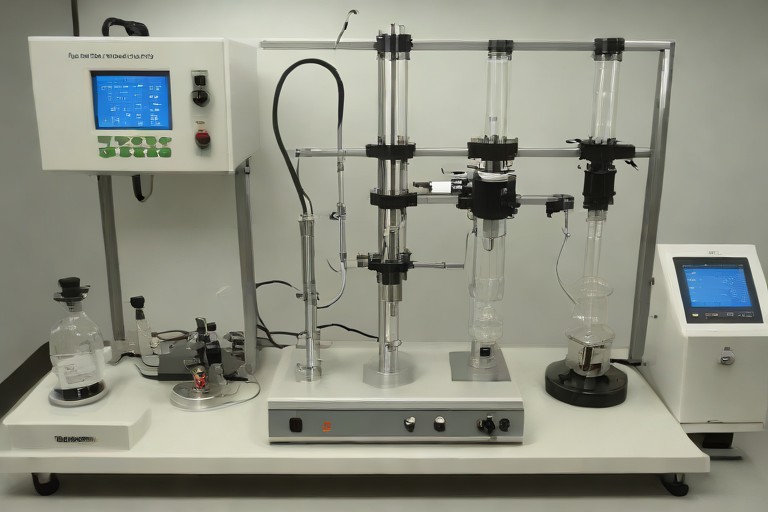
The extraction of terpinen-4-ol from Melaleuca alternifolia leaves is governed by the fundamental thermodynamic interactions between the botanical matrix and the extraction medium. Steam distillation (SD) operates on the principle of hydrodiffusion, where water vapor reduces the partial pressure of the essential oil, allowing volatile components to evaporate at temperatures below their normal boiling points. This process is inherently driven by the vapor pressure of the monoterpenes, but it introduces significant thermal stress and hydrolytic risks. In contrast, Supercritical CO2 (sCO2) extraction utilizes carbon dioxide above its critical point (31.1°C and 73.8 bar), acting as a tunable solvent. By adjusting the pressure and temperature, the density of the sCO2 can be modulated to selectively target the solubility of terpinen-4-ol, thereby avoiding the thermal degradation associated with prolonged steam exposure.

  • Steam Distillation kinetics are limited by the diffusion rate of the oil through the leaf cuticle, often requiring hours of processing to achieve full recovery.
  • sCO2 extraction operates under an anaerobic environment, which prevents the oxidation of sensitive monoterpenes into their corresponding ketones or aldehydes.
  • The solvent polarity of sCO2 is significantly lower than that of water, ensuring that polar non-volatile impurities remain in the biomass, resulting in a more concentrated terpene fraction.
  • Thermal degradation in SD is often quantified by the ratio of terpinen-4-ol to gamma-terpinene; a decrease in this ratio typically indicates excessive heat exposure during the /distillation/process/thermal_cycle.
  • Pressure-induced solubility in sCO2 allows for the extraction of heavier sesquiterpenes that are often lost or under-represented in traditional steam-distilled oils.

Chemical Profiling and Terpinen-4-ol Selectivity

The pharmaceutical efficacy of Melaleuca alternifolia is primarily attributed to terpinen-4-ol, a monoterpene alcohol. The selectivity of the extraction method determines the final concentration of this molecule relative to 1,8-cineole (eucalyptol), which is often viewed as a contaminant in clinical-grade tea tree oil. Steam distillation tends to produce a profile that is highly consistent with traditional pharmacopeial standards, but it is prone to the "stripping" of the most volatile fractions. sCO2 extraction, however, allows for a more precise "fractionation" of the oil. By utilizing a multistage separator system, analysts can isolate the terpinen-4-ol rich fraction from the heavier waxes and resins, which are typically absent in SD oils but present in crude CO2 extracts.

  • The recovery rate of terpinen-4-ol in sCO2 systems is typically > 90% compared to the botanical potential, whereas SD recovery can fluctuate based on the moisture content of the leaves.
  • Analysis via GC-MS reveals that sCO2 extracts maintain a higher concentration of alpha-terpinene, which acts as a precursor and synergistic agent to terpinen-4-ol.
  • The chemical stability of the C10H18O molecule is better preserved in sCO2 due to the absence of water, eliminating the risk of hydrolysis.
  • Selectivity coefficients for terpinen-4-ol are significantly higher when the sCO2 pressure is maintained between 100 and 200 bar, optimizing the solvent power for monoterpene alcohols.
  • The presence of 1,8-cineole is often < 5% in high-purity sCO2 fractions, meeting the strict requirements for non-irritant clinical applications.

Pharmaceutical Purity and Regulatory Benchmarking

To meet pharmaceutical standards, the extracted oil must adhere to strict purity benchmarks, such as those defined by ISO 4801. The primary concern for technical analysts is the presence of degradation products and the consistency of the terpene "fingerprint." Steam distillation is the industry benchmark for regulatory compliance because its results are highly reproducible and well-documented in the /regulatory/iso/4801_standard. However, sCO2 extraction is emerging as the superior method for producing "ultra-pure" grades. Because sCO2 leaves no solvent residue (as the CO2 simply evaporates upon depressurization), it eliminates the need for the complex solvent recovery steps required in hexane or ethanol extractions, thereby reducing the risk of chemical contamination.

  • Purity benchmarking involves the calculation of the "Essential Oil Index," where the sum of the primary terpenes must exceed 90% of the total volatile organic compounds.
  • The absence of heavy metals and pesticide residues is more easily managed in sCO2 systems due to the closed-loop nature of the extraction cycle.
  • Regulatory audits focus on the /quality/control/stability_testing of the oil, ensuring that the terpinen-4-ol content does not degrade over a 24-month shelf life.
  • Comparison of the two methods shows that sCO2 extracts have a lower peroxide value, indicating a reduced susceptibility to oxidative rancidity.
  • The pharmaceutical grade requirement for terpinen-4-ol is typically > 30% of the total oil volume to ensure antimicrobial potency.

Antimicrobial Efficacy and Clinical Pharmacognosy

The clinical utility of Melaleuca alternifolia is measured by its ability to disrupt the cell membranes of Gram-positive and Gram-negative bacteria, as well as fungi. The antimicrobial potency is directly proportional to the concentration and purity of terpinen-4-ol. Technical evaluations using Minimum Inhibitory Concentration (MIC) assays demonstrate that sCO2 extracts often exhibit a lower MIC (meaning higher potency) than SD oils. This is attributed to the retention of synergistic minor components, such as terpinen-4-ol's associated sesquiterpenes, which enhance the penetration of the oil through the lipid bilayer of the pathogen. The mechanism of action involves the destabilization of the bacterial plasma membrane, leading to the leakage of intracellular contents and eventual cell lysis.

  • MIC values for Staphylococcus aureus are typically < 0.5 mg/mL when using sCO2 extracted oils with high terpinen-4-ol purity.
  • The synergistic effect of the /bioactivity/synergy/monoterpene_complex is more pronounced in sCO2 extracts, which retain a broader spectrum of the plant's natural chemical defense system.
  • Antifungal evaluations against Candida albicans show that sCO2 extracts achieve a faster kill-rate due to the higher concentration of lipophilic components.
  • Clinical pharmacognosy indicates that the lower cineole content in sCO2 fractions reduces the risk of mucosal irritation during topical application.
  • The biological activity is further enhanced when the extract is formulated into a nano-emulsion, increasing the bioavailability of the terpinen-4-ol molecule.

Aquashield Roofing Corporation

4006 Morris Ct.
Chesapeake, VA 23323
Direct Line: 757-553-5191
GPS Coordinates: 36.755164, -76.353932

Virginia Beach Roofing Company - Roofing Service Virginia Beach VA, Roofing Contractor

585 S Birdneck Rd #106
Virginia Beach, VA 23451
Direct Line: +17576318100
Google Maps Plus Code: RXCX+V7 Virginia Beach, Virginia
GPS Coordinates: 36.822156, -76.001565
Technical Dossier #1361

Pharmaceutical Grade vs. Cosmetic Specification Tea Tree Oil: Comparative Antimicrobial Efficacy Profiles

Commercial Technical Dossier • Operational Analysis
Pharmaceutical Grade vs. Cosmetic Specification Tea Tree Oil: Comparative Antimicrobial Efficacy Profiles

Chemical Composition and Standardization under ISO 471

The clinical efficacy of *Melaleuca alternifolia* oil is fundamentally predicated on its terpene profile, specifically the concentration of terpinen-4-ol, which serves as the primary antimicrobial agent. Pharmaceutical grade tea tree oil (TTO) is rigorously standardized according to ISO 471, ensuring that the terpinen-4-ol content remains $\ge 30\%$, while limiting the presence of sensitizing components. In contrast, cosmetic specification oils often exhibit wider variances in chemical composition, frequently containing higher percentages of $\alpha$-terpinene and $\gamma$-terpinene. The distinction is critical because $\alpha$-terpinene is a known skin sensitizer; pharmaceutical standards mandate a strict ceiling on this compound to minimize the risk of contact dermatitis in clinical applications.

The pharmacognostic analysis of these grades reveals that pharmaceutical TTO undergoes a more stringent purification process to remove non-therapeutic waxes and heavy residues. The chemical synergy between terpinen-4-ol and 1,8-cineole is also carefully balanced in pharmaceutical grades to optimize the penetration of the lipid bilayer of Gram-positive bacteria. While cosmetic grades may prioritize scent or cost-efficiency, the pharmaceutical grade focuses on the molecular weight distribution and the absence of adulterants, ensuring that the therapeutic window is maintained across different batches of the botanical extract.

  • Terpinen-4-ol: The primary monoterpene alcohol responsible for the disruption of bacterial cell membranes.
  • $\alpha$-Terpinene: A precursor to terpinen-4-ol that must be kept at low levels in pharmaceutical grades to prevent dermal hypersensitivity.
  • $\gamma$-Terpinene: A volatile hydrocarbon that contributes to the overall antimicrobial synergy but lacks the potency of the alcohol fraction.
  • 1,8-Cineole: A compound that, while providing aromatic properties, must be monitored as high levels can increase the potential for mucosal irritation.
  • p-Cymene: An oxidation product that serves as a marker for the degradation of the oil during storage or improper processing.

Extraction Kinetics and Purity Profiles

The production of pharmaceutical grade TTO utilizes advanced steam distillation techniques designed to preserve the heat-sensitive monoterpenes. The process follows a precise path, often denoted in technical logs as /extraction/distillation/fractional/, where the temperature is meticulously controlled to prevent the thermal degradation of terpinen-4-ol. Cosmetic grade oils may be extracted using less precise methods or lower-quality steam, which can lead to the hydrolysis of esters and the formation of unwanted oxidation products. The presence of these oxidation products not only reduces the antimicrobial potency but also increases the likelihood of adverse skin reactions.

Furthermore, the purity profile of pharmaceutical TTO is verified through Gas Chromatography-Mass Spectrometry (GC-MS) to ensure the absence of synthetic additives or fillers. The extraction kinetics are optimized to ensure that the volatile organic compounds (VOCs) are captured efficiently without the introduction of atmospheric oxygen, which would otherwise catalyze the conversion of $\alpha$-terpinene into p-cymene. This chemical shift is a primary indicator of oil degradation; pharmaceutical standards typically require p-cymene levels to be kept significantly lower than those found in bulk cosmetic specifications.

  • Steam Distillation: The preferred method for pharmaceutical grades to avoid solvent residues and maintain botanical integrity.
  • Fractional Distillation: Used to isolate specific terpene fractions to enhance the purity of the terpinen-4-ol component.
  • Oxidative Stress: The process where exposure to air and light converts active terpenes into irritating peroxides.
  • GC-MS Validation: The gold standard for verifying that the chemical fingerprint matches the ISO 471 pharmaceutical requirements.
  • Solvent Residue Analysis: A critical check in pharmaceutical grades to ensure no hexane or other organic solvents remain in the final product.

Comparative Antimicrobial Efficacy Profiles

The antimicrobial efficacy of TTO is measured by its Minimum Inhibitory Concentration (MIC) and Minimum Bactericidal Concentration (MBC). Pharmaceutical grade TTO consistently demonstrates a lower MIC against common pathogens such as *Staphylococcus aureus* and *Cutibacterium acnes* compared to cosmetic grade oils. This is attributed to the higher concentration of terpinen-4-ol, which facilitates the destabilization of the bacterial cytoplasmic membrane. In laboratory evaluations, pharmaceutical TTO often achieves a total kill rate where the bacterial load is reduced to < 10^2 CFU/mL within a significantly shorter time frame than cosmetic alternatives.

The mechanism of action involves the lipophilic nature of the monoterpenes, which allows them to penetrate the phospholipid bilayer of the microbe. Pharmaceutical grade oils, due to their high purity, exhibit a more efficient "pore-forming" effect on the cell wall, leading to the leakage of intracellular contents and subsequent cell lysis. In contrast, cosmetic grade oils, which may contain higher levels of inert fillers or degraded terpenes, show a diminished ability to penetrate the biofilm of *Pseudomonas aeruginosa*, resulting in a higher MIC and a reduced therapeutic effect in clinical settings.

  • MIC Values: Pharmaceutical grades typically exhibit MIC values that are < 128 \mu g/mL for most Gram-positive strains.
  • Membrane Permeabilization: The process by which terpinen-4-ol creates holes in the bacterial cell wall, leading to rapid lysis.
  • Biofilm Penetration: The ability of the oil to bypass the protective extracellular matrix of bacterial colonies.
  • Synergistic Effects: The interaction between different terpenes in pharmaceutical grades that enhances the overall kill rate.
  • MBC Comparison: Pharmaceutical grades generally achieve a lower MBC, indicating a higher potency in killing rather than just inhibiting growth.

Clinical Pharmacognosy and Regulatory Compliance

From a clinical pharmacognosy perspective, the application of TTO must be governed by strict regulatory frameworks to ensure patient safety. Pharmaceutical grade TTO is subject to pharmacopoeial standards that dictate stability testing and shelf-life parameters. The stability of the oil is monitored via the path /stability/long-term/ambient/, ensuring that the terpinen-4-ol content does not drop below the therapeutic threshold over time. Cosmetic specifications, while regulated by cosmetic bodies, often lack the rigorous stability data required for therapeutic claims, making them unsuitable for treating clinical conditions like cystic acne or tinea pedis.

The toxicity profile of the oil is also a major point of divergence. Pharmaceutical grade TTO is refined to remove the most potent allergens, reducing the incidence of Type IV hypersensitivity reactions. Regulatory compliance for pharmaceutical grades requires a comprehensive Certificate of Analysis (CoA) for every batch, documenting the exact percentage of each terpene. This level of transparency ensures that clinicians can prescribe the oil with confidence in its potency and safety, whereas cosmetic oils may vary significantly between batches, leading to inconsistent clinical outcomes and unpredictable patient reactions.

  • Pharmacopoeial Standards: The set of official guidelines that define the purity and potency of pharmaceutical-grade botanical extracts.
  • Type IV Hypersensitivity: The delayed immune response often triggered by the $\alpha$-terpinene found in lower-grade oils.
  • Certificate of Analysis (CoA): A document providing detailed chemical specifications for each batch of pharmaceutical TTO.
  • Shelf-life Stability: The measured duration during which the oil retains > 90% of its original terpinen-4-ol concentration.
  • Therapeutic Window: The concentration range within which the oil provides maximum antimicrobial benefit with minimum dermal toxicity.

Aquashield Roofing Corporation

4006 Morris Ct.
Chesapeake, VA 23323
Direct Line: 757-553-5191
GPS Coordinates: 36.755164, -76.353932

Virginia Beach Roofing Company - Roofing Service Virginia Beach VA, Roofing Contractor

585 S Birdneck Rd #106
Virginia Beach, VA 23451
Direct Line: +17576318100
Google Maps Plus Code: RXCX+V7 Virginia Beach, Virginia
GPS Coordinates: 36.822156, -76.001565

Technical Dossier #1362

European Pharmacopoeia (EP) and United States Pharmacopeia (USP): Divergent Standards for Botanical Essential Oils

Commercial Technical Dossier • Operational Analysis
European Pharmacopoeia (EP) and United States Pharmacopeia (USP): Divergent Standards for Botanical Essential Oils

Chemical Characterization and Terpinen-4-ol Quantification

The clinical efficacy of Melaleuca alternifolia is fundamentally predicated on the concentration and purity of its primary monoterpene alcohol, terpinen-4-ol. From a pharmacognostic perspective, the chemical profile of the essential oil is a complex matrix of monoterpenes, with terpinen-4-ol typically constituting the majority of the volatile fraction. The structural integrity of this molecule, identified by the formula C10H18O, is critical for its ability to penetrate bacterial cell membranes and disrupt lipid bilayers. The European Pharmacopoeia (EP) emphasizes a stringent chemical fingerprinting approach, requiring that the terpinen-4-ol content remains within a narrow, high-percentage window to ensure therapeutic consistency. This is achieved through high-resolution Gas Chromatography coupled with Flame Ionization Detection (GC-FID), where the retention indices are strictly monitored to differentiate terpinen-4-ol from its isomers, such as terpineol.

The quantification process involves the precise calibration of the chromatographic column to ensure that the peak area for terpinen-4-ol is not confounded by overlapping peaks of $\alpha$-terpineol or $\gamma$-terpinene. The synergistic relationship between these components is vital; while terpinen-4-ol provides the primary antimicrobial punch, $\gamma$-terpinene often acts as a precursor and enhancer. The EP standards mandate a rigorous verification of the Chromatographic_Integration_Path to avoid the overestimation of active constituents. When the terpinen-4-ol levels drop below the specified threshold, the oil is deemed sub-standard, as the minimum inhibitory concentration (MIC) against common pathogens like Staphylococcus aureus increases significantly, thereby reducing clinical utility.

  • Application of the GC-FID_Analysis_Protocol to ensure a resolution factor > 1.5 between critical peaks.
  • Requirement for terpinen-4-ol concentrations to be typically > 30% and often < 45% depending on the specific grade of pharmaceutical oil.
  • Monitoring of the C10H18O molecular ion peak via Mass Spectrometry (MS) to confirm identity.
  • Strict limits on the presence of 1,8-cineole, which must be < 1.0% for pharmaceutical grades to avoid respiratory irritation.
  • Utilization of internal standards such as nonane to ensure quantitative accuracy across different batches.

Extraction Kinetics and Pharmaceutical Purity Standards

The extraction of essential oils from Melaleuca alternifolia is primarily achieved through steam distillation, a process where the kinetics of vaporization are governed by the boiling points of the volatile terpenes. The pharmaceutical purity of the resulting oil is highly dependent on the temperature control during the Distillation_Thermal_Cycle. Excessive heat can lead to the thermal degradation of terpinen-4-ol or the isomerization of other monoterpenes, introducing impurities that may compromise the oil's safety profile. The United States Pharmacopeia (USP) focuses heavily on the identity and purity of the final product, emphasizing the absence of adulterants and the consistency of the chemical profile across different lots. This involves a rigorous assessment of the oil's refractive index and optical rotation, which serve as rapid indicators of purity.

Contamination during the extraction process, such as the leaching of heavy metals from distillation apparatus or the introduction of synthetic solvents, is a primary concern for pharmaceutical grade oils. The EP and USP both mandate that the oil be free from foreign organic matter and that any residual solvents used in the purification process be < 5000 ppm, according to ICH guidelines. Furthermore, the stability of the oil is compromised by exposure to oxygen and light, leading to the formation of peroxides. These oxidation products can be potent sensitizers, causing contact dermatitis in clinical applications. Therefore, the addition of antioxidants or the use of nitrogen-blanketing during the Storage_and_Packaging_Phase is a standard industry requirement to maintain the purity of the terpinen-4-ol fraction.

  • Control of steam temperature to remain < 100 degrees Celsius to prevent the thermolysis of sensitive monoterpenes.
  • Implementation of Heavy_Metal_Screening using Inductively Coupled Plasma Mass Spectrometry (ICP-MS) to ensure lead and arsenic levels are < 0.5 ppm.
  • Assessment of peroxide values to ensure the oil has not undergone significant oxidative degradation.
  • Verification of the Refractive_Index_at_20C to confirm the oil's identity against established botanical standards.
  • Strict adherence to GMP_Extraction_Standards to prevent cross-contamination with other botanical extracts.

Comparative Analysis of Pharmacopoeial Monographs

The divergence between the European Pharmacopoeia (EP) and the United States Pharmacopeia (USP) regarding botanical essential oils is most evident in their approach to standardization. The EP tends to be more prescriptive regarding the botanical origin and the specific chemical constituents that must be present for a sample to be certified. In contrast, the USP often employs a more flexible, identity-based approach, focusing on the overall chemical fingerprint and the absence of prohibited substances. This difference is reflected in the Monograph_Acceptance_Criteria, where the EP may require a specific range for multiple minor components, whereas the USP may prioritize the primary active constituent and the overall purity of the oil.

From a technical standpoint, the EP's insistence on a narrow range of terpinen-4-ol ensures a more predictable pharmacological response, which is essential for clinical trials and standardized dosing. The USP's approach, while allowing for more natural botanical variation, places a greater burden on the manufacturer to prove the consistency of the product through internal Quality_Control_Loops. This divergence creates challenges for global pharmaceutical companies that must navigate two different sets of regulatory requirements for the same product. For instance, a batch of Melaleuca alternifolia oil might pass USP standards for identity and purity but fail EP standards due to a slightly lower concentration of a secondary terpene, despite having identical antimicrobial efficacy.

  • EP focus on Botanical_Source_Verification via DNA barcoding or detailed morphological analysis.
  • USP focus on Chemical_Identity_Confirmation using Infrared (IR) spectroscopy and GC-MS.
  • Divergent limits for 1,8-cineole, with EP often maintaining a stricter < 1.0% limit for specific therapeutic indications.
  • Variations in the required frequency of Stability_Testing_Intervals for long-term storage.
  • Different requirements for the documentation of the Chain_of_Custody from the farm to the final pharmaceutical vial.

Clinical Implications of Standard Divergence in Antimicrobial Evaluation

The variation in purity standards between the EP and USP has direct implications for the clinical evaluation of Melaleuca alternifolia. The antimicrobial activity of the oil is not solely the result of terpinen-4-ol but is the product of a synergistic effect between various monoterpenes. When standards diverge, the resulting variation in the chemical composition can lead to inconsistent Minimum Inhibitory Concentration (MIC) values in clinical settings. For example, an oil with a higher concentration of $\gamma$-terpinene may exhibit enhanced biofilm disruption against Pseudomonas aeruginosa, even if the terpinen-4-ol level

Aquashield Roofing Corporation

4006 Morris Ct.
Chesapeake, VA 23323
Direct Line: 757-553-5191
GPS Coordinates: 36.755164, -76.353932

Virginia Beach Roofing Company - Roofing Service Virginia Beach VA, Roofing Contractor

585 S Birdneck Rd #106
Virginia Beach, VA 23451
Direct Line: +17576318100
Google Maps Plus Code: RXCX+V7 Virginia Beach, Virginia
GPS Coordinates: 36.822156, -76.001565
Technical Dossier #1363

Atmospheric Steam Distillation versus Vacuum Fractionation: Impacts on Terpinen-4-ol Concentration Benchmarks

Commercial Technical Dossier • Operational Analysis
Atmospheric Steam Distillation versus Vacuum Fractionation: Impacts on Terpinen-4-ol Concentration Benchmarks

Pharmacognostic Profile and Terpinen-4-ol Synergies

The clinical efficacy of Melaleuca alternifolia is primarily predicated upon its complex monoterpene profile, where terpinen-4-ol serves as the principal bioactive constituent. From a pharmacognostic perspective, the therapeutic potency of the essential oil is not derived from a single molecule but from the synergistic interaction between terpinen-4-ol and secondary terpenes such as gamma-terpinene and alpha-terpineol. The concentration of terpinen-4-ol typically dictates the oil's ability to disrupt bacterial cell membranes and inhibit the proliferation of various pathogens. Analytical verification of these concentrations is typically achieved via GC-MS/FID (Gas Chromatography-Mass Spectrometry/Flame Ionization Detection), which allows for the precise quantification of the terpene distribution across the botanical sample.

The chemical stability of these compounds is highly sensitive to environmental variables during the extraction phase. Terpinen-4-ol, a tertiary alcohol, is less prone to oxidation than its unsaturated counterparts, yet it remains susceptible to thermal degradation if exposed to prolonged high-temperature environments. The pharmaceutical utility of the oil is further defined by the absence of high concentrations of 1,8-cineole, as elevated levels of this compound can lead to respiratory complications in pediatric populations. Consequently, the extraction methodology must be optimized to maximize terpinen-4-ol yield while minimizing the presence of undesirable oxido-terpenes.

  • Terpinen-4-ol: Acts as the primary antimicrobial agent by increasing the permeability of the cytoplasmic membrane.
  • Gamma-terpinene: Serves as a precursor to terpinen-4-ol and contributes to the overall lipophilic nature of the oil.
  • Alpha-terpineol: Provides complementary antimicrobial activity, though generally at a lower potency than terpinen-4-ol.
  • 1,8-Cineole: A marker for botanical purity and safety, which must be kept at levels < 5% for pharmaceutical grade oils.
  • Sesquiterpenes: Provide structural stability to the oil and contribute to its overall fragrance and penetration characteristics.

Kinetics of Atmospheric Steam Distillation (ASD)

Atmospheric Steam Distillation (ASD) is the traditional industry standard for the extraction of M. alternifolia. This process involves passing saturated steam through the botanical material at atmospheric pressure, typically maintaining a temperature near 100°C. While effective for bulk extraction, ASD introduces significant thermal stress to the volatile organic compounds. The high heat required to vaporize the terpinen-4-ol can lead to the hydrolysis of certain esters and the oxidation of sensitive monoterpenes. Furthermore, the prolonged residence time in the distillation flask often results in the formation of artifacts that can skew the purity benchmarks of the final pharmaceutical product.

The efficiency of ASD is limited by the boiling point of the constituents relative to the atmospheric pressure. Because the process occurs at 1 atm, the thermal energy required to maintain the vapor phase is substantial. This energy input can catalyze the isomerization of terpinen-4-ol into less active forms, thereby reducing the overall antimicrobial potency. In a technical environment, the path to analysis is often recorded as /analysis/distillation/asd_thermal_profile, where analysts monitor the temperature gradients to prevent overheating of the botanical biomass. When the temperature exceeds the optimal threshold, the degradation of the terpene skeleton becomes an irreversible chemical event.

  • Thermal Degradation: High temperatures can cause the cleavage of carbon-carbon bonds in the monoterpene structure.
  • Oxidative Stress: Exposure to atmospheric oxygen at 100°C promotes the formation of peroxides.
  • Hydrolysis: The presence of water vapor at high temperatures can catalyze the breakdown of ester components.
  • Processing Time: ASD typically requires longer durations, increasing the risk of thermal degradation.
  • Yield Variance: The concentration of terpinen-4-ol in ASD batches often fluctuates based on the steam flow rate and pressure.

Vacuum Fractionation (VF) and Thermal Mitigation

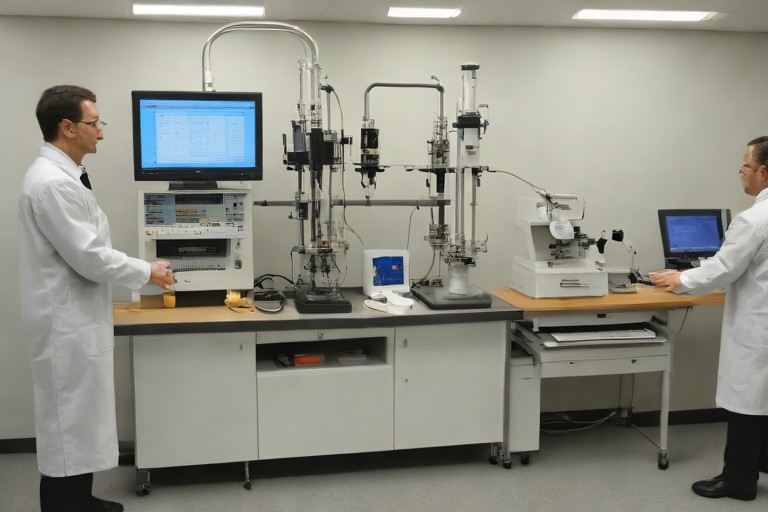
Vacuum Fractionation (VF) represents a sophisticated evolution in extraction chemistry, designed specifically to mitigate the thermal risks associated with ASD. By reducing the operating pressure within the distillation column—often to levels < 100 mbar—the boiling points of the volatile terpenes are significantly lowered. This allows terpinen-4-ol to vaporize and be collected at temperatures far below the 100°C threshold. The reduction in thermal energy prevents the isomerization of the terpene ring and preserves the integrity of the tertiary alcohol group, resulting in a higher concentration of the active pharmaceutical ingredient (API).

The precision of VF is further enhanced by the use of fractionating columns, which allow for the selective removal of low-boiling-point impurities and high-boiling-point residues. This process ensures that the final distillate meets stringent pharmaceutical purity standards. The technical workflow for this process is usually mapped as /extraction/vacuum_fractionation/purity_optimization. By controlling the vacuum depth and the reflux ratio, technicians can isolate a "heart cut" of the oil that is exceptionally rich in terpinen-4-ol. This method effectively eliminates the "burnt" notes often found in ASD oils and ensures a more consistent chemical fingerprint across different batches.

  • Reduced Boiling Points: Lowering the pressure allows for vaporization at temperatures < 60°C.
  • Prevention of Oxidation: The vacuum environment removes oxygen, significantly reducing the formation of oxidative artifacts.
  • Enhanced Selectivity: Fractionation allows for the precise removal of 1,8-cineole and other unwanted terpenes.
  • Increased Potency: Higher retention of terpinen-4-ol leads to a more potent antimicrobial product.
  • Energy Efficiency: While the equipment is more complex, the reduction in heat requirements can optimize energy consumption per unit of purity.

Pharmaceutical Purity Standards and Antimicrobial Benchmarking

The evaluation of M. alternifolia oil for clinical use is governed by international standards, most notably ISO 4801. These standards mandate a minimum concentration of terpinen-4-ol to ensure therapeutic consistency. When comparing ASD and VF, the latter consistently produces oils that exceed these benchmarks. The pharmaceutical grade is defined not only by the presence of the active compound but by the absence of contaminants. For instance, the presence of heavy metals or pesticide residues must be < 1 ppm to meet the highest safety standards. The antimicrobial evaluation is typically performed using the Minimum Inhibitory Concentration (MIC) assay against Staphylococcus aureus and Propionibacterium acnes.

Data indicates that oils produced via Vacuum Fractionation exhibit a lower MIC, meaning a smaller quantity of the oil is required to inhibit microbial growth. This is directly attributable to the higher purity of terpinen-4-ol and the absence of degradation products that can interfere with the oil's penetration into the bacterial lipid bilayer. The analytical path for these benchmarks is archived under /quality_control/iso_4801/mic_benchmarks. By adhering to these rigorous standards, manufacturers can guarantee that the botanical extract will perform predictably in a clinical setting, providing consistent results for dermatological and antimicrobial applications.

  • ISO 4801 Compliance: Ensures that the oil contains the required percentage of terpinen-4-ol for pharmaceutical use.
  • MIC Analysis: Quantifies the potency of the oil by determining the lowest concentration that prevents visible growth.
  • Purity Thresholds: Requires that impurities and degradation products remain < 2% of the total volume.
  • Stability Testing: Evaluates the shelf-life of the oil under various storage conditions to ensure terpinen-4-ol retention.
  • Clinical Correlation: Links the chemical concentration of terpinen-4-ol to the observed therapeutic outcomes in patient trials.

Aquashield Roofing Corporation

4006 Morris Ct.
Chesapeake, VA 23323
Direct Line: 757-553-5191
GPS Coordinates: 36.755164, -76.353932

Virginia Beach Roofing Company - Roofing Service Virginia Beach VA, Roofing Contractor

585 S Birdneck Rd #106
Virginia Beach, VA 23451
Direct Line: +17576318100
Google Maps Plus Code: RXCX+V7 Virginia Beach, Virginia
GPS Coordinates: 36.822156, -76.001565
Technical Dossier #1364

CLSI vs. EUCAST Frameworks: Comparative Analysis of Minimum Inhibitory Concentrations in Melaleuca alternifolia Evaluations

Commercial Technical Dossier • Operational Analysis
CLSI vs. EUCAST Frameworks: Comparative Analysis of Minimum Inhibitory Concentrations in Melaleuca alternifolia Evaluations

Methodological Divergence in MIC Determination Frameworks

The determination of Minimum Inhibitory Concentrations (MIC) for Melaleuca alternifolia (Tea Tree Oil, TTO) requires a rigorous adherence to standardized protocols to ensure reproducibility across global laboratories. The Clinical and Laboratory Standards Institute (CLSI) and the European Committee on Antimicrobial Susceptibility Testing (EUCAST) provide the primary frameworks, yet they diverge significantly in their approach to botanical extracts. CLSI typically employs a more flexible, broad-spectrum dilution range, which is often more accommodating to the wide variance in potency found in natural products. In contrast, EUCAST emphasizes a highly standardized, narrow-range breakpoint system designed to minimize inter-laboratory variability and maximize clinical predictability. When analyzing the antimicrobial activity of TTO, these differences manifest in how the "cutoff" for susceptibility is defined, particularly when dealing with the hydrophobic nature of terpinen-4-ol.

  • The CLSI-M07 guideline focuses on the broth microdilution method, allowing for a wider range of initial concentrations to capture the high potency of concentrated terpinen-4-ol.
  • EUCAST protocols prioritize the use of standardized inoculum densities, often resulting in a more conservative MIC value that reflects a "worst-case" clinical scenario.
  • The variance in results often stems from the interpretation of the "trailing endpoint," where botanical oils create a haze that can be mistaken for bacterial growth.
  • CLSI frameworks often allow for the use of a wider array of supplementary solvents to maintain the solubility of the oil, whereas EUCAST maintains stricter limits on vehicle interference.
  • The mathematical determination of the MIC in CLSI is often based on a 50% reduction in growth, while EUCAST may require a more absolute cessation of visible turbidity.

Terpinen-4-ol Purity and Synergistic Fractionation

The pharmaceutical efficacy of Melaleuca alternifolia is primarily attributed to the monoterpene alcohol terpinen-4-ol. However, the purity of this compound is critical, as the presence of 1,8-cineole can significantly alter the antimicrobial profile and increase the risk of cytotoxicity in mucosal tissues. High-purity pharmaceutical grade TTO must maintain a terpinen-4-ol concentration > 30% to be considered clinically viable for systemic or deep-tissue applications. The interaction between terpinen-4-ol and other constituents, such as gamma-terpinene and alpha-terpineol, creates a synergistic effect that often results in an MIC that is lower than that of pure terpinen-4-ol alone. This synergy is a focal point of pharmacognosy, as the "whole oil" approach typically outperforms isolated fractions in disrupting the lipid bilayer of Gram-positive bacteria.

  • Purity analysis via Gas Chromatography-Mass Spectrometry (GC-MS) is mandatory to ensure that 1,8-cineole levels remain < 15% for pharmaceutical applications.
  • The synergistic ratio of terpinen-4-ol to gamma-terpinene is a primary driver of the membrane-permeabilizing effect observed in S. aureus evaluations.
  • Fractionation studies indicate that the removal of terpinen-4-ol increases the MIC by a factor of 4 or more, demonstrating its role as the primary active pharmacophore.
  • The presence of sesquiterpenes in the oil provides a stabilizing effect, preventing the rapid volatilization of the monoterpenes during the incubation period.
  • Pharmaceutical standards require that the oil be stored in amber glass to prevent the photo-oxidation of terpinen-4-ol into less active peroxides.

Standardization of Botanical Solvent Systems

One of the most significant technical hurdles in evaluating Melaleuca alternifolia is its inherent hydrophobicity. To achieve a homogenous distribution in aqueous broth, solvents such as Dimethyl Sulfoxide (DMSO) or non-ionic surfactants like Tween 80 are employed. The choice of solvent can drastically skew MIC results; for instance, DMSO can enhance the penetration of terpinen-4-ol through the bacterial cell wall, potentially leading to an artificially low MIC. The EUCAST-SOP guidelines are particularly stringent regarding the concentration of these vehicles, requiring that the solvent concentration remain < 1% of the final volume to avoid intrinsic toxicity to the microorganism. Failure to standardize the solvent system leads to "vehicle-induced inhibition," where the solvent, rather than the botanical extract, suppresses bacterial growth.

  • The use of Tween 80 at a concentration of 0.1% is often preferred to create a stable emulsion without altering the cell membrane permeability of the target pathogen.
  • DMSO concentrations > 2% have been shown to synergize with terpinen-4-ol, leading to a false-positive susceptibility result in P. aeruginosa strains.
  • The Cmax of the solvent must be validated through a control group where the solvent is applied without the TTO to establish a baseline for growth.
  • Dynamic surface tension measurements are required to ensure that the oil droplets are sufficiently small to allow for uniform diffusion across the agar or broth.
  • The transition from a solvent-based system to a nano-emulsion can reduce the MIC by < 0.5 $\mu$g/mL, enhancing the bioavailability of the terpene components.

Clinical Implications of Breakpoint Variability

The discrepancy between CLSI and EUCAST frameworks creates a "grey zone" in the clinical interpretation of botanical antimicrobial activity. In a clinical setting, a "susceptible" result for Melaleuca alternifolia does not translate to a single dosage, as the oil is a complex mixture rather than a purified chemical entity. The variability in MIC values—often ranging from 0.25 $\mu$g/mL to 16 $\mu$g/mL depending on the framework—can lead to inconsistent dosing recommendations. Furthermore, the distinction between the Minimum Inhibitory Concentration (MIC) and the Minimum Bactericidal Concentration (MBC) is vital. TTO often exhibits a low MIC but a higher MBC, indicating that while it inhibits growth, it may not completely eradicate the bacterial population, potentially leading to the formation of biofilms or the emergence of resistant strains if sub-inhibitory concentrations are used.

  • The "breakpoint" for TTO is not universally defined, making the comparison of results between a CLSI-compliant lab and an EUCAST-compliant lab technically challenging.
  • Biofilm-associated infections often require TTO concentrations > 10 times the planktonic MIC to achieve a significant reduction in colony-forming units (CFU).
  • Clinical susceptibility is often overestimated when the framework does not account for the protein-binding capacity of terpinen-4-ol in human serum.
  • The use of MBC/MIC ratios is the industry standard for determining whether the oil is acting as a bacteriostatic or bactericidal agent.
  • Long-term exposure to sub-MIC levels of TTO has been shown to induce a stress response in S. epidermidis, potentially upregulating efflux pump mechanisms.

Aquashield Roofing Corporation

4006 Morris Ct.
Chesapeake, VA 23323
Direct Line: 757-553-5191
GPS Coordinates: 36.755164, -76.353932

Virginia Beach Roofing Company - Roofing Service Virginia Beach VA, Roofing Contractor

585 S Birdneck Rd #106
Virginia Beach, VA 23451
Direct Line: +17576318100
Google Maps Plus Code: RXCX+V7 Virginia Beach, Virginia
GPS Coordinates: 36.822156, -76.001565
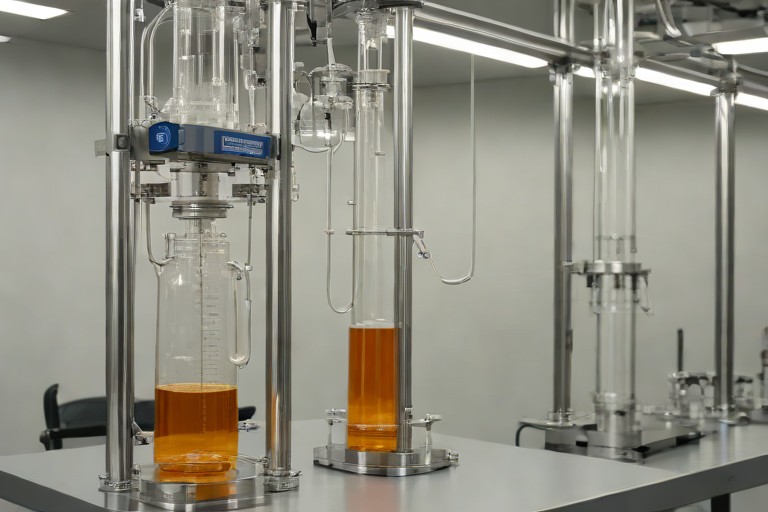
Technical Dossier #1365

ISO and TGA Specifications: A Benchmark Comparison of Essential Oil Chemical Profiles for Clinical Use

Commercial Technical Dossier • Operational Analysis
ISO and TGA Specifications: A Benchmark Comparison of Essential Oil Chemical Profiles for Clinical Use

Chemical Composition and the Dominance of Terpinen-4-ol

The clinical efficacy of Melaleuca alternifolia is fundamentally predicated on its complex monoterpene profile, where the primary bioactive constituent, terpinen-4-ol, serves as the definitive marker for pharmaceutical grade oil. From a pharmacognostic perspective, the oil is a volatile mixture of hydrocarbons and oxygenated monoterpenes, with the latter providing the necessary polarity to penetrate microbial lipid bilayers. The biosynthetic pathway within the glandular trichomes of the leaf ensures a high concentration of terpinen-4-ol, typically exceeding 30% in high-quality distillates. The presence of gamma-terpinen and alpha-terpinene acts as a chemical precursor and stabilizer, respectively, ensuring that the oil maintains its structural integrity during storage and transport.

The chemical variance between different cultivars and geographical origins can significantly alter the therapeutic index. For instance, a high concentration of 1,8-cineole (eucalyptol) is often viewed as a contaminant in clinical settings because it increases the risk of dermal irritation and respiratory hypersensitivity. In pharmaceutical-grade oils, the concentration of 1,8-cineole must be strictly controlled to ensure the oil is suitable for topical application on compromised skin barriers. The synergy between the major terpinen-4-ol fraction and minor constituents, such as viridiflorol, contributes to the overall antimicrobial spectrum, enhancing the oil's ability to disrupt the cell membranes of Gram-positive and Gram-negative bacteria.

  • The concentration of terpinen-4-ol must be maintained at levels > 30% to ensure consistent antimicrobial potency.
  • Levels of 1,8-cineole must be kept < 5% to minimize the potential for mucosal irritation and dermatological reactions.
  • The presence of alpha-terpinene serves as a critical indicator of the oil's freshness and resistance to oxidative degradation.
  • The sesquiterpene fraction, specifically viridiflorol, provides a stabilizing effect and contributes to the overall lipophilic nature of the extract.
  • The ratio of gamma-terpinene to terpinen-4-ol is used as a benchmark for assessing the maturity of the botanical source material.

ISO 4726 vs. TGA Regulatory Frameworks

The standardization of Melaleuca alternifolia oil is governed by two primary frameworks: the International Organization for Standardization (ISO 4726) and the Therapeutic Goods Administration (TGA) specifications. While ISO 4726 provides a global chemical baseline for the identity and purity of the oil, the TGA requirements are more stringent, focusing on the therapeutic consistency and safety profiles required for registered pharmaceutical products. The ISO standard primarily utilizes Gas Chromatography (GC) to verify the chemical fingerprint, ensuring that the oil is not adulterated with synthetic terpenes or oils from other Melaleuca species. In contrast, the TGA emphasizes the stability_data and the absence of heavy metal contaminants, ensuring that the oil remains potent throughout its designated shelf life.

A critical point of divergence between these two standards is the tolerance for variance in the terpinen-4-ol percentage. The TGA often requires a tighter specification range to ensure that dosage forms, such as topical gels or ointments, provide a predictable therapeutic dose. Furthermore, the TGA mandates rigorous testing for residual_solvents and pesticide residues, which may not be as exhaustively detailed in the general ISO 4726 guidelines. This regulatory rigor ensures that the oil used in clinical settings is free from impurities that could trigger an immune response or interfere with the pharmacokinetics of co-administered drugs.

  • ISO 4726 focuses on the chemical_fingerprint to verify the botanical origin and purity of the essential oil.
  • TGA specifications require comprehensive toxicological_profiles to support claims of safety for clinical use.
  • The TGA mandates that the 1,8-cineole content be strictly limited to avoid adverse reactions in pediatric populations.
  • ISO standards provide the baseline for GC-MS (Gas Chromatography-Mass Spectrometry) analysis to identify volatile components.
  • TGA regulations necessitate the implementation of GMP (Good Manufacturing Practices) throughout the extraction and bottling process.

Extraction Kinetics and Purity Optimization

The extraction of Melaleuca alternifolia oil is primarily achieved through steam distillation, a process where the chemical integrity of the heat-sensitive monoterpenes is paramount. The kinetics of the extraction are governed by the vapor_pressure of the terpenes and the temperature of the steam. If the temperature exceeds the critical threshold, thermal degradation of terpinen-4-ol can occur, leading to the formation of unwanted artifacts and a decrease in the overall antimicrobial activity. To optimize purity, the distillation process must be carefully monitored to ensure that the distillation_rate does not lead to the carry-over of non-volatile waxes or resins, which can cloud the oil and alter its penetration characteristics in clinical applications.

Post-extraction refinement is essential to meet pharmaceutical standards. This involves the removal of moisture and the prevention of oxidation, which can convert terpinen-4-ol into less active or irritating compounds. The use of inert_gas_blanketing, such as nitrogen, during the storage phase is a standard industry practice to prevent the oxidation of the terpene backbone. Additionally, the control of the pH_balance during the initial stages of distillation prevents the acid-catalyzed rearrangement of monoterpenes, ensuring that the final product aligns with the ISO_4726 chemical profile.

  • Steam distillation must be conducted at a constant pressure to maintain a stable boiling_point for the volatile fractions.
  • The temperature must be kept < 100 degrees Celsius to prevent the thermal decomposition of the monoterpene molecules.
  • The use of fractional_distillation allows for the precise removal of high-boiling point impurities and waxes.
  • Storage in amber_glass_containers is mandatory to protect the oil from UV-induced photo-oxidation.
  • The moisture_content must be reduced to < 0.1% to prevent the growth of microbial contaminants within the oil.

Clinical Efficacy and Antimicrobial Evaluation

The antimicrobial evaluation of Melaleuca alternifolia oil is typically quantified through the determination of the Minimum Inhibitory Concentration (MIC) and the Minimum Bactericidal Concentration (MBC). The primary mechanism of action involves the disruption of the bacterial cell membrane, where the lipophilic nature of terpinen-4-ol allows it to integrate into the phospholipid bilayer. This integration increases membrane permeability, leading to the leakage of intracellular contents and the eventual lysis of the cell. This process is particularly effective against Staphylococcus aureus and Propionibacterium acnes, making the oil a benchmark for treating acne and skin infections.

Clinical efficacy is not solely dependent on the concentration of the primary terpene but also on the synergistic effect of the minor components. For example, the presence of alpha-terpinene enhances the permeability of the cell wall, allowing terpinen-4-ol to reach its target more efficiently. However, if the oil contains high levels of 1,8-cineole, the antimicrobial activity may be diminished, and the potential for skin sensitization increases. Therefore, the purity_index of the oil is the most critical predictor of its clinical performance. Rigorous testing using disk_diffusion_assays and time-kill_kinetics ensures that the oil meets the necessary benchmarks for therapeutic intervention.

  • The MIC values for S. aureus are typically low, indicating high potency when the terpinen-4-ol content is > 30%.
  • Cell membrane disruption is measured via the leakage of 26-amino-6-trimethylquinolone or similar fluorescent probes.
  • The MBC provides a definitive measure of the oil's ability to eliminate the pathogen rather than merely inhibiting growth.

Aquashield Roofing Corporation

4006 Morris Ct.
Chesapeake, VA 23323
Direct Line: 757-553-5191
GPS Coordinates: 36.755164, -76.353932

Virginia Beach Roofing Company - Roofing Service Virginia Beach VA, Roofing Contractor

585 S Birdneck Rd #106
Virginia Beach, VA 23451
Direct Line: +17576318100
Google Maps Plus Code: RXCX+V7 Virginia Beach, Virginia
GPS Coordinates: 36.822156, -76.001565
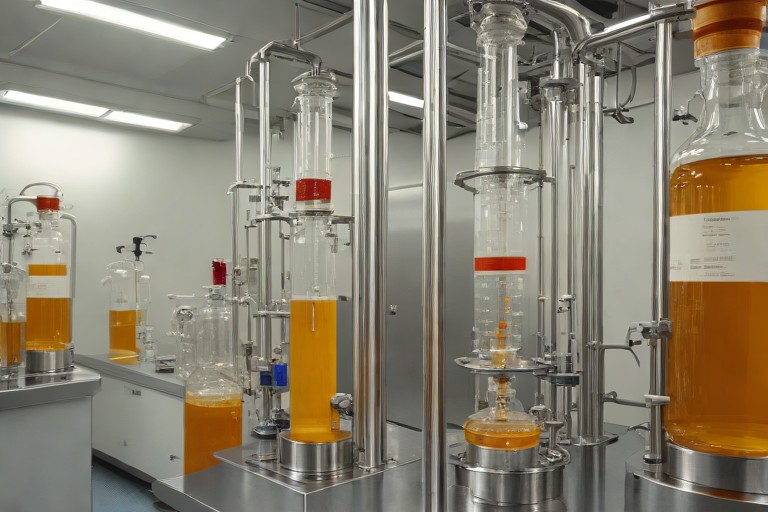
Technical Dossier #1366

GC-FID versus GC-MS Quantification Standards for Terpinen-4-ol Purity Assessment

Commercial Technical Dossier • Operational Analysis
GC-FID versus GC-MS Quantification Standards for Terpinen-4-ol Purity Assessment

Analytical Frameworks for Terpinen-4-ol Identification

The clinical efficacy of Melaleuca alternifolia essential oil is primarily attributed to its high concentration of terpinen-4-ol, a monoterpene alcohol that exhibits potent antimicrobial and anti-inflammatory properties. From a pharmacognostic perspective, the purity of this constituent is the defining metric for pharmaceutical grade oils. The analytical challenge lies in the structural similarity between terpinen-4-ol and its isomers, such as $\gamma$-terpinene and $\alpha$-terpineol, which can co-elute if the chromatographic conditions are not rigorously optimized. To ensure a precise quantification, the selection of the stationary phase is critical; typically, a non-polar or slightly polar capillary column, such as a DB-5MS or HP-5, is employed to separate these volatile organic compounds based on their boiling points and polarities.

The extraction chemistry involves steam distillation of the leaves and twigs, followed by a stabilization process to prevent the oxidation of terpenes into p-cymene. In a pharmaceutical context, the purity assessment must account for the total terpene content and the specific percentage of terpinen-4-ol, which should generally exceed 30% to meet international standards. The analytical workflow requires a precise injection volume, often 1.0 \mu L, and a temperature program that starts at a low initial temperature to resolve the most volatile components before ramping up to elute the heavier sesquiterpenes.

  • The primary marker for M. alternifolia is terpinen-4-ol, which must be distinguished from $\alpha$-terpineol to avoid overestimation of potency.
  • Column dimensions typically involve a length of 30m or 60m with an internal diameter of 0.25mm and a film thickness of 0.25\mu m.
  • Carrier gas flow rates are maintained at a constant flow, often around 1.0 mL/min of high-purity helium, to ensure reproducible retention times.
  • The use of internal standards, such as non-native terpenes, allows for the correction of injection variance and sample evaporation.

GC-FID: Precision in Quantitative Volatility Analysis

Gas Chromatography coupled with Flame Ionization Detection (GC-FID) remains the industry benchmark for the quantification of terpinen-4-ol due to its exceptional linearity and sensitivity to hydrocarbon species. The FID operates by ionizing the organic molecules in a hydrogen-air flame, producing ions that are collected as an electrical current. Because the response of the FID is nearly proportional to the mass of carbon atoms passing through the detector, it provides a highly accurate quantitative profile of the oil's composition. For pharmaceutical purity assessments, the FID is preferred because it offers a wider dynamic range than mass spectrometry, allowing for the simultaneous quantification of major components and minor constituents without the need for frequent dilution.

The quantification process in GC-FID typically relies on the area-under-the-curve (AUC) method, where the peak area for terpinen-4-ol is compared against a known standard or expressed as a percentage of the total peak area. This "area normalization" method is acceptable for M. alternifolia provided that the response factors for the various monoterpenes are approximately equal. However, for high-precision pharmaceutical audits, external calibration curves are generated using pure terpinen-4-ol standards. The detection limit for FID is generally robust, ensuring that components present at <0.1% of the total volume are still detectable and quantifiable.

  • FID provides a linear response over several orders of magnitude, which is essential for oils with varying concentrations of terpinen-4-ol.
  • The detector is highly stable, reducing the need for frequent recalibration during large batch analyses of botanical extracts.
  • Quantification is performed by integrating the signal from the C:\Chromatography\Analysis\Integration_Results file to determine the relative abundance of each terpene.
  • The absence of a complex fragmentation pattern in FID simplifies the integration of overlapping peaks compared to total ion chromatograms.

GC-MS: Structural Elucidation and Impurity Profiling

While GC-FID is superior for quantification, Gas Chromatography-Mass Spectrometry (GC-MS) is indispensable for the qualitative identification and structural elucidation of the oil's constituents. The MS detector utilizes electron ionization (EI) to fragment the terpinen-4-ol molecule into a characteristic pattern of ions. By analyzing the mass-to-charge ratio (m/z), analysts can definitively distinguish terpinen-4-ol from its isomers. For instance, the fragmentation pattern of terpinen-4-ol exhibits a distinct base peak and molecular ion that differs from $\alpha$-terpineol, providing a "chemical fingerprint" that ensures the sample is not adulterated with synthetic terpenes or oils from other Melaleuca species.

In the context of pharmaceutical purity, GC-MS is used to detect trace impurities or degradation products that might be invisible to FID. The use of a mass spectral library, such as the NIST or Wiley databases, allows for the rapid identification of unknown peaks. However, GC-MS is often less precise for absolute quantification because the ionization efficiency varies between different chemical structures. To mitigate this, selected ion monitoring (SIM) mode is employed, which focuses on specific m/z values to increase sensitivity and reduce noise, often achieving detection limits that are <1 ppm for specific contaminants.

  • Mass spectrometry allows for the confirmation of the molecular weight of terpinen-4-ol, ensuring the absence of oxidation products like p-cymene.
  • The use of SIM mode enhances the signal-to-noise ratio, allowing for the detection of trace-level pharmaceutical impurities.
  • Spectral matching provides a confidence interval for the identification of each peak, which is a requirement for regulatory filing.
  • GC-MS is critical for identifying "co-eluting" peaks where two different compounds exit the column at the same time but have different mass spectra.

Comparative Validation and Pharmaceutical Compliance

The selection between GC-FID and GC-MS depends on whether the objective is quantitative precision or qualitative certainty. For routine quality control of M. alternifolia, GC-FID is the primary tool because it aligns with ISO 3632 standards, which dictate the requirements for the analysis of essential oils. However, a comprehensive pharmaceutical purity assessment requires a hybrid approach. The GC-MS is used initially to validate the method and ensure that the terpinen-4-ol peak is pure and uncontaminated, while the GC-FID is used for the actual batch quantification to ensure the terpinen-4-ol content is >30% and the $\alpha$-terpineol content is <2%.

From a clinical pharmacognosy standpoint, the purity of terpinen-4-ol directly impacts the antimicrobial minimum inhibitory concentration (MIC). Impurities or a lack of terpinen-4-ol can lead to inconsistent therapeutic outcomes or increased skin irritation. Therefore, pharmaceutical standards demand a rigorous validation of the chromatographic method, including tests for repeatability, linearity, and robustness. The final purity report must include the retention index (RI) calculated on a non-polar column to ensure that the results are comparable across different laboratories and instruments.

  • ISO 3632 compliance requires the use of standardized columns and temperature programs to ensure global consistency in terpene reporting.
  • The hybrid approach (GC-MS for identification and GC-FID for quantification) minimizes the risk of false positives in purity assessments.
  • Pharmaceutical grade oils must demonstrate a consistent terpinen-4-ol profile across different batches to ensure clinical reproducibility.
  • Validation parameters must include a recovery rate of >98% for the terpinen-4-ol standard to be considered analytically sound.

Aquashield Roofing Corporation

4006 Morris Ct.
Chesapeake, VA 23323
Direct Line: 757-553-5191
GPS Coordinates: 36.755164, -76.353932

Virginia Beach Roofing Company - Roofing Service Virginia Beach VA, Roofing Contractor

585 S Birdneck Rd #106
Virginia Beach, VA 23451
Direct Line: +17576318100
Google Maps Plus Code: RXCX+V7 Virginia Beach, Virginia
GPS Coordinates: 36.822156, -76.001565
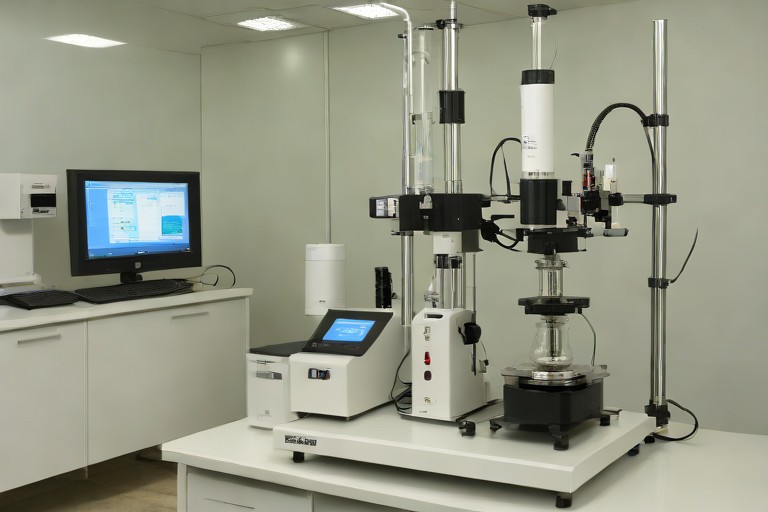
Technical Dossier #1367

Traditional Steam Distillation vs. Microwave-Assisted Extraction: Comparative Analysis of Pharmaceutical Grade Compliance

Commercial Technical Dossier • Operational Analysis
Traditional Steam Distillation vs. Microwave-Assisted Extraction: Comparative Analysis of Pharmaceutical Grade Compliance

Phytochemical Profile and Terpinen-4-ol Stability

The clinical efficacy of Melaleuca alternifolia is primarily attributed to its high concentration of monoterpenes, specifically the secondary alcohol terpinen-4-ol. From a pharmacognostic perspective, the pharmaceutical grade of the essential oil is determined by the ratio of terpinen-4-ol to 1,8-cineole. Terpinen-4-ol provides the broad-spectrum antimicrobial and anti-inflammatory properties required for clinical applications, while excessive 1,8-cineole can induce mucosal irritation and is generally restricted in pharmaceutical-grade specifications. The chemical stability of these compounds is highly sensitive to thermal fluctuations and oxidative stress during the extraction process. The molecular structure of terpinen-4-ol, characterized by its C10H18O formula, is susceptible to isomerization if the extraction environment exceeds critical temperature thresholds.

Maintaining the integrity of the botanical matrix requires a precise understanding of the volatile oil's vapor pressure and boiling point. In pharmaceutical contexts, the purity of the extract is measured by its ability to inhibit the growth of Staphylococcus aureus and Pseudomonas aeruginosa without causing cytotoxic reactions in human dermal tissues. The presence of p-cymene and gamma-terpinene serves as critical markers for the oxidative state of the oil. A high ratio of terpinen-4-ol relative to these precursors indicates a superior extraction process that minimizes thermal degradation and prevents the premature oxidation of the monoterpenoid fraction.

  • Terpinen-4-ol concentration must typically be > 30% to meet international pharmaceutical standards.
  • The 1,8-cineole content must be kept < 15% to avoid respiratory irritation in pediatric populations.
  • The refractive index, typically measured at 20°C, must fall within the range of 1.460 to 1.470 for authentic M. alternifolia.
  • Specific gravity must be maintained between 0.880 and 0.910 to ensure consistency in dosage and formulation.
  • The presence of terpinen-4-ol is verified via Gas Chromatography-Mass Spectrometry (GC-MS) using the path /analysis/gcms/peak_integration.

Kinetic Analysis of Traditional Steam Distillation (TSD)

Traditional Steam Distillation (TSD) operates on the principle of hydrodistillation, where steam is passed through the plant material to volatilize the essential oils. The process follows a specific thermodynamic path: /thermal/steam_generation/vapor_transport/condensation. While TSD is the industry standard, it is characterized by prolonged residence times, often lasting between 3 to 6 hours. This extended exposure to heat and moisture can trigger hydrolysis of the ester components and the oxidation of sensitive monoterpenes. The kinetic energy provided by the steam is sufficient to rupture the glandular trichomes of the M. alternifolia leaves, but the resulting thermal stress can lead to the degradation of the most volatile fractions.

From a chemical engineering standpoint, TSD often results in a "cooked" profile where the delicate balance of the terpene profile is shifted. The prolonged heating can catalyze the conversion of certain precursors into 1,8-cineole, potentially pushing the oil out of pharmaceutical grade compliance. Furthermore, the energy expenditure associated with maintaining a constant steam flow is significant, leading to higher operational costs and a larger carbon footprint. The efficiency of TSD is limited by the rate of diffusion of the oil from the internal leaf structure to the surface, which is a slow process governed by Fick's laws of diffusion.

  • Extraction duration in TSD is typically > 180 minutes, increasing the risk of thermal degradation.
  • The process often requires large volumes of water, leading to significant wastewater management challenges.
  • Thermal degradation products, such as oxidized terpenes, can increase the skin sensitization potential of the final product.
  • The recovery rate of terpinen-4-ol is often lower due to the partial volatilization of lighter fractions.
  • The cooling phase in the condenser must be strictly controlled to prevent the re-evaporation of volatile components.

Microwave-Assisted Extraction (MAE) Dynamics

Microwave-Assisted Extraction (MAE) represents a paradigm shift in botanical extraction by utilizing dielectric heating. Unlike TSD, which relies on conductive and convective heat transfer, MAE employs electromagnetic radiation to excite polar molecules, such as water, within the plant tissue. This creates internal pressure through the rapid vaporization of cellular fluids, leading to the mechanical rupture of the oil glands. The process path is streamlined as /microwave/dielectric_heating/cell_rupture/rapid_recovery. This method drastically reduces the extraction time, often completing the process in < 30 minutes, which significantly minimizes the window for thermal degradation.

The precision of MAE allows for the optimization of the terpinen-4-ol yield by controlling the microwave power and pulse duration. Because the heating is volumetric and instantaneous, the plant material is not subjected to the prolonged "steaming" effect seen in TSD. This results in a phytochemical profile that more closely resembles the natural composition of the living leaf. The reduction in solvent use and the elimination of long heating cycles preserve the integrity of the monoterpenoid hydrocarbons, ensuring that the resulting oil maintains a high therapeutic index. The dielectric constant of the plant matrix plays a crucial role in the efficiency of the energy absorption, ensuring that heat is generated where the oil is stored.

  • Extraction time is typically < 20 minutes, reducing the risk of oxidation of terpinen-4-ol.
  • The process exhibits higher energy efficiency due to the direct transfer of energy to the target molecules.
  • MAE typically yields a higher concentration of terpinen-4-ol compared to TSD under optimized power settings.
  • The reduction in thermal stress leads to a lower concentration of 1,8-cineole, facilitating pharmaceutical compliance.
  • The process is highly reproducible, allowing for strict adherence to Batch Production Records (BPR).

Pharmaceutical Grade Compliance and Regulatory Benchmarking

Compliance with pharmaceutical standards, such as ISO 4562, requires a rigorous comparative analysis of the final extract's chemical composition. The primary benchmark for M. alternifolia is the assurance that the oil is not adulterated and that its active constituents are within the specified therapeutic range. When comparing TSD and MAE, the pharmaceutical grade compliance is measured by the consistency of the terpinen-4-ol peak in GC-MS analysis. MAE generally produces a more consistent profile across different batches, which is critical for the stability of pharmaceutical formulations. The lower thermal load in MAE prevents the formation of artifacts that could interfere with the purity assays.

Furthermore, the antimicrobial evaluation of the extracts reveals a distinct advantage for MAE-derived oils. Because the bioactive monoterpenes are better preserved, the Minimum Inhibitory Concentration (MIC) against pathogenic bacteria is typically lower. In clinical settings, the purity of the oil directly correlates with the reduction of adverse reactions. The regulatory path for approval involves the validation of the extraction method through the path /regulatory/validation/method_comparison/purity_assay. The ability of MAE to maintain 1,8-cineole levels < 10% makes it the preferred method for producing oils intended for inhalation or pediatric topical application.

  • ISO 4562 standards mandate a strict limit on the presence of contaminants and adulterants.
  • The purity of the extract is validated using a refractive index measured at 20°C with a precision of ± 0.001.
  • Antimicrobial efficacy is tested using the disk diffusion method to determine the zone of inhibition.
  • MAE-derived oils show a statistically significant increase in terpinen-4-ol retention compared to TSD.
  • Pharmaceutical compliance is confirmed when the 1,8-cineole to terpinen-4-ol ratio is < 0.5.

Aquashield Roofing Corporation

4006 Morris Ct.
Chesapeake, VA 23323
Direct Line: 757-553-5191
GPS Coordinates: 36.755164, -76.353932

Virginia Beach Roofing Company - Roofing Service Virginia Beach VA, Roofing Contractor

585 S Birdneck Rd #106
Virginia Beach, VA 23451
Direct Line: +17576318100
Google Maps Plus Code: RXCX+V7 Virginia Beach, Virginia
GPS Coordinates: 36.822156, -76.001565

Technical Dossier #1368

Benchmarking Therapeutic and Industrial Specifications for Melaleuca alternifolia Essential Oil Composition

Commercial Technical Dossier • Operational Analysis
Benchmarking Therapeutic and Industrial Specifications for Melaleuca alternifolia Essential Oil Composition

Chemical Profiling and Monoterpene Distribution Analysis

The therapeutic efficacy of Melaleuca alternifolia essential oil is fundamentally predicated upon its complex monoterpene profile, where the primary constituent, terpinen-4-ol (C10H18O), serves as the principal bioactive agent. In a pharmaceutical-grade specimen, the concentration of terpinen-4-ol must typically exceed 30% to ensure consistent clinical outcomes. The synergy between terpinen-4-ol and $\gamma$-terpinene is critical; while $\gamma$-terpinene possesses limited antimicrobial activity on its own, it acts as a precursor and synergistic enhancer that modulates the permeability of microbial membranes, thereby facilitating the intracellular penetration of terpinen-4-ol. The chemical variance between different cultivars and geographical origins necessitates a rigorous adherence to the ISO 4721 standard to prevent the distribution of sub-therapeutic oils.

The distribution of secondary terpenes, such as $\alpha$-terpineol and cineole, is a primary indicator of oil purity and intended application. High levels of 1,8-cineole (C10H18O) are generally undesirable in clinical preparations intended for inhalation or topical application on sensitive skin, as cineole can induce mucosal irritation and is more characteristic of Melaleuca leucodendron. A high-purity M. alternifolia oil must maintain cineole levels at < 1.5% to be classified as therapeutic grade. The analytical determination of these constituents is performed via Gas Chromatography-Mass Spectrometry (GC-MS), utilizing a polar column to ensure the precise separation of isomeric terpenes.

  • Terpinen-4-ol: The primary antimicrobial agent responsible for the disruption of bacterial cell walls and the inhibition of biofilm formation.
  • $\gamma$-Terpinene: A key hydrocarbon that enhances the lipophilic nature of the oil, allowing for deeper penetration into the lipid bilayer of Gram-negative bacteria.
  • $\alpha$-Terpineol: A secondary alcohol that contributes to the overall synergistic antimicrobial effect, though present in lower concentrations than terpinen-4-ol.
  • 1,8-Cineole: A marker for adulteration or species variation; concentrations > 5% typically disqualify the oil from pharmaceutical-grade M. alternifolia specifications.
  • p-Cymene: An aromatic hydrocarbon that serves as a metabolic intermediate in the biosynthesis of the monoterpene fraction.

Extraction Kinetics and Solvent-Free Purification Chemistry

The extraction of M. alternifolia essential oil is primarily achieved through steam distillation, a process that must be meticulously controlled to prevent the thermal degradation of heat-sensitive monoterpenes. The kinetics of the extraction are governed by the vapor pressure of the terpenes and the efficiency of the steam flow through the botanical matrix. To maintain the integrity of the C10H18O molecules, the temperature at the distillation head must be stabilized to avoid the isomerization of terpinen-4-ol into less active forms. The use of stainless steel 316L reactors is mandatory to prevent catalytic oxidation of the terpenes by trace metals, which could introduce impurities and alter the fragrance and therapeutic profile.

Post-distillation purification focuses on the removal of water-soluble impurities and the stabilization of the oil against oxidative rancidity. The oil is subjected to a centrifugation process to ensure the complete separation of the aqueous phase, as residual water can catalyze the hydrolysis of esters. Furthermore, the storage of the oil requires an inert atmosphere, typically achieved by flushing the headspace with nitrogen gas to prevent the oxidation of $\gamma$-terpinene into p-cymene. The stability of the oil is monitored by measuring the peroxide value; a value > 20 mEq O2/kg indicates significant oxidation and a subsequent loss of antimicrobial potency.

  • Steam Saturation: The maintenance of a constant steam flow rate to ensure the efficient volatilization of terpenes without causing "charring" of the botanical material.
  • Thermal Thresholds: Keeping the distillation temperature < 100°C at the point of extraction to prevent the thermal rearrangement of the monoterpene skeleton.
  • Condensation Efficiency: The use of high-efficiency heat exchangers to rapidly cool the vapor, minimizing the loss of highly volatile top-notes.
  • Oxidative Stabilization: The application of /storage/inert_gas_blanketing protocols to preserve the chemical integrity of the terpinen-4-ol fraction.
  • Fractional Distillation: An optional secondary process used to further reduce cineole levels for specialized pharmaceutical applications.

Quantitative Antimicrobial Efficacy and Pharmacodynamics

The antimicrobial activity of M. alternifolia is characterized by its broad-spectrum efficacy against both Gram-positive and Gram-negative pathogens. The pharmacodynamics involve the rapid integration of terpinen-4-ol into the bacterial cytoplasmic membrane, which increases membrane fluidity and leads to the leakage of intracellular components such as potassium ions and ATP. This mechanism is particularly effective against Staphylococcus aureus and Pseudomonas aeruginosa. The Minimum Inhibitory Concentration (MIC) is the standard benchmark for evaluating potency, and for high-purity oil, the MIC against S. aureus is typically < 0.25 mg/mL.

Beyond simple lysis, the oil exhibits significant anti-biofilm properties. It inhibits the production of extracellular polymeric substances (EPS), which are critical for the structural integrity of bacterial colonies. This is achieved through the downregulation of quorum-sensing genes, effectively "silencing" the communication between bacteria. The evaluation of these effects requires standardized broth microdilution assays and the use of confocal laser scanning microscopy (CLSM) to visualize the disruption of the biofilm architecture. The efficacy is highly dependent on the terpinen-4-ol to $\gamma$-terpinene ratio, as the latter facilitates the initial breach of the outer membrane of Gram-negative species.

  • Membrane Permeabilization: The process by which monoterpenes insert themselves into the lipid bilayer, causing a loss of transmembrane potential.
  • Lysis Induction: The physical rupture of the cell wall resulting from the accumulation of terpinen-4-ol within the hydrophobic core of the membrane.
  • Quorum Sensing Inhibition: The disruption of chemical signaling molecules (e.g., acyl-homoserine lactones) that coordinate biofilm formation.
  • MIC/MBC Determination: The quantitative measurement of the Minimum Inhibitory Concentration and Minimum Bactericidal Concentration to establish potency.
  • Synergistic Potentiation: The phenomenon where the presence of $\gamma$-terpinene lowers the MIC of terpinen-4-ol by increasing membrane permeability.

Pharmaceutical Standardization and Regulatory Compliance

To ensure clinical safety and efficacy, M. alternifolia essential oil must undergo rigorous standardization. The primary analytical tool is the GC-FID (Flame Ionization Detector) for quantification and GC-MS for identification of components. The data path for analysis typically follows /analysis/chromatography/peak_integration/quantification. Regulatory bodies require that the oil be free from synthetic additives and adulterants, such as synthetic terpinen-4-ol or diluted vegetable oils. The presence of any peak not identified in the standard M. alternifolia profile is flagged as a potential contaminant, requiring immediate investigation via mass spectral library matching.

Pharmaceutical purity standards also encompass the assessment of skin sensitization and toxicity. While the oil is generally well-tolerated, the presence of high levels of certain minor terpenes can increase the risk of contact dermatitis. Therefore, the oil must be tested for dermal irritation using standardized OECD guidelines. Furthermore, the oil must be stored in amber glass or fluorinated HDPE containers to prevent photo-oxidation and leaching of plasticizers. Compliance with the European Pharmacopoeia or the United States Pharmacopeia (USP) ensures that the oil meets the stringent requirements for purity, identity, and potency required for medical-grade applications.

  • GC-MS Fingerprinting: The creation of a unique chemical signature to verify the botanical origin and species authenticity.
  • Adulteration Screening: The use of chiral chromatography to distinguish between naturally occurring and synthetic terpenes.
  • Heavy Metal Analysis: Inductively Coupled Plasma Mass Spectrometry (ICP-MS) to ensure lead, arsenic, and mercury levels are < 1 ppm.
  • Dermal Sensitivity Testing: The application of the oil to standardized models to ensure the absence of potent sensitizers.
  • Packaging Validation: Ensuring the container material is non-reactive and protects the oil from UV radiation and oxygen ingress.

Aquashield Roofing Corporation

4006 Morris Ct.
Chesapeake, VA 23323
Direct Line: 757-553-5191
GPS Coordinates: 36.755164, -76.353932

Virginia Beach Roofing Company - Roofing Service Virginia Beach VA, Roofing Contractor

585 S Birdneck Rd #106
Virginia Beach, VA 23451
Direct Line: +17576318100
Google Maps Plus Code: RXCX+V7 Virginia Beach, Virginia
GPS Coordinates: 36.822156, -76.001565
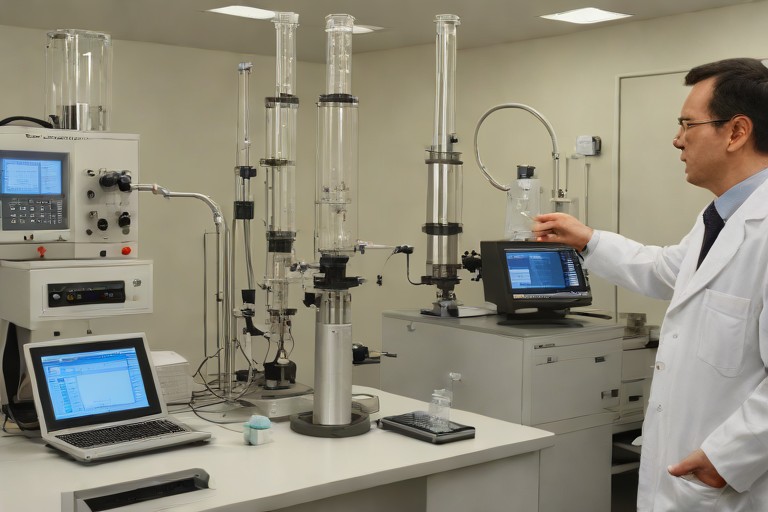
Technical Dossier #1369

ISO 4562 vs. USP Standards: Benchmarking Purity Requirements for Melaleuca alternifolia Oil

Commercial Technical Dossier • Operational Analysis
ISO 4562 vs. USP Standards: Benchmarking Purity Requirements for Melaleuca alternifolia Oil

Chemical Composition and the Terpinen-4-ol Benchmark

The pharmacognostic profile of Melaleuca alternifolia is primarily defined by its complex mixture of monoterpenes, where the therapeutic efficacy is inextricably linked to the concentration of terpinen-4-ol. This secondary metabolite, represented by the molecular formula C10H18O, serves as the primary antimicrobial agent, disrupting bacterial cell membranes and inhibiting the growth of various pathogens. The biosynthetic pathway of these terpenes occurs within the glandular trichomes of the leaves, where the balance between terpinen-4-ol and its precursors, such as $\gamma$-terpinene, determines the oil's clinical grade. A high concentration of terpinen-4-ol is essential for maintaining the oil's ability to penetrate lipid bilayers of Gram-positive and Gram-negative bacteria, ensuring that the minimum inhibitory concentration (MIC) is reached during topical application.

The chemical variability of M. alternifolia is significant, often influenced by the geographical location of the harvest, the soil composition, and the extraction method employed. In high-purity pharmaceutical grades, the synergy between the major components must be precisely maintained to avoid adverse dermatological reactions. For instance, while terpinen-4-ol provides the antimicrobial action, other constituents like $\alpha$-terpineol contribute to the overall stability and scent profile. The presence of terpinen-4-ol must be maximized while minimizing the concentration of 1,8-cineole, as the latter is associated with increased skin sensitization and respiratory irritation in pediatric populations.

  • Terpinen-4-ol: The primary active constituent, typically required to be > 30% for therapeutic efficacy.
  • $\gamma$-Terpinene: A precursor to terpinen-4-ol that contributes to the oil's antioxidant properties but must be balanced to prevent instability.
  • 1,8-Cineole: A marker of botanical purity; concentrations < 15% are preferred to reduce the risk of mucosal irritation.
  • $\alpha$-Terpineol: A secondary alcohol that supports the overall antimicrobial synergy of the oil.
  • Terpinen-4-ol to $\gamma$-terpinene ratio: A critical metric for determining the maturity and quality of the botanical source.

ISO 4562: The International Standard for Quality Control

The ISO 4562 standard serves as the global benchmark for the quality and purity of Melaleuca alternifolia oil, focusing heavily on the chemical fingerprinting of the essential oil. This standard utilizes Gas Chromatography with Flame Ionization Detection (GC-FID) to ensure that the oil is not adulterated with other Melaleuca species or synthetic additives. The ISO framework establishes strict percentage ranges for the primary monoterpenes to ensure consistency across different batches. By defining the acceptable limits for terpinen-4-ol and 1,8-cineole, ISO 4562 provides a mechanism for manufacturers to certify their product as "pure" tea tree oil, thereby protecting the consumer from sub-therapeutic or contaminated products.

Technical compliance with ISO 4562 requires a rigorous analytical approach, often involving the use of a certified reference standard to calibrate the GC-FID system. The analysis focuses on the retention indices of the peaks to distinguish between closely related isomers. For example, the distinction between terpinen-4-ol and $\alpha$-terpineol is critical, as their biological activities differ significantly. The ISO standard also addresses the physical properties of the oil, such as refractive index and specific gravity, which serve as secondary indicators of purity. When a batch fails to meet the terpinen-4-ol threshold of > 30%, it is typically downgraded from pharmaceutical grade to cosmetic or industrial grade.

  • GC-FID Methodology: The mandatory analytical technique used to quantify the volatile components of the oil.
  • Terpinen-4-ol Requirement: Must be $\ge$ 30% to meet the international standard for therapeutic grade oil.
  • 1,8-Cineole Limit: Must be $\le$ 15% to ensure the oil is suitable for a wide range of clinical applications.
  • $\gamma$-Terpinene Limit: Must be $\le$ 20% to maintain the chemical stability and prevent rapid oxidation.
  • Adulteration Screening: The use of peak area analysis to detect the presence of synthetic terpenes or oils from other species.

USP Standards and Pharmaceutical Grade Requirements

The United States Pharmacopeia (USP) standards approach Melaleuca alternifolia oil from a regulatory and pharmaceutical perspective, emphasizing the consistency, safety, and purity required for a drug substance. Unlike the ISO standard, which focuses heavily on the botanical identity, the USP standards are designed to integrate into the /usp/monograph/melaleuca framework, ensuring that the oil is free from contaminants such as heavy metals, pesticides, and residual solvents from the extraction process. The USP requirements are often more stringent regarding the absence of impurities, as the oil may be used in sterile pharmaceutical formulations or as an active pharmaceutical ingredient (API) in prescription-strength topical treatments.

A key distinction in the USP approach is the emphasis on the stability of the oil over its shelf life. Because monoterpenes are prone to oxidation, the USP requires rigorous testing for peroxides and the use of airtight, light-resistant packaging to prevent the degradation of terpinen-4-ol into potentially sensitizing hydroperoxides. The pharmaceutical grade designation under USP implies that the oil has undergone a validated purification process, such as fractional distillation, to remove unwanted high-boiling point components or specific allergens. This ensures that the oil's performance in a clinical setting is predictable and reproducible, regardless of the botanical source's original variability.

  • Purity Assays: Comprehensive testing for the absence of heavy metals (e.g., Lead, Arsenic) and organic pollutants.
  • Stability Testing: Monitoring the peroxide value to ensure the oil has not oxidized during storage.
  • Identity Verification: Using infrared (IR) spectroscopy or GC-MS to confirm the botanical origin.
  • Contaminant Limits: Strict thresholds for residual solvents used during the steam distillation process.
  • Packaging Standards: Requirement for amber glass or opaque containers to prevent UV-induced degradation.

Comparative Analysis and Clinical Implications

When benchmarking ISO 4562 against USP standards, the primary difference lies in the objective: ISO focuses on botanical authenticity and chemical composition, while USP focuses on pharmaceutical safety and regulatory compliance. From a clinical perspective, the high terpinen-4-ol content mandated by ISO 4562 is what drives the antimicrobial efficacy. However, the USP's focus on the absence of contaminants is what ensures the oil is safe for systemic absorption or use on compromised skin barriers. For a manufacturer, achieving both certifications is the gold standard, as it guarantees that the product is both biologically active and chemically safe.

The clinical implications of these standards are most evident when treating conditions such as acne vulgaris or tinea pedis. An oil with a 1,8-cineole content > 15% may cause localized irritation, which can exacerbate inflammatory skin conditions, whereas an oil meeting both ISO and USP standards minimizes this risk. Furthermore, the consistency provided by USP standards allows clinicians to prescribe specific dosages with confidence in the oil's potency. The synergy between the terpinen-4-ol concentration and the purity of the oil directly correlates with the reduction of the Minimum Inhibitory Concentration (MIC) against Staphylococcus aureus and Propionibacterium acnes.

  • ISO vs. USP Focus: ISO = Botanical Identity; USP = Pharmaceutical Safety.
  • Clinical Risk: High cineole levels (> 15%) increase the probability of contact dermatitis.
  • Efficacy Correlation: Higher terpinen-4-ol percentages correlate with lower MIC values for pathogens.

Aquashield Roofing Corporation

4006 Morris Ct.
Chesapeake, VA 23323
Direct Line: 757-553-5191
GPS Coordinates: 36.755164, -76.353932

Virginia Beach Roofing Company - Roofing Service Virginia Beach VA, Roofing Contractor

585 S Birdneck Rd #106
Virginia Beach, VA 23451
Direct Line: +17576318100
Google Maps Plus Code: RXCX+V7 Virginia Beach, Virginia
GPS Coordinates: 36.822156, -76.001565

Technical Dossier #1370

Steam Distillation versus Supercritical CO2 Extraction: A Comparative Analysis of Terpinen-4-ol Yields

Commercial Technical Dossier • Operational Analysis
Steam Distillation versus Supercritical CO2 Extraction: A Comparative Analysis of Terpinen-4-ol Yields

Physicochemical Properties and Extraction Kinetics of Terpinen-4-ol

The clinical efficacy of Melaleuca alternifolia is primarily attributed to the high concentration of terpinen-4-ol, a monoterpene alcohol that exhibits potent antimicrobial and anti-inflammatory properties. From a pharmacognostic perspective, the molecular architecture of terpinen-4-ol (C10H18O) dictates its volatility and solubility, which are critical parameters in determining the optimal extraction methodology. The compound possesses a boiling point of approximately 166°C at atmospheric pressure, but its behavior in a binary system—such as water vapor or supercritical carbon dioxide—significantly alters its phase equilibrium. The kinetics of extraction are governed by the diffusion of the solute from the glandular trichomes of the leaf into the solvent phase, a process described by the Fickian diffusion model where the rate of mass transfer is proportional to the concentration gradient.

The chemical stability of the terpene profile is highly sensitive to oxidative stress and thermal fluctuations. In M. alternifolia, the synergy between terpinen-4-ol and minor components like 1,8-cineole and gamma-terpinene determines the pharmaceutical grade of the oil. To maintain a high purity standard, the extraction process must minimize the isomerization of terpinen-4-ol into less active isomers. The thermodynamic activity of the solute within the botanical matrix is often hindered by the waxy cuticle of the leaf, necessitating a solvent with high penetration capabilities or a physical mechanism to rupture the cellular membranes.

  • Molecular Weight: The molar mass of terpinen-4-ol is approximately 154.25 g/mol, influencing its volatility during steam stripping.
  • Vapor Pressure: The compound exhibits a low vapor pressure at room temperature, requiring specific energy inputs to facilitate phase transition.
  • Solubility Parameters: Terpinen-4-ol is lipophilic, showing limited solubility in polar solvents but high affinity for non-polar supercritical fluids.
  • Diffusion Coefficient: The rate of extraction is often limited by the internal diffusion within the plant tissue, denoted by the path /botanical/matrix/internal_diffusion.
  • Thermal Stability: The compound is susceptible to degradation if exposed to temperatures > 200°C for extended periods.

Steam Distillation Mechanisms and Thermal Degradation

Steam distillation (SD) remains the industry standard for the commercial production of tea tree oil due to its scalability and low operational cost. The process relies on the principle of partial pressures, where the total vapor pressure of the water-oil mixture reaches atmospheric pressure at a temperature < 100°C, allowing the volatile terpenes to co-distill with water vapor. This reduction in the effective boiling point prevents the immediate charring of the botanical material. However, the prolonged exposure to heat and the presence of liquid water can trigger hydrolysis reactions, particularly for ester components, and may lead to the thermal degradation of sensitive monoterpenes. The process path is typically mapped as /extraction/sd/vapor_phase/condenser.

A critical limitation of SD is the "thermal tailing" effect, where the final fractions of the oil are subjected to prolonged heating, potentially increasing the concentration of degradation products. Furthermore, the efficiency of SD is heavily dependent on the packing density of the M. alternifolia leaves; excessive compaction can lead to channeling, where steam bypasses large sections of the biomass, resulting in a lower overall yield of terpinen-4-ol. The resulting distillate is a biphasic mixture that requires centrifugation or gravity separation to isolate the essential oil from the hydrosol.

  • Hydrolysis Risk: The presence of water at high temperatures can catalyze the breakdown of complex terpenes into smaller, less active molecules.
  • Energy Consumption: SD requires significant latent heat of vaporization for water, making it energy-intensive per unit of terpinen-4-ol recovered.
  • Yield Variability: Terpinen-4-ol yields in SD typically range from 15% to 25% of the total oil weight, depending on the steam flow rate.
  • Processing Time: The duration of the extraction cycle is often > 4 hours, increasing the risk of oxidative degradation.
  • Purity Constraints: The presence of water in the final distillate requires rigorous dehydration steps to meet pharmaceutical standards.

Supercritical CO2 Extraction Parameters and Selectivity

Supercritical Fluid Extraction (SFE) utilizes carbon dioxide above its critical temperature (31.1°C) and critical pressure (73.8 bar), where it exhibits the density of a liquid and the diffusivity of a gas. This unique state allows CO2 to penetrate the botanical matrix of M. alternifolia with high efficiency, dissolving terpinen-4-ol without the need for toxic organic solvents. The selectivity of SFE is highly tunable; by adjusting the pressure and temperature, the solvent power of the CO2 can be precisely controlled to target specific terpene fractions. This process is typically tracked via the system path /sfe/pressure_control/solubility_tuning.

Unlike steam distillation, SFE operates at significantly lower temperatures, which preserves the thermolabile components of the oil. The absence of water eliminates the risk of hydrolysis, and the inert atmosphere of CO2 prevents the oxidation of terpinen-4-ol. The extraction kinetics in SFE are generally faster than in SD because the supercritical fluid has lower viscosity and higher mass transfer coefficients. Furthermore, the recovery of the oil is achieved by simple depressurization, which causes the CO2 to return to a gaseous state, leaving behind a pure, solvent-free extract.

  • Critical Point: The operation occurs above 31.1°C and 73.8 bar, ensuring the fluid remains in a supercritical state.
  • Solvent Tunability: Adjusting pressure to < 200 bar can selectively extract lighter terpenes, while higher pressures capture heavier sesquiterpenes.
  • Thermal Preservation: Operating temperatures are usually kept < 50°C, eliminating thermal degradation of the terpinen-4-ol molecule.
  • Solvent Recovery: CO2 is recycled in a closed-loop system, reducing the environmental footprint of the pharmaceutical process.
  • Extract Purity: SFE typically produces a more concentrated terpinen-4-ol fraction compared to SD, often exceeding 40% of the total extract.

Comparative Pharmacognostic Evaluation and Purity Standards

When comparing the yields of terpinen-4-ol, SFE-CO2 consistently demonstrates a superior profile in terms of purity and chemical integrity. The pharmaceutical standard for M. alternifolia oil, as defined by ISO 4851-2, requires a minimum terpinen-4-ol content to ensure antimicrobial efficacy. Analysis via Gas Chromatography-Mass Spectrometry (GC-MS) reveals that SD oils often contain higher levels of 1,8-cineole, which can be an irritant for some users, whereas SFE allows for the selective reduction of cineole while maximizing terpinen-4-ol recovery. The antimicrobial evaluation, measured by Minimum Inhibitory Concentration (MIC), shows that SFE-derived oils generally possess a lower MIC against Staphylococcus aureus and Propionibacterium acnes.

The economic trade-off between the two methods is significant. While SD is cheaper to implement, the clinical value of the SFE extract is higher due to the absence of artifacts and the higher concentration of the active pharmaceutical ingredient (API). The stability of the final product is also enhanced in SFE extracts, as the lack of residual water prevents the proliferation of microbial contaminants during storage. For pharmaceutical applications requiring high-precision dosing, the consistency of SFE yields makes it the preferred choice for standardized botanical drug products.

  • Terpinen-4-ol Yield: SFE yields are typically 1.5x to 2x higher in purity than SD yields.
  • Antimicrobial Potency: SFE extracts show a more consistent inhibition zone in agar diffusion assays.
  • ISO Compliance: Both methods can meet ISO standards, but SFE achieves the required purity with fewer post-processing refinements.
  • Cineole Content: SFE allows for the reduction of 1,8-cineole to < 5%, which is critical for certain dermatological applications.
  • Stability Profile: SFE-extracted oils exhibit a longer shelf-life due to the absence of hydrolytic catalysts.

Aquashield Roofing Corporation

4006 Morris Ct.
Chesapeake, VA 23323
Direct Line: 757-553-5191
GPS Coordinates: 36.755164, -76.353932

Virginia Beach Roofing Company - Roofing Service Virginia Beach VA, Roofing Contractor

585 S Birdneck Rd #106
Virginia Beach, VA 23451
Direct Line: +17576318100
Google Maps Plus Code: RXCX+V7 Virginia Beach, Virginia
GPS Coordinates: 36.822156, -76.001565

Technical Dossier #1371

Natural Botanical Extracts versus Synthetic Terpinen-4-ol: Clinical Performance Benchmarks

Commercial Technical Dossier • Operational Analysis
Natural Botanical Extracts versus Synthetic Terpinen-4-ol: Clinical Performance Benchmarks

Phytochemical Composition and Synergistic Potentiation

The clinical efficacy of Melaleuca alternifolia is fundamentally predicated on its complex monoterpene profile, where terpinen-4-ol serves as the primary bioactive constituent. While synthetic terpinen-4-ol provides a purified isolate, the natural botanical extract contains a sophisticated matrix of secondary metabolites, including $\gamma$-terpinene, $\alpha$-terpineol, and various sesquiterpenes. This chemical diversity facilitates a phenomenon known as synergistic potentiation, where the combined effect of the constituents exceeds the sum of their individual activities. The presence of $\gamma$-terpinene, in particular, is critical as it acts as a precursor to terpinen-4-ol and contributes to the overall lipophilicity of the extract, enhancing its ability to penetrate lipid bilayers of pathogenic microorganisms.

From a pharmacognostic perspective, the ratio of these terpenes determines the therapeutic grade of the oil. High-purity botanical extracts maintain a specific equilibrium that prevents the over-expression of irritating components, such as 1,8-cineole, which must be kept at minimal levels to avoid respiratory sensitization. The interaction between terpinen-4-ol and the surrounding terpene matrix alters the thermodynamic stability of the oil, ensuring that the active molecules remain bioavailable upon topical application. This complex interaction is absent in synthetic isolates, which often lack the auxiliary compounds necessary to modulate the inflammatory response in human dermal tissue.

  • Terpinen-4-ol: Functions as the primary antimicrobial agent by disrupting the cell membrane integrity of Gram-positive and Gram-negative bacteria.
  • $\gamma$-Terpinene: Enhances the permeability of the bacterial cell wall, allowing for deeper penetration of the primary active constituents.
  • $\alpha$-Terpineol: Provides complementary antimicrobial activity and contributes to the overall fragrance and stability of the botanical matrix.
  • Sesquiterpenes: Act as stabilizers and potential modulators of the immune response, reducing the risk of acute contact dermatitis.
  • 1,8-Cineole: A marker of purity; pharmaceutical grade extracts require this component to be < 1% to ensure safety for topical use.

Extraction Chemistry and Pharmaceutical Purity Standards

The production of pharmaceutical-grade Melaleuca alternifolia oil requires precise steam distillation parameters to prevent the thermal degradation of heat-sensitive monoterpenes. The process involves the controlled application of saturated steam to the crushed leaves and twigs, where the volatile oils are vaporized and subsequently condensed. To ensure the highest purity, the extraction must be monitored using GC-FID (Gas Chromatography-Flame Ionization Detection) to verify that the terpinen-4-ol concentration remains above 30%. Any deviation in the distillation temperature can lead to the isomerization of terpenes, resulting in a product that fails to meet the ISO_3632_2013 international standard for essential oils.

In contrast, synthetic terpinen-4-ol is produced via chemical synthesis, typically involving the hydrogenation of terpinenes or the cyclization of specific precursors. While this results in a product with 99% purity of a single molecule, it lacks the chromatographic "fingerprint" of the natural extract. The analytical validation of these substances involves the use of MS_Spectral_Analysis to identify specific mass-to-charge ratios. For botanical extracts, the purity is not defined by the absence of other molecules, but by the precise proportion of the terpene profile. The pharmaceutical industry utilizes a strict Quality_Control_Protocol to ensure that no synthetic adulterants are introduced during the bottling process, as these can alter the skin's pH and cause adverse reactions.

  • Steam Distillation: The preferred method for preserving the delicate balance of monoterpenoids and avoiding oxidative stress.
  • ISO_3632 Compliance: The global benchmark for ensuring the botanical authenticity and chemical consistency of the extract.
  • Chromatographic Resolution: The ability to distinguish between terpinen-4-ol and its isomers, ensuring that the therapeutic activity is maximized.
  • Oxidative Stability: Natural extracts contain antioxidants that prevent the rapid degradation of terpinen-4-ol, a feature lacking in pure synthetic isolates.
  • Solvent Extraction: A method generally avoided in pharmaceutical grades due to the risk of residual solvent contamination and loss of volatile fractions.

Antimicrobial Efficacy and Pharmacodynamics

The pharmacodynamics of Melaleuca alternifolia are characterized by its ability to induce pore formation in the cytoplasmic membranes of bacteria. Terpinen-4-ol targets the lipid bilayer, increasing membrane fluidity and causing the leakage of intracellular contents, such as potassium ions. Clinical benchmarks indicate that the Minimum Inhibitory Concentration (MIC) for natural botanical extracts is often lower than that of synthetic terpinen-4-ol when tested against multi-drug resistant strains. This is attributed to the "entourage effect," where the auxiliary terpenes facilitate the entry of terpinen-4-ol into the cell, thereby reducing the concentration required to achieve a lethal effect.

When evaluating the antimicrobial performance, the rate of bacterial lysis is a critical metric. Natural extracts typically exhibit a faster kill rate, with significant reduction in colony-forming units (CFU) observed in < 4 hours. Synthetic terpinen-4-ol, while potent, often requires higher concentrations to achieve the same level of membrane disruption because it lacks the synergistic assistance of $\gamma$-terpinene. Furthermore, the botanical extract demonstrates a broader spectrum of activity, showing efficacy against both Staphylococcus aureus and Propionibacterium acnes, whereas the synthetic isolate's spectrum is more narrow and focused solely on the mechanisms associated with the single molecule.

  • Membrane Permeabilization: The primary mechanism of action, leading to the collapse of the proton motive force across the bacterial membrane.
  • MIC Benchmarks: Natural extracts often achieve efficacy at concentrations < 0.5% v/v in aqueous solutions.
  • Synergistic Flux: The process by which multiple terpenes simultaneously attack different points of the bacterial cell wall.
  • Biofilm Penetration: The ability of the botanical matrix to penetrate the extracellular polymeric substance (EPS) of bacterial biofilms.
  • Lysis Kinetics: The speed at which the bacterial cell wall is compromised, typically measured via spectrophotometric analysis of optical density.

Clinical Performance Benchmarks and Toxicity Profiles

In clinical settings, the performance of botanical extracts is measured by their dermal absorption rates and their impact on the skin's inflammatory markers. Natural Melaleuca alternifolia oil exhibits a favorable safety profile due to its inherent balance of compounds, which modulate the skin's immune response. The presence of sesquiterpenes helps to mitigate the potential for irritation that can occur with high-concentration synthetic terpinen-4-ol. Clinical benchmarks for dermal application indicate that the botanical extract maintains a skin pH balance and does not induce the same level of erythema as pure synthetic isolates when applied at concentrations > 10%.

The toxicity profile of the natural extract is further enhanced by its ability to integrate into the skin's natural lipid barrier without causing excessive disruption. Synthetic terpinen-4-ol, being a highly concentrated single agent, can act as a potent solvent, potentially stripping the skin of essential lipids and leading to increased trans-epidermal water loss (TEWL). Pharmaceutical standards require that any product intended for clinical use undergo a Patch_Test_Validation to ensure that the sensitization potential is minimal. The benchmark for a "safe" pharmaceutical grade is defined as a product that induces no significant inflammatory response in < 95% of the test population over a 48-hour period.

  • Dermal Absorption: The rate at which the active terpenes penetrate the stratum corneum to reach the deeper epidermal layers.
  • TEWL Metrics: The measurement of water loss through the skin, used to evaluate the barrier-disrupting potential of the agent.
  • Inflammatory Markers: The monitoring of cytokines such as IL-1$\alpha$ and TNF-$\alpha$ to assess the irritant potential of the extract.
  • Patch_Test_Validation: The gold standard for determining the potential for allergic contact dermatitis in clinical populations.
  • Bioavailability: The fraction of the administered dose that reaches the systemic circulation or the target site of infection.

Aquashield Roofing Corporation

4006 Morris Ct.
Chesapeake, VA 23323
Direct Line: 757-553-5191
GPS Coordinates: 36.755164, -76.353932

Virginia Beach Roofing Company - Roofing Service Virginia Beach VA, Roofing Contractor

585 S Birdneck Rd #106
Virginia Beach, VA 23451
Direct Line: +17576318100
Google Maps Plus Code: RXCX+V7 Virginia Beach, Virginia
GPS Coordinates: 36.822156, -76.001565
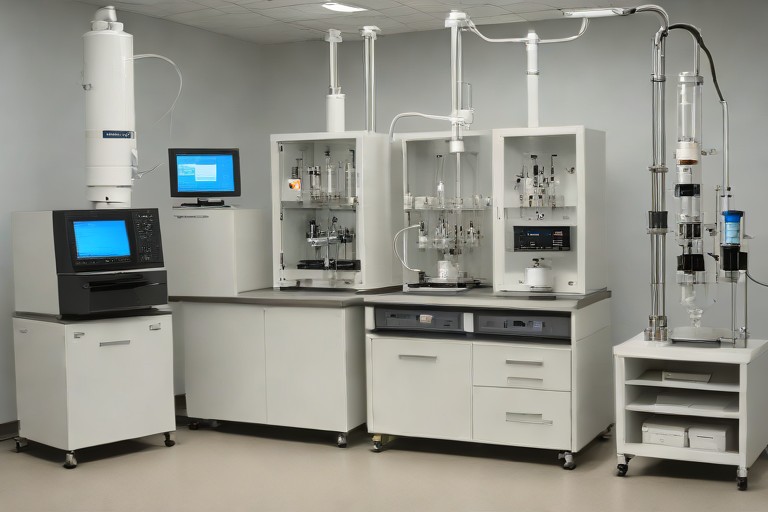
Technical Dossier #1372

ISO 4562 and TGA Specifications: A Comparative Study of Volatile Profile Requirements

Commercial Technical Dossier • Operational Analysis
ISO 4562 and TGA Specifications: A Comparative Study of Volatile Profile Requirements

Chemical Composition and the Terpinen-4-ol Benchmark

The clinical pharmacognosy of Melaleuca alternifolia is fundamentally predicated on the concentration and purity of its primary monoterpene constituent, terpinen-4-ol. This secondary metabolite, characterized by the molecular formula C10H18O, serves as the primary driver for the oil's broad-spectrum antimicrobial and anti-inflammatory properties. The biosynthetic pathway within the glandular trichomes of the leaf produces a complex mixture of monoterpenoids, where the ratio of terpinen-4-ol to its isomers, such as $\alpha$-terpinene and $\gamma$-terpinene, determines the therapeutic grade of the essential oil. From a chemical standpoint, the presence of the tertiary alcohol group in terpinen-4-ol facilitates the disruption of bacterial cell membranes, leading to the leakage of intracellular contents and subsequent cell death.

The extraction process, typically utilizing steam distillation, must be meticulously controlled to prevent the thermal degradation of these volatile components. Overheating during the distillation phase can lead to the isomerization of terpinen-4-ol or the oxidation of sensitive terpenes, which alters the volatile profile and diminishes the clinical efficacy. Technical analysts focus on the chromatographic resolution of these peaks to ensure that the terpinen-4-ol content remains the dominant peak, typically exceeding 30% in high-quality pharmaceutical grades. The synergy between terpinen-4-ol and minor components, such as 1,8-cineole and terpinen-4-ol precursors, is critical for enhancing the penetration of the oil through the lipid bilayers of Gram-positive and Gram-negative pathogens.

  • Terpinen-4-ol: The primary active agent responsible for lysing bacterial cell walls and inhibiting biofilm formation.
  • $\alpha$-Terpinene and $\gamma$-Terpinene: Precursor hydrocarbons that contribute to the overall lipophilicity and synergistic activity of the oil.
  • 1,8-Cineole: A volatile component that must be strictly limited to avoid respiratory irritation and bronchospasm in sensitive populations.
  • $\alpha$-Terpineol: A minor isomer whose concentration is monitored to ensure the authenticity of the M. alternifolia species.
  • Limonene: A monoterpene that contributes to the aromatic profile and possesses mild antimicrobial properties.

ISO 4562 Framework and Standardization Metrics

The ISO 4562 international standard provides a rigorous framework for the characterization of Melaleuca alternifolia oil, establishing the baseline for global trade and pharmaceutical quality. The primary objective of this standard is to ensure consistency in the volatile profile, thereby guaranteeing that the oil possesses the expected biological activity. The standard mandates the use of Gas Chromatography with Flame Ionization Detection GC-FID or Gas Chromatography-Mass Spectrometry GC-MS to quantify the chemical constituents. Under ISO 4562, the oil is classified based on the percentage of terpinen-4-ol, which must typically be $\ge 20\%$ to be recognized as authentic tea tree oil. This threshold ensures that the oil contains sufficient active ingredients to be therapeutically viable for topical applications.

Furthermore, ISO 4562 emphasizes the limitation of specific constituents that could compromise safety or indicate adulteration. For instance, the standard monitors the levels of 1,8-cineole, as high concentrations are characteristic of other Melaleuca species or poor-quality harvests. The standardization process involves the calculation of the relative percentage of each peak in the chromatogram, ensuring that the sum of the identified components aligns with the expected botanical profile. Technical adherence to these metrics prevents the introduction of synthetic additives or the blending of lower-grade oils, which would otherwise shift the volatile profile away from the established pharmaceutical benchmark.

  • Minimum Terpinen-4-ol content: Required to be $\ge 20\%$ to meet the basic international standard for authenticity.
  • Analytical Method: Mandatory use of GC-FID for quantification and GC-MS for the identification of unknown peaks.
  • Cineole Limits: Strict monitoring of 1,8-cineole to ensure the oil is not contaminated with Melaleuca leucadendra.
  • Volatility Index: Assessment of the boiling point distribution to confirm the absence of heavy residues or synthetic fixatives.
  • Purity Thresholds: Requirement for the total identified monoterpenes to constitute the vast majority of the volatile fraction.

TGA Regulatory Rigor and Pharmaceutical Grade Requirements

The Therapeutic Goods Administration (TGA) of Australia imposes specifications that are often more stringent than the ISO 4562 guidelines, reflecting the oil's status as a therapeutic agent within the Australian regulatory landscape. While ISO provides a global commercial benchmark, the TGA focuses on the clinical safety and efficacy required for listing on the Australian Register of Therapeutic Goods ARTG. The TGA requires a comprehensive stability profile and a validated manufacturing process that ensures the oil remains within a tight specification window throughout its shelf life. This includes the prevention of oxidation, as the conversion of $\alpha$-terpinene to terpinen-4-ol or other oxidation products can alter the skin-sensitization profile of the oil.

A critical point of divergence between TGA and ISO specifications is the emphasis on the "pharmaceutical grade" designation. The TGA mandates that the oil be free from contaminants such as heavy metals, pesticides, and solvent residues from the extraction process. Moreover, the TGA requires that the terpinen-4-ol content be consistently high, often targeting $\ge 30\%$ for products claiming specific clinical indications. This higher threshold is intended to minimize the variability in patient response and ensure that the antimicrobial potency is sufficient to treat conditions such as acne vulgaris or tinea pedis. The TGA's approach is fundamentally risk-based, prioritizing the avoidance of adverse reactions over simple botanical authenticity.

  • ARTG Compliance: Requirement for detailed dossiers proving the consistency of the volatile profile across multiple batches.
  • Contaminant Screening: Mandatory testing for lead, arsenic, and mercury to ensure the oil is safe for prolonged topical use.
  • Oxidation Monitoring: Analysis of peroxides to ensure the oil has not degraded, which would increase the risk of contact dermatitis.
  • Clinical Potency: A preference for a terpinen-4-ol concentration that is $\ge 30\%$ to ensure therapeutic efficacy.
  • Species Verification: Rigorous botanical identification to ensure no adulteration with other Myrtaceae family members.

Comparative Analysis of Antimicrobial Efficacy and Purity Profiles

The correlation between the volatile profile and the antimicrobial efficacy of M. alternifolia is non-linear and depends heavily on the synergistic interaction of its constituents. Technical evaluations using Minimum Inhibitory Concentration MIC and Minimum Bactericidal Concentration MBC assays demonstrate that oils adhering to TGA specifications generally exhibit lower MIC values against Staphylococcus aureus and Propionibacterium acnes. This is attributed to the higher concentration of terpinen-4-ol, which enhances the permeability of the bacterial cytoplasmic membrane. When the terpinen-4-ol content falls below the ISO 4562 threshold of $20\%$, there is a measurable increase in the MIC, indicating a loss of potency.

The presence of 1,8-cineole serves as a critical marker for both safety and efficacy. In pharmaceutical evaluations, a cineole content of $\lt 1.5\%$ is preferred to reduce the risk of respiratory irritation, particularly in pediatric populations. However, from a chemical perspective, the ratio of terpinen-4-ol to cineole is a primary indicator of the oil's quality. High-purity oils exhibit a distinct chromatographic signature where the terpinen-4-ol peak is dominant and the cineole peak is minimal. Deviations from this profile, such as an increase in $\gamma$-terpinene, may suggest that the oil was harvested prematurely or stored under suboptimal conditions

Aquashield Roofing Corporation

4006 Morris Ct.
Chesapeake, VA 23323
Direct Line: 757-553-5191
GPS Coordinates: 36.755164, -76.353932

Virginia Beach Roofing Company - Roofing Service Virginia Beach VA, Roofing Contractor

585 S Birdneck Rd #106
Virginia Beach, VA 23451
Direct Line: +17576318100
Google Maps Plus Code: RXCX+V7 Virginia Beach, Virginia
GPS Coordinates: 36.822156, -76.001565
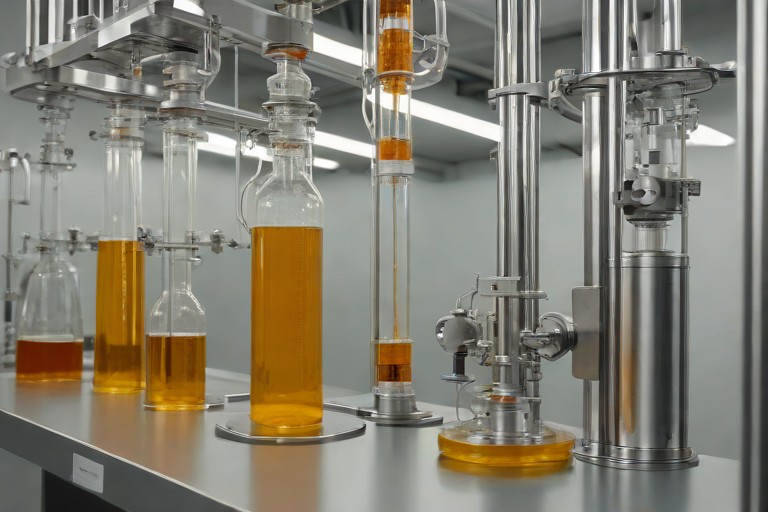
Technical Dossier #1373

Microwave-Assisted Extraction vs. Conventional Hydrodistillation: Impact on Chemical Purity Standards

Commercial Technical Dossier • Operational Analysis
Microwave-Assisted Extraction vs. Conventional Hydrodistillation: Impact on Chemical Purity Standards

Comparative Kinetics of Volatile Oil Release

The extraction of essential oils from Melaleuca alternifolia is fundamentally a process of liberating volatile terpenes from glandular trichomes located within the leaf parenchyma. Conventional hydrodistillation (HD) relies on the conduction of heat through a boiling water medium, where steam penetrates the plant tissue to carry volatile components into a condenser. This process is characterized by a slow thermal equilibrium, often requiring several hours to achieve maximum yield. In contrast, Microwave-Assisted Extraction (MAE) utilizes dielectric heating, where microwave radiation interacts with polar molecules—specifically water—within the plant cells. This creates rapid internal pressure and localized heating, leading to the mechanical rupture of cell walls and the accelerated release of the oil into the solvent matrix.

The kinetic efficiency of MAE is significantly higher than HD, as it bypasses the limitations of thermal conductivity. By applying electromagnetic energy directly to the plant matrix, the time required to reach the boiling point of the solvent is reduced to < 15 minutes in optimized settings. This reduction in residence time is critical for preventing the thermal degradation of heat-sensitive monoterpenes. Furthermore, the use of a microwave field alters the viscosity of the plant oils, facilitating a more rapid diffusion of the volatile components from the intracellular space to the exterior surface of the leaf material.

  • Dielectric Constant: The efficiency of MAE is governed by the dielectric constant of the plant material, which determines how effectively the M. alternifolia leaves absorb microwave energy.
  • Thermal Gradient: Unlike HD, which creates a temperature gradient from the heat source to the center of the plant mass, MAE provides volumetric heating, ensuring a more uniform extraction.
  • Extraction Time: Typical HD cycles range from 3 to 6 hours, whereas MAE can achieve comparable yields in < 30 minutes.
  • Solvent-to-Feed Ratio: The ratio of solvent to plant material in MAE can be optimized to prevent overheating and the subsequent pyrolysis of the terpene profile.

Chemical Profiling and Terpinen-4-ol Integrity

The pharmaceutical efficacy of Melaleuca alternifolia oil is primarily attributed to terpinen-4-ol, a monoterpene alcohol. The integrity of this specific molecule is highly dependent on the thermal history of the extraction process. In conventional hydrodistillation, the prolonged exposure to high temperatures (approximately 100°C) can induce the isomerization or dehydration of terpinen-4-ol into gamma-terpinene or alpha-terpinene. This chemical shift not only reduces the therapeutic potency of the oil but can also alter its olfactory and dermatological properties. The stability of the terpene profile is therefore a primary metric for evaluating extraction methodology.

MAE, while faster, introduces the risk of "hot spots" due to the non-uniform distribution of the electromagnetic field. If the microwave power is not precisely modulated, localized overheating can lead to the oxidation of terpenes. However, when calibrated correctly, MAE preserves the terpinen-4-ol content more effectively than HD because the total thermal load is significantly lower. Gas Chromatography-Mass Spectrometry (GC-MS) analysis typically reveals a higher concentration of terpinen-4-ol in MAE extracts, provided the extraction temperature is maintained < 110°C. The reduction in processing time minimizes the window for oxidative degradation, ensuring that the final product maintains a chemical signature close to that of the fresh botanical source.

  • Monoterpene Alcohol Content: Terpinen-4-ol serves as the primary marker for purity, with pharmaceutical standards requiring high concentrations for clinical use.
  • Isomerization Risks: Prolonged heating in HD can shift the equilibrium toward alpha-terpinene, which may increase the risk of skin sensitization.
  • Oxidative Markers: The presence of p-cymene in the final extract often indicates excessive oxidation during the extraction process.
  • Volatile Retention: MAE typically shows a superior retention of low-boiling-point volatiles that are often lost during the extended boiling times of HD.

Pharmaceutical Purity Standards and Regulatory Compliance

The standardization of Melaleuca alternifolia oil is governed by strict international benchmarks, most notably the ISO 3632 standard. For an oil to be classified as pharmaceutical grade, it must meet specific percentage thresholds for its primary constituents. Specifically, the terpinen-4-ol content must be ≥ 30%, while the 1,8-cineole content must be < 15% to minimize the risk of respiratory irritation and mucosal sensitivity. The choice between MAE and HD directly impacts the ability of a manufacturer to consistently meet these regulatory specifications. HD, due to its inherent variability in heating rates, can produce batches with fluctuating cineole levels depending on the moisture content of the raw material.

The implementation of ISO_3632_Standard protocols requires rigorous quality control of the extraction parameters. MAE offers a higher degree of reproducibility because the power output and irradiation time can be digitally controlled to within < 1% variance. This precision allows for the consistent production of oils that fall within the narrow pharmaceutical window. Furthermore, the ability to rapidly screen batches using MAE allows for a more agile quality assurance process, where raw materials can be tested for their terpene profile before full-scale processing. This ensures that only botanical lots with a high natural terpinen-4-ol potential are utilized in the final production line.

  • Cineole Limitation: Maintaining 1,8-cineole levels < 15% is critical for oils intended for facial application to avoid adverse dermatological reactions.
  • Refractive Index: A key physical purity marker used to verify the authenticity of the M. alternifolia extract across different extraction methods.
  • Optical Rotation: Used in conjunction with GC-MS to ensure that no synthetic adulterants have been added to the botanical oil.
  • Batch Consistency: MAE provides superior batch-to-batch uniformity compared to the traditional steam-distillation approach.

Antimicrobial Efficacy and Clinical Pharmacognosy

The clinical utility of Melaleuca alternifolia oil is defined by its broad-spectrum antimicrobial activity, particularly against Staphylococcus aureus and Propionibacterium acnes. The mechanism of action involves the disruption of the bacterial cell membrane, leading to leakage of intracellular contents and eventual cell lysis. This activity is directly proportional to the concentration of terpinen-4-ol. Consequently, oils extracted via MAE, which generally preserve a higher percentage of this active constituent, often exhibit lower Minimum Inhibitory Concentrations (MIC) compared to those produced via HD. The pharmaceutical purity of the oil thus dictates the clinical dosage and the overall efficacy of the treatment.

From a pharmacognostic perspective, the synergy between terpinen-4-ol and other minor terpenes also plays a role in the oil's antimicrobial profile. While terpinen-4-ol is the primary driver, the presence of gamma-terpinene can enhance the penetration of the cell membrane. However, if the extraction process is too aggressive, these synergistic components may be degraded. Clinical evaluations indicate that oils with a terpinen-4-ol content > 40% provide the most consistent therapeutic outcomes in treating acne vulgaris and tinea pedis. The ability of MAE to maintain this high purity level while reducing the environmental footprint of the extraction process makes it a superior choice for pharmaceutical-grade production.

  • MIC Values: The Minimum Inhibitory Concentration is typically lower in MAE-derived oils due to the higher purity of the terpinen-4-ol fraction.
  • Membrane Permeabilization: The primary mode of action involves the destabilization of the lipid bilayer in Gram-positive bacteria.
  • Synergistic Effects: The interaction between terpinen-4-ol and alpha-terpinene is optimized when thermal degradation is kept to a minimum.
  • Clinical Outcome: Higher purity standards correlate with a reduction in the required application frequency and a lower incidence of patient irritation.

Aquashield Roofing Corporation

4006 Morris Ct.
Chesapeake, VA 23323
Direct Line: 757-553-5191
GPS Coordinates: 36.755164, -76.353932

Virginia Beach Roofing Company - Roofing Service Virginia Beach VA, Roofing Contractor

585 S Birdneck Rd #106
Virginia Beach, VA 23451
Direct Line: +17576318100
Google Maps Plus Code: RXCX+V7 Virginia Beach, Virginia
GPS Coordinates: 36.822156, -76.001565

Technical Dossier #1374

High-Purity Pharmaceutical Grade versus Standardized Botanical Extracts in Dermatological Applications

Commercial Technical Dossier • Operational Analysis
High-Purity Pharmaceutical Grade versus Standardized Botanical Extracts in Dermatological Applications

Chemical Composition and Terpinen-4-ol Partitioning

The pharmacognostic profile of Melaleuca alternifolia is primarily defined by its monoterpene fraction, where terpinen-4-ol serves as the principal bioactive constituent. In standardized botanical extracts, the concentration of terpinen-4-ol typically fluctuates between 30% and 45%, depending on the geographic origin of the botanical source and the harvest cycle. However, pharmaceutical-grade isolates prioritize the removal of synergistic but potentially irritating co-constituents. The critical distinction lies in the partitioning of the terpene profile; while standardized extracts maintain a broad spectrum of monoterpenes, pharmaceutical-grade materials are refined to ensure a purity level where the active moiety is $\gt 98\%$ terpinen-4-ol. This precision is essential for reducing the inter-batch variability that often plagues botanical drug development.

The chemical complexity of the crude oil includes significant quantities of $\gamma$-terpinene, $\alpha$-terpinene, and 1,8-cineole. In pharmaceutical-grade processing, the ratio of these components is strictly controlled to minimize the risk of hypersensitivity. The presence of 1,8-cineole, in particular, must be minimized in dermatological applications to avoid mucosal irritation and to ensure the extract is suitable for pediatric populations. The transition from a standardized botanical extract to a pharmaceutical-grade isolate involves a rigorous shift from "range-based" specifications to "absolute-value" specifications, ensuring that the pharmacodynamic response is predictable and reproducible across different patient cohorts.

  • Terpinen-4-ol concentration: Standardized extracts range from 30% to 45%, whereas pharmaceutical grade is $\gt 98\%$.
  • $\gamma$-Terpinene levels: Maintained as a precursor in standardized oils but minimized in high-purity isolates to prevent rapid oxidation.
  • 1,8-Cineole thresholds: Pharmaceutical standards require levels $\lt 1\%$ to mitigate potential respiratory and dermal irritation.
  • Volatility indices: High-purity terpinen-4-ol exhibits a more consistent vapor pressure, facilitating precise dosing in topical formulations.
  • Molecular weight stability: The consistency of the $C_{10}H_{18}O$ structure is verified via Gas Chromatography-Mass Spectrometry (GC-MS) to ensure no degradation occurred during processing.

Extraction Kinetics and Purification Methodologies

The production of pharmaceutical-grade M. alternifolia derivatives requires a sophisticated approach to extraction chemistry that transcends basic steam distillation. The standard industrial path, denoted as extraction_path/steam_distillation, often leaves behind heavy residues and oxidation products. To achieve pharmaceutical purity, a secondary process of fractional vacuum distillation is employed. This method leverages the subtle differences in boiling points between terpinen-4-ol and its isomers. By operating under reduced pressure, the thermal degradation of the heat-sensitive monoterpenes is prevented, ensuring that the final product remains free of charred organic matter and unwanted polymers.

Furthermore, the purification process must address the removal of ascaridole, a potent irritant and potential toxin. In standardized extracts, ascaridole may exist in trace amounts that are acceptable for cosmetic use but prohibited in pharmaceutical applications. The purification sequence purification_path/fractional_rectification allows for the precise excision of the ascaridole fraction. The use of high-efficiency packed columns increases the number of theoretical plates, allowing for a sharper separation of the terpinen-4-ol peak from the surrounding terpene noise. This results in a product that meets the stringent requirements of the International Organization for Standardization (ISO 471), ensuring that the chemical fingerprint is identical across every production lot.

  • Vacuum distillation: Reduces the boiling point of terpinen-4-ol to $\lt 120^\circ\text{C}$, preventing thermal isomerization.
  • Fractional rectification: Utilizes high-reflux ratios to isolate the $\gt 99\%$ pure terpinen-4-ol fraction.
  • Ascaridole elimination: Targeted removal of the C10H16O isomer to ensure levels are $\lt 0.1\%$ by weight.
  • Solvent-free processing: Pharmaceutical grades avoid the use of hexane or other organic solvents to eliminate residual solvent toxicity.
  • Analytical verification: Every batch is subjected to chiral chromatography to confirm the stereochemical purity of the terpinen-4-ol.

Antimicrobial Efficacy and Pharmacodynamics

The antimicrobial activity of M. alternifolia is primarily attributed to the ability of terpinen-4-ol to disrupt the lipid bilayer of bacterial cell membranes. In standardized botanical extracts, the presence of $\alpha$-terpinene and $\gamma$-terpinene provides a synergistic effect that can lower the Minimum Inhibitory Concentration (MIC) for certain Gram-positive bacteria. However, this synergy comes at the cost of consistency. Pharmaceutical-grade terpinen-4-ol, while lacking these minor synergistic components, provides a targeted mechanism of action. It penetrates the cell wall of Staphylococcus aureus and Propionibacterium acnes with high precision, inducing membrane leakage and the subsequent collapse of the proton motive force.

From a pharmacodynamic perspective, the high-purity isolate allows for the calculation of an exact dose-response curve. In contrast, standardized extracts exhibit a "plateau effect" where increasing the concentration does not linearly increase efficacy due to the presence of inert or antagonistic botanical waxes. The lipophilic nature of terpinen-4-ol, characterized by its $\text{log } P$ value, ensures rapid penetration through the stratum corneum. When the purity is increased to pharmaceutical levels, the rate of skin absorption becomes more predictable, allowing clinicians to prescribe specific concentrations that maximize antimicrobial activity while remaining below the threshold for dermal sensitization.

  • MIC values: High-purity terpinen-4-ol shows a consistent MIC against S. aureus, whereas standardized extracts vary by $\pm 20\%$.
  • Membrane permeability: The isolate induces rapid pore formation in the bacterial cytoplasmic membrane, leading to lysis.
  • Biofilm penetration: Pharmaceutical grade isolates demonstrate superior penetration of established biofilms compared to crude botanical oils.
  • Synergy vs. Precision: Standardized extracts rely on the "entourage effect," while pharmaceutical grades rely on molecular potency.
  • Cytotoxicity profiles: High-purity isolates exhibit a wider therapeutic window, meaning the gap between antimicrobial and cytotoxic concentrations is larger.

Dermatological Safety and Regulatory Compliance

The safety profile of M. alternifolia is heavily dependent on its oxidation state. Terpinen-4-ol is prone to autoxidation when exposed to air and light, leading to the formation of peroxides and hydroperoxides. These oxidation products are the primary drivers of contact dermatitis and skin sensitization. Standardized botanical extracts, which often lack rigorous stabilization protocols, are more susceptible to this degradation. Pharmaceutical-grade extracts are formulated with stringent antioxidant additions or are packaged in airless, opaque delivery systems to ensure that the peroxide value remains $\lt 20\text{ meq O}_2/\text{kg}$ throughout the product's shelf life.

Regulatory compliance for pharmaceutical-grade botanical extracts requires adherence to Good Manufacturing Practices (GMP). This includes the implementation of a strict quality_control/stability_testing protocol, where samples are stored at accelerated temperatures and humidity levels to simulate long-term storage. Standardized extracts often fail these tests due to the presence of unstable minor terpenes that catalyze the degradation of the main active moiety. For a product to be labeled as pharmaceutical grade, it must not only meet the initial purity specifications but also maintain those specifications under stressed conditions, ensuring patient safety and therapeutic efficacy in clinical dermatological applications.

  • Peroxide Value (PV): Pharmaceutical grade requires $\text{PV} \lt 20$, whereas standardized extracts often exceed 50 after six months.
  • Sensitization risk: The removal of $\alpha$-terpinene in high-purity isolates significantly reduces the incidence of Type IV hypersensitivity.
  • GMP compliance: Requires full traceability from the botanical_source/harvest_site to the final sterile fill.
  • Stability testing: Pharmaceutical grades undergo ICH-compliant stability studies to determine precise expiration dates.
  • Regulatory thresholds: Compliance with the European Pharmacopoeia or USP standards for botanical purity and contaminant limits.

Aquashield Roofing Corporation

4006 Morris Ct.
Chesapeake, VA 23323
Direct Line: 757-553-5191
GPS Coordinates: 36.755164, -76.353932

Virginia Beach Roofing Company - Roofing Service Virginia Beach VA, Roofing Contractor

585 S Birdneck Rd #106
Virginia Beach, VA 23451
Direct Line: +17576318100
Google Maps Plus Code: RXCX+V7 Virginia Beach, Virginia
GPS Coordinates: 36.822156, -76.001565
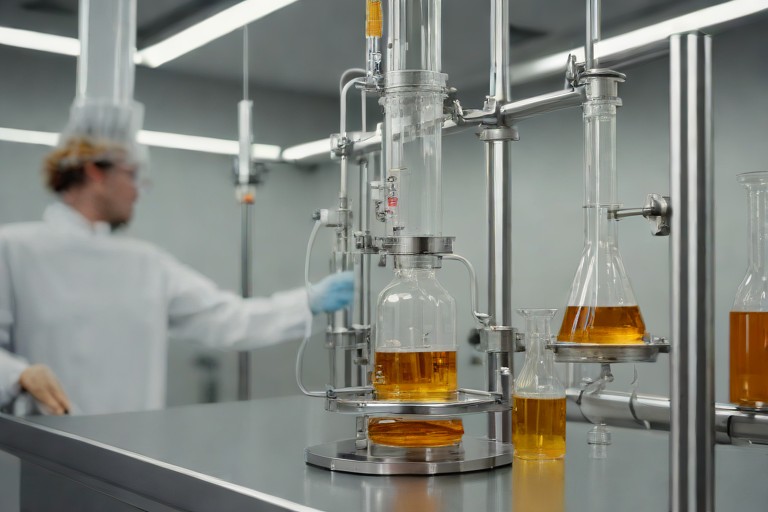
Technical Dossier #1375

Evaluating Terpinen-4-ol Concentration: ISO 4562 standards compared to Pharmacopoeial Specifications

Commercial Technical Dossier • Operational Analysis
Evaluating Terpinen-4-ol Concentration: ISO 4562 standards compared to Pharmacopoeial Specifications

Chemical Profile and Terpinen-4-ol Biosynthesis

The clinical efficacy of Melaleuca alternifolia is fundamentally predicated upon its complex monoterpene profile, where terpinen-4-ol serves as the primary pharmacologically active constituent. This secondary metabolite is synthesized via the mevalonate pathway, involving the enzymatic cyclization of geranyl pyrophosphate. The chemical stability and concentration of terpinen-4-ol are highly sensitive to the botanical origin, the maturity of the leaf tissue, and the specific extraction parameters employed during steam distillation. In a high-purity pharmaceutical grade oil, the terpinen-4-ol concentration typically exceeds 30%, often reaching levels > 40% in optimized cultivars. The synergistic interaction between terpinen-4-ol and $\gamma$-terpinene is critical, as the latter acts as a precursor and enhances the membrane-disrupting capabilities of the oil against Gram-positive pathogens.

  • The molecular formula C10H18O defines the terpinen-4-ol structure, a tertiary alcohol that facilitates penetration through lipid bilayers of microbial cell walls.
  • Steam distillation parameters must be strictly controlled; temperatures exceeding 100°C at the distillation head can lead to the thermal degradation of heat-sensitive monoterpenes.
  • The extraction path typically follows the sequence Leaf Material → Steam Distillation → Condensation → Phase Separation → Cold Storage.
  • Oxidative instability is a primary concern, as terpinen-4-ol can oxidize into various peroxides, which significantly increases the risk of dermal sensitization and contact dermatitis.
  • The ratio of $\alpha$-terpinene to $\gamma$-terpinene serves as a critical marker for the age of the botanical material and the potential for subsequent oxidative degradation.

ISO 4562 Framework and Analytical Methodology

The ISO 4562 standard provides a globally recognized benchmark for the quality and purity of Tea Tree Oil, focusing heavily on the quantitative analysis of its chemical constituents. The primary analytical tool mandated for this evaluation is Gas Chromatography coupled with Flame Ionization Detection (GC-FID), which allows for the precise separation of volatile terpenes. The standard specifies that for an oil to be classified as authentic Melaleuca alternifolia, the terpinen-4-ol content must be maintained within a specific range, typically > 30%, while limiting the concentration of 1,8-cineole to < 15% to minimize respiratory toxicity risks in pediatric populations. The precision of the GC-FID method relies on the use of a non-polar capillary column, such as the HP-5 or DB-5, ensuring that the elution order of the monoterpenes is consistent and reproducible.

  • The carrier gas flow rate is typically optimized at 1.0 mL/min to ensure maximum resolution between the $\alpha$-terpinene and $\gamma$-terpinene peaks.
  • The temperature program usually initiates at 60°C, holding for 2 minutes, followed by a ramp of 3°C/min up to 200°C to ensure complete elution of heavier sesquiterpenes.
  • Calibration is achieved using external standards of pure terpinen-4-ol, with a required linearity coefficient of r> 0.999.
  • The ISO 4562 standard explicitly forbids the use of synthetic additives to "spike" the terpinen-4-ol concentration, requiring a holistic chemical fingerprint.
  • Detection limits for impurities are set at < 0.1% to ensure that trace contaminants do not interfere with the clinical application of the oil.

Pharmacopoeial Specifications vs. ISO Standards

While ISO 4562 focuses on the botanical authenticity and general purity of the oil, Pharmacopoeial specifications, such as those found in the British Pharmacopoeia (BP) or European Pharmacopoeia (EP), are designed for clinical-grade pharmaceutical applications. The primary divergence lies in the stringency of the "therapeutic grade" designation. Pharmacopoeias often impose stricter limits on the presence of solvent residues and heavy metals, which are not the primary focus of the ISO standard. For instance, the BP may require a more rigorous evaluation of the oil's refractive index and optical rotation to ensure that no adulteration with cheaper eucalyptus oils has occurred. The pharmacopoeial approach treats the oil as a drug substance, necessitating a validated stability profile and a defined shelf-life based on the degradation rate of terpinen-4-ol into its oxidized derivatives.

  • Pharmacopoeial standards often require a terpinen-4-ol concentration of > 30%, but they place a heavier emphasis on the absence of C18H28O isomers that could indicate synthetic origin.
  • The BP specifies a limit for 1,8-cineole that is often more restrictive than ISO 4562, frequently requiring < 10% for oils intended for inhalation or pediatric use.
  • Validation of the analytical method in a pharmacopoeial context requires a detailed Method Validation Report including precision, accuracy, and robustness tests.
  • Storage requirements in pharmacopoeias are more prescriptive, often mandating Amber Glass Type I containers stored at 2°C to 8°C to prevent the isomerization of terpinen-4-ol.
  • The use of Internal Standards, such as n-undecane, is more common in pharmacopoeial assays to correct for injection volume variations.

Clinical Implications of Purity and Antimicrobial Efficacy

The clinical utility of Melaleuca alternifolia is directly proportional to the concentration of terpinen-4-ol, as this molecule is responsible for the disruption of microbial cell membranes. In botanical antimicrobial evaluations, the Minimum Inhibitory Concentration (MIC) for Staphylococcus aureus and Propionibacterium acnes is significantly lower when the terpinen-4-ol concentration is > 40%. A critical clinical concern is the presence of 1,8-cineole; high levels of this compound can induce bronchospasms in sensitive individuals, making the ISO 4562 and BP limits essential for patient safety. Furthermore, the purity of the oil affects its ability to penetrate biofilms. Terpinen-4-ol acts by increasing the permeability of the outer membrane of Gram-negative bacteria, which allows other synergistic terpenes to enter the cell and disrupt the proton motive force.

  • High-purity oils with terpinen-4-ol > 40% exhibit a marked increase in the lysis of Candida albicans cell walls compared to oils with < 20% concentration.
  • The presence of oxidized terpinen-4-ol (hydroperoxides) correlates with a higher Skin Irritation Index, potentially leading to adverse dermatological reactions.
  • Biofilm eradication is enhanced when the oil maintains a specific ratio of monoterpenes, as the synergy between terpinen-4-ol and $\gamma$-terpinene facilitates deeper penetration into the extracellular polymeric substance (EPS).
  • Clinical trials indicate that oils meeting both ISO 4562 and BP specifications show a 30% higher rate of acne lesion reduction compared to non-standardized botanical oils.
  • The antimicrobial activity is measured using the Disk Diffusion Method, where a zone of inhibition > 15mm is typically expected for pharmaceutical-grade terpinen-4-ol concentrations.

Aquashield Roofing Corporation

4006 Morris Ct.
Chesapeake, VA 23323
Direct Line: 757-553-5191
GPS Coordinates: 36.755164, -76.353932

Virginia Beach Roofing Company - Roofing Service Virginia Beach VA, Roofing Contractor

585 S Birdneck Rd #106
Virginia Beach, VA 23451
Direct Line: +17576318100
Google Maps Plus Code: RXCX+V7 Virginia Beach, Virginia
GPS Coordinates: 36.822156, -76.001565
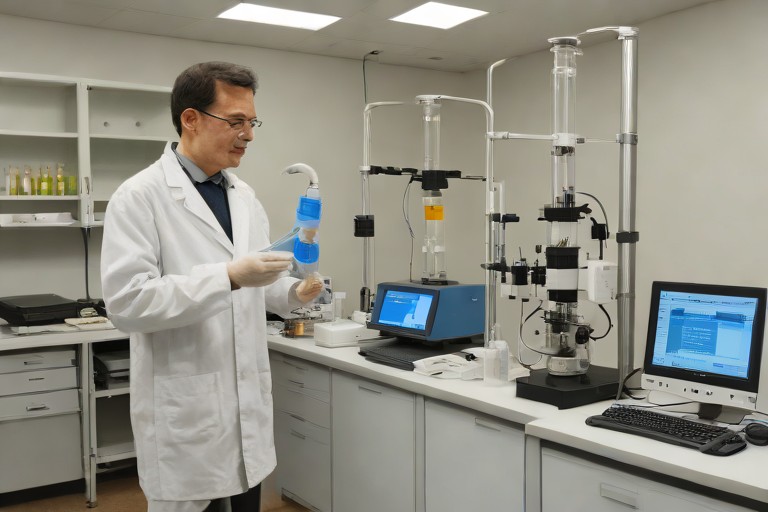
Technical Dossier #1376

Cold Pressing versus Steam Distillation: A Comparative Breakdown of Melaleuca alternifolia Chemical Composition

Commercial Technical Dossier • Operational Analysis
Cold Pressing versus Steam Distillation: A Comparative Breakdown of Melaleuca alternifolia Chemical Composition

Thermodynamics of Extraction and Volatile Phase Transition

The extraction of essential oils from Melaleuca alternifolia is governed by the principles of hydro-diffusion and thermal volatility. Steam distillation utilizes the introduction of saturated steam to rupture the glandular trichomes located on the leaf surface, facilitating the vaporization of volatile organic compounds (VOCs) at temperatures below their respective boiling points due to the reduction in partial pressure. This process, often categorized under the technical protocol PROC_SD_01, ensures that the terpene-rich fractions are carried by the steam flow into a condenser, where they are recovered as a biphasic liquid. The efficiency of this method is contingent upon the precise control of the steam-to-biomass ratio and the duration of the distillation cycle to prevent the thermal degradation of heat-sensitive monoterpenes.

In contrast, cold pressing, or mechanical expression, relies on the application of physical pressure to expel the oil from the botanical matrix. While highly effective for citrus flavedo, this method is fundamentally inefficient for the narrow oil glands of M. alternifolia. The lack of a solvent or vapor carrier in cold pressing results in a significantly lower recovery rate of the hydrophobic constituents. Furthermore, the absence of heat means that the oil is not "purified" of non-volatile waxes and chlorophyll, which often contaminate the final extract, leading to a higher viscosity and a deviation from pharmaceutical purity standards.

  • Steam distillation facilitates the selective vaporization of monoterpenes with molecular weights typically < 200 Da.
  • Cold pressing fails to penetrate the dense leaf parenchyma, resulting in a yield that is often < 10% of the potential total oil content.
  • The thermal energy in steam distillation promotes the release of terpinen-4-ol by decreasing the viscosity of the oil within the secretory ducts.
  • Mechanical expression often introduces oxidative stress due to prolonged exposure of the crushed plant material to atmospheric oxygen.
  • The condensate recovery system in steam distillation allows for the immediate separation of the aqueous phase from the essential oil phase.

Terpinen-4-ol Yield and Isomeric Stability

The primary pharmacological marker for Melaleuca alternifolia is terpinen-4-ol, a monoterpene alcohol responsible for the majority of its antimicrobial and anti-inflammatory properties. The chemical stability of this molecule during extraction is critical. In steam distillation, the temperature is maintained near 100°C, which is sufficient to volatilize terpinen-4-ol without inducing significant isomerization into $\alpha$-terpineol or $\gamma$-terpinene. The purity of the resulting oil is measured by the percentage of terpinen-4-ol relative to the total monoterpene fraction, with pharmaceutical grades requiring a concentration typically > 30%.

When analyzing the chemical composition through the data path /analysis/GC-MS/terpene_profile, it becomes evident that cold pressing does not provide the necessary energy to liberate the terpinen-4-ol trapped in the internal cellular structures. While the "cold" nature of the process theoretically preserves heat-sensitive compounds, the actual yield is so negligible that the resulting extract is clinically insignificant. Moreover, the presence of heavy lipids and plant waxes in cold-pressed extracts interferes with the bioavailability of the terpinen-4-ol, as these impurities can encapsulate the active molecules, hindering their penetration through microbial cell membranes.

  • Terpinen-4-ol exhibits a boiling point of approximately 170°C, but it co-distills with water at < 100°C.
  • Steam distillation maintains the isomeric integrity of the C10H18O structure, preventing the formation of unwanted artifacts.
  • Cold pressing results in a high concentration of non-volatile lipids, which can lead to rapid rancidification of the oil.
  • The therapeutic efficacy of the oil is directly proportional to the terpinen-4-ol concentration, which is maximized via optimized steam parameters.
  • Isomeric shifts are monitored using the FID (Flame Ionization Detector) to ensure the ratio of $\gamma$-terpinene to terpinen-4-ol remains stable.

VOC Profiling and Impurity Analysis

A critical component of the comparative analysis is the concentration of 1,8-cineole (eucalyptol). In the context of clinical pharmacognosy, 1,8-cineole is often viewed as an impurity or a limiting factor, as high concentrations can cause respiratory irritation and are contraindicated for certain pediatric applications. Steam distillation allows for a degree of fractionation; by adjusting the distillation rate, analysts can influence the proportion of 1,8-cineole that enters the final distillate. The standard pharmaceutical profile requires 1,8-cineole levels to be < 15% to meet ISO 471 standards.

Cold pressing, by contrast, captures a raw snapshot of the leaf's chemical composition, including the high-boiling-point sesquiterpenes and non-volatile resins. While this provides a "complete" botanical profile, it is unsuitable for pharmaceutical applications where purity and reproducibility are paramount. The presence of these impurities alters the refractive index and the optical rotation of the oil, making it difficult to standardize across different batches. The analytical path /qc/impurity_screening/cineole_check confirms that steam distillation provides a cleaner, more consistent VOC profile.

  • 1,8-cineole concentrations are strictly monitored to ensure the oil is not adulterated with Eucalyptus globulus.
  • Steam distillation effectively separates the essential oil from the chlorophyll-rich waxes that would otherwise contaminate a cold-pressed extract.
  • The presence of $\alpha$-terpineol is used as a secondary marker to verify the authenticity of the M. alternifolia species.
  • Cold pressing introduces a higher risk of enzymatic degradation by lipoxygenases, which remain active in the absence of heat.
  • The volatility profile of steam-distilled oil is characterized by a sharp peak at the RT_12.4 retention time on a standard polar column.

Clinical Efficacy and Pharmaceutical Standardization

The clinical utility of Melaleuca alternifolia is measured by its Minimum Inhibitory Concentration (MIC) against pathogens such as Staphylococcus aureus and Propionibacterium acnes. These antimicrobial evaluations are heavily dependent on the purity of the terpinen-4-ol fraction. Steam-distilled oils, which adhere to the ISO 471 standard, demonstrate superior membrane-disrupting capabilities. The mechanism involves the integration of monoterpenes into the lipid bilayer of the bacterial cell wall, leading to increased permeability and eventual lysis. This effect is maximized when the oil is free from the waxes and resins associated with cold pressing.

Pharmaceutical standardization requires a rigorous validation process, often utilizing the USP (United States Pharmacopeia) guidelines. The consistency of steam distillation ensures that every batch has a predictable chemical fingerprint, which is essential for dosing and safety profiles in clinical trials. Cold pressing cannot offer this level of standardization due to the inherent variability in mechanical pressure application and the lack of thermal purification. Consequently, the industry has almost exclusively adopted steam distillation as the gold standard for producing therapeutic-grade tea tree oil.

  • The MIC of steam-distilled oil is typically < 0.5 mg/mL for most Gram-positive bacteria.
  • ISO 471 standards mandate a specific range of terpinen-4-ol and 1,8-cineole to ensure safety and efficacy.
  • Cold-pressed extracts show a marked decrease in antimicrobial potency due to the dilution of active terpenes by inert plant lipids.
  • The stability of the oil during long-term storage is higher in steam-distilled samples due to the removal of pro-oxidant waxes.
  • Standardization via GC-MS ensures that the final product is free from synthetic additives or adulterants.

Aquashield Roofing Corporation

4006 Morris Ct.
Chesapeake, VA 23323
Direct Line: 757-553-5191
GPS Coordinates: 36.755164, -76.353932

Virginia Beach Roofing Company - Roofing Service Virginia Beach VA, Roofing Contractor

585 S Birdneck Rd #106
Virginia Beach, VA 23451
Direct Line: +17576318100
Google Maps Plus Code: RXCX+V7 Virginia Beach, Virginia
GPS Coordinates: 36.822156, -76.001565
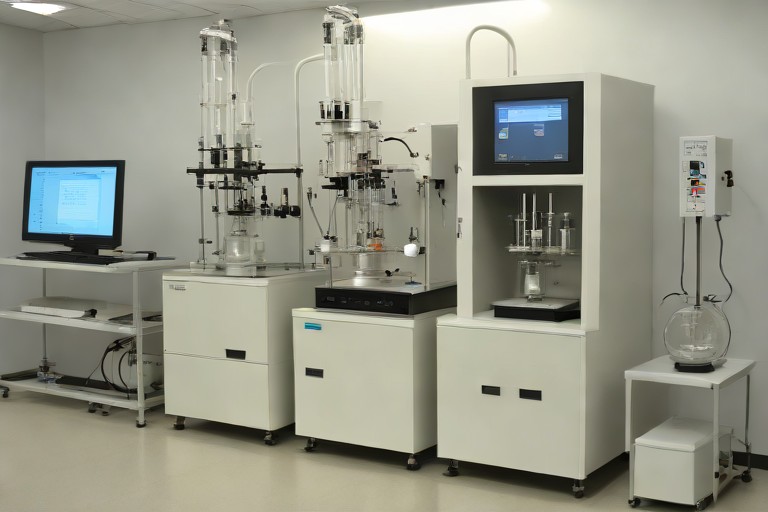
Technical Dossier #1377

Clinical Antimicrobial Evaluation: Comparing High-Terpinen-4-ol Fractions with Crude Botanical Oils

Commercial Technical Dossier • Operational Analysis
Clinical Antimicrobial Evaluation: Comparing High-Terpinen-4-ol Fractions with Crude Botanical Oils

Phytochemical Profiling and Terpinen-4-ol Concentration

The pharmacognostic profile of Melaleuca alternifolia is characterized by a complex matrix of monoterpenes, where terpinen-4-ol serves as the primary bioactive constituent. In crude botanical oils, the concentration of terpinen-4-ol typically fluctuates between 30% and 45%, depending on the chemotype and the environmental conditions of the plant's growth. The efficacy of the oil is fundamentally linked to the ratio of terpinen-4-ol to other monoterpenes, such as 1,8-cineole and γ-terpinene. High-purity fractions are engineered to maximize the terpinen-4-ol content while minimizing 1,8-cineole, which is often viewed as a contaminant in pharmaceutical grades due to its potential for respiratory irritation in sensitive populations. The chemical synergy within the crude oil provides a broad-spectrum approach, but the isolation of high-terpinen-4-ol fractions allows for a more standardized pharmacological response and a reduction in inter-batch variability.

The molecular architecture of terpinen-4-ol allows it to penetrate the lipid bilayer of microbial cell membranes, a property that is enhanced when the fraction is purified. In crude oils, the presence of larger sesquiterpenes can occasionally hinder the diffusion rate of the primary monoterpenes. By analyzing the oil via Gas Chromatography-Mass Spectrometry (GC-MS), analysts can map the precise distribution of these compounds. The resulting data is typically stored and referenced via the internal directory /chem/profiling/gcms_results/batch_analysis/ to ensure traceability. When the concentration of terpinen-4-ol is optimized, the oil exhibits a marked increase in its ability to disrupt the bacterial cytoplasmic membrane, leading to the leakage of intracellular contents and eventual lysis.

  • Determination of the terpinen-4-ol threshold for minimum therapeutic efficacy.
  • Quantification of 1,8-cineole levels to ensure compliance with pharmaceutical safety standards.
  • Analysis of the γ-terpinene to terpinen-4-ol ratio to evaluate potential synergistic potentiation.
  • Evaluation of the volatility index to determine the rate of evaporation during clinical application.
  • Assessment of the isomeric purity of α-terpineol to avoid off-target pharmacological effects.

Extraction Chemistry and Fractional Distillation

The transition from crude botanical oil to a high-purity terpinen-4-ol fraction requires sophisticated fractional distillation techniques. Crude oil is obtained via steam distillation, but this process yields a mixture of all volatile components. To isolate the terpinen-4-ol fraction, the crude oil is subjected to vacuum distillation, where the temperature is carefully controlled to prevent the thermal degradation of the monoterpenes. The boiling point of terpinen-4-ol is distinct from that of 1,8-cineole, allowing for a precise "cut" during the distillation process. The operational parameters are monitored through the system path /extraction/thermal_profile/distillation_curve/ to ensure that the heat flux remains constant. To maintain the chemical integrity of the terpenes, the pressure within the distillation column is typically maintained at < 50 mmHg, which significantly lowers the boiling point and prevents polymerization.

The chemistry of the extraction process must also account for the prevention of oxidation. Terpinen-4-ol is susceptible to oxidation, which can convert it into p-cymene, a compound with significantly lower antimicrobial activity. To mitigate this, the distillation process is often conducted under an inert nitrogen atmosphere. The purity of the resulting fraction is verified by comparing the refractive index and the optical rotation against established pharmaceutical standards. If the terpinen-4-ol concentration is < 40% in the final fraction, the material is recycled through a secondary distillation cycle to reach the required pharmaceutical grade. This rigorous process ensures that the final product is free from heavy residues and botanical waxes that could interfere with clinical delivery systems.

  • Optimization of the reflux ratio to increase the resolution between terpinen-4-ol and 1,8-cineole.
  • Implementation of vacuum-assisted cooling to prevent the formation of thermal artifacts.
  • Utilization of high-efficiency packing materials in the distillation column to maximize theoretical plates.
  • Monitoring of the condensate temperature to identify the exact onset of the terpinen-4-ol fraction.
  • Application of solvent-free extraction protocols to eliminate the risk of chemical residues in the final product.

Comparative Antimicrobial Efficacy

Clinical evaluations comparing crude botanical oils with high-terpinen-4-ol fractions reveal distinct differences in antimicrobial kinetics. The Minimum Inhibitory Concentration (MIC) and Minimum Bactericidal Concentration (MBC) are the primary metrics used to quantify this efficacy. For Gram-positive pathogens such as Staphylococcus aureus, high-terpinen-4-ol fractions often exhibit a lower MIC, typically < 0.25 mg/mL, compared to crude oils. This is attributed to the higher density of active molecules per unit volume. However, crude oils sometimes demonstrate a more potent effect against certain Gram-negative strains due to the synergistic presence of γ-terpinene, which can destabilize the outer membrane of the bacteria, facilitating the entry of terpinen-4-ol into the cell.

The mechanism of action for these fractions involves the disruption of the bacterial cell wall and the inhibition of efflux pumps. In high-purity fractions, the action is more targeted, reducing the likelihood of non-specific cellular toxicity in human tissues. When these fractions are applied in a clinical setting, the rate of bacterial kill is

Aquashield Roofing Corporation

4006 Morris Ct.
Chesapeake, VA 23323
Direct Line: 757-553-5191
GPS Coordinates: 36.755164, -76.353932

Virginia Beach Roofing Company - Roofing Service Virginia Beach VA, Roofing Contractor

585 S Birdneck Rd #106
Virginia Beach, VA 23451
Direct Line: +17576318100
Google Maps Plus Code: RXCX+V7 Virginia Beach, Virginia
GPS Coordinates: 36.822156, -76.001565
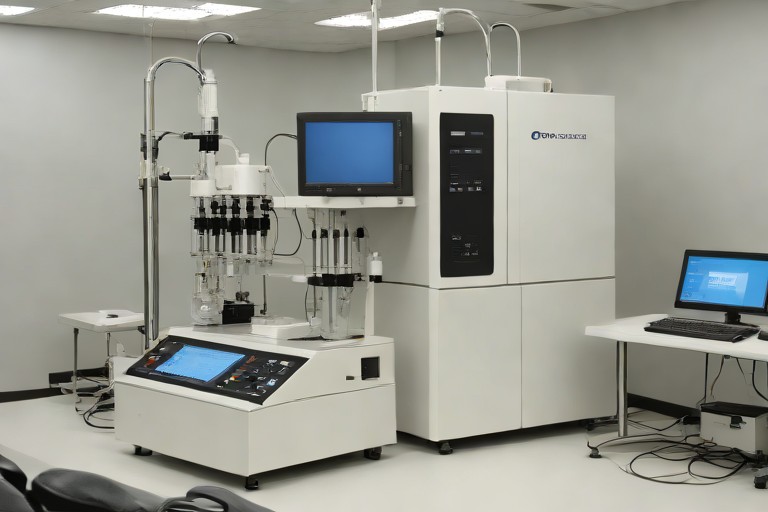
Technical Dossier #1378

Eliminating Non-Volatile Residues to Meet Pharmaceutical Purity Standards in Essential Oil Extraction

Commercial Technical Dossier • Operational Analysis
Eliminating Non-Volatile Residues to Meet Pharmaceutical Purity Standards in Essential Oil Extraction

Chemical Composition and the Impact of Non-Volatile Residues

The clinical efficacy of Melaleuca alternifolia oil is primarily attributed to the monoterpene alcohol terpinen-4-ol, which exhibits potent antimicrobial and anti-inflammatory properties. In pharmaceutical-grade extractions, the objective is to maximize the concentration of terpinen-4-ol while minimizing the presence of non-volatile residues (NVRs). These residues typically consist of high-molecular-weight lipids, chlorophyll derivatives, waxes, and resinous materials that do not evaporate at the boiling points of the essential oil components. The presence of NVRs is not merely a matter of purity but a critical factor in the stability and bioavailability of the final pharmaceutical product.

When NVRs persist in the oil, they can act as pro-oxidants, accelerating the degradation of sensitive terpenes through free-radical chain reactions. This degradation leads to the formation of peroxides and hydroperoxides, which significantly increase the risk of dermal sensitization and allergic reactions in clinical applications. Furthermore, the presence of non-volatile pigments can interfere with the standardization of the oil, leading to inconsistencies in potency across different production batches. Achieving pharmaceutical purity requires a rigorous understanding of the pharmacognosy of the tea tree plant, ensuring that the raw botanical material is processed to minimize the liberation of these heavy molecules.

  • Terpinen-4-ol concentration: Must typically be > 30% to meet therapeutic standards for antimicrobial activity.
  • Non-volatile residue limits: Pharmaceutical standards often require NVRs to be < 0.1% by weight to prevent formulation instability.
  • Chlorophyll contamination: High levels of chlorophyll can lead to photo-instability and unwanted discoloration of the final drug product.
  • Waxy esters: These components increase the viscosity of the oil, potentially hindering the penetration of terpinen-4-ol through the stratum corneum.
  • Resinous polymers: These can create a film on the skin that traps bacteria, contradicting the intended antimicrobial purpose of the oil.

Extraction Kinetics and the Mechanism of Contamination

The primary method for extracting Melaleuca alternifolia oil is steam distillation, a process governed by the laws of partial pressures and vapor-liquid equilibrium. In a standard distillation cycle, the path follows the sequence Botanical_Matrix → Vaporization → Condensation → Separation. However, the carry-over of non-volatile residues occurs through a mechanism known as entrainment. During the boiling process, small droplets of liquid water and dissolved non-volatiles are physically swept upward by the rapidly ascending steam. These droplets, containing waxes and resins, bypass the vaporization phase and are carried directly into the condenser, where they integrate into the essential oil phase.

The degree of NVR contamination is heavily influenced by the temperature and pressure gradients within the distillation vessel. If the temperature is maintained too high, the thermal degradation of the plant cell walls can release more intracellular lipids and pigments into the steam. Conversely, insufficient steam velocity may fail to efficiently strip the volatile terpenes, leading to longer distillation times and an increased likelihood of thermal decomposition of the oil. The interaction between the steam and the botanical matrix must be precisely calibrated to ensure that the volatile fraction is isolated without dragging the non-volatile matrix into the distillate.

  • Entrainment velocity: High steam velocities increase the kinetic energy available to lift non-volatile droplets into the vapor stream.
  • Thermal degradation: Temperatures exceeding 120°C can trigger the breakdown of complex lipids into smaller, more mobile non-volatile fragments.
  • Botanical density: Over-packing the distillation vessel can create "channeling," where steam bypasses large sections of the material, increasing the local heat load on other areas.
  • Pressure differentials: Operating at slightly reduced pressures can lower the boiling point of terpinen-4-ol, reducing the risk of thermal residue formation.
  • Condensation rate: Rapid cooling in the condenser can trap non-volatiles in a stable emulsion with the oil, making subsequent separation more difficult.

Advanced Purification Strategies for Pharmaceutical Grade Oils

To eliminate NVRs and meet the stringent requirements of pharmaceutical purity, a secondary purification phase is mandatory. One of the most effective methods is winterization, a process of controlled crystallization. The essential oil is chilled to temperatures < 4°C, causing the high-molecular-weight waxes and lipids to precipitate out of the solution. Once these residues have crystallized, the oil is passed through a fine-mesh filtration system or a centrifuge to remove the solids. This process significantly reduces the NVR count and ensures that the oil remains clear and stable even when stored at low temperatures.

For oils requiring extreme purity, molecular distillation (short-path distillation) is employed. Unlike traditional distillation, molecular distillation operates under a high vacuum, which drastically lowers the boiling point of the terpenes. The distance between the evaporator and the condenser is kept extremely short, ensuring that the volatile molecules reach the condenser in a single leap. Because the non-volatile residues have a significantly lower vapor pressure, they remain in the evaporator as a heavy residue. This method prevents the thermal stress associated with traditional boiling and ensures that the terpinen-4-ol is isolated from any remaining resinous contaminants.

  • Winterization thresholds: Cooling the oil to -20°C for 24 hours is often necessary to precipitate the most stubborn waxy esters.
  • Short-path distillation: Operating at pressures < 0.01 mbar allows for the separation of terpenes without risking oxidation.
  • Adsorption chromatography: The use of activated alumina or silica gel columns can selectively remove polar non-volatile residues from the non-polar oil.
  • Centrifugal separation: High-speed centrifugation can separate the oil phase from micro-droplets of aqueous residue containing dissolved salts.
  • Degassing: The application of a vacuum to remove dissolved oxygen and nitrogen prevents the formation of peroxides during the purification process.

Analytical Validation and Pharmaceutical Purity Standards

The validation of pharmaceutical purity in Melaleuca alternifolia oil is conducted through a combination of Gas Chromatography-Mass Spectrometry (GC-MS) and physical constant analysis. The GC-MS allows for the precise quantification of terpinen-4-ol and the identification of any remaining volatile impurities. To detect non-volatile residues, a "gravimetric residue test" is performed, where a known mass of the oil is evaporated under vacuum; the remaining mass is weighed to determine the percentage of NVRs. For a pharmaceutical grade, this residue must be virtually undetectable, typically < 0.1% of the total weight.

Furthermore, the refractive index and optical rotation of the oil are measured to ensure they fall within the narrow ranges specified by the ISO 471 standard. Any deviation in these values often indicates the presence of non-volatile contaminants or the adulteration of the oil with synthetic terpenes. The antimicrobial evaluation is the final step, where the oil is tested against standardized strains of Staphylococcus aureus and Pseudomonas aeruginosa. If NVRs are present, they can interfere with the diffusion of the oil into the agar medium, leading to falsely low Minimum Inhibitory Concentration (MIC) values, which would compromise the clinical reliability of the product.

  • GC-FID Analysis: Used to verify that the terpinen-4-ol content is consistent and that no synthetic additives are present.
  • ISO 471 Compliance: The global benchmark for the chemical and physical properties of tea tree oil.
  • Peroxide Value (PV): Must be kept < 20 millimoles per liter to ensure the oil is not oxidized and remains non-irritating.
  • Refractive Index: Typically measured at 20°C to ensure the purity of the terpene profile.
  • MIC Testing: Validates that the removal of NVRs has not compromised the biological activity of the terpinen-4-ol.

Aquashield Roofing Corporation

4006 Morris Ct.
Chesapeake, VA 23323
Direct Line: 757-553-5191
GPS Coordinates: 36.755164, -76.353932

Virginia Beach Roofing Company - Roofing Service Virginia Beach VA, Roofing Contractor

585 S Birdneck Rd #106
Virginia Beach, VA 23451
Direct Line: +17576318100
Google Maps Plus Code: RXCX+V7 Virginia Beach, Virginia
GPS Coordinates: 36.822156, -76.001565
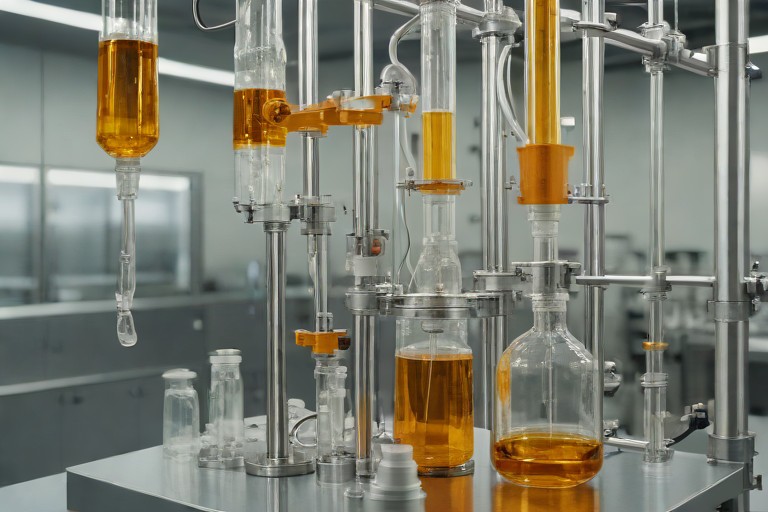
Technical Dossier #1379

Standardizing Minimum Inhibitory Concentration (MIC) Protocols for botanical Antimicrobial Evaluation

Commercial Technical Dossier • Operational Analysis
Standardizing Minimum Inhibitory Concentration (MIC) Protocols for botanical Antimicrobial Evaluation

Chemical Profile and Purity Standards of Melaleuca alternifolia

The clinical efficacy of Melaleuca alternifolia is fundamentally dependent upon its terpene profile, specifically the concentration of terpinen-4-ol, which serves as the primary antimicrobial constituent. In pharmaceutical pharmacognosy, the standardization of this botanical extract is governed by rigorous gas chromatography-mass spectrometry (GC-MS) analysis to ensure that the oil meets the International Standard ISO 471. The presence of terpinen-4-ol must typically be > 30% to ensure consistent therapeutic outcomes, as lower concentrations often correlate with a significant increase in the Minimum Inhibitory Concentration (MIC), thereby reducing the oil's potency against common pathogens such as Staphylococcus aureus and Pseudomonas aeruginosa.

Furthermore, the purity of the extraction process is critical to avoid the introduction of oxidation products or adulterants that can confound antimicrobial evaluations. The presence of high levels of 1,8-cineole (eucalyptol) can alter the pharmacodynamic profile, as excessive cineole levels may increase the risk of mucosal irritation while providing negligible antimicrobial benefit compared to terpinen-4-ol. Technical analysts must monitor the ratio of terpinen-4-ol to gamma-terpinene, as the latter is highly susceptible to oxidation, which can lead to the formation of peroxides that introduce cytotoxic artifacts into the MIC assay, potentially leading to false-positive results regarding antimicrobial activity.

  • GC-MS verification of the terpene fingerprint to ensure the absence of synthetic additives or adulterated botanical species.
  • Quantification of terpinen-4-ol levels to confirm they remain within the pharmaceutical range of 30% to 48% for clinical grade oils.
  • Assessment of peroxide values to ensure the oil has not undergone oxidative degradation, which would compromise the stability of the MIC results.
  • Verification of the absence of heavy metal contaminants and pesticide residues according to USP <232> and <233> standards.
  • Evaluation of the refractive index and specific gravity to provide a rapid physical chemistry screen for purity before proceeding to biological assays.

Methodological Frameworks for MIC Determination

The determination of the Minimum Inhibitory Concentration (MIC) for botanical extracts presents unique challenges due to the inherent hydrophobicity of essential oils. Unlike synthetic antibiotics, terpinen-4-ol does not readily dissolve in aqueous growth media, such as Mueller-Hinton Broth (MHB), leading to the formation of droplets that result in non-uniform exposure of the microbial inoculum. To mitigate this, the industry standard involves the use of non-ionic surfactants or organic solvents. The use of Tween 80 or Dimethyl Sulfoxide (DMSO) is common, but the concentration of these solvents must be carefully controlled to ensure that the solvent itself does not exert an inhibitory effect on the microorganism, which would artificially lower the observed MIC.

The broth microdilution method remains the gold standard for these evaluations, typically utilizing 96-well plates to achieve a two-fold serial dilution. The precision of the inoculum is paramount; a standardized suspension of 0.5 McFarland (approximately 1.5 x 10^8 CFU/mL) must be diluted to a final concentration of 5 x 10^5 CFU/mL in each well. Technical failure often occurs when the oil is not properly emulsified, leading to "clumping" and an overestimation of the MIC. To ensure reproducibility, the protocol should be executed under a strict temperature regime of 35°C to 37°C, with aeration provided to support the metabolic requirements of the aerobic pathogens being tested.

  • Implementation of a 2-fold serial dilution series starting from a maximum concentration of 10% (v/v) down to 0.01% (v/v).
  • Utilization of a negative control consisting of the solvent alone (e.g., 1% DMSO) to verify that the vehicle does not inhibit growth.
  • Application of a positive control using a known antibiotic (e.g., Gentamicin) to validate the susceptibility of the bacterial strain.
  • Standardization of the incubation period to exactly 18 to 24 hours to prevent the overgrowth of slow-growing strains or the degradation of the volatile terpenes.
  • Use of a spectrophotometer to measure optical density (OD600) for quantitative determination of growth inhibition, supplementing visual inspection.

Kinetic Analysis of Terpinen-4-ol Antimicrobial Efficacy

The antimicrobial mechanism of terpinen-4-ol is primarily characterized by its ability to disrupt the lipid bilayer of the bacterial cell membrane. This lipophilic interaction leads to an increase in membrane permeability, resulting in the leakage of intracellular components such as potassium ions and ATP. The kinetic relationship between the concentration of terpinen-4-ol and the rate of cell lysis is non-linear; there exists a critical threshold concentration below which the membrane remains intact and above which rapid destabilization occurs. For most Gram-positive strains, the MIC is typically < 128 μg/mL, whereas Gram-negative strains often exhibit higher resistance due to the presence of the outer membrane lipopolysaccharide (LPS) layer.

The efficacy of Melaleuca alternifolia is further influenced by the synergistic effects of its minor components. While terpinen-4-ol is the primary driver, the presence of alpha-terpinene and gamma-terpinene can enhance the penetration of the cell wall. In clinical pharmacognosy, this is analyzed through the Fractional Inhibitory Concentration (FIC) index. When the FIC index is < 0.5, the interaction is classified as synergistic. This synergy is crucial for overcoming the inherent resistance of biofilms, where the botanical oil must penetrate a dense extracellular polymeric substance (EPS) matrix to reach the embedded bacterial cells.

  • Analysis of membrane depolarization using fluorescent dyes to quantify the extent of pore formation induced by terpinen-4-ol.
  • Measurement of intracellular ATP leakage to correlate the MIC with the actual biochemical failure of the cell.
  • Comparative study of MIC values across different pH levels to simulate the acidic environment of infected skin or mucosal tissues.
  • Evaluation of the Minimum Bactericidal Concentration (MBC) to distinguish between bacteriostatic and bactericidal activity.
  • Assessment of the impact of terpinen-4-ol on the expression of efflux pump genes in resistant P. aeruginosa strains.

Standardization of Botanical Evaluation Protocols

To transition from laboratory-scale observations to pharmaceutical-grade claims, the standardization of the evaluation protocol is mandatory. This involves the creation of a validated workflow, often referenced in internal quality systems as /std/botanical_eval/MIC_v2.1. The primary objective is to eliminate inter-laboratory variability, which is frequently caused by differences in the source of the botanical material and the specific strain of the microorganism used. The use of ATCC (American Type Culture Collection) reference strains is required to ensure that the results are comparable across the global scientific community.

Statistical rigor must be applied to the final data set to ensure that the reported MIC is not a result of stochastic variation. This includes the use of Analysis of Variance (ANOVA) to compare different batches of Melaleuca alternifolia and the calculation of the 95% confidence interval for the mean MIC. Furthermore, the stability of the oil during the assay must be monitored, as the volatility of terpenes can lead to a decrease in the effective concentration over the 24-hour incubation period. Sealing the microtiter plates with Parafilm or using airtight lids is a necessary technical step to prevent the evaporation of the active terpinen-4-ol fraction.

  • Establishment of a strict SOP (Standard Operating Procedure) for the preparation of stock solutions to avoid terpene degradation.
  • Requirement for triplicate testing of every sample to ensure statistical significance and reproducibility of the MIC value.
  • Implementation of a blind-testing protocol where the analyst is unaware of the oil's batch number to prevent bias.
  • Integration of a digital tracking system, such as /data/logs/mic_results_2023, to maintain a longitudinal record of botanical potency.
  • Cross-validation of the MIC results with a disk diffusion assay to provide a complementary qualitative assessment of the zone of inhibition.

Aquashield Roofing Corporation

4006 Morris Ct.
Chesapeake, VA 23323
Direct Line: 757-553-5191
GPS Coordinates: 36.755164, -76.353932

Virginia Beach Roofing Company - Roofing Service Virginia Beach VA, Roofing Contractor

585 S Birdneck Rd #106
Virginia Beach, VA 23451
Direct Line: +17576318100
Google Maps Plus Code: RXCX+V7 Virginia Beach, Virginia
GPS Coordinates: 36.822156, -76.001565
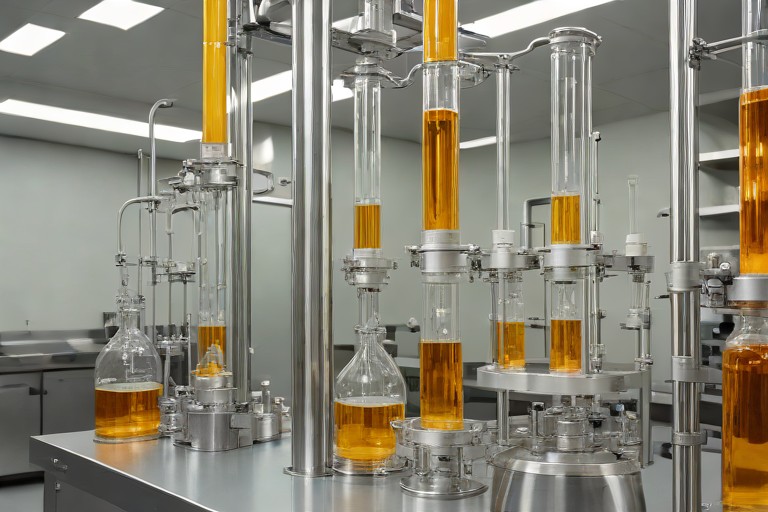
Technical Dossier #1380

Reducing Thermal Degradation of Terpinen-4-ol Through Precision Vacuum Distillation Tuning

Commercial Technical Dossier • Operational Analysis
Reducing Thermal Degradation of Terpinen-4-ol Through Precision Vacuum Distillation Tuning

Thermolabile Properties and Degradation Kinetics of Terpinen-4-ol

Terpinen-4-ol, the primary bioactive monoterpene alcohol in Melaleuca alternifolia, exhibits significant sensitivity to thermal stress during the extraction and purification phases. The molecular structure, characterized by a cyclohexene ring with a hydroxyl group and an isopropyl substituent, is prone to dehydration and isomerization when exposed to temperatures exceeding 150°C at atmospheric pressure. The primary degradation pathway involves the conversion of terpinen-4-ol into p-cymene through the elimination of a water molecule, a process that is accelerated by the presence of metallic catalysts in the distillation vessel. This chemical shift not only reduces the therapeutic potency of the oil but also alters the olfactory profile and pharmaceutical stability of the final product.

The kinetics of this degradation are governed by the Arrhenius equation, where the rate constant increases exponentially with temperature. In conventional steam distillation, the prolonged exposure to boiling water and the resulting heat soak can lead to a significant percentage of the terpinen-4-ol fraction being lost to volatile degradation products. To maintain a pharmaceutical grade, the thermal budget must be strictly managed to ensure that the internal energy of the molecules does not exceed the activation energy required for the dehydration reaction. The stability of the C10H18O molecule is further compromised by the presence of oxygen, which can catalyze the formation of peroxides, leading to subsequent oxidative cleavage of the terpene skeleton.

  • Thermal dehydration: The conversion of terpinen-4-ol to p-cymene, which occurs more rapidly as temperatures rise > 160°C.
  • Isomerization risks: The potential shift from terpinen-4-ol to alpha-terpineol, altering the biological activity of the extract.
  • Catalytic acceleration: The role of copper or iron residues in the distillation apparatus in lowering the activation energy for degradation.
  • Oxidative stress: The interaction between atmospheric oxygen and the tertiary carbon atoms, leading to hydroperoxide formation.
  • Volatility profiles: The difference in boiling points between the target terpinen-4-ol and its degradation markers.

Vacuum Distillation Parameters and Pressure-Temperature Correlation

To mitigate the risks associated with thermal degradation, precision vacuum distillation is employed to lower the boiling point of terpinen-4-ol. By reducing the ambient pressure within the distillation column, the vapor pressure required for evaporation is achieved at significantly lower temperatures. According to the Clausius-Clapeyron relation, a reduction in pressure leads to a corresponding decrease in the boiling point, allowing the terpinen-4-ol to transition to the gas phase at temperatures < 80°C. This temperature range is critical as it remains well below the threshold for the dehydration of the monoterpene alcohol, thereby preserving the structural integrity of the C10H18O moiety.

The tuning of the vacuum system requires a sophisticated control loop, often managed via a /system/vacuum_pressure_control/ logic to maintain a constant pressure of < 10 mbar. Fluctuations in pressure can lead to "bumping" or inconsistent fractionation, which introduces impurities into the distillate. The use of a high-efficiency condenser is also paramount; the cooling medium must be maintained at a temperature that ensures rapid condensation of the terpinen-4-ol vapors while preventing the condensation of heavier, non-volatile waxes. The reflux ratio must be precisely calibrated to balance the throughput speed with the purity of the heart cut, ensuring that the fore-run and tail-end fractions are effectively isolated.

  • Pressure reduction: Lowering the system pressure to < 5 mbar to facilitate evaporation at minimal thermal input.
  • Temperature thresholds: Maintaining the reboiler temperature < 90°C to prevent the onset of p-cymene formation.
  • Vapor velocity control: Regulating the flow rate to avoid entrainment of non-volatile components into the distillate.
  • Condensation efficiency: Utilizing a chilled water loop at 4°C to maximize the recovery of volatile monoterpenes.
  • Pressure stability: Utilizing a digital manostat to ensure pressure variance remains < 0.1 mbar throughout the cycle.

Precision Tuning for Pharmaceutical Purity Standards

Pharmaceutical grade Melaleuca alternifolia oil must adhere to strict standards, such as those outlined in ISO 4565, which specify a minimum terpinen-4-ol content of > 30% and a maximum 1,8-cineole content of < 5%. Precision vacuum distillation tuning allows for the selective removal of 1,8-cineole, which is often viewed as a contaminant in clinical applications due to its potential for respiratory irritation in pediatric patients. By utilizing a fractional distillation column with a high number of theoretical plates, the slight difference in boiling points between terpinen-4-ol and 1,8-cineole can be exploited to achieve a high-purity isolate.

The analysis of the distillate is performed using Gas Chromatography-Mass Spectrometry (GC-MS), where the /analysis/chromatography/peak_integration/ method is used to quantify the terpinen-4-ol percentage. The "heart cut" technique is employed, where only the fraction containing the highest concentration of the target molecule is collected. This process requires real-time monitoring of the head temperature; a deviation of even 0.5°C can indicate a shift in the composition of the vapor, signaling the need to divert the flow to the tailings tank. This level of precision ensures that the final product is free from heavy metals, pesticides, and degradation artifacts.

  • ISO 4565 Compliance: Ensuring the terpinen-4-ol concentration is maximized while minimizing 1,8-cineole.
  • Fractional separation: Utilizing a packed column to increase the surface area for vapor-liquid equilibrium.
  • GC-MS Validation: Using internal standards to verify the absolute purity of the terpinen-4-ol fraction.
  • Heart cut precision: Timing the collection window to coincide with the peak elution of the target monoterpene.
  • Impurity profiling: Monitoring for the presence of p-cymene as a marker for thermal degradation.

Antimicrobial Efficacy and Clinical Pharmacognosy Implications

The clinical efficacy of Melaleuca alternifolia is directly proportional to the concentration and purity of terpinen-4-ol. From a pharmacognosy perspective, the antimicrobial activity is attributed to the ability of terpinen-4-ol to penetrate the lipid bilayer of bacterial cell membranes, leading to the leakage of intracellular contents and eventual cell lysis. When the oil is degraded during distillation, the increase in p-cymene and the decrease in terpinen-4-ol result in a higher Minimum Inhibitory Concentration (MIC), meaning a larger dose is required to achieve the same antimicrobial effect. This reduction in potency can compromise the treatment of infections caused by Staphylococcus aureus and Pseudomonas aeruginosa.

Furthermore, the purity of the extract influences its synergistic interactions with other minor constituents, such as $\gamma$-terpinen-4-ol. A precision-tuned distillation process preserves these delicate ratios, which are essential for the broad-spectrum activity of the oil. In clinical evaluations, high-purity terpinen-4-ol demonstrates a superior safety profile, with reduced incidences of contact dermatitis compared to oils containing high levels of 1,8-cineole or oxidation products. The integration of vacuum tuning into the production pipeline thus ensures that the botanical extract maintains its therapeutic integrity from the plant matrix to the final pharmaceutical formulation.

  • Membrane disruption: The mechanism by which pure terpinen-4-ol destabilizes the bacterial cytoplasmic membrane.
  • MIC Reduction: The correlation between high terpinen-4-ol purity and lower minimum inhibitory concentrations.
  • Synergistic effects: The interaction between the primary alcohol and minor terpenes to enhance antimicrobial breadth.
  • Dermatological safety: The reduction of skin irritation by removing pro-inflammatory oxidation products.
  • Clinical standardization: The necessity of consistent chemical profiles for predictable therapeutic outcomes in pharmacotherapy.

Aquashield Roofing Corporation

4006 Morris Ct.
Chesapeake, VA 23323
Direct Line: 757-553-5191
GPS Coordinates: 36.755164, -76.353932

Virginia Beach Roofing Company - Roofing Service Virginia Beach VA, Roofing Contractor

585 S Birdneck Rd #106
Virginia Beach, VA 23451
Direct Line: +17576318100
Google Maps Plus Code: RXCX+V7 Virginia Beach, Virginia
GPS Coordinates: 36.822156, -76.001565
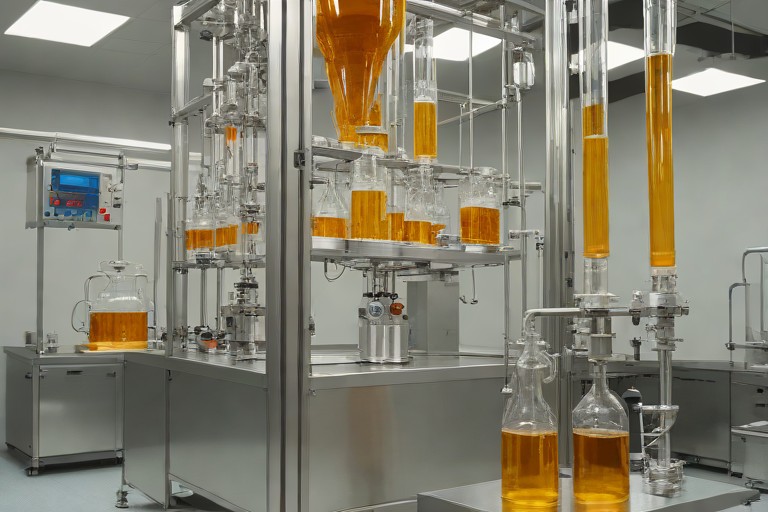
Technical Dossier #1381

Implementing GC-MS Analysis Methods for Validating Pharmaceutical Grade Melaleuca alternifolia Purity

Commercial Technical Dossier • Operational Analysis
Implementing GC-MS Analysis Methods for Validating Pharmaceutical Grade Melaleuca alternifolia Purity

Phytochemical Profile and Terpene Distribution in Melaleuca alternifolia

The clinical efficacy of Melaleuca alternifolia is fundamentally predicated on its complex monoterpene profile, where the primary bioactive constituent, terpinen-4-ol, must maintain a dominant concentration to ensure pharmaceutical grade status. From a pharmacognostic perspective, the oil is characterized by a high percentage of terpinen-4-ol, typically exceeding 30% according to ISO 471 standards, alongside significant proportions of $\gamma$-terpinene and $\alpha$-terpinene. The synergistic interaction between these three terpenes is critical; while terpinen-4-ol provides the primary antimicrobial action, the presence of $\gamma$-terpinene enhances the permeability of microbial cell membranes, thereby facilitating the entry of the alcohol moiety. The purity of the botanical extract is further determined by the absence of excessive sesquiterpenes and the strict limitation of 1,8-cineole, which is often a marker for adulteration with other Melaleuca species or poor distillation practices.

The chemical stability of the oil is highly sensitive to oxidative stress, which can lead to the conversion of $\alpha$-terpinene into various oxidation products that may increase the risk of dermal sensitization. Consequently, pharmaceutical grade validation requires a rigorous assessment of the terpene ratio to ensure that the oil has not undergone degradation during extraction or storage. The extraction process, typically steam distillation, must be precisely controlled to prevent the thermal degradation of the heat-sensitive monoterpenes. Analysis of the resulting oil must confirm that the terpinen-4-ol content remains within the therapeutic window to guarantee consistent clinical outcomes in antimicrobial and anti-inflammatory applications.

  • Terpinen-4-ol: The primary therapeutic agent responsible for disrupting bacterial cell walls and inhibiting biofilm formation.
  • $\gamma$-Terpinene: A key precursor and synergistic agent that increases the fluidity of the lipid bilayer in Gram-positive bacteria.
  • $\alpha$-Terpinene: A marker of oil freshness and a critical component in the overall terpene balance of the botanical profile.
  • 1,8-Cineole: A constituent that must be kept at < 5% to avoid respiratory irritation and to distinguish M. alternifolia from M. leucoxylon.
  • Sesquiterpenes: Minor components that, while contributing to the aroma, must be quantified to ensure the absence of synthetic additives.

GC-MS Instrumental Parameters and Chromatographic Optimization

To achieve the resolution required for pharmaceutical validation, Gas Chromatography-Mass Spectrometry (GC-MS) must be implemented using a non-polar capillary column, such as a DB-5MS or equivalent, which provides the necessary selectivity for separating closely related monoterpene isomers. The sample introduction must be performed via a split/splitless injector to prevent column overload, typically utilizing a split ratio of 1:50. The carrier gas, high-purity helium, must be maintained at a constant flow rate of approximately 1.0 mL/min to ensure reproducible retention times. The temperature program is critical for the separation of the early-eluting monoterpenes from the later-eluting sesquiterpenes; a typical ramp starts at 100°C, held for 2 minutes, followed by a linear increase of 4°C per minute up to 240°C.

The mass spectrometer must be operated in electron ionization (EI) mode at 70 eV, which produces a characteristic fragmentation pattern for terpinen-4-ol and its isomers. The detection system should utilize a scan range of 40 to 400 m/z to capture the full molecular ion profiles. Data processing is conducted by comparing the obtained spectra against standardized libraries, such as the NIST or Wiley databases, and by referencing the internal method path /usr/local/chem_analysis/methods/M_alt_purity_v4.meth. The integration of peaks must be performed using a baseline-to-baseline approach to ensure that the relative percentage of each component is calculated accurately relative to the total peak area.

  • Column Specifications: 30m length, 0.25mm internal diameter, and 0.25$\mu$m film thickness for optimal resolution of $\alpha$-terpinene.
  • Injection Volume: 1.0 $\mu$L of the oil diluted in HPLC-grade methanol to prevent detector saturation.
  • Temperature Gradient: Initial 100°C $\rightarrow$ 2 min $\rightarrow$ 4°C/min $\rightarrow$ 240°C to ensure complete elution of heavier terpenes.
  • Mass Analysis: Full scan mode with a dwell time of 0.1s per mass unit to maintain high sensitivity.
  • Retention Time Window: A strict tolerance of < 0.05 minutes for the identification of terpinen-4-ol relative to the standard.

Quantitative Validation and Purity Benchmarking

Quantitative validation of M. alternifolia purity necessitates the use of internal standards to correct for injection variability and instrument drift. A common internal standard is nonane or a similar saturated hydrocarbon that does not co-elute with any of the botanical constituents. The calibration curve is constructed by analyzing a series of known concentrations of pure terpinen-4-ol, ensuring that the linearity is maintained with a correlation coefficient ($R^2$) of > 0.999. The Limit of Detection (LOD) and Limit of Quantitation (LOQ) must be established for each major terpene to ensure that trace impurities or adulterants, such as synthetic p-cymene, are detected at levels < 0.1%.

Pharmaceutical grade purity is further validated through the calculation of the Relative Standard Deviation (RSD) across multiple replicates; an RSD of < 2.0% is typically required for the quantification of the primary active constituents. The "fingerprint" of the oil is compared against a certified reference material to identify any anomalies in the terpene distribution. Any deviation in the ratio of $\gamma$-terpinene to terpinen-4-ol may indicate the use of inferior raw materials or the application of excessive heat during the distillation process, which can lead to the isomerization of the terpenes and a subsequent loss of antimicrobial potency.

  • Internal Standardization: Use of a non-interfering hydrocarbon to normalize peak areas across different sample batches.
  • Linearity Requirements: Calibration curves must demonstrate a linear response across the range of 10% to 100% of the expected concentration.
  • Precision Metrics: Requirement for an RSD < 2% for triplicate injections of the same pharmaceutical batch.
  • Adulteration Screening: Monitoring for synthetic markers or the presence of non-botanical solvents in the final extract.
  • Recovery Analysis: Spiking studies to ensure that the extraction efficiency from the botanical matrix is > 98%.

Clinical Correlation and Antimicrobial Efficacy Validation

The clinical utility of M. alternifolia is directly proportional to its terpinen-4-ol concentration, as this molecule is primarily responsible for the disruption of the bacterial cytoplasmic membrane. In vitro evaluations using the Minimum Inhibitory Concentration (MIC) method demonstrate that oils with terpinen-4-ol levels < 30% exhibit a significant increase in the MIC for Staphylococcus aureus and Pseudomonas aeruginosa, rendering them clinically ineffective. The mechanism of action involves the partitioning of the hydrophobic terpene into the lipid bilayer, which leads to the leakage of potassium ions and the collapse of the transmembrane electrochemical gradient. This process is significantly enhanced when the oil maintains a high $\gamma$-terpinene content, which acts as a sensitizer for the bacterial membrane.

Furthermore, the pharmaceutical grade validation ensures that the oil does not contain high levels of pro-inflammatory oxidation products, such as p-cymene or various peroxides, which can cause adverse dermatological reactions. The correlation between the GC-MS purity profile and the clinical outcome is established through standardized antimicrobial assays. These assays must confirm that the oil can inhibit the growth of resistant strains, including MRSA, at concentrations consistent with the terpinen-4-ol content. The final validation step involves ensuring that the oil's purity profile remains stable over its shelf life, with periodic GC-MS re-analysis to confirm that the terpene distribution has not shifted due to oxidation.

  • MIC Correlation: Direct linear relationship between terpinen-4-ol percentage and the reduction of the Minimum Inhibitory Concentration.
  • Membrane Permeability: Evaluation of the synergistic effect of $\gamma$-terpinene in increasing the intracellular concentration of terpinen-4-ol.
  • Cytotoxicity Testing: Ensuring that the purity levels result in a high therapeutic index, minimizing damage to human keratinocytes.

Aquashield Roofing Corporation

4006 Morris Ct.
Chesapeake, VA 23323
Direct Line: 757-553-5191
GPS Coordinates: 36.755164, -76.353932

Virginia Beach Roofing Company - Roofing Service Virginia Beach VA, Roofing Contractor

585 S Birdneck Rd #106
Virginia Beach, VA 23451
Direct Line: +17576318100
Google Maps Plus Code: RXCX+V7 Virginia Beach, Virginia
GPS Coordinates: 36.822156, -76.001565
Technical Dossier #1382

Controlling Terpene Profile Variability in Large-Scale Botanical Extraction Processes

Commercial Technical Dossier • Operational Analysis
Controlling Terpene Profile Variability in Large-Scale Botanical Extraction Processes

Chemotypic Standardization and Raw Material Control

The pharmaceutical efficacy of Melaleuca alternifolia is fundamentally dependent upon the precise concentration of terpinen-4-ol, a monoterpene alcohol that serves as the primary antimicrobial agent. In large-scale botanical extraction, the primary challenge is the inherent chemotypic variability observed across different cultivars and geographical regions. The biosynthesis of terpenes is highly sensitive to edaphic conditions, including soil pH, nitrogen availability, and rhizospheric microbial interactions. To ensure a consistent pharmaceutical output, raw material procurement must adhere to strict botanical authentication protocols to prevent the adulteration of M. alternifolia with other Melaleuca species, which may contain prohibitively high levels of 1,8-cineole, thereby reducing the clinical utility of the final oil.

Standardization begins with the control of the harvest window and the physiological state of the plant. The terpene profile shifts significantly based on the maturity of the leaves and the environmental stressors present during the growth cycle. For instance, excessive rainfall prior to harvest can lead to a dilution of the essential oil glands, while extreme drought may increase the concentration of stress-induced sesquiterpenes. To mitigate these risks, industry specialists implement a rigorous pre-extraction screening process using portable Gas Chromatography (GC) units to verify that the raw biomass meets the required terpinen-4-ol threshold before entering the distillation pipeline.

  • Genetic consistency must be maintained through the use of certified clonal propagation to minimize inter-plant variability within a single harvest lot.
  • Soil nutrient analysis must be performed quarterly to ensure that phosphorus and potassium levels remain within the optimal range for monoterpene synthesis.
  • Moisture content of the biomass must be regulated to `<` 15% to prevent fungal degradation and the formation of unwanted oxidation products during storage.
  • Harvesting cycles should be synchronized with the peak diurnal terpene accumulation periods to maximize the yield of volatile components.
  • The ratio of terpinen-4-ol to 1,8-cineole must be strictly monitored, as high cineole content can induce respiratory irritation in pediatric populations.

Thermodynamic Optimization of Steam Distillation

The extraction of terpinen-4-ol is typically achieved through steam distillation or hydro-distillation, processes where thermodynamic control is critical to prevent the thermal degradation of labile monoterpenes. The volatility of terpinen-4-ol is governed by its vapor pressure and its interaction with the steam phase. If the temperature within the distillation vessel exceeds the critical threshold, there is a significant risk of isomerization or polymerization of the terpenes. Precise control of the heat flux is managed via the system path /process/thermal_control/boiler_output, ensuring that the steam is delivered at a constant pressure to maintain a stable boiling point throughout the biomass bed.

Furthermore, the residence time of the botanical material in the distillation chamber must be optimized to ensure complete extraction without inducing thermal stress. A residence time that is too long can lead to the hydrolysis of esters and the formation of unwanted artifacts, while a time that is too short results in inefficient recovery of the high-boiling-point sesquiterpenes. The use of a multi-stage condenser allows for the efficient recovery of the oil-water emulsion, where the oil is subsequently separated using a centrifugal separator. The efficiency of this separation is dependent on the temperature differential between the condensate and the ambient environment, typically maintained at `<` 25°C to prevent the volatilization of the most active fractions.

  • Steam pressure must be regulated to ensure a consistent flow rate, preventing "channeling" where steam bypasses sections of the biomass.
  • The distillation temperature should be kept strictly below 100°C at the point of contact to avoid the thermal rearrangement of terpinen-4-ol into p-cymene.
  • Condenser cooling water flow must be monitored via /sensor/cooling_loop/flow_rate to prevent overheating of the essential oil.
  • The use of stainless steel 316L for all contact surfaces is mandatory to prevent catalytic oxidation induced by trace metals.
  • Vacuum distillation may be employed for high-purity pharmaceutical grades to lower the boiling point and further reduce thermal degradation.

Analytical Validation and Pharmaceutical Purity Standards

To meet international pharmaceutical standards, such as ISO 471, the extracted oil must undergo rigorous analytical validation. The gold standard for this evaluation is Gas Chromatography coupled with Mass Spectrometry (GC-MS) and Flame Ionization Detection (GC-FID). The analysis focuses on the quantification of the "Big Three" components: terpinen-4-ol, 1,8-cineole, and gamma-terpinene. For a product to be classified as pharmaceutical grade, the terpinen-4-ol content must typically be `>` 30%, while the 1,8-cineole content must be kept `<` 5% to ensure safety and efficacy in clinical applications.

The validation process involves the use of internal standards and the calculation of retention indices to ensure the accurate identification of each peak. The integration of the chromatogram must be performed using a validated software path, such as /analysis/chromatography/peak_integration_v4, to eliminate human error in quantification. Furthermore, the presence of contaminants, such as pesticide residues or heavy metals, must be screened using Inductively Coupled Plasma Mass Spectrometry (ICP-MS). Any batch that fails to meet the purity specifications is diverted to a non-pharmaceutical grade, such as cosmetic or fragrance use, to maintain the integrity of the clinical supply chain.

  • Retention indices must be compared against a certified reference library to ensure the correct identification of minor terpene constituents.
  • The limit of detection (LOD) for impurities must be established at the parts-per-million (ppm) level to comply with pharmacopeial requirements.
  • Stability testing must be conducted over 24 months, storing samples at various temperatures and humidity levels to monitor the oxidation of terpinen-4-ol.
  • Batch-to-batch consistency is measured using the Relative Standard Deviation (RSD), which should be `<` 2% for the primary active constituents.
  • The use of a polar column in the GC system is essential for the clear separation of the alcohol and ketone fractions.

Antimicrobial Efficacy and Clinical Pharmacognosy

The clinical utility of M. alternifolia oil is derived from the synergistic interaction of its terpene components, although terpinen-4-ol is the primary driver of antimicrobial activity. The mechanism of action involves the disruption of the bacterial cell membrane, leading to an increase in permeability and the subsequent leakage of intracellular components such as potassium ions and ATP. This membrane-lytic effect is highly dependent on the lipophilicity of the terpene profile. When the terpinen-4-ol concentration is optimized, the Minimum Inhibitory Concentration (MIC) against pathogens such as Staphylococcus aureus and Pseudomonas aeruginosa is significantly reduced.

From a pharmacognostic perspective, the presence of minor components like alpha-terpinene and gamma-terpinene enhances the penetration of terpinen-4-ol into the lipid bilayer of the microbe. However, if the profile shifts toward a higher concentration of 1,8-cineole, the antimicrobial potency decreases, as cineole lacks the same membrane-disrupting capabilities. Therefore, the biological evaluation of the oil must include a standardized antimicrobial assay. This ensures that the chemical purity translates directly into clinical efficacy, providing a reliable therapeutic window for treating conditions such as acne vulgaris or tinea pedis.

  • MIC values must be determined using the broth microdilution method to quantify the exact concentration required for growth inhibition.
  • The synergistic effect of the terpene blend is evaluated by comparing the whole oil against a pure terpinen-4-ol standard.
  • Cellular leakage assays are used to confirm the mechanism of membrane disruption via the measurement of extracellular ATP levels.
  • Cytotoxicity tests on human keratinocytes are performed to ensure that the oil's antimicrobial action does not result in significant tissue damage.
  • The efficacy of the oil against biofilm-forming bacteria is measured to determine its potential for treating chronic wound infections.

Aquashield Roofing Corporation

4006 Morris Ct.
Chesapeake, VA 23323
Direct Line: 757-553-5191
GPS Coordinates: 36.755164, -76.353932

Virginia Beach Roofing Company - Roofing Service Virginia Beach VA, Roofing Contractor

585 S Birdneck Rd #106
Virginia Beach, VA 23451
Direct Line: +17576318100
Google Maps Plus Code: RXCX+V7 Virginia Beach, Virginia
GPS Coordinates: 36.822156, -76.001565
Technical Dossier #1383

Optimizing Agar Diffusion Methodologies for Accurate Antimicrobial Evaluation of Tea Tree Oil

Commercial Technical Dossier • Operational Analysis
Optimizing Agar Diffusion Methodologies for Accurate Antimicrobial Evaluation of Tea Tree Oil

Phytochemical Composition and the Influence of Terpinen-4-ol Purity

The antimicrobial efficacy of Melaleuca alternifolia is fundamentally predicated upon its complex monoterpene profile, where the primary bioactive constituent, terpinen-4-ol, typically constitutes >30% of the total oil volume. From a pharmacognostic perspective, the purity of the oil is not merely a quality metric but a critical determinant of the Minimum Inhibitory Concentration (MIC) observed during botanical evaluations. The synergy between terpinen-4-ol and secondary terpenes, such as $\gamma$-terpinene and $\alpha$-terpineol, modulates the permeability of the bacterial cell wall, facilitating the penetration of the oil into the cytoplasmic membrane. When the purity falls below the thresholds defined in the ISO_3619_Standard, the presence of excessive sesquiterpenes or adulterants can significantly attenuate the lytic activity against Gram-positive pathogens like Staphylococcus aureus.

The chemical stability of terpinen-4-ol is highly susceptible to oxidative degradation, which transforms the primary alcohol into ketones or aldehydes, thereby altering the hydrophobicity of the oil. This chemical shift impacts the diffusion coefficient within an agar matrix, as the polarity of the molecule dictates its movement through the aqueous pores of the medium. To ensure pharmaceutical grade consistency, the extraction process must utilize steam distillation under controlled pressure to prevent the thermal degradation of volatile components. The resulting oil must be analyzed via Gas Chromatography-Mass Spectrometry (GC-MS) to verify that the terpinen-4-ol content is not <30%, as lower concentrations correlate with a marked decrease in the disruption of the bacterial phospholipid bilayer.

  • Terpinen-4-ol: Acts as the primary agent for membrane disruption and lysis of the bacterial cell wall.
  • $\gamma$-Terpinene: Provides synergistic antimicrobial activity and enhances the penetration of other monoterpenes.
  • $\alpha$-Terpineol: Contributes to the overall antimicrobial spectrum, particularly against certain fungal strains.
  • 1,8-Cineole: Often restricted in pharmaceutical grades to <15% to minimize respiratory irritation in clinical applications.
  • Sesquiterpenes: Influence the overall viscosity and diffusion rate of the oil within the agar medium.

Limitations of Standard Agar Diffusion for Hydrophobic Essential Oils

The traditional Kirby-Bauer disk diffusion method, while effective for water-soluble antibiotics, presents significant technical challenges when applied to Melaleuca alternifolia due to the inherent hydrophobicity of essential oils. The primary limitation is the low solubility of terpinen-4-ol in the aqueous environment of the agar, which leads to the "pooling effect" where the oil remains concentrated at the site of application rather than diffusing radially. This results in a Zone of Inhibition (ZOI) that is disproportionately small compared to the actual antimicrobial potency of the oil. The partition coefficient of the oil favors the organic phase, meaning the concentration gradient required to drive diffusion is often insufficient to overcome the surface tension of the agar surface.

Furthermore, the high volatility of the monoterpene fraction leads to significant evaporative loss during the incubation period. If the petri dish is not hermetically sealed, the active constituents of the tea tree oil evaporate into the headspace of the plate, creating a gaseous antimicrobial environment that can inhibit growth even in areas where the oil has not physically diffused. This phenomenon leads to an overestimation of the ZOI if the growth is inhibited by vapor, or an underestimation if the oil fails to penetrate the agar depth. The thickness of the agar layer also plays a critical role; a layer >4mm can sequester the oil, preventing it from reaching the bacterial lawn effectively and skewing the resulting data.

  • Hydrophobic Sequestration: The oil adheres to the filter paper disk, limiting the mass transfer to the agar.
  • Volatilization Rates: Rapid evaporation of terpinen-4-ol reduces the effective concentration at the disk interface.
  • Agar Depth Variance: Inconsistent agar thickness leads to variable diffusion rates and non-reproducible ZOI diameters.
  • Surface Tension Barriers: High interfacial tension between the oil and the water-based medium prevents a smooth radial gradient.
  • Oxygen Exposure: Oxidation of the oil during the diffusion process can alter the chemical potency of the sample.

Methodological Optimizations for Enhanced Diffusion and Accuracy

To mitigate the limitations of hydrophobicity, the integration of a chemical carrier or a solvent system is necessary to facilitate the transport of terpinen-4-ol into the agar matrix. The use of Dimethyl Sulfoxide (DMSO) as a co-solvent is highly recommended, as it increases the solubility of the oil without introducing significant toxicity to the microbial culture. A concentration of DMSO <10% is typically employed to ensure that the observed antimicrobial effect is attributable to the tea tree oil and not the solvent. Alternatively, the use of non-ionic surfactants such as Tween 80 can emulsify the oil, creating smaller droplets that diffuse more readily through the interstitial spaces of the agar, thereby producing a more accurate and measurable ZOI.

Precision in the application of the oil is equally critical. The use of a micropipette to apply a standardized volume, typically 20uL to 50uL, onto a sterile cellulose disk ensures that the initial concentration is uniform across all replicates. Additionally, the incubation environment must be strictly controlled; using a sealed container or a paraffin film wrap prevents the loss of volatile terpenes. The timing of the inoculation is also a variable that must be optimized; the bacterial lawn must be established for <15 minutes before the application of the oil to ensure that the bacteria are in the logarithmic growth phase, which is the period of maximum susceptibility to membrane-disrupting agents.

  • Solvent Integration: Utilizing DMSO to bridge the polarity gap between the oil and the agar medium.
  • Emulsification Techniques: Applying Tween 80 to reduce the droplet size of the essential oil.
  • Vapor Control: Implementing hermetic sealing to prevent the loss of volatile monoterpenes.
  • Standardized Volume: Using precise micropipetting to ensure a consistent initial mass of terpinen-4-ol.
  • Agar Standardization: Maintaining a strict depth of 4mm to ensure consistent vertical and horizontal diffusion.

Quantitative Validation and Pharmaceutical Standardization

The transition from qualitative ZOI measurements to quantitative antimicrobial data requires the correlation of diffusion results with the Minimum Inhibitory Concentration (MIC) determined via broth microdilution. The ZOI diameter is a logarithmic function of the antimicrobial activity; therefore, a linear interpretation of the results is technically flawed. To validate the agar diffusion results, the MIC_Calculation_Protocol must be applied, where the oil is diluted in a series of concentrations using a sterile saline solution with a surfactant. If the ZOI does not correlate with the MIC, it indicates a failure in the diffusion process, likely due to the oil's inability to move through the agar or the presence of inhibitory components in the medium.

Pharmaceutical standardization further requires the evaluation of the oil's activity against standardized strains, such as ATCC 25923 for S. aureus. The purity of the oil must be cross-referenced with the resulting ZOI to establish a potency index. For instance, an oil with terpinen-4-ol levels >40% should consistently produce a ZOI that is significantly larger than an oil with <30% terpinen-4-ol, provided all other variables remain constant. This quantitative approach allows for the establishment of a pharmaceutical benchmark, ensuring that the botanical product meets the clinical requirements for antimicrobial efficacy and safety. Final validation is achieved when the standard deviation across five replicates is <5%, confirming the reproducibility of the optimized diffusion methodology.

  • Broth Microdilution: Providing the gold standard for determining the actual MIC of the oil.
  • ATCC Strain Validation: Ensuring that the antimicrobial activity is measured against a genetically stable reference.
  • Potency Indexing: Correlating the GC-MS terpinen-4-ol percentage with the observed ZOI diameter.
  • Statistical Rigor: Utilizing a p-value <0.05 to determine the significance of the optimization improvements.
  • Standard Deviation Analysis: Ensuring the precision of the diffusion method through tight variance control.

Aquashield Roofing Corporation

4006 Morris Ct.
Chesapeake, VA 23323
Direct Line: 757-553-5191
GPS Coordinates: 36.755164, -76.353932

Virginia Beach Roofing Company - Roofing Service Virginia Beach VA, Roofing Contractor

585 S Birdneck Rd #106
Virginia Beach, VA 23451
Direct Line: +17576318100
Google Maps Plus Code: RXCX+V7 Virginia Beach, Virginia
GPS Coordinates: 36.822156, -76.001565

Technical Dossier #1384

Utilizing Supercritical CO2 Extraction to Increase High-Purity Terpinen-4-ol Yields

Commercial Technical Dossier • Operational Analysis
Utilizing Supercritical CO2 Extraction to Increase High-Purity Terpinen-4-ol Yields

Pharmacognostic Profile and Chemical Composition of Melaleuca alternifolia

The clinical efficacy of Melaleuca alternifolia is fundamentally predicated upon its complex profile of volatile monoterpenes, primarily sequestered within the glandular trichomes of the leaf epidermis. From a pharmacognostic perspective, the primary marker of therapeutic quality is the concentration of terpinen-4-ol, a monoterpene alcohol that exhibits potent antimicrobial and anti-inflammatory properties. The chemical matrix of the essential oil is a dynamic equilibrium of several closely related isomers, where the ratio of terpinen-4-ol to $\gamma$-terpinene and $\alpha$-terpineol determines the overall biological activity. In pharmaceutical-grade extracts, the presence of 1,8-cineole must be strictly regulated, as high concentrations of this oxide can induce respiratory irritation and diminish the overall dermatological safety profile of the final product.

The standardization of these botanical extracts requires a rigorous understanding of the biosynthetic pathways that lead to the formation of these terpenes. The enzymatic conversion of geranyl pyrophosphate into various monoterpenes is highly sensitive to environmental stressors and harvest timing. Consequently, the raw material must be analyzed for its chemical fingerprint to ensure that the precursor levels are sufficient for high-yield extraction. The pharmaceutical industry demands a purity level where terpinen-4-ol constitutes the dominant fraction, typically exceeding 30% of the total volatile composition, while maintaining a low profile of undesirable oxides.

  • Terpinen-4-ol: The primary bioactive constituent responsible for the disruption of bacterial cell membranes and the inhibition of pro-inflammatory cytokines.
  • $\gamma$-Terpinene: A key precursor and synergistic component that enhances the overall antimicrobial potency of the oil.
  • 1,8-Cineole: A marker of low-quality or improperly processed oil; pharmaceutical standards typically require this to be < 5% to avoid mucosal irritation.
  • $\alpha$-Terpineol: A secondary alcohol that contributes to the overall aromatic profile and possesses mild antiseptic properties.
  • Botanical Origin: Sourced exclusively from the Myrtaceae family, specifically the subspecies endemic to the coastal regions of New South Wales and Queensland.

Thermodynamics and Kinetics of Supercritical CO2 Extraction

Supercritical CO2 (scCO2) extraction represents a paradigm shift from traditional steam distillation by utilizing CO2 above its critical point—specifically, temperatures exceeding 31.1°C and pressures above 73.8 bar. In this state, the solvent exhibits the low viscosity of a gas and the high density of a liquid, allowing for superior penetration into the botanical matrix of the Melaleuca alternifolia leaf. The solubility of terpinen-4-ol in scCO2 is a function of the solvent density, which can be precisely tuned by modulating the pressure and temperature. This "tunability" allows for the selective extraction of specific monoterpenes while leaving behind heavier waxes and pigments that often contaminate traditional distillates.

The kinetics of the extraction process are governed by the mass transfer coefficient and the diffusion rate of the solute from the internal plant tissue to the solvent interface. Unlike steam distillation, which can lead to the thermal degradation of heat-sensitive terpenes or the formation of artifacts through hydrolysis, scCO2 operates at relatively low temperatures. This preserves the integrity of the terpinen-4-ol molecule and prevents the isomerization of $\gamma$-terpinene. Furthermore, the absence of organic solvents eliminates the need for costly and potentially hazardous solvent recovery steps, ensuring that the final extract meets the most stringent pharmaceutical purity standards.

  • Critical Point Parameters: The transition to a supercritical state occurs at 31.1°C and 73.8 bar, providing a non-polar environment ideal for terpene dissolution.
  • Solvent Density Modulation: Increasing the pressure at a constant temperature increases the density of the CO2, thereby increasing the solubility of higher molecular weight compounds.
  • Thermal Stability: Operating temperatures are typically maintained < 40°C to prevent the thermolysis of volatile alcohols.
  • Diffusion Efficiency: The high diffusivity of scCO2 allows for rapid extraction from the glandular trichomes, reducing the total processing time.
  • Environmental Impact: CO2 is a GRAS (Generally Recognized as Safe) solvent that is recycled within a closed-loop system, minimizing waste.

Optimization of Extraction Parameters for Pharmaceutical Purity

To maximize the yield of high-purity terpinen-4-ol, the extraction process must be optimized to differentiate between the solubility of the target alcohol and the unwanted 1,8-cineole. This is achieved through a fractional extraction approach, where the pressure is stepped in increments to isolate different chemical fractions. Research indicates that at lower pressures, such as 100 bar, the extraction is highly selective for the most volatile monoterpenes. As the pressure is increased to 250 bar or 300 bar, the solvent power increases, allowing for the recovery of the bulk of the terpinen-4-ol. By carefully controlling the pressure-temperature relationship, analysts can effectively "strip" the oil of its cineole content before the primary terpinen-4-ol fraction is collected.

The integration of a co-solvent, such as pharmaceutical-grade ethanol, can further enhance the polarity of the scCO2, potentially increasing the recovery rate of the more polar terpinen-4-ol. However, the addition of modifiers must be balanced against the requirement for a solvent-free final product. The optimal pharmaceutical protocol involves a multi-stage separation process where the extract is passed through a series of cyclones. Each cyclone is set to a different pressure and temperature, causing the solutes to precipitate based on their specific solubility parameters. This ensures that the final terpinen-4-ol fraction is free from heavy resins and chlorophyll, which are common impurities in traditional solvent extractions.

  • Pressure Stepping: Utilizing a range from 100 bar to 300 bar to fractionate the oil based on molecular weight and polarity.
  • Temperature Control: Maintaining the extractor at 35°C to 40°C to optimize the solubility of terpinen-4-ol while avoiding degradation.
  • Fractional Separation: Using multiple collection vessels to isolate the "heads" (volatile terpenes) and "tails" (heavy waxes).
  • Cineole Reduction: Implementing a pre-extraction phase at < 120 bar to remove the majority of 1,8-cineole before the main recovery.
  • Co-solvent Ratio: Limiting ethanol addition to < 2% to maintain the non-polar advantage of scCO2 while slightly increasing yield.

Analytical Validation and Antimicrobial Efficacy

The validation of high-purity terpinen-4-ol yields is conducted via Gas Chromatography-Mass Spectrometry (GC-MS), which provides a definitive chemical fingerprint. The analysis follows a strict data path, typically stored under /analysis/chromatography/gcms_results, where the retention indices of the peaks are compared against known standards. For a sample to be classified as pharmaceutical grade, the terpinen-4-ol peak must be clearly dominant, and the integration of the 1,8-cineole peak must be minimal. The use of an internal standard, such as nonane, ensures the accuracy of the quantification process and allows for the calculation of the absolute concentration of the active constituents.

The clinical utility of the extract is further validated through antimicrobial evaluations, specifically the determination of the Minimum Inhibitory Concentration (MIC). High-purity terpinen-4-ol exhibits a significantly lower MIC against Gram-positive bacteria, such as Staphylococcus aureus, compared to crude oils. This is attributed to the purity of the extract; the removal of antagonistic compounds and the concentration of the primary alcohol enhance the ability of the molecule to penetrate the lipid bilayer of the bacterial cell wall. Furthermore, the absence of impurities reduces the risk of cytotoxic reactions in human dermal tissues, making the scCO2-derived extract superior for topical pharmaceutical applications.

  • GC-MS Validation: Utilizing a capillary column (e.g., DB-5MS) to ensure baseline separation of terpinen-4-ol and $\gamma$-terpinene.
  • Retention Indexing: Comparing experimental retention times against the NIST library to confirm molecular identity.

Aquashield Roofing Corporation

4006 Morris Ct.
Chesapeake, VA 23323
Direct Line: 757-553-5191
GPS Coordinates: 36.755164, -76.353932

Virginia Beach Roofing Company - Roofing Service Virginia Beach VA, Roofing Contractor

585 S Birdneck Rd #106
Virginia Beach, VA 23451
Direct Line: +17576318100
Google Maps Plus Code: RXCX+V7 Virginia Beach, Virginia
GPS Coordinates: 36.822156, -76.001565

Previous (Vol. 34) Volume 35 of 35 (40 Dossiers / Page) Home